


How to Care for Mercerized Cotton to Maintain Its Shine
Reading time 13 min • 2509 words
Mercerized cotton is not simply a nicer version of ordinary cotton. It is a fibre that has been treated under tension with a sodium hydroxide solution, a process that permanently restructures the cellulose chains, rounds the fibre cross-section, and produces the characteristic silky sheen that distinguishes a well-made luxury t-shirt from everything else in a man's wardrobe. That transformation is real and lasting, but it is not indestructible.
The shine, the colour depth, the smooth hand-feel: all of these qualities depend on the integrity of that treated surface. Aggressive heat, harsh detergents, and careless drying can degrade the finish over successive washes until the garment looks flat and tired, far from the quiet confidence it projected on day one.
This guide is written for the man who has invested in mercerized cotton and wants to protect that investment with the same deliberate care he brings to everything else he wears. The rules are not complicated, but they are specific, and they matter.
Key takeaways
- Always wash mercerized cotton in cool or lukewarm water, never hot, to protect the fibre's resin treatment and gloss.
- Turn garments inside out before washing to reduce friction against the sheen-bearing outer surface.
- Skip the tumble dryer entirely: lay flat on a clean towel to preserve both shape and lustre.
- Iron on a low to medium setting with a pressing cloth between the iron and the fabric surface.
- Store folded rather than hung to prevent the fabric from stretching and losing its refined drape.
In this guide
- What Mercerization Actually Does to the Fibre
- Washing: Temperature, Detergent, and Machine Settings
- Drying: The Method That Preserves Shape and Lustre
- Ironing and Finishing: Maintaining the Surface Without Damaging It
- Storage: Keeping the Fabric in Its Best Condition Between Wears
- Building a Long-Term Care Routine That Protects Your Investment
- Frequently asked questions
What Mercerization Actually Does to the Fibre
Before you can care for a fabric intelligently, it helps to understand what you are actually working with. The mercerization process involves immersing cotton yarn or fabric in a concentrated caustic soda solution under controlled tension. This causes the fibres to swell, straighten, and adopt a rounder cross-section. The result is a surface that reflects light more uniformly, which is precisely where the sheen comes from.
The treatment also increases the fibre's affinity for dye, which is why a high-end mercerized cotton t-shirt holds its colour so much more richly than a standard cotton equivalent. The tensile strength of the yarn increases as well, meaning a well-made mercerized garment is actually more durable than untreated cotton, provided it is handled correctly.
The critical point for care purposes is this: the improved surface is the result of a chemical and physical restructuring, not a coating applied on top. You cannot wash the treatment off, but you can disrupt the fibre alignment through excessive heat, mechanical agitation, or alkaline detergents that interfere with the cotton's chemistry. Understanding that distinction shapes every decision in the care routine that follows.
If you want to understand how this fabric compares to what you might already own, our guide on mercerized cotton vs regular cotton lays out the differences in practical terms.
Expert insightThe lustre of mercerized cotton is structural, not cosmetic. Treat the fibre with respect and it will hold its character for years. Treat it like ordinary cotton and you will lose the very quality you paid for.

Washing: Temperature, Detergent, and Machine Settings
The single most important variable in washing mercerized cotton is temperature. Hot water causes cotton fibres to swell and contract unevenly, which disrupts the aligned surface structure and progressively dulls the sheen. Always wash in cool or lukewarm water, ideally at or below 30°C (86°F). Most modern washing machines have a dedicated delicate or hand-wash cycle that keeps temperatures in this range.
Detergent choice is equally consequential. Standard laundry detergents are often formulated with optical brighteners and high-alkaline builders designed for heavy soiling on work clothes. These are too aggressive for a treated fibre. Use a mild, pH-neutral liquid detergent, the kind marketed for delicates or fine fabrics. Avoid powders, which can leave residue in the weave, and avoid any product containing bleach or chlorine, which will strip colour and damage the fibre permanently.
Machine washing is acceptable, but with firm conditions: delicate cycle, low spin speed (400 to 600 rpm maximum), and always place the garment in a mesh laundry bag. The bag reduces friction against the drum and against other garments, which is the primary cause of surface abrasion on fine knits.
Turn the garment inside out before it enters the machine. The outer surface carries the sheen; protecting it from direct contact with the drum or with rougher fabrics in the same load is a simple step that makes a real difference over time.
For a high-count mercerized cotton round-neck t-shirt, which uses a denser, finer yarn construction, hand washing in a basin of cool water with a few drops of gentle detergent is the most conservative and most effective approach. Submerge, gently agitate with your hands, and rinse thoroughly until the water runs clear.
Expert insightIf you are hand-washing, never wring or twist the fabric to remove water. Press the garment gently against the side of the basin and let gravity do the work. Wringing distorts the knit structure and is one of the fastest ways to permanently alter the drape of a fine cotton garment.

Drying: The Method That Preserves Shape and Lustre
The tumble dryer is the enemy of mercerized cotton. The combination of heat, mechanical tumbling, and static charge will shrink the garment, roughen the surface, and remove the very characteristics that distinguish it from an ordinary t-shirt. Do not tumble dry. This is not a precaution; it is a rule.
After washing, remove the garment from the machine or basin immediately. Do not leave it sitting wet, as prolonged moisture contact can cause colour transfer and distortion. To remove excess water, lay the garment flat on a clean, dry towel and roll the towel up gently, pressing as you go. This absorbs a significant amount of water without applying any mechanical stress to the fabric.
Unroll the towel, remove the garment, and lay it flat on a fresh dry surface, reshaping it by hand to its original dimensions. Smooth out any folds or creases at this stage while the fabric is still pliable. Allow it to air dry away from direct sunlight, which can fade dye and weaken cotton fibres over time, and away from direct heat sources such as radiators.
For garments like the mercerized cotton silky white t-shirt, where colour clarity and surface brightness are central to the garment's appeal, drying in indirect natural light (near a window but not in direct sun) produces the best results.
Drying time will be longer than with a dryer, typically three to five hours depending on room temperature and humidity. This is not a problem. Patience is part of the care routine.

Ironing and Finishing: Maintaining the Surface Without Damaging It
Mercerized cotton responds well to ironing and often benefits from it, as the heat gently re-aligns the surface fibres and restores a clean, smooth appearance. The key is controlled, moderate heat.
Set your iron to the cotton or medium setting, which typically corresponds to around 150°C to 180°C. This is warm enough to remove creases effectively but below the threshold that can scorch or flatten the fibre structure. If your iron has a steam function, use it: steam helps relax the fabric without requiring excessive pressure from the iron plate.
Always use a pressing cloth between the iron and the outer surface of the garment. A thin cotton cloth or a clean white handkerchief works well. This prevents any direct contact between the iron's metal plate and the treated cotton surface, which can cause a glazed, over-pressed appearance that is difficult to reverse. Iron the garment inside out where possible, particularly on darker colours.
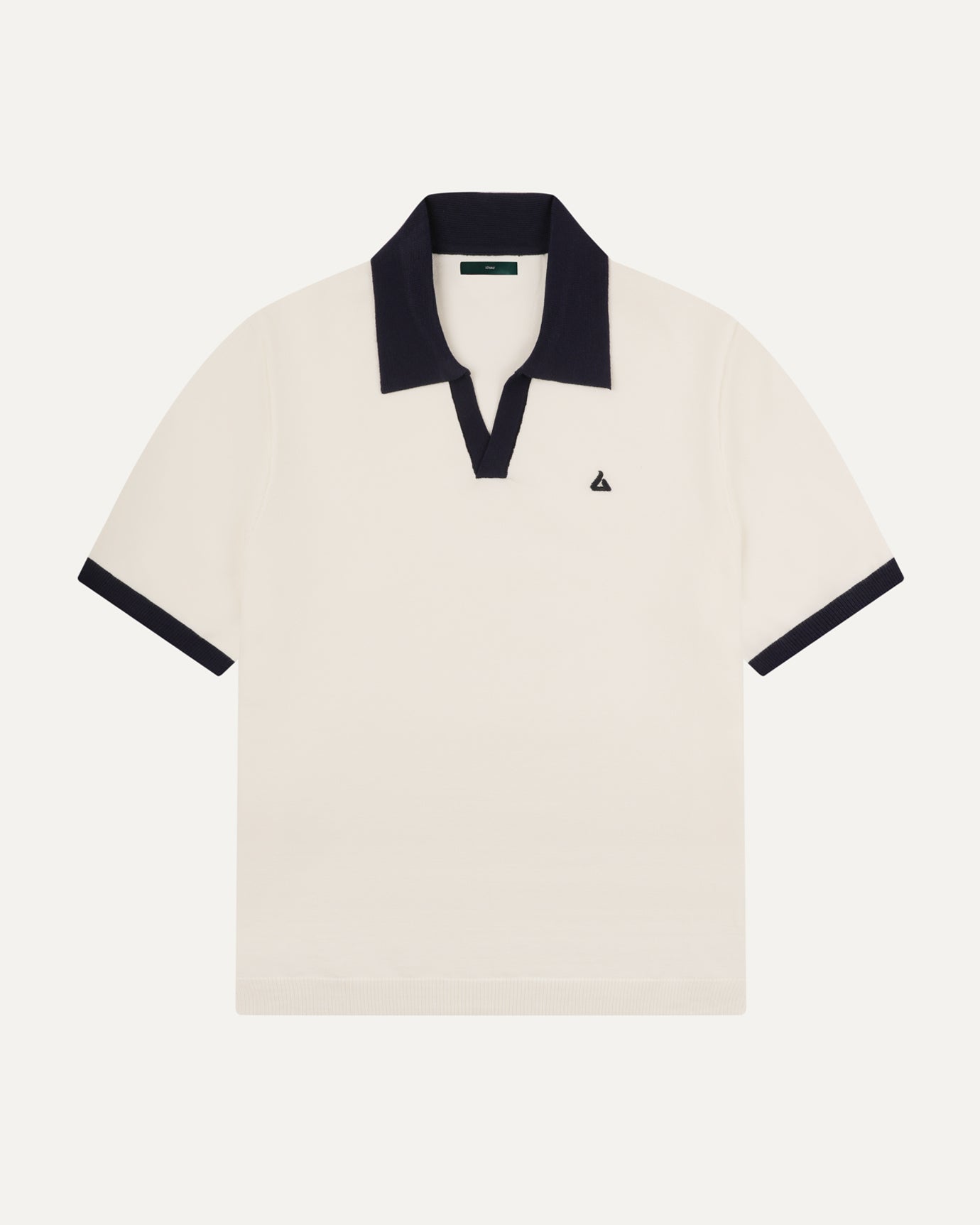
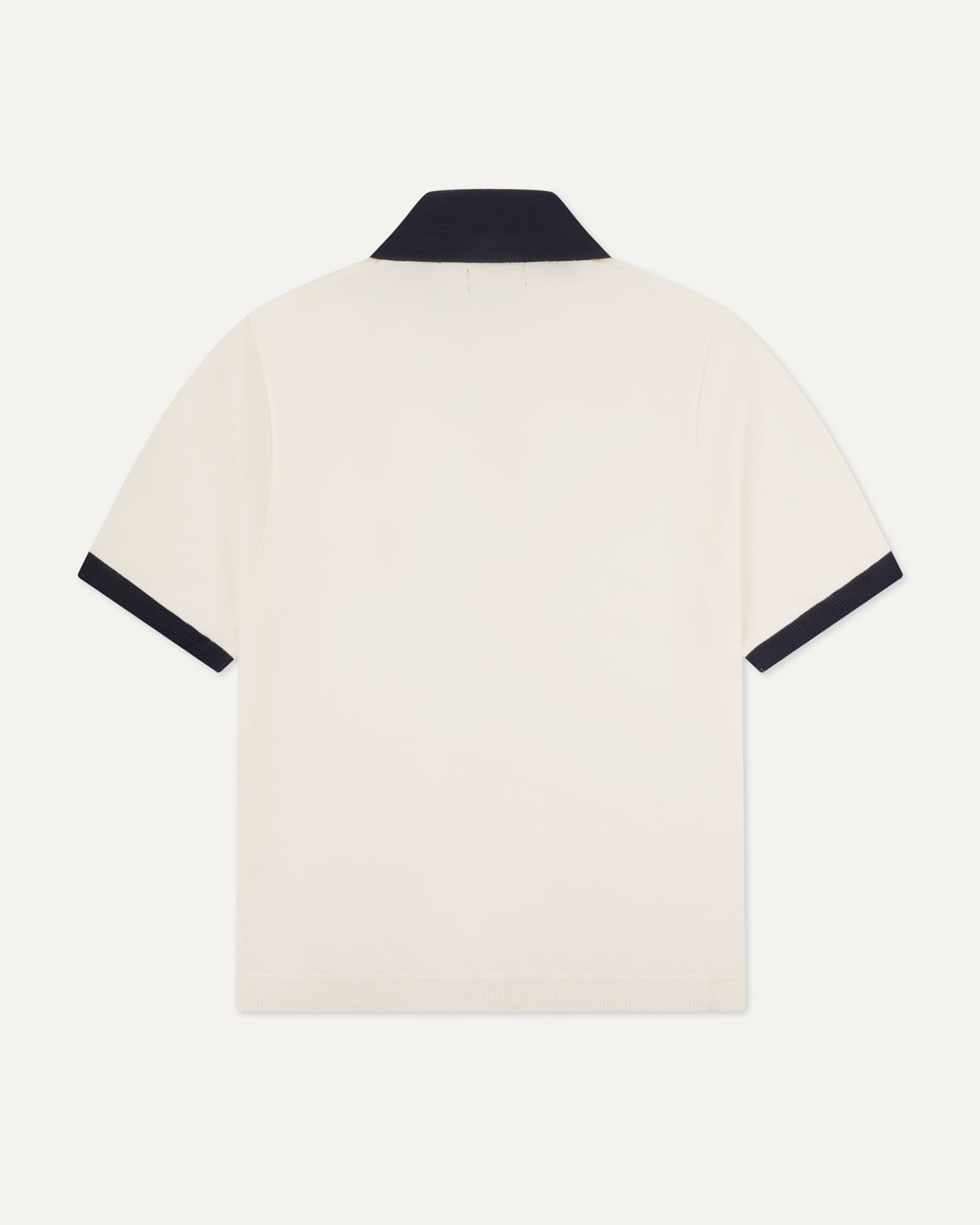
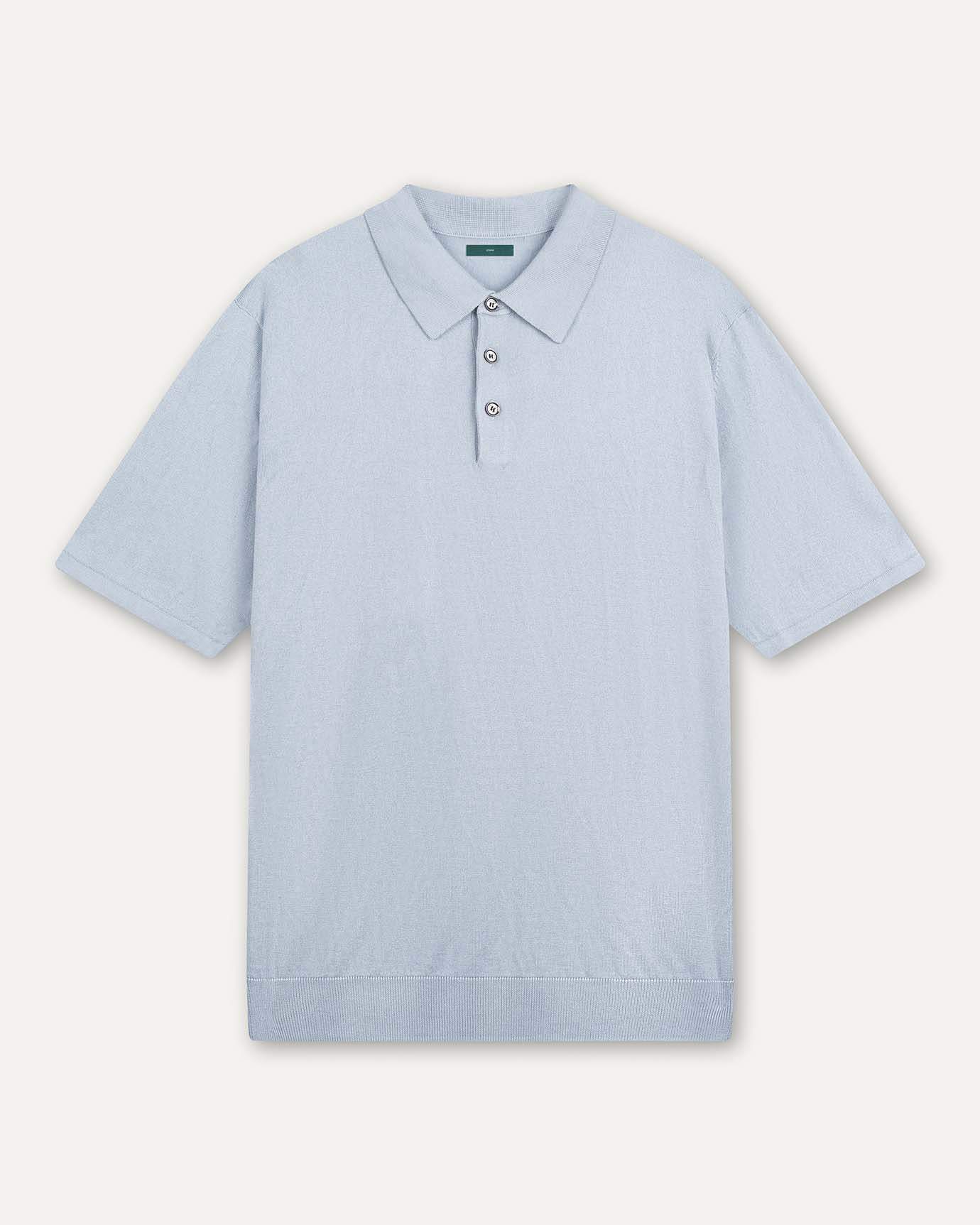
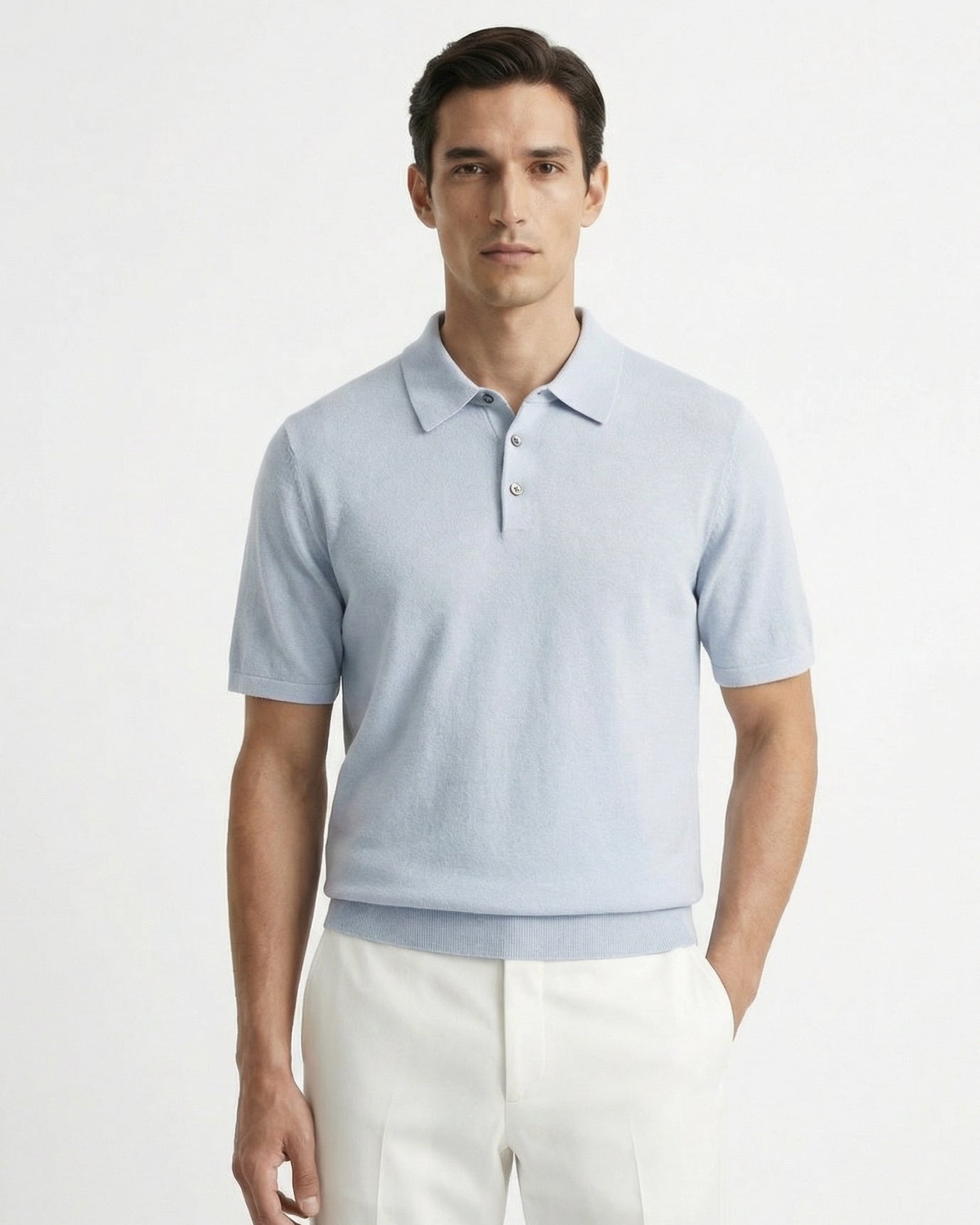
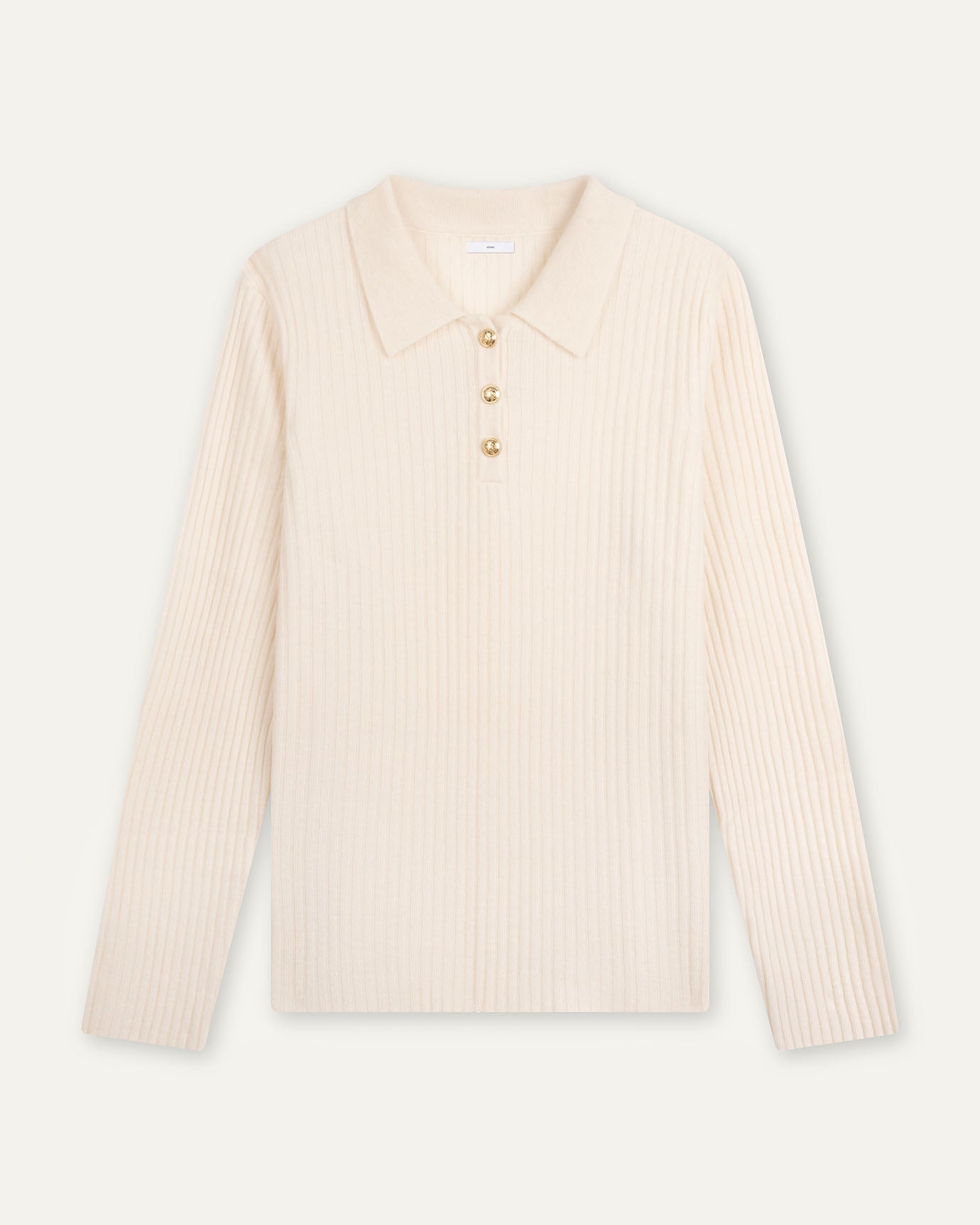
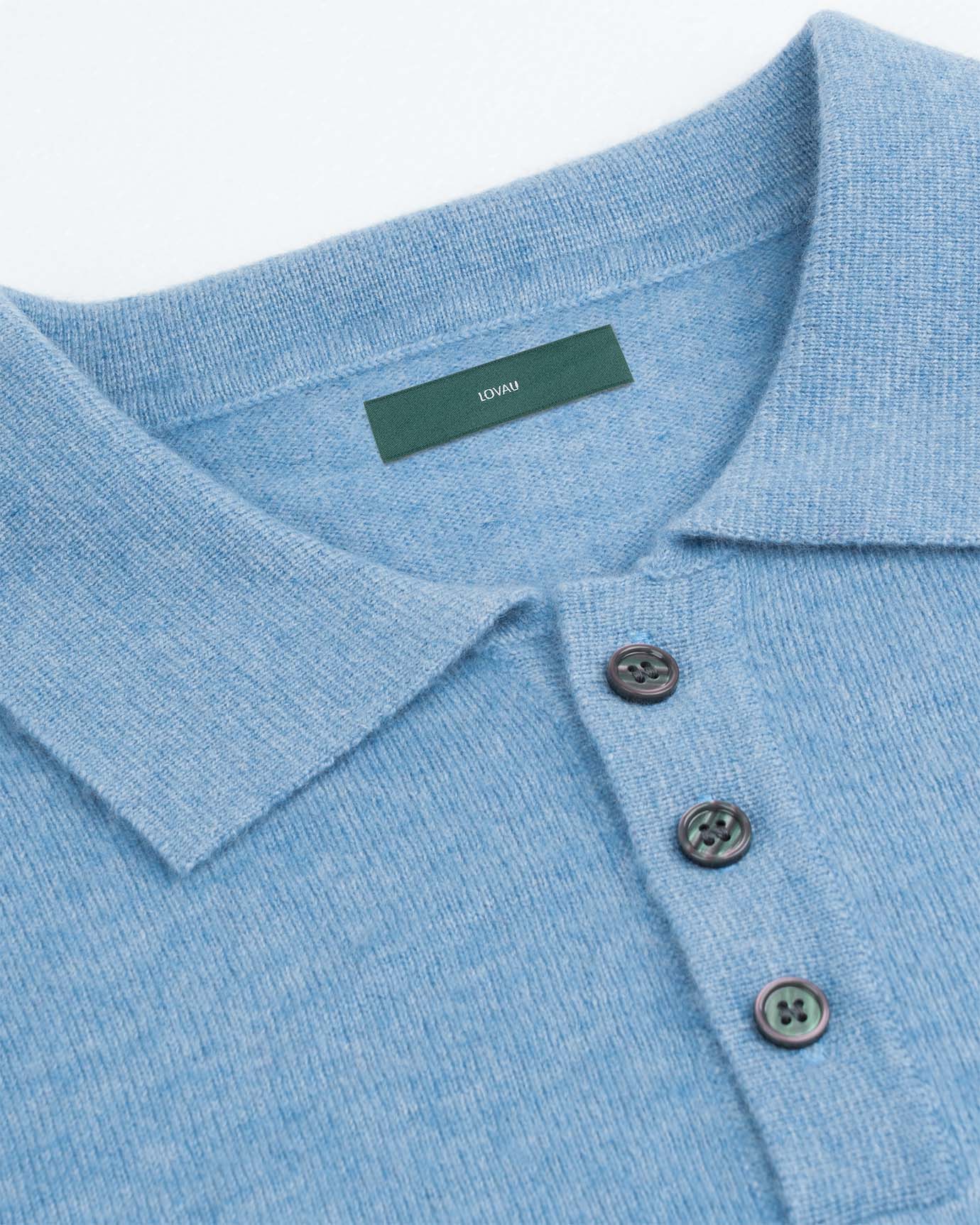
For the double mercerized cotton long-sleeve polo shirt, which combines the sheen of mercerized cotton with the structure of a polo collar, pay particular attention to the collar and placket. Press these areas flat while slightly damp for the cleanest finish. A well-pressed collar on a fine polo is one of those small details that signals genuine care for dress.
Avoid ironing over any embroidery, printed labels, or seam tape at high heat. These elements are more heat-sensitive than the fabric itself.
Expert insightA light spray of distilled water on stubborn creases before ironing, combined with a pressing cloth, will resolve almost any wrinkling without requiring you to increase the heat setting. Distilled water prevents mineral deposits from the iron transferring onto light-coloured fabrics.

Storage: Keeping the Fabric in Its Best Condition Between Wears
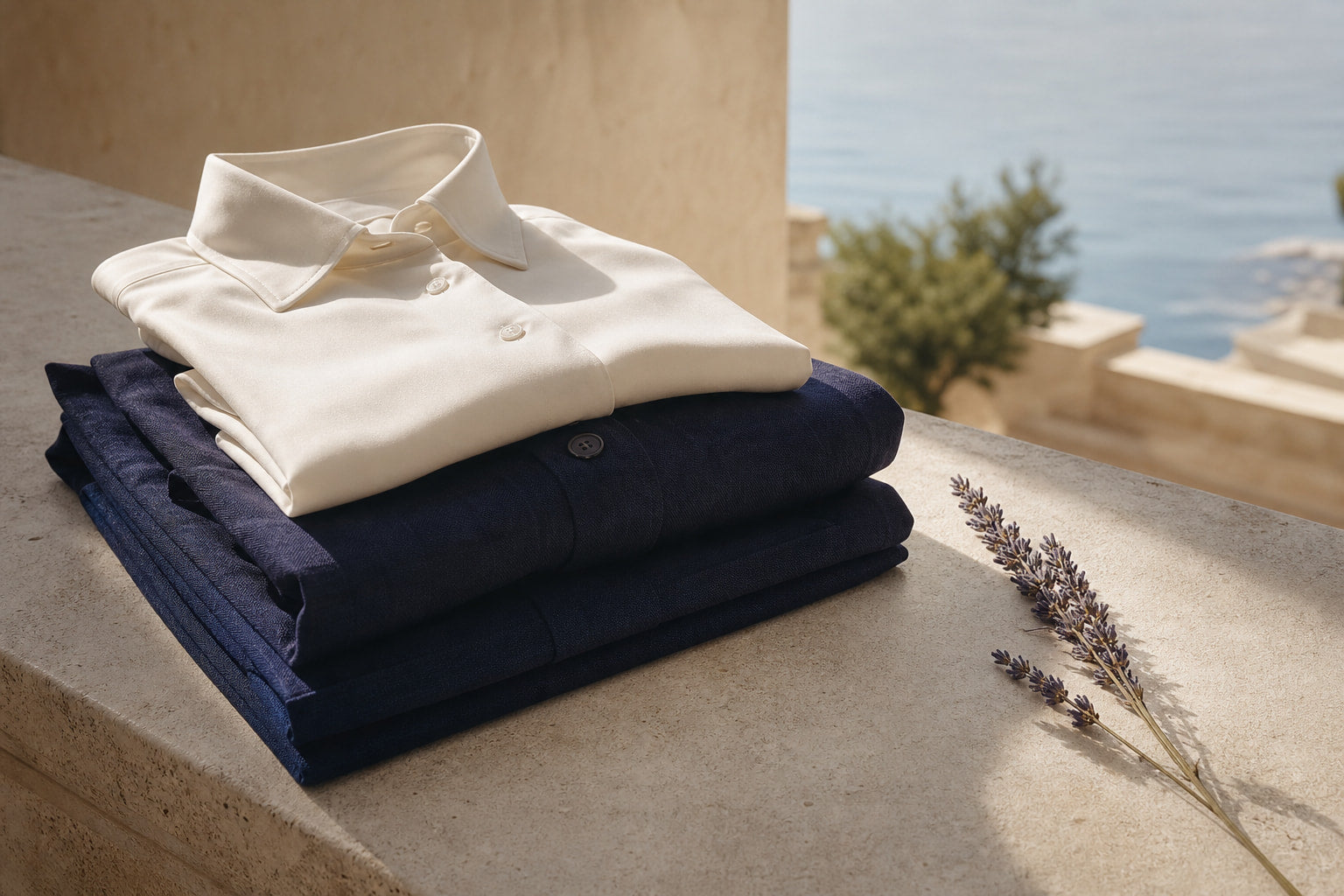
Storage is where many men lose ground on a fabric they have otherwise been caring for correctly. The instinct is to hang everything, but mercerized cotton knits, including t-shirts and fine polos, should be folded and stored flat rather than hung.
Hanging a fine knit on a hanger for extended periods causes the fabric to stretch under its own weight, particularly at the shoulders and collar. Over time, this produces a distorted silhouette that cannot be recovered through washing or ironing. Folding the garment neatly and placing it flat in a drawer or on a shelf preserves the original dimensions.
Before storing, ensure the garment is completely dry and clean. Storing a garment with any residual moisture encourages mildew, and storing it with any trace of perspiration or body oils accelerates fibre degradation and can cause permanent staining over time.
For longer-term storage, such as putting summer pieces away at the end of the season, fold the garments in acid-free tissue paper and store them in a breathable cotton bag or a drawer lined with cedar. Cedar naturally deters moths without the chemical residue of mothballs, which can react with cotton fibres. Avoid airtight plastic bags, which trap moisture.
The mercerized blended cotton polo and similar structured pieces benefit from being stored with a light fold at the chest rather than a tight compact fold, which can create persistent crease lines across the front. Store loosely, not tightly packed.
For a broader look at how fabric choice and care interact, our piece on why mercerized cotton t-shirts are worth the money is worth reading alongside this guide.

Building a Long-Term Care Routine That Protects Your Investment
The men who get the most from a fine wardrobe are those who have built a care routine and follow it consistently, without shortcuts. Mercerized cotton is not demanding in the way that cashmere or silk is demanding, but it does reward a methodical approach.
Wash after two to three wears, not after every single wear. Over-washing accelerates fibre wear as surely as neglect does. Airing the garment after wearing, laid flat or hung briefly in a well-ventilated space, removes surface odour and refreshes the fabric between washes.
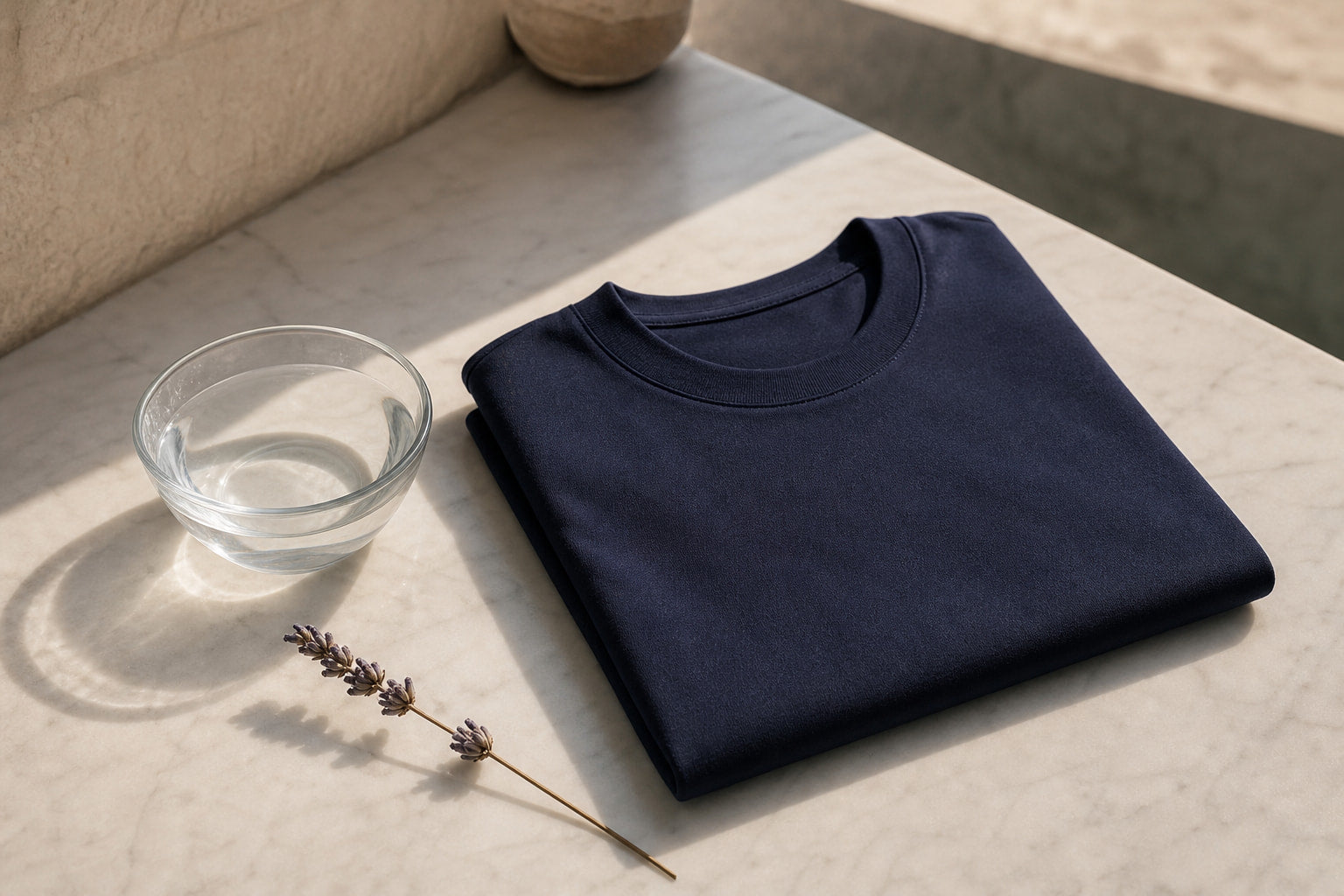
For pieces you wear frequently, such as the high-count dark navy mercerized cotton t-shirt or a go-to mercerized cotton silky light gray t-shirt, rotating between two or three pieces in the same style reduces the wear on any single garment and extends the life of each one considerably.
Pay attention to how the garment looks after washing. If the sheen appears to be fading, the most likely cause is water temperature that has crept too high or a detergent that is too alkaline. Correct one variable at a time to identify the issue.
Mercerized cotton, properly maintained, does not age badly. The sheen softens very slightly over years of wear, taking on a character that is closer to a fine sea-island cotton than a bright new piece, which many men find more appealing than the original. That kind of graceful ageing is the reward for genuine care.
For context on how mercerized cotton compares to other premium summer fabrics in terms of care and performance, our guide on the best summer fabrics for hot weather provides useful comparisons across the main options.

| Care Variable | Mercerized Cotton | Standard Cotton | Pima / Supima Cotton | Lyocell Cotton Blend |
|---|---|---|---|---|
| Wash temperature | Cool, max 30°C | Up to 40°C acceptable | Cool to lukewarm, max 30°C | Cool, max 30°C |
| Machine cycle | Delicate, mesh bag | Normal or delicate | Delicate | Delicate, mesh bag |
| Tumble drying | Never | Low heat acceptable | Low heat, short cycle | Never |
| Ironing heat | Medium, pressing cloth | Medium to high | Low to medium | Low, pressing cloth |
| Storage method | Folded flat | Hung or folded | Folded flat preferred | Folded flat |
| Bleach tolerance | None, avoid entirely | Non-chlorine bleach only | None | None |
Frequently asked questions
Can I wash mercerized cotton in a washing machine?
Yes, with the right settings. Use the delicate or hand-wash cycle, keep the water temperature at or below 30°C, place the garment in a mesh laundry bag, and use a mild pH-neutral liquid detergent. Avoid high spin speeds. For finer pieces such as a high-count breathable mercerized cotton t-shirt, hand washing in a basin is the most conservative option.
Why is my mercerized cotton t-shirt losing its shine after washing?
The most common causes are water that is too hot, a detergent with high alkalinity or optical brighteners, or tumble drying. Hot water and alkaline chemistry disrupt the treated fibre surface that produces the sheen. Switch to a cool wash with a gentle detergent formulated for delicates, and always air dry flat. The shine should stabilise once you correct the wash conditions.
How often should I wash a mercerized cotton t-shirt?
Every two to three wears is a reasonable interval for a t-shirt worn close to the skin. After wearing, air the garment in a well-ventilated space before folding it away. Over-washing accelerates surface wear as much as under-washing causes hygiene issues. Treat each wash as a minor stress on the fibre and space them accordingly.
Is mercerized cotton harder to care for than regular cotton?
Slightly more attentive, but not dramatically more difficult. The main differences are lower wash temperatures, no tumble drying, and a preference for gentle detergents. Once these habits are established they add almost no time to a laundry routine. For a detailed comparison of the two fabrics across multiple dimensions, see our article on mercerized cotton vs regular cotton t-shirts.
Caring for mercerized cotton is less about elaborate ritual and more about consistent discipline applied to a few key decisions: cool water, gentle detergent, no heat drying, moderate ironing with a pressing cloth, and flat storage. Follow those principles and your mercerized cotton pieces from Lovau will hold their character, their colour, and their signature lustre for years rather than seasons.