


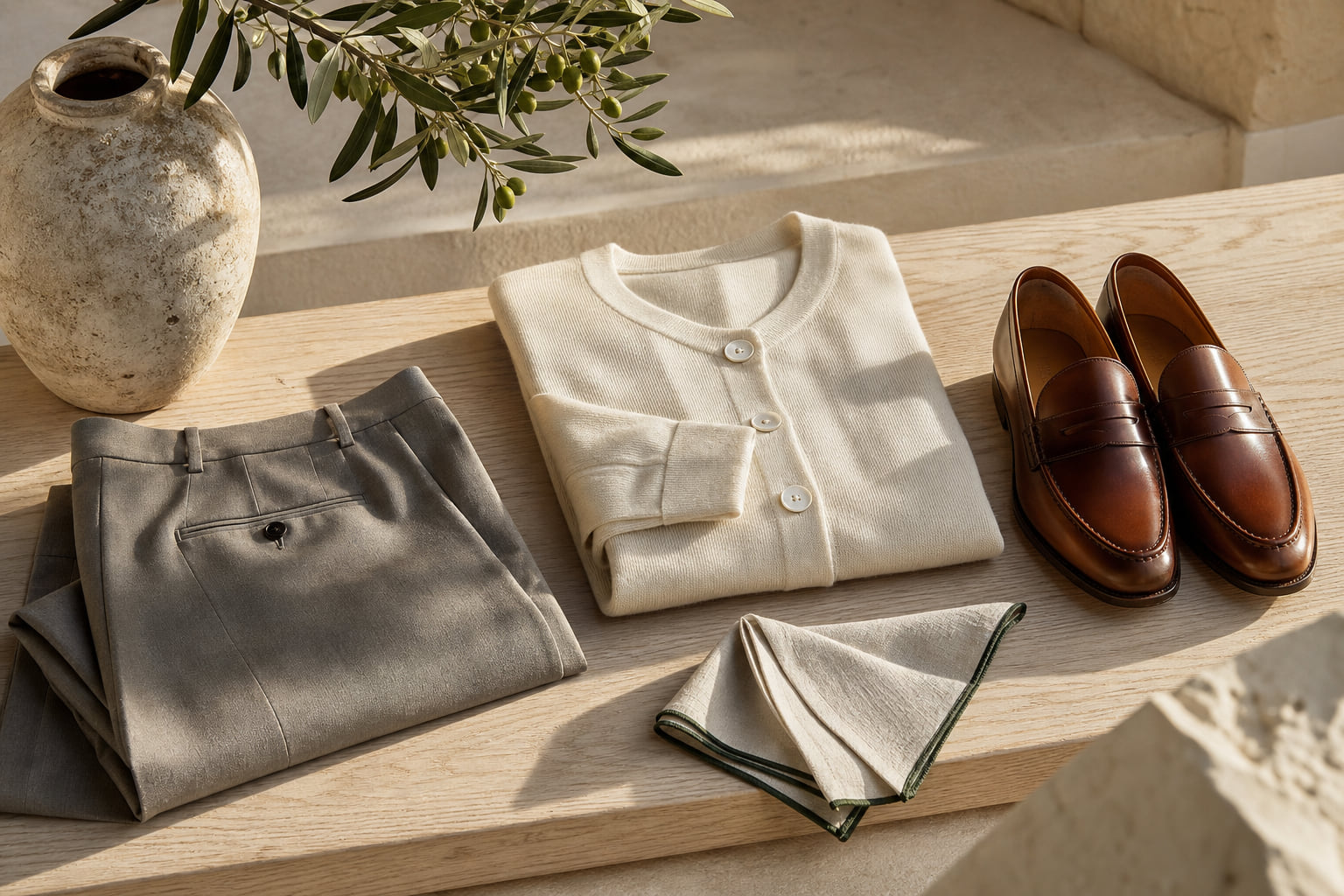
Complete Luxury Wardrobe Essentials for Modern Style
Reading time 13 min • 2503 words
The idea of a luxury wardrobe is frequently misunderstood. It is not a closet full of logos or a rotating cast of seasonal trends. It is a considered collection of pieces chosen for longevity, fabric integrity, and the kind of quiet confidence that does not need to announce itself. The old money sensibility that runs through European style has always understood this: wear well, wear less, wear it again.
This guide is a practical document, not an aspirational mood board. It covers specific pieces for men and women, the fabrics worth understanding, the fits that hold their authority across decades, and the order in which to build the collection without waste. Whether you are starting from scratch or filling gaps in an existing wardrobe, the logic here is the same: substance first, decoration second.
For a broader view of how this philosophy connects to the current moment in fashion, the article on quiet luxury versus loud luxury is worth reading alongside this one.
Key takeaways
- Prioritise fabric quality above all: worsted wool, linen, lyocell, and genuine leather outlast synthetic alternatives by years.
- Fit is non-negotiable. A well-cut trouser in mid-range fabric reads as more expensive than a poorly fitted designer piece.
- Build the wardrobe in layers: foundation neutrals first, then texture and colour through knitwear, outerwear, and accessories.
- Shoes and trousers carry more visual weight than almost any other item. Invest in both before spending on statement pieces.
- A luxury wardrobe is not about volume. Fifteen well-chosen pieces worn with intention outperform fifty forgettable ones.
In this guide
- The Foundation: Trousers and Bottoms That Do the Heavy Work
- Shirts and Tops: The Vocabulary of European Refinement
- Dresses: The Single-Piece Wardrobe Argument
- Footwear: Where the Wardrobe Finishes or Fails
- Outerwear and Layering: The Pieces That Frame Everything Else
- Building the Wardrobe Intelligently: Order, Budget, and Longevity
- Frequently asked questions
The Foundation: Trousers and Bottoms That Do the Heavy Work
Trousers are the structural core of any serious wardrobe. They establish the silhouette before a single other piece is added, and a poorly chosen pair can undermine even an excellent shirt or jacket. The details that matter most are waist construction, fabric weight, and leg line.
For men, the benchmark is a high-waisted trouser in a natural fibre. Worsted wool is the standard because it holds a crease, drapes cleanly, and breathes better than most people expect. The Italian worsted wool old money trousers represent exactly this principle: a proper waist, a clean front, and a leg line that reads as polished without being rigid. For warmer months or more relaxed settings, the pleated three-dimensional tailored trousers add a touch of volume at the hip that is distinctly Continental in character.
For women, the high-waisted cut is equally important. It lengthens the leg visually and gives structure to the overall proportion. The corduroy high-waisted old money trousers are a particularly strong autumn and winter choice: corduroy in a fine wale is a fabric with genuine heritage, and at a high waist it pairs naturally with a tucked blouse or a fine-gauge knit. Pair with loafers from the old money loafers collection and the look requires nothing else.
Key fit notes for trousers: - Waistband should sit at the natural waist, not the hip - Seat should have no pulling or excess fabric - Break at the shoe: a slight half-break is the most versatile length - Avoid stretch fabrics in formal or smart-casual contexts
Expert insightA trouser in a neutral, such as stone, camel, or navy, will pair with more pieces in your wardrobe than any other single garment. Buy it in the best fabric you can, have it pressed regularly, and it will last a decade.

Shirts and Tops: The Vocabulary of European Refinement
The shirt is where personal style becomes legible. Fabric choice here is as important as cut, because a shirt lives close to the body and its texture is always visible.
For men, linen and lyocell blends are the most versatile options across three seasons. They breathe, they drape, and they develop a natural softness with wear that synthetic fabrics never achieve. The retro vintage lyocell linen shirt demonstrates this well: the lyocell content adds a slight sheen and reduces wrinkling, while the linen keeps the hand natural rather than synthetic. For a more relaxed register, the old money retro style shirt works well open-collared with a pair of well-cut chinos or the Naples striped trousers.
For women, the striped Breton-influenced top is one of the most durable pieces in European casual dressing. The French-style striped top sits at a price point that makes it an easy addition, but its impact on a finished look is disproportionate to its cost. Tuck it into high-waisted trousers or wear it loose over a slim skirt. The pearl-buttoned French style cardigan layers over it naturally, adding warmth without bulk.
As Permanent Style notes in its coverage of European tailoring, the collar and cuff details of a shirt are what separate a garment that reads as quality from one that does not. Look for clean collar construction with some stiffness, and cuffs that sit at the right length, just covering the wrist bone.
Expert insightIron or steam your shirts before wearing, not after. A well-pressed linen shirt worn the same day looks entirely different from one pulled from a drawer.

Dresses: The Single-Piece Wardrobe Argument
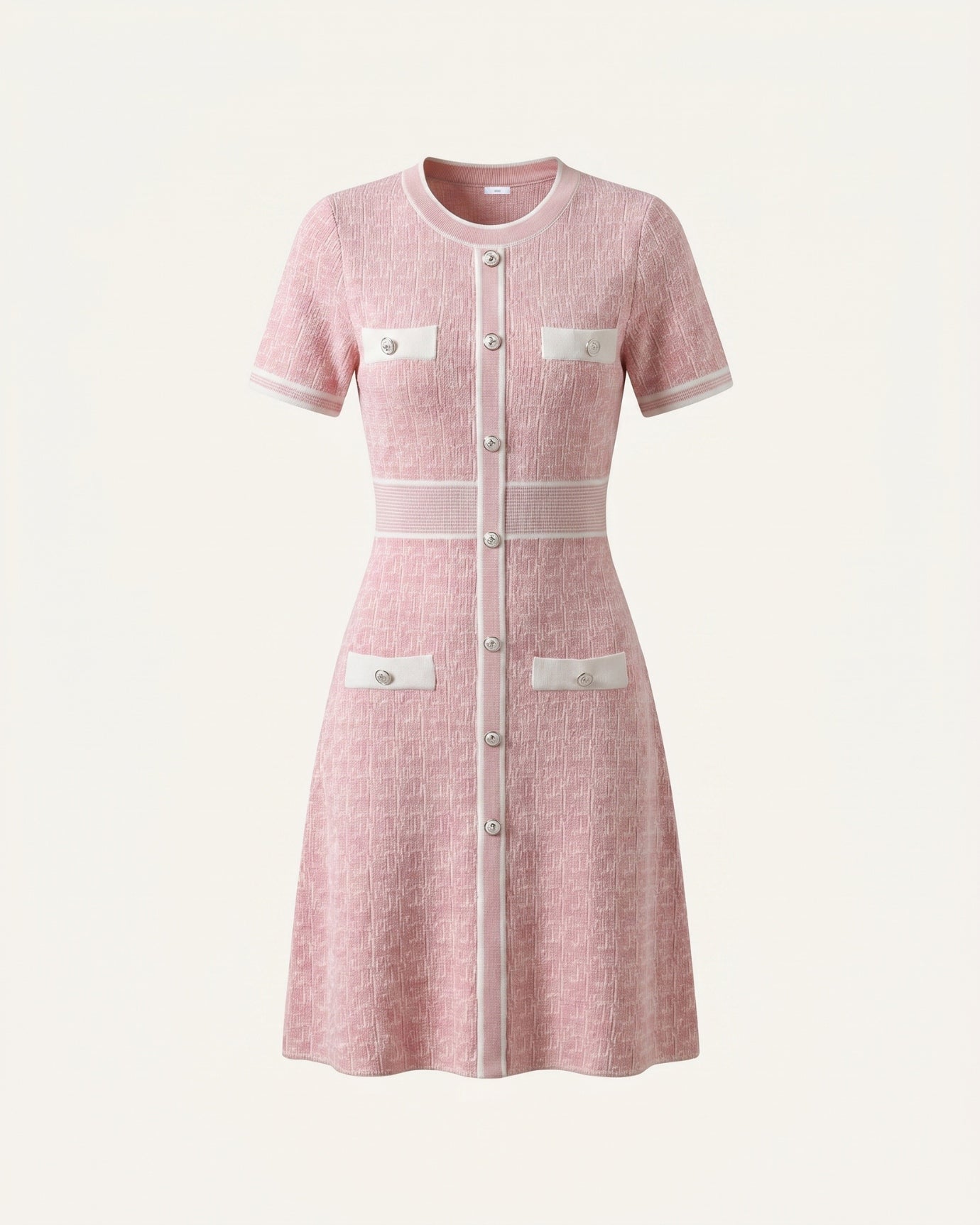
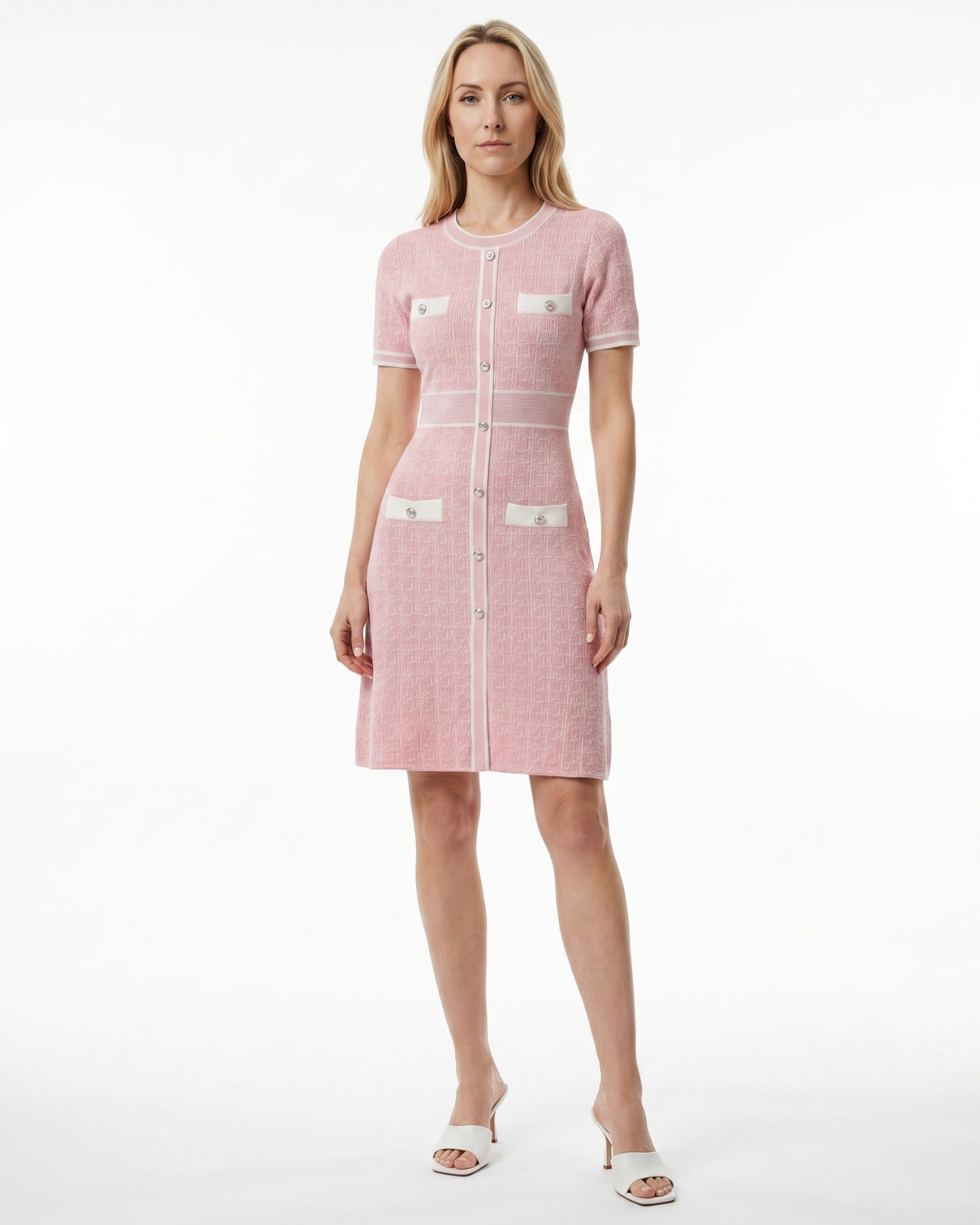
A well-chosen dress is among the most efficient pieces in a wardrobe. One garment, one decision, a complete look. The key is selecting cuts and fabrics that work across more than one occasion.
For formal and smart-casual occasions, the contrast collar pleated dress in navy and white is a strong example of old money dressing at its most practical. The navy and white palette is perennially appropriate, the pleated skirt adds movement without informality, and the contrast collar is a detail with genuine European tailoring heritage. It reads as intentional without being showy.
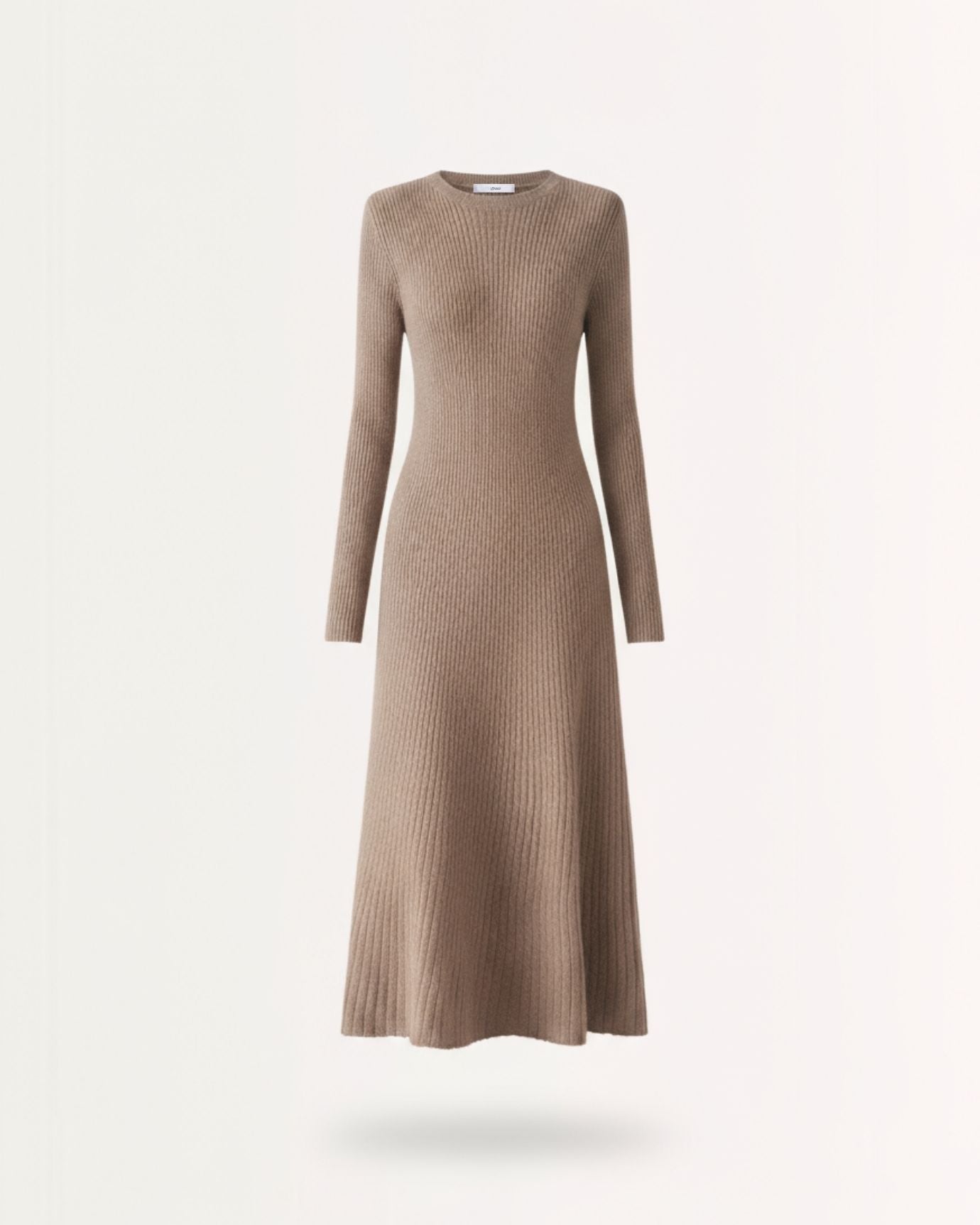
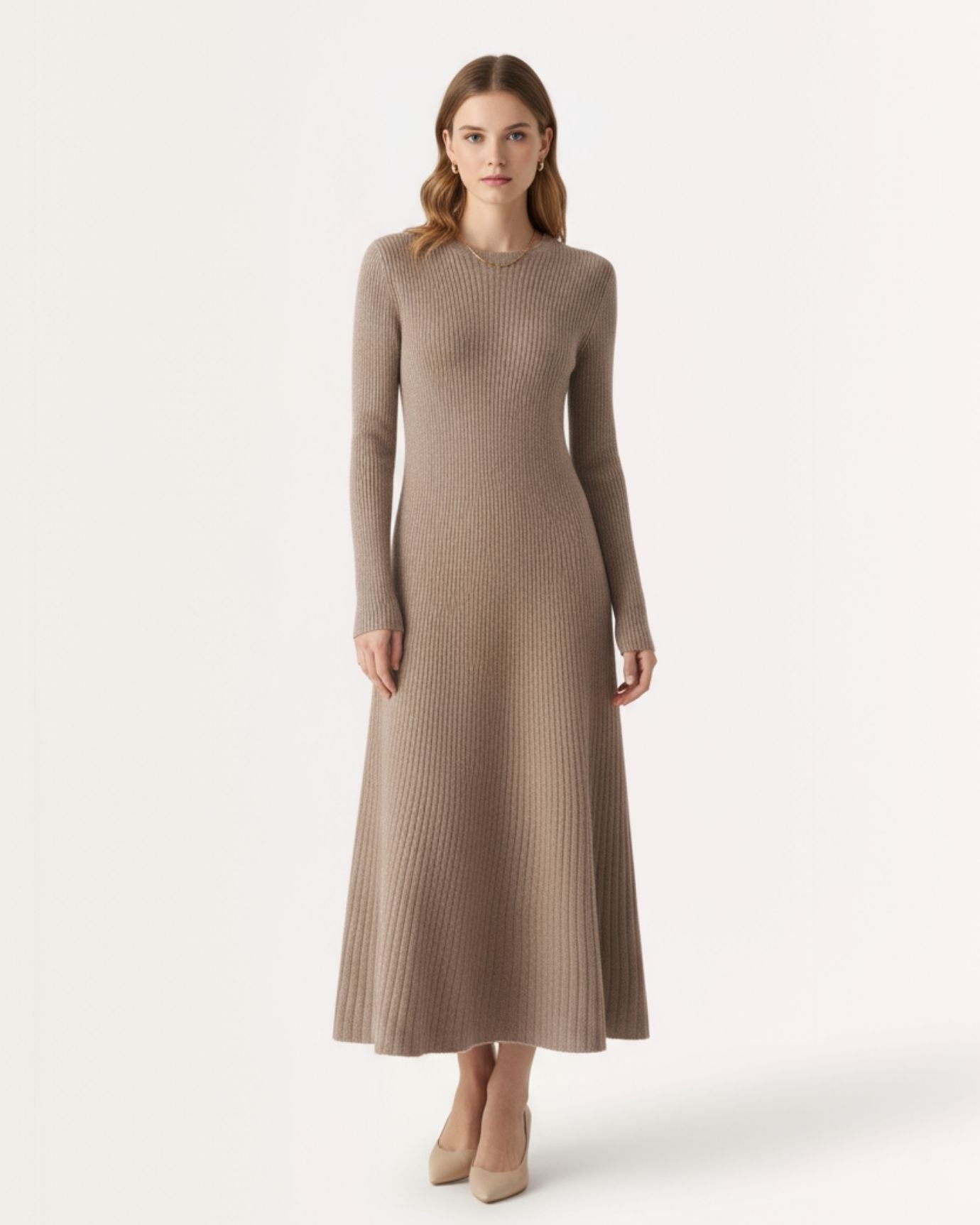
For cooler months, the woman wool dress old money style offers the warmth and structure that a wardrobe needs between October and March. Wool dresses are underused in modern wardrobes, largely because fast fashion has made them rare. A properly constructed wool dress holds its shape, does not pill quickly, and can be worn to a dinner, a gallery, or a working lunch with equal authority.
The velvet designer old money style dress occupies the evening register. Velvet is a fabric with significant historical weight, used in European court dress for centuries, and its tactile richness communicates occasion without requiring any jewellery beyond the simplest. For more on how the dress as a category has evolved in fine fashion, the article on the evolution of the little black dress provides useful context.
Dress fabrics ranked by versatility: - Wool crepe: most formal, holds shape best - Velvet: evening and autumn, high visual impact - Lyocell or viscose blend: three-season, breathable - Linen: spring and summer, relaxed but refined - Knit (fine gauge): casual to smart-casual, comfortable
Expert insightWhen buying a dress as a wardrobe investment, choose a length that sits at or just below the knee. It is the single most occasion-neutral length across all dress codes.

Footwear: Where the Wardrobe Finishes or Fails
Shoes are where the wardrobe either confirms its quality or undermines it. The eye travels downward, and a pair of shoes in genuine leather with clean construction will validate everything worn above them. A poor shoe does the opposite.
The Chelsea boot is one of the most enduring pieces in European men's footwear. Its origins are British, its adoption has been Continental, and its versatility across smart-casual and formal occasions is genuinely broad. The British style Chelsea boots in genuine leather pair with worsted wool trousers, with dark denim, or with a linen suit. The elastic gusset and pull tab are functional details, not decorative ones, and the genuine leather upper will develop a patina with wear that synthetic alternatives cannot replicate.
For women, the loafer is the most consistently refined casual shoe in the wardrobe. The Diana old money style loafers and the genuine leather women's loafers both work with trousers, midi skirts, and dresses. The loafer's silhouette is flat and clean, which means it does not compete with the garment above it. It completes the look without commentary.
As Wikipedia's entry on the history of the loafer notes, the shoe became associated with American Ivy League and European prep culture in the mid-twentieth century, a heritage that connects directly to the old money aesthetic that has informed refined dressing ever since.

Outerwear and Layering: The Pieces That Frame Everything Else
Outerwear is the first thing seen and the last thing removed. In a luxury wardrobe it deserves the same level of consideration as the garments beneath it.
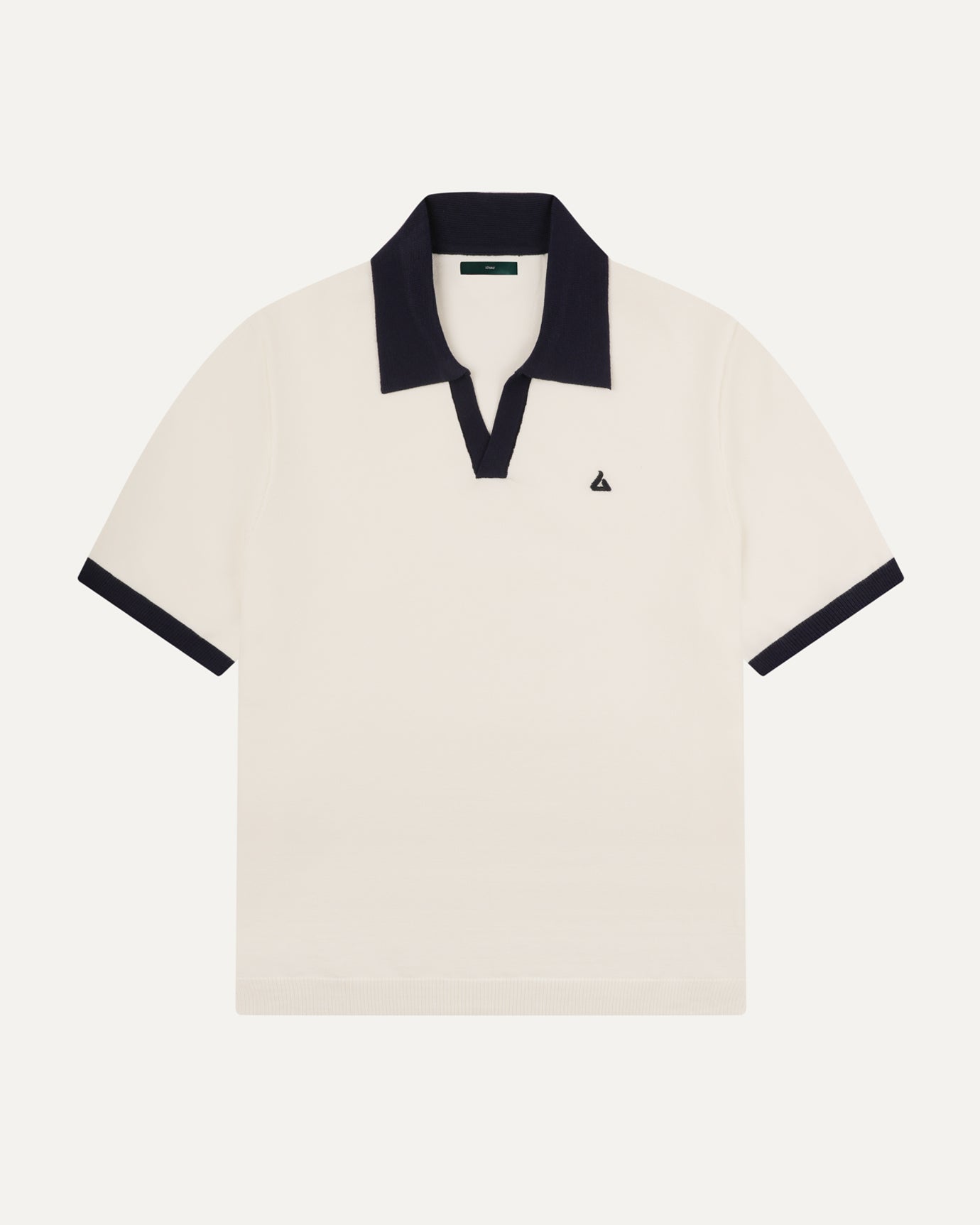
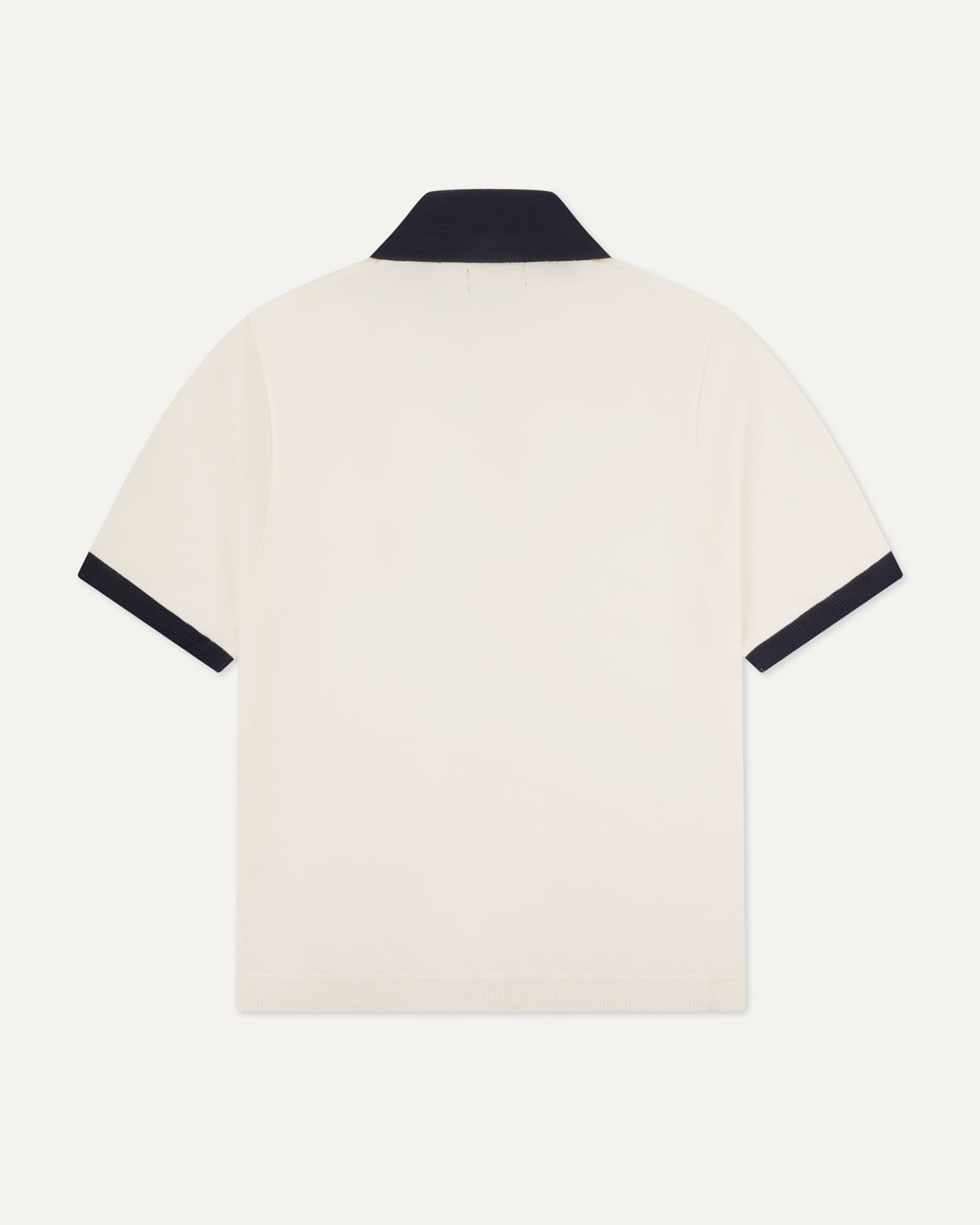
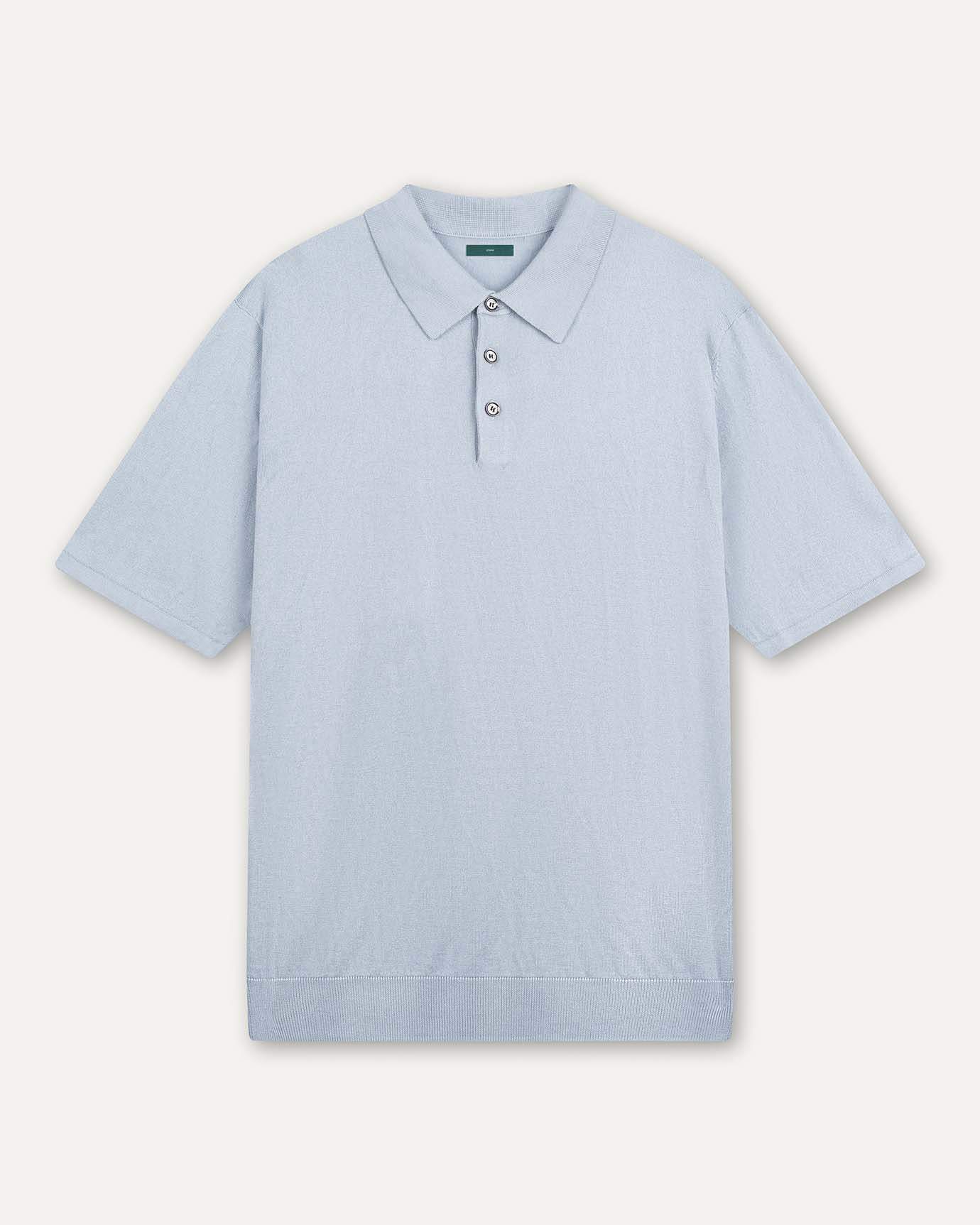
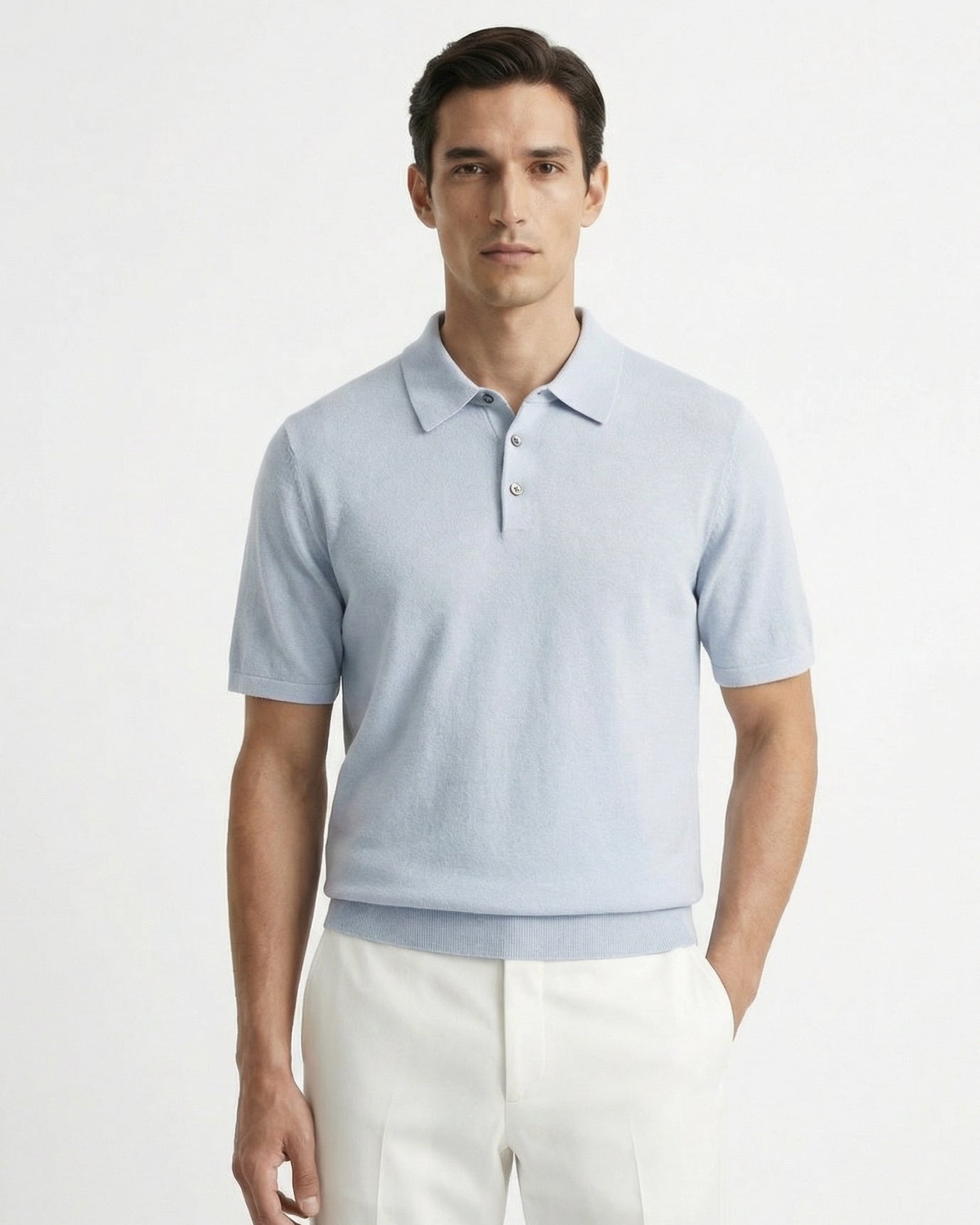
For men, a structured denim jacket occupies the smart-casual layer between a shirt and a formal coat. The denim blue jacket in American style works in a way that a raw or heavily distressed denim jacket does not: the cut is clean, the silhouette is controlled, and it layers over a linen shirt or a polo without adding visual noise. Pair it with the linen blend knitted polo and a pair of well-cut trousers for a register that is relaxed but clearly considered.
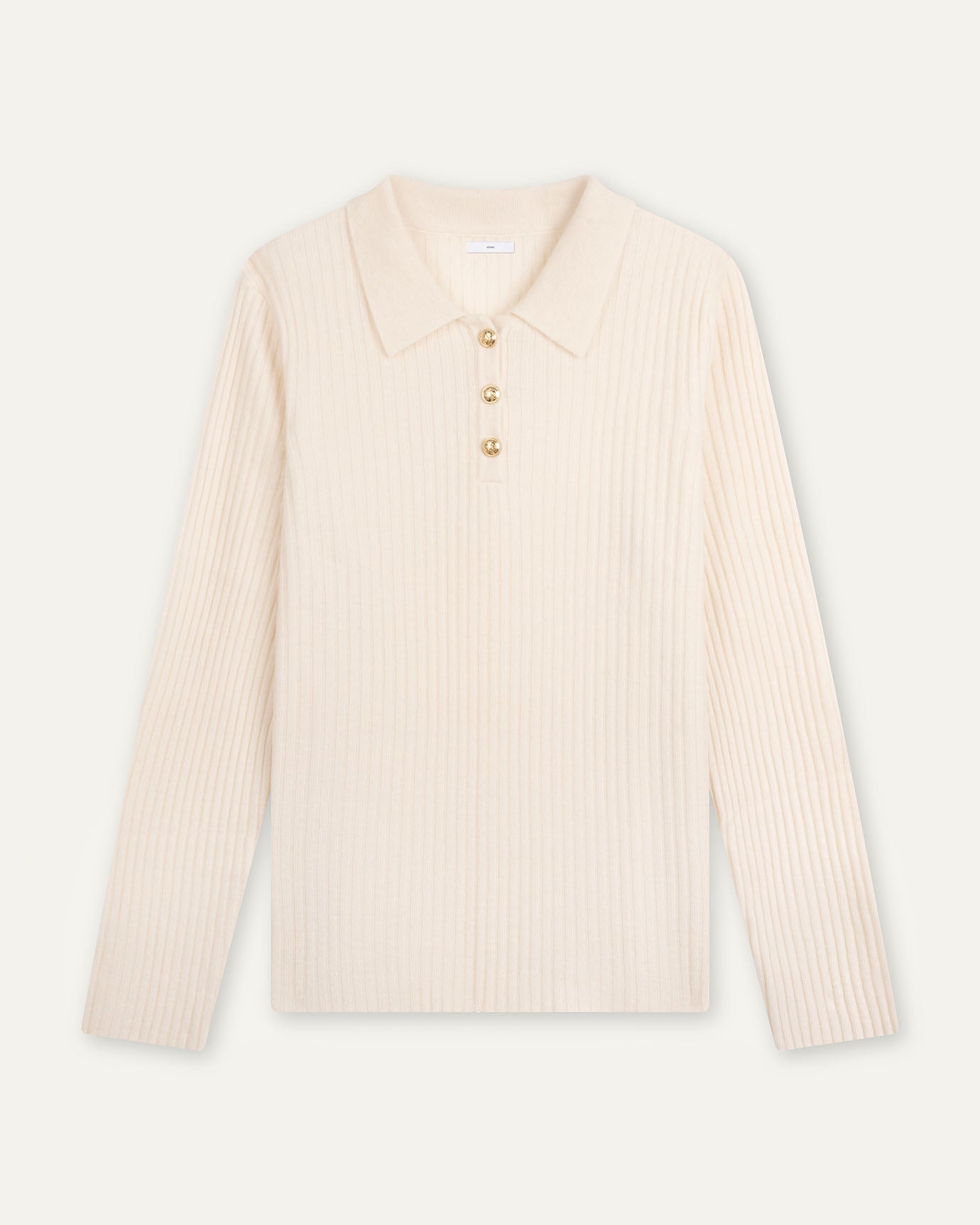
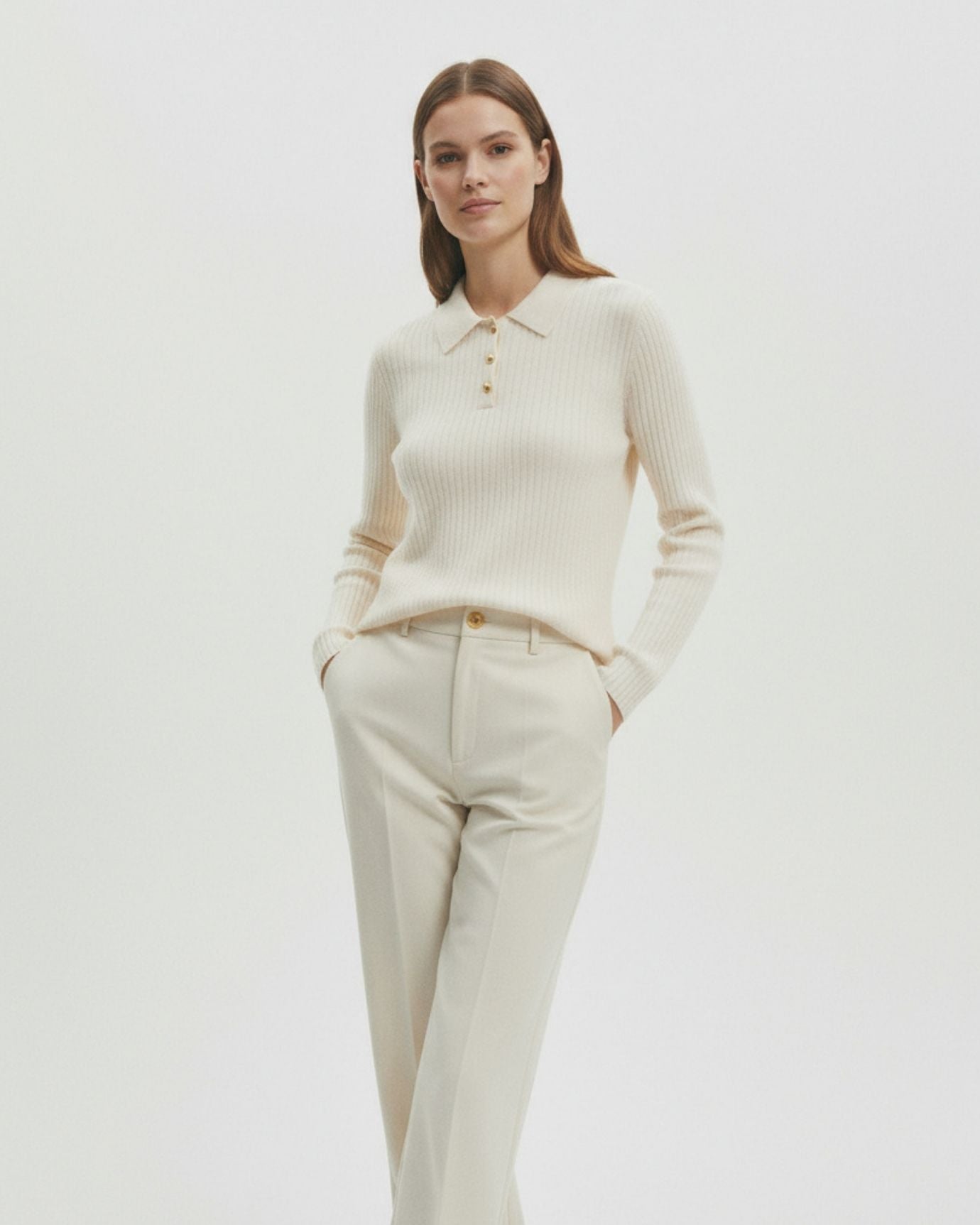
For women, knitwear is the primary layering vehicle in a refined wardrobe. A fine-gauge cardigan in a natural fibre, particularly one with a detail like a pearl button, reads as a deliberate choice rather than an afterthought. The pearl-buttoned French style cardigan works over a dress, over a blouse, or tied at the shoulders in the manner of classic European resort dressing.
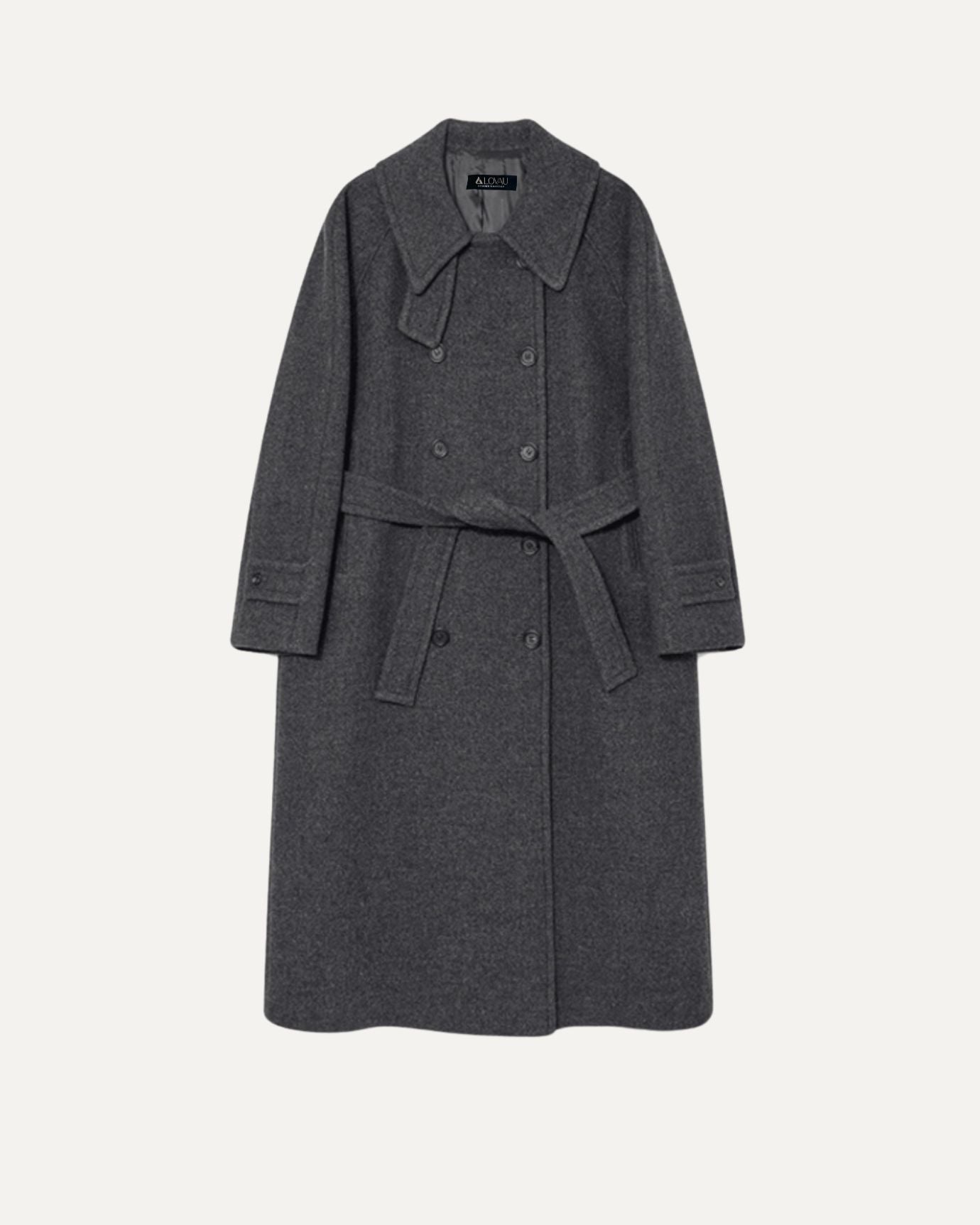
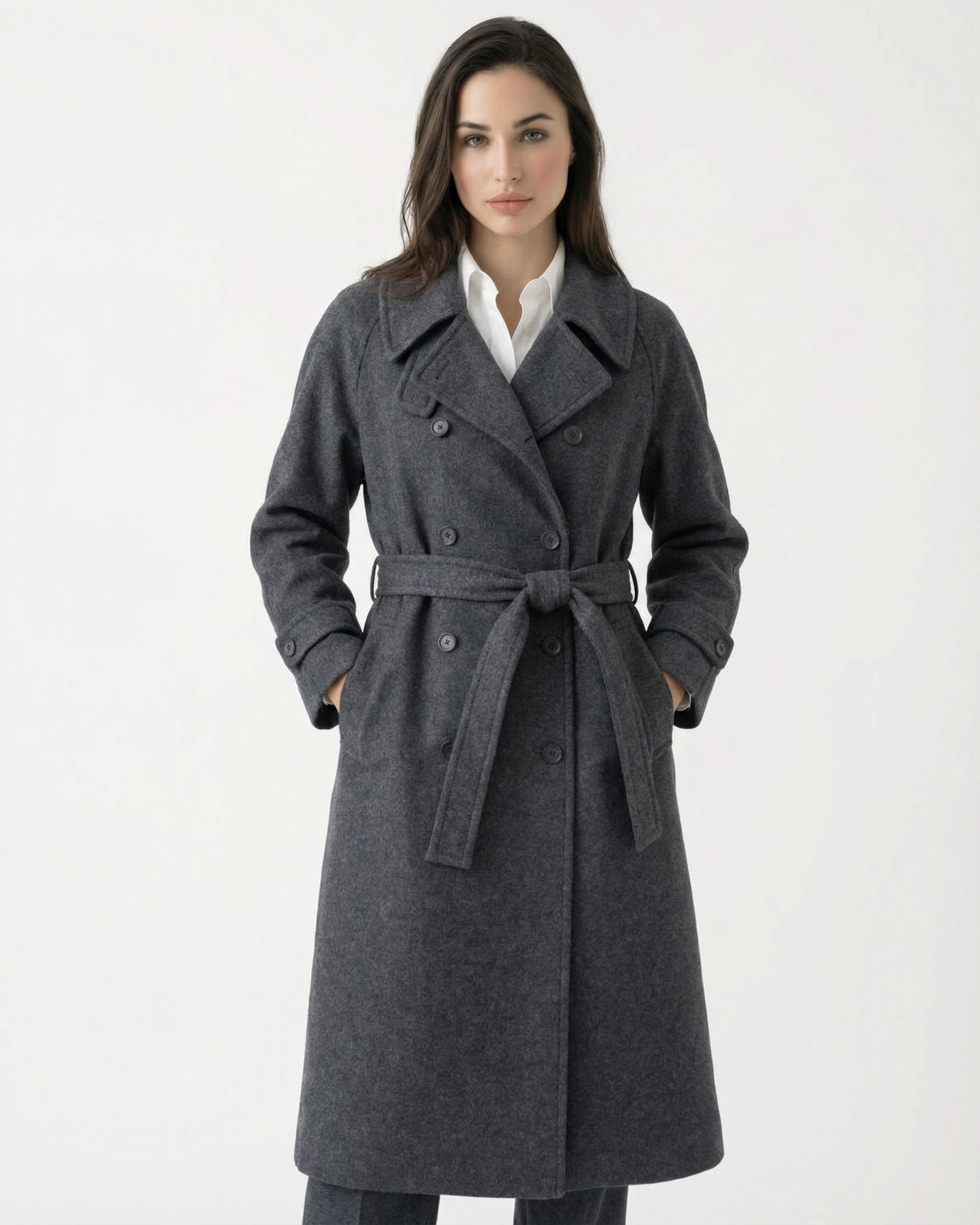
The broader principle for outerwear is restraint in colour and simplicity in silhouette. Camel, navy, ivory, and stone are the palette of a wardrobe that does not date. For more on building the complete picture, the men's old money style checklist covers the layering logic in detail.

Building the Wardrobe Intelligently: Order, Budget, and Longevity
The order in which a wardrobe is built matters as much as the individual pieces. A common mistake is spending on visible or exciting items first, shoes, bags, statement pieces, and leaving the foundational pieces underfunded. The result is a wardrobe that looks assembled rather than considered.
The correct sequence is: trousers and skirts first, then shirts and tops, then footwear, then outerwear, then occasion-specific pieces. Each layer should function independently before the next is added. A well-chosen trouser and a well-pressed shirt, worn with clean leather shoes, is already a complete and authoritative look. Everything added after that is refinement, not rescue.
For women building an old money wardrobe, the skirts collection offers a strong starting point alongside the trouser options. An A-line or pleated skirt in a neutral fabric is among the most versatile pieces in this category, and the article on why A-line skirts never go out of style makes the case clearly.
For those considering whether the investment is justified relative to cost-per-wear, the article on investment pieces versus fast fashion provides a clear financial argument. The short version: a well-made trouser worn one hundred times costs less per wear than a cheap one worn ten times before it pills, fades, or loses its shape.
Wardrobe building by priority tier: - Tier 1 (build first): trousers, foundational shirts, one dress or suit - Tier 2 (build second): quality footwear, one layering piece - Tier 3 (build third): occasion-specific pieces, accessories - Tier 4 (add last): seasonal colour and texture, statement items

| Fabric | Best Season | Care Level | Occasion Range | Longevity |
|---|---|---|---|---|
| Worsted Wool | Autumn, Winter, Spring | Dry clean or hand wash cold | Smart-casual to formal | 10 to 20 years with proper care |
| Linen | Spring, Summer | Machine wash gentle, press while damp | Casual to smart-casual | 5 to 10 years, softens with age |
| Lyocell (Tencel) | Three seasons | Machine wash cold, low heat dry | Casual to business casual | 5 to 8 years |
| Velvet (cotton or silk base) | Autumn, Winter | Dry clean only | Smart-casual to formal evening | 10 plus years if stored correctly |
| Fine-gauge Merino Knit | Autumn, Winter, Spring | Hand wash or dry clean | Casual to smart-casual | 8 to 15 years |
| Genuine Leather (footwear) | All seasons | Condition monthly, cedar trees | Casual to formal | 15 to 30 years with maintenance |
Frequently asked questions
How many pieces does a complete luxury wardrobe actually need?
Fifteen to twenty pieces is a realistic and functional number for a core wardrobe. That includes three to four trousers or skirts, four to five tops or shirts, two dresses or suits, two pairs of shoes, and two layering pieces. Every item should pair with at least three others. For a detailed framework on the men's side, the old money style checklist is a useful reference.
What is the single most important piece to invest in first?
Trousers. A well-cut trouser in a quality fabric, whether worsted wool for men or a structured high-waisted cut for women, does more to establish the overall quality of a look than any other single garment. It is the piece that frames the silhouette and communicates fit before anything else is registered.
Can a luxury wardrobe be built on a moderate budget?
Yes, provided the logic is correct. The mistake is spreading a moderate budget evenly across many pieces. Instead, concentrate spending on the highest-impact items: one pair of genuinely good trousers, one pair of leather shoes, and one quality layering piece. Fill the rest with well-chosen basics. The article on investment pieces versus fast fashion makes the cost-per-wear argument in concrete terms.
How do I know if a piece will last, before I buy it?
Check three things: the fabric composition label (natural fibres or quality blends, not polyester dominant), the seam construction (flat-felled or French seams inside indicate quality finishing), and the button or closure quality (horn, metal, or resin buttons rather than cheap plastic). These details are visible before purchase and are reliable indicators of how a garment will perform over time.
A luxury wardrobe is a slow project, and that is precisely its point. It rewards patience, specificity, and an honest assessment of how you actually live and dress. Each piece chosen with care reduces the need for the next impulse purchase. Over time, the wardrobe becomes a coherent expression of taste rather than an accumulation of decisions made in haste. Start with the foundation, build upward with intention, and return to the question of quality over quantity every time you consider adding something new. For a concrete starting point on what that looks like in practice, the guide on what to wear when you want to look successful is a direct and useful next step.