


Mercerized Cotton vs Regular Cotton: Is the Price Worth It
Reading time 11 min • 2289 words
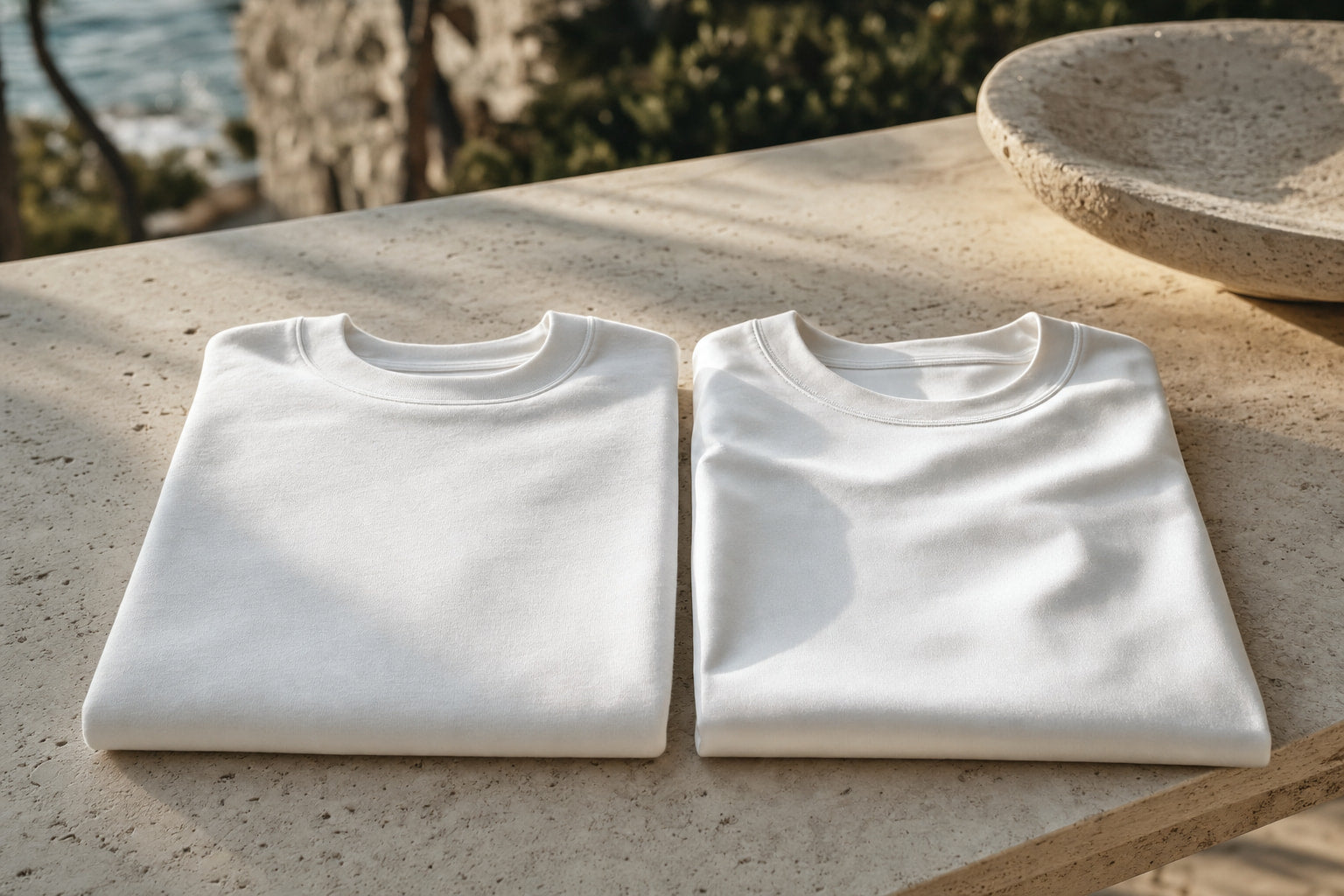
Two t-shirts sit side by side. Both are 100% cotton. One costs twelve dollars, the other eighty-nine. The sceptical man reaches for the cheaper one and asks a reasonable question: what exactly am I paying for?
The answer is mercerization, a textile process developed in 1844 that permanently alters the physical structure of the cotton fibre. The result is not a marketing story. It is a measurable change in how the fabric looks, wears, and ages. Understanding that change is what separates an informed purchase from a guess.
This guide covers the science plainly, compares the two fabrics across every relevant dimension, and explains exactly where mercerized cotton earns its price in a man's wardrobe.
Key takeaways
- Mercerization is a chemical treatment that permanently restructures cotton fibres, producing a smoother surface, stronger yarn, and deeper colour absorption.
- Mercerized cotton resists pilling and holds its shape wash after wash, making the higher price per piece lower cost-per-wear over time.
- For a man building a wardrobe of refined basics, a mercerized cotton t-shirt reads noticeably different from standard jersey, especially in natural light.
- High thread count mercerized cotton, sometimes labelled 'high-count', is the top tier, combining fine yarn with the mercerization process for maximum drape and sheen.
- Machine wash cold, inside out, and air dry to preserve the fabric's signature lustre over years of wear.
In this guide
- What Mercerization Actually Does to Cotton
- Regular Cotton: Where It Works and Where It Falls Short
- High-Count Mercerized Cotton: The Tier Above
- Colour, Sheen, and How Mercerized Cotton Reads in Real Life
- How to Wear and Care for Mercerized Cotton
- When the Price Is Justified and When It Is Not
- Frequently asked questions
What Mercerization Actually Does to Cotton
Standard cotton fibre is roughly cylindrical but irregular, with a twisted, ribbon-like cross-section. When you weave or knit it into fabric, light scatters off the uneven surface, giving the cloth a matte, slightly dull appearance. The fibre is also under no tension, so it swells and contracts with every wash, contributing to shrinkage and pilling over time.
Mercerization changes this at the molecular level. The raw cotton yarn is immersed in a concentrated sodium hydroxide solution under tension, then neutralised with acid. The alkali causes the cellulose chains inside each fibre to swell, reorganise, and settle into a rounder, smoother cross-section. Once the tension is released and the process neutralised, the fibre retains its new geometry permanently.
The practical outcomes are four: higher tensile strength (mercerized yarn is roughly 10 to 15 percent stronger than untreated cotton), a smoother surface that reflects light more uniformly producing a subtle, natural sheen, greater dye affinity meaning colours appear deeper and more saturated with less dye used, and reduced tendency to shrink because the fibres have already been through a controlled swelling process.
For a detailed overview of the chemistry, the mercerization process is well documented by textile historians and remains one of the most significant finishing innovations in cotton manufacturing.
None of this is cosmetic. Every benefit is structural, and structure is what determines how a garment performs over three years rather than three months.
Expert insightThe sheen of mercerized cotton is often mistaken for a synthetic blend. It is not. Run your fingernail across the fabric: if it springs back cleanly without snagging, you are holding genuine mercerized cotton with a high thread count.

Regular Cotton: Where It Works and Where It Falls Short
Standard cotton is not a poor material. It is breathable, soft on the skin, and produced at scale in every weight and weave imaginable. For workwear, gym use, or garments that will be washed daily and replaced seasonally, it is entirely appropriate.
The problems surface in the context of a refined wardrobe. Standard cotton pills after repeated friction, particularly under jacket sleeves and around the collar. It fades unevenly because the uneven fibre surface holds dye less consistently. It loses structure over successive washes, causing t-shirts to bag at the hem and stretch at the neck. And its matte, slightly rough texture reads as casual at best and cheap at worst when worn without a jacket in a smart-casual setting.
For a man building a wardrobe around the old money aesthetic, these are not minor quibbles. The entire logic of that style rests on garments that look composed without effort, and standard cotton requires constant replacement to maintain that appearance.
The cost comparison is therefore not eighty-nine dollars versus twelve dollars for a single purchase. It is eighty-nine dollars for a t-shirt that looks excellent after forty washes versus replacing a twelve-dollar shirt every three months. The maths shifts considerably.

High-Count Mercerized Cotton: The Tier Above
Within mercerized cotton itself, there is a meaningful distinction between standard mercerized yarn and high-count mercerized cotton. Thread count in this context refers to the fineness of the yarn: a higher count means more, finer threads per square centimetre, producing a denser, smoother, lighter fabric.
When a fine, high-count yarn is also mercerized, the results compound. The fabric drapes with a fluidity closer to a lightweight silk blend than to conventional jersey. It sits flat against the body without clinging, breathes exceptionally well in warm weather, and holds a clean silhouette under a blazer or linen overshirt.
This is the construction behind garments like the breathable high-count mercerized round-neck t-shirt, which sits at ninety-seven dollars, or the dark navy high-count mercerized t-shirt for men who prefer a more subdued palette. At that price point, you are paying for both the quality of the raw yarn and the additional processing step of mercerization, two separate cost inputs that justify the premium independently.
For further reading on why premium cotton fabrics earn their place alongside wool and silk in a serious wardrobe, see our guide on mercerized cotton as the secret behind premium basics.
If you are comparing this fabric category against silk blends, the article on why silk-blend knits are worth the investment provides useful context on where each material sits in a refined wardrobe.
Expert insightHigh-count mercerized cotton in a neutral tone, oatmeal, light blue, or dark navy, is the most versatile single purchase a man can make in the basics category. It works under a blazer at lunch and stands alone at dinner in warm weather.

Colour, Sheen, and How Mercerized Cotton Reads in Real Life
The visual difference between mercerized and standard cotton is most obvious in two situations: natural daylight and close quarters.
In natural light, mercerized cotton has a quiet, low-level sheen. It does not shine like polyester or glitter like a synthetic blend. It reflects light the way a polished stone does, evenly and softly. This is what gives a well-made mercerized t-shirt its characteristic look of quality without trying. The surface appears composed.
Colour depth is the second visible advantage. A mercerized white t-shirt reads as a cleaner, more luminous white than standard cotton white, which tends toward a flatter, slightly grey tone. Darker shades, such as a mercerized black t-shirt or a dark gray mercerized option, hold their depth wash after wash rather than fading to a washed-out version of themselves.
For men who wear neutral tones as the foundation of their wardrobe, this colour stability is not an abstraction. It is the difference between a garment that looks intentional and one that looks tired. Our guide to the best neutral t-shirts for an old money look covers this in more detail, and the piece on light blue vs white t-shirts addresses how colour choice interacts with fabric quality in practice.

How to Wear and Care for Mercerized Cotton
Mercerized cotton is more durable than standard cotton but it is not indestructible. The sheen and structural integrity depend on maintaining the fibre geometry that mercerization created.
Washing: Machine wash cold, inside out, on a gentle cycle. Hot water does not destroy mercerized cotton the way it damages wool, but repeated high-heat washing gradually degrades the surface lustre. Use a mild detergent without optical brighteners, which can cause uneven colour shifts over time.
Drying: Air dry flat or on a hanger. A tumble dryer on high heat will not ruin the garment after one cycle, but consistent heat drying reduces the fabric's characteristic drape. If you must use a dryer, use the lowest heat setting and remove the garment while slightly damp.
Ironing: Mercerized cotton irons beautifully at a medium heat setting. The smooth fibre surface responds well to a light press, which restores the crisp, composed look the fabric is known for.
Pairing: A mercerized cotton t-shirt in a neutral tone, worn tucked into cotton linen blend trousers with genuine leather Chelsea boots, is one of the cleanest summer smart-casual combinations a man can put together. The fabric's subtle sheen bridges the gap between casual and dressed without requiring a jacket. For a full seasonal overview of which fabrics perform best in warm months, the guide to the best summer fabrics for hot weather covers the broader picture.
For longer sleeve options, the double mercerized lyocell cotton long sleeve t-shirt blends mercerized cotton with lyocell for additional drape and temperature regulation, a useful choice for transitional weather or air-conditioned interiors.
Expert insightStore mercerized cotton garments folded rather than hung. Hanging a fine knit or jersey on a hanger long-term causes shoulder distortion that no amount of ironing fully corrects.

When the Price Is Justified and When It Is Not
Mercerized cotton is not the right choice for every garment in a man's wardrobe. It earns its premium in specific contexts.
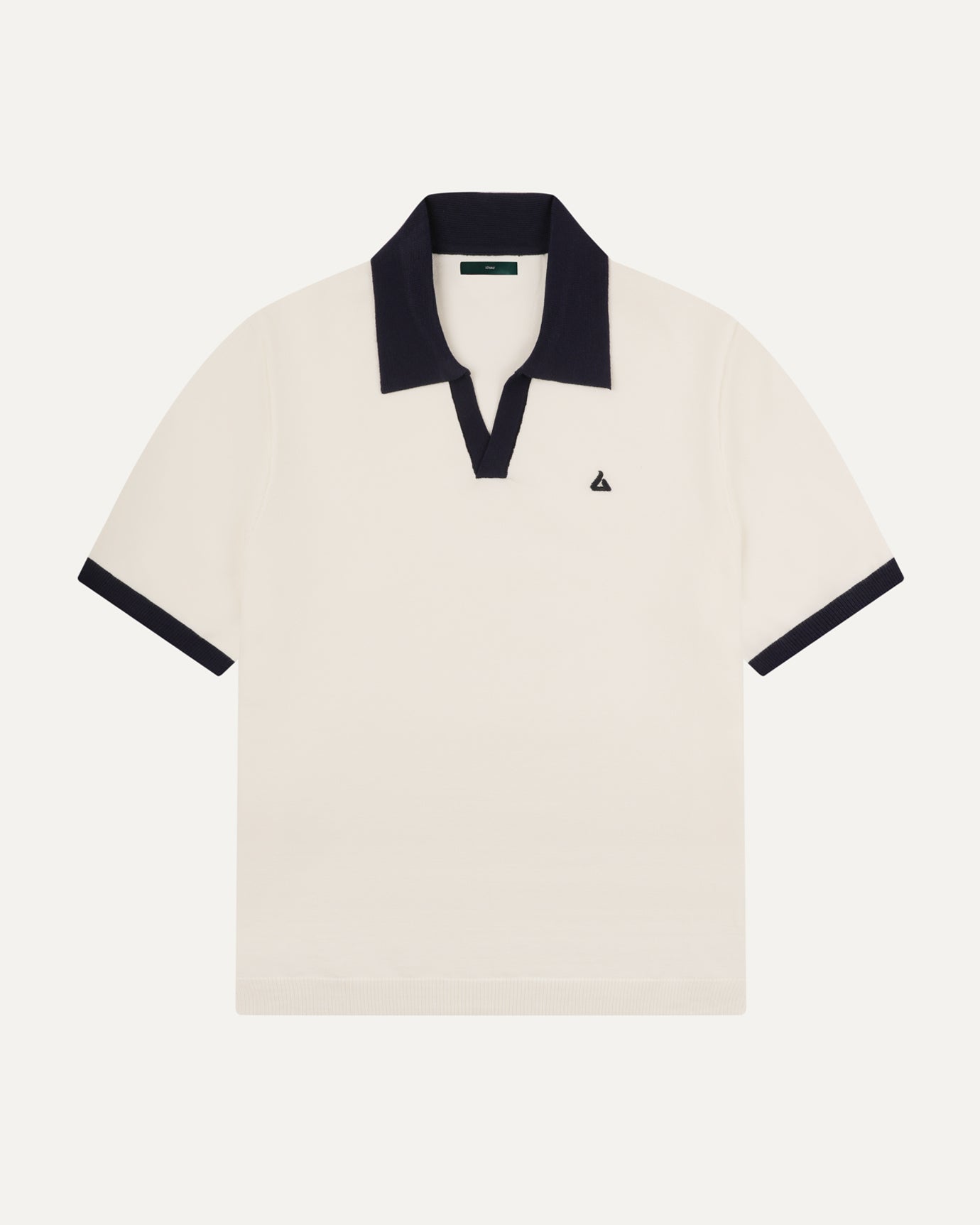
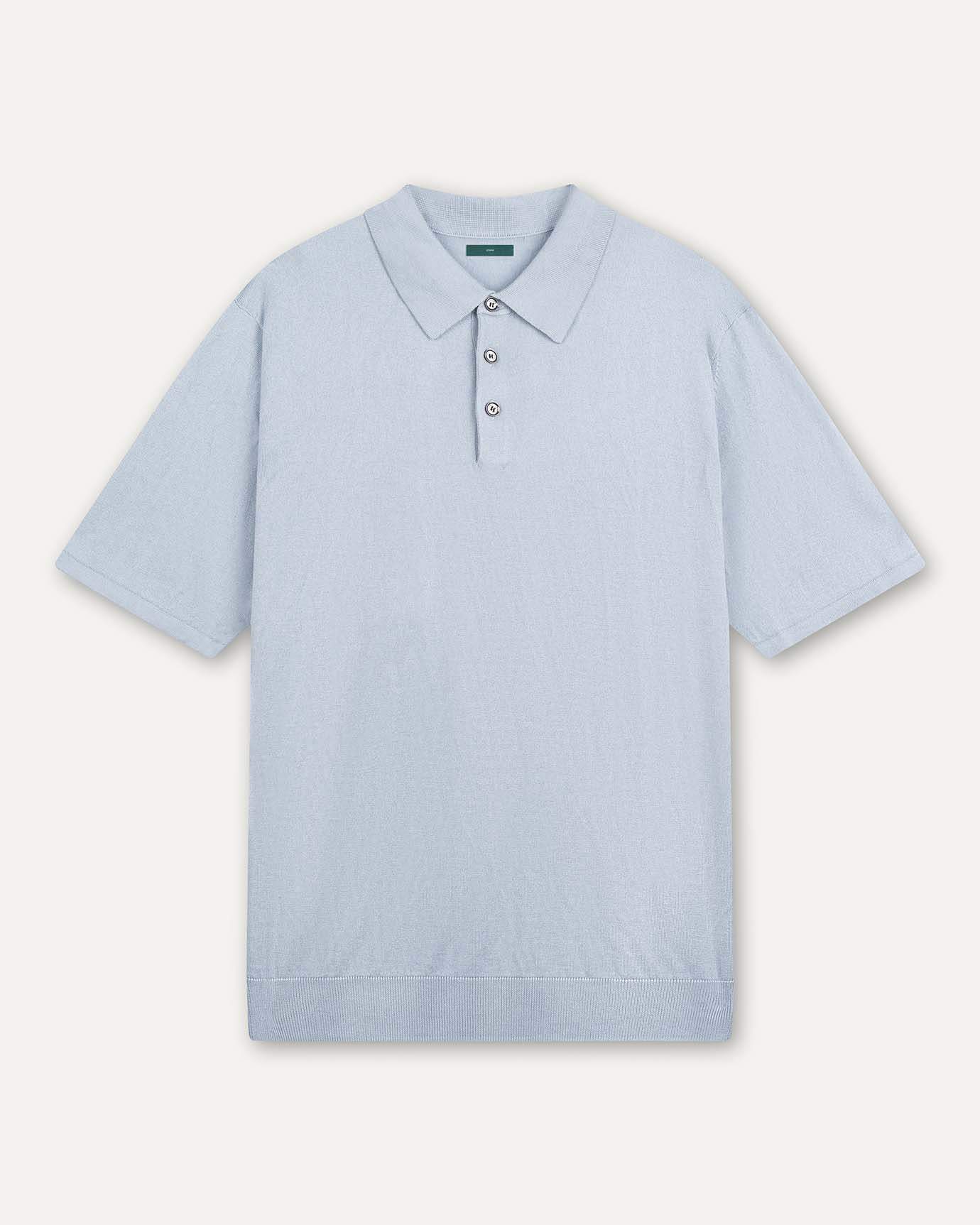
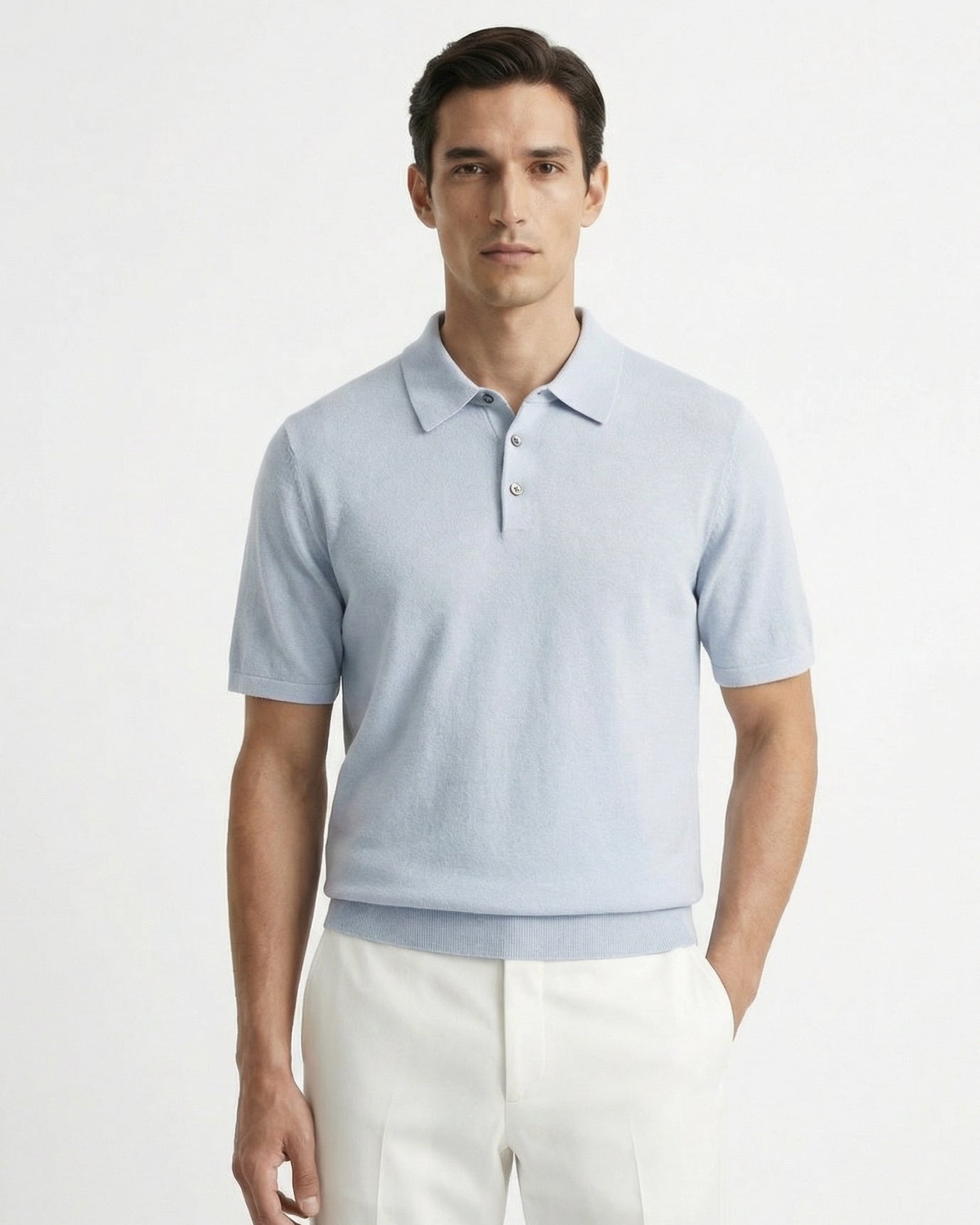
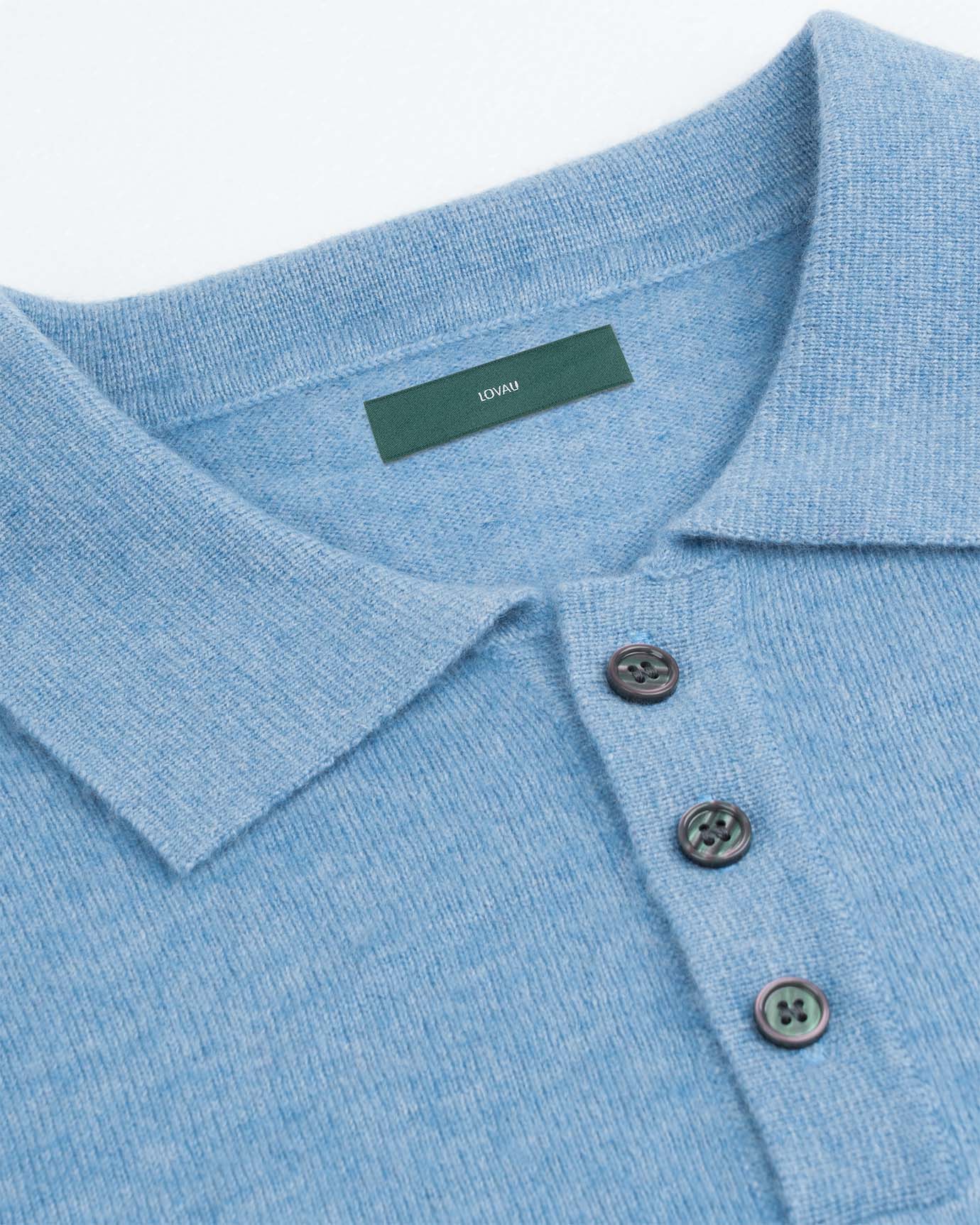
Buy mercerized cotton for: t-shirts and round-neck tops that will be worn visibly, without a jacket or overshirt to cover them. Polo shirts where the fabric surface is part of the garment's statement, such as the mercerized blended cotton polo or the double mercerized long-sleeve polo shirt. Any basic that you intend to wear at a frequency that makes per-wash durability relevant.
Standard cotton is sufficient for: underlayers worn beneath a shirt and jacket where no fabric surface is visible, gym and active wear where performance and easy replacement matter more than longevity, and casual weekend garments used in rough outdoor settings.
The men's spring and summer old money collection at Lovau is built around this logic: mercerized fabrics where they will be seen and appreciated, natural cotton blends where practicality takes precedence. The price premium on mercerized cotton is not a luxury tax. It is a cost-per-wear calculation that consistently favours the better fabric for anyone who dresses with consistency and intention.
For colour guidance on which mercerized tones to prioritise, the article on best colours for men's t-shirts in 2026 provides a practical starting point.

| Property | Regular Cotton | Standard Mercerized Cotton | High-Count Mercerized Cotton |
|---|---|---|---|
| Surface texture | Matte, slightly rough | Smooth with subtle sheen | Very smooth, near-silky drape |
| Colour depth | Moderate, fades over time | Deep, holds colour well | Deep and consistent, excellent dye retention |
| Tensile strength | Standard | 10-15% stronger than untreated | Strongest, fine yarn plus mercerization |
| Pilling resistance | Moderate to low | Good | Excellent |
| Shrinkage tendency | Higher | Low | Very low |
| Price range (t-shirt) | $12 to $30 | $60 to $90 | $90 to $120 |
| Best use case | Underlayers, gym, rough casual | Visible basics, smart casual | Premium basics, dressed-down luxury |
Frequently asked questions
Does mercerized cotton feel different from regular cotton against the skin?
Yes, noticeably. Mercerized cotton has a smoother, slightly cooler initial feel because the restructured fibre surface reduces friction against the skin. It does not feel synthetic. The closest natural comparison is a fine poplin shirt fabric rather than standard jersey. The high-count breathable mercerized t-shirt in light blue is a good reference point for the texture.
Will mercerized cotton shrink in the wash?
Much less than standard cotton. The mercerization process puts the fibre through a controlled swelling under tension, which means the fabric has already been through the dimensional change that causes shrinkage. Washing cold and air drying will preserve the garment's original dimensions almost entirely.
Is mercerized cotton suitable for warm weather?
It is one of the better warm-weather fabrics available. High-count mercerized cotton is lightweight, breathes well, and does not trap heat the way denser jersey does. The sheen also reads well in warm, bright light. See our full breakdown of the best summer fabrics for hot weather for how it compares against linen and lightweight wool.
What is the difference between mercerized cotton and pima or Egyptian cotton?
Pima and Egyptian cotton refer to the species and origin of the raw fibre, both are long-staple varieties that produce a naturally smoother, stronger yarn than standard upland cotton. Mercerization is a finishing process applied after spinning. You can mercerize standard cotton, pima cotton, or Egyptian cotton. The best mercerized garments typically start with a long-staple raw fibre and then apply the mercerization treatment, combining both advantages.
Mercerized cotton earns its price for any man who wears his basics visibly and expects them to hold their appearance over years rather than months. The structural improvements from mercerization, smoother surface, stronger yarn, better colour retention, are not marketing language. They are measurable differences that translate directly into how a garment looks on the body and how long it stays worth wearing. If you are building a wardrobe around composed, timeless basics, start with the men's old money polo and t-shirt collection and choose mercerized cotton for every piece that will be seen.