


The Perfect Shift Dress: Timeless, Forgiving, and Chic
Reading time 14 min • 2855 words
The shift dress may be the most quietly reliable silhouette in the history of twentieth-century fashion. It arrived in the early 1960s as a deliberate departure from the nipped waist and structured petticoat of the previous decade, and it has never really left. Its straight, slightly A-line cut skims the body without gripping it, which is precisely why it continues to appear in wardrobes belonging to women of very different ages, proportions, and personal styles.
What makes the shift so enduring is not a trend cycle but a geometric logic. The cut creates a clean vertical line from shoulder to hem, which the eye reads as long and composed. There are no darts pulling across the fullest part of the hip, no waist seam that can sit in the wrong place on a given body. The dress does its work quietly, and that quiet confidence is very much in keeping with the Lovau philosophy.
This guide covers the fabrics that make a shift dress perform well, the hem lengths and necklines that flatter most, how to take the silhouette from a weekday lunch to a garden party, and the specific details worth looking for when you are choosing one to keep for years rather than one season.
Key takeaways
- A shift dress works best in structured fabrics such as cotton poplin, ponte, or light wool, which hold the silhouette without clinging.
- Knee-length or just above the knee is the most universally flattering hem length for the shift silhouette.
- Accessories are the primary tool for moving a shift dress from daytime casual to evening appropriate.
- Avoid very stiff boning or heavy lining inside a shift, as it defeats the ease of movement the cut is designed for.
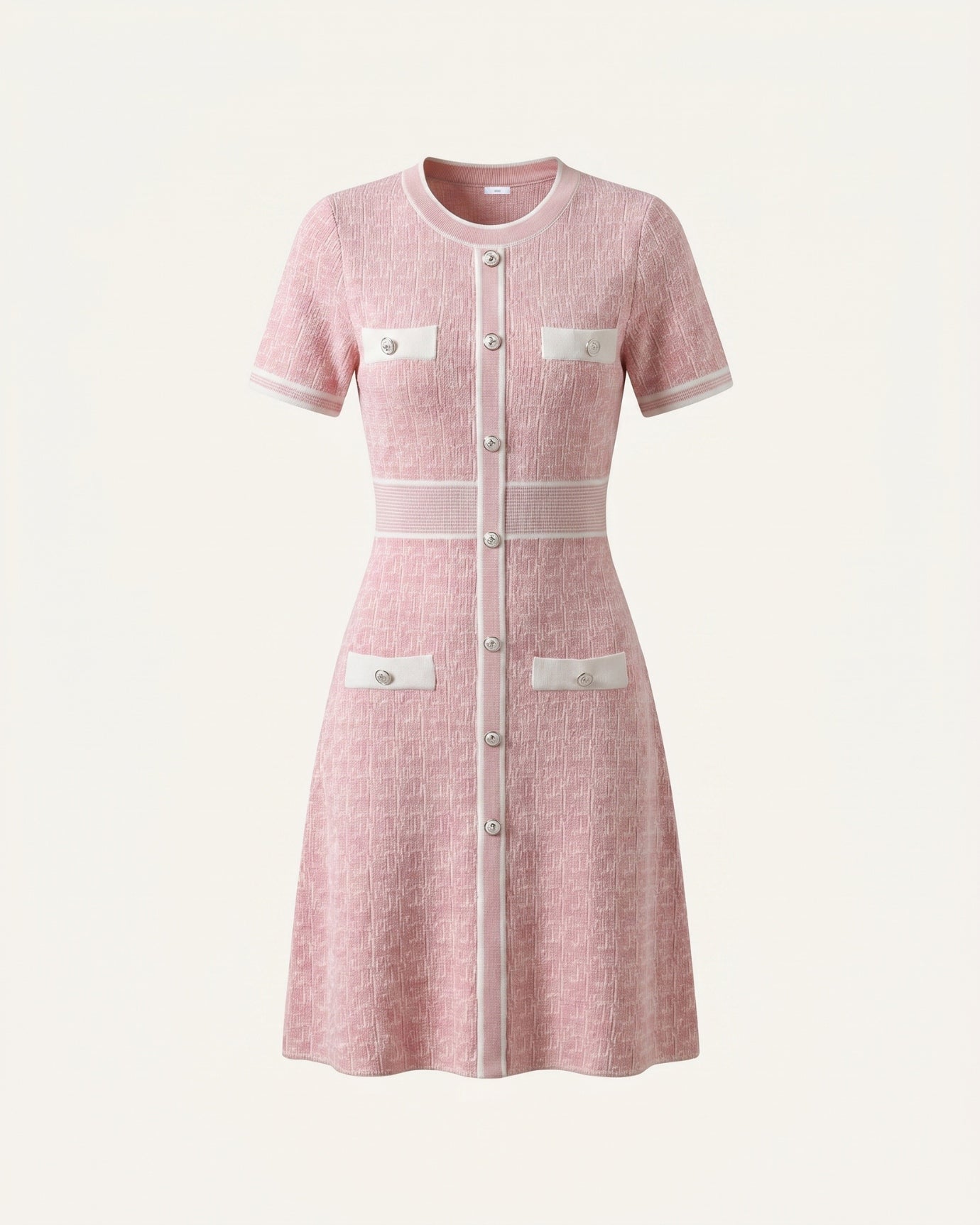
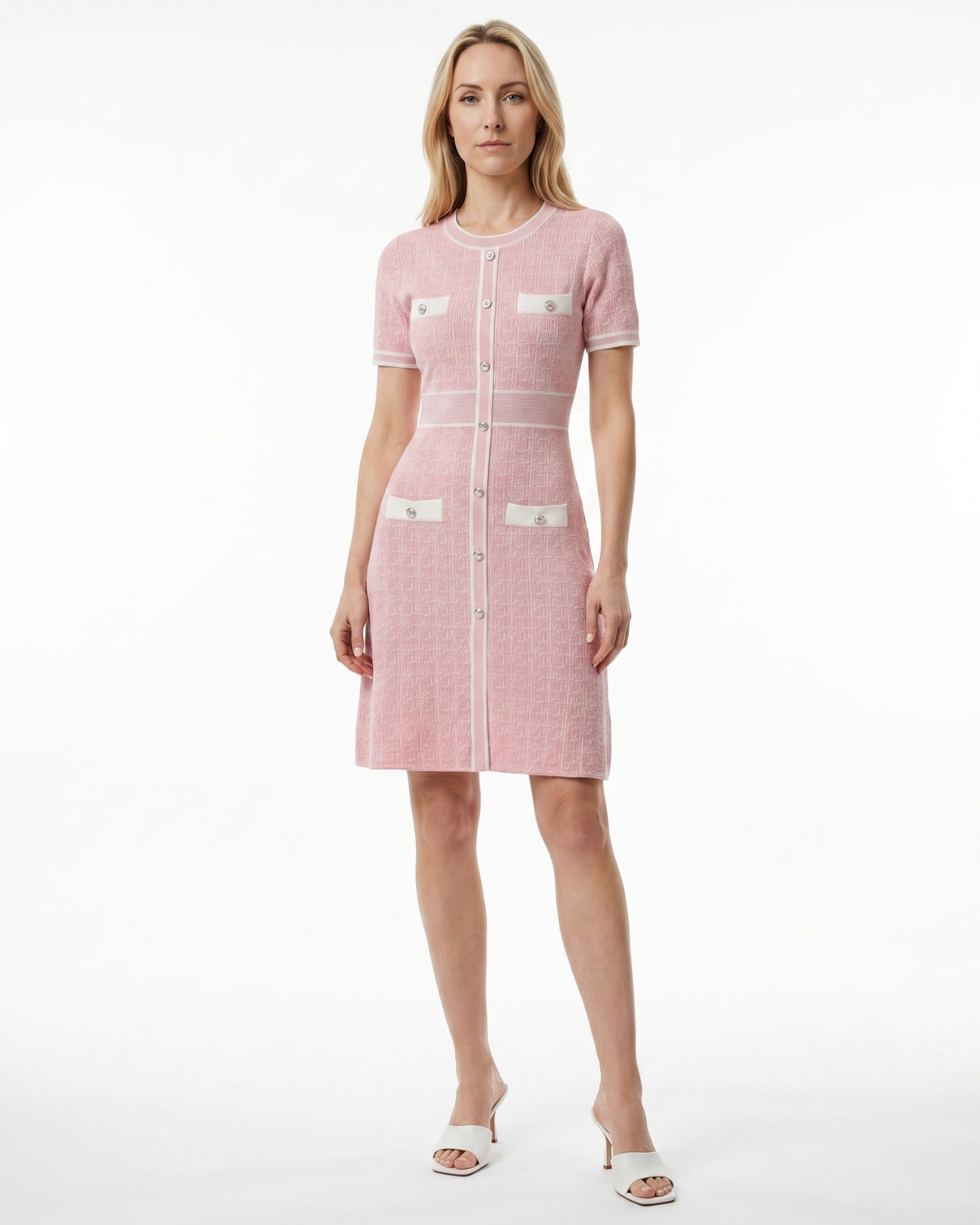
- A single strong detail, a contrast collar, a row of buttons, or a belted waist, is enough to make a shift dress feel considered rather than plain.
In this guide
- What Defines a Shift Dress (and What It Is Not)
- The Best Fabrics for a Shift Dress and Why They Matter
- Hem Length, Neckline, and the Details That Do the Work
- How to Style a Shift Dress Across Different Occasions
- Caring for Your Shift Dress So It Lasts for Years
- Choosing a Shift Dress That You Will Actually Wear
- Frequently asked questions
What Defines a Shift Dress (and What It Is Not)
The shift dress is defined by three characteristics: a straight or very gently flared silhouette that does not follow the waist, a hem that typically falls between the mid-thigh and just below the knee, and a clean, unbroken line from shoulder to hem. It is cut without a defined waist seam, which distinguishes it from a sheath dress. The sheath dress is tailored to follow the body closely and typically includes waist suppression through darts or seaming. The shift, by contrast, hovers a centimetre or two away from the body at the hip and waist.
This distinction matters in practice. A sheath is more formal and more demanding of a precise fit. A shift is more forgiving, more comfortable across a full day, and easier to size correctly off the rack. The shift dress silhouette has roots in the modernist movement of the early 1960s, when designers such as Balenciaga and Givenchy were stripping away ornamentation in favour of geometric form.
A shift is also not a T-shirt dress. The T-shirt dress is cut from jersey and relies on stretch to follow the body. A true shift is cut from a woven or structured knit fabric and holds its shape independently. The difference in polish is significant and immediately visible.
Expert insightLook for a shift with at least a small amount of structure at the shoulder, either a set-in sleeve or a clean armhole facing. A drooping shoulder seam is the single detail that makes a shift dress look cheap rather than refined.

The Best Fabrics for a Shift Dress and Why They Matter
Fabric is where a shift dress either succeeds or fails. Because the silhouette relies on the garment holding a clean shape rather than the body filling it out, the cloth must have enough body to stand slightly away from the figure without collapsing or clinging.
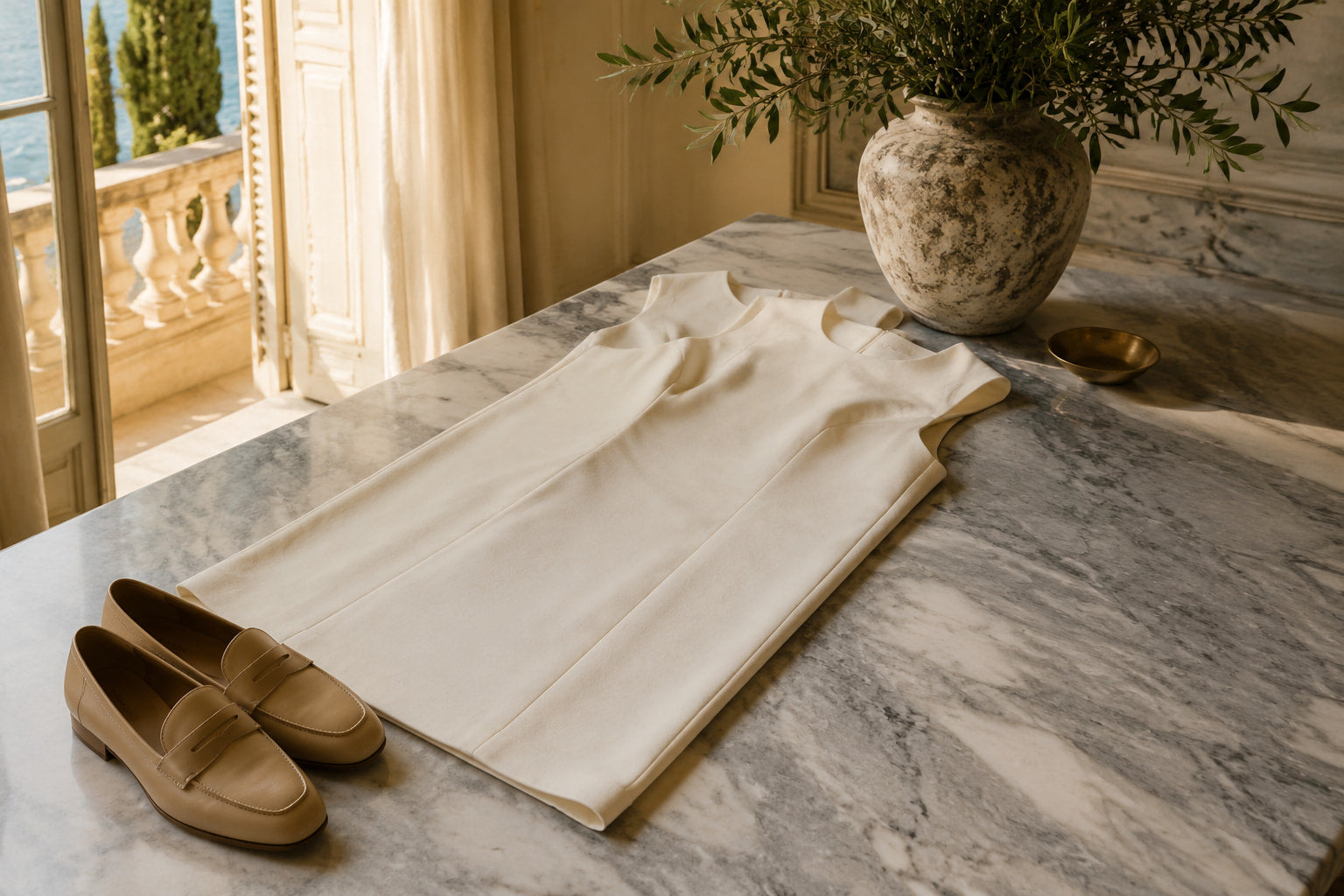
Cotton poplin and cotton-linen blends are the most practical choice for spring and summer. They press cleanly, breathe well, and hold the slight A-line shape of the shift without needing heavy interfacing. A French white shift-style dress in cotton feels cool against the skin and reads as crisply put-together even late in the afternoon.
Ponte di Roma, a double-knit fabric made from viscose, nylon, and polyester, is the most forgiving option across seasons. It has enough structure to hold the shift's silhouette and enough stretch to be genuinely comfortable. It does not wrinkle in the way woven fabrics do, which makes it the most practical choice for travel or a long working day.
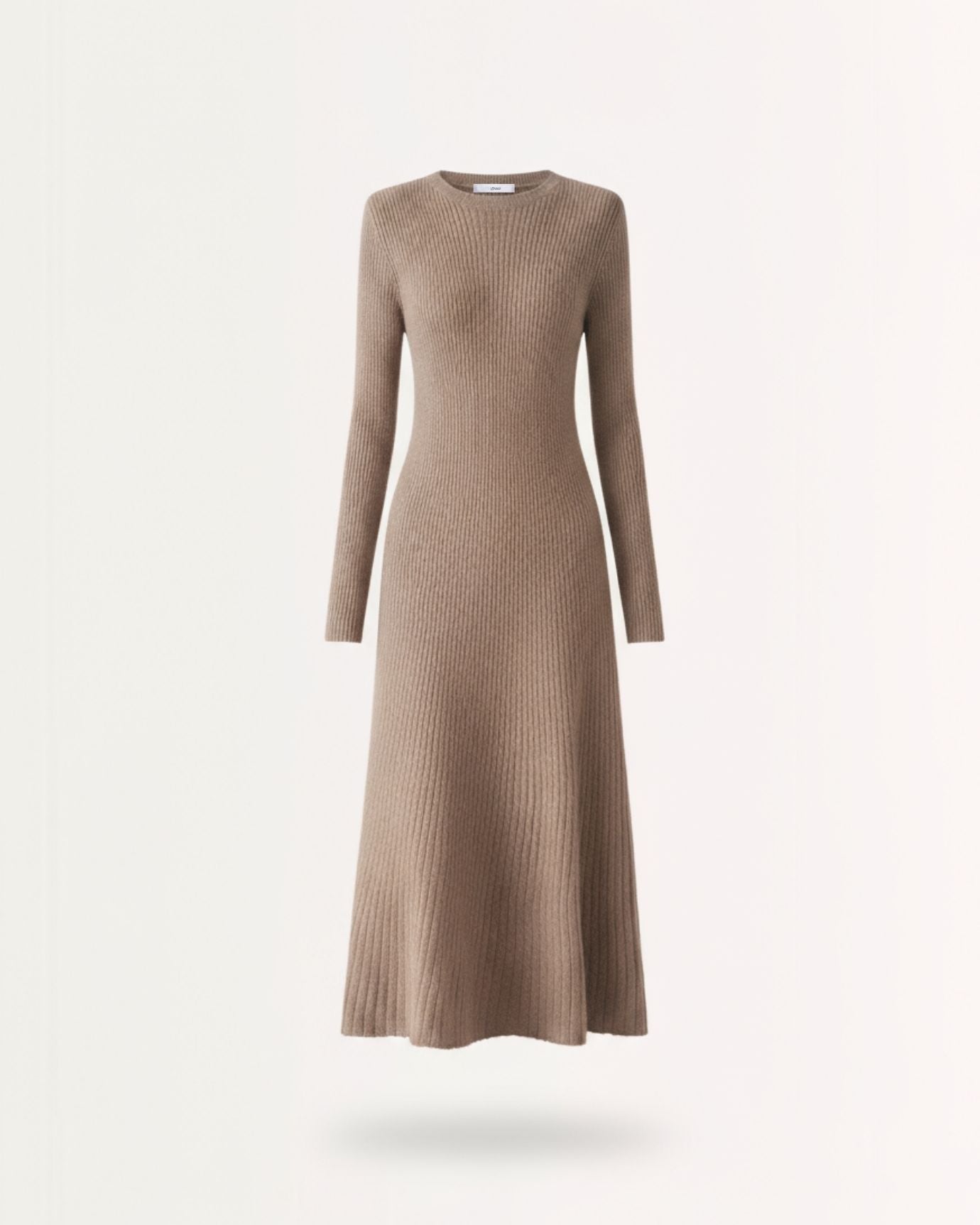
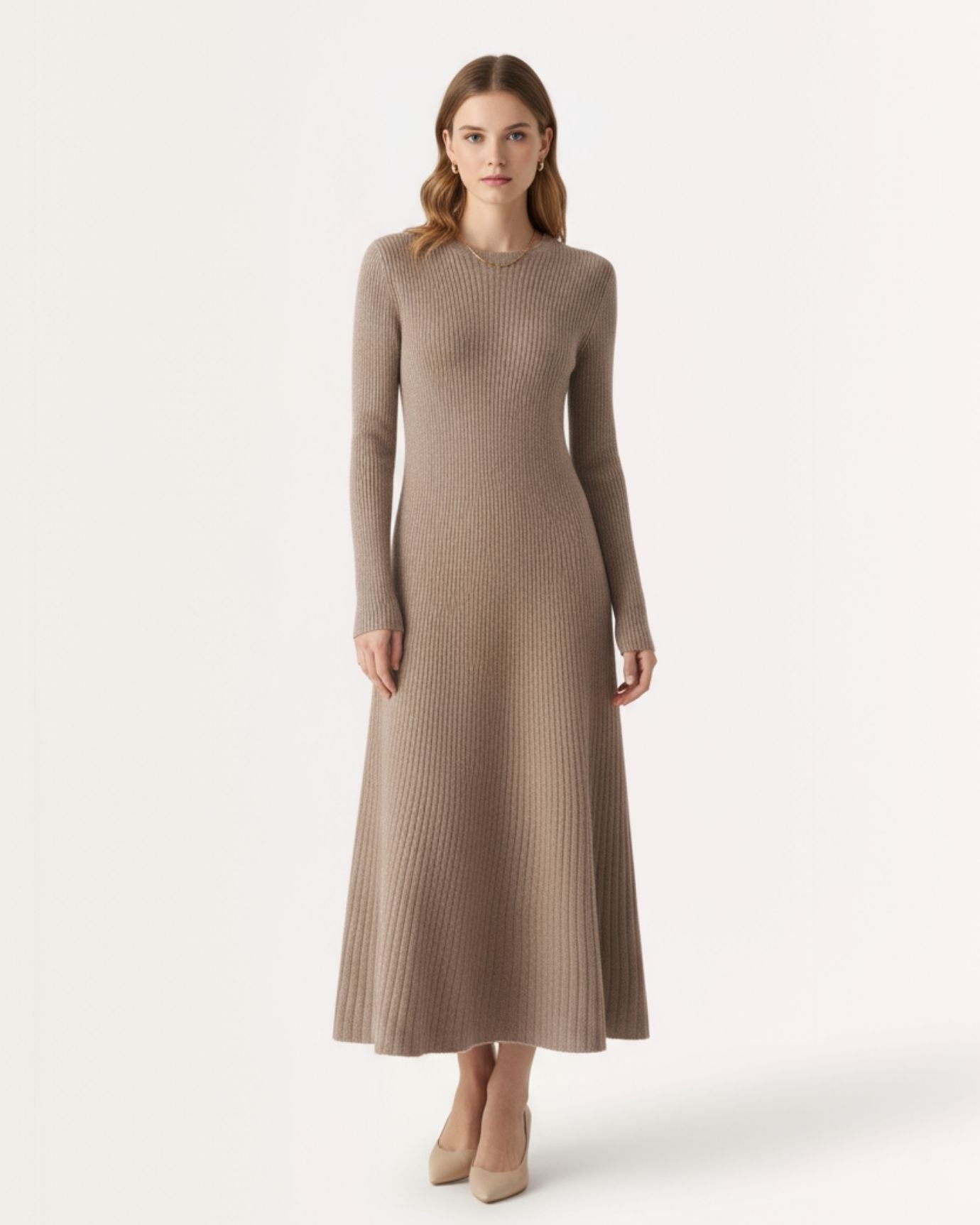
Light wool crepe is the most elegant option for autumn and cooler months. It drapes beautifully, resists creasing, and gives the shift a weight that reads as intentional and expensive. A wool dress in old money style in a dark neutral, charcoal, navy, or chocolate, will carry through an entire season without looking tired.
Velvet works for a shift in winter, particularly for evening. The pile adds visual weight and richness without requiring embellishment. Our guide on incorporating velvet dresses into your winter rotation covers this in detail.
Fabrics to avoid in a shift cut: jersey that is too lightweight (it will cling at the hip), satin (too formal and unforgiving of movement), and stiff brocade (it fights the relaxed ease the silhouette is meant to provide).
Expert insightIf you are buying a shift in a woven fabric, hold it up to the light and check whether it is fully lined. An unlined cotton shift in a pale colour will become transparent in direct sunlight. A quality lining in a nude tone solves this immediately.

Hem Length, Neckline, and the Details That Do the Work
The hem length of a shift dress has more effect on its formality than almost any other single factor. A hem that sits two to four centimetres above the knee reads as young and casual. A hem at the knee is the most universally appropriate and works from a business lunch to a cocktail party. A hem that falls just below the knee or to the mid-calf gives the silhouette a more serious, European authority.
For women who prefer a longer line, the shift transitions naturally into a midi or column silhouette. The day dresses collection includes options across these lengths, and the midi shift in particular has become a recurring choice among women who dress for both professional and social occasions in the same garment.
Neckline choices are equally consequential. A jewel neckline is the most classic and the most neutral. It works with a strand of pearls, a silk scarf, or nothing at all. A V-neck lengthens the neck and adds a degree of femininity. A contrast collar, as seen on the contrast collar pleated dress, introduces a graphic element that makes the dress feel styled without requiring additional accessories.
Surface details are where a shift dress earns its character. A column of small buttons down the front, as on the diamond button mini dress, is the most Parisian approach. Pleating at the bodice adds texture without bulk. A single pleat or kick pleat at the hem improves ease of movement and is the mark of a dress cut by someone who understands how women actually wear clothes.
Pockets are not a luxury in a shift dress; they are a practical requirement. A properly sewn in-seam pocket does not disrupt the silhouette and makes the garment genuinely wearable across a full day.
Expert insightA sleeveless shift is the most versatile version of the silhouette. It layers cleanly under a blazer or a knit cardigan in cooler months and stands alone in summer. If you own only one shift dress, make it sleeveless in a mid-weight fabric.

How to Style a Shift Dress Across Different Occasions
The shift dress is one of the few silhouettes that genuinely moves across occasion categories without looking misplaced. The styling variables are footwear, outerwear, and accessories, and each combination sends a distinct signal.
For a working day, pair a knee-length shift in navy or stone with pointed-toe loafers from the loafers old money style collection and a structured leather tote. Keep jewellery minimal: small gold earrings or a thin chain. The goal is a woman who is clearly dressed, not a woman who appears to have tried very hard.
For a weekend lunch or gallery visit, the same shift works with white leather trainers or flat sandals, a linen blazer left open, and a pair of sunglasses from the old money sunglasses collection. The register drops from professional to cultivated without any change to the dress itself.
For an evening occasion, a shift in velvet or a richer fabric such as the velvet old money style dress needs only heeled dress shoes from the dress shoes collection and a small clutch. The silhouette is already formal enough. Over-accessorising a shift for evening is a common mistake; the restraint is what makes it look expensive.
For travel, a shift in ponte or a wrinkle-resistant fabric is the most practical dress you can pack. It folds flat, does not crease, and can be worn from an afternoon arrival to a dinner reservation the same evening. Our article on styling a casual jersey dress for the airport touches on the same principle of single-garment versatility.
For cooler months, a shift pairs naturally with opaque tights and ankle boots or with a long cardigan in a toning colour. The long sleeve dresses collection also offers shift-adjacent silhouettes with the added warmth of a sleeve for transitional weather.

Caring for Your Shift Dress So It Lasts for Years
A well-made shift dress in a quality fabric should last a decade or more with proper care. The maintenance requirements vary significantly by fabric.
Cotton and linen shifts can generally be machine washed on a gentle cycle in cool water. Press them while still slightly damp with a hot iron for the cleanest result. Store them hanging rather than folded to prevent permanent crease lines at the hip.
Wool crepe shifts should be dry-cleaned or hand-washed in cool water with a wool-specific detergent. Never wring a wool garment; press it gently between two clean towels to remove water, then lay it flat to dry. The woman wool dress will retain its shape season after season if treated this way. According to The Woolmark Company's care standards, cool water and minimal agitation are the two most important factors in extending the life of any wool garment.
Velvet shifts require steaming rather than pressing. A flat iron will crush the pile permanently. Steam from a handheld steamer held a few centimetres from the surface will restore the nap. Store velvet hanging, never folded, and keep it away from direct sunlight which will fade the pile unevenly.
Ponte shifts are the most low-maintenance option. They can typically be machine washed and laid flat to dry. They do not require ironing, which makes them the most practical choice for regular, frequent wear.
For storage across seasons, fold lightweight cotton shifts with acid-free tissue paper between the layers, or hang them in a breathable cotton garment bag. Never store any dress in a plastic dry-cleaning bag, which traps moisture and can cause fabric degradation over time.

Choosing a Shift Dress That You Will Actually Wear
The most common mistake women make with a shift dress is buying one that is slightly too small, reasoning that the straight cut will hide any tightness. The opposite is true. A shift dress that is even slightly too snug across the hip or back will pull, ride up, and require constant readjustment throughout the day. Size up if you are between sizes and let the cut do what it is designed to do.
The second most common mistake is choosing a fabric that is too casual for the occasions you intend to wear it to. A shift in a cotton jersey will always look like a comfortable dress. A shift in wool crepe or structured cotton will always look like a considered dress. The silhouette is the same; the fabric is the entire difference in register.
For women new to the silhouette, the blue striped shift-style dress is a useful starting point. Stripes on a shift create a vertical line that reinforces the lengthening effect of the cut, and the pattern makes the dress feel more dressed than a plain fabric at the same price point.
For women who want a shift with a defined waist, a belted version such as the Paris-style long-sleeved dress with belt offers the ease of a shift with the option to add waist definition when the occasion calls for it. The belt can be removed for a purer shift line.
Browse the full woman dress collection for the complete range of shift and shift-adjacent silhouettes available from Lovau, and the Lovau woman designer collection for pieces in which the shift silhouette is interpreted with the most attention to cut and fabric detail.

| Fabric | Best Season | Occasion Register | Care | Wrinkle Resistance |
|---|---|---|---|---|
| Cotton poplin | Spring / Summer | Casual to smart casual | Machine wash, cool | Low, press after washing |
| Cotton-linen blend | Spring / Summer | Casual to business casual | Machine wash, cool | Low, benefits from pressing |
| Ponte di Roma | All seasons | Business casual to smart | Machine wash, gentle | High, minimal care needed |
| Wool crepe | Autumn / Winter | Business to evening | Dry clean or hand wash | Very high, rarely needs pressing |
| Velvet | Winter | Evening / occasion | Dry clean or steam only | High, but pile needs steaming |
| Jersey (light) | Summer | Casual only | Machine wash | High, but clings if too thin |
Frequently asked questions
Is a shift dress flattering on all body types?
Yes, with the right fabric and fit. The shift's straight cut skims rather than clings, which makes it forgiving across a wide range of proportions. Women with a fuller hip benefit from a fabric with enough body to fall cleanly away from the figure, such as ponte or wool crepe, rather than a lightweight jersey that will follow every curve. Women with a straighter silhouette can use surface detail, a contrast collar, pleating, or a belt, to add visual interest. The key is always fit across the shoulder and back: a shift that is correct at the shoulder will fall correctly everywhere else.
What shoes work best with a shift dress?
The most versatile choice is a pointed-toe flat or low heel in a neutral leather. It maintains the clean, elongated line of the shift without adding height that competes with the dress's proportions. For a more casual register, clean white trainers or simple leather sandals work well. For evening, a slender heel in nude or black is the most classic option. Browse the loafers old money style collection for flat options that pair particularly well with a knee-length shift.
Can a shift dress be worn to a formal occasion?
It depends on the fabric and length. A shift in velvet, silk crepe, or heavy wool at knee length or below reads as occasion-appropriate for a cocktail event or smart dinner. A shift in cotton or jersey, regardless of length, will read as too casual for a formal setting. The distinction is entirely in the cloth. For formal occasions, look at the evening dresses collection for shift-silhouette options in more formal fabrics.
How do I prevent a shift dress from riding up when I walk?
Riding up is almost always a sign that the dress is too narrow across the hip or thigh for your proportions. The fix is sizing up rather than down. A shift that fits correctly at the hip will have enough ease to move with you. If the fabric is the issue, a lightweight lining that reduces friction between the dress and your tights or skin will also help. A small kick pleat at the centre back hem is the most elegant structural solution, as it adds movement without altering the front silhouette.
The shift dress earns its reputation not through novelty but through consistency. It asks very little of the wearer and returns a great deal: a clean silhouette, genuine comfort across a full day, and the kind of quiet polish that holds up across decades rather than seasons. Choose your fabric carefully, fit it correctly at the shoulder, and let the cut do the rest. Explore the full range of timeless dresses for women at Lovau to find the shift that will become the most-reached-for piece in your wardrobe.