


The Mediterranean Midi Dress: Your Go-To 2026 Summer Staple
Reading time 14 min • 2788 words
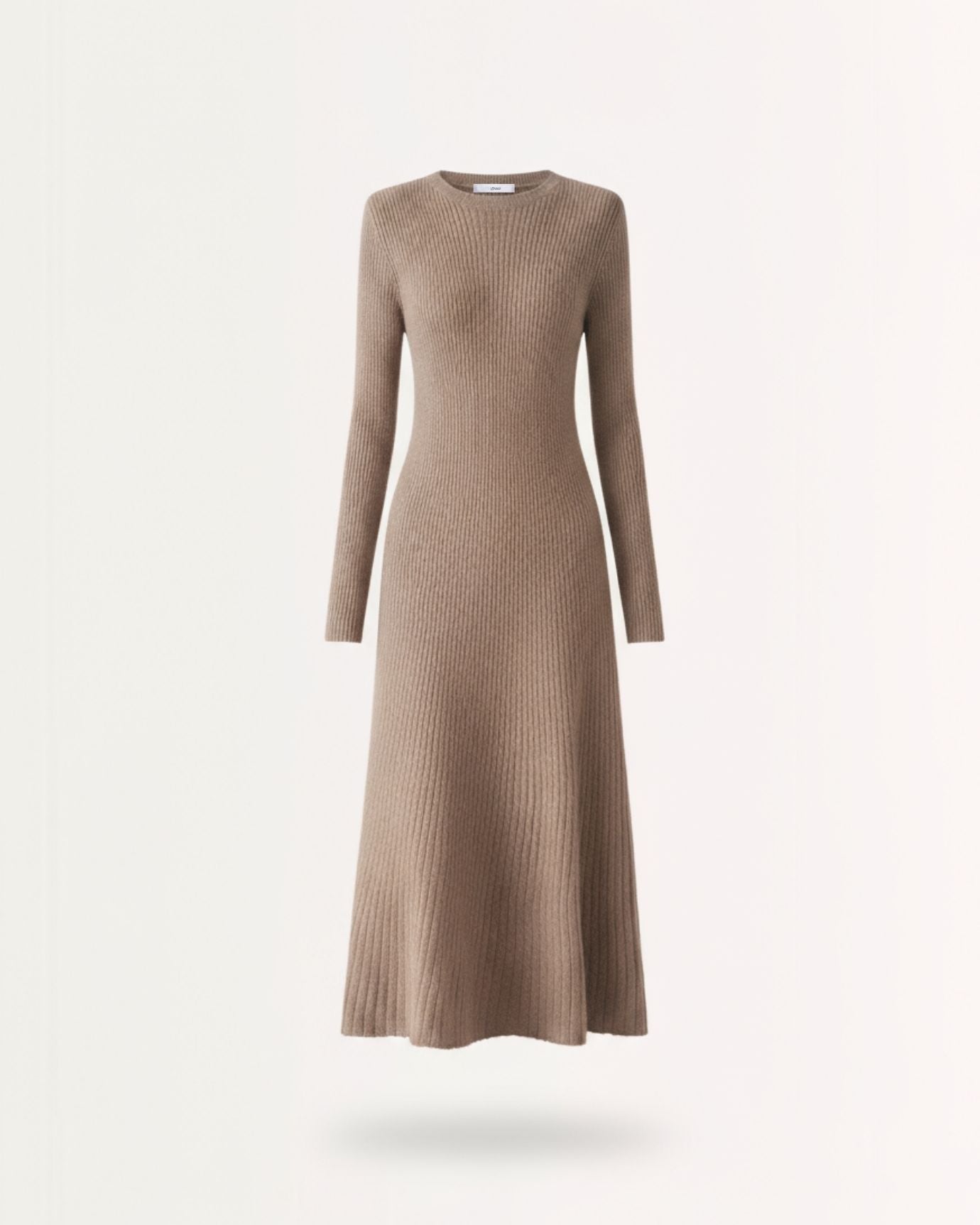
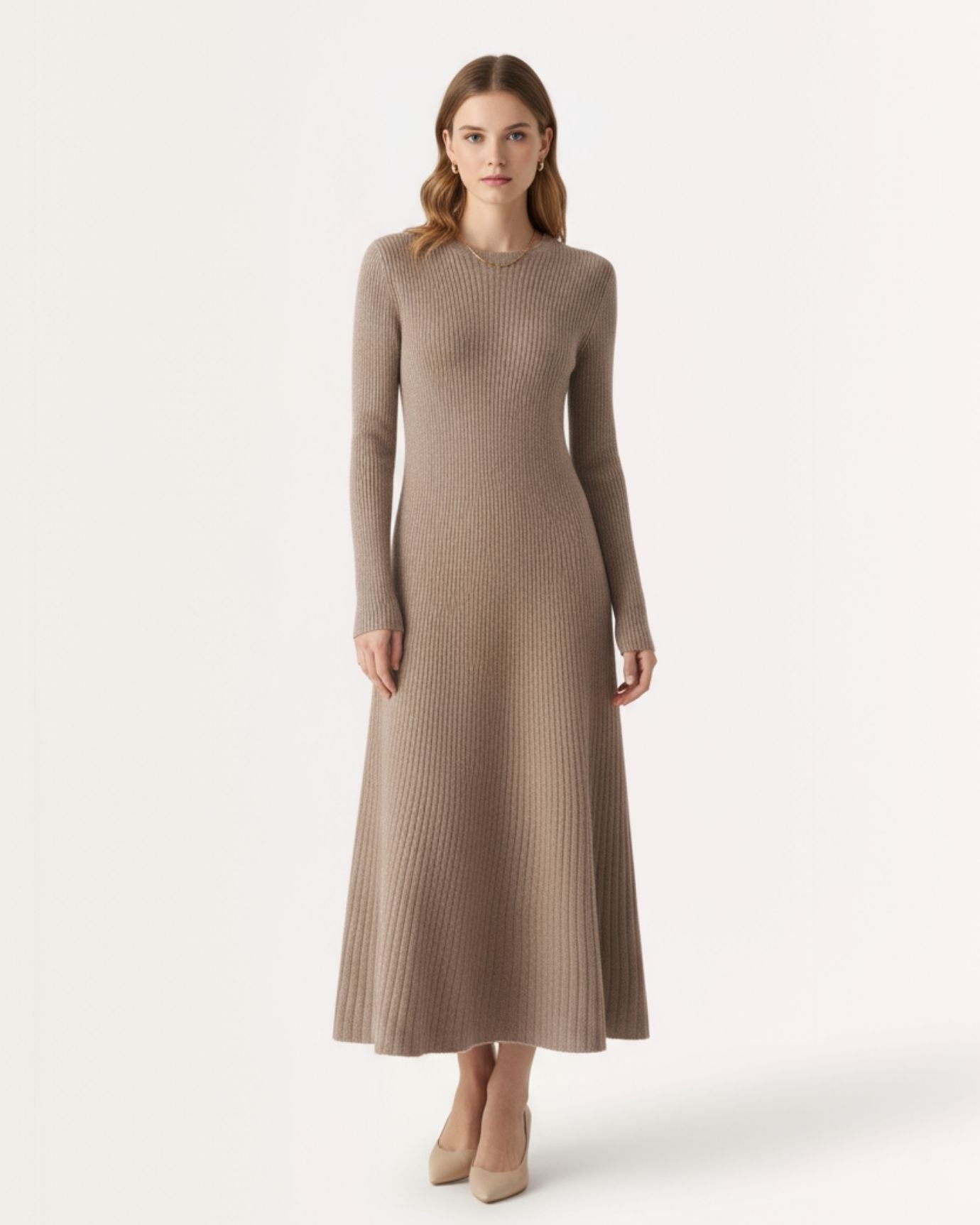
The midi dress has been a fixture of European warm-weather dressing for decades, but summer 2026 belongs to one specific interpretation: the Mediterranean version. Not the holiday-market cotton sack, not the festival maxi. A dress that falls somewhere between the knee and the mid-calf, cut with intention, made from fabric that actually breathes, and styled with the kind of quiet confidence that requires no explanation.
What makes it Mediterranean in spirit is less about geography and more about proportion and restraint. The silhouette is modest without being prim. The palette borrows from limestone, sea glass, terracotta, and deep indigo. The construction prioritises comfort in heat without sacrificing structure. It is, in short, the dress you reach for when you want to look entirely composed without having tried very hard at all.
This guide covers everything you need to know: which fabrics hold up in real summer heat, how to read fit and proportion on your own body, which occasions the midi dress genuinely handles, and how to build outfits around it that feel considered rather than assembled.
Key takeaways
- Midi length (hitting between the knee and mid-calf) works across beach lunches, city dinners, and gallery afternoons without any outfit change.
- Linen-blend and viscose fabrics breathe best in Mediterranean heat; avoid heavy polyester, which traps warmth and creases badly.
- A fitted or gently A-line bodice with a fluid skirt is the most universally flattering midi silhouette for summer.
- Neutral and deep tones (white, navy, black, burgundy) outlast trend cycles; invest in those first before seasonal prints.
- Heel height changes the entire register of a midi dress: flat sandals read coastal ease, a block heel reads dinner-ready.
In this guide
- Why the Midi Length Works So Well in Summer
- Fabric First: What Actually Breathes in Mediterranean Heat
- Colour and Pattern: Building a Midi Dress Wardrobe That Lasts
- How to Style a Midi Dress Across Different Occasions
- Fit and Proportion: Reading a Midi Dress on Your Body
- Care and Longevity: Making a Midi Dress Last
- Frequently asked questions
Why the Midi Length Works So Well in Summer
There is a reason the midi has outlasted the mini and the maxi as a warmer-months staple. It is a question of practicality and proportion working in the same direction.
A hem that falls between the knee and the mid-calf solves several problems at once. It provides coverage for long days that move from air-conditioned interiors to sun-exposed terraces, it is appropriate for a broader range of settings than a short dress, and it creates a vertical line that is flattering across a wide range of body types. Unlike the maxi, it does not drag on cobblestone streets or require careful hem management when you sit down.
For summer specifically, the midi length allows the dress to move with you. A slightly flared or A-line skirt catches a breeze without clinging. A straight-cut midi in a lightweight fabric drapes cleanly and does not bulk up around the hips. The Giulia Midi Black Dress is a useful reference point here: a clean, structured midi that holds its shape through a full day without looking worn-in by afternoon.
Browsing the full midi dresses collection gives a clear picture of how much variety the length accommodates, from sleeveless summer cuts to more covered styles suitable for cooler coastal evenings.
Expert insightIf you are between two sizes in a midi dress, size up rather than down. A slightly looser fit in the skirt allows for better air circulation and avoids the fabric pulling across the hips when you walk or climb stairs.

Fabric First: What Actually Breathes in Mediterranean Heat
Fabric choice is the single most important decision you make when buying a summer dress. The wrong fabric makes a beautiful silhouette unwearable by midday; the right one keeps you comfortable through a six-hour day in 30-degree heat.
Linen and linen blends remain the gold standard for Mediterranean summers. Linen is a natural bast fibre derived from the flax plant; it is highly breathable, moisture-wicking, and becomes softer with each wash. A linen-blend dress, typically mixed with cotton or a small percentage of viscose, reduces the tendency to crease while preserving the breathability. The Greece Linen Blended Spring Summer Dress is a straightforward example of this approach: the blend reads as polished rather than rustic, and it holds a pressed silhouette longer than pure linen would.
Viscose (rayon) is the second strong option. It is lightweight, drapes beautifully, and does not retain heat the way synthetic fibres do. It creases more easily than linen but moves more fluidly, which suits a skirt with volume. The Giulia range is cut in a fabric with viscose properties, which accounts for how cleanly it falls.
Cotton voile and fine cotton poplin are good choices for printed or embroidered styles. They breathe well and wash easily, though they require ironing to look their best.
What to avoid: heavy polyester, satin-finish synthetics, and anything described only as "woven fabric" without fibre content listed. These trap heat, generate static, and look visibly uncomfortable in photographs.
For styling advice on handling natural fibres that crease, our guide on how to style linen shirts without looking wrinkled applies the same principles to dresses.
Expert insightHold the fabric up to a light source before buying. A fabric that allows diffused light through is genuinely lightweight. One that blocks light entirely will feel heavy against the skin by early afternoon.

Colour and Pattern: Building a Midi Dress Wardrobe That Lasts
A Mediterranean colour palette is not pastel-heavy. It draws from the actual landscape: the deep blue of the Aegean, the white of Cycladic architecture, the terracotta of sun-baked rooftops, the dusty green of olive groves, and the burgundy of dried figs. These are colours with depth and specificity, which is precisely why they age better than trend-driven shades.
Start with a neutral anchor. White and navy are the two most versatile summer midi tones. The Giulia Midi White Dress works as a morning-to-evening dress with a simple shoe change, while the Giulia Midi Navy Blue Dress reads as polished enough for a restaurant dinner without requiring accessories to carry the look.
Add one or two accent colours. Burgundy reads as unexpectedly sophisticated in summer heat, the Giulia Midi Burgundy Dress being a strong example. Dusty pink and sage green are similarly wearable across both day and evening contexts.
On prints: stripes are the most enduring Mediterranean pattern, rooted in the visual language of coastal Europe. The Blue Striped Dress Lovau Style uses a clean horizontal stripe that avoids looking nautical-costume while staying firmly within the Mediterranean reference. Floral prints work when they are graphic and contained rather than busy; the Midi French Dress Flowery handles this balance well.
Polka dots occupy a similar space to florals: they should be small and well-spaced to read as refined rather than playful. The Polka Dot Midi Dress demonstrates the difference a considered scale makes.
For a broader view of the seasonal direction, the Spring Summer Old Money Woman collection shows how colour and pattern choices cohere across a full wardrobe.

How to Style a Midi Dress Across Different Occasions
The midi dress is a genuinely multi-occasion piece, but it requires some precision to move between settings without looking either overdressed or underdressed.
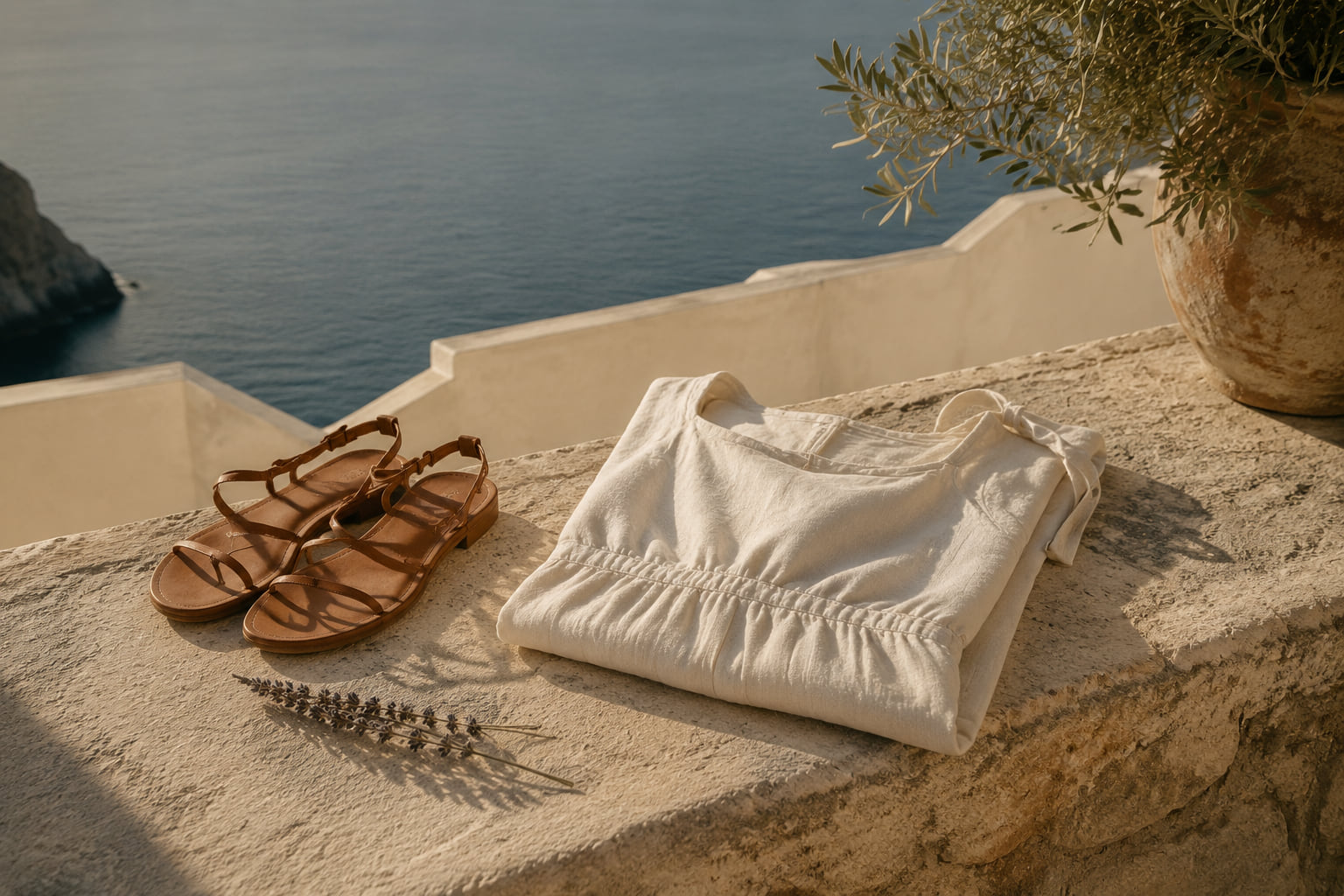
Beach lunch or coastal terrace: Keep the silhouette loose and the fabric light. Flat leather sandals, a woven bag, and no jewellery beyond simple gold earrings. The Mykonos Summer Stripped Hollow Dress in its open-weave construction is designed precisely for this context: it reads as considered without looking formal.
City afternoon, gallery visit, or shopping: A more structured midi works better here. The Contrast Collar Pleated Dress Sleeveless Two-Piece Style in Navy & White brings enough visual detail to hold its own in an urban setting without requiring layering or additional accessories to look complete.
Dinner or an evening event: Raise the heel. A block-heeled mule or a strappy sandal from the dress shoes range changes the register of the same dress entirely. Choose a deeper colour, such as black, navy, or burgundy, and keep jewellery minimal. A single fine chain or a pair of small gold hoops is sufficient.
Transitional days with cooler mornings: A linen midi worn with a lightweight layer on top, whether a linen shirt left open or a fine-knit cardigan, handles the temperature shift without requiring a different outfit. Our guide on how to take a sundress from summer to autumn with layering covers this transition in more detail.
A note on footwear: the midi length is sensitive to shoe proportion. A very flat sandal with a lot of ankle strap can visually interrupt the line of the leg at the wrong point. A simple flat slide or a barely-there sandal preserves the vertical line the midi creates. If you are wearing heels, a pointed or almond toe reads as more refined than a platform.
Expert insightThe midi dress does not need a belt to look finished, but if you add one, keep it narrow and in the same tonal family as the dress. A wide contrast belt breaks the silhouette and adds visual weight at the waist in a way that rarely reads as elegant.

Fit and Proportion: Reading a Midi Dress on Your Body
Fit is where most midi dress purchases go wrong. The length is not the issue; the fit through the bodice and hip usually is.
The bodice must fit without pulling. A midi dress that is too tight through the bust or shoulder will look strained regardless of how beautiful the skirt is. Check that the armhole sits flush against your body without cutting in, and that any button placket lies flat without gaping.
The waist seam or defining point should sit at your natural waist, not at the hip. A waist seam that drops too low creates a boxy, shapeless effect even on a structured dress. If a dress has a defined waist and it does not hit your natural waist, it is the wrong cut for your proportions, not a flaw in your body.
The skirt should have enough volume to move freely. A straight-cut skirt that is too narrow will restrict your stride and pull across the thighs when you sit. An A-line or gently flared skirt avoids this problem entirely and is generally more forgiving across different body types.
Hem length and your height: The classic midi sits between 5 and 7 centimetres below the knee. On a taller frame, this can extend toward the mid-calf without looking heavy. On a shorter frame, a hem that reaches the mid-calf can shorten the visual line of the leg; keep the hem closer to the knee and choose a shoe with a small heel to counteract this.
The Giulia Midi Green Dress and Giulia Midi Light Blue Dress share the same base pattern, which makes them useful for understanding how colour affects perceived proportion: the lighter blue reads as slightly more elongating, the green as slightly more grounded.
For guidance on how coat length interacts with the midi silhouette in cooler weather, the article on how to choose the right coat length for your midi dresses is worth reading before the season transitions.
Harper's Bazaar has noted that the midi silhouette consistently performs as one of the most commercially durable dress lengths precisely because it flatters a wide range of body proportions without requiring significant tailoring adjustments.

Care and Longevity: Making a Midi Dress Last
A well-made midi dress in a quality natural fabric should last many summers if cared for correctly. The mistakes most people make are in the washing and storage stages.
Linen and linen blends: Wash in cold water on a gentle cycle, or hand wash. Do not tumble dry; the heat sets creases into the weave and can shrink the fabric. Hang to dry in shade (direct sun bleaches colour over time) and iron while still slightly damp. Linen ironed bone dry requires significantly more heat and effort.
Viscose: Hand wash or use the delicate cycle with a mesh laundry bag. Viscose loses its shape when agitated in hot water. Never wring or twist; press water out gently and dry flat or hang on a wide hanger. Iron on a low setting with a pressing cloth between the iron and the fabric.
Storage: Do not fold midi dresses with structured bodices. Hang them on padded or wide-shoulder hangers to preserve the shoulder shape. For travel, roll rather than fold to reduce crease lines, and hang the dress in a steamy bathroom for 10 minutes after unpacking to release any creasing.
Spot cleaning: Address spills immediately with cold water and a clean cloth. Rubbing spreads the stain; blot from the outside edge inward. For oil-based marks on linen, a small amount of washing-up liquid left for 10 minutes before cold rinsing is effective.
The spring-woman-old-money-collection-2026 includes several pieces designed with these care requirements in mind, with fabric compositions chosen for durability over multiple seasons rather than single-season wear.

| Fabric | Breathability | Crease Resistance | Care Level | Best Occasion |
|---|---|---|---|---|
| Pure linen | Excellent | Low (creases easily) | Medium (iron damp) | Casual daytime, beach lunch |
| Linen-cotton blend | Very good | Medium | Easy (machine wash cold) | Day to evening, city wear |
| Viscose / rayon | Good | Low (soft creases) | Delicate (hand wash) | Evening, dinner, events |
| Cotton voile | Good | Medium | Easy (machine wash cold) | Daytime, garden, terrace |
| Polyester blend | Poor | High | Easy | Not recommended for heat |
| Cotton poplin | Good | Medium-low | Easy (machine wash) | City days, structured styles |
Frequently asked questions
What is the correct hem length for a midi dress?
A true midi dress hem falls between 5 and 15 centimetres below the knee, typically landing somewhere between the knee and the mid-calf. The exact point depends on your height and the silhouette of the dress. For most women, a hem that hits roughly at the widest part of the calf creates the most balanced proportion. If you are shopping the midi dresses range, check the specific hem measurement listed in each size guide rather than relying on the general description alone.
Can a midi dress be worn to a formal summer event?
Yes, with the right fabric and styling choices. A midi dress in a solid deep colour, such as black, navy, or burgundy, in a fabric with some drape (viscose or a fine linen blend) reads as formal when paired with a strappy heeled sandal and minimal jewellery. Avoid casual details like patch pockets, visible drawstrings, or very loose fits if the event requires a more polished register. The Giulia Midi Black Dress handles this transition well.
How do I stop a linen midi dress from looking too creased?
Iron the dress while it is still slightly damp after washing, using a medium-hot iron on the reverse side of the fabric. If you are dressing in the morning, hang the dress in the bathroom while you shower: the steam relaxes surface creases without ironing. Accept that a small amount of natural creasing in linen reads as texture rather than carelessness, particularly in casual daytime settings. For more detail on managing natural fabric creasing, our guide on how to style linen shirts without looking wrinkled covers the same principles.
What shoes work best with a midi dress in summer?
The most reliable options are a simple flat leather slide, a barely-there strappy sandal, or a low block heel. The goal is to avoid visually interrupting the vertical line of the midi silhouette. Avoid ankle-strap styles that cut across the leg at the widest point of the calf, and avoid very chunky platform soles, which add visual weight at the bottom of the look rather than length. A pointed or almond-toe shoe, even in a flat, reads as more refined than a round or square toe in most midi dress contexts.
The Mediterranean midi dress is not a trend that will look dated by the time you have worn it twice. It is a silhouette with a long history of practical elegance, made relevant for 2026 by the specific combination of fabric quality, considered colour, and restrained detail that defines the Lovau approach. Choose your fabric for the climate, your colour for longevity, and your fit for your actual proportions rather than a size label, and the dress will carry you through the season without effort. Start with the full summer dresses range to find the cut and colour that fits your wardrobe, not just the moment.