


How to Incorporate Velvet Dresses into Your Winter Rotation
Reading time 13 min • 2681 words
Velvet is one of those fabrics that earns its place every single winter and then somehow gets packed away too quickly in January. The hesitation is usually practical: women worry the fabric is too formal for daily wear, too delicate to maintain, or too seasonal to justify the investment. All three concerns are worth addressing directly, because none of them hold up under scrutiny.
The truth is that velvet, particularly in a dress cut with clean lines and a considered silhouette, is one of the most versatile cold-weather fabrics available. It holds warmth better than most printed fabrics, it photographs beautifully in natural winter light, and the slight sheen it carries means a single dress can move from a Tuesday lunch to a Friday dinner without requiring a full outfit change.
This guide covers the practical side: which velvet dress cuts work hardest in winter, how to layer them without adding bulk, which occasions they genuinely suit, and how to care for the fabric so it stays pristine across multiple seasons.
Key takeaways
- Choose velvet with a medium to heavy pile weight for winter warmth and structure.
- A velvet polo dress or long-sleeved velvet dress works across day and evening occasions with the right layering.
- Pair velvet with matte textures such as suede, wool, and cashmere to avoid a costume-like effect.
- Store velvet hanging, never folded, and steam rather than iron to preserve the pile.
- Midnight navy, deep forest green, and rich burgundy are the most versatile velvet colours for a winter wardrobe.
In this guide
- Understanding Velvet as a Winter Fabric
- The Velvet Dress Cuts That Work Hardest in Winter
- Layering Velvet Dresses Without Adding Bulk
- Occasion Mapping: Where Velvet Dresses Actually Belong
- Caring for Velvet So It Lasts Multiple Seasons
- Building a Winter Dress Rotation Around Velvet
- Frequently asked questions
Understanding Velvet as a Winter Fabric
Before building outfits, it helps to understand what velvet actually is. Velvet is a woven tufted fabric in which the cut threads are evenly distributed, creating a short dense pile. Historically woven from silk, most contemporary velvet dresses use a cotton, polyester, or viscose base, which affects both drape and warmth differently.
For winter dressing, pile weight matters considerably. A lightweight stretch velvet, common in bodycon silhouettes, has a soft drape but offers little insulation. A medium-weight crushed or structured velvet, more often found in A-line or shift cuts, sits closer to the body and retains warmth the way a lined wool dress does. When shopping, run the fabric between your fingers: if the pile flattens easily and feels thin, it is a summer-weight velvet repurposed for winter styling. If the pile springs back and the fabric has body, it will perform well through December and February.
Colour also behaves differently in velvet than in any other fabric. The pile absorbs light rather than reflecting it, which means a midnight navy velvet reads as considerably deeper and richer than the same navy in cotton or silk. This depth is exactly what makes velvet so compatible with winter's shorter days and candlelit evenings. Burgundy, forest green, deep plum, and classic black are the most seasonally appropriate and the most flattering under both artificial and natural winter light.
For those building a winter dress wardrobe from scratch, velvet in one of these four shades is the most considered starting point.
Expert insightBuy velvet with a structured lining whenever possible. An unlined velvet dress will cling and shift throughout the day, while a lined one holds its shape and sits cleanly over tights or thermal layers.

The Velvet Dress Cuts That Work Hardest in Winter
Not every silhouette translates equally well into velvet for cold-weather wear. The fabric's weight and surface texture mean certain cuts are simply more successful.
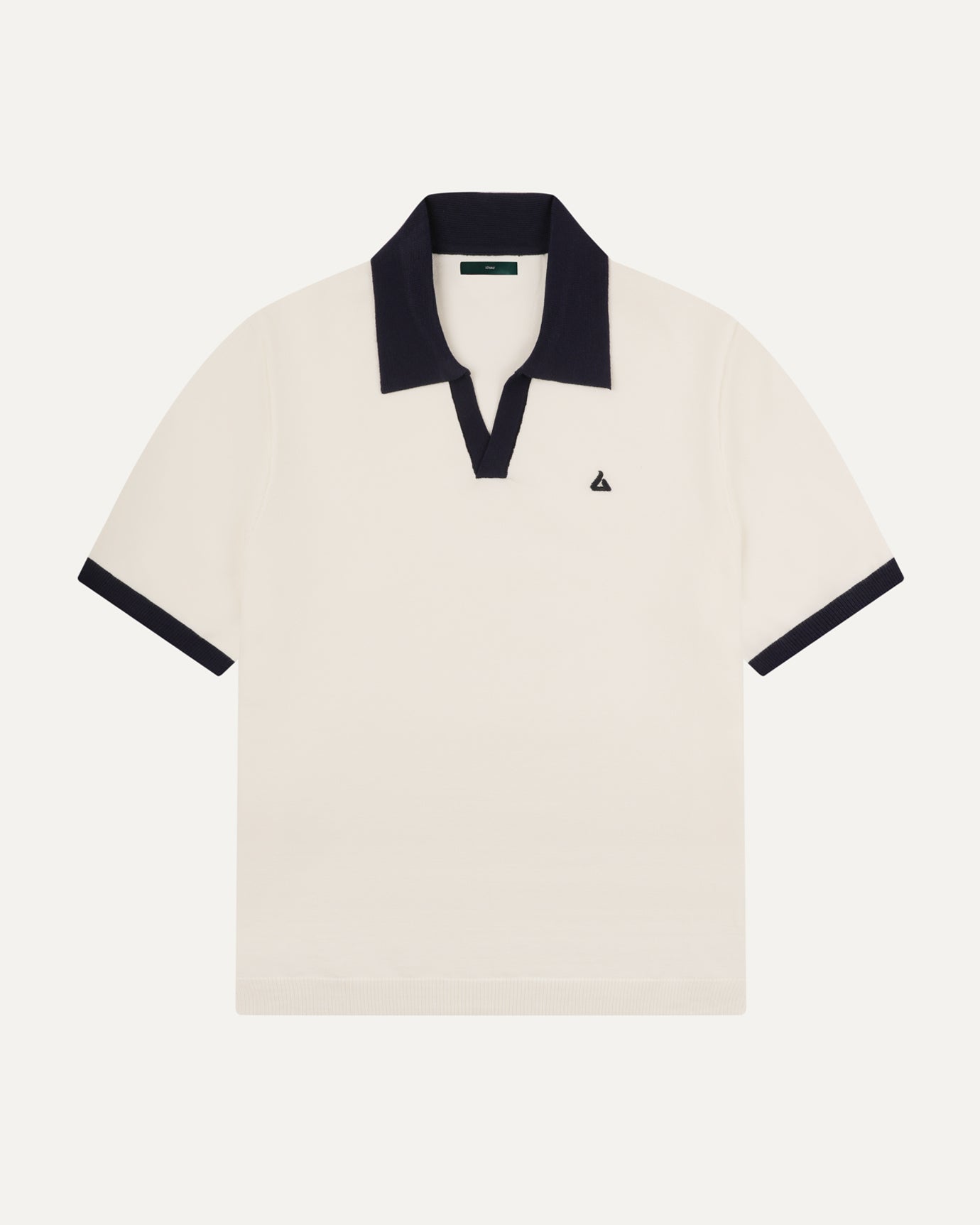
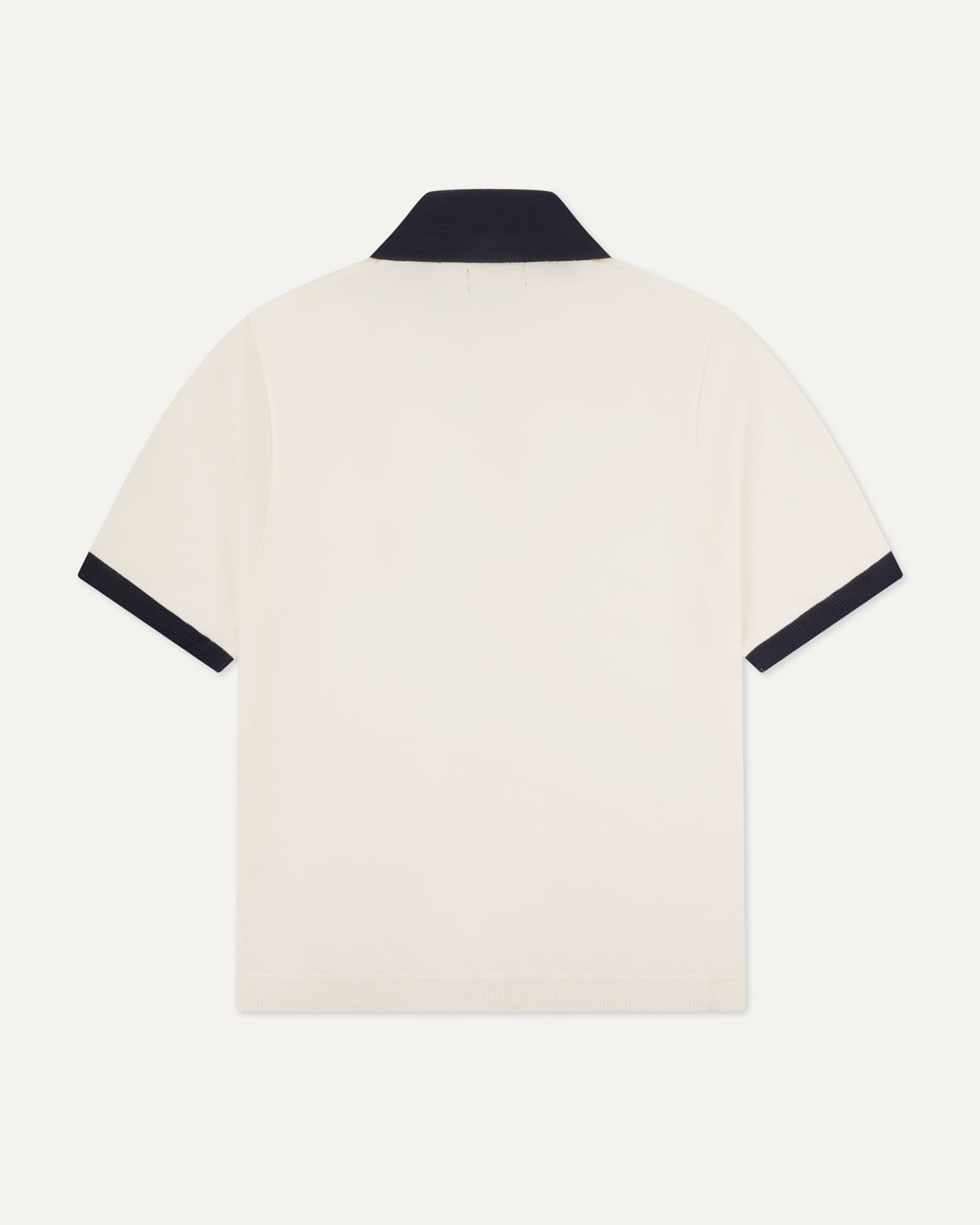
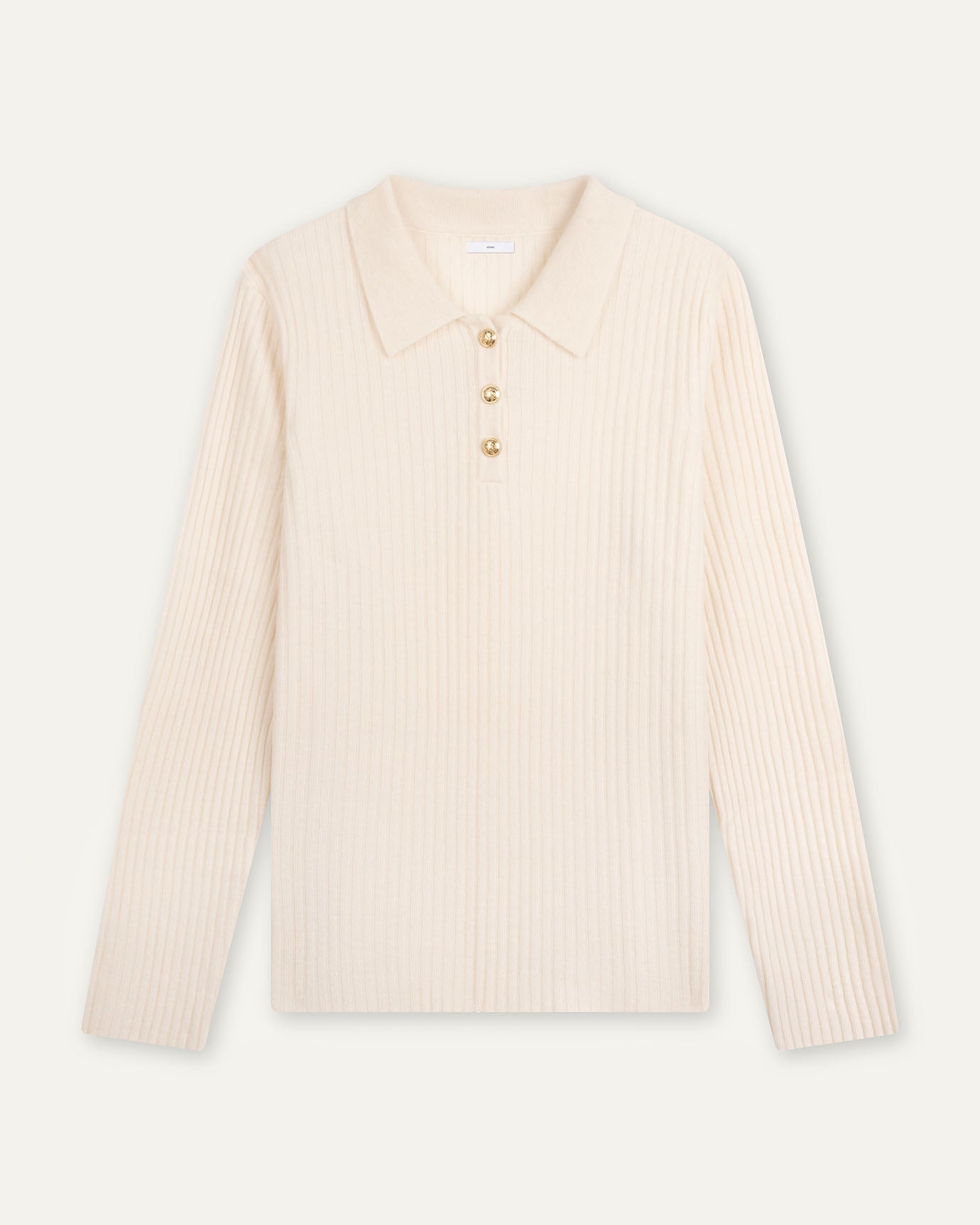
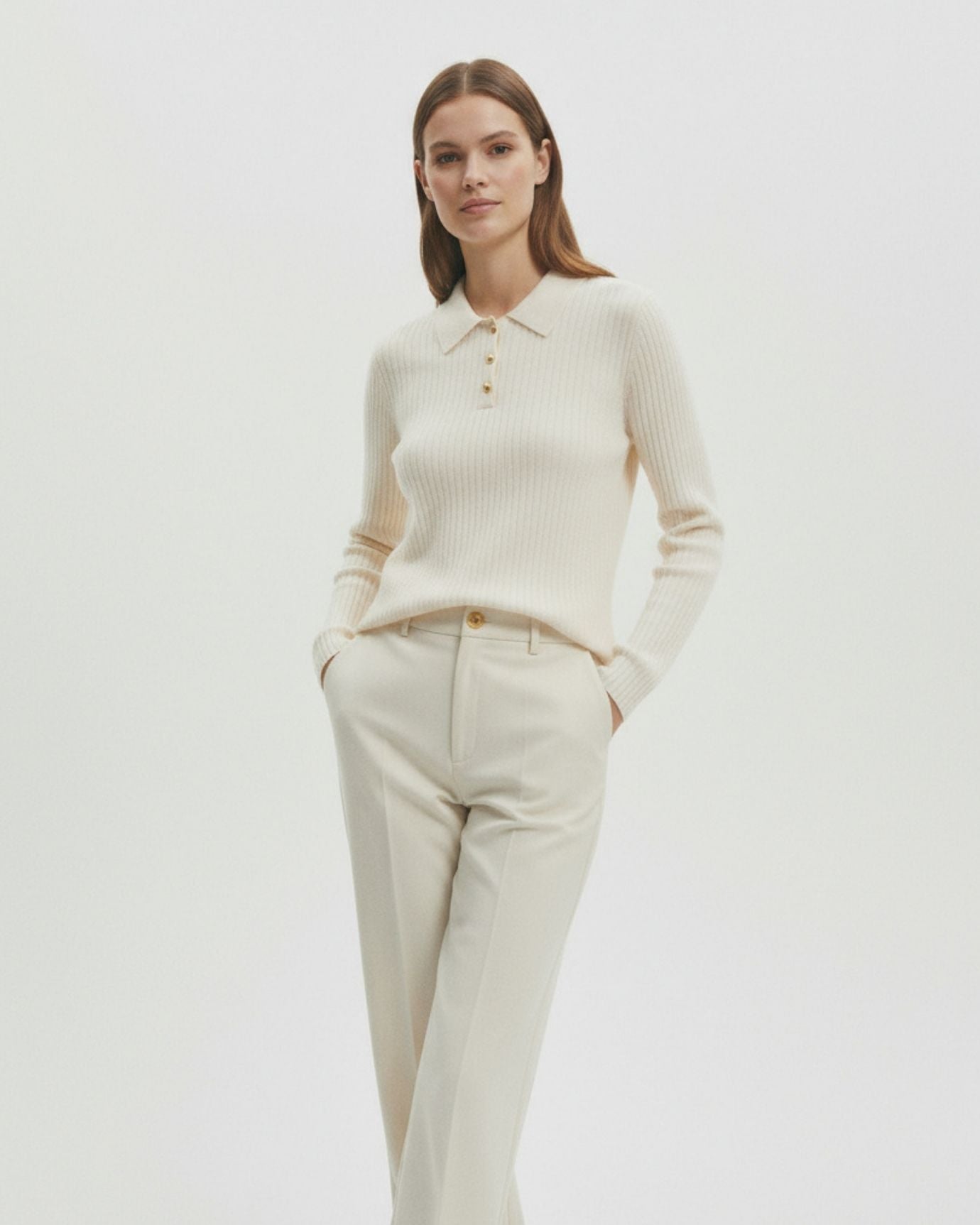
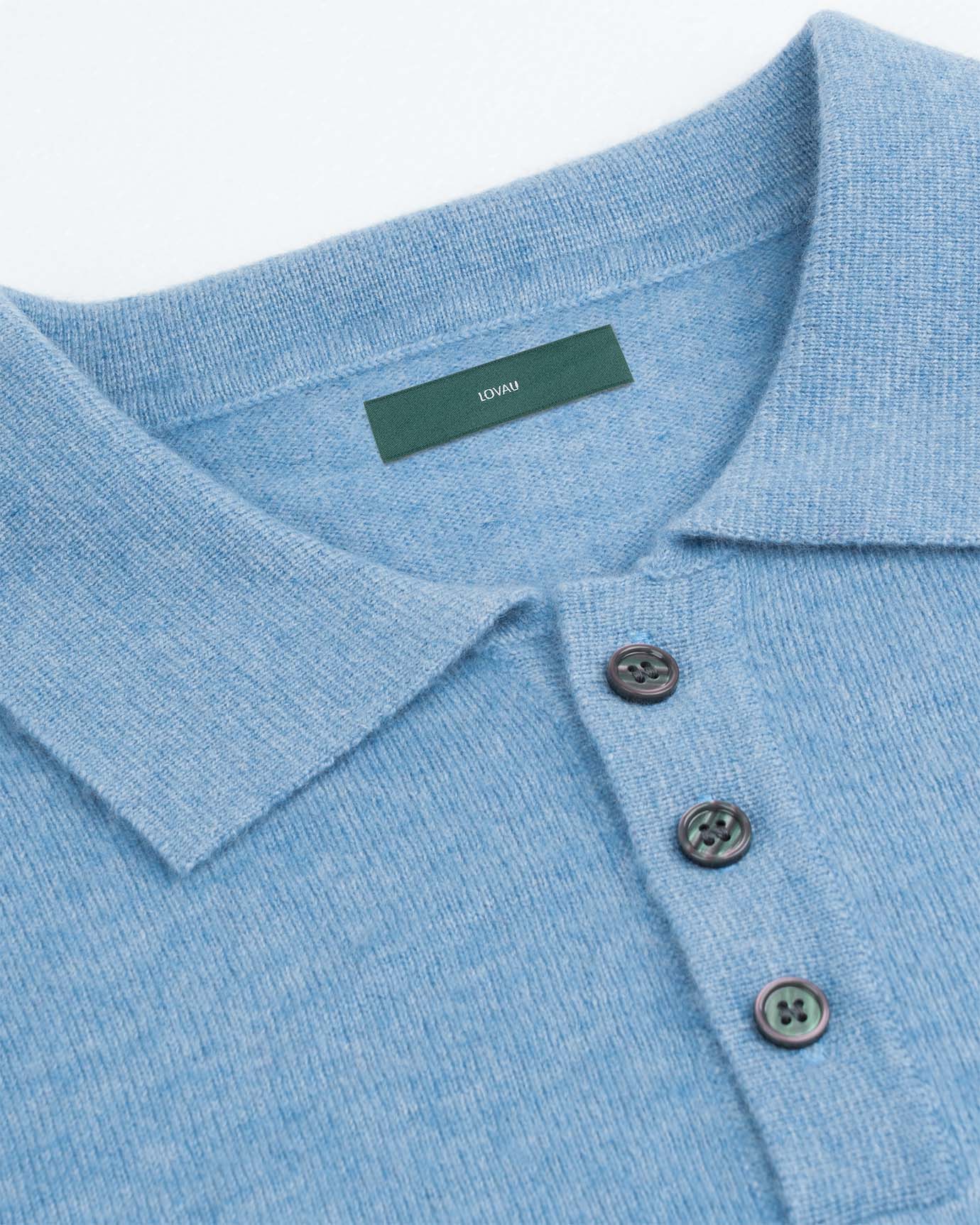
The polo dress in velvet is one of the most practical options available. The collar adds a structured neckline that reads as polished without requiring jewellery, and the relaxed fit allows for a fine-knit turtleneck or fitted long-sleeved top underneath on particularly cold days. The velvet polo dress at Lovau sits at exactly this intersection of practicality and refinement: the collar keeps the silhouette grounded and the velvet fabric means it reads as a considered choice rather than an afterthought.
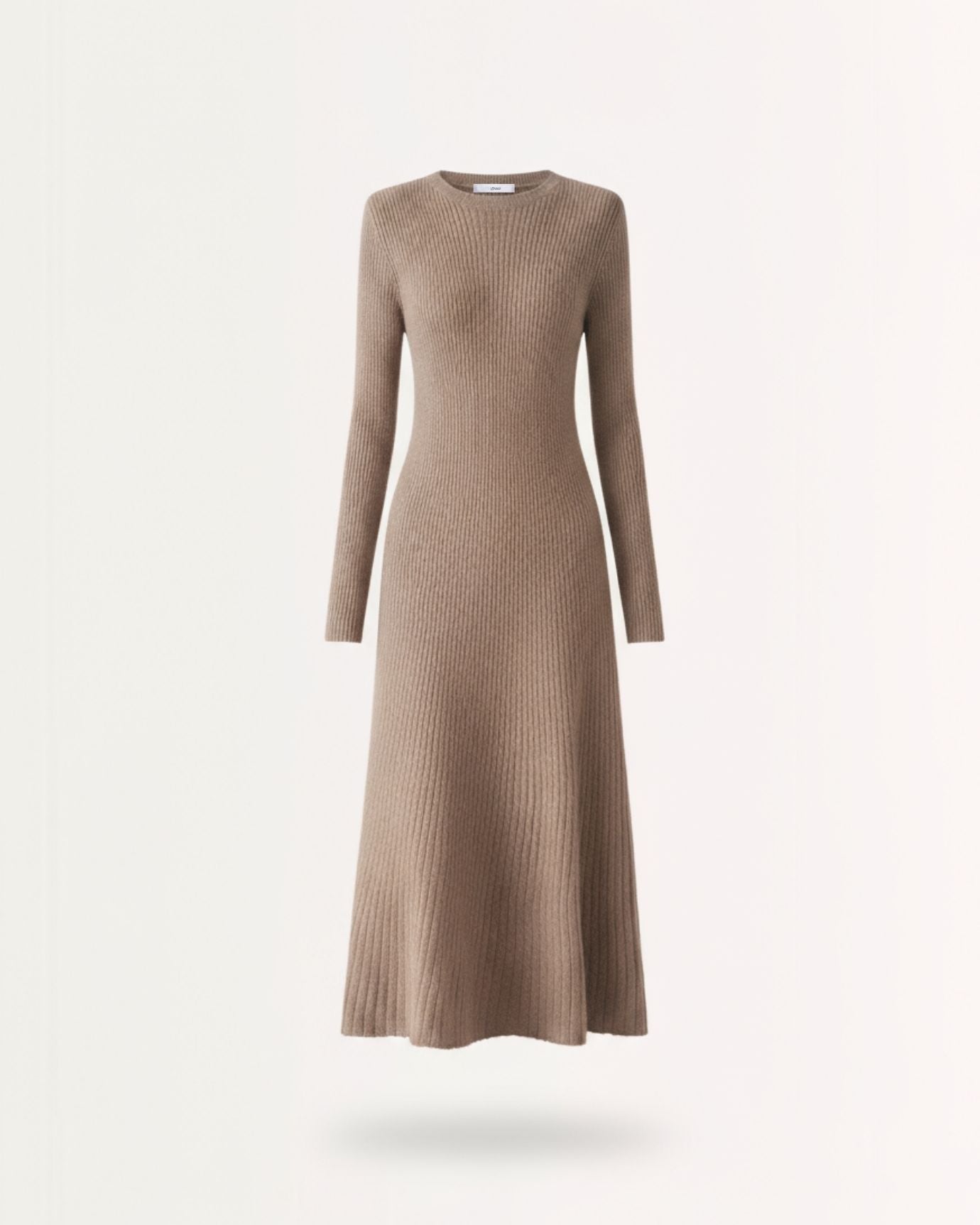
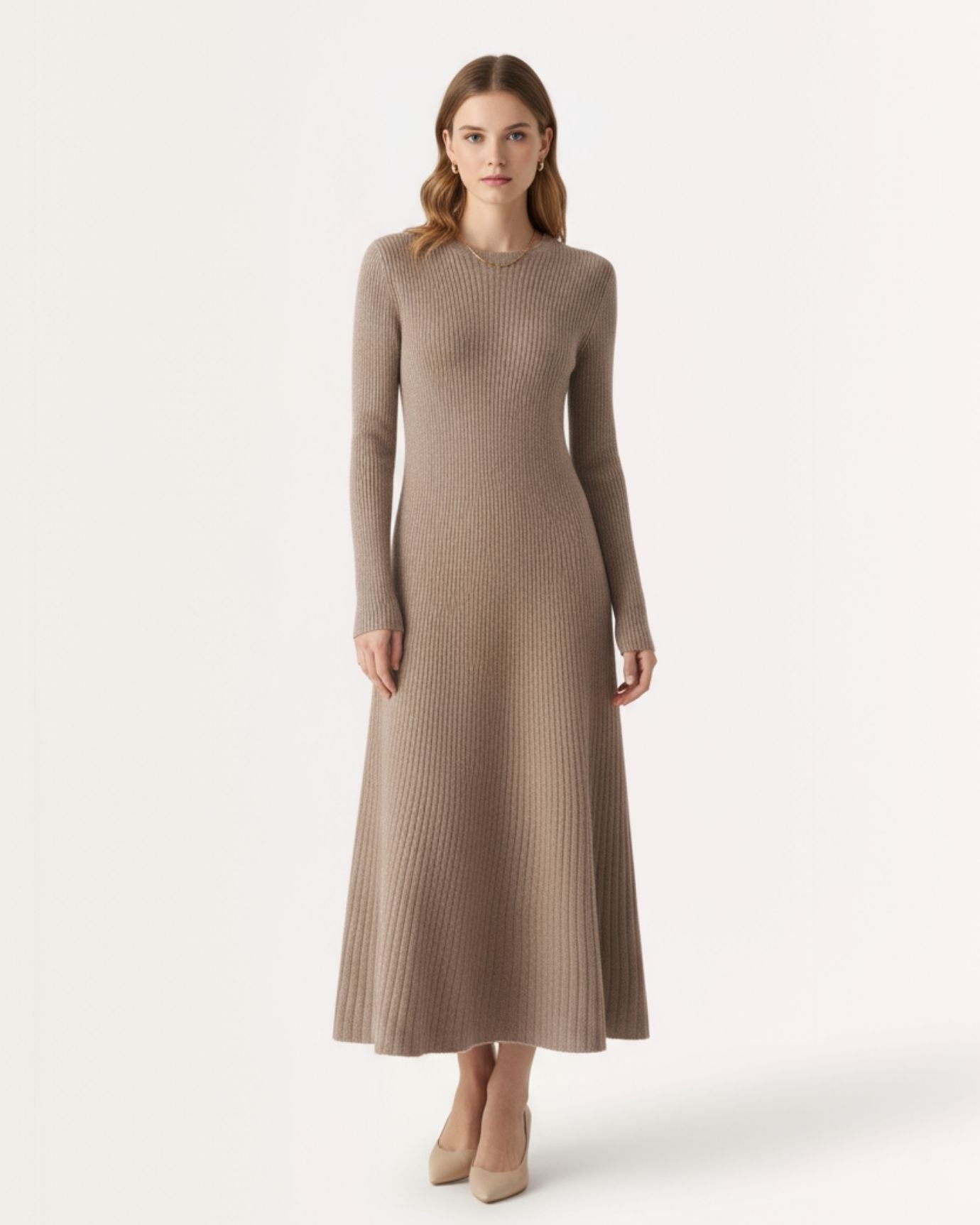
Long-sleeved dresses are the other reliable winter option. A dress that covers the arms removes the layering question almost entirely and allows the velvet to be the dominant texture in the outfit. The long-sleeved dress with belt demonstrates how a defined waist and full coverage can be both warm and genuinely elegant, rather than simply practical.
A-line and midi-length cuts in velvet are the most versatile across occasions. The A-line silhouette skims rather than clings, which means the fabric drapes cleanly without pulling at the hips or thighs when you sit. Midi length in velvet is particularly strong for winter because it allows for knee-high or over-the-knee boots underneath, adding warmth without disrupting the line of the dress. If you are uncertain which silhouette suits your proportions best, the most flattering dress silhouettes guide is a useful reference before purchasing.
Mini-length velvet works well for evening occasions but requires more deliberate styling in winter. Pair with opaque tights in a complementary tone and ankle boots with a modest heel rather than bare legs and stilettos, which look seasonally mismatched in cold weather.
Expert insightA velvet A-line midi in deep green or burgundy worn with over-the-knee suede boots and no other accessories is a complete winter outfit. Restraint is the point.

Layering Velvet Dresses Without Adding Bulk
The most common mistake with velvet dresses in winter is over-layering. Because velvet already has visual weight and texture, adding a chunky cardigan or a heavily padded coat on top creates a silhouette that competes with itself.
Under the dress, the rule is to keep layers thin and close to the body. A fine-knit ribbed turtleneck in ivory or black worn under a velvet polo dress or a sleeveless velvet shift adds warmth without bulk. Thermal or silk-blend underlayers are invisible under the dress but make a significant difference in comfort when temperatures drop below ten degrees.
Over the dress, structure is more important than volume. A tailored blazer in a contrasting matte fabric, such as wool crepe or bouclé, works well over a velvet midi because the two textures complement rather than compete. For outerwear, a straight-cut wool coat in camel, charcoal, or deep navy is the most elegant solution. The coat should be long enough to cover or meet the hem of the dress. A short puffer jacket over a velvet dress is a functional choice but rarely a stylish one.
For occasions where a coat is not needed indoors, consider a fine cashmere wrap rather than a cardigan. It adds warmth, photographs beautifully alongside velvet, and can be removed cleanly when seated at a dinner table. The full picture of how outerwear works with longer dress silhouettes is covered in the outerwear guide for floor-length dresses.
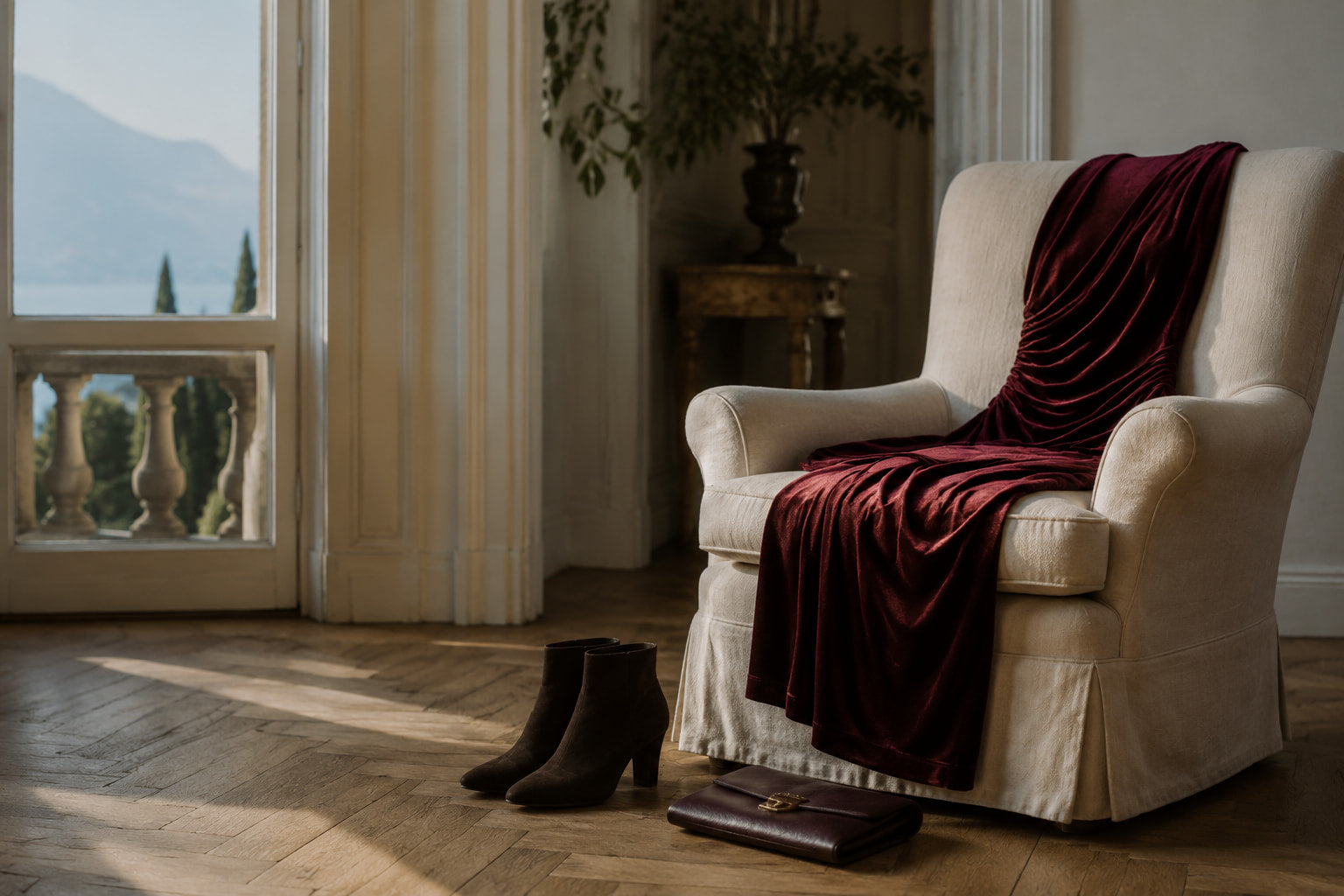
Footwear is where many velvet dress outfits are made or broken in winter. Suede is the natural partner: it is matte, has its own quiet texture, and does not compete with the velvet pile the way patent leather or metallic shoes would. A suede block heel or suede knee boot in cognac, burgundy, or black completes the outfit without drawing attention away from the dress itself.
Expert insightAvoid wearing velvet with silk or satin shoes in winter. The combination of two high-sheen or high-texture fabrics at opposite ends of the body creates visual noise. One statement fabric per outfit is the principle worth keeping.

Occasion Mapping: Where Velvet Dresses Actually Belong
One of the reasons velvet dresses stay unworn is that their owners mentally file them under 'formal only' and then find that formal occasions come around less frequently than expected. The reality is that a well-chosen velvet dress covers a much broader range of occasions.
Daytime wear: A velvet polo dress or a structured velvet shift in a mid-toned colour, burgundy or forest green rather than black, works for daytime appointments, gallery visits, or a long weekend lunch. Pair with flat suede loafers or low block heels, keep accessories minimal, and the result reads as considered rather than overdressed. For daytime occasion ideas, the day dresses collection offers additional reference points for how Lovau approaches casual refinement.
Office and professional settings: Velvet in a midi cut is entirely appropriate for professional environments, particularly in the darker months. The fabric's depth of colour conveys seriousness, and the tactile quality reads as thoughtful rather than frivolous. A velvet midi with a fine turtleneck underneath and a structured coat over the top is a complete and genuinely polished office outfit.
Evening occasions: This is where velvet performs most naturally. A velvet dress in black or deep navy at dinner, a concert, or a winter party requires very little additional styling. Add a small structured bag, a single gold or pearl earring, and suede heeled boots or court shoes. Nothing more is needed.
Afternoon tea or cultural events: Velvet at this register works particularly well. The formality level is right, the fabric photographs beautifully in interior light, and the occasion gives the dress room to be noticed. The afternoon tea dressing guide is worth reading alongside this piece for a fuller picture of occasion-appropriate winter dressing.
For those building toward a complete winter wardrobe, the evening dresses collection and long sleeve dresses collection are both relevant for expanding beyond velvet into complementary styles.
Caring for Velvet So It Lasts Multiple Seasons
Velvet requires specific care, and most garment damage happens from a small number of repeated mistakes. The pile, once crushed or matted, is very difficult to restore fully. Understanding how to store and clean the fabric correctly is the difference between a dress that looks fresh after five winters and one that looks tired after one.
Storage: Never fold a velvet dress. The fold line will compress the pile and leave a permanent crease that no amount of steaming fully removes. Hang velvet dresses on padded hangers, ideally inside a breathable garment bag, and allow space between garments so the pile is not pressed against other fabrics.
Cleaning: Check the care label carefully. Most velvet dresses with a polyester or viscose base can be hand-washed in cold water with a gentle detergent, but structured velvet with a cotton base or a lined interior should be dry-cleaned. When in doubt, dry-clean. The cost of professional cleaning is considerably less than replacing a dress.
Steaming, not ironing: This is the single most important care rule for velvet. Ironing velvet, even on the lowest heat setting with a pressing cloth, will flatten the pile permanently in the shape of the iron plate. A handheld steamer held several centimetres from the surface, with the fabric hanging freely, will remove wrinkles and refresh the pile without touching it directly. After steaming, allow the dress to hang until completely dry before storing.
Handling during wear: Avoid sitting on rough or textured surfaces in velvet, and be conscious of bag straps that rest against the fabric for extended periods. Both can compress the pile in the same way that folding does. A smooth-lined coat worn over the dress during travel protects the velvet from friction in crowds or on public transport.
For a knitted dress or a wool dress in your rotation alongside velvet, similar care principles apply: hang rather than fold, steam rather than iron, and store in breathable bags rather than sealed plastic.

Building a Winter Dress Rotation Around Velvet
Velvet works best in a rotation rather than in isolation. One velvet dress worn weekly through winter will show wear more quickly than one velvet dress rotated with two or three complementary styles.
The most logical companions for a velvet dress in a winter rotation are knitted dresses and structured wool dresses. A collared knit short dress covers the casual end of the week, the velvet polo dress or velvet midi covers the middle register, and a more formal velvet or structured dress covers evenings and occasions. Three dresses, clearly differentiated by fabric and formality, cover most of what a winter wardrobe requires.
Colour discipline across the rotation matters. If your velvet dress is burgundy, the knitted dress alongside it might be camel or cream. If your velvet is midnight navy, an ivory or oatmeal knit balances the palette. The goal is a small number of dresses that work with the same shoes, the same coats, and the same accessories, reducing the number of decisions required each morning.
For those who prefer a midi or maxi length across the rotation, the midi dresses collection and maxi dresses collection offer structured options that sit alongside velvet without competing with it. The principle, across all of them, is the same: fabric with character, cuts with restraint, and a palette that holds together across the season. Velvet earns its place in that rotation every year. The only question is giving it the room to do so.

| Cut | Best Occasion | Layering Ease | Length Options | Footwear Match |
|---|---|---|---|---|
| Polo dress | Daytime, office, casual evening | High, collar allows turtleneck underneath | Mini, midi | Loafers, block heels, ankle boots |
| Long-sleeved shift | Office, afternoon events | Moderate, arms covered so no underlayer needed | Midi, knee-length | Court shoes, suede heels, knee boots |
| A-line midi | Dinner, cultural events, parties | High, skims body and hides thermal layers | Midi | Over-the-knee boots, block heels |
| Sleeveless velvet | Evening, formal occasions | Low, requires underlayer on cold days | Midi, maxi | Heeled suede boots, court shoes |
| Mini velvet | Evening, parties | Moderate, best with opaque tights | Mini | Ankle boots, low heels, over-the-knee boots |
Frequently asked questions
Can you wear a velvet dress in the daytime during winter?
Yes, with the right cut and colour. A velvet polo dress or structured velvet midi in a mid-toned shade such as forest green or burgundy reads as daytime-appropriate when paired with flat suede loafers and a wool coat. Reserve black velvet for evening occasions and the daytime question largely resolves itself.
What do you wear under a velvet dress in cold weather?
A fine-knit ribbed turtleneck in black or ivory works under most velvet polo or sleeveless styles. For very cold days, a silk or thermal underlayer beneath the turtleneck adds warmth without changing the silhouette. Avoid thick or chunky knits underneath velvet as they add bulk and disrupt the dress's line.
How do you remove wrinkles from a velvet dress?
Use a handheld steamer held several centimetres away from the surface while the dress hangs freely. Never iron velvet directly. If you do not own a steamer, holding the fabric over a bowl of hot water allows the rising steam to lift the pile gently. Always allow the dress to hang and dry completely before wearing or storing.
Which colours of velvet work best for a winter wardrobe?
Midnight navy, deep burgundy, forest green, and black are the four most versatile choices. They work with the same neutral accessories, they photograph well under winter light, and they do not show the minor surface marks that lighter velvet colours reveal more easily. If you are buying one velvet dress, burgundy or navy offers the broadest range of occasion coverage.
Velvet belongs in a winter rotation not as a special-occasion piece held in reserve, but as a fabric that genuinely works across the full range of cold-weather occasions when the cut is right and the styling is considered. The principles here are straightforward: choose structured cuts with weight, layer with matte textures, care for the pile correctly, and rotate velvet alongside complementary knit and wool styles. For a starting point that covers both the fabric and the silhouette in one piece, the velvet polo dress is the most practical and most versatile entry into velvet dressing this season.