


How to Pull Off the Coat Over the Shoulders Look with a Gown
Reading time 14 min • 2765 words
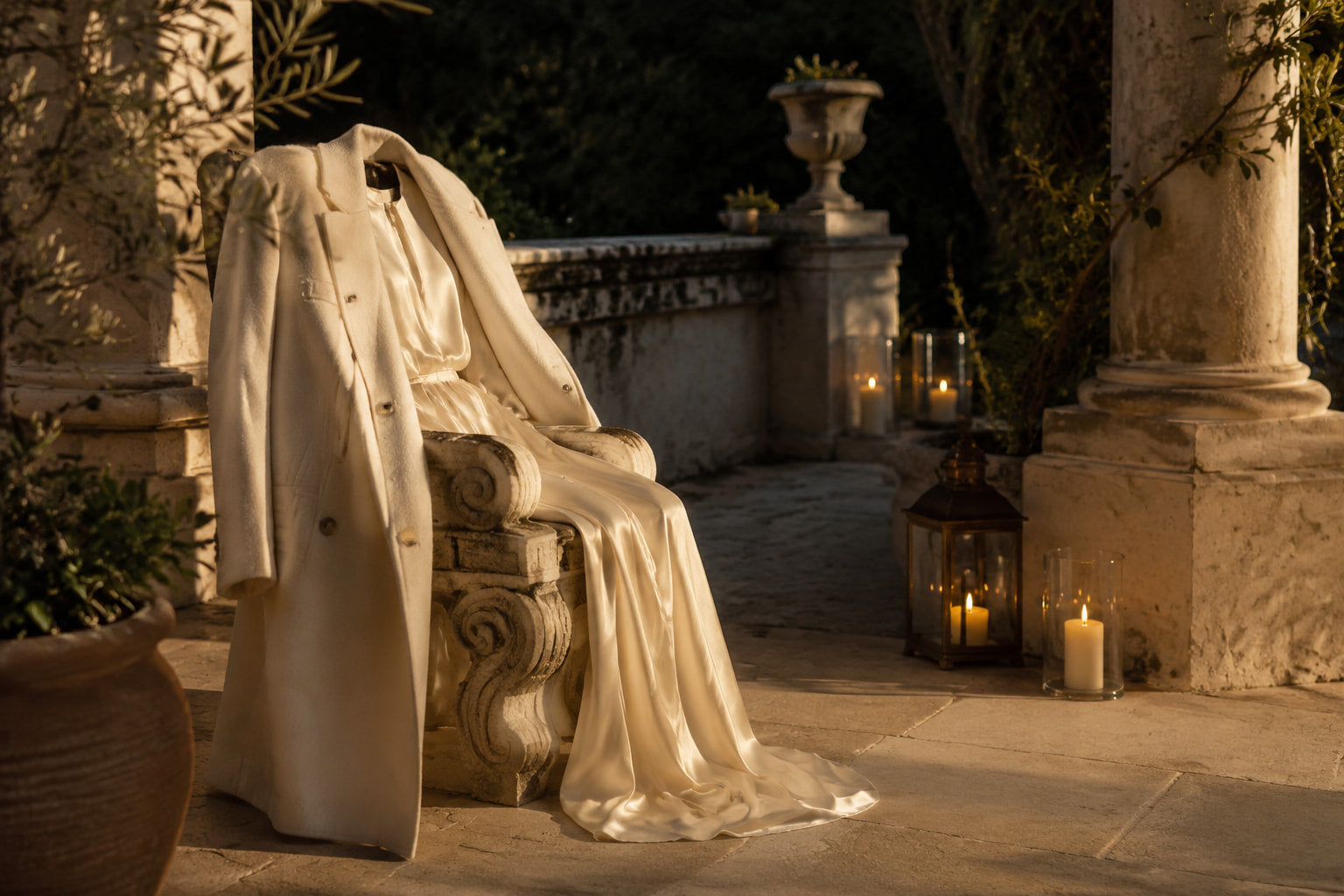
There is a particular kind of authority in walking into a room with a coat draped over your shoulders rather than worn through the sleeves. It is a gesture with deep roots in European aristocratic dressing, where the pelisse coat was worn as a cape over formal gowns throughout the nineteenth century. The look communicates that you dressed for yourself first, not for practicality.
But doing it well requires more thought than simply tossing a coat across your back. The wrong weight, the wrong silhouette, or the wrong neckline underneath and the whole effect collapses into something that looks like you forgot to finish dressing. This guide addresses every variable so you can wear the look with complete confidence.
Whether you are heading to a black-tie dinner, a gallery opening, or an outdoor summer evening event, the principles stay consistent. Read them once, apply them every time.
Key takeaways
- The coat must be one to two sizes larger than your usual fit so it rests on the shoulders without gripping the arms.
- Fabric pairing is everything: heavy gowns need lightweight coats; lightweight gowns can carry structured wool or cashmere.
- Keep the coat's colour within two tones of the gown to maintain visual cohesion.
- A clean, uncluttered neckline on the gown lets the coat's collar or lapel read clearly from across the room.
- Secure the coat with one loosely fastened button or a light interior shoulder pad grip so it does not slide during movement.
In this guide
- Why the Coat-Over-Shoulders Gesture Works Visually
- Choosing the Right Coat Weight for a Gown
- Fit: Why You Need to Size Up
- The Gown Beneath: Necklines, Silhouettes, and What Actually Works
- Occasion and Coat Style: Matching the Formality Level
- The Details That Complete the Look
- Frequently asked questions
Why the Coat-Over-Shoulders Gesture Works Visually
The coat-over-shoulders technique works because it creates a strong vertical and horizontal frame around the body simultaneously. The collar or lapels form a horizontal line across the upper back and shoulders, while the coat's body falls vertically alongside the gown. This double framing draws the eye upward and gives the silhouette a sculptural quality that a coat worn normally simply cannot achieve.
From a styling perspective, it also adds volume and presence without adding bulk to the waist or hips. This is why the look photographs so well and reads so clearly across a room. The evening dresses that work best with this technique tend to have clean, structured bodices rather than heavily draped ones, because a busy bodice competes with the coat's lapels for visual attention.
The historical precedent is worth noting. The pelisse, a coat-length garment worn over the shoulders during the Regency and early Victorian periods, established this exact visual grammar. Modern fashion has simply retained the instinct.
Key visual principles to keep in mind: - The coat's shoulder seam should sit at or just beyond your natural shoulder point, not collapsed inward. - The coat length should not exceed the gown length, or it visually truncates the dress beneath it. - Dark coats over light gowns and light coats over dark gowns both work; avoid matching the coat and gown in the same mid-tone, which flattens the look.
Expert insightIf your coat keeps sliding off during the evening, sew two small ribbon loops inside the collar, one at each shoulder point, and loop them over a thin strap or pin them lightly to the gown's fabric at the shoulder seam. This is a dressmaker's technique used on the European couture circuit for exactly this purpose.
Choosing the Right Coat Weight for a Gown
The single most common mistake in this look is choosing a coat that is too heavy for the gown beneath it. A thick, fully lined wool overcoat draped over a silk charmeuse column gown will drag the fabric, distort the neckline, and look awkward within minutes of movement. Fabric weight pairing is the foundation of this look working at all.
For silk, chiffon, or fine jersey gowns, reach for a coat in cashmere, fine wool double-face, or a lightweight bouclé. The Cashmere Coat Rina is a strong candidate here: its clean lapel line and soft cashmere hand mean it rests on the shoulders without pulling. It has enough body to hold its shape but not so much weight that it distorts a delicate gown beneath.
For heavier structured gowns in crepe, velvet, or thick satin, you have more latitude. A double-sided wool coat with a clean silhouette, like the Diosa Coat Wool & Cashmere, can sit beautifully over a velvet gown because both fabrics carry similar visual weight. They read as equals.
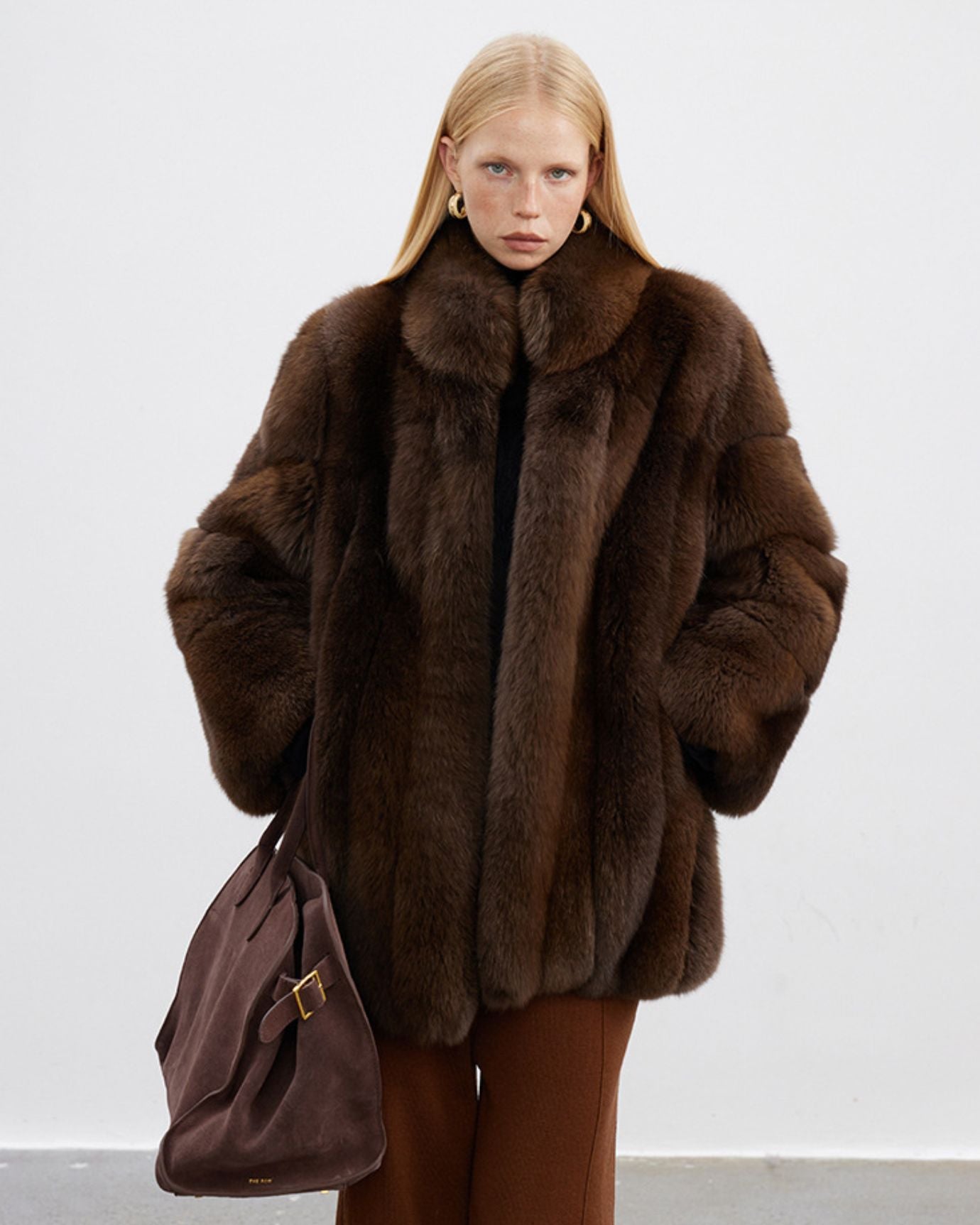
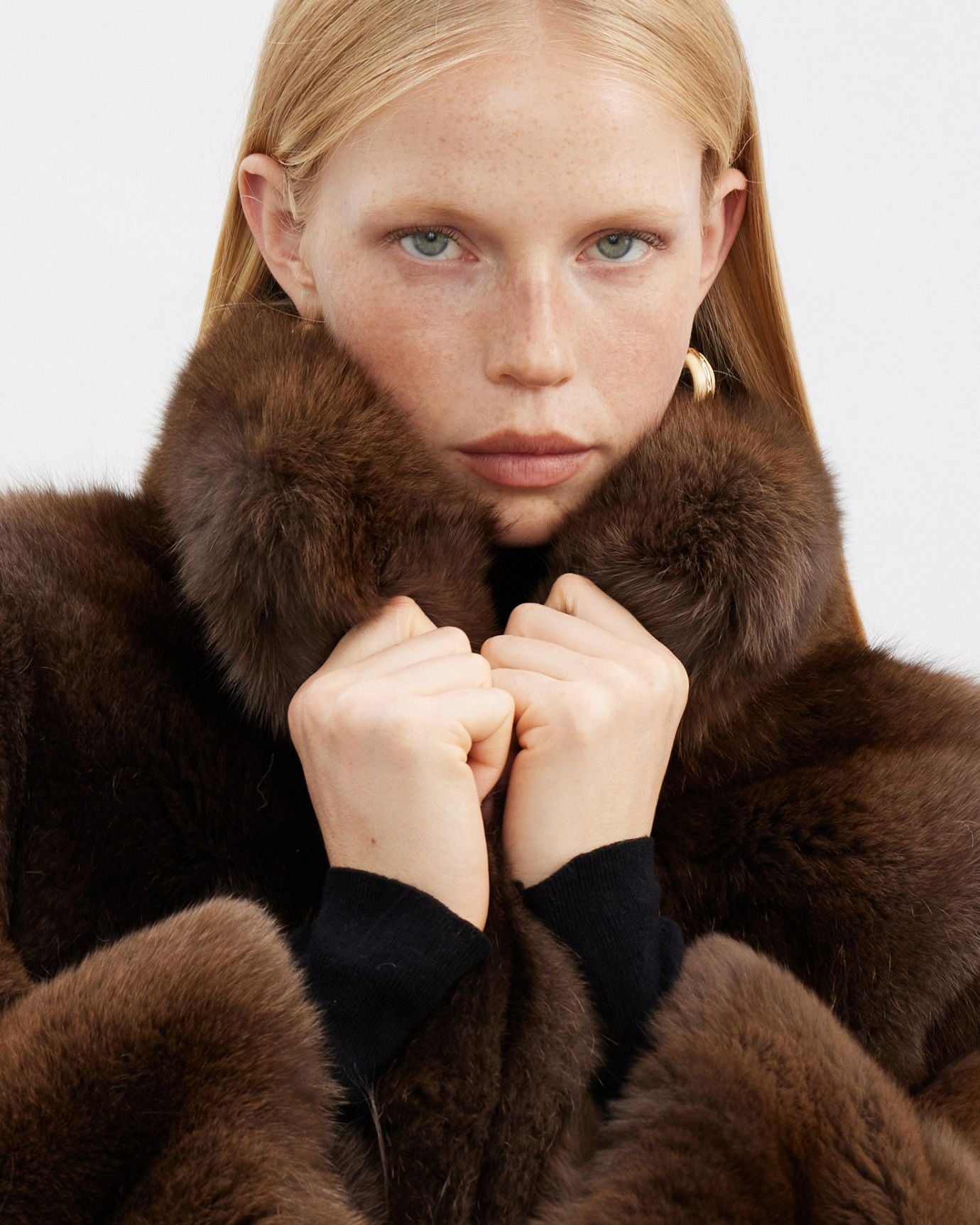
For evening events in cold weather, a fur-collar coat adds warmth without requiring you to put your arms through the sleeves. The Divina Double-Sided Wool Coat with Fox Fur Collar is specifically designed for this kind of occasion: the fox fur collar frames the face and neck when draped, which a plain lapel coat cannot do as effectively.
A quick fabric pairing reference: - Silk or chiffon gown: cashmere or fine double-face wool coat - Crepe or heavy satin gown: structured wool or wool-cashmere blend coat - Velvet gown: double-sided wool, optionally with fur trim - Lace or embroidered gown: avoid heavily textured coats; keep the coat surface smooth
Expert insightDouble-sided or double-face wool coats are particularly well suited to the drape technique because they have no visible lining to bunch or crease. The reverse side sits cleanly against the gown fabric without creating friction or static.

Fit: Why You Need to Size Up
A coat worn through the sleeves should fit your shoulders precisely. A coat worn over the shoulders must be deliberately larger. This is not a compromise; it is a requirement of the technique.
When you size up by one to two sizes, the shoulder seam drops slightly off your natural shoulder point. This is what creates the relaxed, almost cape-like hang that defines the look. If the coat fits your shoulders exactly, the sleeves will hang stiffly outward and the coat will look like it slipped rather than like you placed it intentionally.
The coat's back should fall in a clean vertical line from the shoulder point down. If it bunches across the upper back, the coat is still too fitted. If it collapses entirely inward, the fabric is too lightweight for its size. You want a coat with enough internal structure, either from the wool weight or a light interfacing in the chest panel, to hold its shape while only resting on two points of contact: your left and right shoulder.
For reference, the Kira High End Coat Wool Double-Sided has a structured chest panel that holds its form well when draped, making it a reliable choice for this technique. Its clean, unembellished front also means there is nothing to distort when the coat hangs freely.
If you already own a coat and want to test whether it will work, put it on normally and then slide both arms out of the sleeves while the coat remains on your shoulders. If it stays in place and hangs evenly, it will work for the look. If it immediately begins to slide toward one side, the lining is too slippery or the shoulder structure is insufficient.
Expert insightAvoid coats with raglan sleeves for this technique. Raglan construction, where the sleeve runs from the collar to the underarm in a single diagonal seam, means there is no defined shoulder point for the coat to rest on. Set-in sleeves or dropped-shoulder constructions are what you need.

The Gown Beneath: Necklines, Silhouettes, and What Actually Works
Not every gown is an equal partner for this technique, and the neckline is the most important variable after fabric weight.
Necklines that work well: A boat neck, square neck, or simple jewel neck gives the coat's collar or lapel a clean horizontal surface to rest against and frame. These necklines also stay put when the coat is draped, because there is no thin strap or halter tie to be disturbed by the coat's weight.
Necklines to approach carefully: Off-the-shoulder gowns are technically compatible but require a coat with a very wide, low collar so the coat does not sit awkwardly above the gown's exposed shoulder line. A halter neck can work if the coat is lightweight enough not to pull the halter tie sideways.
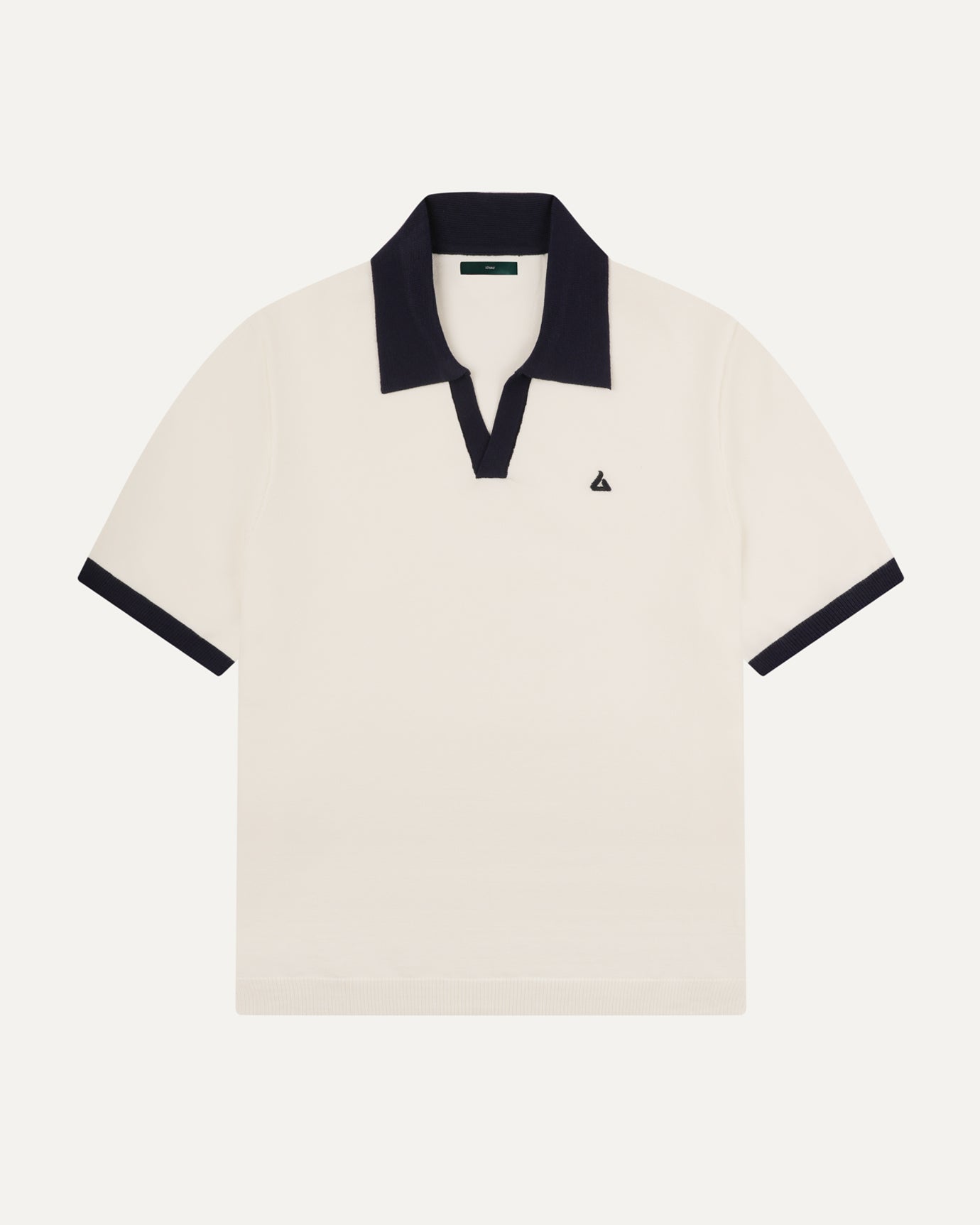
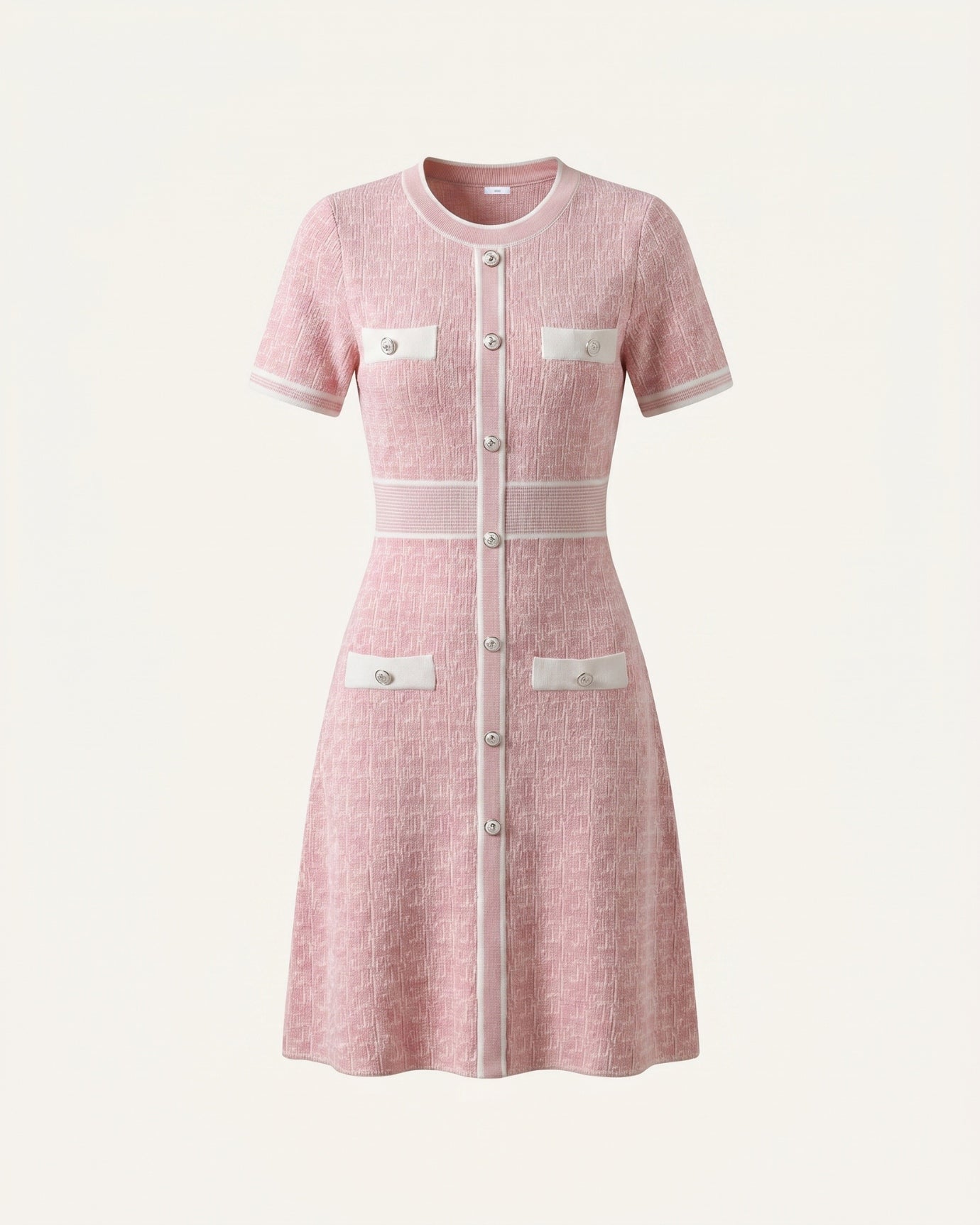
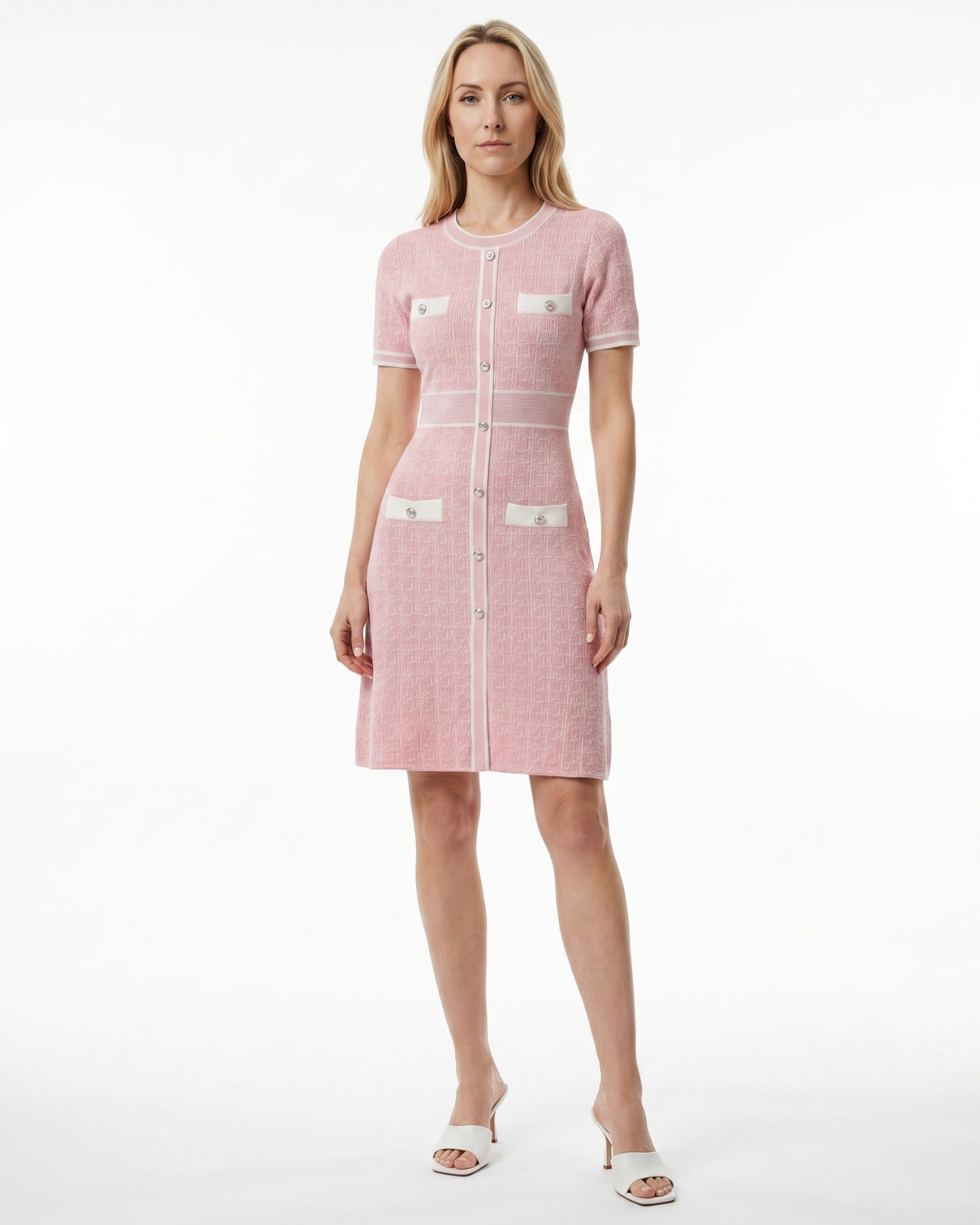
Silhouettes that work well: Column and A-line gowns are the most cooperative. The contrast collar pleated dress in navy and white is a strong example of a structured, clean-lined dress that reads clearly beneath a draped coat because its bodice has its own architectural presence. A-line skirts also create a natural visual base that anchors the coat's vertical hang.
For a more relaxed evening occasion, a dress from the maxi dresses collection with a clean bodice and fluid skirt can carry a cashmere coat beautifully, particularly for outdoor summer dinners where the coat is more about atmosphere than warmth.
You can read more about building a complete evening look in the old money color palette guide, which covers how to match coat and gown tones without the combination looking flat.

Occasion and Coat Style: Matching the Formality Level
The coat-over-shoulders look spans a wide range of formality, but the coat style must match the occasion. Getting this calibration right is what separates a considered outfit from one that reads as confused.
Black-tie and formal evening events: This is where a fur-collar or fur coat genuinely earns its place. The Jasmine Fox Fur Night Coat was designed for exactly this context: worn over a formal gown at a winter gala or an evening at the opera, the full fox fur construction reads as occasion-appropriate luxury rather than excess. At formal events, the coat is part of the entrance, not just a practical layer.
Gallery openings, private dinners, cocktail events: A structured wool-cashmere coat in camel, ivory, or deep navy is the right register here. These are events where you want presence without ostentation. The Handmade Alpaca Suli Velvet Double-Sided Cashmere Coat works particularly well for this tier: the alpaca-velvet double-sided construction has a quiet richness that is immediately apparent to anyone who knows fabric, but it does not announce itself loudly to those who do not.
Outdoor evening events, summer weddings, terrace dinners: At warm-weather events, the coat is almost entirely gestural. Weight matters enormously here. A cashmere or fine wool coat in a pale tone, ivory, cream, or soft grey, draped over a silk or chiffon gown, gives the look its evening formality without adding heat. For this occasion tier, also consider how the look relates to footwear. A pair of old money style women's loafers in genuine leather works for the more relaxed end of this category, while a strappy heel keeps the formality higher.
For further context on building complete evening outfits with structure and intention, the top business casual outfit ideas article covers layering principles that translate directly to evening dressing.

The Details That Complete the Look
Once the coat and gown are correctly matched and proportioned, three details determine whether the full look holds together: jewellery, bag, and posture.
Jewellery: Because the coat's collar or lapel already frames the neck and décolletage, do not compete with it. A single pair of substantial earrings, pearl drops, gold hoops, or a classic stone stud, is sufficient. A necklace will often be hidden or disturbed by the coat's collar, so skip it unless you are certain the coat will not cover it.
Bag: A structured clutch or a small top-handle bag in leather or satin is the correct choice. A shoulder bag will push the coat off one side within minutes. A large tote reads as too casual for the formality the coat-over-shoulders look implies. If you want guidance on choosing a bag that holds up across different evening outfits, the article on choosing a leather tote bag that complements any outfit covers construction and scale principles that apply directly here.
Posture: This is the element that cannot be purchased. The coat-over-shoulders look depends on a straight back and relaxed, slightly back-drawn shoulders. If you hunch forward, the coat slides. If your shoulders are tense and raised, the coat looks perched rather than draped. Practice walking with it before the event. The look is worth the thirty seconds of rehearsal.
For a related draping technique that uses the same posture principles on a smaller scale, see the guide on how to throw a sweater over your shoulders without looking pretentious. The mechanics are directly transferable.
Finally, consider the coat's button. One loosely fastened button at the sternum level, if the coat has them, creates a subtle anchor that prevents the coat from opening too wide while you move. It also adds one more intentional detail to what should always look like a considered choice, not an accident.

| Coat | Fabric | Best Gown Pairing | Occasion | Formality Level |
|---|---|---|---|---|
| Cashmere Coat Rina | Cashmere | Silk or fine jersey column gown | Private dinner, gallery opening | Smart evening |
| Diosa Coat Wool & Cashmere | Wool-cashmere blend | Crepe or structured satin gown | Cocktail event, formal dinner | Formal |
| Divina Double-Sided Wool with Fox Fur Collar | Double-sided wool, fox fur trim | Velvet or heavy satin gown | Winter gala, opera, black-tie | Black-tie |
| Jasmine Fox Fur Night Coat | Full fox fur | Minimal silk or satin column gown | Black-tie gala, evening premiere | Black-tie / ultra-formal |
| Handmade Alpaca Suli Velvet Double-Sided Cashmere | Alpaca, velvet, cashmere | A-line crepe or lace gown | Upscale dinner, wedding reception | Formal to black-tie |
Frequently asked questions
How do I stop the coat from sliding off my shoulders during the evening?
The most reliable method is to sew two small ribbon loops inside the coat's collar at each shoulder point and pin them lightly to the gown's shoulder seam fabric. Alternatively, sizing up slightly less than two full sizes gives the coat enough contact with your shoulder curve to grip without being tight enough to wear normally. A single loosely fastened button at sternum level also creates a forward anchor that prevents the coat from falling back.
Can I wear the coat-over-shoulders look with a shorter dress rather than a full gown?
Yes, but the coat length must be shorter than the dress hem or exactly the same length. A coat that falls below the hemline of a shorter dress creates a visually confusing proportion. For a midi or knee-length dress, a coat that hits at the hip or just below works well. Browse the day dresses collection for structured shorter dresses that carry this look effectively at less formal occasions.
What is the difference between wearing a coat over the shoulders and wearing it as a cape?
The distinction is primarily in fastening and intention. A coat worn over the shoulders retains its identity as a coat: it has sleeves, lapels, and often a fastening that you may loosely close. A cape is cut without sleeves from the outset. The over-shoulders coat look borrows the visual effect of a cape while using a structured garment that has more presence, more fabric weight, and often a more defined collar or lapel line.
Does the colour of the coat need to match the gown?
It does not need to match, but it should relate. The most reliable approach is to keep the coat within two tones of the gown: a navy gown with a camel or ivory coat, a black gown with a cream or deep burgundy coat, a blush gown with a champagne or warm grey coat. Exact matching in the same mid-tone flattens the look. High contrast, such as white over black or ivory over deep navy, is a deliberate and very effective choice. For a full breakdown of tone relationships in classic dressing, read the old money color palette guide.
The coat-over-shoulders look with a gown is one of the few styling gestures that genuinely improves with restraint. Get the fabric weight right, size up, choose a clean neckline beneath, and match the coat's formality to the occasion. Everything else, the jewellery, the bag, the posture, follows from those four decisions. If you are building toward this look and want to start with the coat itself, the Lovau Woman Designer collection brings together the structured, occasion-appropriate coats that make this technique work with consistency.