


The Best Outerwear to Pair with Floor-Length Dresses
Reading time 13 min • 2501 words
There is a specific frustration that arrives every autumn: you own a dress that is perfect, floor-grazing and beautifully cut, and then the temperature drops and you have nothing to wear over it that does not ruin the entire effect. A bulky parka kills the line. A blazer that ends at the hip makes the skirt look like an afterthought. Getting outerwear right over a long dress is a real styling problem, and it has real solutions.
The key is thinking about the dress first, the coat second. What is the fabric? What is the silhouette? Is it a relaxed maxi dress for daytime, or a formal floor-length piece for an evening occasion? Each answer points to a different outerwear category. This guide works through each one in specific, practical terms.
Lovau's approach to dressing has always been about the whole picture, not individual pieces in isolation. A coat worn over a beautiful long dress should feel like it belongs there, as though the two were always meant to be seen together.
Key takeaways
- Choose outerwear that hits at or below the hem of your floor-length dress, or sits cleanly at the waist, to preserve the gown's vertical line.
- Structured wool coats in camel, ivory, or navy are the most versatile investment for pairing with maxi and evening-length dresses across three seasons.
- A floor-length velvet or silk dress calls for equally considered outerwear: a tailored opera coat or a fine-knit wrap, never a casual puffer.
- Proportion matters more than warmth: a cropped jacket can work over a maxi dress only when it is sharply tailored and the dress is fluid, never stiff.
- Fabric continuity between dress and coat, such as velvet with velvet, or silk with satin-lined wool, creates the most polished, unified appearance.
In this guide
- The Structured Wool Coat: The Most Reliable Choice
- The Opera Cape and Wrap Coat: For Evening and Formal Occasions
- Trench Coats and Belted Coats: For Daytime and Transitional Dressing
- Knitted Coats and Fine-Knit Wraps: For Texture and Warmth Without Bulk
- What to Avoid: Common Outerwear Mistakes with Long Dresses
- Occasion-by-Occasion: Matching Outerwear to the Dress and the Event
- Frequently asked questions
The Structured Wool Coat: The Most Reliable Choice
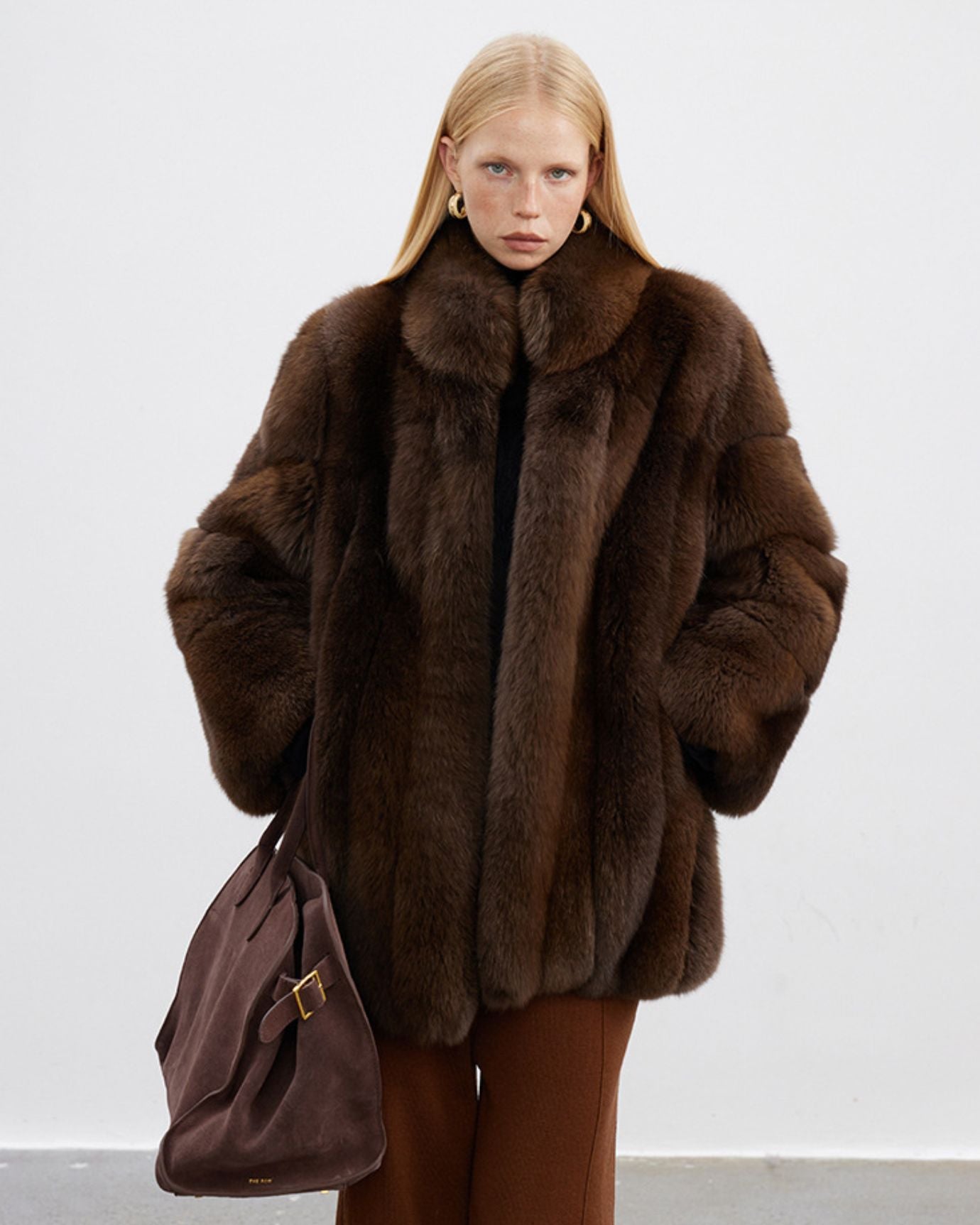
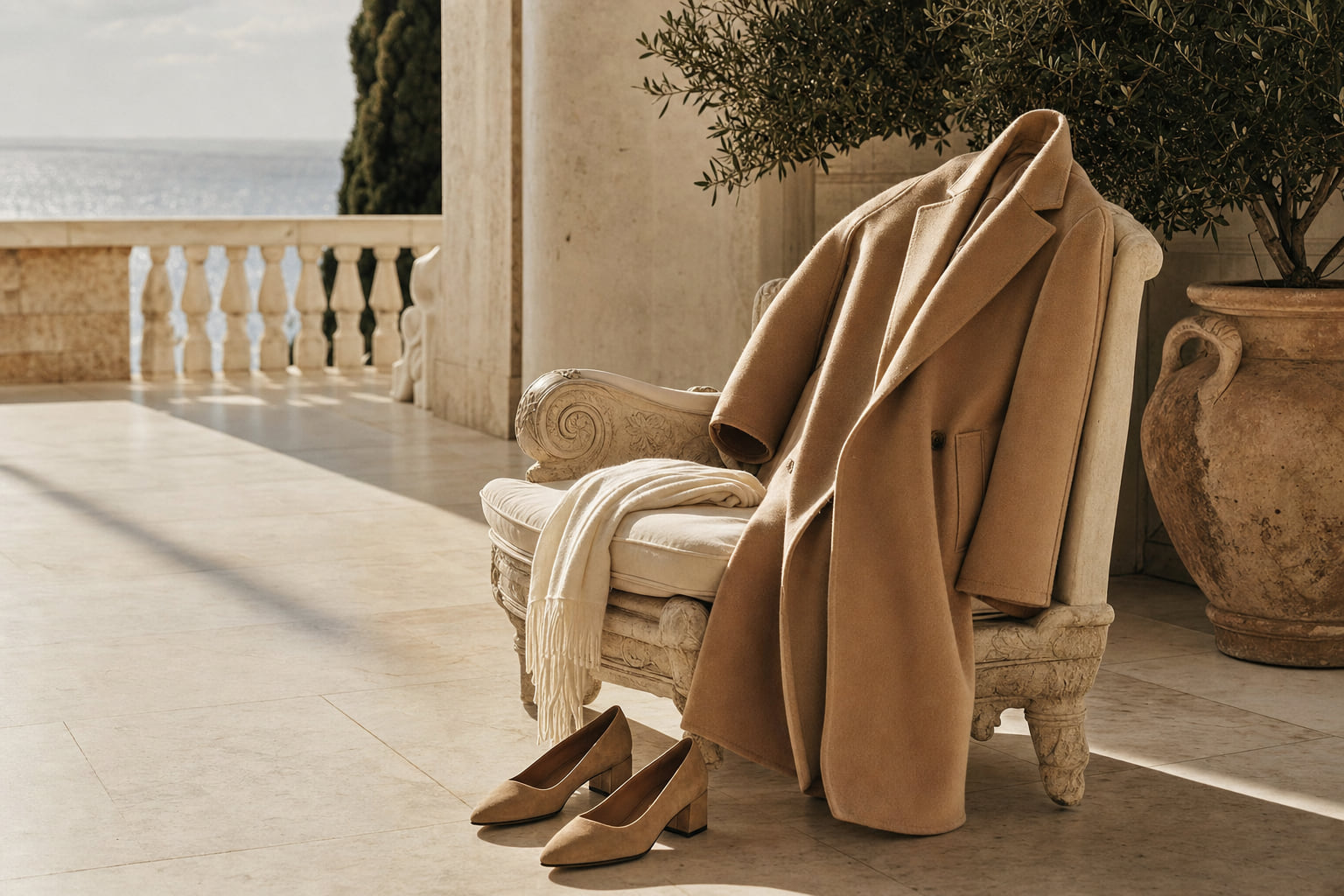
A full-length or seven-eighths wool coat is the single most dependable piece you can own for wearing over floor-length dresses. It respects the hemline by grazing it or falling just above it, which means the vertical line of the dress is never broken by an awkward mid-calf stop.
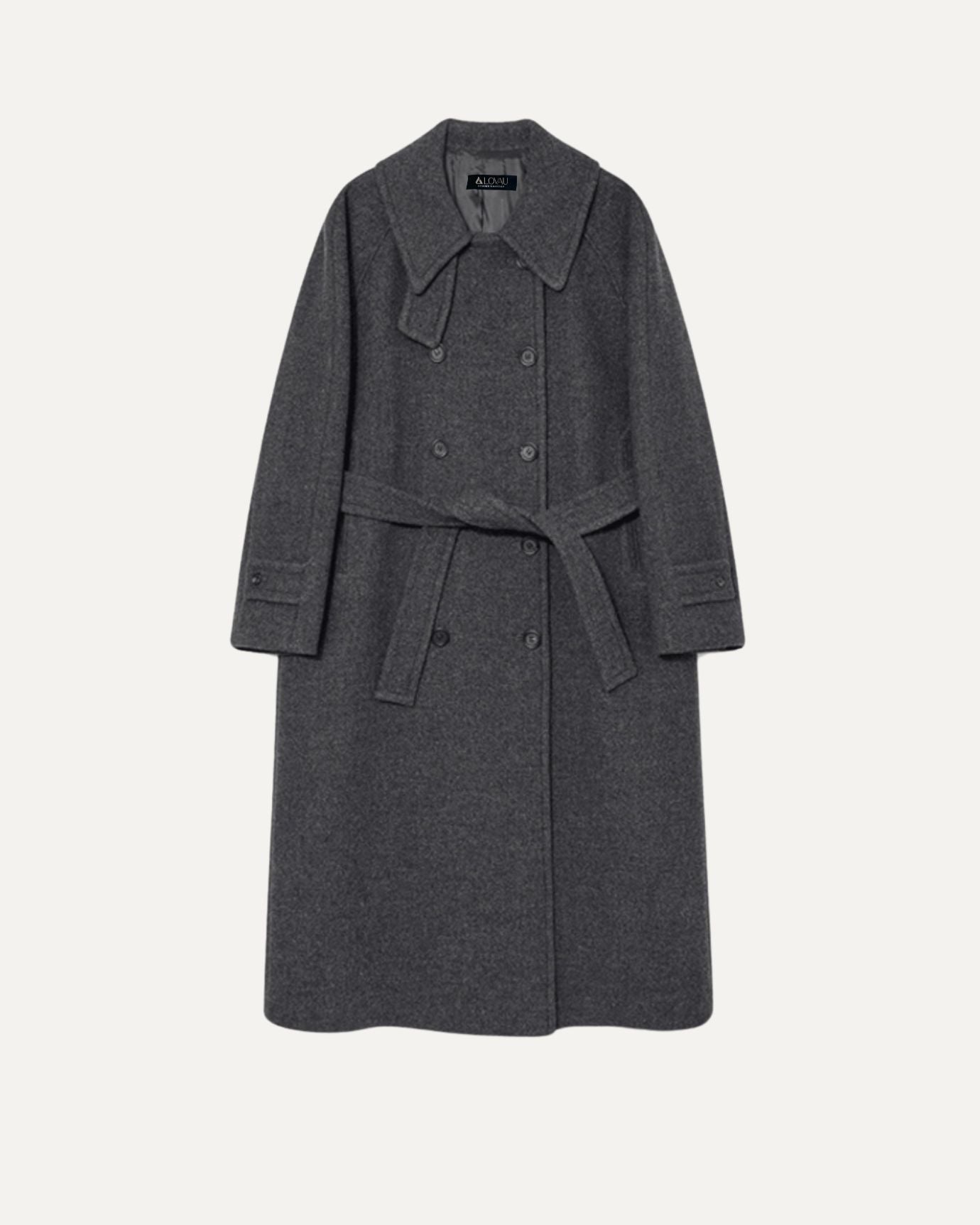
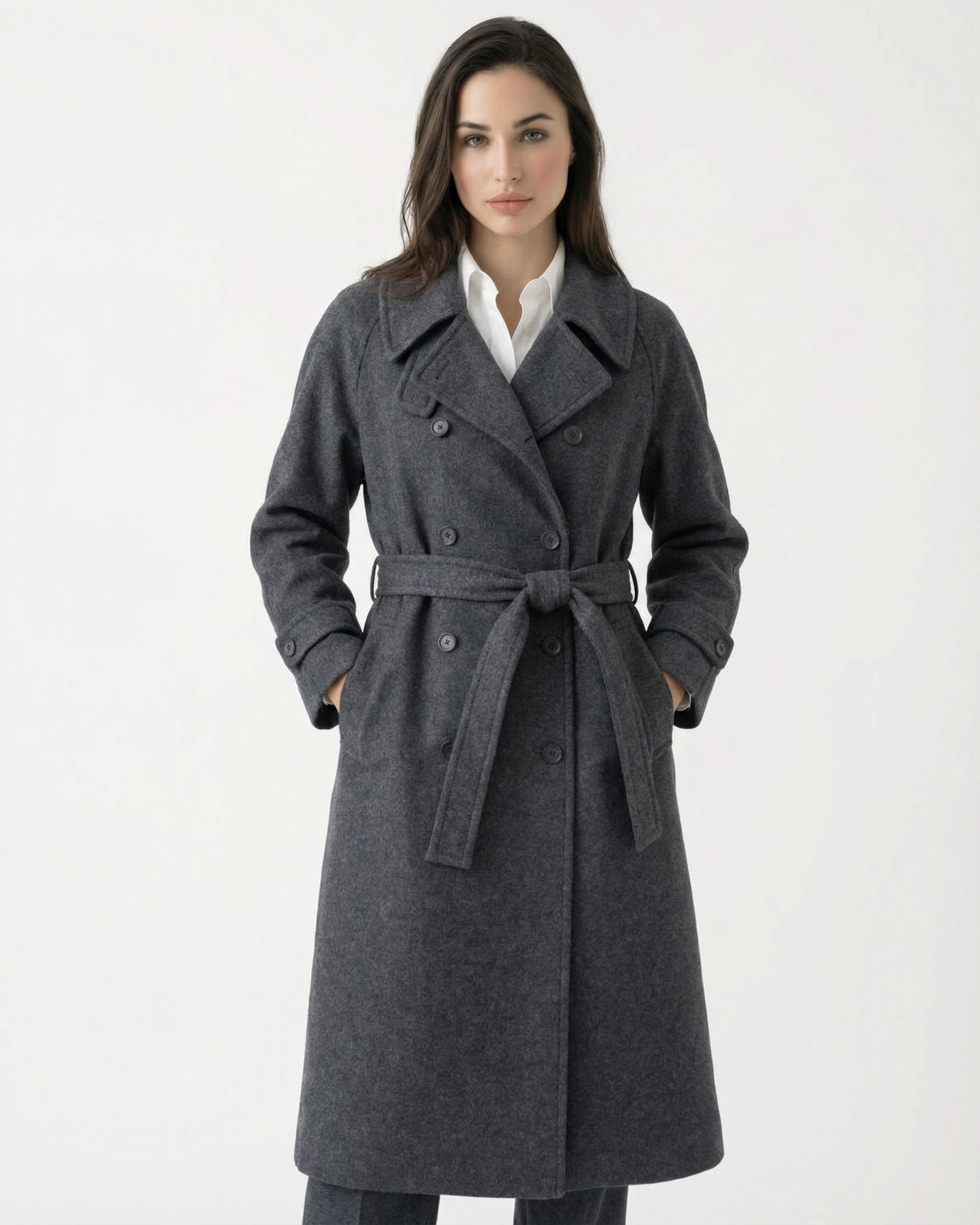
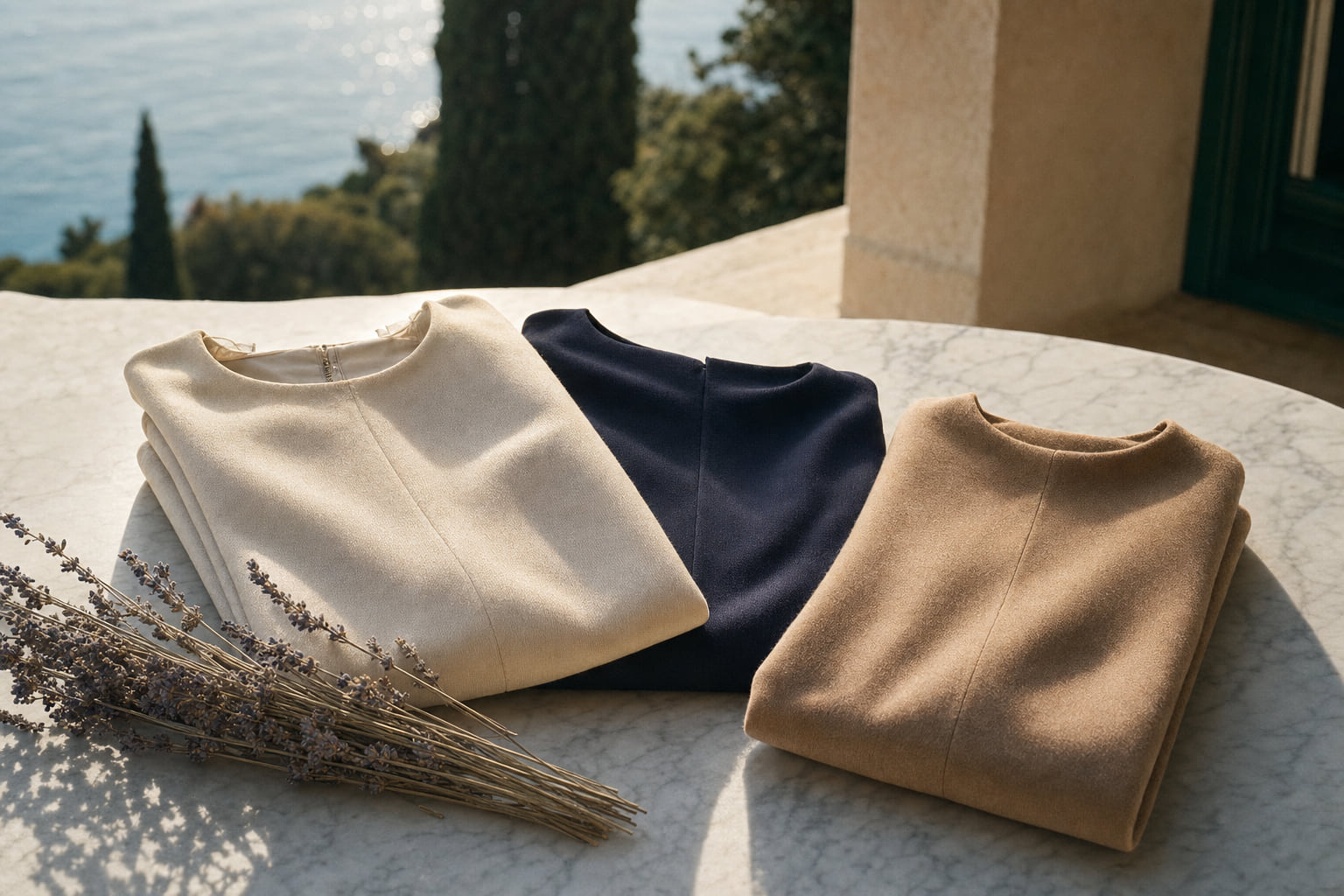
The best colours are camel, ivory, charcoal, and deep navy. These are neutrals that work across the dress palette without competing. A double-faced wool or bouclé coat in one of these shades will carry you from an autumn lunch to a winter evening without any visual noise.
Fit at the shoulder is non-negotiable. A coat that pulls across the back or droops at the shoulder seam will undermine even the most considered dress beneath it. When trying on a long coat over a dress, always wear a dress of similar volume to what you intend to pair it with. A column-cut dress and a full-skirted strapless high-waist mid-length dress require very different amounts of room in the body of the coat.
For formal occasions, a princess-seamed wool coat in ivory or pale camel reads as genuinely elegant rather than merely warm. It is the outerwear equivalent of understated jewellery: present, considered, and not trying to take over the room.
Expert insightA coat that is one shade lighter than your dress creates a tonal layering effect that reads as intentional and refined. Try ivory over champagne, or pale grey over charcoal.

The Opera Cape and Wrap Coat: For Evening and Formal Occasions
When the dress is the centrepiece, specifically a velvet, silk, or lace floor-length piece for an evening event, the outerwear needs to step back in terms of structure but remain impeccable in terms of fabric and finish.
An opera cape, which is a full, unstructured circle of fabric that falls over the shoulders and arms without fitted sleeves, is historically the correct companion to a formal long dress. According to fashion historians, the opera cape became a staple of formal European dress in the nineteenth century precisely because it could cover an evening gown without disturbing its drape or silhouette. It remains the most elegant solution available.
For a velvet designer old money style dress, pair a cape in matching or tonal velvet, or in a contrasting ivory wool. The absence of sleeves means the dress underneath remains fully visible when you move, which is the point.
A wrap coat in cashmere or a cashmere blend is a slightly more practical alternative. It ties at the waist, which creates shape, and the wrap construction means it accommodates the volume of almost any skirt. Choose one with a deep shawl collar rather than a standard lapel for a softer, more evening-appropriate silhouette.
Expert insightLine a wrap coat in a satin or silk charmeuse, and it will slide over the fabric of a formal dress without static or bunching. This is a detail worth asking about when you shop.

Trench Coats and Belted Coats: For Daytime and Transitional Dressing
The classic double-breasted trench coat in cotton gabardine is one of the most versatile pieces in a woman's wardrobe, and it works extremely well over a floor-length dress in a daytime or transitional context. The key is length: choose a trench that falls to within a few centimetres of your dress hem, or one that is genuinely full-length. A trench that stops at the knee over a floor-length dress creates an odd mid-point that reads as unplanned.
For a dreamy retro gentle floral dress or a similarly feminine, fluid maxi, a belted trench in camel or stone adds structure without heaviness. The belt at the waist of the coat defines the silhouette and prevents the overall look from becoming shapeless.
A cotton-linen trench is ideal for spring and early autumn. It breathes, it does not add bulk, and the slightly relaxed drape of linen-blended gabardine suits the relaxed length of a daytime floor-length dress. Avoid anything with heavy quilted lining in this context: the added volume around the hips disrupts the line of the dress beneath.
For a more structured daytime option, a belted wool coat in a mid-length that falls just below the knee can work, but only when the dress beneath is in a very fluid fabric such as viscose or silk, so that the hem of the dress floats visibly below the coat. This creates an intentional layered hem effect rather than an accidental one.
Expert insightUndo the bottom two buttons of a belted trench coat when wearing it over a full-skirted maxi dress. This releases enough fabric at the hem to move naturally and prevents the coat from pulling across the skirt.

Knitted Coats and Fine-Knit Wraps: For Texture and Warmth Without Bulk
A long knitted coat, sometimes called a duster cardigan when it falls to the ankle, is one of the most underrated options for wearing over a floor-length dress. It adds warmth without structure, which makes it ideal for dresses in stiffer fabrics, such as a woman wool dress old money style or a pleated crepe dress, where you want the outerwear to soften rather than double down on the formality.
Merino wool and cashmere-blend knitted coats in neutral shades, specifically oatmeal, ecru, soft grey, or tobacco, are the most versatile. They move with the dress rather than against it, and they work across a wide range of occasions from a weekend lunch to a relaxed gallery opening.
A fine-knit wrap in a generous size, large enough to fold across the chest and secure at the waist, is a lighter alternative for early autumn evenings. It is not technically outerwear, but in mild temperatures it functions as one. Paired with an in Paris style long-sleeved dress with belt, a long knitted wrap in a complementary tone creates a complete, considered look that requires very little effort to put together.
Avoid chunky-knit coats in very thick yarns over anything formal. The texture reads as casual regardless of the colour, and it sits awkwardly over smooth dress fabrics. Reserve those for jeans and boots.

What to Avoid: Common Outerwear Mistakes with Long Dresses
Some outerwear choices are almost universally problematic over floor-length dresses, and it is worth naming them directly.
Cropped puffer jackets stop at the hip and create a hard horizontal line that cuts the dress in half visually. The contrast between a quilted synthetic fabric and a flowing dress fabric is also jarring in a way that reads as unplanned rather than deliberately casual.
Blazers in standard business lengths end at the upper thigh on most women, which leaves an awkward proportion gap between the jacket hem and the floor. If you want to wear a blazer over a long dress, it needs to be an oversized or longline blazer that falls to at least mid-thigh, and ideally to the knee. The contrast collar pleated dress in navy and white paired with a longline navy blazer, for example, creates a clean tonal column from shoulder to floor.
Denim jackets are another frequent mistake. They are inherently casual in fabric and construction, and they work against the formality that a floor-length dress implies. The same logic applies to leather biker jackets: the proportions and the cultural associations of the silhouette simply do not translate.
Finally, avoid anything with excessive embellishment, such as fur trim, large hardware, or bold printed linings that show at the hem, when the dress itself is the focal point. As Harper's Bazaar has noted in its style coverage, the most enduring formal looks are built on restraint, not competition between garments. The coat exists to protect and frame the dress, not to replace it as the statement.

Occasion-by-Occasion: Matching Outerwear to the Dress and the Event
Outerwear choice should always begin with the occasion, because the formality of the event sets the upper limit on what is appropriate.
For formal evening occasions, the hierarchy is: opera cape first, cashmere wrap coat second, full-length structured coat third. Nothing else. Browse evening dresses to understand the range of formality you are dressing for, and match the coat accordingly.
For daytime events and smart-casual occasions, a belted trench, a long knitted coat, or a tailored wool coat in a mid-length all work well. This is where you have the most room to introduce colour or texture contrast. A lina romantic floral dress under a rust-coloured wool coat, for example, is a specific and beautiful combination for an autumn afternoon.
For resort and warm-weather travel, a linen duster or a lightweight cotton-voile wrap is the correct approach over a resort dress. Weight is the priority here: anything that adds visible bulk in a warm climate immediately looks wrong.
For winter and cold-weather dressing, prioritise fabric weight over length. A full-length double-faced wool coat or a cashmere wrap coat will keep you genuinely warm without requiring you to abandon the dress entirely for trousers. Pair with opaque tights and low-heeled boots in a matching or tonal shade to maintain the column line from hem to floor. You can read more about building complete looks around long silhouettes in our guide to maxi vs midi dresses and which length is more flattering.

| Outerwear Type | Best Occasion | Ideal Fabric | Best Dress Fabric Match | Avoid With |
|---|---|---|---|---|
| Full-length wool coat | Smart-casual, daytime formal | Double-faced wool, bouclé | Silk, crepe, jersey | Very stiff structured skirts |
| Opera cape | Formal evening | Velvet, cashmere, wool | Velvet, silk, lace | Casual cotton maxi dresses |
| Belted trench coat | Daytime, transitional season | Cotton gabardine, linen blend | Viscose, cotton, chiffon | Heavy brocade or ball-gown skirts |
| Wrap coat | Evening, smart-casual | Cashmere, wool-cashmere blend | Silk, satin, chiffon | Very bulky knitted dress fabrics |
| Long knitted coat / duster | Weekend, relaxed daytime | Merino, cashmere blend | Wool crepe, jersey, cotton | Formal silk or lace evening gowns |
| Longline blazer | Smart-casual, transitional | Wool, linen, tweed | Cotton, linen, crepe | Anything requiring full formality |
Frequently asked questions
Can you wear a short coat over a floor-length dress?
Yes, but only under specific conditions. The coat must be sharply tailored and fall to at least mid-thigh, and the dress beneath must be in a very fluid fabric so that the visible hem below the coat reads as intentional. A cropped or hip-length coat in a stiff fabric over a floor-length dress almost always looks unplanned. A longline blazer or a structured coat to the knee is a safer choice for most occasions.
What outerwear works for a formal floor-length dress in winter?
A full-length cashmere wrap coat or a structured wool coat in ivory, camel, or black is the most appropriate choice. For very formal occasions such as black-tie events, an opera cape in velvet or fine wool is the traditional and most polished option. Pair with opaque tights and low-heeled closed-toe shoes to maintain the line of the dress beneath. Browse evening dresses to see the range of formality and plan your outerwear from there.
How do I stop my coat from bunching over the skirt of a maxi dress?
Two practical solutions: first, choose a coat with a satin or silk lining, which slides over dress fabric rather than gripping it. Second, if the coat is unlined, lightly mist the inside of the coat and the outside of the dress skirt with an anti-static spray before dressing. For full-skirted dresses, unbuttoning the lower two buttons of a belted coat also releases enough fabric to move without pulling.
What colour coat works best over a patterned floor-length dress?
Pull one of the ground colours from the dress pattern and match the coat to that. If the dress is a floral in navy and cream, a solid navy coat or a solid ivory coat will read as deliberate and coordinated. Avoid coats in colours that appear nowhere in the dress pattern. Neutral coats in camel, stone, or charcoal are the safest choice if the pattern is complex or multicoloured.
The relationship between a floor-length dress and its outerwear is one of proportion, fabric continuity, and occasion. Get those three things right and the coat becomes part of the look rather than an obstacle to it. Whether you are building a winter wardrobe around a single great wool coat or adding an opera cape for formal evenings, the principle is the same: the outerwear should serve the dress. Start with the dress, and let everything else follow. If you are still building your collection of long silhouettes, our full range of maxi dresses is the right place to begin.