


The Best Way to Care for and Store Your Clothes
Reading time 13 min • 2538 words
The fastest way to ruin good clothes is not wearing them too often. It is washing them incorrectly, hanging them carelessly, or packing them away without a second thought. A fine linen shirt left to dry in direct sun will fade and weaken within a single summer. A cashmere sweater stored on a wire hanger will develop shoulder bumps that no amount of steaming will fully correct. These are not dramatic accidents. They are small, repeated mistakes.
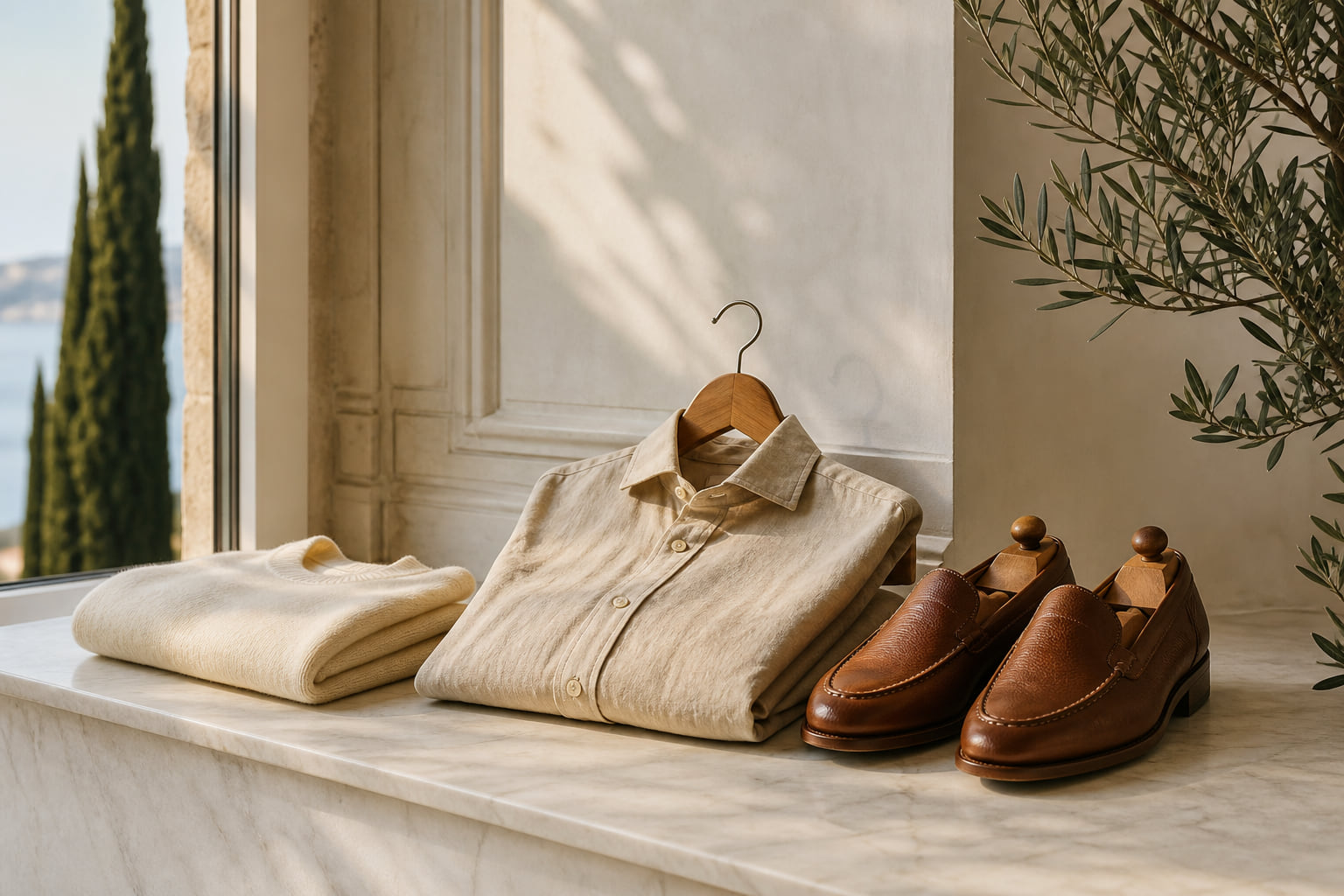
The clothes worth protecting are the ones made from natural fibres: cashmere, linen, wool, leather. These materials age beautifully when treated with basic respect, and they age poorly when treated as an afterthought. The advice here is practical and specific, built around the fabrics that form the backbone of a considered wardrobe.
This is not about complicated rituals. It is about understanding what each fibre needs and building simple habits around that knowledge.
Key takeaways
- Always fold cashmere and heavy knitwear rather than hanging it, to prevent shoulder distortion and fabric stretch.
- Wash linen in cool or lukewarm water and line-dry in shade to preserve fibre strength and prevent shrinkage.
- Condition leather shoes and accessories every four to six weeks and store them with cedar shoe trees to hold their shape.
- Use breathable cotton garment bags, never plastic, for long-term storage of natural fibres.
- Cedar blocks and lavender sachets repel moths without the chemical damage of mothballs.
In this guide
- Caring for Cashmere: Wash Less, Fold Always
- Linen Care: Cool Water, Shade, and a Little Patience
- Leather Care: Condition, Protect, and Store on Trees
- Hanging vs. Folding: What Goes Where
- Washing Frequency and the Case for Doing Less
- Seasonal Storage: Preparing Pieces for the Off-Season
- Frequently asked questions
Caring for Cashmere: Wash Less, Fold Always
Cashmere is a protein fibre, which means it responds to heat, agitation, and alkaline detergents the way wool does, by shrinking, felting, and losing its soft hand. The cardinal rule is to wash cashmere as infrequently as possible. Between wears, air it out on a flat surface or a padded hanger for thirty minutes, then fold it away. This alone extends the time between washes significantly.
When washing is necessary, hand-wash in cool water with a small amount of pH-neutral detergent, or a dedicated wool wash. Never wring the garment. Press the water out gently, roll it in a clean towel to remove excess moisture, then lay it flat on a drying rack away from direct heat or sunlight. Machine washing on a wool cycle is acceptable for most cashmere blends, but always use a mesh laundry bag and the coldest setting available.
Storage is where most cashmere damage happens. Hanging a cashmere piece, even a light one, allows gravity to stretch the fibres over time. Always fold cashmere and store it in a drawer or on a shelf. For seasonal storage, a breathable cotton bag is ideal. Avoid plastic bags, which trap moisture and create the conditions moths prefer. Place cedar blocks or lavender sachets nearby. Cedar works as a natural moth deterrent without the chemical residue that mothballs leave behind.
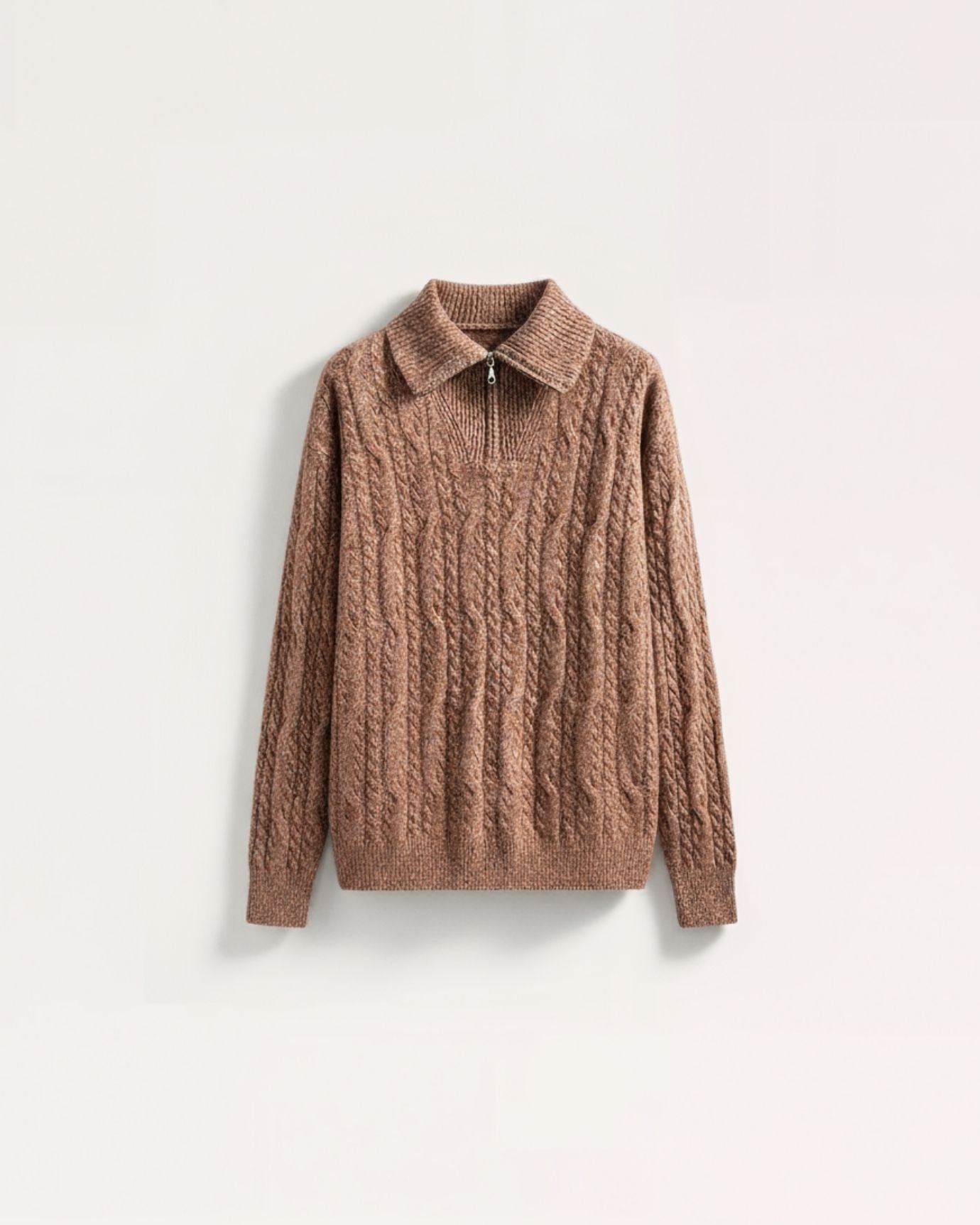
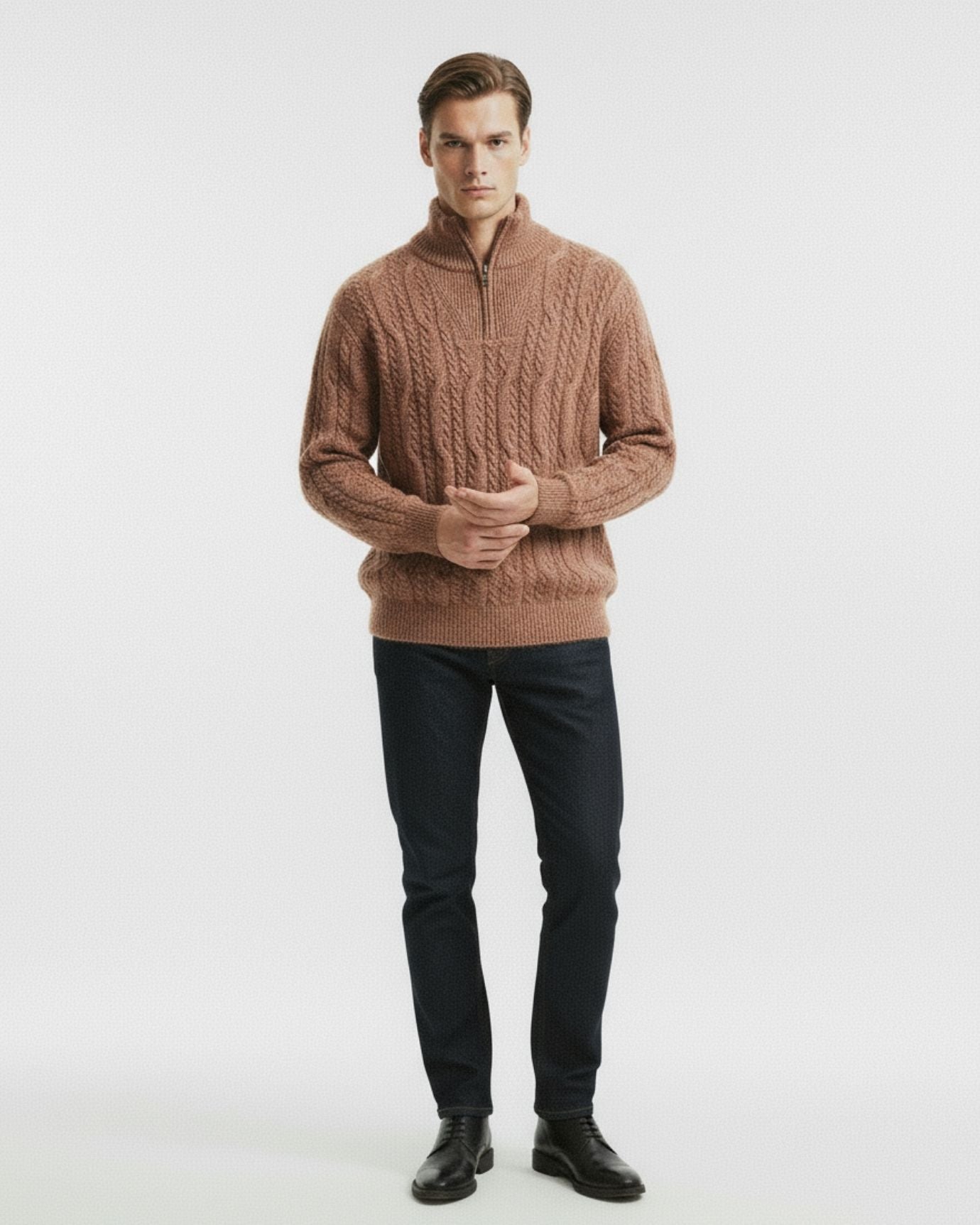
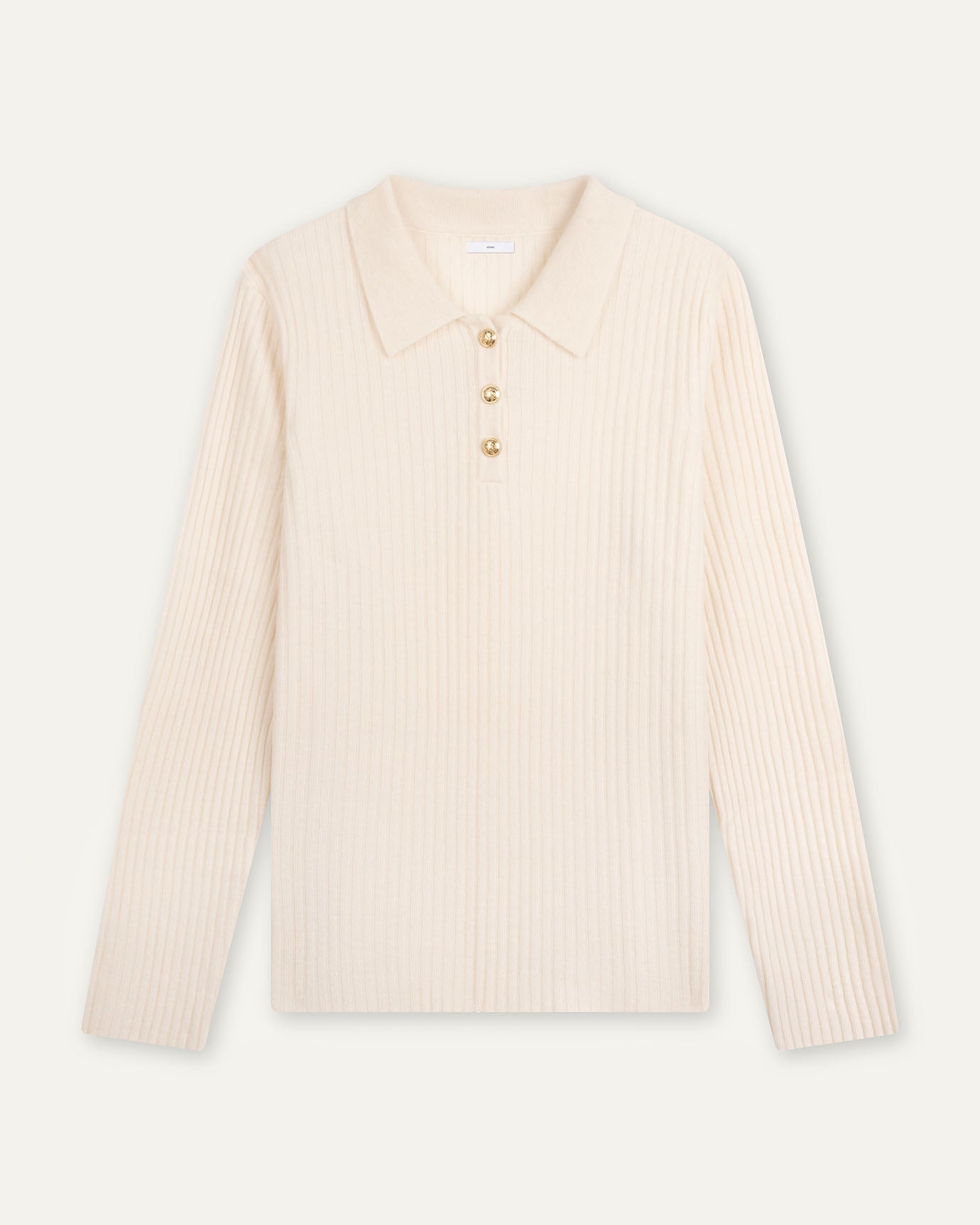
If you own pieces from the cashmere collection, this folding habit is worth starting immediately. A piece like the Berlin Cashmere Sweater Zip will hold its structure and softness for a decade or more with this level of basic care. For a more detailed breakdown of folding technique, see our guide on how to properly fold and store expensive cashmere knits.
Expert insightPilling on cashmere is caused by friction, not poor quality. A fabric comb or a fine-toothed cashmere comb used every few wears keeps the surface smooth and extends the visual life of the garment considerably.

Linen Care: Cool Water, Shade, and a Little Patience
Linen is one of the most durable natural fibres available, but it is also one of the most commonly mistreated. The two main enemies of linen are high-temperature washing and tumble drying. Both cause significant shrinkage and weaken the long flax fibres that give linen its characteristic strength and drape.
For most linen garments, a machine wash at 30°C on a gentle cycle is perfectly safe. Use a mild detergent and avoid fabric softener, which coats the fibres and reduces linen's natural breathability. Higher thread count linen, the kind used in a high count fine linen shirt, benefits from hand washing in cool water to preserve the tighter weave and the subtle sheen that distinguishes it from standard linen.
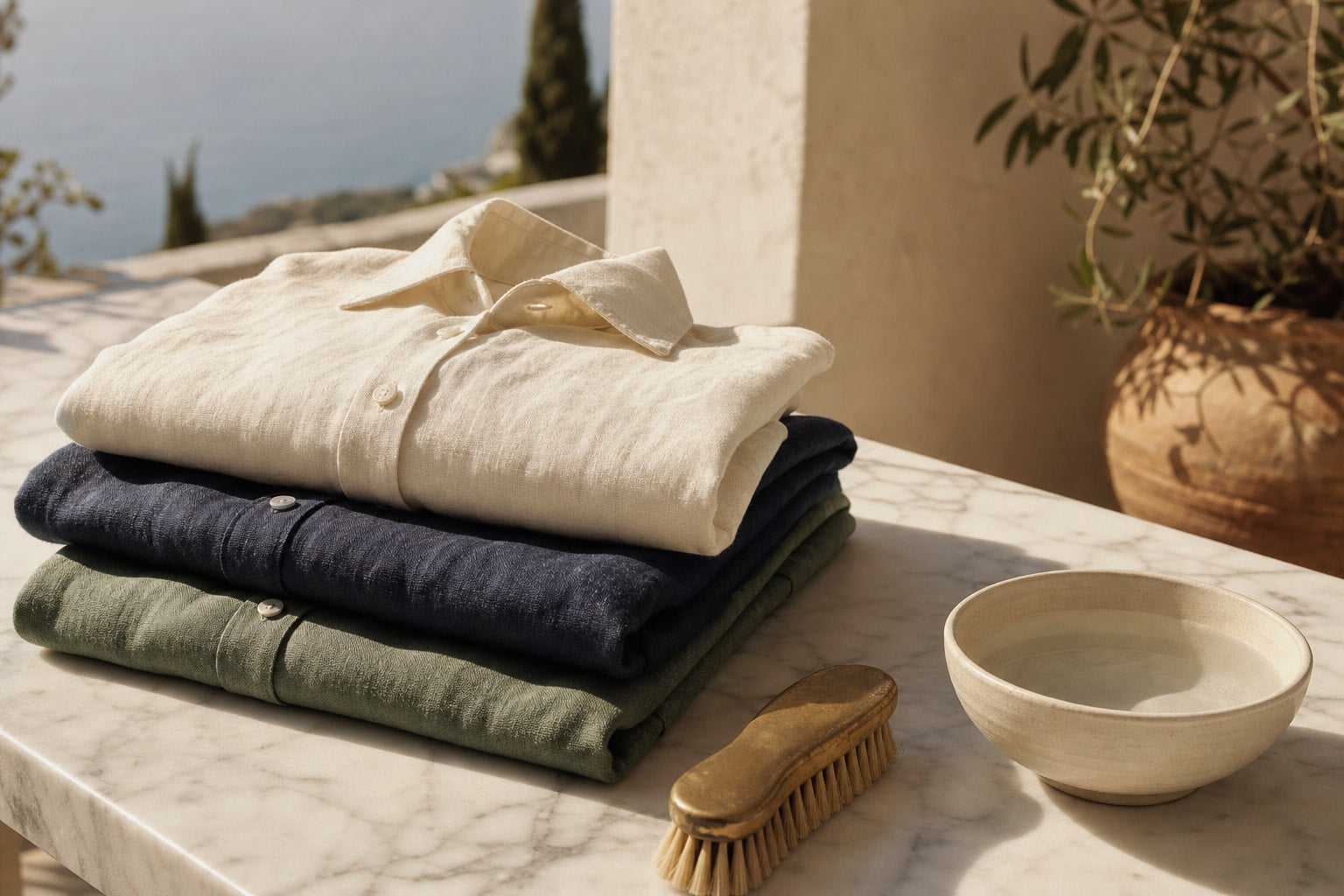
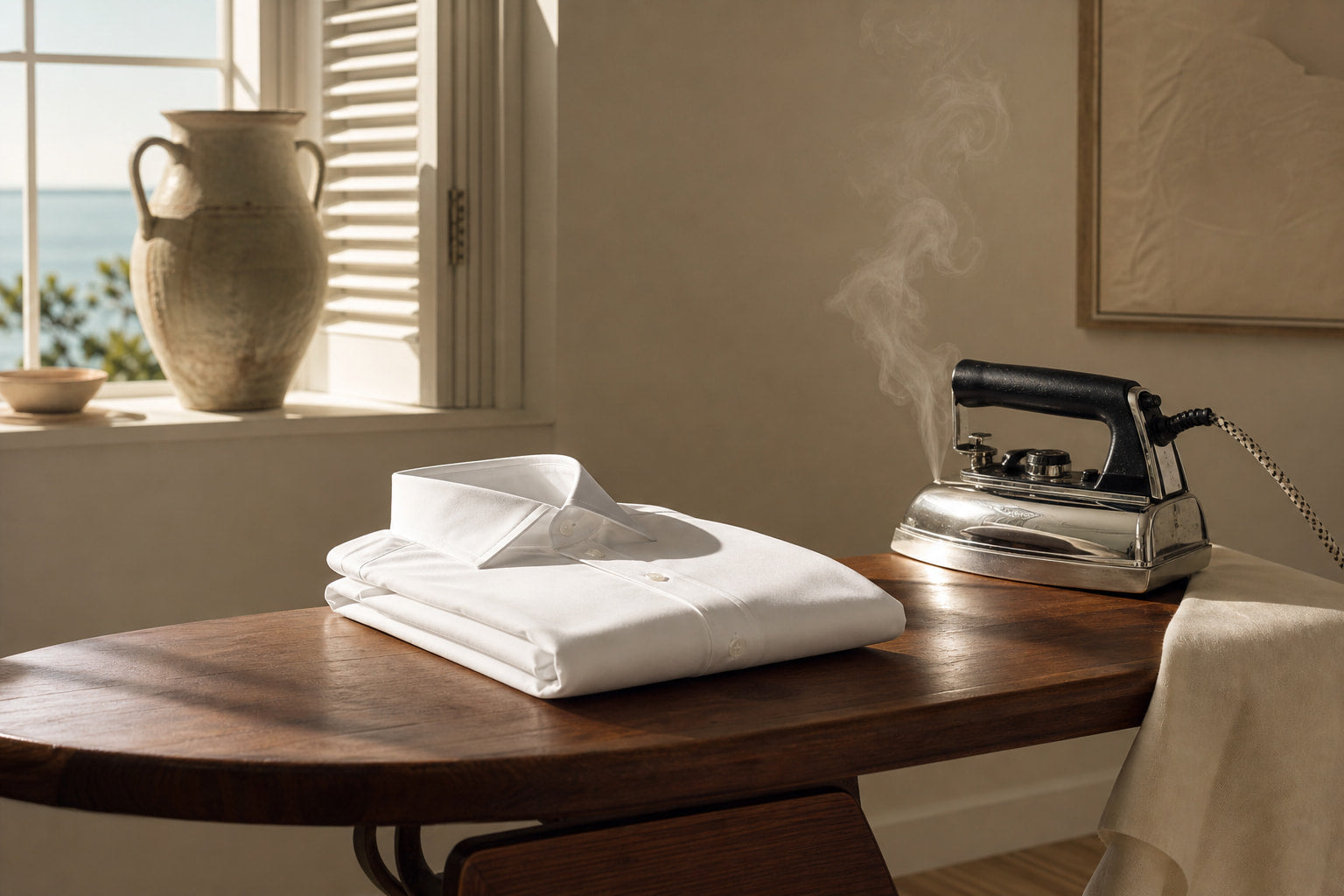
Line-drying in shade is the correct method. Direct sunlight bleaches colour gradually, and it accelerates fibre degradation. Linen dries quickly at room temperature, so there is rarely a need for a dryer. If you prefer a crisper finish, iron linen while it is still slightly damp on a medium-high heat. If you prefer the relaxed, lived-in texture that good linen develops naturally, skip the iron entirely.
For storage, hang linen shirts and trousers on wide wooden or padded hangers. Unlike cashmere, linen does not suffer from hanging. In fact, folding linen for extended periods can create permanent crease lines along fold edges. For seasonal storage of pieces like double pleated linen shorts or Paris linen trousers, fold them once along the natural seam and store flat in a drawer with a lavender sachet. Linen is naturally resistant to moths, but the sachet protects neighbouring wool and cashmere pieces.
Expert insightLinen softens with every wash. A linen shirt that feels slightly stiff when new will, after ten or fifteen washes, have a hand and drape that no fabric softener can replicate. Do not try to accelerate this process.

Leather Care: Condition, Protect, and Store on Trees
Leather is a natural material that dries out, cracks, and loses its suppleness when it is not maintained. The maintenance required is not extensive, but it must be consistent. For leather shoes and loafers, the basic routine is: brush off surface dirt after each wear with a soft horsehair brush, apply a leather conditioner every four to six weeks, and polish when the surface begins to look dull.
Conditioner is more important than polish. Polish restores colour and shine; conditioner keeps the leather flexible and prevents the micro-cracking that starts at flex points like the toe box and vamp. Use a conditioner appropriate to the leather type. Smooth calf leather takes cream polish well. Suede requires a dedicated suede brush and a water-repellent spray, not cream. The NY Leather Suede Sneakers combine both materials, so it is worth keeping both a suede brush and a light leather conditioner on hand.
Cedar shoe trees are not optional. They absorb moisture from the lining after wear, hold the shape of the last, and prevent the toe box from curling upward as the leather dries. Insert them immediately after removing the shoes and leave them in until the next wear. For leather loafers like the Soft San Francisco Leather Mules, shoe trees also prevent the heel counter from collapsing over time.
Store leather shoes in a cool, dry place with good air circulation. Shoe boxes are acceptable for short-term storage but restrict airflow. For longer periods, a cloth dust bag or an open shelf is preferable. Never store leather near a heat source or in a sealed plastic container. Leather needs to breathe in the same way the animal it came from once did.
Expert insightIf leather gets wet, let it dry naturally at room temperature with shoe trees inserted. Applying heat to speed drying is the single most common cause of cracking and stiffness in leather footwear.

Hanging vs. Folding: What Goes Where
The way you store a garment between wears matters as much as how you wash it. The general principle is straightforward: structured garments hang, unstructured or heavy knits fold.
Hang on wide, shaped hangers: tailored jackets and blazers, trousers (folded over the bar at the crease), woven shirts, linen and cotton trousers. Slim wire hangers distort shoulders and leave pressure marks on structured shoulders. Invest in wooden or padded hangers wide enough to match the shoulder width of the garment.
Fold and store flat: all knitwear including cashmere, wool, and cotton sweaters, heavy cardigans like the cashmere and wool cardigan jacket, jersey pieces, and anything with significant weight. Folding should follow the natural seams where possible to avoid creating new crease lines.
Give garments space. A wardrobe packed tightly prevents air circulation, encourages mildew in humid climates, and causes fabrics to develop permanent creases along contact points. If you cannot move a hanger freely along the rail, the wardrobe is too full. Rotating seasonal pieces into storage, either in breathable cotton bags on a high shelf or in a separate chest of drawers, solves this without requiring a larger wardrobe.
For guidance on building a wardrobe that functions well across seasons, the luxury quiet luxury wardrobe guide for work covers the structural decisions that make daily dressing simpler.

Washing Frequency and the Case for Doing Less
Modern washing machines and detergents are efficient, and that efficiency has led to a habit of over-washing. Most garments do not need to be washed after every wear. Over-washing degrades fibres, fades colour, weakens seams, and shortens the life of a garment faster than regular use ever would.
The practical guide by fabric type:
- Cashmere and wool knitwear: wash every three to five wears, or when there is a visible stain or noticeable odour. Air between wears.
- Linen shirts: wash after one to two wears in warm weather, every two to three wears in cooler conditions. Linen is naturally antibacterial and releases odour well when aired.
- Tailored trousers and jackets: spot clean where possible and brush with a soft clothes brush after wearing. Full washing or dry cleaning every ten to fifteen wears is sufficient for most people.
- Leather shoes and accessories: do not wash. Clean, condition, and protect as described above.
- Cotton T-shirts and base layers: wash after every wear.
Spot cleaning is an underused skill. A damp cloth and a small amount of mild soap will remove most food or surface stains from linen and wool without requiring a full wash cycle. Act quickly, blot rather than rub, and allow the area to dry flat.
For summer-specific care considerations, including how to handle linen and lightweight pieces through repeated warm-weather wear, the article on stylish summer outfit ideas for everyday wear includes relevant context on fabric performance in heat. Understanding how linen is produced from flax also helps explain why the fibre responds so well to cool washing and air-drying, given the nature of the plant cellulose it is built from.

Seasonal Storage: Preparing Pieces for the Off-Season
Storing clothes for a season requires a few deliberate steps. Putting a garment away dirty is the single most damaging thing you can do in storage. Moths are attracted to body oils, sweat residue, and food stains, not to clean fabric. Wash or dry-clean everything before it goes into seasonal storage.
Once clean and fully dry, the storage method depends on the fibre. Cashmere and wool pieces should be folded and placed in breathable cotton or linen bags with cedar blocks. Linen pieces can be folded or rolled and stored in a drawer or shelf. Leather shoes should be cleaned, conditioned, stored with cedar shoe trees in their cloth bags, and placed in a cool, ventilated area away from direct light.
Avoid vacuum storage bags for natural fibres. These bags are useful for bulky synthetic bedding, but for cashmere, wool, and linen they compress fibres in ways that are difficult to reverse and create a humid microenvironment that encourages mildew.
For women's pieces, including pieces from the woman cashmere range such as the Carina Hat Cashmere, the same folding and cedar-block rules apply. Cashmere accessories are often the most neglected in seasonal storage, and they are among the most vulnerable to moth damage given their small size and tendency to be tucked into corners.
Label your storage if you use multiple containers. Knowing exactly what is where saves the frustration of searching through everything in autumn, and it encourages you to retrieve and wear pieces rather than forgetting them entirely.

| Fabric | Wash Method | Drying | Storage Method | Moth Risk |
|---|---|---|---|---|
| Cashmere | Hand wash or machine wool cycle, cold | Flat, away from heat and sun | Folded in cotton bag with cedar | High |
| Linen | Machine 30°C gentle or hand wash cool | Line dry in shade, iron damp | Hung on wide hanger or folded flat | Low |
| Wool knit | Hand wash or machine wool cycle, cold | Flat on drying rack | Folded in cotton bag with cedar | High |
| Smooth leather | Do not wash, condition regularly | Air dry at room temperature only | On shoe trees in cloth bag | None |
| Suede leather | Do not wash, brush and spray protect | Air dry at room temperature only | On shoe trees in cloth bag | None |
| Cotton shirt | Machine 30 to 40°C | Line dry or low tumble | Hung on wide hanger | Low |
Frequently asked questions
Can I machine wash cashmere?
Yes, most cashmere can be machine washed on a wool or delicate cycle in cold water inside a mesh laundry bag. Use a pH-neutral detergent and skip the spin cycle if possible. Lay flat to dry. That said, hand washing gives you more control and is gentler on finer pieces like the high end cashmere range.
How often should I wash linen shirts?
In warm weather, after one to two wears. In cooler conditions, every two to three wears is reasonable, provided you air the shirt after each use. Linen is naturally antibacterial and handles airing very well. Washing too frequently accelerates colour fade and weakens the fibre over time.
How do I remove a crease from linen that has been stored folded?
Hang the garment in a steamy bathroom for twenty minutes, then press with a medium-high iron while the fabric is still slightly damp. For a black yellow striped linen shirt or any printed linen, iron on the reverse side to avoid flattening the pattern or affecting the colour.
Is it safe to store leather shoes in their original box?
For short periods, yes. For longer storage, a box restricts airflow and can trap moisture. A cloth dust bag on an open shelf, with cedar shoe trees inside the shoes, is a better long-term option. If you do use the box, leave the lid slightly open or punch a few ventilation holes.
Good clothes do not wear out. They are worn out, usually through a combination of over-washing, poor hanging, and careless storage. The fabrics that form the foundation of a well-considered wardrobe, cashmere, linen, and leather, all respond well to simple, consistent care. Wash less, fold what needs folding, hang what needs hanging, condition leather on a schedule, and store everything clean. These are not complicated habits. They are just deliberate ones. If you are building or refining that wardrobe now, the linen shirts collection is a practical place to start, with pieces that reward exactly this kind of attention.