


The Best Summer Fabrics for Hot Weather 2026
Reading time 14 min • 2838 words
There is a simple reason some people look composed on a 35-degree afternoon while others look as though they have been caught in a storm. It is not discipline or genetics. It is fabric. The wrong textile traps heat, holds moisture against the skin and loses its shape within an hour of wear. The right one wicks, breathes and holds a clean line from morning to evening.
For summer 2026, the conversation around hot-weather dressing has returned to three materials that have earned their reputations over decades: linen, mercerized cotton and ice silk. Each works differently at the level of the fibre, and each suits a different occasion and silhouette. This guide explains exactly what each fabric does, why it performs better than standard cotton or synthetic alternatives, and how to build a summer wardrobe around all three without redundancy.
The advice here applies equally to men and women. The physics of heat and moisture do not change by gender, and neither does the principle that a well-chosen fabric is always a better solution than a heavy application of antiperspirant.
Key takeaways
- Linen is the most breathable natural fibre for summer and softens with every wash, making it a long-term wardrobe investment.
- Mercerized cotton has been chemically treated to be stronger, smoother and more resistant to sweat staining than standard cotton.
- Ice silk is a lightweight knit that reads as luxurious on the surface while actively pulling heat away from the body.
- Avoid polyester blends in heat above 30°C: they trap moisture and odour against the skin.
- Fit matters as much as fibre: a slightly relaxed cut in any of these three fabrics will outperform a tight cut in even the finest material.
In this guide
- Why Standard Cotton Fails You in Serious Heat
- Linen: The Oldest Answer to Summer Heat
- Mercerized Cotton: The Refined Summer Staple
- Ice Silk: The Modern Hot-Weather Fabric Worth Understanding
- How to Build a Summer Wardrobe Across All Three Fabrics
- Fabrics to Avoid and Why They Fail
- Frequently asked questions
Why Standard Cotton Fails You in Serious Heat
Most people default to cotton in summer because it is natural, familiar and widely available. Up to a point, this instinct is correct. Cotton breathes reasonably well and feels comfortable against bare skin. The problem is absorbency. Standard cotton holds up to 27 times its weight in water. In practice, this means sweat soaks in quickly and stays there, creating a damp, heavy sensation that clings to the body and, in direct sun, takes a long time to dry.
The result is visible: a darkened collar, a transparent back panel, fabric that loses its structure and drapes badly by midday. Standard cotton also has a relatively loose weave that does not resist pilling under friction, which matters at the collar and underarm of any shirt worn in heat.
The three fabrics discussed in this guide solve these problems in different ways, but all three share one quality: they manage moisture rather than simply absorbing it. That distinction is the foundation of dressing well in hot weather.
For reference, the mercerized clothing category at Lovau is built around this principle: fabrics that have been processed or selected specifically to perform better than untreated cotton in warm conditions.
Expert insightThread count alone does not predict summer performance. A high-thread-count standard cotton sheet feels luxurious but traps heat. What matters is fibre treatment, weave structure and, in the case of synthetic blends, fibre cross-section geometry.
Linen: The Oldest Answer to Summer Heat
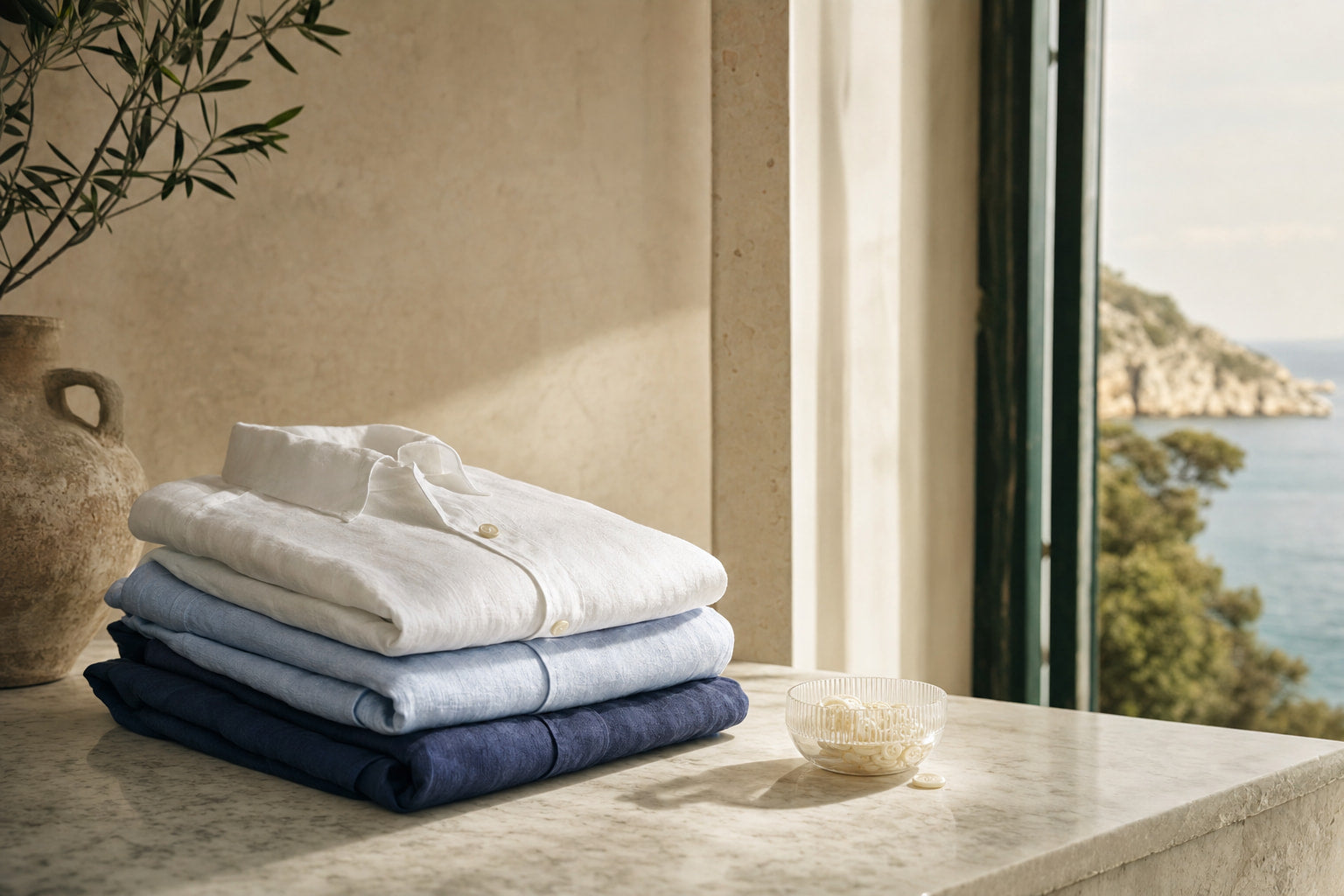
Linen is made from the flax plant and has been used for warm-weather clothing for thousands of years, for good reason. Its hollow fibre structure allows air to circulate freely through the weave, and it absorbs moisture quickly before releasing it into the air rather than holding it against the skin. According to Wikipedia's entry on linen, linen can absorb up to 20 percent of its weight in moisture before it even begins to feel damp, which explains why a linen shirt can keep you comfortable through conditions that would ruin a cotton equivalent.
Linen also has a natural thermal conductivity that is approximately five times higher than wool and eighteen times higher than silk. In plain terms, it pulls heat away from the body efficiently. On a hot afternoon, that difference is tangible.
The practical case for linen in 2026 is also a case for longevity. Linen gets stronger with washing, not weaker. The slight texture that some people associate with stiffness softens considerably after a season of regular wear. A well-cut linen shirt bought this year should still be in rotation in five years.
For men, the Italian Cotton Linen Shirt blends the structure of cotton with the breathability of linen, giving a cleaner drape than 100 percent linen while retaining most of its thermal advantage. The Milano Linen Cotton White Shirt is the more formal option in the same family: a white ground with a refined weave that works from a lunch table to an evening terrace without requiring a jacket.
For men who prefer trousers, the cotton linen blend trousers offer the same fibre logic in a tailored cut. Linen trousers do crease, and that crease is not a flaw. It is the visual signature of a fabric that is working correctly.
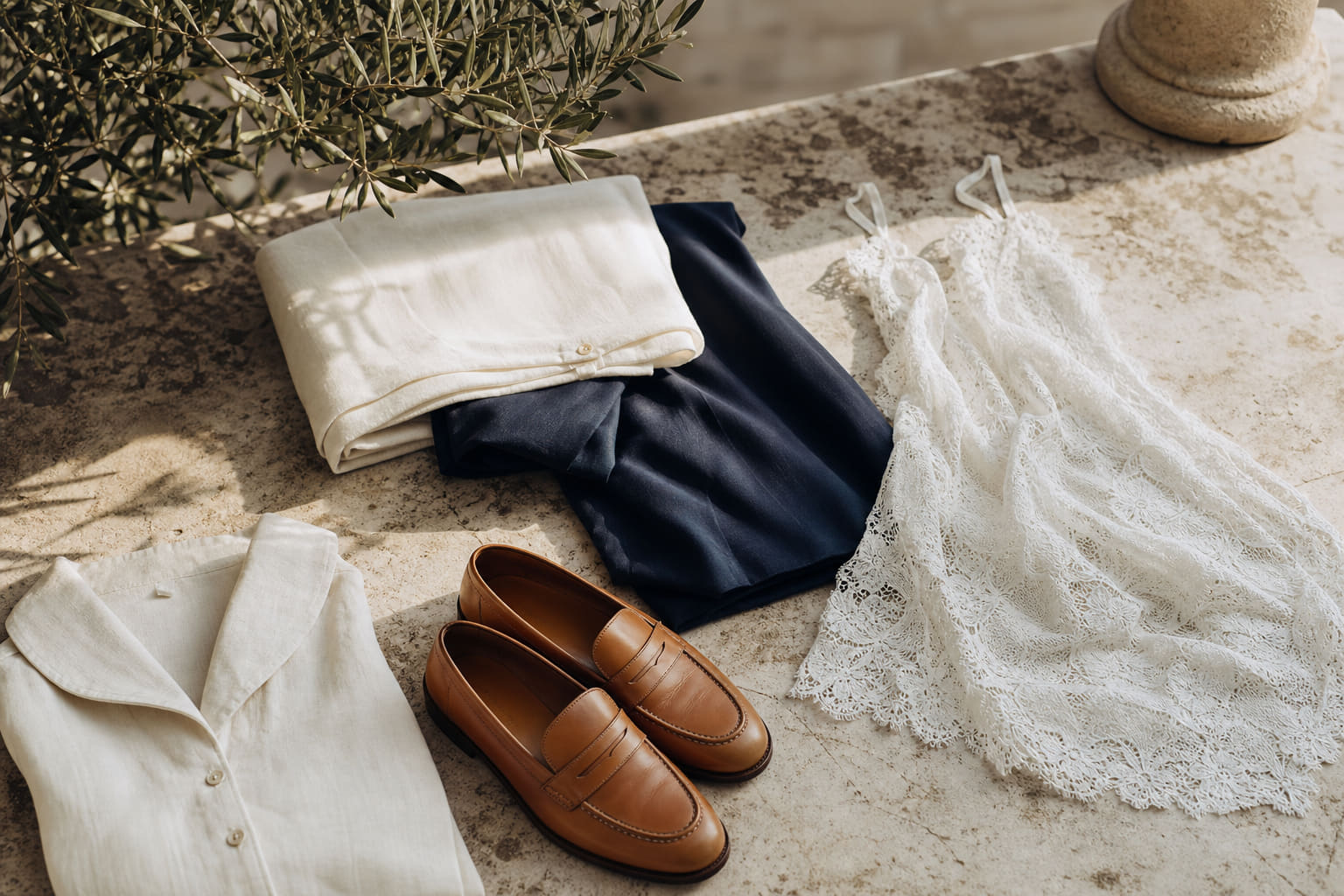
For women, the Greece Linen Blended Spring Summer Dress is a direct expression of Mediterranean summer dressing: relaxed in silhouette, precise in construction, and comfortable through the kind of long, warm days where most synthetic dresses become unwearable by three in the afternoon.
Browse the full linen shirts and linen trousers selections for the complete warm-weather range.
Expert insightStore linen loosely rather than folded flat. A slight roll rather than a sharp crease at the fold line will preserve the fabric's body over multiple seasons.

Mercerized Cotton: The Refined Summer Staple
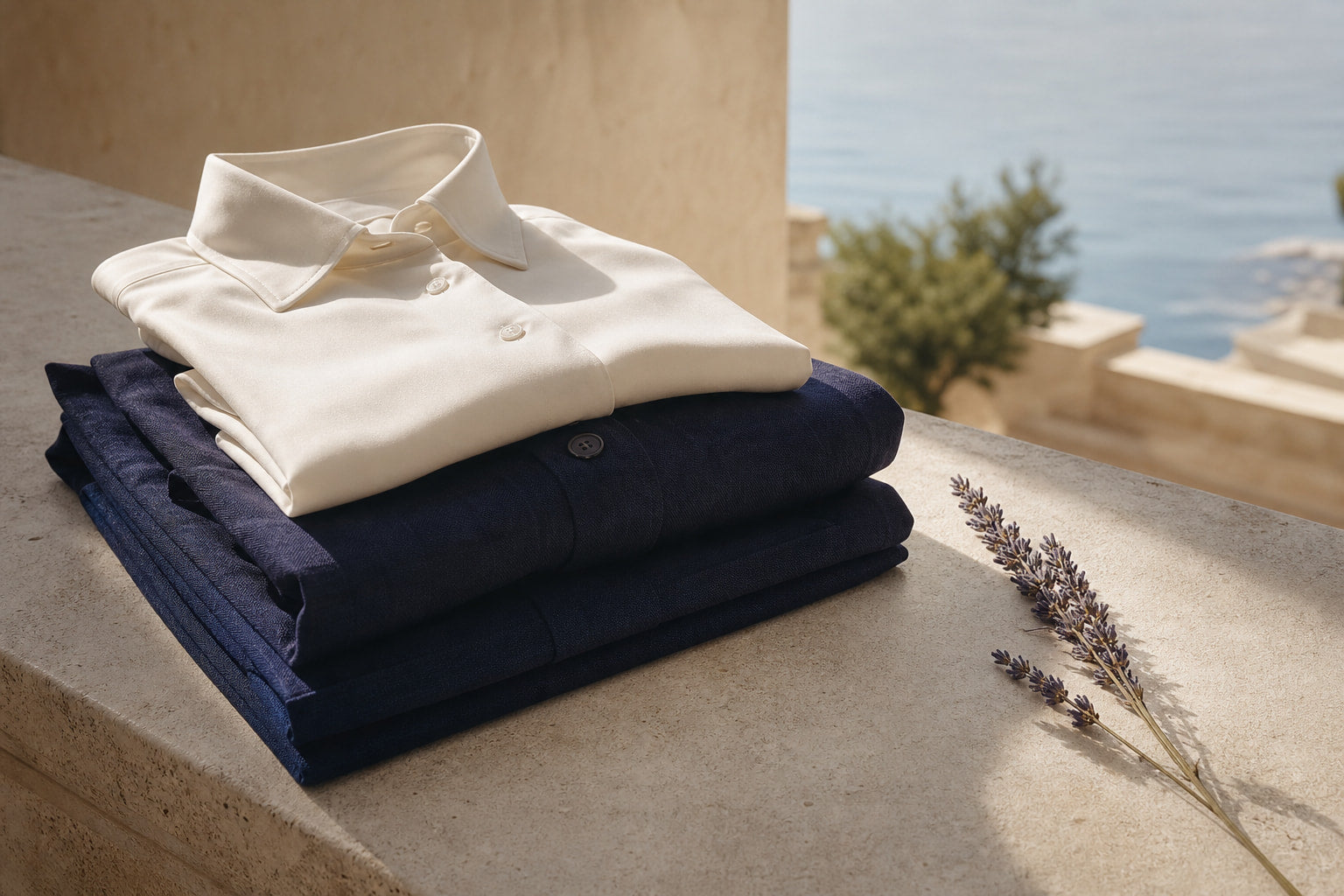
Mercerization is a finishing process developed in the 1840s in which cotton yarn or fabric is treated under tension with a sodium hydroxide solution. The process causes the fibres to swell, straighten and become more circular in cross-section. The practical results are significant: the fabric becomes stronger, takes dye more deeply and evenly, develops a permanent low-level sheen, and becomes more resistant to pilling and distortion under friction and heat.
For summer dressing, the most relevant benefit is moisture management. Mercerized cotton wicks perspiration away from the skin more efficiently than standard cotton because the smoother, more uniform fibre surface reduces the capillary action that causes moisture to sit and pool. The fabric dries faster and holds its colour longer, which means a mercerized cotton shirt looks presentable after a long day in a way that a standard cotton shirt simply does not.
The weight also matters. High-count mercerized cotton, meaning a fabric woven from finer, more tightly twisted yarns, has a cooler, almost silky hand feel while retaining the breathability of cotton. This is the quality behind the high-count breathable mercerized cotton t-shirts in the Lovau range: the construction is dense enough to hold shape and resist transparency, but the fabric weight is light enough to wear in direct sun without discomfort.
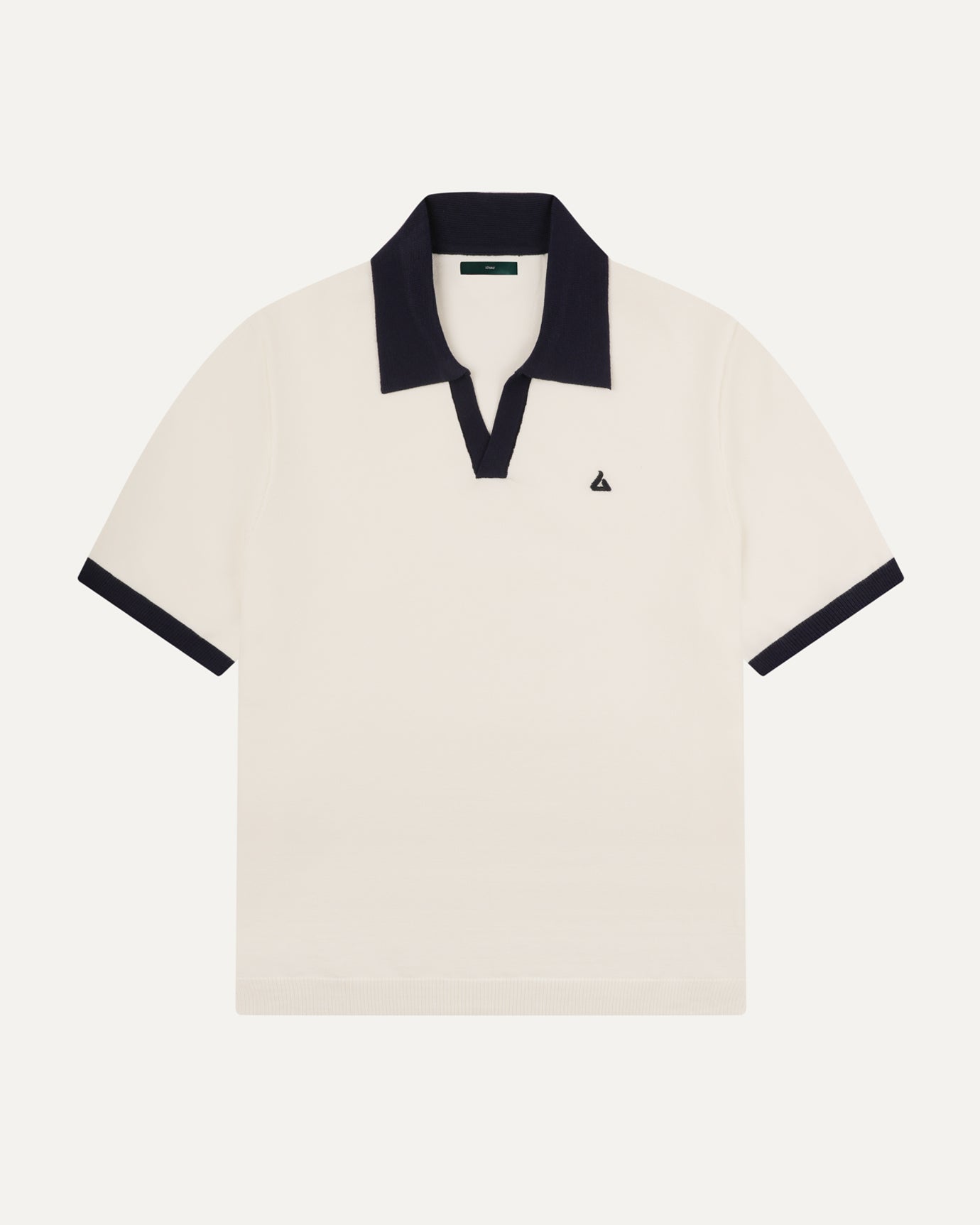
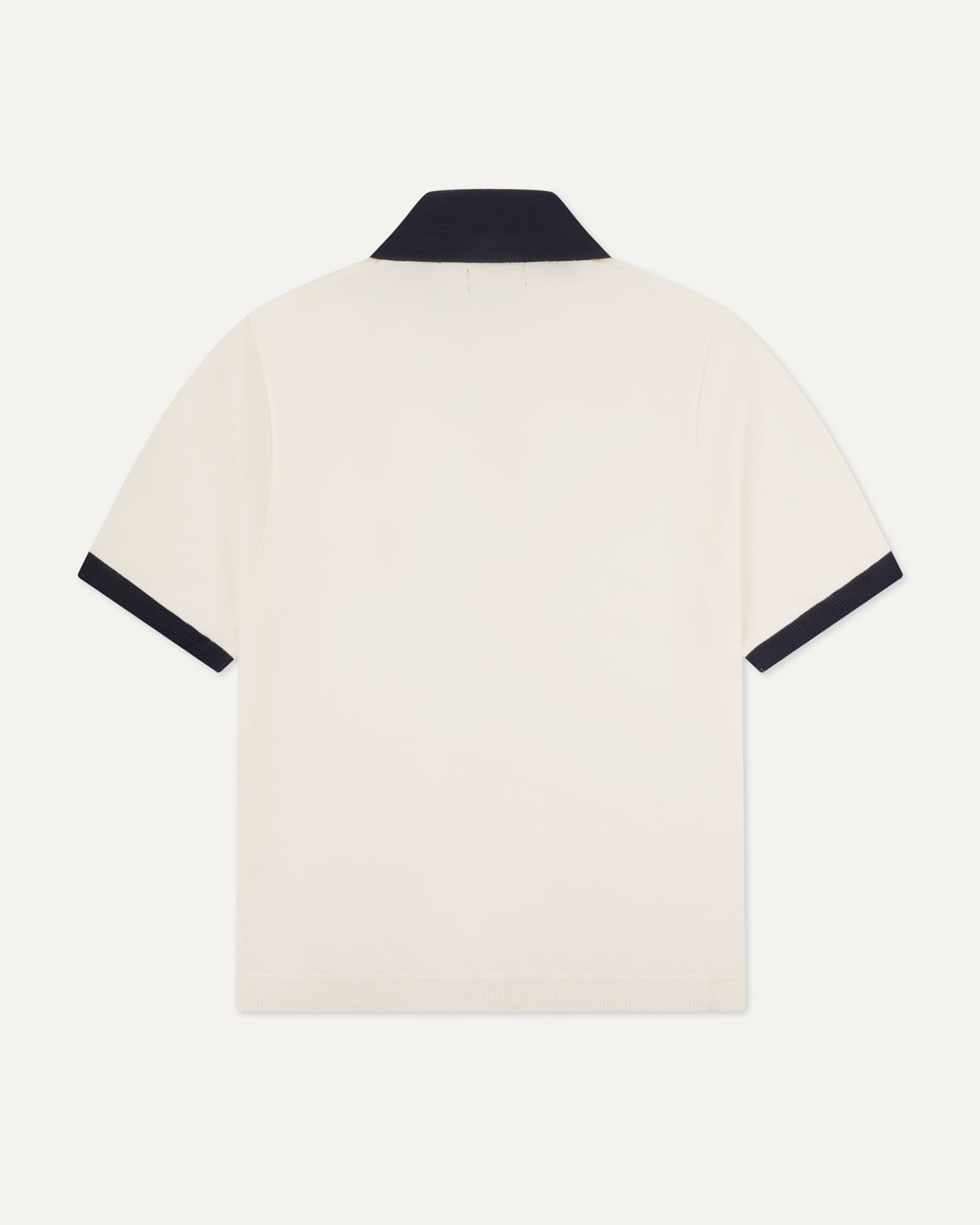
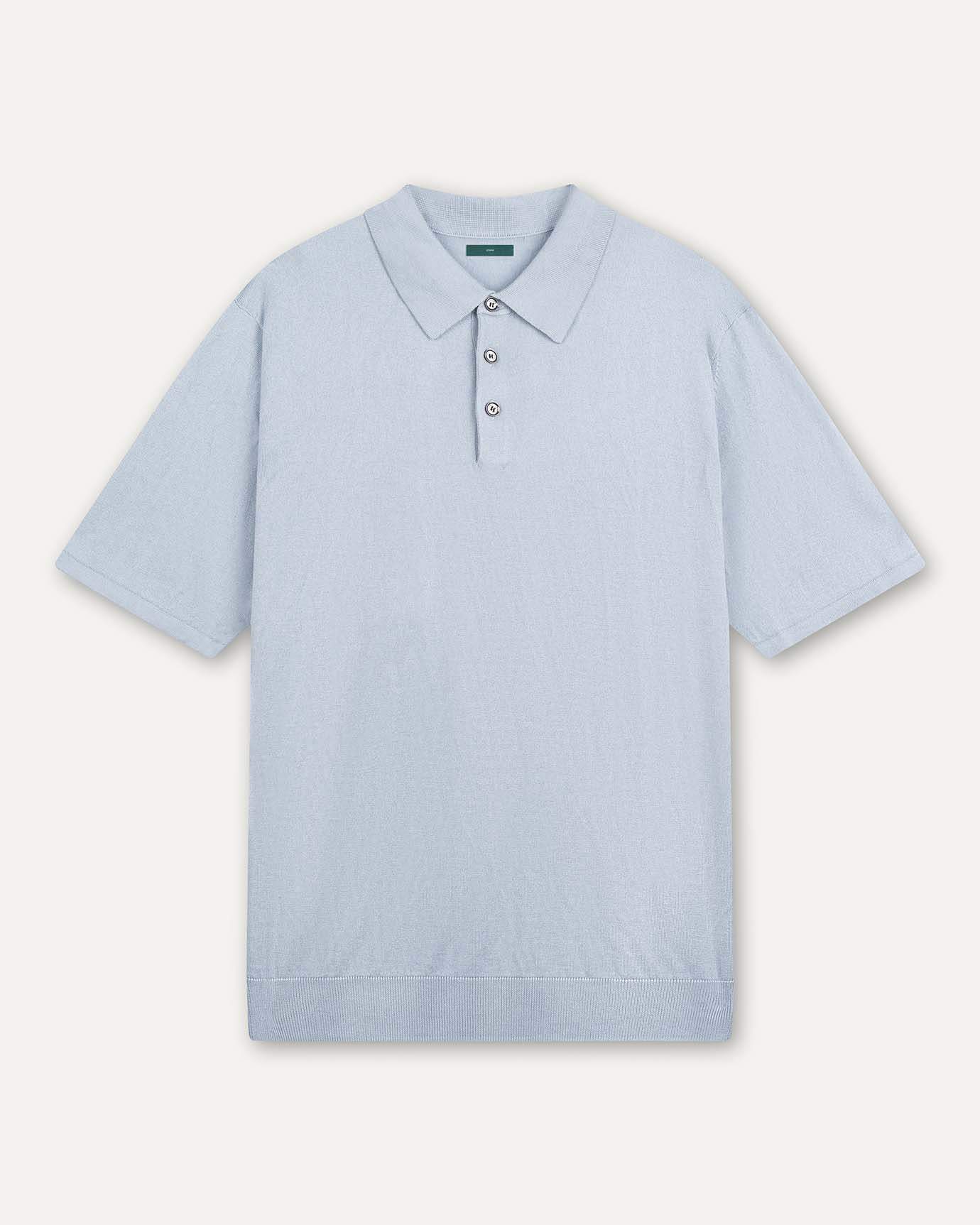
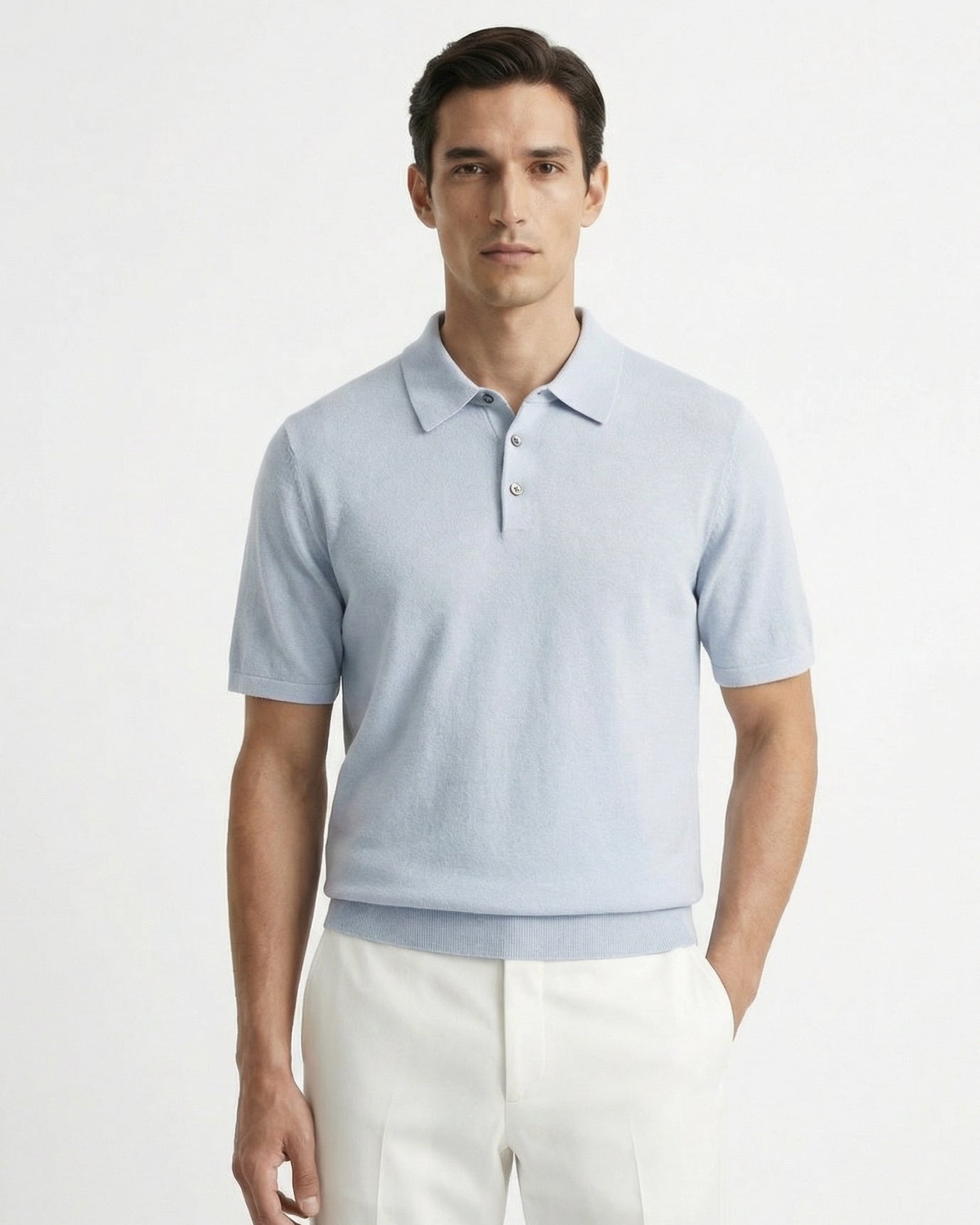
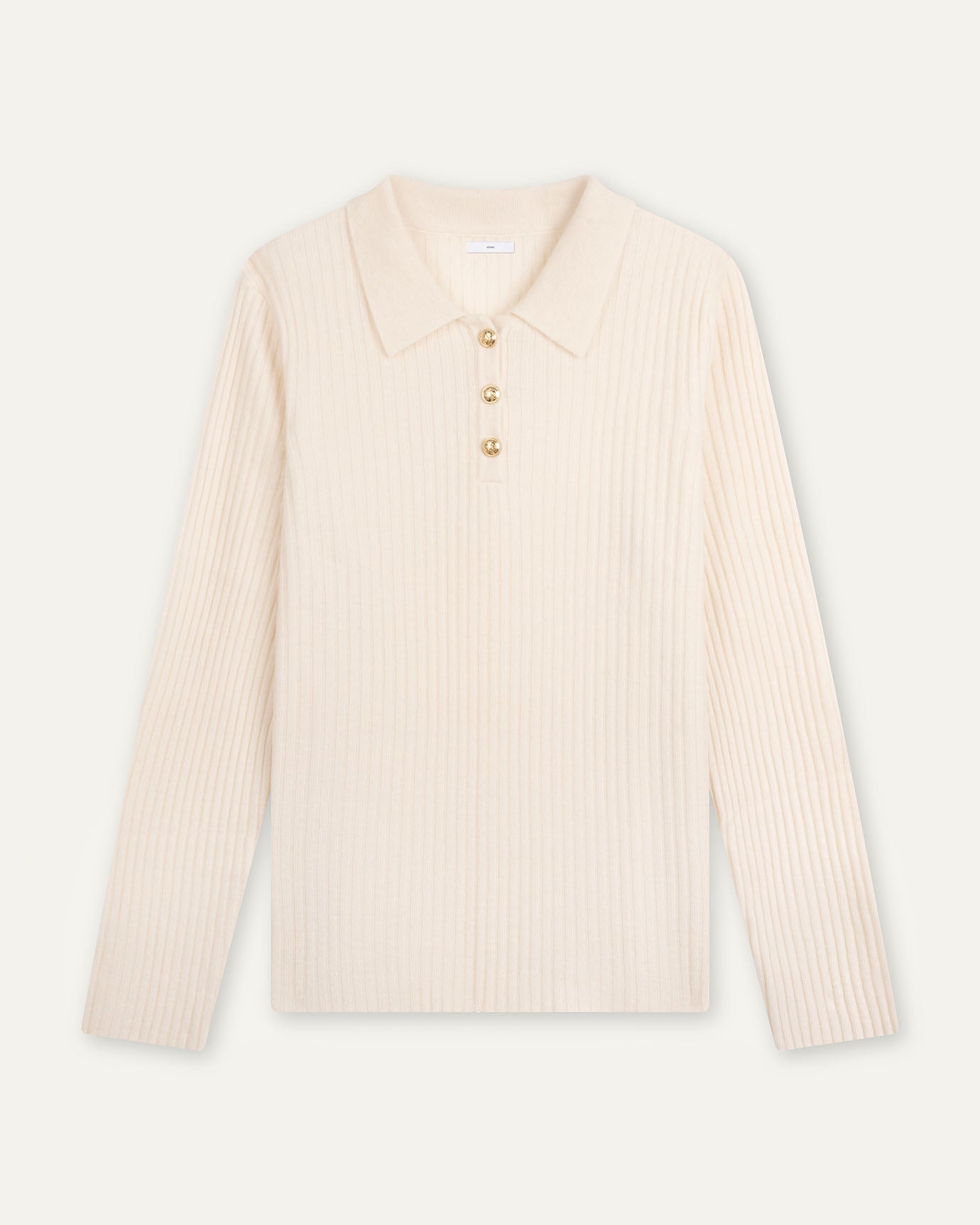
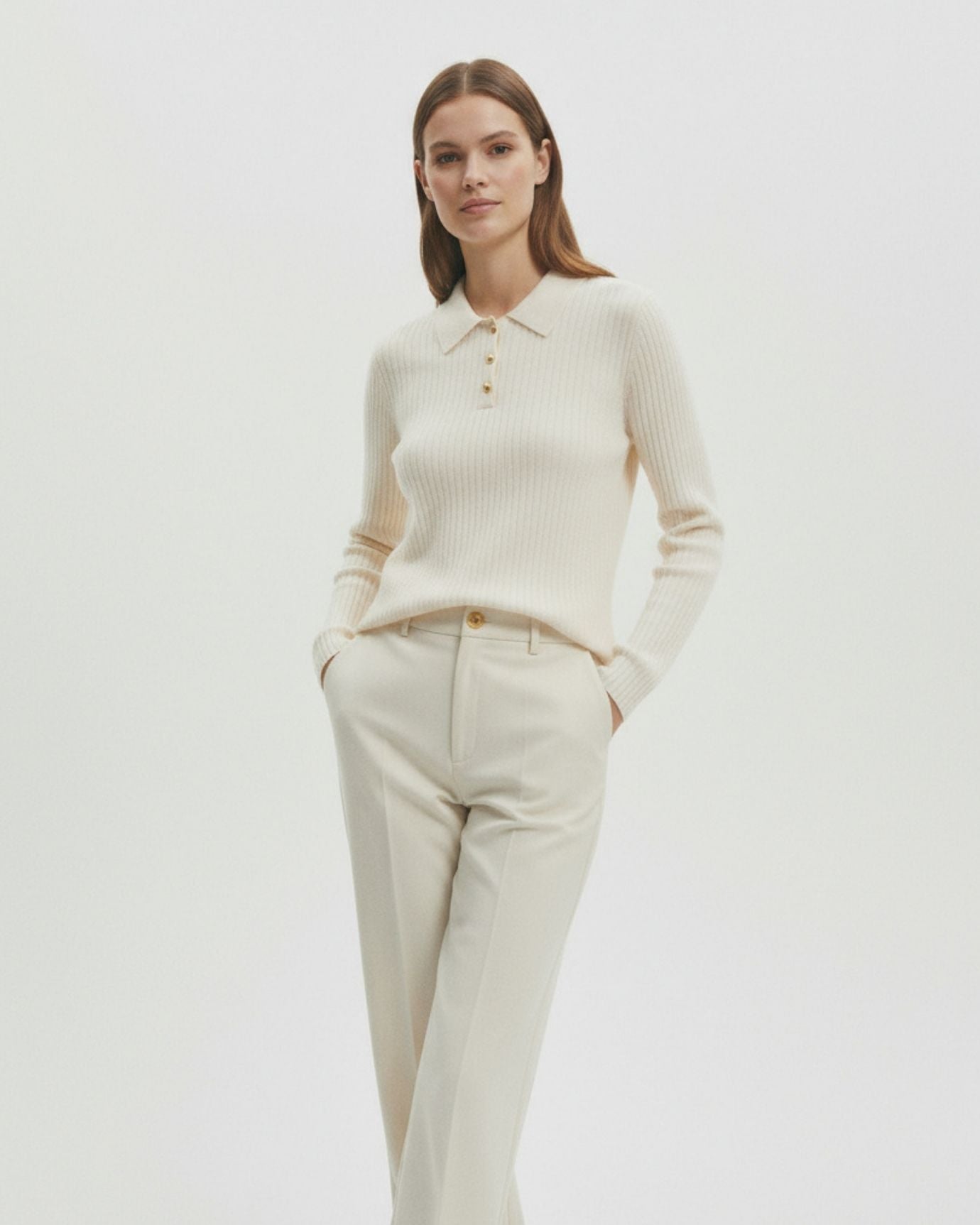
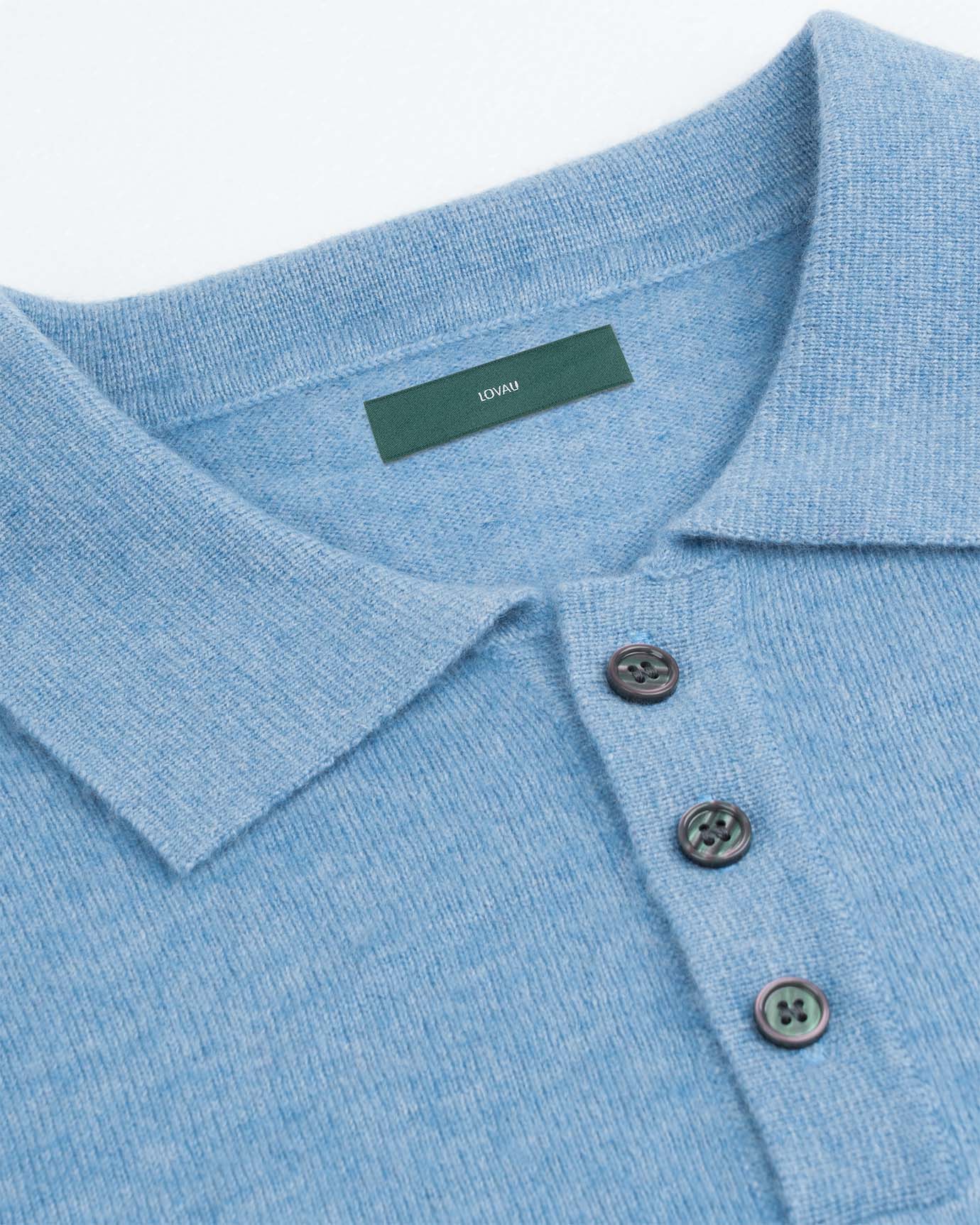
For a more formal register, the mercerized blended cotton polo sits at the intersection of casual and smart. The knit structure gives it stretch and ease of movement, while the mercerized surface keeps it looking composed rather than athletic. Pair it with linen trousers and leather sandals for the kind of daytime look that requires no further thought.
The double mercerized ice silk shirt takes the process further, applying mercerization twice to produce an even smoother, more stable surface. The result reads as close to silk as cotton can get, with the practical durability that silk lacks.
The complete range is available under mercerized clothing.
Expert insightMercerized cotton can be machine washed at 30°C without losing its sheen, but avoid tumble drying. The heat of a dryer will partially reverse the mercerization effect over time, dulling the surface and reducing the fabric's tensile advantage.

Ice Silk: The Modern Hot-Weather Fabric Worth Understanding
Ice silk is a term that covers several related fabric constructions, most commonly a blend of viscose or lyocell with polyamide or a fine modal fibre, knitted in a way that maximises surface contact with the skin while minimising thermal resistance. The name is marketing language, but the cooling sensation it refers to is real and measurable: ice silk fabrics typically have a higher thermal conductivity than standard cotton, meaning they draw heat away from the skin surface faster on initial contact.
The key properties are three: a smooth, low-friction surface that reduces skin irritation in heat; a moisture-wicking structure that moves perspiration outward rather than inward; and a very low fabric weight that makes it genuinely suitable for temperatures above 32°C where even linen can feel substantial.
Ice silk is not a natural fibre in the traditional sense, but the better constructions use plant-derived viscose or lyocell as their base, which gives them a more sustainable profile than petroleum-based synthetics and a hand feel that is noticeably closer to natural cloth.
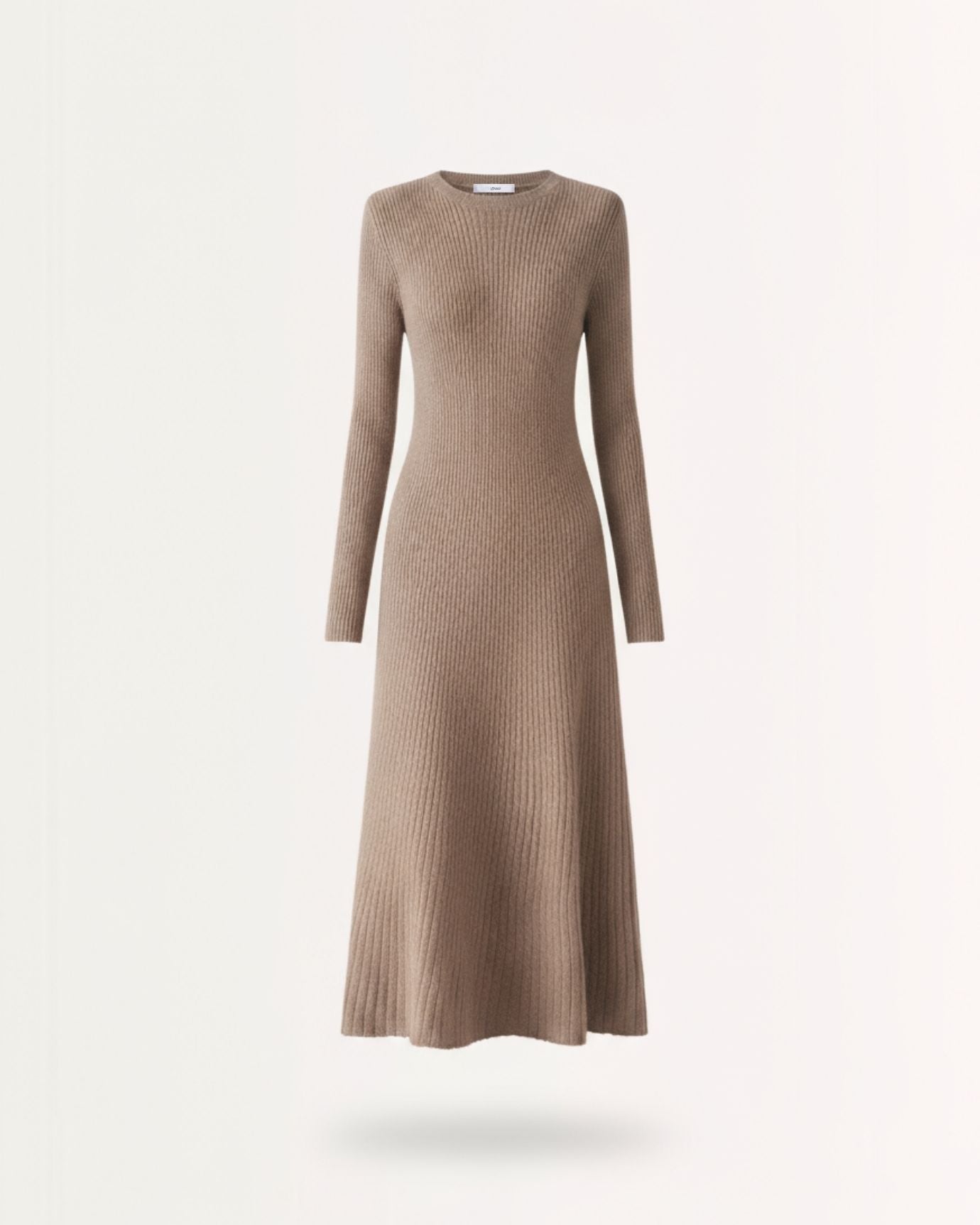
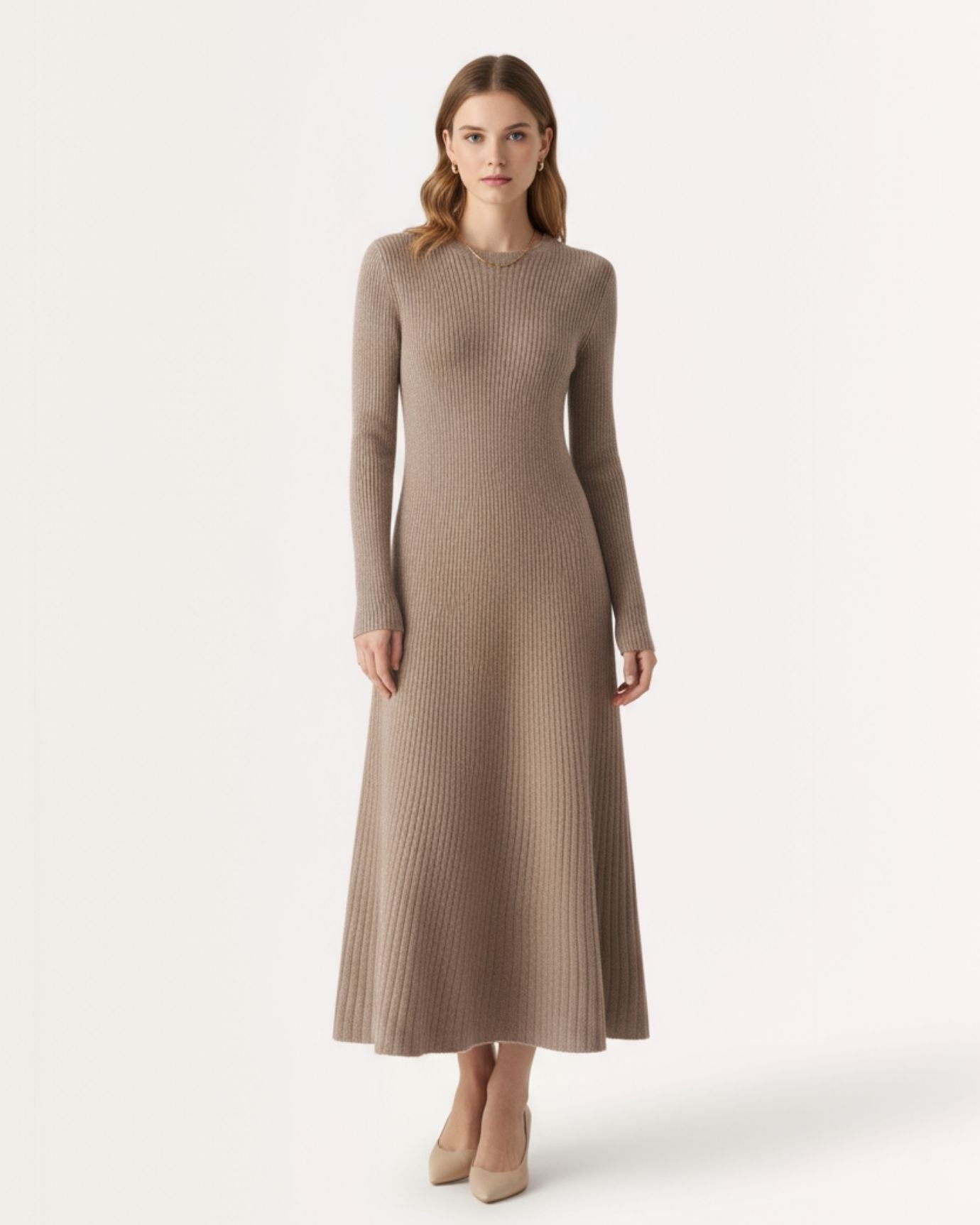
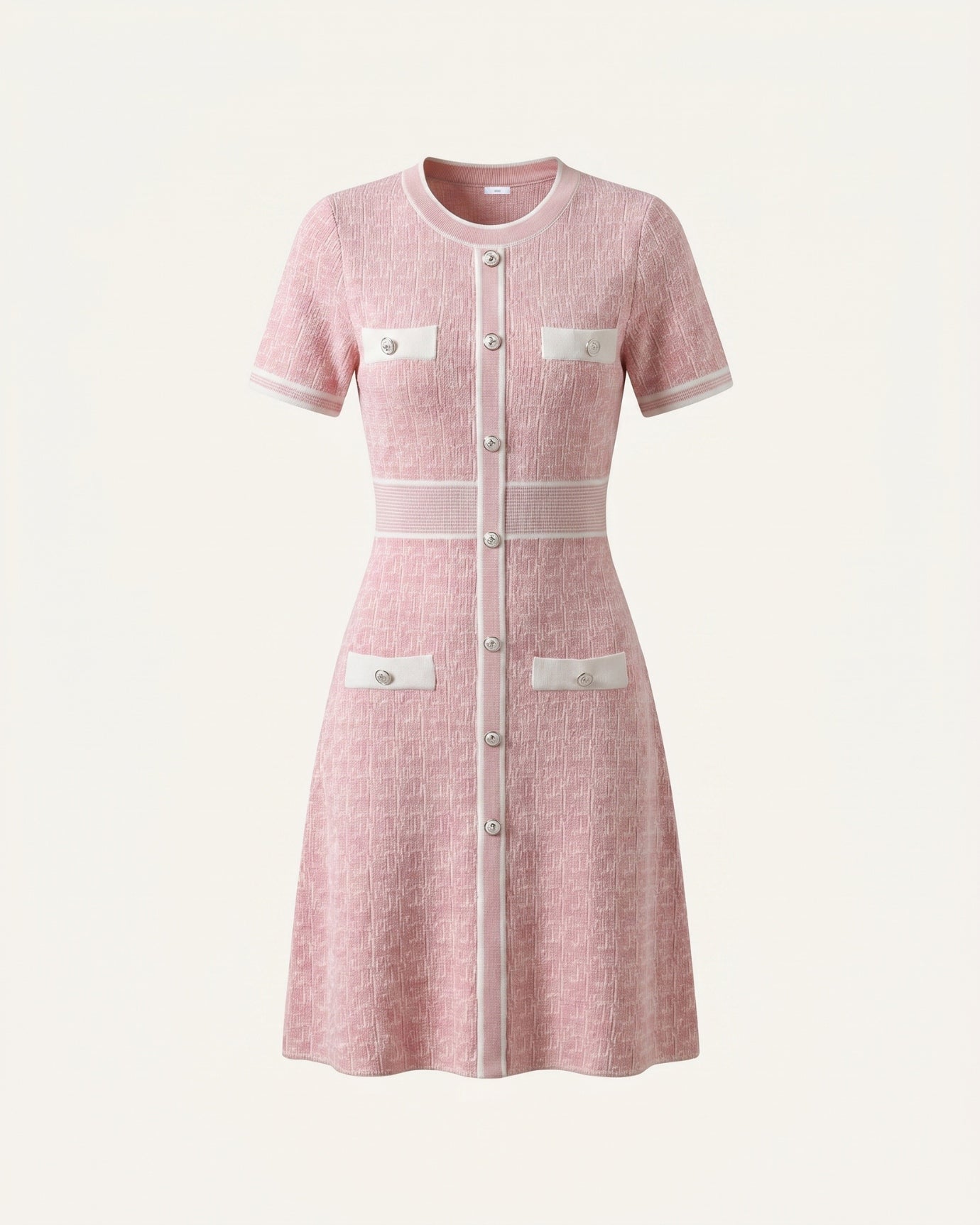
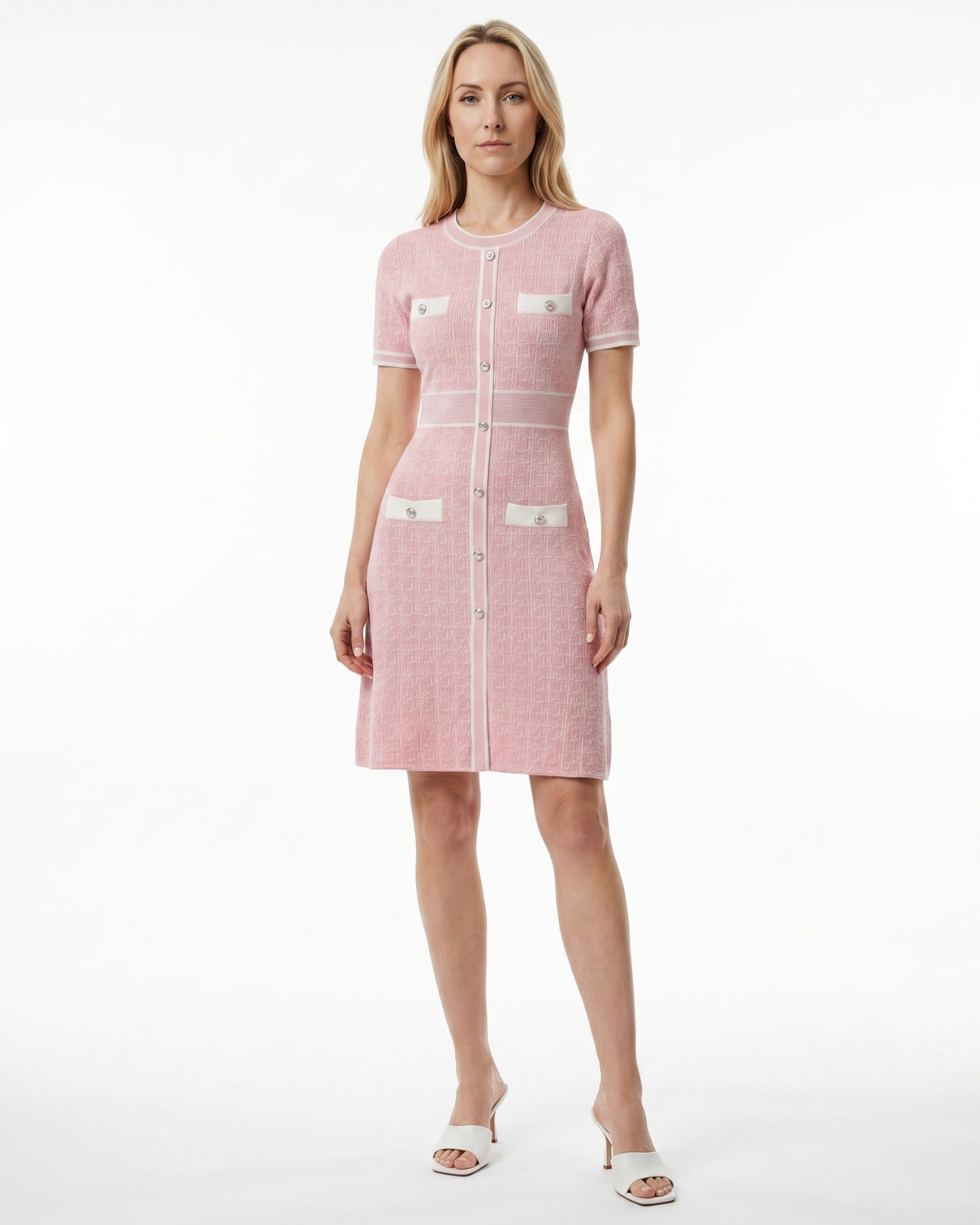
For women, the Eve Ice Silk Knitted Red White Dress demonstrates what the fabric does at its best: the knit moves with the body, the surface has a quiet sheen that reads as dressed rather than casual, and the weight is low enough to be comfortable in full sun. The Old Money Ice Silk Dress Short Sleeve is a simpler, more versatile option in the same fabric family, suited to a wider range of occasions from a garden lunch to an evening by the water.
For men, the high-end mercerized cotton ice silk t-shirt combines the two fabric technologies discussed in this guide: mercerized cotton provides structure and colour depth, while the ice silk component provides the cooling surface contact. The result is a t-shirt that performs better in heat than either material would alone.
The summer dresses collection and the broader spring summer old money woman collection include the full range of ice silk options for women.

How to Build a Summer Wardrobe Across All Three Fabrics
The most practical approach is not to choose between linen, mercerized cotton and ice silk but to assign each a role based on occasion and time of day.
Linen is strongest in structured pieces: shirts, trousers, and dresses where a degree of body and drape is desirable. It is the fabric for travel days, outdoor lunches, and any situation where you will be moving between sun and shade and need a fabric that adjusts without effort. The Divina Cotton and Linen Set for women is a good example of linen used as a coordinated wardrobe unit rather than a single piece: the set reads as intentional rather than assembled, which is the visual effect that well-chosen fabric always supports.
Mercerized cotton is the fabric for precision. Use it in pieces that need to hold their shape through a full day: a polo shirt for a lunch that extends into an evening, a t-shirt worn under a light jacket for a dinner where the air conditioning is aggressive. The high-end double mercerized cotton silk long-sleeve polo works in exactly this register: the long sleeve reads as considered rather than casual, and the mercerized surface keeps it looking clean past the point where standard cotton would have failed.
Ice silk is the fabric for heat peaks: the hour between two and four in the afternoon, the dinner where the room is warm and the evening is warmer, any occasion where the priority is thermal comfort over structural formality.
The spring summer old money man collection 2026 organises these fabric choices into a coherent seasonal wardrobe. The common thread across all three materials is restraint in colour: sand, white, navy, sage and soft grey are the shades that work hardest in Mediterranean heat, absorbing less solar radiation and showing less moisture than darker or more saturated tones.

Fabrics to Avoid and Why They Fail
The positive case for linen, mercerized cotton and ice silk is easier to make once you understand what standard alternatives actually do to the body in heat.
Standard polyester is the most common offender. It is hydrophobic, meaning it does not absorb moisture, so sweat sits on the skin surface and pools rather than evaporating. It also has very low thermal conductivity, which means it insulates rather than dissipates heat. A polyester shirt in 33-degree heat is a reliable way to feel significantly warmer than the ambient temperature.
Rayon and viscose in cheap constructions absorb moisture readily but dry slowly, becoming heavy and clingy. They also lose structural integrity when wet, meaning the garment that looked presentable at nine in the morning can look shapeless by noon.
Wool, even fine merino, is generally too warm for temperatures above 28°C unless the weave is very open. It is an excellent shoulder-season fabric but sits outside the scope of a true summer wardrobe.
Silk is thermally excellent but practically fragile. It stains with perspiration, requires careful hand washing and loses colour with prolonged sun exposure. Ice silk borrows the name and some of the hand-feel of silk while solving most of its practical limitations.
For anyone building or editing a summer wardrobe, the beachwear and summer clothes collection at Lovau is a useful starting point: every piece has been selected with the specific demands of warm-weather wear in mind, and the fabric choices reflect the principles outlined in this guide.

| Property | Linen | Mercerized Cotton | Ice Silk |
|---|---|---|---|
| Breathability | Excellent: hollow fibre circulates air freely | Very good: smoother fibre wicks moisture outward | Very good: low-weight knit allows air movement |
| Moisture management | Absorbs up to 20% before feeling damp, dries quickly | Faster drying than standard cotton, less pooling | Wicks to surface rapidly, dries very fast |
| Cooling sensation on contact | Moderate: cool but textured surface | Good: smooth surface reduces friction heat | High: refined thermal conductivity vs. cotton |
| Durability over time | Improves with washing, very long lifespan | Stronger than standard cotton, resists pilling | Delicate surface, requires careful washing |
| Formality range | Casual to smart casual, some tailored pieces | Casual to business casual, versatile | Casual to evening, reads as dressed in finer constructions |
| Best temperature range | 28°C to 38°C in dry or moderate humidity | 24°C to 34°C across most conditions | 30°C to 40°C especially in high humidity |
Frequently asked questions
What is the single best fabric for very hot, humid weather?
In high humidity above 70 percent, ice silk performs best because its synthetic component does not swell or become heavy when saturated with moisture. Linen is excellent in dry heat but can feel heavier in humid conditions. For most Mediterranean and southern European summer climates, which tend toward dry heat, linen and mercerized cotton remain the stronger all-day choices.
Does mercerized cotton wrinkle less than standard cotton?
Yes, noticeably. The mercerization process aligns the cotton fibres and increases their tensile strength, which means the fabric recovers from compression more readily. A mercerized cotton shirt packed in luggage will emerge in significantly better condition than a standard cotton equivalent. This is one reason the high-end double mercerized cotton silk long-sleeve polo works well for travel.
Can I wear linen to a formal summer event?
Yes, with the right construction and colour. A linen blend in a tight weave, cut as a structured shirt or tailored trouser in white, pale grey or navy, reads as appropriately formal for outdoor weddings, garden parties and summer business events in warm climates. The key is fit: linen worn too loosely reads as casual regardless of the occasion. A slightly relaxed but not oversized cut in a quality linen blend is the correct balance.
Is ice silk a sustainable fabric choice?
It depends on the specific construction. Ice silk made from lyocell or TENCEL-branded viscose uses a closed-loop solvent process that recovers and reuses most of its chemical inputs, making it considerably more sustainable than standard viscose. Ice silk blends that use polyamide or standard rayon as their base are less sustainable. Check the fibre composition label before purchasing, and look for lyocell or modal as the primary component.
Fabric is not a detail. It is the first decision in any summer wardrobe, and it determines whether the rest of the choices, the cut, the colour, the occasion, actually work as intended. Linen, mercerized cotton and ice silk each solve the problem of summer heat from a different angle, and a wardrobe that uses all three has a logical answer for every temperature, humidity level and occasion the season produces. Start with what you wear most, and build from there. The full range of warm-weather options, from tailored linen shirts to ice silk dresses, is collected in the spring summer old money collection 2026.