


The Best Fabrics to Wear If You Sweat Heavily
Reading time 13 min • 2525 words
Sweating heavily is a physiological reality for a significant portion of the population, and it is one that the fashion industry rarely addresses with any honesty. Most style advice either ignores the problem or nudges people toward synthetic performance fabrics that look clinical at best. Neither is acceptable if you care about dressing well.
The truth is that the fabrics best suited to heavy perspiration are almost entirely natural, and most of them have been worn in warm climates for centuries precisely because they work. Linen, fine wool, and silk blends were not chosen by Mediterranean and Northern European dressers out of sentiment. They were chosen because they perform.
This guide covers the specific properties of each fabric, the cuts and weights that matter, and the pieces worth investing in. If you sweat heavily, the right fabric is not a compromise. It is the foundation of looking composed regardless of the temperature.
Key takeaways
- High-count linen is the single best fabric for heavy sweaters in warm weather: it absorbs moisture and dries fast without clinging.
- Lightweight worsted wool regulates temperature year-round and resists odour far better than synthetic fabrics.
- Avoid polyester, viscose, and most synthetic blends entirely: they trap heat and make sweat visible and odorous.
- Loose, straight cuts in breathable fabrics do more practical work than any antiperspirant.
- Silk and acetate-silk blends wick moisture elegantly and dry quickly, making them a refined warm-weather option.
In this guide
- Why Fabric Choice Matters More Than Deodorant
- Linen: The Best Single Fabric for Heavy Sweaters
- Fine Wool: The Underestimated Year-Round Option
- Silk and Acetate-Silk Blends: Elegant and Practical
- Fabrics to Avoid and Why
- Cut and Fit: How Silhouette Amplifies Fabric Performance
- Frequently asked questions
Why Fabric Choice Matters More Than Deodorant
Sweat itself is largely odourless. The visible patches, the smell, and the clinging discomfort are almost entirely a product of fabric choice. A shirt made from polyester or a viscose blend traps moisture against the skin, prevents evaporation, and creates the warm, humid conditions that odour-causing bacteria thrive in.
Natural fibres work differently. They absorb moisture into the fibre itself rather than holding it on the surface, which allows evaporation to happen continuously. Linen, for example, can absorb up to 20 percent of its own weight in moisture before it even begins to feel damp to the touch. Wool contains lanolin and a natural crimp structure that pulls moisture away from skin and disperses it across a larger surface area to evaporate.
The other factor is air circulation. Loosely woven natural fabrics allow air to move through the cloth, which accelerates evaporation and keeps skin temperature lower. This is why a well-cut linen shirt for hot weather will outperform any synthetic shirt marketed as moisture-wicking, in both comfort and appearance.
Understanding this distinction is the starting point. The sections below apply it fabric by fabric.
Expert insightThe weave structure matters as much as the fibre. A loosely woven high-count linen breathes significantly better than a tightly woven cotton poplin, even though both are natural fibres.
Linen: The Best Single Fabric for Heavy Sweaters
No fabric handles perspiration as gracefully as linen. It is made from the flax plant, and its hollow fibre structure is the key to its performance: moisture is absorbed quickly, dispersed through the fibre, and released through evaporation fast enough that the fabric rarely feels wet against skin.
The grade of linen matters considerably. Coarse, low-count linen wrinkles aggressively and feels rough. High-count linen, woven from longer, finer flax fibres, has a smooth hand, drapes well, and softens with every wash without losing its structure. It is the version worth wearing.
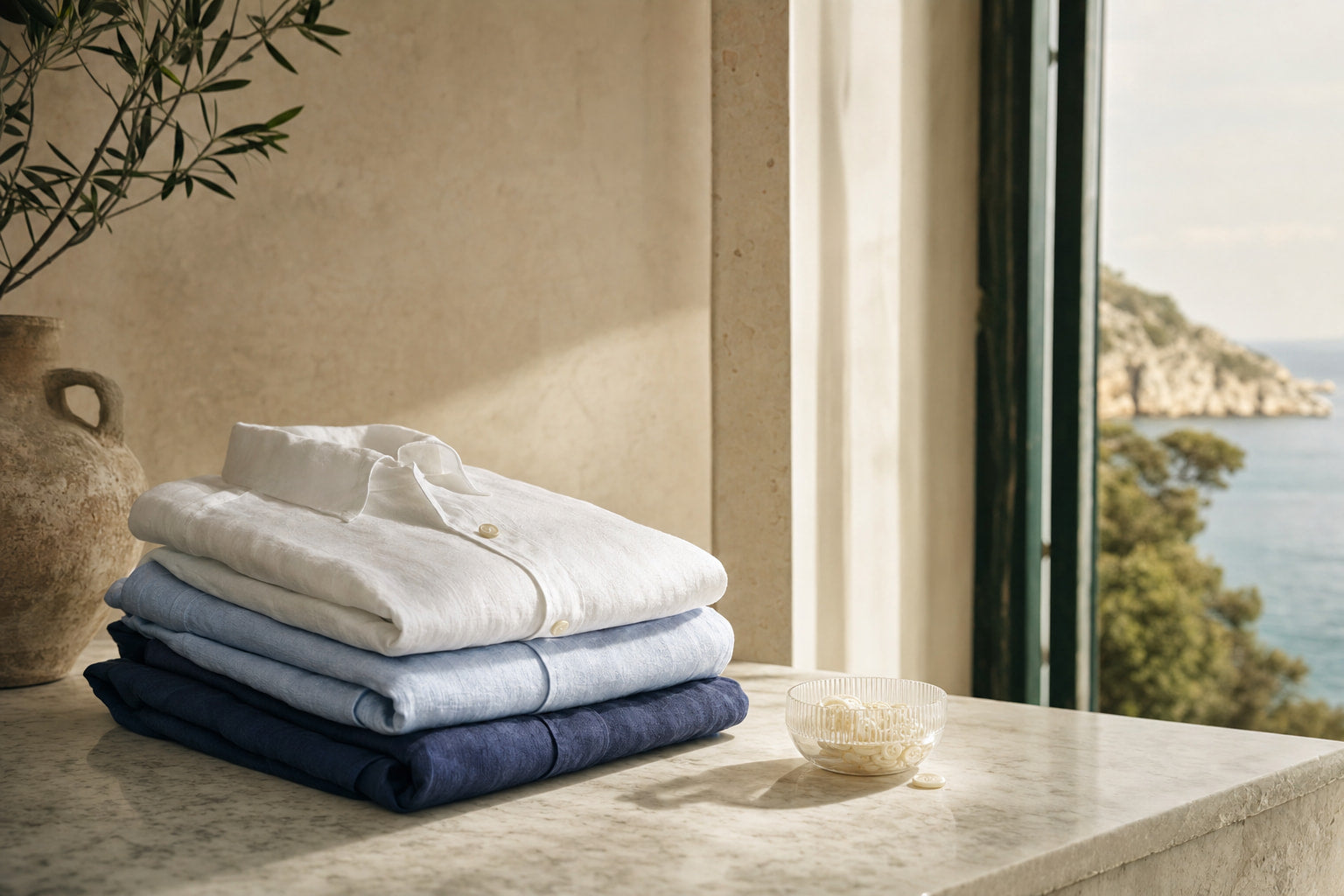
For men, a fine white linen shirt in a relaxed but tailored cut is the most practical warm-weather garment in existence. The same logic applies in light blue: a high-count fine light blue linen shirt reads as polished without looking stiff. If you run warm and tend to sweat through shirts before noon, these are the pieces to prioritise.
Beyond shirts, linen trousers solve the problem at the leg. Synthetic trousers trap heat around the thighs and seat, which is where most people feel discomfort first. A pair of Paris linen trousers in a straight cut allows air to circulate and moisture to evaporate continuously. For warmer days or resort settings, Monaco linen shorts with an elastic waist offer the same breathability with less fabric overall.
One practical note: linen does wrinkle. Accept this. The relaxed texture of worn linen is not a flaw in the context of warm-weather dressing. It is part of the fabric's character, and on a well-cut piece it reads as ease rather than carelessness.
Expert insightLinen becomes softer and more breathable with each wash. Buy it, wear it, wash it often. It is one of the few fabrics that genuinely improves with use.

Fine Wool: The Underestimated Year-Round Option
Wool has a reputation as a winter fabric, which leads most people to dismiss it entirely in warm weather. This is a mistake, particularly for those who sweat heavily.
Worsted wool, which is combed to align fibres in parallel before spinning, produces a smooth, dense cloth that is far lighter and less insulating than the knitted wools most people picture. It regulates body temperature actively, absorbing moisture when you are warm and releasing it as conditions change. Crucially, wool also contains natural antimicrobial properties that inhibit the bacteria responsible for odour, which means a wool trouser worn on a long day holds up far better than cotton or synthetic alternatives.
For heavy sweaters, the most practical application is in trousers. A pair of Italian trousers in old money style worsted wool will feel cooler by midday than cotton chinos, because the fibre is actively managing moisture rather than simply absorbing it passively. The same principle applies to the Naples striped high-waisted trousers, which combine a structured silhouette with the temperature-regulating properties of a fine wool blend.
For three-season wear, lightweight worsted wool in the 200 to 280 gram range is the practical target. Anything heavier starts to insulate rather than regulate. As an overview of wool's fibre properties confirms, the moisture-management and odour-resistance of wool come specifically from its protein fibre structure, not from any treatment or finish, which means they persist through repeated washing.
Wool is also forgiving of movement and sitting in ways that linen is not. It holds its shape through a long day, which matters if you are in meetings or at a dinner that runs late.
Expert insightTravel in worsted wool trousers. They resist wrinkles, manage moisture, and look as sharp at the end of a flight as at the beginning.

Silk and Acetate-Silk Blends: Elegant and Practical
Pure silk is not always the most practical choice for heavy sweaters, because it can water-spot and requires careful handling. But acetate-silk blends and mulberry silk blended with fine wool are a different matter. They combine silk's natural sheen and moisture-wicking properties with fibres that add durability and structure.
Silk moves moisture away from the skin through capillary action rather than absorption, which means it stays dry against the body even when you are warm. It is also naturally temperature-regulating in a different way from wool: it feels cool to the touch in heat and retains warmth in cooler conditions.
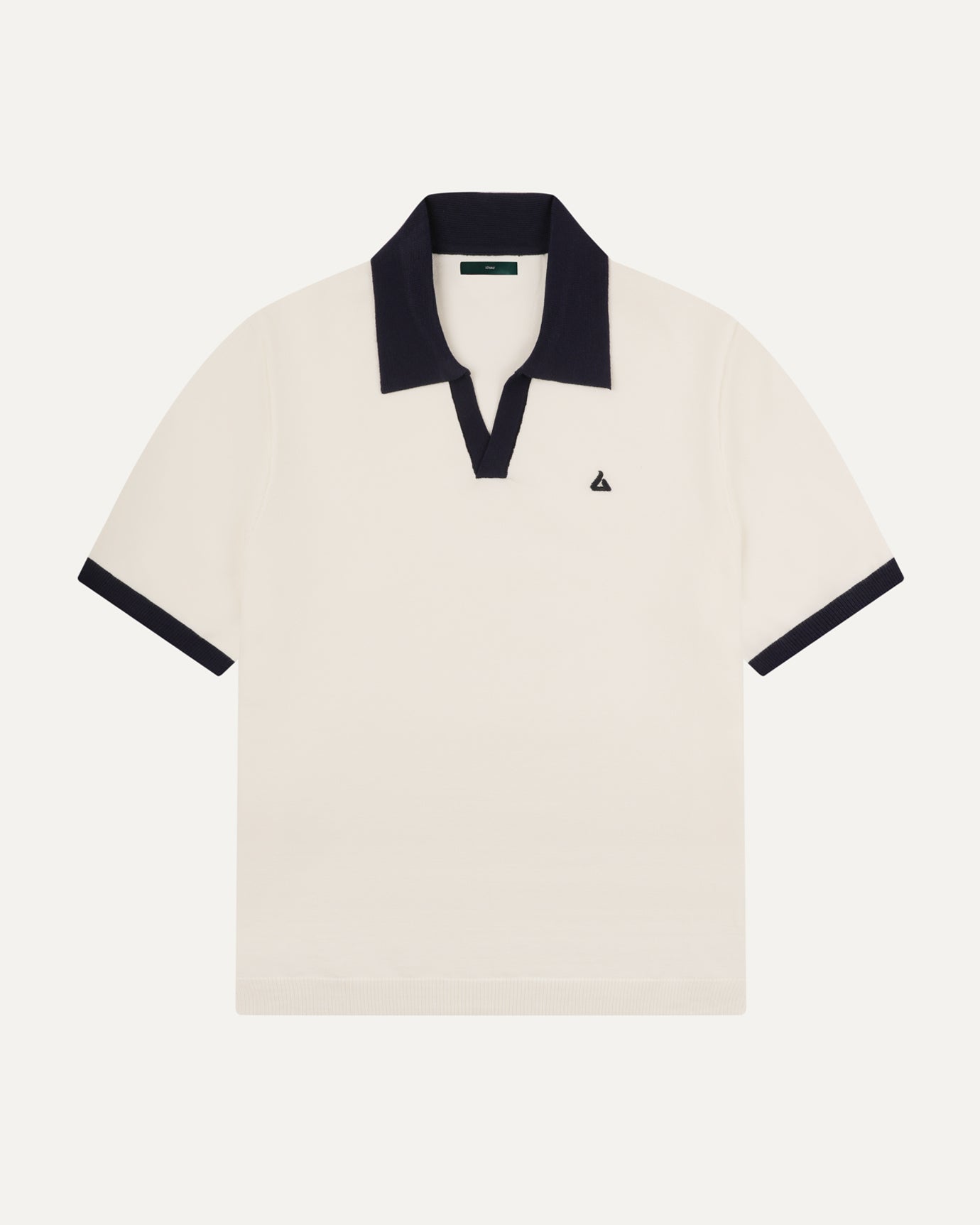
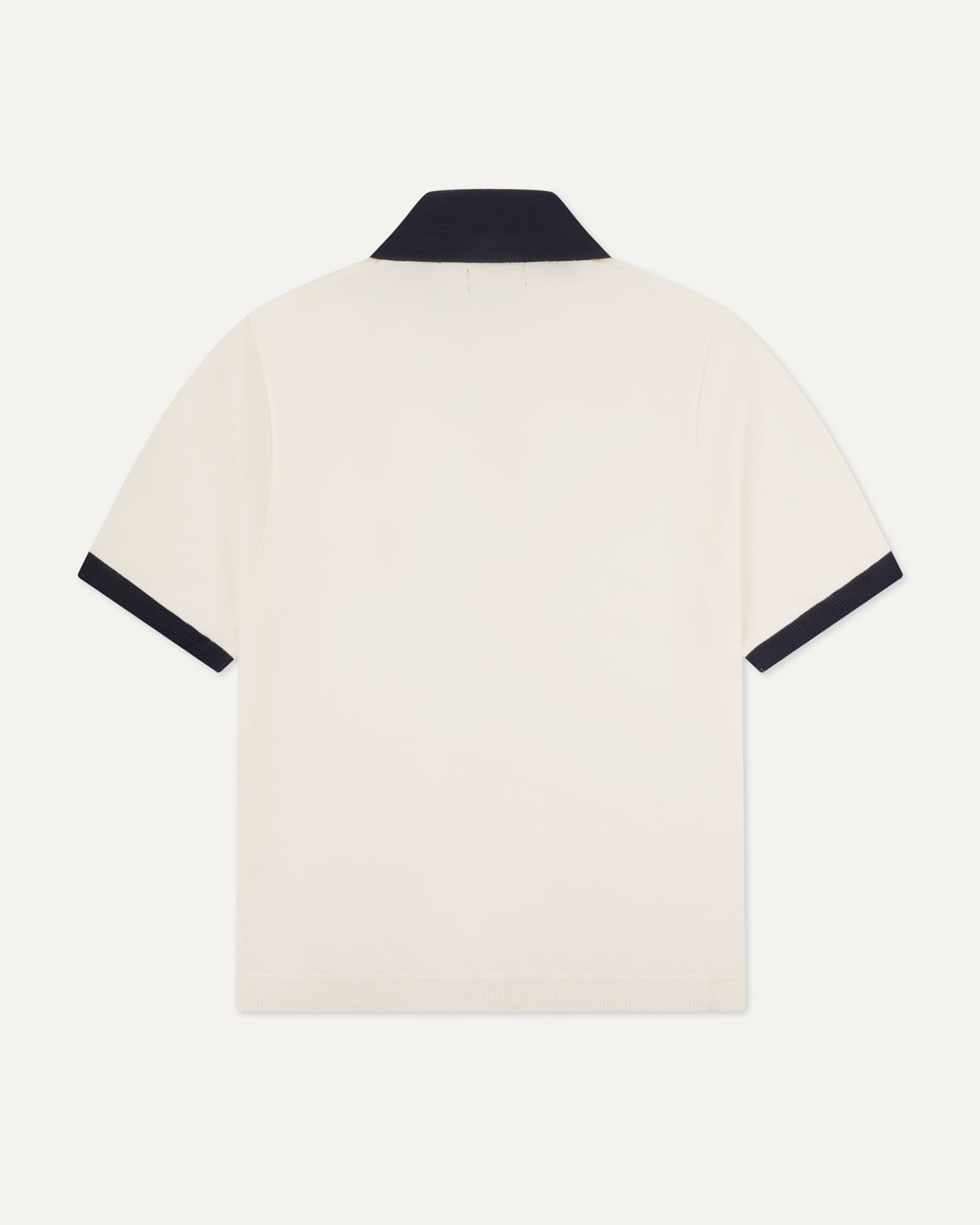
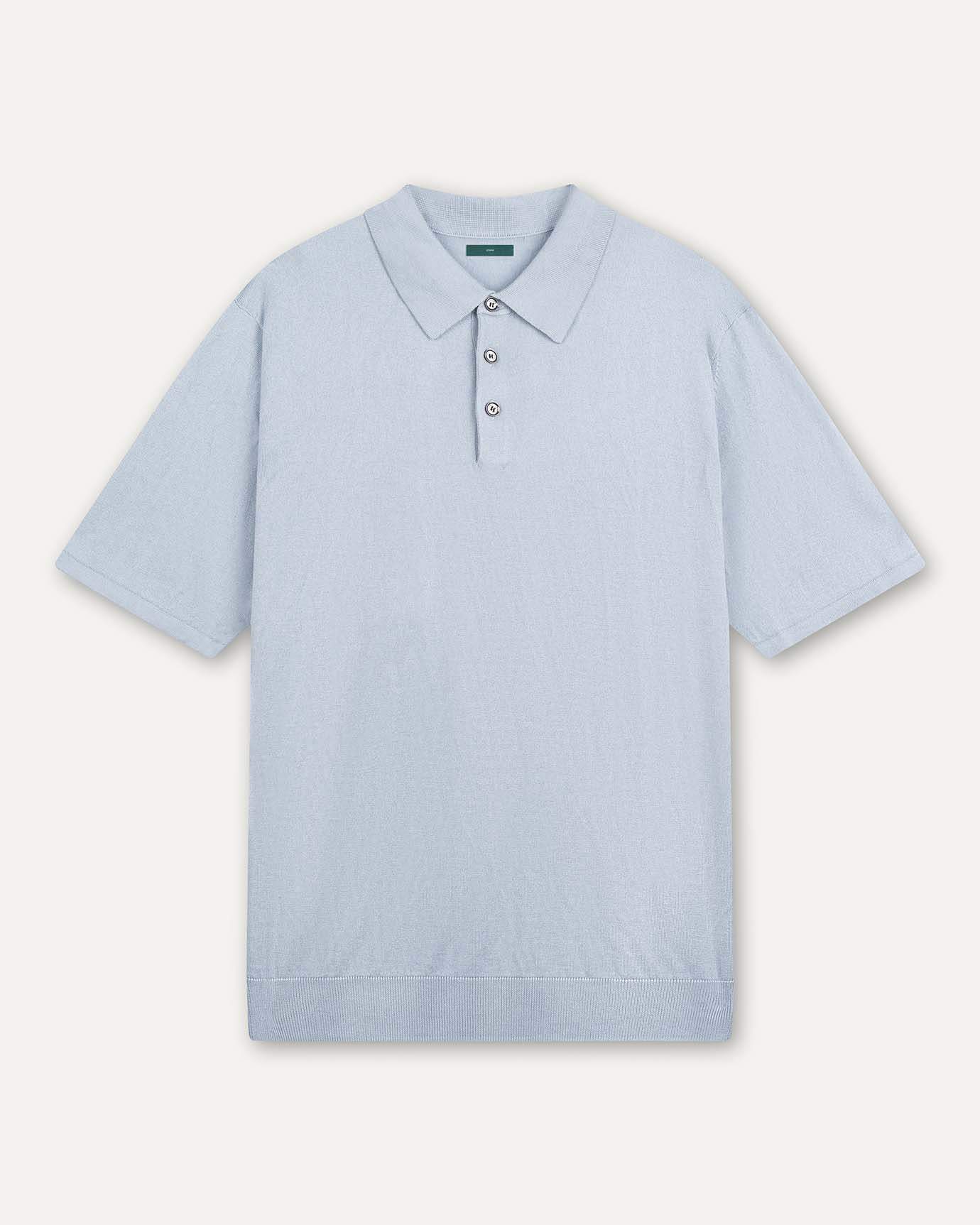
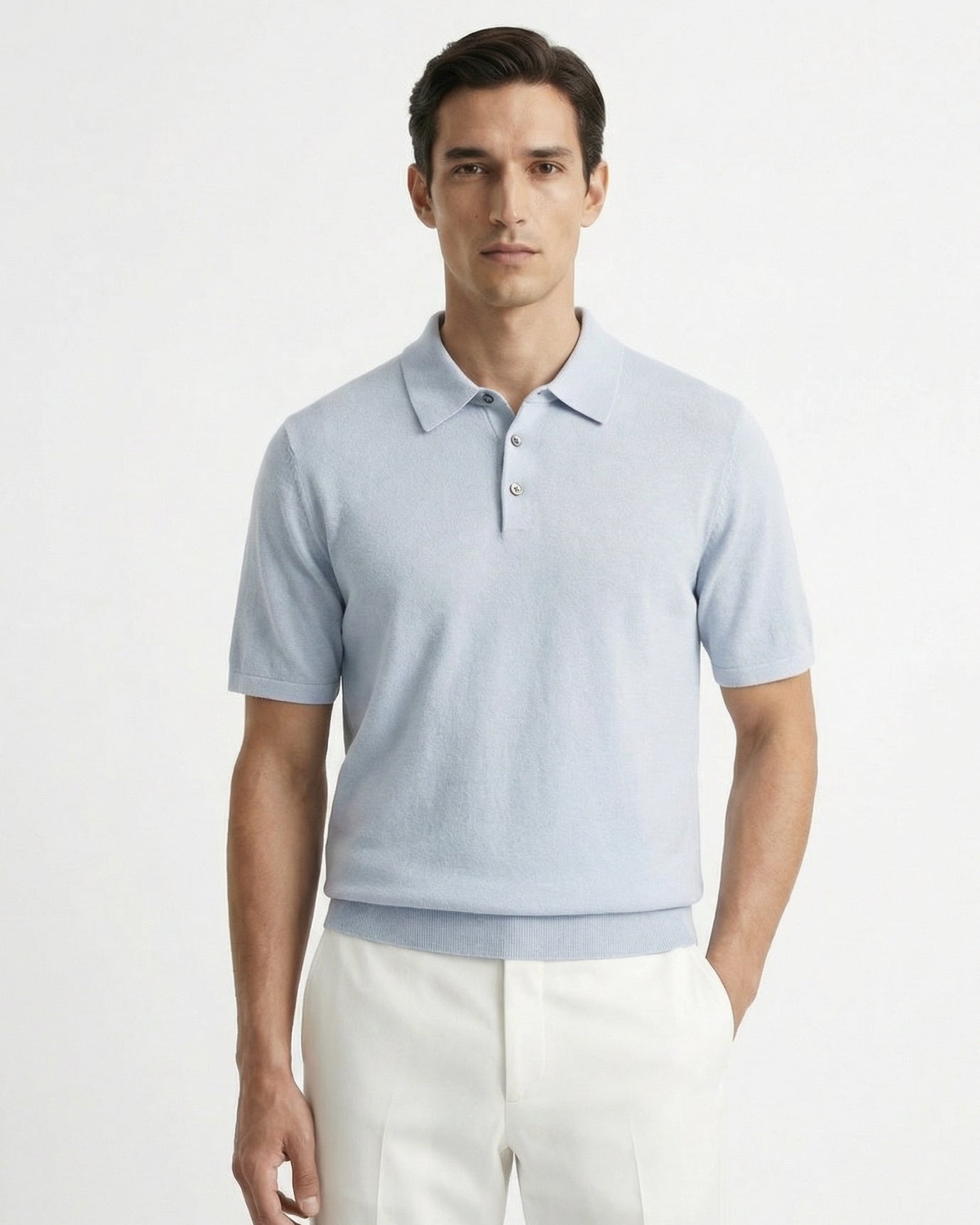
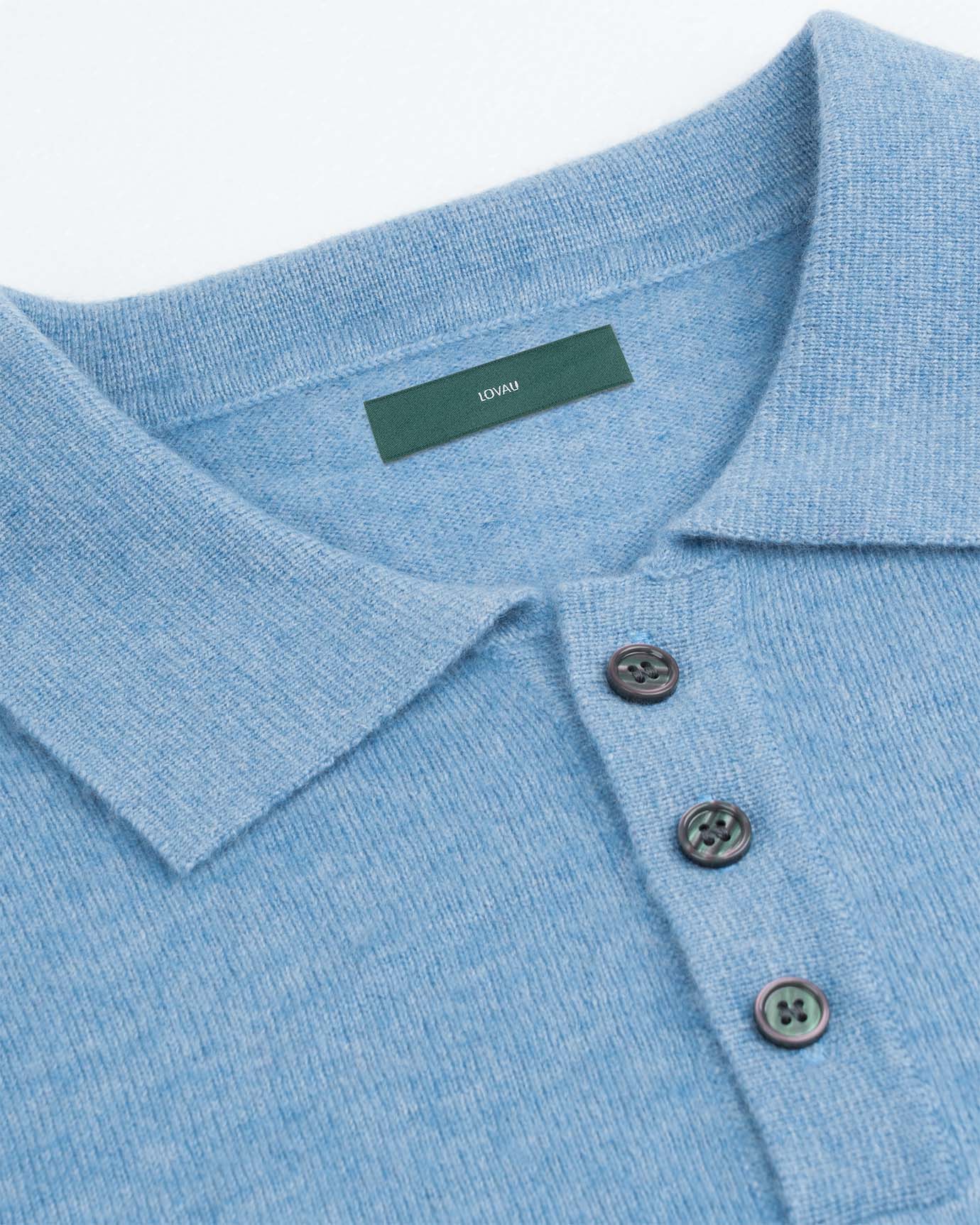
The Marbella cooling acetate silk polo is a specific example of this principle applied to a practical garment. The acetate-silk construction gives it a smooth, cool surface against skin, a refined appearance, and faster drying than a cotton polo in the same conditions. For men who sweat through polo shirts in warm weather, this is a direct upgrade.
For a more formal occasion, the High End Mulberry Silk and Worsted Cashmere Set combines the moisture-wicking properties of mulberry silk with the temperature-regulation of worsted cashmere. It is a considered choice for anyone who needs to dress formally in warm conditions and cannot afford to look uncomfortable.
Silk blends do require more care than linen or wool. Hand wash or dry clean, and keep them away from direct sunlight for storage. The trade-off is a fabric that looks visibly more refined than any alternative at the same weight.

Fabrics to Avoid and Why
The fabrics that cause the most problems for heavy sweaters are almost universally synthetic or synthetic-blend. Understanding why helps you avoid them confidently.
Polyester is the worst offender. It is hydrophobic, meaning it repels water rather than absorbing it, so sweat sits on the surface of the fabric and on your skin. It also traps heat, accelerates bacterial growth, and holds odour even after washing. There is no context in which polyester is appropriate for someone who sweats heavily.
Viscose and rayon are semi-synthetic fibres made from wood pulp. They feel soft and drape well, which makes them appealing, but they absorb moisture poorly, lose their structure when wet, and cling to the body. A viscose shirt in warm weather will be visibly damp and misshapen within an hour.
Cotton poplin, though natural, is tightly woven and relatively poor at evaporating moisture quickly. It absorbs well but dries slowly, which means sweat patches remain visible for longer than they would on linen or wool. Oxford-weave cotton has the same limitation. Neither is a catastrophe, but neither is optimal for heavy sweaters.
Nylon and acrylic share polyester's hydrophobic properties and should be avoided entirely in warm conditions.
The practical rule: if a fabric label reads as more than 20 percent synthetic, reconsider. The only exception is a small percentage of elastane added to natural fibres for stretch, which does not meaningfully affect breathability at low concentrations.
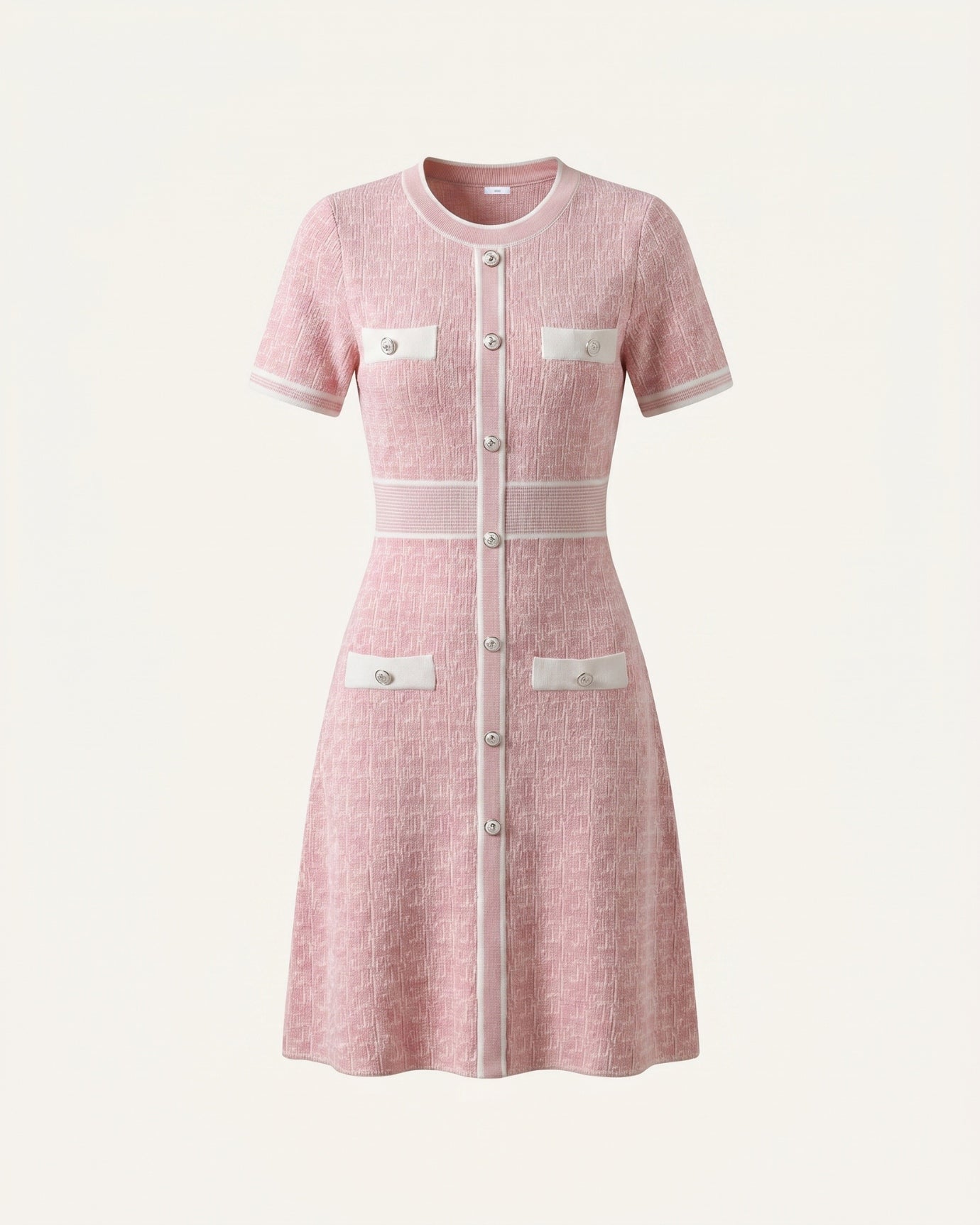
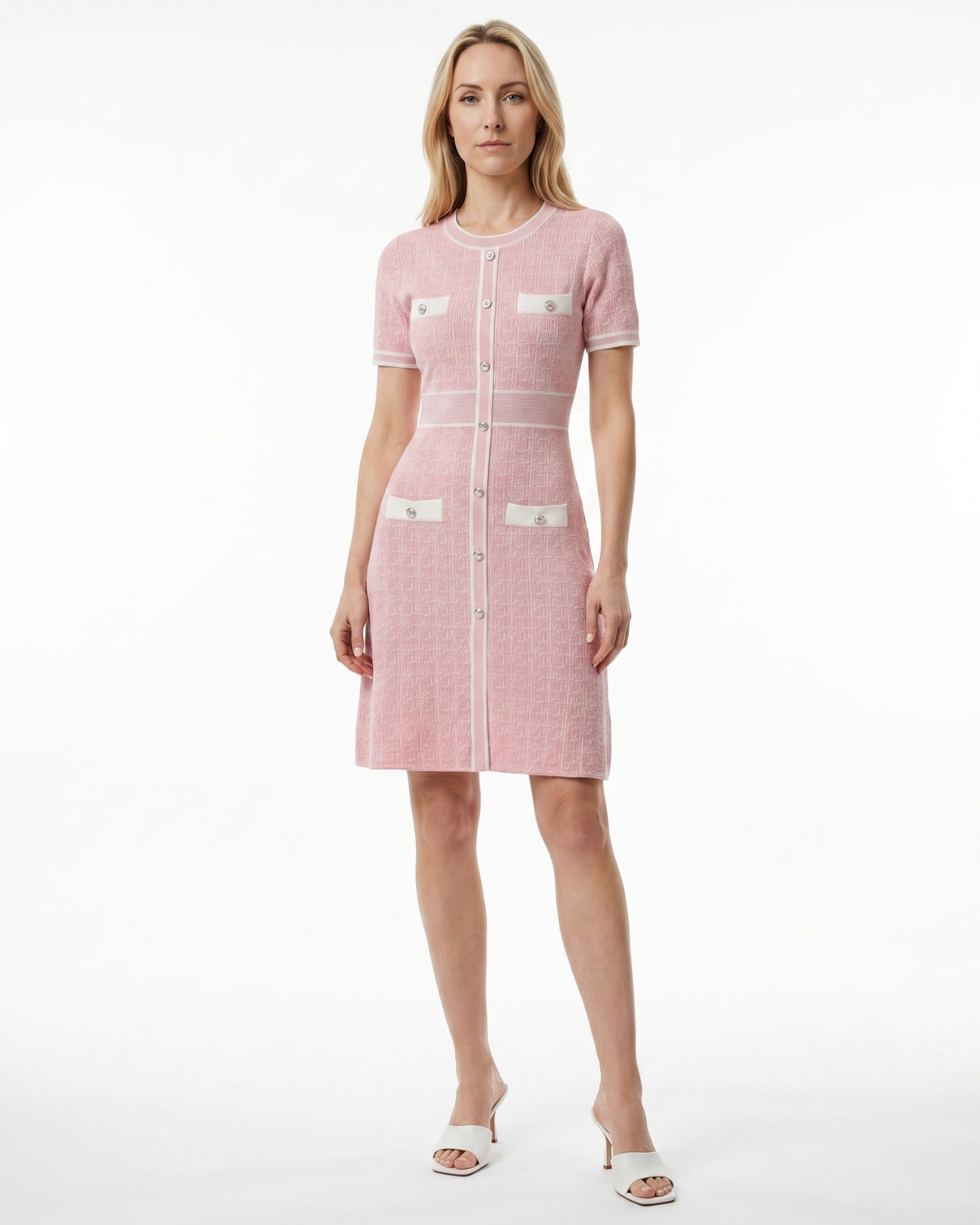
For women looking for warm-weather pieces that avoid these pitfalls, the contrast collar pleated dress in navy and white uses a structured woven construction that allows air circulation, avoiding the cling of synthetic alternatives. The old money style loose straight-leg trousers for men take the same approach: natural fibre, generous cut, structured without being tight.

Cut and Fit: How Silhouette Amplifies Fabric Performance
The best fabric in a too-tight cut still fails. Air circulation depends on space between fabric and skin, which means fit is a direct performance variable, not just an aesthetic one.
For shirts, a relaxed but structured fit, not oversized, gives the fabric room to move while maintaining a composed silhouette. The Marbella square collar linen shirt achieves this with a slightly open collar construction that increases airflow at the neck, where heat accumulates first. The striped V-neck linen shirt uses the same principle with a V-neck opening.
For trousers, a straight or slightly tapered leg with a higher rise performs better than a slim or skinny cut. The thigh and seat are the areas where most people generate the most heat when walking or sitting, and a slim trouser traps that heat. A Lovau pleated trouser in a three-dimensional tailored cut provides the structure of a formal trouser with enough room through the seat and thigh to allow air movement.
Pleat front trousers, in particular, are a practical choice for heavy sweaters. The pleat creates additional volume through the hip and thigh without making the trouser look baggy, and it allows the fabric to hang away from the leg rather than pressing against it.
The broader principle, as noted in Permanent Style's writing on trouser construction, is that the best-dressed men have always understood fit as a technical question as much as an aesthetic one. For those who sweat heavily, this is not a minor point. A well-fitted linen or worsted wool trouser in the right cut will keep you looking composed through conditions that would ruin a polyester suit.

| Fabric | Breathability | Moisture Management | Odour Resistance | Care Level | Best For |
|---|---|---|---|---|---|
| High-Count Linen | Excellent | Absorbs and evaporates fast | Good | Low, machine wash | Shirts, trousers, warm-weather daily wear |
| Worsted Wool (200-280g) | Very Good | Absorbs and disperses moisture | Excellent | Medium, hand wash or dry clean | Trousers, year-round tailoring |
| Mulberry Silk Blend | Good | Wicks via capillary action | Very Good | High, hand wash only | Formal occasions, warm evenings |
| Acetate-Silk Blend | Good | Wicks and dries quickly | Good | Medium, hand wash | Polos, smart casual, resort wear |
| Cotton Poplin | Moderate | Absorbs but dries slowly | Moderate | Low, machine wash | Mild temperatures only |
| Polyester | Poor | Repels moisture, sits on skin | Poor | Low, machine wash | Avoid entirely if you sweat heavily |
Frequently asked questions
Is linen really better than cotton for sweating heavily?
Yes, in most warm-weather conditions. Linen absorbs moisture faster than cotton and, more importantly, releases it through evaporation much more quickly. Cotton, particularly tightly woven poplin, holds moisture and dries slowly, which means sweat patches stay visible longer. A high-count fine navy blue linen shirt will keep you drier through a long day than a cotton dress shirt in the same conditions.
Can you wear wool in summer if you sweat a lot?
Yes, provided you choose the right weight and weave. Lightweight worsted wool in the 200 to 280 gram range is specifically suited to warm weather. It regulates temperature actively, resists odour, and holds its shape through long days. The key is avoiding anything heavier or knitted, which insulates rather than regulates. Worsted wool trousers in a straight cut are a particularly good choice for heavy sweaters.
What colours are most forgiving for sweat marks?
Mid-tones perform best: navy, stone, mid-grey, olive, and washed white. Very dark colours (black, charcoal) show salt residue as they dry. Very pale colours (bright white, pale pink) show moisture patches while damp. Navy is the single most forgiving colour for shirts and trousers if you sweat heavily, which is one reason it dominates warm-weather dressing in Mediterranean and Southern European style.
Are there any breathable options for women's dresses?
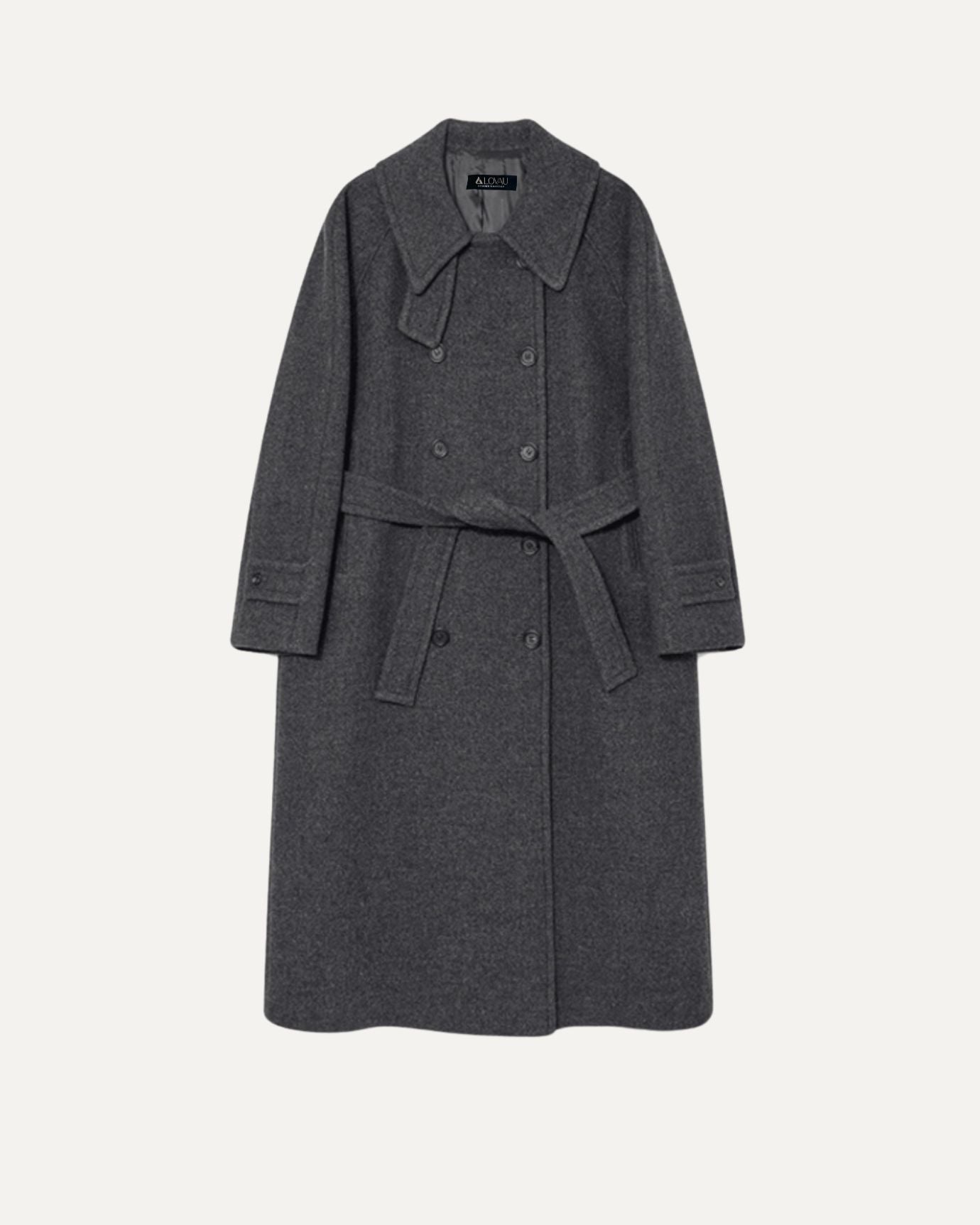
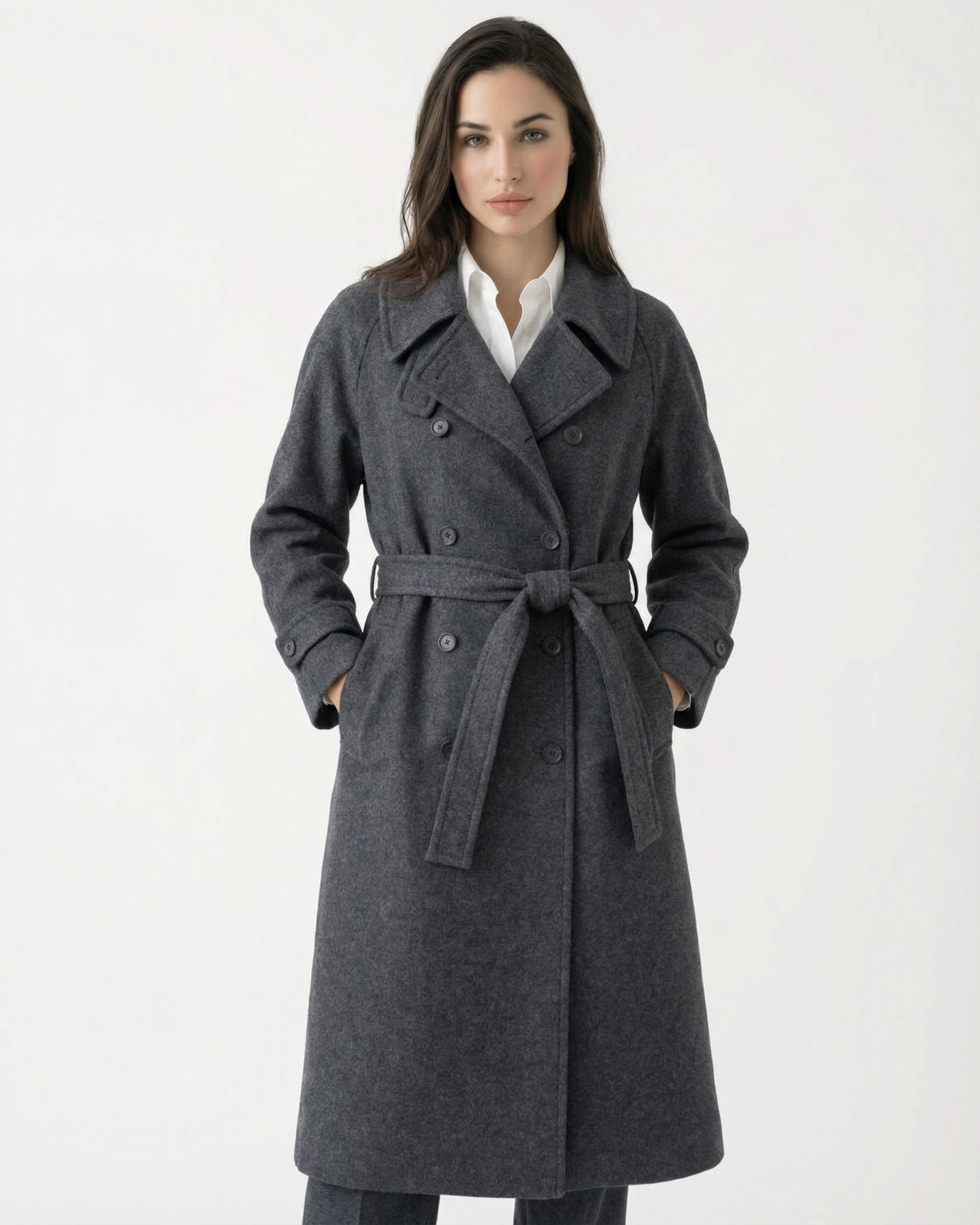
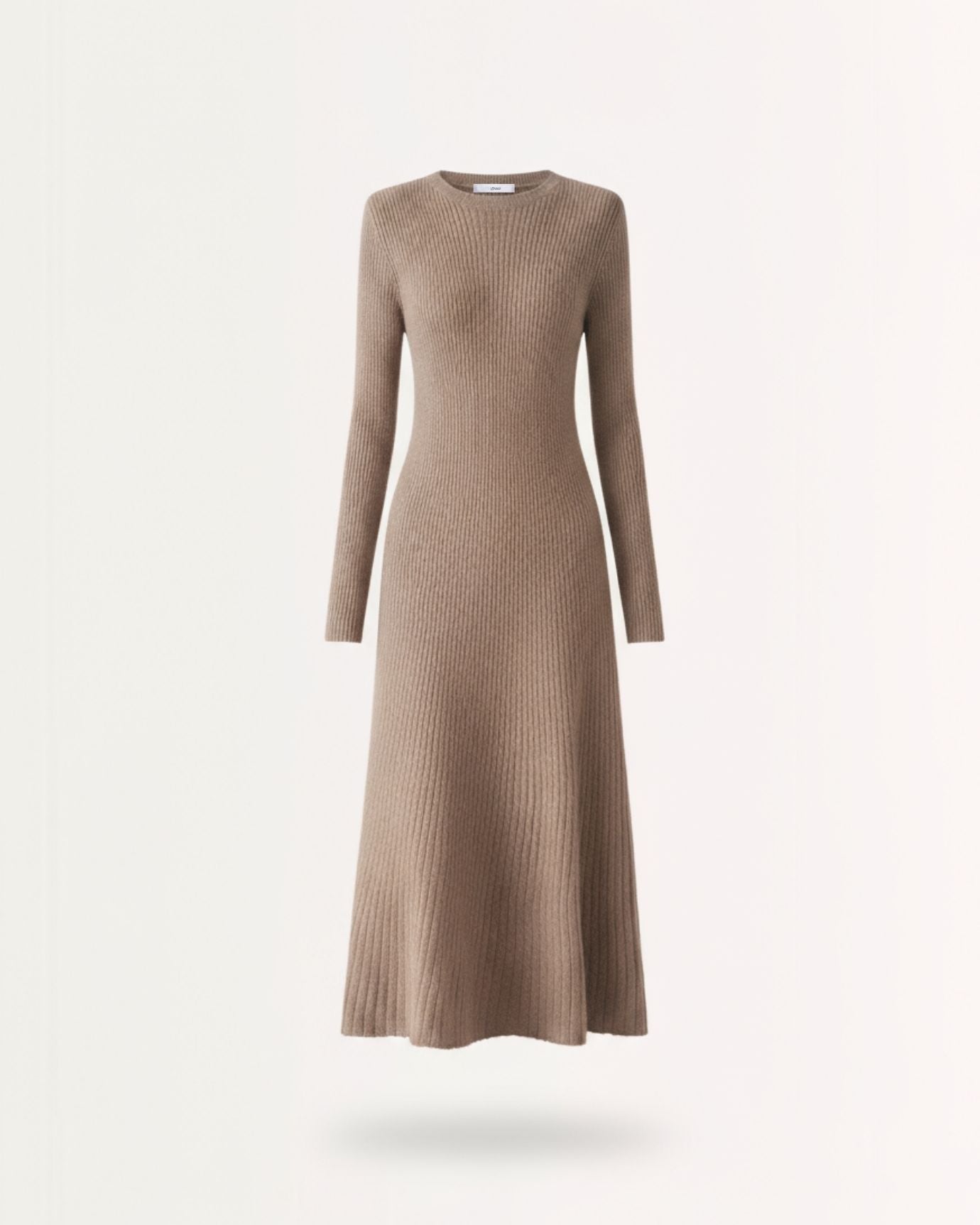
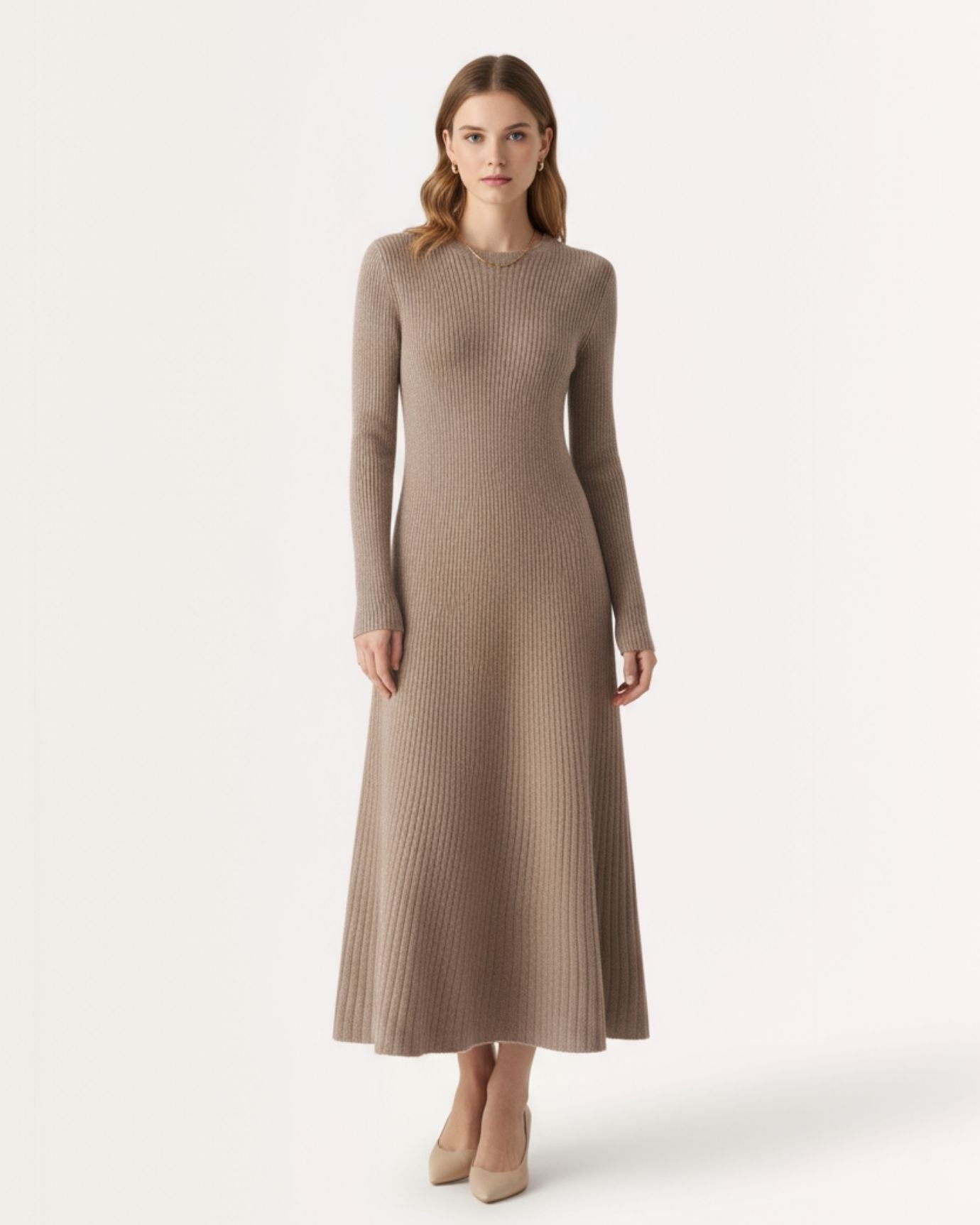
Yes. The construction and fibre of the dress matter more than the style. A sleeveless or short-sleeved dress in a woven natural fibre with a relaxed fit will perform well. Avoid jersey, viscose, or any synthetic stretch fabric. A structured woven dress with volume through the skirt, rather than a fitted bodycon silhouette, allows air to circulate and moisture to evaporate. The woman wool dress in old money style is a good example: fine wool construction, structured but not tight, suitable for cooler warm-weather days.
Dressing well when you sweat heavily is not a matter of concealment. It is a matter of choosing materials that manage moisture intelligently and cuts that allow air to do its work. Linen, fine worsted wool, and silk blends are not compromises. They are the fabrics that have dressed people in warm climates with grace for generations, and they remain the most technically capable options available. Start with a collection of linen shirts built for warm weather, invest in one pair of well-cut worsted wool trousers, and the problem largely resolves itself without sacrificing any elegance in the process.