


The Anatomy of a Perfect Suede Loafer
Reading time 14 min • 2827 words
The suede loafer is not a casual shoe that happens to look smart. It is a precision instrument with a specific construction, a specific nap, and a specific geometry that, when all three are correct, produces a shoe you will reach for four days out of five. Most men own at least one pair. Far fewer own a pair that was chosen with full knowledge of what they were buying.
This article is not a mood board. It is a working guide to the physical components that make a suede loafer perform well, last long, and look right across the full range of occasions where it belongs. We will move from the hide and the upper, through the construction method and the sole, to fit, color selection, and how the shoe actually integrates into a wardrobe.
Lovau has built its footwear range around the Mediterranean tradition of relaxed precision: shoes that ask nothing of the wearer in terms of effort but reward the wearer who understands what he is holding. The suede loafer sits at the center of that philosophy.
Key takeaways
- The quality of suede is determined by the hide grade and the tightness of the nap, not the price tag alone.
- A well-constructed loafer uses a Goodyear welt or Blake stitch, both of which allow resoling and extend the shoe's life considerably.
- Fit at the heel is the most important measurement for a loafer, slight slippage on first wear is normal but the heel cup must hold the foot securely.
- Suede loafers work across a wide range of occasions when matched to the right trouser weight and color.
- Regular brushing with a suede brush and a protective spray applied before the first wear are the two most impactful care habits you can build.
In this guide
- The Hide: What Suede Actually Is and Why Grade Matters
- Construction: Welt, Blake Stitch, and Why It Determines Longevity
- Fit: The Heel Cup, the Toe Box, and the Break-In Reality
- Color and Occasion: Reading the Suede Spectrum
- Outfit Architecture: How to Build Around a Suede Loafer
- Care: The Four Habits That Keep Suede Looking New
- Frequently asked questions
The Hide: What Suede Actually Is and Why Grade Matters
Suede is produced from the inner split of an animal hide, most commonly calfskin or cowhide, buffed to a short, consistent nap. Because it comes from the underside of the skin rather than the grain surface, it is softer and more porous than smooth leather. That porosity is both its appeal and its vulnerability.
Not all suede is equal. The tightest, most uniform nap comes from the inner split of a calf hide because the fibers are finer and closer together. Cowhide suede, used in quality men's footwear, produces a slightly more robust surface with a nap that is a fraction coarser but holds its structure better under daily wear. The Florence Suede Genuine Leather Cowhide Shoes use precisely this construction: a cowhide upper buffed to a dense, even nap that resists flattening.
The grade of the hide determines how uniformly the nap catches light. Lower-grade suede shows inconsistent patches, areas where the fibers run in different directions or where the buffing was uneven. When you hold a shoe under a single light source and tilt it slowly, the nap should shift in color as one continuous surface, not in patches. That single test eliminates a large proportion of the market.
Nubuck is often confused with suede. Nubuck is buffed on the grain side of the hide, which produces a finer, slightly firmer surface. It is more abrasion-resistant but less supple. Both are valid choices; they are simply different materials with different maintenance requirements. For a thorough primer on suede as a material, the distinction between split leather and full-grain is worth understanding before any purchase.
Expert insightRun your thumb firmly against the nap in both directions before buying. On a high-grade suede, the color change is crisp and uniform. On a low-grade surface, you will see irregular blotches where the fibers have already been damaged in production.

Construction: Welt, Blake Stitch, and Why It Determines Longevity
The upper is only half the story. The method by which that upper is attached to the sole determines how long the shoe will last, how well it will hold its shape, and whether a cobbler can extend its life when the sole eventually wears through.
There are three constructions you will encounter in quality suede loafers:
- Goodyear welt: The upper is stitched to a welt strip, which is then stitched to the outsole. This creates a water-resistant channel and allows the sole to be replaced multiple times without disturbing the upper. It adds a small amount of height and a slightly stiffer initial break-in.
- Blake stitch: A single row of stitching passes through the insole, the midsole, and the outsole in one pass. The result is a slimmer profile and a more flexible shoe from the first wear. It is the dominant construction in Italian footwear for exactly that reason. It can be resoled, though it requires a specialized machine.
- Cemented construction: The sole is glued rather than stitched. It is the lightest and most flexible option but cannot be resoled. Once the sole goes, the shoe goes with it.
For a shoe you intend to wear regularly and keep for years, Blake stitch is the minimum standard. The Mediterranean Suede Slip-On Loafers reflect this standard: a construction that prioritizes both the slim silhouette expected of a loafer and the durability that justifies the investment.
The insole material also matters. A leather insole molds to the foot over time and manages moisture better than synthetic alternatives. Combined with a leather or rubber-leather blend outsole, it produces a shoe that improves with wear rather than deteriorating uniformly.
Expert insightFlex the shoe before you buy. A well-constructed loafer should flex at the ball of the foot with moderate resistance. If it folds almost flat with no resistance, the midsole is likely too thin to last a season of regular wear.

Fit: The Heel Cup, the Toe Box, and the Break-In Reality
Loafers fit differently from laced shoes. Without a lace to pull the upper against the instep, the shoe must grip the foot through the heel cup and the tension of the vamp, the curved section that runs across the top of the foot. If either is too loose, the shoe will slip and create friction at the heel. If both are too tight, the shoe will never relax into a comfortable wear.
The heel is the primary measurement. When you stand in a new suede loafer, the heel cup should hold the back of your foot without pinching the Achilles tendon. A small amount of vertical movement when walking is normal during the first two to three weeks as the leather softens. More than four or five millimeters of movement after that period indicates the shoe is too large.
The toe box should allow the toes to rest flat without curling. Suede has more give than smooth leather and will stretch slightly across the width of the foot over time. Buying a half size down to compensate for this is a common error. The length should be correct from the start; only the width will adjust.
The Mykonos range addresses the fit question directly through a structured yet relaxed last. The Mykonos Camel Slip-On Suede Loafers and the Mykonos Navy Blue Slip-On Suede Loafers both use a last with a slightly wider forefoot than the European standard, which accommodates the natural spread of the foot across a long day without sacrificing the clean silhouette at the toe.
For a deeper comparison of suede and smooth leather fits and how each material behaves over time, the article on suede vs leather loafers covers the subject in full.
Expert insightWear the shoes for thirty minutes on a hard floor before committing to them. If the heel slips more than a few millimeters and the vamp feels loose across the instep simultaneously, no amount of break-in will fix it. That is a sizing issue, not a stiffness issue.

Color and Occasion: Reading the Suede Spectrum
Suede absorbs dye differently from smooth leather. The nap scatters light rather than reflecting it, which means colors read as slightly softer and more muted in suede than the same shade would in a polished calf. This is precisely why suede loafers work so well in the warmer half of the color spectrum.
The most versatile entry point for a man building his first serious shoe wardrobe is a mid-brown or camel. It pairs with cream, sand, stone, navy, and olive without effort, and it reads as relaxed but deliberate in almost every context short of a black-tie event. The Florence Light Brown Suede Genuine Leather Cowhide Shoes occupy this territory exactly.
Gray suede is the choice for men who already own a tan or brown pair and want to extend into cooler palettes. Gray works particularly well with charcoal trousers and mid-blue linen, contexts where brown can look slightly warm. The Florence Gray Suede Genuine Leather Cowhide Shoes handle this register cleanly.
Black suede is more formal than its smooth leather equivalent because the matte surface softens what would otherwise be a sharp shoe. It pairs logically with dark navy or charcoal Italian worsted wool trousers for occasions that require polish without formality. The Florence Black Suede Genuine Leather Cowhide Shoes serve this purpose well.
For army green and other earth tones, the Mykonos Army Green Slip-On Suede Loafers offer a more unexpected choice that pairs convincingly with stone-colored linen and natural cotton. A full breakdown of how to sequence color choices across a loafer wardrobe is available in the loafer colors guide.
For occasion mapping, the general rule is: the lighter and warmer the suede, the more casual the register. Navy and black suede push toward smart-casual and can carry a jacket comfortably. Tan, camel, and army green belong to the weekend and the summer lunch without apology.

Outfit Architecture: How to Build Around a Suede Loafer
The suede loafer is not a finishing touch. It is a foundation. The best outfits built around it start from the shoe and work upward, choosing trouser weight, shirt texture, and layering accordingly.
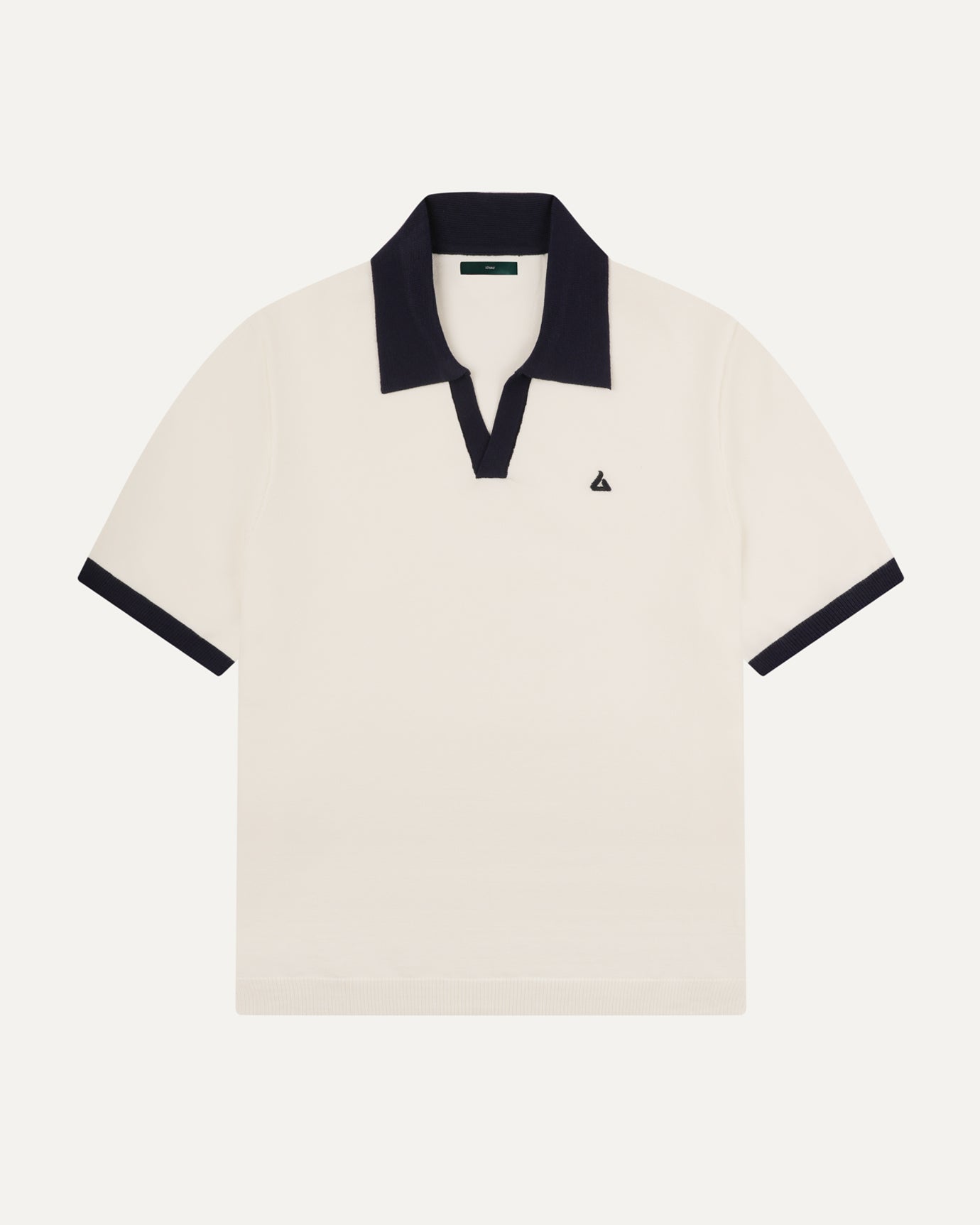
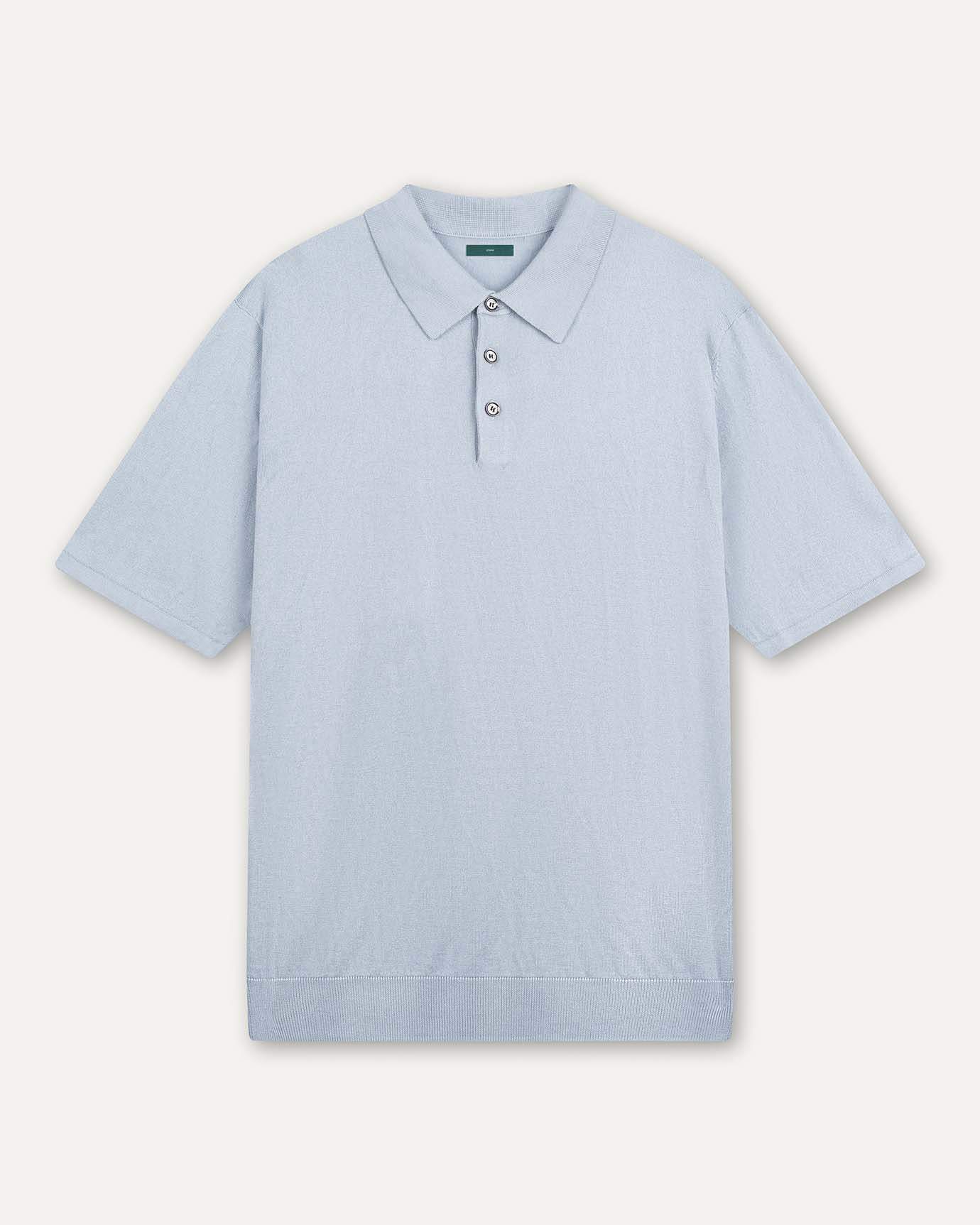
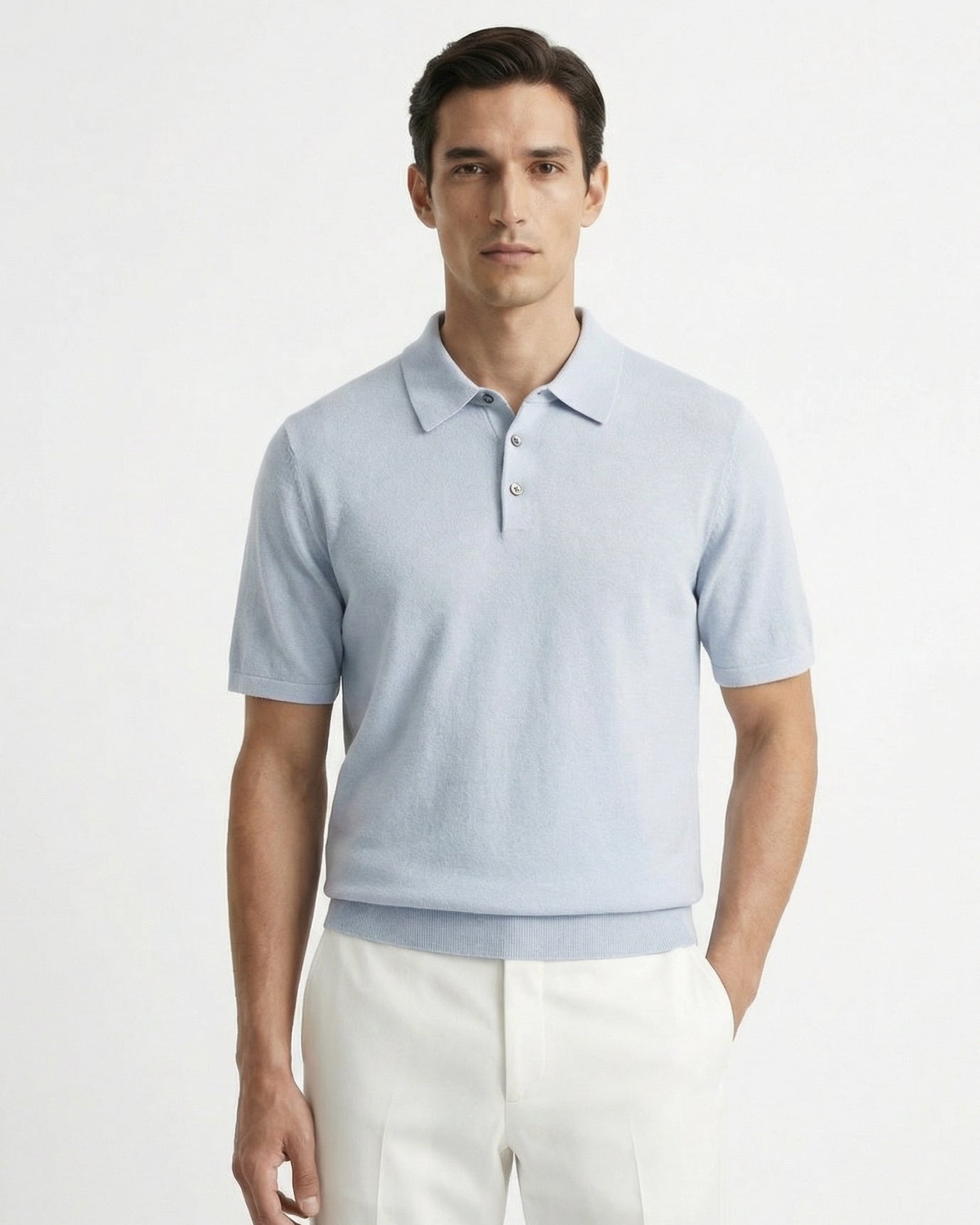
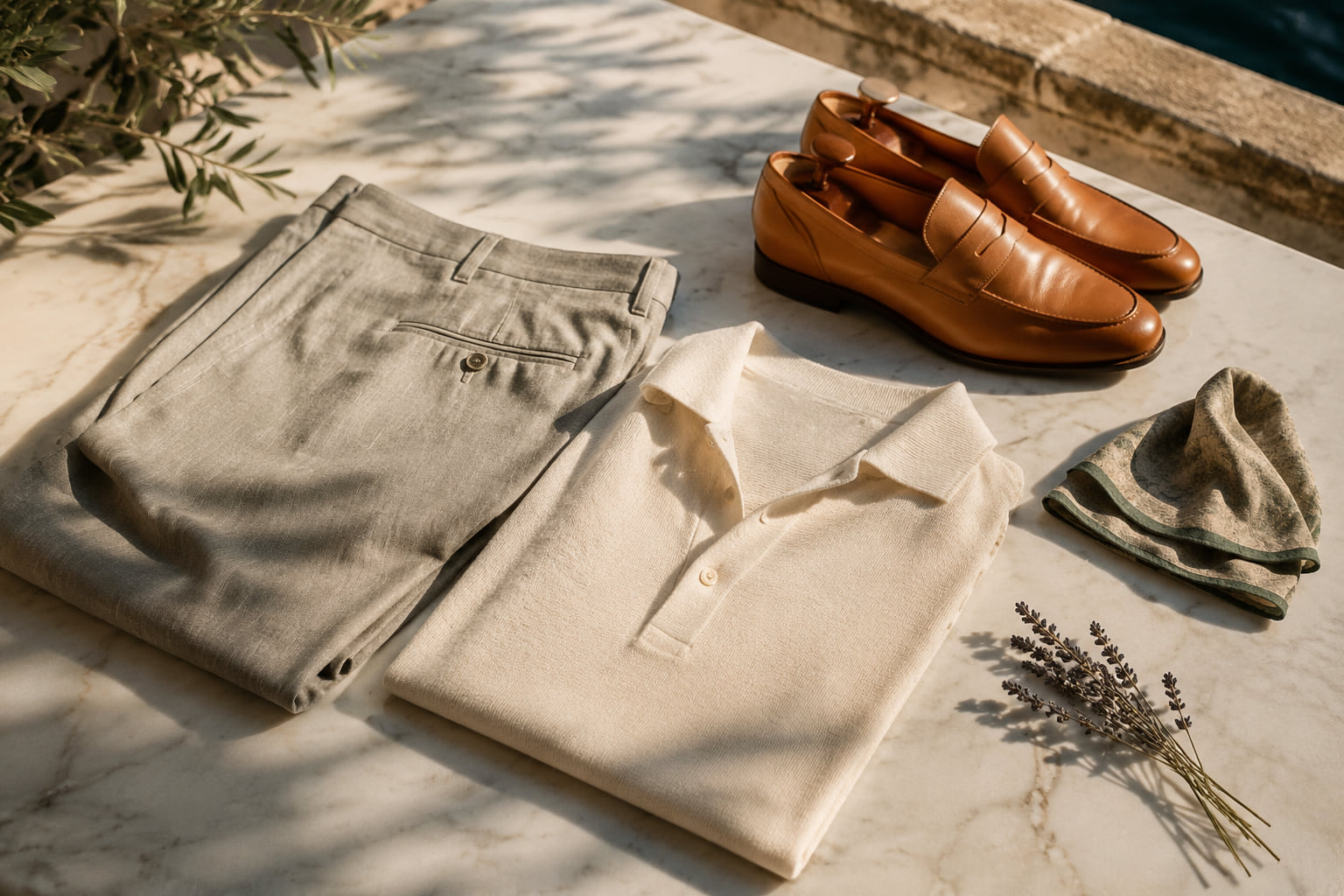
For a warm-weather combination, pair a camel or rice-white suede loafer with the Double Pleated Linen Shorts and a Linen Blend Knitted Polo. The texture dialogue between the suede nap and the linen weave is immediate and coherent. Bare ankles or a very fine no-show sock keep the silhouette clean.
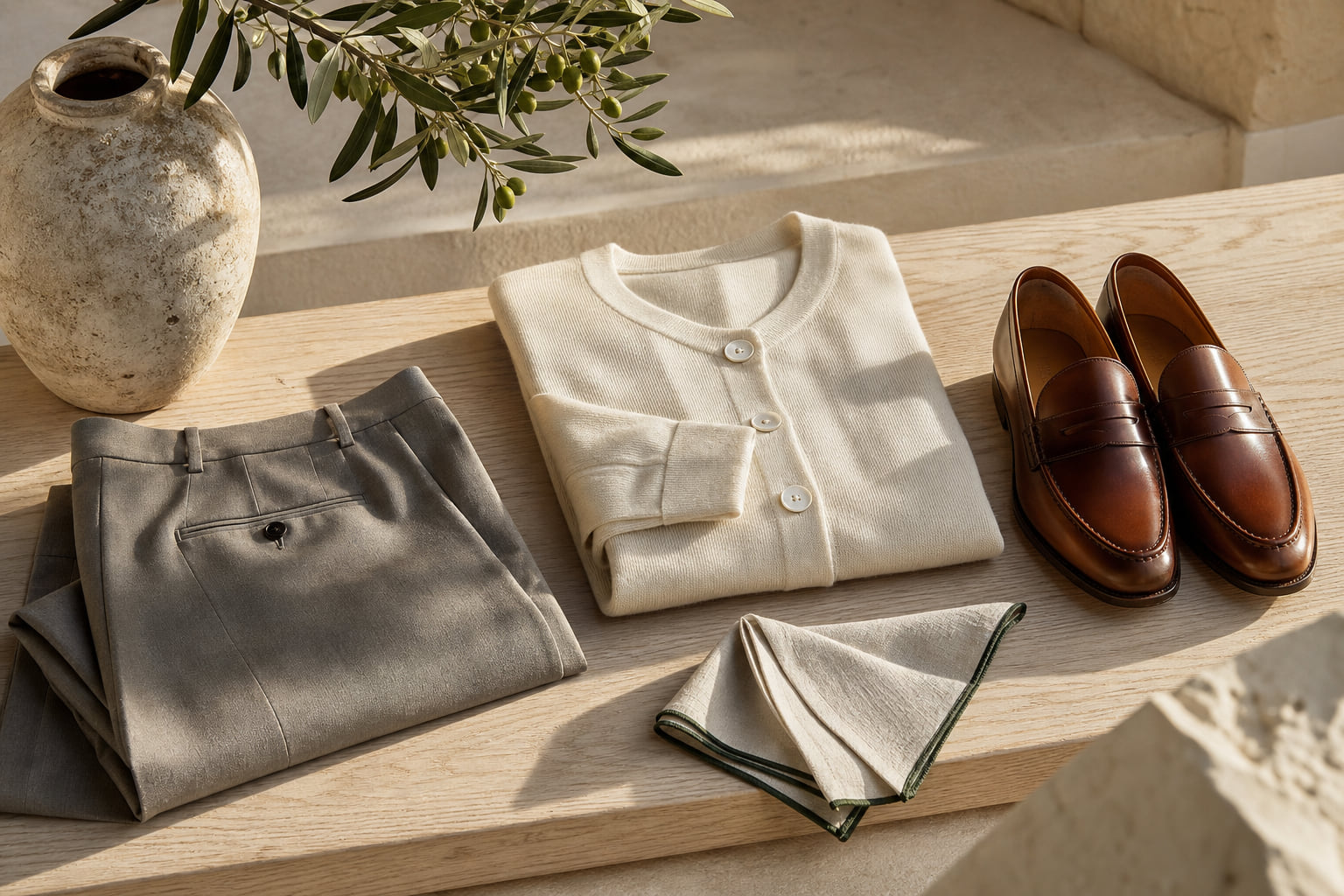
For a smart-casual register, the Lovau Old Money Style Pleated Trousers in a mid-grey or stone provide the right trouser weight to carry a suede loafer without the combination looking underdressed. A high-count linen shirt, either the High Count Fine Light Blue Linen Shirt or the High Count Fine Green Linen Shirt, keeps the upper half in proportion with the relaxed confidence of the shoe.
Socks are a matter of judgment. With tailored trousers, a fine cotton or linen sock in a tone that bridges the trouser and the shoe reads as intentional. With shorts or cropped trousers, no visible sock is the cleaner choice. Never wear thick athletic socks with a suede loafer. The visual break between the sock and the shoe destroys the proportional logic of the whole silhouette.
The broader loafers old money style collection shows how these combinations work across different colorways and seasonal contexts. For additional outfit direction, the article on best elegant outfit ideas for men covers the full picture beyond footwear.

Care: The Four Habits That Keep Suede Looking New
Suede requires more consistent attention than smooth leather, but the work involved is less than most men expect. Four habits, applied regularly, will keep a pair in good condition for years.
1. Protect before the first wear. A quality suede protector spray, applied to a clean dry shoe before it is worn for the first time, creates a barrier against water and surface staining. Reapply every six to eight weeks under regular wear. This single step prevents the majority of damage that suede accumulates.
2. Brush after every wear. A suede brush with brass or nylon bristles lifts the nap and removes surface dust before it works into the fibers. Brush in one direction, following the natural lay of the nap. This takes thirty seconds and prevents the matted, grey appearance that makes neglected suede look old.
3. Address stains immediately and correctly. Water stains are counterintuitively treated with more water: dampen the entire surface evenly so the stain dries uniformly rather than leaving a tide mark. Oil stains require a suede eraser or a small amount of cornstarch left overnight to absorb the oil before brushing away. Never use heat to dry suede.
4. Rotate and rest. Suede needs 24 to 48 hours to recover its shape and release moisture between wears. A cedar shoe tree inserted immediately after wearing draws moisture out and maintains the structure of the toe box and heel cup.
For a complete maintenance protocol covering both suede and smooth leather, the article on how to care for leather and suede loafers provides step-by-step guidance. Permanent Style has also published a detailed guide on suede care that addresses professional restoration methods worth knowing.
The man footwear collection carries the full Lovau shoe range for those building a coordinated footwear wardrobe across seasons.

| Color | Occasion Register | Best Trouser Pairing | Season | Lovau Option |
|---|---|---|---|---|
| Camel / Tan | Casual to smart-casual | Cream, stone, olive, navy linen | Spring, Summer | Mykonos Camel |
| Light Brown | Casual to smart-casual | Stone, sand, mid-grey worsted | Spring, Summer, Autumn | Florence Light Brown |
| Gray | Smart-casual to semi-formal | Charcoal, mid-blue, navy | Autumn, Winter | Florence Gray |
| Navy Blue | Smart-casual | Cream, stone, light grey | Spring, Summer | Mykonos Navy Blue |
| Army Green | Casual | Stone linen, natural cotton, sand | Spring, Summer | Mykonos Army Green |
| Black | Smart-casual to semi-formal | Dark navy, charcoal, deep grey | All seasons | Florence Black |
Frequently asked questions
Can suede loafers be worn in light rain?
With a quality protector spray applied and maintained, suede loafers handle light rain reasonably well. The key is to let the shoe dry naturally at room temperature afterward, then brush the nap back into position once dry. Never place wet suede near a heat source. For prolonged wet conditions, a smooth leather shoe is the more practical choice. The article on suede vs leather loafers covers this trade-off in detail.
How should suede loafers fit compared to regular dress shoes?
Suede loafers should fit true to your measured length but with attention to heel grip above all else. Because there is no lace to adjust, the heel cup must hold the foot without pinching. Expect a very small amount of heel movement during the first two to three weeks as the suede softens and molds. If the heel slips significantly from the first wear, the shoe is too large and will not improve with time.
What is the difference between a penny loafer, a horsebit loafer, and a plain slip-on?
A penny loafer has a leather strap across the vamp with a small slot, originally used to hold a coin. A horsebit loafer features a metal hardware detail at the vamp, most associated with Italian heritage houses. A plain slip-on, sometimes called a driving loafer or apron-toe loafer, has no hardware and relies on clean lines alone. For understated, old money style, the plain slip-on and the penny loafer are the most versatile choices because they carry no brand signal beyond the quality of the material itself.
How often should I apply suede protector spray?
Apply a protector spray before the first wear, then reapply every six to eight weeks under regular rotation. If you wear the shoe two or three times per week, treat it every two months. If you wear it occasionally, once per season is sufficient. Always apply to a clean, dry shoe and allow full drying time before wearing.
A suede loafer built from a tight-napped hide, stitched rather than cemented, fitted correctly at the heel, and maintained with basic consistency is a shoe that will outlast trends and outlive its cheaper alternatives many times over. The choice of color, the pairing with the right trouser weight, and the thirty seconds of brushing after each wear are not complicated disciplines. They are simply the habits of a man who understands what he owns. If you are still deciding where to start, the full loafers old money style collection presents the range in one place, organized by color and occasion.