


How to Wear a Scarf with a Tailored Overcoat
Reading time 13 min • 2686 words
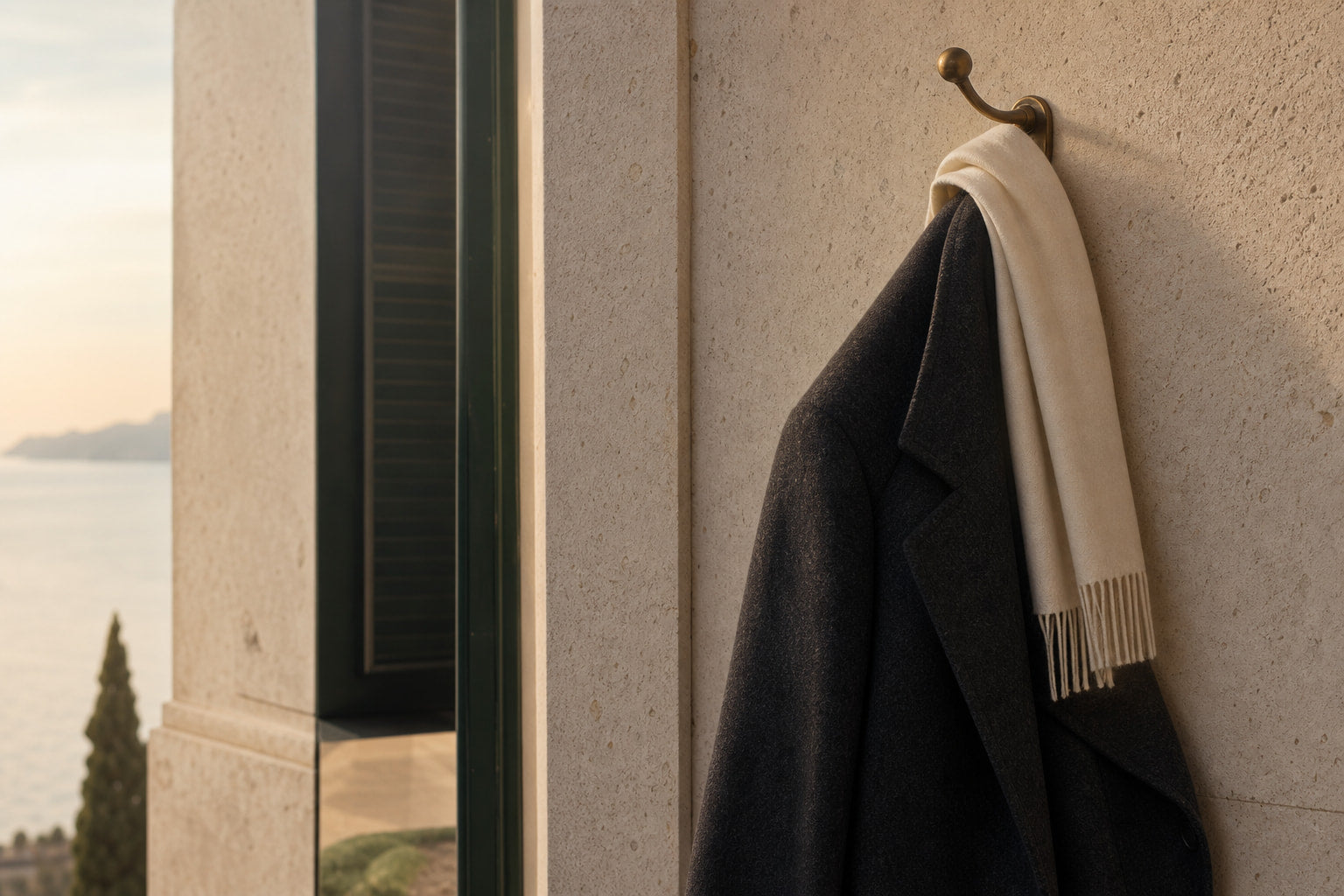
There is a particular kind of man who understands that a scarf is not an afterthought. It is the last deliberate decision before he steps outside, and with a tailored overcoat it becomes the element that either completes the silhouette or quietly undermines it. The combination has a long history in European menswear, from the boulevards of Milan to the stone-paved streets of Lisbon, and the rules that govern it are not arbitrary.
The difficulty is that most advice on this subject is either too vague to be useful or too rigidly prescriptive to reflect how real men dress. The truth sits between those positions. There are principles worth knowing, and there is room for personal judgment within them. This guide covers both: the structural logic behind each pairing, the specific fabrics and knots that work, and the situations where different approaches are appropriate.
Every coat in the Lovau collection has been considered with this kind of layering in mind. The lapels, collar heights, and shoulder widths are all proportioned so that a scarf sits correctly without fighting the garment. What follows is how to take full advantage of that.
Key takeaways
- Match scarf weight to coat weight: a heavy wool overcoat needs a scarf with body, not a thin silk square.
- The Parisian drape works with virtually every collar type and is the safest starting point for most men.
- Leave 5 to 8 cm of collar visible above the scarf so the coat's construction reads clearly.
- For double-breasted coats, tuck the scarf inside the lapels rather than letting it fall over the front.
- Cashmere and wool blends are the most versatile scarf materials for overcoat pairing across formal and smart-casual occasions.
In this guide
- Understanding Your Coat's Collar Before You Choose a Knot
- The Four Knots Worth Knowing, and When to Use Each
- Fabric Pairing: Matching Scarf Weight to Coat Weight
- Occasion-Specific Approaches: Business, Smart Casual, and Formal
- Common Proportional Mistakes and How to Avoid Them
- Building a Complete Cold-Weather Outfit Around the Scarf and Coat
- Frequently asked questions
Understanding Your Coat's Collar Before You Choose a Knot
The collar of your overcoat determines almost everything about how a scarf should sit. Before reaching for a knot, look at what you are working with.
Notch and peak lapels on a single-breasted coat leave the chest relatively open. This gives you the most freedom: the scarf can be draped loosely, tucked in, or knotted and left to fall naturally over the front. The Cashmere & Wool Coat Loose Fit has a generous notch lapel that accommodates both a full Parisian drape and a neat tuck without either looking forced.
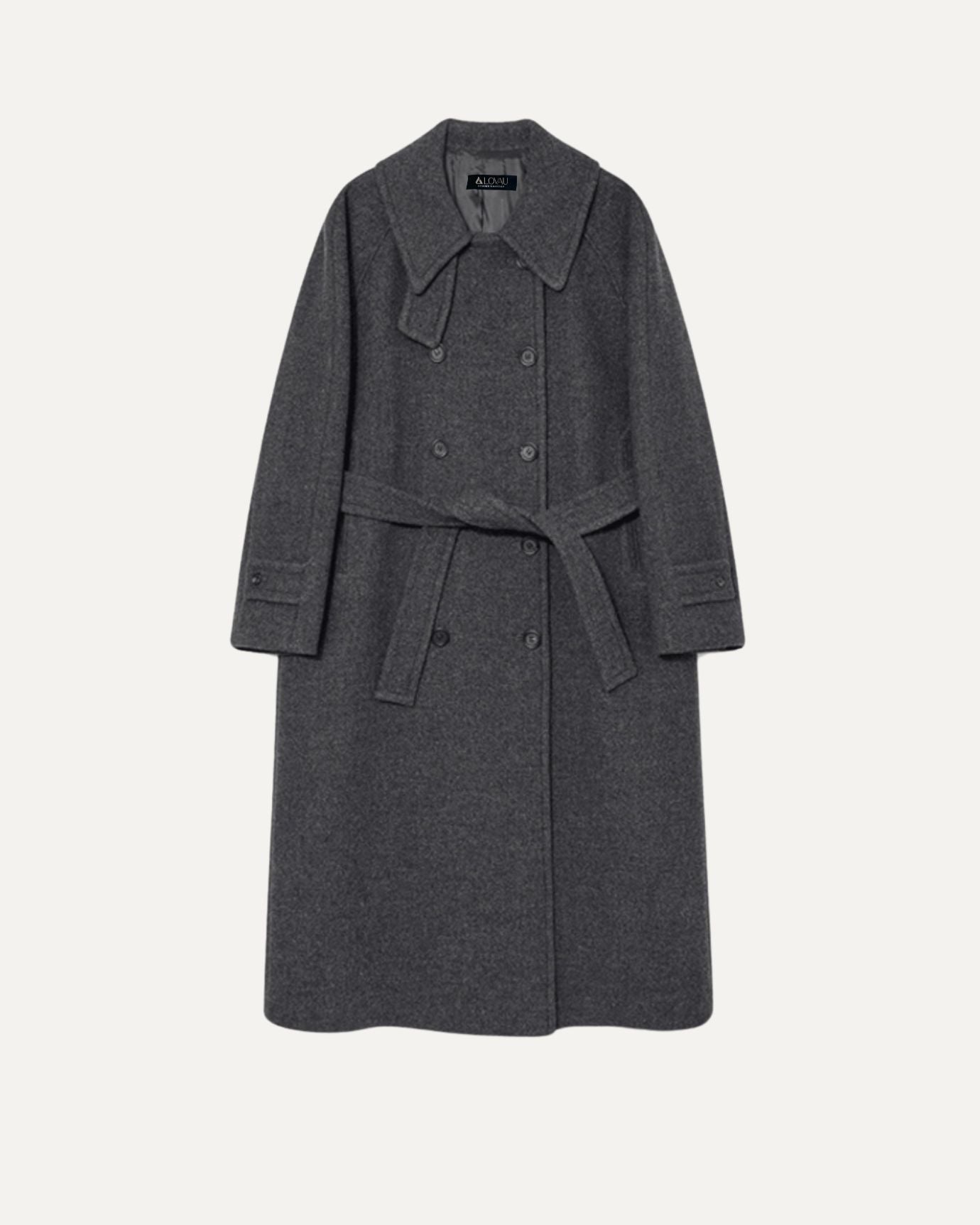
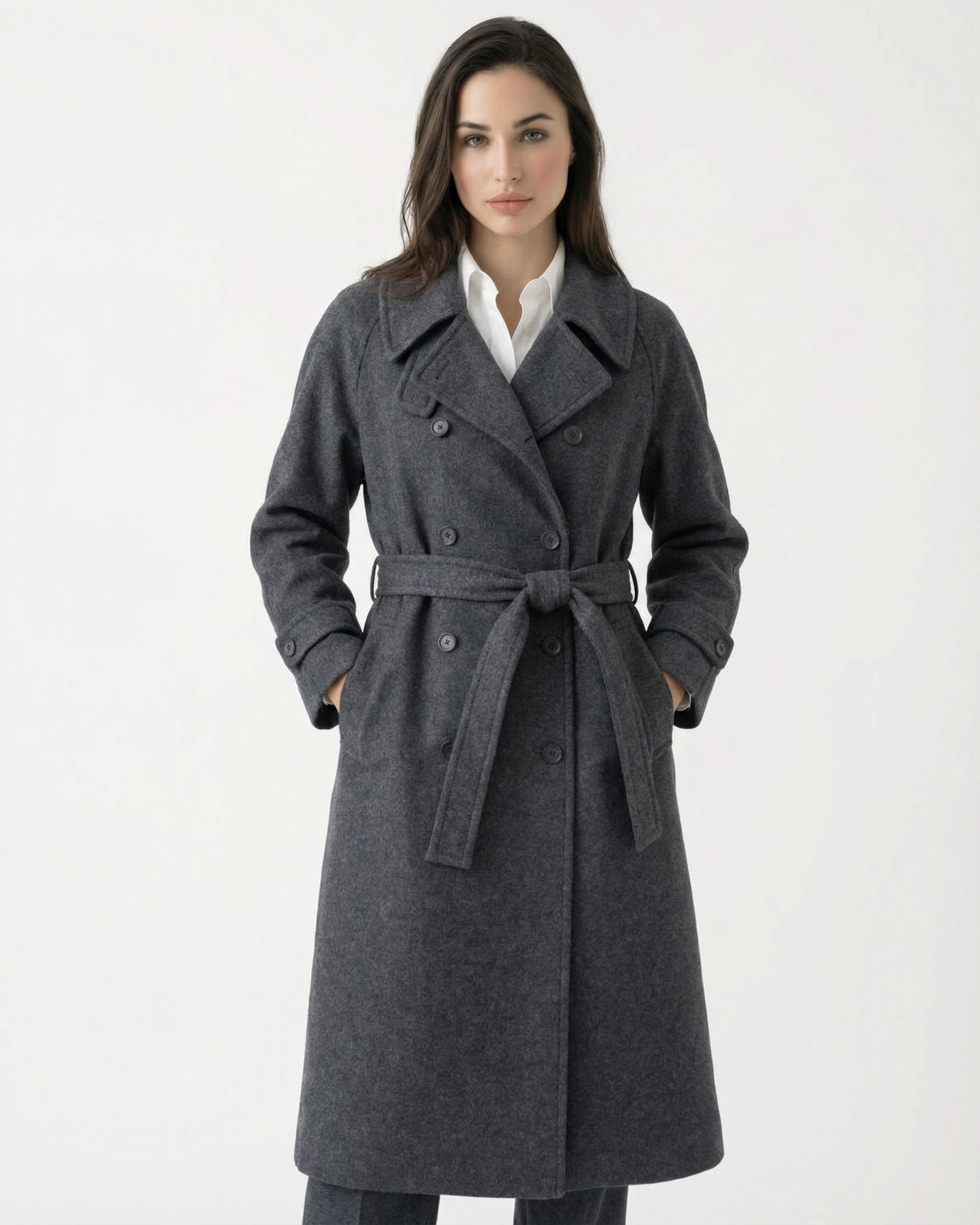
Ulster collars, which are wide, high, and often include a tab or throat latch, are designed to be worn up in wind and rain. When the collar is down, the scarf should sit inside it, not over it. The Ulster Collar Double-Breasted Wool Thick Coat is a strong example: the collar is structured enough to hold a scarf in place once it is tucked, which means you do not need a tight knot at all.
Double-breasted coats present a specific challenge. The overlapping front panels create a clean, architectural line that a loosely hanging scarf can interrupt. For these coats, the standard advice is to tuck the scarf inside the lapels so only the top portion is visible above the top button. This keeps the front of the coat uncluttered and lets the tailoring speak.
As Permanent Style notes, the relationship between outerwear structure and accessories is one of proportion and hierarchy: the coat should always read as the primary garment, with the scarf in a supporting role.
Expert insightWhen the collar is structured, let it do the work. A scarf tucked inside a high Ulster collar needs no knot at all. The collar's own weight holds it.

The Four Knots Worth Knowing, and When to Use Each
There are dozens of ways to arrange a scarf, but four cover every situation a man in a tailored overcoat will realistically encounter.
The Parisian Drape (Fold and Pull) Fold the scarf in half lengthwise to create a loop at one end. Place it around your neck with the loop on one side and the two loose ends on the other. Pull the loose ends through the loop and tighten gently. This is the most balanced option, sits flat against the chest, and works with any single-breasted coat. It is also the easiest to adjust during the day.
The Simple Drape Place the scarf around the back of your neck and let both ends fall forward over the chest. No knot, no loop. This works best with longer scarves in lightweight cashmere or fine wool, and is ideal when the coat has a wide lapel that frames the fabric well. It reads as relaxed without being sloppy.
The Once-Around (European Wrap) Wrap the scarf around the neck once so that both ends fall to the front, one shorter than the other. This adds warmth and a slight sense of informality. It suits weekend outings and smart-casual settings better than business environments.
The Tuck No knot, no drape. Lay the scarf flat around the neck and tuck both ends inside the coat's front placket or between the lapels. This is the correct approach for the Navy Blue Thick Double-Breasted Wool Coat with Ulster Collar and any other coat where a clean front line matters. It is also the warmest configuration since the fabric seals the chest opening.
A note on length: most high-quality scarves run between 160 and 200 cm. For the Parisian drape and the tuck, 160 to 170 cm is ideal. For the once-around, you want at least 180 cm so the ends have enough length to fall naturally.
Expert insightResist the urge to over-tighten any knot. A scarf that pulls at the neck looks anxious. Looseness, controlled looseness, is the point.

Fabric Pairing: Matching Scarf Weight to Coat Weight
This is where most men go wrong. A thin printed silk scarf looks lost inside a heavy Heavyweight Chester Wool Coat Dark Gray. Conversely, a thick ribbed wool scarf overwhelms a lightweight overcoat and turns a refined silhouette into something bulky.
The principle is straightforward: match the visual and physical weight of the scarf to the weight of the coat.
Heavy coats (18 oz wool and above, or coats with a down liner like the Thick Wool Coat Jacket with Lined Down Jacket) pair well with: - Pure cashmere scarves in 2-ply or 4-ply weight - Wool and cashmere blends with some texture - Chunky herringbone wool scarves
Mid-weight coats (12 to 16 oz wool, standard chester constructions) pair well with: - Single-ply cashmere - Fine merino wool - Wool and silk blends
Lighter overcoats pair well with: - Silk and wool blends - Fine modal or lightweight cashmere - Linen and cotton blends in transitional seasons
The Chester Overcoat Dark Brown Wool Business Coat sits in the mid-weight category. A 2-ply cashmere scarf in camel, ivory, or dark navy will sit correctly against its surface without adding visual bulk.
Colour logic follows the same principle of proportion. With a dark coat, a scarf in a neutral or slightly lighter tone reads as deliberate. Camel with charcoal, ivory with navy, burgundy with dark brown. These combinations have worked for decades because the contrast is controlled, not competing.
Expert insightA cashmere scarf with a loose, open weave will compress into a thinner profile when knotted, making it more versatile across coat weights than a tightly woven wool one.

Occasion-Specific Approaches: Business, Smart Casual, and Formal
The way you arrange a scarf should reflect the context you are dressing for. The same coat worn to a board meeting and a Saturday lunch in the old quarter of a European city warrants a different scarf approach.
Business and professional settings Keep it clean and structured. The tuck or the Parisian drape are the appropriate choices. Stick to solid colours or a restrained pattern such as a thin stripe or a small-scale plaid. Avoid anything with fringe or obvious texture that reads as too casual. Paired with a Chester Overcoat Dark Brown Wool Business Coat and Italian Trousers Old Money Style Worsted Wool, a cashmere scarf in charcoal or deep burgundy is the correct register.
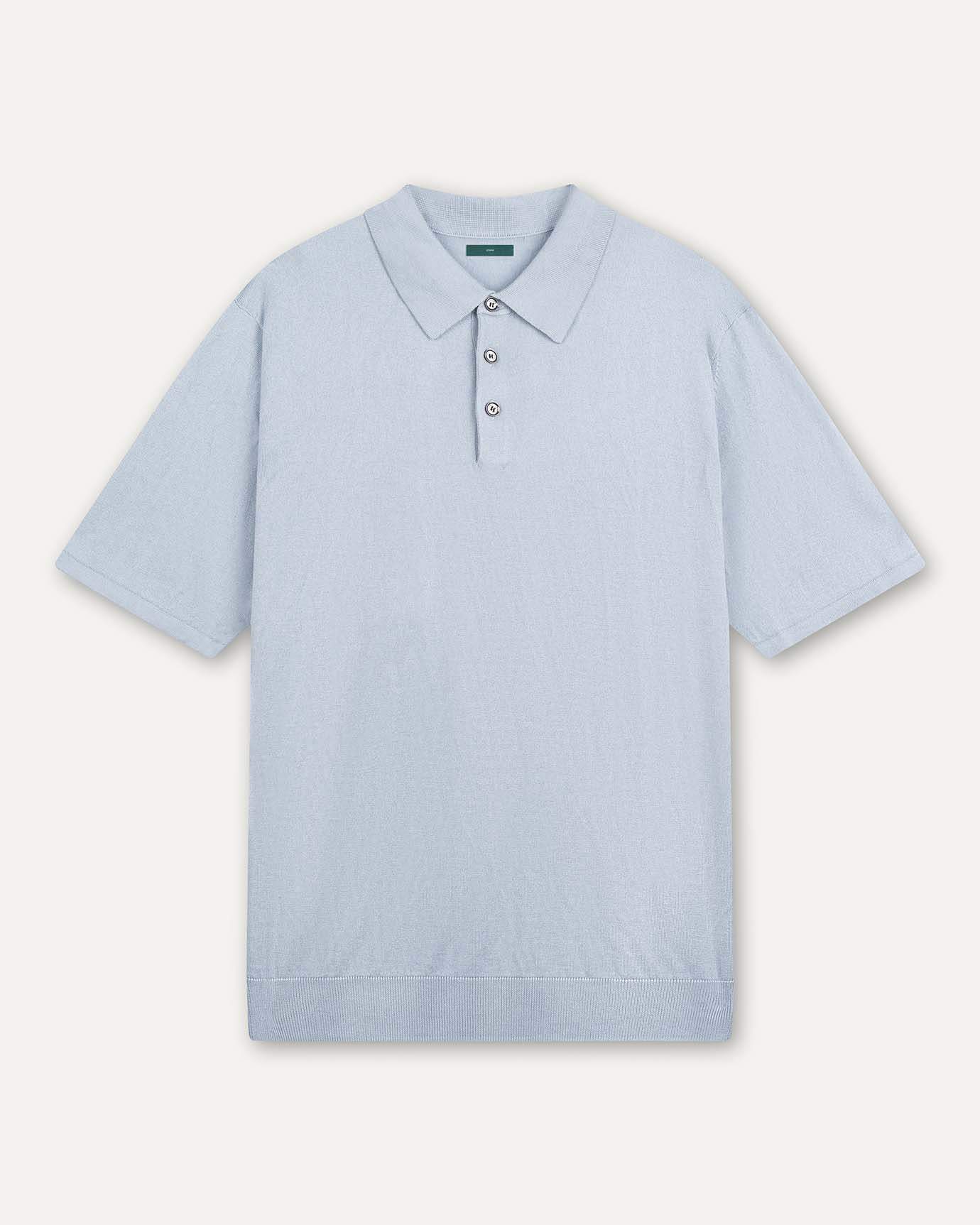
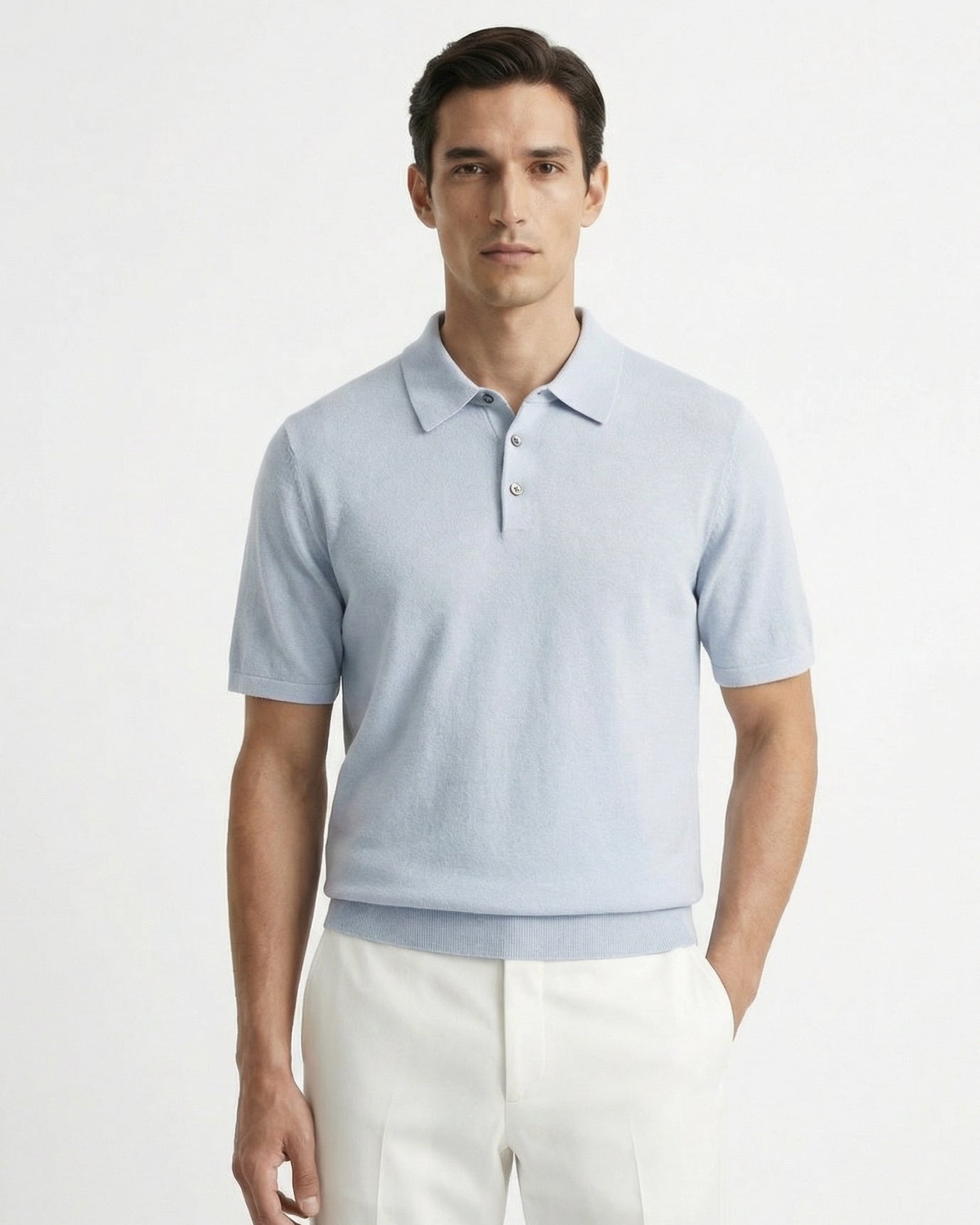
Smart casual and weekend This is where you have more room. The simple drape or the once-around both work well. A scarf with some texture, a subtle herringbone or a loose cable pattern, adds interest without becoming loud. The Mid-Length Wool Windbreaker with Removable Liner Coat worn open over a polo and a pair of Old Money Style Trousers Loose Straight-Leg Pants with a loosely draped scarf is a complete and considered outfit.
Formal and evening For black-tie adjacent occasions or formal dinners, the scarf should be white or ivory silk, or a fine cashmere in white or very pale grey. It should be tucked inside the coat completely, with only a small portion visible above the top button. This approach is rooted in the tradition of the white silk evening scarf, which remains one of the most elegant accessories in formal menswear.
Footwear also matters in the overall picture. A structured outfit built around a heavy wool overcoat and a cashmere scarf should end at the foot with something equally considered, such as British Style Chelsea Boots Genuine Leather, which have the clean lines to match the formality of the silhouette above.

Common Proportional Mistakes and How to Avoid Them
A few errors appear repeatedly when men combine scarves with tailored outerwear. Each one is easy to correct once you understand the logic behind it.
Covering the collar entirely The lapels and collar of a well-constructed overcoat are part of its design. Burying them under a bulky scarf erases that detail. Leave at least 5 to 8 cm of collar visible above the scarf. This applies whether you are wearing a notch lapel or an Ulster collar.
Letting the scarf fall below the coat hem If your scarf hangs lower than the bottom of your coat, the proportions are broken. Either shorten the visible portion by tucking more inside, or choose a shorter scarf. The scarf should live within the coat's vertical frame, not escape below it.
Mismatched formality A heavily fringed or hand-knitted scarf with a formal wool overcoat creates a register clash that is difficult to ignore. Conversely, a fine silk scarf with a rugged shearling-collared coat looks out of place. The Lovau menswear collection is built around consistent formality registers, which makes it easier to match pieces without thinking too hard about this.
Over-knotting A scarf that has been knotted, tucked, pinned, and folded into a complex arrangement looks effortful in the wrong direction. The goal is considered simplicity. If you have touched the scarf more than three times while arranging it, simplify.
Ignoring the layering underneath A thick crew-neck jumper under the coat already adds bulk at the neck. Adding a heavy scarf on top creates a crowded zone that pushes the coat's collar outward and ruins the shoulder line. In this situation, either choose a thinner scarf or skip it. A fine merino or silk-blend turtleneck, on the other hand, leaves room for a proper scarf arrangement.

Building a Complete Cold-Weather Outfit Around the Scarf and Coat
A scarf and coat combination does not exist in isolation. The pieces that sit between them and below them determine whether the overall outfit is cohesive.
A reliable structure for a formal or business-adjacent winter outfit: - A fine wool or cashmere-blend turtleneck or a dress shirt with a spread collar - Italian Trousers Old Money Style Worsted Wool in charcoal or navy - A mid-weight or heavy chester overcoat - A cashmere scarf in a contrasting neutral - British Style Chelsea Boots Genuine Leather
For a smart-casual weekend register: - A fine knit polo or a button-front shirt - Limited Edition Cashmere Wool Pants Luxury Loose-Fit in a warm neutral - A mid-length wool overcoat worn open - A wool or cashmere scarf draped simply - Clean leather loafers or Chelsea boots
For those who prefer the complete approach to winter dressing, the Man Cashmere & Wool Sets provide a coordinated base that makes building outward to the coat and scarf considerably more straightforward. When the trousers and upper layer are already calibrated to work together, the coat and scarf become the final two decisions rather than the first.
The point of all of this is not complexity for its own sake. It is the satisfaction of knowing that every element of the outfit has been chosen with some thought, and that the result looks like it required none.

| Scarf Fabric | Best Coat Weight | Formality Level | Best Knot Style | Key Characteristic |
|---|---|---|---|---|
| Pure cashmere (2-ply) | Medium to heavy wool | Business to formal | Parisian drape or tuck | Soft, warm, compresses well |
| Wool and cashmere blend | Heavy wool or lined coats | Smart casual to business | Once-around or Parisian drape | More body, slightly textured |
| Silk and wool blend | Lightweight to medium wool | Business to formal | Simple drape or tuck | Smooth, drapes fluidly |
| Fine merino wool | Medium weight wool | Smart casual | Simple drape or once-around | Affordable, durable, versatile |
| Pure silk (evening) | Any formal overcoat | Formal and black-tie | Full tuck inside coat | Luminous, flat, traditional |
| Chunky ribbed wool | Heavy coats only | Casual to smart casual | Once-around | Adds visual bulk, best outdoors |
Frequently asked questions
Should a scarf be tucked inside or outside an overcoat?
It depends on the coat's front construction. For single-breasted coats with notch lapels, either works. For double-breasted coats and coats with structured Ulster collars, tuck the scarf inside the front panels to preserve the coat's clean line. The Ulster Collar Double-Breasted Wool Thick Coat is a good example of a coat that looks best with the scarf tucked.
What length scarf works best with a tailored overcoat?
For most knot styles, 160 to 170 cm is the practical range. It gives enough fabric for a Parisian drape or a clean tuck without excess length that hangs below the coat hem. If you prefer the once-around wrap, 180 to 200 cm gives the ends enough length to fall correctly.
Can you wear a patterned scarf with a patterned overcoat?
Yes, but the scale of the patterns must differ. A fine-check overcoat can take a large-scale plaid scarf, and a herringbone coat can work with a solid or very fine stripe. The rule is that no two patterns should compete at the same visual scale. When uncertain, a solid scarf is always the safer and more timeless choice.
How do you stop a scarf from slipping out of position throughout the day?
Choose a scarf with enough weight that it stays where you place it. Very lightweight silk scarves will shift with movement unless knotted. For all-day wear, the Parisian drape or the once-around wrap both hold their shape better than a simple loose drape. Cashmere and wool blends have the right combination of weight and surface friction to stay in position without any pinning or adjustment.
A scarf worn with a tailored overcoat is one of the few combinations in menswear where the result can be genuinely greater than the sum of its parts. The coat provides the structure and the authority; the scarf provides warmth, a controlled note of colour or texture, and the sense that the whole outfit was finished with care. The principles here are not complicated: match weights, respect the coat's collar, keep the arrangement simple, and let the tailoring remain visible. For a starting point that makes all of this easier, the Cashmere & Wool Coat Loose Fit is built with exactly this kind of layering in mind.