


How to Properly Fold and Store Expensive Cashmere Knits
Reading time 12 min • 2449 words
Cashmere is not simply a luxury fabric. It is a structural material with a biological memory. The fine fibres, sourced from the undercoat of Himalayan goats, are hollow and naturally crimped, which is what gives the fabric its warmth, its softness, and its tendency to lose shape when handled carelessly. Most cashmere damage is not caused by wear. It is caused by storage.
Hanging a cashmere sweater for a single season is enough to pull the shoulder seams out of alignment and cause the body to grow several centimetres in length. Storing it unwashed invites moth larvae, which feed specifically on keratin, the protein present in animal fibres. These are not abstract risks. They are the reason most people find their best knits ruined by spring.
This guide covers the full process, from washing and drying through to folding technique and long-term storage, so that every piece in your wardrobe holds its quality from one season to the next.
Key takeaways
- Always fold cashmere flat, never hang it, to prevent shoulder distortion and stretching.
- Wash cashmere by hand in cool water with a pH-neutral detergent, no wringing.
- Store clean cashmere only: moths are attracted to body oils and food residue left in the fibres.
- Use cedar blocks or dried lavender as natural moth deterrents inside sealed storage bags.
- Air cashmere for 30 minutes after each wear before folding it away to prevent odour build-up.
In this guide
- Why Cashmere Behaves Differently from Other Knits
- Washing Cashmere Before Storage: The Non-Negotiable Step
- The Correct Folding Technique for Cashmere Knits
- Storage Conditions: Containers, Location, and Temperature
- Mid-Season Care: Airing, Pilling, and Reshaping
- Building a Cashmere Wardrobe Worth Caring For
- Frequently asked questions
Why Cashmere Behaves Differently from Other Knits
Understanding the fibre is the first step to caring for it correctly. Cashmere comes from the fine undercoat of Capra hircus goats, and the finest grades measure between 14 and 16 microns in diameter. At that scale, the fibre is softer than merino wool but also more vulnerable to friction, heat, and gravity.
The key physical property to keep in mind is that cashmere fibres have microscopic scales along their surface. When exposed to heat, agitation, or alkaline detergents, those scales lock together and the fabric felts, meaning it shrinks and stiffens permanently. This is irreversible. It is also why hand washing in cool water is not optional advice, it is the only correct method.
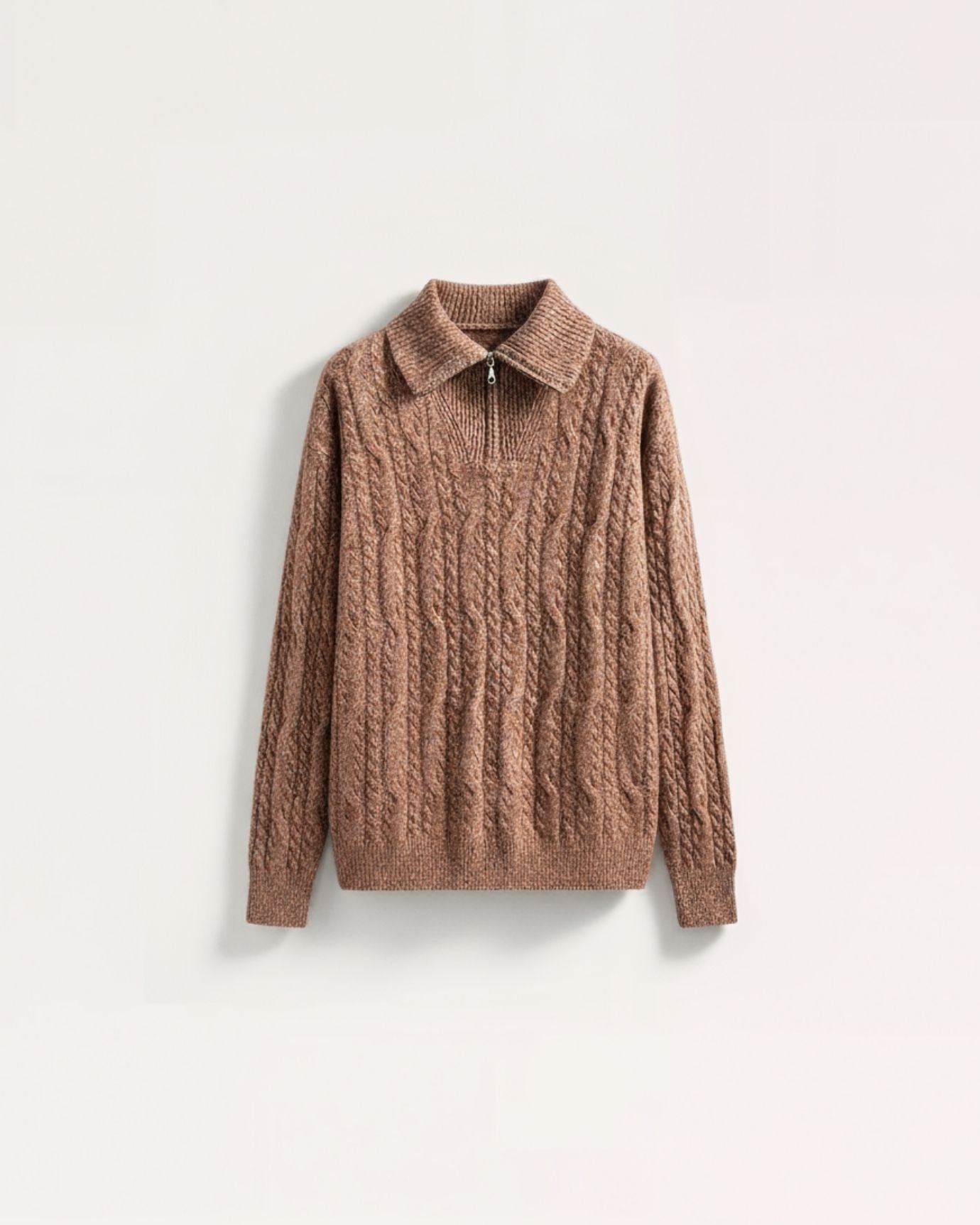
A piece like the Berlin Cashmere Sweater Zip illustrates this well. The zip-front construction and ribbed collar hold their structure beautifully when cared for correctly, but the same design will pucker and distort around the collar if subjected to machine agitation or heat drying.
The other structural consideration is weight. A densely knit cashmere garment, such as the Fine Cashmere Thick Jacket Cardigan with Perforated Knit, carries enough mass that hanging it on a standard coat hanger will cause the shoulders to stretch within weeks. Folding is not a preference. For cashmere, it is a structural necessity.
Expert insightThe weight of a cashmere garment works against it on a hanger. Even a single week of hanging can create permanent shoulder bumps that no amount of steaming will fully correct.

Washing Cashmere Before Storage: The Non-Negotiable Step
Cashmere should always be washed before it goes into seasonal storage. This is the single most important rule in this entire guide. Moths do not eat clean cashmere out of preference. They are drawn to the proteins in body oils, perspiration, and food particles trapped in the fibres. A garment that looks clean to the eye can still carry enough residue to attract larvae.
Hand washing method: - Fill a basin with cool water, around 20 to 25 degrees Celsius. Never use warm or hot water. - Add a small amount of pH-neutral, wool-specific detergent. Baby shampoo works as a substitute. - Submerge the garment and gently squeeze the water through the fabric. Do not rub, twist, or scrub. - Rinse twice in clean cool water until no detergent remains. - Do not wring. Lift the garment gently and press it against the side of the basin to release water.
Drying correctly: Lay the garment flat on a clean dry towel. Roll the towel up with the cashmere inside and press firmly to absorb moisture. Then unroll, reshape the garment to its original dimensions on a flat drying rack or clean surface, and leave it to air dry away from direct sunlight and heat sources. Never tumble dry. Never hang wet cashmere.
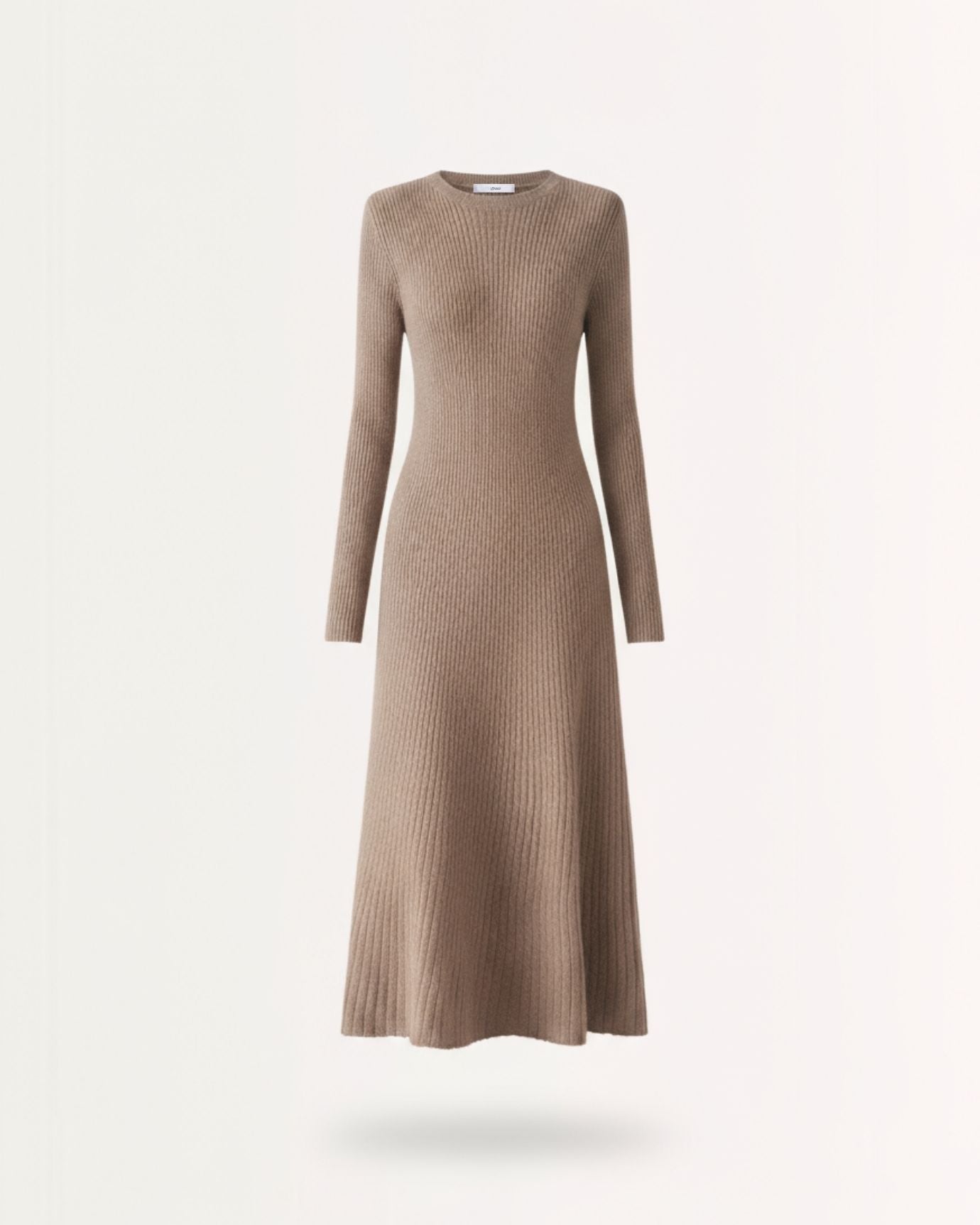
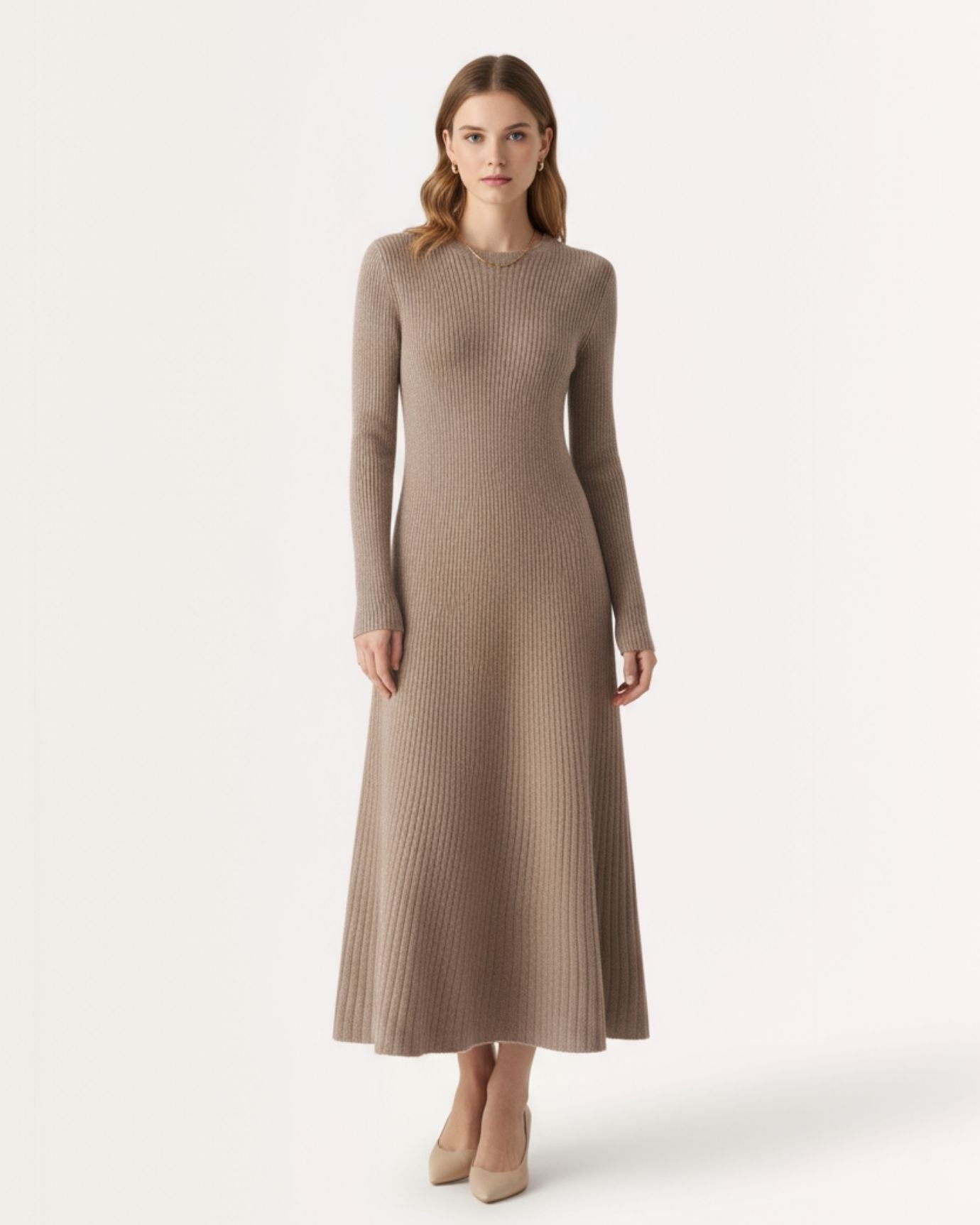
For women's pieces like the Cashmere Dress Skin Proof Tested V-Neck, the flat drying step is especially important because the drape of the skirt section needs to be smoothed back into shape before the fibres set.
Expert insightIf your cashmere develops slight pilling after washing, use a fabric comb or cashmere stone while the garment is still damp and laid flat. Pilling is simply loose fibres knotting together and can be removed without damaging the base weave.

The Correct Folding Technique for Cashmere Knits
Folding cashmere correctly takes under a minute once the method is practised. The goal is a compact, flat rectangle that distributes the fabric's weight evenly and avoids sharp creases at stress points like the underarm seam.
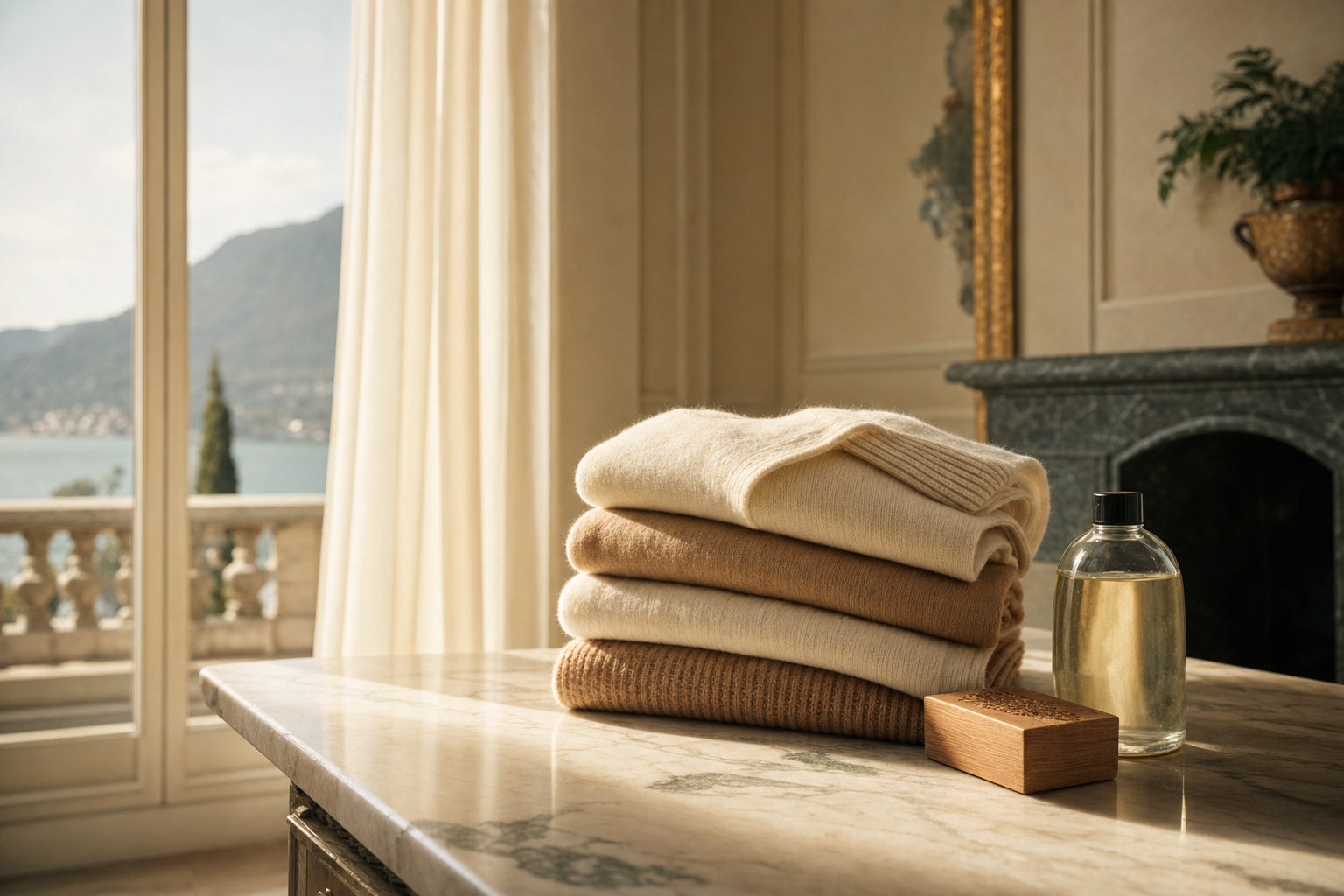
Step-by-step folding for a standard cashmere sweater or cardigan: 1. Lay the garment face down on a flat, clean surface. 2. Fold one sleeve across the back of the body, following the seam line at the shoulder. Repeat with the other sleeve so both lie parallel across the back. 3. Fold the body of the garment in thirds lengthwise, bringing each side edge toward the centre. 4. Fold the resulting rectangle in half from the hem upward, or into thirds if the garment is long.
The finished fold should be roughly 30 by 25 centimetres for most sweaters, flat and stable. Avoid folding along the underarm seam repeatedly in the same place, as this creates a permanent crease over time. Rotate the fold direction slightly each season.
For the Cashmere & Wool Pullover Sweater, this folding method works perfectly because the relaxed, slightly oversized silhouette folds into a clean rectangle without the fabric bunching at the seams.
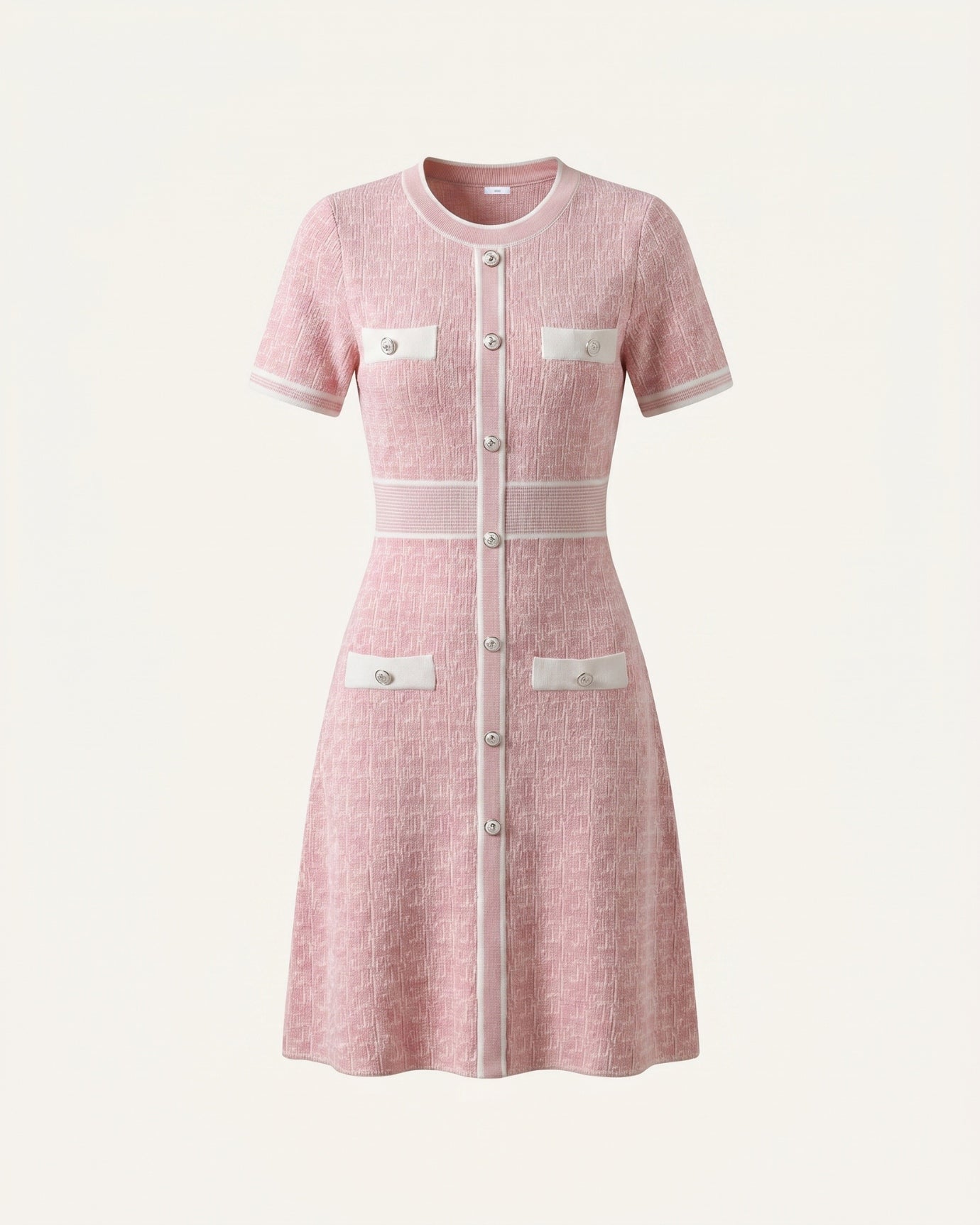
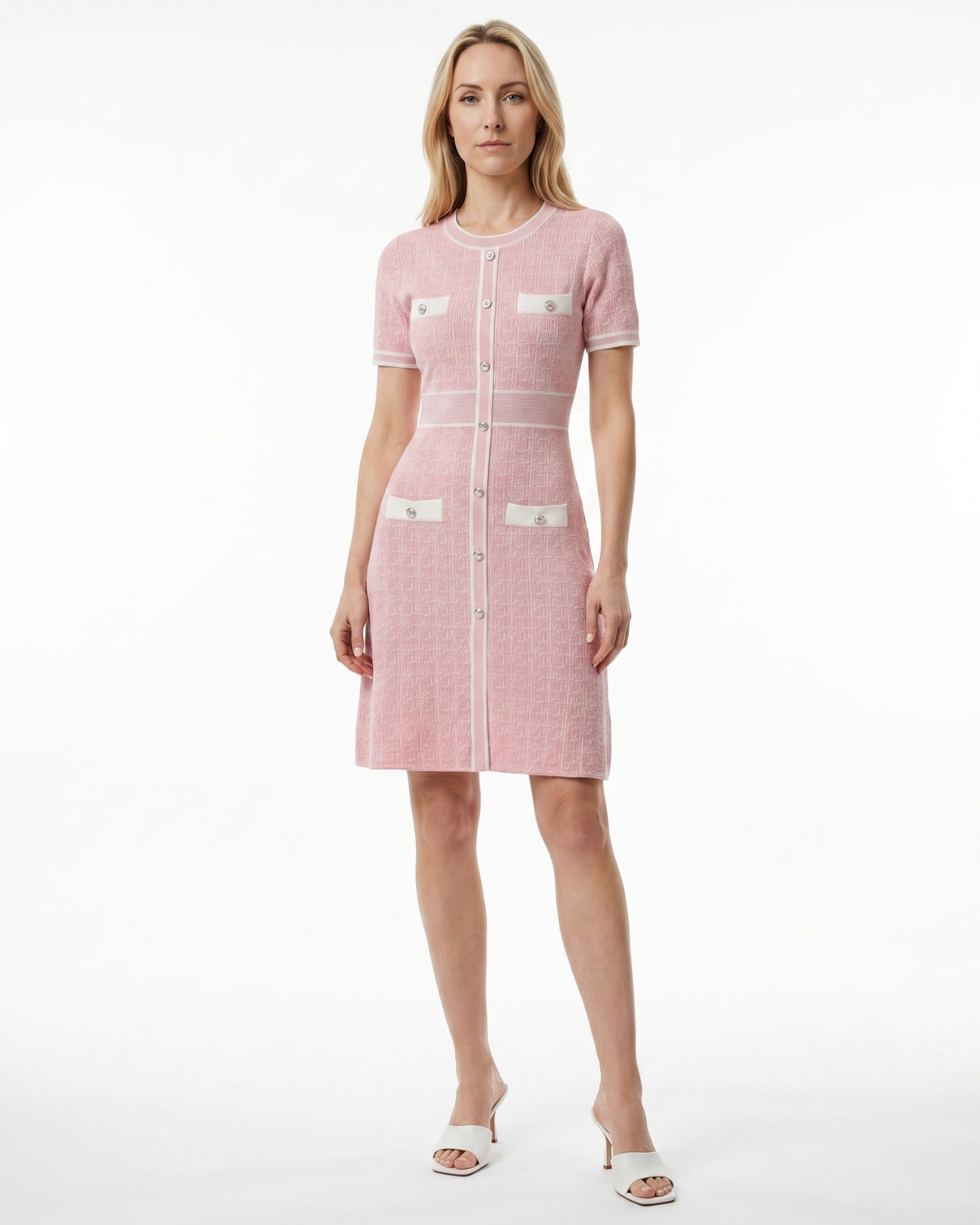
Knit dresses require a slightly different approach. Fold them as you would a sweater, but ensure the skirt portion is smoothed flat before folding to avoid permanent horizontal lines forming across the fabric. The Anna Collared Knit Short Dress benefits from this method given its structured collar, which should sit on the outside of the fold rather than being compressed underneath.

Storage Conditions: Containers, Location, and Temperature
Where and how you store cashmere matters as much as how you fold it. The ideal storage environment is cool, dark, dry, and sealed. Humidity encourages mildew, light causes colour fading in natural dyes, and an open shelf gives moths easy access.
Best storage options, in order of effectiveness:
- Sealed cotton or linen storage bags: Breathable enough to prevent moisture build-up, but tight enough to block moths. These are the gold standard for cashmere.
- Airtight plastic zip bags: Effective against moths and humidity, but should only be used with fully dry garments. Sealing damp cashmere in plastic will cause mildew.
- Acid-free storage boxes: Ideal for long-term storage of multiple pieces. Stack folded garments with tissue paper between each layer.
Avoid storing cashmere in cardboard boxes without a liner. Cardboard is acidic and will yellow natural fibres over time.
Temperature and location: A cool interior shelf or drawer is preferable to an external wall wardrobe, which fluctuates in temperature with the seasons. Attics and basements are too humid and too variable.
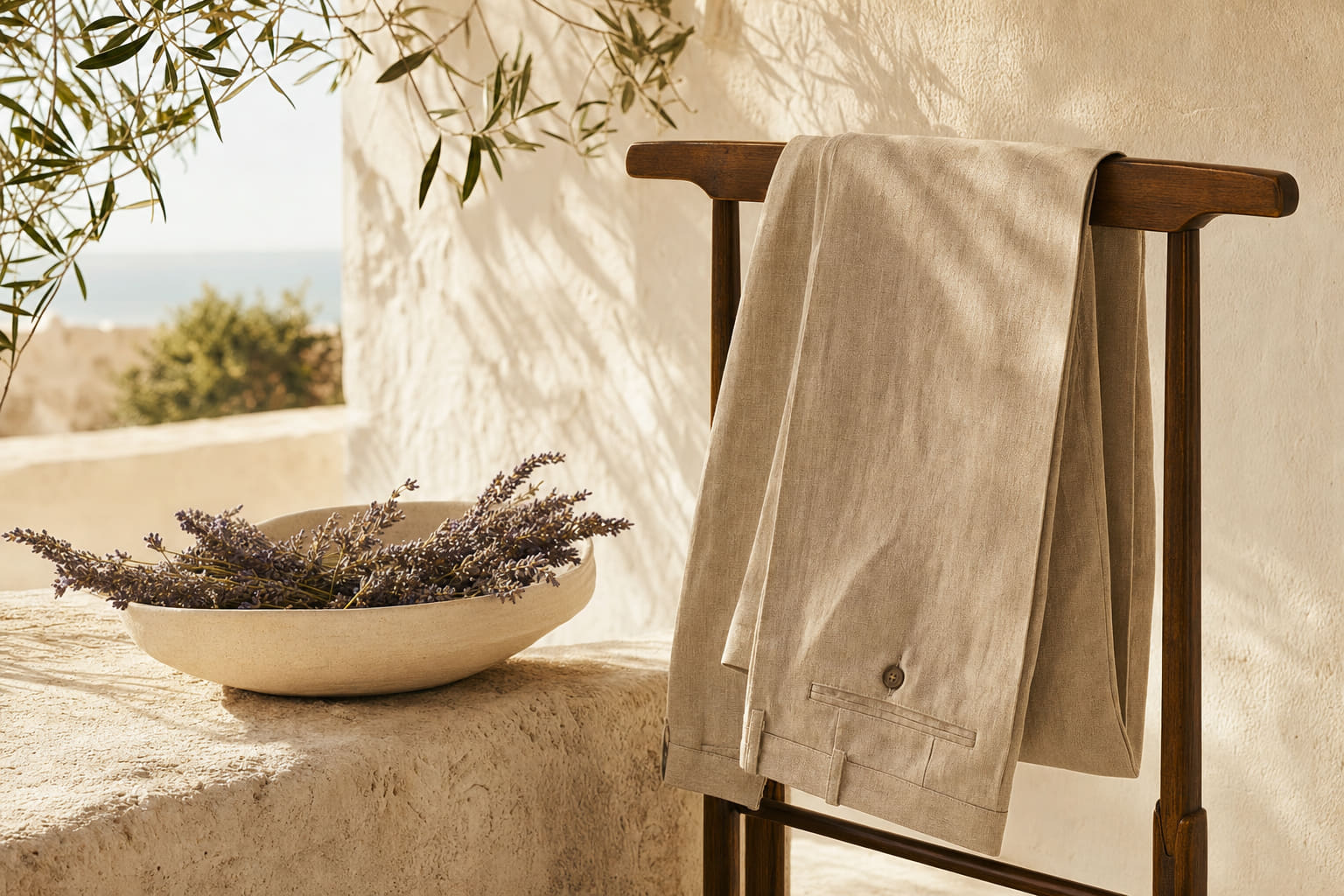
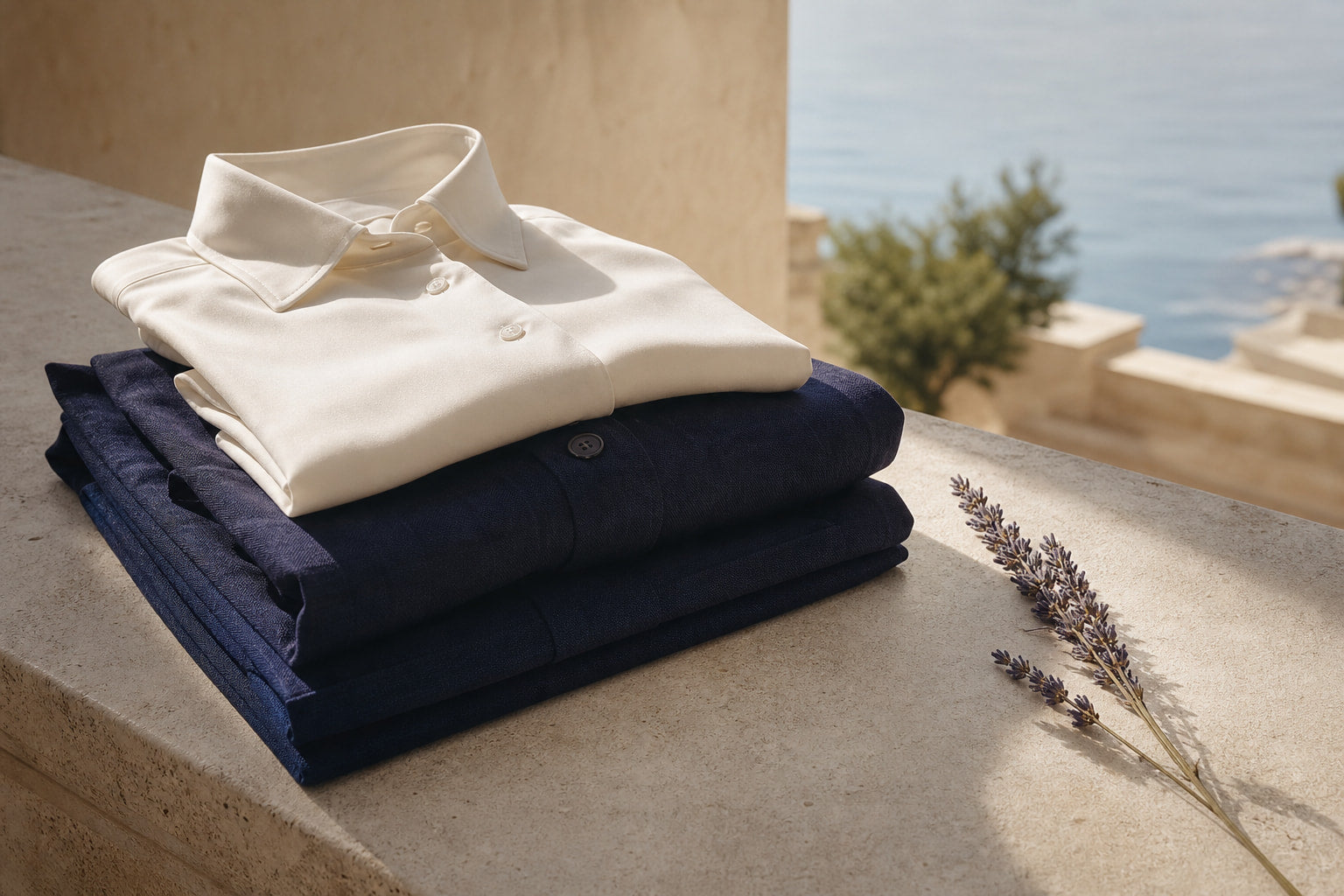
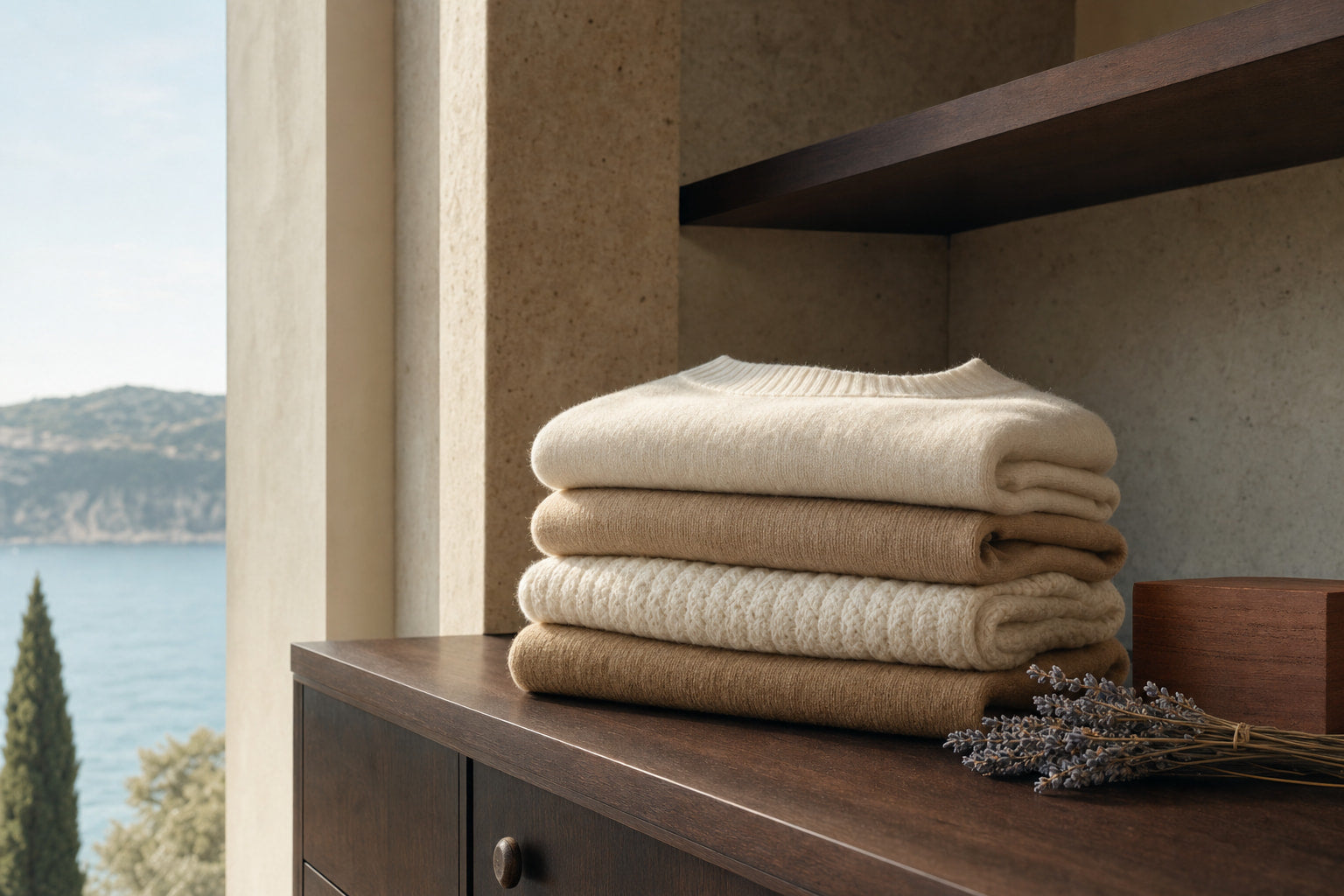
Moth prevention: Cedar blocks and dried lavender are the most practical natural deterrents. Cedar contains natural oils that repel adult moths, though it does not kill larvae. Refresh cedar blocks with fine sandpaper each season to reactivate the oil. Replace lavender sachets annually. Do not use mothballs with cashmere. The naphthalene in standard mothballs can discolour fibres and the smell is nearly impossible to remove.
For a comprehensive wardrobe that includes multiple pieces from the high end cashmere range, dedicating a single sealed drawer or shelf to knitwear, lined with cedar, is the most practical long-term solution.
Expert insightCedar works only when it is fresh. If you press a cedar block to your wrist and cannot smell the oil distinctly, it has lost its potency. Sand it lightly before each storage season.

Mid-Season Care: Airing, Pilling, and Reshaping
Cashmere does not need to be washed after every single wear. In fact, over-washing thins the fibres faster than normal use. For most garments, washing two to three times per season is sufficient, provided you air the piece properly after each wear.
Airing: After wearing, lay the garment flat or drape it loosely over a chair back for 30 to 60 minutes before folding and returning it to storage. This allows moisture from body heat to evaporate and prevents odour from setting into the fibres.
Pilling: Pilling is the natural result of fibre ends working loose and tangling together at points of friction, typically the underarms, the sides of the body, and anywhere a bag strap crosses. It does not mean the garment is low quality. It means it is being worn. Use a cashmere comb or a fine fabric shaver to remove pills on a flat surface, working in short, light strokes. Do not pull at pills with your fingers.
Reshaping: If a cashmere knit has lost its shape during wear, light steam is the most effective solution. Hold a garment steamer or the steam function of an iron 3 to 4 centimetres above the surface. Never press the iron directly onto cashmere. The steam relaxes the fibres, after which you can gently pull the garment back to its correct dimensions and lay it flat to cool and set.
The Cashmere & Wool Cardigan Jacket Lined benefits particularly from steaming around the lapel and front button band, where structured lining meets knit and the two layers can shift slightly with wear.
For accessories such as the Carina Hat Cashmere, the same folding and storage principles apply. Store hats flat or stuffed lightly with tissue paper to maintain their shape, and keep them in sealed bags with a cedar block.

Building a Cashmere Wardrobe Worth Caring For
The effort of proper cashmere care is only worthwhile if the garments themselves are worth the investment. Cheap cashmere, meaning anything below a Grade A two-ply construction, will pill excessively and thin out within two seasons regardless of how carefully it is stored. The economics of cashmere are straightforward: a well-made piece that is properly maintained will outlast ten poorly made ones.
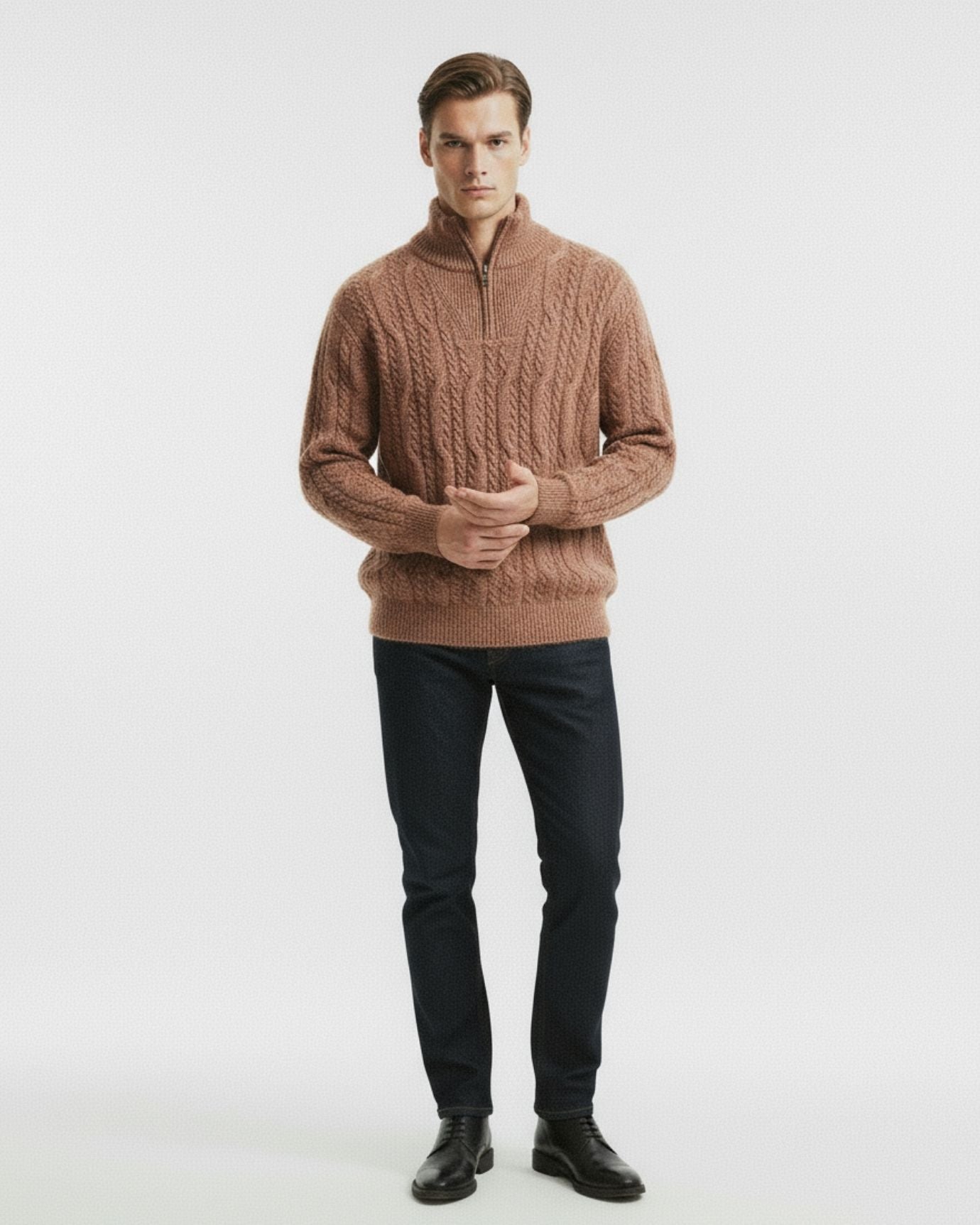
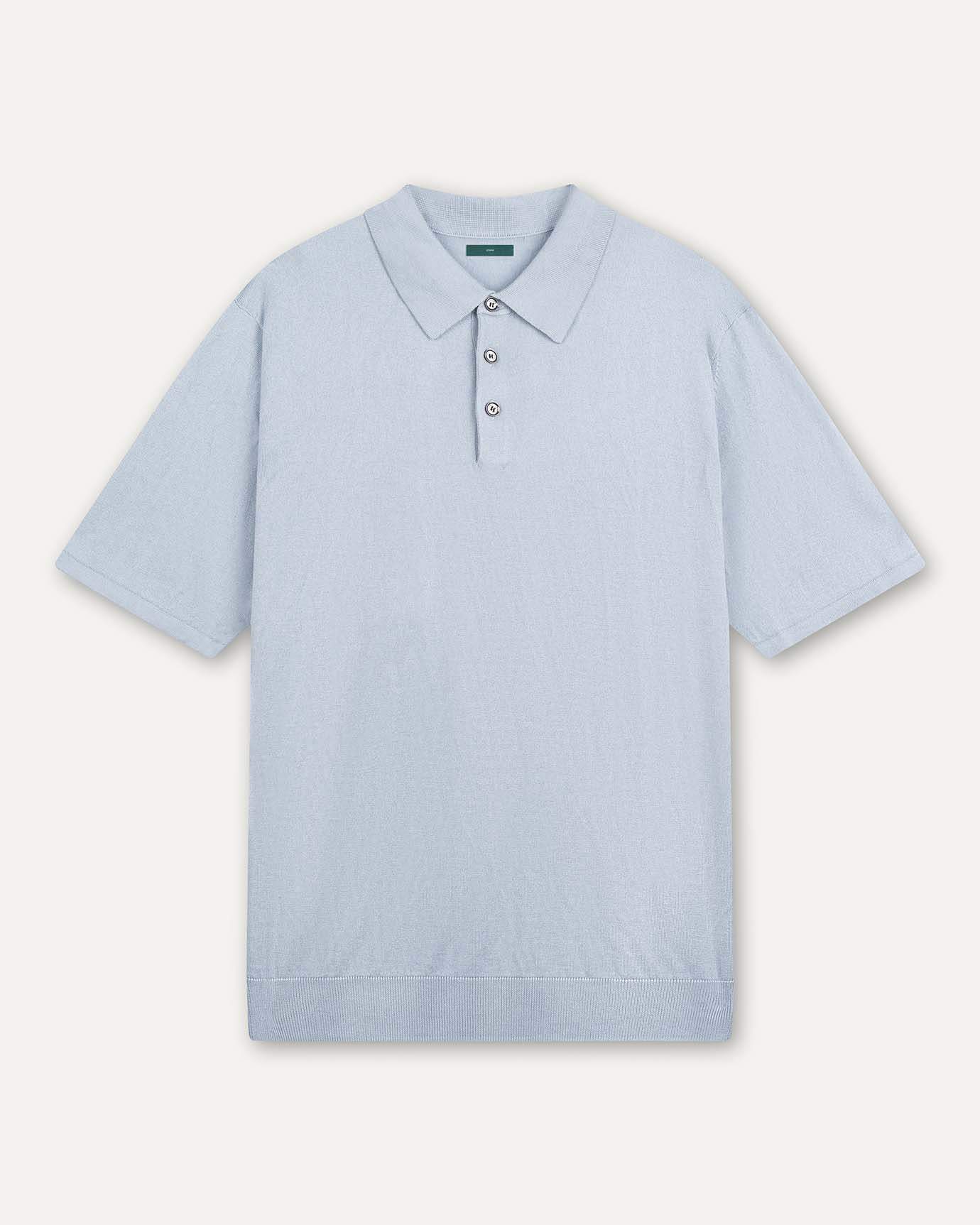
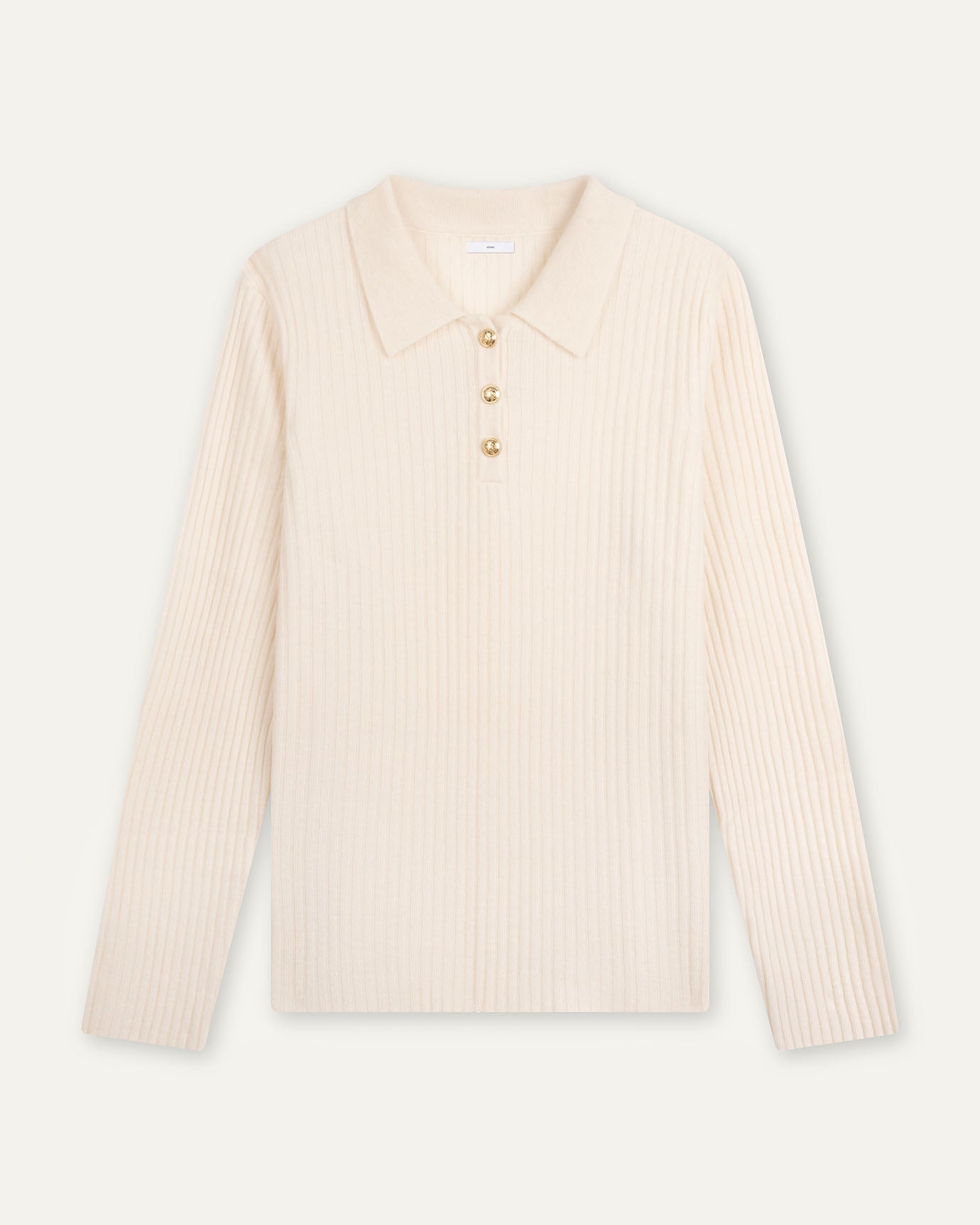
For men, a considered cashmere wardrobe might centre on two or three core pieces. The Cashmere & Wool Polo Long Sleeve Zipper works from late September through to March and pairs equally well with trousers or denim. For a more complete investment, the High End Mulberry Silk & Worsted Cashmere Set represents the kind of purchase that, with correct care, holds its quality for a decade.
For women, the cashmere collection offers a range of weights and constructions suited to different temperatures and occasions. Lighter pieces for early autumn, denser knits for winter, and accessories from the woman cashmere range that complete the wardrobe without requiring any additional storage effort beyond the principles already outlined.
The approach to cashmere care described in this guide is consistent with how the best European textile conservators approach fine knitwear: cool temperatures, minimal agitation, flat storage, and clean fibres before anything goes away for the season.

| Storage Method | Moth Protection | Breathability | Best For | Notes |
|---|---|---|---|---|
| Sealed cotton or linen bag | Good | High | Regular seasonal storage | Add cedar block inside for best results |
| Airtight zip plastic bag | Excellent | None | Long-term storage, 6+ months | Garment must be completely dry before sealing |
| Acid-free storage box with tissue | Moderate | Low | Multiple pieces, archival storage | Use cedar or lavender inside the box |
| Open wardrobe shelf | Poor | Very high | Pieces in active rotation only | Acceptable for weekly use, not seasonal storage |
| Standard cardboard box | Poor | Low | Not recommended | Acid in cardboard yellows natural fibres over time |
Frequently asked questions
Can I hang cashmere in my wardrobe instead of folding it?
No. Hanging cashmere causes the shoulders and body to stretch under the garment's own weight. Even a few weeks on a standard hanger can create permanent shoulder distortion. Always fold cashmere flat and store it in a drawer or on a shelf.
How often should I wash a cashmere sweater during the season?
Two to three times per season is sufficient for most people. After each wear, air the garment flat for 30 to 60 minutes before storing. Over-washing thins the fibres over time. Wash before storage at the end of the season without exception, as clean fibres resist moths far better than worn ones.
What is the best way to remove moths from a cashmere wardrobe?
First, remove and inspect every piece. Wash all garments before returning them to storage. Clean the wardrobe or drawer thoroughly, including corners and seams. Replace cedar blocks, as they lose potency over time. Avoid mothballs, which can discolour cashmere and leave a smell that is very difficult to remove. For a full wardrobe of investment knitwear, consider the high end cashmere storage approach: sealed bags with fresh cedar, refreshed each season.
Does pilling mean my cashmere is low quality?
Not necessarily. All cashmere pills to some degree, especially in the first few wears, as loose surface fibres work free. The difference between a quality piece and a poor one is how quickly pilling progresses and whether the base fabric remains dense and even after the surface fibres are removed. Use a cashmere comb or fabric shaver to remove pills, and the garment should look clean and even underneath.
Cashmere rewards patience more than any other fabric in a wardrobe. The folding technique, the cool hand wash, the sealed storage bag with its cedar block, none of these steps are complicated, but all of them compound over time into a garment that still looks correct in ten years. Treat the care process as an extension of the purchase decision itself. If a piece is worth buying, it is worth maintaining. Start with the essentials from our cashmere collection and give each one the storage routine it deserves.