


How Long Should Men's Shorts Be? The 2026 Rule
Reading time 14 min • 2762 words
There is a number, and most men do not know it. The question of how long men's shorts should be sounds trivial until you are standing in a fitting room holding two pairs that look almost identical on the hanger but completely different on the body. One reads as polished and intentional. The other reads as uncertain.
The 2026 answer is not a trend. It is a proportion principle that has been quietly observed by well-dressed men across the Mediterranean for decades and has now filtered into mainstream menswear consciousness as the market corrects away from both the baggy board short era and the overcorrected micro-short moment. The window is specific, the logic is sound, and the application is straightforward.
This guide gives you exact measurements, explains why they work anatomically, and walks through how fabric and cut affect the way length reads on the body. Every recommendation here applies to tailored and refined shorts, the kind worth owning.
Key takeaways
- The most flattering shorts length for most men lands 2 to 4 inches above the knee, measured from the centre of the kneecap upward.
- Inseam length matters more than waist size: aim for a 5 to 7 inch inseam in tailored shorts for a clean, proportional silhouette.
- Linen and structured cotton are the fabrics that hold a proper shorts cut without collapsing at the thigh or bagging at the seat.
- Pleated shorts require slightly more length, roughly 3 inches above the knee, so the pleat drapes correctly and does not pull open.
- Occasion determines the upper limit: resort or beach settings allow shorter cuts, while garden events or business-casual settings call for the conservative end of the range.
In this guide
- The Measurement That Actually Matters: Above the Knee, Not Inseam
- Why Fabric Changes How Length Reads on the Body
- Pleated Shorts Require a Different Length Calculation
- Occasion Logic: Matching Length to Context
- What to Wear With Tailored Shorts: Completing the Proportion
- The 2026 Shift: Why This Length Is Now the Standard
- Frequently asked questions
The Measurement That Actually Matters: Above the Knee, Not Inseam
Most men shop shorts by inseam, which is a reasonable starting point, but inseam alone does not tell you where the hem will fall because torso-to-leg ratios vary considerably. The more reliable measurement is the distance between the hem and the centre of the kneecap.
The 2026 rule: the hem should sit between 2 and 4 inches above the centre of the kneecap. Two inches is the conservative, most versatile position. Four inches is the fashionable upper limit that still reads as refined rather than casual. Anything at or below the knee reads as either athletic or dated. Anything more than 4 inches above starts to look studied in a way that requires a very specific physique and context to carry well.
To measure this on yourself, stand straight with your leg relaxed. Place a finger at the centre of your kneecap and measure upward. Mark that point on the fabric. If your current shorts fall at or below that mark, they are too long for a tailored aesthetic.
Inseam as a secondary guide: for most men of average height (5'9" to 6'1"), this above-the-knee rule translates to an inseam of roughly 5 to 7 inches. Taller men may need 7 to 8 inches to land in the same visual zone. Shorter men should target 4 to 6 inches. Always cross-reference with the actual knee measurement rather than trusting inseam numbers on their own.
According to classic tailoring proportion principles, the visual weight of a garment should balance around the body's natural midpoints. Shorts that fall to or past the knee disrupt that balance, making the leg look shorter and the overall silhouette heavier.
Expert insightWhen trying on shorts, sit down before you decide. If the hem rides up past mid-thigh while seated, the shorts are too short for any setting beyond the beach. The seated test reveals fit issues the standing position conceals.

Why Fabric Changes How Length Reads on the Body
A 3-inch above-the-knee hem in stiff cotton canvas reads completely differently from the same measurement in a lightweight linen. Fabric weight and structure alter the visual drop of the hem and the way the shorts move, which affects perceived length even when the actual measurement is identical.
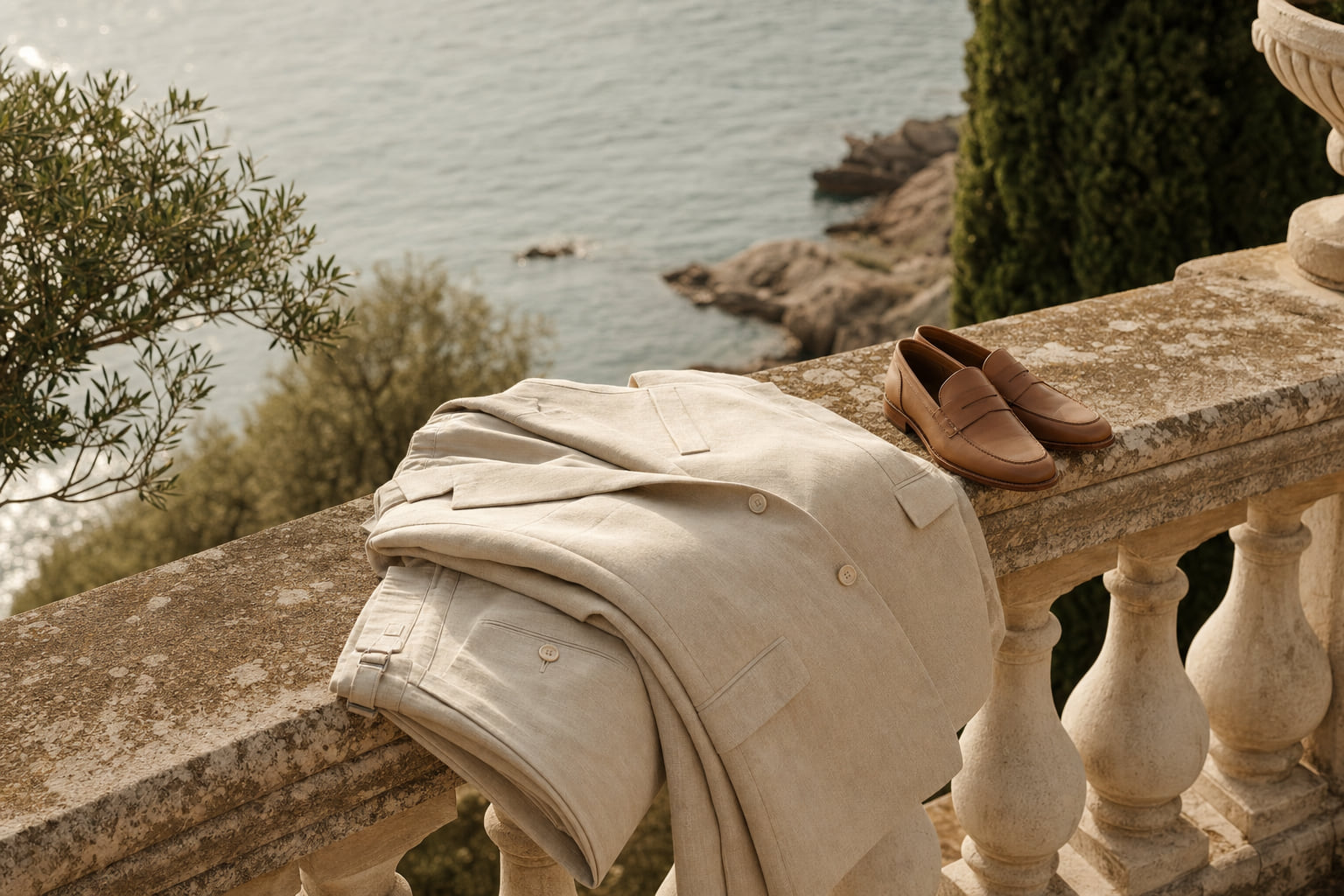
Linen is the most forgiving fabric for shorts. It has a natural drape that keeps the hem line clean without pulling at the thigh. Linen also has enough body to hold its shape through a full day of wear without collapsing. The Monaco linen shorts with elastic waist are a precise example of how linen construction maintains a consistent hem position throughout the day, which matters when your shorts length is calibrated carefully.
Structured cotton and cotton blends are the second-best option. They hold a crease if the shorts are tailored with one, and they do not stretch out at the seat after a few hours of wear, which is a common problem with softer jersey-adjacent fabrics that can make a correctly measured hem start to sag and lengthen visually.
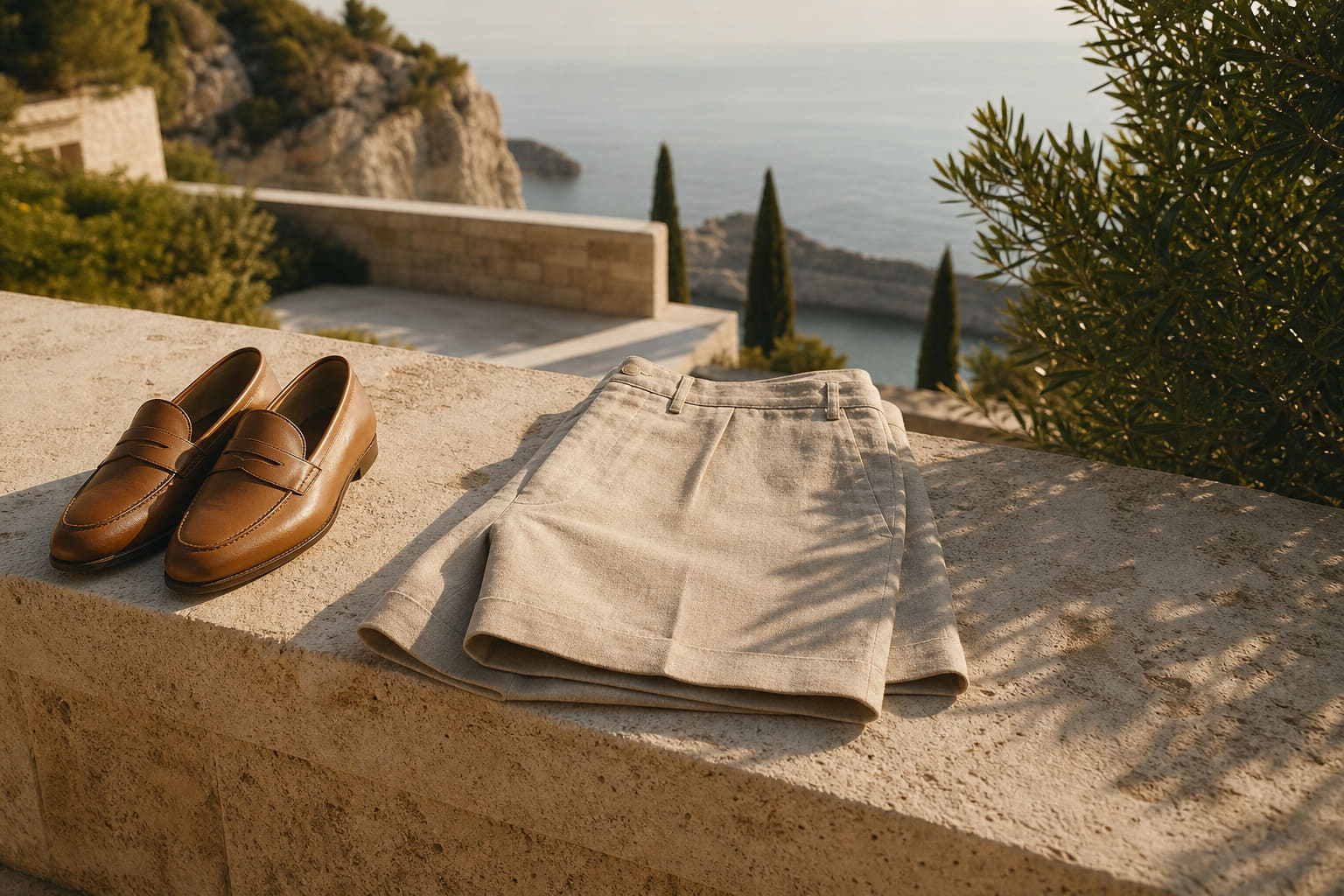
The Ibiza linen shorts demonstrate how a clean, unlined linen construction in a slightly shorter cut, around 3 inches above the knee, creates a relaxed but deliberate silhouette that works from a terrace lunch to a coastal afternoon without adjustments.
Avoid polyester blends in tailored shorts. They do not breathe, they cling, and they have no structural memory, meaning the hem position you see in the morning is not the hem position you have by afternoon. For a guide on the properties of natural fibres versus synthetics, the Wikipedia article on linen covers the structural characteristics that make plant-based weaves preferable for warm-weather tailoring.
For the Portofino non-iron shorts, the treated cotton construction maintains its hem line and crease through travel and full-day wear, which makes it a practical choice when you need your shorts to hold their measured length reliably.
Expert insightIf you are between two lengths when trying on linen shorts, choose the shorter option. Linen relaxes and drops slightly after the first wash and after a few hours of body heat. What looks precise in the fitting room will settle into the correct position after one wear.

Pleated Shorts Require a Different Length Calculation
Pleated shorts are the most refined cut in the category, and they follow a slightly different length logic. The pleat, whether forward-facing or reverse, adds visual volume at the hip and thigh. That volume needs to taper toward the hem to create the correct silhouette, which means the hem must sit at the right point to allow the fabric to do its job.
For pleated shorts, the ideal hem position is 2.5 to 3.5 inches above the kneecap. Going shorter than 2.5 inches causes the pleat to pull open when you walk or sit, which looks sloppy and defeats the structural purpose of the cut. Going longer than 3.5 inches makes the shorts look like cropped trousers, which is a different garment with a different set of rules.
The double-pleated linen shorts are built with this proportion in mind. The double forward pleat requires the extra length to drape correctly, and the cut is calibrated so the hem lands in the right zone for men of average to tall height. If you are under 5'8", you may want to have these taken up by 0.5 to 1 inch by a tailor, which is a simple alteration.
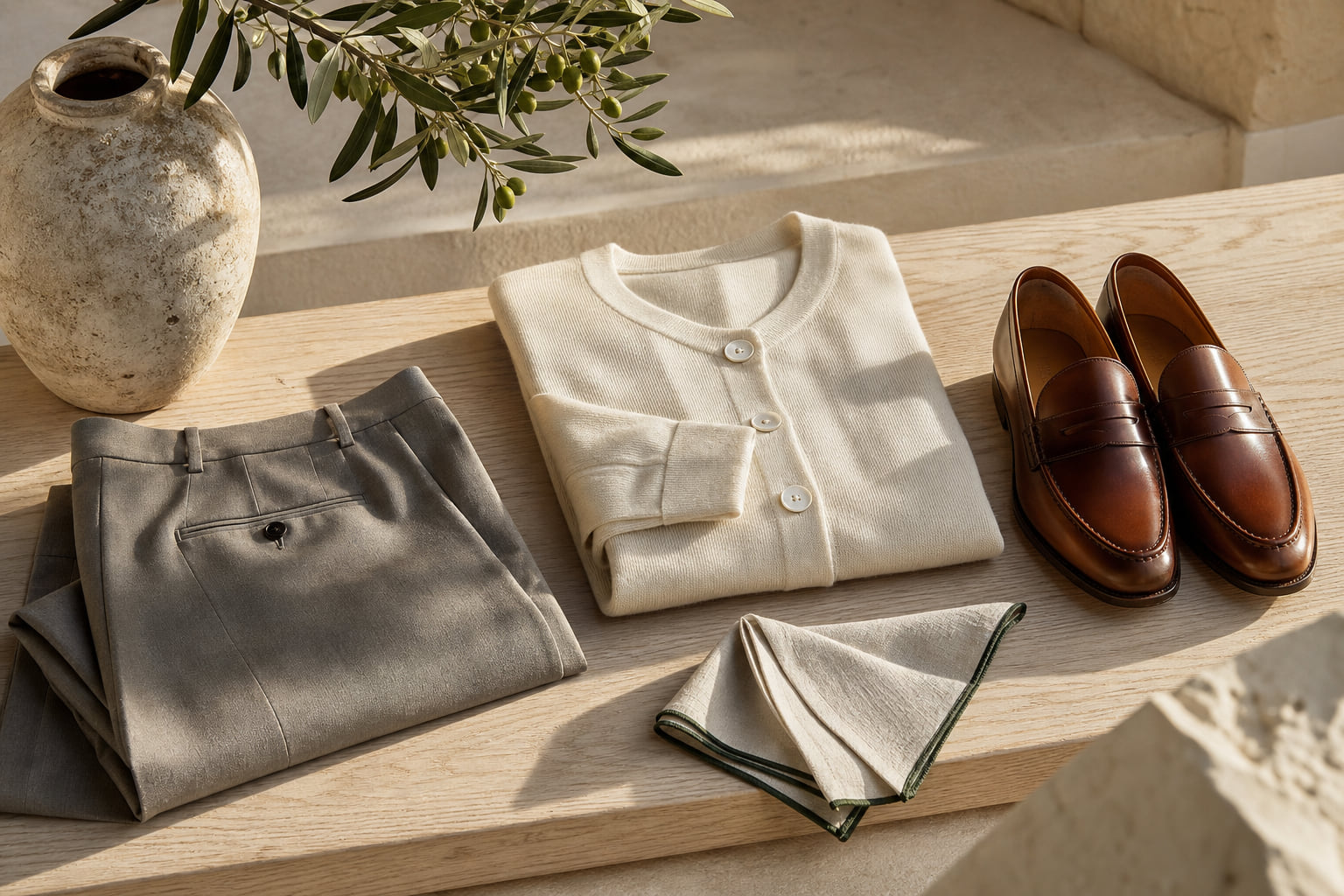
Pleated shorts also pair better with a tucked shirt than flat-front shorts do. The volume at the waist reads as intentional when there is a clean tuck, and the overall look, particularly with Mediterranean suede slip-on loafers and a fine knit polo, moves into genuine old money territory without effort.
Expert insightA single forward pleat is the most versatile choice for first-time buyers of tailored shorts. It adds comfort and a subtle formality without the fuller silhouette of a double pleat, which requires more confidence in how it is styled.

Occasion Logic: Matching Length to Context
The correct shorts length is not the same in every setting. The 2-to-4-inch rule gives you a range, and occasion determines where within that range you should land.
Resort and coastal settings: the full 4 inches above the knee is appropriate here. The context is relaxed, movement is constant, and a slightly shorter cut reads as intentional rather than casual. Pair with the Marbella square collar linen shirt left open at two buttons and Ibiza linen leather loafers for a look that is genuinely put-together without being overdressed for the setting.
Terrace dining and garden events: 2.5 to 3 inches above the knee. This is the sweet spot for settings that are social but not formal. You are seated at a table, you are moving between standing conversations, and you want shorts that look as deliberate as a pair of trousers would in a smarter context. A tucked Paris old money shirt or a cashmere polo short sleeve works well here.
Business casual (where shorts are permitted): 2 inches above the knee, strictly. This is the most conservative position in the acceptable range, and it is the position that allows tailored shorts to function in a professional-adjacent context. Flat-front or single-pleat cuts only. A tucked polo or a lightweight collared shirt. Clean leather loafers. Nothing about the outfit should read as beachwear.
What to avoid at every occasion: shorts with cargo pockets, shorts with drawstring waists styled as anything other than athletic wear, and shorts with visible branding. Browse the full man shorts collection to see how a consistent design language across cuts and fabrics makes occasion-appropriate dressing straightforward.

What to Wear With Tailored Shorts: Completing the Proportion
Shorts length does not exist in isolation. The hem position works in relationship with the rest of the outfit, specifically the shirt length, the footwear, and the visible leg between hem and shoe.
Shirts: a tucked shirt is almost always the stronger choice with tailored shorts. It defines the waist, anchors the shorts, and makes the length look deliberate. If you prefer an untucked shirt, it must end no lower than the top of the shorts waistband. An untucked shirt that covers any part of the shorts makes the shorts invisible and the proportions undefined. The summer linen Cuban collar shirt sits at exactly the right length to wear either tucked or just at the waistband.
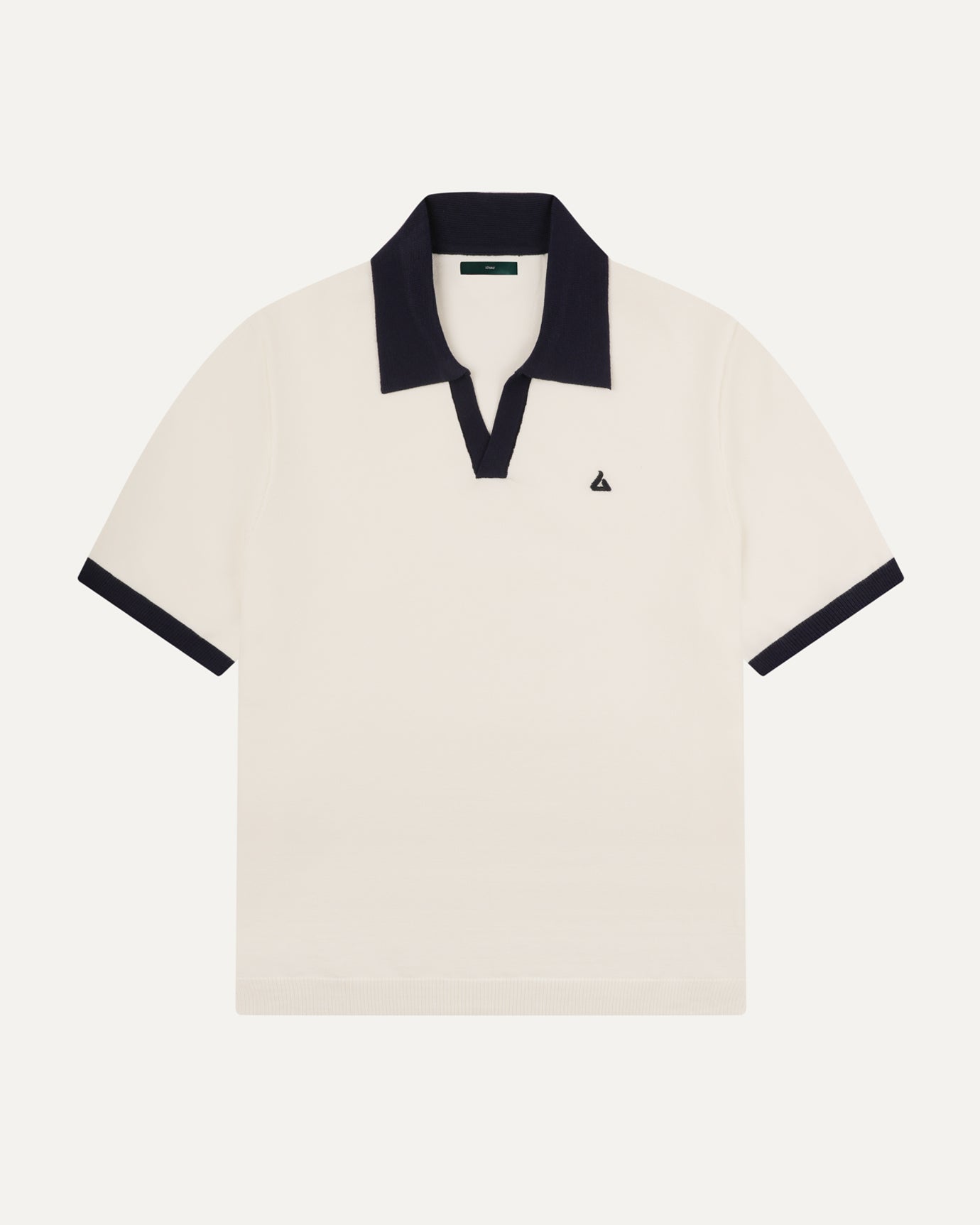
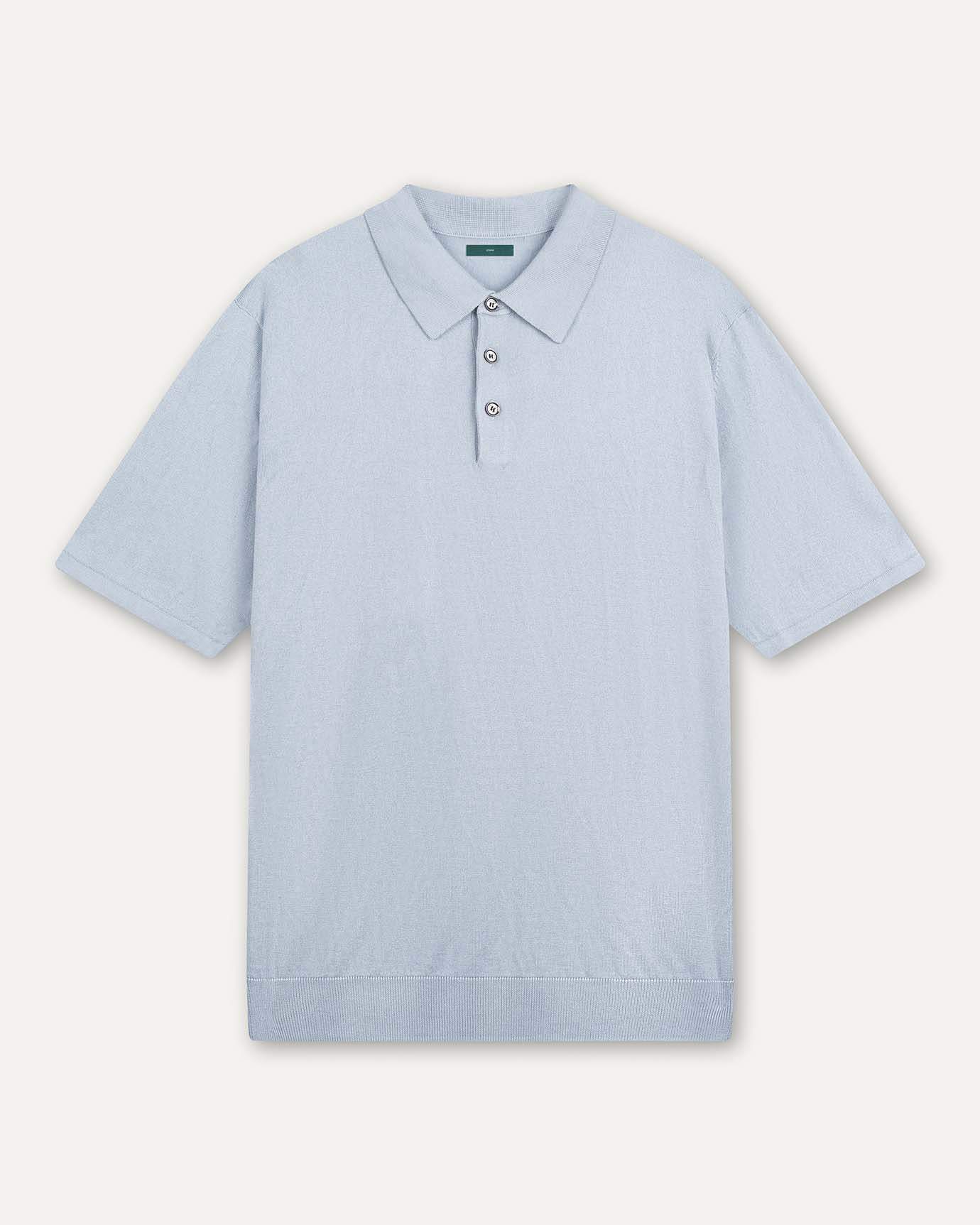
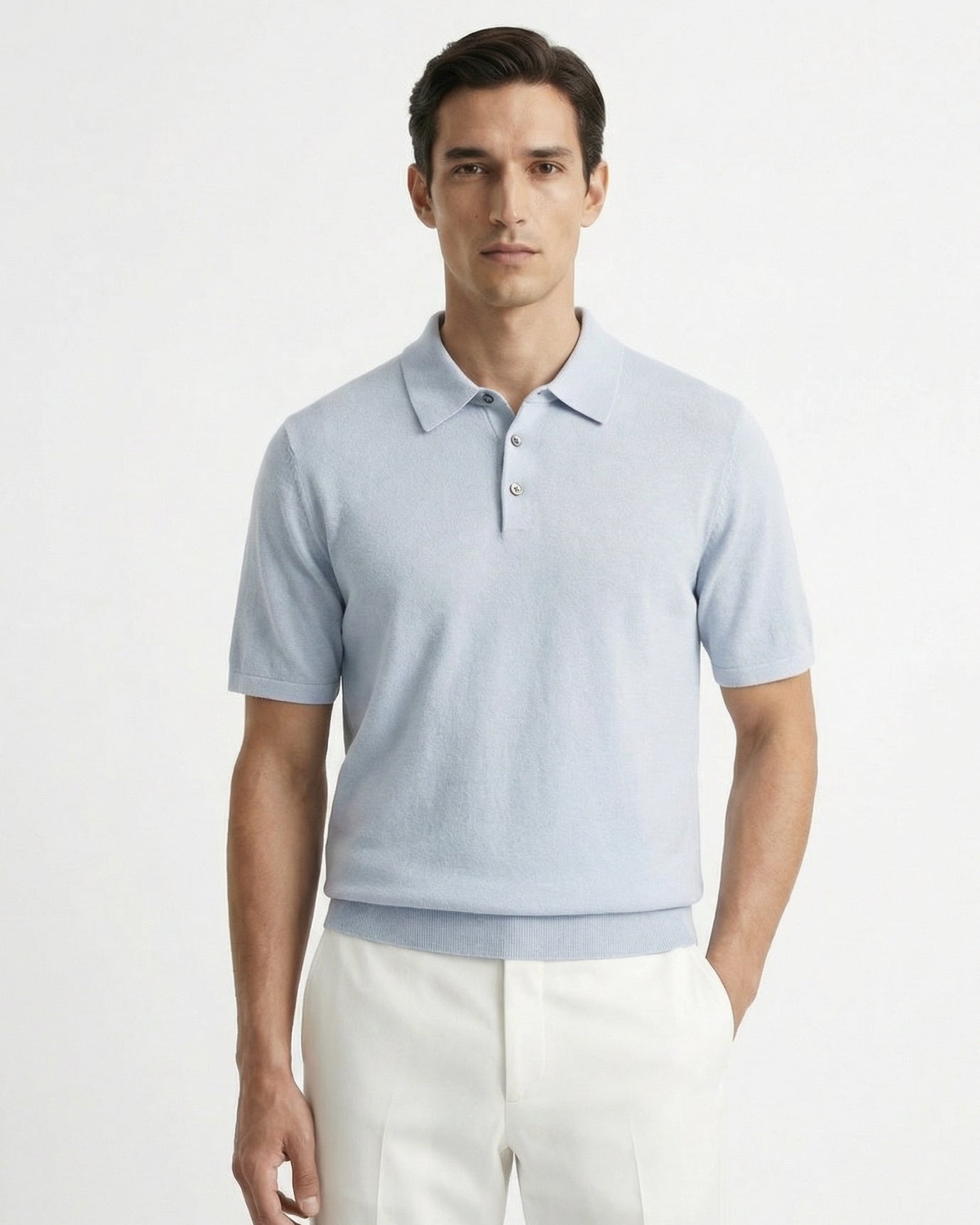
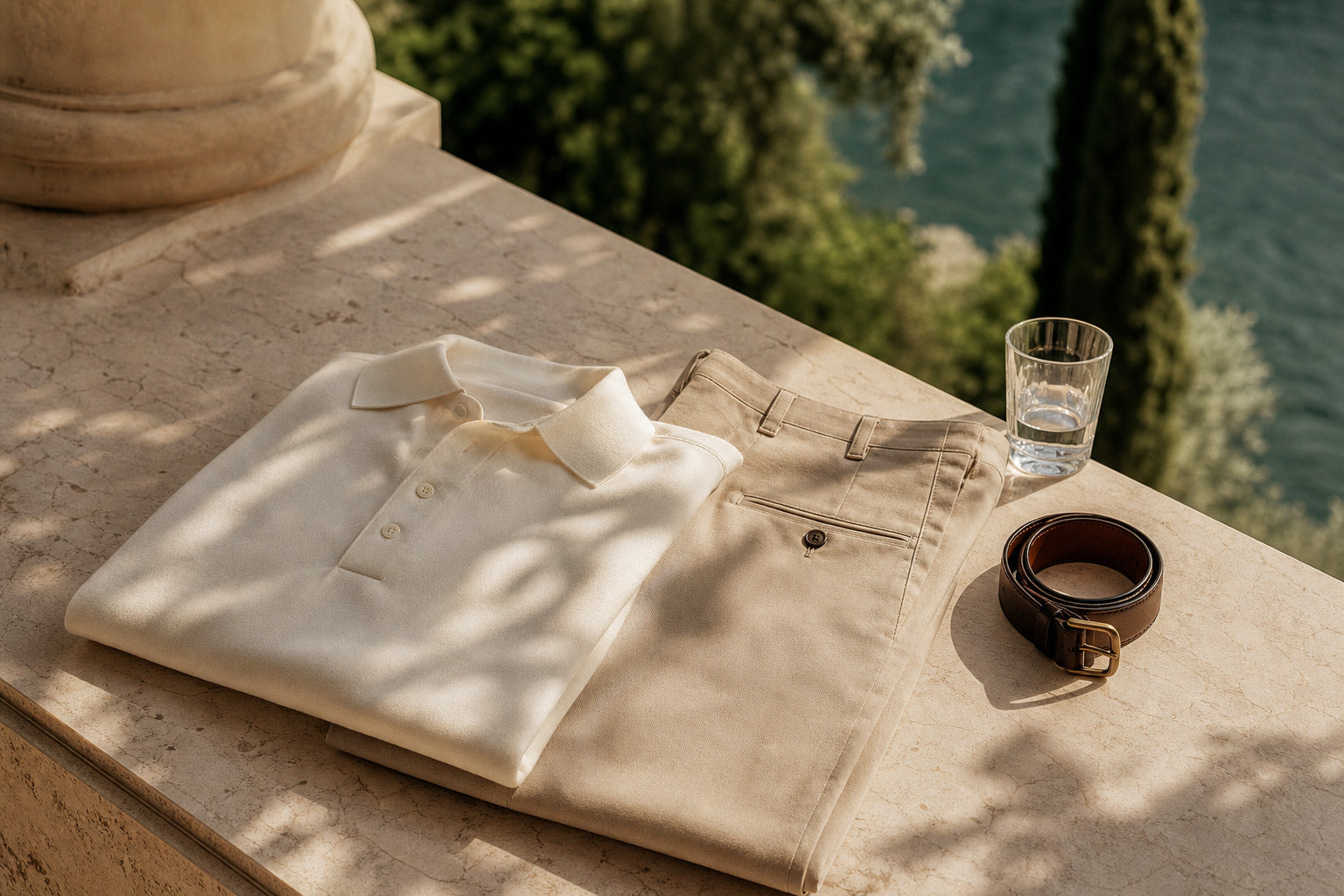
Polos: the polo is the most natural companion to tailored shorts. A fine-knit polo with a clean collar and a slim fit tucks neatly and adds a layer of refinement that a casual tee cannot. The mulberry silk knitted short-sleeved polo pairs particularly well with linen shorts because the silk knit has a similar drape quality to the fabric below it, creating a coherent texture story across the outfit.
Footwear: loafers are the correct shoe for tailored shorts in almost every non-athletic context. They extend the line of the leg cleanly and read as intentional. Sneakers work in very casual settings but break the tailored logic. Sandals are context-specific and should be high-quality leather. The Ibiza linen leather loafers are built for exactly this pairing.
The visible leg: between your hem and your shoe, you should have a clean, uninterrupted line. Avoid long socks that create a visual break mid-calf. No-show socks or bare ankles are correct. The proportion of visible leg, roughly 6 to 10 inches depending on your height and the exact hem position, is part of the silhouette. It should look intentional, not incidental.
For those building a full summer wardrobe around this approach, the old money men's collection brings together the pieces that work together by design.

The 2026 Shift: Why This Length Is Now the Standard
The conversation around men's shorts length has moved through several phases in the past fifteen years. The mid-2000s brought knee-length and below-knee shorts as a default. The early 2020s saw a sharp overcorrection toward very short inseams, which read as deliberate provocation rather than elegance. The current position, which will define menswear through 2026 and likely beyond, is a return to the proportional middle ground that European tailoring has always occupied.
The 2-to-4-inch rule is not new. It is what well-dressed men in Portofino, Saint-Tropez, and the Algarve have worn for decades, without naming it a rule. What is new is that the broader menswear market has caught up, and the vocabulary to describe it has become mainstream.
This matters practically because it means tailored shorts in this length range are now easier to find, better constructed than they were five years ago, and more socially legible across a wider range of contexts. A man wearing a properly proportioned pair of tailored linen shorts in 2026 is not making a fashion statement. He is simply dressed correctly for the season, which is exactly where you want to be.
The move away from both extremes reflects a broader shift in how men think about summer dressing: less performance, less irony, more genuine intention. The shorts are the most visible indicator of that shift because they are, by definition, the garment with the least fabric and therefore the least margin for error.

| Cut | Ideal Hem Position | Best Fabric | Best Occasion | Key Pairing |
|---|---|---|---|---|
| Flat-front tailored | 3 to 4 inches above knee | Linen or cotton twill | Resort, terrace dining | Polo or open linen shirt, loafers |
| Single-pleat tailored | 2.5 to 3.5 inches above knee | Linen or structured cotton | Garden events, smart casual | Tucked shirt or polo, leather loafers |
| Double-pleat tailored | 2.5 to 3 inches above knee | Linen | Terrace dining, smart casual | Tucked polo or collared shirt, suede loafers |
| Non-iron chino shorts | 2 to 3 inches above knee | Treated cotton | Business casual, travel | Tucked polo, clean leather shoes |
| Elastic waist linen | 3 to 4 inches above knee | Linen | Coastal, resort, weekend | Untucked linen shirt or polo, sandals or loafers |
Frequently asked questions
What is the correct inseam length for men's tailored shorts in 2026?
For most men of average height, a 5 to 7 inch inseam places the hem 2 to 4 inches above the kneecap, which is the correct range for tailored shorts. Taller men (over 6'1") should aim for 7 to 8 inches. Always cross-reference with the actual above-the-knee measurement rather than relying on inseam numbers alone, since leg proportions vary significantly.
Can men wear tailored shorts to a business casual setting?
Yes, in contexts where the dress code explicitly permits it. The shorts should land at 2 inches above the kneecap, be flat-front or single-pleat, and be worn with a tucked polo or collared shirt and clean leather loafers. The Portofino non-iron shorts are a practical choice for this context because the treated cotton holds its shape and crease through a full workday.
Do pleated shorts require a different length than flat-front shorts?
Yes. Pleated shorts should sit slightly longer, at 2.5 to 3.5 inches above the kneecap, so the pleat drapes correctly and does not pull open when you sit or walk. Going shorter than 2.5 inches with a pleat disrupts the structural logic of the cut and makes the shorts look ill-fitting even if the waist measurement is correct.
Are linen shorts appropriate for smart casual occasions, or are they too casual?
Linen shorts in a tailored cut are entirely appropriate for smart casual settings. The fabric's refined drape and natural texture read as considered rather than casual, particularly in neutral tones like stone, ivory, or navy. The key is the cut: a structured waistband, clean pockets, and a hem that falls at the correct above-the-knee position. Browse the man shorts collection for tailored linen options that work across a range of summer occasions.
The question of how long men's shorts should be has a specific answer, not a vague one. Two to four inches above the kneecap, adjusted for cut and occasion, with fabric that holds its structure through the day. That is the standard, and it is the standard for good reason: it is the proportion that flatters the most men across the most contexts without requiring a fashion statement. Start with one correctly measured pair, wear it in the real settings you have, and the rest of the wardrobe logic follows naturally. The double-pleated linen shorts are a strong starting point for anyone building toward a more considered summer wardrobe.