


Quiet Luxury vs Loud Luxury: The 2026 Shift
Reading time 12 min • 2493 words
For the past three years, fashion commentary has framed quiet luxury and loud luxury as opposing teams, as if you had to pick a side and stay there. The reality in 2026 is more nuanced and, frankly, more useful for anyone trying to dress well rather than dress symbolically.
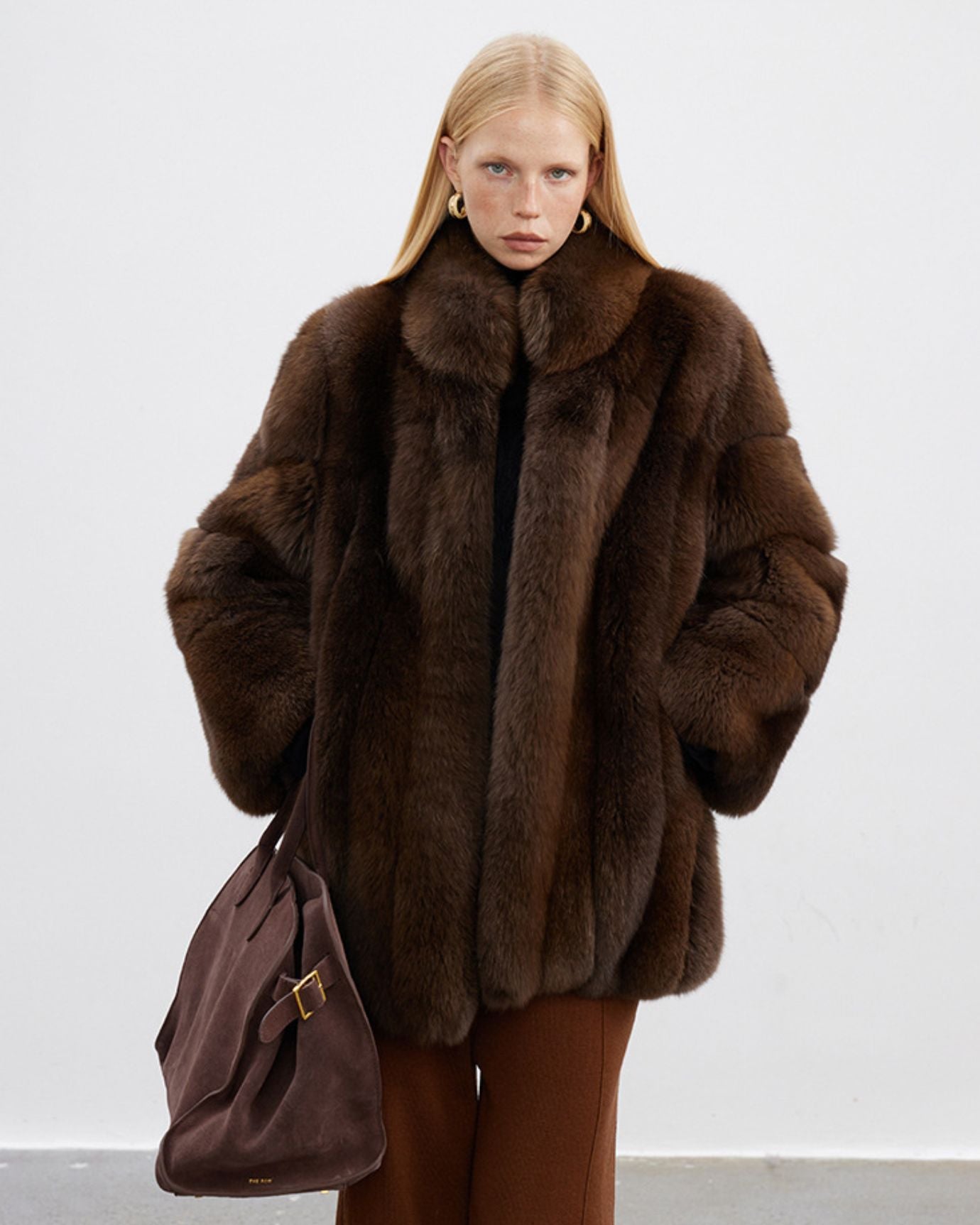
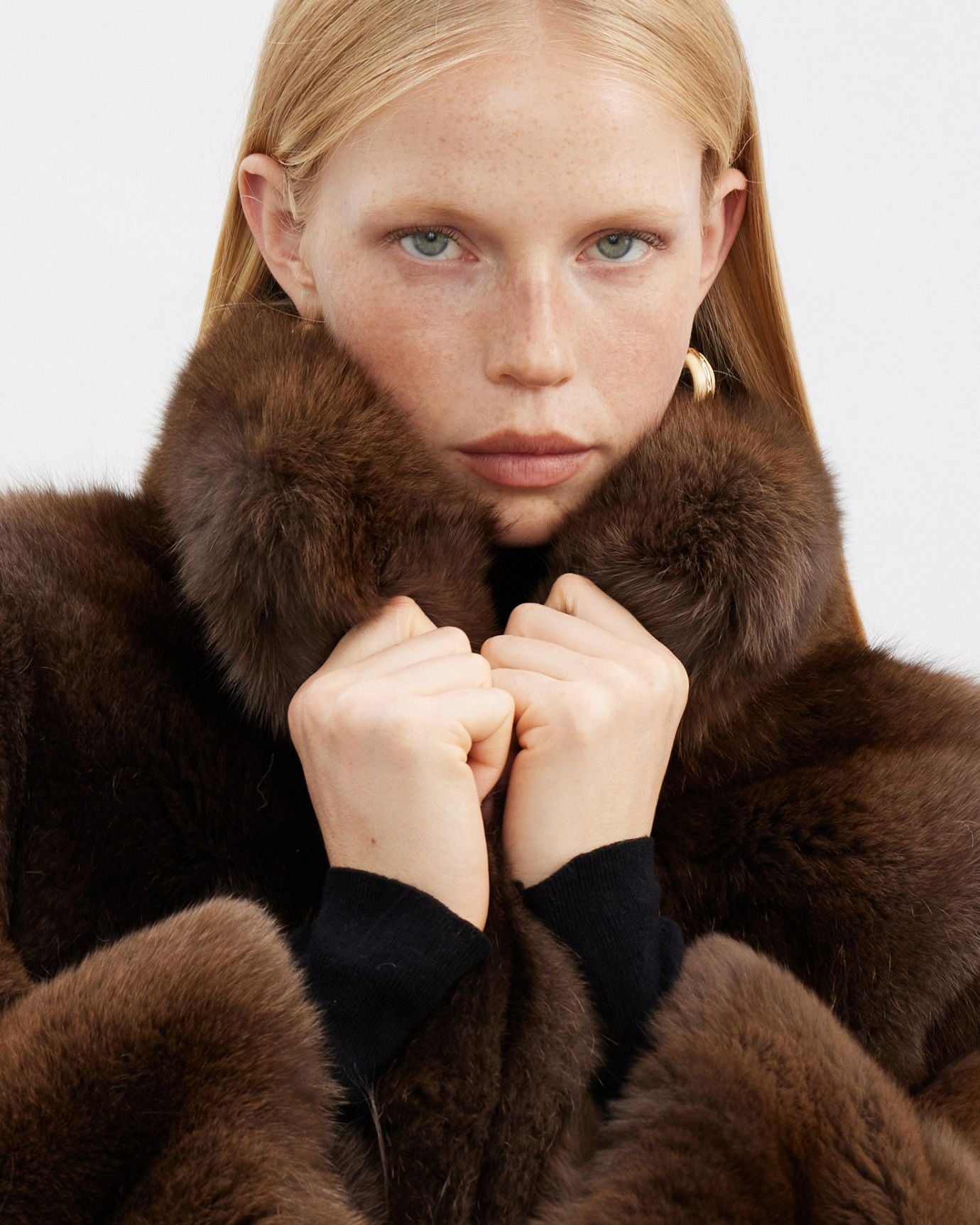
Quiet luxury, broadly understood as understated, logo-free dressing in quality fabrics, rose sharply after 2022 as a cultural counter-reaction to streetwear maximalism and visible branding. Loud luxury, the tradition of using recognisable motifs, oversized logos, and bold house signatures to signal wealth, never went away. It simply shifted register, becoming more selective about which audiences it still serves.
What 2026 actually offers is a recalibration. The two aesthetics are no longer in direct competition. They are settling into different roles, different occasions, and different wardrobes, and the most considered dressers are drawing from both with intention.
Key takeaways
- Quiet luxury is not disappearing in 2026, but it is becoming more expressive through texture, colour, and cut rather than logos.
- Loud luxury is narrowing its audience and moving toward heritage craftsmanship rather than oversized branding.
- Logo-free pieces in fine linen, cashmere, and silk remain the safest long-term investment for both men and women.
- The 2026 shift rewards knowing what a fabric actually is, not just recognising the label on it.
- Building a wardrobe around a neutral base with one or two deliberate colour accents is the practical middle ground between both camps.
In this guide
- What Quiet Luxury Actually Means, Beyond the Trend Label
- What Loud Luxury Is Actually Doing in 2026
- The 2026 Shift: Where the Two Aesthetics Are Actually Moving
- Building a Logo-Free Wardrobe That Actually Works
- Occasion Dressing Across the Quiet-Loud Spectrum
- What to Actually Buy in 2026, and What to Avoid
- Frequently asked questions
What Quiet Luxury Actually Means, Beyond the Trend Label
The phrase quiet luxury became so widely repeated by 2023 that it started to lose meaning. It was applied to everything from a plain white T-shirt to a $4,000 cashmere coat, which made it useless as a practical guide.
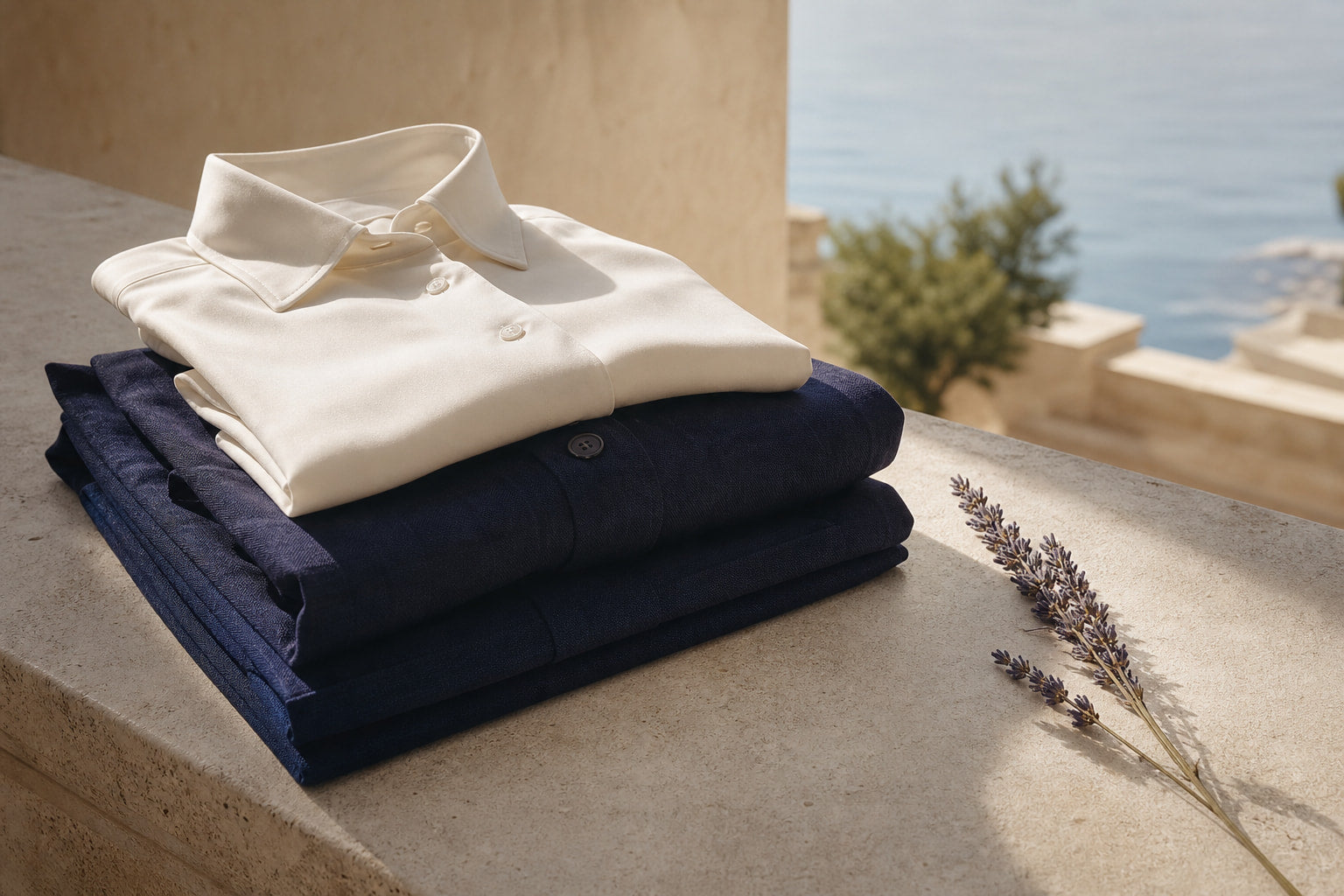
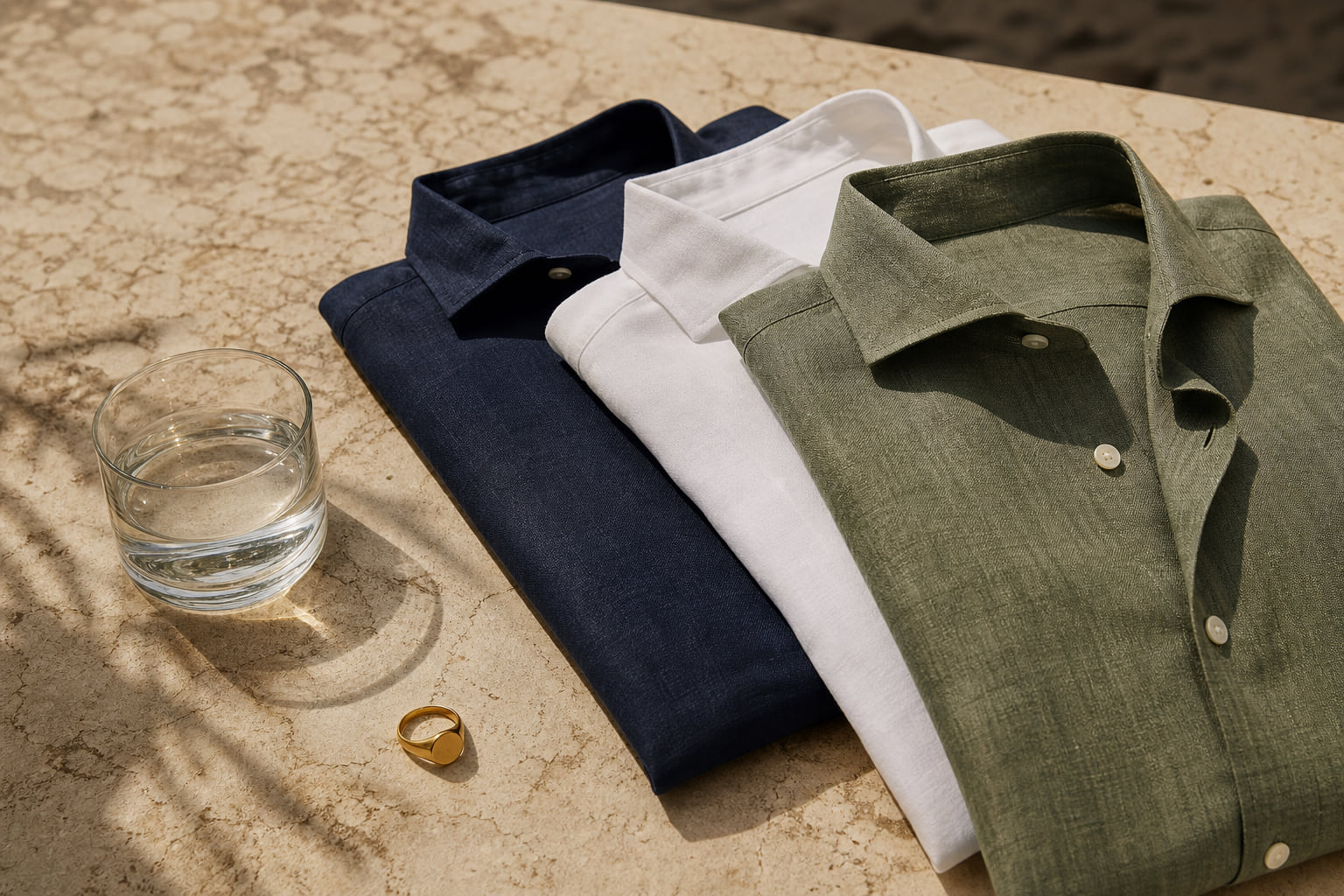
At its core, quiet luxury describes garments where the quality speaks through material and construction rather than through branding. A shirt cut from high-count fine linen with a precise collar roll and clean placket communicates craft without needing a logo to do the work. The wearer knows what they are wearing; the observer reads it through fit and fabric behaviour, not through a monogram.
This is not the same as cheap minimalism. A plain garment made from a mediocre fabric is not quiet luxury, it is just plain. The distinction matters because a lot of 2023 and 2024 fashion retail tried to sell the aesthetic without the substance, flooding the market with logo-free pieces in polyester blends at premium prices. That gap between promise and reality is partly what is now pushing some consumers back toward visible brand markers, where at least the quality expectation is legible.
For a broader look at how this aesthetic connects to essential luxury fashion trends for women, the principle holds across both genders: the fabric always tells the truth.
Expert insightRun your thumbnail across the surface of a linen shirt before buying. High-count fine linen has a smooth, almost cool resistance under the nail. Coarser weaves snag slightly. That single test tells you more than any product description.

What Loud Luxury Is Actually Doing in 2026
Loud luxury is not dying. It is contracting toward its most defensible position: genuine heritage houses with actual craft histories, where the logo is a shorthand for a specific atelier tradition rather than a generic status signal.
The oversized logo streetwear crossover that dominated 2019 to 2022 has largely run its course as a mainstream fashion story. What remains is a more classical version of visible luxury, closer to the traditional definition of luxury goods as objects whose value derives from scarcity, craft, and provenance. Think embroidered house crests on tailored pieces, jacquard-woven signatures into the fabric structure itself, or tonal monograms that require proximity to read.
For women, this shows up in structured sets where the pattern carries the identity of the piece. A jacquard lace set in white and red sits in this territory: the visual complexity is built into the fabric construction, not printed on top of it. It reads as considered rather than shouted.
The practical implication for 2026 is that loud luxury is becoming more technical and less typographic. The question is no longer how large the logo is but whether the garment's visual language can be traced back to a specific making tradition.
Expert insightWhen a pattern is woven into the fabric rather than printed onto it, it does not fade, crack, or peel. That structural detail is the real dividing line between heritage loud luxury and fast-fashion imitation.

The 2026 Shift: Where the Two Aesthetics Are Actually Moving
The most significant change in 2026 is not that one side is winning. It is that the border between them is becoming more permeable, and the most interesting dressing is happening at that border.
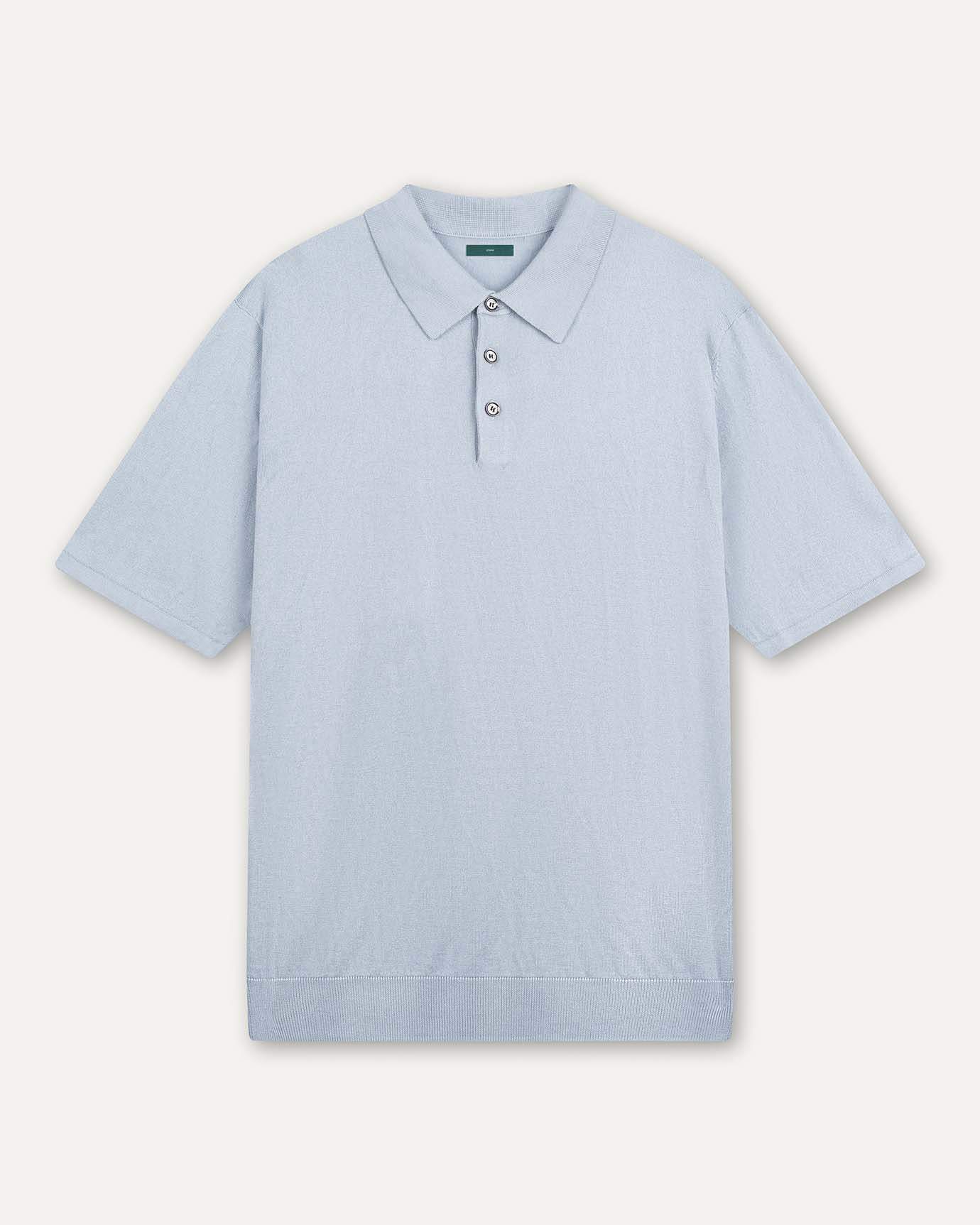
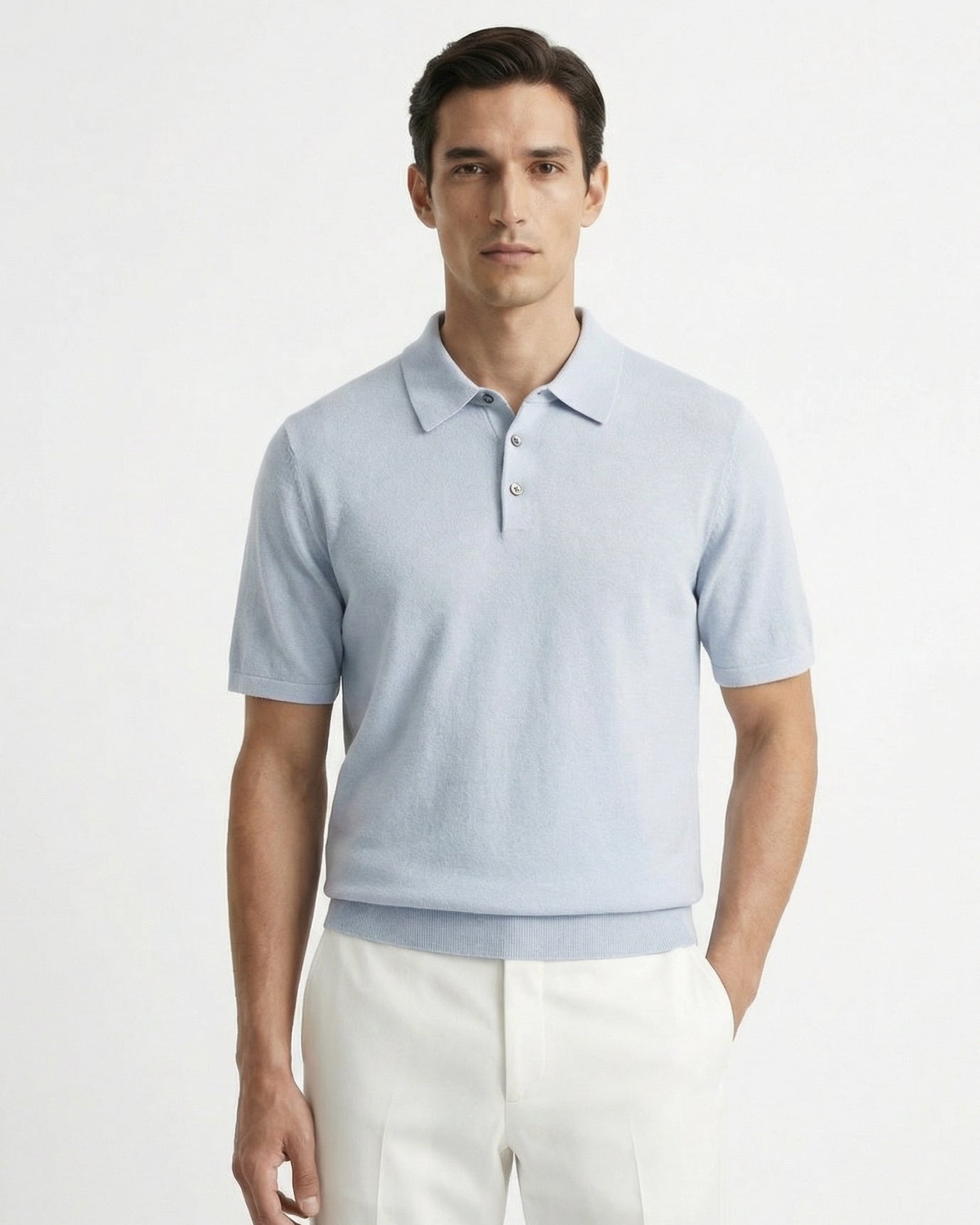
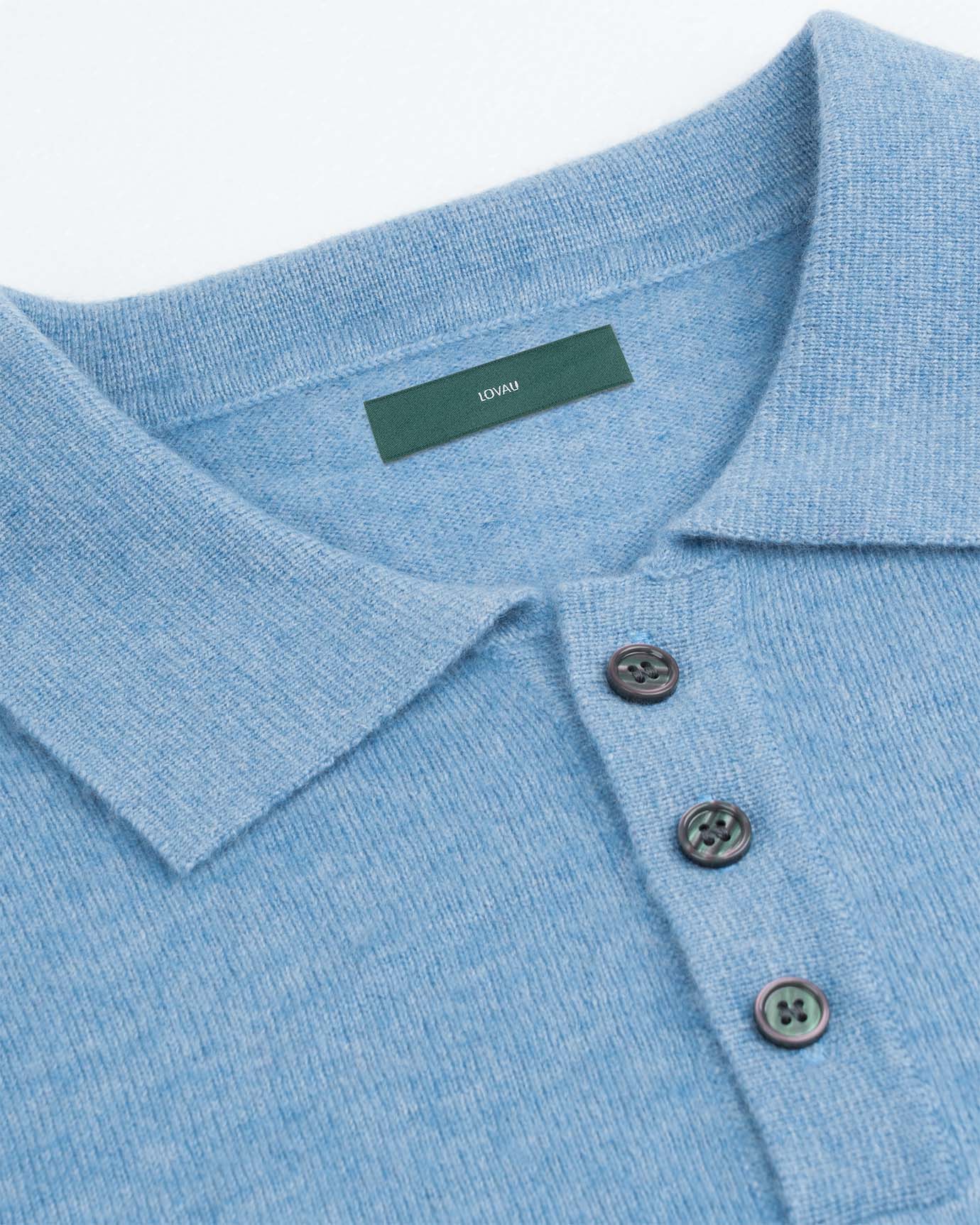
Quiet luxury is gaining colour and texture without gaining logos. The 2026 quiet luxury colour palette has moved away from the all-camel, all-greige uniformity that defined the first wave. Sage, deep navy, warm terracotta, and the cloud blue that has been building through spring collections are all entering the quiet luxury vocabulary. These are not loud colours in the streetwear sense. They are specific, considered, and they require a certain confidence to wear well.
Loud luxury, meanwhile, is borrowing quiet luxury's commitment to material quality. Houses that built their identity on surface branding are now investing more visibly in fabric development and construction detail, because the consumer who stayed with them is now asking better questions about what the garment actually is.
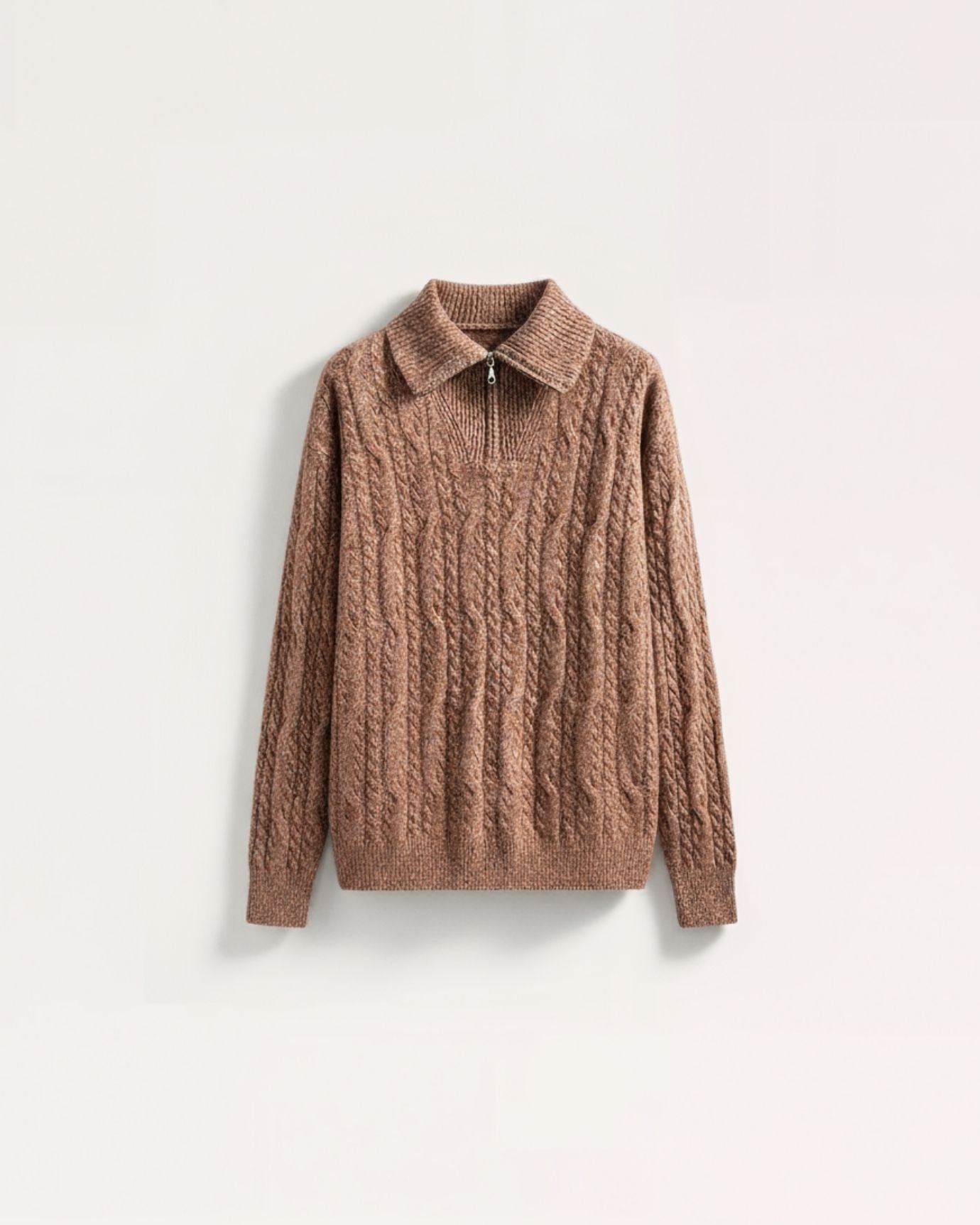
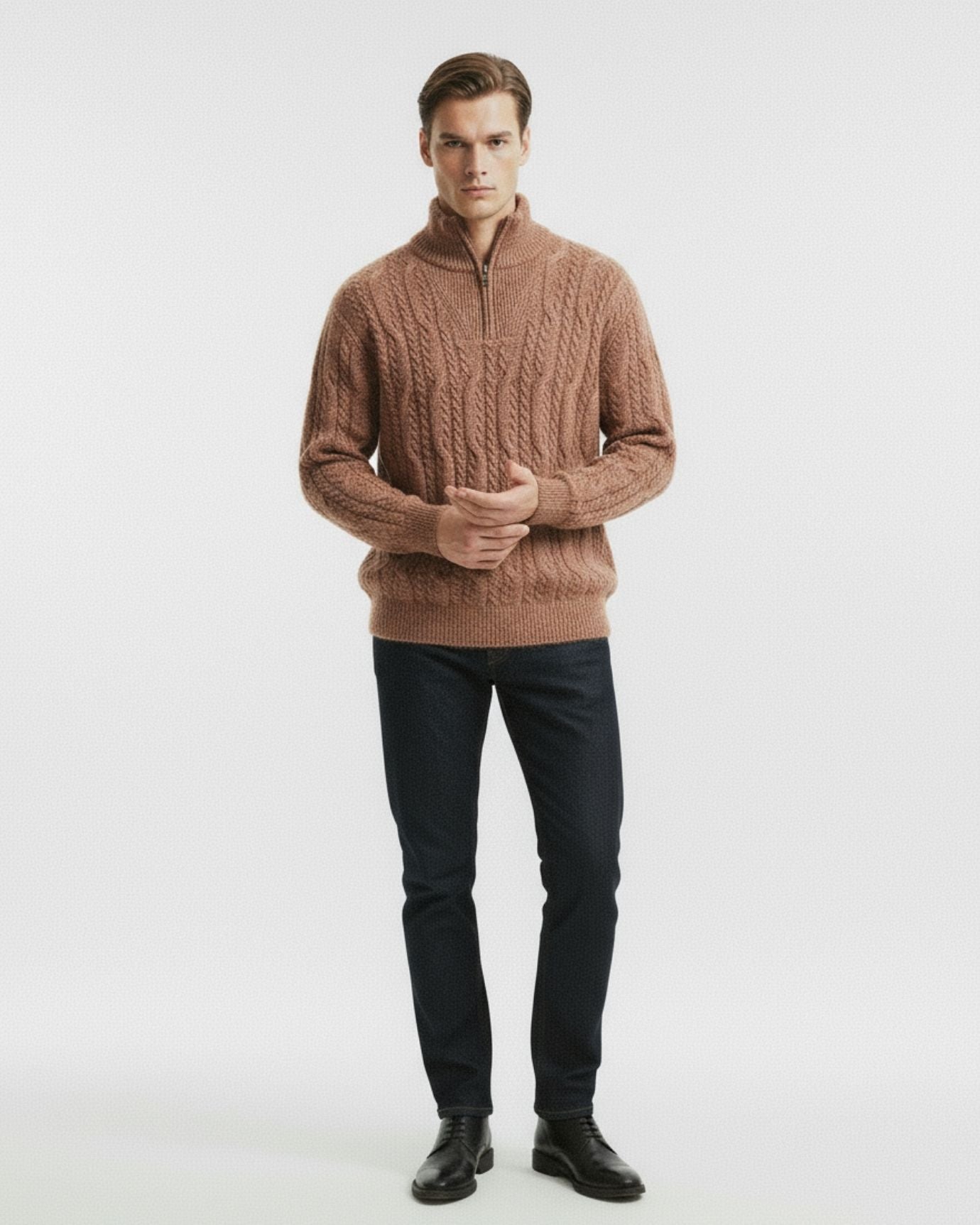
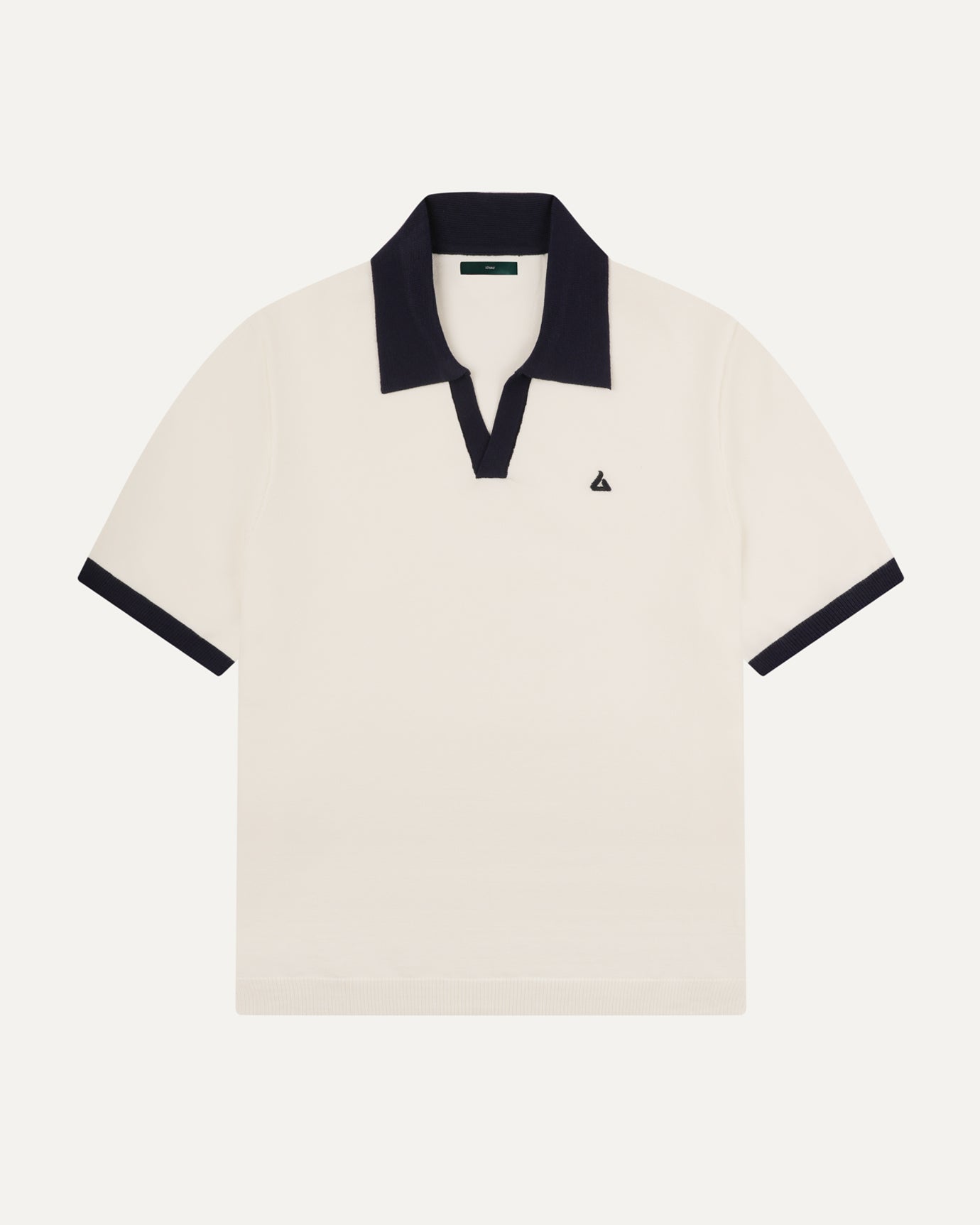
For men, this convergence appears most clearly in knitwear. A cashmere hoodie in white and navy blue sits at the intersection: the material is unambiguously quality-first, the colour combination is precise rather than neutral, and a small house logo carries the identity without dominating the silhouette. That is the 2026 register, specific material, deliberate colour, restrained identity marker.
The old money style collection for men reflects this direction across multiple categories, from knitwear to tailored separates.
Expert insightThe most durable wardrobe position in 2026 is not picking a camp. It is building a base of logo-free quality pieces and adding one or two items with a specific, traceable identity. The base gives you longevity; the identity pieces give you personality.

Building a Logo-Free Wardrobe That Actually Works
A logo-free wardrobe is only as strong as the quality of its components. Without a brand name to lean on, every garment has to carry its own weight through cut, fabric, and proportion.
For men, the foundation pieces in 2026 are high-quality linen shirts and fine knitwear. A high-count fine white linen shirt in a 140-count or higher weave holds a collar and cuff shape across a full day in a way that mid-range linen simply cannot. Pair it with double pleated linen shorts in a neutral tone and the outfit reads as complete without requiring any visible branding to anchor it. The structure does the work.
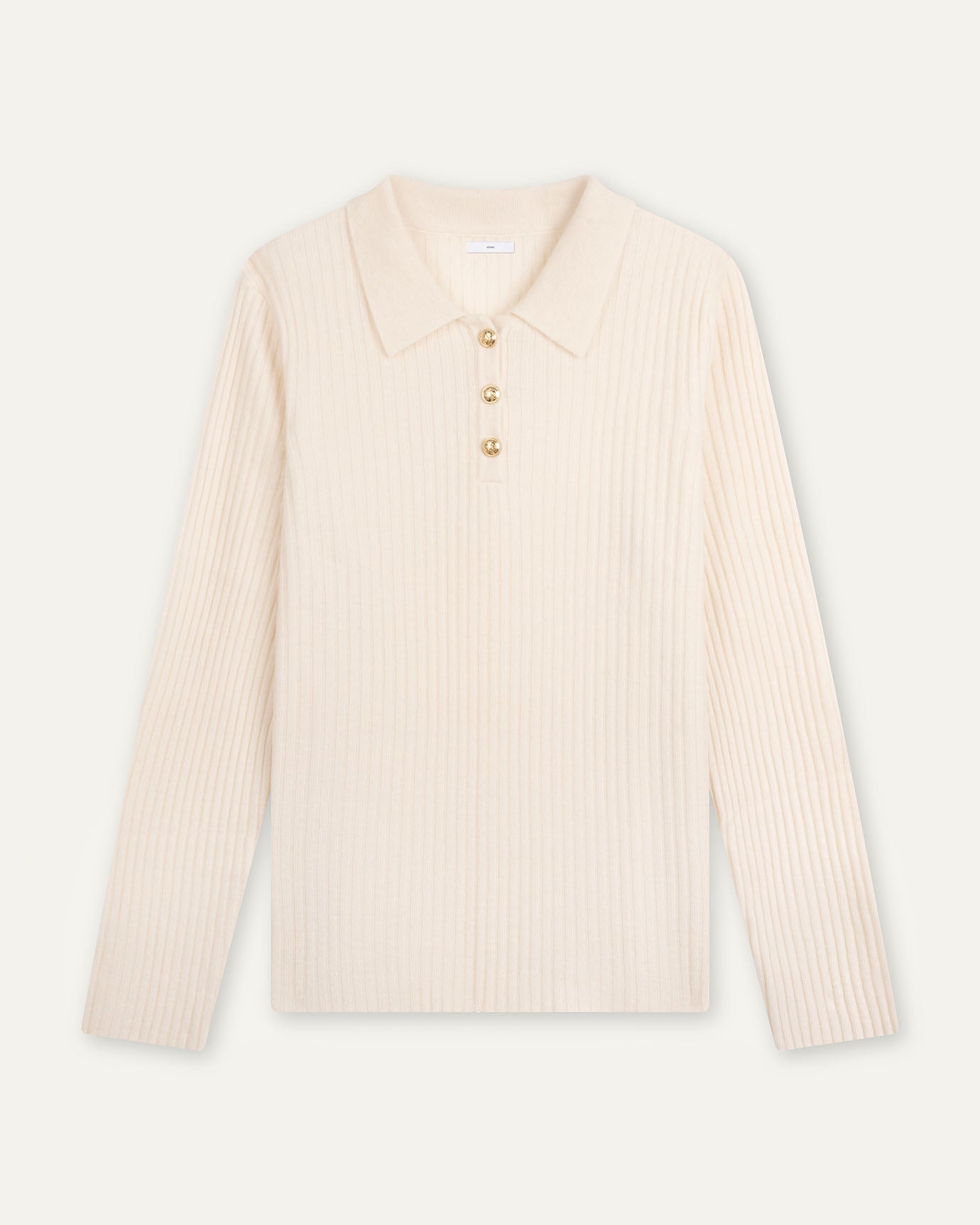
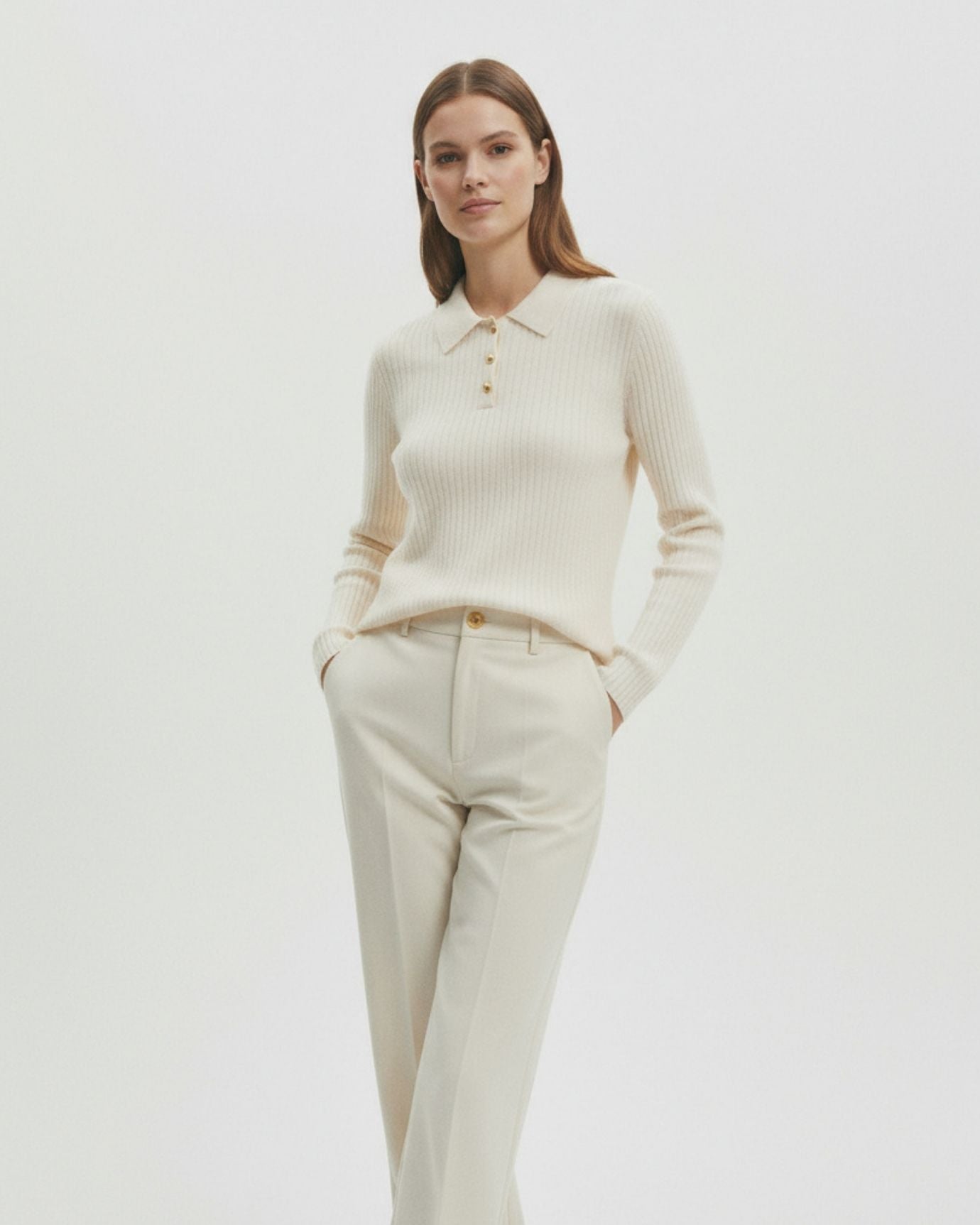
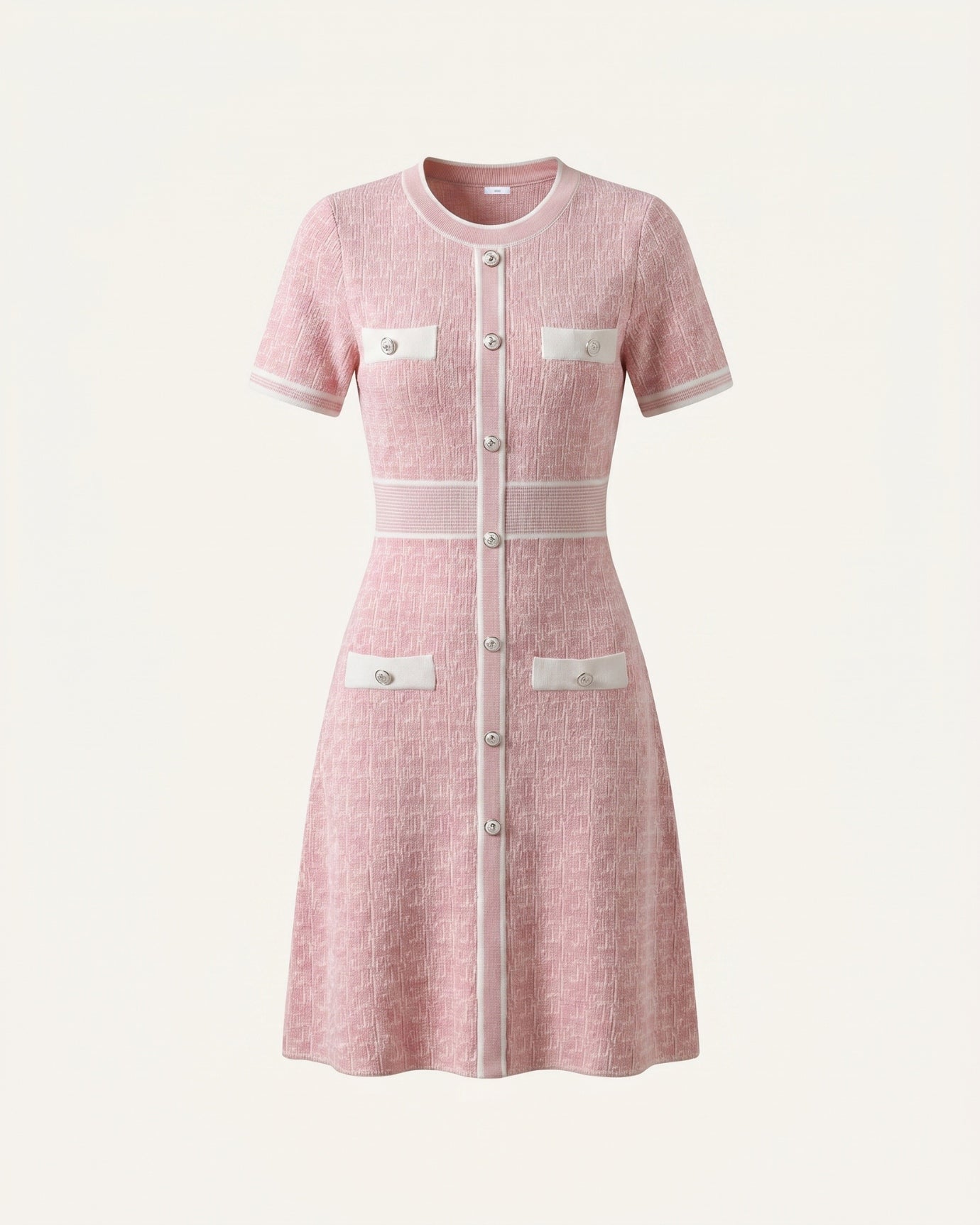
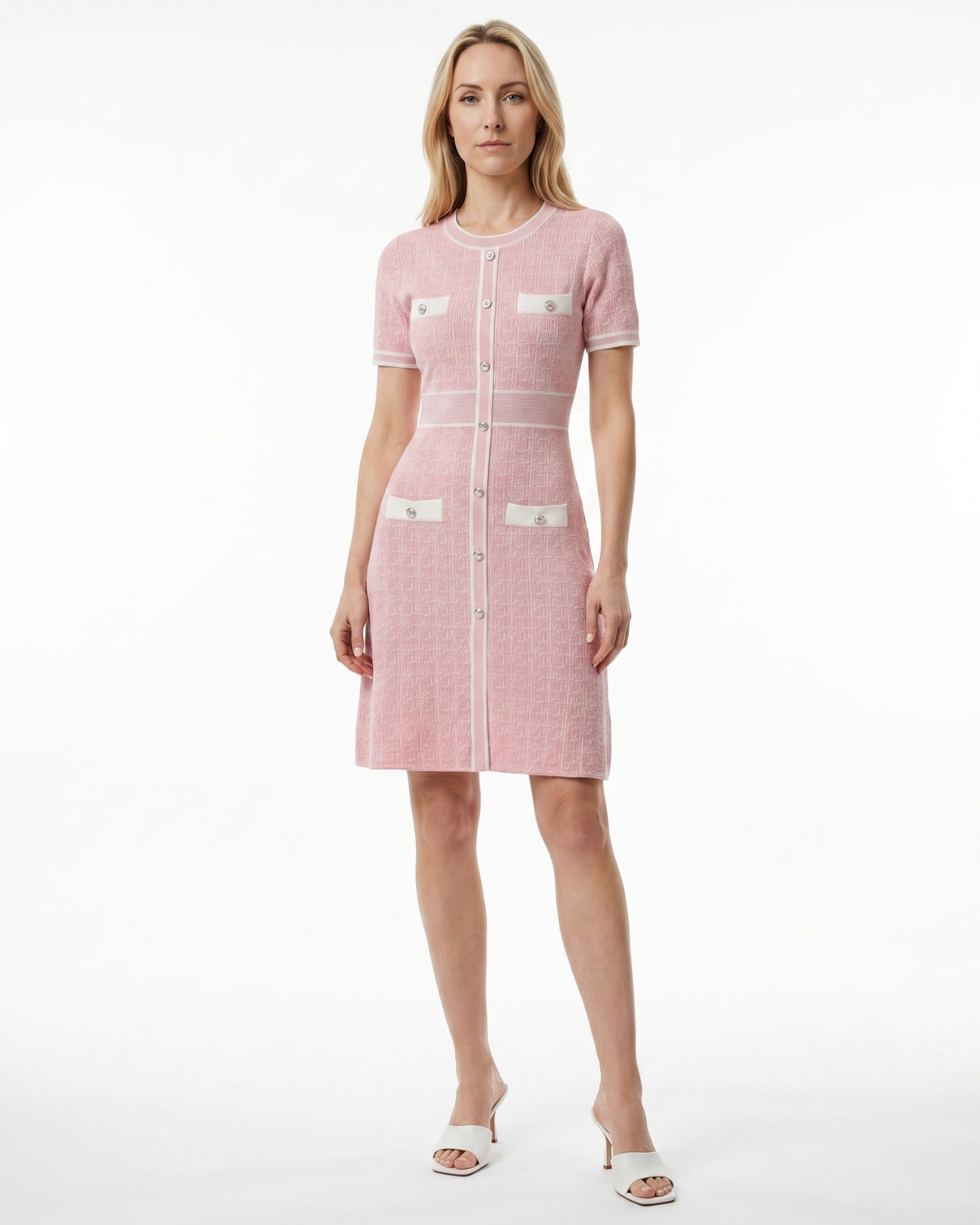
For women, the logo-free approach works through silhouette and fabric combination. A linen and silk two-piece set in a tonal palette, where the sweater and skirt share a colour family but differ in texture, creates visual interest through contrast rather than pattern or branding. This is the kind of outfit that photographs quietly and wears loudly in the sense that people in the room notice it, even if they cannot immediately explain why.
The practical guide to making these decisions across a full wardrobe is worth reading in full: the luxury clothing buying guide for modern style covers fabric hierarchies, fit priorities, and how to sequence purchases so that each piece genuinely extends what you already own.
One pairing principle that holds across both genders in 2026: texture contrast beats colour contrast. A matte linen beside a slightly sheen silk, or a brushed wool beside a smooth cotton, creates depth that reads as deliberate and considered from across a room.

Occasion Dressing Across the Quiet-Loud Spectrum
One of the most practical ways to think about the 2026 shift is by occasion. The quiet-to-loud spectrum is not just an aesthetic preference, it is a social calibration, and different contexts call for different registers.
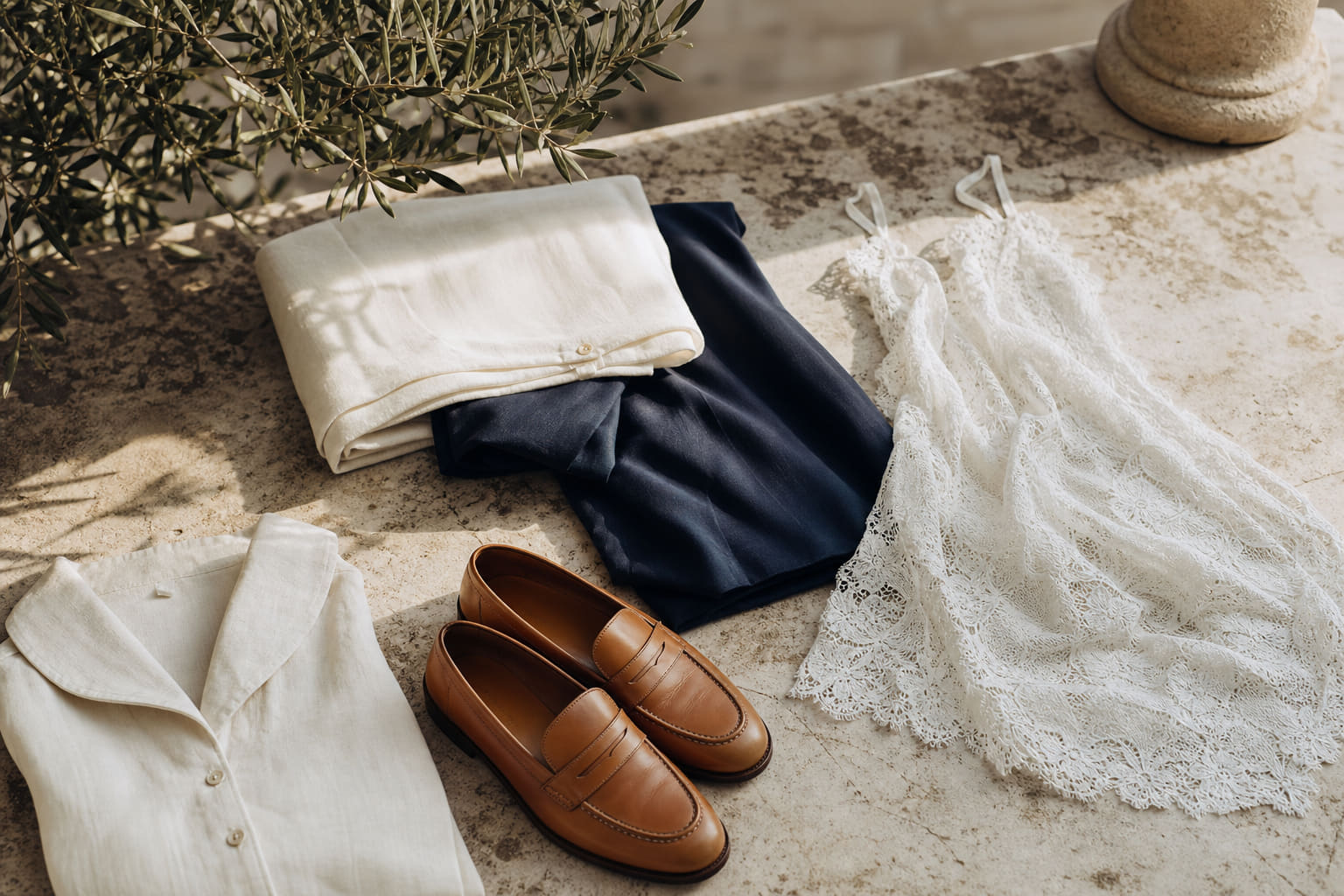
For resort and coastal settings, quiet luxury remains dominant and for good reason. A fine linen shirt in sage green worn open over Ibiza leather sandals in the afternoon, or a French niche style white dress for women at a terrace dinner, communicate ease and taste without any visual noise. These settings reward restraint.
For urban social occasions, the 2026 middle ground applies. A cashmere piece with a tonal or small house mark, worn with clean tailoring, sits comfortably in a gallery opening, a good restaurant, or a business dinner. The coastal grandmother aesthetic, which has been evolving steadily, offers a useful reference point for how relaxed resort dressing can carry genuine sophistication.
For formal and celebratory occasions, a degree of visible luxury is both appropriate and expected. This is where a mulberry silk and worsted cashmere set for men, or a structured lace dress for women, earns its place. The fabric quality and the deliberateness of the choice do the communicating. The point is that occasion determines register, not personal allegiance to a trend.
As Business of Fashion has noted, the most commercially resilient luxury positioning in the current cycle is one that serves multiple occasions rather than committing entirely to one aesthetic mode.

What to Actually Buy in 2026, and What to Avoid
Given everything above, the purchasing logic for 2026 is fairly clear. Buy for material quality first, silhouette second, and brand identity a distant third. Avoid anything where the brand identity is the primary reason the garment costs what it costs.
For women building or refining a wardrobe this year, the classic elegant wardrobe checklist for 2026 is a useful structural guide. The principle it returns to repeatedly is that a smaller number of genuinely good pieces always outperforms a larger number of trend-chasing ones.
For men, the classic neutral outfit ideas for 2026 offers concrete pairing logic for the kind of logo-free, fabric-forward wardrobe that the 2026 shift rewards.
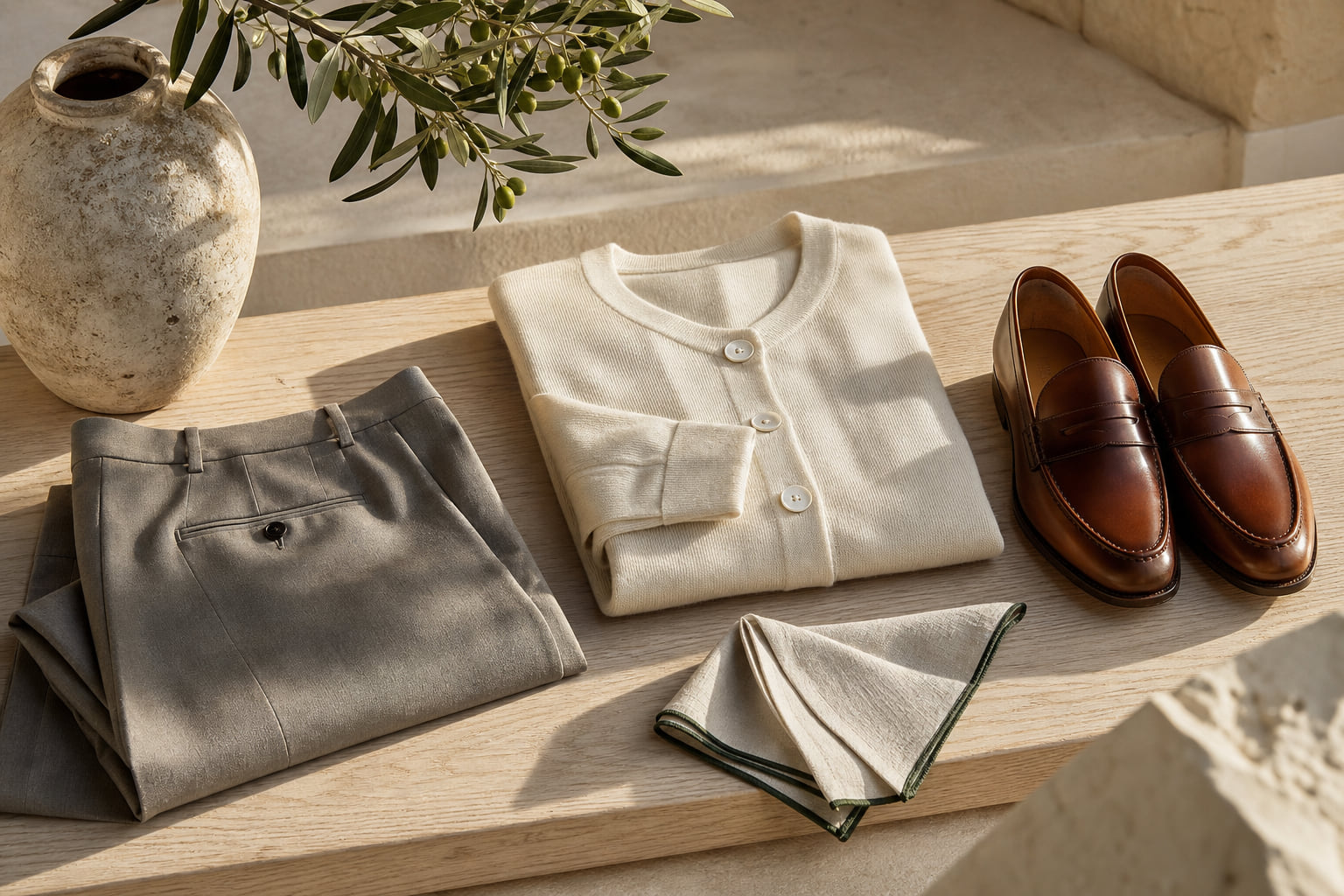
Specifically, the pieces worth prioritising this year are: fine linen shirts in high thread counts, cashmere or wool knitwear with clean construction and minimal surface decoration, tailored separates in natural fibres, and leather footwear with a simple silhouette. These are not trend purchases. They are the infrastructure of a wardrobe that will still look correct in five years, regardless of where the quiet-loud pendulum happens to be sitting.
What to avoid is equally specific: polyester-blend pieces marketed as minimalist luxury, oversized logos on casual fabrics that cannot support the weight of the claim, and trend-driven silhouettes in colours that have no relationship to the rest of what you own. The modern luxury fashion trends for women piece addresses this directly, making the case for trend engagement that starts from a stable base rather than chasing each cycle from scratch.

| Criteria | Quiet Luxury | Loud Luxury | 2026 Middle Ground |
|---|---|---|---|
| Primary signal | Fabric quality, cut, fit | House logo, recognisable motif | Tonal identity mark on quality fabric |
| Key fabrics | High-count linen, cashmere, silk | Jacquard, embroidered cotton, silk satin | Worsted cashmere, jacquard-woven silk |
| Colour approach | Neutral base, single accent | Bold house palette, high contrast | Considered colour with tonal restraint |
| Best occasions | Resort, coastal, relaxed formal | Celebratory, urban evening, events | Business, gallery, good restaurant |
| Longevity in wardrobe | 5 to 10 years with care | 3 to 5 years before it reads as dated | 5 to 7 years if the house is stable |
| Risk of getting wrong | Looks plain if fabric is poor | Looks costumey if occasion is wrong | Low if fabric quality is genuinely there |
Frequently asked questions
Is quiet luxury still relevant in 2026 or has it peaked?
Quiet luxury as a viral trend label has peaked, but quiet luxury as a dressing philosophy, prioritising fabric quality, clean cut, and restraint over logos, remains entirely relevant. The 2026 shift is that it is gaining colour and texture complexity rather than retreating. It is maturing, not disappearing. The 2026 quiet luxury colour palette gives a clear picture of where the aesthetic is moving.
Can you mix quiet luxury and loud luxury in the same outfit?
Yes, and in 2026 this is increasingly the most interesting approach. The key is to make sure the louder element, whether a visible logo, a bold jacquard, or a recognisable house motif, is on a garment with genuine fabric quality behind it. A small identity marker on a fine cashmere piece reads as confident. The same marker on a cheap polyester blend reads as compensating. Quality is the permission structure for any visible branding.
What are the best logo-free pieces for men to invest in for 2026?
High-count linen shirts, fine wool or cashmere knitwear, double-pleated trousers in natural fibres, and clean leather footwear. These categories hold their value in terms of wearability and appearance across multiple seasons. A high-count fine navy blue linen shirt in a 120-count or above weave, for example, will look sharper after three washes than a lower-count shirt does on the first wear.
How do I know if a logo-free piece is genuinely high quality or just expensive minimalism?
Check the fabric composition label first: natural fibres only, or at most a small percentage of elastane for stretch. Then assess the construction: are seams finished cleanly on the inside, does the collar or cuff hold its shape when you lay it flat, does the fabric drape with weight or hang limply? Finally, consider the price relative to the fabric. High-count linen, worsted cashmere, and mulberry silk all have real production costs. If a logo-free piece is priced like fast fashion, the fabric is fast fashion regardless of how minimal the design is.
The 2026 shift in luxury fashion is not a verdict in favour of one camp over the other. It is a maturation of both, and the most practical response is to stop thinking in camps entirely. Buy fabric. Buy cut. Buy construction. Let the quality speak at whatever volume the occasion requires. If you are building or refining your wardrobe this year, the classic elegant wardrobe checklist for 2026 is the most concrete starting point we can offer, piece by piece, category by category, with nothing left vague.