


Building a Capsule Wardrobe Inspired by 1990s Minimalism
Reading time 13 min • 2574 words
The 1990s produced one of the most coherent fashion philosophies of the twentieth century. Designers such as Jil Sander, Helmut Lang, and Calvin Klein stripped clothing back to its structural essentials: clean seams, deliberate proportion, fabrics that spoke for themselves. There was no decoration for decoration's sake. Every element had a reason to be there.
That discipline translates directly into the idea of a capsule wardrobe, a small, intentional collection of pieces that work together across occasions and seasons. Building one inspired by 1990s minimalism means choosing quality over volume, restraint over variety, and cut over colour. The result is a wardrobe that costs less to maintain, creates less decision fatigue, and looks more considered than a rail full of trend-driven purchases.
This guide walks through the logic, the specific pieces, the fabrics to prioritise, and the small details, including headwear, that complete the picture without overcomplicating it.
Key takeaways
- Restrict your palette to four to five neutrals: ivory, stone, charcoal, navy, and one muted earth tone.
- Prioritise fabric quality over quantity: fine wool, linen blends, and Lyocell hold structure and age gracefully.
- Fit is the central principle of 1990s minimalism: nothing oversized without intention, nothing that pulls or bunches.
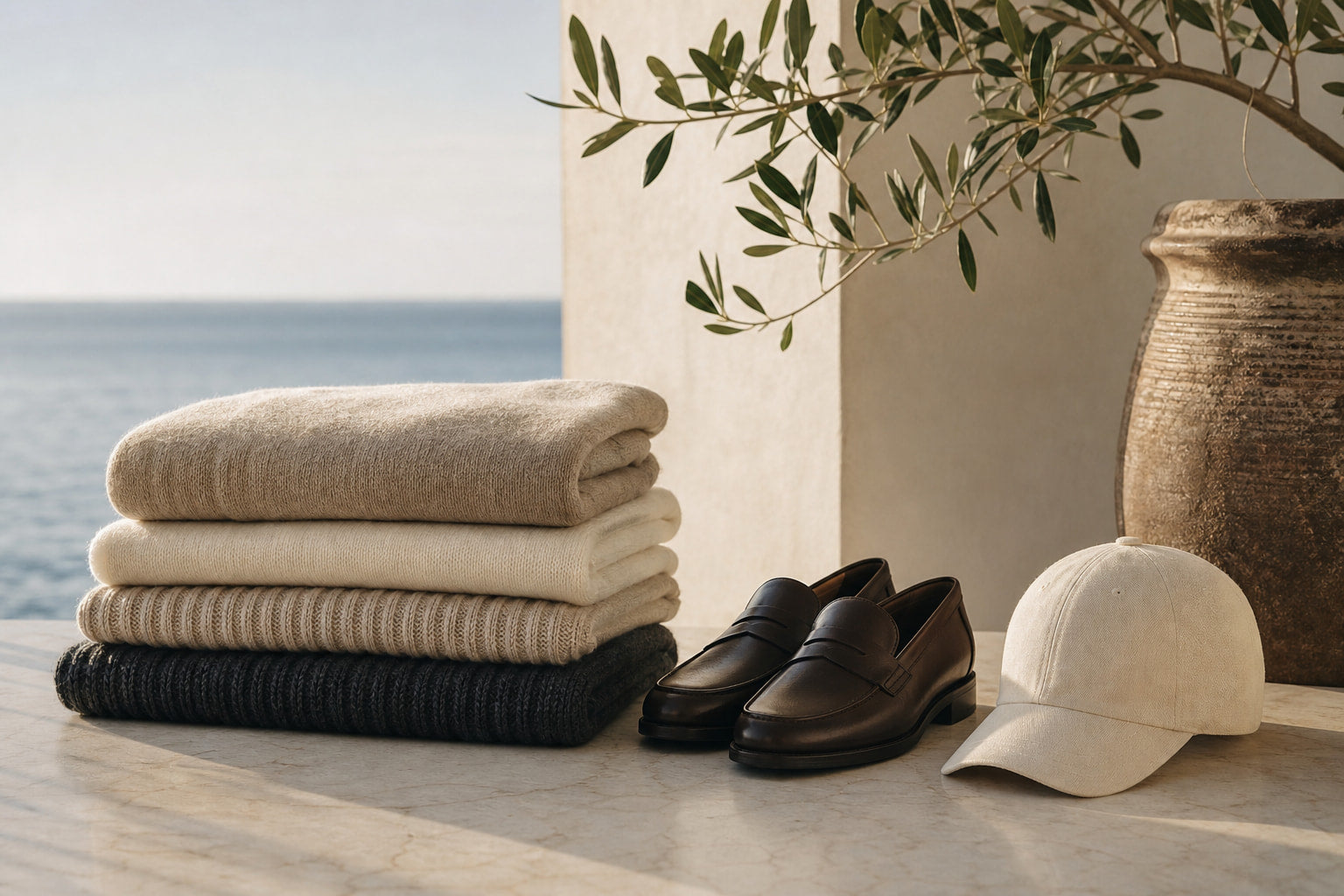
- A well-chosen cap in cotton or linen completes a minimalist outfit without disrupting its restraint.
- Twelve to fifteen pieces, each able to pair with at least three others, is the practical target for a functioning minimalist capsule.
In this guide
- The Core Principles of 1990s Minimalist Dressing
- The Foundation Pieces: Trousers and Tops
- Outerwear and Layering: Structure Without Excess
- Dresses for Women: Cut and Fabric Over Decoration
- The Role of Headwear: Caps in a Minimalist Capsule
- Putting the Capsule Together: A Practical Framework
- Frequently asked questions
The Core Principles of 1990s Minimalist Dressing
Before buying anything, it helps to understand what made 1990s minimalism distinct from other reductive aesthetics. It was not simply about wearing less. It was about removing anything that did not serve the garment's structure or the wearer's proportion. Pockets were hidden. Buttons were tonal. Collars were precise.
The palette was almost always neutral: ivory, chalk, stone, warm grey, charcoal, navy, and occasionally a single muted camel or rust. Colour was used as a statement rather than a default. This is the first rule to carry into your own capsule: choose four to five anchor neutrals and build every piece around them.
Proportion was the second discipline. Trousers had a clean, straight or slightly wide leg. Tops were close but not tight. Jackets fell to the hip with minimal shaping. Nothing competed with anything else. If you are new to thinking about proportion in this way, the article on what old money style actually means for men and women covers similar ground from a complementary angle.
The third principle was fabric honesty. A shirt in fine linen should look like fine linen. A trouser in worsted wool should drape like worsted wool. There was no synthetic mimicry of natural fibres in serious 1990s minimalist dressing. This matters practically: natural fibres breathe, press well, and improve with age rather than pilling and dulling.
Expert insightWhen building a neutral palette, test each piece against the others in natural daylight before committing. A warm ivory and a cool white will clash subtly but consistently, undermining the cohesion the whole approach depends on.
The Foundation Pieces: Trousers and Tops
A minimalist capsule for men starts with two or three pairs of well-cut trousers. The 1990s silhouette favoured a mid to high rise, a clean pleat or flat front, and a straight leg that broke cleanly at the shoe. Avoid tapered ankles, which read as trend-specific rather than timeless.
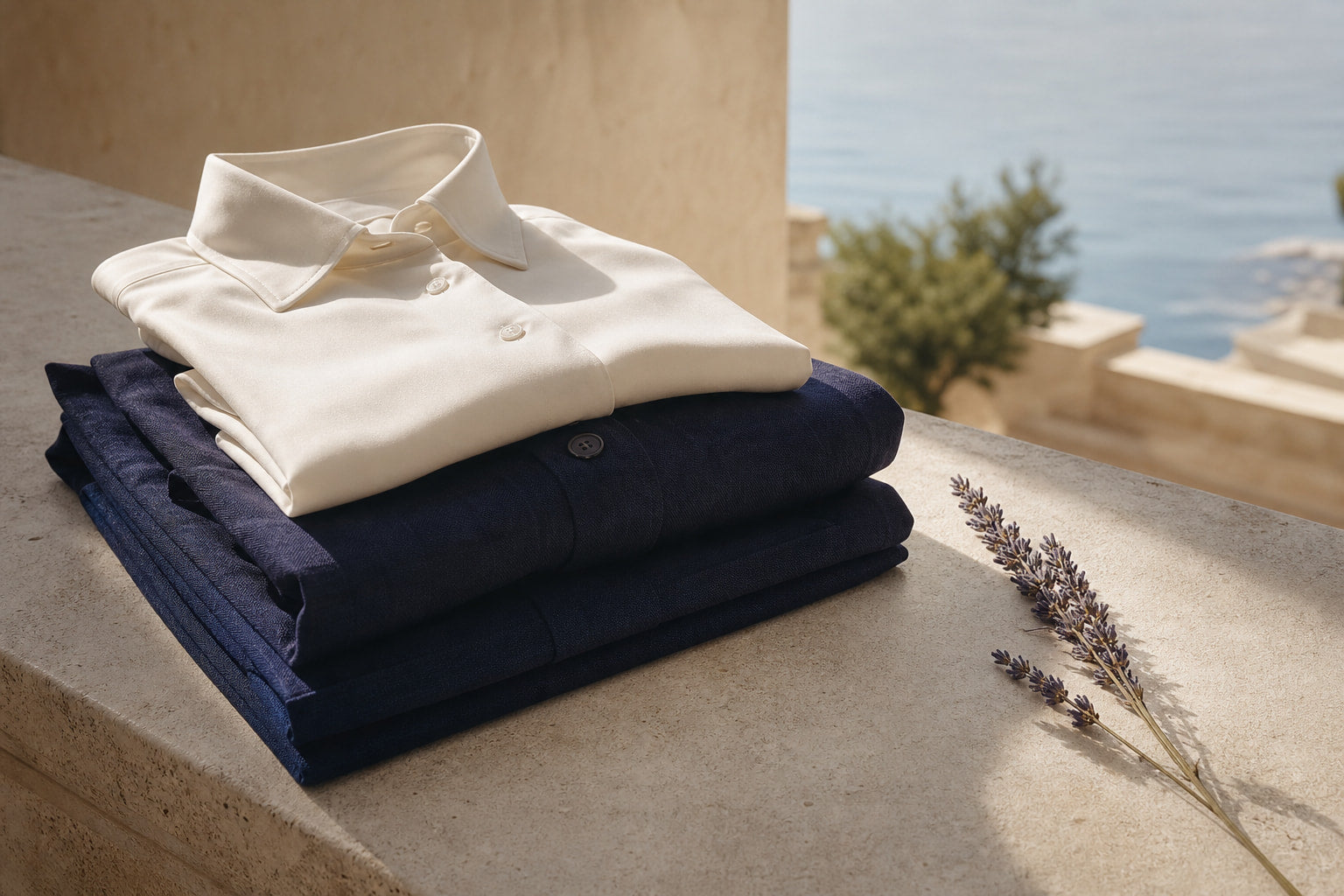
For men, Italian-cut worsted wool trousers in charcoal or stone are the most versatile single purchase in this category. Worsted wool has a smooth surface that holds a crease, resists creasing where you do not want it, and works from a business context down to a smart-casual weekend. Pair with a lyocell linen shirt in ivory or pale blue and you have the backbone of the wardrobe. Lyocell blended with linen gives the drape of silk with the breathability of linen, exactly the kind of fabric the 1990s minimalist approach was built on.
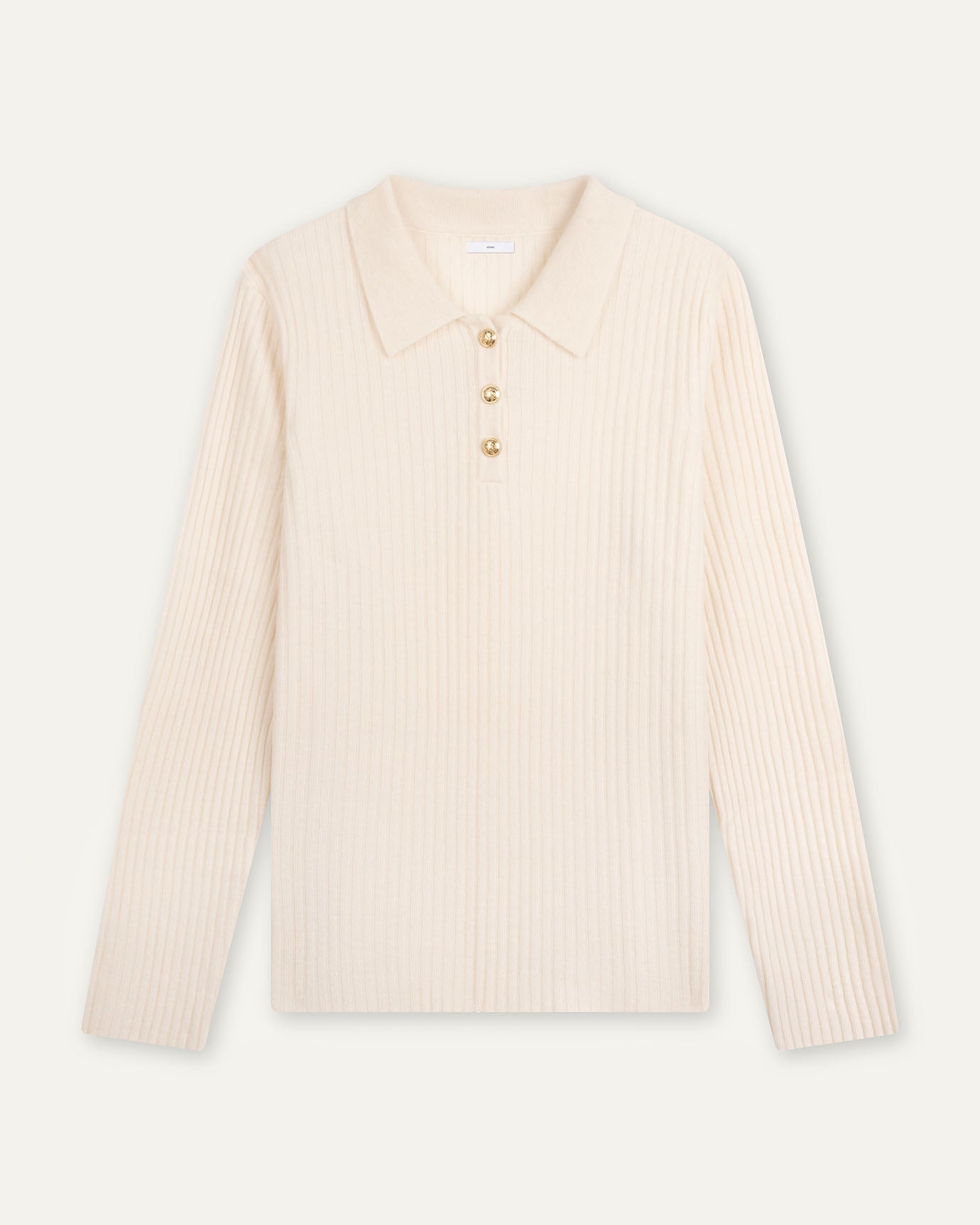
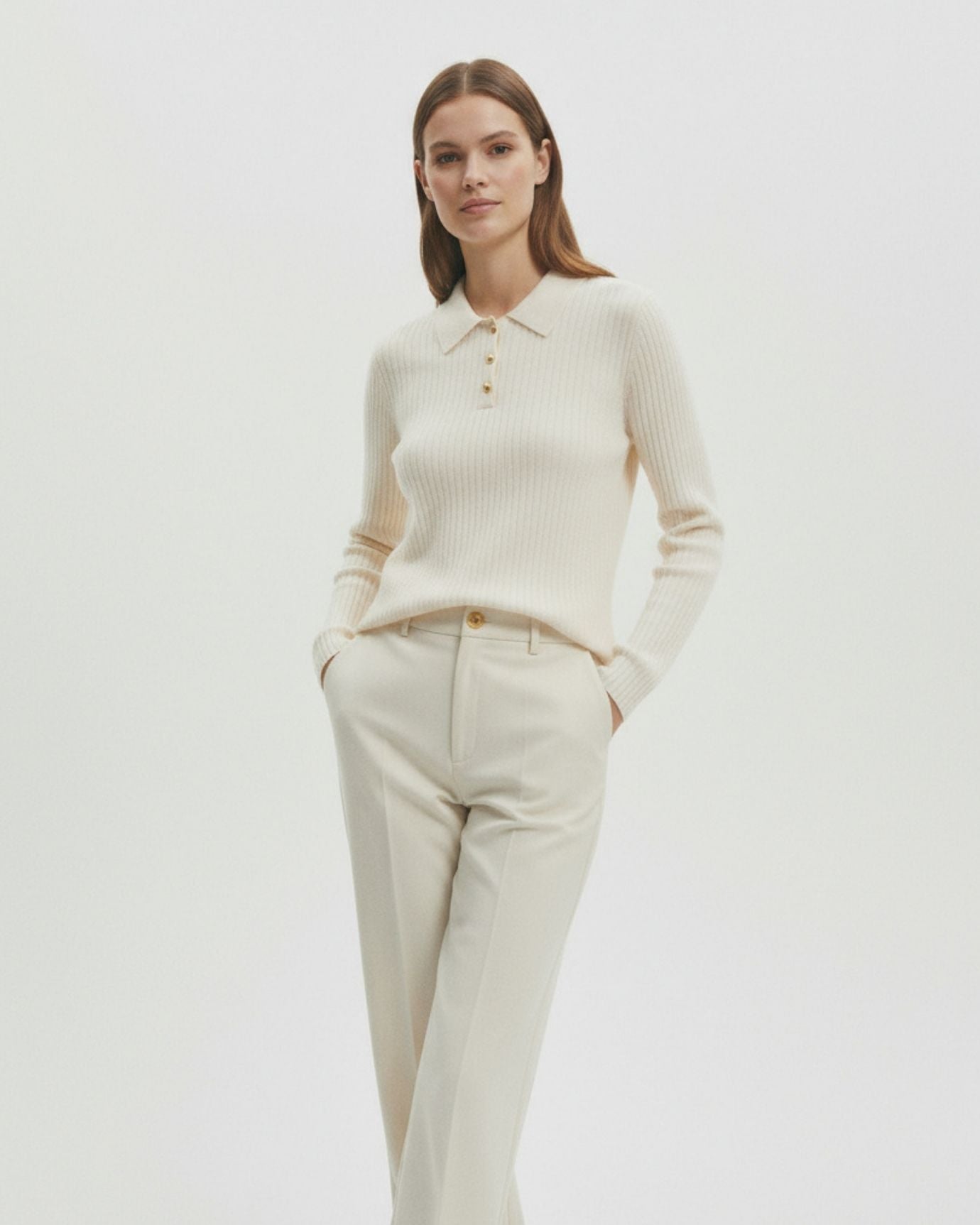
For women, the trouser equivalent is a high-waisted, straight-leg style in a textured natural fabric. High-waisted corduroy trousers in camel or stone provide exactly the right proportion against a tucked-in knit or a simple linen shirt. The fine cord texture adds subtle visual interest without colour or pattern.
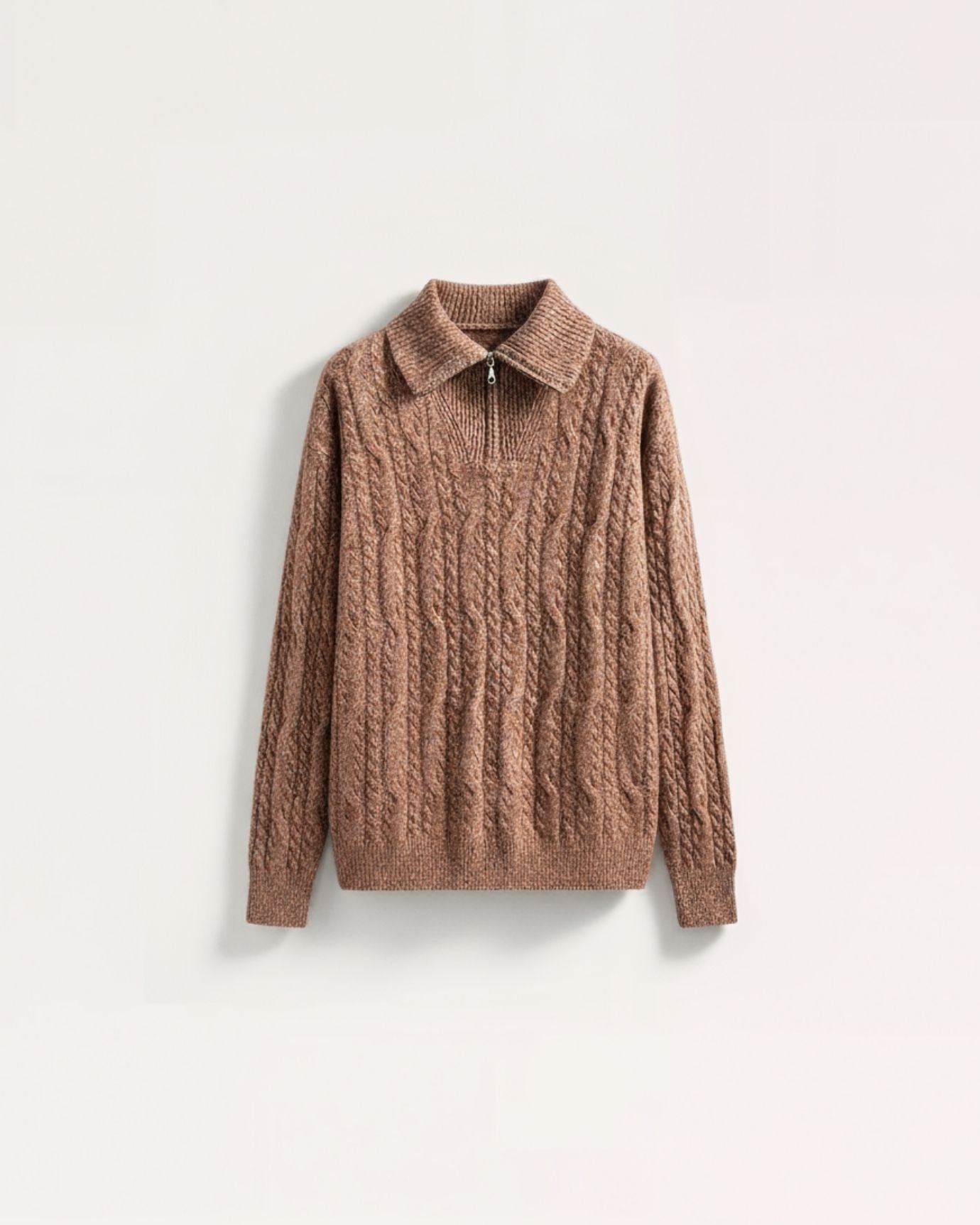
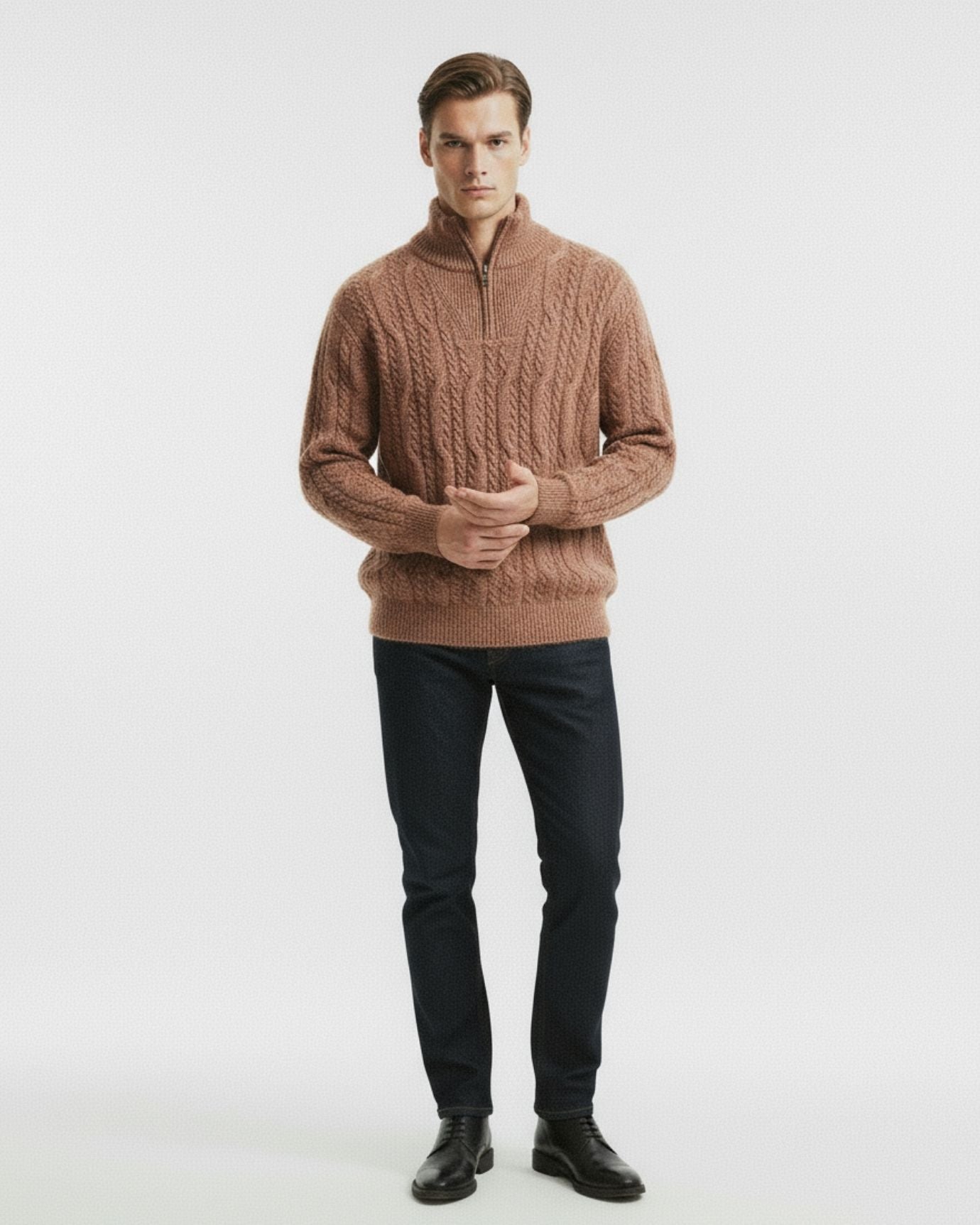
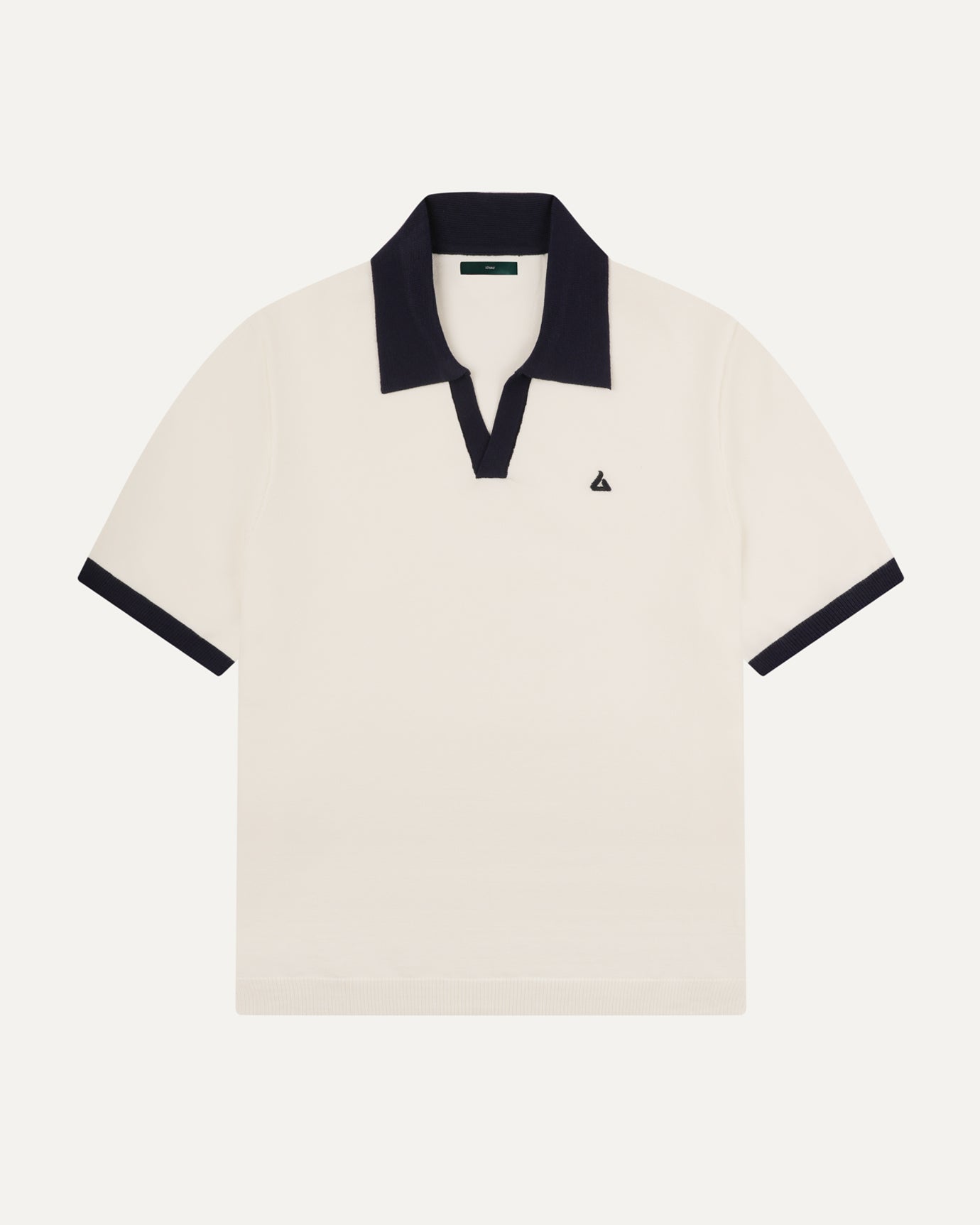
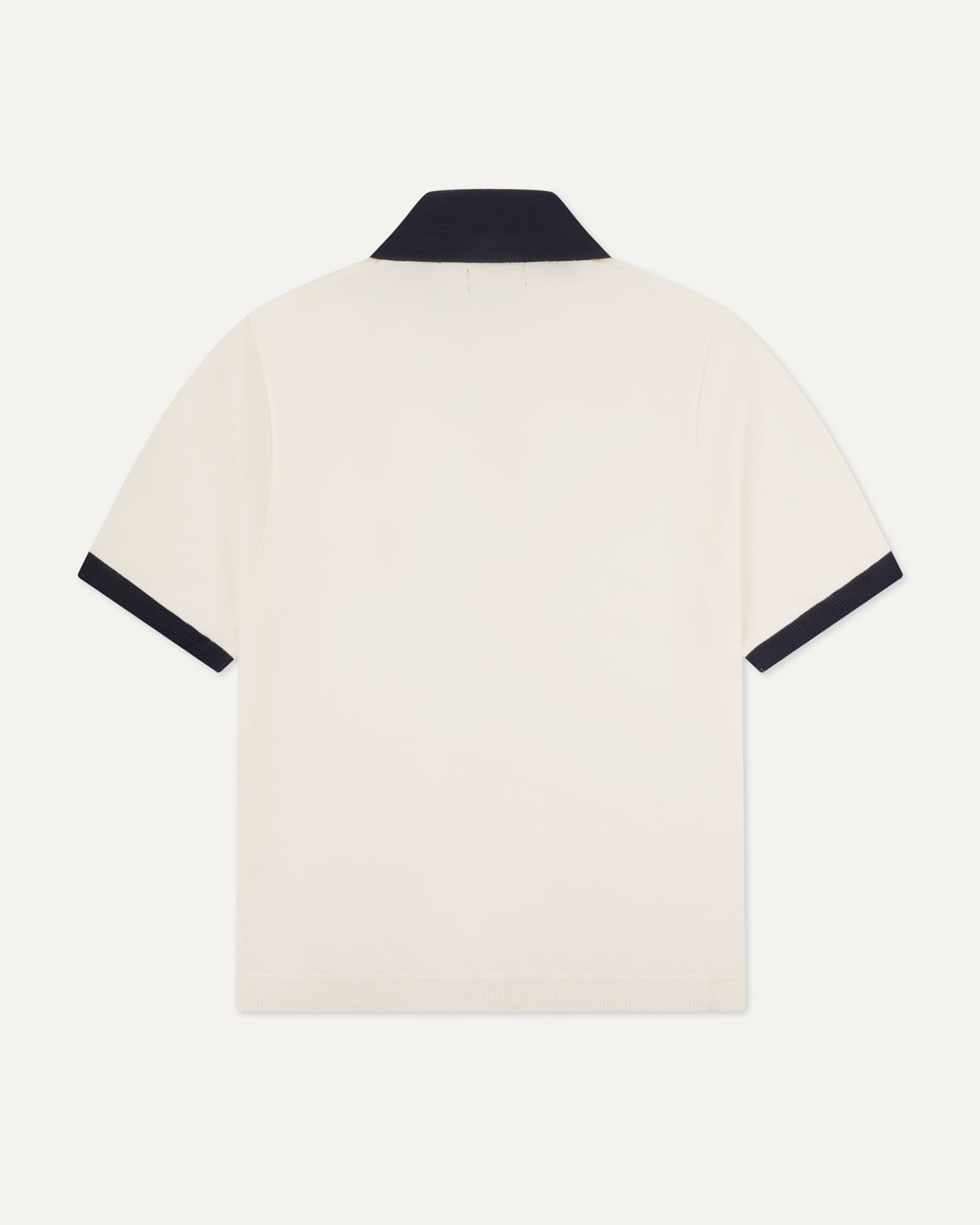
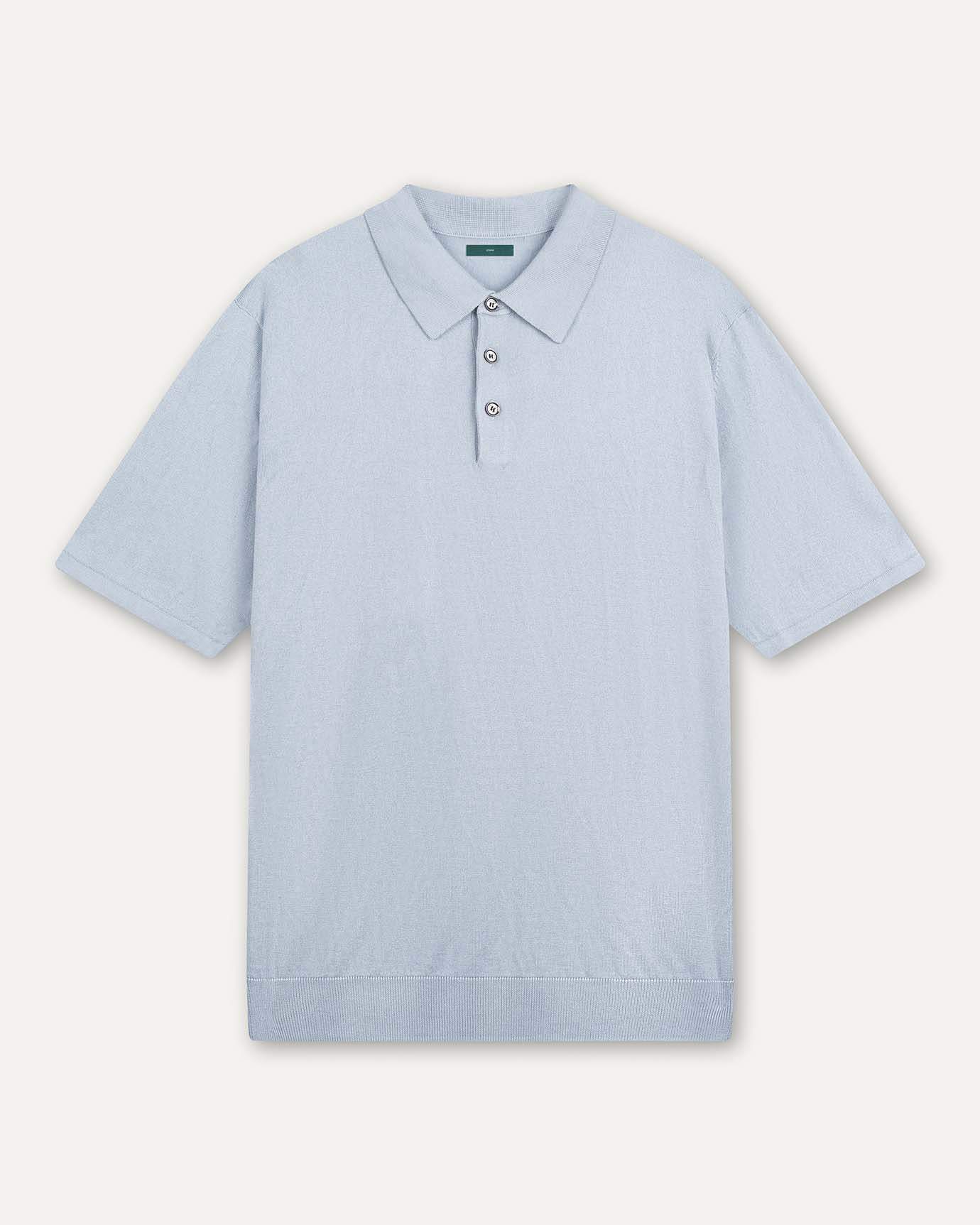
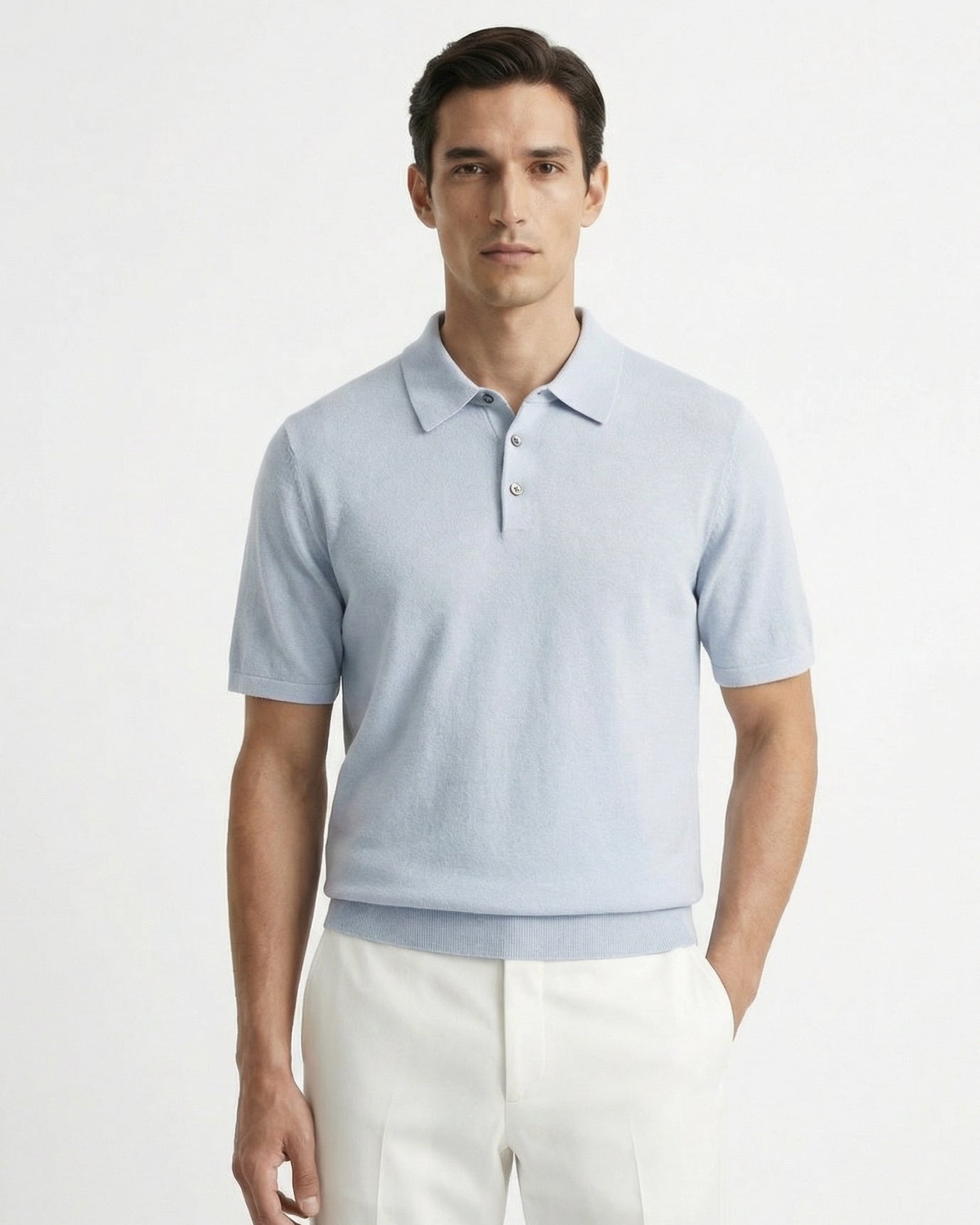
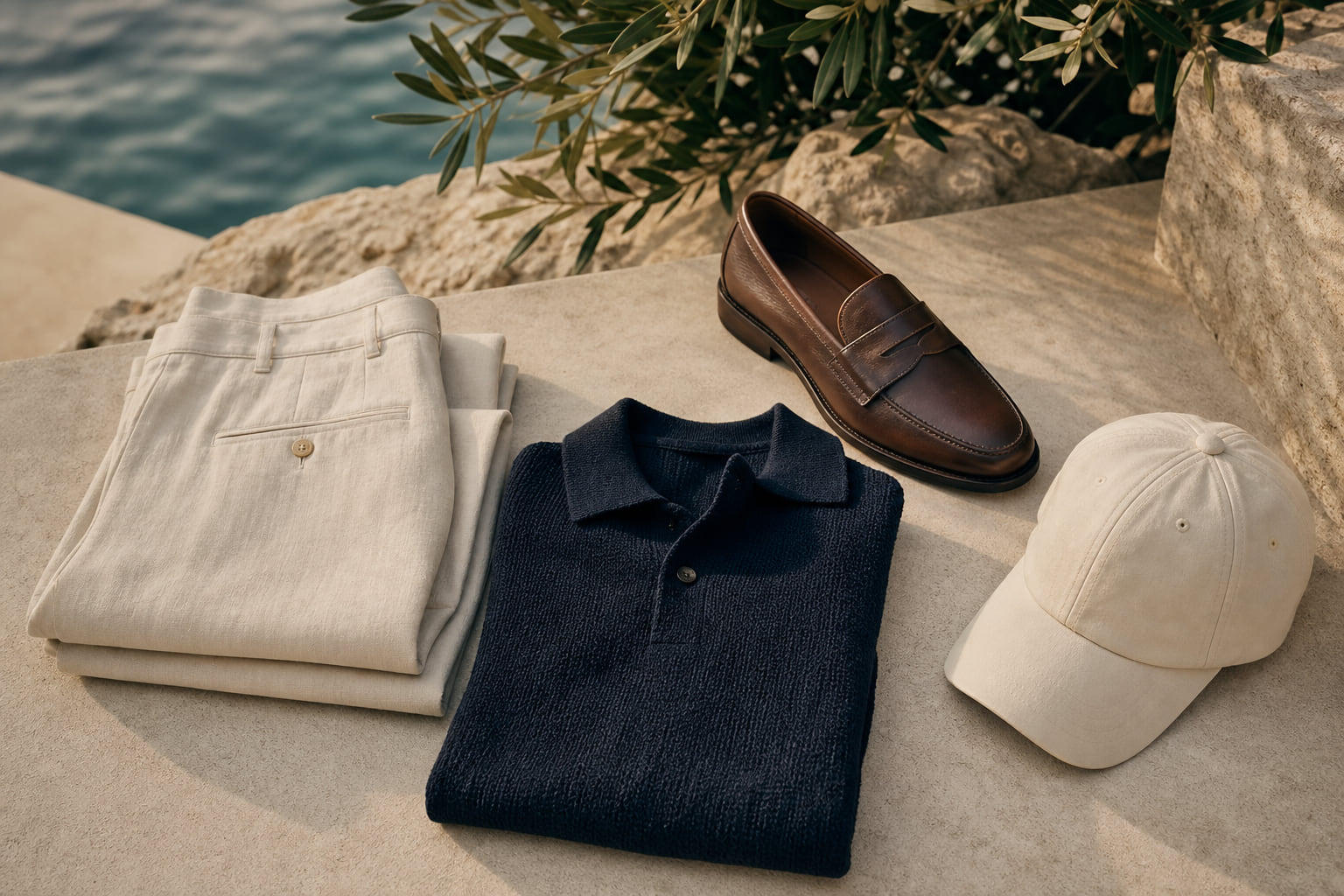
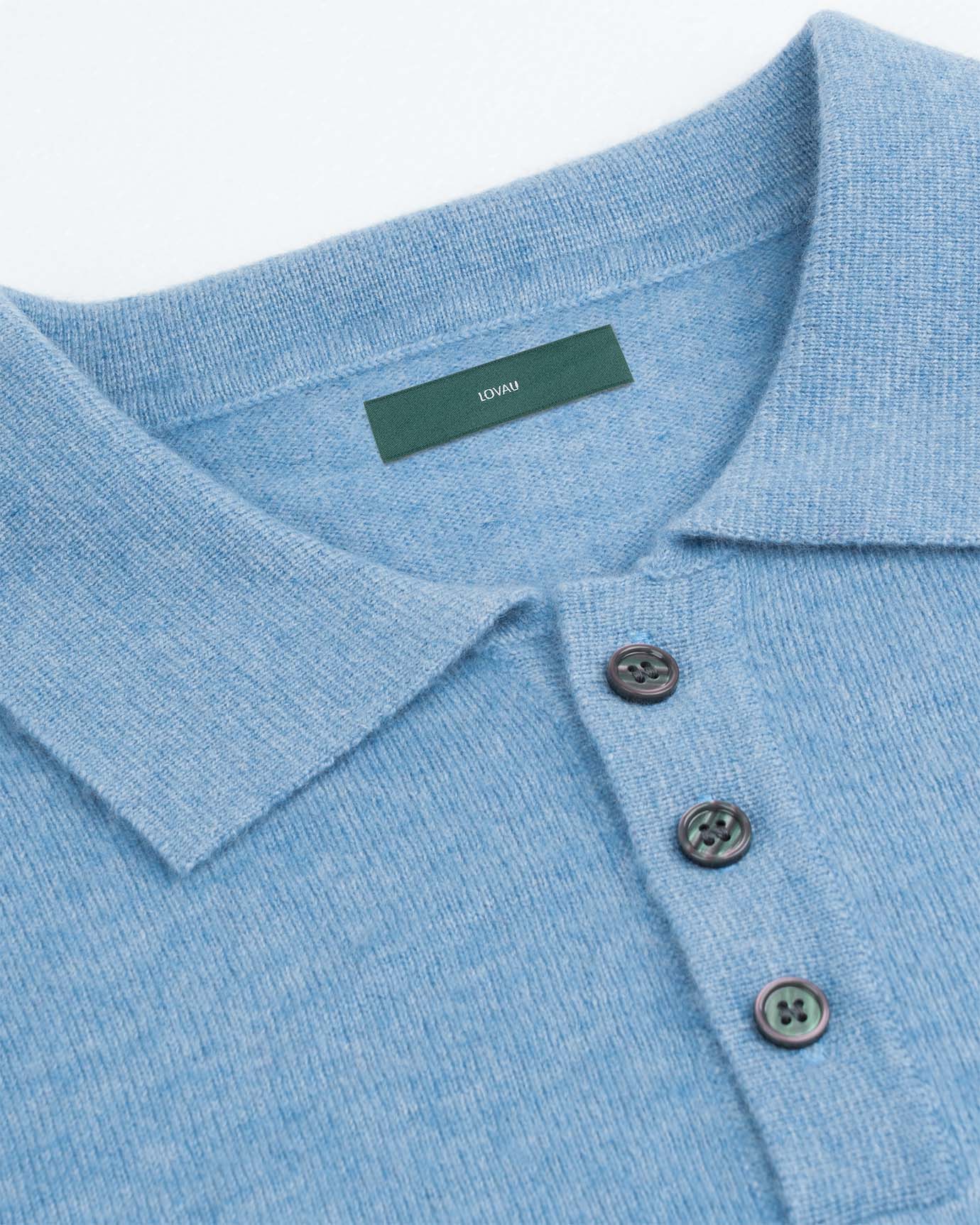
For tops, the linen blend knitted polo for men sits in the sweet spot between a casual t-shirt and a formal shirt. The knit structure holds its shape through a long day, the linen content keeps it cool, and the collar gives enough formality to wear with tailored trousers or chinos. Women working with the same logic might reach for a striped French-style top, where the Breton stripe reads as a classic rather than a pattern, staying within the neutral discipline while adding the faintest graphic note.
Expert insightPress your trousers before each wear rather than after washing. A cool iron on the crease line takes thirty seconds and is the single biggest visual difference between a considered outfit and a casual one.

Outerwear and Layering: Structure Without Excess
The 1990s minimalist approach to outerwear was precise: one or two pieces that worked across multiple contexts rather than a separate jacket for every occasion. The denim jacket, in its cleanest unembellished form, was a consistent presence. Not distressed, not printed, not oversized to the point of shapelessness, just a straight-cut indigo or mid-wash denim jacket with tonal stitching and a clean collar.
The denim jacket in American style fits this brief directly. Worn over a fine wool polo or a linen shirt with straight-leg trousers, it reads as considered rather than casual. The key is fit: the shoulder seam should sit exactly at the shoulder, and the body should skim without pulling across the back.
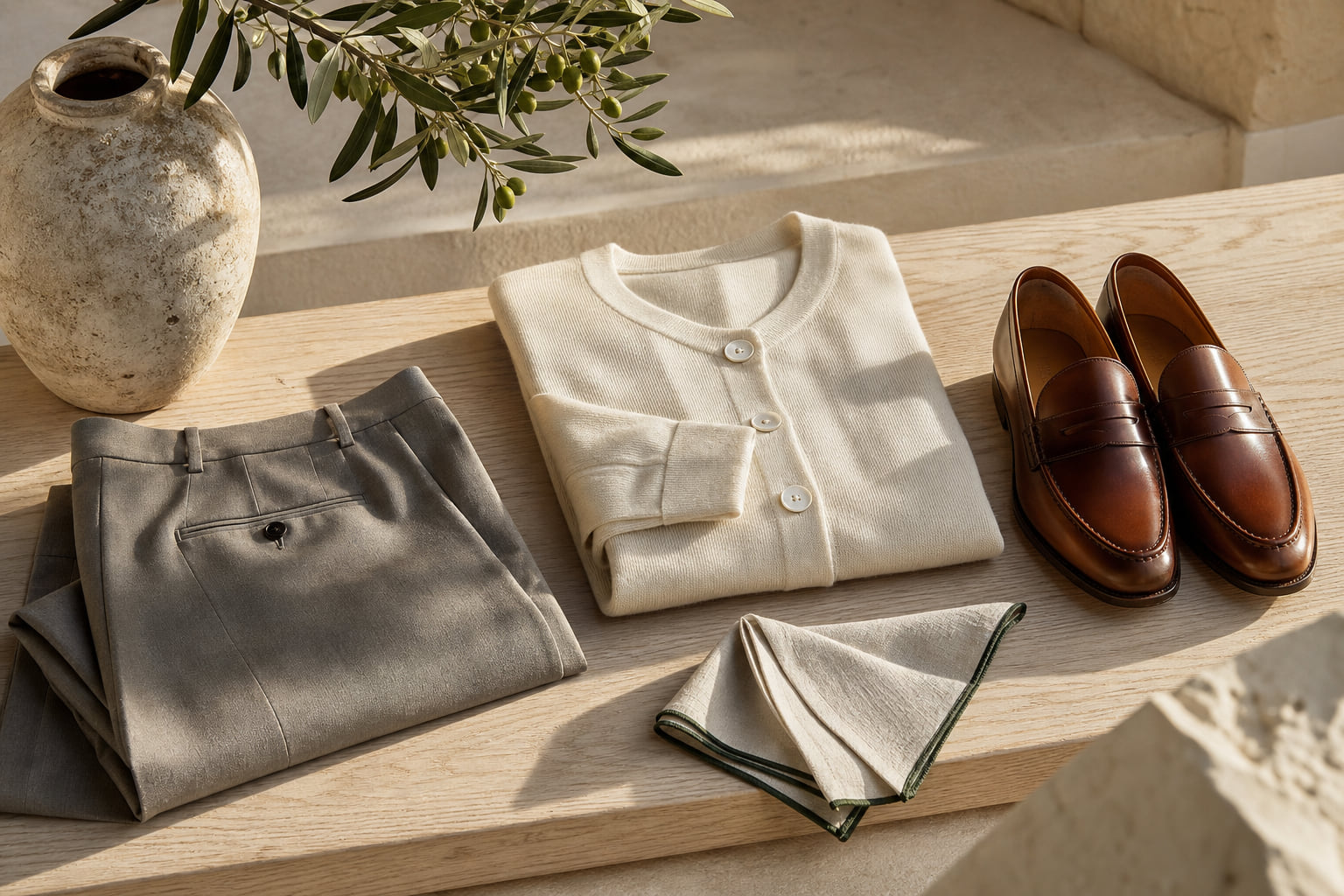
For women, layering in the 1990s minimalist mode often meant a fine-knit cardigan in a tonal colour over a slip dress or a simple top-and-trouser combination. The pearl-buttoned French-style cardigan achieves this precisely. The pearl buttons are a restrained detail that refines without decorating, and the fine knit drapes cleanly rather than adding bulk.
The broader logic of layering for a minimalist capsule is covered in more depth in the luxury minimalist wardrobe checklist, which maps out how a small number of layers can multiply outfit options without multiplying the wardrobe itself.

Dresses for Women: Cut and Fabric Over Decoration
The 1990s minimalist dress was defined by what it omitted. No ruching, no excessive gathering, no statement prints. The interest came from the cut, the quality of the fabric, and the precision of the fit. Slip dresses, shift dresses, and A-line knits were the dominant forms.
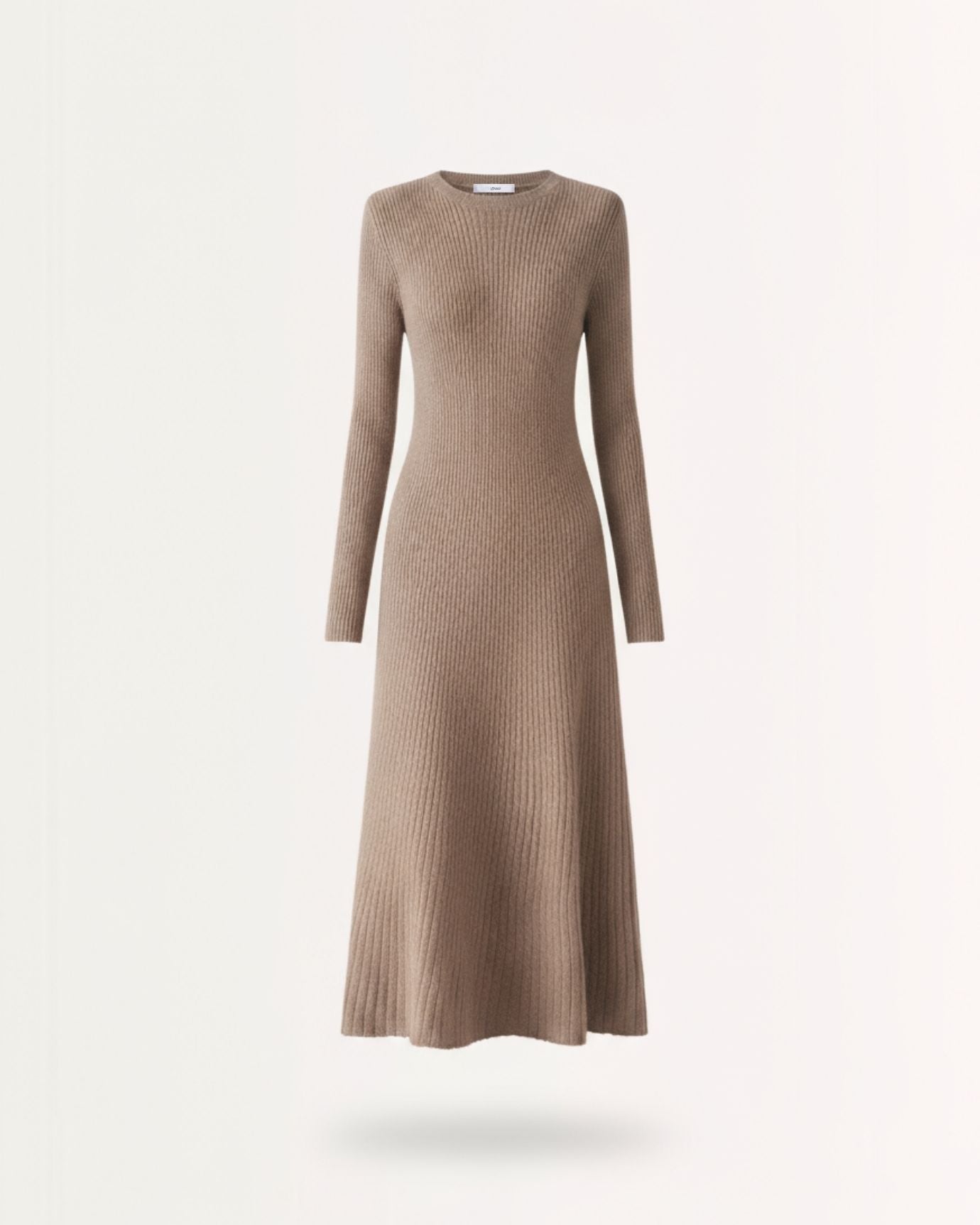
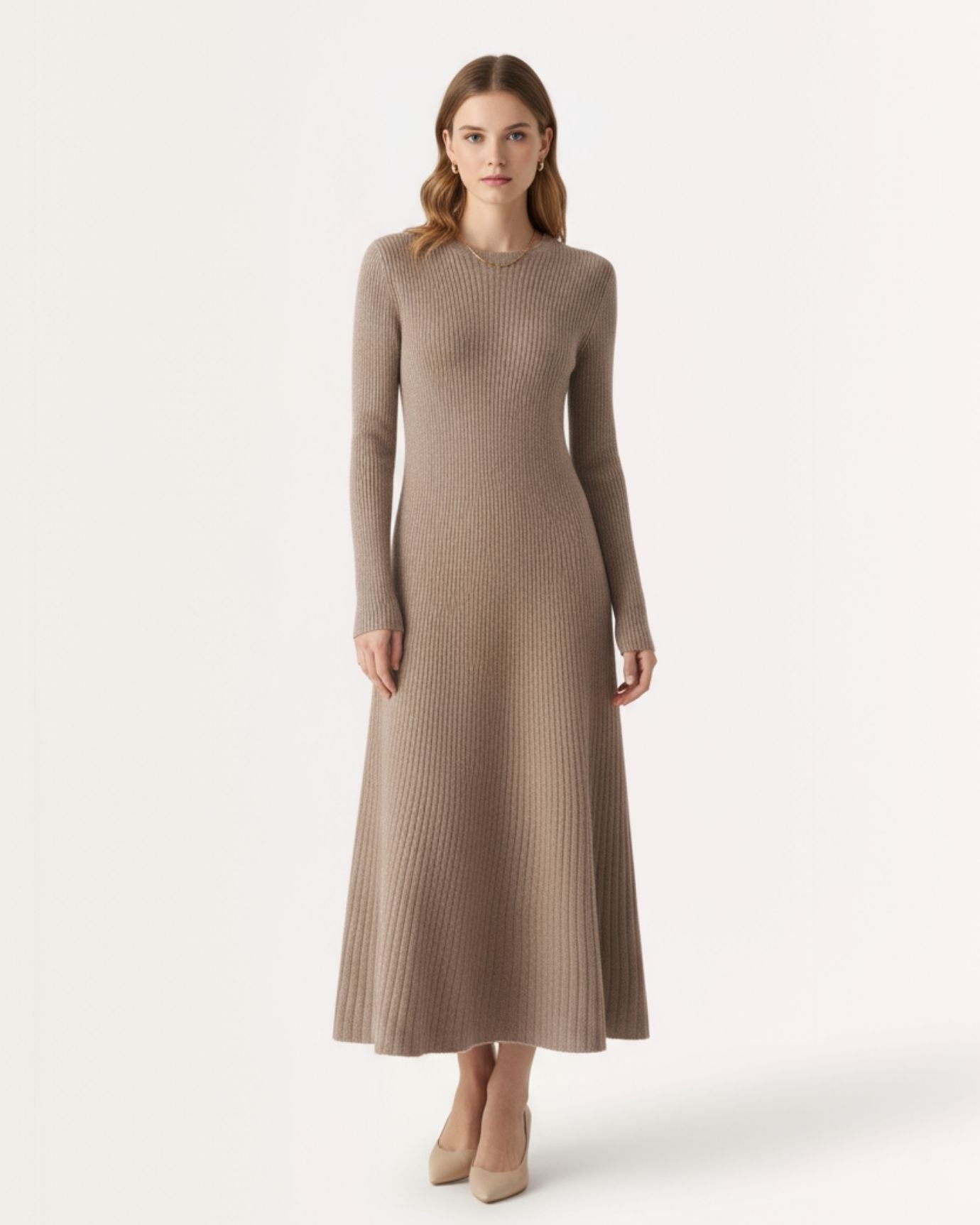
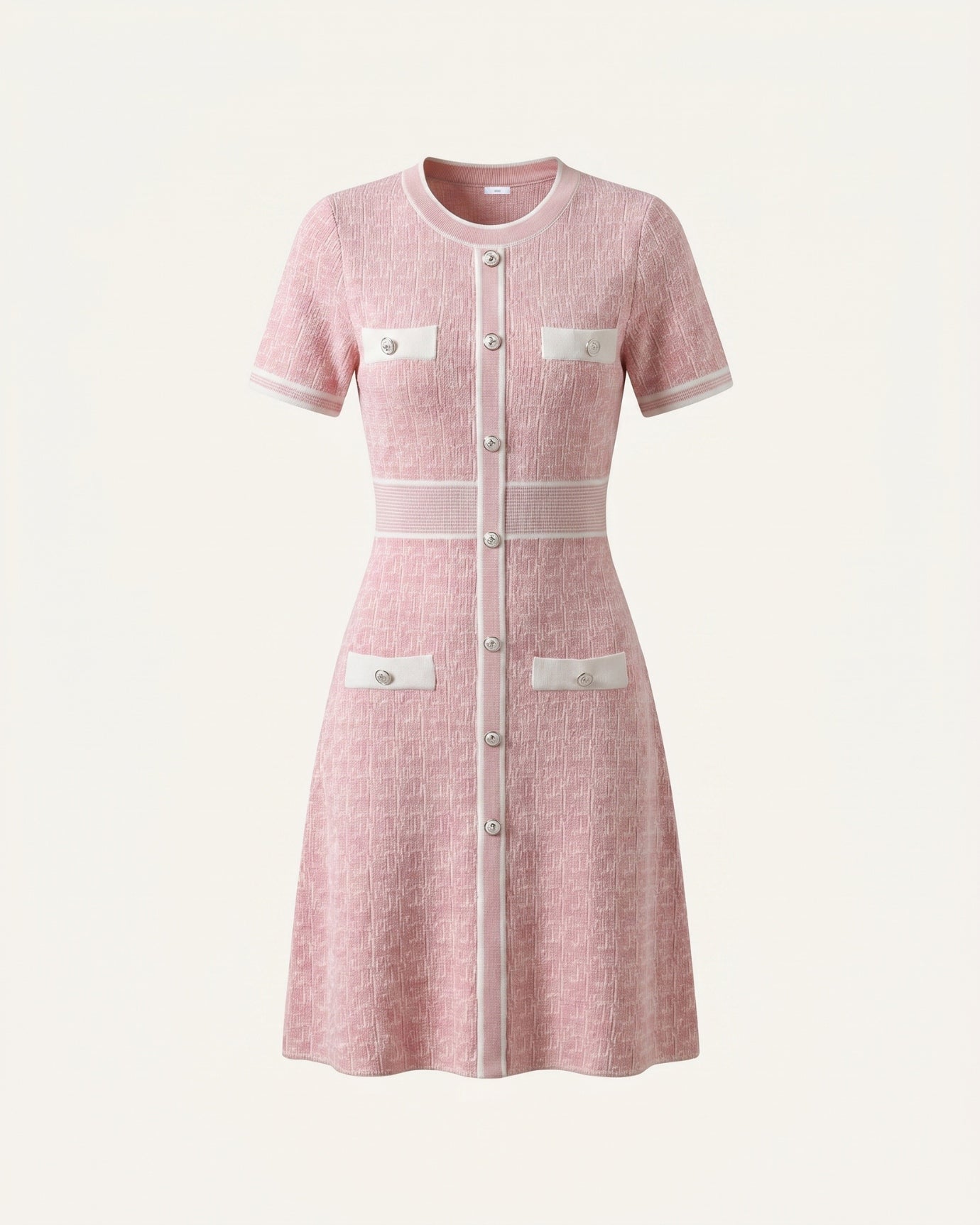
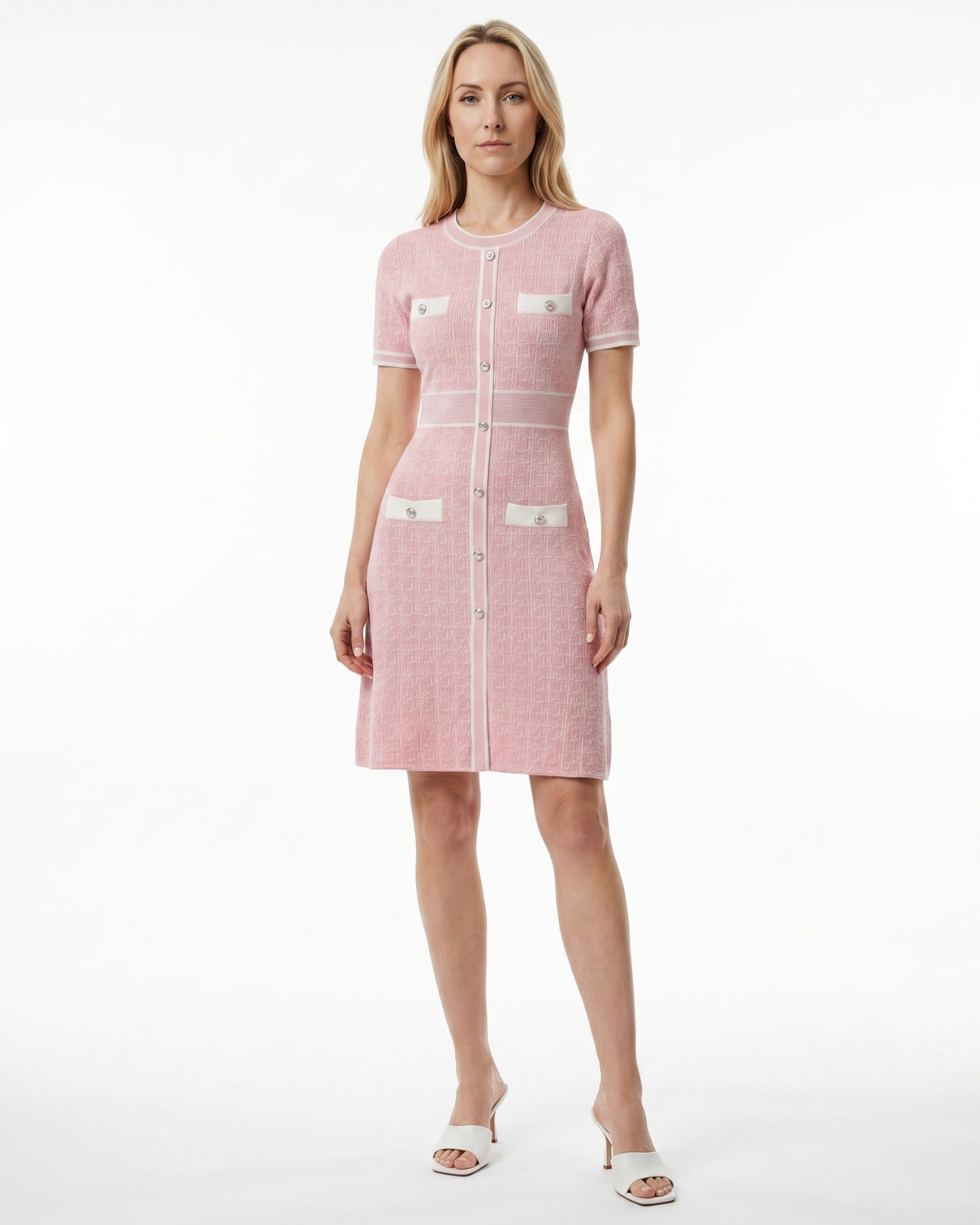
The A-line knitted dress is a direct descendant of this thinking. The A-line silhouette skims the body without clinging, the knit fabric moves without wrinkling, and the absence of surface decoration means the dress works as a blank canvas for footwear and outerwear choices.
For a slightly more structured option, the contrast collar pleated dress in navy and white brings the 1990s minimalist colour logic, a tight palette of two tones, into a silhouette that references the period's interest in clean tailoring. The contrast collar is the single detail that carries the whole piece.
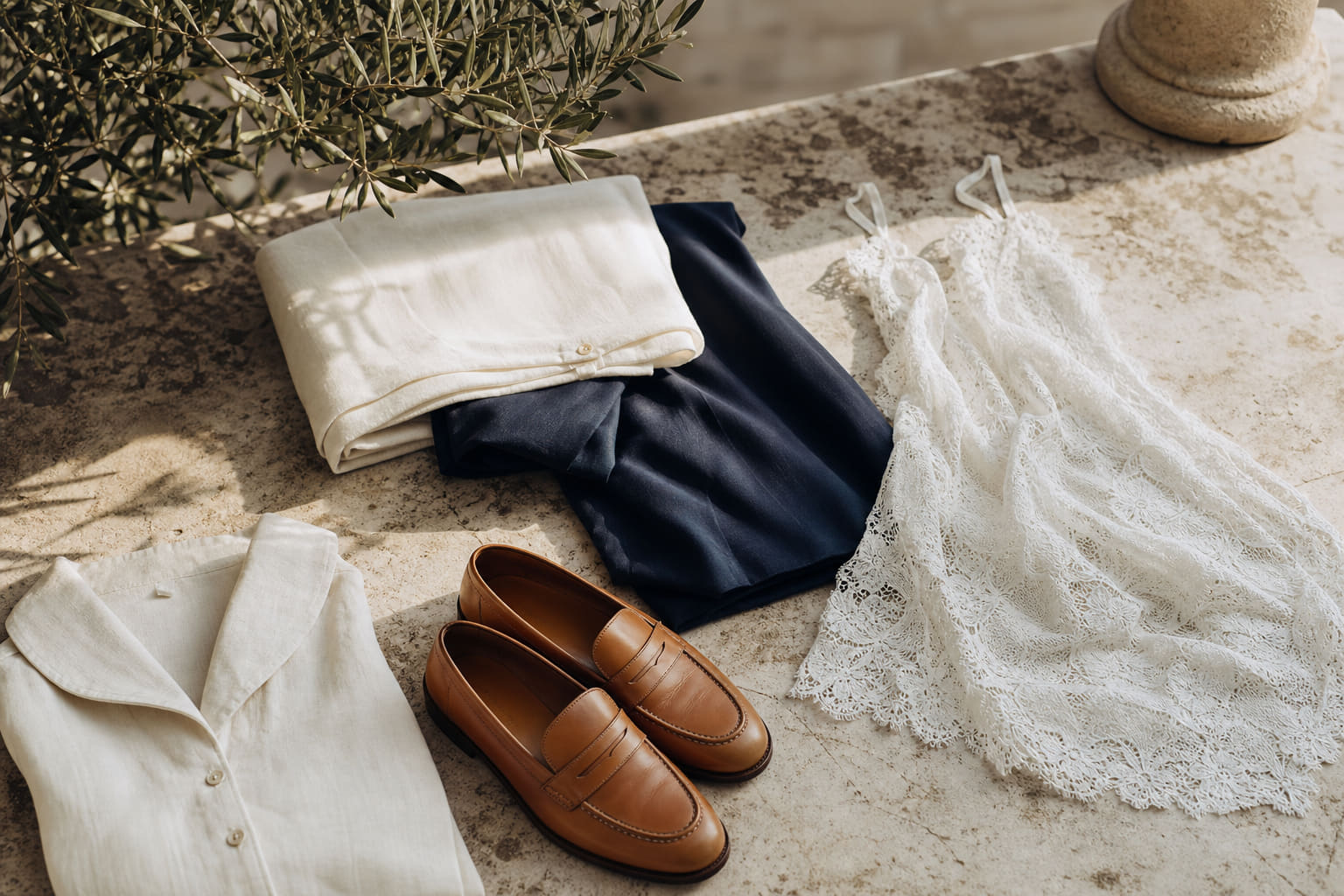
Shoes in this context should be equally restrained. The Diana old money loafers in genuine leather complete a minimalist dress outfit without introducing a competing visual element. A loafer in tan or black against a neutral dress is the kind of pairing the 1990s minimalist wardrobe was built on. For a broader look at footwear in this register, the loafers in old money style collection covers the full range of options.
Expert insightA knitted dress benefits from being stored flat or folded rather than hung. Hanging stretches the knit at the shoulders over time, distorting the silhouette the cut was designed to create.

The Role of Headwear: Caps in a Minimalist Capsule
Headwear is often treated as an afterthought in capsule wardrobe planning, but in 1990s minimalist dressing it was a considered finishing element. The baseball cap in particular became a fixture of the decade's aesthetic, worn by designers themselves and photographed in the context of high fashion rather than sportswear. The key was always material and construction: a cap in structured cotton or woven linen reads entirely differently from a synthetic sports cap.
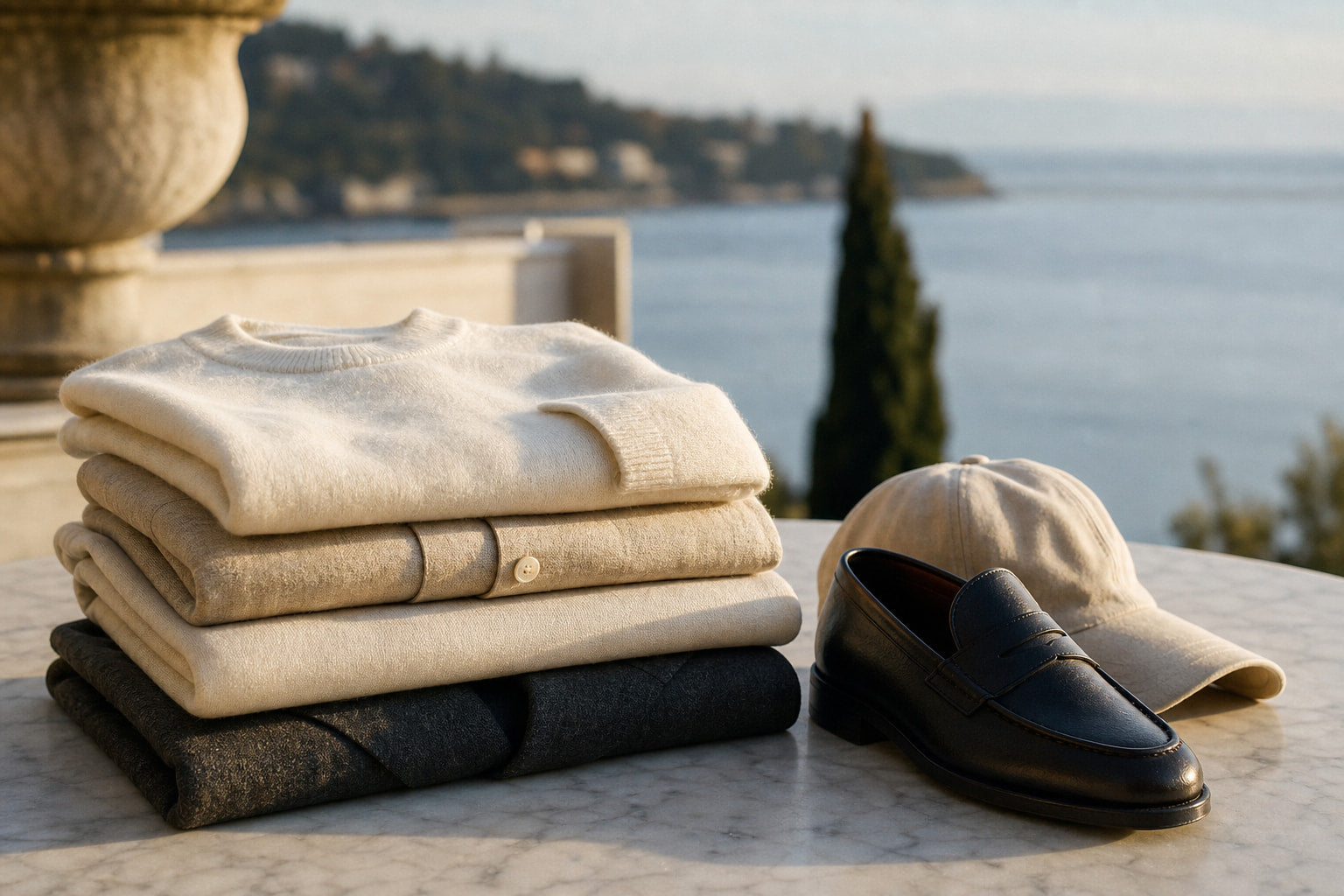
For a minimalist capsule, the logic is simple. Choose one or two caps in materials that echo the rest of the wardrobe. A brown cotton cap in a warm neutral sits comfortably with stone trousers, an ivory linen shirt, and leather loafers without breaking the tonal discipline. The structured crown and clean brim keep the silhouette deliberate rather than casual.
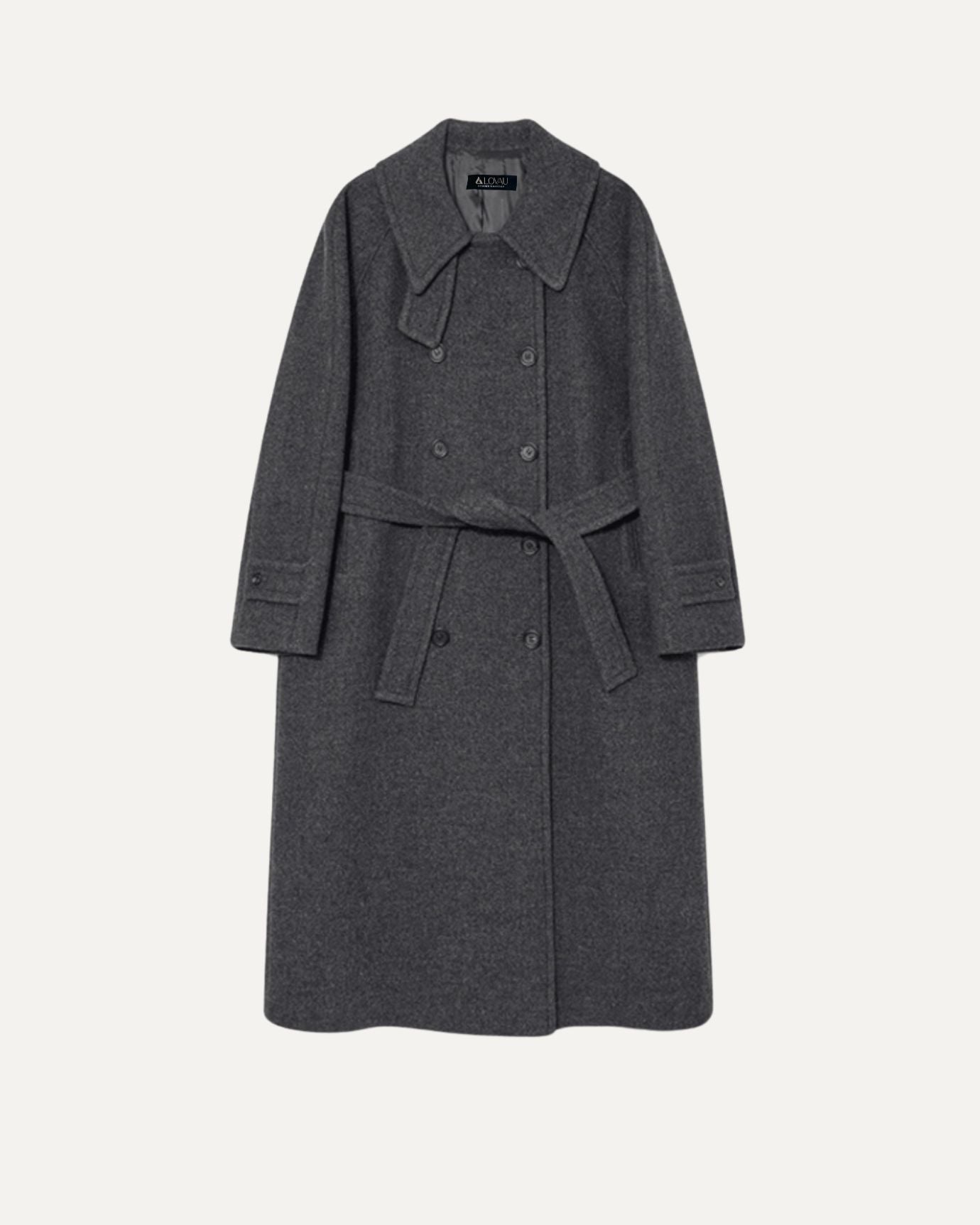
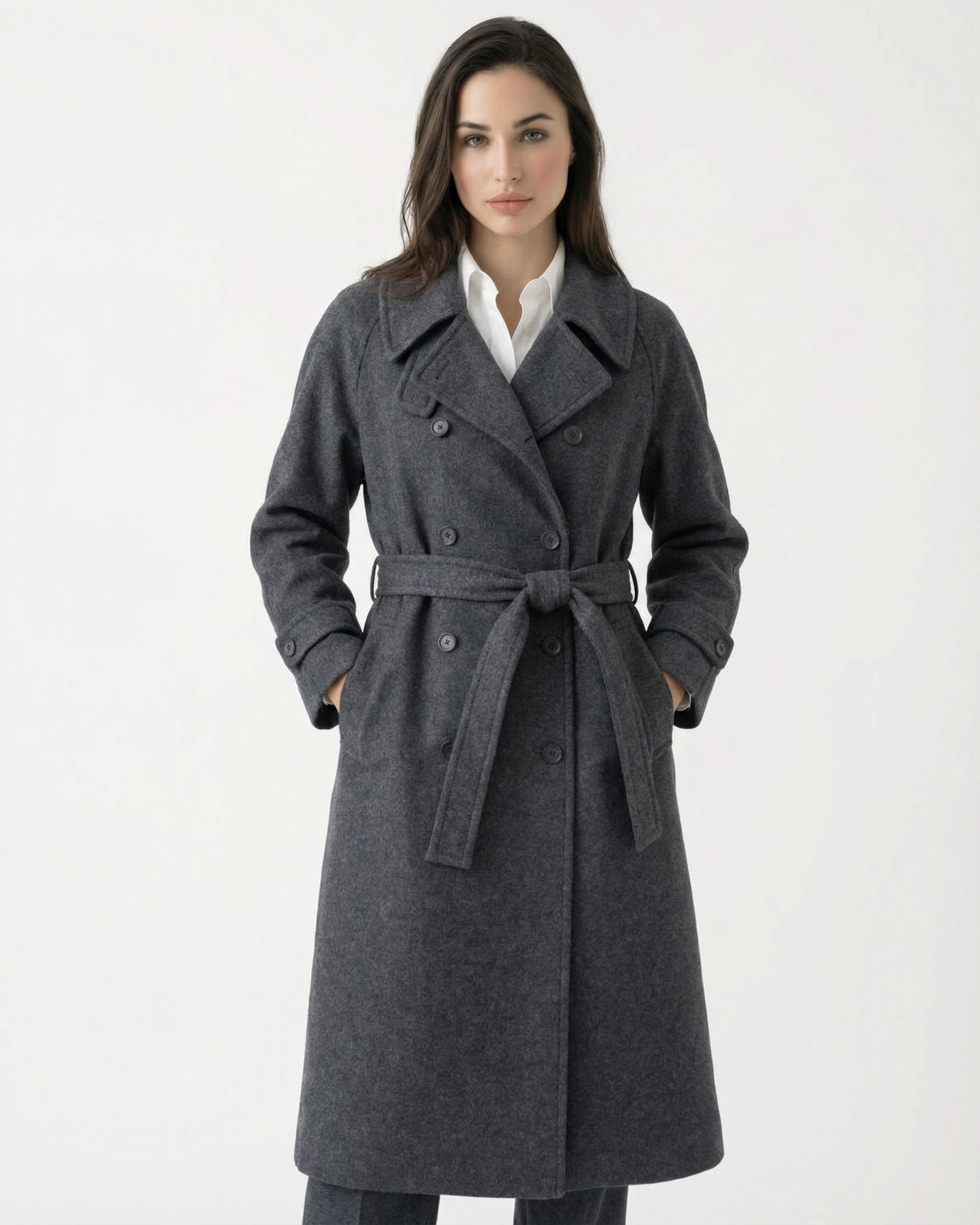
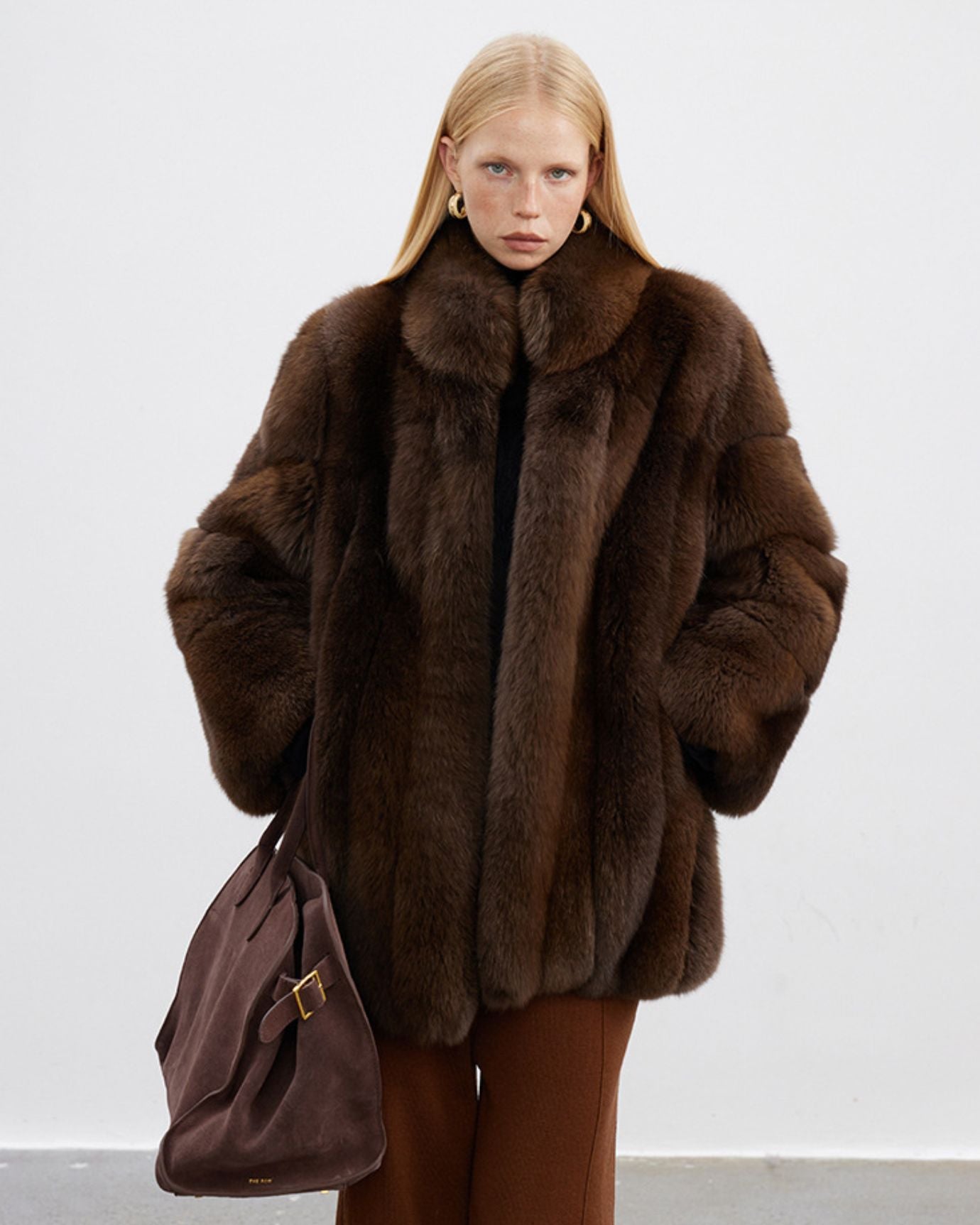
For women, a double-knitted cashmere cap brings the same logic in a different material register. Cashmere at the head against a fine wool coat or a knitted dress creates a tonal texture story rather than a contrast, which is precisely the 1990s minimalist approach to accessorising.
For warmer months or travel contexts, the Marbella linen cap in natural linen is a lightweight option that stays within the natural fibre principle. The linen weave has a slight texture that reads as considered, and the neutral colourway pairs with virtually everything in a warm-toned capsule. The Milan bordeaux cotton cap offers the one muted accent colour the 1990s palette occasionally permitted, a deep wine tone that works against charcoal, camel, or ivory without competing.
The broader argument for why this kind of restrained accessory logic connects to the old money aesthetic is made in the article on whether old money is the new minimalism, which draws a direct line between the two sensibilities.

Putting the Capsule Together: A Practical Framework
A functioning 1990s minimalist capsule for one person should contain roughly twelve to fifteen pieces. The exact number matters less than the rule that every piece must pair with at least three others. If a garment only works with one specific combination, it is not a capsule piece, it is a statement piece, and statement pieces belong in a different wardrobe logic.
For men, a working framework looks like this: two pairs of trousers (one in wool, one in a lighter fabric for warmer months), two shirts (one linen blend, one fine cotton), one knitted polo, one denim or unstructured jacket, one pair of leather loafers or Chelsea boots, and one or two caps. Genuine leather Chelsea boots in tan or black are particularly useful because they work with both the tailored trouser and the more relaxed denim combination, covering a wider range of occasions than a single shoe type usually does.
For women, the equivalent framework: two pairs of trousers or one trouser and one skirt, two dresses (one knitted, one structured), one cardigan or fine knit layer, one pair of loafers, and one or two accessories including a cap. The timeless capsule wardrobe essentials for travel article applies this same logic to packing, which is a useful secondary test for any capsule: if the pieces work as a travel wardrobe, they are genuinely interchangeable.
The external reference point for how the 1990s minimalist movement was documented at the time, including the designers and collections that defined it, is explored in Vogue's archive coverage of minimalism, which gives context for how deliberate and considered the original approach actually was.
Colour discipline is the final check. Lay every piece you are considering on a flat surface together. If they all work in the same light, against each other, you have a capsule. If two pieces fight, one of them is wrong for this wardrobe, regardless of how much you like it in isolation.

| Fabric | Weight / Hand | Best Use in Capsule | Care | Longevity |
|---|---|---|---|---|
| Worsted wool | Medium, smooth, structured | Tailored trousers, slim blazers | Dry clean or cold hand wash, press with cloth | 10+ years with proper storage |
| Linen blend (linen/Lyocell) | Light to medium, fluid drape | Shirts, summer trousers, polos | Machine wash cold, hang dry, light iron | 5 to 8 years, softens with age |
| Fine cotton (twill or poplin) | Light, crisp | Shirts, caps, casual trousers | Machine wash 30°C, press while damp | 6 to 10 years |
| Cashmere knit | Light to medium, very soft | Caps, cardigans, fine-knit layers | Hand wash cold, flat dry, fold to store | 10+ years with careful handling |
| Corduroy (fine wale) | Medium, textured | High-waisted trousers, casual jackets | Machine wash cold inside out, hang dry | 5 to 8 years, pile may flatten slightly |
Frequently asked questions
How many pieces should a 1990s minimalist capsule wardrobe contain?
Twelve to fifteen pieces is a practical target for one person. The number is less important than the rule that every piece pairs with at least three others. A capsule that requires specific combinations to work is not genuinely minimal. For a structured checklist approach, the luxury capsule wardrobe checklist for men offers a detailed framework.
Can a baseball cap work in a minimalist wardrobe without looking too casual?
Yes, provided the cap is made from a considered material such as structured cotton, linen, or cashmere, and the colourway stays within the wardrobe's neutral palette. A clean cotton cap in brown or off-white worn with linen trousers and leather loafers reads as intentional rather than casual. The key is that the cap should echo the fabric register of the rest of the outfit, not contrast with it.
What is the difference between 1990s minimalism and the old money aesthetic?
They share a commitment to restraint, quality fabric, and precise fit, but they come from different cultural roots. 1990s minimalism was a designer-led, often urban movement focused on structural purity. The old money aesthetic is rooted in European aristocratic and prep traditions, with a preference for heritage materials and inherited-looking pieces. The overlap is significant, which is explored in depth in the comparison of old money versus new money fashion.
Which colours work best in a 1990s minimalist capsule wardrobe?
Choose four to five anchor neutrals and build everything around them. Ivory, stone, warm grey, charcoal, and navy cover most occasions. One muted accent, such as camel, rust, or deep bordeaux, can be introduced through a single piece or accessory. Avoid introducing more than one accent at a time. Every new colour you add requires additional pieces to bridge it to the rest of the wardrobe, which defeats the capsule principle.
A capsule wardrobe built on 1990s minimalist principles is not a limitation. It is a framework that makes getting dressed faster, spending more deliberate, and the result more consistently right. The discipline is in the editing: choosing fabric over finish, cut over decoration, and cohesion over variety. Start with two or three anchor pieces in worsted wool or linen, add one layer, one pair of shoes, and one well-chosen cap, and the logic of the wardrobe begins to build itself. For a broader foundation in this approach, the top timeless wardrobe essentials for men and women article maps the permanent pieces that support every capsule, minimalist or otherwise.