


Building a 90s-Inspired Minimalist Capsule Wardrobe
Reading time 12 min • 2339 words
The minimalism that defined 1990s fashion was, at its core, a refusal of noise. Clean lines, restrained palettes, and garments that spoke through quality rather than decoration. Designers like Jil Sander, Helmut Lang, and Calvin Klein built entire reputations on the idea that a perfectly cut trouser or a flawless white shirt needed nothing added to it.
Today that instinct feels more relevant than ever. A 90s-inspired minimalist capsule wardrobe is not a costume or a trend revival. It is a practical framework built around pieces that age with dignity, mix without effort, and communicate a quiet authority that louder wardrobes rarely achieve.
This guide walks through exactly how to build that wardrobe, piece by piece, with specific attention to fabric, fit, colour, and the small accessories that give the whole thing coherence.
Key takeaways
- Anchor the wardrobe in neutrals: ivory, stone, charcoal, navy, and warm white cover nearly every occasion.
- Fabric quality determines longevity. Prioritise cotton, linen, wool, and genuine leather over synthetics.
- The 90s silhouette favours relaxed but precise cuts. Oversized is intentional, not accidental.
- A structured cap in a refined fabric is one of the most versatile and underestimated accessories in this aesthetic.
- Fewer than 30 pieces, chosen with care, will outperform a wardrobe of 100 items chosen quickly.
In this guide
The Colour Logic of 90s Minimalism
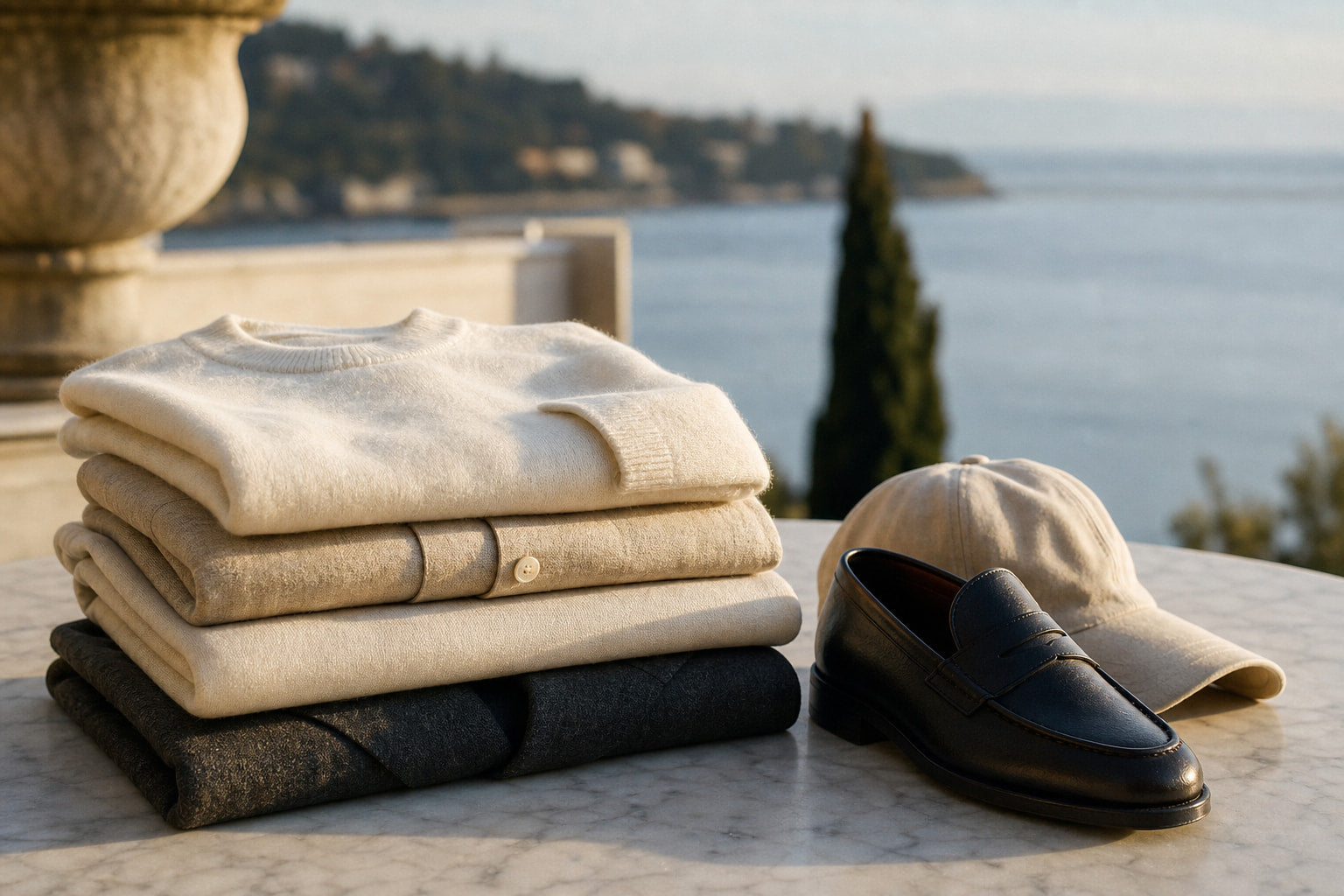
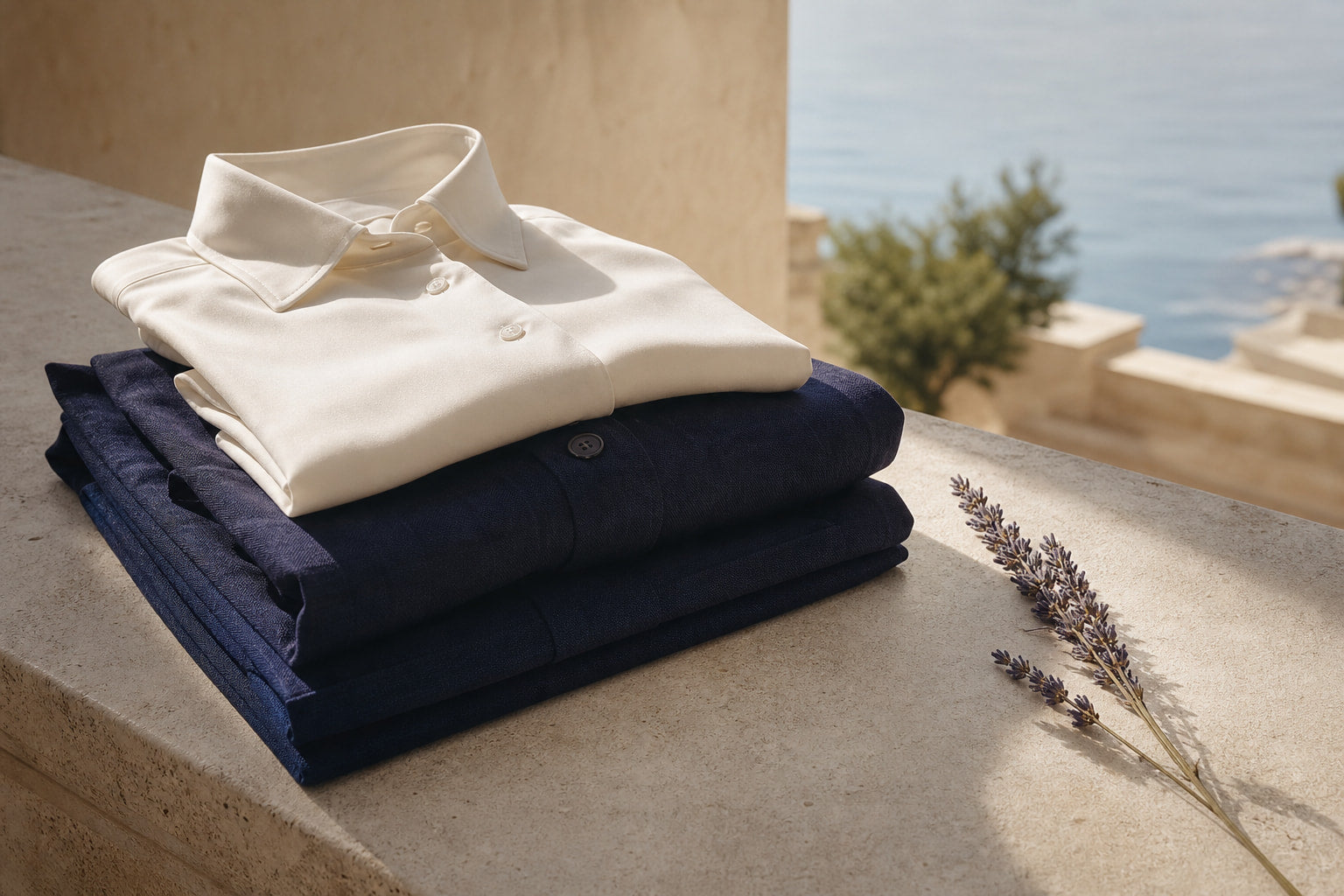
Before buying a single piece, establish your palette. The 90s minimalist wardrobe ran on a tight range: ivory, warm white, stone, camel, charcoal, slate grey, and navy. Black appeared, but often as a contrast rather than a foundation. Earthy tones such as taupe and warm sand bridged the gap between seasons.
The discipline here is resisting the temptation to add colour before the neutral base is solid. Once you have five or six core neutrals working together, a single accent piece, a bordeaux cap, a blush cardigan, lands with real precision rather than looking accidental.
Why this matters practically: every item in a neutral-anchored capsule pairs with every other item. You are not dressing around conflicts. You are building combinations freely, which is the real efficiency of a capsule wardrobe. For a thorough breakdown of how neutrals function across a full wardrobe, the luxury minimalist wardrobe checklist is worth reading alongside this guide.
Expert insightLimit yourself to three neutrals and one accent when starting out. Most people who abandon capsule wardrobes do so because they introduced too many tones too early, and the wardrobe stopped mixing cleanly.
The Foundation Pieces: What 90s Minimalism Actually Requires
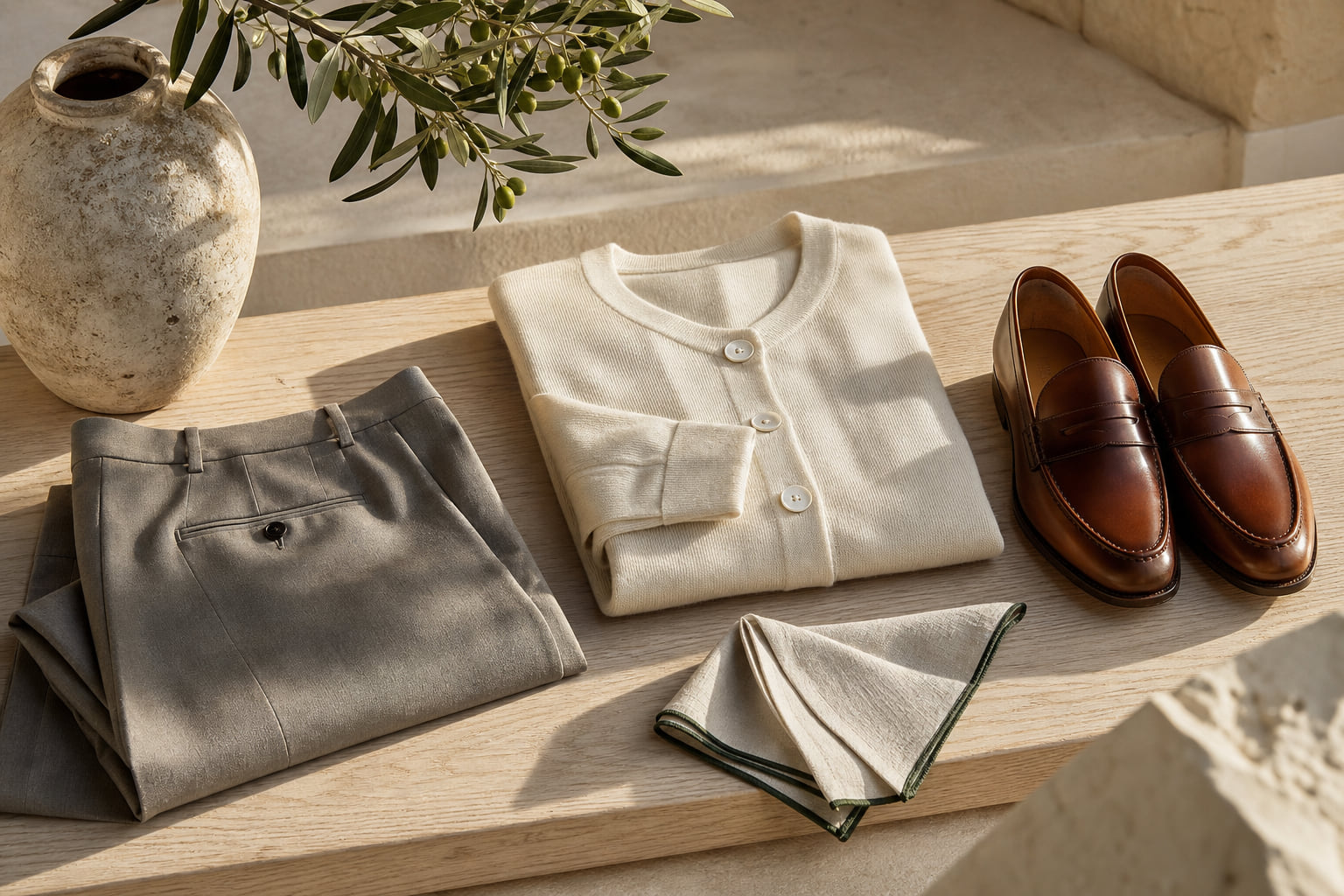
A 90s minimalist capsule is built on perhaps eight to twelve core garments. For women, those include a straight-leg or wide-leg trouser in a neutral, a slip dress or column dress, a relaxed knit, a tailored blazer, a white shirt, and one or two dresses that transition between day and evening. For men: a quality polo or knit, a pair of pleated or straight-cut trousers, a light jacket, a well-constructed shirt, and a shoe that works across contexts.
For women building this foundation, the high-waisted corduroy trousers in a warm tone are a direct reference to the 90s silhouette: structured waist, relaxed through the leg, tactile fabric that photographs well in natural light. Corduroy was a staple of 90s minimalism precisely because it reads as casual but holds its shape.
For men, the worsted wool Italian trousers represent the more refined end of the 90s wardrobe. Worsted wool sits flat, travels well, and holds a crease without fuss. Paired with a simple polo or a fitted knit, they carry the decade's clean-line logic without looking archival.
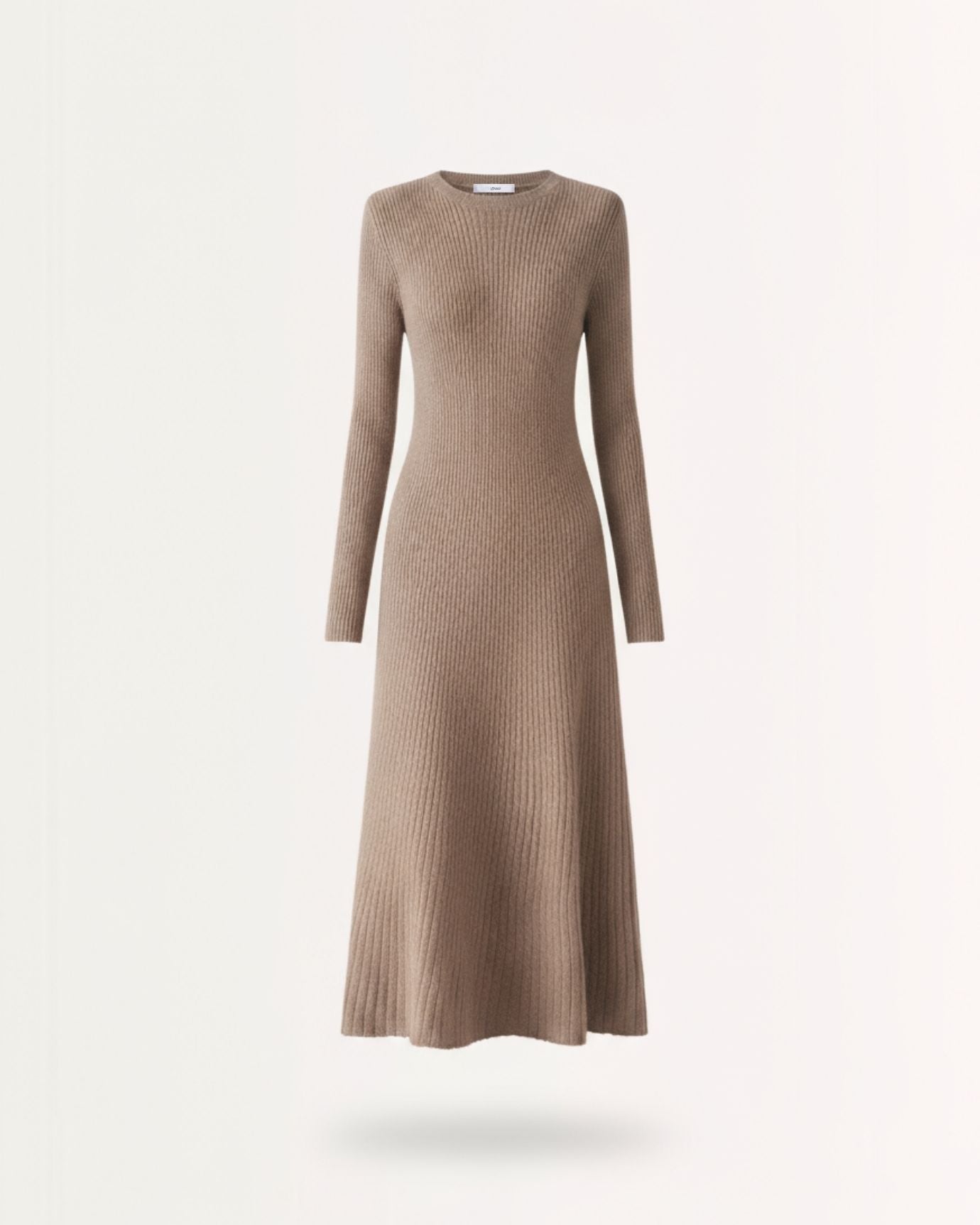
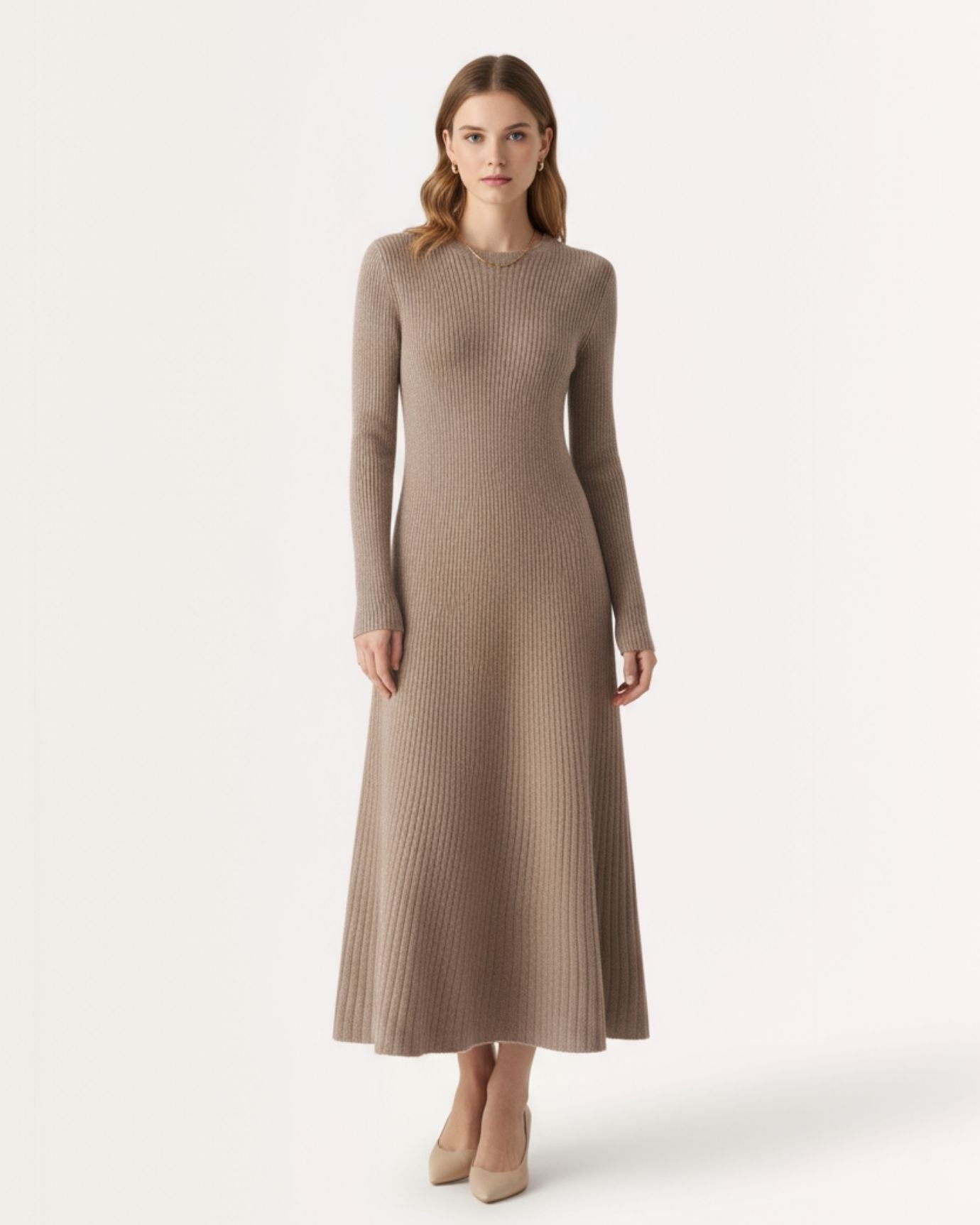
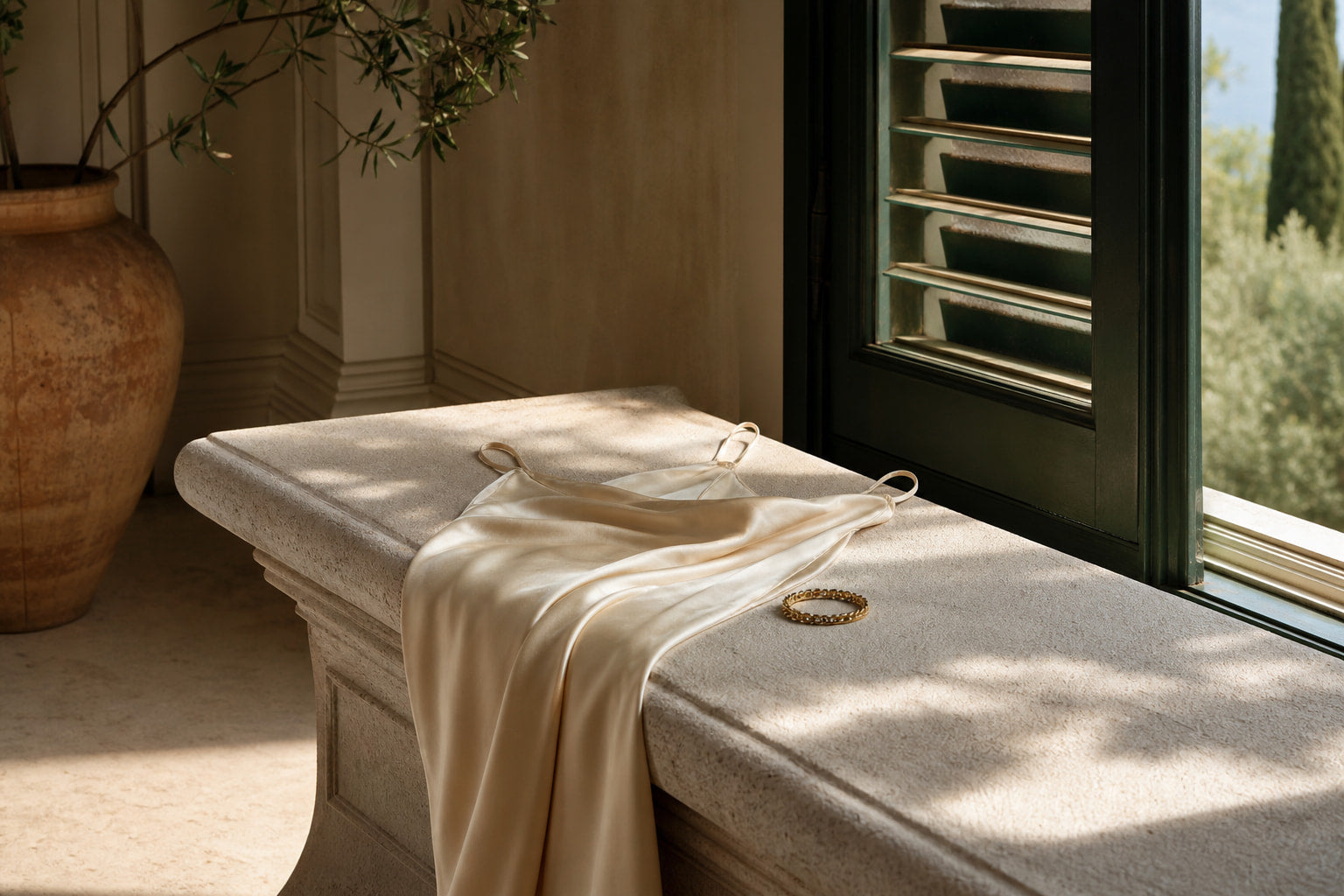
On the dress front, the minimalist long sleeveless dress with a round neck captures the column silhouette that defined the era. In a neutral colourway, it functions as a base layer for layering or stands alone in warmer months.
Expert insightThe 90s silhouette was relaxed but never shapeless. Trousers should have a clean break at the shoe. Dresses should skim rather than cling. The fit is intentional, not approximate.

Knitwear and Layering: The Texture Layer
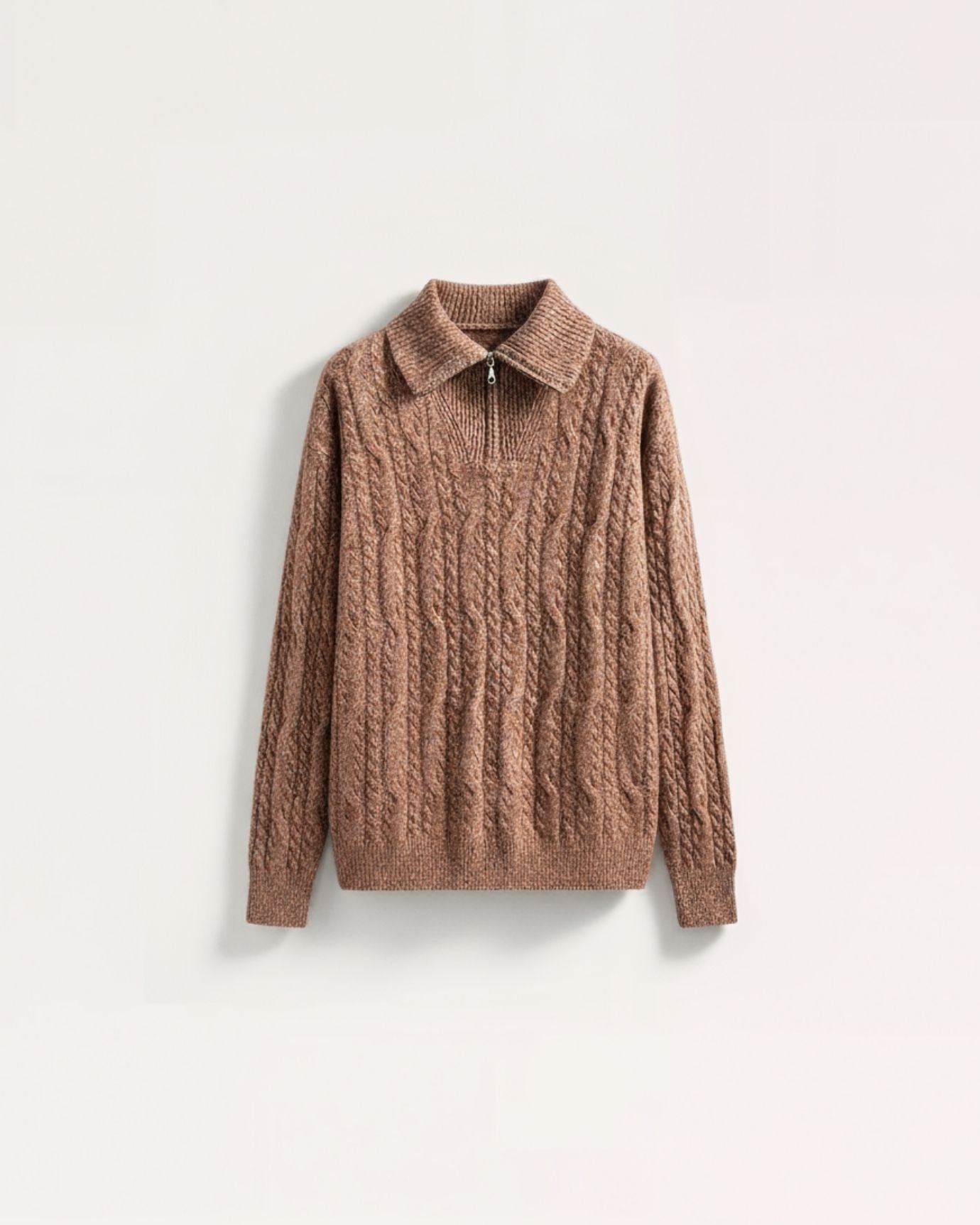
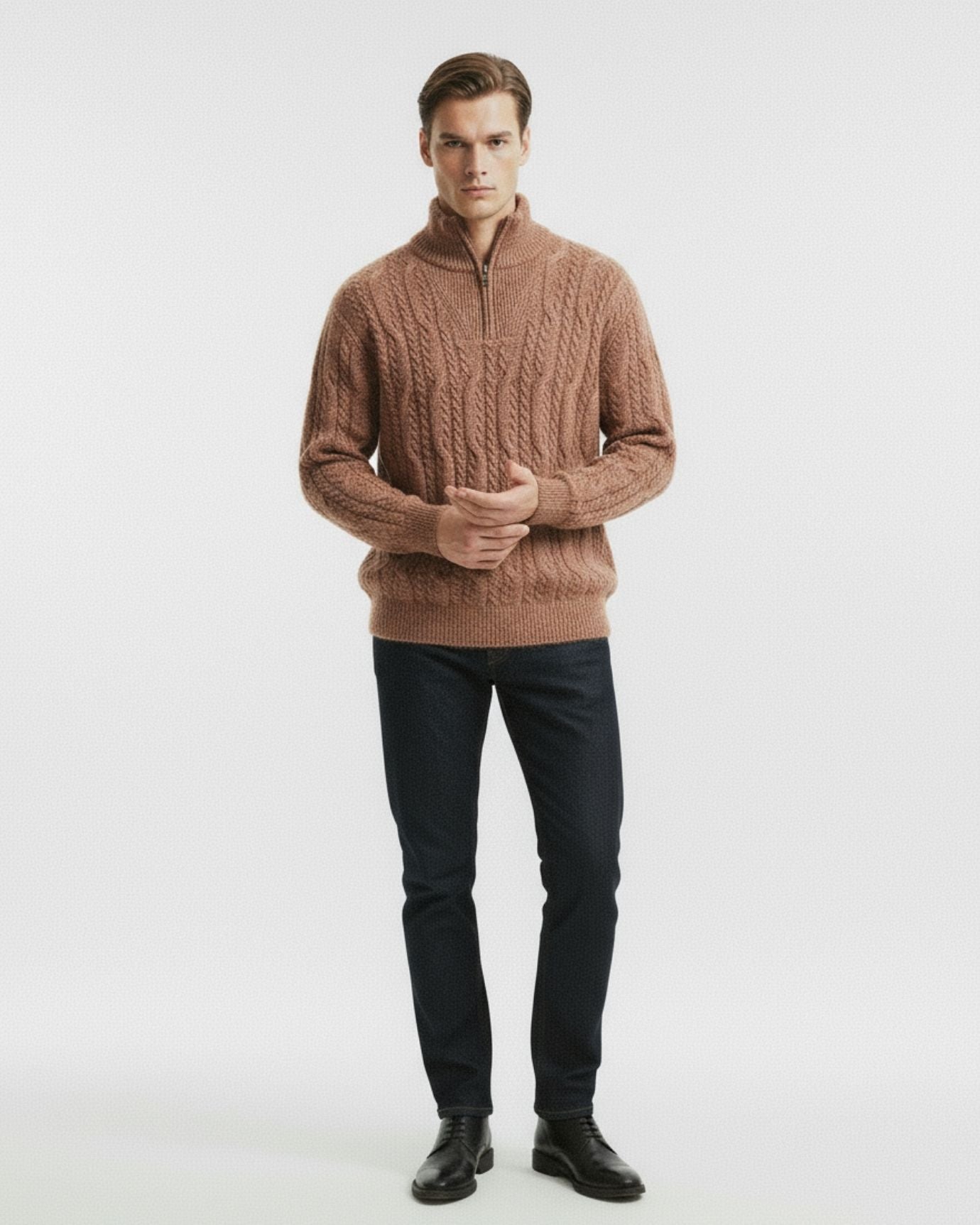
Where 90s minimalism separated itself from true austerity was in texture. A monochrome outfit in a single fabric reads as flat. The same palette in cotton, knit, and woven fabric reads as considered. Knitwear was the key layering tool of the decade, and it remains the most practical one.
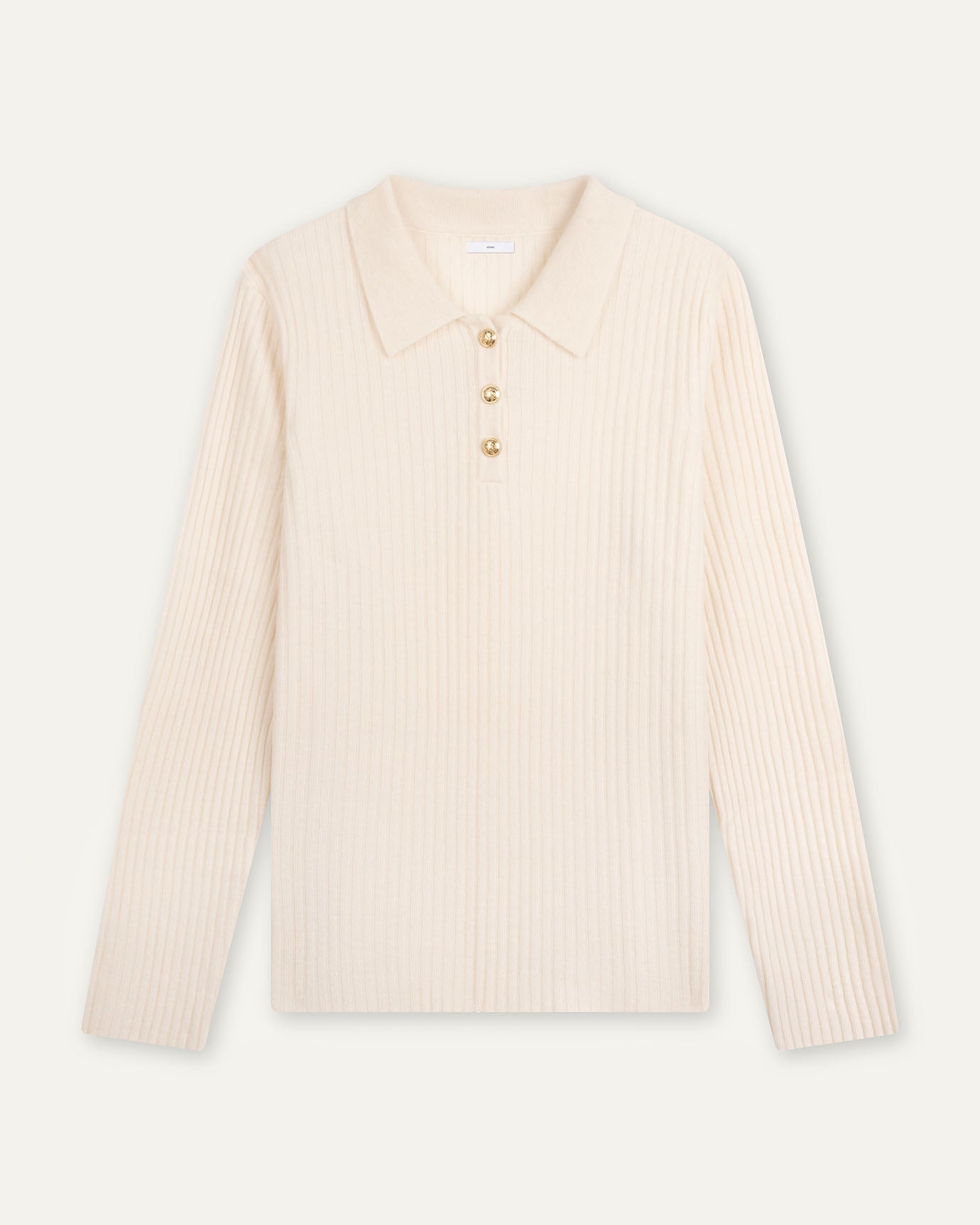
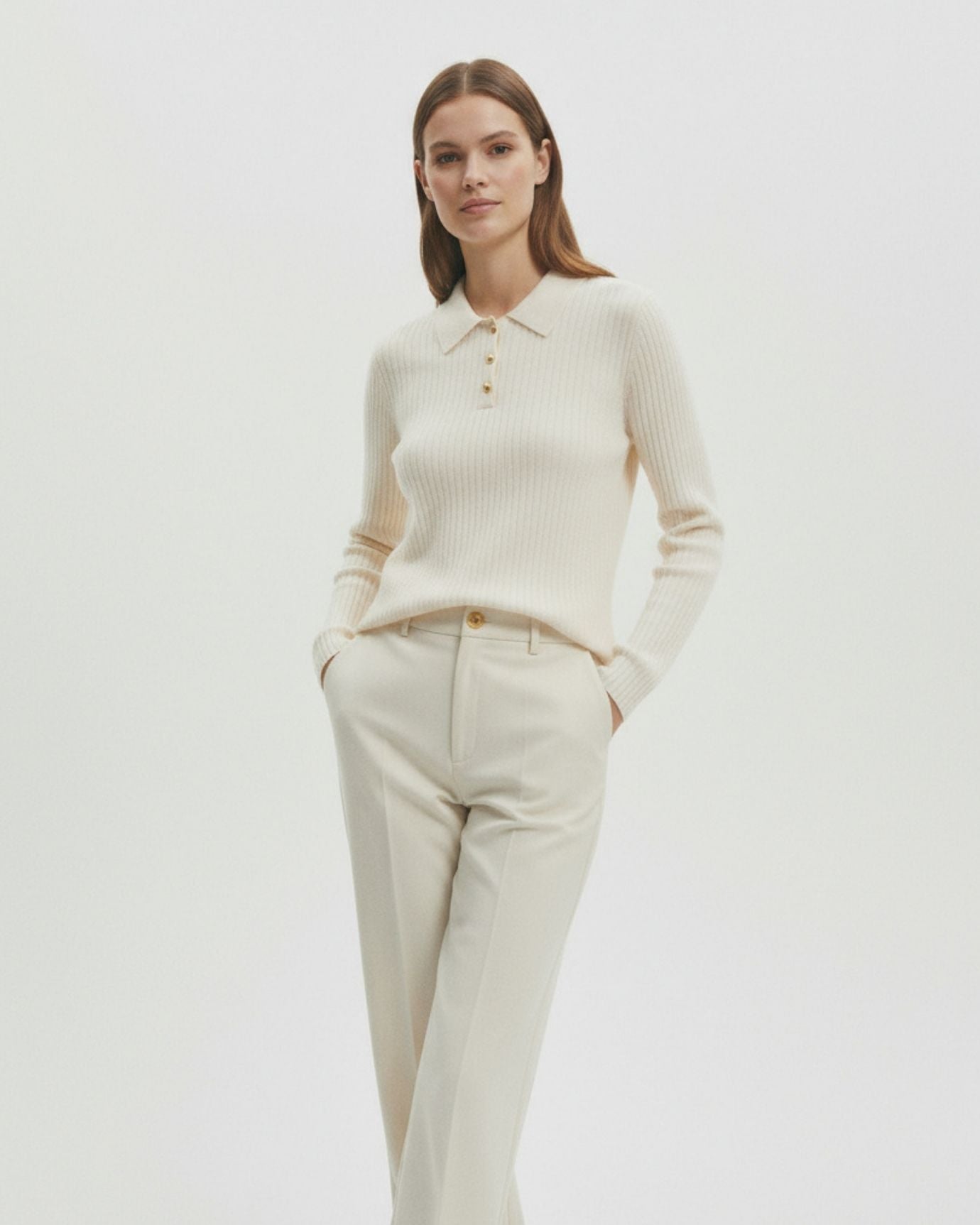
For women, the minimalist knitted cardigan top is the kind of piece that anchors three or four different combinations. Worn open over a slip dress it references the layering that defined mid-90s dressing. Buttoned as a top it reads as sharp enough for most professional contexts. The fabric weight matters: a fine knit layers without bulk, while a heavier gauge works as a standalone piece through cooler months.
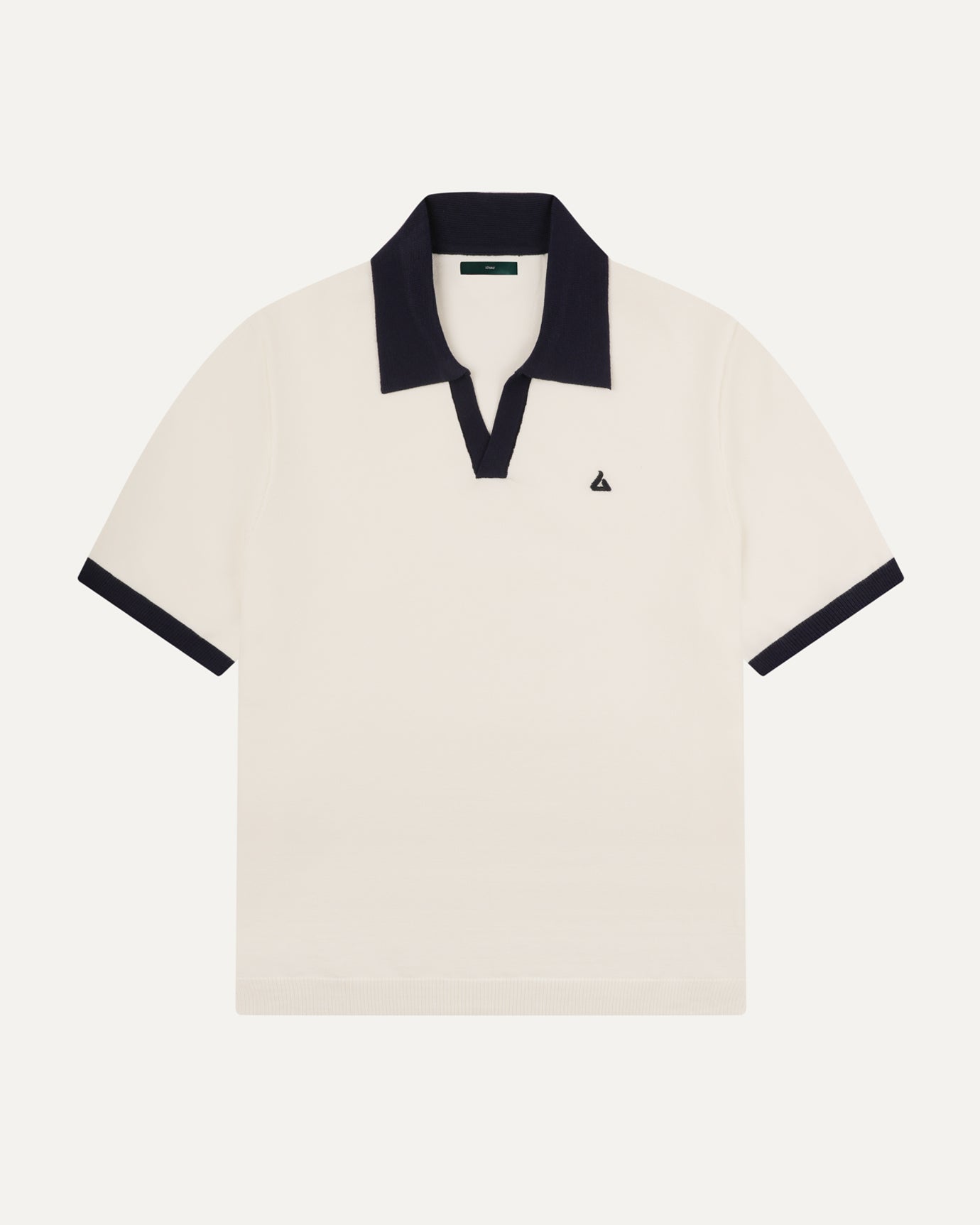
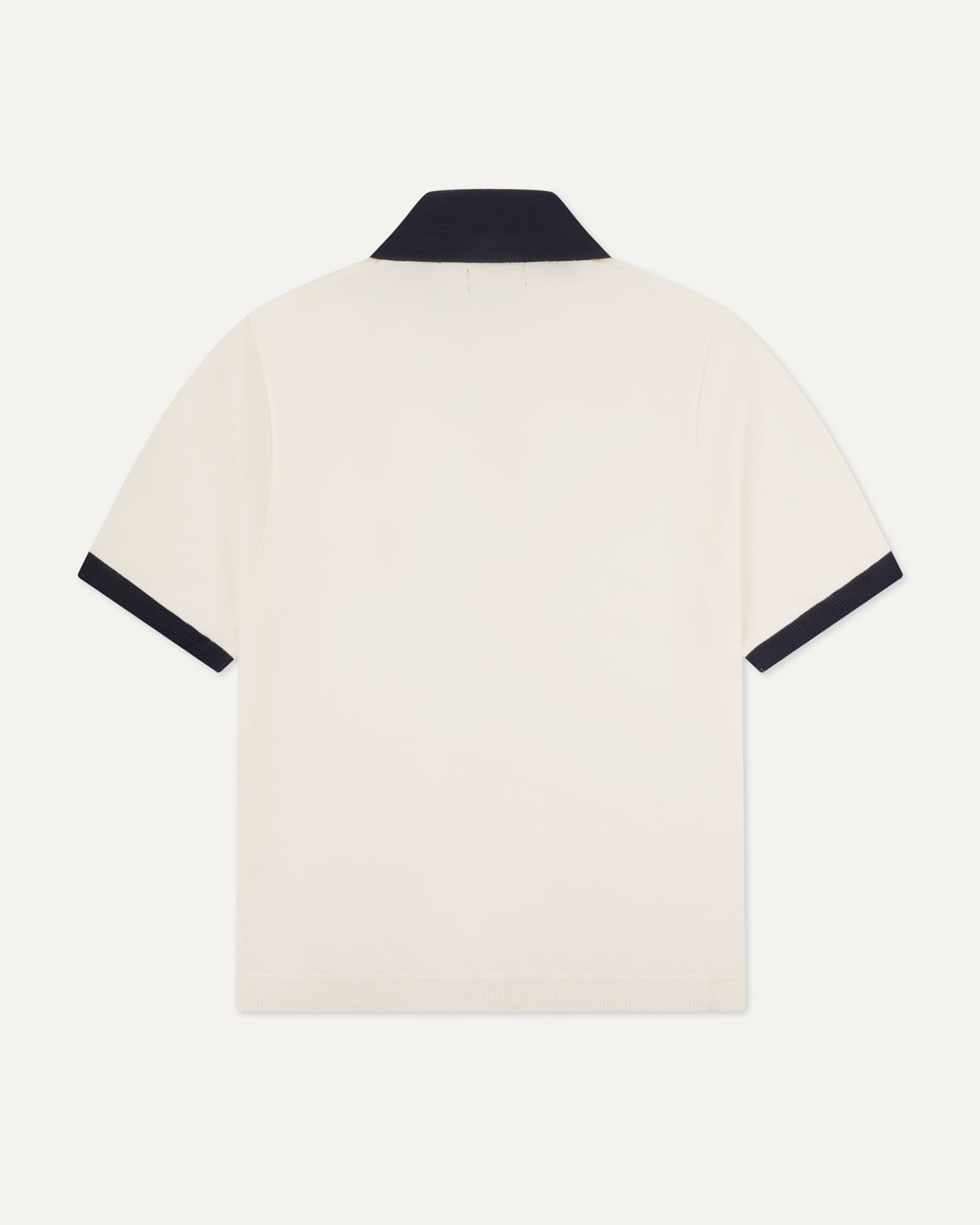
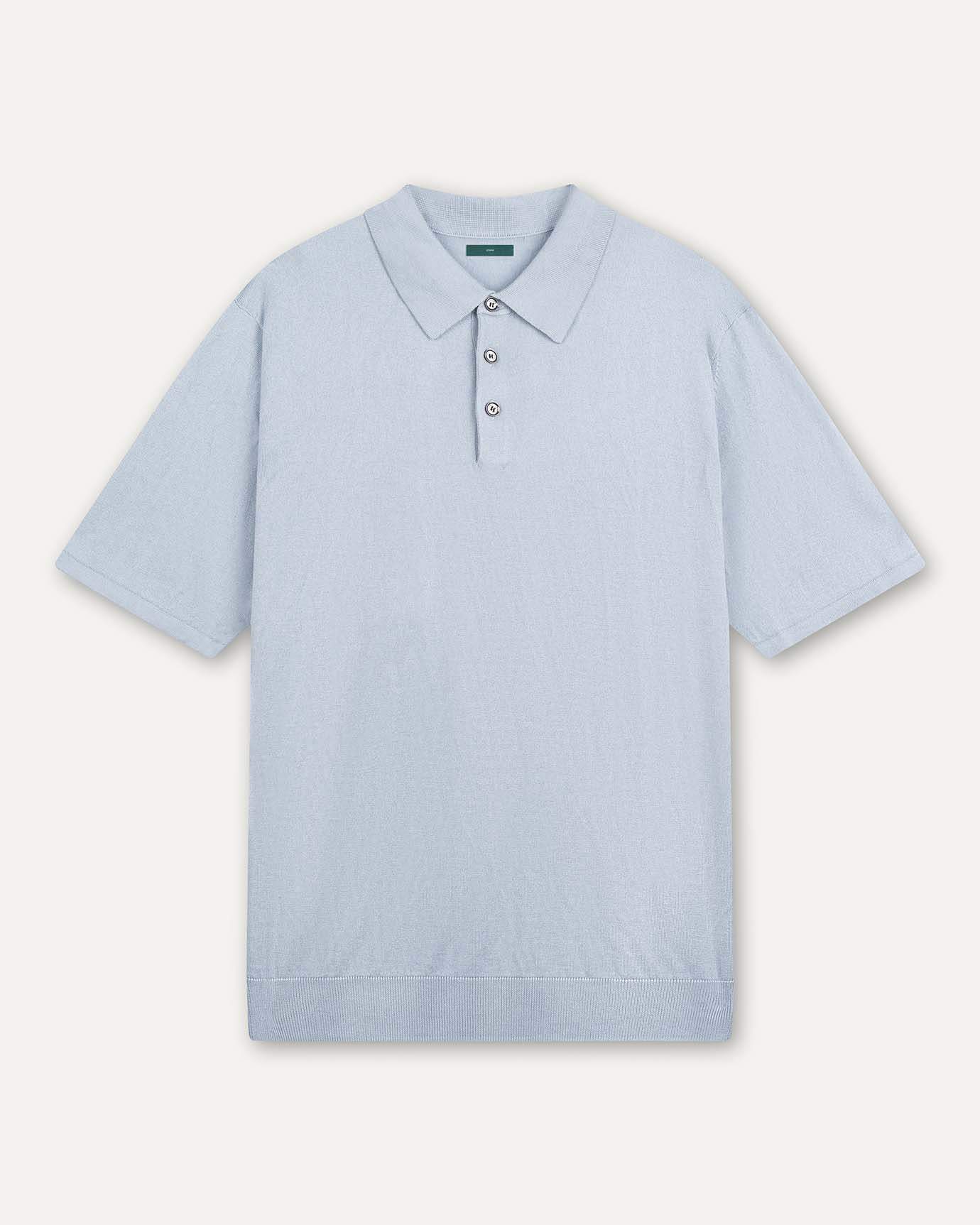
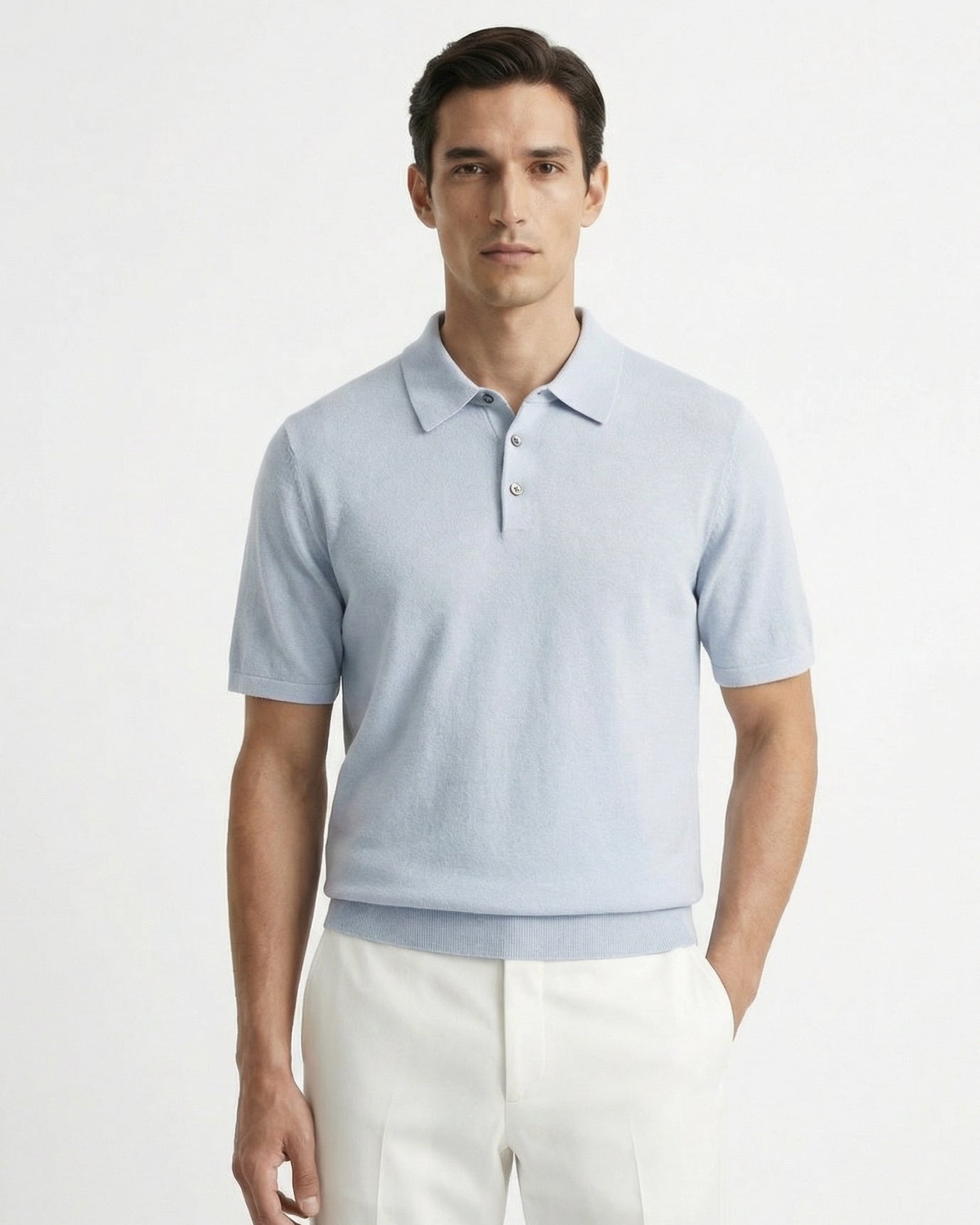
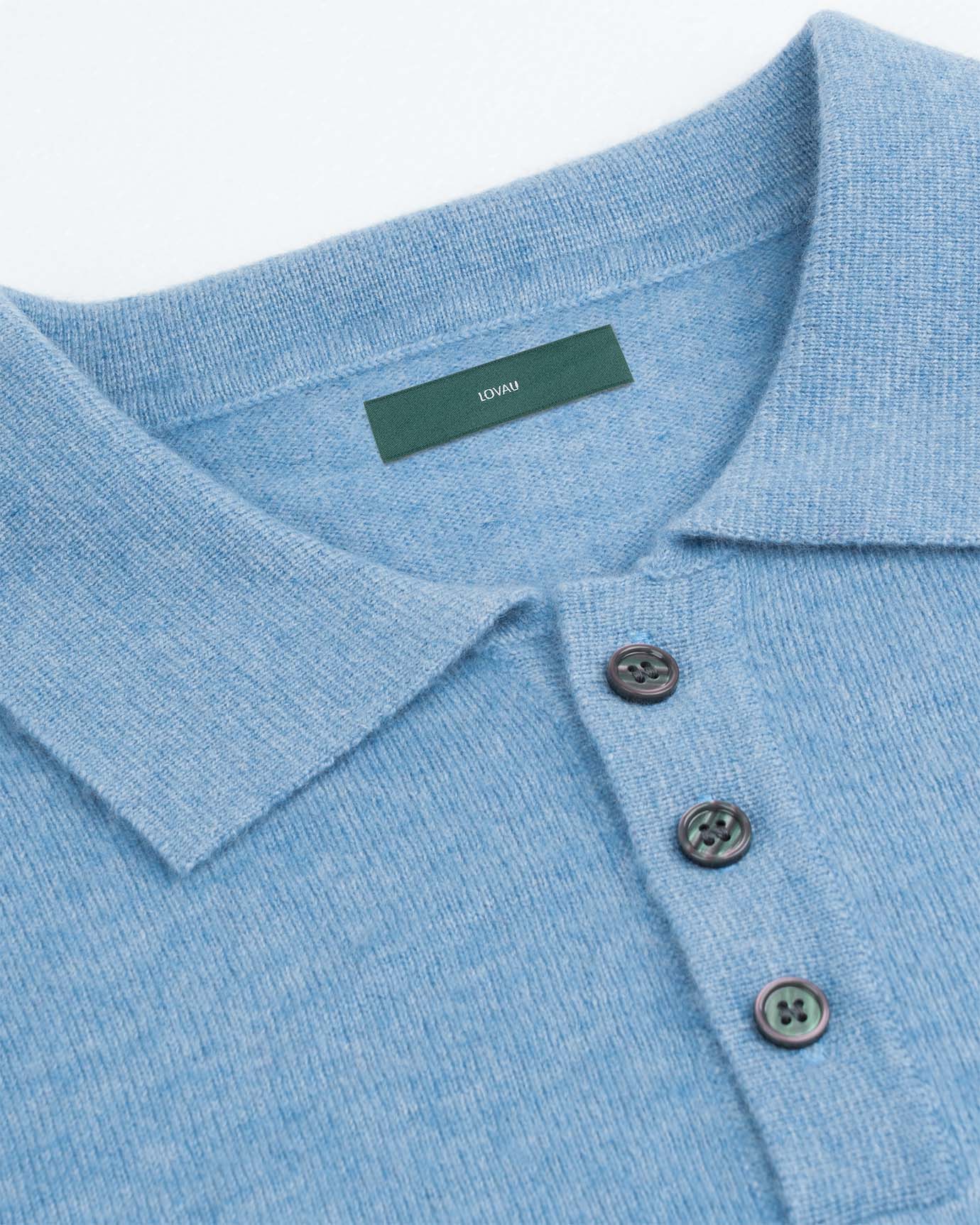
For men, the linen blend knitted polo solves the perennial warm-weather layering problem. Linen blends breathe in summer heat, hold their structure better than pure linen, and press easily. The polo collar adds enough formality to move the garment out of purely casual territory without requiring a jacket.
Layering within a capsule wardrobe also means thinking about what sits underneath. A fine cotton or merino base layer extends the range of your knitwear across seasons. The timeless minimalist wardrobe checklist covers this layering logic in more depth.

The Cap: A 90s Accessory with Genuine Staying Power
The baseball cap is one of the clearest threads connecting 1990s minimalism to contemporary quiet luxury dressing. In the 90s it appeared everywhere: worn backwards over a slip dress, forwards with a trench coat, or simply as punctuation on an otherwise formal outfit. It was the decade's way of saying that refinement and ease could coexist.
The key distinction in a minimalist capsule is fabric and construction. A structured cap in cotton or linen reads as intentional. A cheap synthetic cap reads as an afterthought. According to fashion historians, the baseball cap's transition from sportswear into mainstream fashion accelerated significantly through the late 1980s and 1990s, driven in part by its adoption in high fashion contexts.
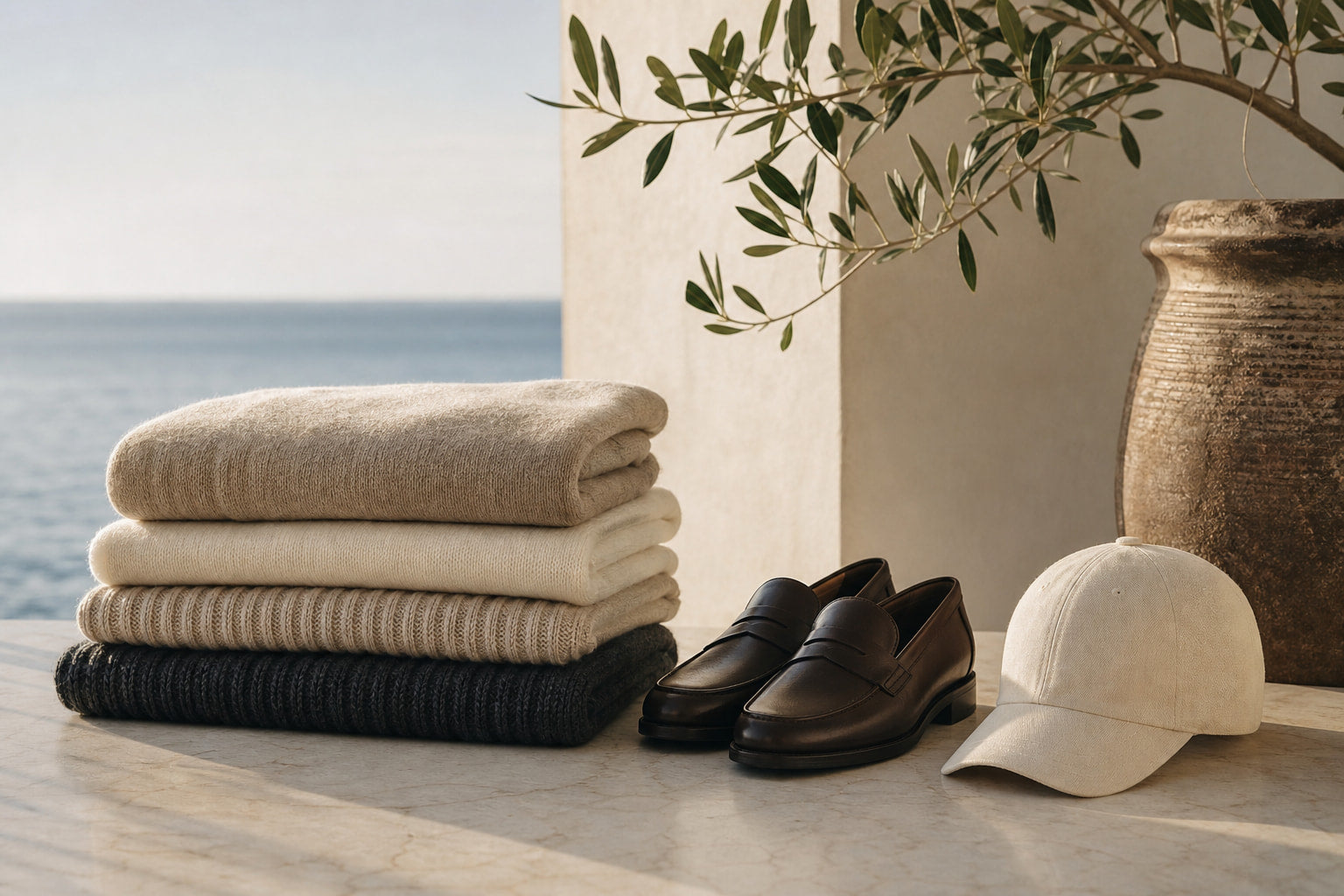
For a warm-weather capsule, the Marbella linen cap is a considered choice. The linen construction keeps it light and breathable, the structured profile means it holds its shape, and the neutral colourway makes it genuinely versatile across the rest of the wardrobe. Linen also develops a quiet texture over time rather than degrading the way polyester does.
For those who prefer a warmer tone, the Milan bordeaux cotton cap introduces that single accent colour mentioned in the palette section above. Bordeaux reads as grown-up and precise against ivory, stone, or charcoal. It is the kind of colour choice that looks planned rather than spontaneous.
Women building a 90s capsule should also consider the cashmere double-knitted cap, which moves the cap into colder-weather territory without losing the relaxed 90s energy. Cashmere holds warmth without bulk, and the knitted structure gives it a softer silhouette than a structured cotton cap.
If you are assembling the full accessory picture, the complete minimalist wardrobe checklist includes caps alongside bags, belts, and shoes as part of a coherent accessory strategy.
Expert insightA cap should be stored on a hook or a cap form, not folded into a drawer. Structure is the whole point of a quality cap, and compression damages it quickly.

Shoes and the Denim Layer
Footwear in a 90s minimalist wardrobe follows the same logic as everything else: clean lines, genuine materials, neutral or near-neutral tones. The loafer and the Chelsea boot covered most of the decade's footwear needs, and both remain as functional now as they were then.
For men, the genuine leather Chelsea boots offer the kind of versatility that justifies their presence in a capsule. They work with straight-leg trousers, with jeans, with chinos. The elastic gusset construction is clean and uninterrupted, which suits the minimalist brief. Genuine leather also moulds to the foot over time and improves with proper care.
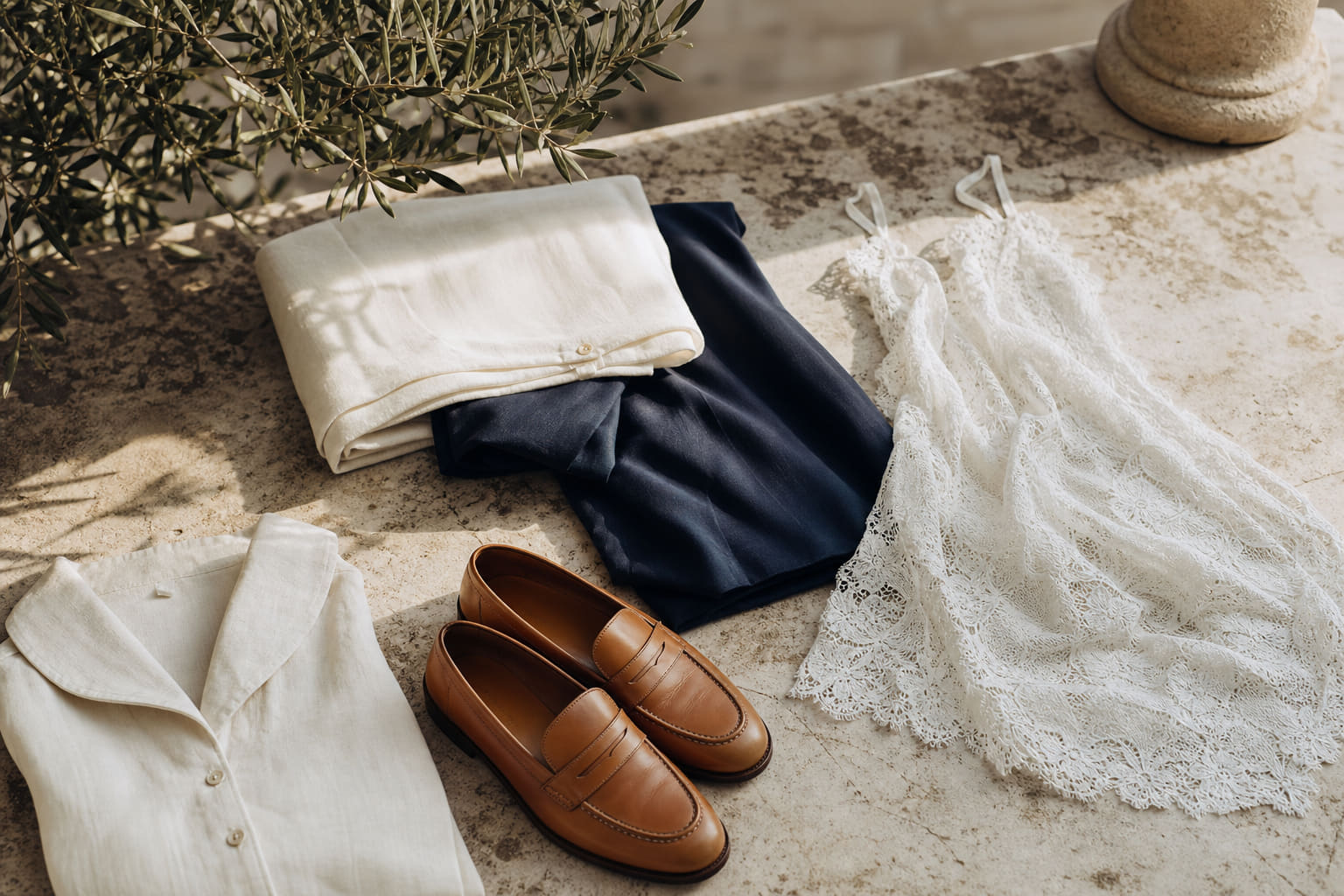
For women, the Diana old money style loafers bring the flat, structured silhouette that defined 90s footwear. The loafer was the decade's democratic shoe: it appeared in boardrooms, on university campuses, and on fashion week streets with equal conviction. Genuine leather construction ensures it holds its form and develops a patina rather than simply wearing out.
Denim also belongs in this wardrobe, but in a specific way. The 90s treated denim as a neutral, not a statement. A mid-wash or dark indigo jacket worn over a white dress or a pale knit is a clean combination with real longevity. The denim blue jacket in a structured cut works this way: it is not distressed, not heavily washed, not embellished. It is simply a well-made denim layer that adds texture without adding noise.
For women interested in building out the shoe portion of their capsule, the loafers old money style collection covers the full range of options across heel height and leather finish.

Sunglasses and the Final Layer of the 90s Capsule
Accessories in a minimalist capsule should be few and precise. The 90s silhouette asked for one or two strong accessories rather than a collection of them. Sunglasses were central to that decade's visual language, and the frame shapes that defined it, narrow rectangles, small ovals, and slightly tinted lenses, have returned with real force.
The black dark gray tint 90s sunglasses are a direct reference to that frame vocabulary. The dark gray tint reads as understated rather than theatrical, and the black frame sits neutrally against the palette described earlier. These are not fashion-season sunglasses. The shape and tint are archival enough to remain relevant across years rather than months.
For women building the full picture, the woman sunglasses old money style collection offers several frame options that sit within the same aesthetic territory.
Finally, a note on volume. The 90s minimalist capsule works because it is genuinely small. Fashion researchers and wardrobe consultants have consistently found that most people wear roughly 20 percent of their wardrobe 80 percent of the time. A capsule approach simply makes that 20 percent intentional from the start. Aim for 25 to 30 pieces total, including shoes and outerwear, and resist the urge to expand until every piece you own is earning its place.
For those approaching this from a travel perspective, the minimalist capsule wardrobe essentials for travel applies the same logic to packing, which is where a genuinely coherent capsule proves its value most clearly.

| Piece | Best Fabric | Primary Occasion | Season Range | Capsule Priority |
|---|---|---|---|---|
| Straight or wide-leg trouser | Worsted wool or heavy cotton | Work, smart casual, dinner | All year with layering | Essential |
| Column or slip dress | Silk, viscose, or fine jersey | Day to evening | Spring through autumn | Essential |
| Knitted polo or top | Linen blend or fine merino | Smart casual, travel | Spring through autumn | Essential |
| Structured baseball cap | Cotton or linen | Casual, outdoor, travel | Spring through summer | High value |
| Loafer or Chelsea boot | Genuine leather | All occasions except formal black tie | All year | Essential |
| Denim jacket | Mid-weight cotton denim | Casual layering | Spring and autumn | Supporting |
Frequently asked questions
How many pieces should a 90s minimalist capsule wardrobe contain?
Most working capsule wardrobes sit between 25 and 35 pieces, including shoes, outerwear, and accessories. The 90s minimalist version tends toward the lower end of that range because the aesthetic rewards repetition and combination rather than variety. Start with 20 pieces and add only when a genuine gap becomes clear. The essential minimalist wardrobe checklist offers a useful starting inventory.
What is the difference between 90s minimalism and current quiet luxury?
The two aesthetics share a commitment to restraint and quality, but 90s minimalism was often more architectural and slightly harder in its lines, influenced by designers working against the excess of the 1980s. Quiet luxury, as it is understood now, tends to be softer and more heritage-inflected, drawing on equestrian and country traditions alongside tailoring. In practical wardrobe terms, the overlap is significant: both prioritise neutral palettes, genuine materials, and precise fit over branding or decoration.
Can a baseball cap work in a refined, minimalist wardrobe?
Yes, provided the cap is well-constructed and made from a quality fabric. A structured cotton or linen cap in a neutral or single accent colour functions as a genuine wardrobe piece rather than an afterthought. The Marbella linen cap is a good example of how the shape translates into a more considered context. The 90s established this combination and it has not dated.
How do I care for linen and wool pieces in a minimalist capsule?
Linen should be washed at low temperatures and line-dried to prevent shrinkage. It creases naturally and does not need to look pressed unless the occasion demands it. Wool, including merino and cashmere, benefits from hand-washing or a gentle machine cycle in cold water, laid flat to dry away from direct heat. Both fabrics improve with careful handling and degrade quickly with heat or aggressive machine cycles. Store knitwear folded, never hung, to prevent stretching at the shoulders.
A 90s-inspired minimalist capsule wardrobe is not built in an afternoon, but it is built with intention. Start with the palette, establish the foundation garments in quality fabrics, add texture through knitwear and layering, and finish with a small number of accessories chosen for their coherence with the whole. The cap, the loafer, the structured trouser, the fine knit: each piece earns its place by working with everything around it. For a broader framework that supports this kind of thinking across all wardrobe categories, the elegant capsule wardrobe essentials for men and women is the natural next step.