


Why Tweed is the Ultimate Old Money Fabric for Spring
Reading time 14 min • 2709 words
There is a persistent misconception that tweed belongs only to October shoots, winter country walks, and the heavy warmth of November. That misconception costs people one of the most distinguished spring fabrics available. The truth, known to anyone who has dressed in the British Isles or along the Atlantic coasts of France and northern Italy, is that a lighter-weight tweed is ideally suited to the unpredictable cool of April and early May.
Old money dressing has never been about following seasonal trend calendars. It is about choosing materials that last, that carry a certain visual authority, and that improve with age rather than deteriorating after three washes. Tweed satisfies all three conditions. A well-cut tweed jacket worn in spring over a fine linen shirt communicates something that no polyester blazer ever can: that the wearer has dressed deliberately, with knowledge of cloth.
This guide covers what distinguishes spring-weight tweed from its heavier counterparts, how to wear it across different occasions, and why it remains the fabric most closely associated with the quiet confidence that defines old money style for both men and women.
Key takeaways
- Lightweight open-weave tweeds, including Donegal and hopsack weaves, breathe well enough for spring temperatures between 10 and 18 degrees Celsius.
- Spring tweed works best in pale tones: oatmeal, sage, stone, and pale grey rather than the dark hunting-weight cloths associated with autumn.
- A tweed jacket paired with linen trousers or a fine wool dress is the most versatile old money combination for the season.
- Tweed holds its shape across years of wear, making it a cost-per-wear investment far superior to fast-fashion spring options.
- Care is simple: brush after each wear, air on a wooden hanger, and dry-clean only once or twice per season at most.
In this guide
- What Makes a Tweed 'Spring Weight': Weave, Fibre, and Weight
- The Old Money Case for Tweed: Why This Fabric Signals Understated Authority
- How to Wear Tweed in Spring: Outfit Formulas for Men
- How to Wear Tweed in Spring: Outfit Formulas for Women
- Caring for Tweed: What You Need to Know to Make It Last Decades
- Building a Spring Wardrobe Around Tweed: The Lovau Approach
- Frequently asked questions
What Makes a Tweed 'Spring Weight': Weave, Fibre, and Weight
Not all tweed is the same cloth. The word describes a family of loosely woven, typically wool-based fabrics rather than a single specification. The differences between a 600-gram hunting tweed and a 280-gram spring Donegal are as significant as the difference between a heavy overcoat wool and a fine flannel.
Fibre content is the first variable. Traditional Harris Tweed, woven in the Outer Hebrides and protected by its own Act of Parliament, is a pure virgin wool cloth, typically heavier and best suited to autumn and winter. Spring tweeds, by contrast, are often blended with a small percentage of linen, silk, or fine cotton, which opens the weave and improves breathability without sacrificing the characteristic texture.
Weave structure matters equally. A hopsack weave or an open-twill creates air pockets within the cloth that allow heat to escape. A tight herringbone cut from a dense wool will trap warmth, which is exactly what you want in December and exactly what you do not want in April. When selecting a spring tweed piece, look for a slightly looser hand, a visible open texture, and a fabric weight under 320 grams per linear metre.
Colour is the final indicator. Spring tweeds traditionally run in pale, heathered tones: oatmeal, sage green, pale grey, stone, and soft camel. These shades reflect rather than absorb light, keep the wearer cooler, and read as distinctly seasonal without making any concession to the loud pastels of mass-market spring fashion.
- Suitable spring tweed weight: 240 to 320 g/m
- Avoid for spring: heavy Harris Tweed above 450 g/m, dense double-faced tweeds
- Ideal fibres: pure fine wool, wool-linen blend, wool-silk blend
Expert insightWhen buying a tweed jacket for spring, hold it up to natural light. If the weave is tight enough to block most of the light, it is a winter cloth. A spring-weight tweed should show some translucency at the edges of the fabric.
The Old Money Case for Tweed: Why This Fabric Signals Understated Authority
The association between tweed and old money is not accidental. It is the product of a very specific dressing culture that developed across the estates of Britain, the shooting lodges of Ireland, and the gentlemen's clubs of continental Europe across roughly two centuries. The fabric was practical before it was fashionable, worn for country pursuits where durability and camouflage mattered more than display. That practical origin is precisely what gives it its social weight today.
Old money dressing operates on the principle that quality speaks quietly. A man in a well-cut tweed jacket and worsted wool trousers does not need to announce a brand. The cloth does the work. The same logic applies to women: a tweed skirt or a structured tweed jacket worn with a fine dress beneath it communicates an understanding of cloth that no logo can replicate.
Tweed also ages visibly well, which is a key distinction from most modern fabrics. After several seasons of careful wear, a good tweed jacket develops a subtle patina, a slight softening of the surface fibres, that makes it look more distinguished rather than worn out. This is the opposite of how synthetic fabrics age. It is also why tweed pieces tend to be passed down rather than discarded, a habit entirely consistent with the old money approach to dressing.
For women building a spring wardrobe around this aesthetic, pairing a light tweed jacket with the Contrast Collar Pleated Dress in Navy and White creates precisely the layered, considered look that defines the style: structured above, refined below, nothing superfluous.
Expert insightThe old money wardrobe principle is cost per wear, not cost per item. A 300-euro tweed jacket worn forty times per year for ten years costs less per wearing than a 90-euro polyester blazer that pills after two seasons.

How to Wear Tweed in Spring: Outfit Formulas for Men
The challenge with spring tweed for men is temperature management. The solution is layering with lighter fabrics beneath, so that the tweed jacket can be removed or added as the day changes without compromising the overall look.
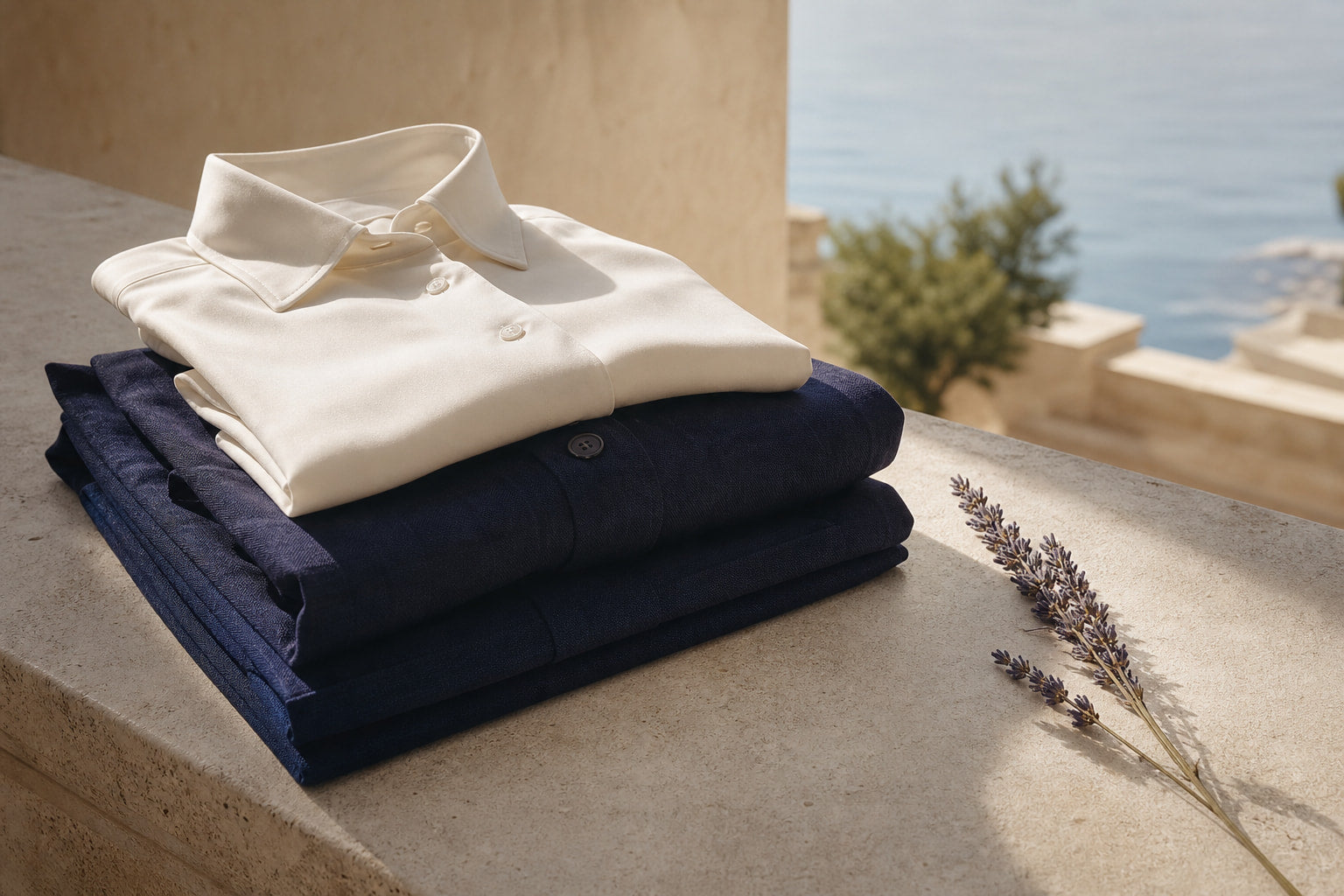
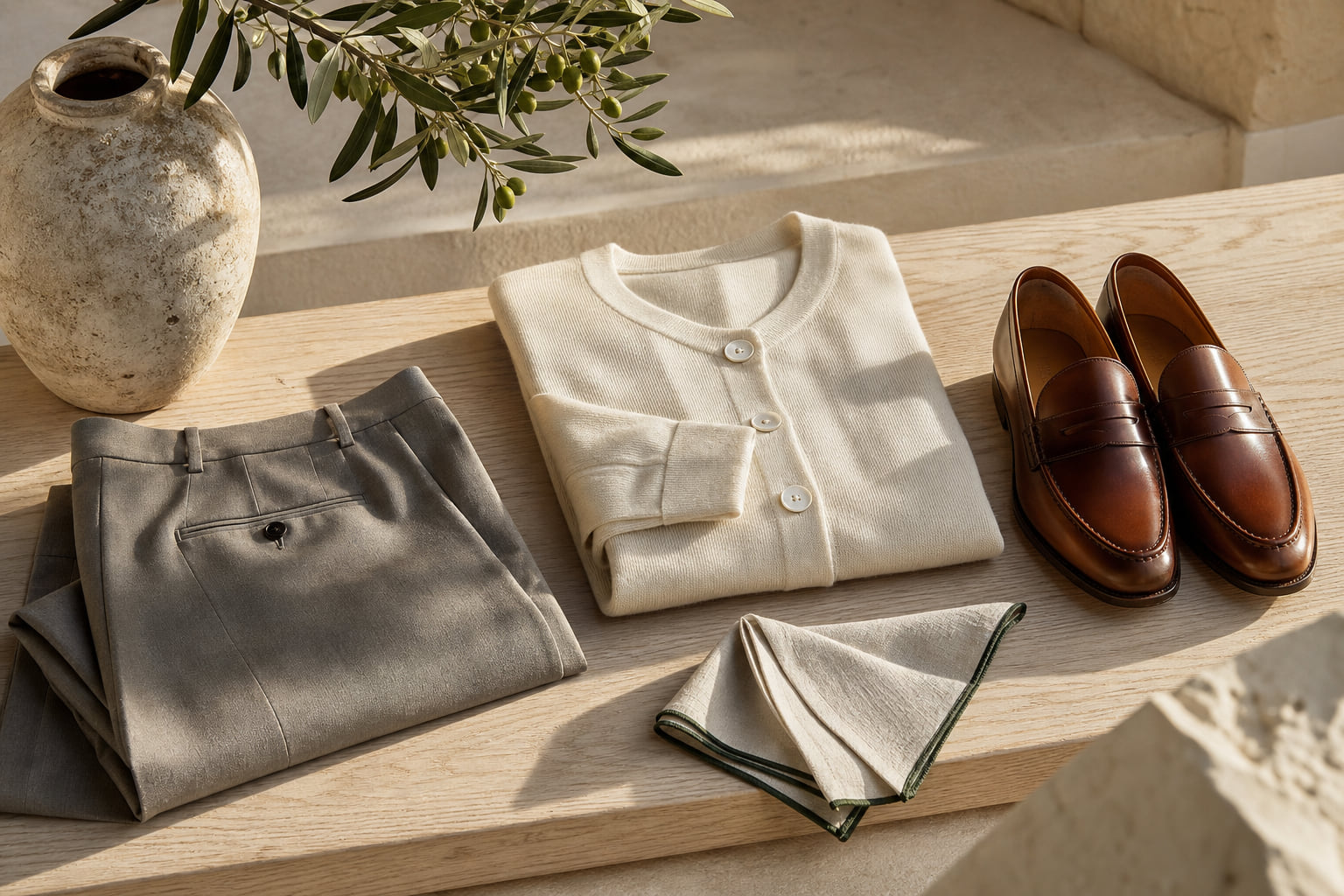
The classic spring combination is a tweed jacket over a high count fine linen shirt in pale blue or white, paired with Italian worsted wool trousers in stone or mid-grey. This is a combination that works from a morning business meeting to a long lunch outdoors without requiring a change of clothes. The linen shirt breathes under the jacket; the jacket provides structure and warmth when needed.
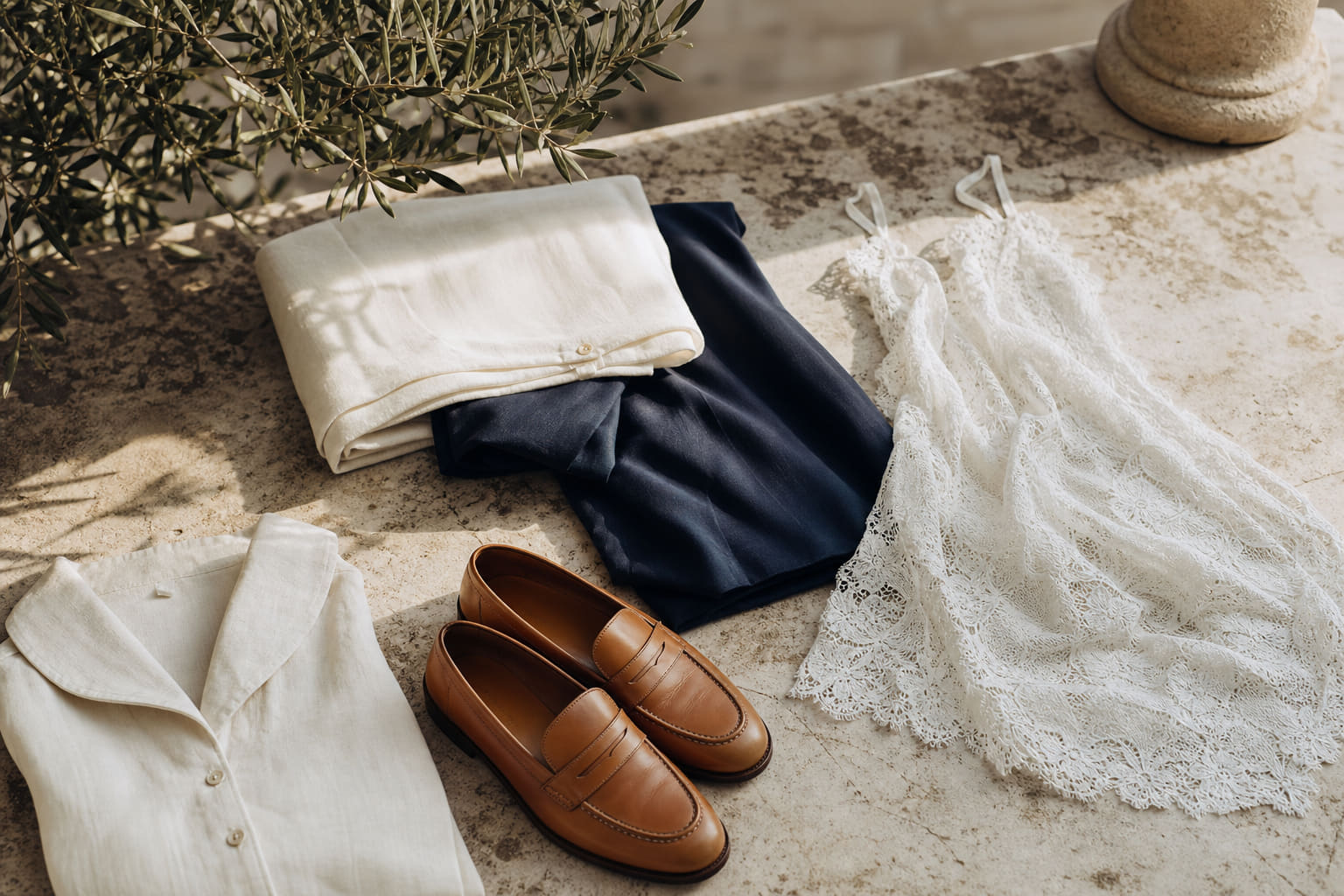
For a more relaxed spring register, consider the tweed jacket over Paris linen trousers in natural or cream. This pairing works particularly well for weekend occasions: gallery visits, outdoor markets, coastal lunches. The contrast between the textured tweed above and the fluid linen below creates visual interest without any deliberate styling effort.
Footwear anchors the look. British style Chelsea boots in genuine leather are the correct choice when the weather is uncertain. On warmer spring days, retro linen leather loafers carry the same old money register with a lighter touch.
- Tweed jacket + linen shirt + worsted trousers + Chelsea boots: formal spring occasions
- Tweed jacket + linen shirt + linen trousers + loafers: relaxed weekend
- Avoid: tweed with denim, tweed with trainers, tweed with overly bright colours beneath
Expert insightRoll the sleeves of a linen shirt once before putting on a tweed jacket. It prevents the cuff from bunching at the wrist and gives a cleaner line at the sleeve opening.

How to Wear Tweed in Spring: Outfit Formulas for Women
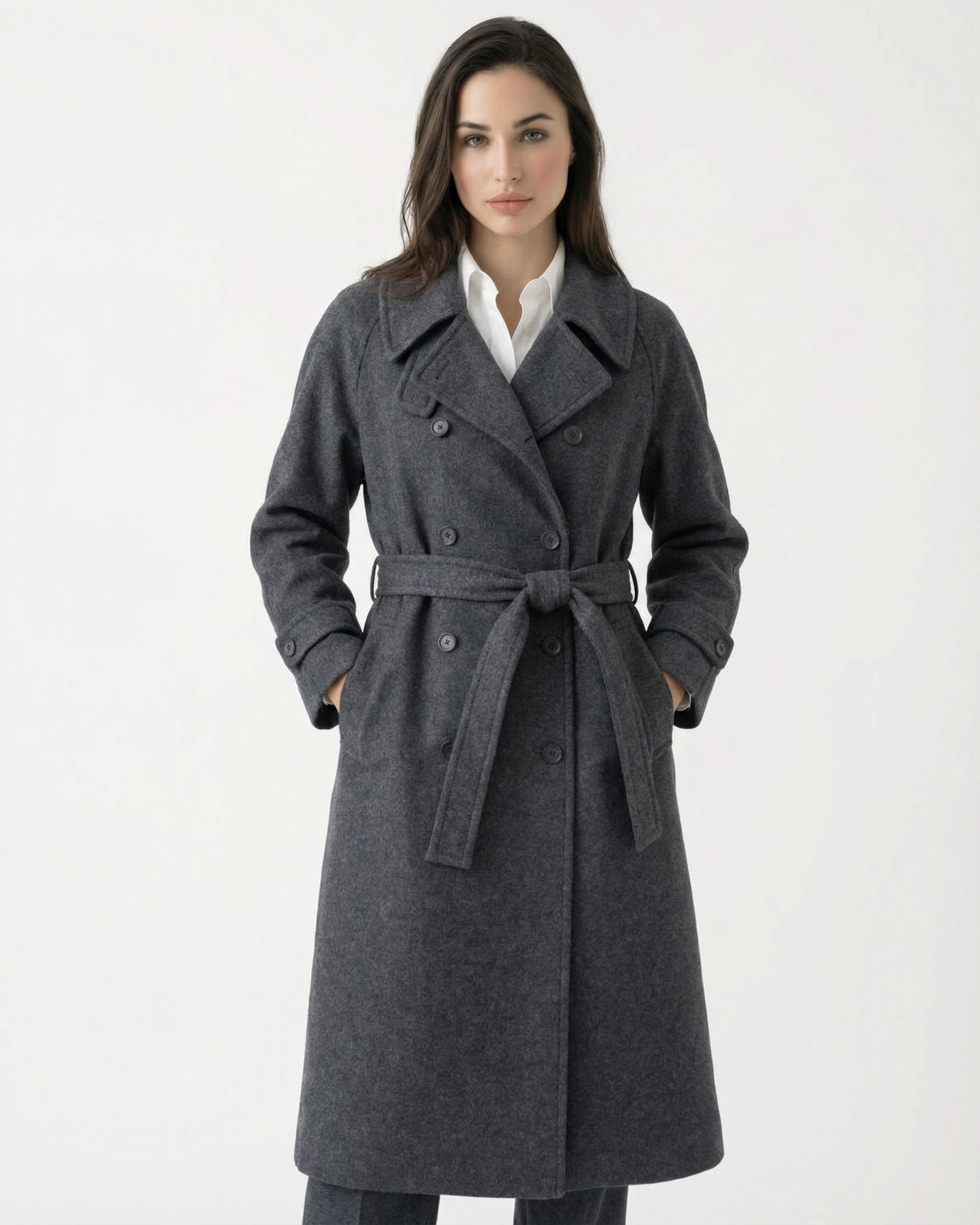
Women have historically had more freedom with tweed than men, largely because the fabric has moved through couture as well as country dressing. Chanel's adoption of tweed in the 1920s established it as a fabric equally at home in urban dressing as in rural settings, and that dual identity remains useful today.
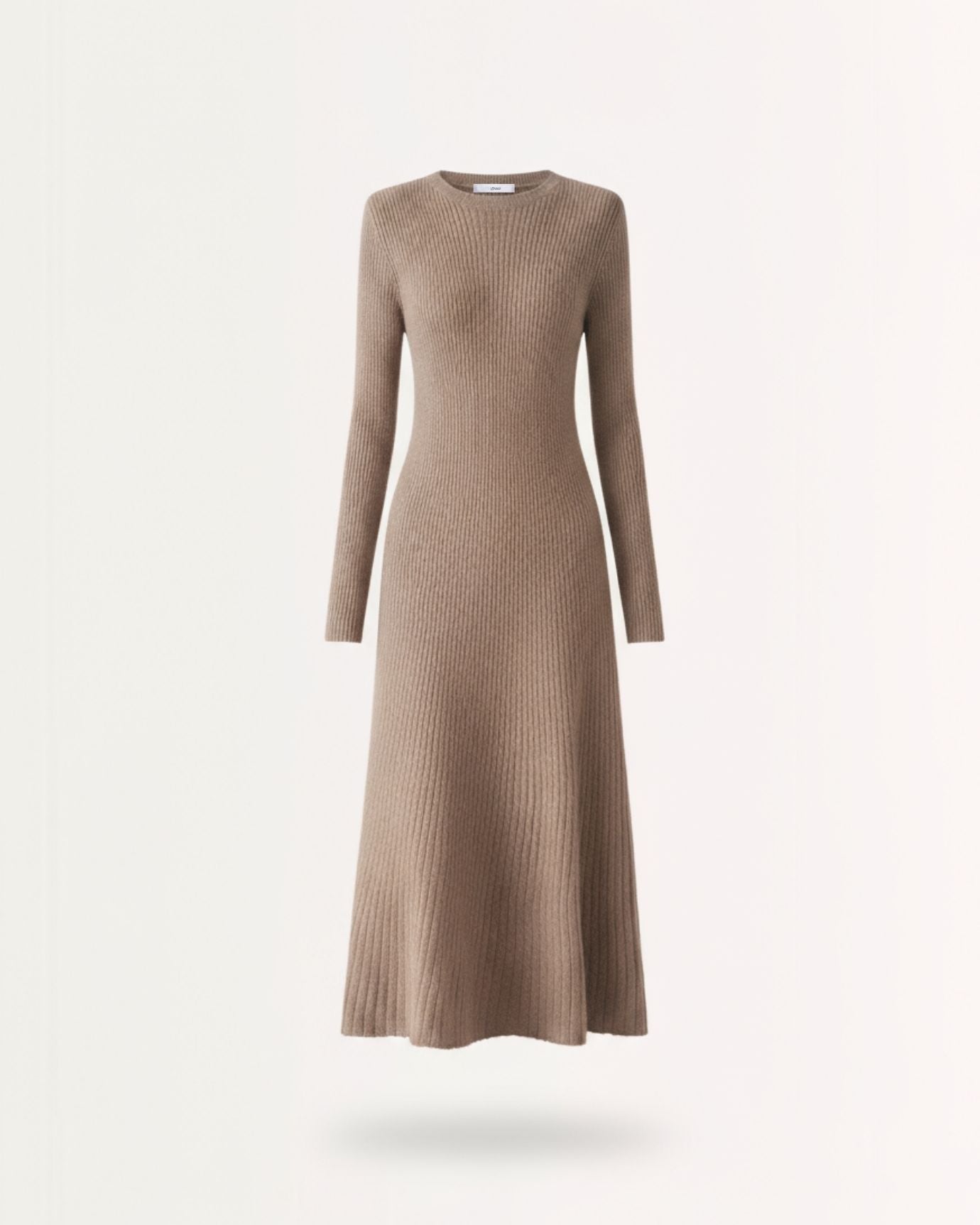
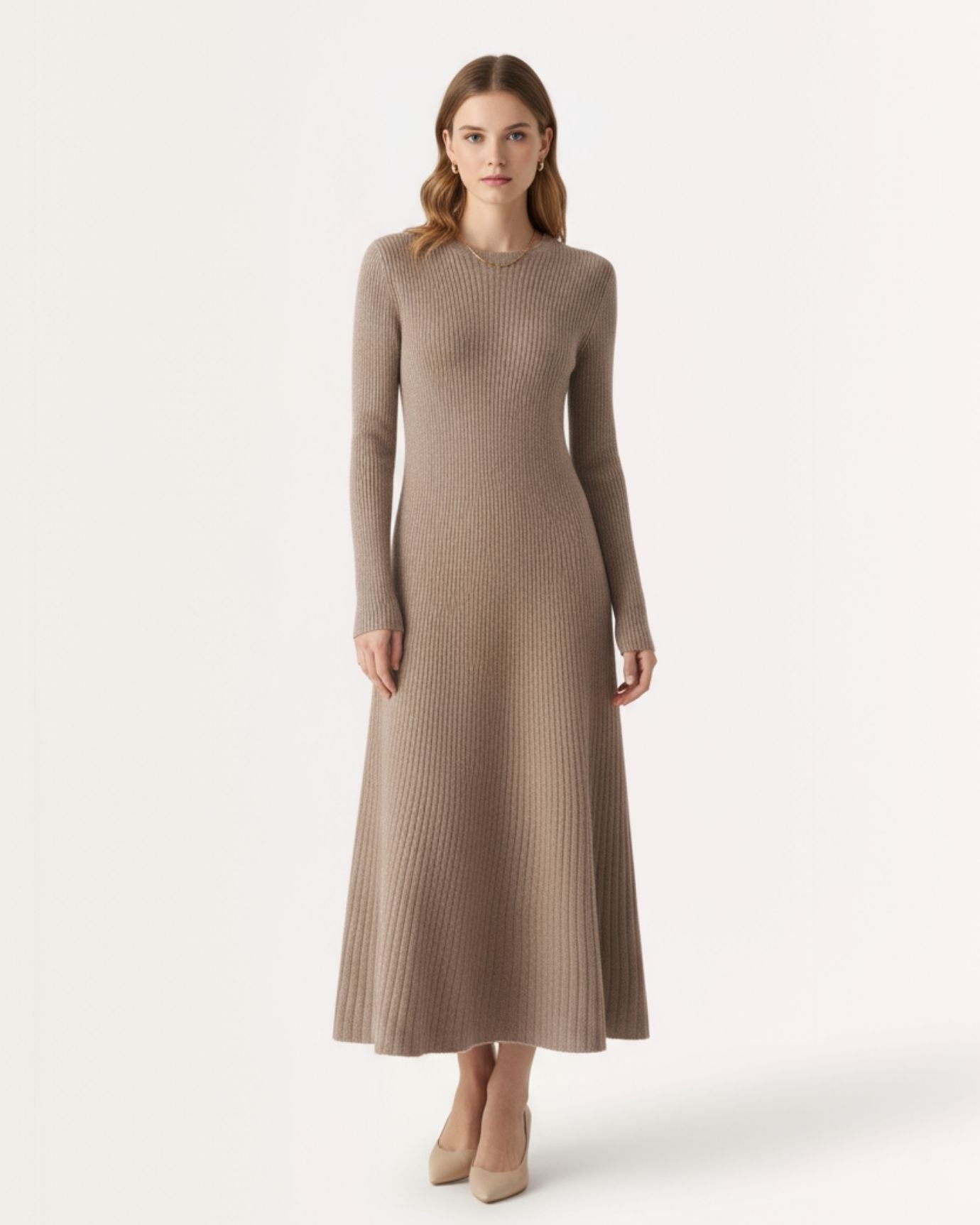
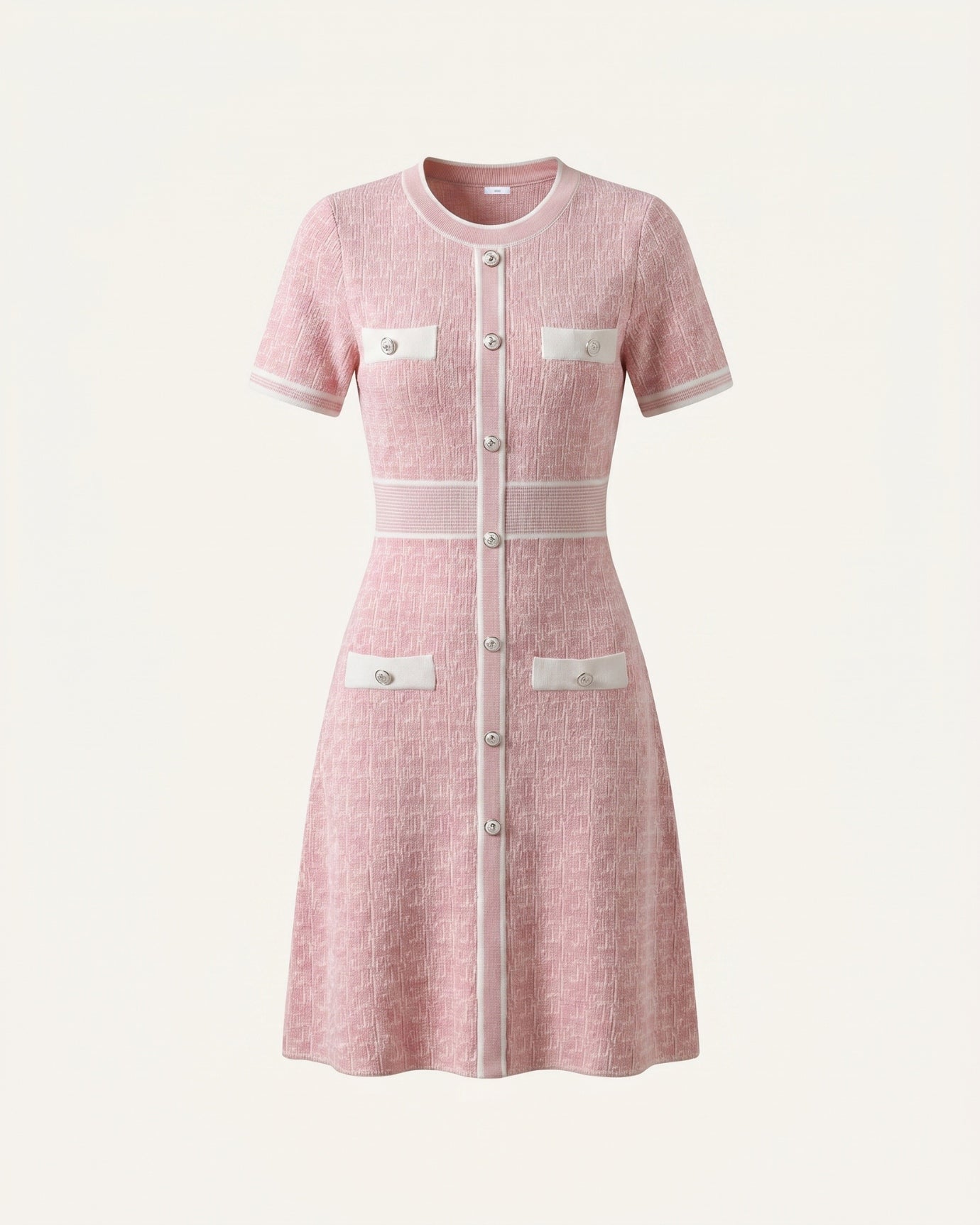
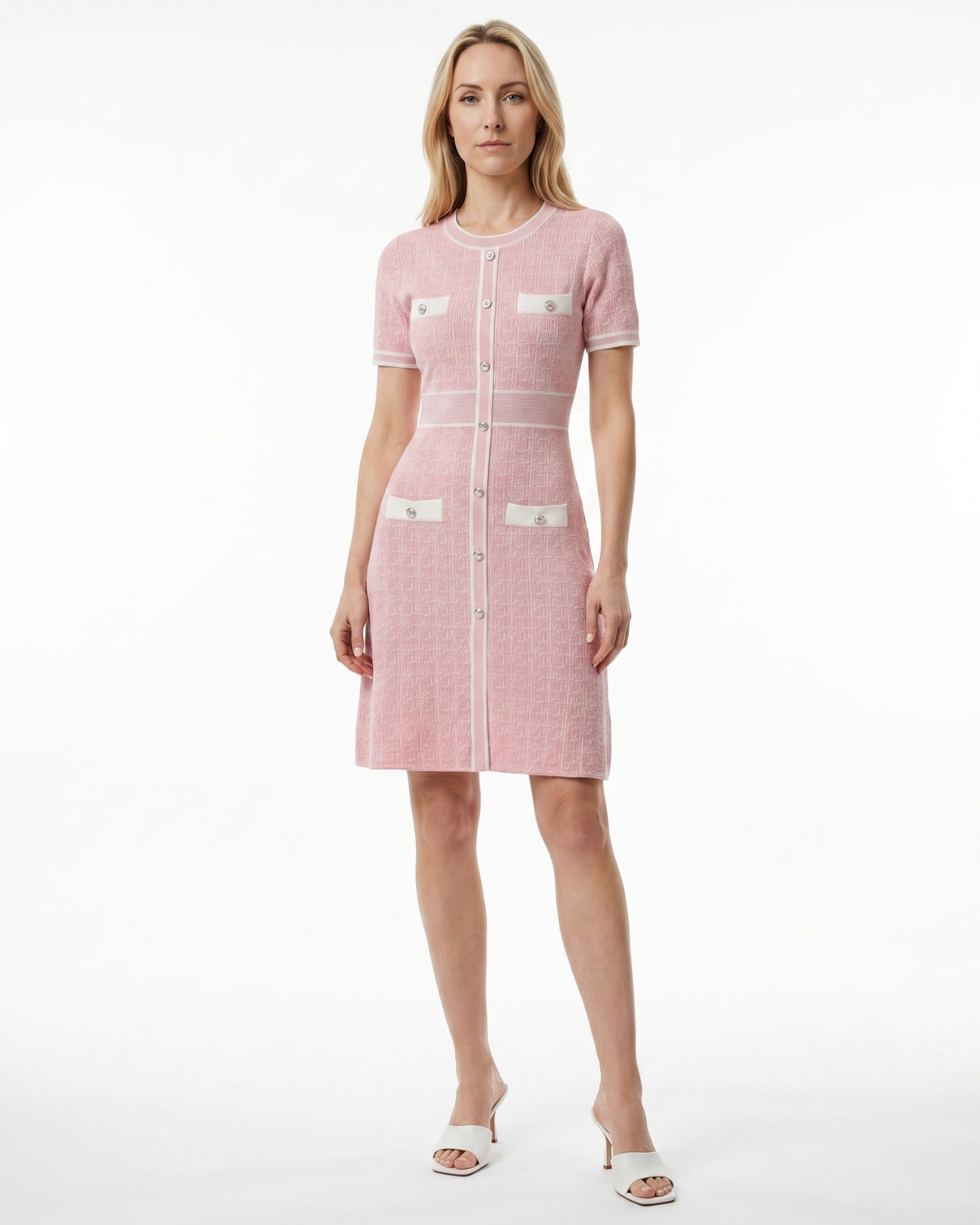
For spring, the most wearable formula is a fitted tweed jacket over a fine dress. The Woman Wool Dress in Old Money Style provides the right weight and drape beneath a structured tweed layer: the two fabrics share a similar natural fibre character, so they read as a considered combination rather than an accidental one.
A tweed skirt, particularly in a muted check or a pale Donegal fleck, worn with a simple tucked shirt or the In Paris Style Long-Sleeved Dress with Belt is another strong option. The belt on the dress creates a defined waist that prevents the heavier texture of tweed from reading as shapeless.
Shoes matter considerably. For women, the old money instinct is always towards a flat or low heel in leather. The Diana Old Money Style Woman Loafers are the natural companion to a tweed outfit in spring: the leather grounds the texture of the tweed, and the flat silhouette reads as confident rather than casual.
Colour coordination for women in spring tweed: choose a jacket or skirt in a neutral tweed, then allow one element, a scarf, a belt, a shoe, to carry a single accent colour. This is the old money approach to colour, precise and intentional rather than layered.

Caring for Tweed: What You Need to Know to Make It Last Decades
Tweed is a forgiving fabric in daily wear and a demanding one if you ignore basic maintenance. The good news is that proper care requires very little time and no specialist equipment for most of the year.
Brushing is the single most important habit. After each wear, use a natural-bristle clothes brush and brush the fabric in the direction of the weave. This removes surface dust and food particles before they work into the fibres, and it maintains the slight nap that gives tweed its visual depth. A two-minute brush after each wearing will extend the life of a jacket by years.
Airing comes second. Tweed absorbs atmospheric moisture and body heat. After wearing, hang the piece on a wide wooden hanger in open air, away from direct sunlight, for at least thirty minutes before returning it to the wardrobe. This allows the fibres to breathe and recover their shape. It also reduces odour, which means you can wear a tweed jacket multiple times between cleans.
Dry cleaning should be infrequent. Once or twice per season is sufficient for a jacket worn regularly. Over-cleaning strips the natural lanolin from wool fibres and accelerates wear. Between dry cleans, a steam treatment at home, holding a garment steamer twenty centimetres from the surface, removes light creasing and refreshes the fabric without washing.
Storage in the off-season: fold along the natural lines of the jacket, wrap in acid-free tissue, and store with cedar blocks rather than mothballs. Mothballs leave a chemical residue in wool that is difficult to remove. Cedar repels moths naturally and leaves no scent in the cloth.
For further guidance on wool and tweed fabric care, the Woolmark Company's fibre care standards provide a reliable reference for washing symbols and professional care instructions applicable to all wool-based cloths.

Building a Spring Wardrobe Around Tweed: The Lovau Approach
Tweed does not need to be the dominant fabric in a spring wardrobe to do its work. One or two well-chosen pieces, a jacket, a skirt, or a structured coat, are sufficient to anchor an entire season's dressing when the pieces surrounding them are chosen with the same care for cloth and proportion.
The Lovau approach to spring dressing begins with a neutral foundation: linen shirts and trousers in pale tones, fine wool dresses, leather shoes. Tweed enters as the structural layer, the piece that gives the outfit its weight and intention. Browse the full Spring Man Old Money Collection 2026 and the Spring Summer Woman Old Money Collection 2026 for pieces that pair naturally with tweed.
For men who want a complete old money spring outfit without a tweed jacket, the Lovau Old Money Style Pleated Trousers in combination with a high count navy blue fine linen shirt carry the same register of quiet authority through the natural quality of the fabrics alone.
For women, the Spring Summer Old Money Woman collection offers dresses and separates that work beneath or alongside tweed pieces, all cut with the proportions and restraint that make the combination feel considered rather than assembled.
The guiding principle, for both men and women, is that every piece in the outfit should be able to justify its presence on the basis of fabric quality and cut. Tweed earns its place in spring not through nostalgia or trend, but because it is simply one of the best cloths ever made for the purpose of dressing with lasting dignity.

| Fabric | Weight Range (g/m) | Breathability | Durability | Old Money Register | Best Spring Use |
|---|---|---|---|---|---|
| Lightweight Tweed (wool-linen blend) | 260 to 320 | Good in open weaves | Excellent, 10+ years | Very High | Jackets, skirts, structured coats |
| Fine Wool Flannel | 280 to 360 | Moderate | Very Good, 7 to 10 years | High | Trousers, skirts, dresses |
| Linen | 160 to 220 | Excellent | Good, 5 to 8 years | High in fine counts | Shirts, trousers, summer dresses |
| Cotton Poplin | 120 to 180 | Very Good | Moderate, 3 to 5 years | Moderate | Shirts, lightweight trousers |
| Polyester Blend | 150 to 250 | Poor | Low, 1 to 3 years | Low | Not recommended for old money dressing |
| Silk-Wool Blend | 180 to 260 | Good | Good with care, 6 to 8 years | Very High | Dresses, lightweight blazers, scarves |
Frequently asked questions
Is tweed too warm to wear in spring?
A heavy Harris Tweed above 450 grams per metre is indeed too warm for most spring days. However, lightweight tweeds between 260 and 320 grams, particularly those with a wool-linen or wool-silk blend, are well suited to spring temperatures between 10 and 18 degrees Celsius. The key is selecting an open weave and a pale colourway rather than a dense, dark hunting cloth.
How do I stop a tweed jacket from feeling itchy against the skin?
Tweed should never sit directly against bare skin. Always wear a layer beneath, a fine cotton or linen shirt, or a lightweight merino base layer. The itch associated with tweed is almost always contact with the rough outer surface rather than a property of the wool itself. A well-finished lining inside the jacket also eliminates the issue entirely on the torso.
Can women wear tweed in spring without looking too formal?
Yes, proportion and pairing determine the formality level. A tweed jacket worn over the In Paris Style Long-Sleeved Dress with Belt reads as polished but not ceremonial. Keeping the tweed piece in a pale, heathered tone and pairing it with flat leather shoes rather than heels also reduces the formality register considerably.
How often should I dry-clean a tweed jacket?
Once or twice per season is the maximum recommended frequency for dry cleaning tweed. Over-cleaning strips the natural oils from the wool fibres and shortens the life of the cloth. Between professional cleans, use a natural-bristle brush after each wear and a handheld garment steamer to remove creasing. This routine is sufficient to keep a tweed jacket fresh across the full season.
Tweed in spring is not a contradiction. It is a mark of someone who understands cloth well enough to know that the right weight and weave of this fabric is as appropriate for April as it is for October, provided the selection is made with attention to fibre, weave, and colour. The old money wardrobe has always been built on exactly this kind of knowledge: choosing materials for their intrinsic quality and wearing them with the confidence that comes from understanding why they were made. Explore the full range of pieces designed to carry this philosophy through the season in the Best Sellers old money collection, and start building a spring wardrobe that will still be relevant in ten years.