



What Defines Resort Wear Dresses in the Modern Era
Reading time 14 min • 2739 words
Resort wear dresses occupy a very specific position in a well-considered wardrobe. They are not beachwear, and they are not formal. They exist in the generous space between the two, designed for long warm days that move from a terrace breakfast to an afternoon on the water to a candlelit dinner without requiring a full change of clothes.
The category has sharpened considerably over the past decade. Where resort once meant bright printed kaftans and sarongs, today it describes something more precise: dresses with real structure, considered proportions, and fabrics chosen for both comfort and longevity. The modern resort dress looks just as appropriate in a harbour-side restaurant as it does on a sun-warmed terrace.
At Lovau, resort dressing follows the same principle as every other category we work in: restraint produces better results than excess. The right dress, in the right fabric, in a colour that works with the light of the place you are visiting, is always more elegant than a wardrobe of options you will not actually wear.
Key takeaways
- Resort wear dresses are defined by breathable fabric, considered silhouette, and versatility across multiple occasions from beach to dinner.
- Linen, cotton voile, and lightweight cotton-blend knit are the most practical and elegant resort fabric choices.
- A structured silhouette, even in a casual cut, separates resort dressing from purely casual beachwear.
- A quality wide-brimmed hat is the single accessory that most transforms a resort dress into a complete, polished look.
- Resort dressing works best when you pack fewer pieces of higher quality, each capable of being worn at least three different ways.
In this guide
- The Fabric Question: What Resort Dresses Are Actually Made From
- Silhouette and Structure: Why Cut Matters as Much as Fabric
- Colour and Print: The Modern Resort Palette
- The Hat: The One Accessory That Completes a Resort Dress
- Occasion Versatility: How a Resort Dress Moves Through the Day
- Building a Resort Dress Wardrobe: The Minimum Useful Edit
- Frequently asked questions
The Fabric Question: What Resort Dresses Are Actually Made From
Fabric is where resort dressing succeeds or fails. The wrong fabric, however beautiful in a boutique, becomes uncomfortable within an hour in warm coastal humidity. The right fabric maintains its structure, resists creasing in a suitcase, and feels genuinely pleasant against skin that has been in the sun.
Linen remains the most honest resort fabric. It breathes exceptionally well, softens with wear, and carries a natural texture that reads as refined rather than casual. Its tendency to crease is not a flaw in a resort context; it is part of the character. A linen dress that has been worn for a day looks lived-in rather than dishevelled, which is exactly the quality good resort dressing should have.
Cotton voile and cotton lawn are lighter alternatives, with a translucency that works well in very warm climates. They move well in sea breezes and press easily when needed. Lightweight cotton-blend knit is the most practical choice for travel specifically, because it folds without permanent creasing and returns to shape after unpacking.
Synthetic fabrics, particularly polyester and viscose blends, are worth approaching carefully. They trap heat, do not absorb perspiration, and often pill after a season of wear. For a dress you intend to wear for years rather than one summer, natural fibres are the better investment.
The resort-light-green-dress is a useful example of how a simple silhouette in a clean, light-weight fabrication reads as genuinely elegant rather than merely casual. The colour, a soft sage, responds beautifully to Mediterranean light in a way that brighter resort palettes do not.
Expert insightWhen packing resort dresses, roll cotton and linen rather than folding them. Rolling compresses less and produces fewer sharp creases. Unpack and hang immediately on arrival and most wrinkles will fall out within an hour in coastal air.

Silhouette and Structure: Why Cut Matters as Much as Fabric
A resort dress without structure is simply a beach cover-up. The distinction between the two is not formality but intention. A well-cut resort dress has proportions that were considered at the design stage, not simply draped over a body.
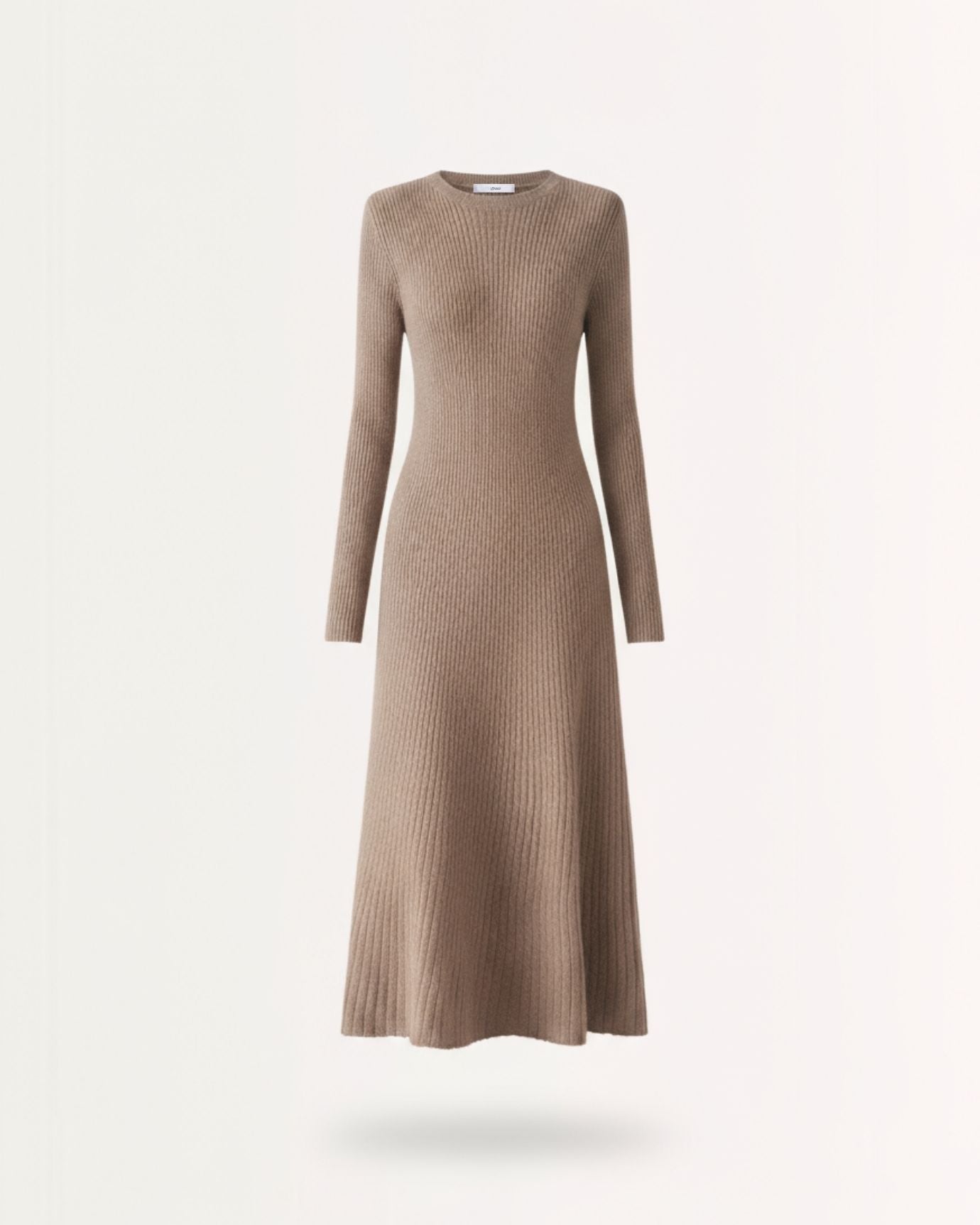
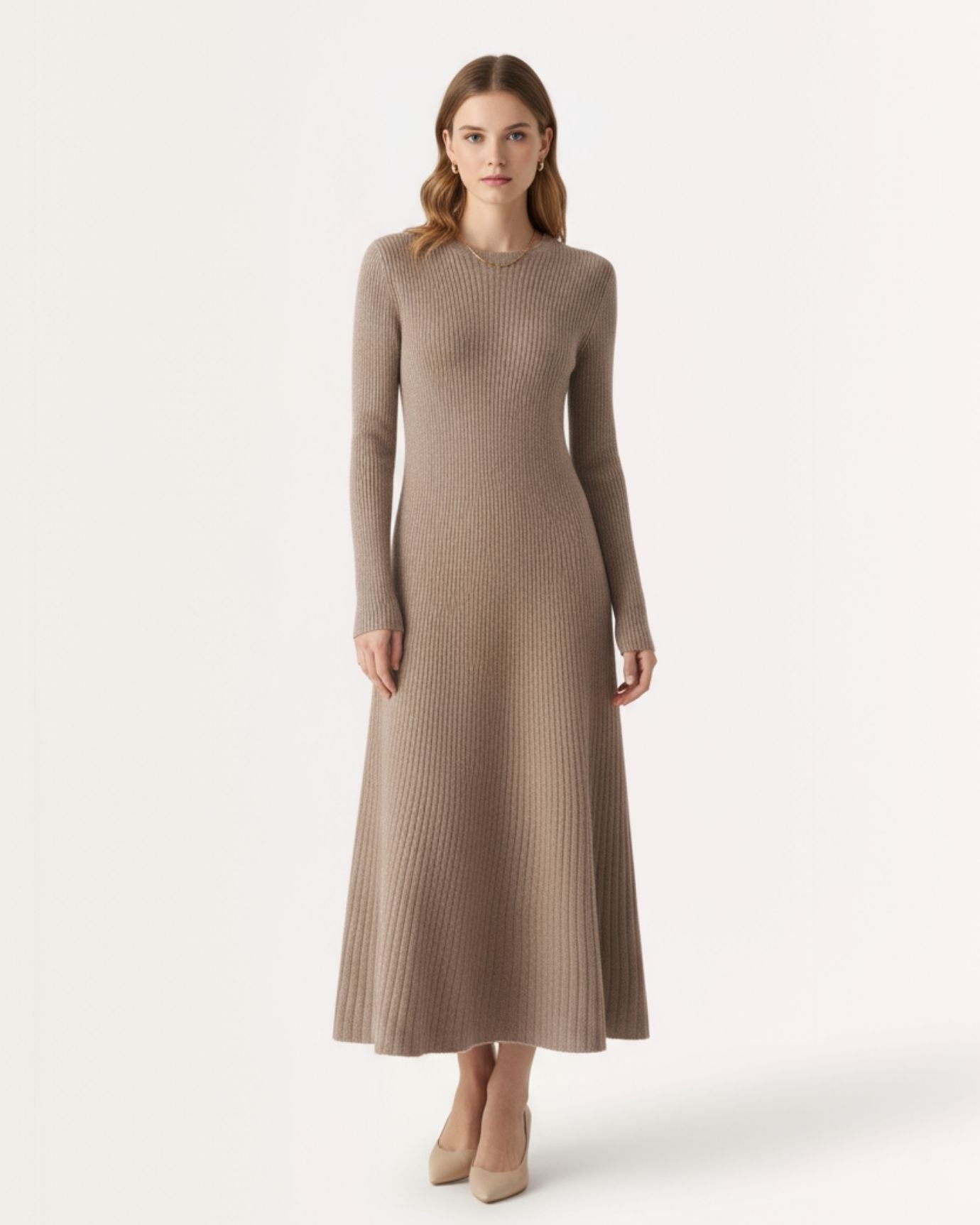
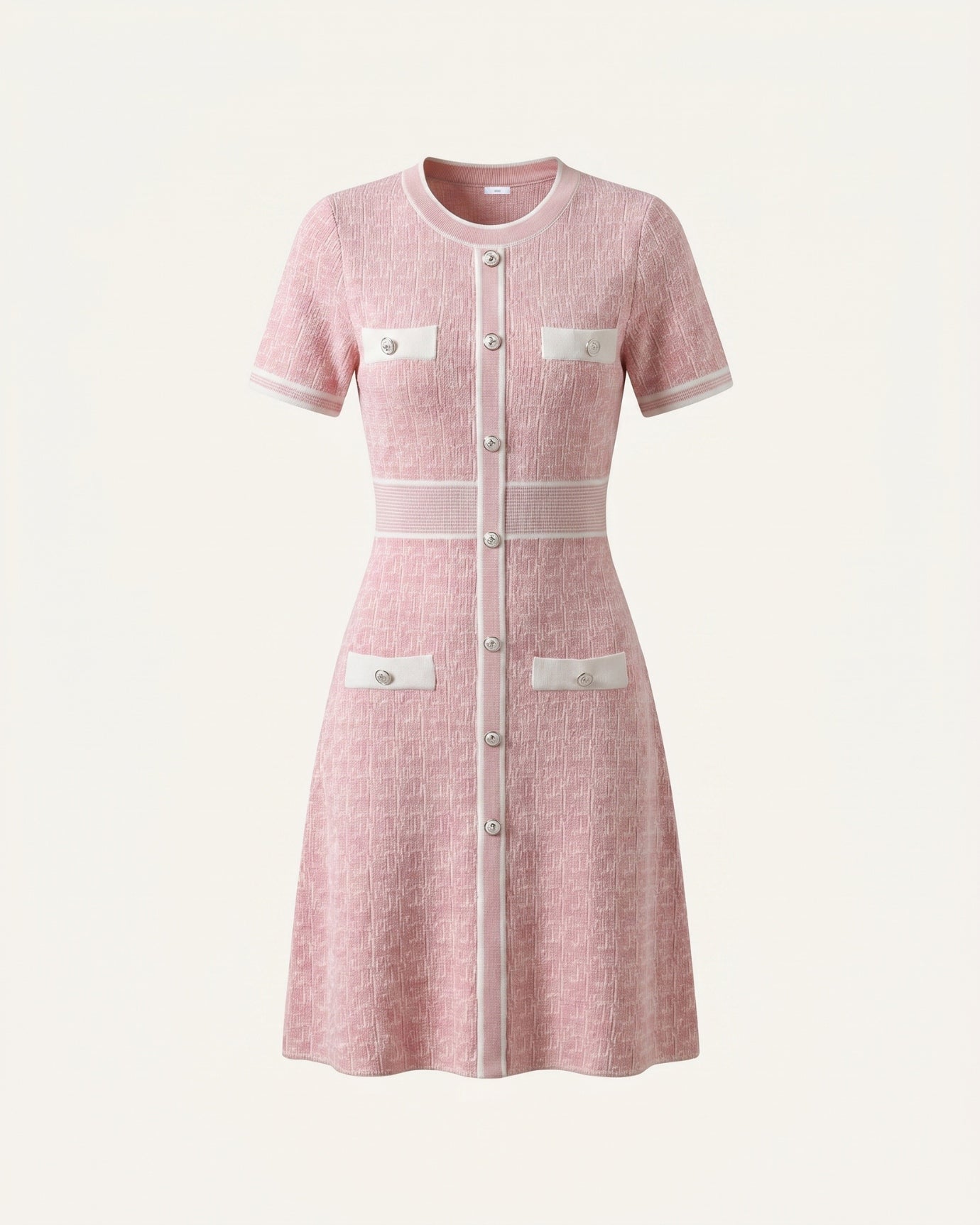
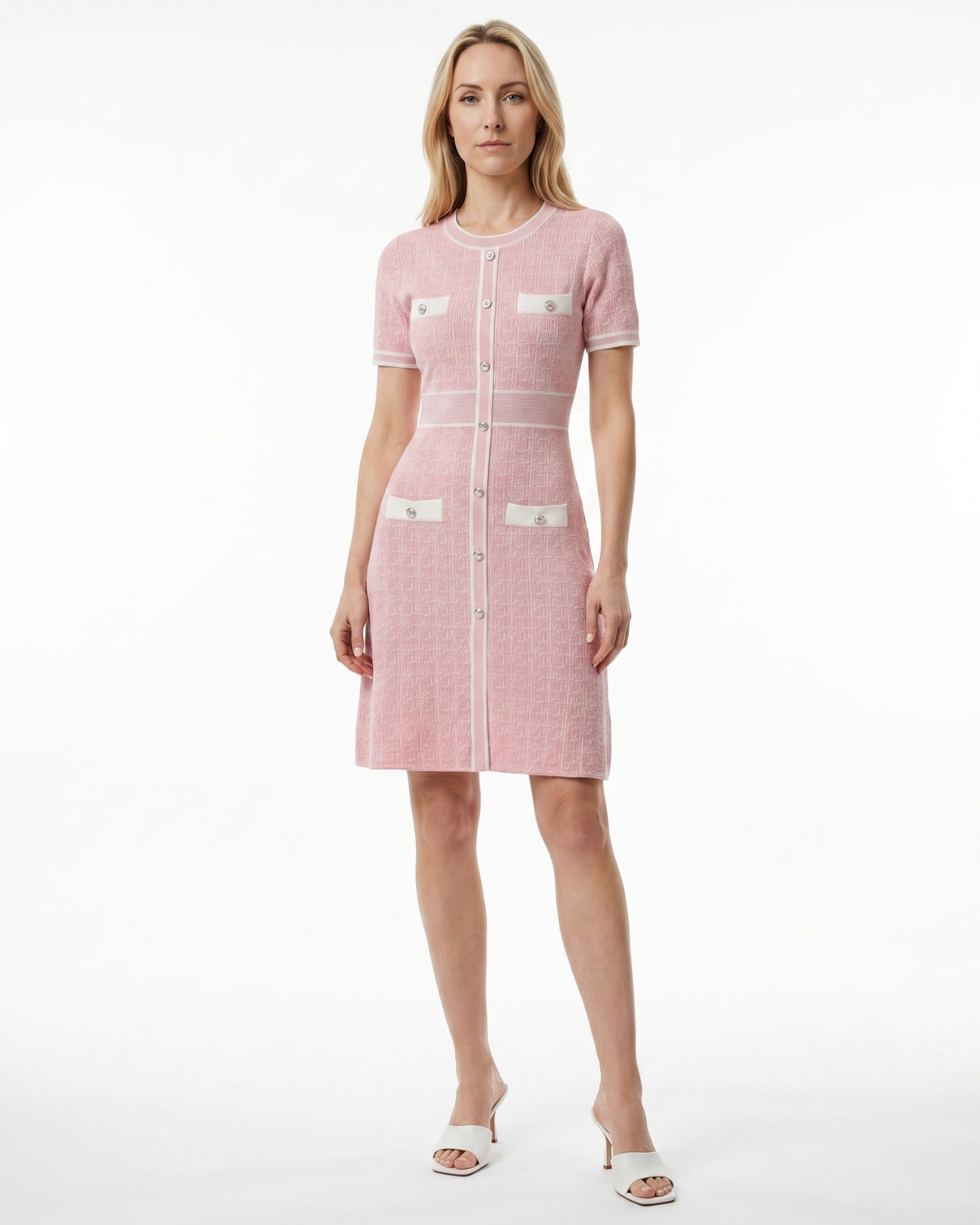
A-line silhouettes are the most versatile for resort dressing. They skim the body without clinging, allow full movement, and work across a wide range of body shapes. The lovau-style-a-line-knitted-dress demonstrates how this silhouette translates even into knit fabrications without losing its sense of occasion.
Maxi lengths have become central to modern resort dressing because they offer coverage without heaviness. A well-cut maxi in a lightweight fabric is actually cooler than a shorter dress in a stiffer one, because the fabric moves with air circulation rather than trapping heat against the legs. Browse our full maxi dresses selection for resort-appropriate lengths.
Strapless and minimal-strap designs suit the resort context particularly well when the bodice has real construction, boning or internal support, rather than relying entirely on a single gathered seam. The elegant-santorini-strapless-dress is built with this principle: the bodice holds its shape independently, so the silhouette remains clean through a full day of wear.
Mini lengths work in resort settings when the cut is precise. A loose, unstructured mini reads as casual; a fitted or A-line mini with a defined waist reads as intentional. The blue-lace-up-strap-v-neck-mini-dress sits in this latter category, with lace-up detailing that adds visual interest without relying on print or embellishment.
For a deeper look at how to pack a resort wardrobe intelligently, the article on resort dresses: what to pack for a luxury holiday covers the practical decisions in detail.
Expert insightWhen choosing between a midi and a maxi for evening resort wear, consider the venue floor surface. Stone and cobblestone terraces catch fabric; a midi-length dress is more practical for moving between tables at an outdoor restaurant.

Colour and Print: The Modern Resort Palette
Resort wear has historically been associated with loud tropical prints, and there is a place for that sensibility. But the direction that has held longest, and aged best, is one of restraint: colours drawn from the landscape of wherever you are travelling.
For Mediterranean destinations, this means whites, creams, soft blues, terracotta, sage green, and warm sand tones. These colours work in direct sunlight without overwhelming the eye, and they photograph well against stone, sea, and terracotta architecture. The french-niche-style-white-dress is a direct expression of this: white in a considered cut is never boring, and it reads as genuinely luxurious in a warm-climate setting.
Stripes have been part of Mediterranean resort dressing since the early twentieth century. A classic horizontal stripe in navy and white or blue and white carries a nautical reference that is specific and grounded rather than generic. The blue-striped-dress-lovau-style works in this tradition, pairing a stripe with a silhouette that is contemporary rather than costume-like.
Floral prints in resort dressing work best when the scale of the print is considered relative to the silhouette. A large-scale floral on a full maxi skirt is a statement; the same print on a mini dress becomes busy. The dreamy-retro-gentle-floral-dress uses a smaller, more tonal floral that sits comfortably across different settings without demanding attention.
According to Vogue's coverage of resort collections, the strongest resort looks in recent seasons have moved toward tonal dressing and quiet colour, a shift away from the maximalist prints that defined the category in earlier decades. This aligns with what we see in practice: the women who dress most elegantly on holiday are rarely the most colourful in the room.
Expert insightWhite and cream dresses in resort settings benefit from a second layer of SPF on the skin beneath, since light fabrics in direct sunlight offer minimal UV protection. Choose your underlayer before you choose your dress.

The Hat: The One Accessory That Completes a Resort Dress
No single accessory does more work in a resort wardrobe than a well-chosen hat. It provides sun protection, it frames the face, and it gives a simple dress the kind of visual completeness that would otherwise require multiple accessories to achieve.
The wide-brimmed straw hat is the canonical resort choice for good reason. A brim of at least 10 centimetres provides meaningful shade for the face and neck. Natural straw, particularly toquilla straw or seagrass weave, is lighter than synthetic alternatives and improves with careful handling over multiple seasons. A hat that has been worn and shaped to its owner's head has a character that a new hat does not.
For practicality in travel, packable straw and paper-straw hats have improved significantly in quality. The key is to look for hats with a tight, even weave; a loose weave collapses and does not return to shape. Pack a hat in the crown of a suitcase with tissue paper inside the crown to hold the shape.
A hat should be proportionate to the dress. A full maxi dress supports a larger brim. A mini dress or a fitted midi looks better with a slightly smaller brim or a structured boater shape, which provides coverage without overwhelming the proportions.
Pairing a hat with the contrast-collar-pleated-dress-sleeveless-two-piece-style-in-navy-white creates a complete resort look that requires very little else: the navy and white of the dress grounds the palette, and a natural straw hat in the same tonal range closes the composition.
For more ideas on building complete summer looks, the article on essential summer outfit ideas for everyday wear covers the practical combinations in detail.

Occasion Versatility: How a Resort Dress Moves Through the Day
The practical case for investing in quality resort dresses rather than disposable holiday pieces is simple: a well-made dress in a considered fabric and silhouette can move through an entire day without requiring a change, and through multiple trips without losing its character.
Morning to afternoon wear calls for breathable fabrics and a relaxed silhouette. A linen or cotton voile dress in a neutral or soft colour works for a market visit, a boat trip, or a long lunch. The lina-romantic-floral-dress sits in this register: the floral is gentle rather than loud, and the silhouette is relaxed enough for movement without looking unfinished.
Afternoon to evening transitions are where resort dressing is most tested. The dress that looked appropriate on a terrace at noon needs to hold its own at a restaurant by eight. This is where construction and fabric quality become decisive. A dress that has held its shape through a warm afternoon, that has not creased beyond recovery, that can be refreshed with a light steam or a few minutes hanging in a steamy bathroom, is worth considerably more than one that requires a full change.
The cira-white-hollow-out-lace-dress is a good example of a dress that bridges these moments. The lace detailing reads as more dressed-up than plain cotton, but the white and the relaxed silhouette keep it firmly in the resort register rather than crossing into formal territory.
Layering is the other tool for extending a resort dress through cooler evenings. A light linen shirt worn open over a slip-style dress, or a fine-knit cardigan over a strapless design, adds warmth without disrupting the look. The full summer dresses collection offers a range of silhouettes suitable for this kind of layering.
For those who prefer a defined waist and a slightly more polished silhouette for evening, the in-paris-style-long-sleeved-dress-with-belt offers exactly that: a belted construction that works for both daytime exploration and a more formal dinner setting, with the long sleeve providing coverage for cooler coastal evenings.
The definition of resort wear as a fashion category has broadened considerably since its origins in the mid-twentieth century, but the core principle has not changed: clothing designed for leisure travel in warm climates, with an emphasis on comfort and a standard of dress that respects both the wearer and the setting.

Building a Resort Dress Wardrobe: The Minimum Useful Edit
The most common mistake in packing for a resort holiday is volume. Too many dresses means too many decisions, too much weight, and too many pieces that never get worn. A considered edit of four to six dresses, each chosen for a specific purpose, is more useful than a suitcase of twelve.
A practical resort dress wardrobe for a ten-day trip might include:
- One white or cream dress in linen or cotton voile, loose enough for warm midday hours
- One striped or classic-pattern dress that works for casual lunches and boat days
- One floral or printed midi that bridges afternoon and early evening
- One more structured dress in a solid colour or tonal print for dinners
- One knit or slightly warmer dress for cooler evenings or air-conditioned interiors
The resort dresses collection at Lovau is built around exactly this kind of edit: pieces that are specific in their purpose and versatile in their application, rather than trend-driven items that look dated by the following season.
For those who travel frequently to Mediterranean climates, it is worth thinking about resort dresses as a permanent category in the wardrobe rather than a seasonal purchase. A dress bought with genuine care and worn twice a year for a decade has a different relationship to cost and quality than one bought quickly before a single trip.

| Fabric | Breathability | Travel Crease Resistance | Care | Best For |
|---|---|---|---|---|
| Linen | Excellent | Low, creases freely but recovers | Hand wash or gentle machine, line dry | Daytime, boat days, casual lunches |
| Cotton voile / lawn | Very good | Moderate, light pressing needed | Hand wash, cool iron | Full days in high heat, beach-to-lunch |
| Cotton-blend knit | Good | High, rolls without creasing | Machine wash, reshape and dry flat | Travel days, flexible all-day wear |
| Cotton poplin | Good | Low, sharp creases | Machine wash, iron while damp | Structured daytime looks, cooler evenings |
| Viscose / rayon | Moderate | Moderate, drapes but wrinkles | Hand wash only, careful drying | Evening resort wear, short wear periods |
| Polyester | Poor | High, resists creasing | Machine wash | Not recommended for warm climates |
Frequently asked questions
What is the difference between resort wear and regular summer dresses?
Resort wear dresses are designed specifically for travel in warm climates, with an emphasis on fabrics that handle heat and humidity, silhouettes that move through multiple occasions in a single day, and a level of finish that goes beyond purely casual dressing. Regular summer dresses may be designed for a single context, such as a garden party or a casual day out, whereas resort dresses are built for versatility across a full trip.
Can resort dresses be worn outside of a holiday context?
Absolutely. A well-made resort dress in a considered fabric and silhouette works for warm-weather city days, outdoor events, and any occasion where a relaxed but polished look is appropriate. The distinction is not geographical but tonal: resort dresses carry a lightness and ease that transfers well to any warm-weather setting.
How do I care for linen resort dresses to keep them looking their best?
Wash linen resort dresses in cool water on a gentle cycle or by hand, and line dry rather than tumble dry. Remove from the line while still slightly damp and either iron on a medium-high setting or hang immediately to allow the remaining moisture to fall out the creases naturally. Avoid over-washing: linen benefits from airing between wears rather than washing after every single use.
What shoes work best with resort wear dresses?
For daytime resort wear, flat leather sandals or espadrilles are the most practical and elegant options. For evening, a low block heel or a simple leather mule adds height without the instability of a stiletto on uneven stone surfaces. The general principle for resort footwear is the same as for resort dressing: comfort and quality over trend, with a preference for natural materials that age well.
Resort wear dresses, at their best, are not a separate category of clothing so much as a distillation of good dressing principles applied to a specific context. The right fabric, a silhouette with genuine structure, a colour that works with the light of the place, and the restraint to choose fewer pieces of higher quality: these are the decisions that separate a resort wardrobe that functions from one that simply fills a suitcase. Start with the resort dresses collection and build from there, choosing each piece for a purpose rather than a possibility.