


Vicuña Wool: The World's Most Luxurious Fabric Explained
Reading time 12 min • 2388 words
Most people who care about clothing have heard of cashmere. Fewer have heard of vicuña. That gap is worth closing, because vicuña wool sits at the absolute top of the natural fiber hierarchy, not as a marketing claim, but as a measurable, documented fact of animal biology and textile science.
The vicuña is a small camelid native to the high Andes of South America, related distantly to the llama and alpaca. It lives above 3,500 meters, where temperatures swing violently between day and night, and its coat evolved to handle exactly that. The fiber it produces is so fine, so warm relative to its weight, and so limited in supply that for centuries it was reserved exclusively for Inca royalty. Today it remains the rarest commercially traded natural textile fiber in the world.
This guide explains what vicuña wool actually is, how it differs from cashmere and other fine wools, why it costs what it costs, and what all of this means for a wardrobe built on quality rather than trend.
Key takeaways
- Vicuña fiber averages 12 to 13 microns in diameter, finer than the finest cashmere, which typically measures 14 to 16 microns.
- Each vicuña can only be shorn once every three years, and the animal must be caught wild, which strictly limits global supply.
- A single vicuña coat requires fiber from roughly 30 to 40 animals, which explains price points that can reach tens of thousands of dollars.
- Vicuña is naturally warm without weight, making it ideal for coats, scarves, and suiting where drape and insulation both matter.
- Cashmere and fine merino wool offer a genuine and far more accessible entry point into the same category of refined, lightweight luxury.
In this guide
What Vicuña Wool Actually Is
Vicuña fiber comes from the undercoat of the vicuña, a wild animal that cannot be domesticated. Unlike sheep, alpaca, or even cashmere goats, the vicuña has never been successfully farmed at scale. It must be rounded up from the wild in a traditional Andean ceremony called the chaku, gently shorn, and then released unharmed. Peruvian law protects the species strictly, and the entire process is regulated by the government.
The fiber itself measures between 12 and 13 microns in diameter. To put that in context, a human hair averages around 70 microns. The finest cashmere grades measure 14 to 16 microns. Merino wool, already considered fine by most standards, comes in at 17 to 19 microns for its best grades. Vicuña is measurably finer than all of them, and that fineness translates directly into softness against skin, lightness in the hand, and a natural warmth-to-weight ratio that no synthetic fiber has replicated.
Because the vicuña grows its coat slowly in extreme conditions, each animal can only be shorn once every three years. The yield per animal is small, roughly 200 to 250 grams of usable fiber. A full-length coat requires fiber from 30 to 40 animals, which means three years of growth from a small herd for a single garment. Supply is not artificially constrained. It is genuinely limited by biology.
Learn more about the vicuña's classification and protected status in the vicuña entry on Wikipedia.
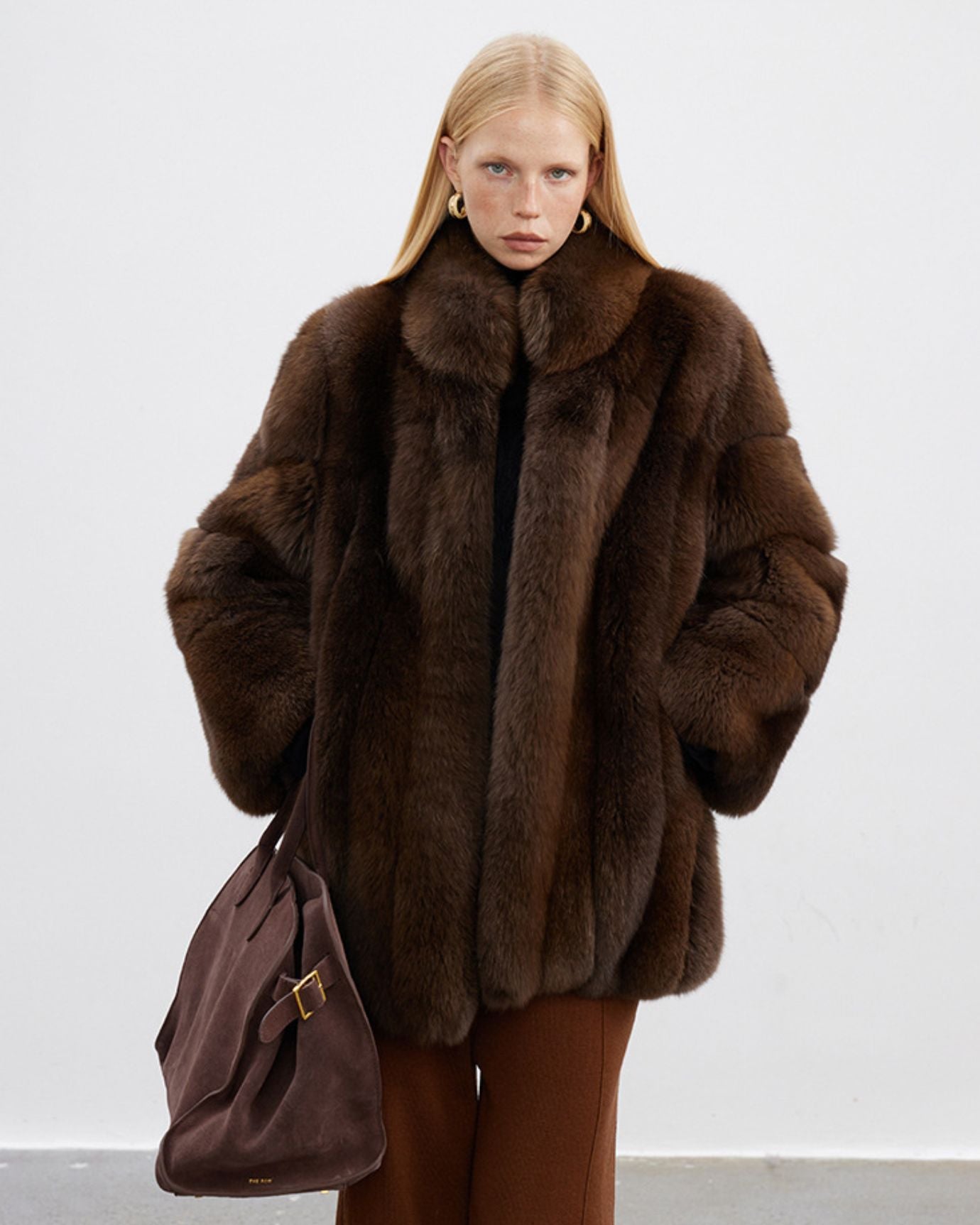
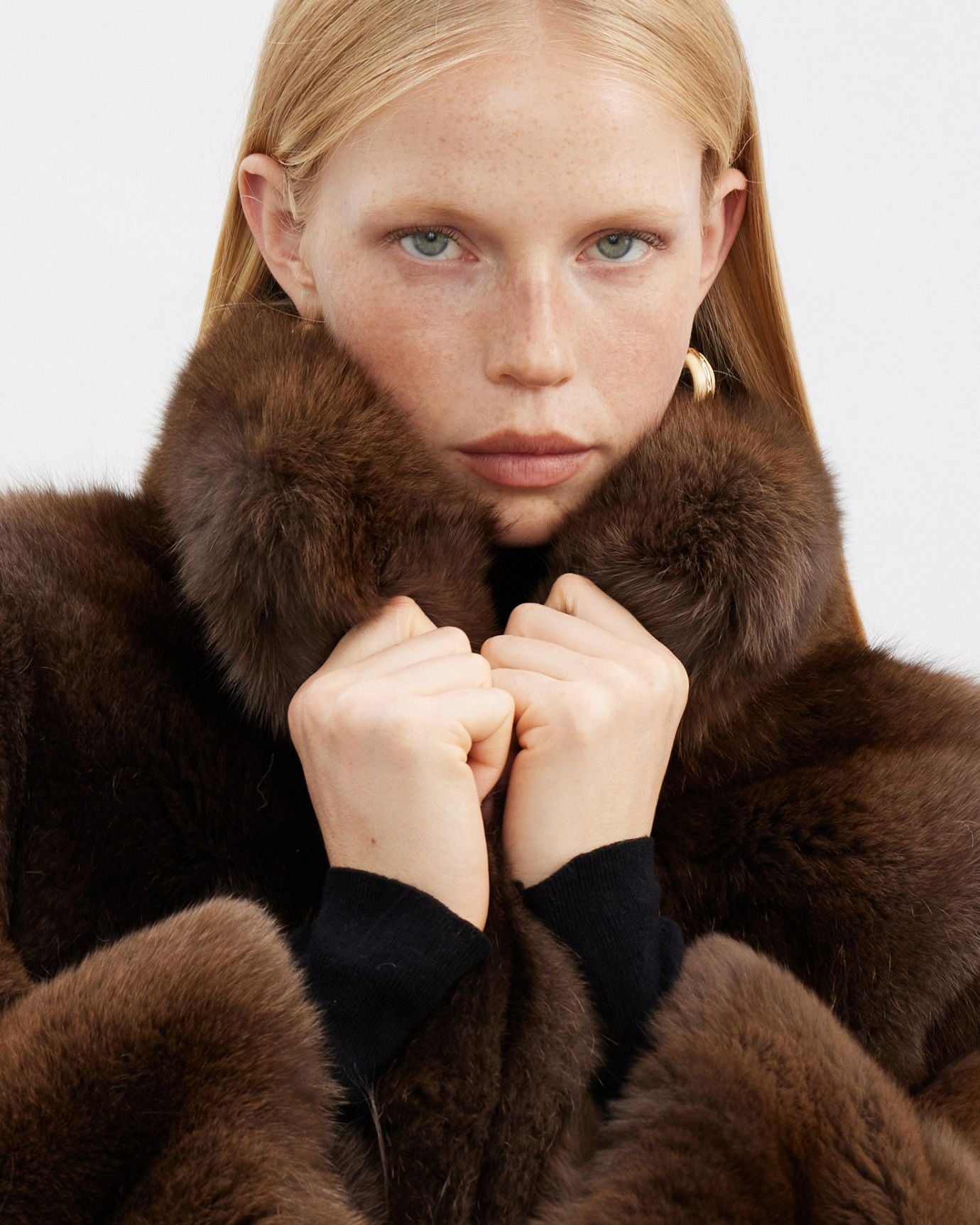
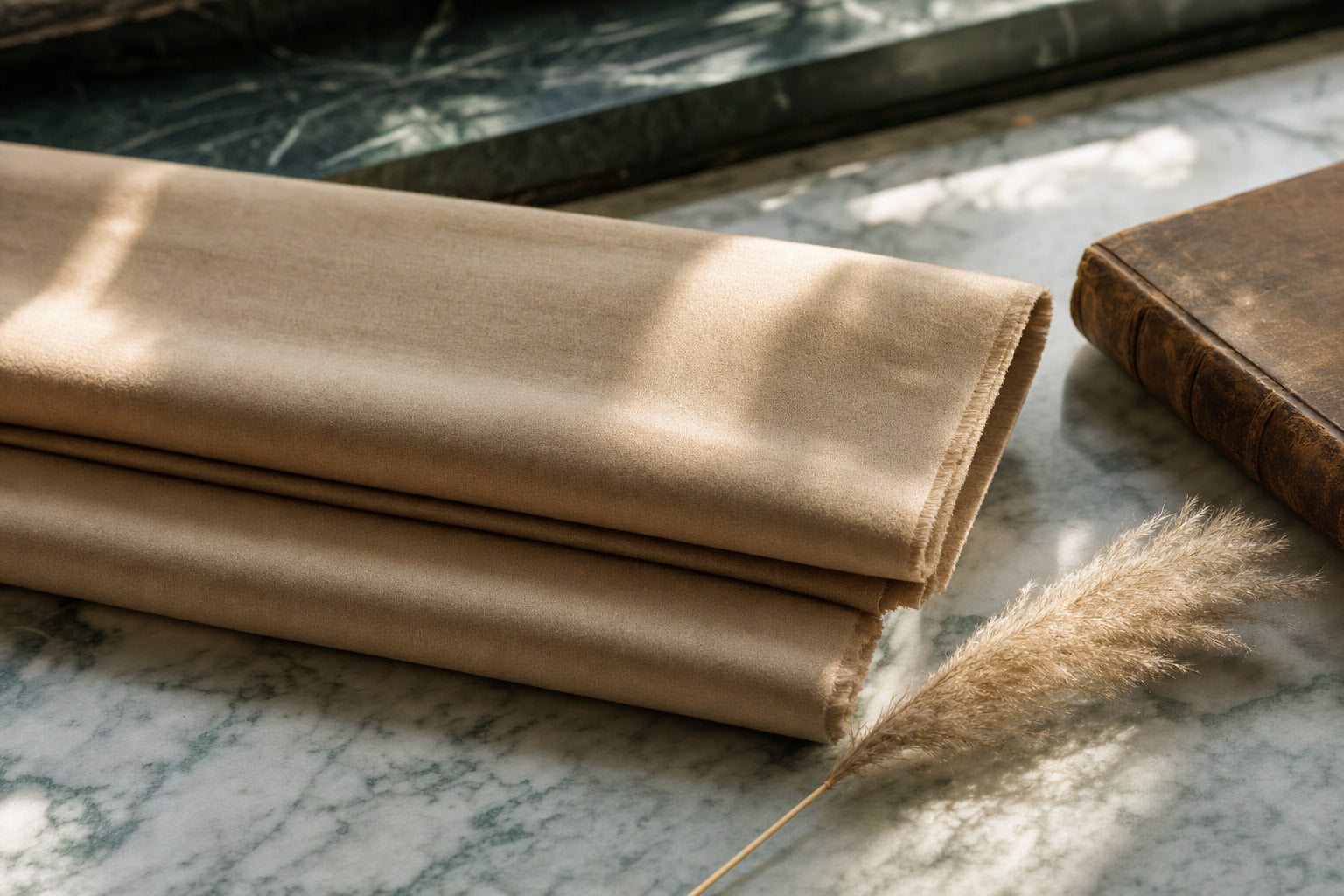
Expert insightThe natural color of vicuña fiber is a warm cinnamon-caramel tone. Most reputable mills leave it undyed to preserve the integrity of the fiber, since the dyeing process adds stress to strands this fine. If you see vicuña in vivid colors, ask questions.
Vicuña vs. Cashmere: A Practical Comparison
The comparison between vicuña and cashmere comes up constantly, and for good reason. Both are fine animal fibers prized for softness and warmth. Both are associated with quiet, considered luxury rather than logo-driven fashion. But they are quite different in origin, availability, and price.
Cashmere comes from the undercoat of the cashmere goat, an animal that is farmed across Central Asia, China, Mongolia, and parts of Europe. Global cashmere production runs into thousands of tonnes per year. Vicuña production, by contrast, is measured in hundreds of kilograms annually. The entire global supply of vicuña fiber would fit comfortably in a mid-size warehouse.
In terms of feel, vicuña is softer and lighter. It also has a natural luster that cashmere does not quite match. However, the best cashmere, particularly from Italian and Scottish mills working with long-staple fiber, is genuinely exceptional and far more durable in everyday use. Vicuña fiber is fragile. It does not take well to machine washing, heavy friction, or rough handling. It is a fiber for specific occasions and careful ownership.
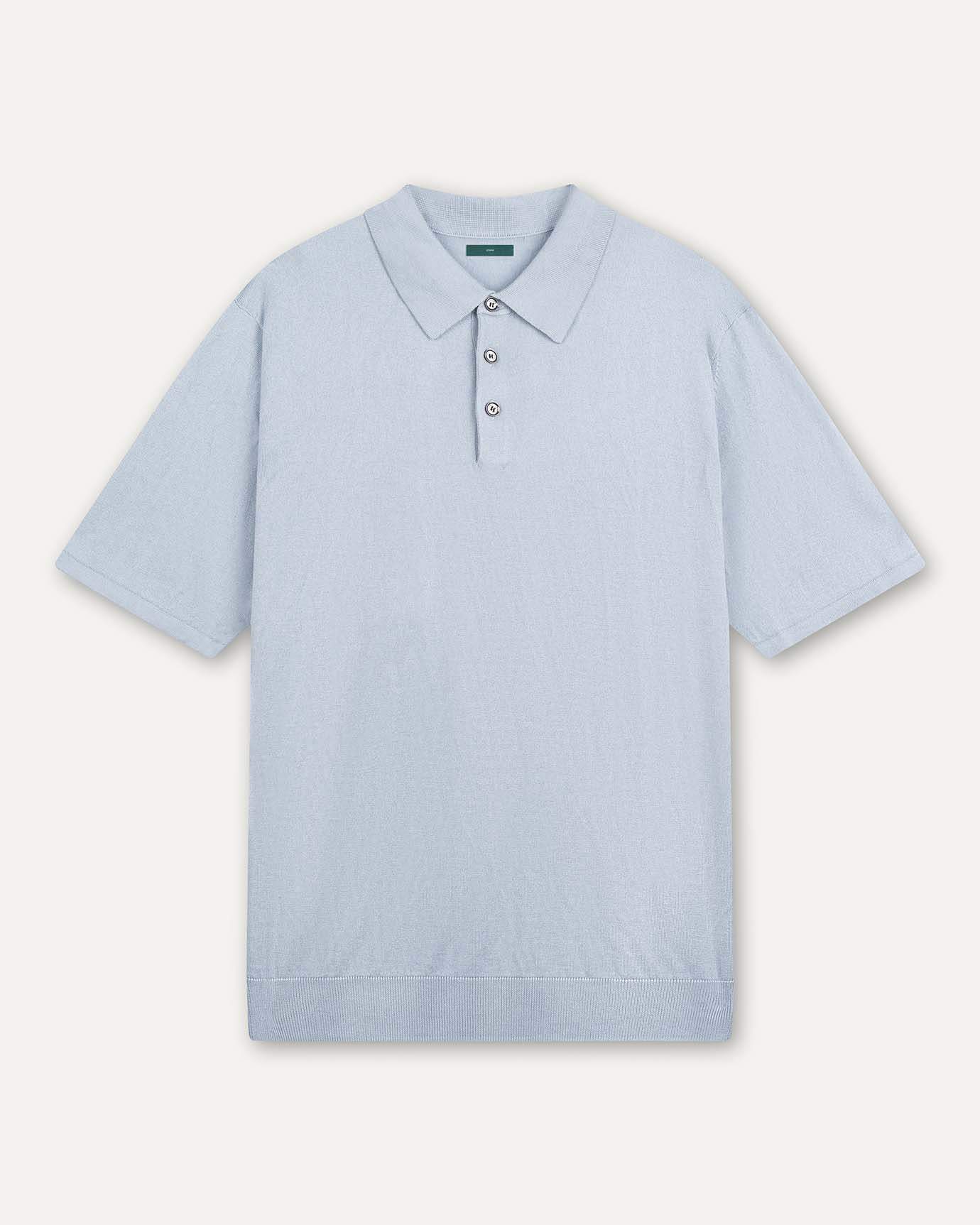
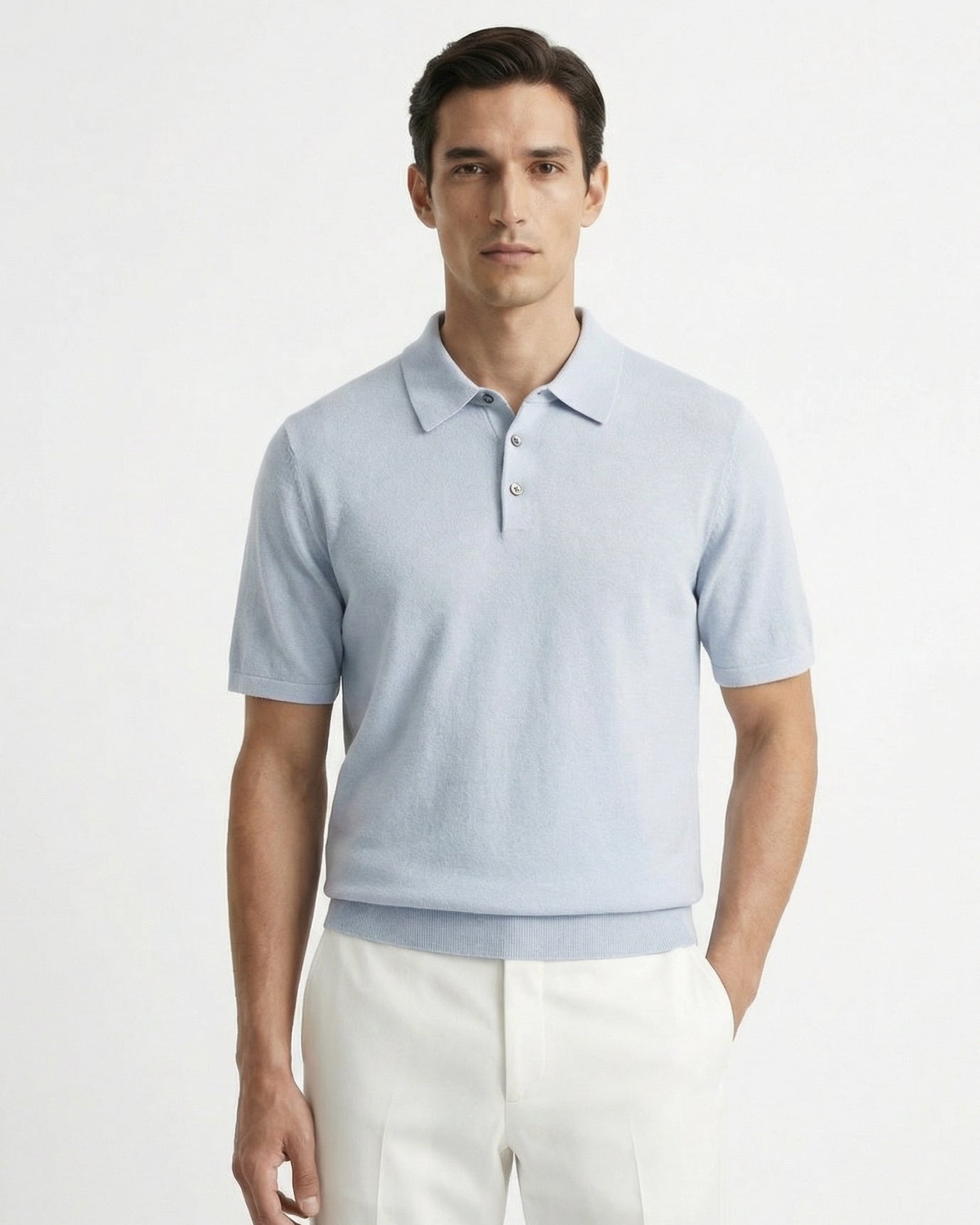
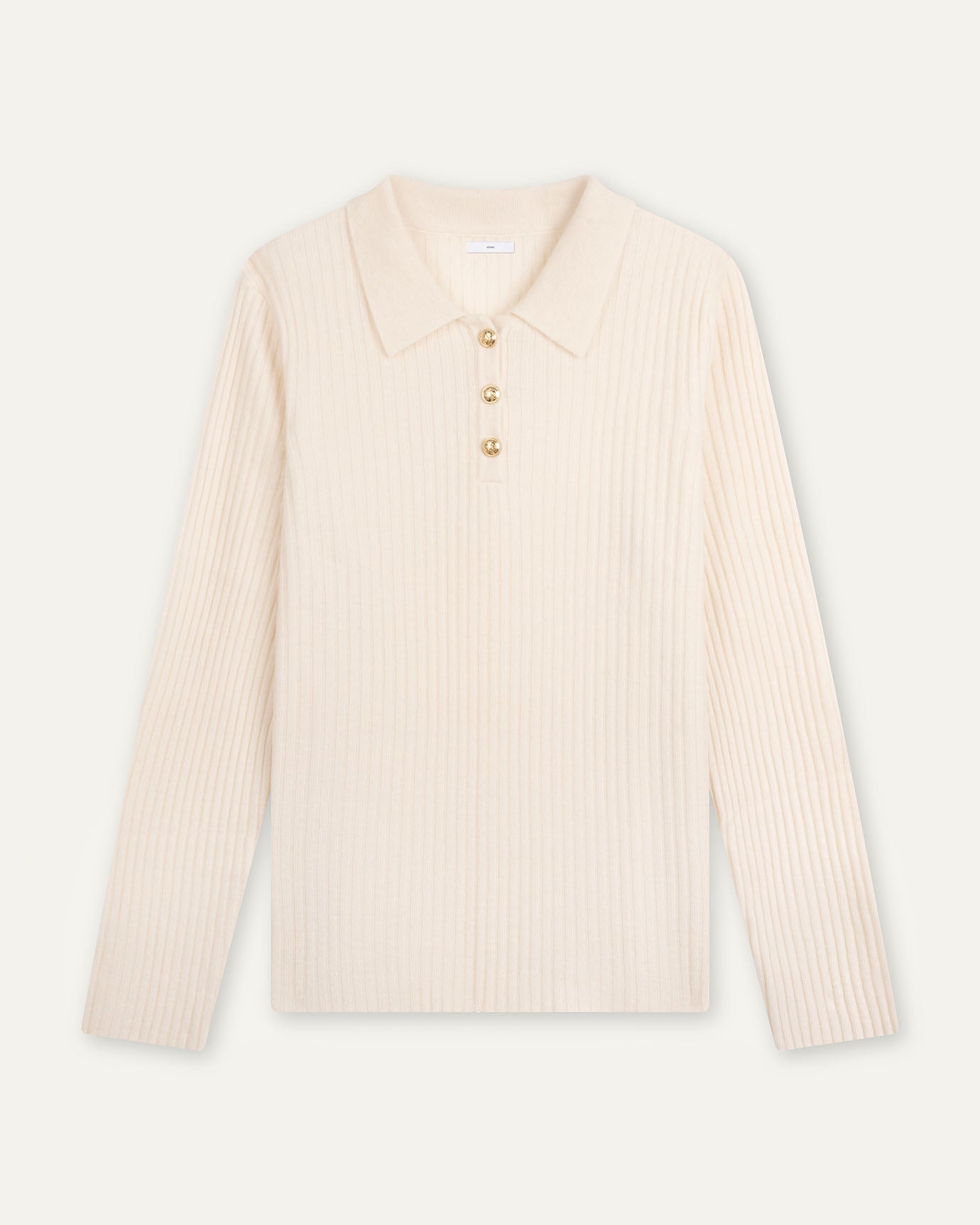
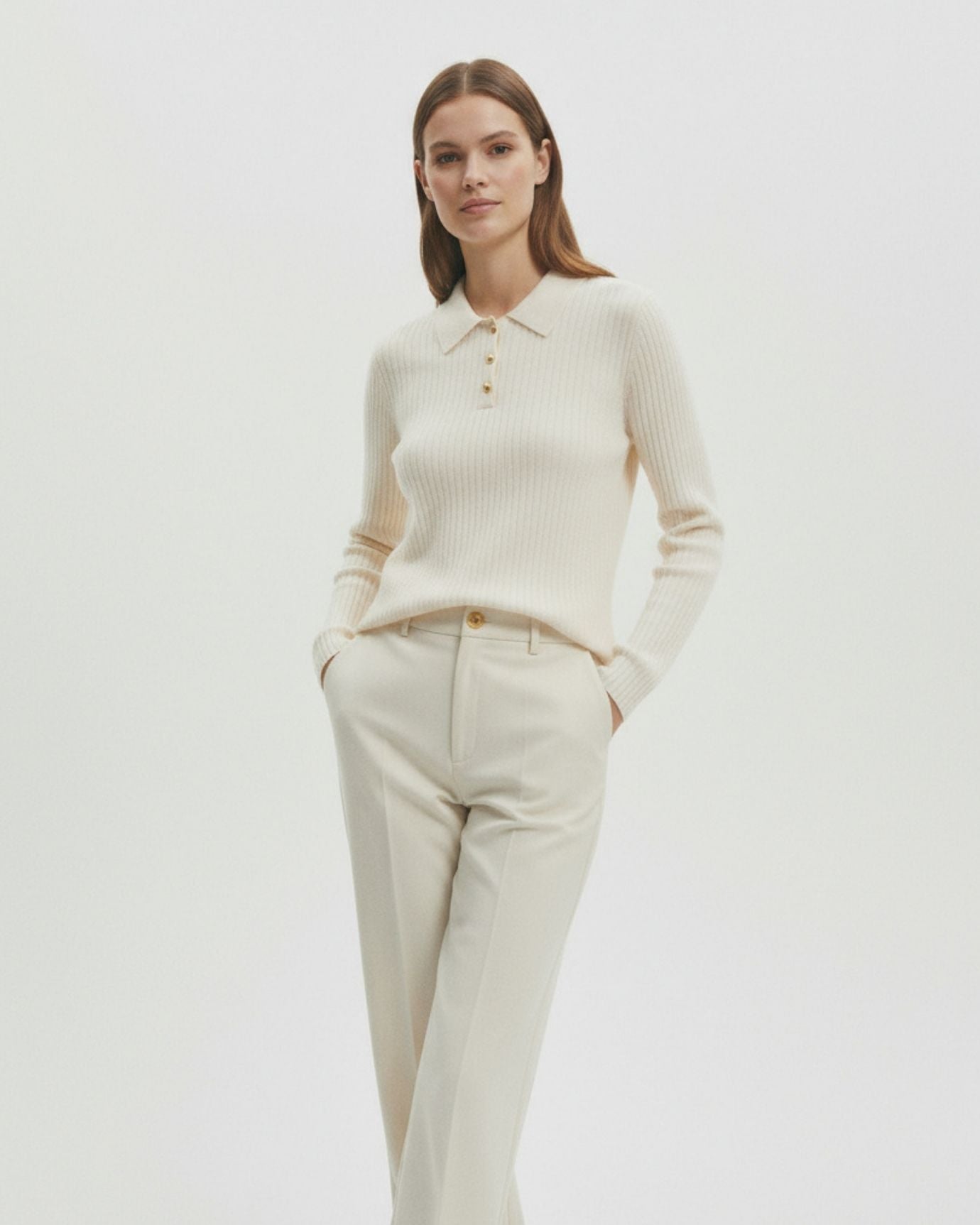
For most people building a wardrobe around refined, lasting quality, cashmere and fine wool blends represent the most intelligent choice. A fine cashmere and wool sweater pullover in a well-constructed blend delivers warmth, softness, and longevity that vicuña, for all its prestige, cannot always match in daily wear.
Expert insightWhen comparing fiber grades, always ask for the micron count, not just the marketing language. 'Grade A cashmere' means different things from different suppliers. A specific number, 14.5 microns for example, is objective.

Why Vicuña Commands the Prices It Does
A vicuña scarf from a reputable mill typically retails between $1,500 and $3,000. A coat runs from $15,000 to over $50,000 depending on the mill, the construction, and whether any additional materials are involved. These are not inflated luxury markups. The arithmetic is straightforward.
Consider the supply chain: wild capture, careful shearing, release, government licensing, raw fiber sorting, cleaning without damaging the delicate strands, spinning at mills equipped specifically for ultra-fine fiber, and then weaving or knitting by experienced hands. The mills capable of handling vicuña properly are few, concentrated in Italy, Peru, and the United Kingdom. Loro Piana and Agnona in Italy are the names most associated with the fiber at the top end of the market.
The scarcity is also historical. The vicuña was hunted nearly to extinction in the twentieth century before international conservation efforts reversed the decline. The Convention on International Trade in Endangered Species (CITES) regulates vicuña fiber trade, and all legitimate vicuña products should carry documentation of legal origin. If a price seems too low for vicuña, treat it as a warning sign.
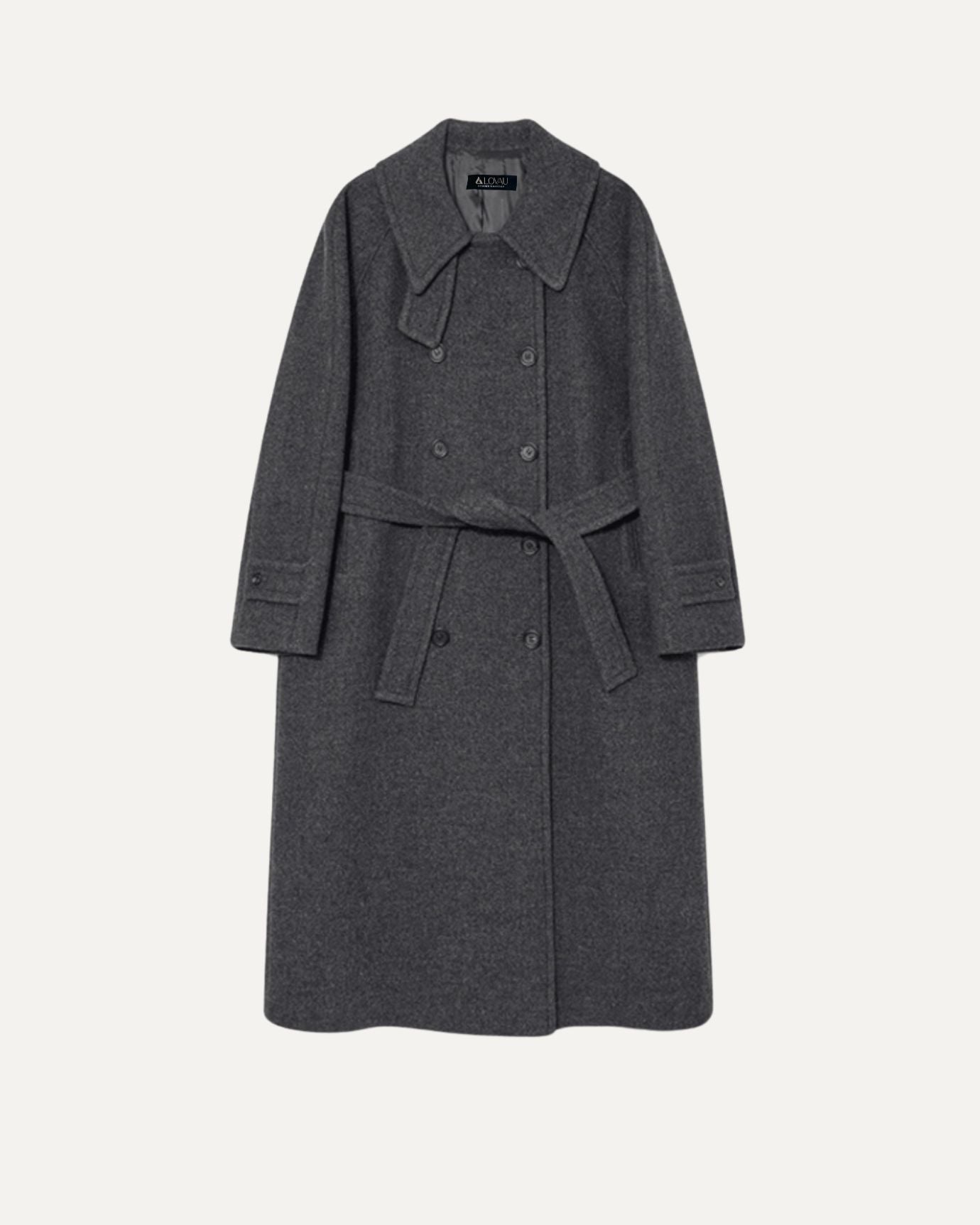
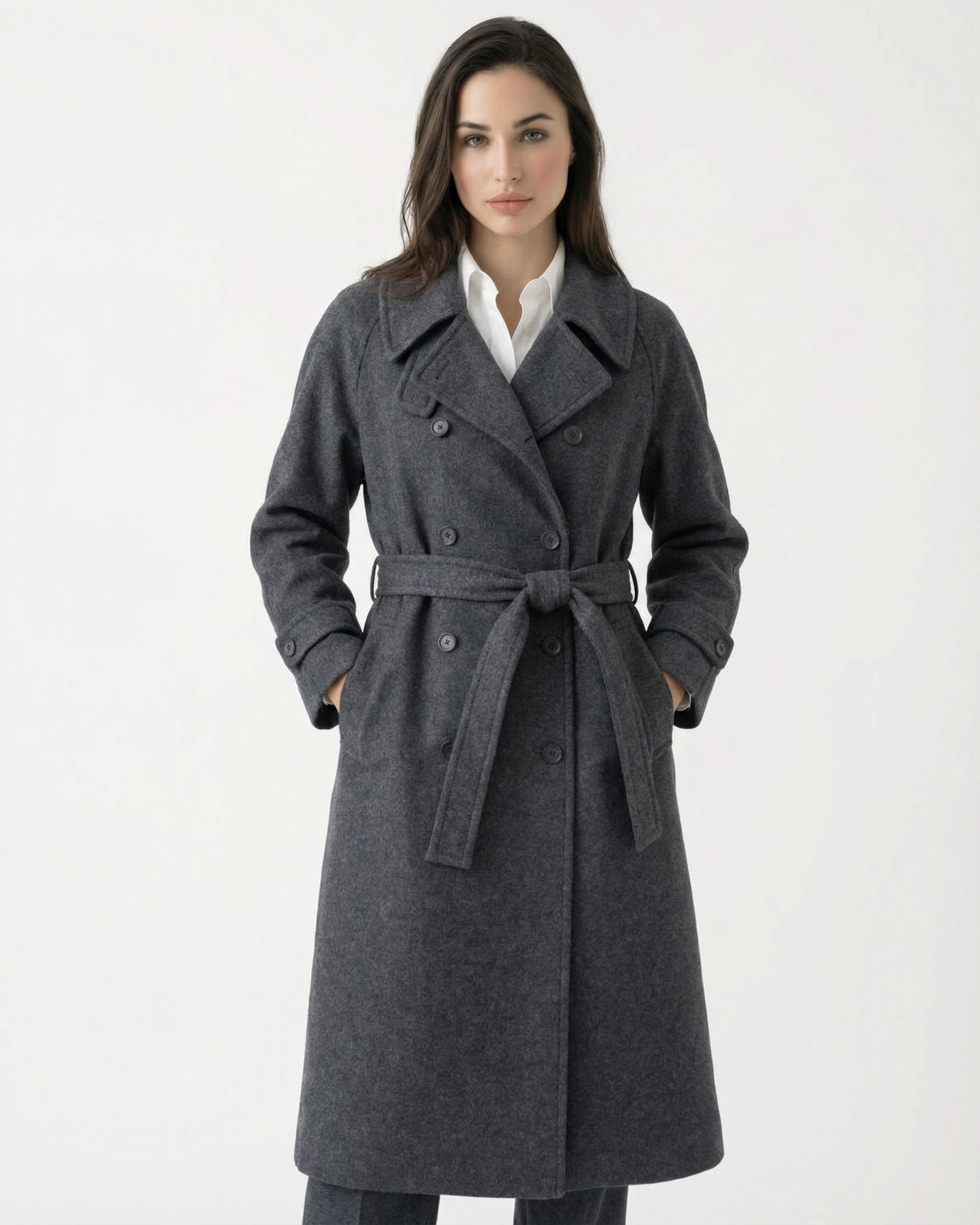
For those who want the warmth and refinement of fine natural fiber without the barriers of vicuña's rarity, a cashmere and wool coat in a loose fit or a heavyweight Chester wool coat in dark gray offers the same category of considered luxury at a price that makes daily wear realistic.
Expert insightAlways request a certificate of origin when purchasing vicuña. Legitimate pieces carry documentation from Peru's CONACS (National Council of South American Camelids). Without it, the provenance of the fiber is unverifiable.

How to Wear Fine Wool Well: Occasion and Pairing
Whether you are working with vicuña, fine cashmere, or a high-quality wool blend, the principles of wearing the fabric well remain consistent. These fibers are at their best in contexts where their restraint reads as confidence rather than understatement.
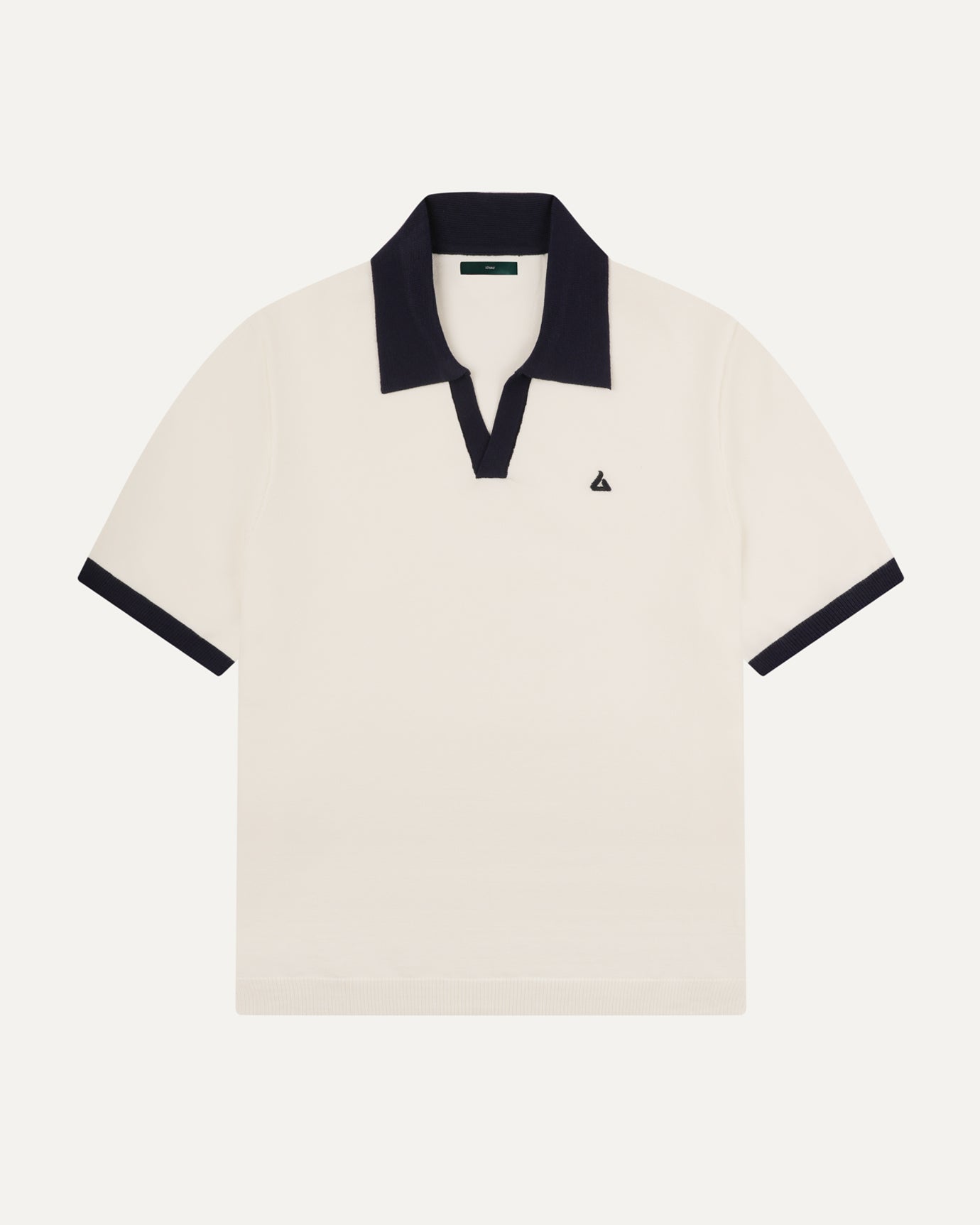
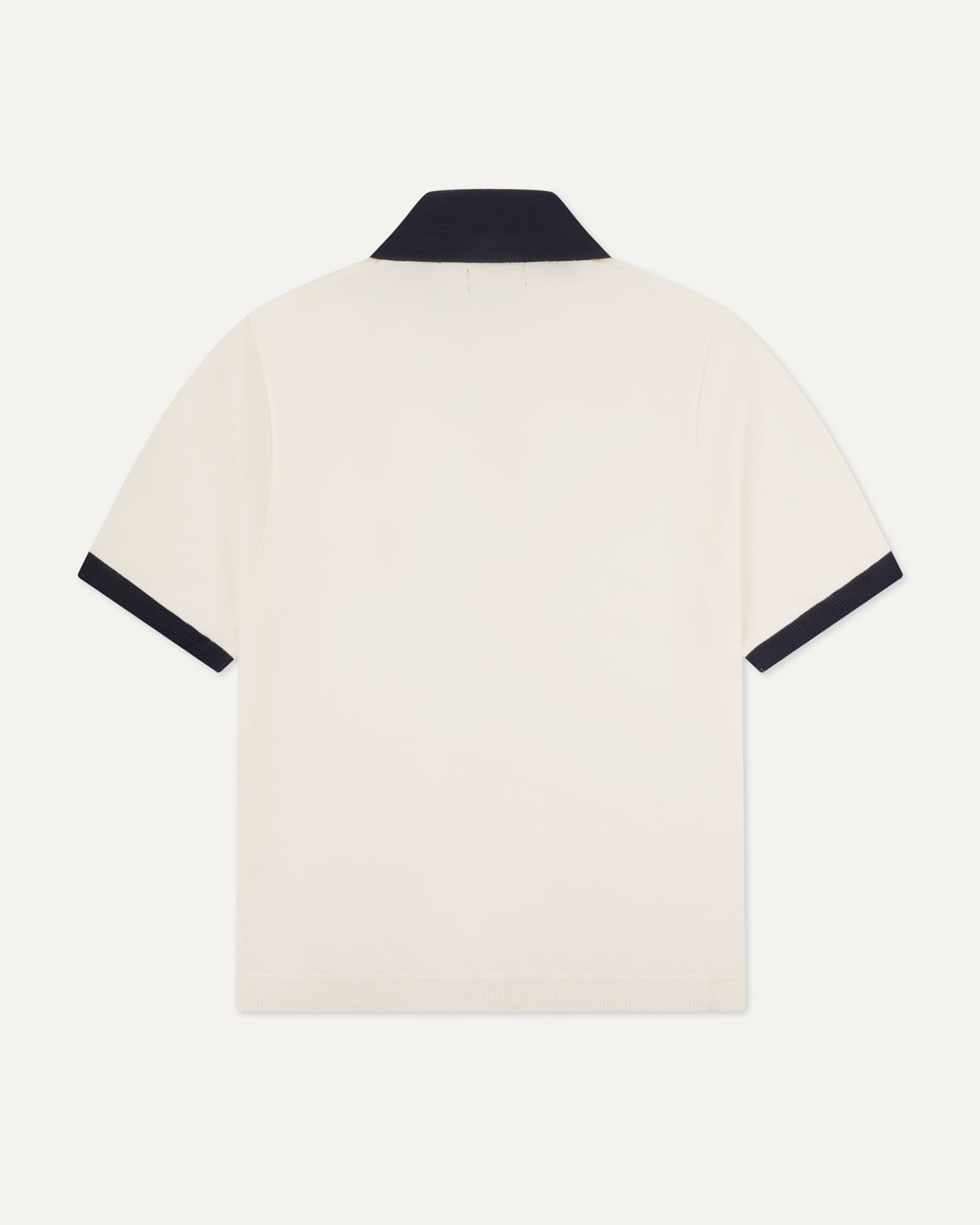
For men, fine wool layers best over a simple base. A cashmere wool polo long sleeve worn under a structured wool coat is the kind of combination that photographs well and wears better. The Italian trousers in old money style worsted wool pair with almost any fine knit or tailored jacket without competing for attention. The logic of old money dressing is that each piece earns its place through quality and fit, not through surface decoration.
For women, fine wool in a coat or jacket weight creates the kind of silhouette that reads as authority. The Diosa coat in wool and cashmere or the Kira double-sided wool coat achieve that effect without relying on embellishment. Underneath, a cashmere pullover sweater in a neutral tone keeps the layering clean.
The common error with fine wool is over-styling. These fabrics carry themselves. Fewer pieces, better fabric, correct fit. That is the principle, and it applies regardless of the specific fiber involved.

Caring for Fine Wool Fabrics
The investment in any fine natural fiber, vicuña or otherwise, is only protected by proper care. The rules are consistent and not complicated, but they are non-negotiable.
Always air garments after wearing. Fine wool absorbs moisture and odor from the body and releases both naturally given time and airflow. Most fine wool pieces need washing far less often than people assume, because the fiber itself is naturally antimicrobial.
Hand wash or dry clean only. Machine washing, even on a delicate cycle, creates friction that felts fine fibers and destroys the structure of the fabric. For anything in vicuña or high-grade cashmere, dry cleaning by a specialist who understands natural fibers is the safest route. For more robust cashmere and wool blends, cool hand washing with a gentle detergent designed for protein fibers works well.
Store folded, not hung. Fine knits lose their shape under their own weight when hung over time. Fold them and store in breathable cotton bags, not plastic. Cedar blocks or lavender sachets deter moths without the chemical residue of mothballs.
Pill management. Pilling is a natural result of fiber friction and is not a sign of poor quality. A fabric comb or de-pilling stone, used gently, removes pills without damaging the underlying weave. The cashmere and wool socks and finer knitwear benefit from this treatment after regular wear.
For those building a coordinated wardrobe around fine wool, the man cashmere and wool sets offer a practical starting point, with pieces designed to work together in fabric weight and tone.

Building a Fine Wool Wardrobe Without Vicuña's Price Tag
Very few people will own a vicuña garment, and that is perfectly fine. The principles that make vicuña extraordinary, extreme fineness, natural warmth, responsible sourcing, and minimal processing, are the same principles that should guide every decision about fine wool and cashmere.
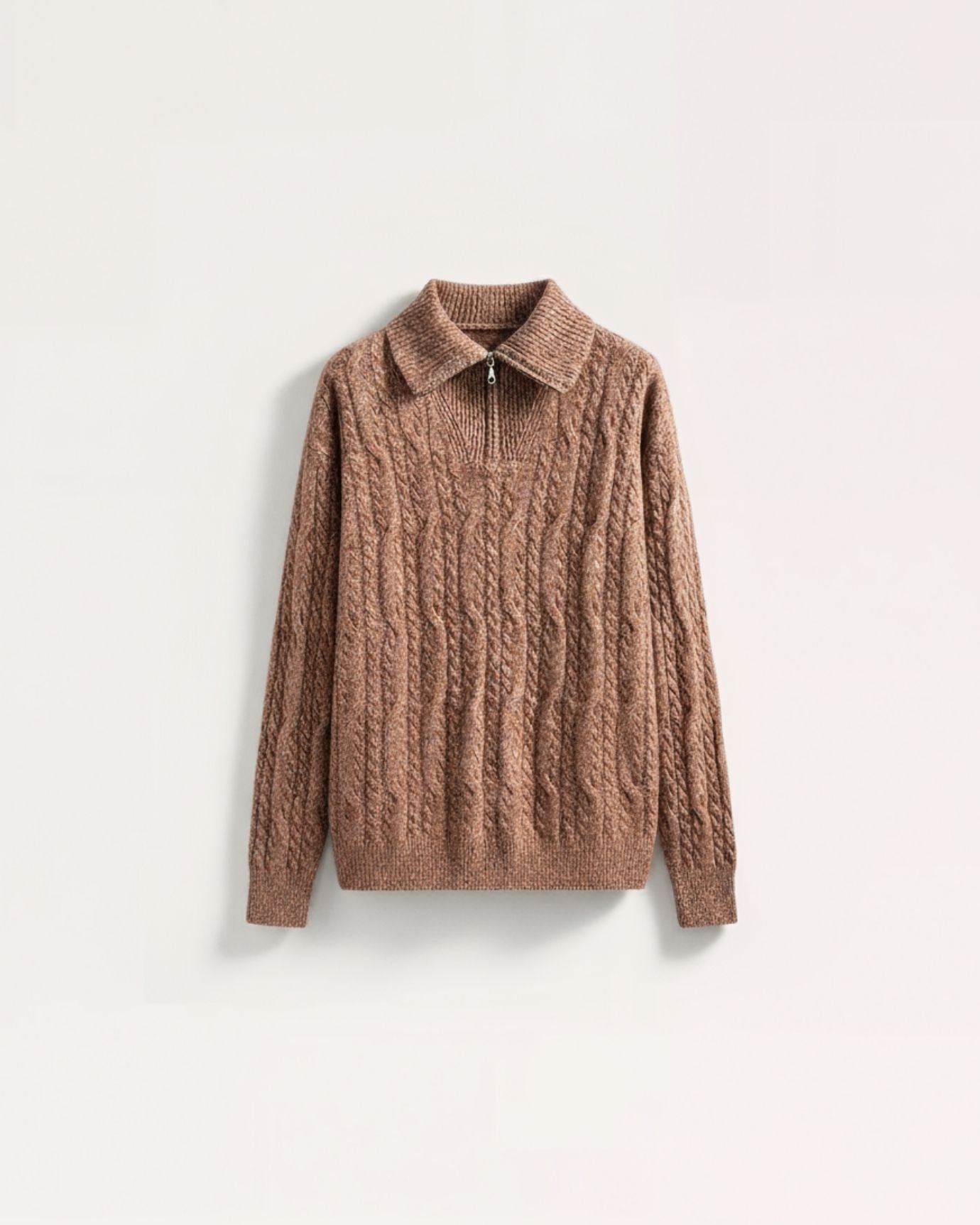
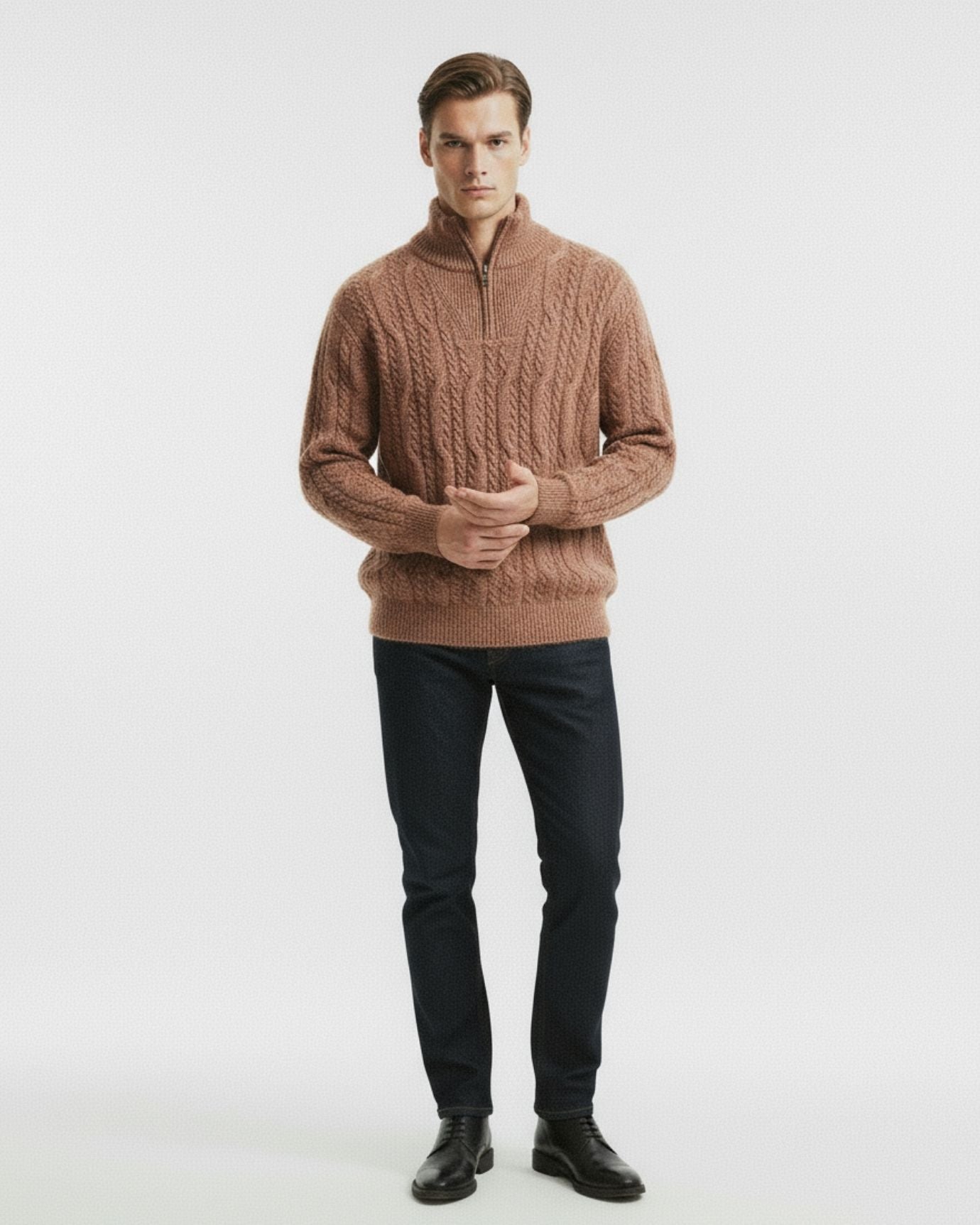
For men, a considered collection might include a structured outer layer such as the Chester overcoat in dark brown wool, a versatile mid-layer like the Lovau cardigan blazer in wool and cashmere blend, and a refined base in the form of a half-zip cashmere wool sweater. These three pieces cover the range from formal to relaxed while maintaining a consistent material standard.
For women, the same logic applies across outerwear, knitwear, and tailored trousers. The Dina silk wool jacket introduces the lightness of silk into a wool structure, which is a combination that performs well from autumn into spring. The high-end cashmere and wool trousers in a limited edition bring the same material thinking to the bottom half of a look.
The goal in each case is the same: choose fewer pieces, choose better fiber, and wear them with the kind of ease that only comes from knowing a garment was made properly. That is the real lesson vicuña teaches, not that you need the rarest thing available, but that fiber quality and honest construction are what separate clothing from costume.

| Fiber | Average Microns | Annual Global Supply | Typical Price (scarf) | Durability for Daily Wear | Care Requirements |
|---|---|---|---|---|---|
| Vicuña | 12 to 13 microns | Very limited, hundreds of kg | $1,500 to $3,000+ | Low, handle with care | Dry clean specialist only |
| Grade A Cashmere | 14 to 16 microns | Thousands of tonnes | $150 to $600 | Moderate with proper care | Hand wash or dry clean |
| Qiviut (Musk Ox) | 15 to 16 microns | Extremely limited | $500 to $2,000 | Low to moderate | Hand wash cold |
| Fine Merino Wool | 17 to 19 microns | Very large, global production | $40 to $200 | High, machine washable grades available | Machine wash gentle or hand wash |
| Alpaca (Baby) | 18 to 23 microns | Large, farmed globally | $80 to $300 | Moderate | Hand wash or dry clean |
Frequently asked questions
Is vicuña wool actually worth the price?
For most people, no, not in practical terms. Vicuña is the finest natural fiber measurable, but its fragility makes it unsuitable for regular wear, and the price reflects scarcity more than wearability. If you want the experience of exceptional fine wool in daily life, a high-quality cashmere and wool blend, such as a well-constructed fine cashmere wool sweater pullover, delivers more value for the investment.
How can I tell if a vicuña product is genuine?
Legitimate vicuña products carry documentation from Peru's CONACS authority and are traceable through CITES-regulated trade records. Reputable mills including Loro Piana label their vicuña pieces with fiber certification. If a retailer cannot provide provenance documentation, the fiber is almost certainly not genuine vicuña. The natural color, a warm cinnamon-caramel tone, is also a useful indicator, since most authentic vicuña is sold undyed.
What is the closest affordable alternative to vicuña?
The closest in terms of fineness and softness is Grade A cashmere, particularly from mills working with long-staple fiber from Inner Mongolia or carefully sourced European herds. A well-made cashmere and wool coat in a proper blend gives you the warmth, drape, and refinement that define the vicuña category of dressing, at a price that allows you to actually wear and enjoy the garment.
Can vicuña be washed at home?
No. Vicuña fiber is too fine and too fragile for home washing of any kind. Dry cleaning by a specialist who works with high-end natural fibers is the only appropriate method. Even then, vicuña should be cleaned as infrequently as possible. Airing the garment thoroughly after each wear, and storing it correctly, reduces the need for cleaning significantly.
Vicuña wool earns its reputation as the rarest and finest natural fiber in the world through biology and scarcity, not marketing. Understanding it properly changes how you think about all fine wool: what makes a fiber exceptional, why supply and care matter, and why the most considered wardrobe is built on quality of material rather than quantity of pieces. For those ready to apply that thinking practically, starting with a heavyweight Chester wool coat in dark gray or a fine cashmere blend knit is the honest, intelligent first step.