


The Camel Coat: Why Every Man Needs One
Reading time 14 min • 2784 words
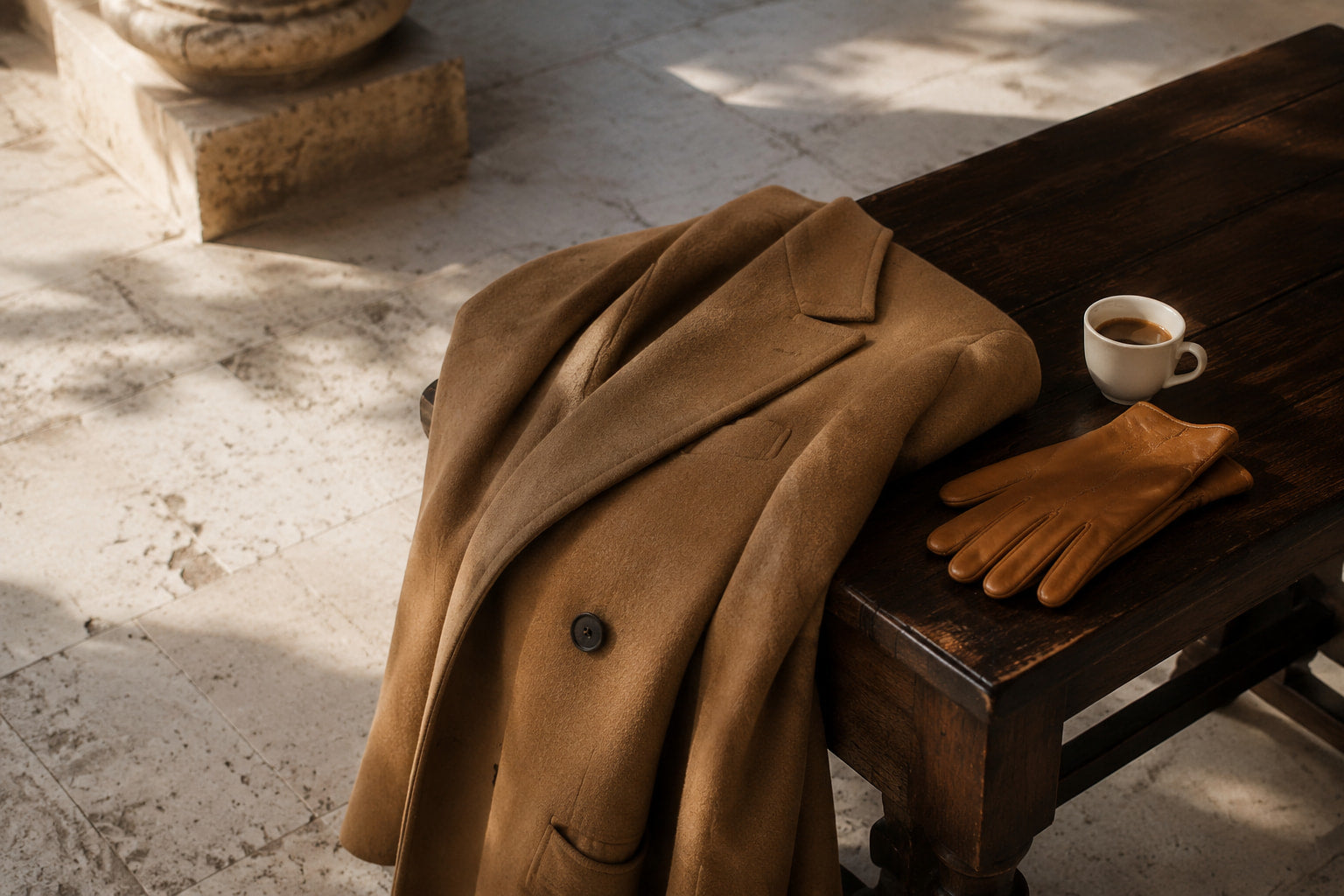
There is a short list of garments that a man can buy once, wear for thirty years, and never once question the decision. The camel coat sits at the top of that list. Not because it is fashionable, but precisely because it is not dependent on fashion. It is a coat built on proportion, on the quality of its cloth, and on the quiet authority that a well-cut overcoat gives a man the moment he puts it on.
The camel coat has been worn by architects, diplomats, film directors, and old-money families across the Continent for the better part of a century. Its staying power is not accidental. Camel hair and camel-toned wools occupy a chromatic middle ground that works with almost every other colour in a man's wardrobe, from the darkest charcoal flannel to the lightest ivory linen. That neutrality, combined with the warmth and texture of the cloth, makes it the single most useful overcoat a man can own.
If your wardrobe currently lacks a foundational overcoat, this is where to start. Not with black, not with navy, but with camel. Here is why, and precisely how to choose and wear one.
Key takeaways
- A camel coat in 100% wool or a cashmere-wool blend is a genuine multi-decade investment, not a seasonal purchase.
- The correct length is mid-thigh to just below the knee. Anything shorter reads as a jacket, anything longer reads as theatrical.
- Camel works with navy, grey, cream, burgundy, and brown, making it the most versatile neutral in a man's outerwear wardrobe.
- A structured shoulder and clean, unfussy lapel define the silhouette. Avoid excessive detailing, oversized buttons, or contrast stitching.
- Buy the best fabric you can afford. A well-maintained camel coat in quality wool will outlast ten cheaper alternatives.
In this guide
- A Brief History: How the Camel Coat Became a Menswear Classic
- Fabric First: Wool, Camel Hair, and Cashmere Blends Compared
- Cut and Silhouette: What to Look For and What to Avoid
- How to Wear a Camel Coat: Pairings That Actually Work
- The Investment Case: Why a Designer Coat Pays for Itself
- Choosing Your Camel Coat: A Practical Buying Guide
- Frequently asked questions
A Brief History: How the Camel Coat Became a Menswear Classic
The camel coat's origins are practical rather than decorative. Camel hair as a textile was brought into European tailoring in the early twentieth century, valued for its natural insulating properties and its lightweight warmth relative to traditional wool. British officers and polo players adopted camel-toned overcoats in the 1920s and 1930s, and the garment migrated from sporting contexts into city dress with remarkable ease.
By the mid-twentieth century, the camel overcoat had become a fixture of Continental European style. Italian and French tailors recognised that the colour carried a natural authority, warm enough to feel expensive, neutral enough to never compete with what was worn beneath it. The garment became a quiet signal of taste rather than wealth, which is precisely why it endures.
Understanding this lineage matters when you are selecting a coat. A camel coat is not a fashion item with a shelf life. It is a classic menswear piece with a documented track record, and that should inform both the style you choose and the budget you assign to it. Browse the full men's coats collection to understand the range before committing.
Expert insightThe earliest camel-hair coats were cut with a relaxed, slightly boxy silhouette, a proportion that reads as modern again today. If you are debating between a fitted and a slightly looser cut, the latter has history on its side.
Fabric First: Wool, Camel Hair, and Cashmere Blends Compared
The name 'camel coat' refers primarily to colour, not fibre content, though genuine camel-hair cloth does exist and is worth understanding. Most coats sold as camel coats are constructed from pure wool or a cashmere-wool blend dyed to the characteristic warm tan. Here is what to know about each option.
Pure wool is the most practical and durable choice. A high-quality virgin wool in a weight between 500g and 650g per metre will hold its shape through years of wear, resist pilling with reasonable care, and drape cleanly over a suit or knitwear. This is the sensible entry point for any man building his outerwear wardrobe.
Cashmere-wool blends add softness and a subtle lustre to the cloth. A coat at 20 to 30 percent cashmere will feel noticeably different against the hand and will drape with a slightly more fluid quality. The trade-off is that cashmere blends require more careful handling and are more susceptible to pilling in high-friction areas like the collar and cuffs. The Cashmere & Wool Coat Loose Fit at $215 is a strong example of this construction: the relaxed silhouette works with the softness of the blend rather than against it.
Genuine camel hair is rarer and more expensive. The fibre is finer than most wool, naturally warm, and carries a subtle reddish-tan tone that is distinct from dyed alternatives. It is worth seeking out if your budget allows, but a well-constructed pure wool coat in the right shade is a more practical and durable choice for most men.
For a direct comparison of the main options, see the fabric table below.
Expert insightCheck the fabric composition label before you buy. A coat listed simply as 'wool blend' without specifying percentages is often a lower-quality mix. Reputable houses will always specify fibre content clearly.

Cut and Silhouette: What to Look For and What to Avoid
A camel coat earns its authority through proportion. The details are not complicated, but they are specific, and getting them wrong produces a coat that looks costumey rather than considered.
Length is the most important variable. The coat should fall between mid-thigh and just below the knee. A mid-thigh hem is slightly more contemporary and works well for taller men. A below-the-knee length carries a more traditional, European gravitas. Avoid anything that falls above mid-thigh: it reads as a jacket and loses the commanding presence that makes an overcoat worth wearing.
Shoulders should be structured without being padded to excess. A clean, natural shoulder line that follows the body gives the coat its backbone. Soft, unstructured shoulders can work on a deliberately relaxed cut, but they require a confident, intentional silhouette to avoid looking shapeless.
Lapels should be unfussy. A notch lapel at a moderate width, or a clean peak lapel on a double-breasted version, are both correct. Avoid novelty lapel shapes, contrast stitching, or decorative buttonholes. The coat's authority comes from restraint.
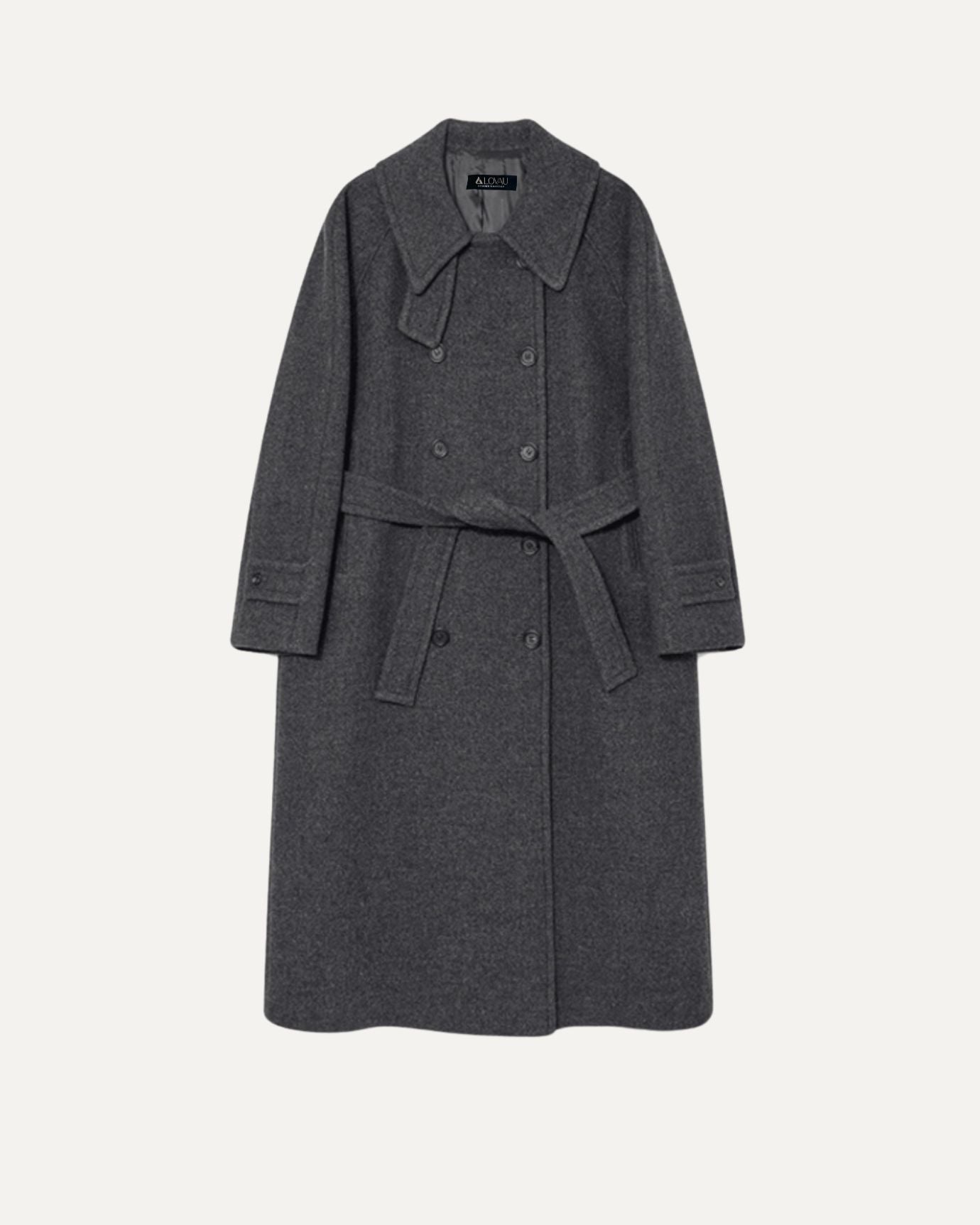
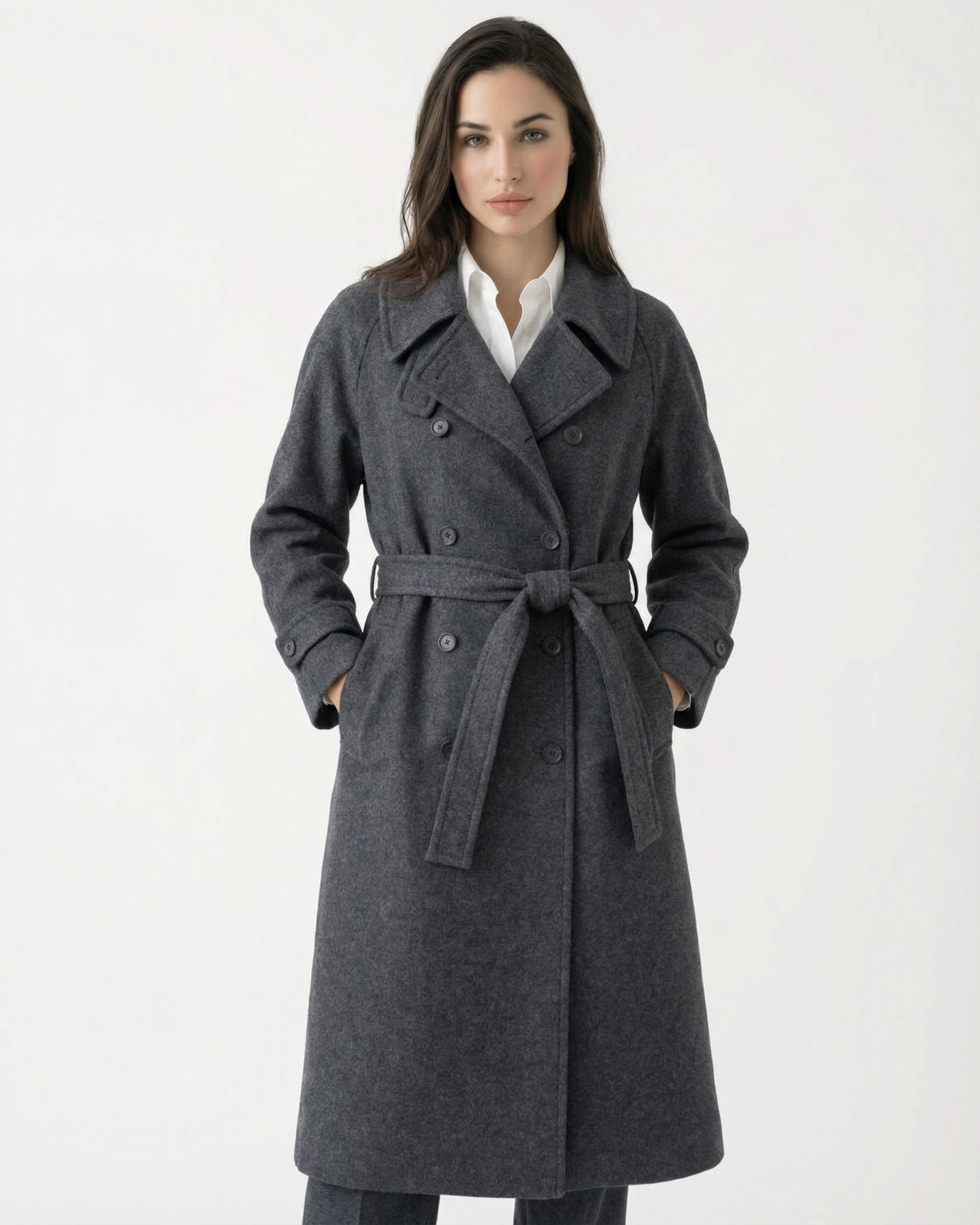
Single versus double-breasted: a single-breasted camel coat with three or four buttons is the more versatile choice. A double-breasted version is more formal and more commanding, and works particularly well on a man with a lean frame. Both are correct; the choice depends on your body and the formality of your existing wardrobe.
For men building a complete outerwear wardrobe, the Chester Overcoat Dark Brown Wool Business Coat at $275 demonstrates how a structured, business-weight wool coat should be proportioned. The same principles of shoulder line, lapel width, and hem length apply directly to selecting a camel version. You can also explore the broader range of designer coats for men to compare silhouettes side by side.
Expert insightIf you are buying online, measure the coat's back length from the base of the collar to the hem. Compare it to a coat you already own that fits correctly. Back length is the single most reliable fit indicator when you cannot try a coat in person.

How to Wear a Camel Coat: Pairings That Actually Work
The camel coat's greatest practical virtue is its chromatic versatility. It works with a wider range of colours and textures than any other overcoat, and it functions across a wider range of formality levels than most men realise.
With tailoring: a camel coat worn over a charcoal or mid-grey suit is one of the most complete and authoritative combinations in men's dress. The warmth of camel against the cool neutrality of grey creates a contrast that reads as deliberate and refined. A white dress shirt, dark tie, and polished leather oxford complete the picture. This is the coat for a city meeting, a board presentation, or a formal European lunch.
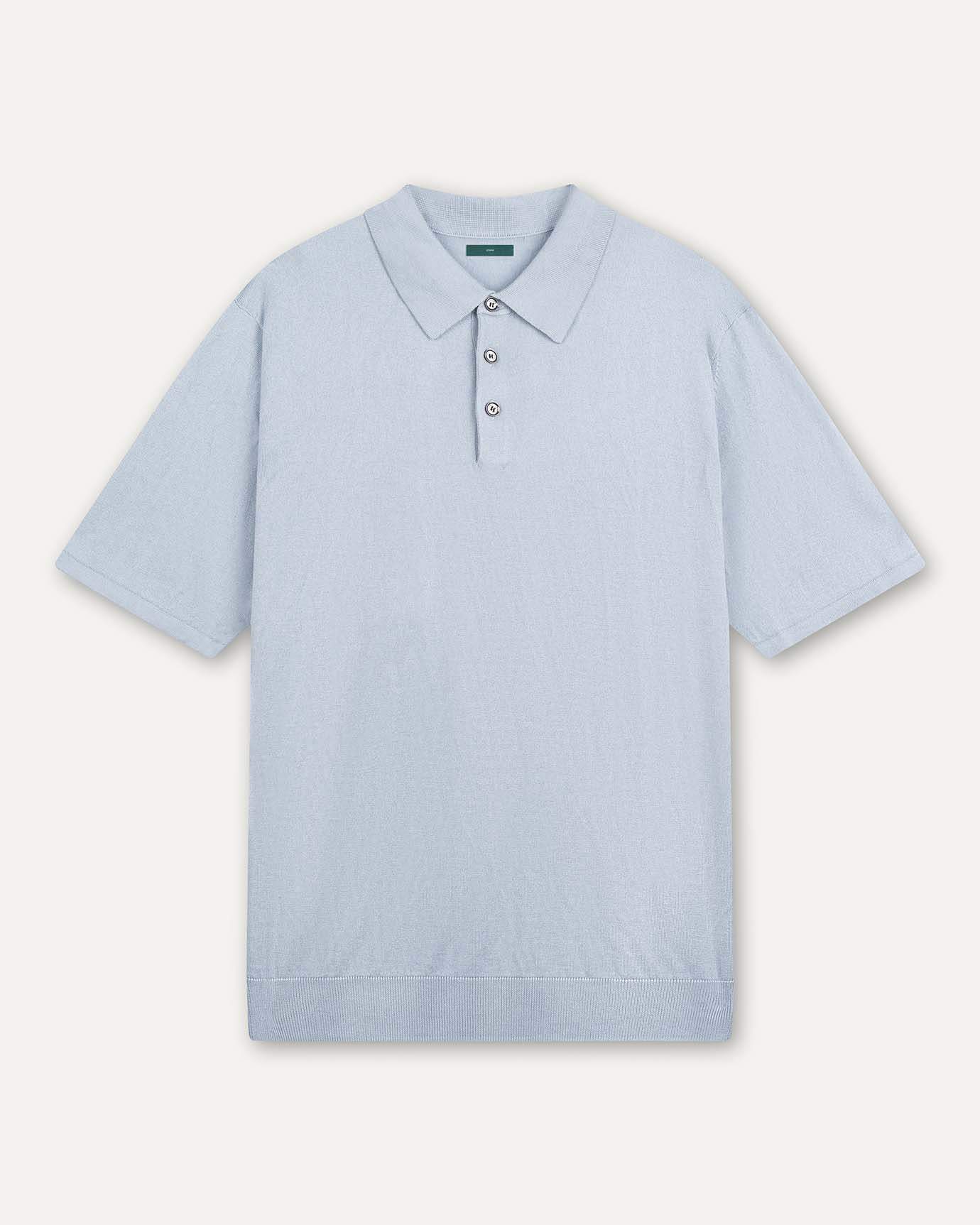
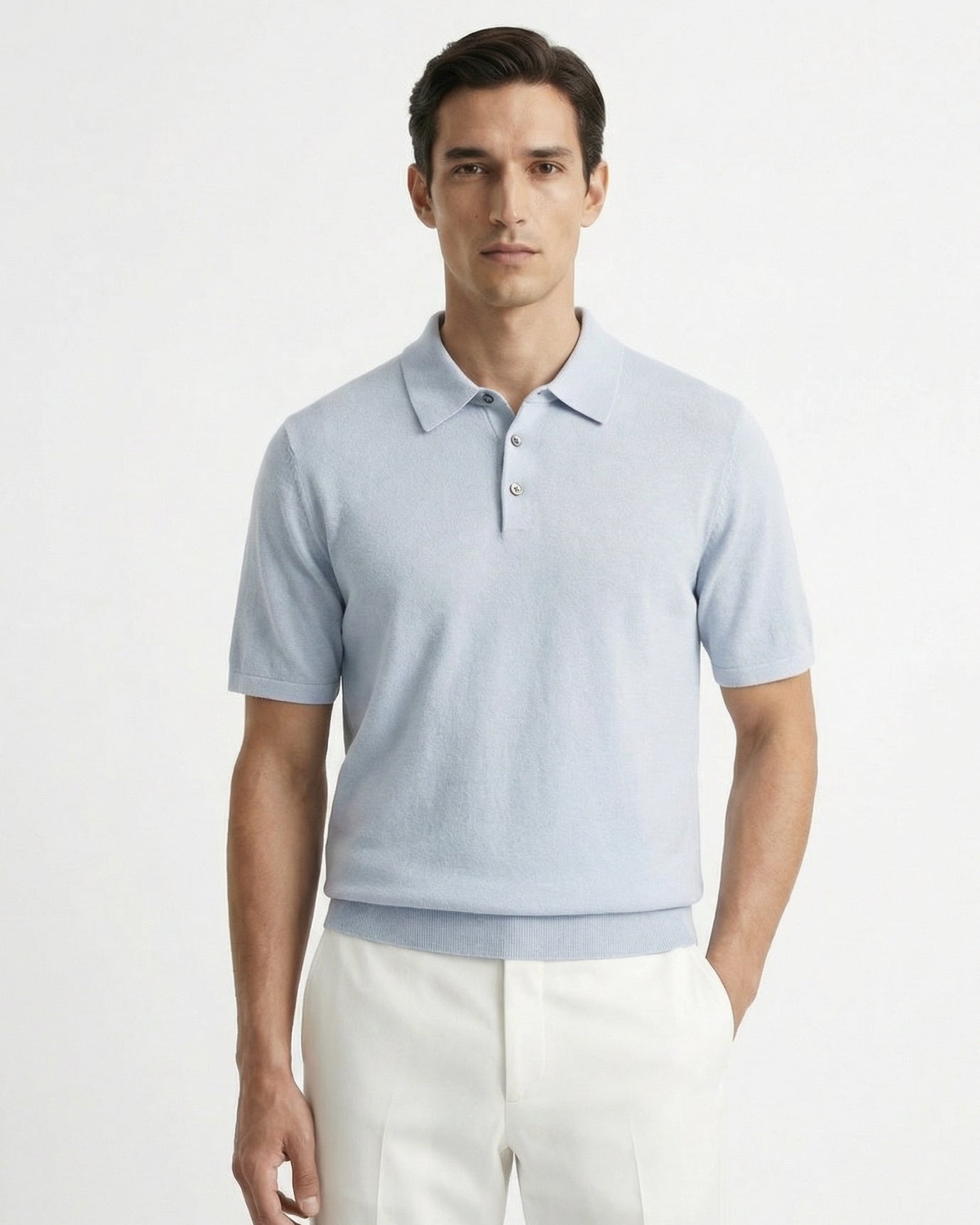
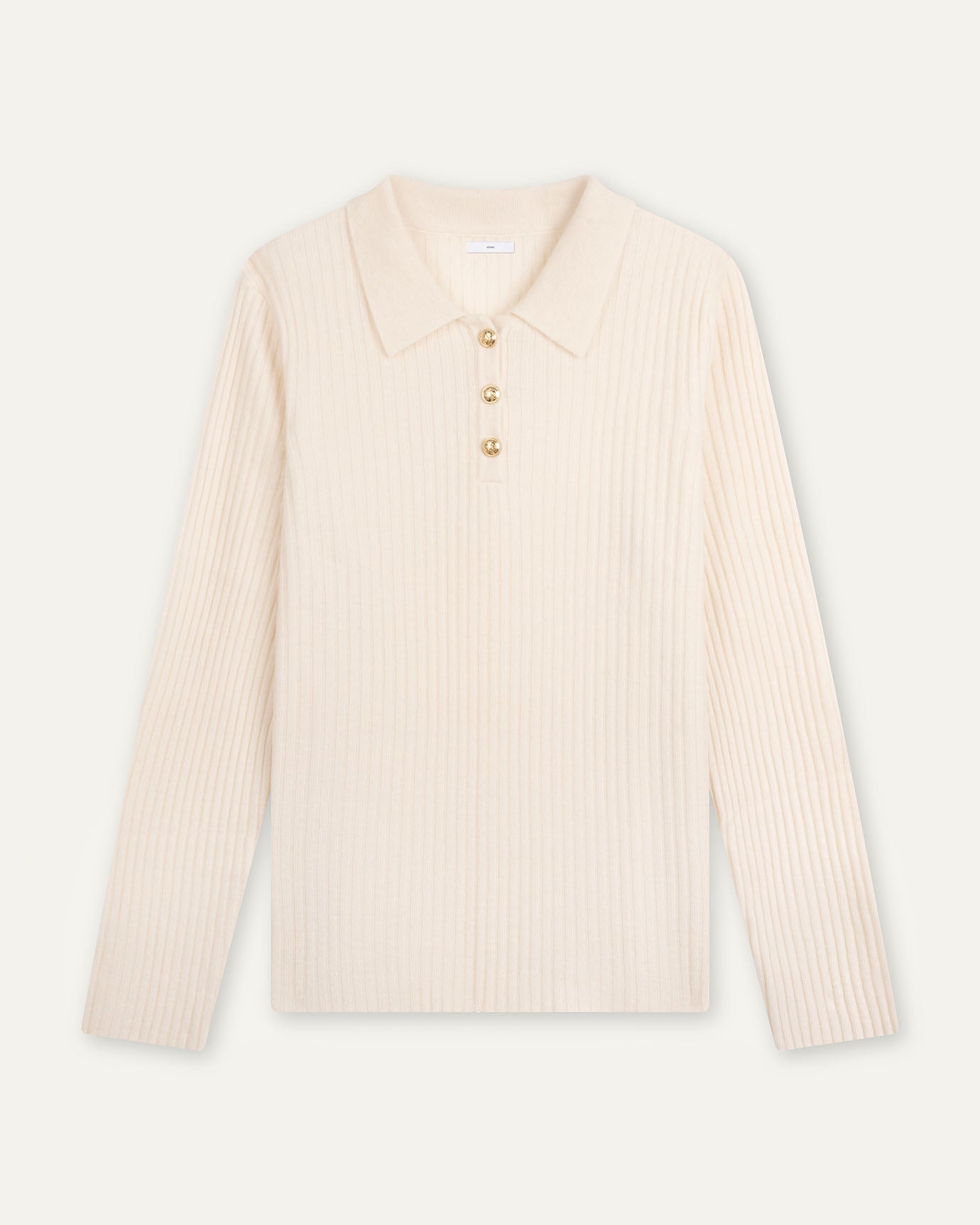
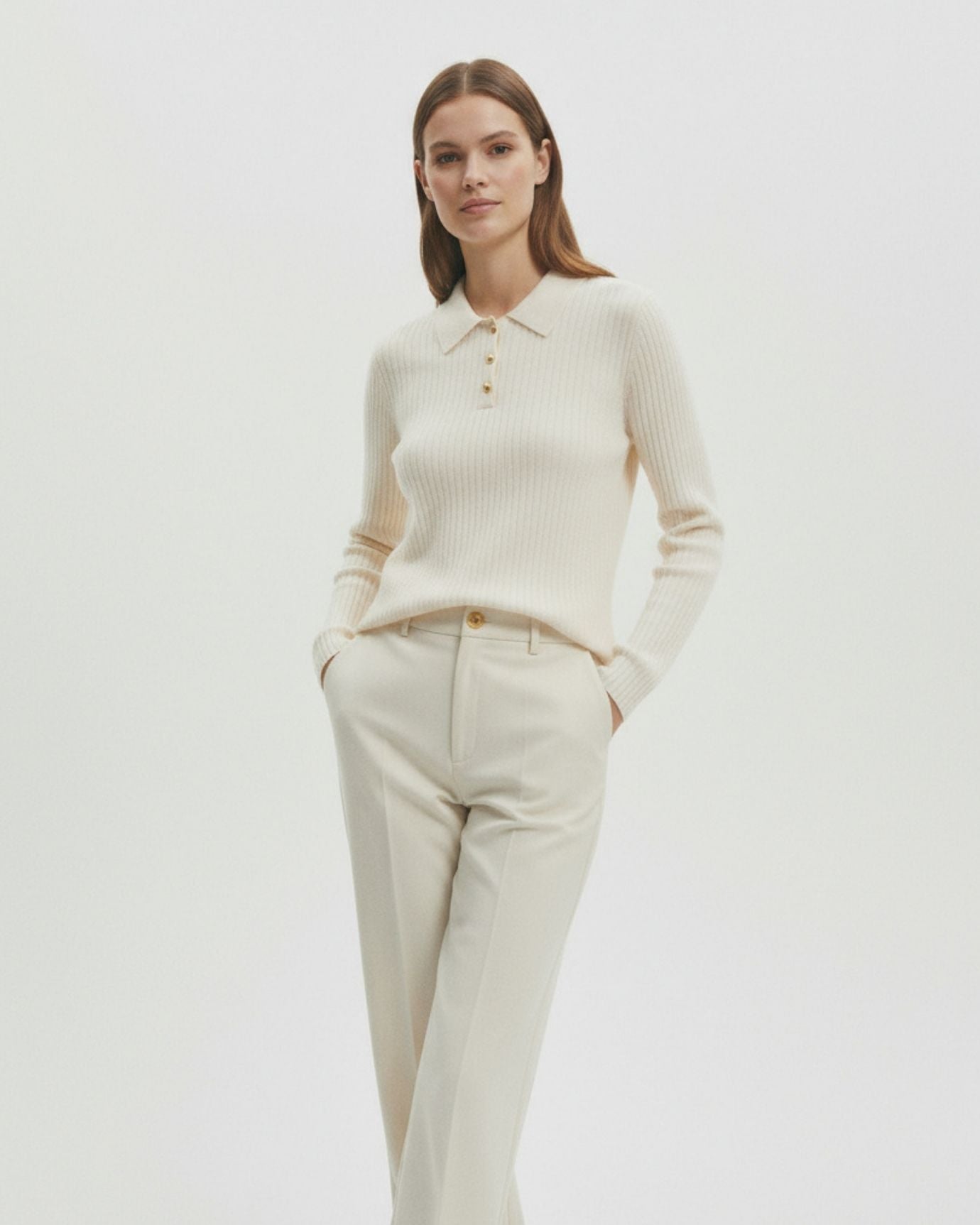
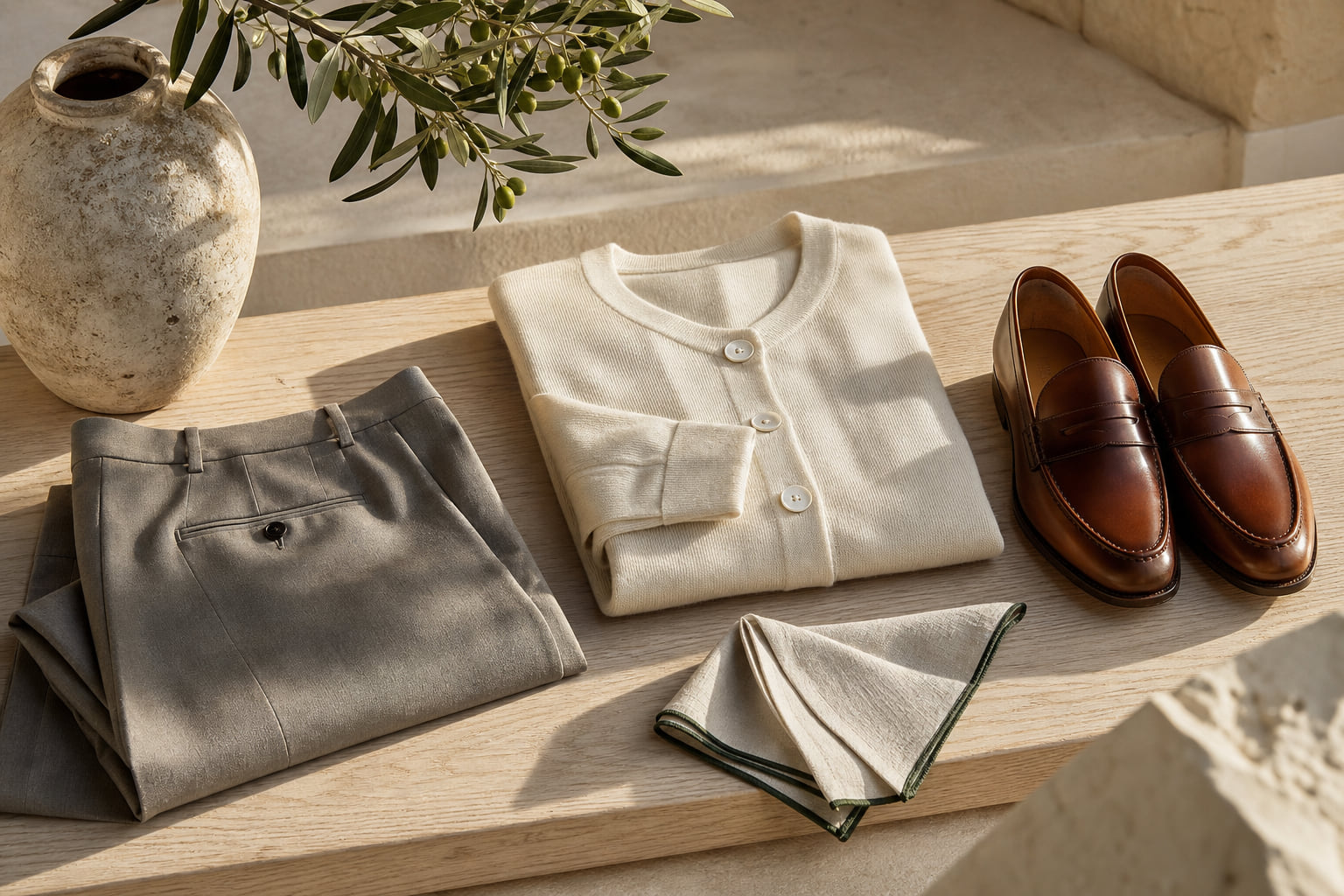
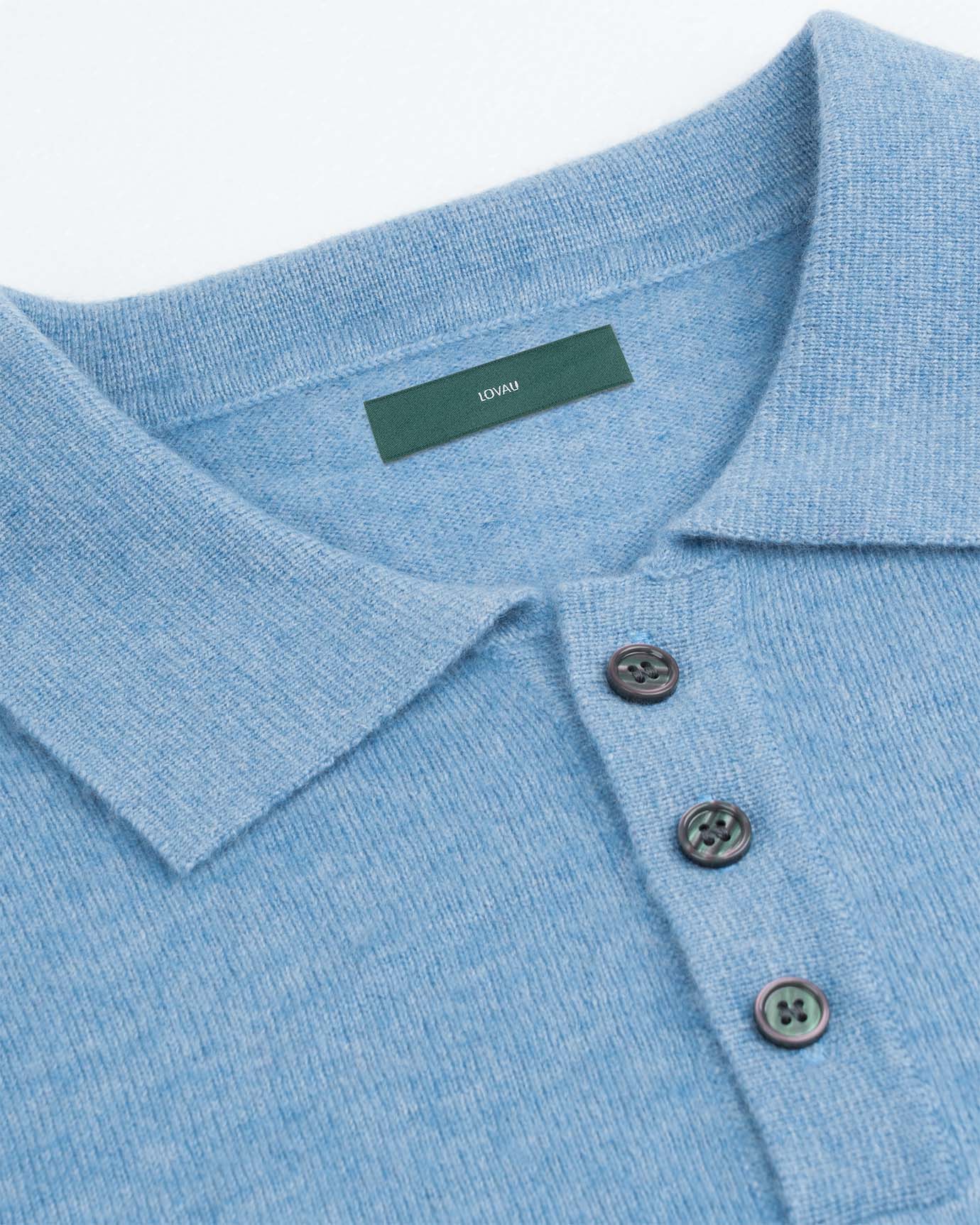
With knitwear: the coat transitions naturally to a more relaxed register worn over a fine-gauge knit. A fine cashmere polo in a long sleeve cut in cream, camel, or burgundy beneath the coat creates a tonal, layered look that is distinctly European in its confidence. Add old money trousers in a mid-grey or camel flannel and the outfit is complete without a single formal element.
With corduroy: a camel coat over cotton corduroy trousers in tobacco or dark olive is a weekend-to-casual register that works particularly well in autumn and early winter. The texture of the corduroy reads well against the smooth face of the wool coat. Finish with suede or leather loafers, ideally in tan or dark brown.
With linen in transitional seasons: in early autumn or late spring, a lighter-weight camel coat worn over linen blend knitwear and Ibiza linen trousers is a genuinely sophisticated way to carry the coat into warmer conditions without looking out of place. The key is keeping the palette tight: camel, cream, and sand work together without effort.
For further pairing ideas across seasons, the article on how to style a camel coat in five wealthy ways covers specific outfit combinations with real precision. And if you are building the wardrobe around this coat, the 10 wardrobe staples every well-dressed man needs is a useful parallel read.

The Investment Case: Why a Designer Coat Pays for Itself
A camel coat is not an impulse purchase. It is a considered acquisition, and it deserves a budget that reflects its role in the wardrobe. A coat bought at the lower end of the market, in a mixed synthetic blend with a poorly constructed lining and a soft, unstructured shell, will pill within two seasons, lose its shape within three, and be unwearable within five. A coat bought correctly, in pure wool or a cashmere-wool blend from a house that understands construction, will last twenty years with basic maintenance.
The mathematics are straightforward. A $275 wool overcoat worn for fifteen years costs less than $20 per year. A $90 fast-fashion alternative replaced every three seasons costs more over the same period and produces a wardrobe that never quite coheres.
Designer coats for men at this tier are constructed with attention to the details that determine longevity: canvas interlining rather than fused fronts, quality lining fabrics that breathe and move, hand-finished buttonholes, and cloth milled to a weight that will hold its structure through years of wear. These are not luxury abstractions; they are practical construction decisions with direct consequences for how the coat performs over time.
For men thinking about where the camel coat fits within a broader strategy of building a lasting wardrobe, the article on the best fashion investment pieces for 2026 provides a useful framework. The camel coat belongs in that conversation alongside a well-made suit, quality leather shoes, and a handful of fine-gauge knits. It is also worth reading the ultimate guide to the best jackets and coats for the old money man's wardrobe for a complete outerwear picture.
On the subject of footwear, a camel coat deserves shoes of equivalent quality. The Ibiza linen leather loafers in tan are a natural companion in transitional seasons, while the complete men's footwear collection offers leather options suited to the coat's more formal register.

Choosing Your Camel Coat: A Practical Buying Guide
Before you buy, answer four questions: what is your primary use case, what is your existing wardrobe like, what is your frame, and what is your honest budget?
Use case: if you need a coat that works in a professional environment, prioritise a structured single-breasted cut in a 600g+ pure wool. If your life is more relaxed and weekend-oriented, a slightly looser, softer cashmere-wool blend in a relaxed silhouette gives you more daily versatility.
Existing wardrobe: a camel coat works best when the wardrobe beneath it is already coherent. If your trousers, knitwear, and shirts are already in a palette of navy, grey, cream, and brown, the camel coat will integrate immediately. If your wardrobe is eclectic or heavily patterned, the coat will feel incongruous. Use the minimalist elegant wardrobe checklist for beginners as a pre-purchase audit if you are unsure.
Frame: taller men with a lean frame can carry a longer, more dramatic cut without the coat overwhelming them. Shorter or stockier men should choose a mid-thigh length and avoid heavy shoulder padding, which adds visual bulk. A single-breasted cut with a clean, unfussy front reads as leaner than a double-breasted alternative.
Budget: set your minimum at a point where pure wool construction is guaranteed. Below that threshold, you are buying a coat that will not last. The old money fall winter collection offers coats at price points that reflect genuine construction quality, and the range allows you to compare fabrics and silhouettes directly before deciding.
The GQ guide to men's overcoats is also worth reading as a neutral reference point for fit terminology and style categories before you commit to a specific cut.
| Fabric | Warmth | Durability | Softness | Price Tier | Best For |
|---|---|---|---|---|---|
| Pure Virgin Wool | High | Excellent | Moderate | $200 to $400 | Daily wear, professional environments, long-term investment |
| Cashmere-Wool Blend (20-30% cashmere) | High | Good | Very High | $300 to $600 | Weekend and social wear, transitional seasons |
| Pure Cashmere | Very High | Moderate | Exceptional | $600 and above | Occasional formal wear, cold climates, luxury investment |
| Genuine Camel Hair | Very High | Good | High | $500 and above | Connoisseur purchase, distinctive natural tone |
| Wool-Synthetic Blend | Moderate | Poor to Moderate | Low to Moderate | Under $150 | Not recommended for a foundational overcoat |
Frequently asked questions
What shade of camel is most versatile for a men's overcoat?
A mid-camel, sometimes called 'camel tan' or 'warm sand', is the most versatile shade. It sits between a pale cream-camel, which can look washed out in winter light, and a deep tobacco-camel, which is richer but narrower in its pairing options. A true mid-camel works with navy, charcoal, grey, cream, and burgundy without conflict. If you are buying your first camel coat, avoid the extremes and aim for the middle of the tonal range.
Can a camel coat be worn in spring and autumn, or is it strictly a winter coat?
A camel coat in a lighter wool weight, around 400g to 500g per metre, works well in autumn and spring. The colour itself is not seasonal. In transitional conditions, wear it over lighter layers: a linen blend knitted polo and tailored trousers rather than a heavy suit. The coat's warmth level is determined by its fabric weight, not its colour, so a well-chosen lighter-weight camel coat is genuinely a three-season garment.
Is a camel coat appropriate for formal or black-tie adjacent occasions?
A camel coat is appropriate for business formal, smart casual, and most European social occasions. It is not a black-tie overcoat: that register calls for a black or midnight navy wool coat. For everything below black tie, including gallery openings, restaurant dinners, city meetings, and weekend travel, the camel coat is correct and, in most cases, the most refined choice available.
How should I care for a wool camel coat to make it last?
Brush the coat after each wear with a soft-bristle garment brush to remove surface dust and restore the nap of the wool. Allow it to air for thirty minutes before storing. Spot-clean minor marks with a damp cloth; do not rub. Dry-clean once per season at most, as repeated dry-cleaning degrades wool fibres over time. Store on a wide wooden hanger in a breathable garment bag. With this routine, a quality wool coat will hold its shape and colour for fifteen to twenty years.
The camel coat is not a purchase you make because it is fashionable. You make it because it is correct, because it works, and because a man who owns one well-made overcoat in camel wool is better dressed for more occasions than a man who owns five coats in lesser fabrics and less considered colours. Buy it once, buy it properly, and it will be the last overcoat decision you need to make for a very long time. Start with the full range of men's designer coats at Lovau to find the silhouette and fabric that suits your wardrobe.