


The Best Ways to Keep White Polos Looking Brand New
Reading time 14 min • 2838 words
A white polo shirt is one of the clearest signals of understated taste. It works at a golf club, on a terrace in the south of France, or tucked into pressed trousers for a Saturday lunch. But that signal only holds when the white is genuinely white, the collar sits flat, and the fabric has not turned grey or stiff from poor washing habits.
Most people ruin their white polos within a season, not through carelessness but through the wrong kind of care. Hot water, chlorine bleach, aggressive tumble drying, and plastic storage bags are the four most common culprits. The good news is that reversing these habits costs nothing and takes very little time.
This guide covers everything: the right washing method for each fabric type, how to treat the stains that actually appear on white polos (collar grime, sunscreen, food), how to dry and press without damage, and how to store them so they come out of the wardrobe looking as fresh as the day you bought them.
Key takeaways
- Wash white polos in cold or lukewarm water, never hot, to prevent fabric breakdown and yellowing.
- Treat collar and cuff stains within an hour using a mild soap or diluted white vinegar before they set.
- Avoid chlorine bleach on anything other than plain cotton. Use oxygen-based whiteners for linen, silk blends, and knits.
- Air-dry white polos flat or on a wide-shouldered hanger away from direct sunlight to prevent yellow oxidation.
- Store white polos folded in breathable cotton bags or open shelves, never in sealed plastic, to stop yellowing from trapped moisture.
In this guide
- Know Your Fabric Before You Wash Anything
- The Right Way to Wash a White Polo Shirt
- Treating the Stains That Actually Appear on White Polos
- Drying, Pressing, and Keeping the Collar Crisp
- Storage That Prevents Yellowing Between Wears
- When to Use Whitening Treatments and When to Avoid Them
- Frequently asked questions
Know Your Fabric Before You Wash Anything
White polos are not all made from the same cloth, and the single biggest mistake people make is treating them as though they are. A plain piqué cotton polo tolerates more heat and agitation than a linen blend knitted polo or a silk-blend construction. Before you wash anything, check the care label and identify the dominant fibre.
Cotton piqué is the most forgiving. It handles machine washing at 30 to 40 degrees Celsius, responds well to oxygen whiteners, and can be lightly tumble-dried on low heat without significant shrinkage, provided you bought a quality pre-shrunk piece.
Linen and linen blends need cool water and a gentle cycle. Linen fibres are strong but they distort under heat, and a linen polo that has been washed hot will lose its clean drape and develop a rough texture. According to Wikipedia's entry on linen, linen is derived from the flax plant and is naturally resistant to dirt and bacteria, which means it needs washing less frequently than cotton anyway.
Silk and silk blends, such as the Madrid Thin Polo in Mulberry Silk, require hand washing or a delicate machine cycle in cold water with a pH-neutral detergent. Silk is protein-based and degrades quickly in alkaline conditions, which rules out standard laundry powder and any form of bleach.
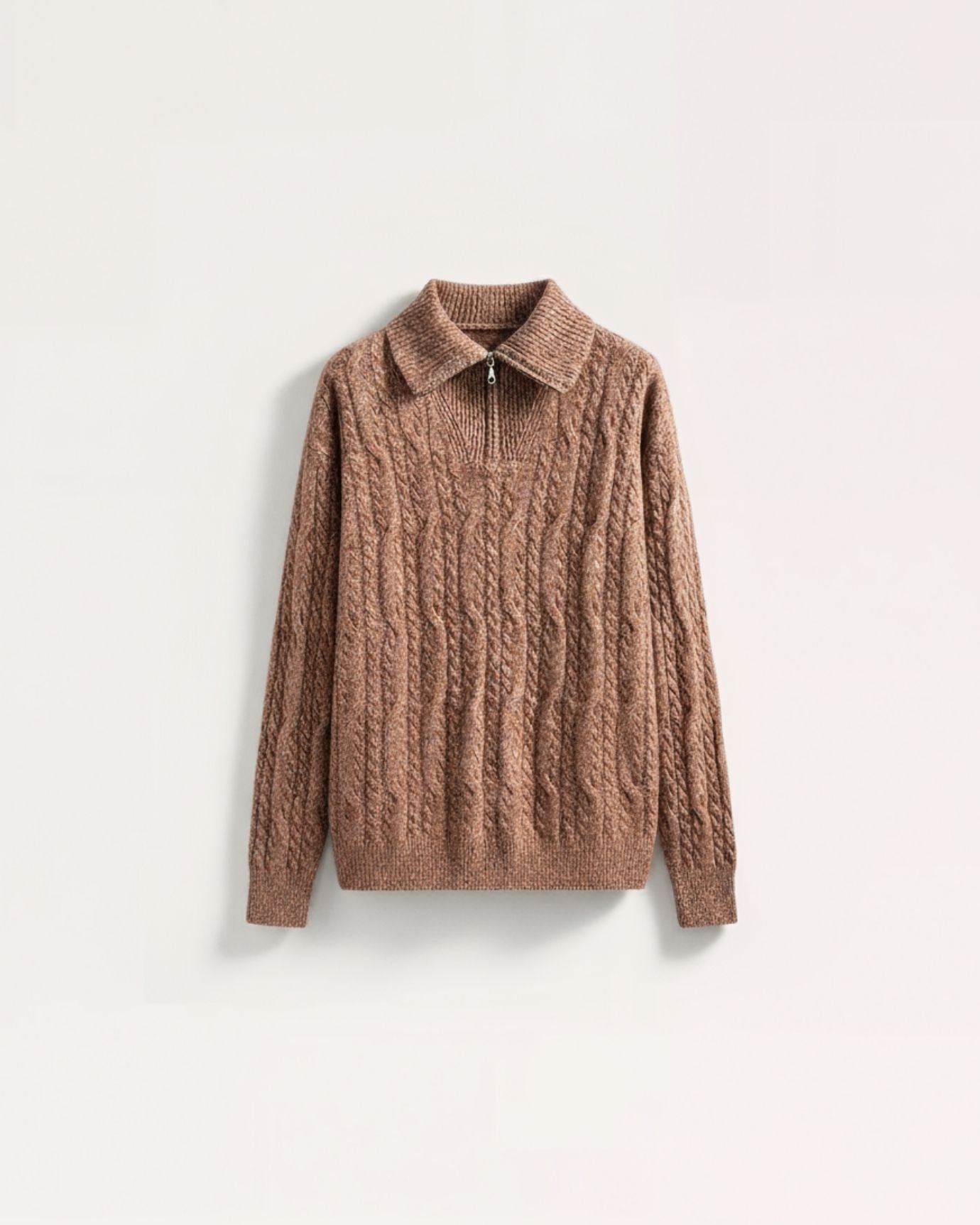
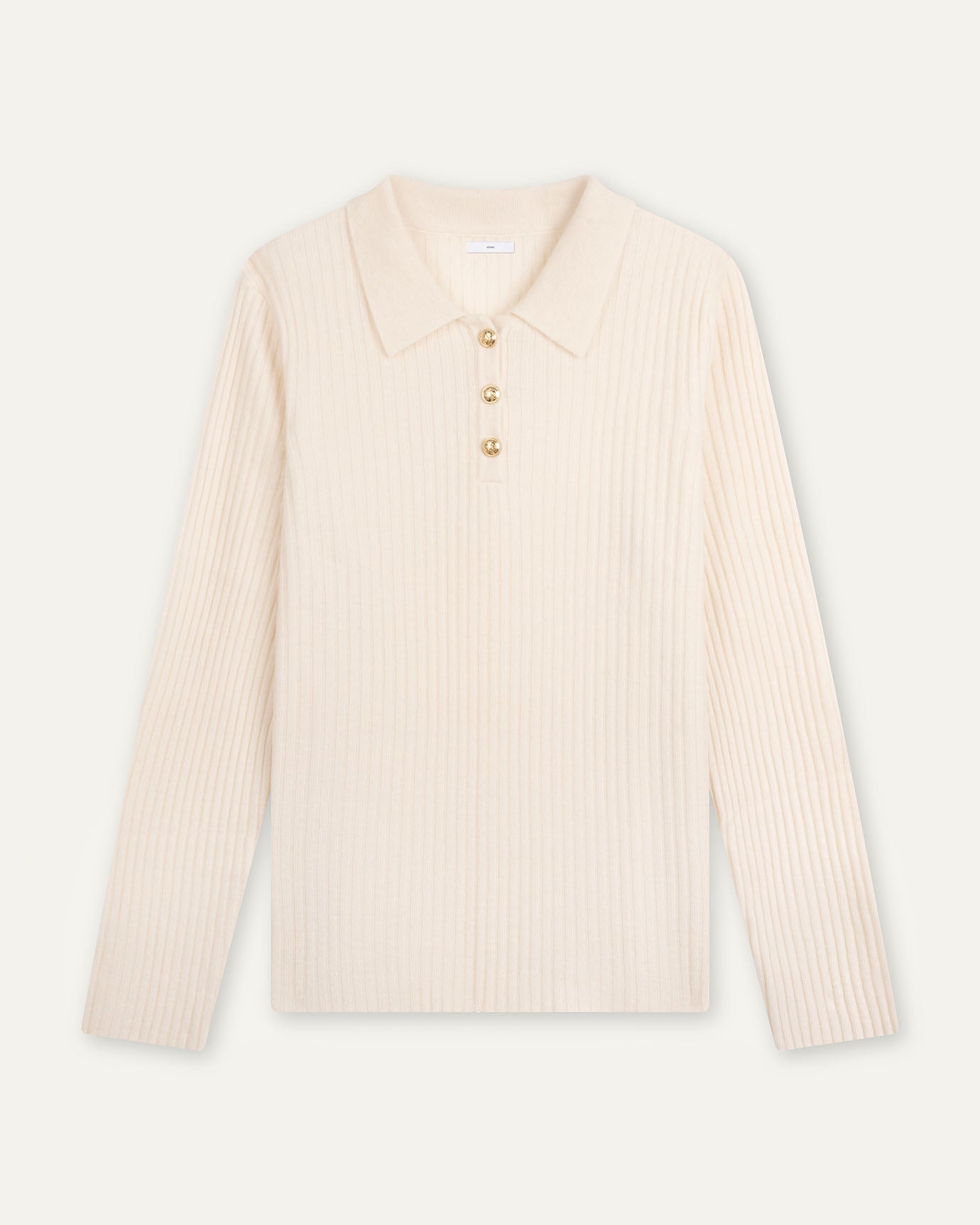
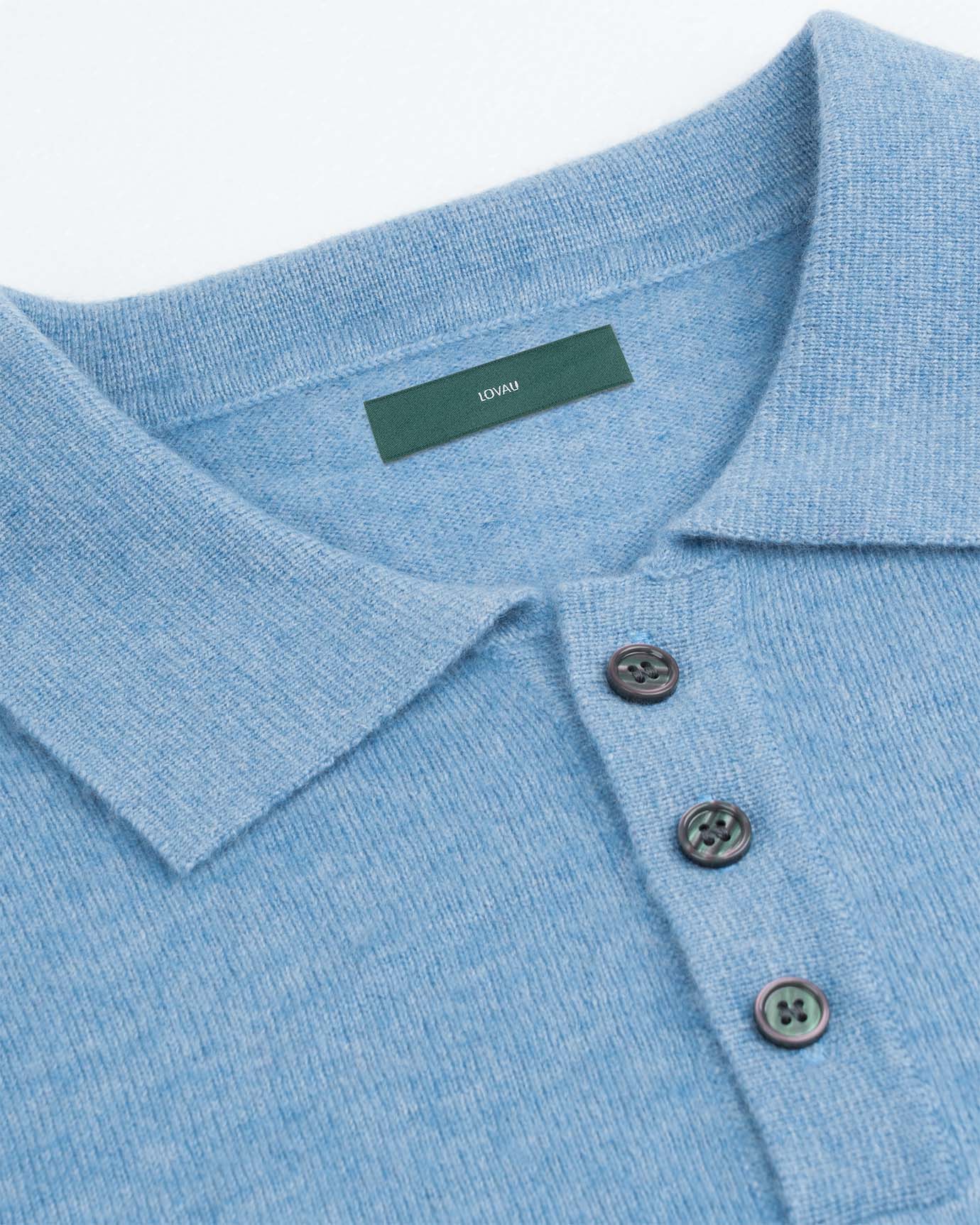
Cashmere and wool knits should be hand-washed in lukewarm water with a wool-specific detergent. The cashmere wool polo long sleeve is an investment piece, and machine agitation, even on a gentle cycle, will cause felting and pilling over time.
Once you know what you are washing, every other decision becomes straightforward.
Expert insightTurn every polo inside out before washing. This protects the outer surface from friction pilling and keeps the collar from curling during the spin cycle.

The Right Way to Wash a White Polo Shirt
Temperature is the most important variable. Hot water does not clean white fabric better. What it does is break down fibres faster, set protein-based stains like sweat and sunscreen permanently, and cause optical brighteners in the fabric to degrade, which is what creates that grey or yellow cast on white polos over time.
For cotton polos, wash at 30 degrees Celsius for regular maintenance and 40 degrees if the polo is visibly soiled. For everything else, cold water is safer.
Detergent choice matters. Use a liquid detergent rather than powder for white fabrics. Powder detergents can leave residue, particularly in cold water, and that residue dulls whites over time. Look for a detergent formulated for whites that contains optical brighteners and enzymes. Avoid anything with added fragrance for silk and cashmere, as the chemical compounds can weaken delicate fibres.
Wash whites separately, always. Even a pale grey t-shirt in the same load will transfer enough pigment to give a white polo a faint blue-grey tint after several washes. This is not reversible without professional treatment.
Avoid overloading the machine. White polos need room to move freely so the detergent reaches every part of the fabric. A half-full drum is ideal.
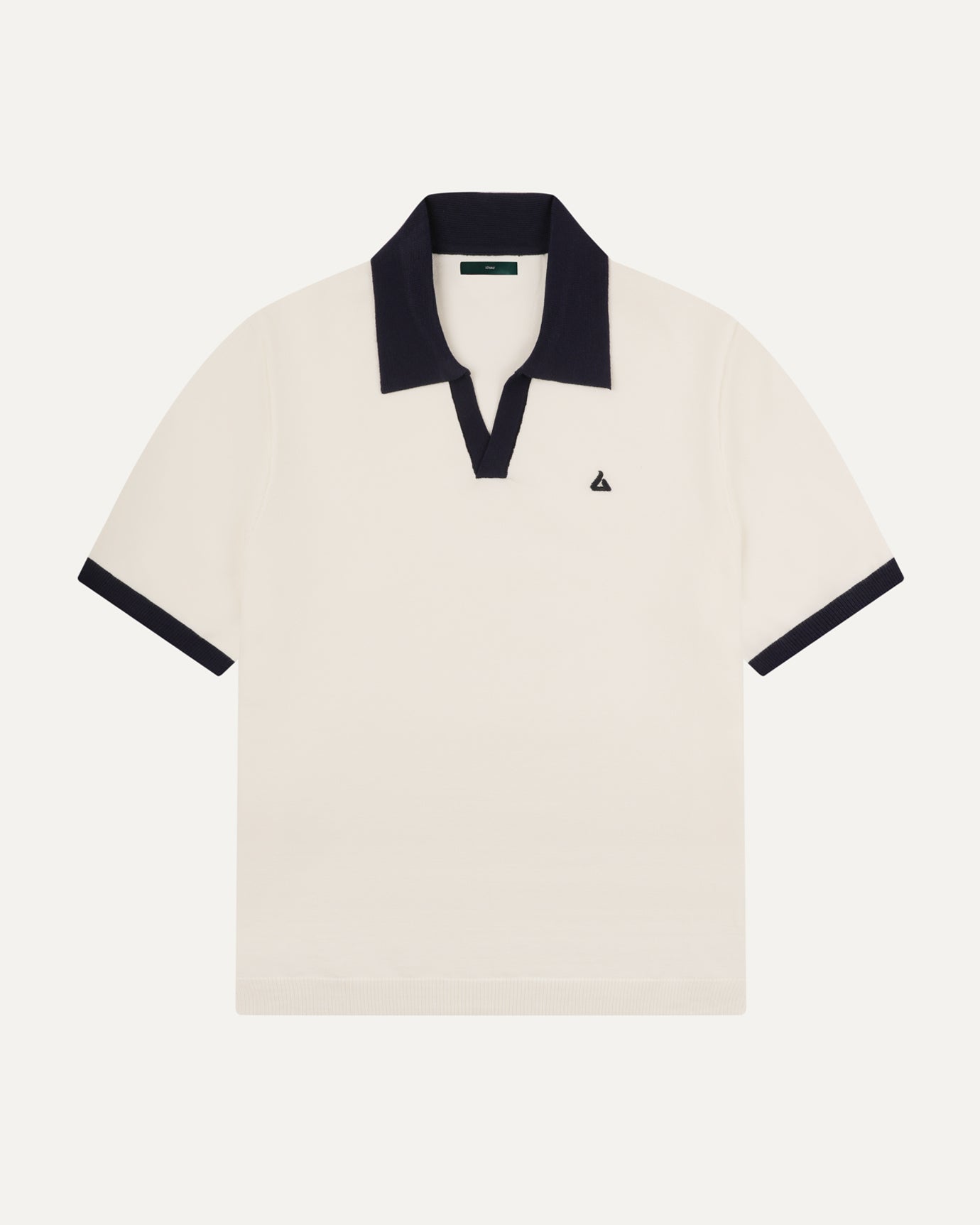
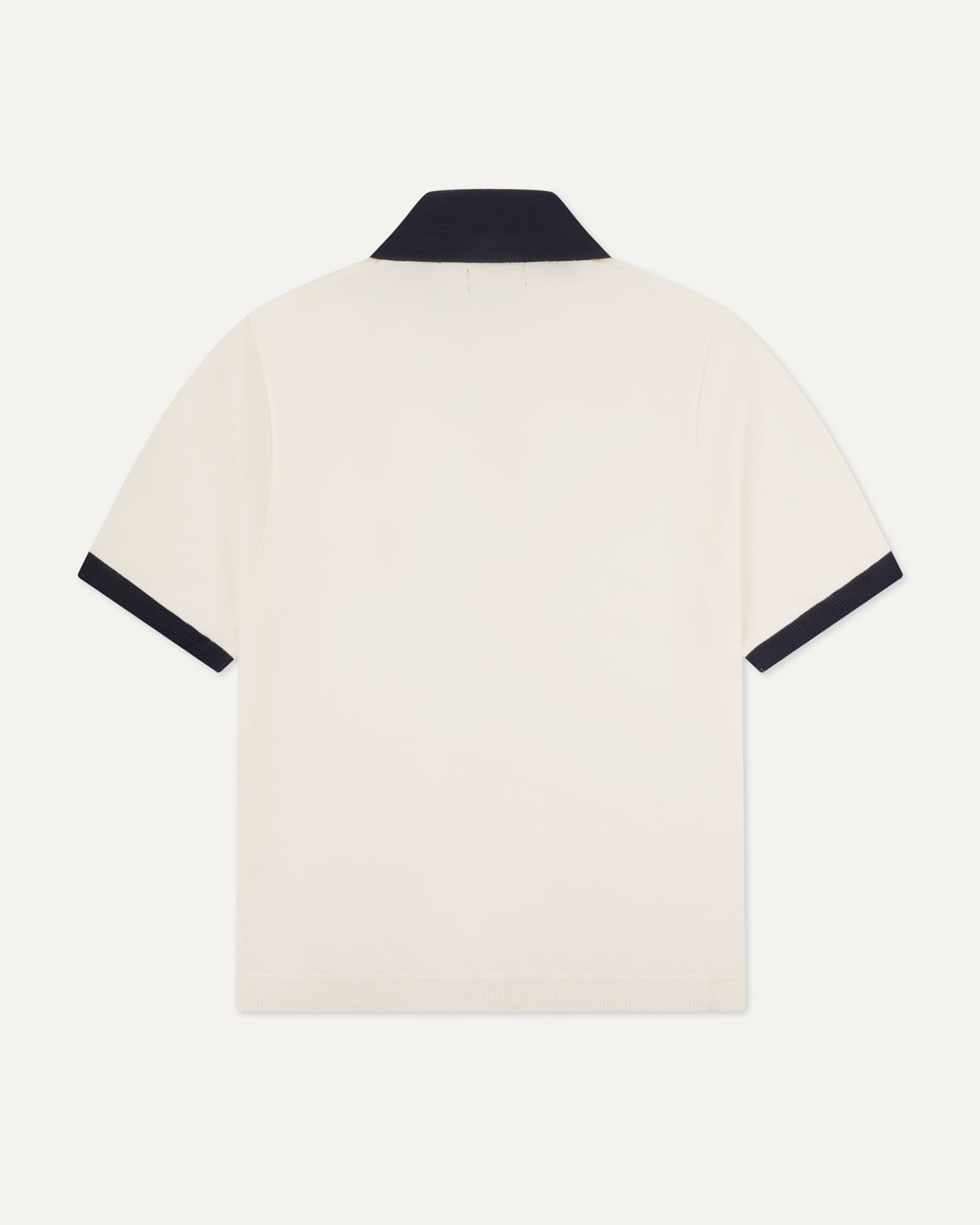
For the Old Money Polo Shirt White, a premium cotton construction, a 30-degree gentle cycle with a quality liquid detergent and a short spin at low speed will preserve the fabric weight and keep the collar structured for longer. The same logic applies to the Old Money Marine Polo, which is built for longevity but benefits from consistent gentle care.
Expert insightAdd half a cup of white distilled vinegar to the rinse cycle instead of fabric softener. It removes detergent residue, softens fibres naturally, and does not leave any scent once the polo dries.

Treating the Stains That Actually Appear on White Polos
There are four stains that appear on white polos more than any other: collar grime, underarm yellowing, sunscreen, and food or wine. Each has a specific treatment that works, and a general approach that does not.
Collar grime is a combination of dead skin cells, hair product, and natural sebum. It appears as a beige or grey ring at the back and sides of the collar. Treat it within 24 hours of wearing by applying a small amount of undiluted liquid detergent or a paste of baking soda and water directly to the collar. Work it in gently with a soft brush or your fingertips, leave it for 15 to 20 minutes, then wash as normal. Do not let it dry on the fabric.
Underarm yellowing is caused by the reaction between aluminium compounds in antiperspirant and the proteins in sweat. Chlorine bleach makes this worse, not better, because it reacts with the protein residue and deepens the yellow. Instead, soak the affected area in a solution of one part white vinegar to three parts cold water for 30 minutes before washing. For stubborn yellowing, a paste of oxygen-based whitener and water left on the area for an hour works well.
Sunscreen stains are among the most difficult because most sunscreens contain avobenzone, which oxidises and turns fabrics orange or brown. The treatment is dish soap, specifically the kind used to cut grease, applied directly to the stain while it is still fresh. Work it in gently, rinse with cold water, then wash as normal. Never put a sunscreen-stained polo in the dryer before the stain is fully gone.
Food and wine should be blotted immediately with a clean cloth, never rubbed. Cold water rinse from the back of the fabric to push the stain out rather than deeper in. Then treat with an enzyme-based stain remover and wash promptly.
For women's white polos like the White Polo Flowery or the Brit Crochet Polo Collar, take extra care around embellishments and crochet details. Soak those areas rather than scrubbing, and always rinse thoroughly to avoid detergent residue building up in the textured weave.
Expert insightApply a thin layer of clear hair conditioner to the collar area before wearing. It creates a light barrier between the fabric and skin oils, reducing the rate at which collar grime builds up.

Drying, Pressing, and Keeping the Collar Crisp
How you dry a white polo determines whether it stays white or starts to yellow. Direct sunlight is the enemy of white fabric over time. While UV light has a short-term brightening effect, repeated exposure breaks down the cellulose in cotton and the protein structure in wool and silk, causing permanent yellowing and weakening of the weave.
Dry white polos in a well-ventilated space away from direct sun. Lay knit polos flat on a clean dry towel to preserve their shape. Cotton and linen polos can hang on a wide-shouldered hanger, which also helps the collar dry in its natural shape rather than curling.
Avoid the tumble dryer wherever possible. The combination of heat and mechanical friction accelerates fibre breakdown, shrinks the polo slightly each time, and causes the collar to lose its structure. If you must use a dryer, use the lowest heat setting and remove the polo while it is still slightly damp, then hang it to finish drying.
Pressing a white polo while it is slightly damp gives the cleanest result. Use a medium iron for cotton piqué, a cool iron for linen, and a steam iron held just above the surface for silk blends. Never iron directly onto a cashmere or wool knit. Press the collar last, from the inside, to keep it lying flat without creating a shine.
For those interested in the finer points of collar care, our article on the best collar stays to keep your shirt looking crisp covers the structural side in detail. The same principles that keep a dress shirt collar sharp apply to the polo collar.
For men who wear polos regularly as part of a considered wardrobe, the Fine Cotton Italian Jacquard Polo is a good example of a structured cotton that responds particularly well to damp pressing, the jacquard weave holds its texture beautifully when ironed correctly.

Storage That Prevents Yellowing Between Wears
White garments yellow in storage for two main reasons: oxidation and contact with acidic materials. Both are entirely preventable.
Never store white polos in sealed plastic bags or plastic-lined boxes. Plastic traps moisture and creates an environment where the fabric oxidises faster. It also off-gasses compounds over time that can transfer to white fabric and cause irreversible yellowing. Use breathable cotton garment bags or open shelving instead.
Fold, do not hang, fine knit polos. Hanging a cashmere or wool knit polo on a hanger for extended periods stretches the shoulders and distorts the silhouette. Fold it neatly and store it flat, ideally with a cedar block nearby to deter moths.
Wash before storing for any extended period. Body oils and invisible perspiration residue oxidise over time and turn white fabric yellow. A polo that looks clean after wearing will often come out of storage with yellow underarm patches if it was put away unwashed.
Separate white from coloured garments in the wardrobe. Dye transfer does not only happen in the wash. Over time, coloured garments stored in direct contact with white ones can transfer pigment, particularly in humid conditions.
For women building a refined white wardrobe, the Old Money Polo Woman by Lovau and the Cashmere Polo Woman represent two very different fabric needs. The cotton polo can be folded on a shelf; the cashmere requires the same careful flat storage and cedar protection as any fine knit.
If white polos are a consistent part of your rotation, it is worth reading our guide on best colors for summer outfits 2026 to understand how white works within a broader seasonal palette, and how to store seasonal pieces correctly between rotations.

When to Use Whitening Treatments and When to Avoid Them
Not all whitening products are appropriate for all white fabrics, and using the wrong one will cause more damage than the yellowing you are trying to fix.
Oxygen-based whiteners (sodium percarbonate products) are the safest and most broadly applicable option. They work by releasing oxygen molecules that break apart stain compounds without attacking the fibre structure. They are safe for cotton, linen, and most blends. Soak the polo in a solution of oxygen whitener and cool water for two to four hours, then rinse thoroughly and wash as normal. This treatment is effective for general dullness and light yellowing.
Chlorine bleach should be used sparingly and only on plain white cotton with no synthetic fibre content. It is effective at removing stains but it weakens cotton fibres with repeated use, degrades elastic in cuffs and collars, and will permanently damage silk, wool, cashmere, and linen. If you use it, dilute it heavily (one tablespoon per litre of water maximum) and do not soak for more than ten minutes.
Bluing agents are a traditional textile treatment that adds a microscopic blue tint to white fabric, which counteracts the yellow cast that develops over time. They are safe for cotton and linen and were standard in European laundry practice for generations. A few drops in the final rinse is sufficient. More than that and the polo will have a visible blue tint.
UV brighteners in detergent work by absorbing UV light and re-emitting it as visible blue-white light, making fabric appear brighter. They are effective for maintenance but not for treating existing yellowing.
For a deeper dive into building a wardrobe around white and other refined neutrals, the real ways to style a polo shirt in old money fashion article covers how white polos fit into a larger, considered wardrobe context. And if you are looking to expand your polo collection beyond white, the full Man Short Sleeve Polo Shirts and Women Polo Shirt collections show the range of colours and constructions worth considering.

| Fabric | Wash Method | Safe Whitener | Drying Method | Iron Setting |
|---|---|---|---|---|
| Cotton piqué | Machine, 30-40°C, gentle cycle | Oxygen whitener or diluted chlorine bleach | Hang or low tumble dry | Medium, damp |
| Linen blend | Machine, 30°C, delicate cycle | Oxygen whitener only | Hang flat, no direct sun | Cool to medium, damp |
| Mulberry silk blend | Hand wash, cold water, pH-neutral soap | None. Use white vinegar rinse | Lay flat, shade only | Cool iron, cloth barrier |
| Cashmere / wool knit | Hand wash, lukewarm, wool detergent | None. Spot treat with diluted vinegar | Lay flat on towel | Steam only, no contact |
| Cotton-synthetic blend | Machine, 30°C, gentle cycle | Oxygen whitener only | Hang, low tumble if needed | Low, inside out |
Frequently asked questions
Why do white polo shirts turn yellow over time even when washed regularly?
Yellowing in white polos is almost always caused by one of three things: oxidation of body oils and sweat residue left in the fabric between washes, the use of chlorine bleach which reacts with protein compounds and deepens yellow tones over time, or storage in sealed plastic that traps moisture and accelerates oxidation. Washing at the correct temperature with an enzyme detergent, rinsing thoroughly, and storing in breathable cotton bags will stop the cycle.
Can I use bleach on a white polo shirt?
Only on plain white cotton with no synthetic content, and only in a heavily diluted solution. Chlorine bleach will permanently damage silk, wool, cashmere, linen, and any fabric with elastane in it. For most white polos, an oxygen-based whitener is safer and produces comparable results without weakening the fibre over time.
How often should I wash a white polo shirt?
After every wear for cotton and linen polos worn directly against the skin. For finer knits like the cashmere wool polo long sleeve, you can often wear it two or three times before washing if you air it out properly between wears. Over-washing fine knits accelerates pilling and fibre breakdown.
What is the best way to remove a sunscreen stain from a white polo?
Act immediately. Blot the excess sunscreen with a clean cloth, then apply a small amount of grease-cutting dish soap directly to the stain. Work it in gently with your fingers and rinse with cold water from the back of the fabric. Repeat if needed, then wash the polo as normal. Never put a sunscreen-stained polo in the dryer before confirming the stain is fully gone, heat will set it permanently.
A white polo that is cared for correctly does not age the way a neglected one does. It stays sharp, stays bright, and holds its shape across seasons rather than becoming a casualty of bad laundry habits. The principles here are simple: match your washing method to your fabric, treat stains before they set, dry away from heat and direct sun, and store in breathable materials. Apply these consistently and a well-made white polo will be one of the most dependable pieces in your wardrobe for years. If you are looking for the right foundation to start with, the best polo shirts for men in 2026 guide covers which constructions and fabrics are worth the investment.