


Preppy vs Old Money: Understanding the Style Differences
Reading time 12 min • 2450 words
The two aesthetics share a surface vocabulary: navy blazers, loafers, polo shirts, and a preference for natural colours. Stand them side by side in a photograph and you might struggle to name the difference. But wear both in the same room and the distinction becomes immediately clear, not in any single garment, but in the overall impression each person makes.
Preppy style is rooted in American Ivy League and boarding school culture. It signals membership, school spirit, and a certain energetic confidence. Old money style, by contrast, is European in its bones. It is about restraint, about knowing exactly how much is enough, and about choosing clothes that will look correct in twenty years rather than twenty months.
This guide draws a precise line between the two. If you have been drawn to the old money aesthetic and want to understand what actually separates it from its more spirited cousin, read on. The differences are specific, learnable, and immediately applicable to the way you dress.
Key takeaways
- Preppy style is institution-driven and logo-forward; old money style is quiet, logo-free, and rooted in quality fabric and cut.
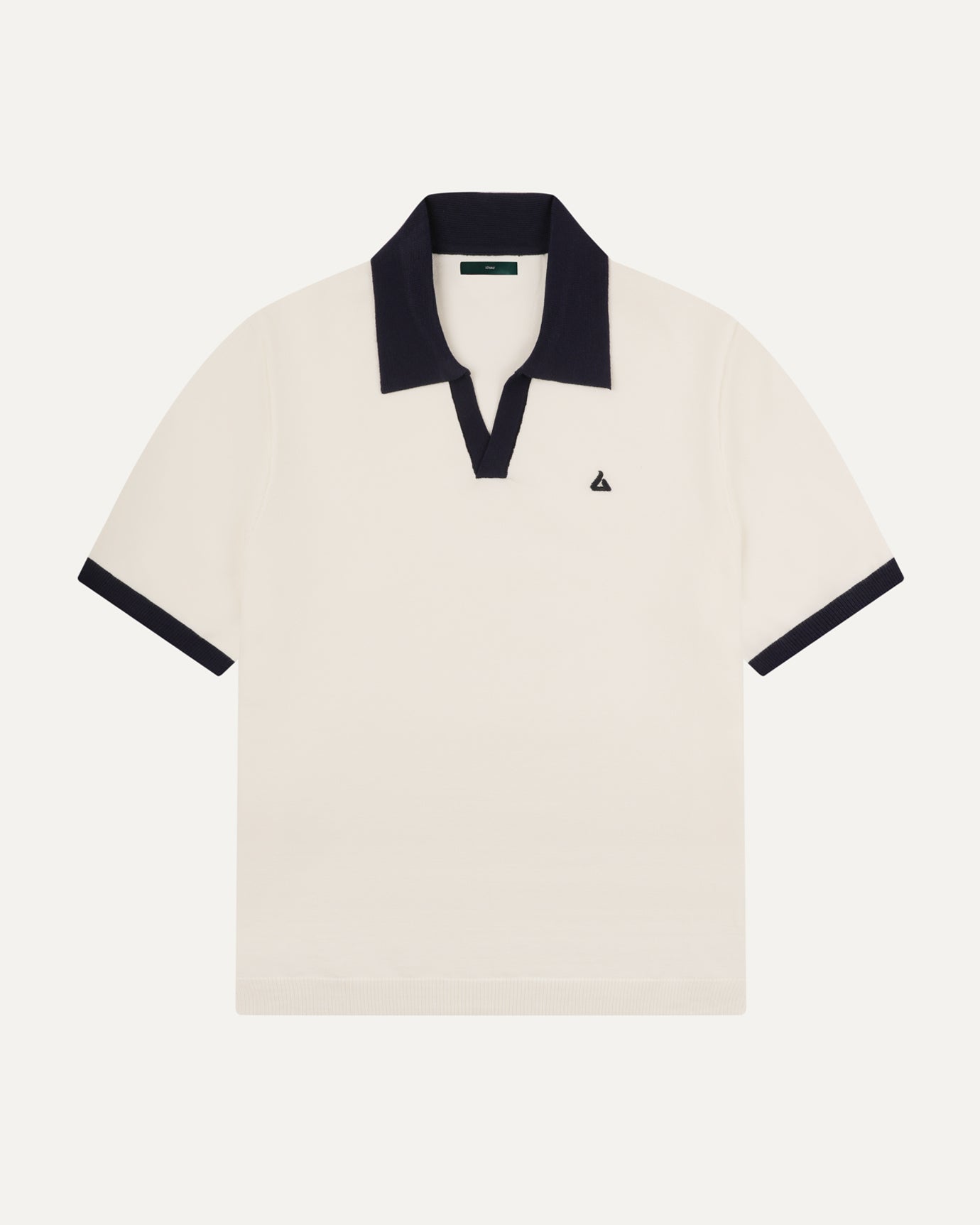
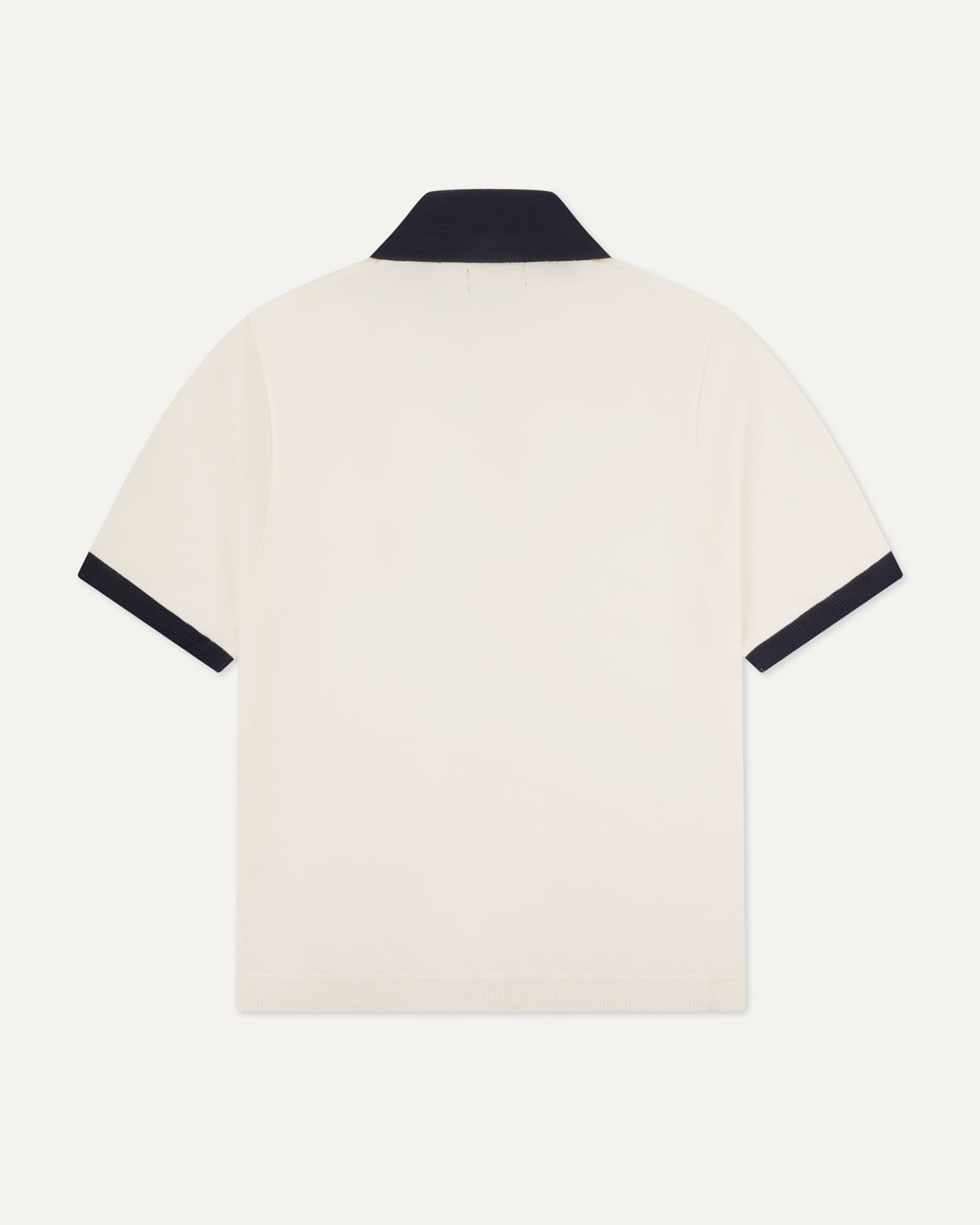
- Colour palette is a reliable tell: preppy leans into bright primaries and bold stripes, old money stays within ivory, navy, camel, stone, and forest green.
- Fit philosophy differs sharply: preppy often runs slim and fitted, while old money favours a relaxed, tailored drape with room to move.
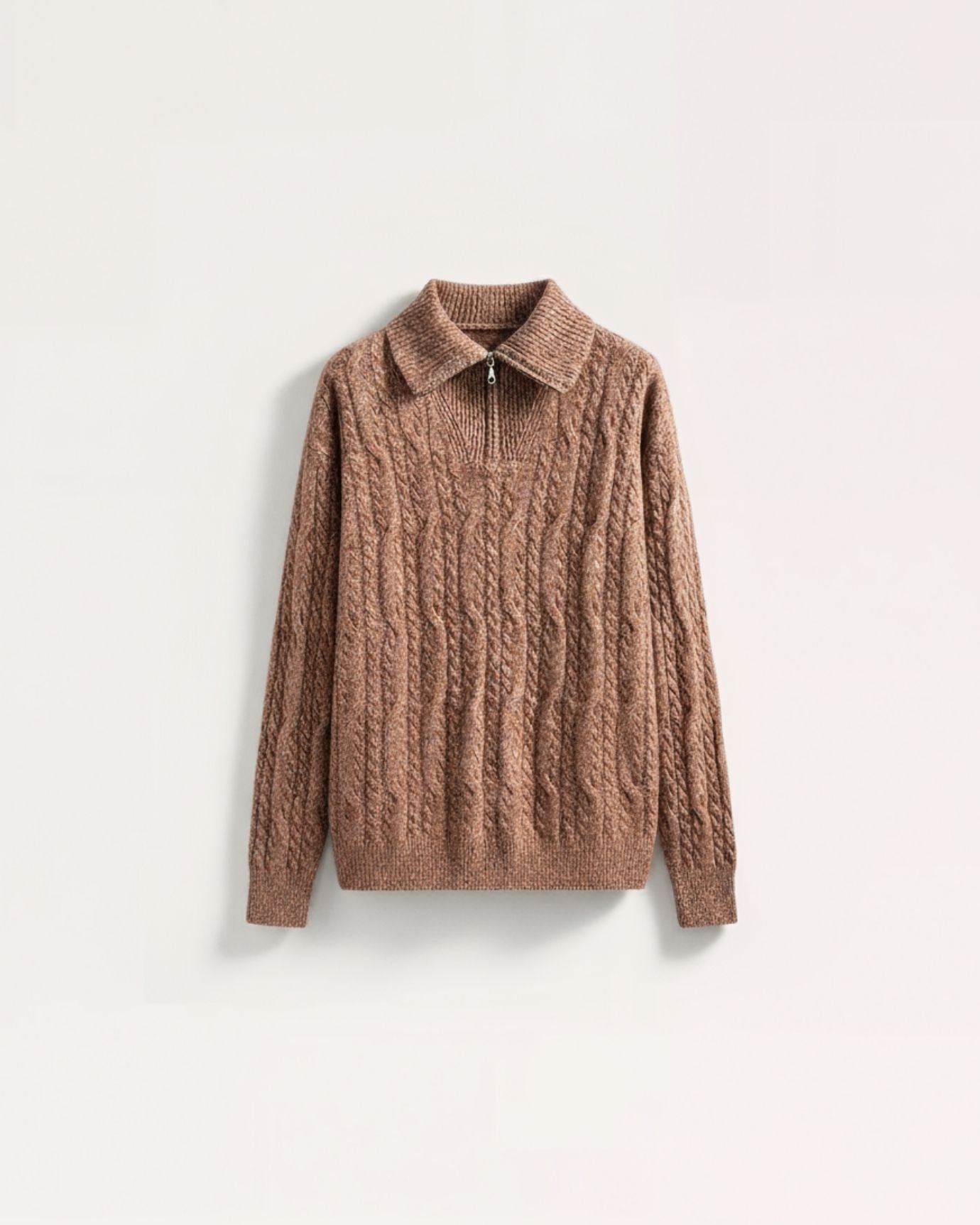
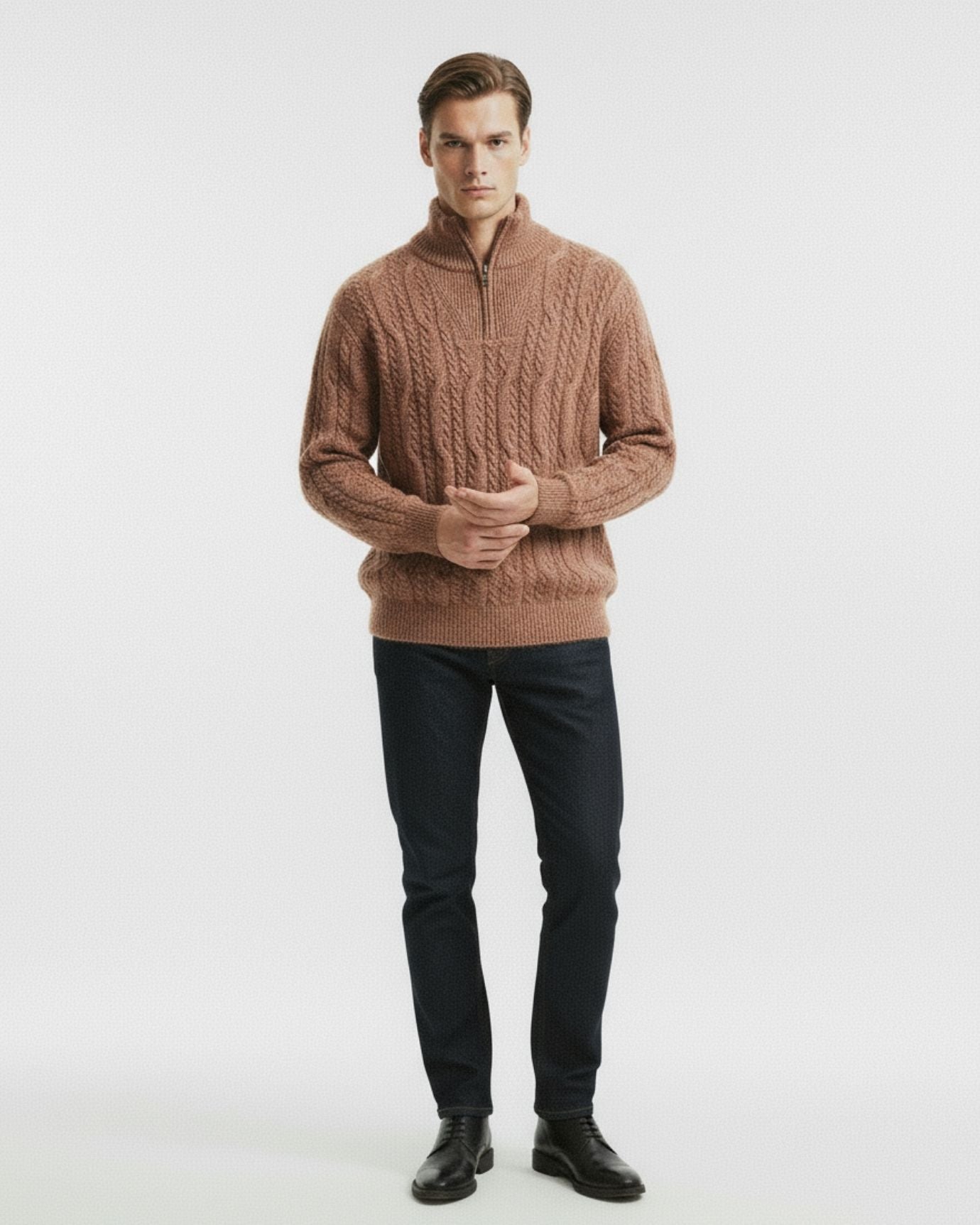
- The most important old money pieces are those made from natural fibres, worsted wool, linen, silk, and fine cotton, with no visible branding.
- Old money dressing is about consistency across every item, not one statement piece surrounded by fast fashion.
In this guide
- The Origin of Each Aesthetic and Why It Matters
- Colour Palette: Bold Signals vs Quiet Confidence
- Fabric and Construction: Where the Real Gap Lives
- Silhouette and Fit: Fitted Energy vs Relaxed Authority
- Shoes and Accessories: The Finishing Details
- Building an Old Money Wardrobe: Where to Begin
- Frequently asked questions
The Origin of Each Aesthetic and Why It Matters
Understanding where a style comes from tells you a great deal about how to wear it correctly.
Preppy style emerged from the American prep school and Ivy League university system of the mid-twentieth century. The word itself derives from "preparatory school," and the aesthetic was codified in publications like The Official Preppy Handbook (1980). It is a style of belonging: blazers with crests, rugby shirts, boat shoes, and the kind of cheerful, colour-blocked confidence that says you played lacrosse this morning and will sail this afternoon. Brands such as Ralph Lauren, Brooks Brothers, and J.Crew became its commercial ambassadors, and logos, crests, and visible brand identity became part of the vocabulary.
Old money style, as a concept, has a longer and quieter history. It describes the way genuinely wealthy European families, particularly in Britain, France, and Italy, have dressed across generations. There are no crests to display because the status is assumed. There is no need to signal membership because the membership is lifelong. The result is clothing that is understated to the point of near-invisibility, distinguished only by the quality of its fabric and the precision of its cut. For a deeper look at the roots of this old money aesthetic, the history is richer than most people realise.
This origin difference matters practically: preppy dressing is performative in the best sense, it is about showing where you belong. Old money dressing is the opposite. It assumes no audience.
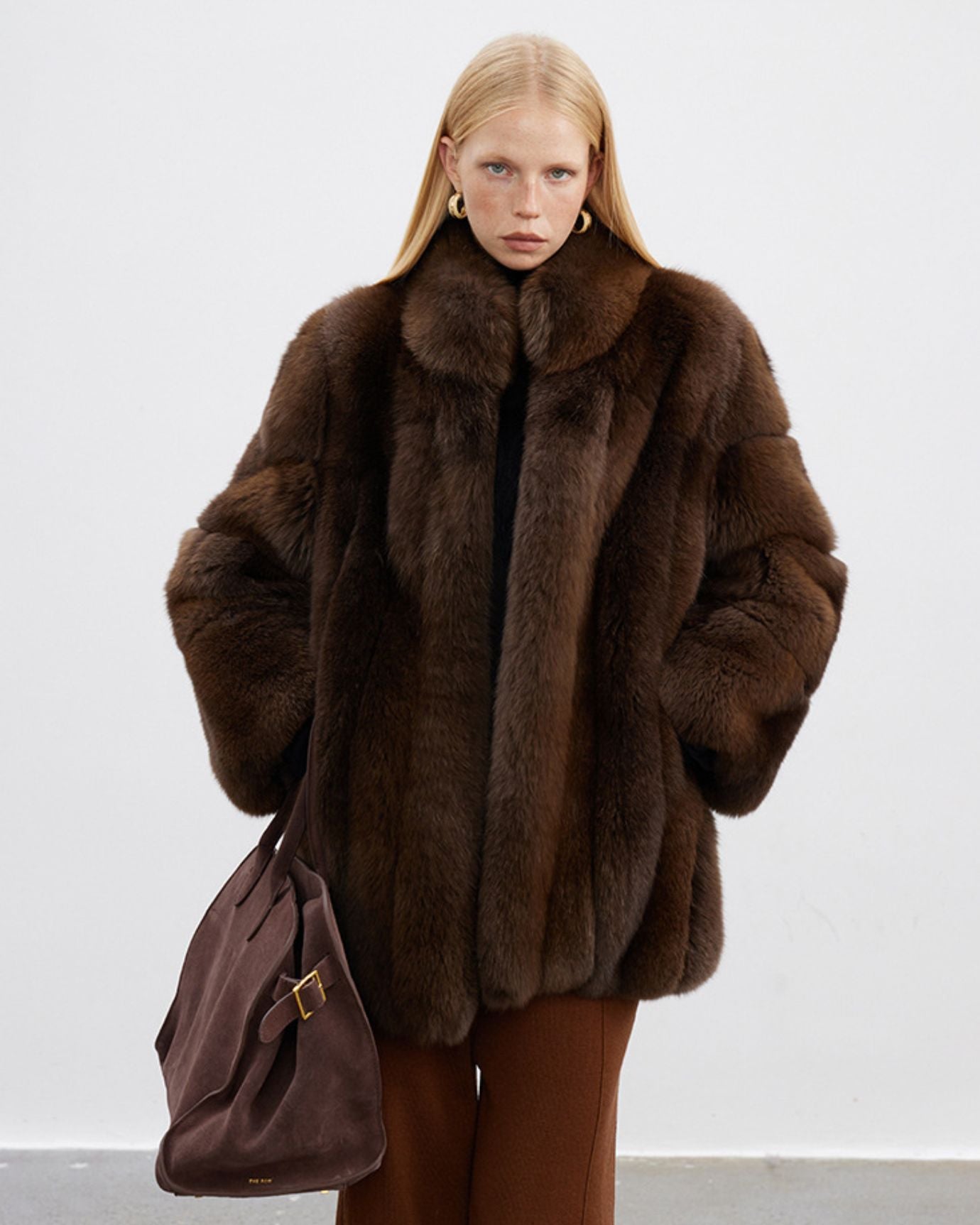
Expert insightThe single fastest way to identify old money dressing is to look for the absence of logos. A preppy piece often carries a brand mark proudly. An old money piece carries nothing but the quality of its cloth.

Colour Palette: Bold Signals vs Quiet Confidence
Colour is one of the most reliable ways to distinguish the two aesthetics at a glance.
Preppy palettes are enthusiastic. Think Kelly green, bright red, royal blue, salmon pink, and high-contrast combinations: navy and white stripes, red and green blocking, madras plaid in four colours at once. The energy is collegiate and optimistic. Seasonal colours shift noticeably, and the wardrobe reflects them loudly.
Old money palettes are narrow and deliberate. The core colours are ivory, cream, stone, camel, navy, forest green, burgundy, and charcoal. Patterns exist, but they are subtle: a fine windowpane check in grey, a muted houndstooth, a barely-there stripe. The Naples Striped High Waisted Trousers illustrate this well, a stripe that reads as texture from a distance rather than pattern.
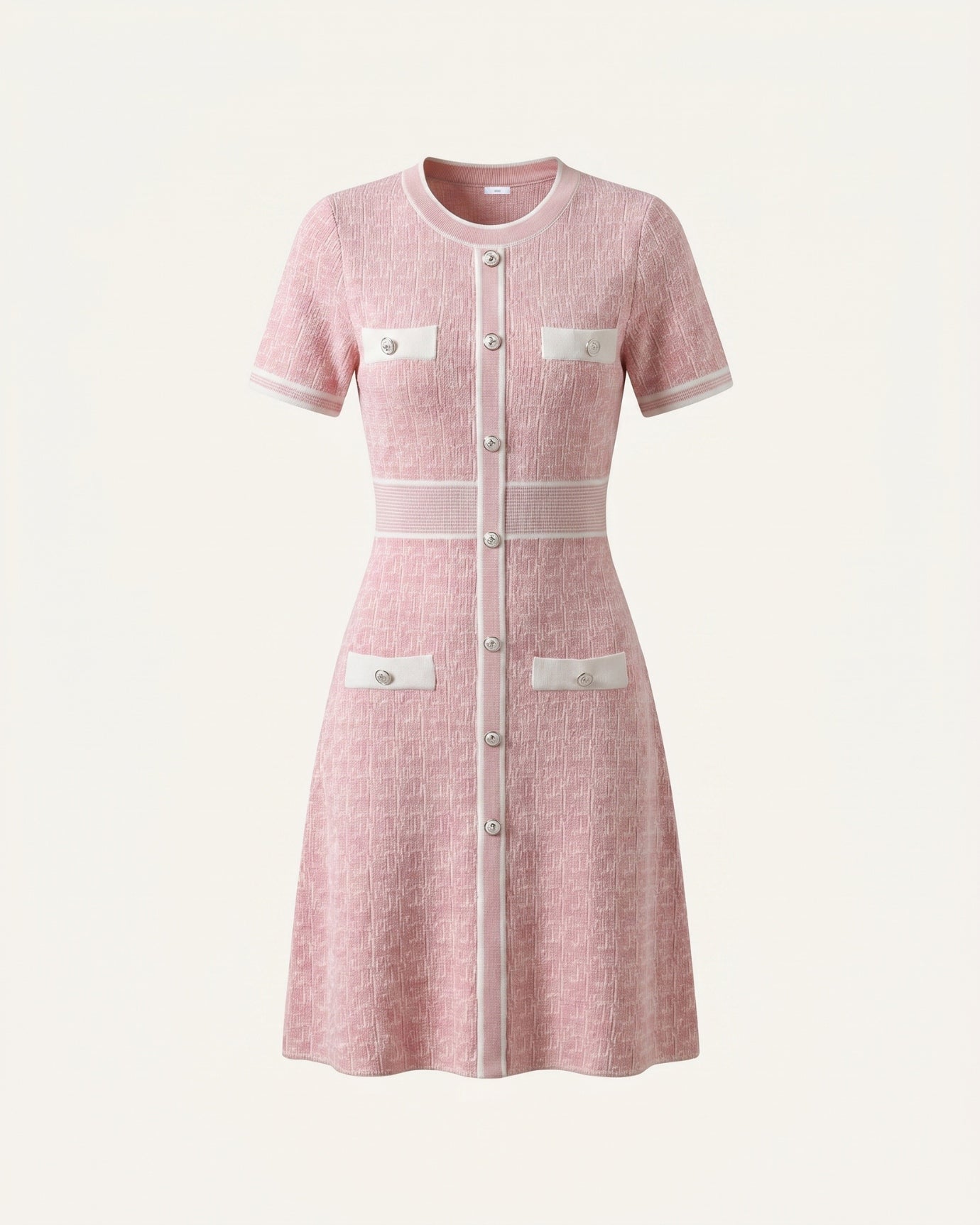
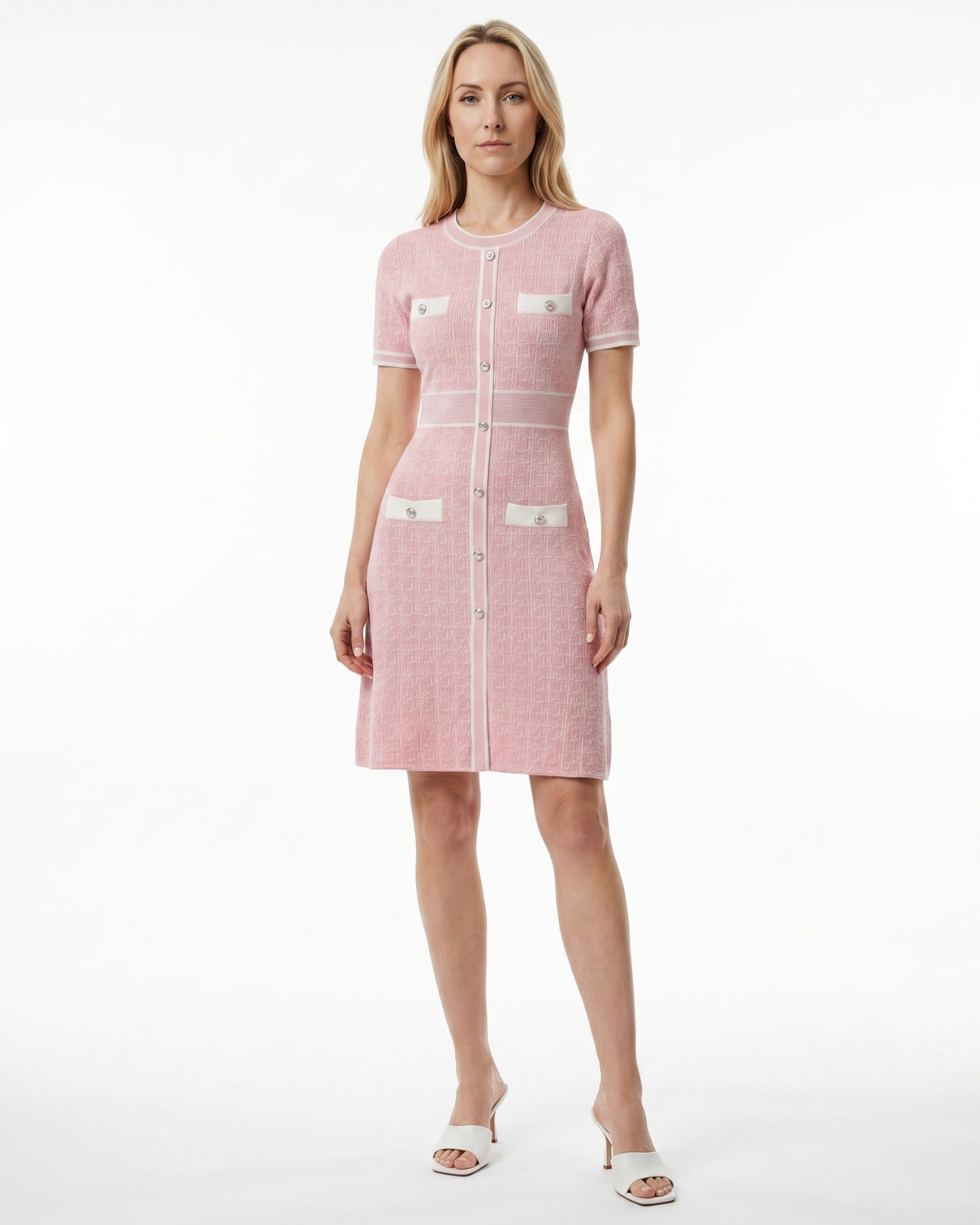
For women, the same logic applies. A preppy dress might arrive in a bold Breton stripe or a bright floral. An old money equivalent, such as the Contrast Collar Pleated Dress in Navy and White, uses the same navy and white combination but with a restrained, architectural cut that removes any hint of seasonal trend.
The practical rule: if your outfit reads as colourful from across a room, it is probably preppy. If the first thing someone notices is the quality of the cloth rather than the colour, you are in old money territory.
Expert insightOld money dressing allows pattern, but it keeps pattern in one place. If the trousers have a stripe, the shirt is plain. If the jacket has a check, the trousers are solid. Preppy style layers patterns with more freedom.

Fabric and Construction: Where the Real Gap Lives
Both aesthetics favour natural fibres, but the quality tier and the way those fibres are used diverge significantly.
Preppy fabrics include cotton poplin, cotton-poly blends, chino twill, cable-knit cotton, and madras cotton. These are honest, hardwearing materials suited to an active lifestyle. The construction is generally clean and functional, not particularly refined.
Old money fabrics are natural fibres at their best grade. Worsted wool, high-thread-count linen, mulberry silk, and fine cashmere are the benchmarks. The High Count Fine Light Blue Linen Shirt is a useful example: the "high count" designation refers to the thread density of the weave, which determines how the fabric drapes and how long it lasts. A standard linen shirt and a high-count linen shirt look similar on a hanger. On the body, the difference is immediate.
Construction details also separate the two. Old money tailoring uses canvassed or half-canvassed construction in jackets, hand-rolled buttonholes where possible, and a cut that allows for natural movement rather than a fitted silhouette that shows every seam under stress. The Lovau Old Money Style Pleated Trousers use a three-dimensional cut specifically to achieve this quality of drape, the pleat is not decorative, it is structural.
For a complete breakdown of what to look for when investing in these pieces, the complete luxury clothing buying guide covers fabric grades, construction checks, and what to avoid.
Expert insightRun your thumb across the fabric before you buy. High-count linen and worsted wool have a density and smoothness that cheaper versions cannot replicate. If it feels light in a hollow way, it will look cheap on the body.

Silhouette and Fit: Fitted Energy vs Relaxed Authority
Fit is where the two aesthetics diverge most visibly on the body.
Preppy fit tends toward the slim and fitted. Chino trousers sit close to the thigh. Polo shirts are cut to show a trim torso. Blazers have a suppressed waist. The overall effect is neat, youthful, and energetic. This fit works well for an active social life and reads as put-together without being formal.
Old money fit is deliberately relaxed without being loose. There is room in the seat and thigh of a well-cut trouser, a slight break at the shoe, and a shirt that does not pull across the shoulders. The silhouette is composed rather than athletic. This is not the oversized look of streetwear; it is a tailored ease that requires better construction to achieve than a slim fit does.
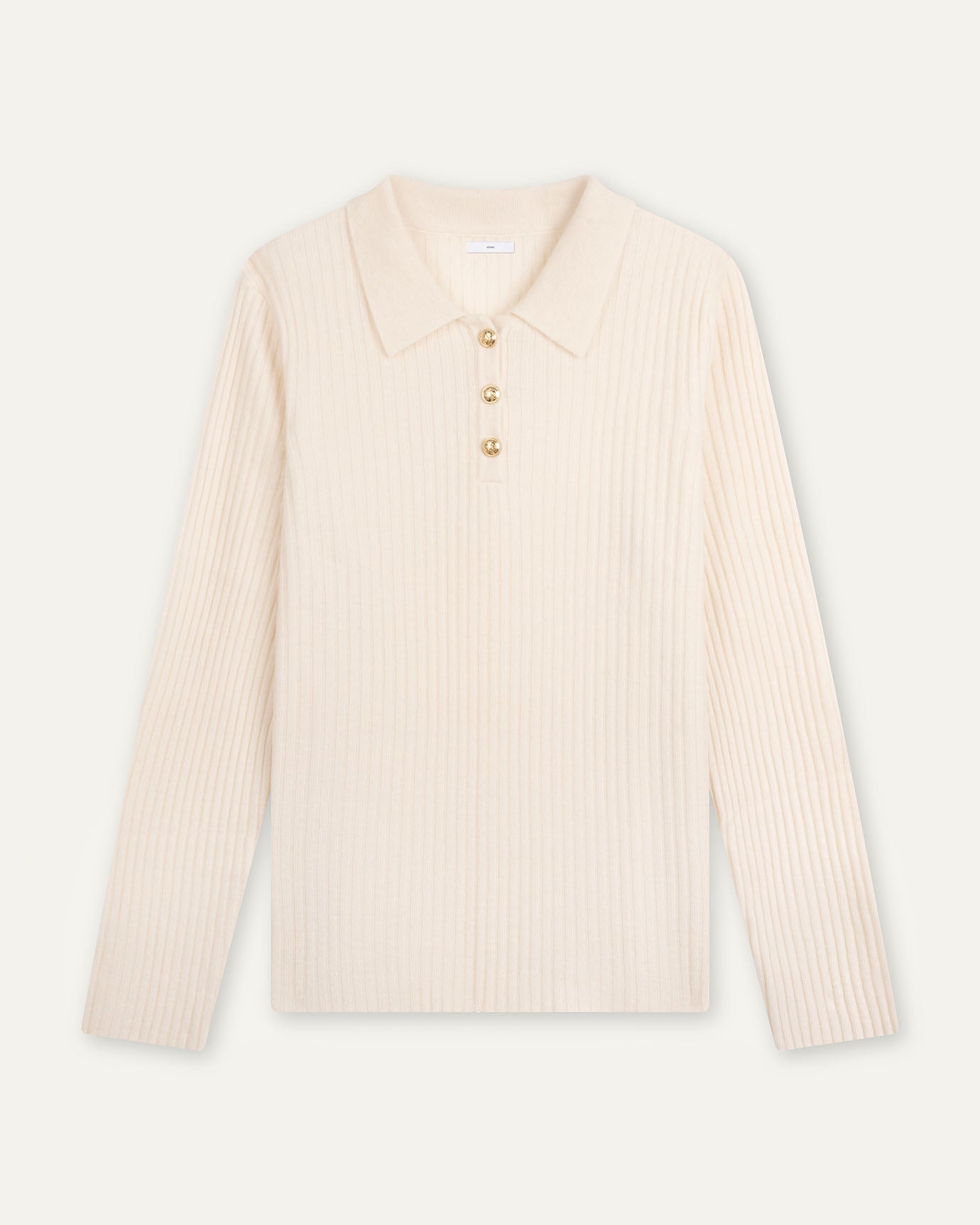
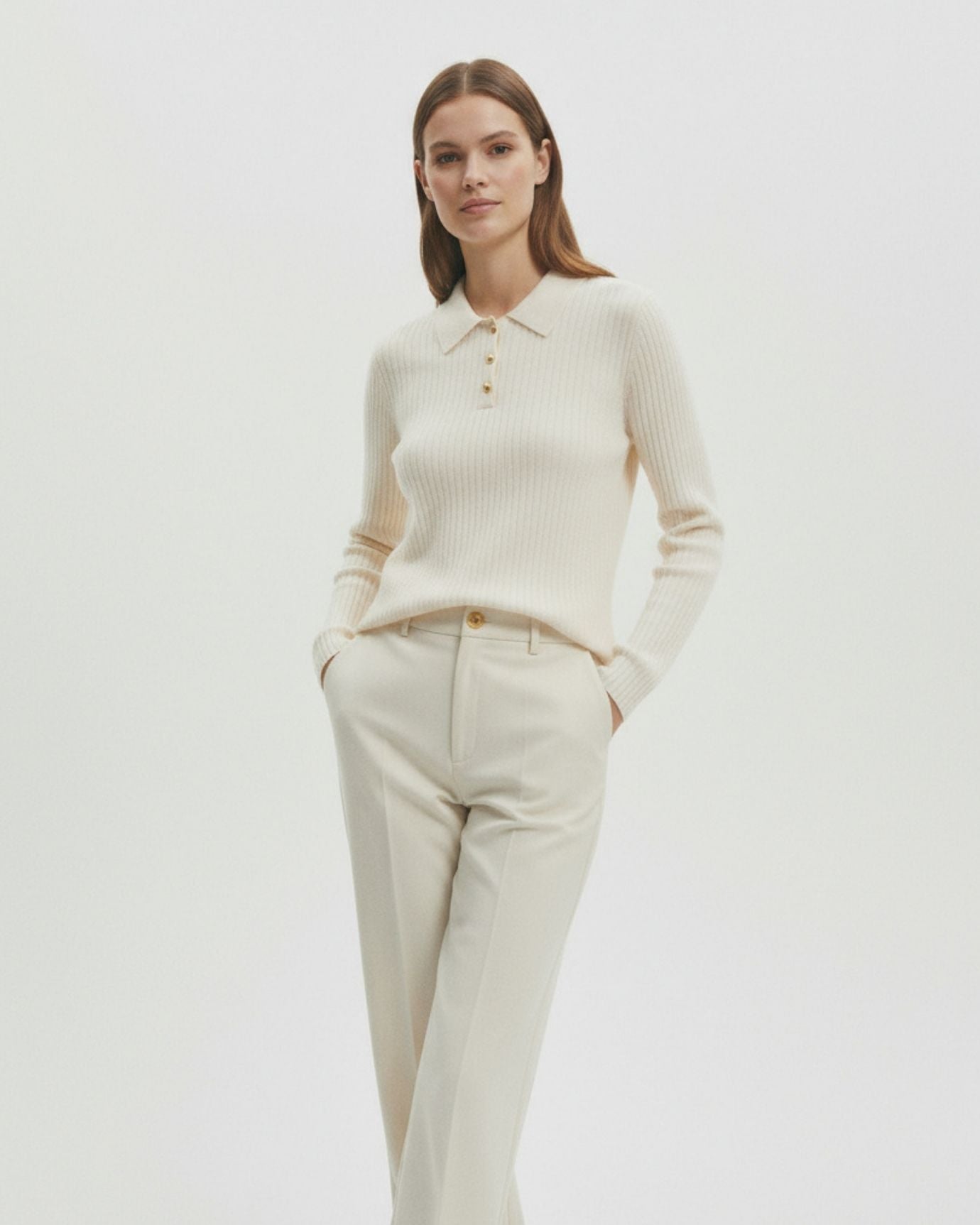
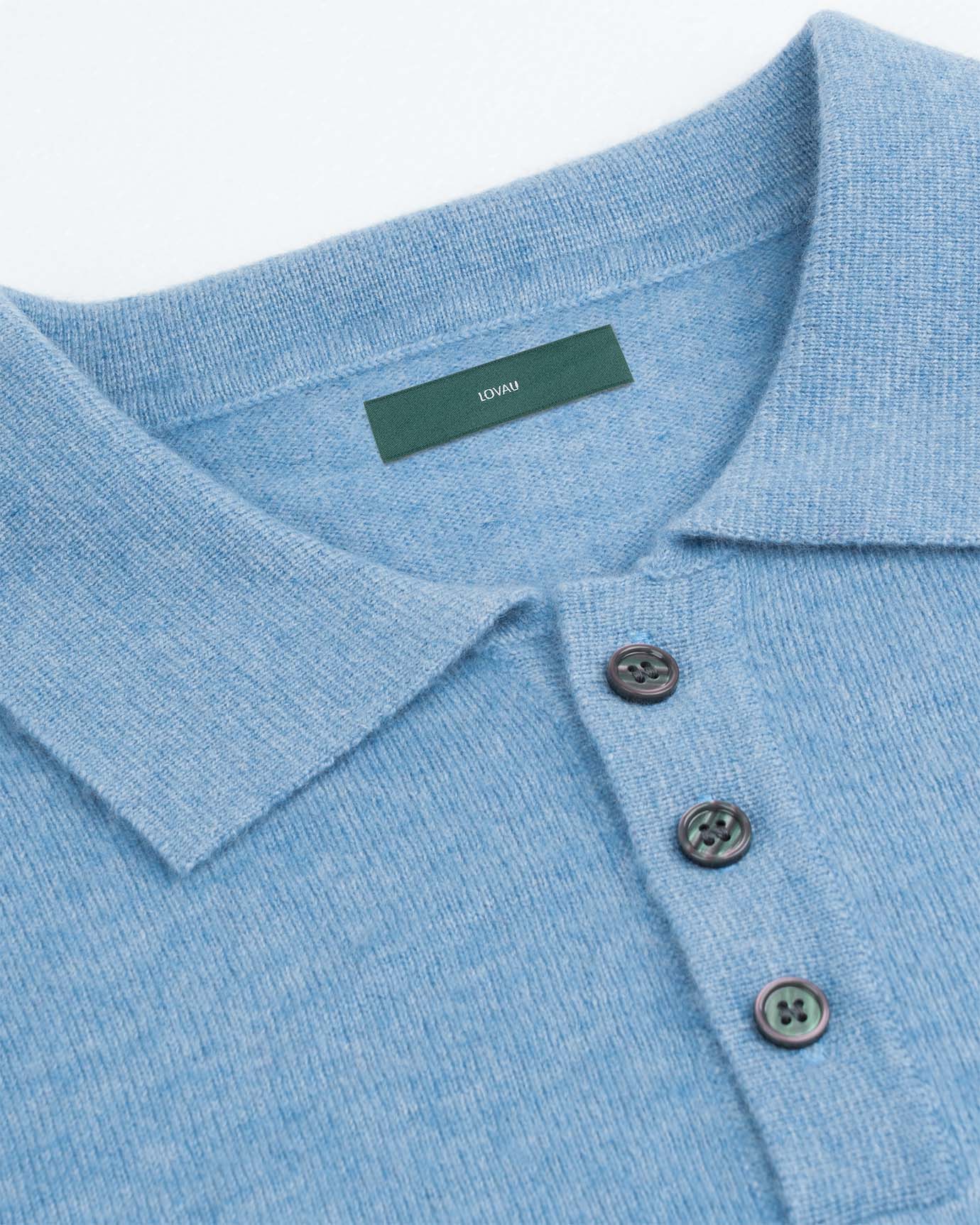
For women, the old money silhouette often favours a high waist, which creates length in the leg, combined with a relaxed fall through the hip and thigh. The Corduroy Pants in High-Waisted Old Money Style demonstrate this proportion precisely. Paired with a tucked blouse or a fine-knit polo from the Woman Long Sleeve Polo collection, the result is authoritative without effort.
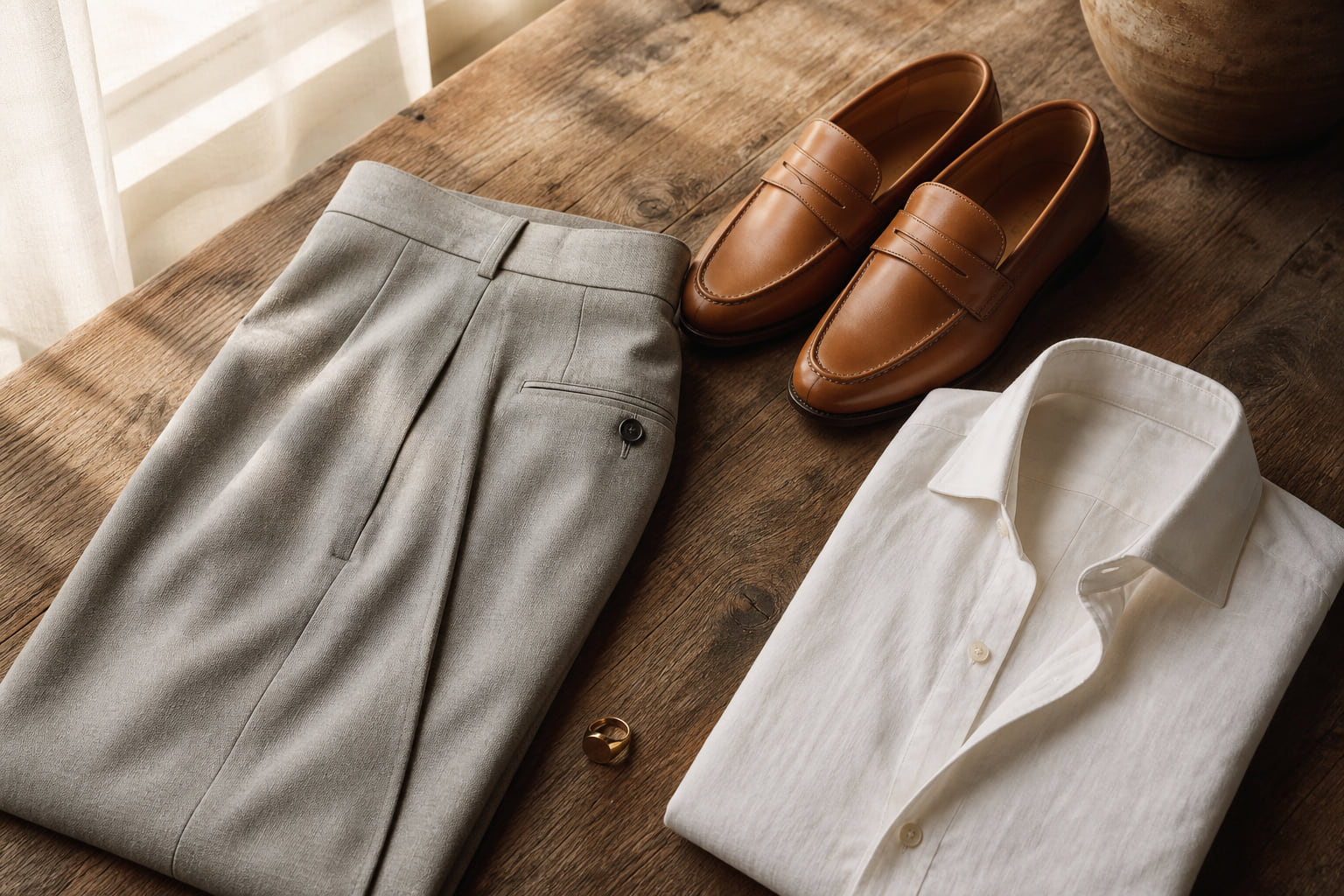
For men, the Old Money Style Trousers Loose Straight-Leg Pants offer the correct amount of room, straight through the leg, no taper at the ankle, and enough fabric to drape properly over a leather shoe.

Shoes and Accessories: The Finishing Details
Both aesthetics rely on similar shoe categories, but the execution and the attitude around accessories differ considerably.
Preppy shoes include boat shoes, white tennis sneakers, loafers with tassels or penny slots, and clean white trainers. Accessories run to enamel pins, school-colour ribbons, canvas tote bags with university names, and woven friendship bracelets alongside fine jewellery. The layering is cheerful and deliberate.
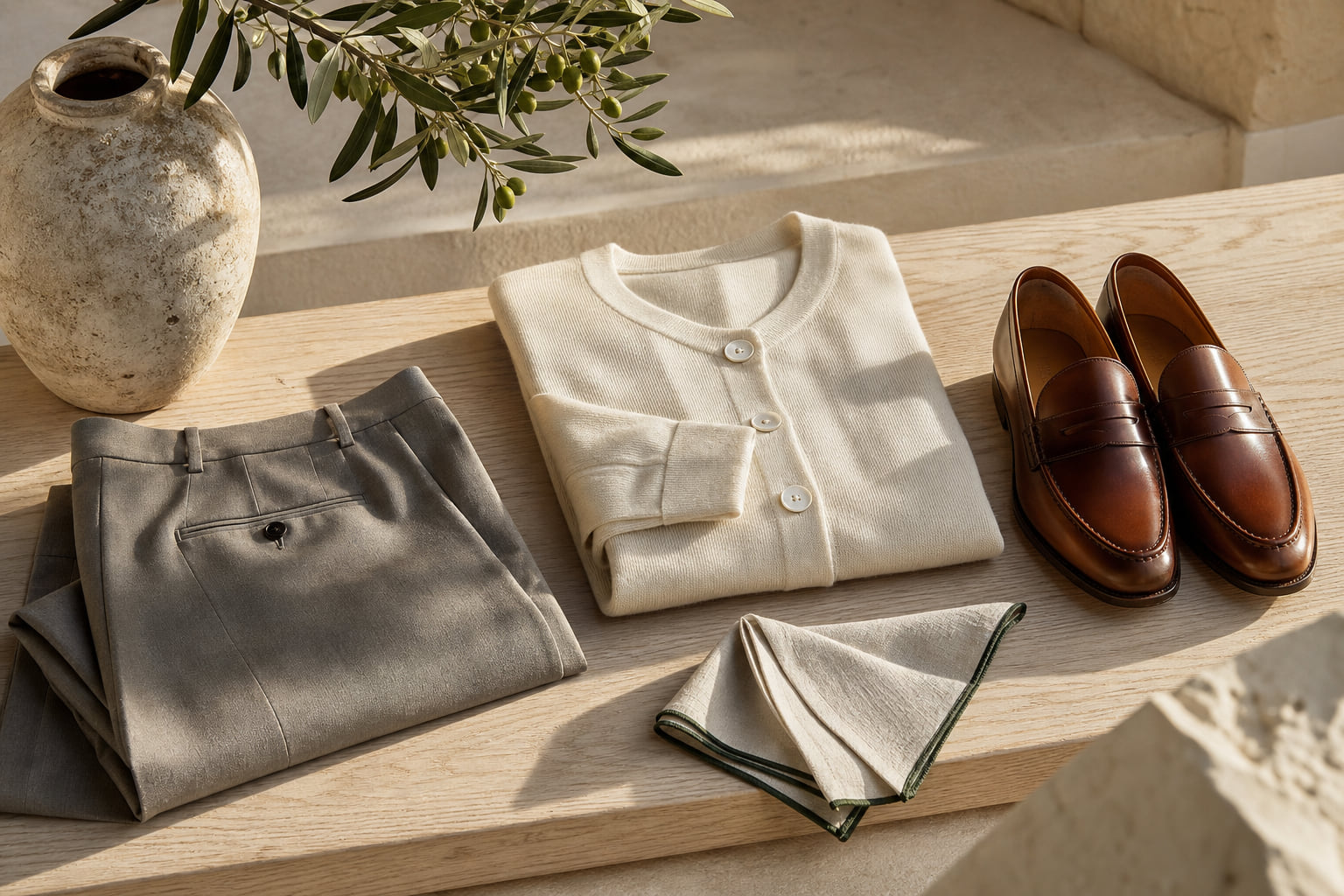
Old money shoes are almost exclusively leather, in dark tan, cognac, dark brown, or black. The Diana Old Money Style Woman Loafers and the British Style Chelsea Boots in Genuine Leather represent the two ends of the old money shoe spectrum for women and men respectively: the loafer for daytime ease, the Chelsea boot for evenings or cooler months. Both are genuine leather, both are unbranded, and both will last for years with proper care.
Accessories in old money dressing are minimal and meaningful. A leather belt that matches the shoe. A watch with a simple dial and a leather strap. A silk scarf in a muted print. A signet ring. Nothing that shouts, everything that rewards a second look.
The broader Loafers Old Money Style collection at Lovau is worth reviewing if shoes are where you want to start, as footwear is consistently the detail that most clearly separates the two aesthetics in practice. For further reading on what constitutes quiet luxury in contemporary fashion, Vogue has covered the territory with useful specificity.

Building an Old Money Wardrobe: Where to Begin
If you are moving away from preppy toward old money, the transition does not require replacing everything at once. It requires a shift in the criteria you use when buying.
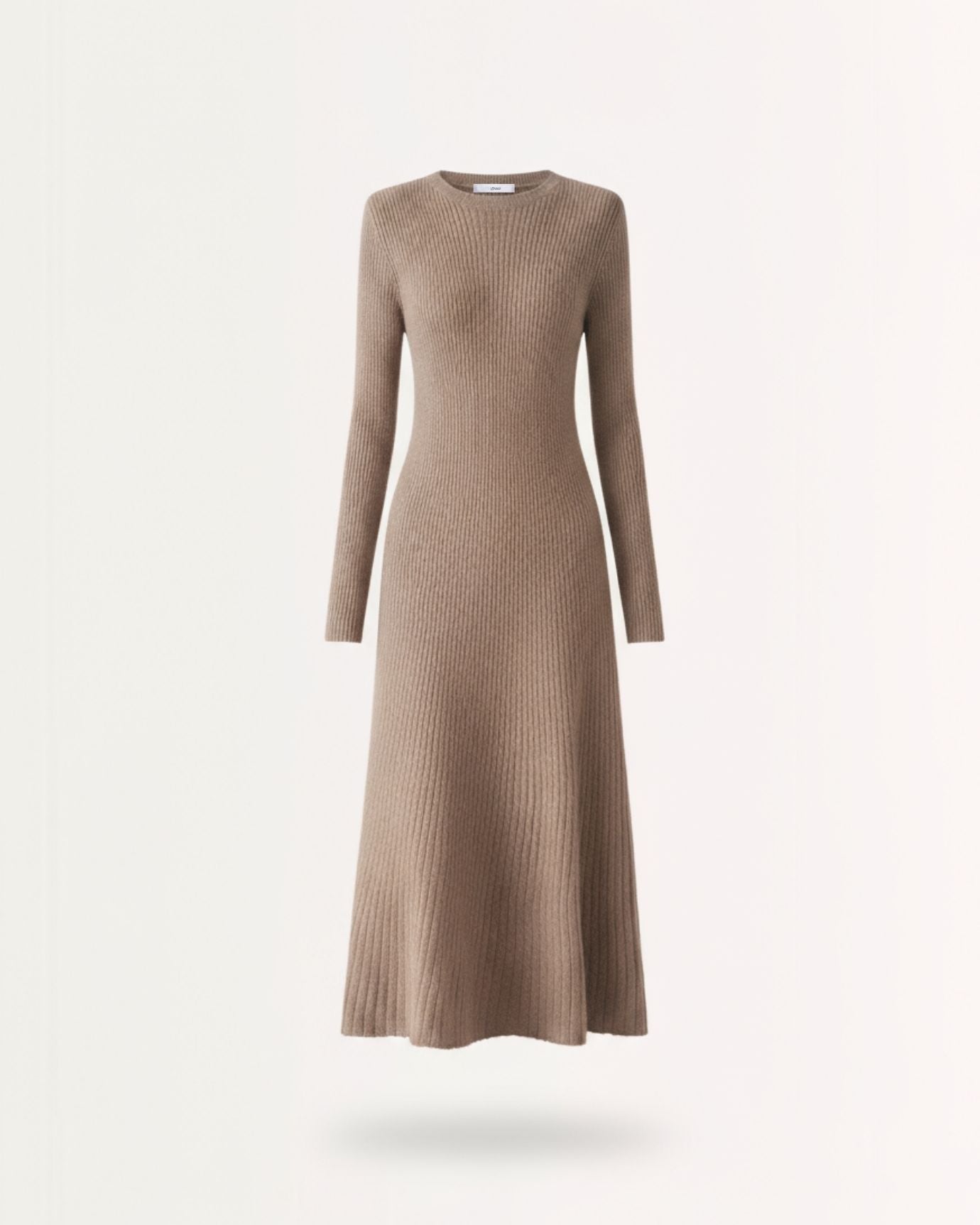
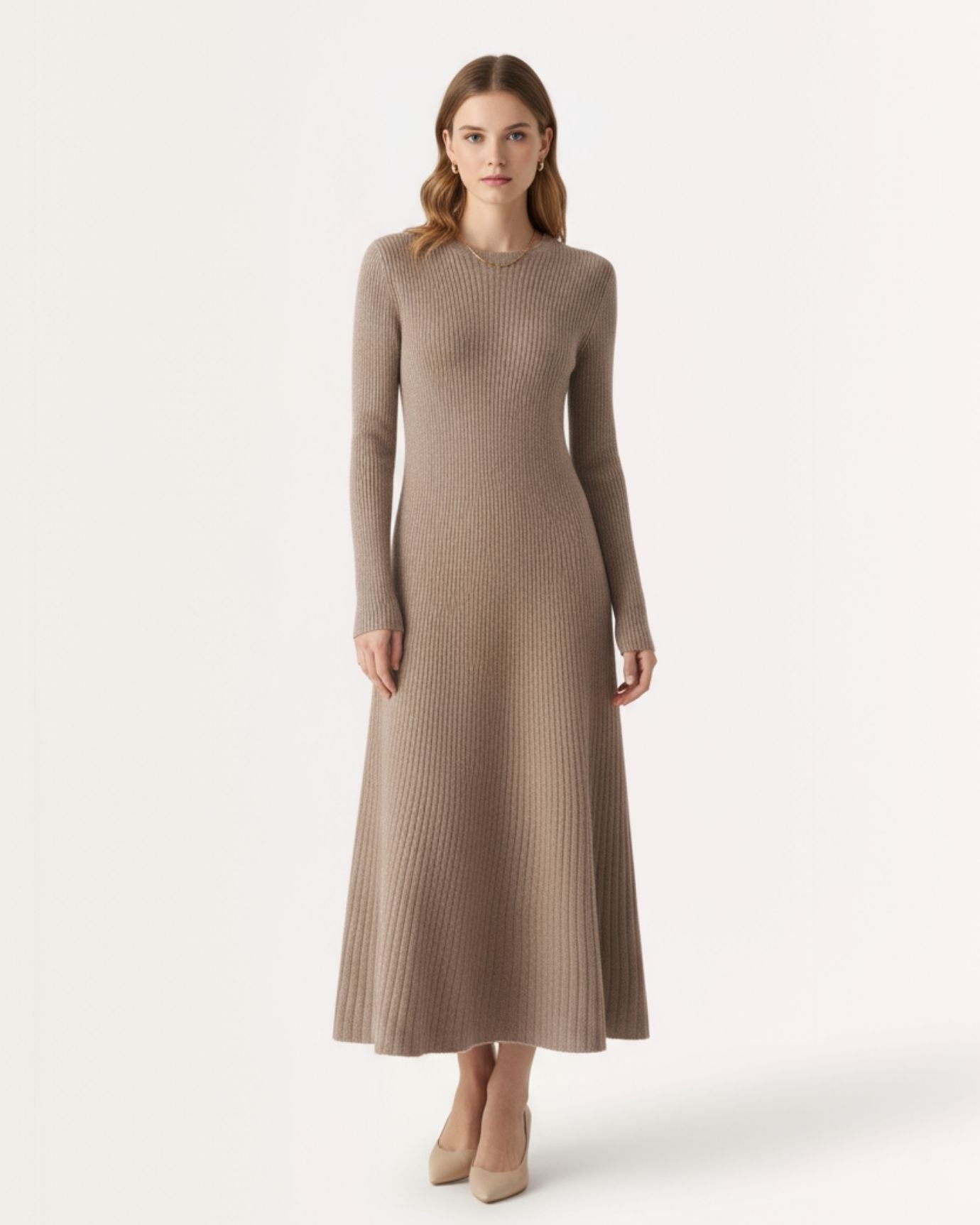
Start with trousers. A well-cut trouser in worsted wool or fine linen is the foundation of every old money outfit. The Italian Trousers Old Money Style in Worsted Wool are a reliable starting point for men. For women, the Woman Wool Dress Old Money Style offers the same fabric quality in a single piece that works across seasons.
Next, address your shirts. Replace cotton-poly blends with high-count linen or fine cotton. The old money linen shirts collection covers the full range of colours that belong in this palette, from ivory to navy to forest green.
Finally, look at your shoes and your outermost layer. A leather loafer and a well-cut blazer or coat will do more to shift the overall impression of your wardrobe than any number of individual shirt changes.
For a structured approach, the ultimate old money style guide for everyday wear and the essential old money outfit ideas both offer concrete outfit frameworks built around these principles. The Ivy Style article on Wikipedia also provides useful historical context for understanding how preppy and old money aesthetics diverged from a shared starting point.
The goal is a wardrobe where every item belongs, where nothing jars, and where the overall effect is one of calm, considered permanence rather than seasonal enthusiasm.

| Element | Preppy Style | Old Money Style |
|---|---|---|
| Colour palette | Bold primaries, bright stripes, madras plaid, seasonal shifts | Ivory, navy, camel, stone, forest green, burgundy, narrow and consistent |
| Fabrics | Cotton poplin, chino twill, cotton-poly blends, cable knit | Worsted wool, high-count linen, mulberry silk, fine cashmere |
| Fit | Slim, fitted, youthful, suppressed waist in jackets | Relaxed tailored drape, room in seat and thigh, straight leg |
| Branding | Logos and crests used proudly, brand identity is part of the look | No visible logos, quality speaks without labels |
| Shoes | Boat shoes, white trainers, tasselled loafers, canvas sneakers | Genuine leather loafers, Chelsea boots, Oxford shoes, unbranded |
| Accessories | Enamel pins, university totes, layered bracelets, colour ribbons | Leather belt, simple-dial watch, silk scarf, signet ring, minimal |
Frequently asked questions
Can you mix preppy and old money pieces in one outfit?
Yes, but selectively. A preppy item works within an old money outfit if it has no visible logo and sits within the old money colour palette. A crisp white Oxford shirt, for example, belongs to both traditions. A rugby shirt in bold colour blocking does not. The guiding question is always: does this item draw attention to itself, or does it contribute quietly to the whole?
Is old money style expensive to achieve?
It is more accurate to say it is expensive per item and economical over time. You buy fewer pieces, but you buy them at a quality level that means they last for years. A pair of worsted wool Italian trousers at a fair price point will outlast three pairs of fast-fashion chinos. The cost-per-wear calculation consistently favours quality over volume.
What is the main difference between old money and quiet luxury?
Quiet luxury is a broader contemporary term that describes any high-end dressing that avoids logomania and visible status signalling. Old money style is a specific subset of quiet luxury with a particular set of references: European tailoring traditions, natural fibres, and a wardrobe built around permanence rather than trend. All old money style is quiet luxury, but not all quiet luxury is old money style.
Which shoes best represent old money style for women?
The genuine leather loafer is the single most reliable old money shoe for women. It works with trousers, midi skirts, and tailored dresses across every season. The Old Money Style Women's Loafers in Genuine Leather are a direct expression of this, unbranded, well-constructed, and designed to improve with wear rather than date.
Preppy and old money style are not opposites. They share a respect for natural fibres, classic silhouettes, and a certain kind of easy confidence. But the philosophy behind each is fundamentally different: one performs belonging, the other assumes it. If you are drawn to the quieter, more permanent version of elegant dressing, the shift is less about buying new things and more about buying differently. Fabric first, fit second, colour third, and logos never. For a structured starting point, the essential timeless fashion pieces for women and the equivalent men's guides at Lovau give you the specific building blocks to begin.