


Mulberry Silk Explained: Why It Feels So Luxurious
Reading time 13 min • 2590 words
Silk has been a marker of refinement for more than four thousand years. Yet most people who reach for a silk shirt in a boutique cannot explain what separates a truly exceptional piece from a mediocre one. The answer begins long before the loom, with a single species of moth and the particular leaves its larvae eat.
Mulberry silk is not a brand name or a marketing claim. It is a specific, traceable origin story: silk produced by Bombyx mori silkworms raised on the leaves of the white mulberry tree, Morus alba. That controlled diet and domesticated breeding programme, refined over millennia in China and later across the Mediterranean basin, produces a filament that is finer, longer, and more consistently lustrous than any wild or semi-wild silk alternative.
Understanding that distinction matters because the garment market is crowded with fabrics that trade on silk's reputation without delivering its qualities. This guide gives you the concrete knowledge to tell the difference, care for the fabric properly, and choose pieces that will remain in your wardrobe for decades.
Key takeaways
- Mulberry silk comes exclusively from Bombyx mori silkworms fed on white mulberry leaves, producing the longest, most uniform filaments of any silk variety.
- The tightly packed protein filaments create a natural temperature-regulating effect, keeping you cool in warm weather and warm when temperatures drop.
- Momme weight (mm) is the correct measure of silk density: 19mm to 22mm is the standard for quality garments; below 12mm is too sheer for daily wear.
- A mulberry silk polo shirt is one of the most versatile luxury pieces a wardrobe can hold, moving from a yacht lunch to a summer dinner without changing the garment.
- Silk mixed with cashmere or wool adds structure and warmth while preserving the characteristic sheen and softness of pure silk.
In this guide
What Mulberry Silk Actually Is
Mulberry silk originates with Bombyx mori, a fully domesticated moth that no longer exists in the wild. The larvae, fed exclusively on fresh white mulberry leaves, spin a continuous cocoon filament that can measure between 600 and 900 metres in length from a single cocoon. That length matters: it means fewer joins in the woven cloth, which translates directly into smoother texture and more consistent sheen.
The cocoons are harvested before the moth emerges, then softened in hot water so the filament can be reeled off in one unbroken thread. Several of these threads are twisted together to form a single strand of raw silk yarn. The resulting fibre is a natural protein, fibroin, sheathed in a second protein, sericin, which gives raw silk its slight stiffness. Degumming, a controlled washing process, removes the sericin and reveals the soft, luminous fibre beneath.
For a deeper grounding in the biology and history of this process, the sericulture article on Wikipedia gives a reliable technical overview.
What separates mulberry silk from tussah silk (produced by wild Antheraea moths fed on oak leaves) or eri silk is the uniformity of the filament. Wild silkworms eat variable diets, producing thicker, shorter, more irregular fibres with a matte, slightly rough finish. Mulberry silk filaments are thinner, rounder in cross-section, and reflect light more evenly, which accounts for the characteristic cool, smooth hand feel and the gentle sheen that does not look synthetic.
Expert insightWhen you hold a mulberry silk garment up to daylight, the sheen should be soft and directional, shifting as the fabric moves. A harsh, flat shine that does not change with the angle is usually a sign of polyester or acetate, not genuine silk.

Momme Weight and Why It Determines Quality
The single most useful number to know when buying silk clothing is momme weight, abbreviated mm. It describes the density of the woven fabric: one momme equals 4.34 grams per square metre. The higher the number, the denser and more durable the cloth.
- 6mm to 9mm: Scarves, linings, very lightweight accessories. Not suitable for garments that see regular wear.
- 12mm to 16mm: Acceptable for blouses and light summer shirts, but will show wear more quickly.
- 19mm to 22mm: The standard range for quality ready-to-wear silk shirts, polos, and tailored pieces. This is the range Lovau works within.
- 25mm and above: Heavyweight satin silk, typically used for bridal, evening wear, and structured jackets.
For women looking at a structured silk shirt, the heavyweight satin silk shirt sits in that upper-density range, which gives it the body to hold a collar and drape cleanly over the shoulder without clinging.
Momme weight also affects how the fabric handles heat. Denser weaves absorb and release moisture more gradually, which is part of why a well-constructed silk polo at 19mm or above feels temperature-neutral against the skin in a way that a thin synthetic never replicates.
Expert insightAlways ask for the momme weight before purchasing a silk garment. If a retailer cannot tell you, that is itself useful information about how seriously they take the fabric.

The Thermal Science Behind That Famous Feel
People describe mulberry silk as feeling cool in summer and warm in winter. This is not marketing language; it reflects the fibre's actual thermal properties.
Silk fibroin is a hygroscopic protein fibre, meaning it absorbs moisture vapour from the skin and releases it into the air, rather than holding dampness against the body the way synthetic fibres do. At the same time, the densely packed triangular filaments trap small pockets of air within the weave, providing mild insulation without bulk.
The result is a fabric that responds to your body temperature rather than imposing a fixed sensation. On a warm afternoon in the South of France, a mulberry silk knitted polo will feel noticeably cooler than cotton of comparable weight because it wicks moisture away from the skin more efficiently and dries faster. In a cool evening, that same filament structure retains enough warmth to make the garment comfortable without a layer.
This dual behaviour is why silk has been the preferred fabric of Mediterranean and Middle Eastern cultures for formal warm-weather dress for centuries. It solves a specific problem, comfort across a wide temperature range, without adding visual bulk or sacrificing elegance.
For those who want additional warmth built into the fabric itself, a mulberry silk cashmere knitted polo blends the thermal properties of both fibres: silk's moisture management with cashmere's insulating softness.
Expert insightSilk absorbs up to 30 percent of its weight in moisture without feeling wet. That is why a silk polo shirt stays visually dry even during a warm lunch outdoors, where a cotton shirt would show damp patches within the hour.

Mulberry Silk Polos: The Case for This Specific Garment
The polo shirt is one of the few garments that genuinely bridges casual and dressed contexts. In mulberry silk, it moves further along that spectrum toward refinement without losing the ease of a knitted collar and open placket.
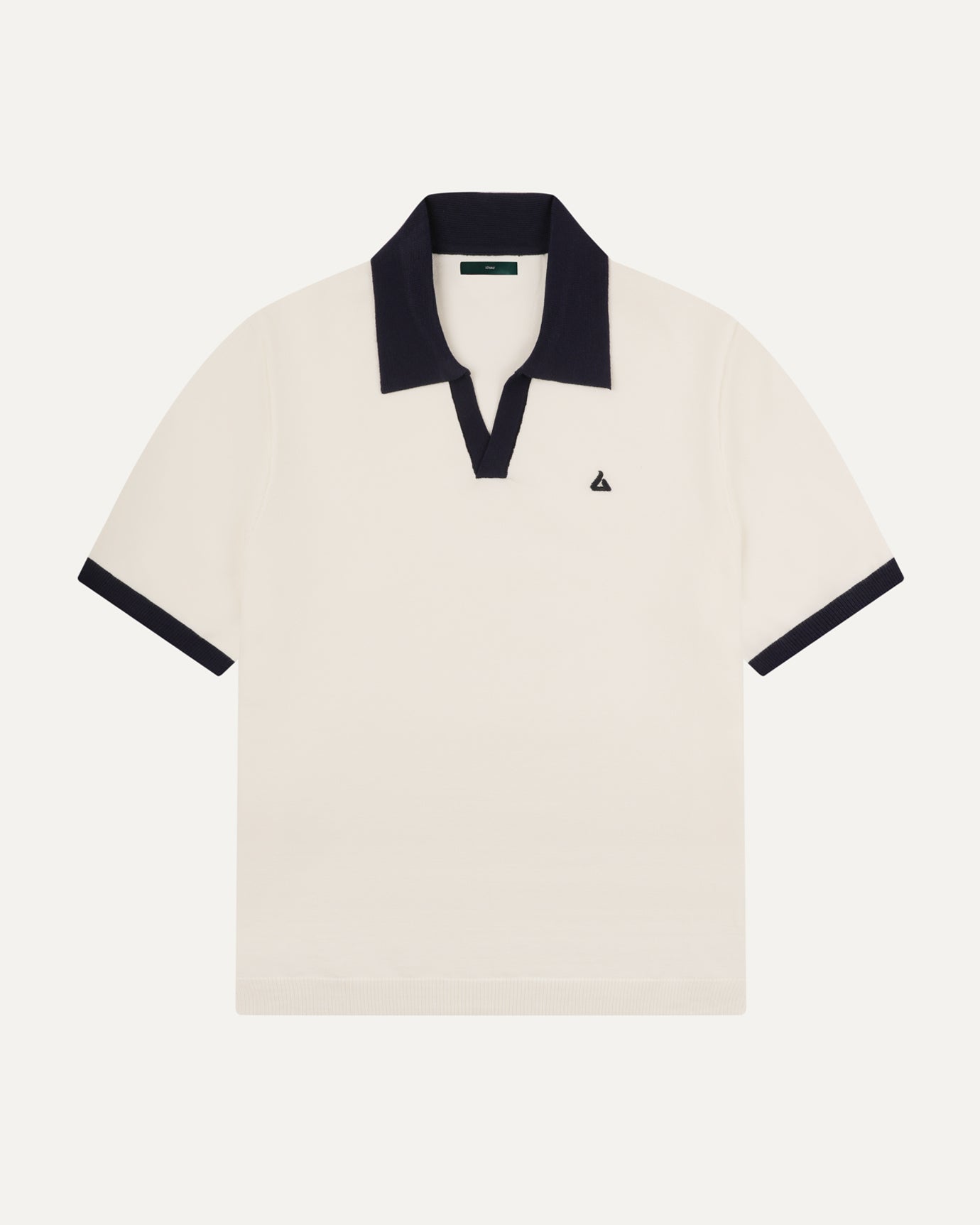
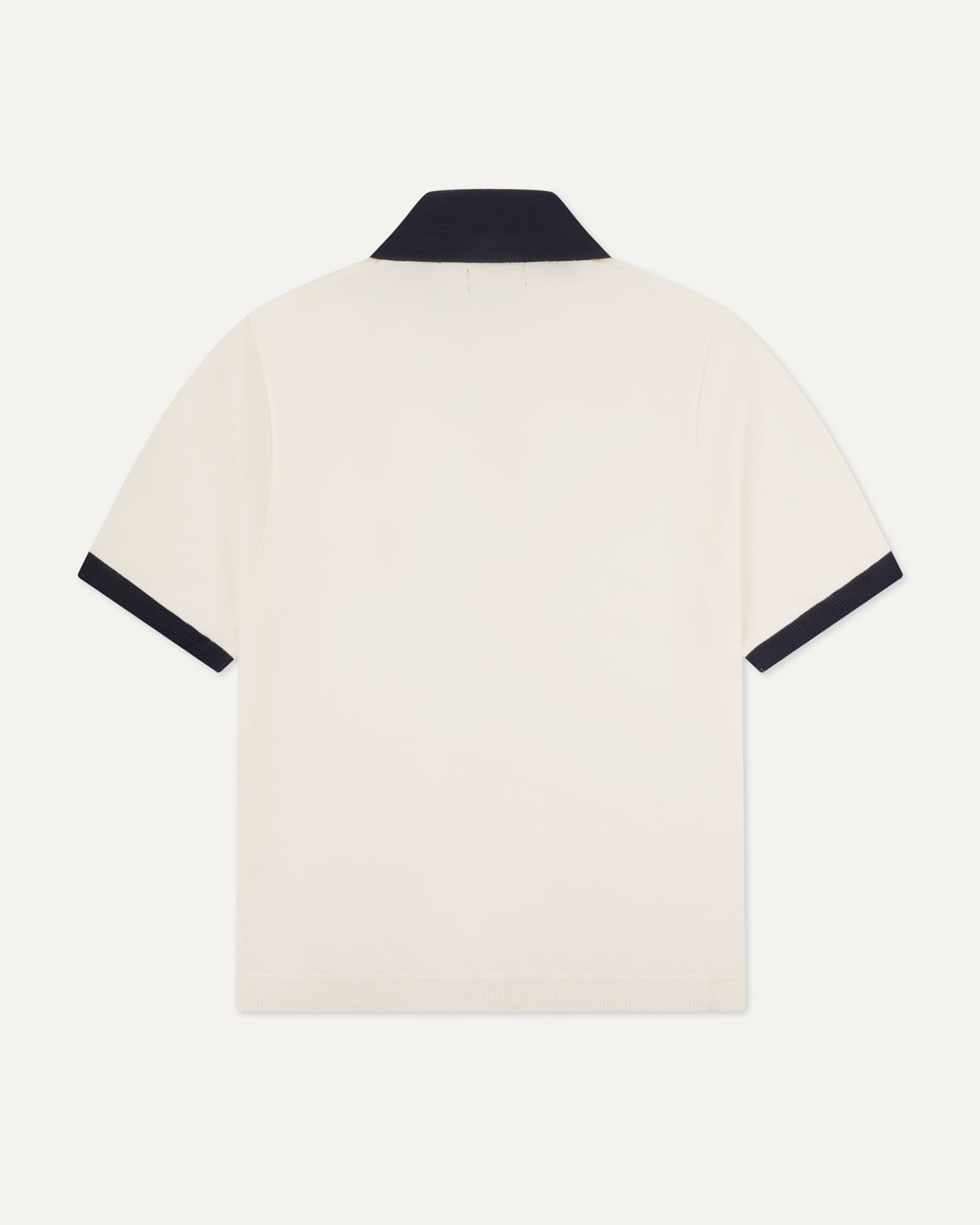
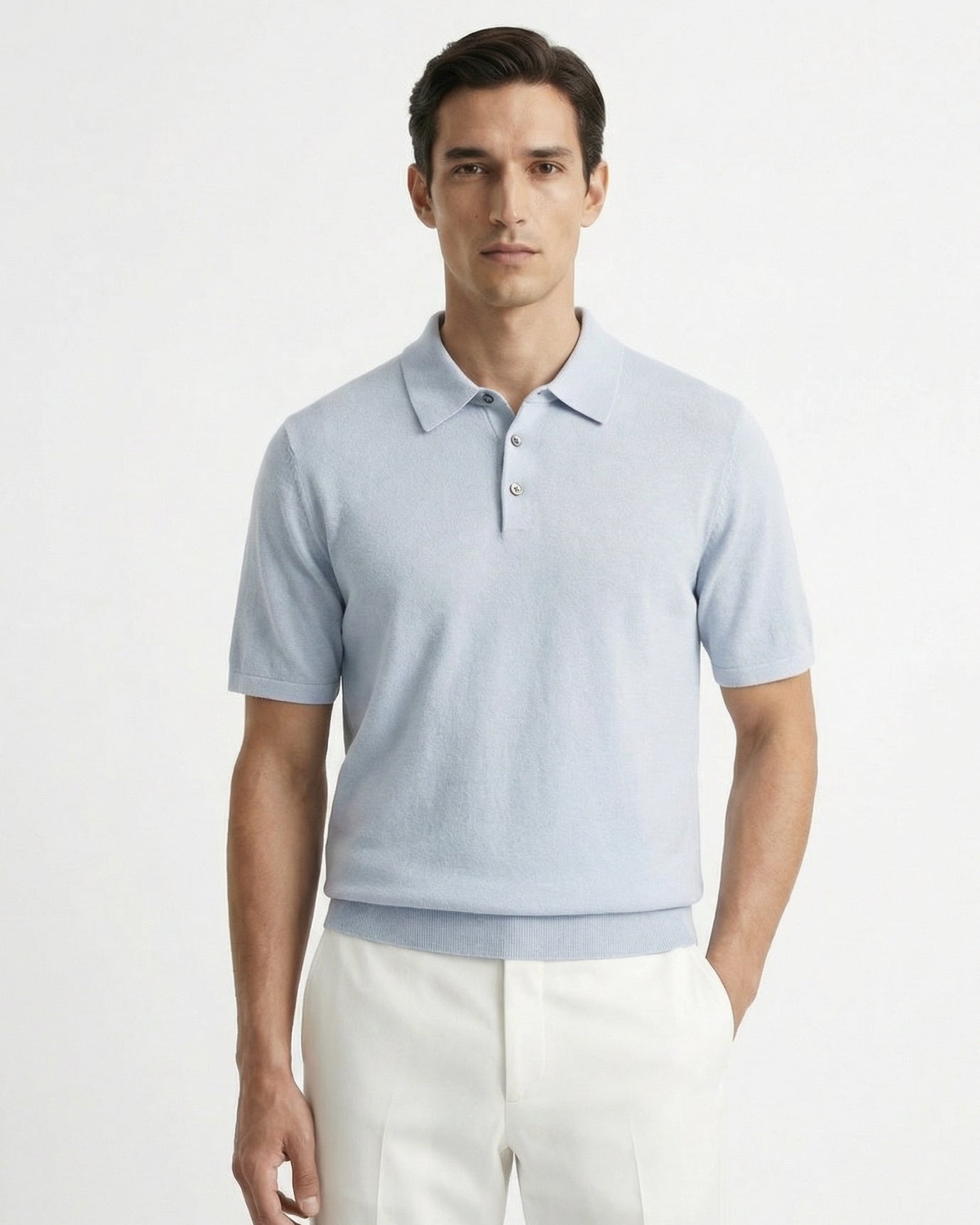
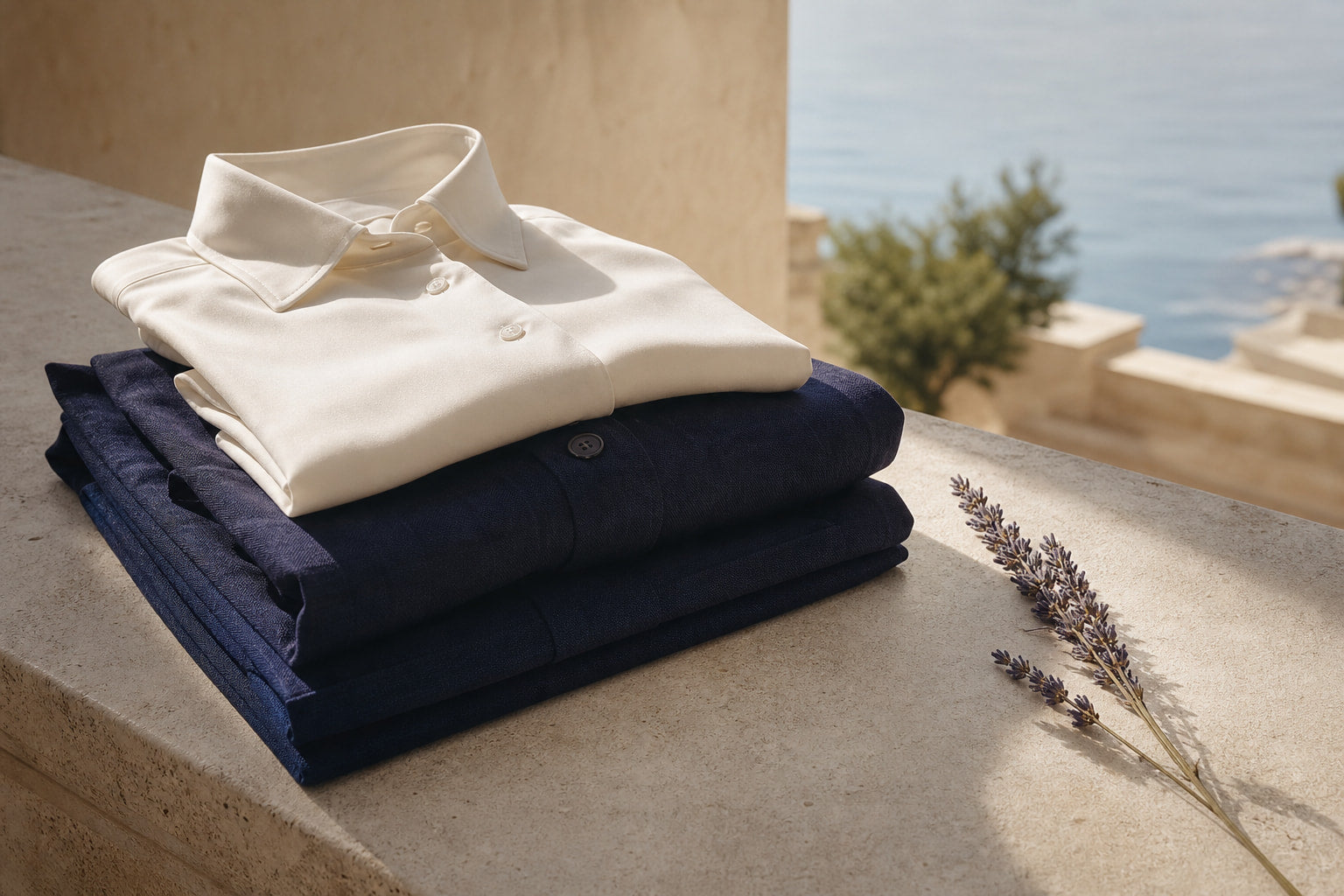
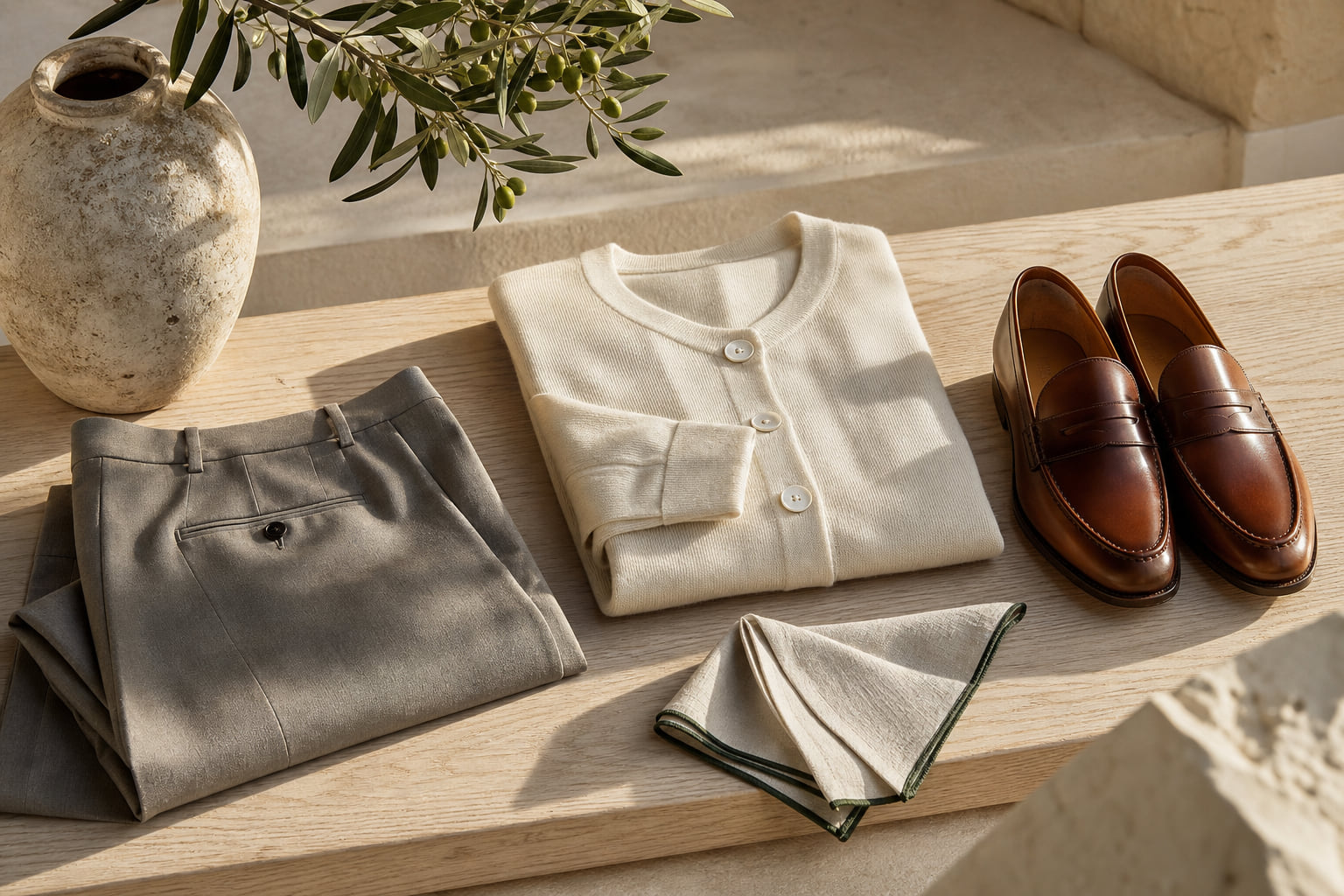
A slim-fit mulberry silk polo worn with tailored trousers and leather loafers reads as polished at a summer lunch or a private members club. The same shirt worn with well-cut chinos and canvas shoes is entirely appropriate on a boat or at a coastal terrace. The fabric does the work that a heavy cotton piqué cannot: it signals quality without requiring a jacket over it.
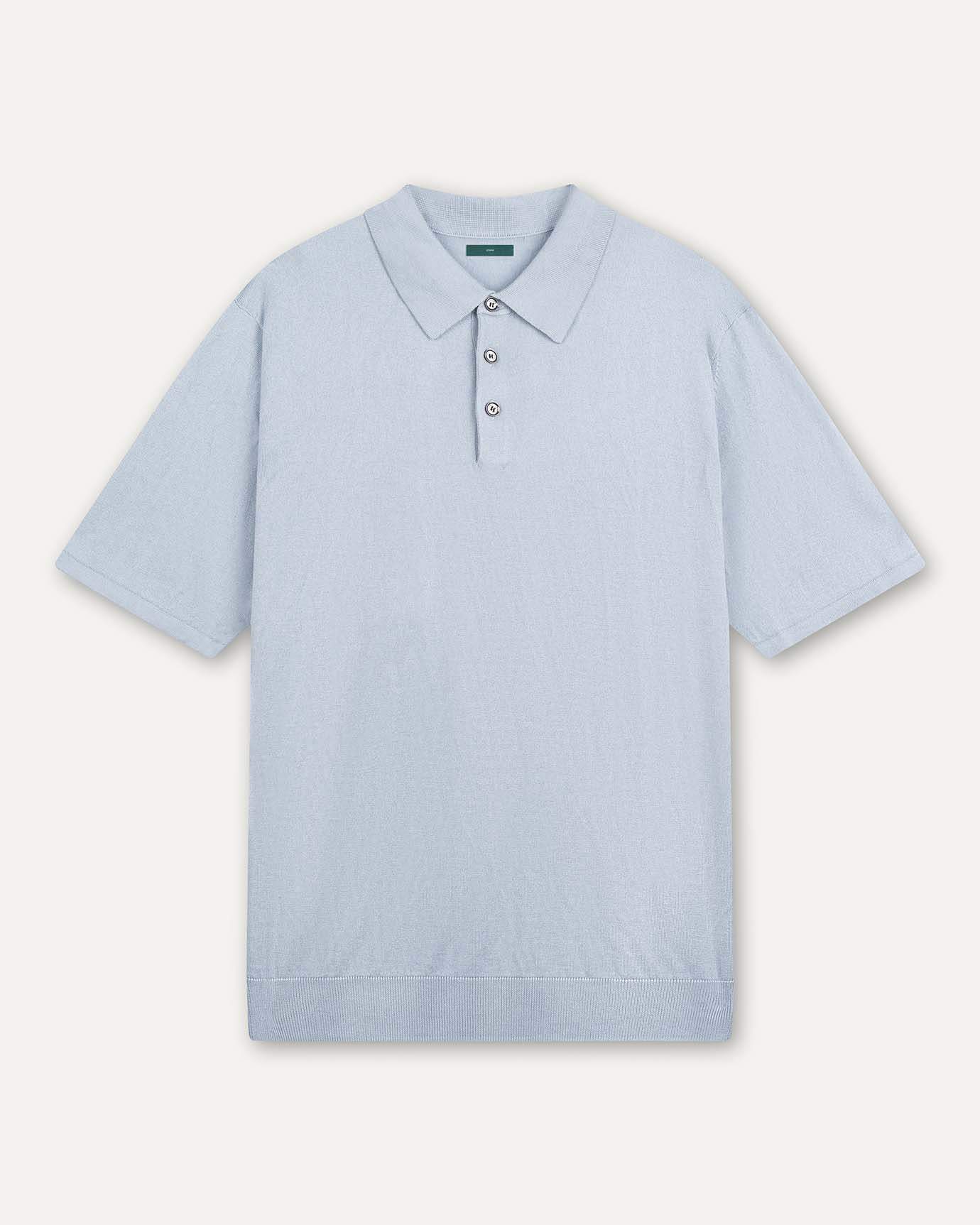
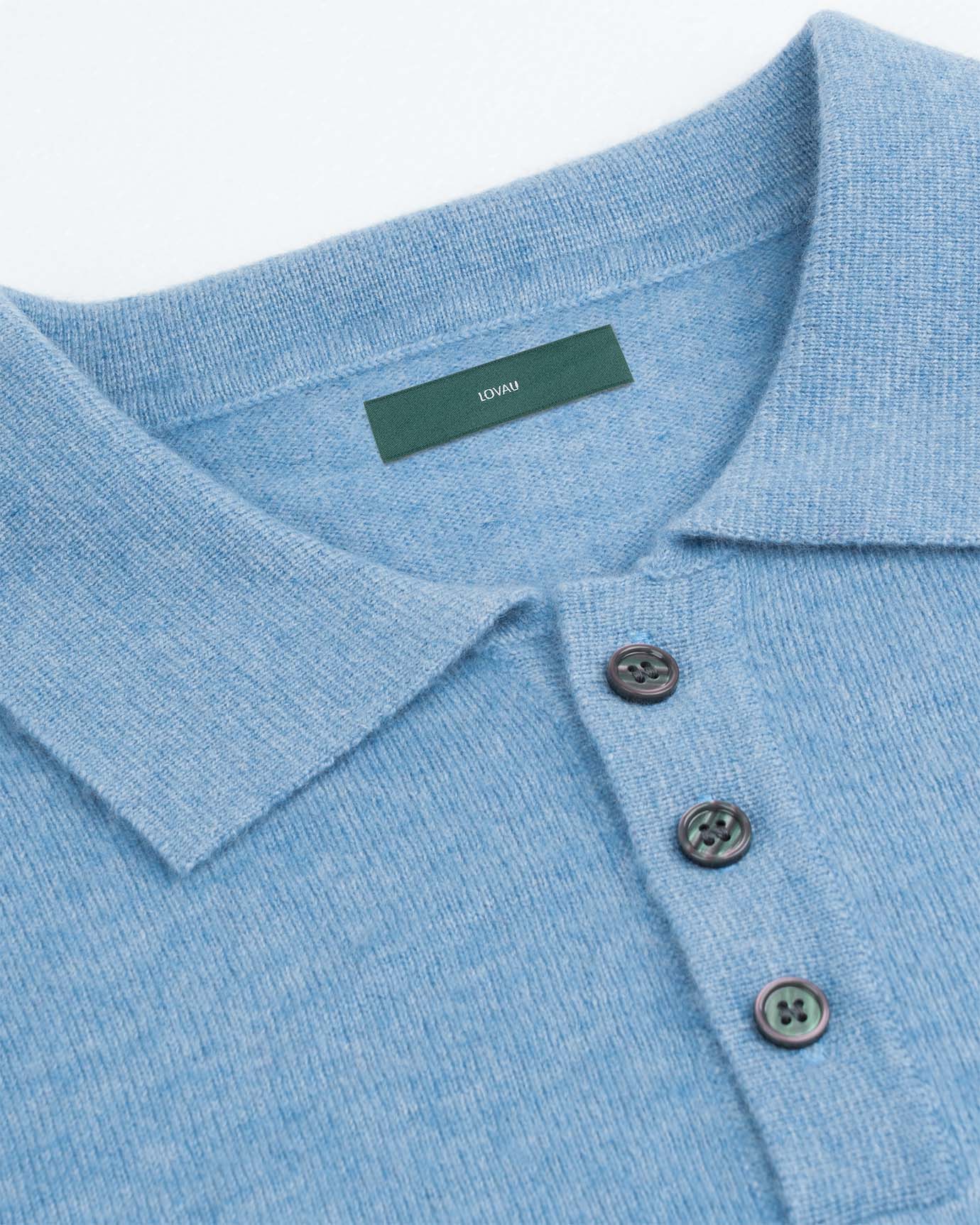
For men who want a slightly more formal register, the mulberry silk cashmere short-sleeved polo in a solid colour is one of the most versatile pieces in the Lovau range. The cashmere content adds a subtle surface texture that reads as knitwear rather than sportswear, which matters in settings where a standard polo might feel too casual.
For those building a complete wardrobe around this fabric, the high-end mulberry silk and worsted cashmere set pairs a silk-cashmere polo with a matching trouser, which eliminates the effort of colour coordination entirely. In cream, navy, or stone, this kind of matched set is the foundation of the old money wardrobe: no logos, no visible effort, simply good fabric cut correctly.
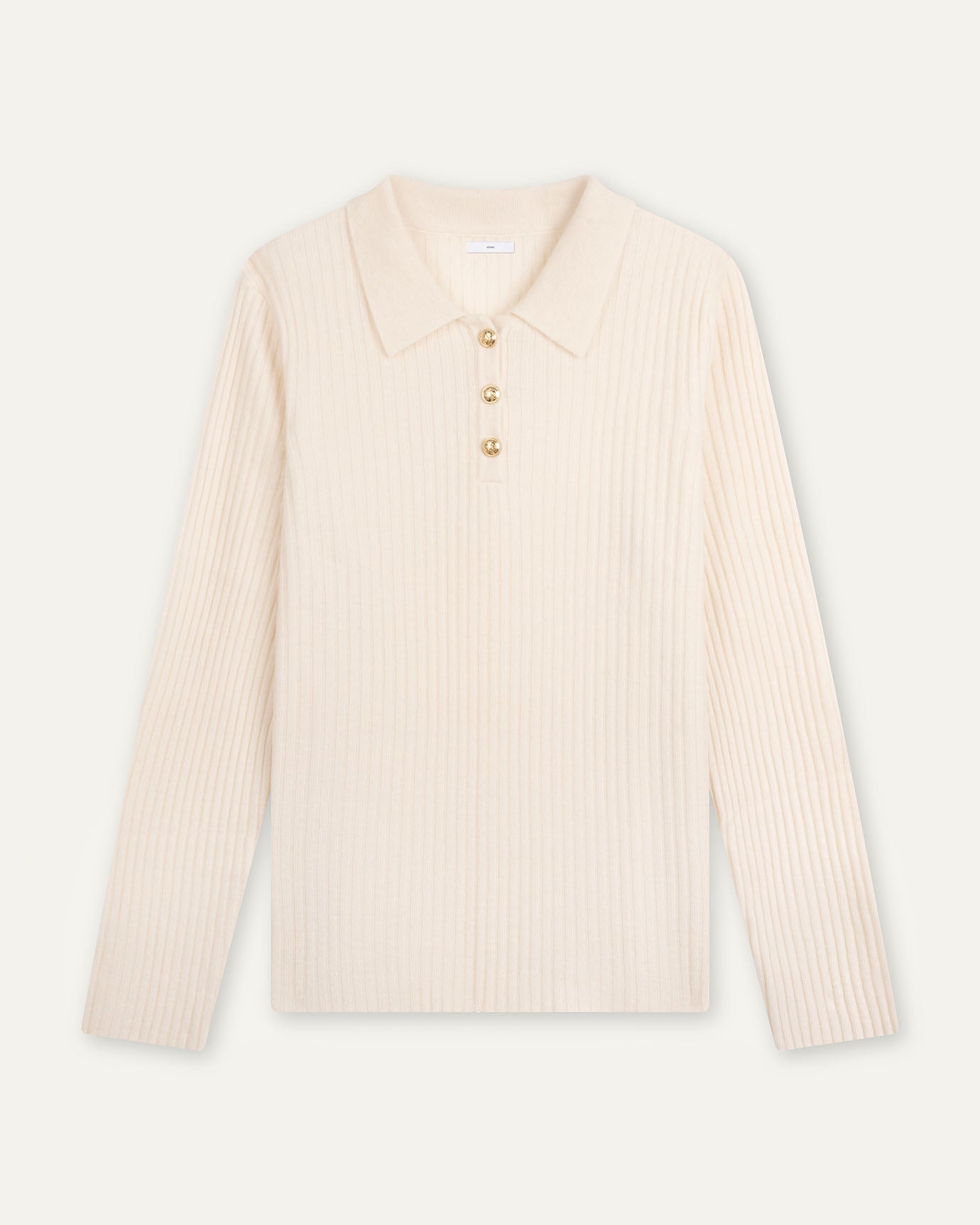
Women looking for the same register will find the collar mulberry silk shirt offers a clean, structured option that works tucked into wide-leg trousers or worn open over a silk knit. Browse the full woman polos collection for additional silk and silk-blend options in this aesthetic.
For men wanting a longer sleeve option, the long sleeve polo collection includes several mulberry silk and silk-blend styles suited to cooler evenings or more formal contexts.

Silk Blends: When and Why They Make Sense
Pure mulberry silk at high momme weights is exceptional, but silk blends are not a compromise. They are a deliberate engineering choice that solves specific performance problems.
Silk and cashmere is the most refined combination in knitwear. Cashmere provides the fibre's warmth and its characteristic soft loft; silk adds sheen, reduces pilling significantly, and improves drape. The mulberry silk cashmere knitted polo demonstrates this well: it has the visual weight of a proper knit but the cool hand of a summer fabric.
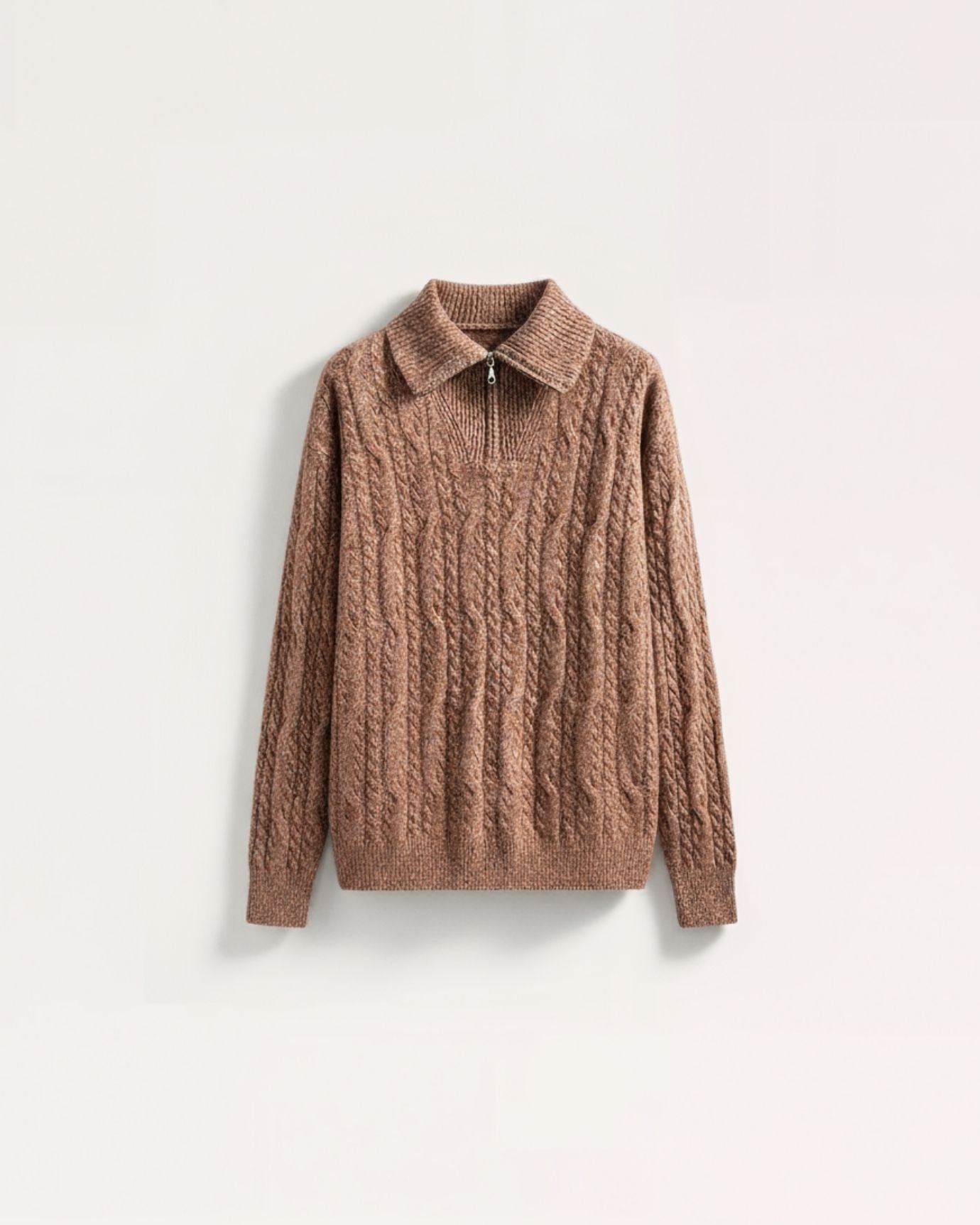
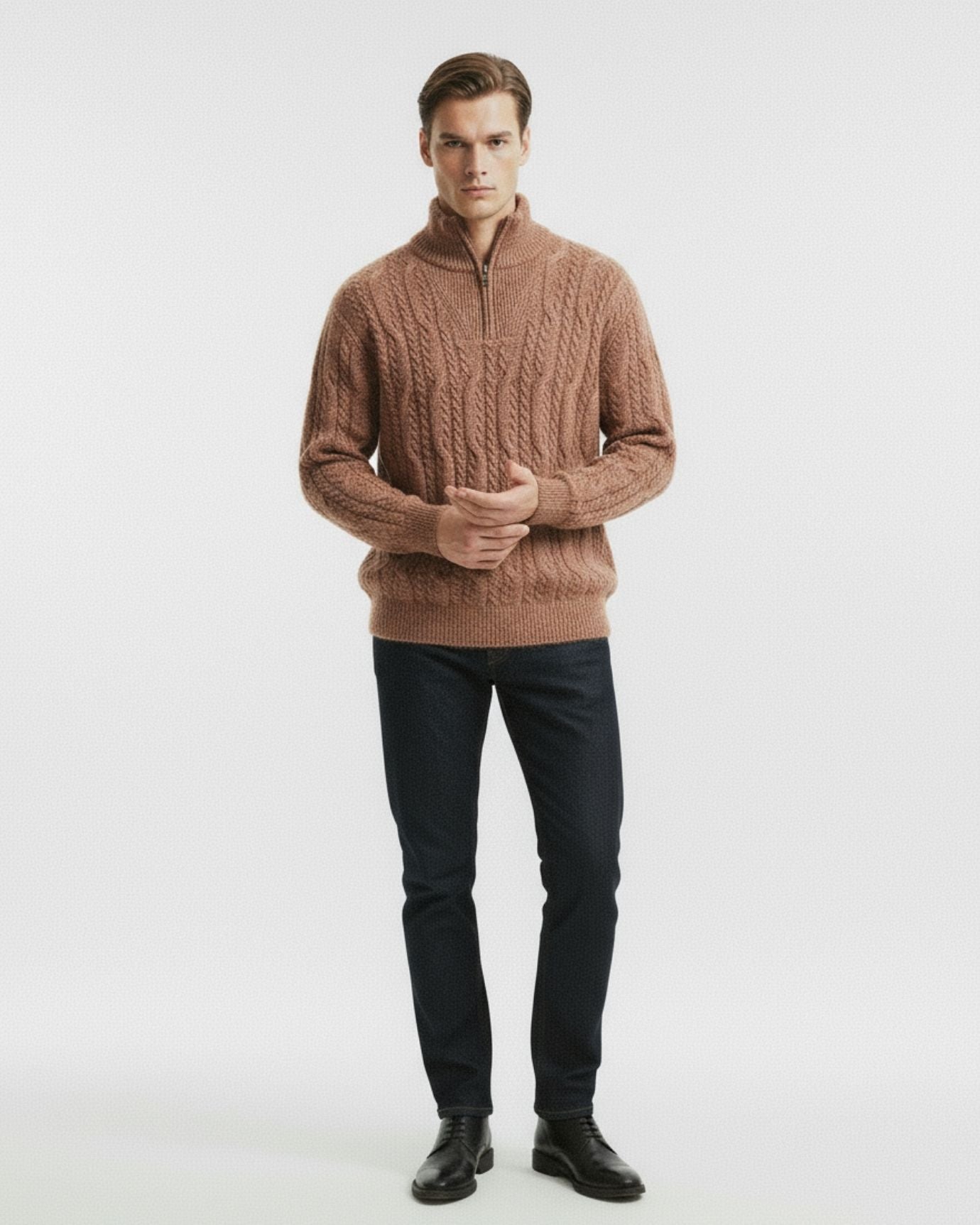
Silk and wool produces a cloth with more structure and recovery than pure silk, which can stretch at the elbows and collar over time. The mulberry silk wool sweater shirt uses this combination to create a piece that holds its shape through a full season of wear without the maintenance demands of pure silk.
Silk and acetate is less common but worth understanding. Acetate is a cellulose-based semi-synthetic that shares some of silk's drape and sheen. The high-end acetate mulberry silk blend polo uses this combination to produce a polo with exceptional drape and a slightly cooler hand than pure silk, making it particularly suited to warm climates. The Marbella cooling acetate silk polo takes the same approach with a focus on warm-weather breathability.
For authoritative context on how silk sits within the broader landscape of luxury fibres, the overview of silk on Britannica provides a useful reference for its historical and technical standing.

Caring for Mulberry Silk Correctly
Silk is a protein fibre, chemically closer to human hair than to cotton or linen. It responds poorly to alkaline detergents, high heat, and aggressive wringing. With the right care, a quality mulberry silk garment lasts a decade or more without losing its character.
Washing: Hand wash in cool water, 30 degrees Celsius maximum, with a pH-neutral or specifically silk-formulated detergent. If machine washing is necessary, use a mesh laundry bag on a delicate cycle at 30 degrees. Never use biological detergent: the enzymes that break down stains also break down the protein fibroin.
Drying: Roll the garment in a clean dry towel to remove excess water. Never wring. Lay flat to dry in shade. Direct sunlight fades silk and degrades the fibre over time.
Ironing: Iron on the reverse side while the fabric is still slightly damp, using a cool iron setting (silk, not cotton). A pressing cloth between the iron and the fabric is good practice for pieces with a high sheen finish.
Storage: Fold silk garments rather than hanging them for extended periods. Heavy garments can stretch at the shoulders on a hanger. Store away from direct light and away from cedar, which can transfer oils and affect colour over time.
For the mulberry silk cashmere short-sleeved polo, the cashmere content means the garment benefits from occasional airing outdoors in cool, damp air, which refreshes the fibres between washes.

| Property | Mulberry Silk | Cashmere | Linen | Sea Island Cotton | Tussah Silk |
|---|---|---|---|---|---|
| Fibre origin | Bombyx mori silkworm, white mulberry diet | Cashmere goat undercoat | Flax plant stem | Gossypium barbadense plant | Wild Antheraea silkworm, oak/other leaves |
| Hand feel | Smooth, cool, slightly fluid | Soft, warm, slight loft | Crisp, textured, softens with wear | Silky, fine, smooth | Slightly rough, matte, less uniform |
| Sheen | High, directional, natural lustre | Low, matte | Very low, matte | Low to moderate, subtle | Low to moderate, less consistent |
| Breathability | Excellent, hygroscopic | Moderate | Excellent, high moisture release | Good | Good |
| Durability (with care) | High, 10+ years | Moderate, prone to pilling | Very high, improves with age | High | Moderate to high |
| Best season | Year-round, especially spring/summer | Autumn/winter | Spring/summer | Spring/summer | Spring/summer |
Frequently asked questions
How do I know if a garment is genuinely mulberry silk and not a synthetic substitute?
The most reliable test at home is the burn test. Pull a few threads from an inconspicuous seam and hold a flame to them. Genuine silk chars slowly, smells faintly of burning hair (it is a protein fibre), and produces a crushable ash. Polyester melts, beads, and smells chemical. Acetate also melts. A mulberry silk polo from a reputable house will always carry a fibre content label; if that label says 100% silk, the burn test should confirm it.
Is mulberry silk worth the price over cotton or linen for a polo shirt?
For everyday casual wear, a good cotton or linen polo is perfectly appropriate. Where mulberry silk justifies its price is in occasions that demand a step above casual, lunches, evening terraces, travel, private events, where you want the garment to look polished without wearing a jacket. Silk also regulates temperature more effectively than cotton, which matters in warm climates. The cost per wear over a decade of careful ownership is competitive with mid-range cotton that wears out in two or three seasons.
Can mulberry silk be worn in warm, humid climates?
Yes, and it is arguably better suited to warm humid conditions than cotton. The hygroscopic protein fibre absorbs moisture vapour from the skin before it becomes visible dampness, and releases it quickly. This means a silk shirt stays visually dry longer than cotton in the same conditions. Lighter momme weights (16mm to 19mm) and open-knit constructions such as the mulberry silk knitted short-sleeved polo are the best choices for high-humidity environments.
What is the difference between a woven silk shirt and a knitted silk polo?
A woven silk shirt uses interlaced threads on a loom, producing a smooth, flat surface with a structured drape. A knitted silk polo uses interlocked loops, giving the fabric stretch, recovery, and a slightly textured surface. Knitted silk is more forgiving of movement and body shape, and it sits more casually on the body. Woven silk is more formal in register and requires more precise fit to look its best. Both use the same mulberry silk fibre; the construction determines the occasion and the silhouette.
Mulberry silk earns its reputation through biology, craft, and physics, not through marketing. The length and uniformity of the filament, the thermal properties of the protein fibre, and the density of the weave all contribute to a fabric that no synthetic or lower-grade natural fibre has yet convincingly replicated. Choosing it is not an act of extravagance; it is a decision to invest in something that performs better, lasts longer, and ages with the kind of quiet dignity that defines a genuinely considered wardrobe. For men building around this fabric, the high-end mulberry silk and worsted cashmere set is the most complete single investment in that direction.