


Maxi vs Midi Dresses: Which Is More Flattering?
Reading time 12 min • 2433 words
The question of maxi versus midi is one of the most practical choices a woman makes when building a considered wardrobe. Both lengths have strong arguments behind them, and neither is simply better than the other. What matters is understanding how each hemline interacts with your proportions, the occasion at hand, and the specific construction of the dress itself.
At Lovau, we think about dress length the way a tailor thinks about trouser break: it is a finishing detail that either sharpens the whole picture or quietly undermines it. A midi that hits at the wrong point on the calf can make a leg look shorter than it is. A maxi without waist definition can read as formless rather than graceful. The good news is that both lengths, chosen well, belong in a timeless wardrobe.
This guide works through the real differences between the two, how each performs across body types, occasions, and seasons, and which specific styles are worth investing in.
Key takeaways
- Midi dresses hit between the knee and mid-calf, making them the most versatile length for both day and evening occasions.
- Maxi dresses create a long, unbroken vertical line that suits taller frames particularly well, though waist definition brings the silhouette back for petite figures.
- Fabric weight matters as much as length: a fluid maxi in crepe drapes beautifully, while a stiff one adds bulk.
- Midi lengths work across almost every body type because the hemline draws the eye to one of the narrowest points of the leg.
- Neither length is universally more flattering, the cut, waist placement, and fabric determine everything.
In this guide
What Each Length Actually Means
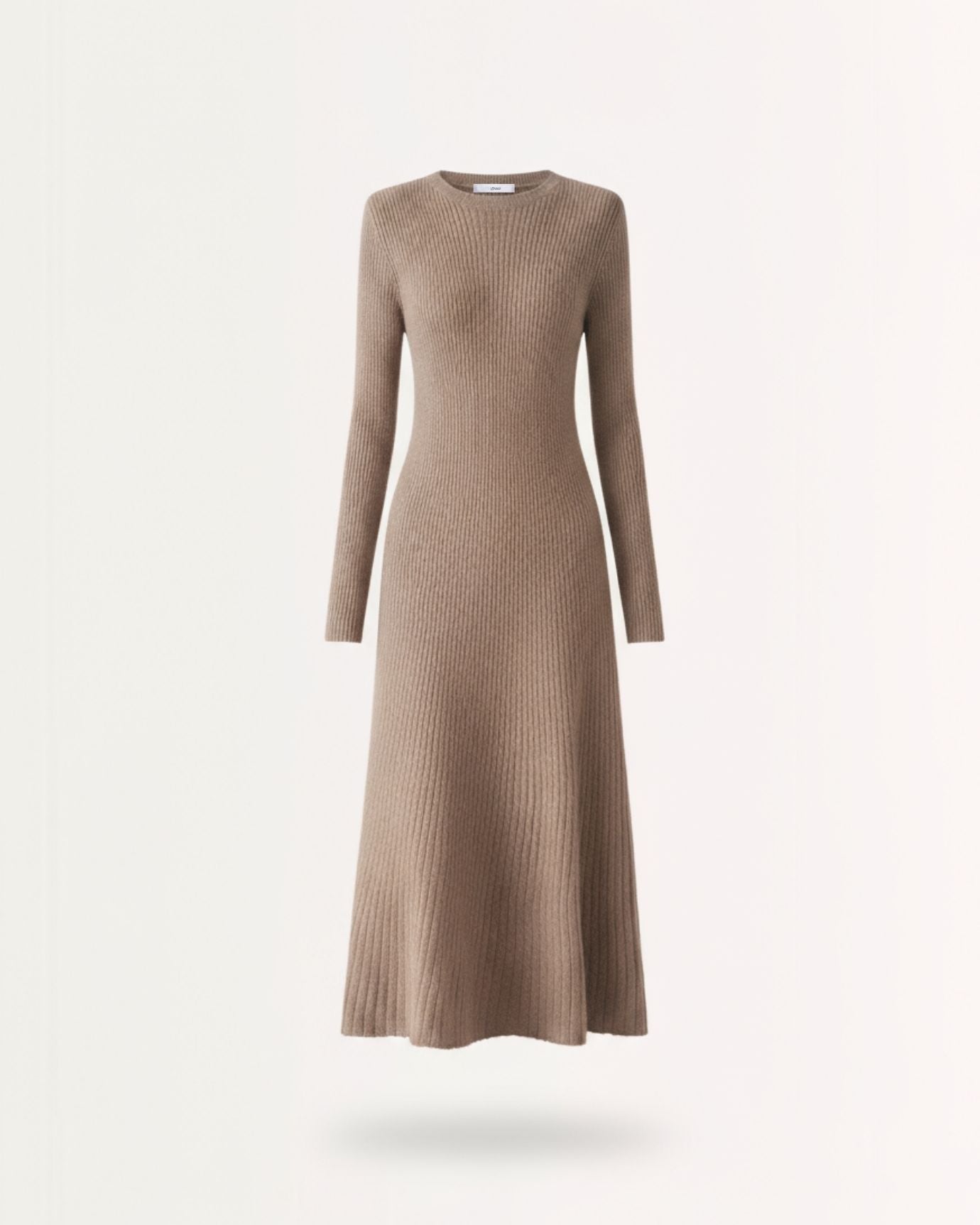
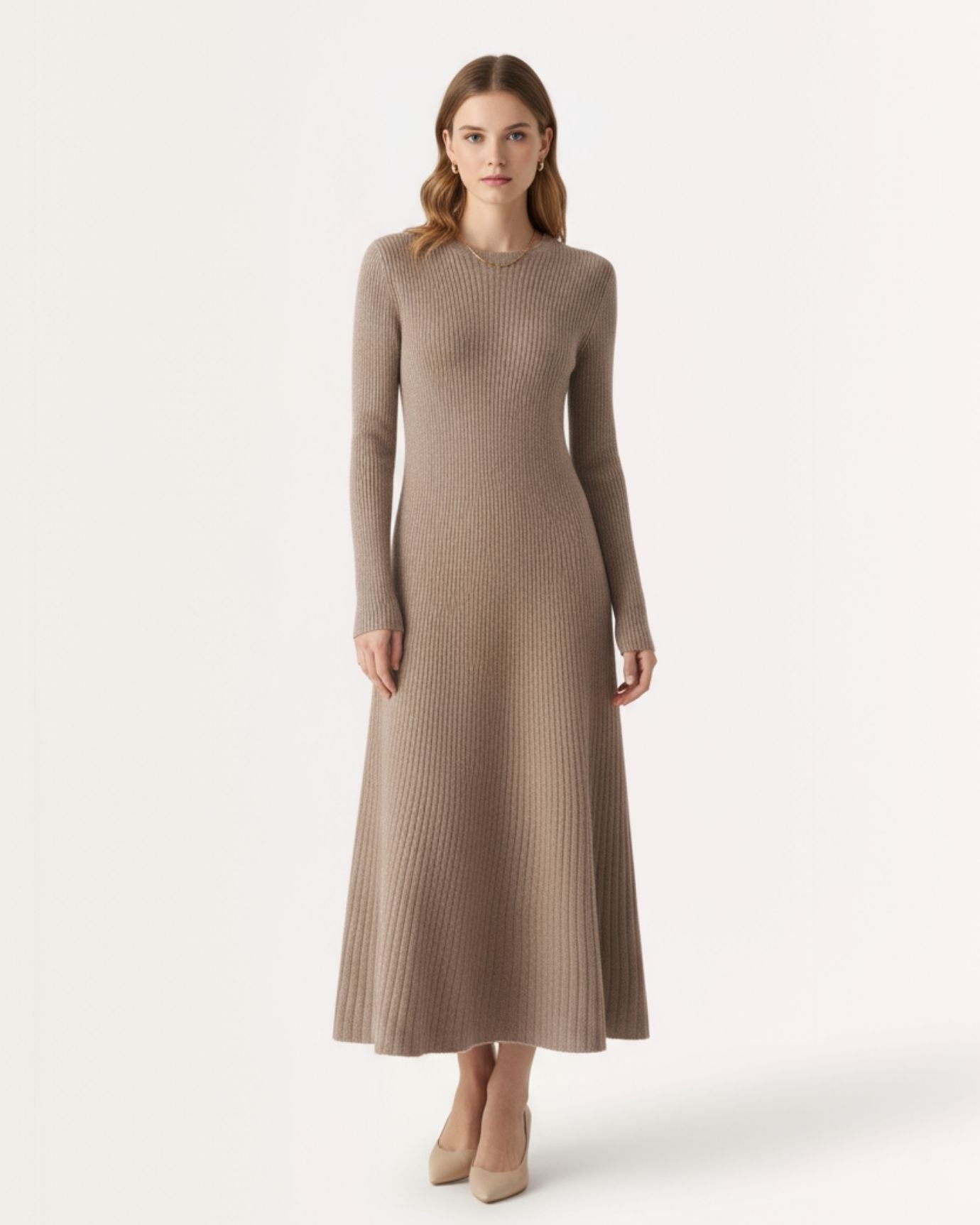
Before comparing the two, it helps to be precise about definitions. A midi dress falls somewhere between the knee and the mid-calf, typically landing around seven to twelve inches below the knee. A maxi dress falls to the ankle or the floor. The history of hemlines in twentieth-century fashion is well documented, and the midi in particular has moved in and out of favour since the 1960s, when it was positioned as a sophisticated alternative to the mini.
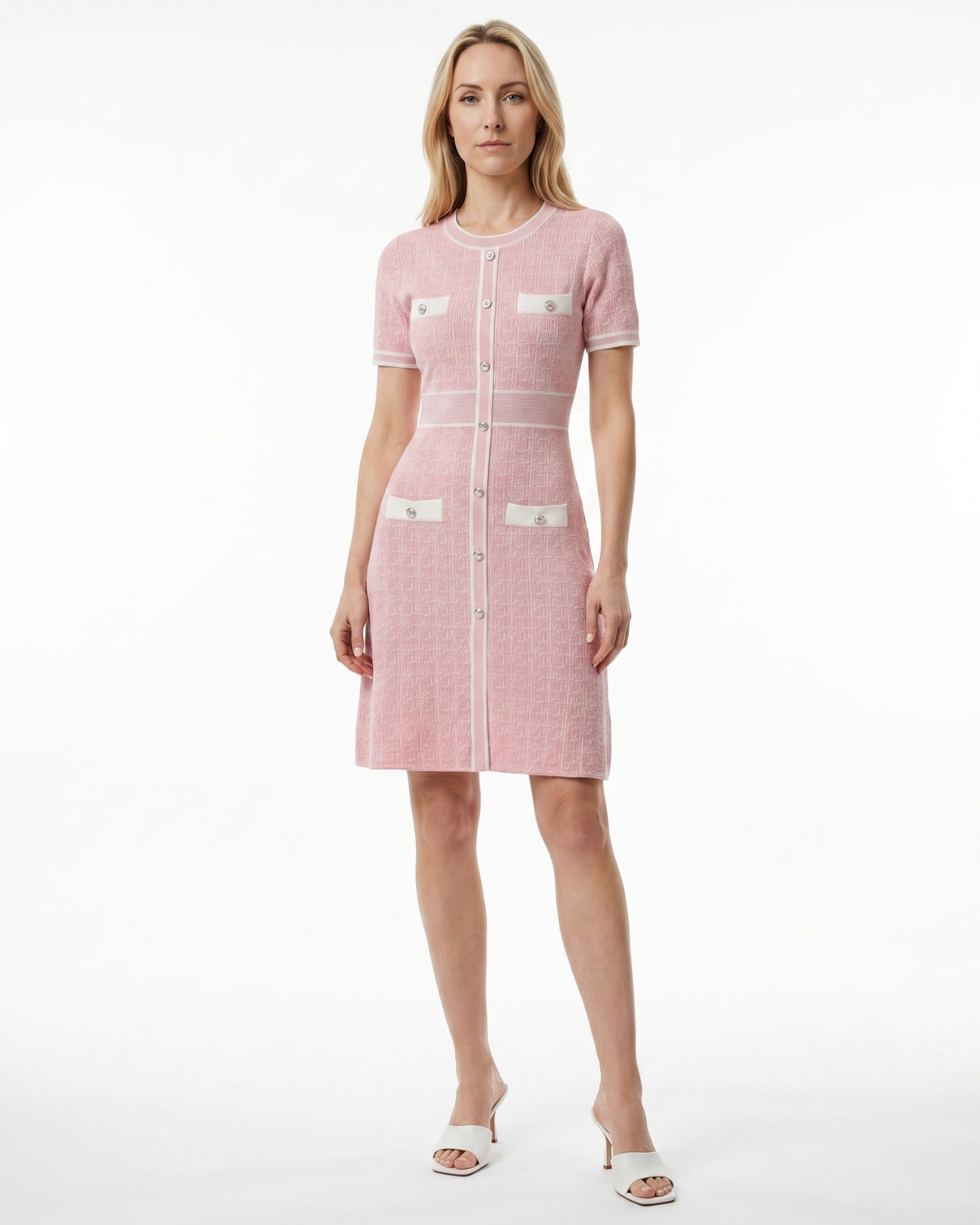
The practical distinction matters because the midi length is inherently more structured in how it divides the body. It draws a horizontal line across the lower leg, which makes the specific point of that line very important. A hemline at the widest part of the calf adds visual weight; one just below the calf's narrowest point, closer to mid-calf, is far more elongating.
Maxi dresses bypass that calculation almost entirely. Because the hem reaches the ankle, the eye follows the full vertical line of the body rather than stopping at a midpoint. This is why maxi dresses can feel so quietly grand when they are well cut, they do not interrupt the silhouette.
For a strong starting point in both categories, our midi dresses and maxi dresses collections show the range clearly.
Expert insightWhen trying a midi, stand in front of a full-length mirror and look at exactly where the hem crosses your leg. If it bisects the widest point of your calf, ask for a longer or shorter version. A single inch in either direction changes the effect entirely.
How Each Length Works Across Different Body Types
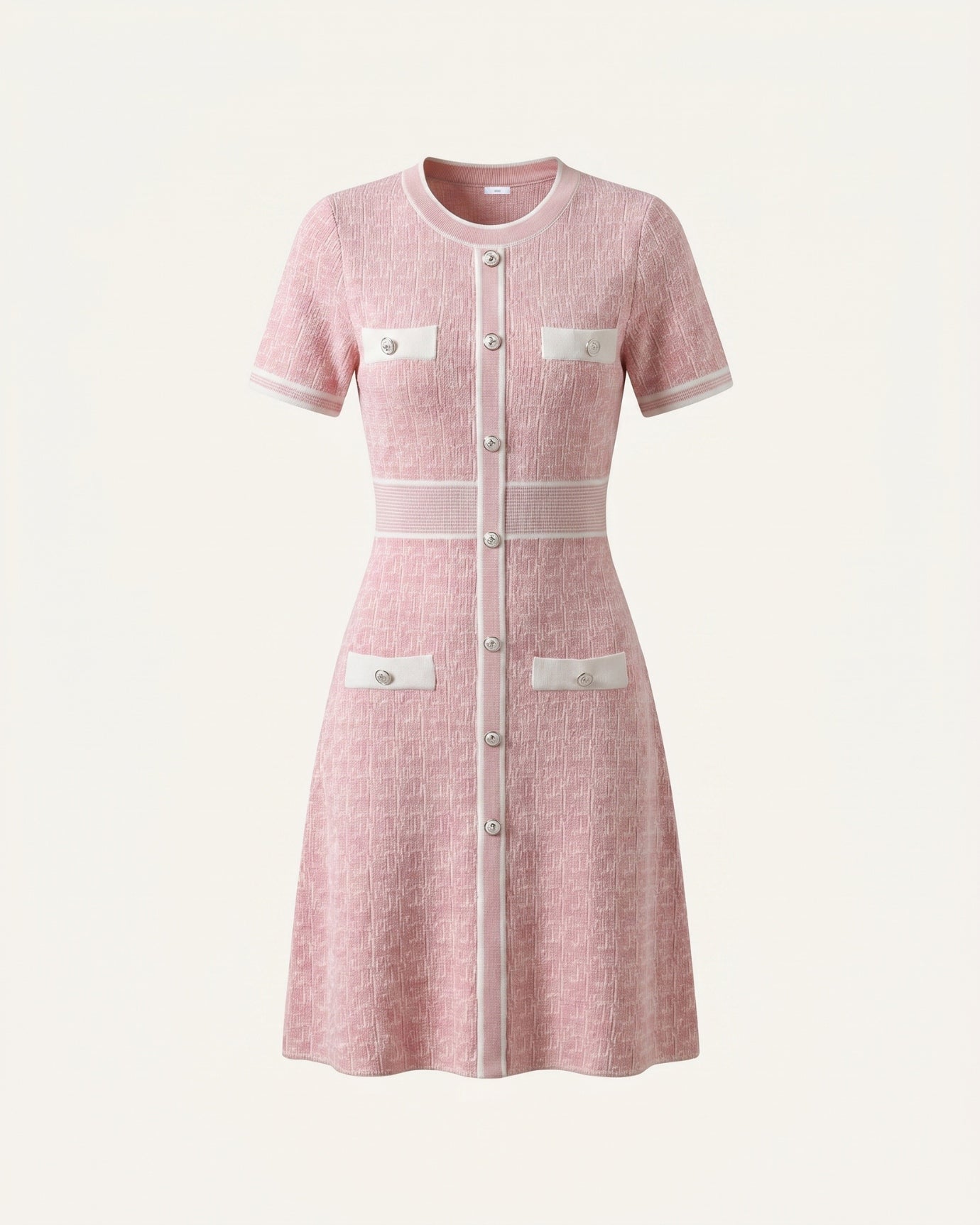
For petite frames: The midi is often the stronger choice, provided the waist is clearly defined and the skirt does not add volume at the hip. A fitted midi in a smooth, drape-forward fabric, like the Giulia Midi Navy Blue Dress, creates a clean vertical line without overwhelming a smaller frame the way a full-length skirt sometimes can. If you prefer a maxi, look for one with a high, clearly marked waist and a skirt that falls straight rather than full.
For tall frames: Maxi dresses are exceptionally well suited to taller women because there is enough leg to carry the full length without the hem looking like it belongs to someone else. A flowing maxi in a lightweight fabric, like the Elegant Santorini Strapless Dress, uses height as an asset, creating a sweeping silhouette that shorter hemlines simply cannot replicate.
For fuller figures: Both lengths work, but the key is in the cut rather than the length itself. An A-line midi skims over the hips and thighs without clinging, while a maxi with a fitted bodice and a gently flared skirt balances the shoulder-to-hip ratio. Avoid very voluminous maxi skirts in stiff fabrics, as they add circumference rather than length.
For athletic or straight figures: A midi with pleating or soft gathering at the waist introduces shape where the body is naturally straight. The Contrast Collar Pleated Dress Sleeveless Two-Piece Style in Navy & White is a good example: the pleated skirt creates the illusion of a defined waist and curved hip without requiring the body to provide either.
For more ideas on building a wardrobe that works with your proportions, our guide to old money dresses every woman should own covers the foundational pieces in more depth.
Expert insightProportion is relative to height, but it is also relative to shoe. A midi dress worn with a pointed-toe flat reads longer and leaner than the same dress with a round-toe block heel. The shoe finishes the proportion the dress starts.

Occasion: Which Length Goes Where
Daytime and casual occasions: The midi is the more practical choice for most daytime settings. It moves easily, works with flat sandals or low heels, and does not require the same level of attention a floor-length dress demands on uneven terrain. A print midi like the Midi French Dress Flowery or the Polka Dot Midi Dress carries a relaxed confidence that suits café lunches, gallery visits, and weekend travel without looking underdressed.
Garden parties and outdoor events: Here the maxi comes into its own. There is a particular kind of ease to a maxi dress at an outdoor event, it moves with the breeze and photographs beautifully in natural light. If you are planning a garden party or a countryside weekend, our article on how to dress for a weekend at the vineyard is worth reading alongside this one.
Formal and evening occasions: Both lengths work for evening, but the conventions differ. A maxi dress in a structured or semi-formal fabric, such as crepe, satin, or heavy linen, reads as evening wear naturally. A midi for evening needs to be in a dressier fabric or feature detailing, lace, a defined bodice, or a refined print, to carry the occasion. Our evening dresses collection shows how both lengths translate into more formal territory.
Afternoon tea and smart-casual settings: The midi is almost always the more appropriate choice. It strikes the balance between dressed and relaxed that these occasions require. We covered this in more detail in our piece on how to dress for afternoon tea in style.

Fabric and Construction: Where the Real Difference Lies
Length is only half the conversation. The fabric and construction of a dress determine how a particular length actually performs on the body.
Fluid fabrics such as crepe, viscose, and lightweight silk blends work exceptionally well in both lengths. They follow the body's natural lines without clinging aggressively, which is why a fluid maxi can look graceful on almost any figure. The Kira Midi Lace Dress demonstrates how a delicate fabric choice transforms a midi from daywear into something considerably more refined.
Structured fabrics such as cotton poplin, heavier linen, and ponte behave differently. In a midi, structure is an asset: it holds the shape of a pleated or A-line skirt without collapsing. In a maxi, very stiff fabric can add bulk and prevent the skirt from moving with the body, which undermines the length's natural elegance.
Lining is often overlooked but matters enormously. An unlined midi in a lightweight fabric can be transparent in strong sunlight; an unlined maxi may cling in ways that were not intended. When investing in either length, check that the lining is cut to match the skirt's shape rather than simply being a straight tube sewn inside.
As Vogue has noted in its coverage of dress silhouettes, the relationship between fabric weight and hemline length is one of the first things a designer considers when developing a new style. It is worth applying the same thinking when choosing a dress to buy.
Expert insightHold the fabric up to a window before buying. If light passes through easily, the dress needs a full lining or a slip underneath. This is especially important for maxi skirts, where transparency is harder to spot when the fabric is in motion.

Styling Each Length: Shoes, Proportions, and Layering
Styling a midi dress: The shoe choice for a midi is one of the most consequential decisions in the outfit. A pointed-toe flat or a low block heel lengthens the visible section of leg between the hem and the shoe. A chunky platform can work with a more relaxed midi, but it can also make the proportions feel heavy if the skirt is full. For summer occasions, a strappy sandal with a slender heel is the most reliable pairing. Explore our dress shoes to see options that work across both lengths.
Layering over a midi works well with a fitted jacket or a lightweight cardigan that ends at the waist. Anything that ends at the hip or below will shorten the visible length of the skirt and compress the proportions.
Styling a maxi dress: Because the maxi already creates a long vertical line, the styling challenge is usually about adding definition rather than length. A belt at the natural waist, a fitted jacket that stops just below the bust, or a tucked-in top beneath a maxi skirt all reintroduce the waist as a visual anchor.
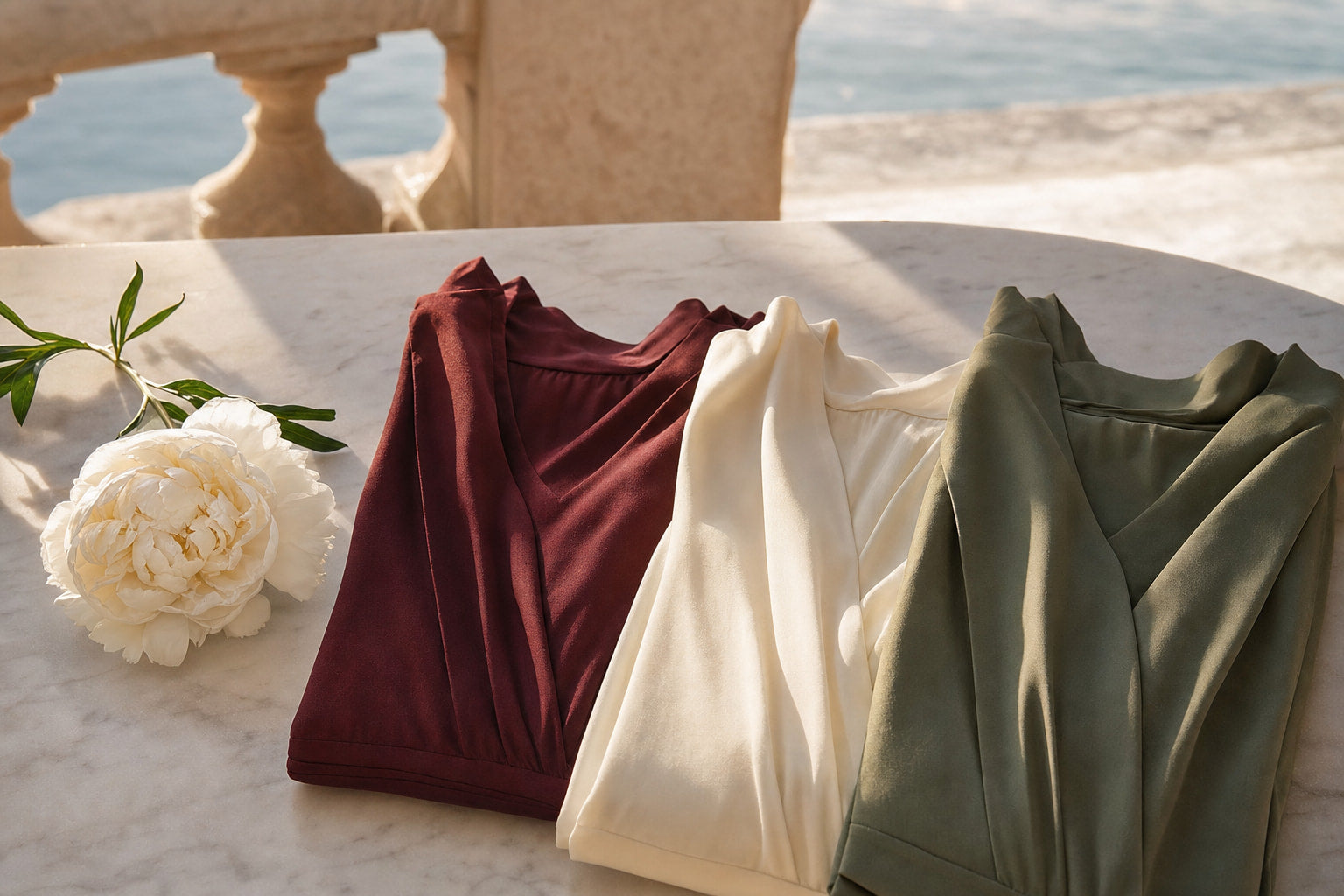
For summer maxi styling ideas, our essential summer outfit ideas for everyday wear covers pairings in more practical detail. The Giulia Midi Burgundy Dress and the Giulia Midi Green Dress are both worth considering as foundational pieces that take well to layering across seasons.

Which Length to Choose for a Timeless Wardrobe
If you are building a wardrobe with longevity in mind, the honest answer is that both lengths earn a place. The midi is more versatile across occasions, easier to wear in most climates, and works with a wider range of shoes and outerwear. It is the safer investment if you are adding a single dress to a capsule wardrobe.
The maxi, by contrast, has a particular authority for warm-weather occasions, travel, and any setting where a more dramatic silhouette is appropriate. A well-chosen maxi in a neutral or a deep, saturated colour will last as long as the midi in your wardrobe rotation, it simply has a narrower range of occasions.
For the old money aesthetic that Lovau is built around, both lengths express quiet confidence when they are well made and worn with intention. A polished midi in navy or ivory is as much a statement as a floor-length dress in deep burgundy. The difference is in what you are dressing for.
Our best luxury dresses for women in 2026 and our best summer dresses for an old money look both approach the question from a seasonal and occasion-specific angle if you want to continue the research.

| Consideration | Midi Dress | Maxi Dress |
|---|---|---|
| Hemline position | Below knee to mid-calf | Ankle to floor |
| Best body type | Works across most figures; especially good for petite frames with defined waist | Particularly strong on tall frames; works for all with fitted bodice |
| Occasion range | Day, smart-casual, afternoon events, evening with the right fabric | Garden parties, resort, formal evening, warm-weather occasions |
| Fabric sweet spot | Structured cotton, ponte, crepe, lightweight linen | Fluid crepe, viscose, silk blends, lightweight jersey |
| Shoe pairing | Pointed flats, low block heels, strappy sandals | Flat sandals, espadrilles, minimal heeled mules |
| Versatility in wardrobe | Higher, transitions more easily across seasons and occasions | More occasion-specific, strongest in warm climates and summer |
Frequently asked questions
Is a midi or maxi dress more flattering for petite women?
A midi dress is generally easier to wear at a petite height, provided it hits at mid-calf rather than the widest part of the calf. A well-fitted midi with a defined waist creates a clean vertical line without overwhelming a smaller frame. If you prefer a maxi, look for one with a high waist seam and a skirt that falls straight rather than full. Browse the Giulia Midi White Dress as a clean, structured starting point.
Can a maxi dress be worn to a formal event?
Yes, a maxi dress in a dressier fabric such as crepe, satin-finish fabric, or structured lace is entirely appropriate for formal occasions. The key is in the fabric and the finish: a flowing maxi in lightweight cotton reads as casual, while the same silhouette in a heavier, more structured fabric reads as evening wear. Our evening dresses collection includes options in both lengths.
What shoes work best with a midi dress?
A pointed-toe flat or a low kitten heel is the most reliable pairing because both elongate the visible section of leg below the hem. Strappy heeled sandals work well for evening. Avoid very chunky or platform shoes with a full-skirted midi, as the proportions can become heavy. The goal is to let the hemline read as the lowest visual point without the shoe competing with it.
Which dress length photographs better for travel or resort occasions?
Maxi dresses tend to photograph exceptionally well outdoors because the movement of the skirt in a breeze and the unbroken vertical line both read beautifully in natural light. For resort and travel styling, our resort dresses collection covers both lengths in fabrics suited to warm climates.
The maxi versus midi debate does not have a single correct answer, but it does have a correct process: consider the occasion, assess the fabric and construction, and think about where the hemline falls on your specific frame. Both lengths, chosen with that care, belong in a wardrobe built for longevity. Start with whichever occasion you dress for most often, and build from there. For a considered selection of both, our woman dress collection is the clearest place to begin.