


How to Wash Delicate Knitwear Without Shrinking It
Reading time 13 min • 2528 words
A fine knit is one of the most rewarding things to own and one of the easiest to ruin. One wrong wash cycle and a beautifully cut dress or a considered polo shirt comes out of the machine a size smaller, felted, or pilled beyond recovery. The good news is that the problem is almost always avoidable with a small amount of knowledge and a few minutes of care.
At Lovau, knitwear is central to the wardrobe we build. Knit dresses, cardigan sets, and knit polos make up a significant part of our offer because the fabric, when made well and cared for properly, combines comfort with genuine elegance. A well-maintained knit does not look casual. It looks considered.
This guide covers the full process: reading fibre labels, choosing the right wash method, drying without distortion, and storing without damage. We will go through each major fibre type separately, because cashmere, merino wool, cotton knit, and viscose-blend knit each behave differently in water and each needs a slightly different approach.
Key takeaways
- Always check the fibre content before choosing a wash method: cashmere and merino require cooler water and gentler handling than cotton knit.
- Hand washing in cool water with a pH-neutral detergent is the safest method for any fine knit.
- Never wring knitwear. Press water out gently and dry flat on a clean towel away from direct heat.
- Reshape the garment while it is still damp. Once dry, the fibres set in whatever position they are left in.
- Store folded, never on a hanger. Hanging stretches the shoulder seams and distorts the silhouette permanently.
In this guide
- Why Knitwear Shrinks and What Is Actually Happening to the Fibre
- How to Read a Knitwear Care Label Correctly
- Hand Washing Knitwear: The Step-by-Step Method
- Machine Washing Knitwear: When It Is Acceptable and How to Do It Safely
- Drying Knitwear Flat: Why It Matters and How to Get It Right
- Storing Knitwear Properly Between Wears and Between Seasons
- Frequently asked questions
Why Knitwear Shrinks and What Is Actually Happening to the Fibre
Shrinkage in knitwear is not random. It is a predictable physical reaction to heat, agitation, and, in the case of protein fibres like wool and cashmere, alkaline detergents. Understanding the mechanism helps you avoid it.
Wool and cashmere fibres are covered in microscopic scales. When exposed to heat and friction simultaneously, those scales interlock and contract. This is the felting process. Once felted, the fibre cannot be reversed. The garment is permanently smaller and denser. This is why a 30°C machine cycle with normal spin is enough to destroy a cashmere cardigan: the combination of warm water, mechanical agitation, and the centrifugal force of the spin cycle triggers felting almost immediately.
Cotton knit shrinks differently. Cotton fibres absorb water, swell, and then contract as they dry, particularly under heat. A cotton knit dress washed at 60°C and tumble-dried will lose a noticeable amount of length. Cotton does not felt, but it does tighten and shorten with repeated hot washes.
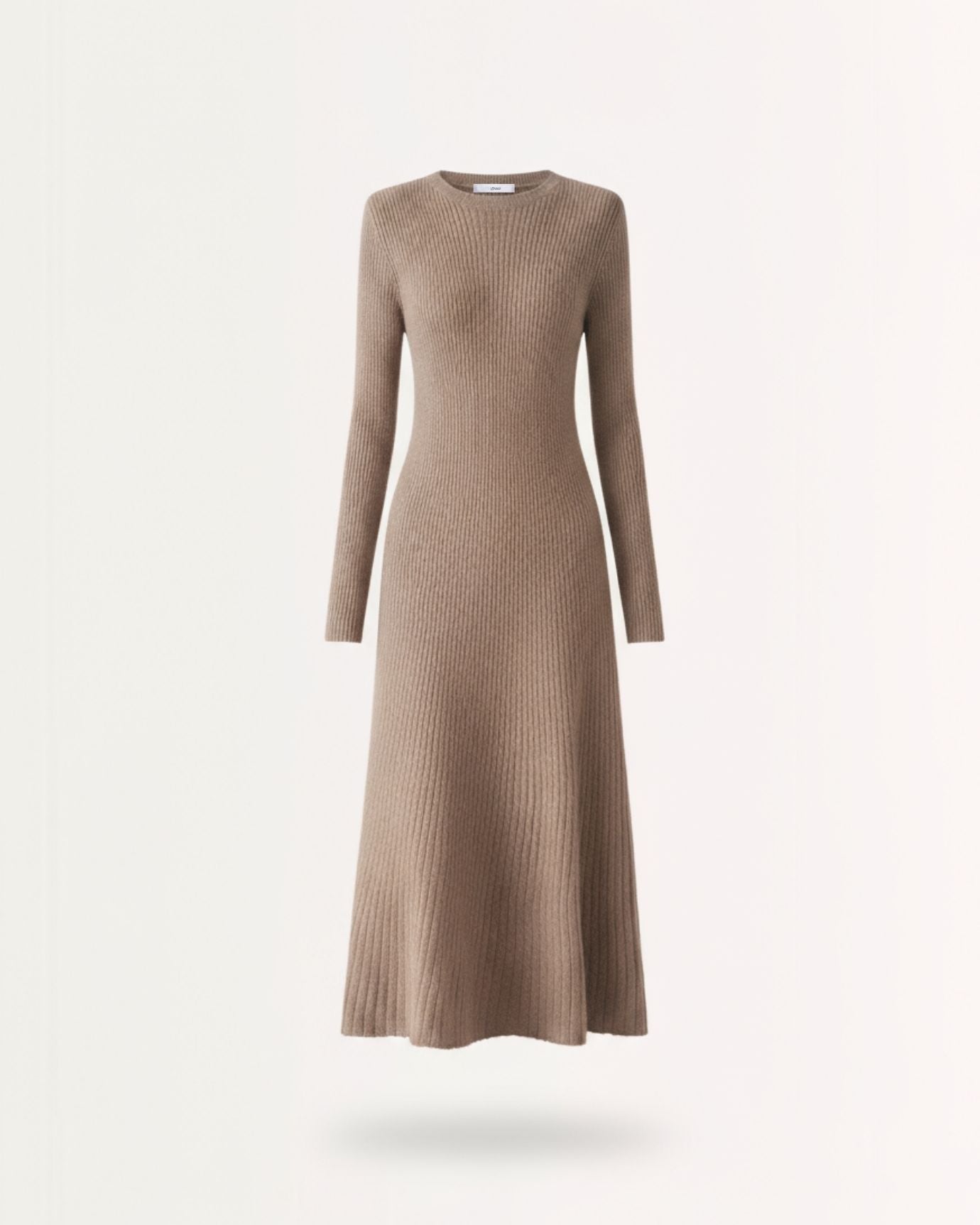
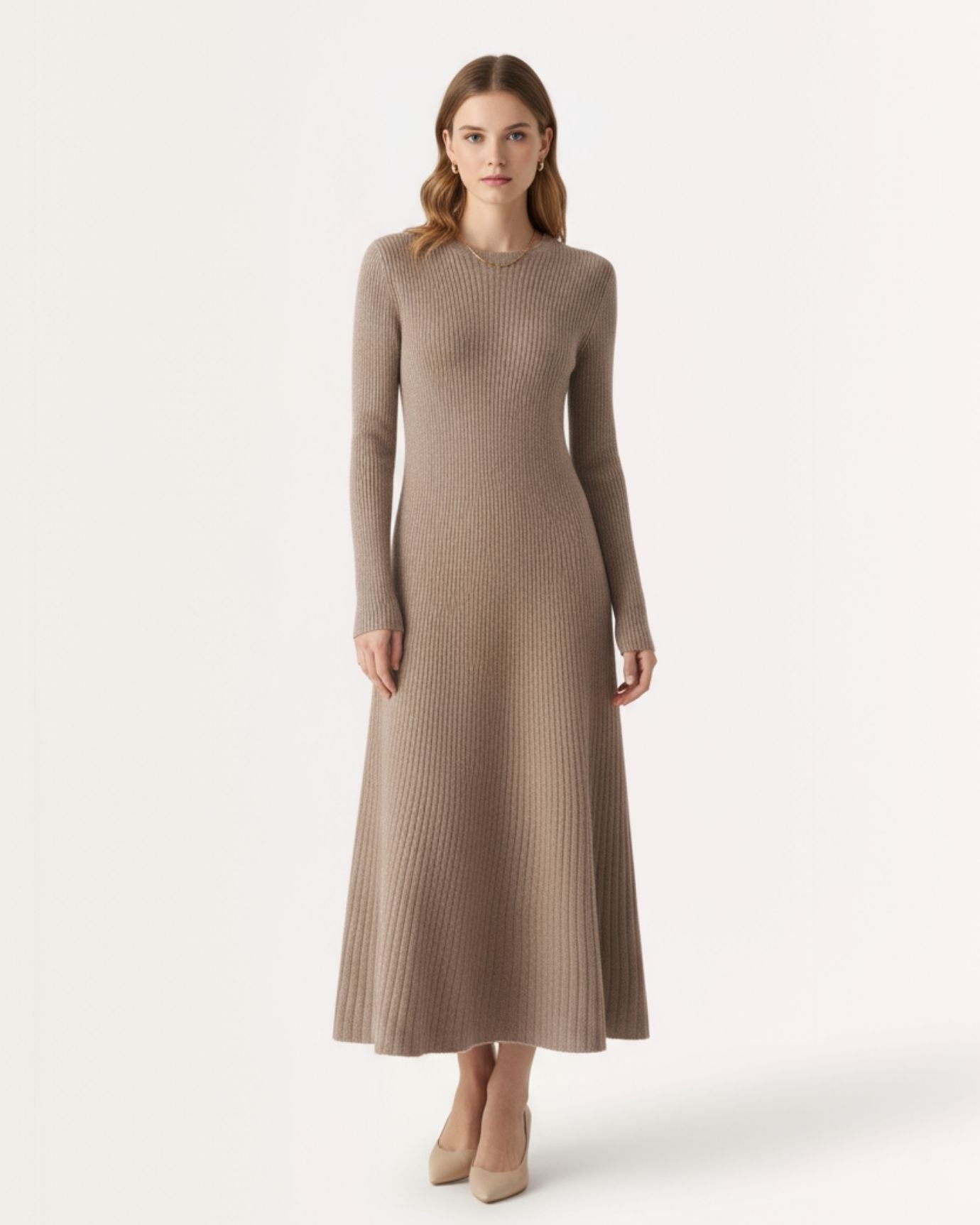
Synthetic and viscose blends are more forgiving of temperature but are vulnerable to agitation, which causes pilling and distortion of the stitch structure. The stretch in a bodycon buttoned stretch knit dress depends on the integrity of the knit construction. Aggressive machine washing breaks that down over time.
As a general principle explained well in the Wikipedia article on wool, protein-based fibres require the mildest possible conditions: cool water, minimal agitation, and no heat drying.
Expert insightThe temperature difference between the wash water and the rinse water matters as much as the temperature itself. A sudden shift from warm to cold causes fibres to contract sharply. Always rinse in water at the same temperature you used to wash.

How to Read a Knitwear Care Label Correctly
Care labels are the starting point, but they require some interpretation. Manufacturers write care instructions for the most cautious possible scenario, which means a label that says 'dry clean only' on a merino piece is often being conservative. That said, ignoring a label entirely is a risk not worth taking.
The symbols to look for on any knit garment:
- A hand in a basin of water means hand wash only. This is the most common symbol on fine knitwear.
- A crossed-out washing machine means machine washing is not recommended under any setting.
- A number inside a basin (30, 40) is the maximum water temperature in Celsius.
- A crossed-out triangle means do not bleach, which should be assumed for all knitwear regardless.
- A horizontal line under the basin means the delicate or gentle cycle only.
- A crossed-out tumble dryer (a circle in a square with an X) means dry flat. This applies to almost all fine knits.
For pieces like the Kira Cardigan & Skirt Knit Set or the Lina Pearl Stud Knit Cardigan & Dress Set, the label will typically specify hand wash or delicate machine cycle at 30°C. Follow this precisely. The label accounts for the specific yarn blend, the stitch tension, and the construction of that garment.
Expert insightWhen in doubt, default to hand washing in cool water. It is the method that gives you the most control over agitation and temperature, which are the two variables that cause the most damage.

Hand Washing Knitwear: The Step-by-Step Method
Hand washing is the safest method for any delicate knit, regardless of what the label permits. It takes about ten minutes and keeps your pieces in good condition indefinitely.
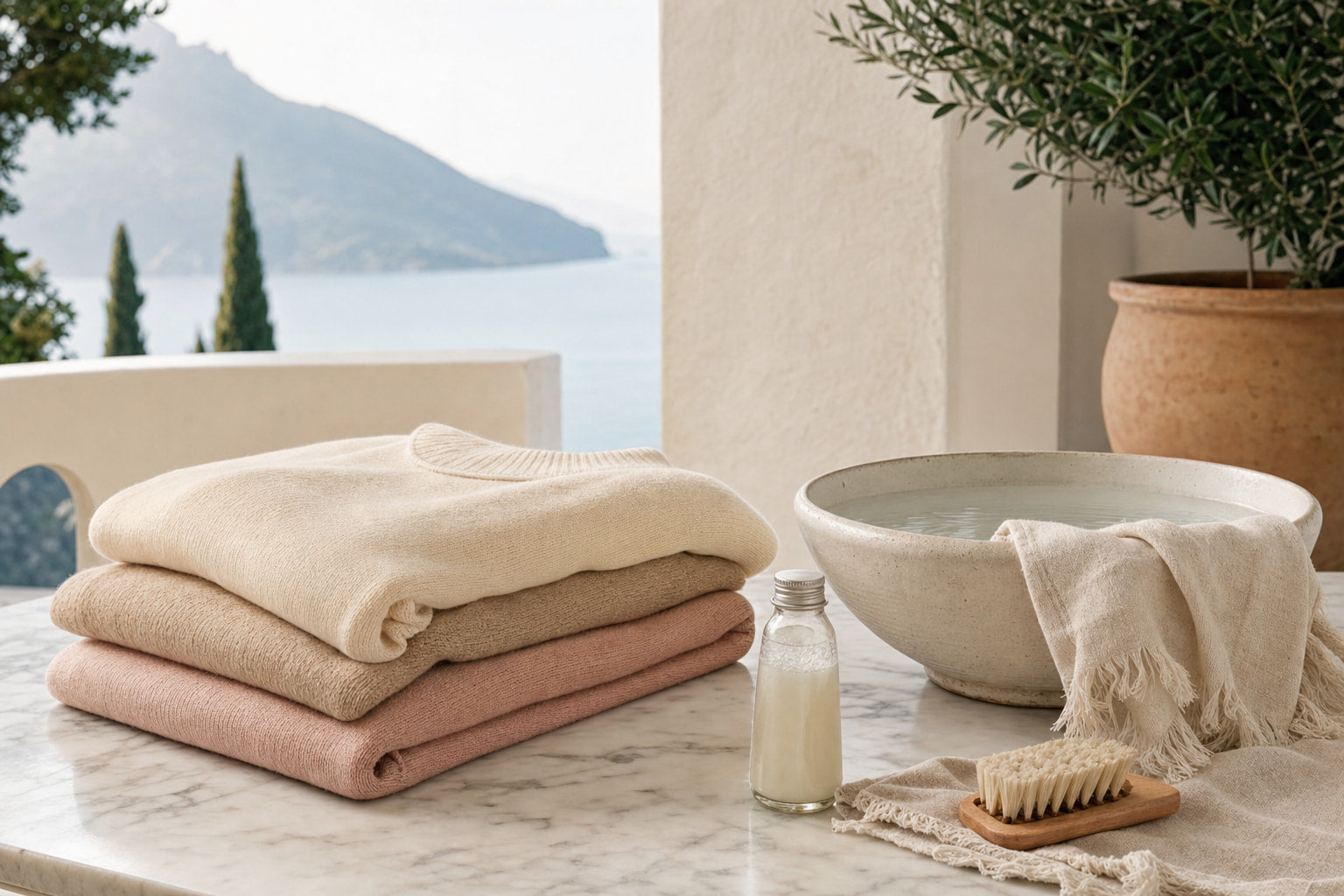
What you need: - A clean basin or sink - Cool water, around 20 to 25°C - A pH-neutral, wool-safe detergent (Woolite, Eucalan, or any detergent labelled for delicates) - Two clean dry towels
The process:
1. Fill the basin with cool water and add a small amount of detergent. Stir gently to dissolve. 2. Submerge the garment and press it down gently. Do not rub, twist, or scrub. The goal is to let the water and detergent move through the fibres without creating friction. 3. Let it soak for three to five minutes. No longer, particularly for wool, as prolonged soaking weakens the fibre. 4. Drain the basin and refill with clean cool water at the same temperature. Press the garment gently to release the detergent. Repeat once more if needed. 5. Lift the garment out supporting its full weight. Never pick up a wet knit by one end; the weight of the water will stretch it out of shape. 6. Lay it flat on a dry towel, roll the towel up around the garment, and press firmly. This removes the majority of the water without wringing. 7. Transfer to a second dry towel and reshape the garment to its original dimensions while it is still damp.
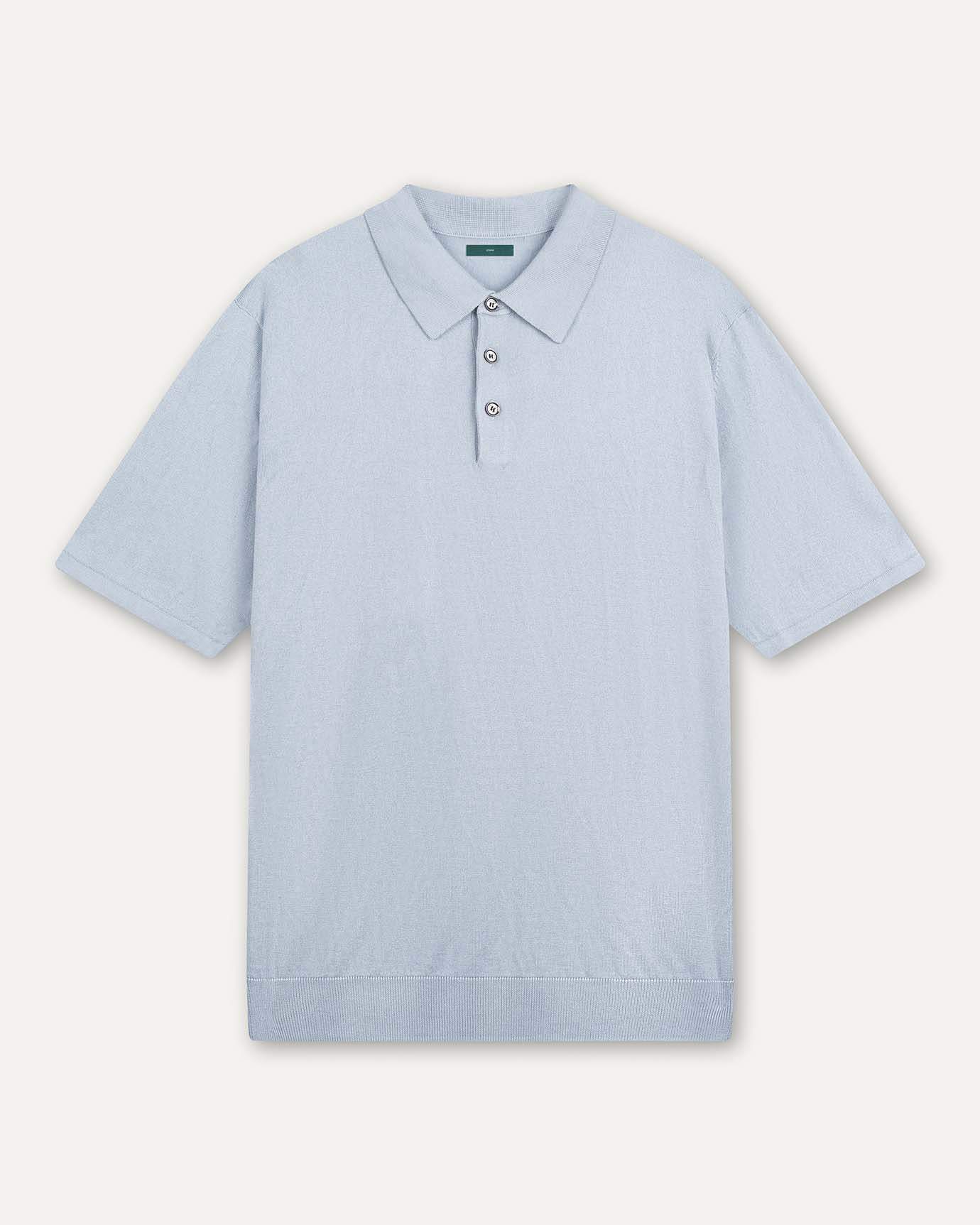
This method works equally well for a fine cashmere thick jacket cardigan as it does for a lightweight elegant short-sleeve knit top. The fibre weight changes the soak time slightly (heavier pieces need a minute or two more) but the steps remain the same.

Machine Washing Knitwear: When It Is Acceptable and How to Do It Safely
Some knitwear can be machine washed safely, provided you use the correct settings. Cotton knit and synthetic-blend knits are the most tolerant. Merino wool labelled 'machine washable' (a designation given to wool treated to suppress the scales) can also go in the machine. Pure cashmere, silk-blend knit, and any heavily embellished knit should never go in the machine.
Settings that matter:
- Temperature: 30°C maximum. Cold wash (20°C) is even safer.
- Cycle: Delicate or wool cycle only. These cycles reduce the drum rotation speed and the spin speed, both of which reduce friction.
- Spin speed: 400 rpm or below. High spin speed is one of the most damaging things for knitwear because it forces fibres together under pressure while wet.
- Detergent: Liquid detergent dissolves more evenly than powder and leaves fewer residues on fine fibres. Use the minimum recommended quantity.
- Mesh laundry bag: Always place the garment inside a mesh bag before washing. This reduces abrasion against the drum and against other garments.
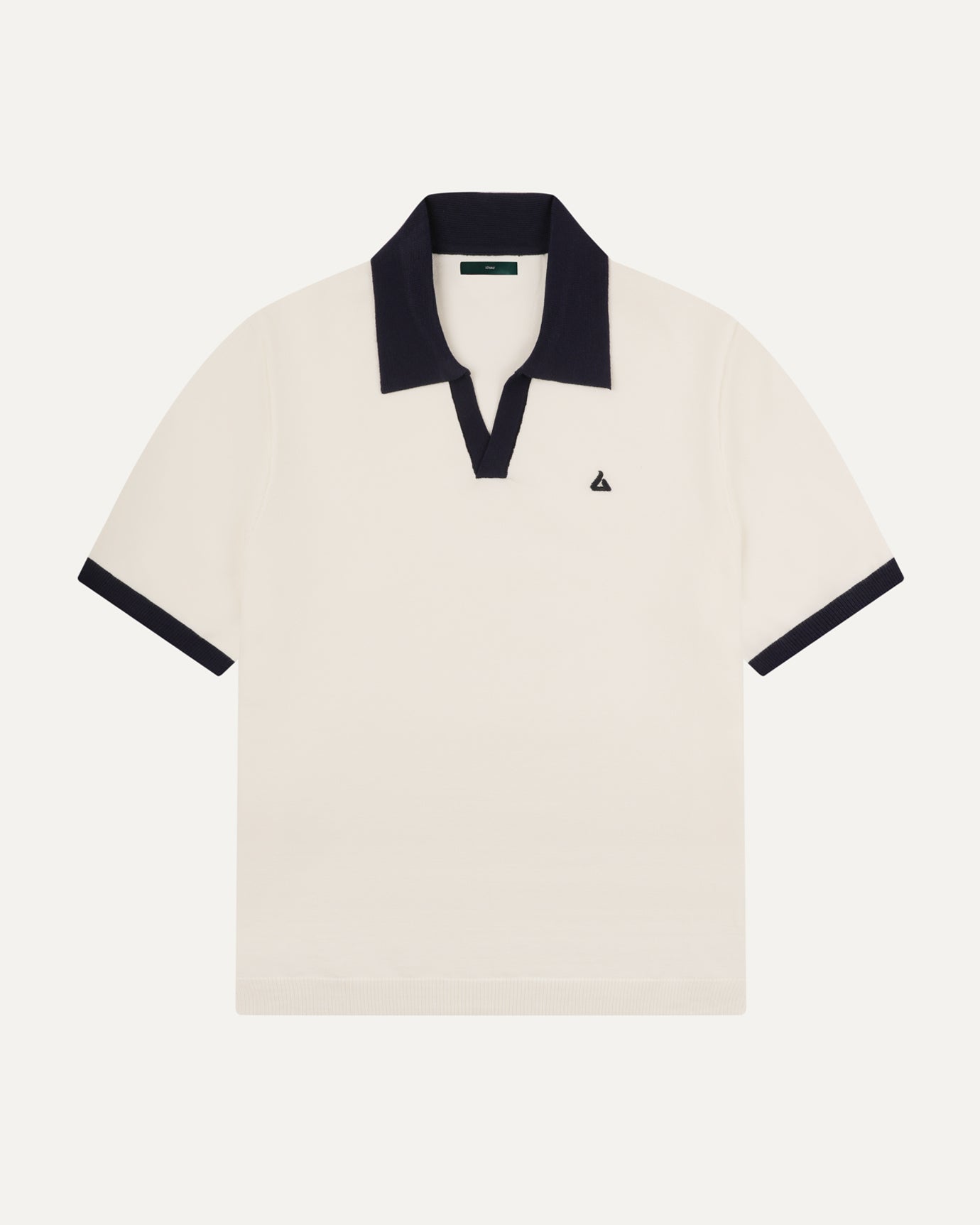
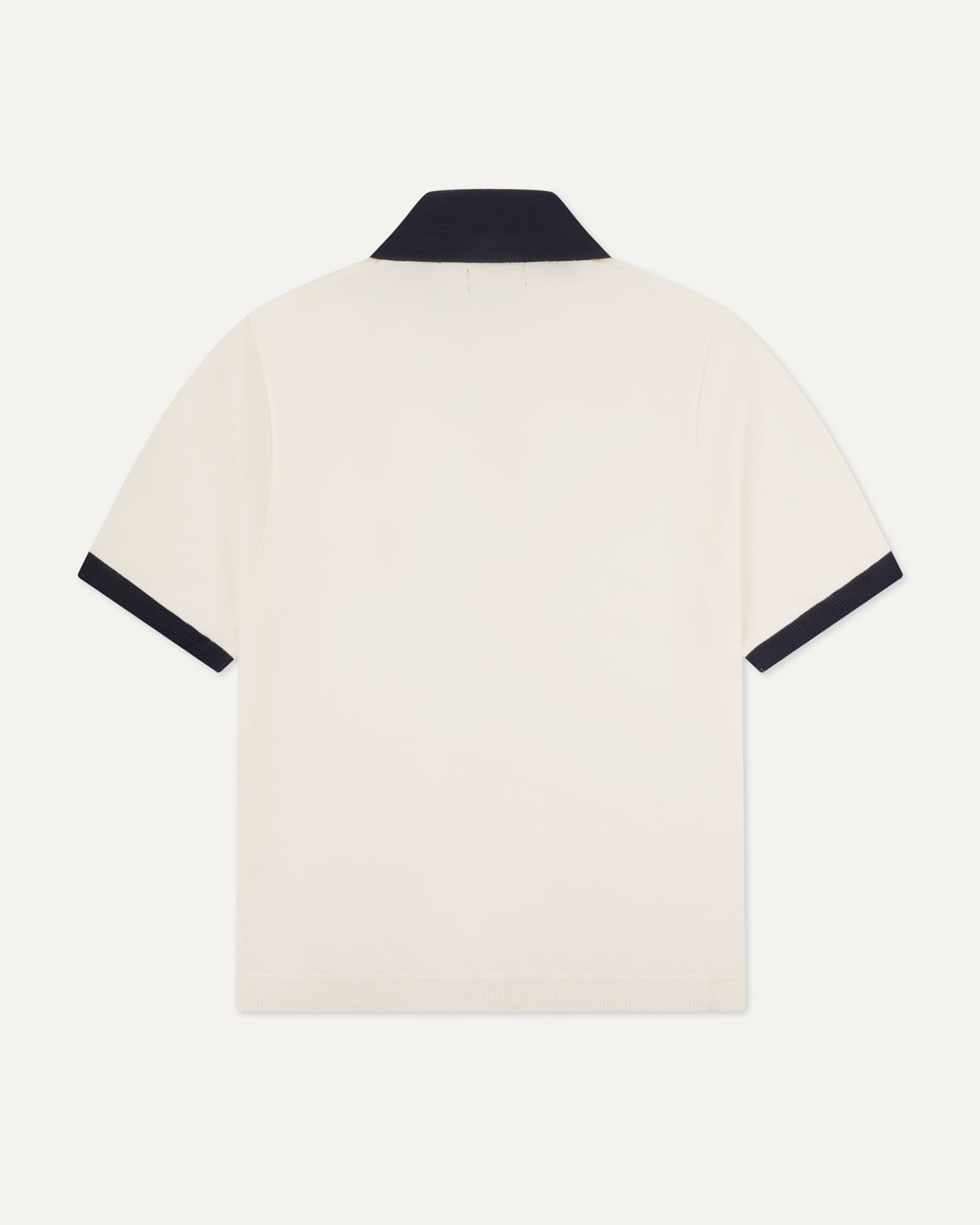
For a piece like the French Retro Striped Knit Polo, a cotton-blend knit construction, a 30°C delicate cycle in a mesh bag is a practical and safe routine wash. For the Candie Knit Dress with Embroidered Lapel, which includes embroidered detailing, hand washing is the better choice regardless of the base fabric.
Expert insightRemove knitwear from the machine immediately when the cycle ends. Leaving it bunched in the drum, even for twenty minutes, can set creases and distort the shape.

Drying Knitwear Flat: Why It Matters and How to Get It Right
Drying method causes as much damage as washing method. The two errors to avoid are heat and gravity.
Heat from a tumble dryer or a radiator will shrink cotton knit and felt wool and cashmere. Even a 'low heat' tumble dry setting generates enough warmth to cause contraction in protein fibres. Air drying is the only safe option for all fine knitwear.
Gravity is the subtler problem. Hanging a wet knit on a hanger allows the weight of the damp fabric to pull the garment downward continuously as it dries. Shoulders stretch, hems drop unevenly, and the silhouette is altered. A knit dress that was carefully cut to fall at the knee can end up mid-calf after a few hang-dried washes.
The correct method is to dry flat on a clean dry towel or a mesh drying rack, away from direct sunlight and away from any heat source. Sunlight bleaches fibres and can yellow cream and ivory knits over time. Spread the garment to its natural dimensions, smooth out any folds, and leave it undisturbed until fully dry. Depending on the weight of the piece, this takes between four hours and overnight.
For heavier pieces such as a Kris Elegant Knit Cardigan Jacket and Skirt Set, it helps to turn the garment over halfway through drying so the underside dries evenly and does not develop a flat, compressed texture.

Storing Knitwear Properly Between Wears and Between Seasons
Storage is the last stage of care and the one most often overlooked. Knitwear stored incorrectly between seasons can emerge misshapen, moth-damaged, or permanently creased even if it was washed perfectly.
Fold, do not hang. This applies to every knit, from a lightweight Lovau Style A-Line Knitted Dress to a structured cardigan. Hanging causes the same gravitational distortion as hang-drying. Over months of storage, the shoulder seams stretch and the body of the garment lengthens unevenly.
Store clean. Moths are attracted to body oils, perspiration, and food residues in fabric, not to clean fibre. Never store knitwear that has been worn but not washed. Even one wearing leaves enough organic residue to attract larvae.
Use cedar, not mothballs. Cedar blocks and cedar rings placed in drawers or storage boxes deter moths effectively without leaving a chemical odour in the fabric. Replace or sand cedar blocks every season as the scent fades.
Breathable storage. Fold knitwear into cotton or linen storage bags rather than sealed plastic bags. Natural fibres need to breathe. Sealed plastic can trap residual moisture and cause mildew, particularly in humid climates.
Avoid overpacking. Compression over months can distort the stitch structure of fine knits. Leave enough space in a drawer or shelf for pieces to rest without being crushed.
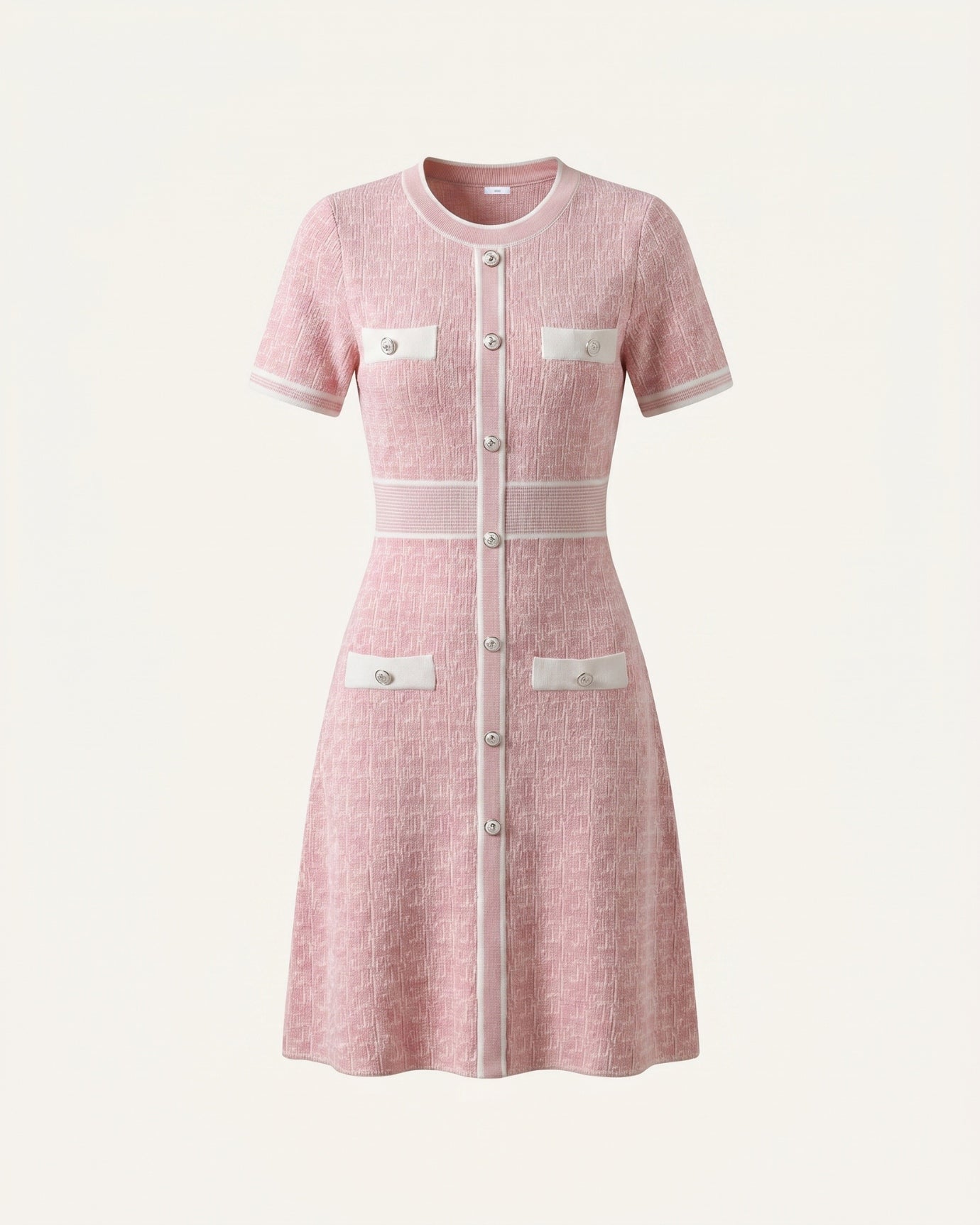
For seasonal knitwear such as the Mara Short-Sleeve Printed Knit, a full wash and flat dry before folding into a breathable cotton bag will keep the piece in excellent condition through an off-season. The Permanent Style guide on cloth care makes the same point about natural fibres broadly: storage condition is as important as wash method.

| Fibre Type | Recommended Wash Method | Max Water Temperature | Machine Safe? | Drying Method |
|---|---|---|---|---|
| Cashmere | Hand wash only | 25°C | No | Flat on towel, no heat |
| Merino wool (standard) | Hand wash only | 30°C | No (unless labelled machine washable) | Flat on towel, no heat |
| Merino wool (treated / machine washable label) | Delicate cycle in mesh bag | 30°C | Yes, delicate cycle only | Flat on towel, no heat |
| Cotton knit | Hand wash or delicate cycle | 30°C | Yes, delicate cycle only | Flat on towel or low-heat tumble if label permits |
| Viscose / modal blend knit | Hand wash preferred | 30°C | Delicate cycle with mesh bag | Flat on towel, no heat |
| Synthetic blend knit (polyester, acrylic) | Delicate cycle in mesh bag | 30°C | Yes, delicate cycle only | Flat or low-heat tumble dry |
Frequently asked questions
Can I unshrink a knit garment that has already shrunk?
Sometimes, partially. For wool and cashmere, soak the shrunken piece in cool water with a small amount of hair conditioner for twenty to thirty minutes. The conditioner relaxes the fibre scales. While the garment is still wet, gently stretch it back toward its original dimensions and pin it flat on a towel to dry in that shape. This works best on pieces that have shrunk slightly rather than fully felted. Heavily felted knitwear cannot be recovered.
How often should I wash a knit dress or cardigan?
Far less often than most people assume. A French Style Cardigan with Pearl Buttons worn over a shirt or blouse may need washing only every four to six wears. Airing the piece on a flat surface overnight after wearing removes most odour. Spot-clean small marks immediately rather than washing the whole garment. Frequent washing, even done correctly, gradually weakens the fibre.
Is dry cleaning always the safest option for knitwear?
Not necessarily. Dry cleaning uses chemical solvents that can strip the natural oils from protein fibres like cashmere and merino over time, leaving them brittle and dull. For most fine knitwear, careful hand washing preserves the fibre better than repeated dry cleaning. Reserve dry cleaning for heavily structured knit pieces with interfacing, embellishment, or complex construction where hand washing would distort the shape.
Why is my knitwear pilling and how do I prevent it?
Pilling is caused by friction, either during washing or during wear. Short, loose fibres work their way to the surface and tangle into small balls. To reduce pilling: wash in a mesh bag, use the lowest spin speed available, and turn garments inside out before washing. Remove existing pills with a fabric shaver or a fine-toothed lint comb. Never pull pills off by hand as this pulls the surrounding fibres and thins the fabric.
Caring for knitwear is not complicated. It is a matter of understanding what the fibre is, what harms it, and building a small number of consistent habits around washing, drying, and storage. The reward is that pieces last for years rather than seasons, hold their shape, and continue to look considered rather than worn. If you are building a wardrobe around refined, lasting pieces, the Kris Knit Set in Sweater and Skirt is a good example of the kind of investment that pays back generously when treated with the care it deserves.