


How to Stop Static Cling in Silk and Satin Pleated Skirts
Reading time 14 min • 2806 words
There is a particular frustration in putting on a beautifully constructed satin pleated skirt and watching it cling stubbornly to your legs before you have even left the house. Static cling is one of those small but genuinely irritating problems that can undermine an otherwise composed outfit, and it affects silk and satin more than almost any other fabric category in a woman's wardrobe.
The good news is that static in delicate pleated skirts is not random or mysterious. It has a clear physical cause, and once you understand that cause, the remedies become obvious. This guide covers the science briefly, then moves quickly into practical, tested solutions you can apply today, tomorrow morning, and as part of a longer-term care routine.
We focus specifically on silk and satin because both fabrics behave differently from cotton or linen. Their smooth, low-friction surfaces and, in the case of many satins, their partially synthetic fibre composition make them particularly prone to triboelectric charge. The pleated construction compounds the issue because pleats create multiple layers of fabric that rub against each other and against your skin as you walk.
Key takeaways
- Static builds up when dry air and synthetic or semi-synthetic fibres create friction, so humidity is your first line of defence.
- A light mist of plain water or a purpose-made anti-static spray applied from 30 cm away resolves most cling instantly.
- Wearing a slip or moisture-wicking underlayer beneath a satin pleated skirt is the most reliable long-term prevention.
- Washing silk and satin with a pH-neutral detergent and avoiding the tumble dryer preserves the fabric's natural conductivity and reduces static build-up over time.
- Storing pleated silk skirts on padded hangers in a cool, lightly humid wardrobe environment prevents the chronic dryness that causes persistent static.
In this guide
- Why Silk and Satin Pleated Skirts Cling: The Short Science
- Immediate Fixes: What to Do When You Are Already Dressed
- The Underlayer Strategy: Prevention Built Into How You Dress
- Washing and Care Habits That Reduce Static Long-Term
- Storage and Environment: The Overlooked Factor
- Product Choices That Minimise the Problem From the Start
- Frequently asked questions
Why Silk and Satin Pleated Skirts Cling: The Short Science
Static electricity in clothing is the result of triboelectric charging, the transfer of electrons between two surfaces when they rub together and then separate. When the air around you is dry, those electrons have nowhere to go, so the charge builds up and the fabric clings to whatever surface carries the opposite charge, usually your skin or your underlayers.
Silk is a natural protein fibre with moderate electrical conductivity when it retains its natural moisture. In normal humidity, real mulberry silk dissipates charge reasonably well. The problem arises in heated interiors in winter, air-conditioned spaces in summer, or any environment where relative humidity drops below roughly 40 percent. Strip the moisture from silk and you strip its ability to conduct charge away.
Satin is more complex because the word describes a weave structure, not a fibre. A satin-weave skirt could be made from pure silk, from polyester, from acetate, or from a blend. Polyester and acetate satin hold charge far more aggressively than silk satin because synthetic fibres are poor electrical conductors regardless of humidity. If your satin pleated skirt feels particularly prone to cling, check the care label: a high polyester or acetate content is almost certainly the reason.
Pleats add a mechanical layer to the problem. The accordion-fold construction of a pleated skirt means that as you walk, multiple fabric layers slide against each other continuously, generating fresh charge with every step. This is why a pleated satin skirt will cling more than a plain-cut satin skirt made from identical fabric.
Expert insightIf you are unsure of your skirt's fibre content, hold a small corner of the fabric near your cheek in a dry room. Real silk warms quickly to body temperature; polyester satin stays slightly cool. The one that stays cooler will cling more, and will need more active anti-static management.

Immediate Fixes: What to Do When You Are Already Dressed
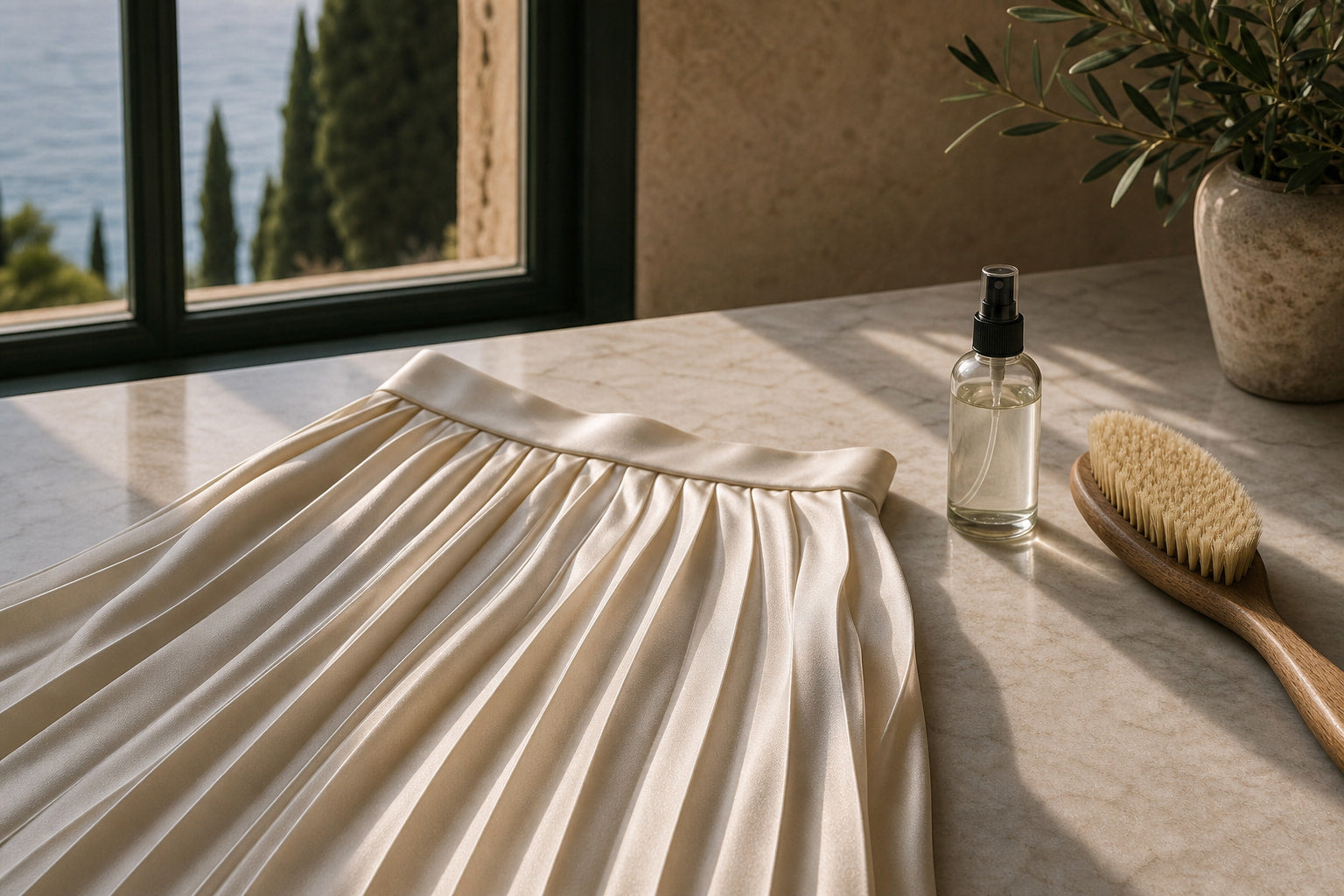
The fastest solution when you are already wearing your skirt and cling has set in is a light mist of water. Fill a small travel spray bottle with plain water and mist the inside of the skirt from about 30 centimetres away. Do not saturate the fabric; you want the faintest increase in surface moisture. On real silk, this works almost instantly because the added moisture restores the fibre's natural conductivity.
If you prefer a purpose-made product, a fabric anti-static spray designed for delicate textiles is the next step up. Look for formulas that are alcohol-free and specifically labelled safe for silk or satin. Spray on the inside hem and lining, never directly onto the visible outer surface of a light-coloured or delicate fabric.
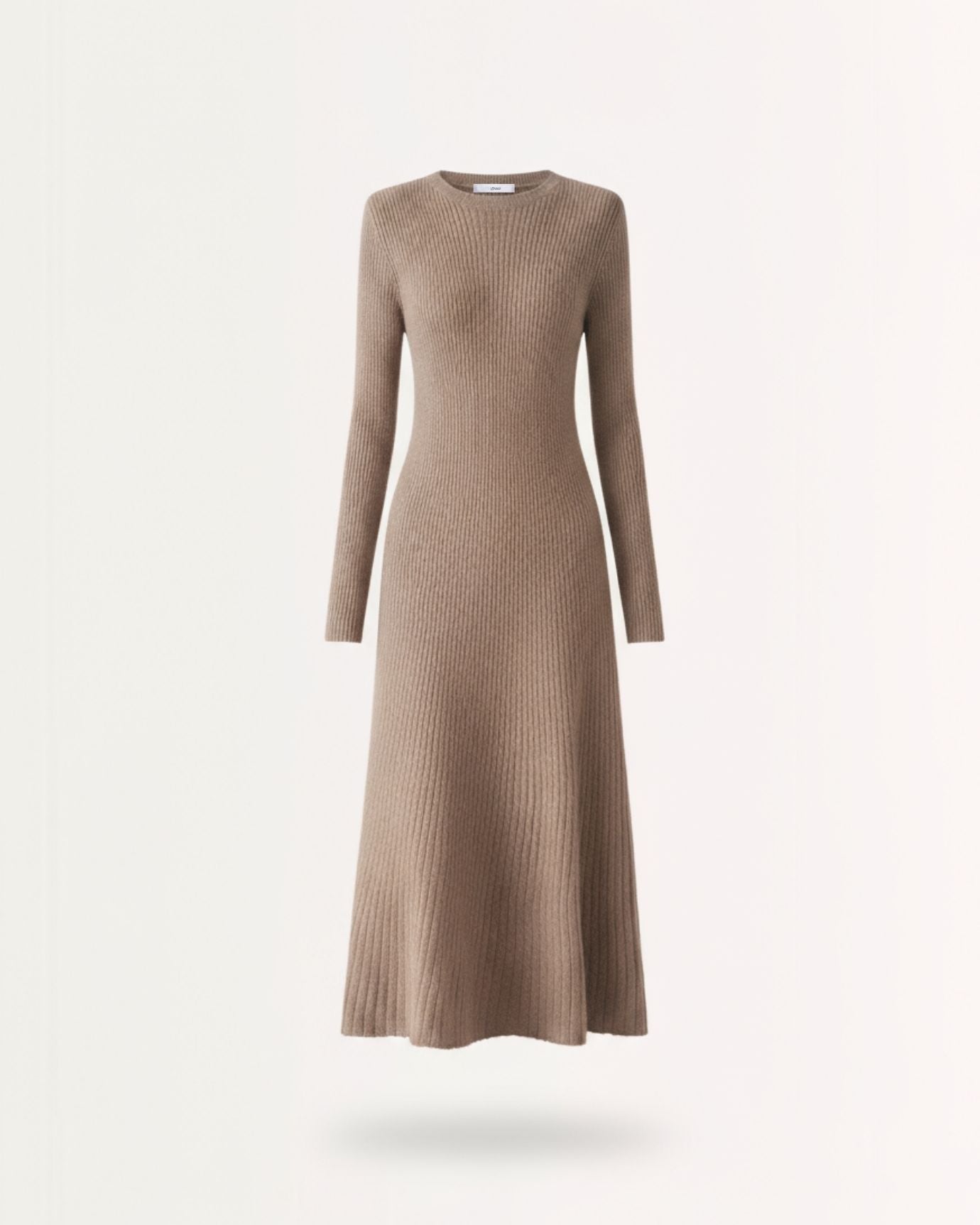
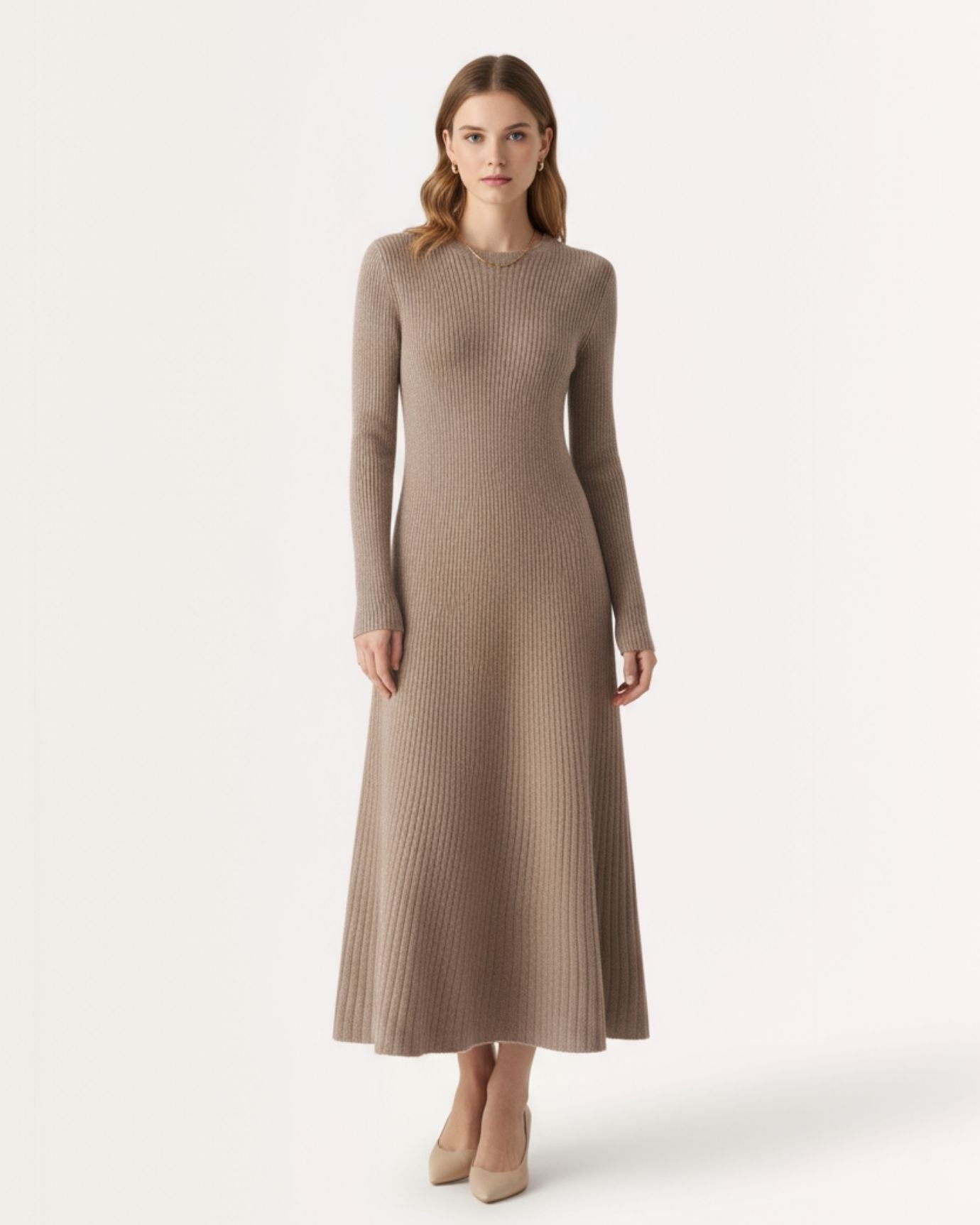
Hand lotion is a surprisingly effective emergency tool. Rub a small amount of unscented hand lotion between your palms until it is nearly absorbed, then lightly run your hands along the inside surface of the skirt. The residual moisture and emollients reduce the charge without leaving marks. This works particularly well on the Cira Long Satin Dress Skirt Set, whose fluid satin construction responds quickly to any added surface moisture.
A metal hanger or a coin held briefly against the clinging area will discharge static from a specific spot. Touch the metal to the fabric where it is clinging most, and the charge dissipates into the metal. It is not a lasting fix, but it is genuinely useful when you are mid-event and need a fast reset.
For more layering strategies that address cling from the inside out, our guide on the best undergarments for clingy silk and satin dresses covers the full range of slip and liner options in detail.
Expert insightKeep a small 30 ml travel spray bottle filled with water in your handbag during winter months. It weighs almost nothing and resolves static cling in under ten seconds, which is faster than any other method.

The Underlayer Strategy: Prevention Built Into How You Dress
The single most reliable way to prevent static cling in a satin pleated skirt is to eliminate the conditions that generate it in the first place. The most effective structural prevention is wearing the right underlayer.
A full-length or knee-length slip in natural fibre, specifically cotton or silk, creates a barrier between your skin and the satin that dramatically reduces the friction-based charge cycle. Cotton slips are the more affordable option; silk slips are the more elegant one, and they are worth the investment if you wear satin pieces regularly. Because silk-on-silk generates far less triboelectric charge than skin-on-satin or synthetic-on-satin, the cling problem largely disappears.
Avoid nylon or polyester underlayers beneath a satin skirt. Two synthetic surfaces in contact with each other generate more charge, not less. This is one of the most common mistakes women make when trying to solve the cling problem, reaching for a convenient nylon slip and finding that the situation worsens.
Natural-fibre tights or stockings also help. Wool or cotton-blend hosiery conducts charge away from the fabric surface more effectively than nylon. If you prefer sheer hosiery, look for styles with a cotton gusset and a higher natural-fibre content in the leg.
The Contrast Collar Pleated Dress Sleeveless Two-Piece Style in Navy and White is a good example of a structured pleated piece that pairs naturally with a fitted slip underneath, both for silhouette reasons and for static management. The navy colourway also means any faint water-mist treatment is invisible on the fabric.
Expert insightA silk slip cut on the bias will follow the movement of a pleated skirt more naturally than a straight-cut cotton slip, reducing the physical friction between layers as you walk.

Washing and Care Habits That Reduce Static Long-Term
How you launder a silk or satin pleated skirt has a direct effect on how much static it holds over time. Incorrect washing strips the fibre's natural surface proteins and oils, leaving it drier, rougher at the microscopic level, and far more prone to charge build-up.
Always wash silk and satin in cold water with a pH-neutral detergent formulated for delicate fabrics. Hot water degrades the sericin coating on silk fibres, which is part of what gives real silk its natural anti-static behaviour. Hand washing is preferable; if you use a machine, use a mesh laundry bag on the gentlest cycle available.
Never tumble dry silk or satin pleated skirts. The heat and mechanical tumbling are doubly damaging: heat further dries and degrades the fibre, and the tumbling motion generates significant triboelectric charge. Lay the skirt flat on a clean dry towel or hang it on a padded hanger away from direct heat to dry naturally.
Adding a small amount of white vinegar, about a tablespoon, to the final rinse water lowers the pH of the wash water slightly and helps neutralise residual charge. It also acts as a natural fabric softener without leaving any coating that could attract dust or dull the fabric's sheen. Do not use commercial fabric softeners on silk or satin; the silicone-based ingredients in most softeners build up on smooth fibres and eventually flatten the natural lustre.
For a deeper understanding of how mulberry silk specifically behaves under different care conditions, our article on mulberry silk explained: why it feels so luxurious covers the fibre structure in practical detail. And if you are managing cling in warm or humid conditions rather than dry ones, the related piece on how to stop silk shirts from sticking to you in humid climates addresses the opposite end of the moisture spectrum.

Storage and Environment: The Overlooked Factor
Static in a wardrobe is not only a problem that begins when you get dressed. Silk and satin pieces stored in dry, heated cupboards accumulate charge gradually over days and weeks, so that by the time you put the skirt on, it is already primed to cling.
Store pleated silk and satin skirts on padded hangers rather than wire or plastic ones. Wire hangers create direct contact between metal and fabric at the waistband, which can distort the pleat structure and contribute to localised charge at the hanging point. Padded fabric hangers distribute the weight more evenly and introduce a small amount of natural fibre between the metal and the garment.
A small cedar block or a lightly dampened sachet placed inside your wardrobe helps maintain a slightly higher ambient humidity around your stored pieces. Do not place anything wet directly against the fabric, but a ceramic humidity regulator or a few cedar rings positioned near your delicate skirts will make a measurable difference over time.
Avoid storing satin pieces in plastic garment bags. Plastic is an insulating material that traps charge and prevents any natural moisture exchange between the fabric and the surrounding air. A breathable cotton garment bag is the correct choice for long-term storage of silk and satin.
The Limited Edition Blue Crystal Button Jacket and Color-Block Pleated Skirt Set is a good example of a piece worth storing carefully. The colour-block construction means any static-related distortion of the pleat lines is immediately visible, so proper padded-hanger storage is genuinely important for maintaining the look of the skirt between wears.
For outfit context and styling ideas that work with these care principles, our modern elegant outfit ideas for everyday wear guide shows how pleated skirts sit within a broader refined wardrobe.

Product Choices That Minimise the Problem From the Start
Some pleated skirts are simply more prone to static than others, and understanding which construction choices affect this helps you shop more deliberately.
Pure silk satin is the least static-prone option in the satin category because the natural protein fibre conducts charge away more readily than any synthetic alternative. If static is a recurring issue for you, prioritising pieces with a higher natural fibre content is the most structural solution available. Our article on why silk-blend knits are worth the investment for your wardrobe explores how natural fibre content affects both performance and longevity.
Heavier fabric weights cling less than lightweight ones. A pleated skirt cut from a medium-weight crepe satin will drape more predictably and cling less than an ultra-lightweight charmeuse, because the weight of the fabric itself counteracts the electrical attraction. When browsing the Lovau women's skirt collection, look for descriptions that reference substantial drape or structured pleating rather than ultra-light or floaty.
Lining is another significant factor. A pleated skirt that is fully lined in natural fibre, particularly a silk or cotton lining, creates a buffer between your skin and the outer satin layer. Many of the structured suit-style sets in the Lovau range include this kind of considered construction. The Suit Jacket Waist Set Patchwork Pleated Skirt is a good example of a pleated piece built with enough structural weight and layering that static is significantly less of an issue in day-to-day wear.
Finally, pleating style affects cling behaviour. Knife pleats, which lie flat and overlap in one direction, tend to generate less static than box pleats or accordion pleats because there is less open-air surface area between the folds. If you find that a particular skirt clings more than others, the pleating construction may be part of the reason alongside the fabric content.

| Method | Speed of Effect | Lasts | Safe on Silk | Safe on Polyester Satin |
|---|---|---|---|---|
| Water mist spray | Immediate | 1 to 2 hours | Yes | Yes |
| Anti-static fabric spray | Immediate | 3 to 6 hours | Check label | Yes |
| Hand lotion on inside surface | Immediate | 2 to 4 hours | Yes, use sparingly | Yes |
| Metal object discharge | Immediate | Minutes only | Yes | Yes |
| Natural fibre slip underlayer | Preventive | Full day | Yes | Yes |
| White vinegar final rinse | After washing | Multiple wears | Yes | Yes |
| Padded hanger and breathable storage | Preventive over days | Ongoing | Yes | Yes |
Frequently asked questions
Can I use a dryer sheet on a silk or satin pleated skirt?
Dryer sheets work by depositing a thin layer of lubricating chemicals on fabric fibres, which reduces friction and static. On polyester satin, a dryer sheet used briefly on a very low heat setting can reduce cling. On real silk, however, the chemicals in most dryer sheets can strip the natural sericin coating and dull the fabric's sheen over time. A safer alternative is the white vinegar rinse method described above, or a purpose-made anti-static spray labelled safe for silk.
Why does my pleated satin skirt cling more in winter than in summer?
Central heating in winter dramatically reduces indoor humidity, often to below 30 percent. At that level, both silk and satin lose the surface moisture that allows them to dissipate electrical charge. Summer air, even indoors, tends to carry more ambient moisture, which naturally reduces static. If winter cling is a persistent problem, a small room humidifier is one of the most effective long-term solutions.
Does ironing a silk or satin pleated skirt affect its static behaviour?
Ironing at too high a temperature can dry out silk fibres and slightly flatten the natural surface texture of satin, both of which increase static tendency. Always iron silk on the lowest steam setting, with a pressing cloth between the iron and the fabric. The steam itself adds a small amount of moisture to the fibre, which temporarily reduces static. Allow the skirt to cool completely before wearing it or putting it away, since heat-activated charge dissipates as the fabric cools.
Will a silk pleated skirt cling less than a polyester satin one?
Yes, consistently. Real silk, particularly mulberry silk, has natural moisture-retention properties that allow it to conduct away triboelectric charge far more effectively than polyester. A silk satin skirt in a well-humidified environment will rarely cling noticeably. Polyester satin requires more active management regardless of conditions.
Static cling in silk and satin pleated skirts is a fabric physics problem, and like most fabric physics problems, it responds well to informed, specific action. Keep a water mist bottle nearby for immediate fixes, invest in a natural-fibre slip for daily prevention, wash your delicate pieces with cold water and pH-neutral detergent, and store them in breathable bags on padded hangers. These are not complicated habits, but they make a real difference to how your most refined pieces behave over time. For a broader view of how to build an outfit around a pleated skirt with this level of care in mind, browse the full women's skirt collection and find the pieces that reward that attention.