


How to Stop Buying Clothes You Never Wear
Reading time 12 min • 2436 words
Most people do not have a small wardrobe. They have a large one, full of things they do not wear. The rail is crowded but the choice feels impossible every morning. This is the paradox of the impulse-buy wardrobe: more clothes, fewer real options.
The problem is rarely taste. It is process. Buying without a plan means accumulating without purpose. A sale tag, a trend moment, a mood, these are not reasons to own something permanently. The clothes you reach for every week, the ones that feel right without deliberation, those are almost never the impulse buys.
This article is about changing the decision that happens before you spend, not after. The result is a wardrobe that is smaller, more useful, and considerably more satisfying to own.
Key takeaways
- Audit your wardrobe before buying anything new: identify the gaps, not the wants.
- Apply a 72-hour rule to any non-essential purchase, most impulse urges disappear within a day.
- Build around a core of neutral, high-quality pieces in natural fabrics that work across multiple occasions.
- Ask three specific questions before buying: Where will I wear this? What does it pair with? Do I already own something that does the same job?
- Invest more in fewer pieces. A $129 linen shirt worn forty times costs less per wear than a $30 shirt worn twice.
In this guide
- Understand Why the Unworn Pile Keeps Growing
- Do a Wardrobe Audit Before You Buy Anything Else
- Set a Decision Framework Before You Shop
- Build Around Anchor Pieces, Not Statement Pieces
- What a Useful Capsule Actually Looks Like in Practice
- The Cost-Per-Wear Calculation That Changes How You Shop
- Frequently asked questions
Understand Why the Unworn Pile Keeps Growing
Before you change your buying habits, it helps to understand what drives the bad ones. Impulse purchasing is not a character flaw. Retail environments, both physical and digital, are designed to manufacture urgency. Countdown timers, limited stock warnings, influencer endorsements timed to payday: all of it is engineered to compress your decision window to near zero.
There is also what researchers call the "best version of yourself" trap. You buy the cocktail dress imagining the dinner party, the tailored trousers imagining the gallery opening. But if those occasions do not exist in your actual life at a frequency that justifies the purchase, the item sits. You bought a fantasy, not a garment.
A third driver is trend-chasing. Fast fashion has shortened trend cycles to roughly six to eight weeks, which means anything bought for its trendiness is functionally obsolete before it is even broken in. The capsule wardrobe model exists precisely as an antidote to this: a small collection of pieces with long relevance, chosen for how they work together rather than how they look in isolation.
Recognising which of these patterns applies to you is the first practical step. Most people fall into all three at different times.
Expert insightThe average person wears 20% of their wardrobe 80% of the time. Before your next purchase, ask which category the new item would realistically fall into.
Do a Wardrobe Audit Before You Buy Anything Else
A proper audit is not a declutter. It is an inventory with analysis. Pull everything out. Group by category: shirts, trousers, dresses, outerwear, shoes. Then ask, honestly, when each piece was last worn and why.
Items that have not been worn in twelve months usually fall into one of four groups:
- Wrong fit: bought in a different size, or the cut never worked on your body.
- Wrong occasion: bought for a life you do not actually live.
- Wrong quality: the fabric pills, the seams pull, or the colour has faded. You avoid it because wearing it feels like a small disappointment.
- No pairings: it does not go with anything else you own.
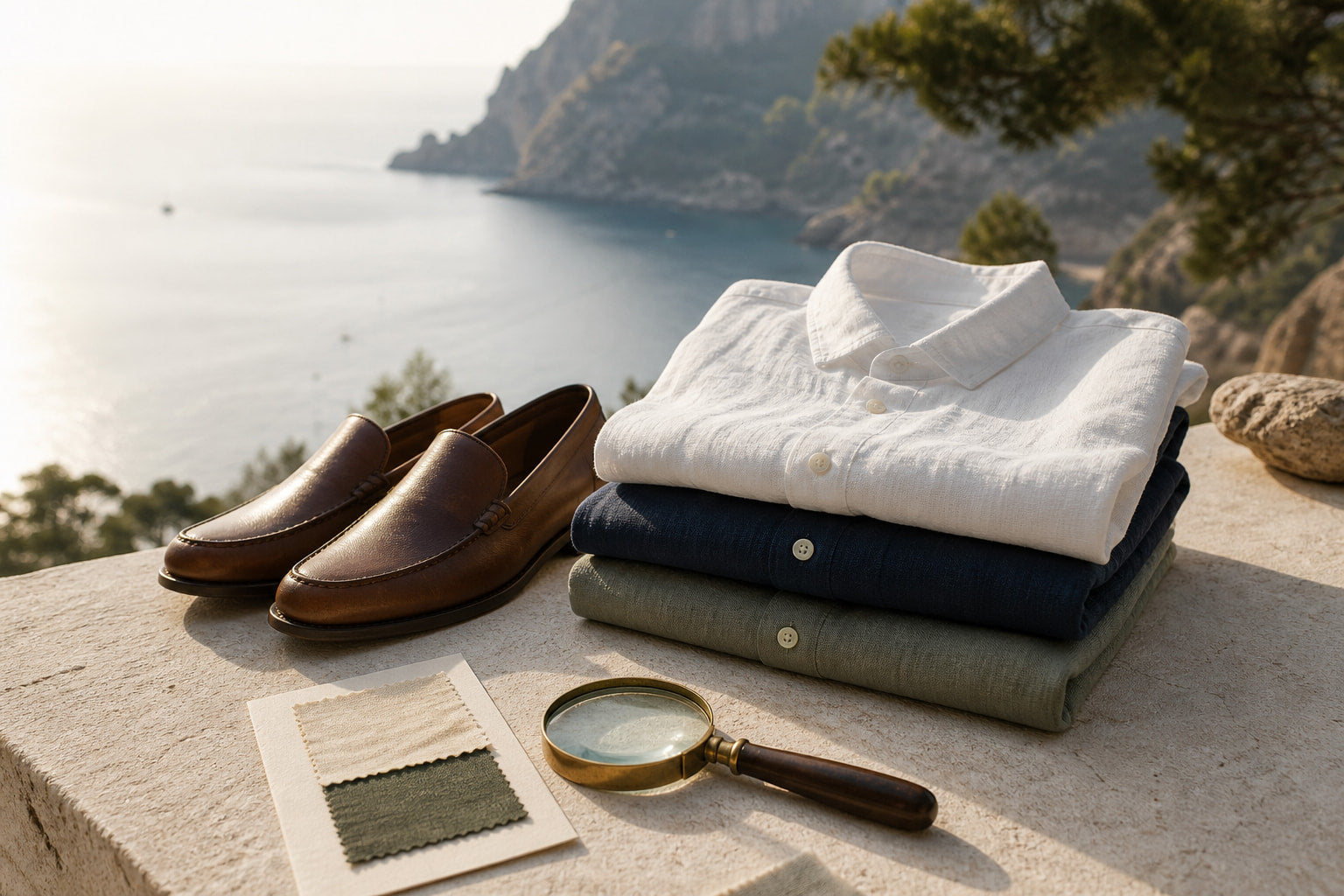
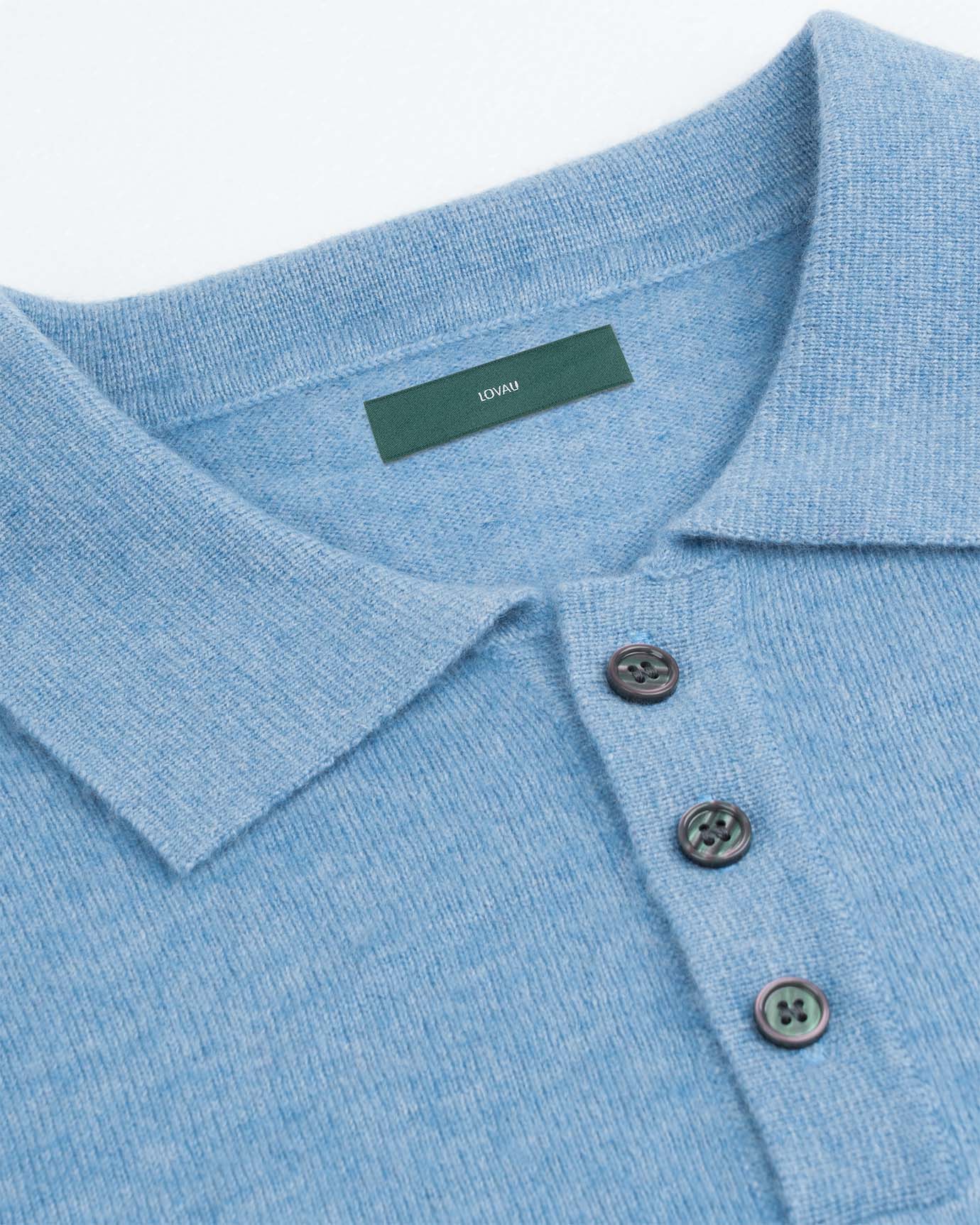
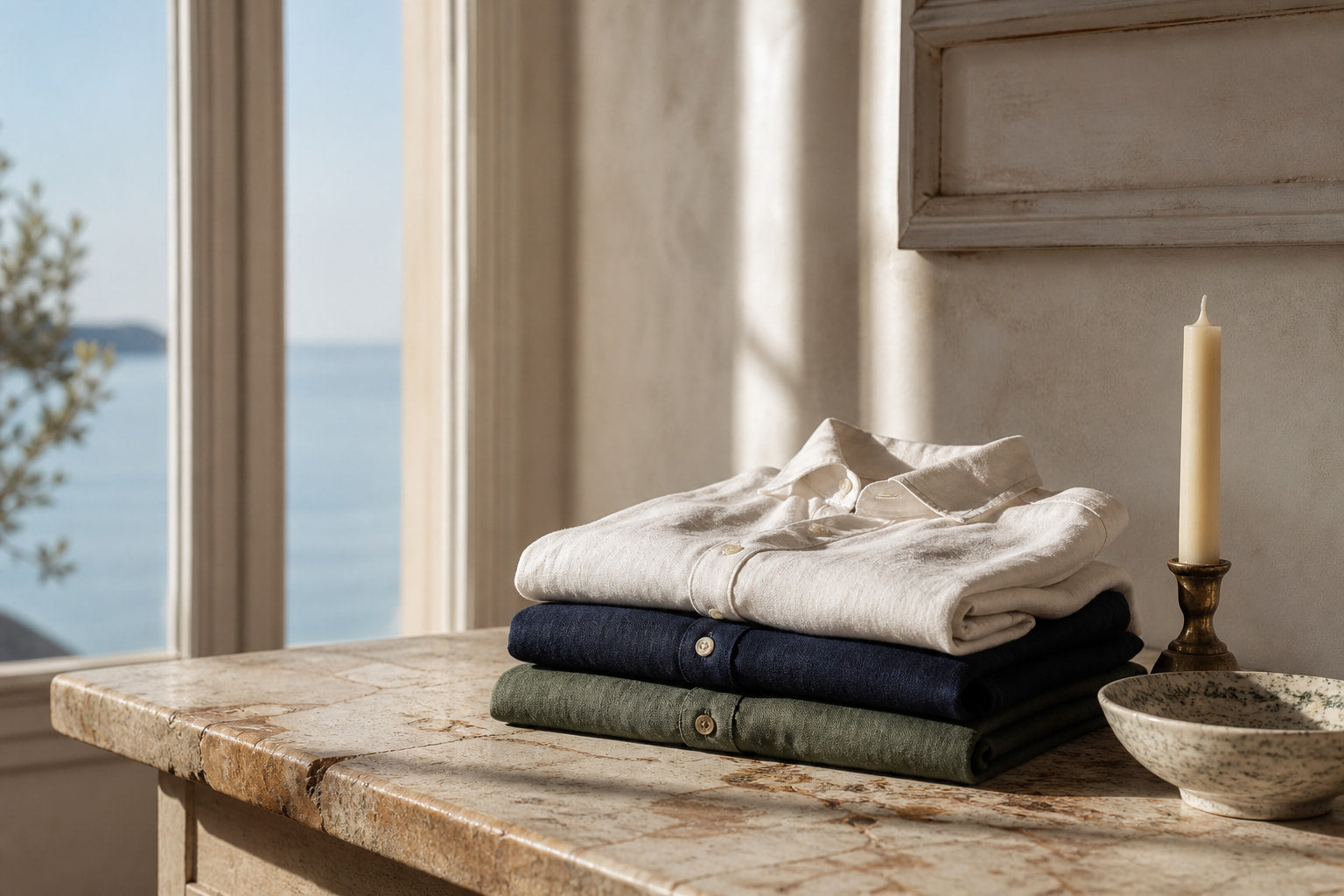
Once you can see the pattern, you can shop to fill real gaps rather than imagined ones. If you realise you have twelve casual tops but no proper linen shirt for warm-weather occasions, that is useful information. Men who do this audit almost always find the same gap: a shortage of versatile, natural-fabric shirts that can move from lunch to a late dinner without looking effortful. A high-quality linen shirt in light blue or navy solves that gap for years, not one season.
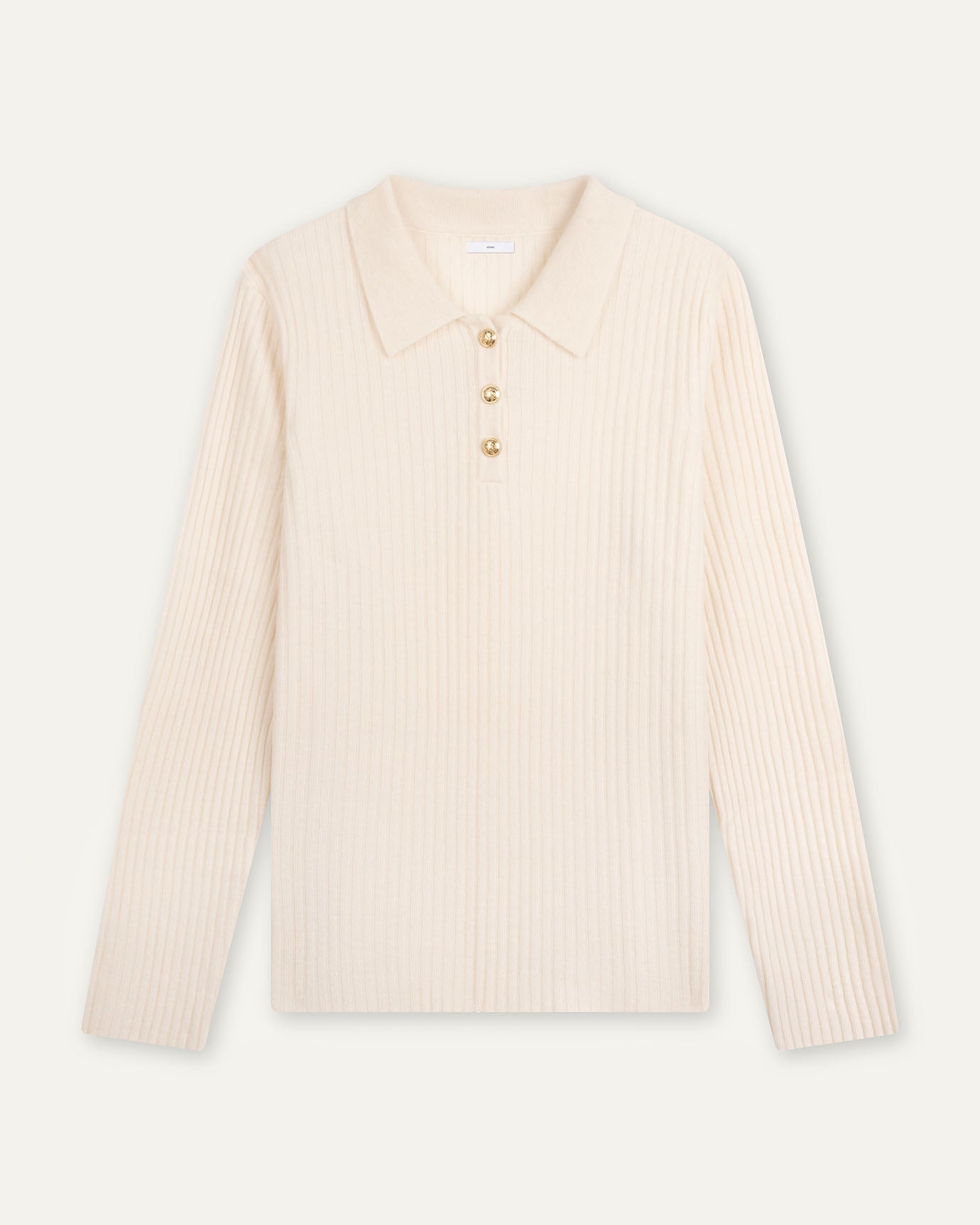
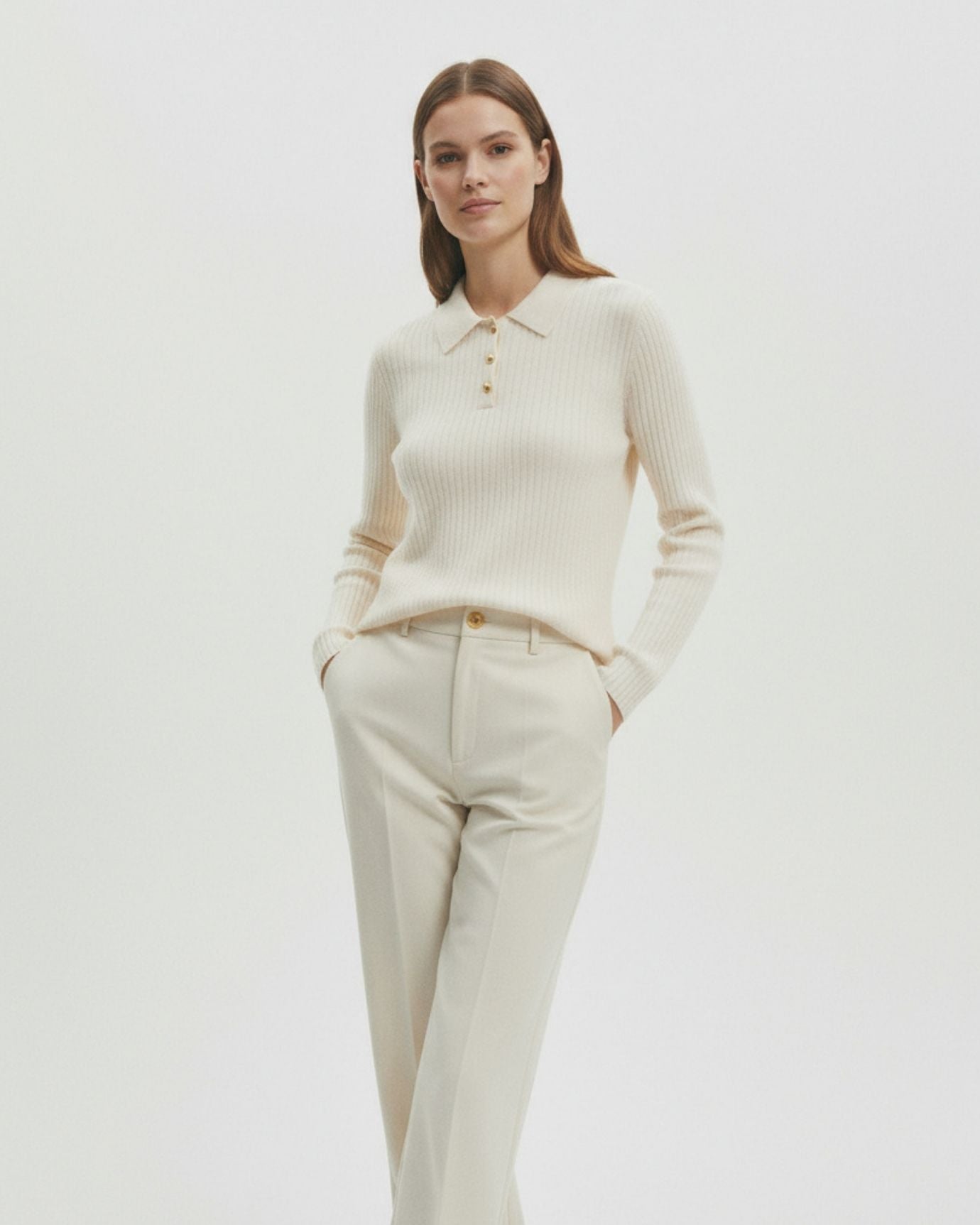
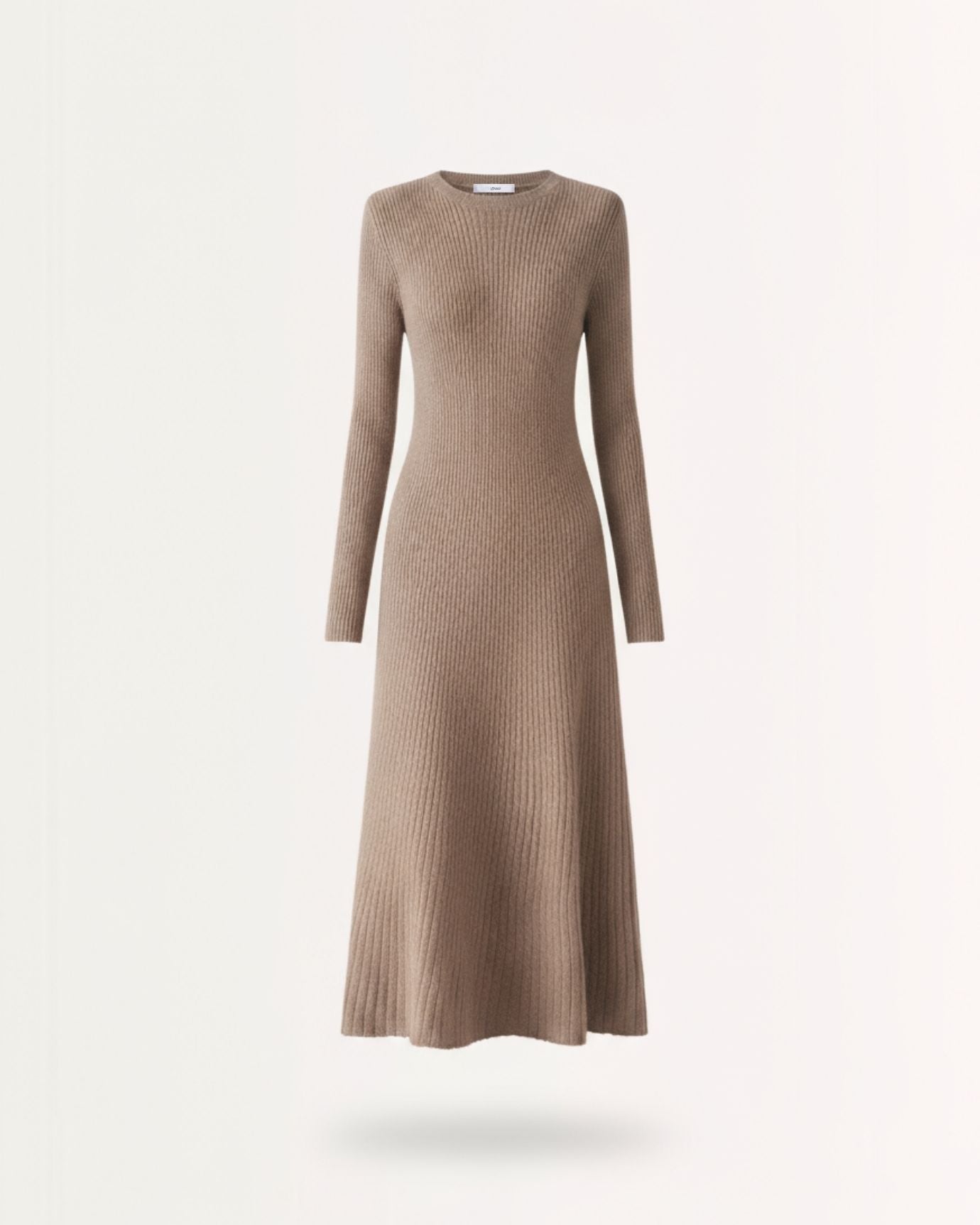
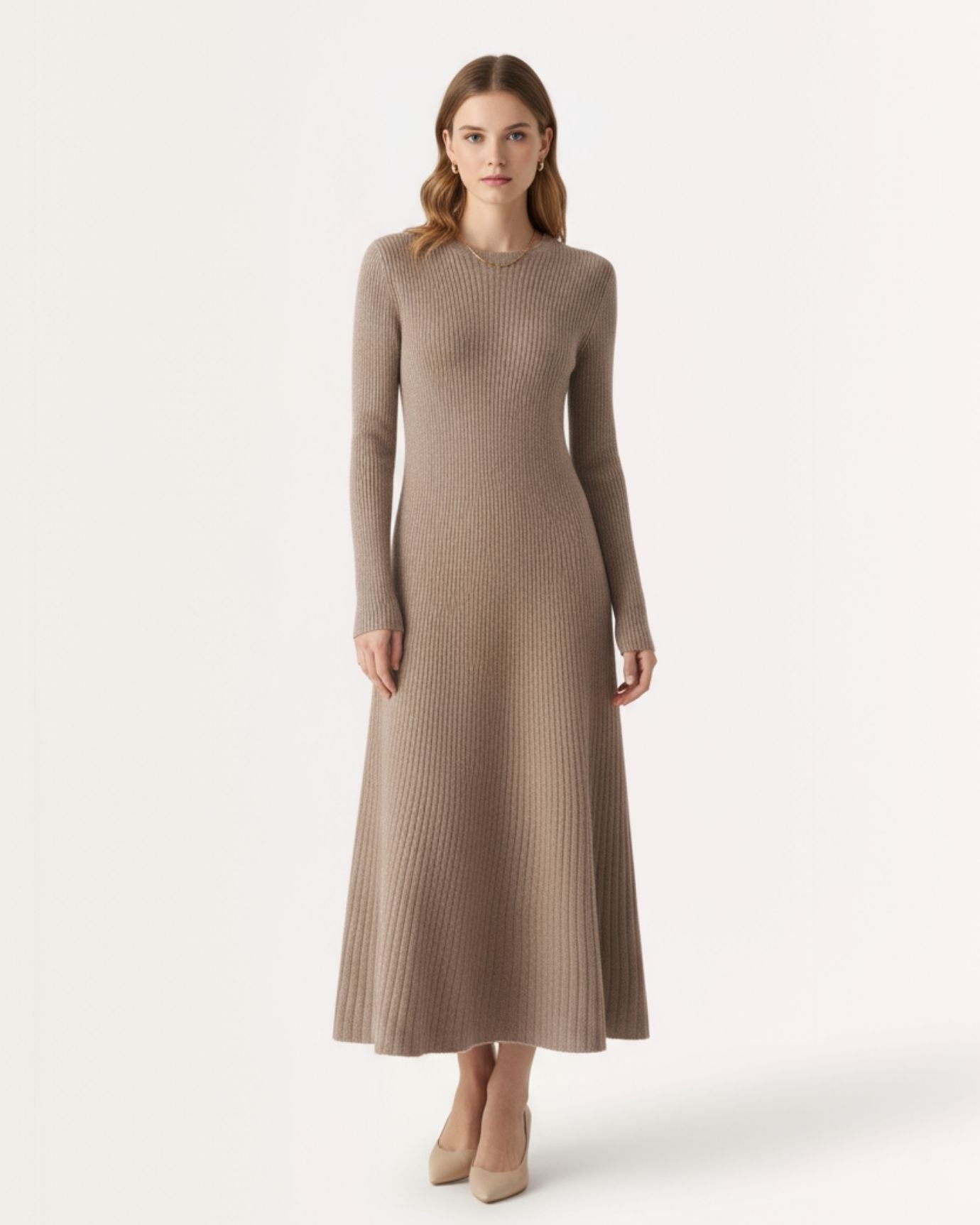
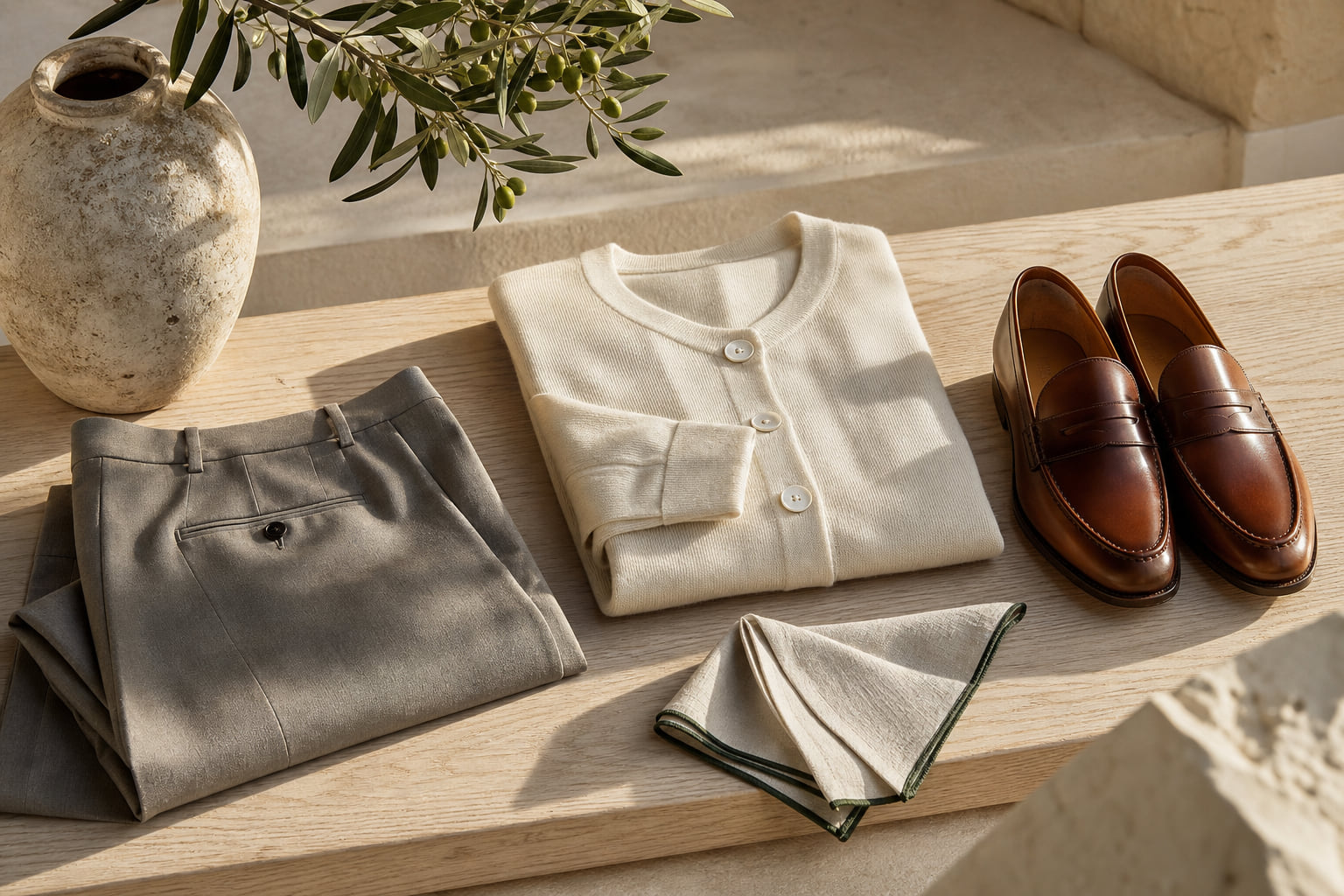
For women, the audit frequently reveals an excess of statement pieces with no neutral anchor garments to support them. A relaxed sweater and long skirt set in a single tonal palette is the kind of piece that resolves that problem, because it reads as a complete look without needing much else around it.
Expert insightHang everything you are unsure about inside-out. After three months, whatever is still inside-out goes. No negotiation.

Set a Decision Framework Before You Shop
The most effective change you can make is to introduce friction into your buying process. Not rules you will abandon, but a short, specific checklist you apply before any non-essential purchase.
The three questions:
1. Where, specifically, will I wear this, and how often does that occasion actually occur in my life? 2. What three things I already own does this pair with? Name them. If you cannot name three, the item is probably an orphan. 3. Do I already own something that does the same job? If yes, is this meaningfully better, or just different?
Add to this a 72-hour rule: if you see something and feel the pull, leave it. Come back in three days. If you have forgotten about it, you did not need it. If you are still thinking about it with the same clarity, the purchase has more merit.
For online shopping, remove saved payment details and disable one-click purchasing. The extra thirty seconds of entering a card number is enough friction to stop a significant number of impulse transactions.
This framework is not about spending less for its own sake. It is about spending better. The quiet luxury wardrobe approach is built on exactly this logic: fewer decisions, higher confidence in each one, and a wardrobe that earns its space.

Build Around Anchor Pieces, Not Statement Pieces
The wardrobe that works is built from the centre outward. Anchor pieces are the neutral, well-cut, natural-fabric garments that everything else attaches to. Statement pieces, by contrast, demand context. They need the right occasion, the right mood, the right other clothes. When the context is absent, they hang unworn.
For men, anchor pieces include a well-fitted linen shirt, a pair of double-pleated linen shorts in a neutral, and a leather shoe that works for both a terrace lunch and a casual evening. The Ibiza linen leather loafers are a good example of this principle in footwear: the material combination reads relaxed but the silhouette is clean enough for a jacket.
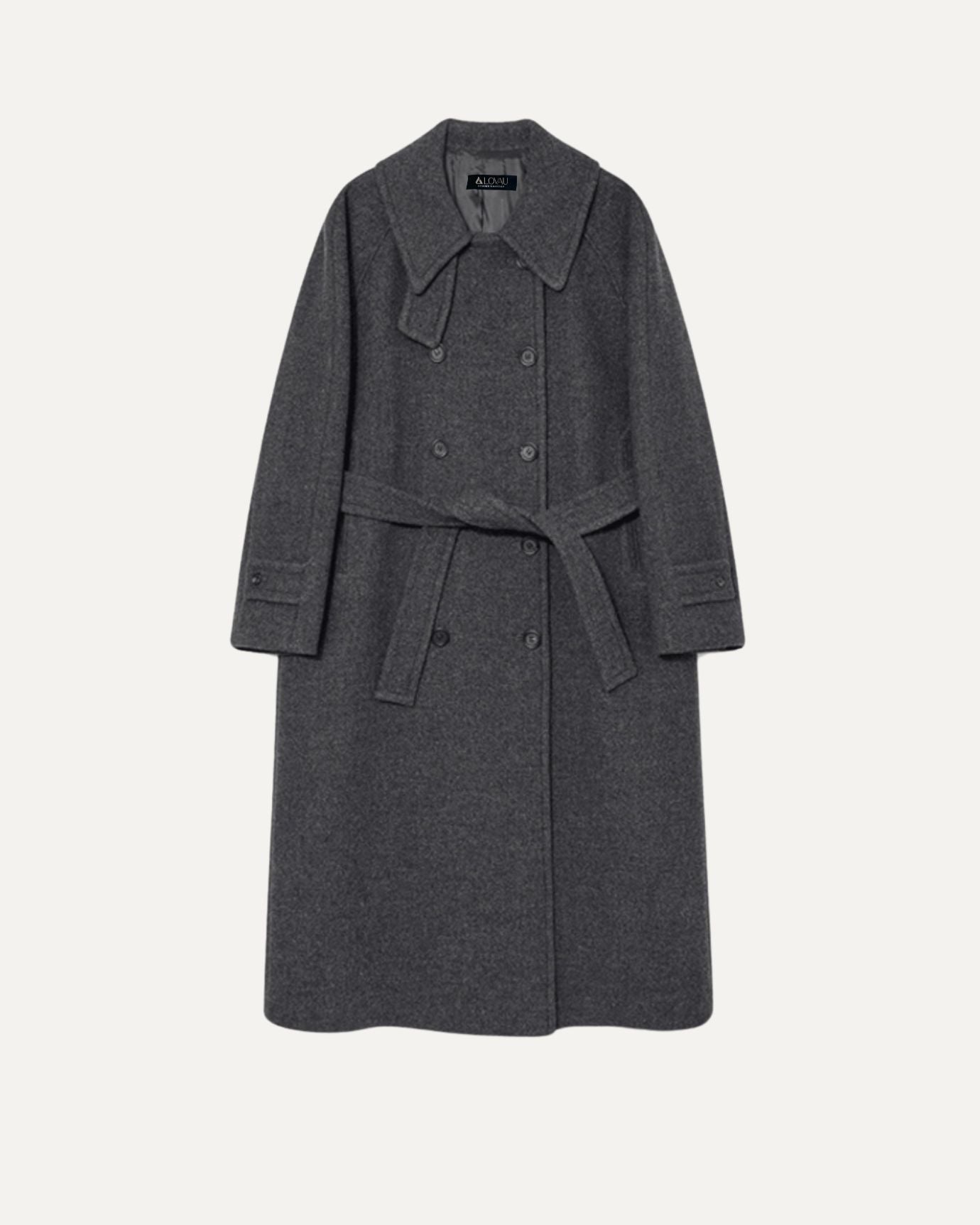
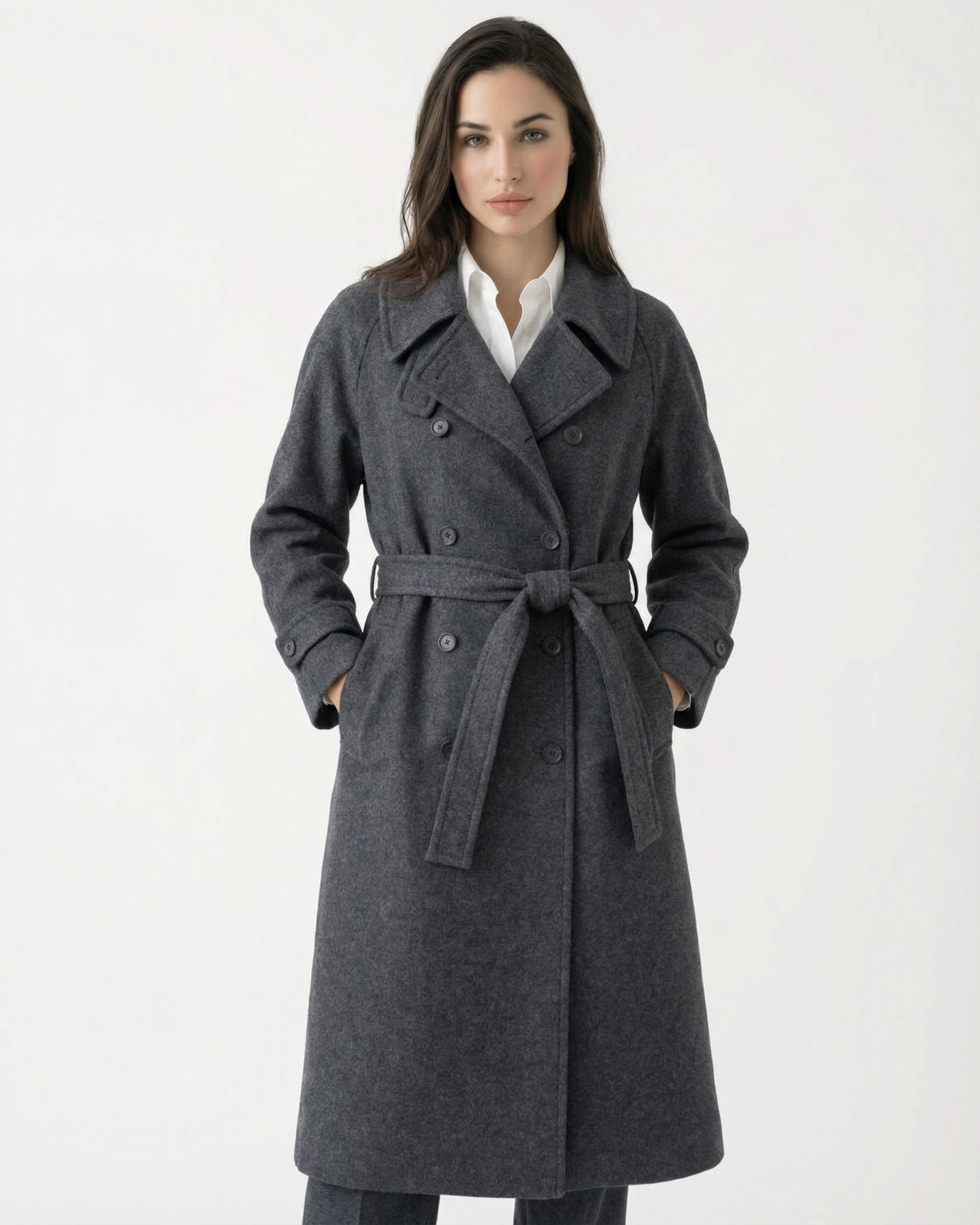
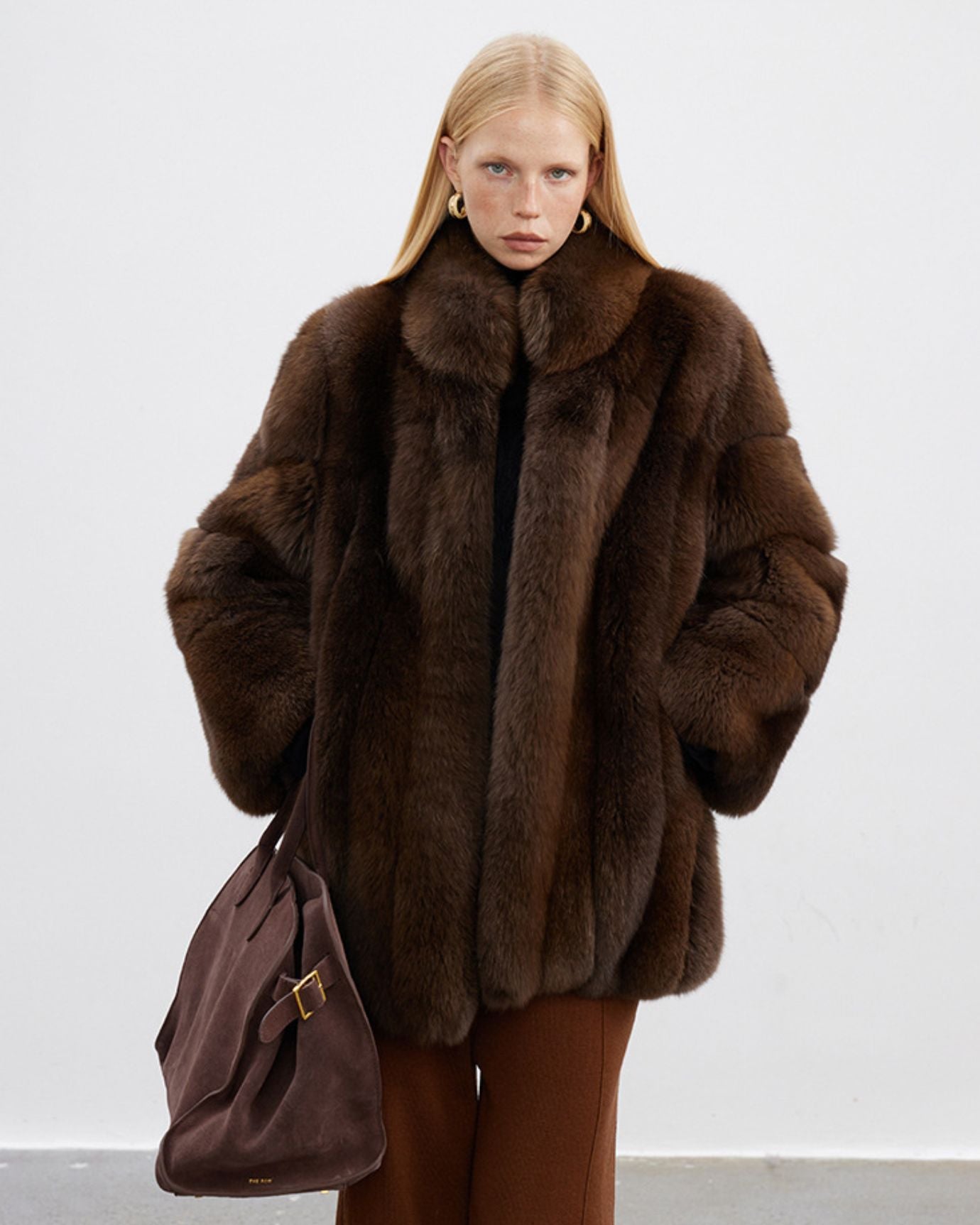
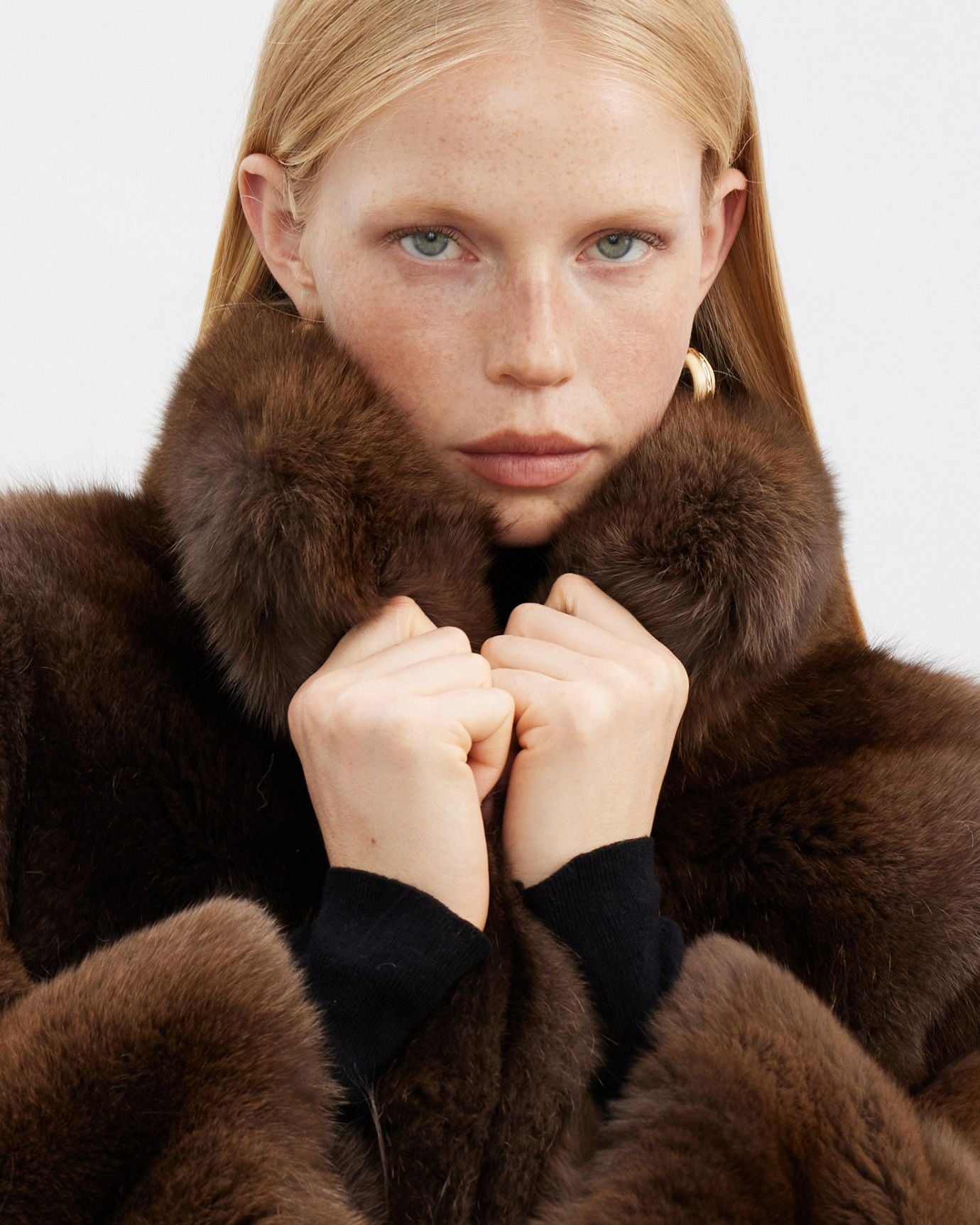
For women, anchor pieces are typically a well-proportioned dress in a neutral or classic print, a structured top that layers, and a coat with enough weight to feel considered. The coffee-toned rabbit fur jacket works as an anchor outerwear piece precisely because its colour, a warm mid-brown, reads against both pale and dark palettes, and its texture gives a plain outfit enough visual weight to stand alone.
The luxury minimalist wardrobe checklist offers a useful reference point for identifying which categories you need to fill first. The principle is consistent across all of them: invest in the anchor, then, only then, consider the statement.
Natural fabrics matter here for a practical reason. Linen, silk, and fine wool age differently than synthetics: they soften and improve with wear rather than pilling and dulling. A piece that looks better after two years of wearing is a piece you will keep wearing.
Expert insightA useful test: if you cannot describe the item's role in three words or fewer, it is probably a statement piece in search of an occasion.

What a Useful Capsule Actually Looks Like in Practice
Abstract advice about capsule wardrobes is easy to find. What is harder to find is a concrete picture of what one actually contains, season by season.
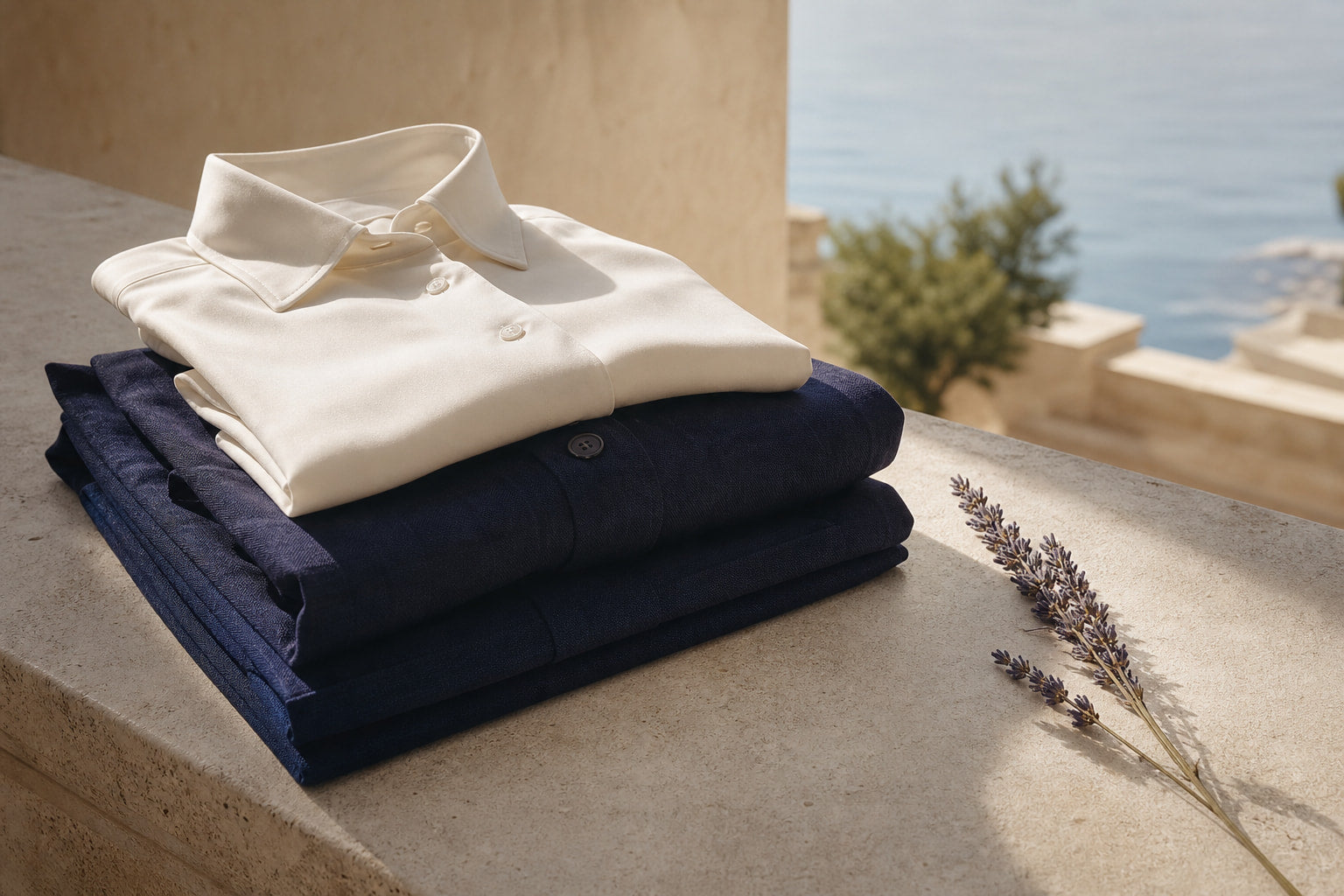
For a Mediterranean-influenced wardrobe built around warm months, the core for men runs to five or six shirts in fine linen, two pairs of well-cut trousers or shorts, one or two lightweight layering pieces, and two pairs of shoes that cover the range from beach to dinner. The high-count fine white linen shirt is the kind of piece that anchors this: a high thread-count linen in white reads formal enough for a restaurant, relaxed enough for a boat, and it launders well.
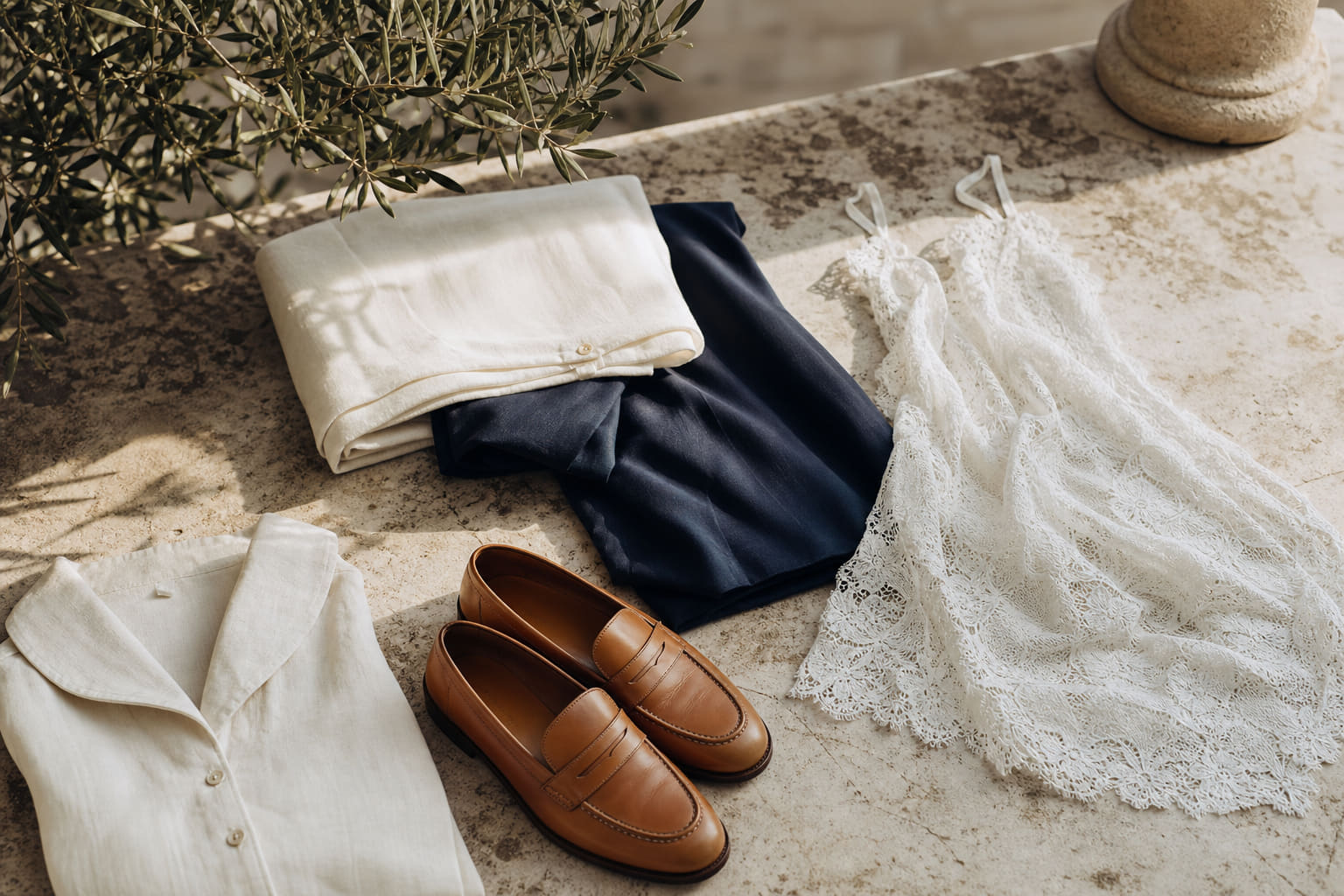
For women, the equivalent capsule centres on two or three dresses that cover different formality levels, a separates set that reads as a unit but can be broken apart, and one outerwear piece. The Jacquard Lace White and Red set is a strong example of a capsule-friendly purchase: the skirt and top work as a set for a more formal occasion, but the top can pair with linen trousers and the skirt with a plain tee, giving you three distinct looks from one purchase.
For travel specifically, the logic tightens further. The capsule wardrobe essentials for travel piece covers this in more detail, but the core principle is the same: every item must work with at least three others in the bag.
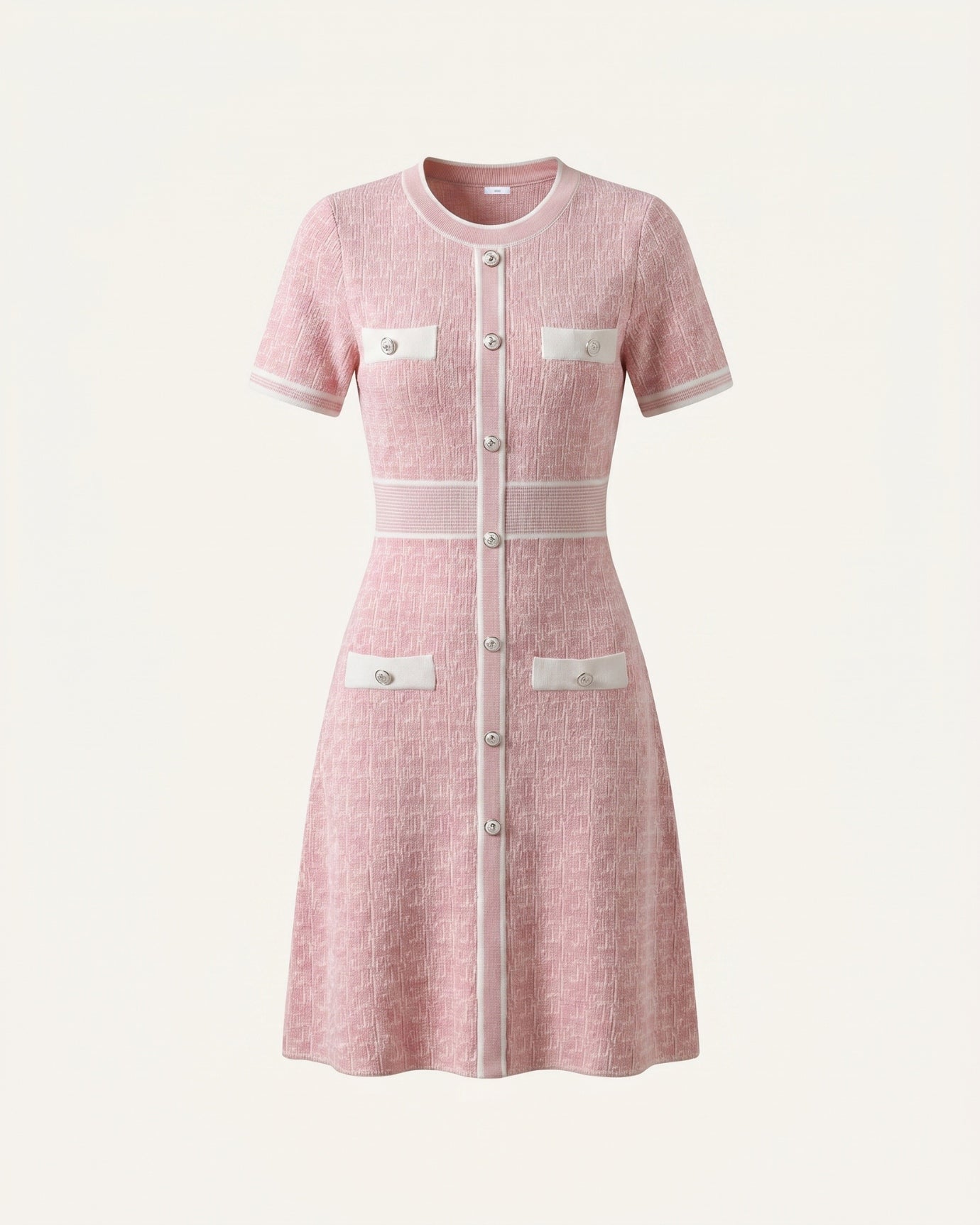
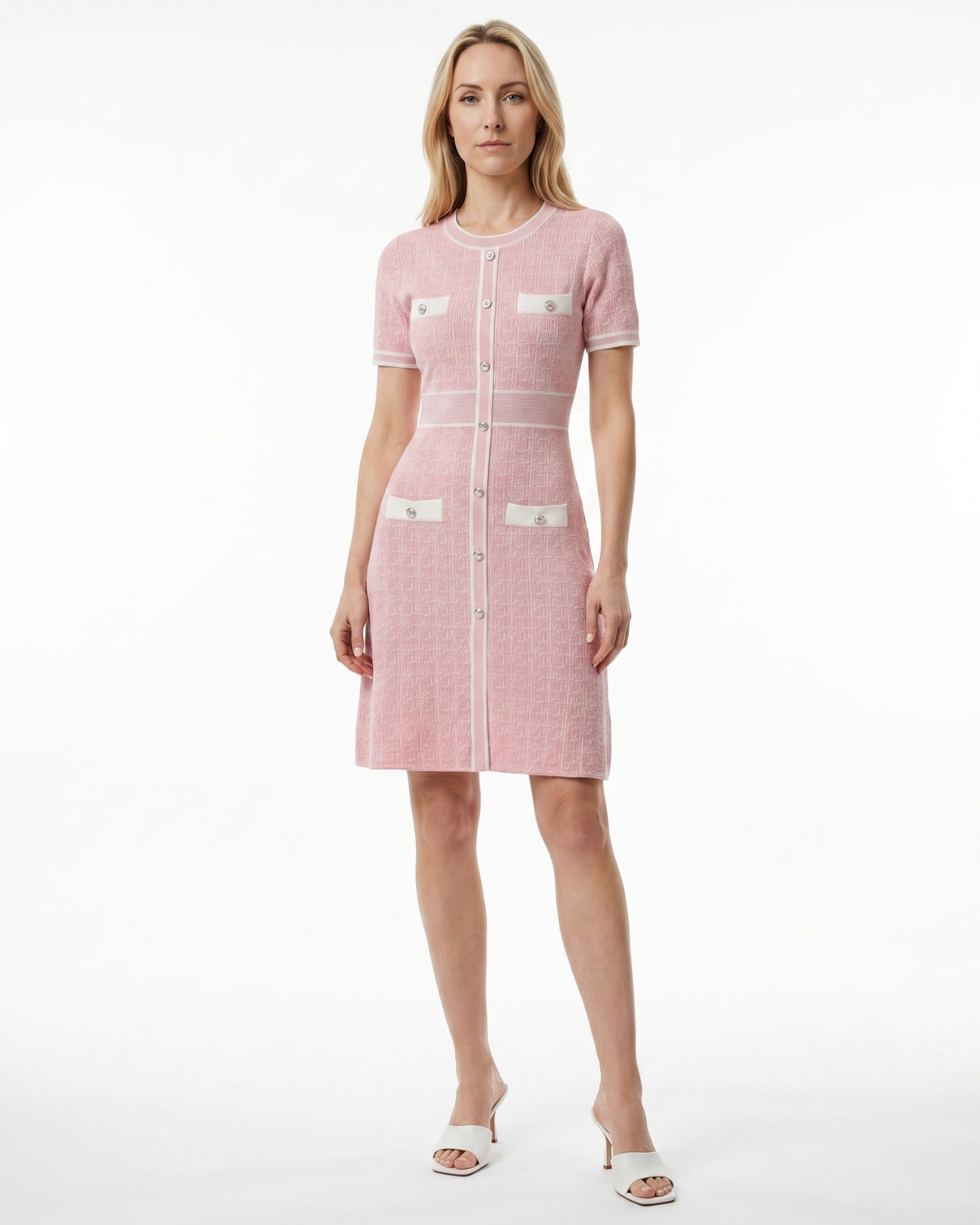
The Dreamy Retro Gentle Floral Dress at $129 is the kind of dress that earns its place in a travel capsule. The print reads as a complete look without accessories, the silhouette is forgiving across different body positions, sitting, standing, walking, and the colour palette works from a coastal lunch to an evening in a piazza.
See also the men's luxury capsule wardrobe checklist for a more structured breakdown of what a well-edited male wardrobe should contain across categories.

The Cost-Per-Wear Calculation That Changes How You Shop
One of the most practical mindset shifts in wardrobe building is moving from price to cost per wear. The calculation is simple: divide what you paid by the number of times you have worn the item. A $30 fast-fashion top worn twice costs $15 per wear. A $129 fine linen shirt worn forty times costs $3.23 per wear.
This reframes the conversation about what is and is not affordable. It also makes the case for quality in fabric and construction in concrete terms. A garment that holds its shape, retains its colour, and does not pill after three washes will be worn more often than one that does not, which means its cost per wear falls faster.
The Business of Fashion has documented how the shift toward fewer, better purchases is one of the clearest markers of a more considered approach to personal style, and it maps closely to what the old money aesthetic has always understood: that the person who buys the same well-made coat every decade spends less in total than the person who replaces a cheap one every two years.
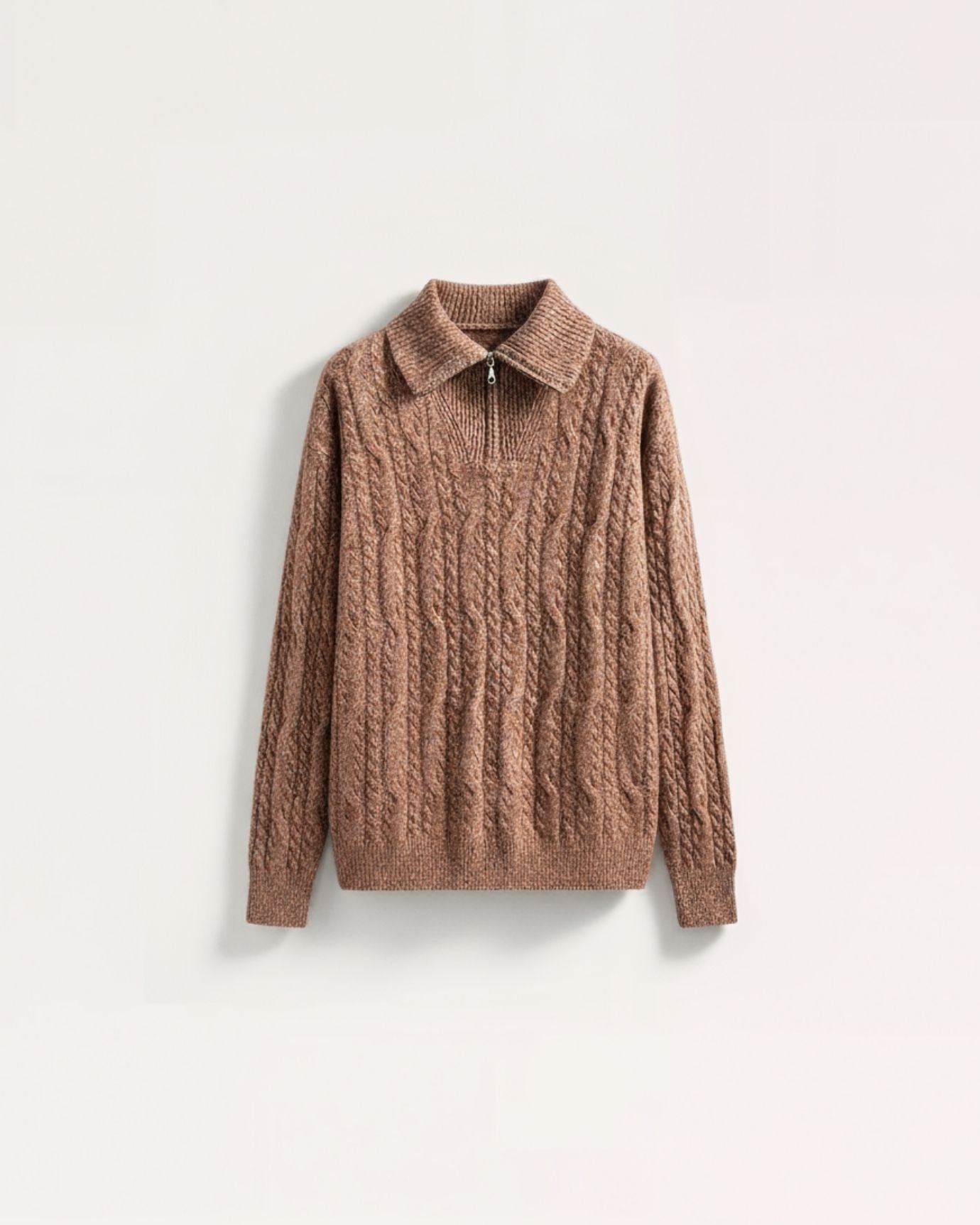
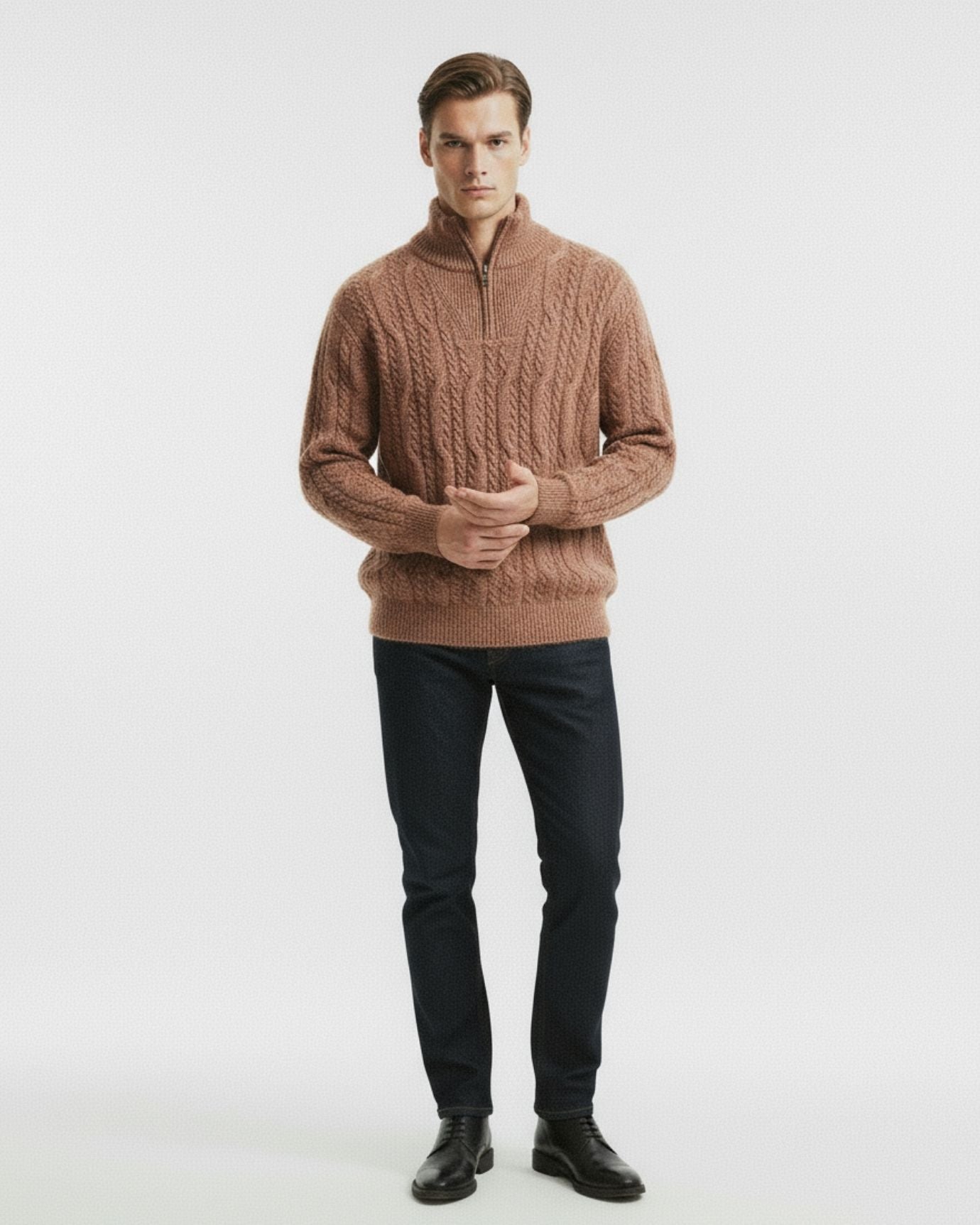
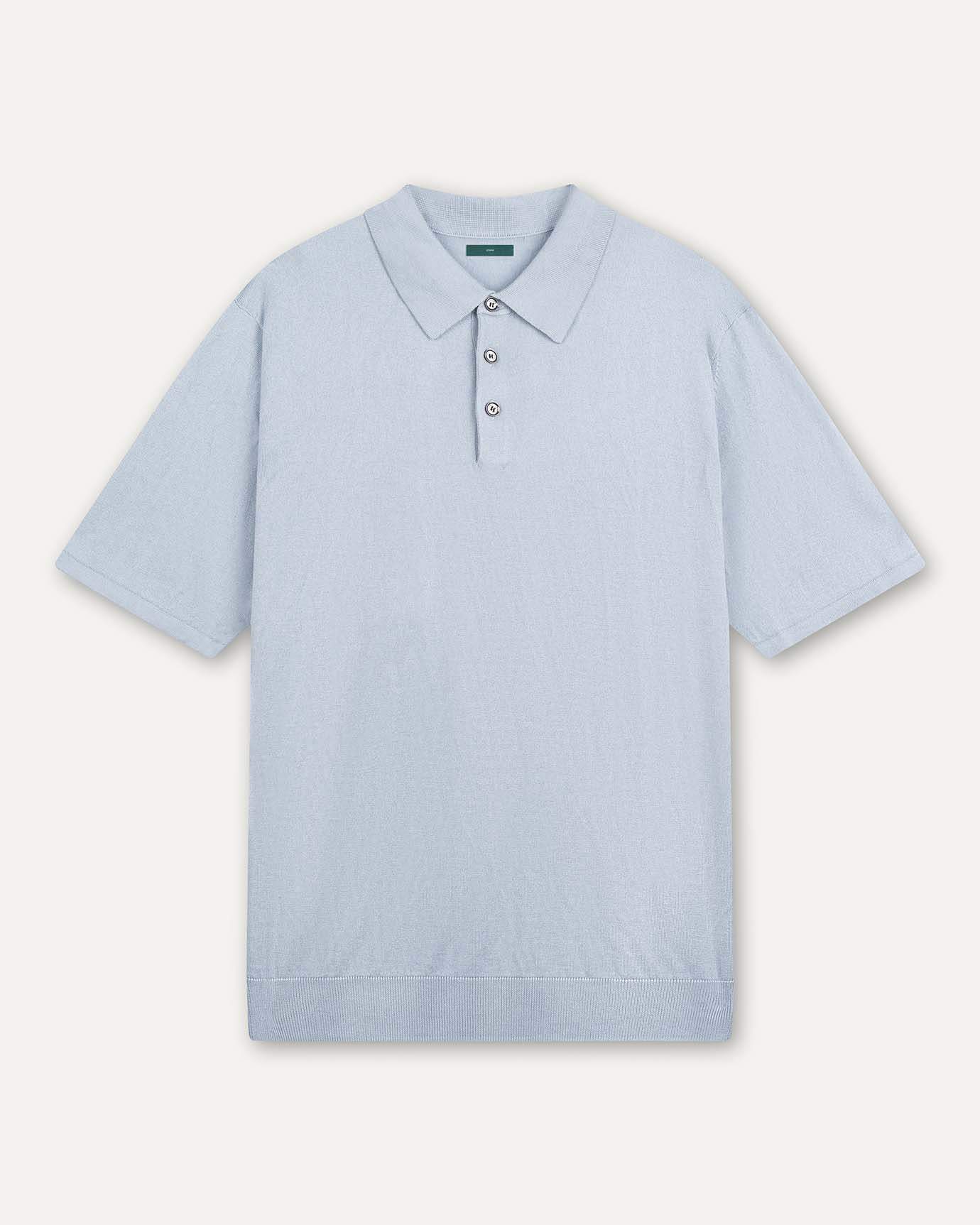
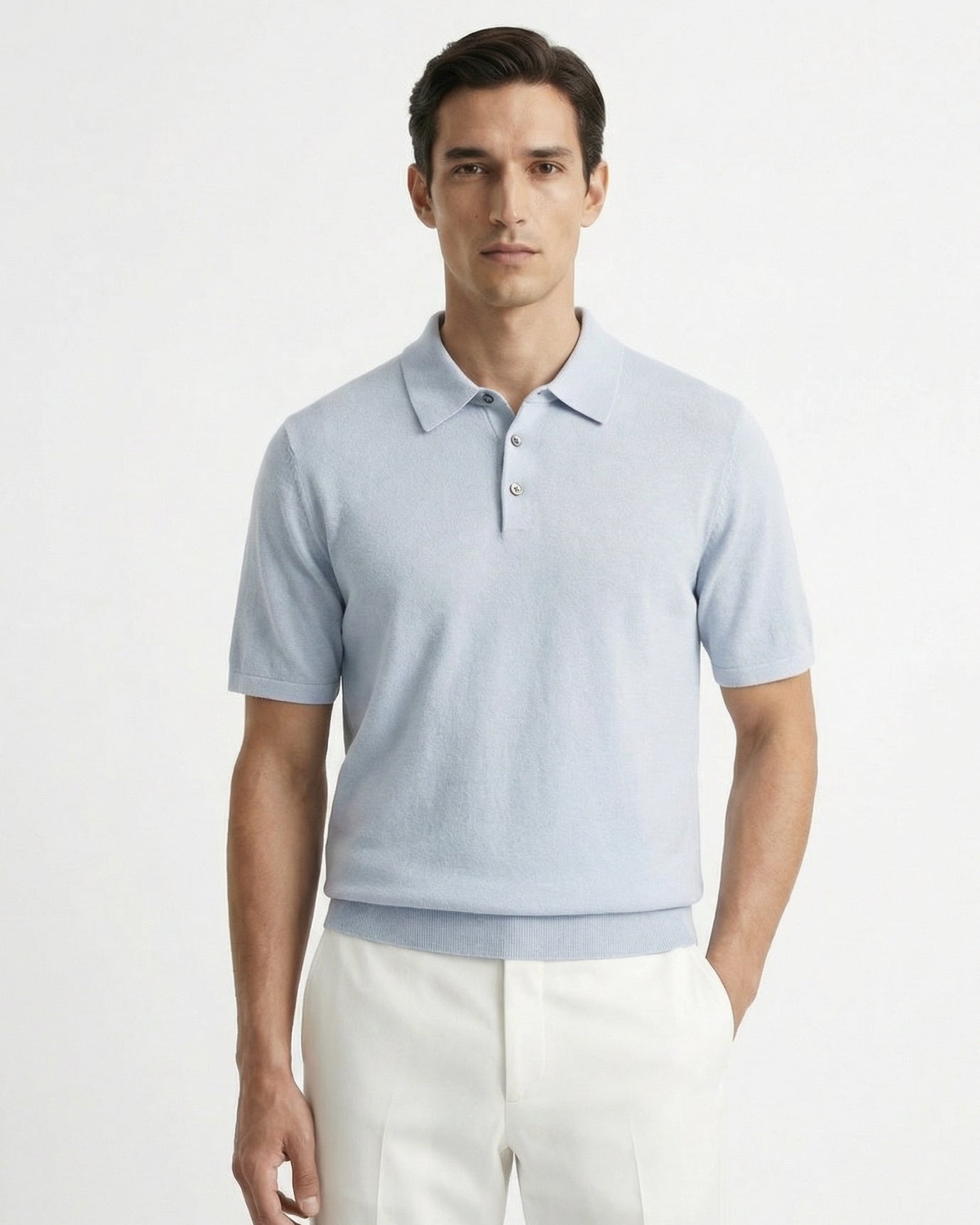
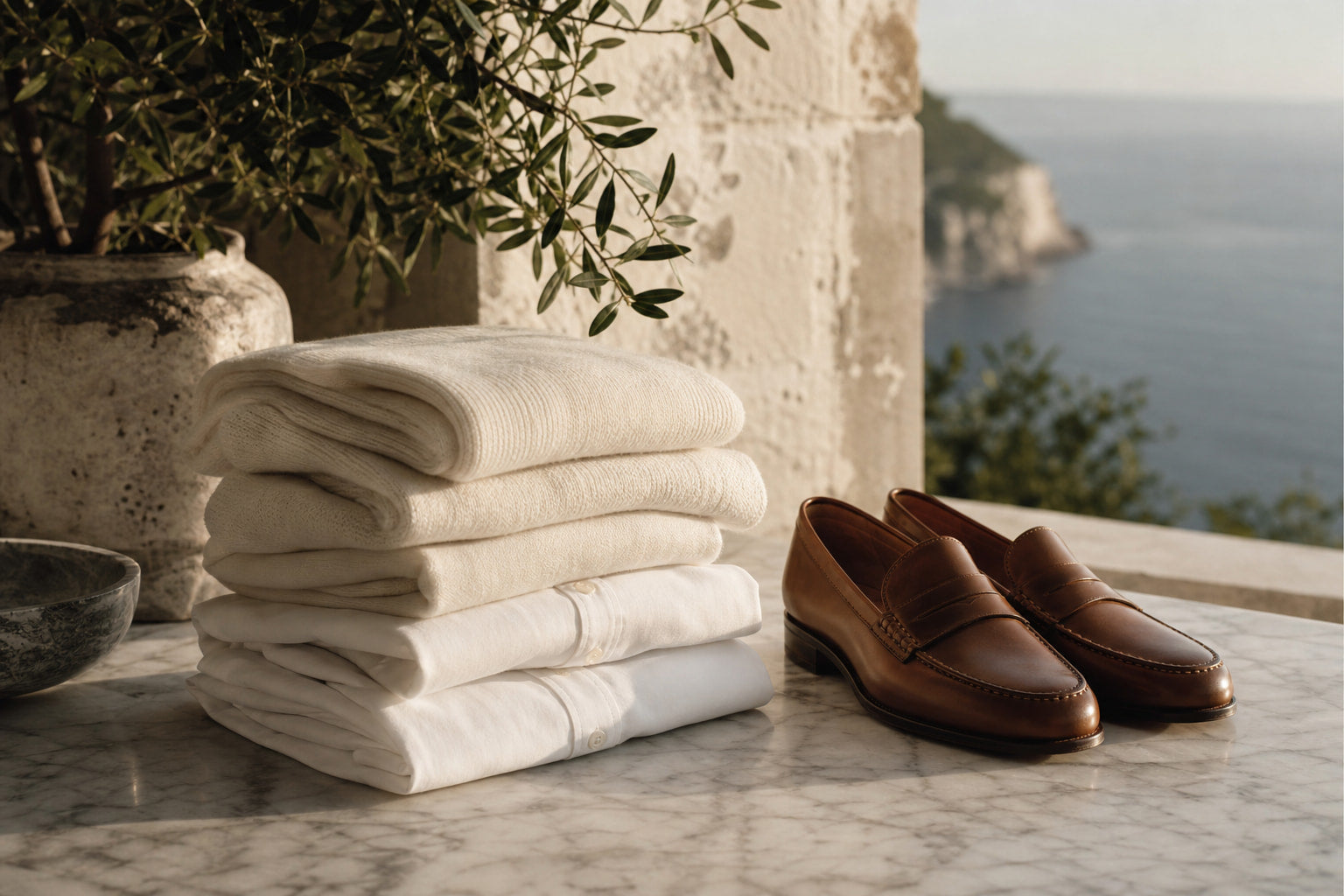
For men considering a significant anchor piece, the high-end mulberry silk and worsted cashmere set at $399 is the kind of purchase the cost-per-wear model justifies clearly. Worn across cooler months for years, the per-wear cost becomes negligible. The fabric, a blend of mulberry silk and worsted cashmere, does not degrade the way blended synthetics do. It is an investment with a calculable return.
For women building the same kind of case, the how to build a wardrobe that never goes out of style guide covers the cost-per-wear model in the context of specific categories.

| Criteria | Typical Impulse Buy | Capsule Anchor Piece |
|---|---|---|
| Purchase trigger | Sale, trend, mood, social media | Identified wardrobe gap |
| Fabric | Polyester, viscose blends | Linen, silk, cashmere, fine wool |
| Occasions covered | 1, sometimes 0 | 3 or more |
| Cost per wear (estimate) | $10 to $30+ | $2 to $6 |
| Lifespan | 1 to 2 seasons | 3 to 10+ years |
| Pairings in existing wardrobe | Often none | At least 3 identified before purchase |
Frequently asked questions
How many items should a capsule wardrobe actually contain?
There is no single correct number, but a functional capsule for one season typically runs between 20 and 35 pieces including shoes and outerwear. The number matters less than the coherence: every item should pair with at least three others. The timeless capsule wardrobe checklist breaks this down by category if you want a structured starting point.
Is it worth spending more on fewer clothes, or is that just rationalising luxury spending?
It depends entirely on the quality differential. Spending more on a garment made from better fabric with better construction, and wearing it significantly more often, is mathematically sound. Spending more on a brand name attached to the same construction quality as a cheaper alternative is not. Focus on fabric composition, seam finishing, and cut rather than label.
What should I do with the clothes I already own but never wear?
Sell, donate, or pass on anything that has not been worn in twelve months and that you cannot identify a specific upcoming occasion for. Keep only what you can pair with at least two other items you already own. The goal is not to have a small wardrobe for its own sake, but to have a wardrobe where nothing is dead weight.
How do I avoid impulse buying online, where it is so easy to checkout instantly?
Remove saved payment details and disable autofill for card numbers. Use the wishlist function instead of the cart: add items there and return after 72 hours. Many retailers also allow you to set price alerts, which adds a waiting period naturally. The mechanical friction is the point. It gives your considered judgement time to catch up with the initial impulse.
Stopping the cycle of buying clothes you never wear does not require a dramatic overhaul. It requires a short pause before each purchase and a clearer picture of what your wardrobe actually needs versus what a retail environment is suggesting you want. Build from anchor pieces outward, apply the three-question test before you buy, and think in cost-per-wear rather than sticker price. The result, over a year or two, is a wardrobe that is smaller, more confident, and considerably more useful. If you want to see what that looks like in practice, the guide to building a wardrobe that never goes out of style is a good next step.