


How to Get Rid of Sweater Pilling on Cashmere Blends
Reading time 13 min • 2516 words
There is a particular frustration in reaching for a cashmere sweater you love and noticing small, fuzzy balls forming across the sleeves or underarms. Pilling is one of the most common complaints about knitwear, and it is also one of the most misunderstood. It does not mean your sweater is cheap or badly made. It means the fibers are alive, responding to the friction of daily wear the way any natural fiber does.
Cashmere blends, which typically combine cashmere with wool, silk, or a small percentage of nylon for structure, pill for specific, predictable reasons. Once you understand those reasons, removing the pills and preventing their return becomes straightforward. This guide covers both, with practical steps you can take at home today.
The good news is that a well-treated cashmere blend improves with age. The surface settles, the hand softens, and the silhouette holds its shape season after season. Knowing how to care for it properly is what separates a sweater that lasts three years from one that lasts thirty.
Key takeaways
- Pilling on cashmere blends is caused by friction loosening short fibers, not by defective yarn.
- A fabric comb or battery-powered fabric shaver removes pills without damaging the weave.
- Hand washing in cool water with a pH-neutral detergent significantly reduces future pilling.
- Storing cashmere folded, never hung, preserves the fiber structure and minimizes surface wear.
- Higher ply and tighter gauge constructions pill less over time than loosely knitted blends.
In this guide
Why Cashmere Blends Pill in the First Place
Pilling happens when short, loose fibers work their way to the surface of a knit and tangle together under friction. Cashmere fiber, which comes from the undercoat of the Capra hircus goat, is exceptionally fine, typically between 14 and 19 microns in diameter. That fineness is exactly what makes it soft against skin, and it is also what makes it susceptible to surface movement under repeated rubbing.
In a cashmere blend sweater, the blended fibers behave differently from one another. A wool-cashmere blend, for example, may pill slightly more in the early weeks of wear as the shorter cashmere fibers migrate to the surface before stabilizing. A silk-cashmere blend tends to pill less because silk is a long, smooth filament that holds other fibers in place.
The areas that pill fastest are always the high-friction zones: the underarms, along the sides of the torso where a bag strap sits, the inner forearms, and anywhere the sweater rubs against a coat lining. This is not a manufacturing flaw. It is physics.
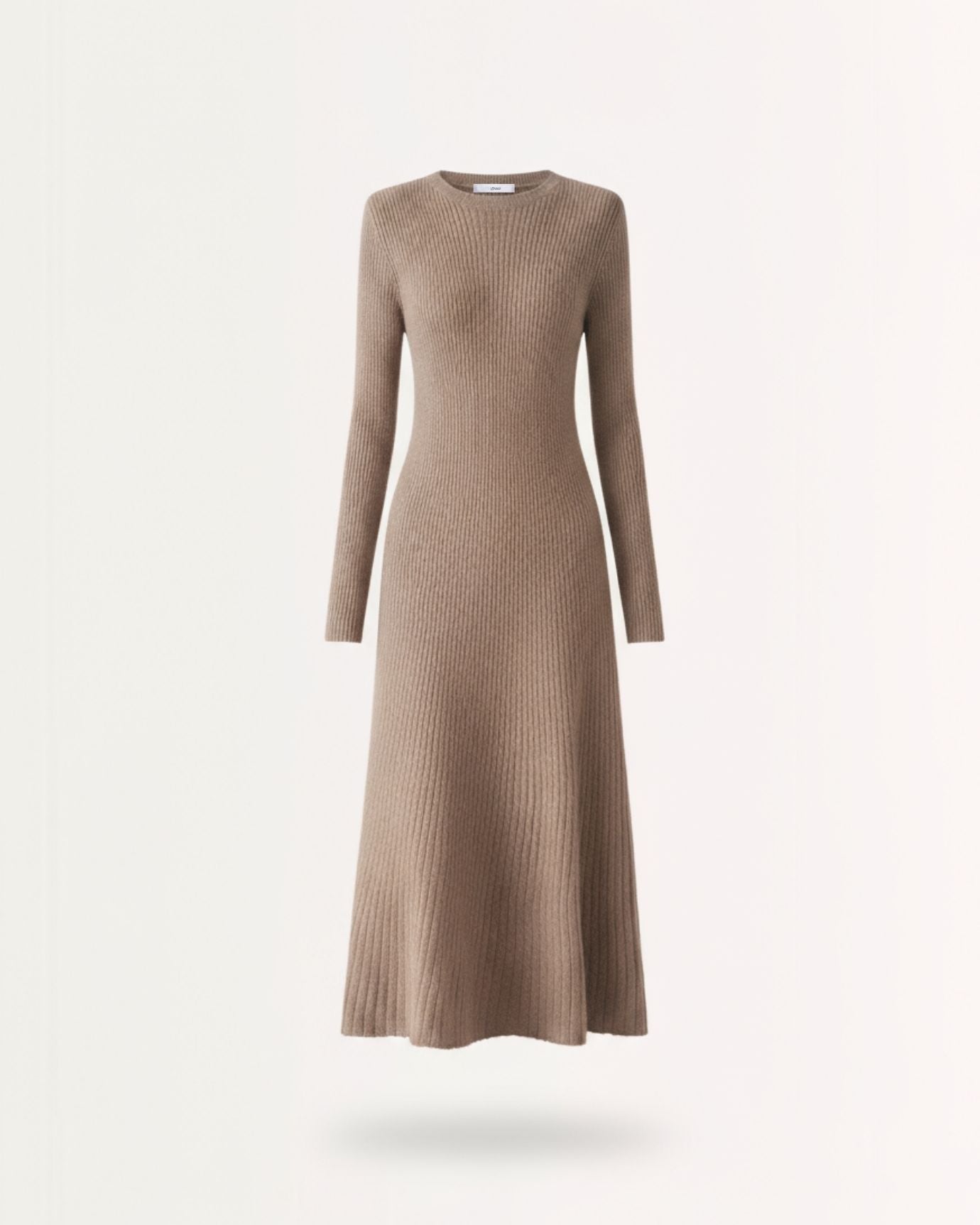
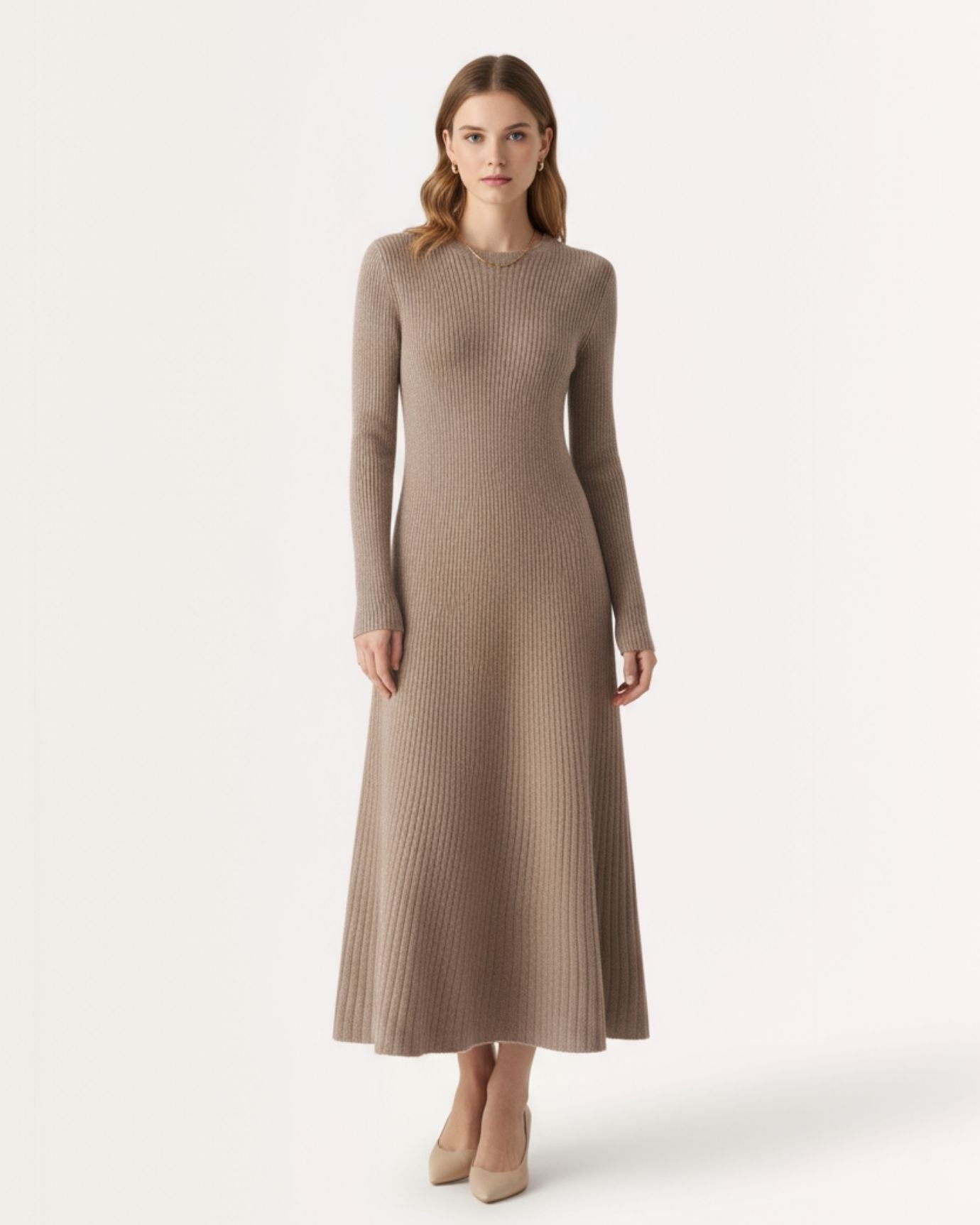
Ply and gauge also matter. A two-ply yarn is more tightly twisted than a single-ply, which means fewer loose fiber ends are exposed at the surface. A fine-gauge knit, with more stitches per inch, holds the yarn more securely than a chunky, open-knit construction. When you are choosing a new piece from the cashmere collection, these details are worth examining if pilling is a concern.
Expert insightThe first three wears produce the most pilling on any new cashmere blend. After that initial shedding period, the surface stabilizes and pills form far less frequently, provided the sweater is washed and stored correctly.

The Right Tools to Remove Pills Safely
Removing pills from cashmere requires a light touch and the correct tool. There are two reliable options, and each suits a slightly different situation.
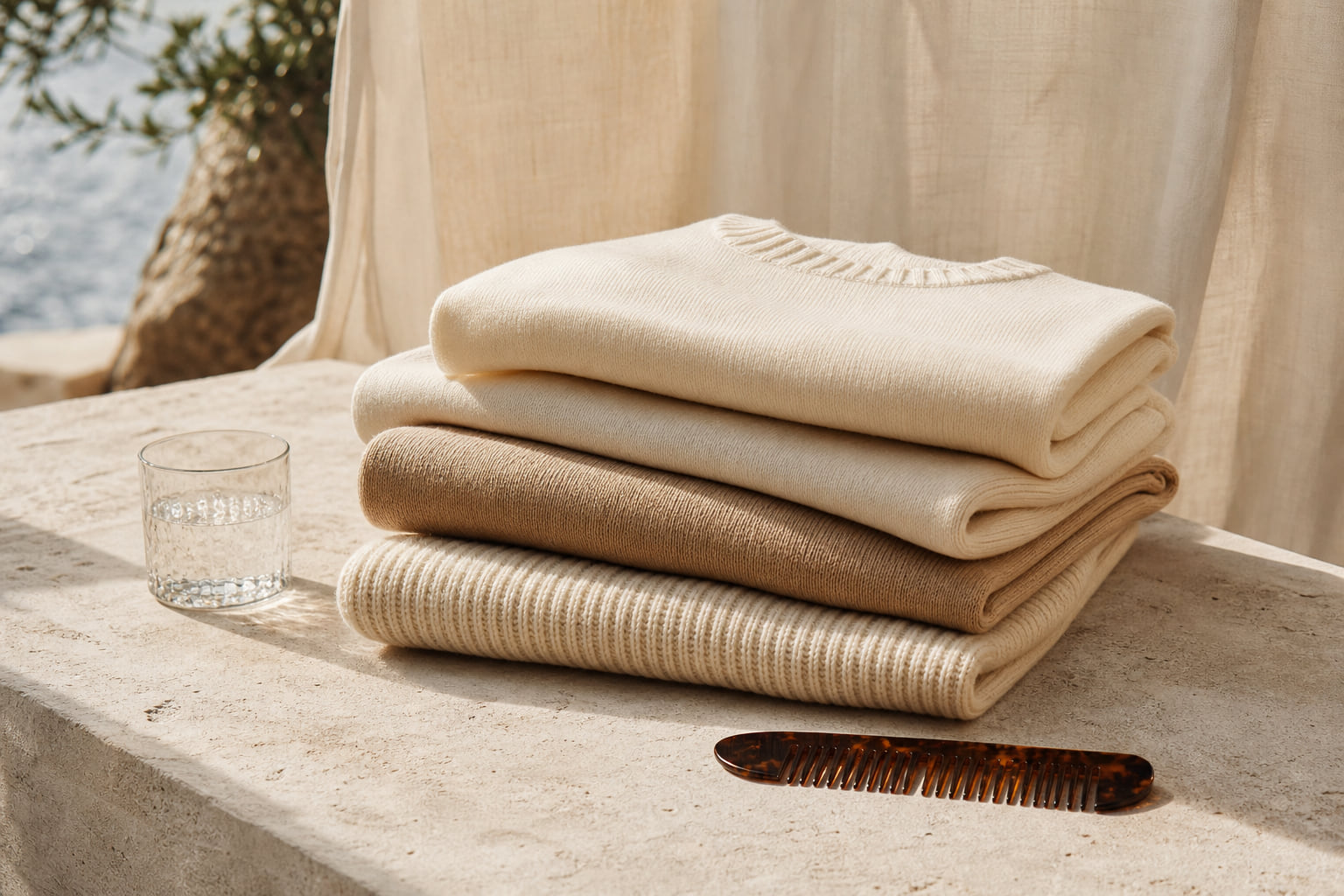
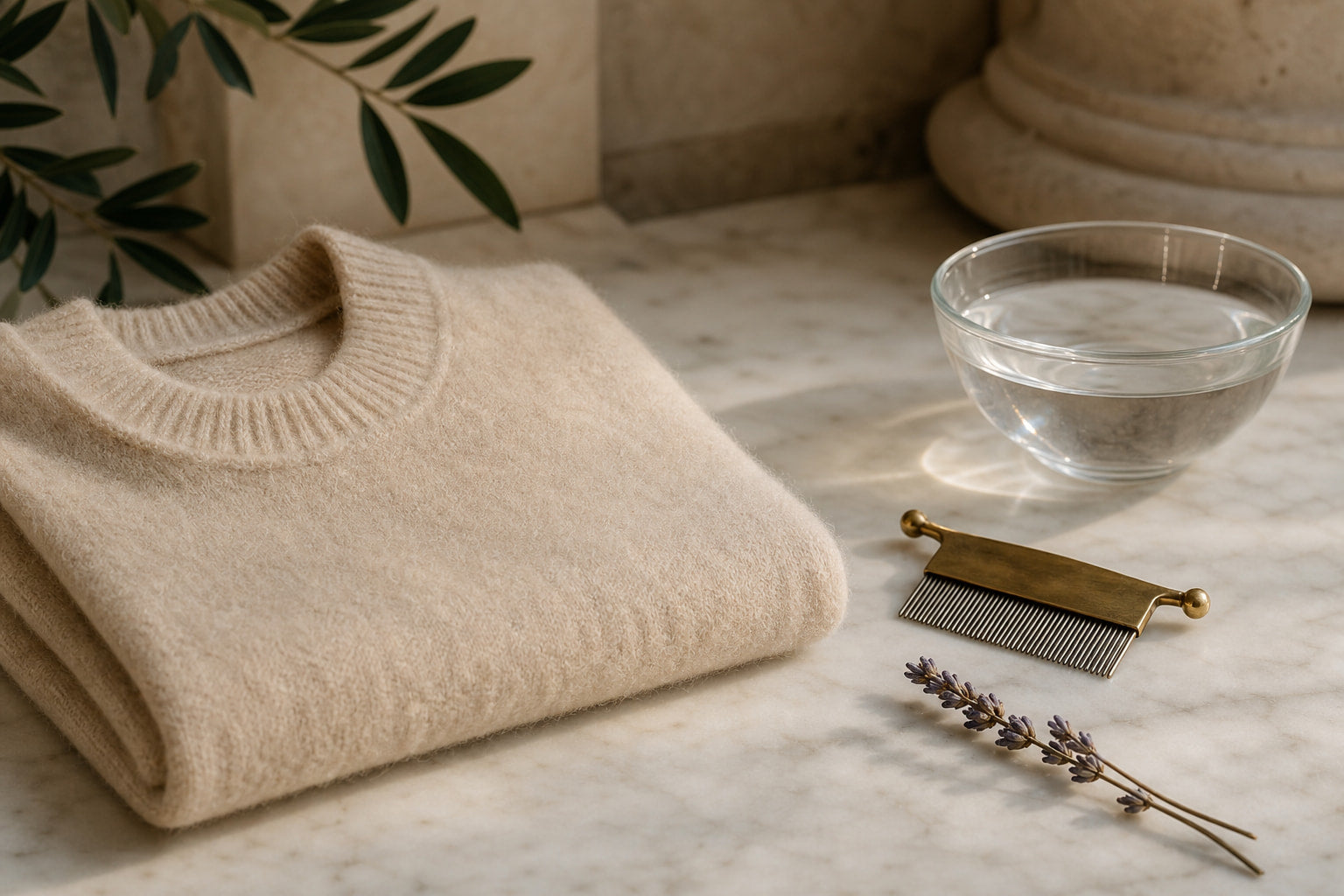
A fabric comb is the gentler choice. It has fine metal teeth set in a wide-spaced row, and you draw it lightly across the surface of the fabric in one direction, lifting pills away from the weave without cutting into the yarn itself. A fabric comb is ideal for delicate fine-gauge pieces, including a fine cashmere cardigan or any sweater with a particularly soft, open hand.
A fabric shaver, sometimes called a lint shaver or electric pill remover, uses a small rotating blade behind a protective guard to shear pills at the surface. It is faster than a comb and effective on heavier accumulations. Choose one with an adjustable guard height so you can set it to the shallowest setting for cashmere. Never press firmly. Let the tool do the work with minimal downward pressure.
What to avoid: - Razors or scissors, which cut unevenly and risk snagging the weave - Tape rollers, which pull at the knit rather than lifting pills - Rough sponges or abrasive pads, which create new friction damage while removing old pills
Before using either tool, lay the sweater flat on a clean, hard surface, a table or a cutting board works well. Smooth the fabric with your hand so there are no folds or bunches. Work in small sections, moving the comb or shaver in the direction of the knit's grain. After you finish, use a soft lint brush or a clean, dry hand to sweep away any loose fiber debris.
For a cashmere pullover sweater worn regularly through autumn and winter, a light combing every four to six weeks of active wear keeps the surface looking fresh without over-treating the fabric.
Expert insightAlways de-pill before washing, not after. Washing a heavily pilled sweater can cause the loose fiber balls to felt slightly against the fabric, making them harder to remove cleanly.

How Washing Technique Affects Pilling
Incorrect washing is one of the primary causes of accelerated pilling. Heat, agitation, and the wrong detergent all loosen fiber bonds and bring short fibers to the surface faster than normal wear alone would.
The correct method for a cashmere blend is hand washing in cool water, ideally below 30 degrees Celsius, with a pH-neutral detergent formulated for delicate fibers. Fill a clean basin, add a small amount of detergent, submerge the sweater, and gently press the water through the fabric. Do not wring, twist, or scrub. Rinse by pressing clean water through the garment until the water runs clear.
Our full guide on washing delicate knitwear without shrinking it covers the exact steps in detail, including how to handle different fiber blends. It is worth reading alongside this guide if you are establishing a care routine.
If you prefer machine washing, use the wool or delicate cycle only, place the sweater inside a mesh laundry bag to reduce friction against the drum, and use cold water. Even then, hand washing is always the lower-risk option for fine cashmere.
Drying matters as much as washing. Never hang a wet cashmere sweater. The weight of the water stretches the knit out of shape and creates stress on the fiber where it meets the hanger. Instead, roll the sweater gently in a clean dry towel to absorb excess moisture, then lay it flat on a drying rack or a clean surface, reshaping it to its original dimensions by hand. Keep it away from direct sunlight and heat sources, both of which degrade cashmere fiber over time.
A cashmere sweater jacket or any structured knit with additional detailing should be dried especially carefully, as the weight of decorative elements can pull the fabric while wet.

Storage Habits That Prevent Future Pilling
How you store cashmere between wears and between seasons has a direct effect on how much it pills. The single most important rule: fold, never hang. A hung cashmere sweater stretches at the shoulders and creates ongoing tension in the knit, which loosens fibers and accelerates surface wear. Folded flat in a drawer or on a shelf, the fabric rests evenly and the fiber structure stays intact.
Before storing for the season, always wash the sweater first. Oils from skin, perfume residue, and food particles are not visible to the eye but they attract moths and cause fiber degradation during long storage. A clean sweater stored in a breathable cotton bag or wrapped loosely in acid-free tissue paper will come out in autumn in the same condition it went in during spring.
For moth prevention, cedar blocks or sachets of dried lavender placed near the storage area are effective and do not damage fiber the way mothballs do. Replace cedar blocks annually, as the scent fades and they lose effectiveness.
Rotation also matters. Wearing the same sweater every day without rest compresses the fiber and prevents it from recovering its loft. Giving each piece two or three days of rest between wears extends the life of the knit considerably. If you are building a cashmere collection with longevity in mind, having three or four key pieces in rotation is more practical than relying on one.
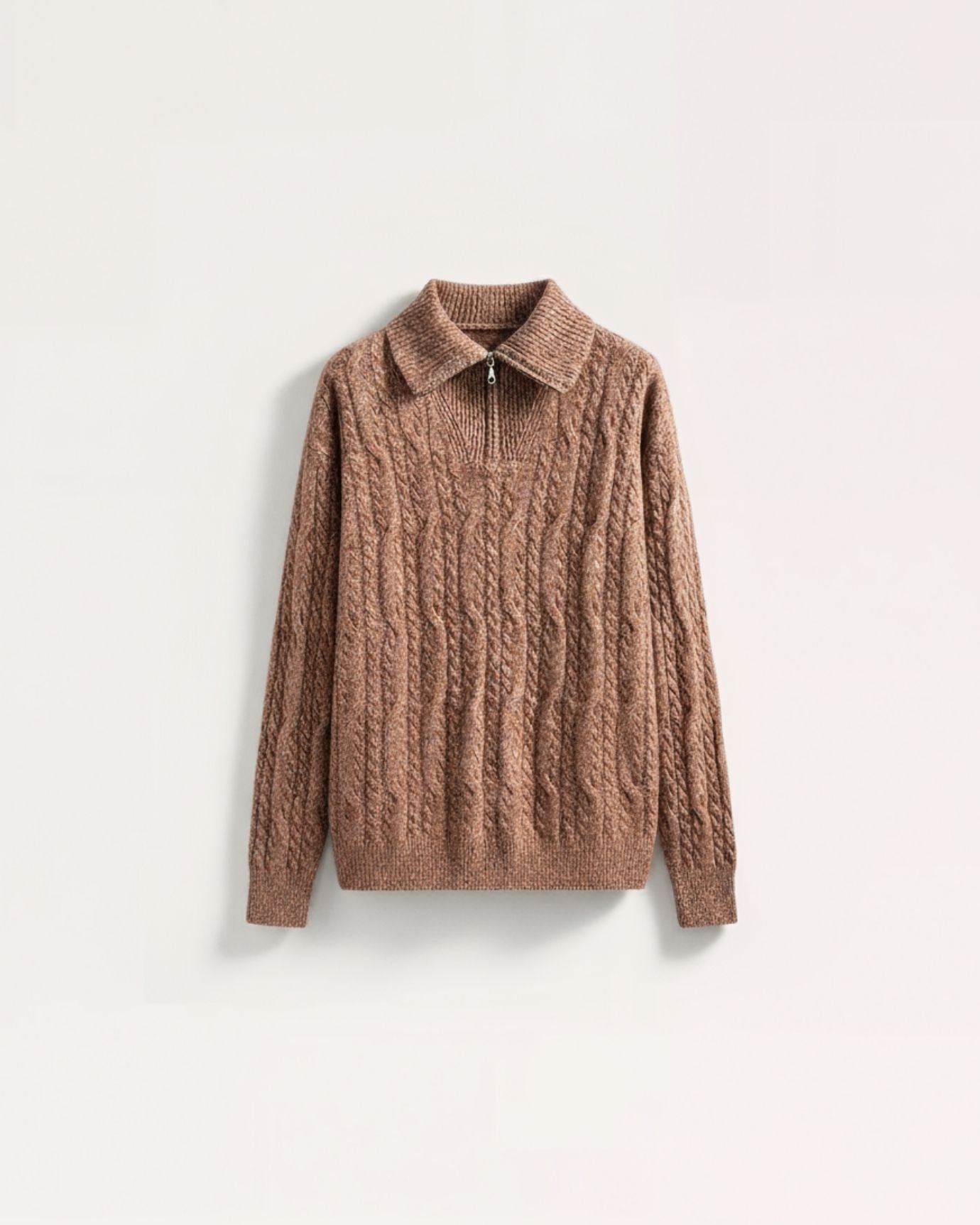
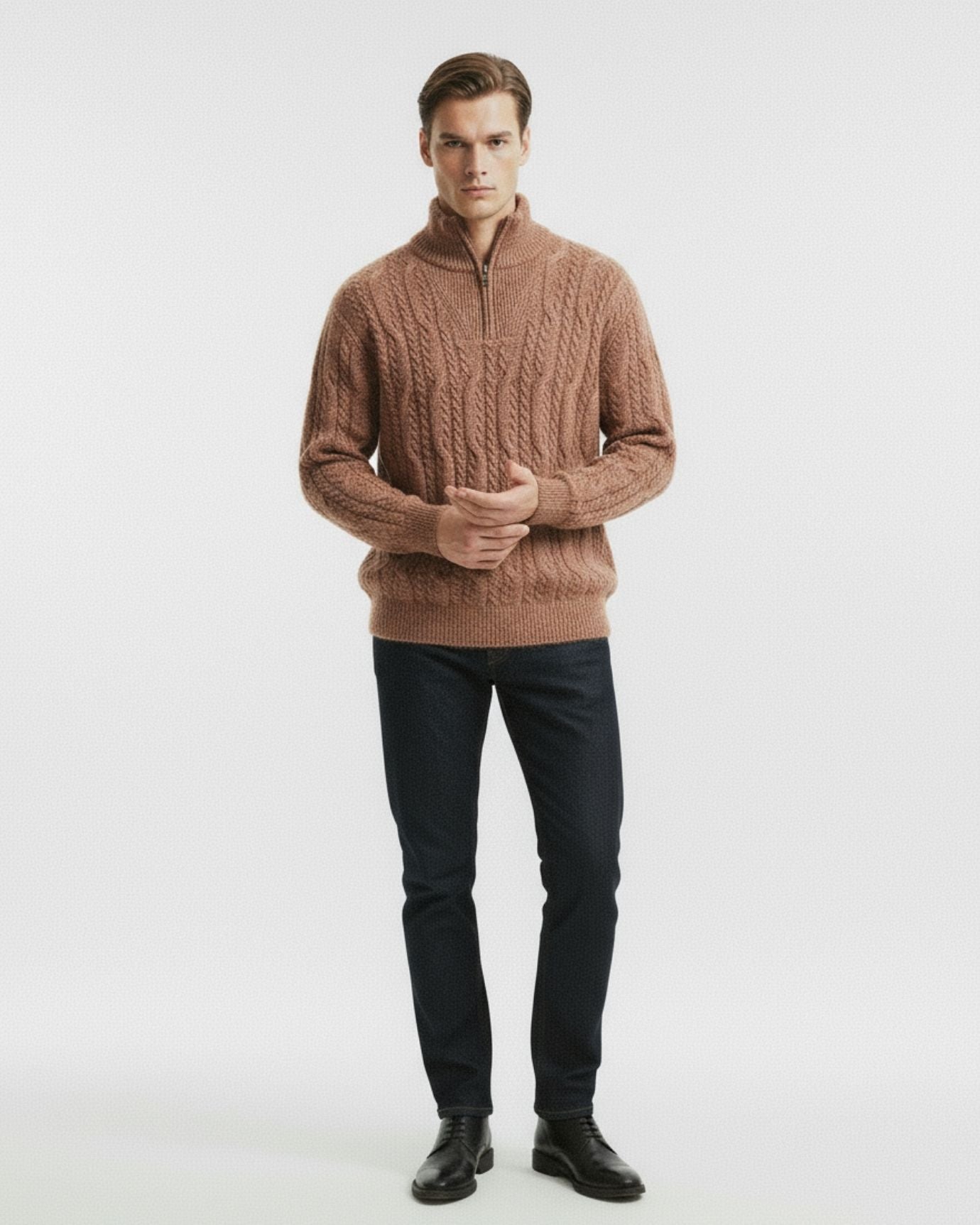
A cashmere zipper turtleneck, worn close to the neck, benefits particularly from regular airing between wears, as the collar area absorbs more skin contact than most other parts of the garment.
Expert insightCedar blocks work by repelling moths, not killing them. If you already have a moth problem in your wardrobe, cedar alone will not solve it. A thorough clean and a sealed storage solution are needed first.

Choosing Cashmere Blends That Pill Less
Not all cashmere blends are equally prone to pilling, and understanding the differences helps you make better purchasing decisions going forward.
According to Wikipedia's overview of cashmere wool, the finest cashmere fibers are the shortest, which means ultra-fine grades can actually pill slightly more than mid-grade cashmere if the yarn is not tightly spun. The spinning and plying process matters as much as the raw fiber grade.
A cashmere-silk blend tends to have the smoothest surface because silk filaments are long and continuous, anchoring the shorter cashmere fibers in place. A cashmere-merino blend, like the Mina Cardigan in wool and cashmere, balances softness with a slightly more resilient surface, since merino wool fibers are longer than cashmere and interlock more securely in the yarn.
A pure cashmere garment from a reputable source, spun to a two-ply or higher construction, will often outperform a loosely spun cashmere blend in long-term surface stability. Our article on how to tell if cashmere is real quality explains exactly what to look for in fiber grade, ply, and construction before you buy.
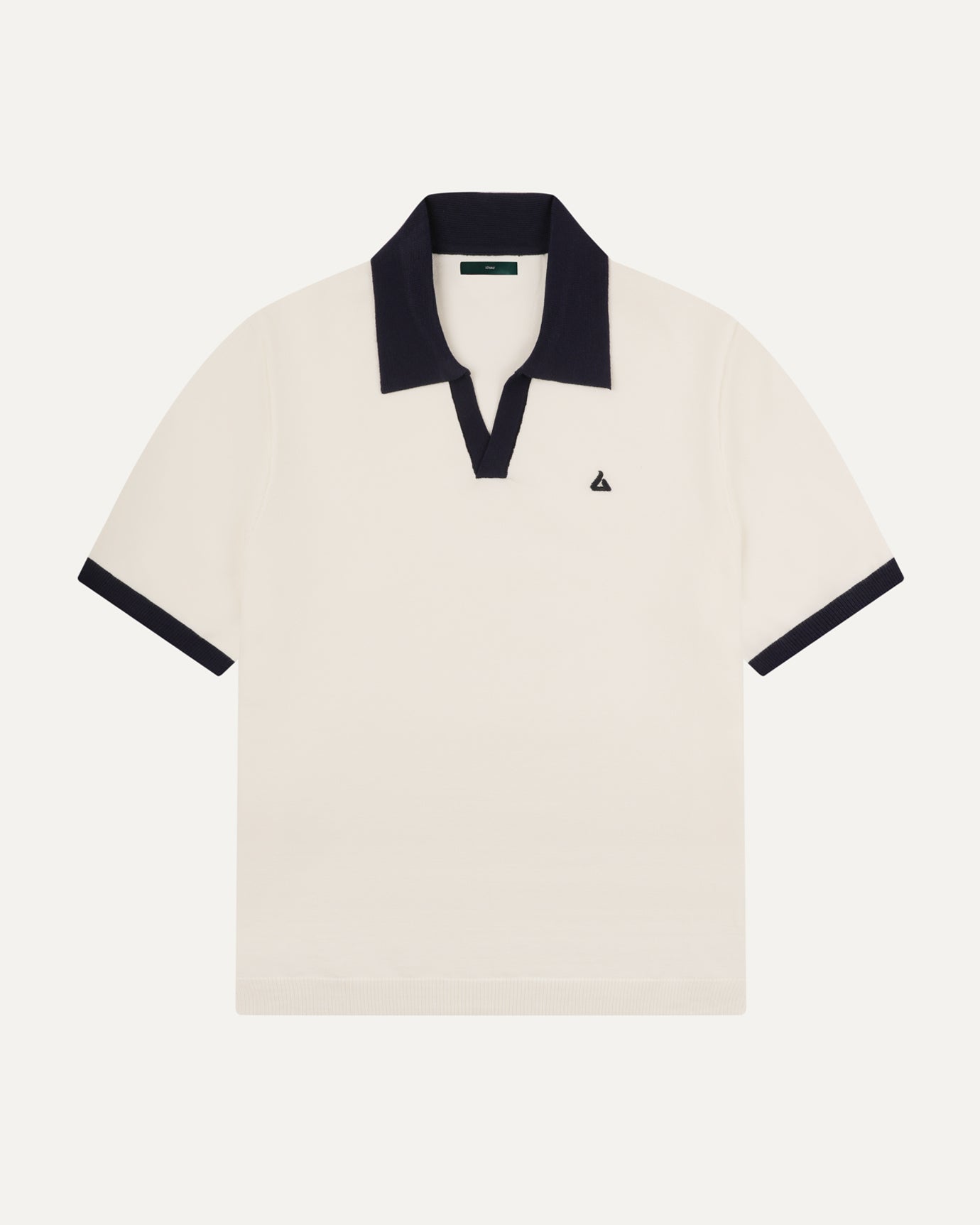
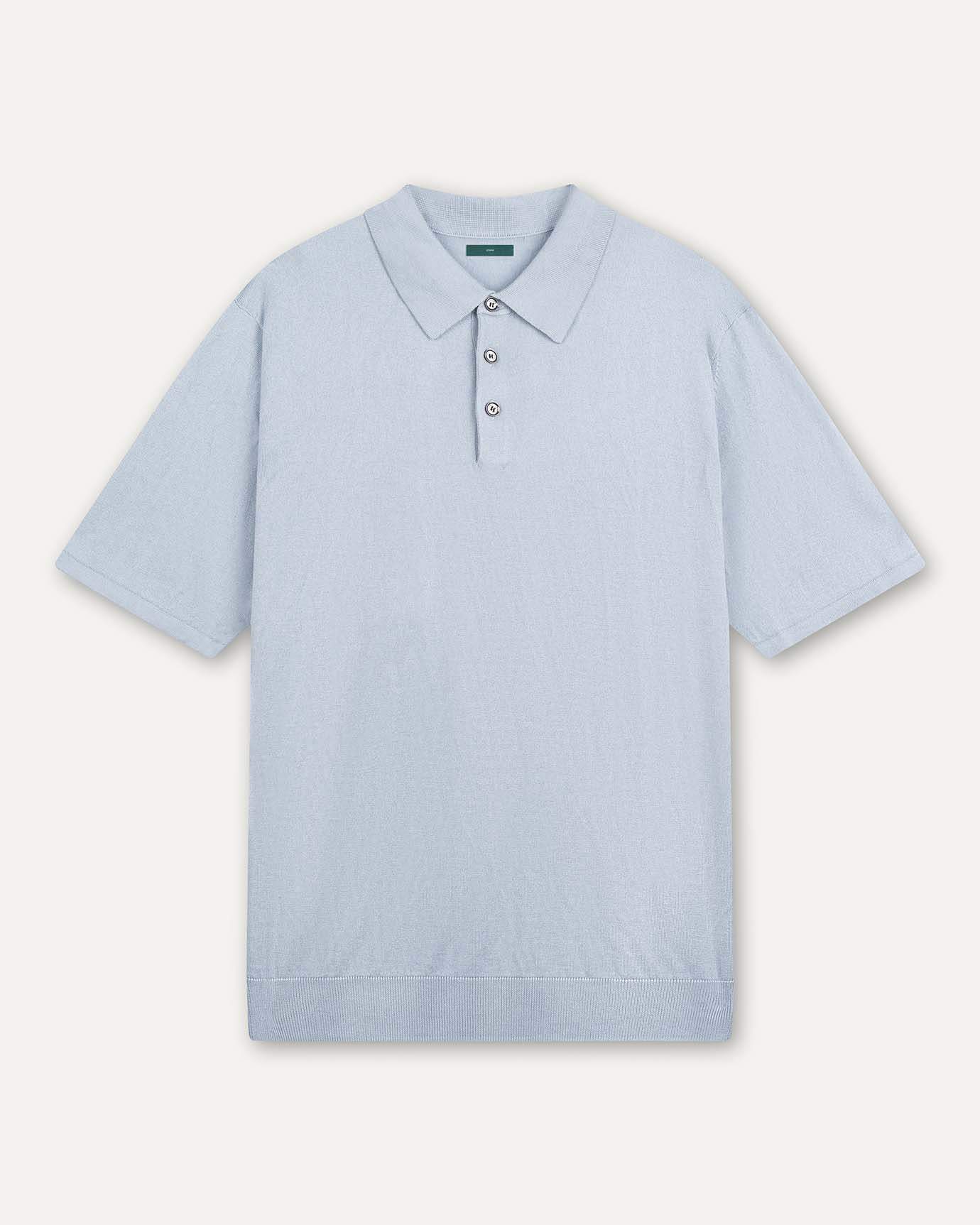
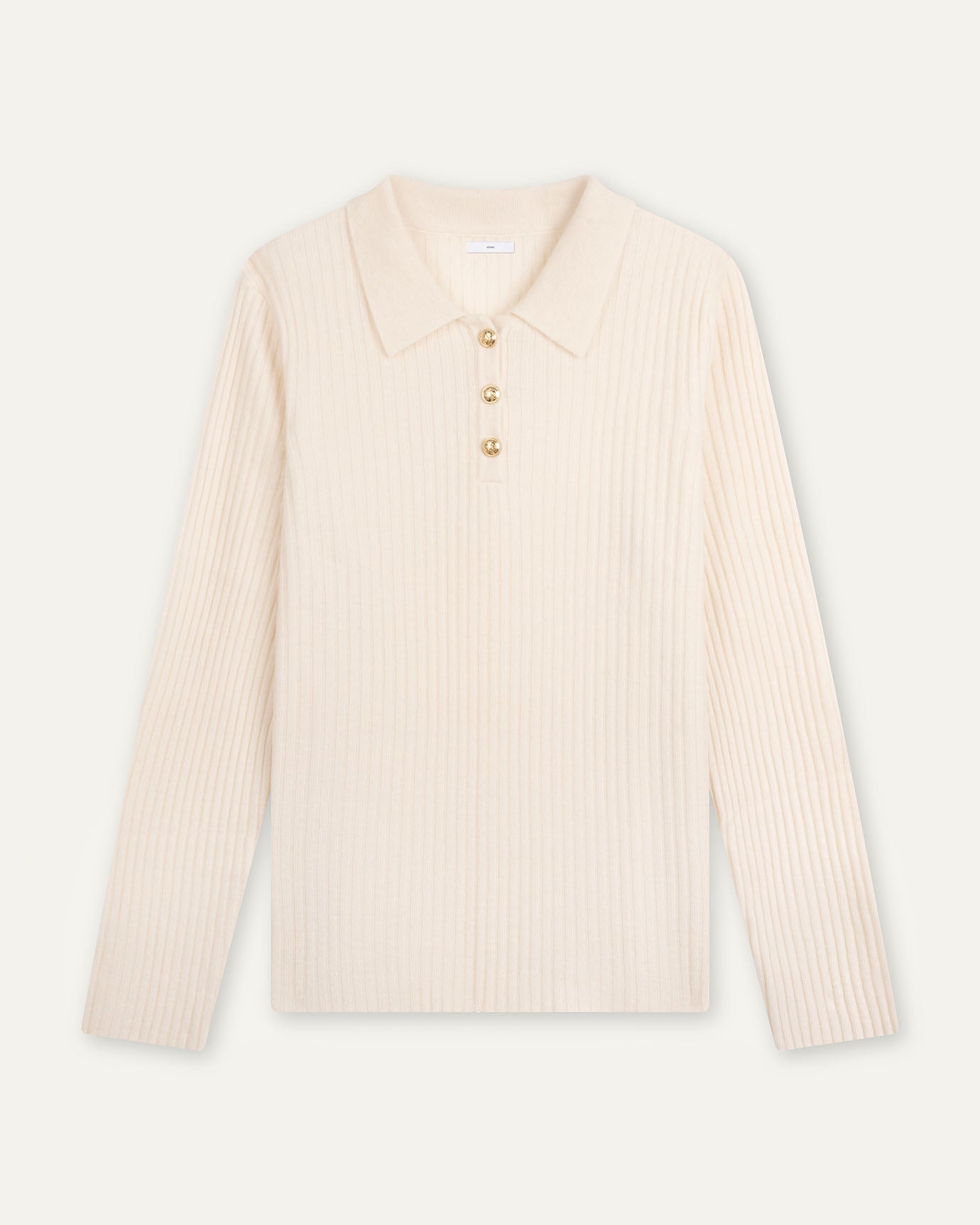
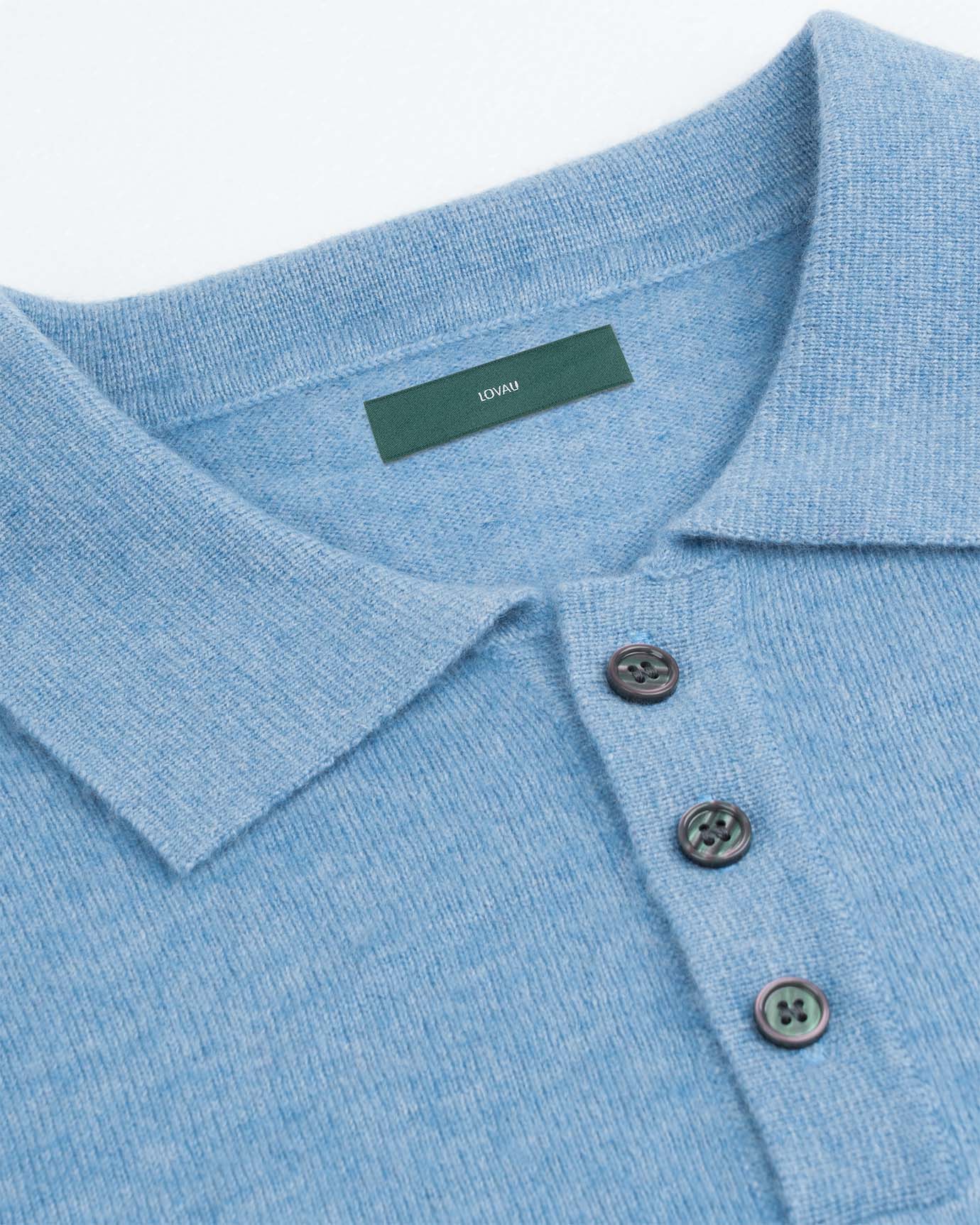
Gauge also plays a role. Fine-gauge knits, which use thinner yarn on a tighter needle, have more stitches per square inch and hold the fiber more securely at the surface. A fine cashmere polo in a tight gauge will show fewer pills after a season of wear than a chunky, open-knit piece in the same fiber blend.
Finally, look at the finish on the fabric. A lightly brushed surface on cashmere, which creates that familiar halo effect, can pill more readily because the brushing process already loosens surface fibers. A smooth, unbrushed finish holds together longer under friction.

Building a Long-Term Care Routine for Cashmere
Removing pills is a repair. Preventing them is a habit. A consistent, low-effort care routine is what keeps cashmere looking the way it did in the first season of ownership, year after year.
Establish a rhythm: wear, air, rest, wash as needed. For most women wearing a cashmere sweater in a temperate climate, washing every three to five wears is sufficient. Over-washing strips the natural lanolin from wool-cashmere blends and dries out the fiber, making it more brittle and more prone to pilling.
Keep a fabric comb in your wardrobe drawer and run it lightly over any piece before you put it away for the week. This takes under a minute and prevents small pills from growing larger and embedding more deeply in the weave.
If you are investing in high end cashmere pieces, consider having them professionally cleaned once a season. A specialist dry cleaner with experience in delicate knitwear will hand-finish the pieces and can de-pill as part of the service.
Our comprehensive guide on how to care for cashmere so it lasts forever covers the full picture, from first wear through long-term storage, and is the natural companion to everything covered here. A piece like the Sarah Cashmere Sweater, worn and cared for correctly, should look as considered in its fifth year as it did on its first.

| Blend Type | Pilling Tendency | Best Removal Tool | Wash Method | Surface Feel |
|---|---|---|---|---|
| Pure cashmere (2-ply) | Low to moderate | Fabric comb | Hand wash, cool | Soft, smooth |
| Cashmere + merino wool | Moderate | Fabric comb or shaver | Hand wash, cool | Slightly textured |
| Cashmere + silk | Low | Fabric comb | Hand wash, cool | Smooth, slight sheen |
| Cashmere + nylon | Low to moderate | Fabric shaver | Delicate machine or hand | Firm, resilient |
| Brushed cashmere (halo finish) | High | Fabric comb only | Hand wash, cool | Fluffy, soft halo |
| Chunky open-knit cashmere | High | Fabric comb | Hand wash, cool | Airy, loose weave |
Frequently asked questions
Is pilling a sign that my cashmere sweater is low quality?
Not necessarily. Pilling is a natural result of friction on any fine natural fiber, including high-grade cashmere. That said, very loosely spun or single-ply yarns tend to pill more than tighter constructions. If you want to understand what separates a well-made piece from a poorly made one, our guide on how to tell if cashmere is real quality covers the specific markers to look for.
How often should I de-pill a cashmere sweater?
A light pass with a fabric comb every three to five wears is enough for most pieces. If you wear a sweater heavily through winter, a quick comb before folding it away at the end of each week takes under a minute and prevents pills from embedding deeply in the weave.
Can I use a razor blade to remove pills from cashmere?
It is not recommended. A razor blade has no guard and no way to control the depth of the cut, making it easy to snag or thin the knit. A proper fabric shaver with an adjustable guard, or a fine-toothed fabric comb, gives you control and produces a cleaner result without risking damage to the weave.
Does dry cleaning prevent pilling better than hand washing?
Dry cleaning reduces the agitation that causes pilling during washing, so it can be gentler on the fiber in that sense. However, the chemical solvents used in standard dry cleaning can dry out cashmere over time if done too frequently. For most cashmere blends, careful hand washing in cool water is the better routine choice, with professional cleaning reserved for once-a-season deep care.
Pilling on a cashmere blend is manageable, and in most cases, entirely reversible. The right tool, a consistent washing habit, and thoughtful storage are all it takes to keep your knitwear looking composed season after season. Cashmere rewards patience and attention in a way that synthetic fabrics simply do not. If you are ready to invest in pieces worth caring for, the full woman cashmere collection is a good place to start.