


How to Choose the Right Dress for Your Body Shape
Reading time 13 min • 2633 words
The question of which dress suits which figure is one of the most practical in fashion, and also one of the most poorly answered. Most advice is either too vague to use or quietly insulting. The truth is simpler: proportion is everything. A dress flatters when its cut, length, and structure create a visual balance between your shoulders, waist, and hips.
At Lovau, we build dresses around the idea that a woman should feel composed and confident the moment she puts something on, not after she has adjusted it twelve times in the mirror. That confidence comes from fit, and fit comes from understanding your own proportions rather than chasing a trend.
This guide covers the five most common body shapes, what each one benefits from in terms of cut and hem length, and which specific styles, from our midi dress collection to our shortest mini dresses, will do the most work for you.
Key takeaways
- Your waist definition matters more than your size: any shape benefits from a cut that marks or creates a waist.
- Hem length changes your visual proportions significantly: midi hems elongate the leg from the knee, while maxi hems add drama and height.
- Neckline is as important as silhouette: a V-neck or square neck can visually balance shoulders and draw the eye vertically.
- Fabric weight affects how a dress falls: structured fabrics hold shape, while fluid fabrics follow the body's natural lines.
- Mini dresses work for more body types than most women assume, provided the cut addresses the widest point of the figure.
In this guide
- Understanding Body Shape Before You Buy
- The Hourglass Figure: Dresses That Follow Your Silhouette
- The Pear and Rectangle Figures: Length and Line Do the Work
- The Apple and Inverted Triangle Figures: Strategic Proportion
- Choosing the Right Hem Length for Your Proportions
- Fabric and Structure: The Details That Determine Fit
- Frequently asked questions
Understanding Body Shape Before You Buy
Before reaching for a specific style, it helps to understand what body shape actually means in a dressing context. It is not a number on a scale or a size on a label. It is the relationship between three measurements: your shoulders, your waist, and your hips. The proportions between these three points determine where a dress will pull, gap, or fall perfectly.
The five shapes most commonly referenced in fit guides are hourglass (shoulders and hips roughly equal, defined waist), pear (hips wider than shoulders), apple (weight carried in the torso and midsection), rectangle (shoulders, waist, and hips close in width), and inverted triangle (shoulders notably wider than hips). Each responds differently to hem length, neckline, and fabric structure.
Two principles apply across all shapes: - Create or acknowledge the waist. A defined waist is the single most universally flattering feature in a dress. Tie-waist styles, belted cuts, and wrap silhouettes all achieve this. - Balance the widest point. If your hips are your widest point, draw the eye upward. If your shoulders are widest, soften them with off-shoulder or V-neck styles.
With those foundations in place, the specific advice for each shape becomes much easier to apply.
Expert insightA common mistake is choosing a dress by the size of your largest measurement and accepting that it will be loose everywhere else. A better approach: buy for your widest point and have the waist taken in. Tailoring a single seam costs very little and changes everything.
The Hourglass Figure: Dresses That Follow Your Silhouette
The hourglass figure has natural symmetry between shoulder and hip width, with a clearly narrower waist. The goal here is not to hide anything but to follow the shape without overwhelming it.
What works: Fitted bodices, wrap styles, and anything with a defined waist seam. Fabrics with gentle stretch or fluid drape, like ponte, crepe, or fine jersey, follow the body without adding bulk. Midi and maxi lengths are particularly strong choices because they trace the hip curve and then fall cleanly.
The Giulia Midi Black Dress is a reliable option here: its structured knit holds the waist and skims through the hip without excess fabric pooling at the sides. For a more textured approach, the Kira Midi Lace Dress offers a fitted lace construction that works with the body's natural outline.
Mini lengths also suit an hourglass figure well, provided the cut is fitted rather than boxy. The Sweet Lace Tie-Waist Slim-Fit Mini Dress is a strong example: the tie waist cinches at the narrowest point and the lace overlay adds visual softness without adding volume.
What to avoid: Shapeless shifts, dropped-waist cuts, and anything with heavy gathering at the hip. These obscure the proportions that are genuinely your asset.
Expert insightFor an hourglass figure, the waist seam placement matters enormously. A seam that sits even two centimetres too high or too low will distort the silhouette. Always check this before buying online by comparing the garment's waist measurement against your own natural waist position.

The Pear and Rectangle Figures: Length and Line Do the Work
Pear shape means hips and thighs are the widest part of the body, with a narrower shoulder and waist above. The aim is to draw visual weight upward while allowing the lower half to move freely without clinging.
A-line skirts and fit-and-flare cuts are the classic answer, and they work because they skim over the hip without hugging it. Midi lengths are especially flattering here: they end below the widest part of the thigh, which visually slims the lower body. Our Polka Dot Midi Dress achieves this with a full midi skirt that moves away from the hip. For occasions that call for something more dramatic, the full-length silhouette of our maxi dress collection provides the same principle with more coverage.
For necklines, a square neck or sweetheart cut adds visual width to the shoulders and creates balance. Our article on square neck dresses and why they are so flattering goes into this in more detail.
Rectangle shape means there is very little difference between shoulder, waist, and hip width. The body is straight rather than curved. The goal is to create the impression of a waist and add softness to the silhouette.
Ruffles, pleats, and peplum details add dimension at the hip. The Contrast Collar Mini Pleated Dress uses a pleated skirt to create volume at the hip, while the structured collar adds a strong visual line at the shoulder. Tie-waist and belted styles also help by pulling the eye to the centre of the body. Fabrics with texture, like crochet or broderie anglaise, add visual interest without requiring additional structure.
- For pear: A-line, fit-and-flare, midi and maxi lengths, bold necklines
- For rectangle: Pleats, ruffles, tie-waist, textured fabrics, peplum details

The Apple and Inverted Triangle Figures: Strategic Proportion
Apple shape means weight is concentrated in the torso and midsection, with slimmer legs and hips. The most effective approach is to draw attention to the legs and décolletage while allowing the midsection to move comfortably.
Empire-waist cuts, which sit just below the bust before falling away from the body, are extremely effective here because they define the narrowest part of the torso and then release any fitted tension below. V-necklines create a strong vertical line that elongates the upper body. The Blue Lace-up Strap V-neck Mini Dress uses both of these principles: the V-neck draws the eye down and inward, and the mini length shifts focus to the legs entirely.
For those who prefer more length, a fluid maxi in a dark, tonal colour achieves the same vertical elongation with more coverage. Avoid fabrics that cling across the stomach, specifically anything with heavy stretch or bias-cut construction that will pull across the midsection.
Inverted triangle shape means the shoulders are noticeably wider than the hips. The goal is to soften the shoulder line and add visual volume below the waist.
Off-shoulder cuts and wide V-necks both reduce the visual width of the shoulder. Skirts with volume, including A-line, pleated, and tiered styles, build the hip proportion back up. The Sicily Mini White Dress A-Line Skirt is a useful option: the A-line skirt adds flare at the hip, and the simple white creates a clean, uninterrupted vertical line. Our article on the best dresses for broad shoulders covers this shape in much greater depth.
Avoid halter necks and strong horizontal lines across the shoulder, as both will visually widen the area you are trying to balance.
Expert insightFor the inverted triangle figure, the common instinct is to cover the shoulders with structured jackets or wide straps. In fact, the opposite often works better: a soft, draped off-shoulder neckline visually rounds and softens the shoulder line rather than squaring it further.

Choosing the Right Hem Length for Your Proportions
Hem length is one of the most powerful tools in dressing for proportion, and it is one that most women do not use deliberately enough. The same silhouette at three different lengths will produce three meaningfully different visual results.
Mini dresses (typically ending mid-thigh) work best when the legs are the feature you want to highlight. They are not exclusively for one body type, but they reward a confident approach to proportion. The Diamond Button Mini Dress French Style is a refined example: structured, with a clean A-line silhouette that works across multiple body types by keeping the line simple and the fabric controlled.
Midi dresses (ending between the knee and the ankle, usually at mid-calf) are the most universally flattering length. They end below the widest part of the thigh on most figures, elongate the leg from the knee, and give the skirt enough length to move gracefully. If you are unsure which length to try first, start here. For a comparison of how midi and maxi lengths differ in their flattering effect, our piece on maxi vs midi dresses is worth reading.
Maxi dresses (floor-length or ankle-grazing) create drama and elongation. They suit taller figures most naturally, but a well-chosen maxi on a petite frame can work equally well if the fabric is fluid rather than stiff and the waist is defined. The Elegant Santorini Strapless Dress exemplifies this: the long, clean column of fabric creates a strong vertical line, and the strapless cut keeps the upper body light and open.
One practical note on hem length and shoes: the shoe you pair with a midi or maxi dress changes its proportional effect considerably. A pointed-toe heel under a midi hem elongates the visible leg. A block heel under a maxi hem adds stability without shortening the silhouette. Our guide to the best shoe pairings for midi dresses covers this in detail.

Fabric and Structure: The Details That Determine Fit
The silhouette on a hanger tells you very little about how a dress will behave on a body. Fabric weight, structure, and construction are what actually determine whether a dress flatters or frustrates.
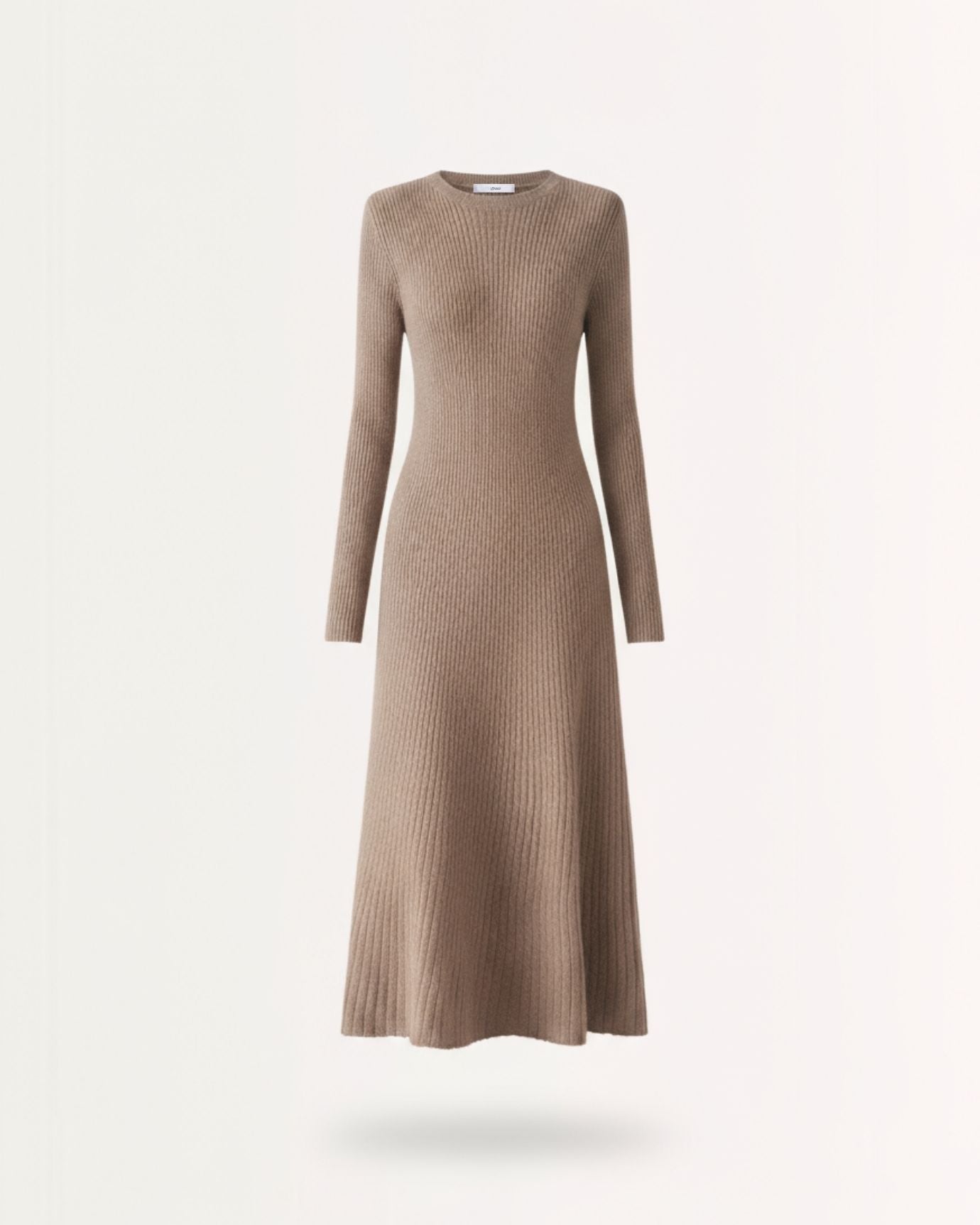
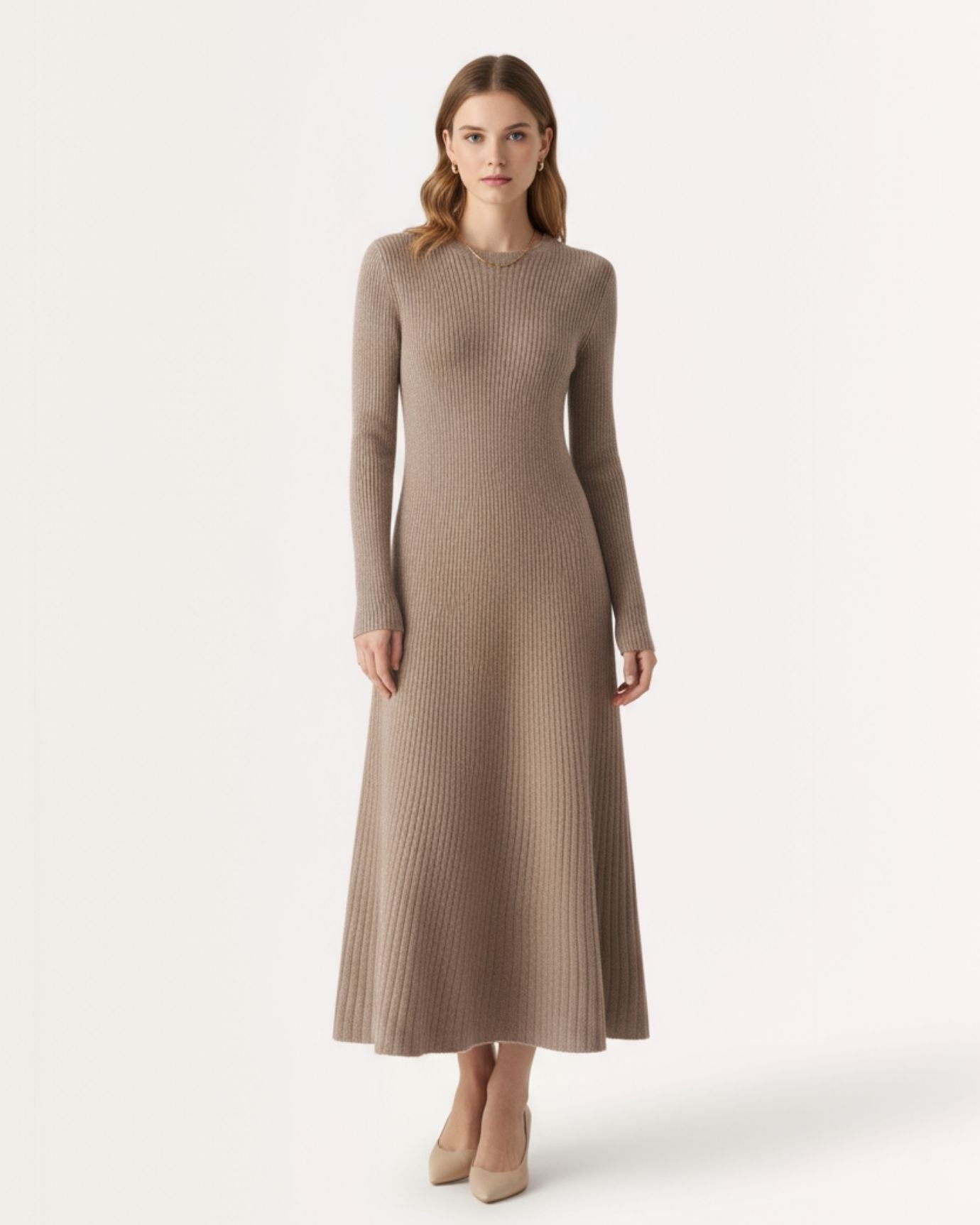
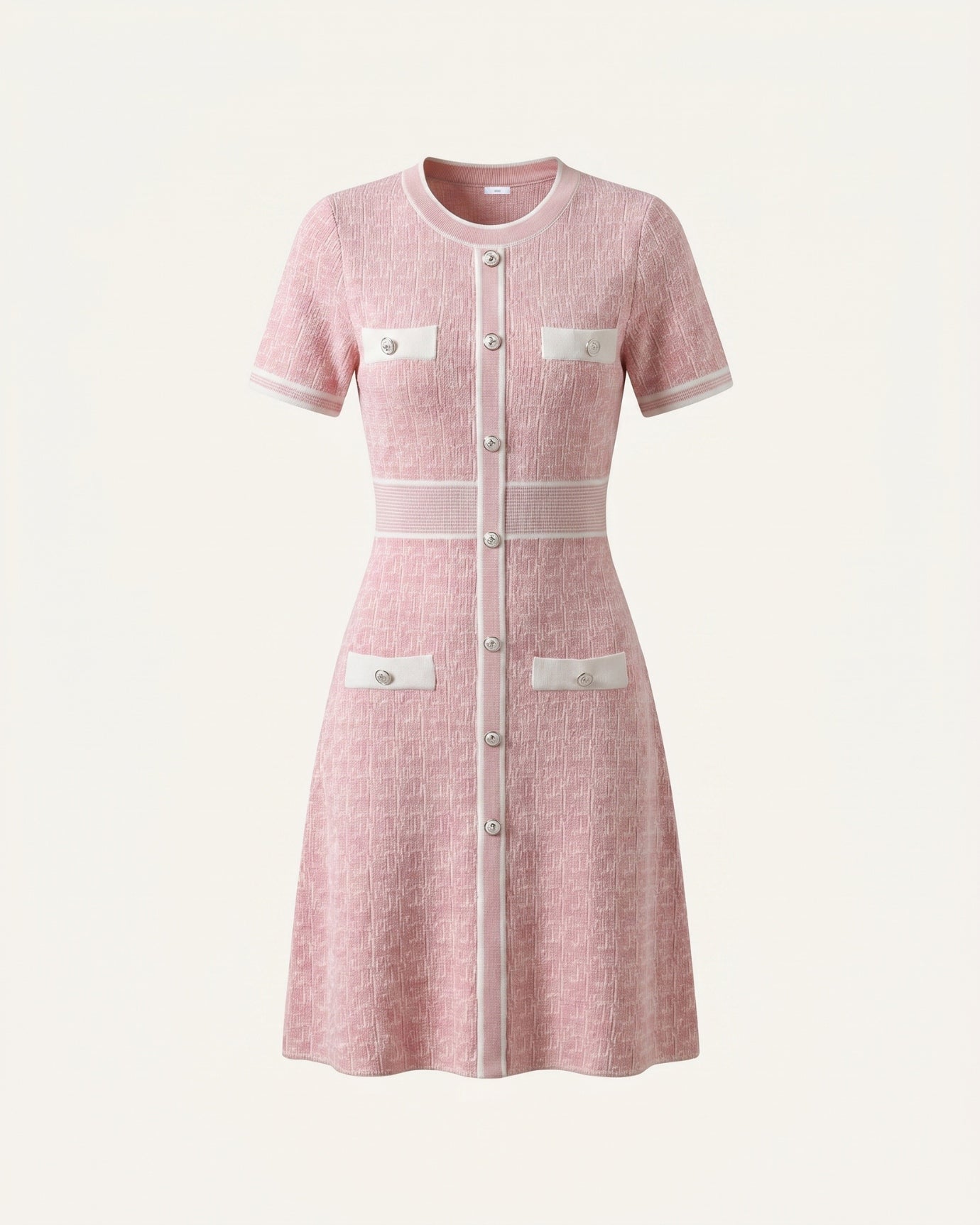
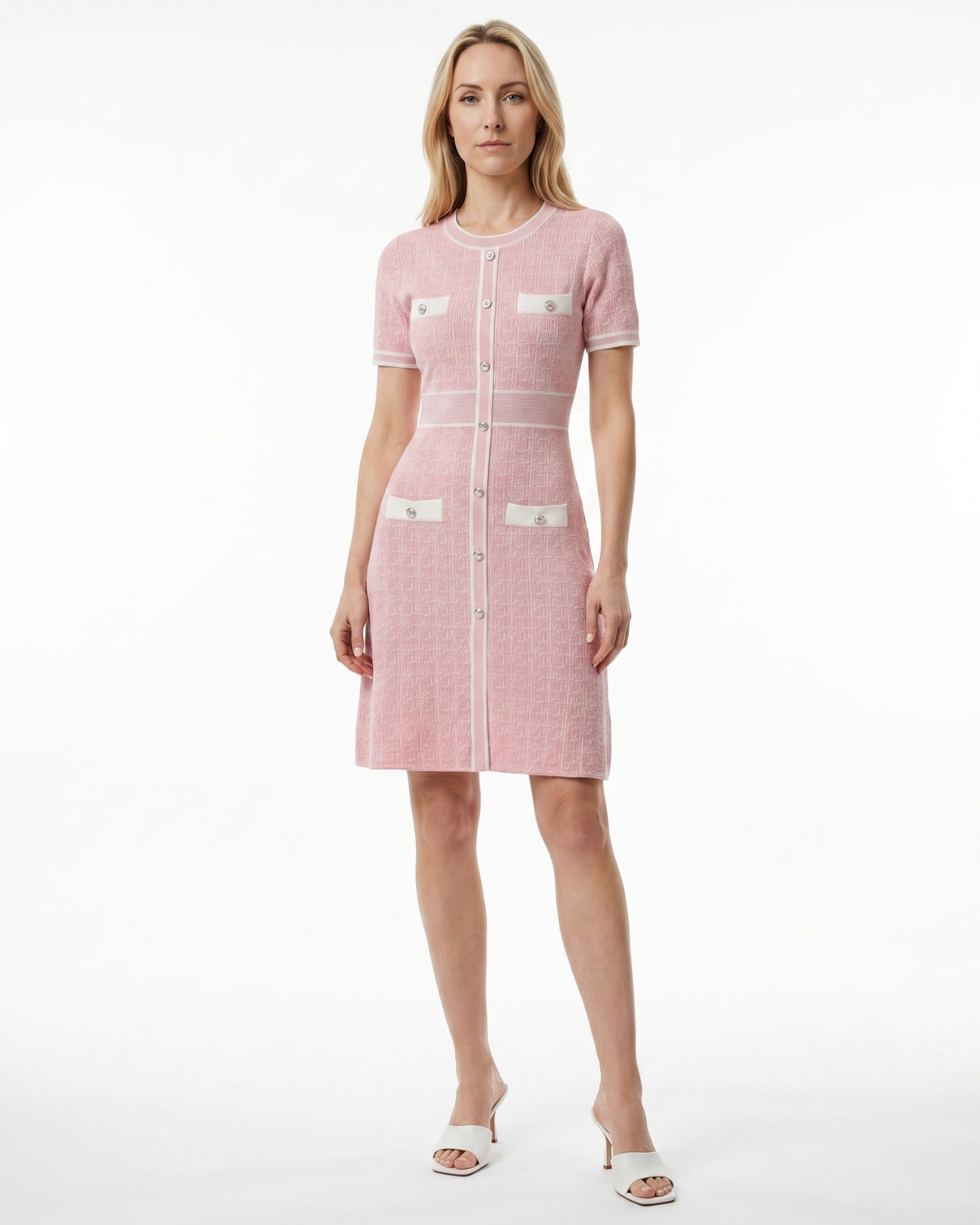
Structured fabrics (ponte, heavy crepe, thick cotton poplin) hold their shape independently of the body. They are forgiving across the midsection and hold a clean line. The Hamptons Neck Beaded Slim Fit Knitted Dress uses a firm knit construction that maintains its silhouette through the body rather than collapsing against it, making it an excellent choice for those who want a slim-fit look without the garment clinging.
Fluid fabrics (silk, viscose, fine jersey, chiffon) follow the body's natural lines. They are beautiful on figures with smooth, even proportions, but they will reveal rather than conceal any areas you prefer to downplay. If you love a fluid fabric, layering a structured slip underneath provides a smoother foundation.
Textured fabrics (lace, crochet, broderie anglaise) add visual interest and volume simultaneously. Because the texture catches the eye, the viewer's attention stays at the surface of the fabric rather than reading the body beneath it. This makes textured dresses a genuinely useful tool for any figure. The Midi French Dress Flowery uses floral texture to create visual softness and volume in the skirt without adding physical weight.
A note on print scale: Harper's Bazaar has long advised matching print scale to body scale. Large, bold prints read as bold on a larger frame and overwhelming on a smaller one. Fine, delicate prints work in reverse. This is not a rule but a useful starting point.
- Structured: Best for smooth silhouette, forgiving at the waist
- Fluid: Best for even proportions, graceful movement
- Textured: Best for adding volume, drawing the eye to surface detail
- Print scale: Match to your overall frame for balance

| Body Shape | Mini Dress | Midi Dress | Maxi Dress | Key Cut Detail |
|---|---|---|---|---|
| Hourglass | Excellent, if fitted through the hip | Excellent, follows the natural curve | Good, keep fabric fluid | Defined waist seam or tie |
| Pear | Works if skirt flares from the hip | Best choice, ends below thigh | Good with A-line skirt | A-line or fit-and-flare skirt |
| Apple | Excellent, draws eye to legs | Good with empire waist | Good in dark tonal colour | Empire waist, V-neck |
| Rectangle | Good with pleated or full skirt | Good with volume in the skirt | Good with tiered or ruched detail | Pleats, ruffles, tie-waist |
| Inverted Triangle | Good with A-line skirt | Excellent with full skirt | Good if skirt has volume | Soft neckline, A-line or tiered skirt |
Frequently asked questions
What dress style is most universally flattering across body shapes?
A fit-and-flare silhouette at midi length is the most consistently flattering option across different figures. It defines the waist, skims over the hip, and ends below the widest part of the thigh. A wrap dress achieves a similar result and has the added advantage of adjustable fit. Browse our midi dresses for a range of options in this silhouette.
Can petite women wear maxi dresses without looking overwhelmed by fabric?
Yes, with two conditions: the fabric must be fluid rather than stiff, and the waist must be defined either by the cut itself or by a belt. A structured, voluminous maxi will overwhelm a petite frame, but a column-style or slightly A-line maxi in a fluid fabric creates elongation rather than weight. Wearing a heel, even a modest one, helps maintain the vertical line.
What neckline is most flattering for an apple-shaped figure?
A V-neckline is the most effective choice. It creates a strong vertical line from the neckline downward, drawing the eye inward and elongating the upper body. A deep V also draws attention to the décolletage, which is typically a slimmer area on this figure. Avoid high, wide crew necks, which add visual width across the chest and midsection.
Is it better to size up or size down when a dress fits in some places but not others?
Always size for your largest measurement, then tailor. A dress that fits your hips but gaps at the waist can be taken in at the waist seam for very little cost. A dress that is too small across the hips cannot be let out unless there is significant seam allowance. Buying too small and hoping to 'make it work' is the most common and most avoidable fit mistake.
Dressing well for your body shape is not about following rules rigidly. It is about understanding the two or three principles that apply to your proportions and then applying them with some freedom. Start with waist definition, consider your hem length deliberately, and choose fabrics that behave the way you need them to. Once those fundamentals are in place, the rest, colour, print, neckline, occasion, becomes much easier to navigate. If you are building a wardrobe of dresses that will serve you across seasons and occasions, our full women's dress collection is the right place to begin.