


How to Care for Linen Clothing in Summer
Reading time 13 min • 2513 words
Linen has dressed people through Mediterranean summers for thousands of years, and it remains the most sensible warm-weather fabric available. It breathes, it softens with age, and it carries a natural authority that synthetic alternatives simply cannot replicate. The trade-off is that linen requires a degree of attentiveness that fast-fashion fabrics do not.
The good news is that caring for linen is not complicated. It follows a clear logic: respect the fibre, avoid aggressive heat, and work with the fabric's natural tendencies rather than against them. Follow these principles consistently and your linen pieces, whether a high count fine linen shirt or a linen blend summer dress, will last many seasons and improve with each one.
This guide covers every stage of linen care: washing, drying, ironing, and storage. It applies equally to men's and women's pieces, from tailored trousers to lightweight blouses.
Key takeaways
- Wash linen in cool or lukewarm water, never hot, to prevent shrinkage and fibre damage.
- Reshape linen pieces immediately after washing and dry them flat or on a hanger away from direct sunlight.
- Iron linen while it is still slightly damp on a medium-high setting for the cleanest result.
- High thread-count linen resists creasing better than coarse weaves and requires less maintenance overall.
- Store linen loosely folded or hung in a breathable cotton garment bag, never compressed in plastic.
In this guide
Understanding Linen Before You Wash It
Linen is spun from the fibres of the flax plant. Its hollow, moisture-wicking structure is what makes it cool against the skin in summer heat, but that same structure means the fibre responds strongly to water temperature and mechanical stress. Understanding this prevents most care mistakes before they happen.
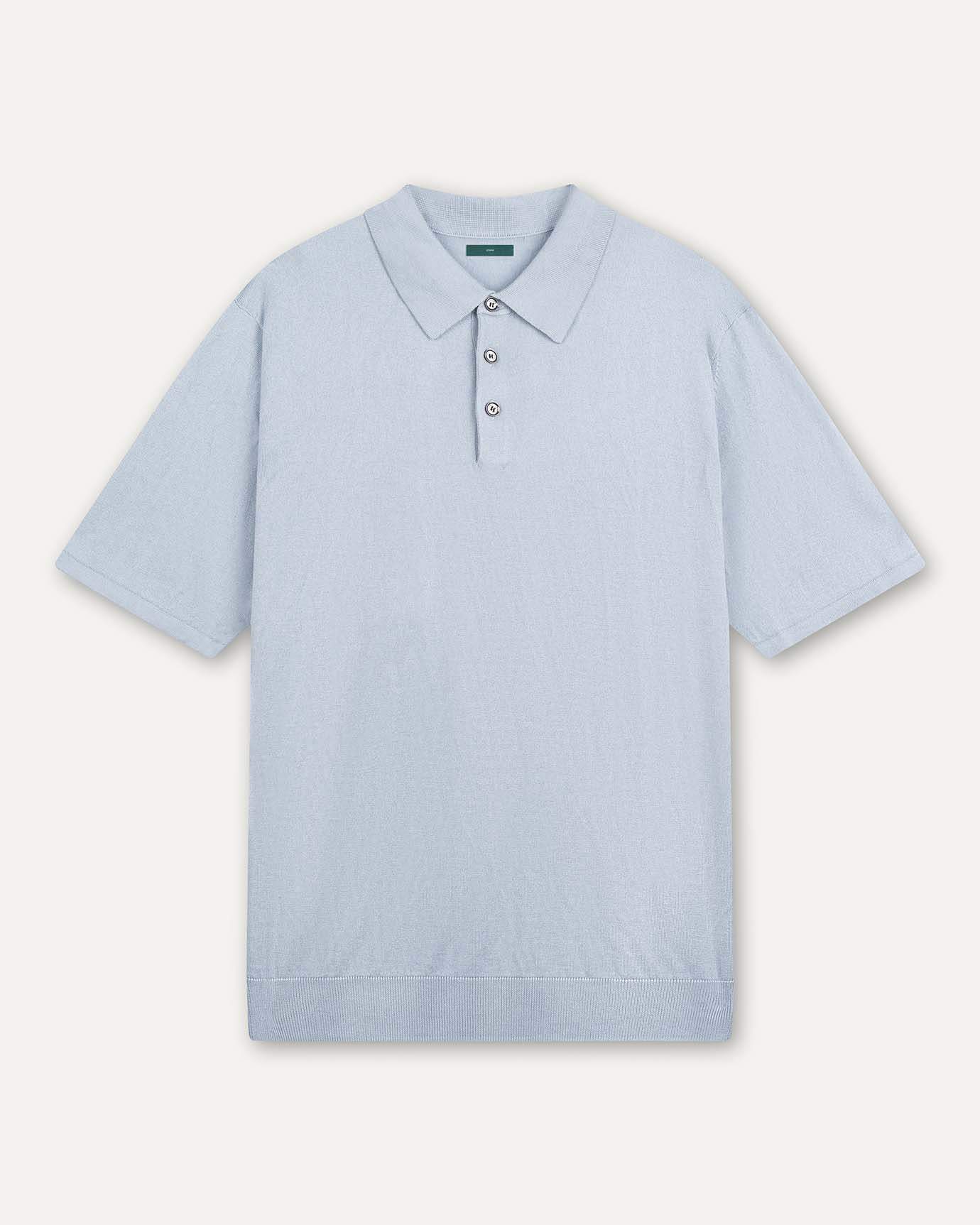
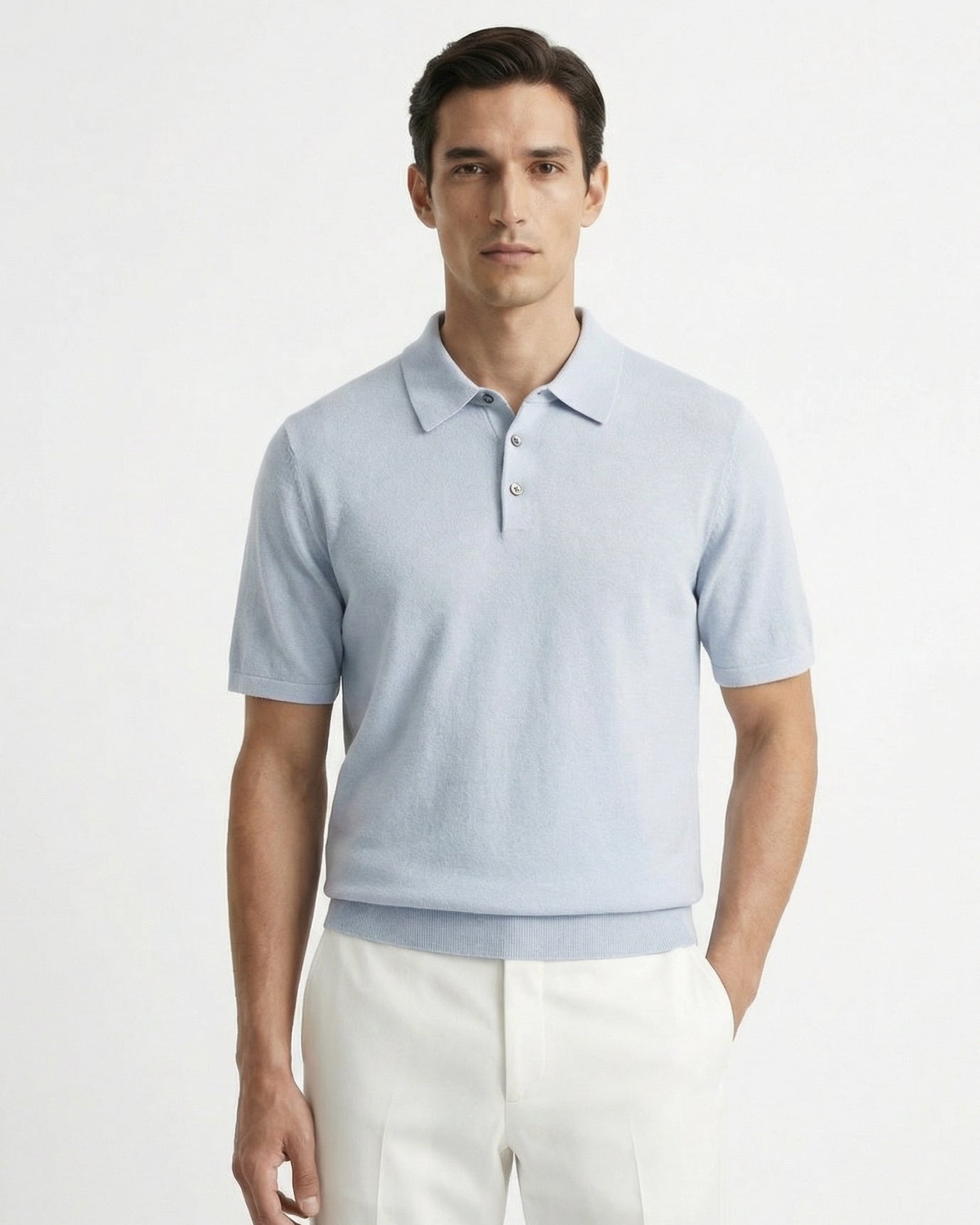
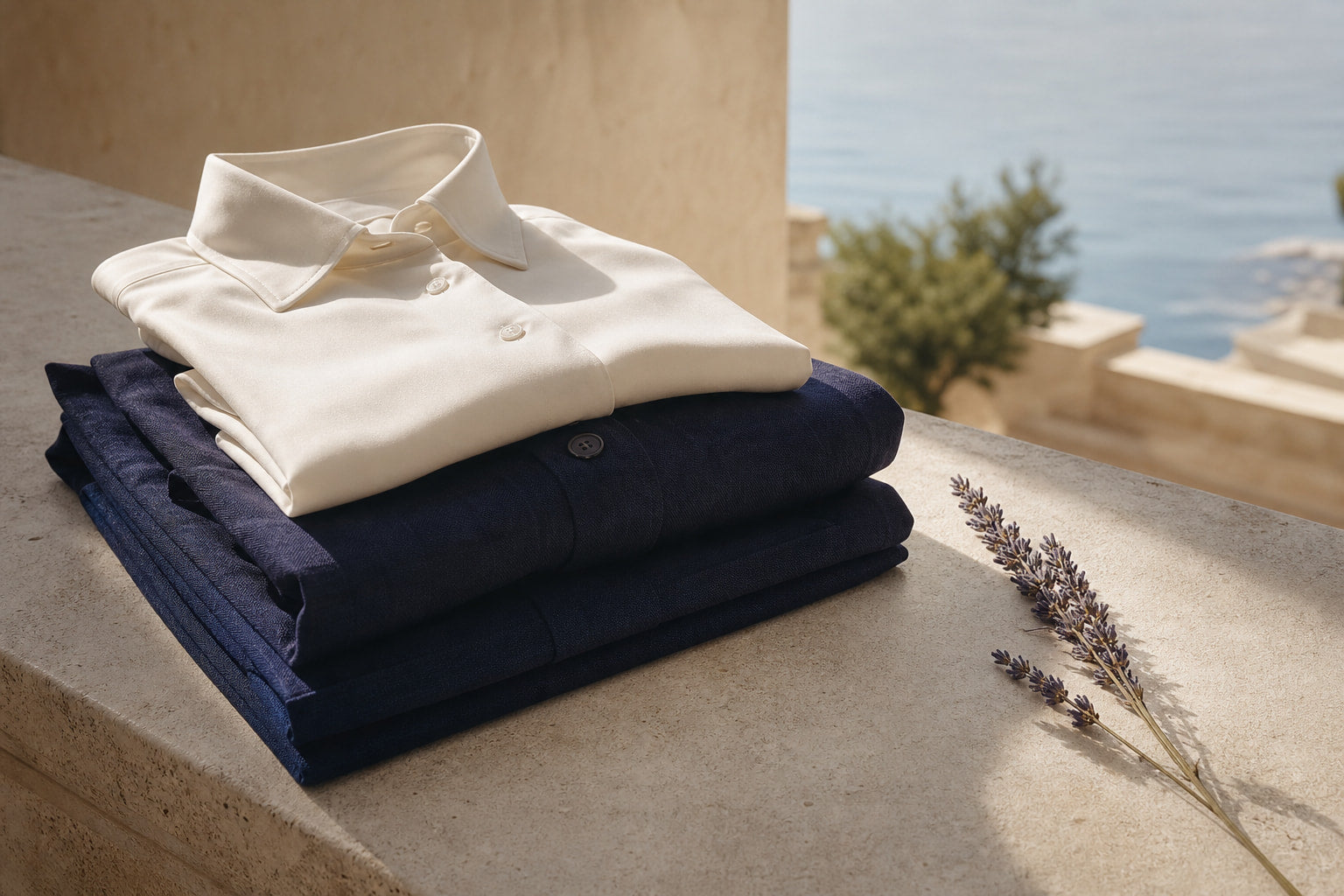
Thread count matters more than most people realise. A coarse, low-count linen weave will wrinkle aggressively, feel stiff when new, and pill more readily. A fine, high-count linen, such as the fabric used in our high count fine light blue linen shirt, has a tighter, smoother weave that drapes better, creases less sharply, and responds more graciously to washing.
Linen blends, typically linen mixed with cotton or a small percentage of viscose, behave more gently than pure linen. They shrink less and wrinkle less severely, making them a practical choice for pieces worn frequently through the week. Pure linen, on the other hand, develops a beautiful patina over time that blends cannot fully replicate.
Before washing any linen piece for the first time, check the care label. Most quality linen is machine washable, but some structured or heavily constructed pieces, such as linen trousers with pleating, may benefit from hand washing or a gentle dry clean to preserve their cut.
As a general reference, linen as a textile has been in continuous use for over four thousand years, which speaks to its durability when handled correctly.
Expert insightTurn linen garments inside out before washing. This protects the outer surface from friction in the drum and keeps colours looking deeper for longer.

Washing Linen Correctly: Temperature, Cycle, and Detergent
The single most damaging thing you can do to linen is wash it in hot water. Heat causes the flax fibre to contract sharply, producing irreversible shrinkage and a stiffness that no amount of ironing will fully correct. Always wash linen in cool or lukewarm water, between 30°C and 40°C maximum.
For machine washing, select a gentle or delicate cycle. A slow spin speed, 600 to 800 rpm, reduces the mechanical stress on the weave and means less severe creasing when the garment comes out. Avoid washing linen with heavy denim or items that have metal hardware, which can abrade the surface.
Detergent choice is straightforward: use a mild, pH-neutral liquid detergent. Powder detergents can leave residue in linen's open weave, and biological detergents, while effective on stains, can gradually weaken natural fibres with repeated use. Avoid fabric softeners entirely. They coat the linen fibre, reducing its natural breathability and giving it an artificial softness that masks the fabric's best qualities.
For hand washing, which is the preferred method for finer pieces like the high count navy blue fine linen shirt, submerge the garment in cool water with a small amount of mild detergent. Gently work the fabric with your hands, paying attention to collar and cuff areas. Do not wring or twist. Squeeze water out gently and support the full weight of the garment as you lift it from the basin.
For spot cleaning minor marks, a damp cloth and a drop of mild soap applied with light pressure is almost always sufficient. Rubbing aggressively spreads the stain and damages the surface weave.
Expert insightAdd a tablespoon of white wine vinegar to the rinse water when hand washing linen. It removes any detergent residue and leaves the fabric softer without the coating effect of commercial fabric softener.

Drying Linen Without Losing Its Shape
How you dry linen determines its shape, its drape, and how much ironing you will need to do afterwards. The rules are simple and consistent.
Never tumble dry linen on a high heat setting. If your dryer has a low or air-dry setting, a short cycle of ten to fifteen minutes can be used to relax the fibres slightly before hanging, but the garment should come out still damp and be finished air-drying naturally. High heat in a dryer will shrink linen and set creases permanently into the weave.
The best method is to reshape the garment immediately after washing and hang it on a sturdy hanger or lay it flat on a clean surface. For shirts and blouses, a wooden or wide-shoulder hanger allows the fabric to dry in its correct silhouette. For linen trousers and shorts, hang them from the waistband or fold them neatly over a trouser rail.
Dry linen away from direct sunlight. Strong sun bleaches colour over time and can make the fabric brittle at the surface. A shaded spot with good airflow is ideal, which in practice means indoors near an open window or in a covered outdoor area.
For women's pieces such as the apricot linen blend short skirt, lay the item flat to dry to prevent the waistband from stretching under the weight of damp fabric. The same applies to knitted linen pieces and any garment with structured seaming.
Linen dries quickly in warm weather, often within two to three hours, which is one of its practical advantages for summer travel.
Expert insightSmooth the fabric with your hands while it is still wet, pulling gently at seams and hems to restore the original shape. This reduces the amount of ironing required by a significant margin.

Ironing and Pressing Linen the Right Way
Linen and creasing are inseparable. The fibre creases because of its low elasticity, and this is not a flaw; it is part of the fabric's character. A linen shirt worn through a warm afternoon will show natural creasing at the elbows and waist. This is not dishevelment. It is texture.
That said, for a clean starting point, ironing linen correctly makes a considerable difference. The key principle is iron linen while it is still slightly damp. If the garment has dried fully, use a spray bottle to mist it evenly before ironing. Dry ironing linen produces friction marks and uneven results.
Set your iron to a medium-high setting, typically marked as the linen or cotton setting. Use the steam function if your iron has one. Work on the reverse side of the fabric for dark colours such as the high count fine black linen shirt, which can develop a shine on the outer surface if ironed directly.
For shirts, iron the collar first, then the cuffs, then work across the body in sections. For linen trousers, press each leg flat with a clean crease at the front, then iron the seat and waistband. For structured shorts such as the double pleated linen shorts, press the pleats carefully with the tip of the iron.
If you prefer a more relaxed look, which suits many warm-weather occasions, you can skip ironing entirely and simply smooth the garment by hand after washing. The best summer outfit ideas for men often embrace linen's natural texture rather than fighting it.
A travel steamer is a useful alternative to a full iron for maintaining linen pieces away from home. It relaxes creases without direct contact and is safe for most linen blends.

Storing Linen Between Wears and at Season's End
Linen stored correctly between wears stays fresher longer and requires less preparation before each use. The fundamental rule is to give linen room to breathe. The fibre is naturally resistant to bacteria and odour, but it needs air circulation to maintain that quality.
For daily storage between wears, hang linen shirts and jackets on wide wooden hangers in a wardrobe with some space between garments. Avoid cramming linen into a packed wardrobe, as sustained compression sets creases that are difficult to remove later. Shorts and trousers can be folded loosely or hung from a trouser rail.
For end-of-season storage, wash all linen pieces before putting them away. Storing linen with any residual perspiration or product accelerates fibre degradation and can cause yellowing. Once clean and fully dry, fold pieces loosely in acid-free tissue paper or store them in a breathable cotton garment bag. Never use plastic bags or airtight containers. Linen needs to exchange air, and sealed plastic creates a humid environment that encourages mildew.
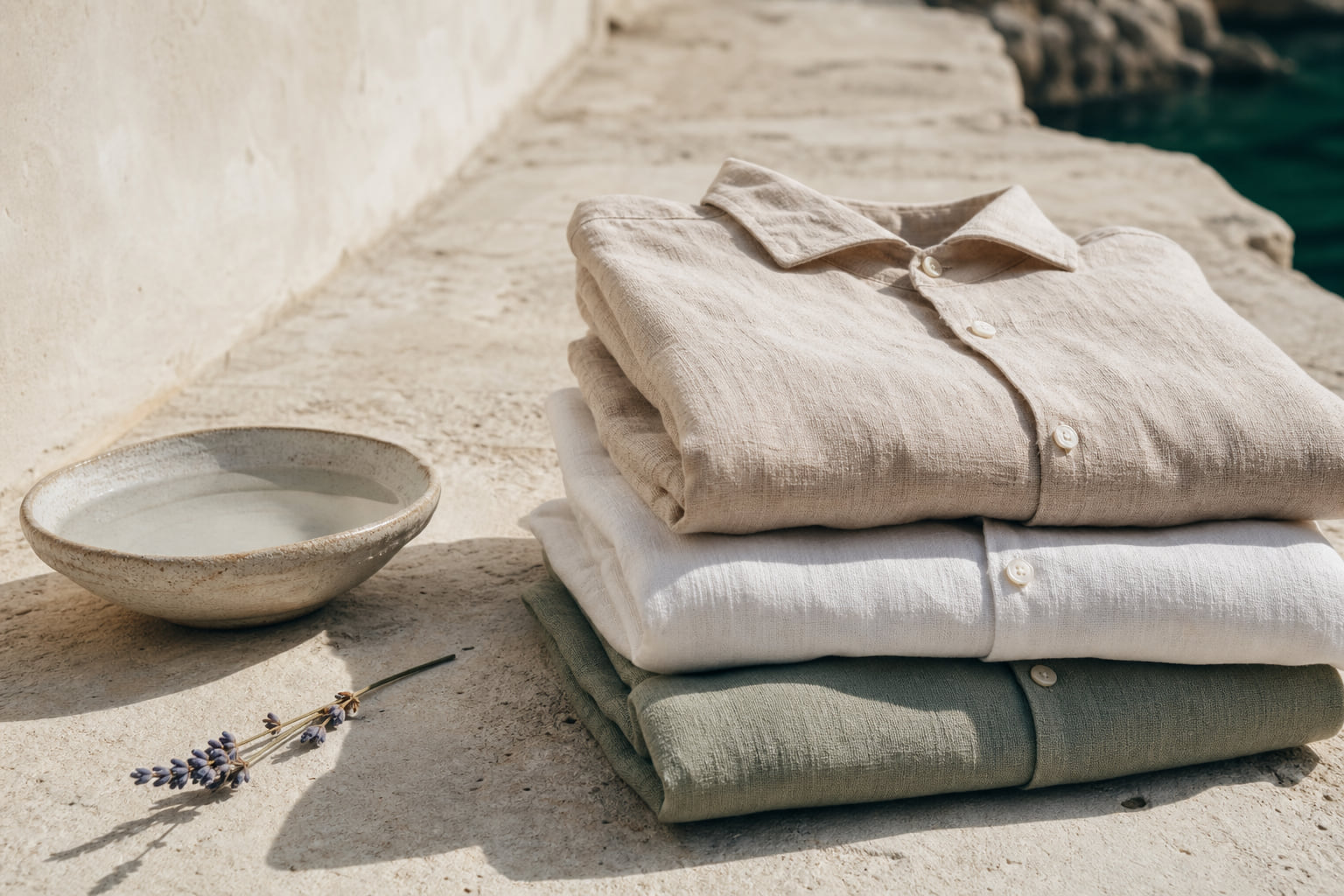
Add a small cedar block or a sachet of dried lavender to the storage area to deter moths naturally. Avoid mothballs, which leave a chemical odour that is nearly impossible to remove from natural fibres.
For men building a considered summer wardrobe, the man spring summer old money collection offers a range of linen pieces designed to work together across multiple seasons. For women, the spring summer old money woman collection follows the same principle of pieces that reward long-term ownership.
Before bringing linen out again the following spring, air the pieces for a few hours in a shaded spot. Any light creasing from storage will relax naturally, and the fabric will be ready to wear.

Building a Linen Wardrobe That Lasts
Caring for linen well is only worthwhile if you start with pieces worth caring for. Quality in linen is visible and tactile: a fine, dense weave with good weight and a smooth hand feel will outlast a loosely woven, inexpensive alternative many times over.
For men, a strong starting point is a small selection of well-cut shirts in neutral and classic tones. The high count fine green linen shirt and a crisp white equivalent give you the two most versatile summer options. Pair them with Ibiza linen trousers for a dressed occasion or Valencia linen shorts for something more relaxed. The full range of linen shirts at Lovau is built around this philosophy of long ownership.
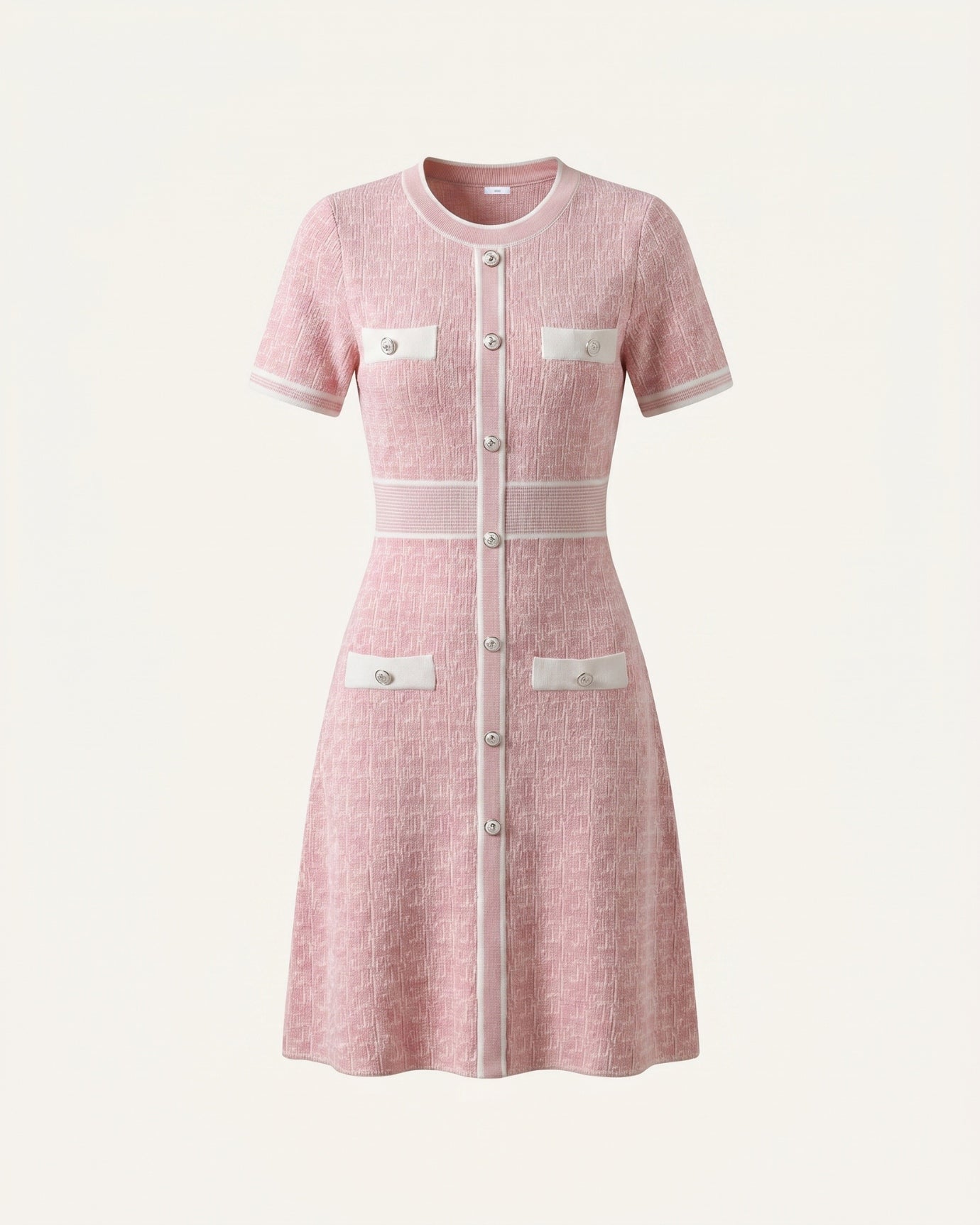
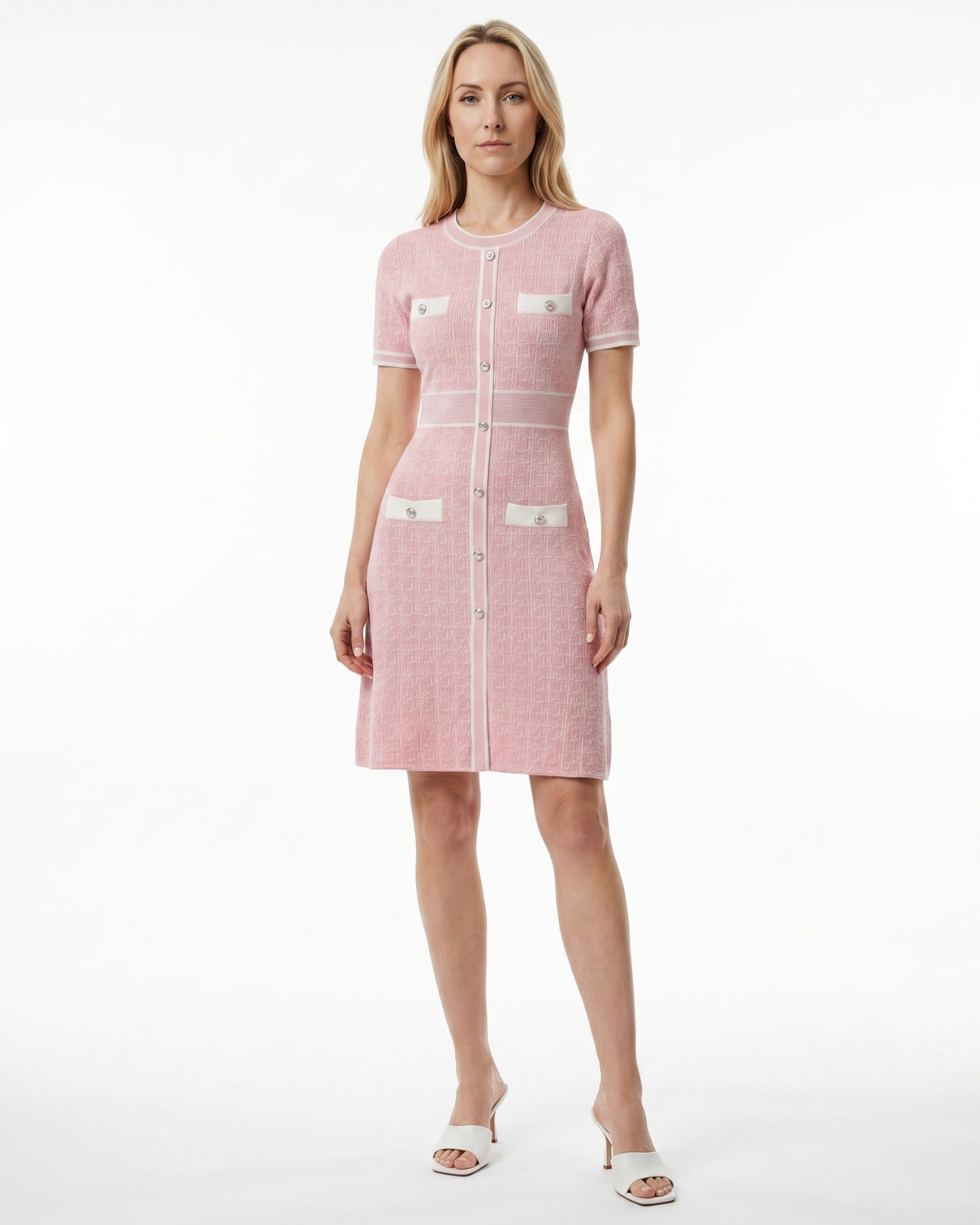
For women, the same logic applies. A linen blended spring summer dress in a clean silhouette, maintained properly, will look as good in its fourth summer as its first. Pair it with minimal accessories and well-kept footwear.
The timeless summer outfit ideas for everyday wear article explores how these pieces work across different occasions, from a terrace lunch to a coastal evening. The point is always the same: fewer, better pieces, properly maintained.
According to Permanent Style, one of the most reliable sources on classic menswear, natural fibres reward long-term ownership in ways that synthetic fabrics structurally cannot. Linen is the clearest example of this principle in practice.

| Method | Best For | Water Temp | Key Risk | Result |
|---|---|---|---|---|
| Machine wash, gentle cycle | Everyday shirts, shorts, casual pieces | 30°C to 40°C | Spin speed too high, causes sharp creasing | Convenient, reliable for most pieces |
| Hand wash | Fine weaves, structured collars, dark colours | Cool, 20°C to 30°C | Wringing, which distorts the weave | Gentlest result, best colour retention |
| Spot clean only | Minor marks, between-wear freshening | Cool water, damp cloth | Rubbing, which spreads the stain | Quick, no shrinkage risk |
| Dry clean | Structured tailored pieces, heavily constructed cuts | N/A | Repeated chemical cleaning weakens fibre over time | Preserves structure, best for one-season refresh |
| Steam only | Travel, light creasing between wears | N/A | Over-steaming delicate blends | Fast crease removal, no reshaping needed |
Frequently asked questions
Does linen shrink when washed?
Yes, linen can shrink, particularly on its first wash and particularly in hot water. Washing in cool water at 30°C to 40°C and avoiding tumble drying on high heat keeps shrinkage minimal. Most quality linen pieces are pre-washed to reduce this effect, but the first home wash will still cause a small degree of relaxation in the weave. Size up slightly if you are between sizes in a structured piece such as linen trousers.
Is it normal for linen to wrinkle so much?
Completely normal. Linen wrinkles because the flax fibre has very low elasticity, meaning it does not spring back after being compressed or folded. This is an inherent property of the material, not a sign of poor quality. Fine, high thread-count linen wrinkles less severely than coarse weaves. Ironing while damp and reshaping after washing both reduce the severity of creasing significantly.
Can I wear the same linen shirt multiple days before washing?
Yes, and linen's natural antibacterial properties make this practical. In summer heat, airing a linen shirt on a hanger overnight is often enough to refresh it between wears. Washing too frequently, particularly machine washing, is one of the fastest ways to age linen unnecessarily. Spot clean small marks and reserve a full wash for when the garment genuinely needs it.
How do I keep linen looking sharp on a long travel day?
Pack linen pieces loosely rather than folding them tightly. Rolling a linen shirt produces fewer sharp creases than folding. On arrival, hang the garment in the bathroom while you run a hot shower; the steam relaxes the fabric naturally. A travel steamer is the most reliable tool for this. For outfit inspiration built around travel-friendly linen pieces, the stylish summer outfit ideas for everyday wear article covers several practical combinations.
Linen is one of the few fabrics that genuinely improves with time and proper attention. The care principles are not demanding: cool water, gentle handling, damp ironing, and breathable storage. Follow them consistently and a well-made linen piece becomes one of the most reliable items in your wardrobe, summer after summer. If you are building or refining your warm-weather wardrobe, the spring summer old money collection 2026 brings together the linen pieces most worth that long-term investment.