


Fixing the Bulky Sweater Problem: How to Tuck Thick Knits
Reading time 12 min • 2444 words
The thick knit sweater is one of the most consistently worn pieces in a refined wardrobe, carried from September through March across climates and occasions. But the moment you try to tuck it into a skirt or high-waisted trouser, it often becomes a problem: a ring of bunched fabric at the waist, a silhouette that reads as rushed rather than considered, or a tuck that collapses within the hour.
The issue is rarely the sweater itself. It is almost always the method. Thick knits behave differently from cotton shirts or silk blouses, and they require a specific approach based on the fabric weight, the weave structure, and the shape of the bottom you are pairing them with.
This guide addresses the problem directly and practically. No vague advice about confidence or personal style. Real technique, real fabric logic, and real outfit combinations that hold their shape from morning to evening.
Key takeaways
- The half-tuck works for most thick knits: tuck only the front panel, two to three inches deep, leaving the sides loose.
- Ribbed and structured knits tuck more cleanly than loose, open-weave or cable-knit styles.
- High-waisted bottoms are non-negotiable for a clean tuck line with any bulky fabric.
- Wool and cashmere blends hold a tuck better than pure alpaca, which is too fluid to stay put.
- When full tucking, use the internal waistband trick: fold the sweater hem inward before tucking to reduce visible bulk.
In this guide
- Why Thick Knits Create a Bulky Tuck (and What Actually Causes It)
- The Half-Tuck: The Most Reliable Method for Thick Knits
- The Full Tuck: When It Works and How to Do It Without the Ridge
- Which Fabrics Tuck Well and Which Do Not
- Choosing the Right Bottom to Tuck Into
- When Not to Tuck: Styles That Work Better Worn Out
- Frequently asked questions
Why Thick Knits Create a Bulky Tuck (and What Actually Causes It)
The root of the problem is volume. A thick knit, particularly one with a cable, rib, or basketweave structure, has significant three-dimensional texture. When you fold that fabric over a waistband, you are doubling its depth at exactly the narrowest visible point of the body. The result is a horizontal ridge of fabric that visually widens the waist rather than defining it.
A secondary issue is fabric memory. Wool and cashmere blends tend to spring back toward their original shape, which means a tuck you set carefully at 8am can migrate and loosen by noon. Open-weave or loosely constructed knits are the worst offenders here because the stitches have no structural resistance to hold the fold.
Understanding how knit fabric is structured at the fiber level helps explain why some sweaters tuck and others simply do not. A tight, dense rib knit behaves almost like a stable woven fabric at the waist. A chunky cable knit, by contrast, is essentially a sculpted textile with peaks and valleys that resist being flattened into a neat fold.
Before attempting any tuck, assess your sweater honestly. Run your fingers along the hem. If it is thicker than roughly half a centimeter and has an irregular surface texture, a full tuck is likely to disappoint. A half-tuck or a front-only tuck will serve you far better.
Expert insightIf your sweater hem has a finished rib band, that band alone can be tucked into the waistband while the body of the sweater sits just above. This keeps the bulk above the waistline, where it reads as intentional volume, not as a tucking accident.

The Half-Tuck: The Most Reliable Method for Thick Knits
The half-tuck is the single most useful technique for styling a bulky sweater with a skirt or trouser. It involves tucking only the front center panel of the sweater, approximately two to three inches deep, and leaving the sides and back entirely free.
To execute it cleanly:
1. Put on your bottom first. High-waisted styles are essential here. A mid-rise or low-rise waistband will not grip the fabric securely enough. 2. Pull the sweater on and smooth it downward. 3. Pinch only the very front panel, at the center, between your fingers. Do not gather the sides. 4. Push that center section down into the waistband two to three inches. No more. 5. Release and adjust. The tuck should look slightly casual, not perfectly symmetrical. Symmetry reads as trying too hard.
The half-tuck works particularly well with the Rinna Wool Thick Sweater, whose structured rib holds the front fold without the sides going shapeless. Paired with a high-waisted skirt from the Skirts collection, the result is precise without being rigid.
Why it works: The asymmetry of the half-tuck signals intention. It says the sweater is styled, not just shoved into a waistband. It also keeps the bulk of the fabric free, which prevents the horizontal ridge problem entirely.
Expert insightFor a cleaner half-tuck, twist the pinched front section very slightly before pushing it into the waistband. The small twist compresses the fabric and keeps it from unraveling throughout the day.

The Full Tuck: When It Works and How to Do It Without the Ridge
A full tuck, where the entire sweater hem is tucked into the waistband, is achievable with thick knits if you follow one critical step: the internal fold.
Before tucking, fold the bottom hem of the sweater upward by about two inches while the sweater is still off your body, or lifted away from your torso. This fold reduces the hem thickness before it enters the waistband. You are essentially pre-compressing the fabric. Then tuck the folded edge into the waistband all the way around.
This method works best with: - Tightly ribbed knits, which compress predictably - Merino wool or cashmere blends, which are dense but not stiff - Fitted or slim-cut sweaters, where the body of the garment is not excessively wide
It works poorly with cable-knit sweaters, oversized cuts, or pure alpaca, which is too fluid and will slip out of the waistband within minutes.
The Cashmere & Wool Pullover Sweater is a strong candidate for a full tuck given its dense, fine-gauge construction and fitted proportions. If you are building outfits around knit pieces that tuck cleanly, our guide on how to look polished in premium loungewear and knits covers the broader picture of knit styling with real precision.
For the waistband itself, corduroy high-waisted trousers provide excellent grip on wool fabric. The Corduroy Pants Woman High-Waisted Old Money Style holds a full-tucked sweater more securely than a smooth satin waistband ever will, because the texture creates friction.
Expert insightIf your full tuck keeps slipping, a thin strip of double-sided fashion tape along the inside of the waistband at the front holds the folded hem in place without altering the garment permanently.

Which Fabrics Tuck Well and Which Do Not
Fabric composition is the single biggest predictor of whether a tuck will hold and look clean. Here is how the main knit materials behave:
Merino wool is the most cooperative tucking fabric. It has enough body to hold a fold, enough elasticity to compress, and enough surface texture to grip a waistband. Full tucks and half-tucks both work reliably.
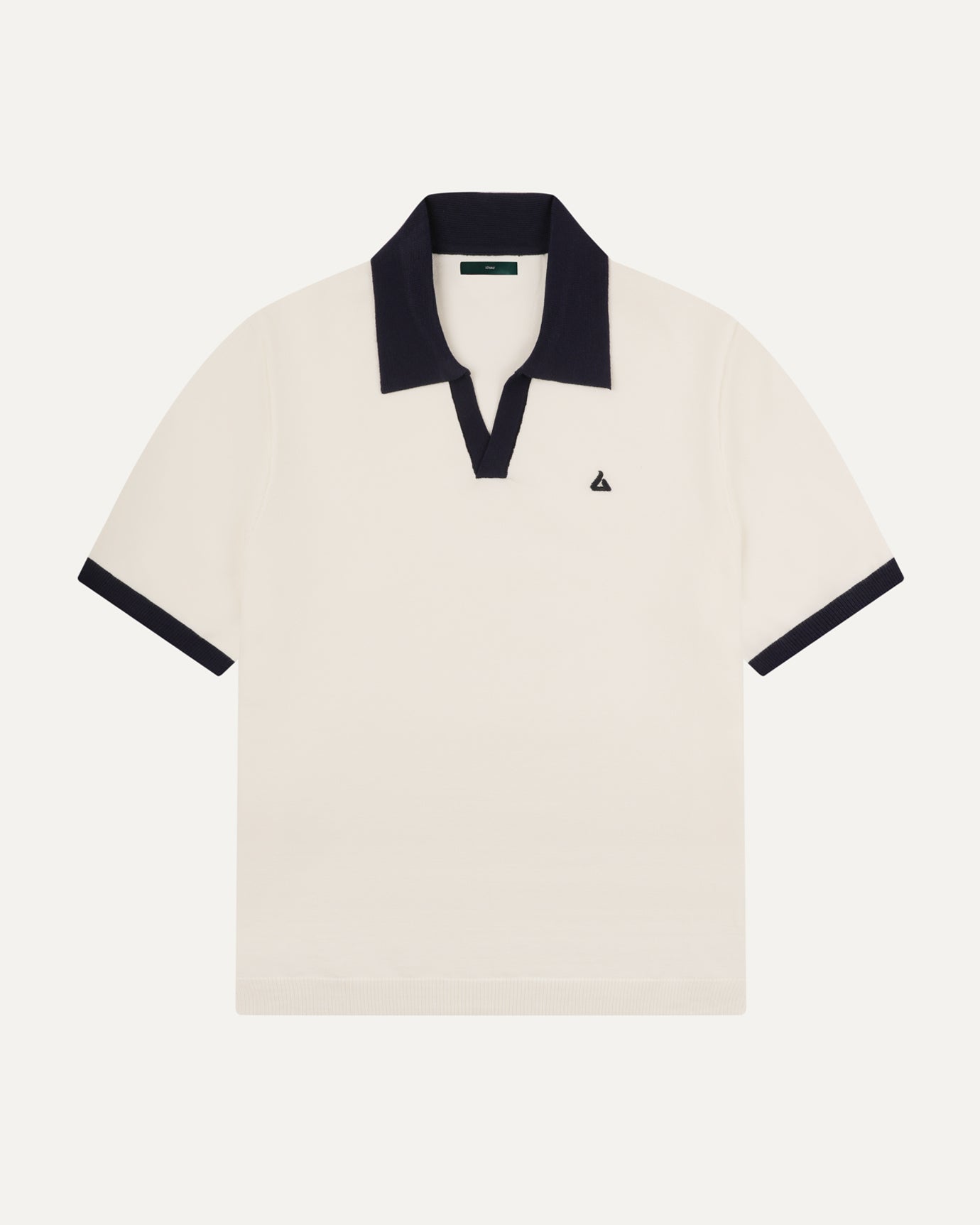
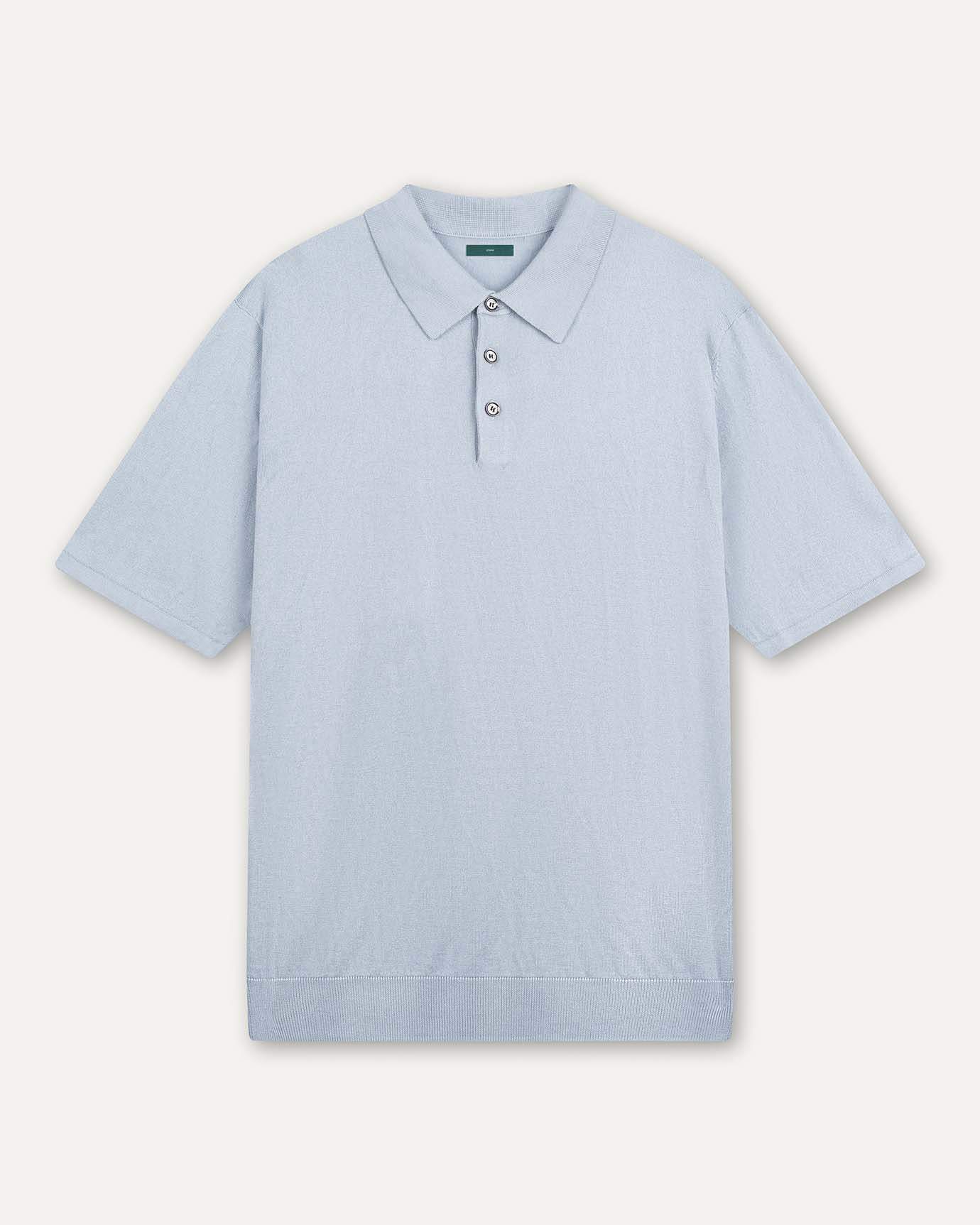
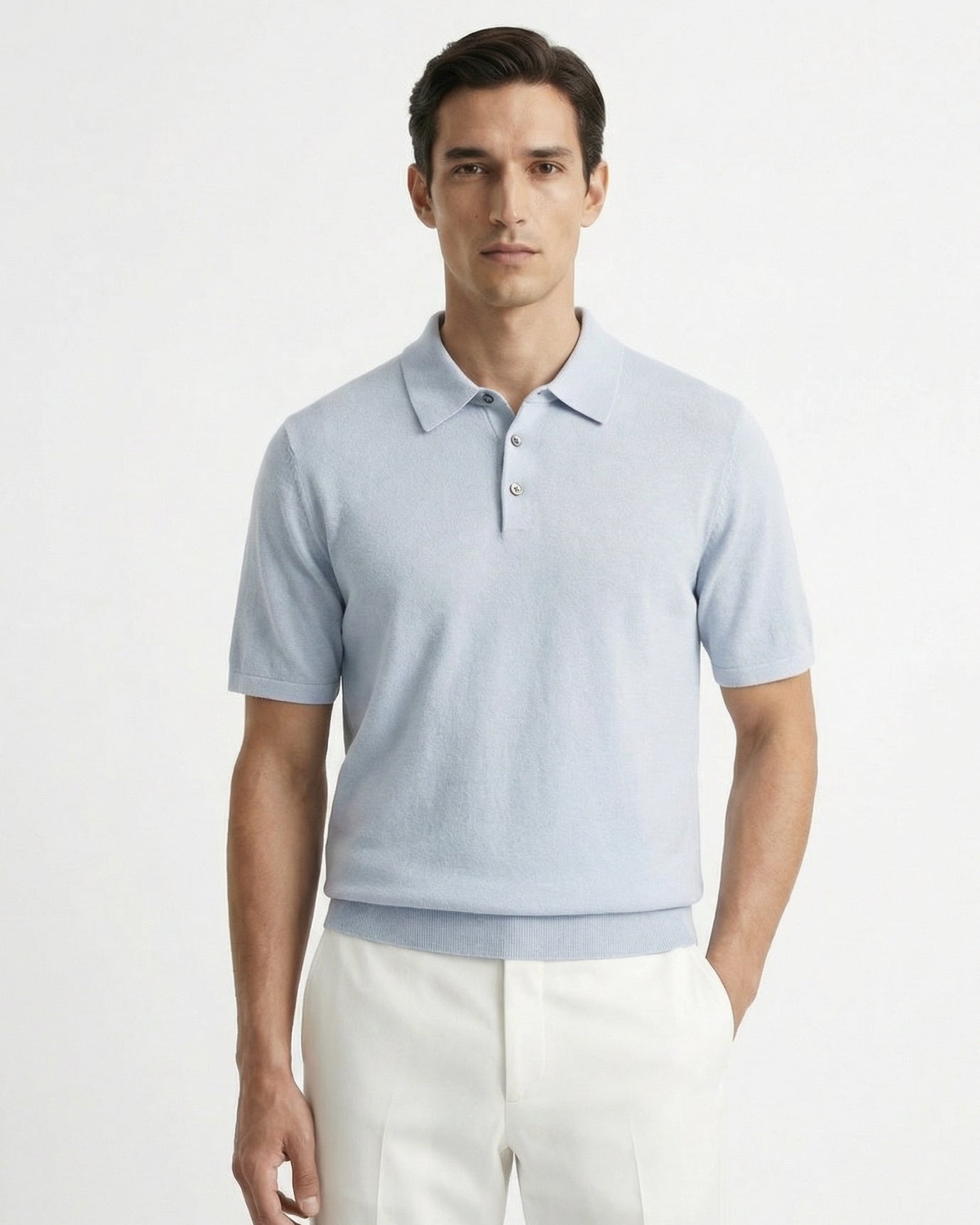
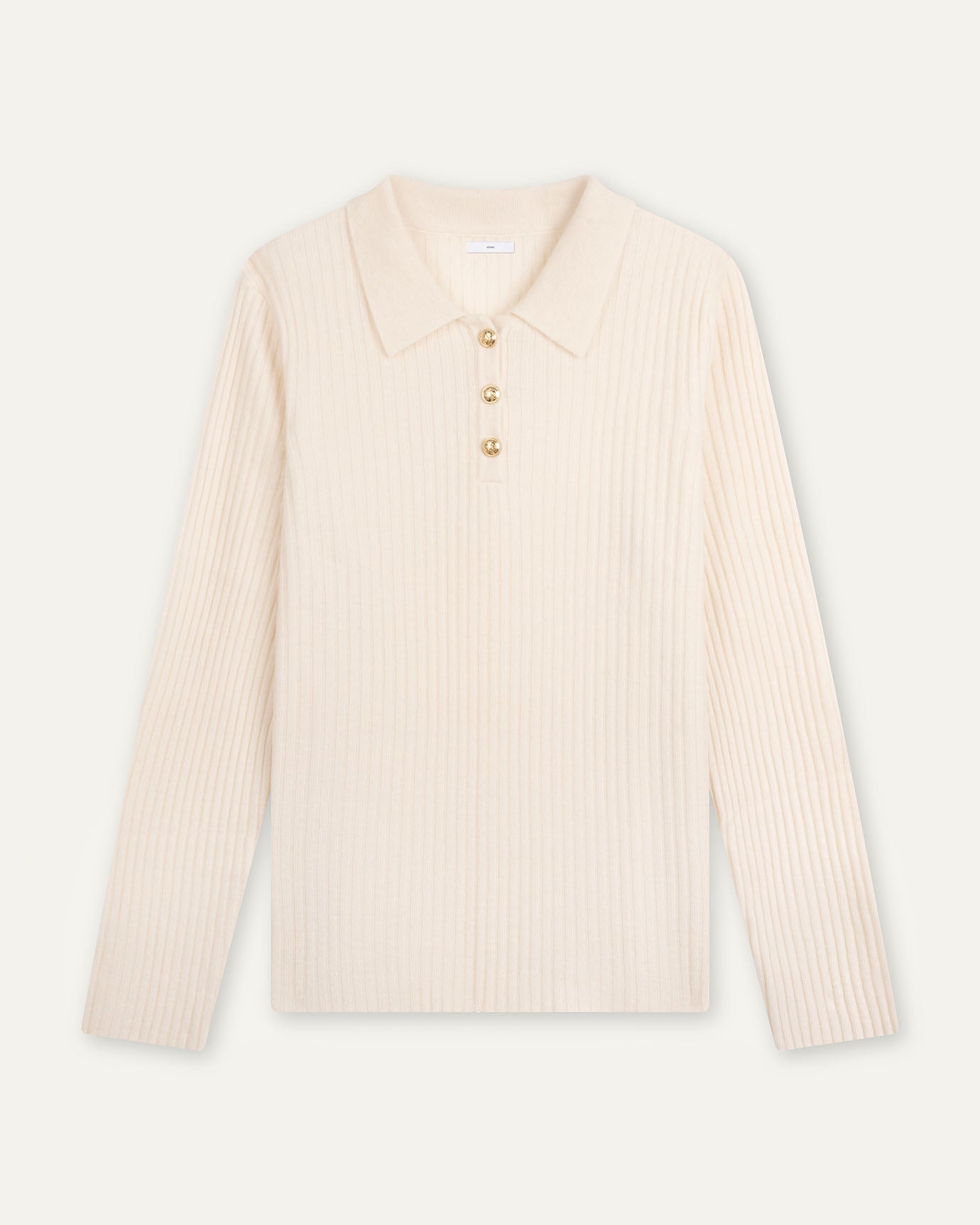
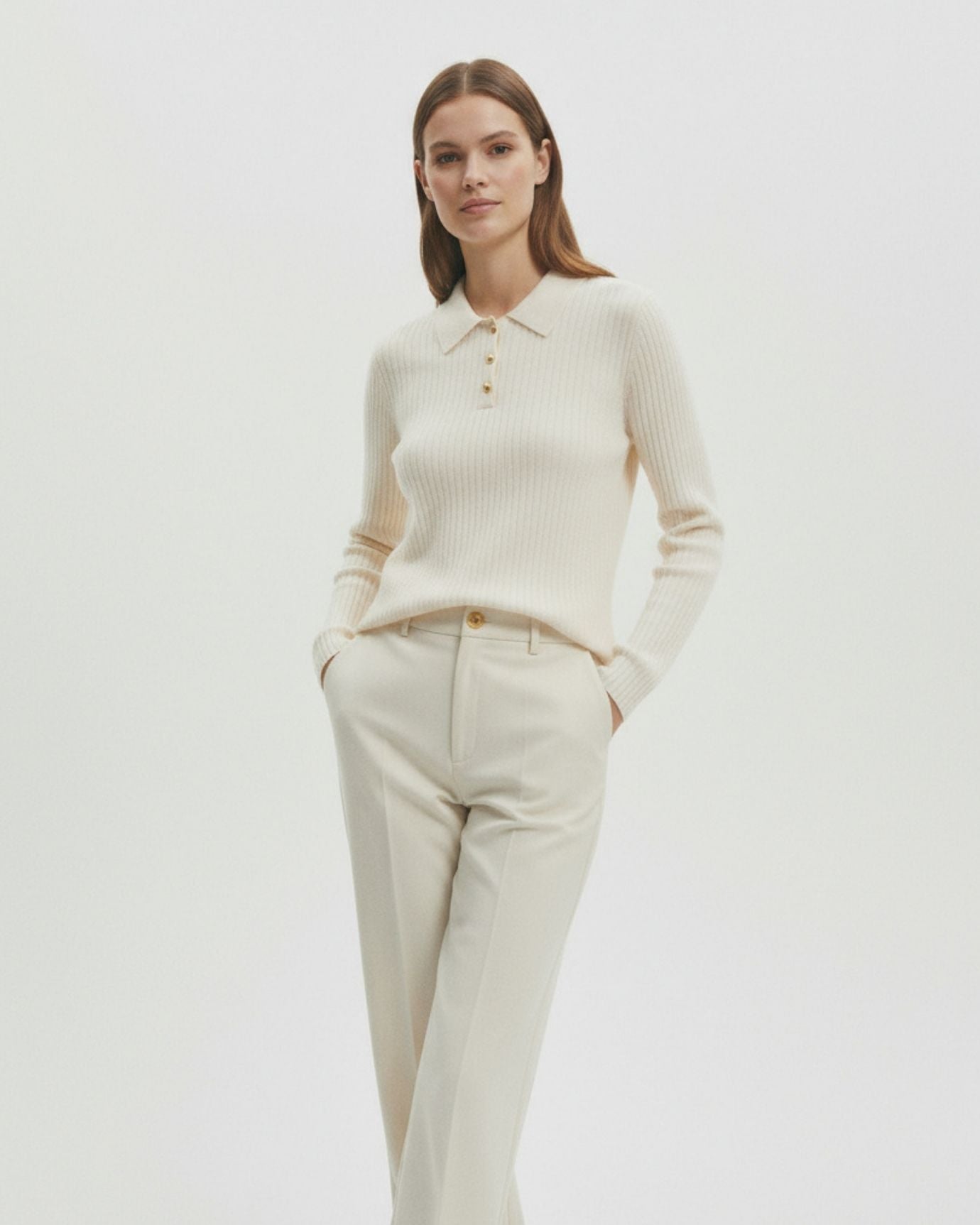
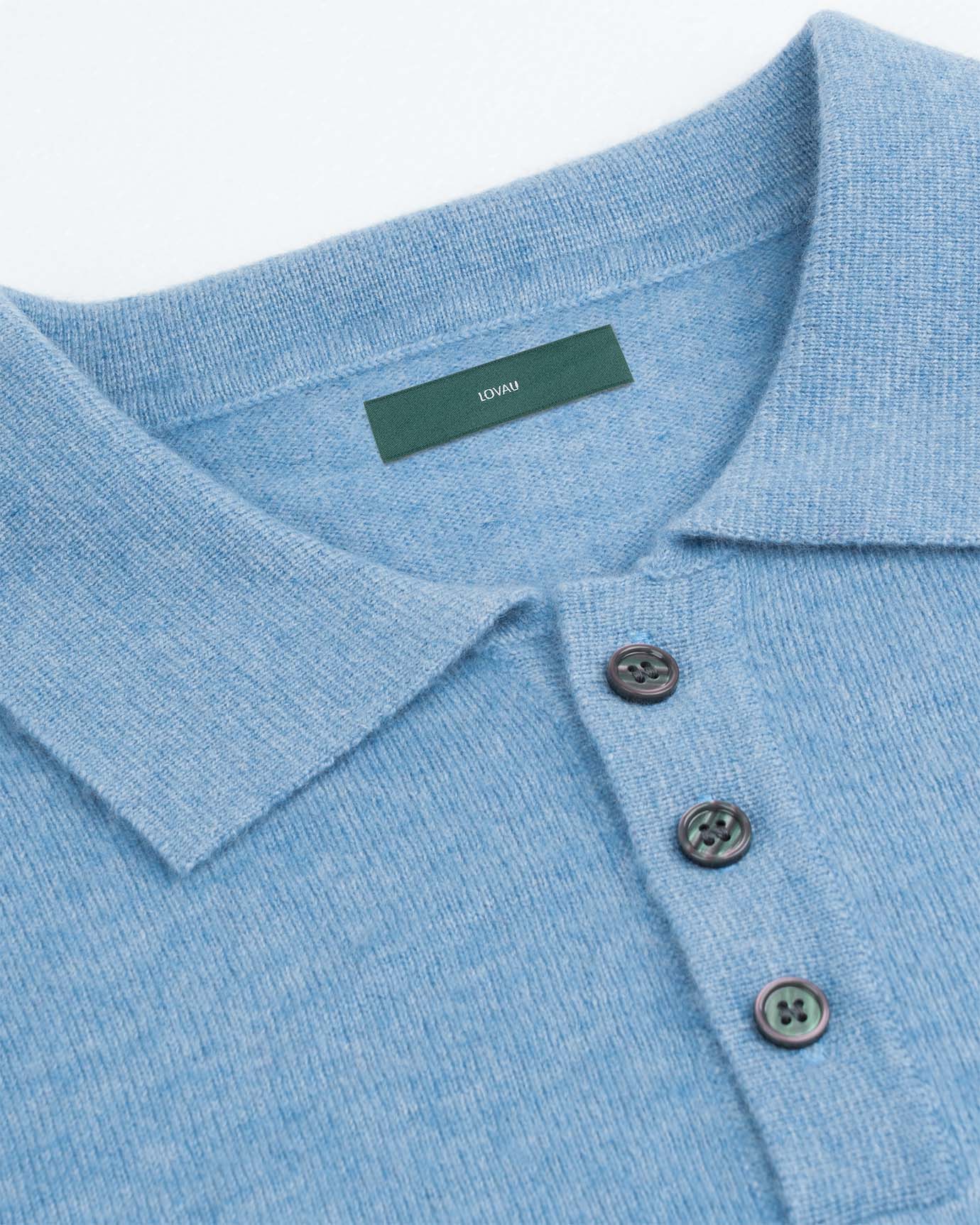
Cashmere blends (cashmere mixed with wool or nylon) tuck nearly as well as merino. Pure cashmere, particularly in finer weights, can be too soft to maintain a fold under pressure. The Kylie Cashmere Sweater Pullover Polo is a well-structured example in this category. For more on caring for these pieces so they hold their shape over time, see our article on how to wash delicate knitwear without shrinking it.
Alpaca is problematic for tucking. The fiber is exceptionally smooth and has very little friction. Any tuck in a pure alpaca piece will migrate and loosen. The Aus Alpaca Sweater Cardigan is better worn untucked, open over a dress or blouse.
Cotton knits tuck easily but tend to bunch at the waist because cotton has no spring-back. They are best reserved for light half-tucks rather than full tucks.
Acrylic or synthetic blends are unpredictable. Some are structured enough to tuck; others are too slippery. Test on your specific garment before committing to an outfit.

Choosing the Right Bottom to Tuck Into
The sweater is only half the equation. The bottom you tuck into determines whether the result reads as polished or provisional.
High-waisted skirts are the best pairing for a tucked thick knit. The higher the waistband, the more fabric it can absorb, and the longer the tuck stays in place. A waistband that sits at the natural waist or just above it gives you two to three inches of grip. The knit set format, where a sweater and skirt are designed together, solves this problem by design. The Kris Knit Set Sweater & Skirt and the Kira Cardigan & Skirt Knit Set are built with proportions that make the tuck look intentional rather than improvised.
Structured trousers with a clean waistband work well for the internal fold method. Avoid trousers with decorative waistbands, thick belt loops, or visible closures at the front, as these add more visual information at exactly the wrong point.
Pencil skirts in wool or ponte are excellent for full tucks because their fitted silhouette counterbalances the volume of the sweater above.
Avoid wrap skirts, elasticated waistbands, and anything with a ruffle or gathered waist. These waistbands cannot grip the fabric firmly enough, and the gathered fabric at the join will look chaotic rather than considered.
For a complete picture of how to combine knits with the right bottoms and layers, the Lovau Woman Designer collection shows how these proportions work in practice across a full wardrobe.

When Not to Tuck: Styles That Work Better Worn Out
Not every thick knit is meant to be tucked, and recognizing when to leave it out is as important as knowing how to tuck it well.
Oversized silhouettes are designed to be worn untucked. Attempting to tuck a sweater that is cut four inches wider than your natural waist will create an enormous volume of fabric at the waistband. Wear these over slim trousers or a narrow midi skirt instead.
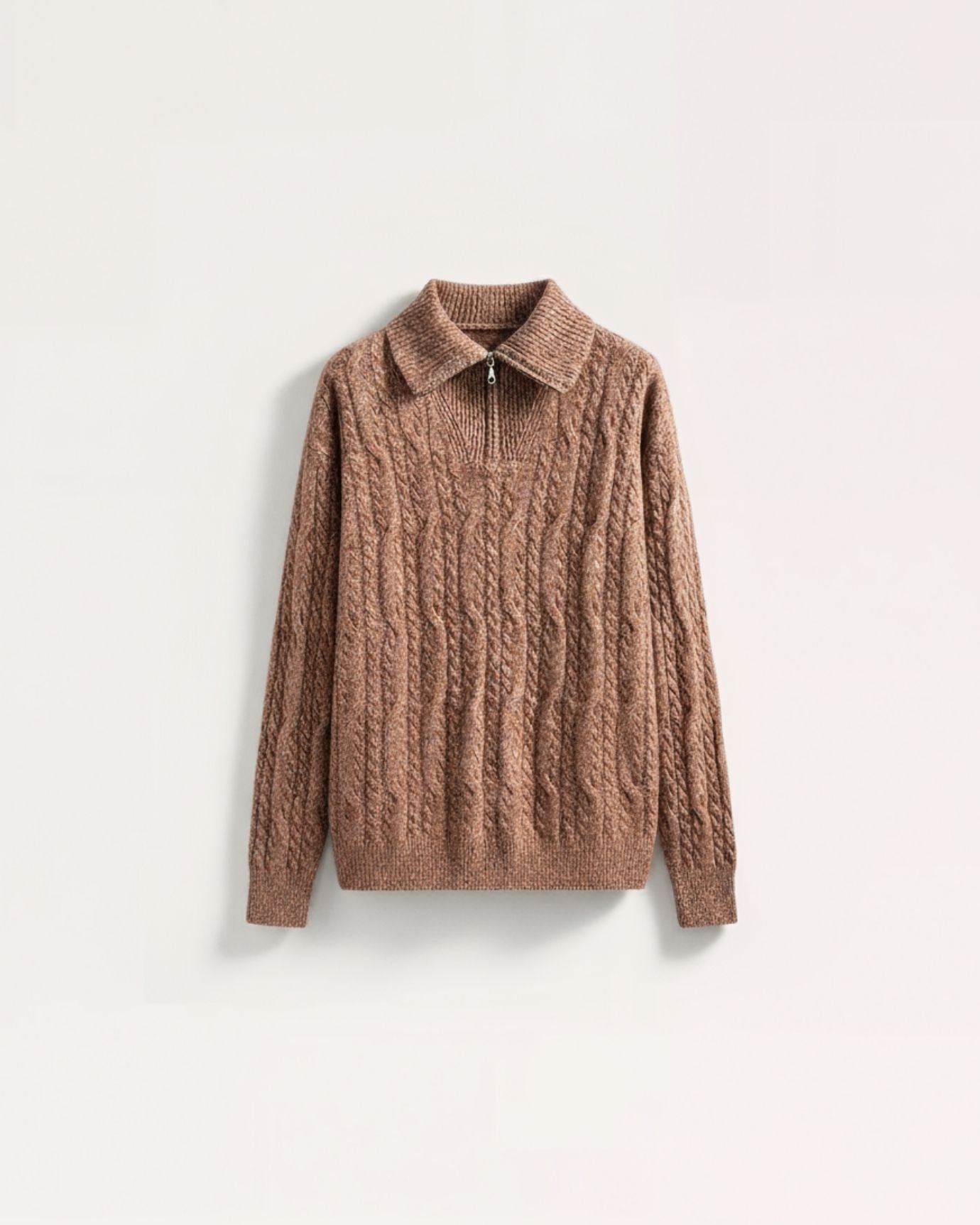
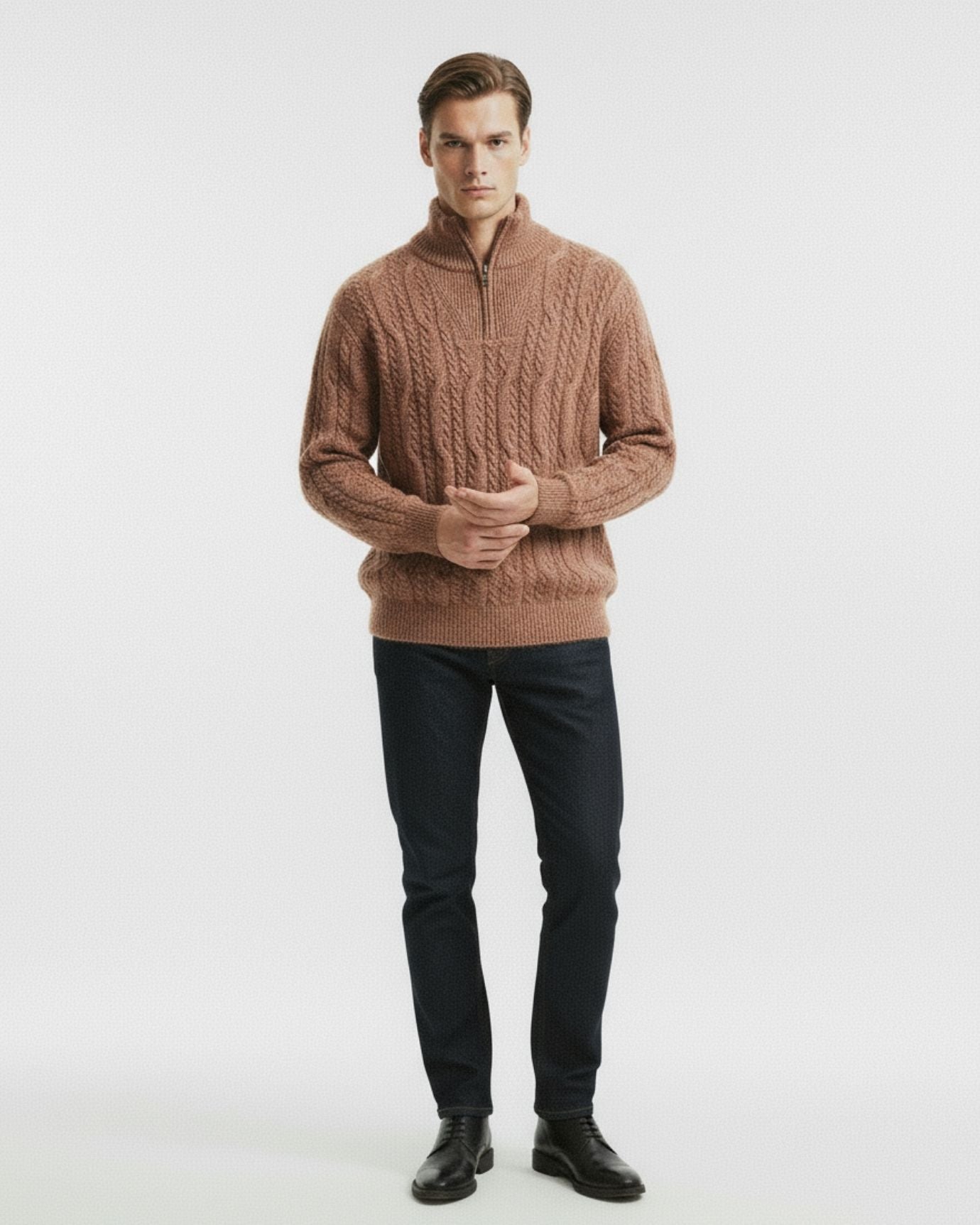
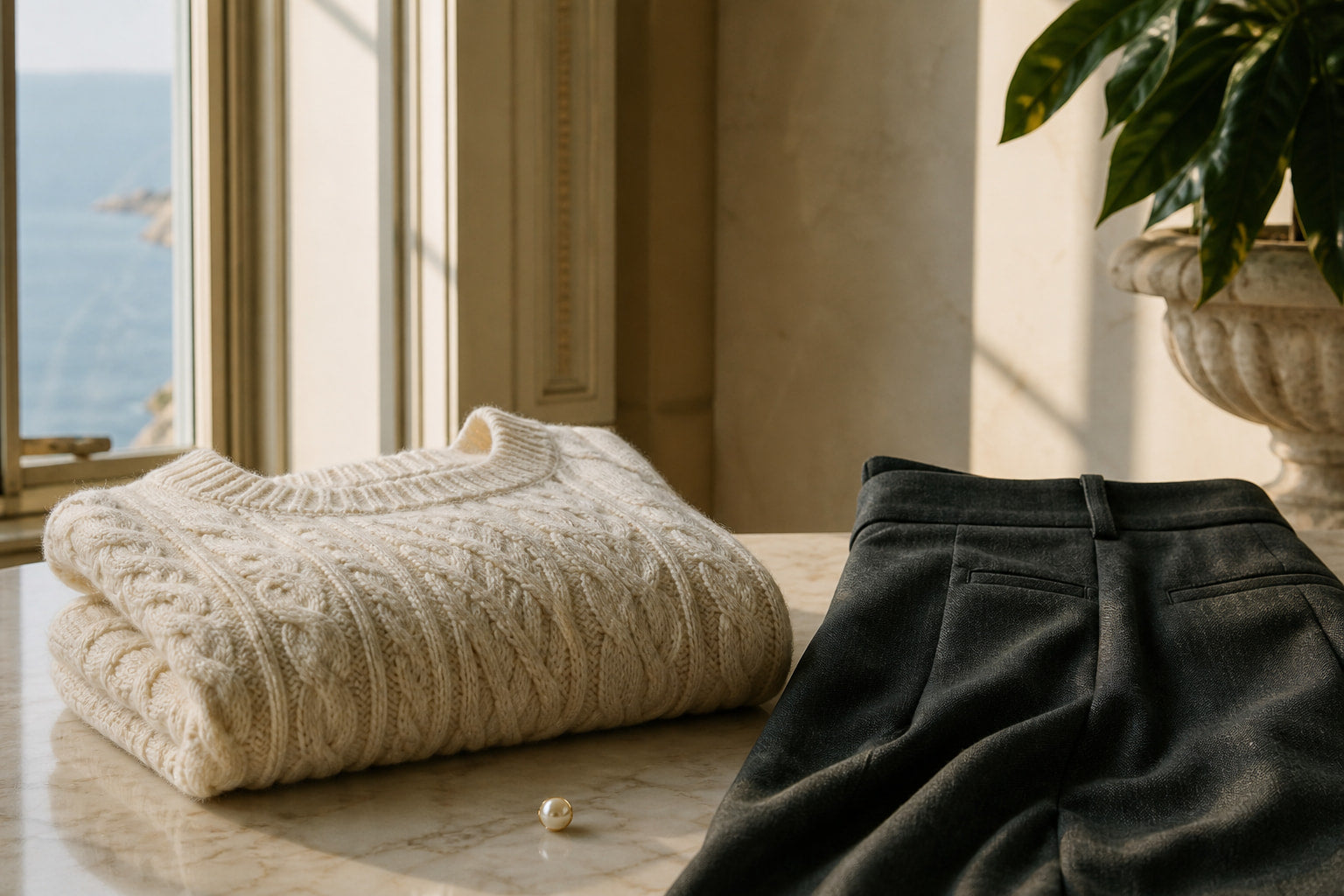
Cable-knit sweaters with irregular surface texture generally look better out. The sculptural quality of a cable knit is a visual feature; burying it in a waistband wastes it.
Cropped sweaters are already proportioned to sit at the waist without tucking. A cropped knit over a high-waisted skirt gives you a clean waistline definition without any tucking required. The Elegant Short-Sleeve Knit Top is a good example of a knit cut to sit cleanly at the waist without needing to be tucked at all.
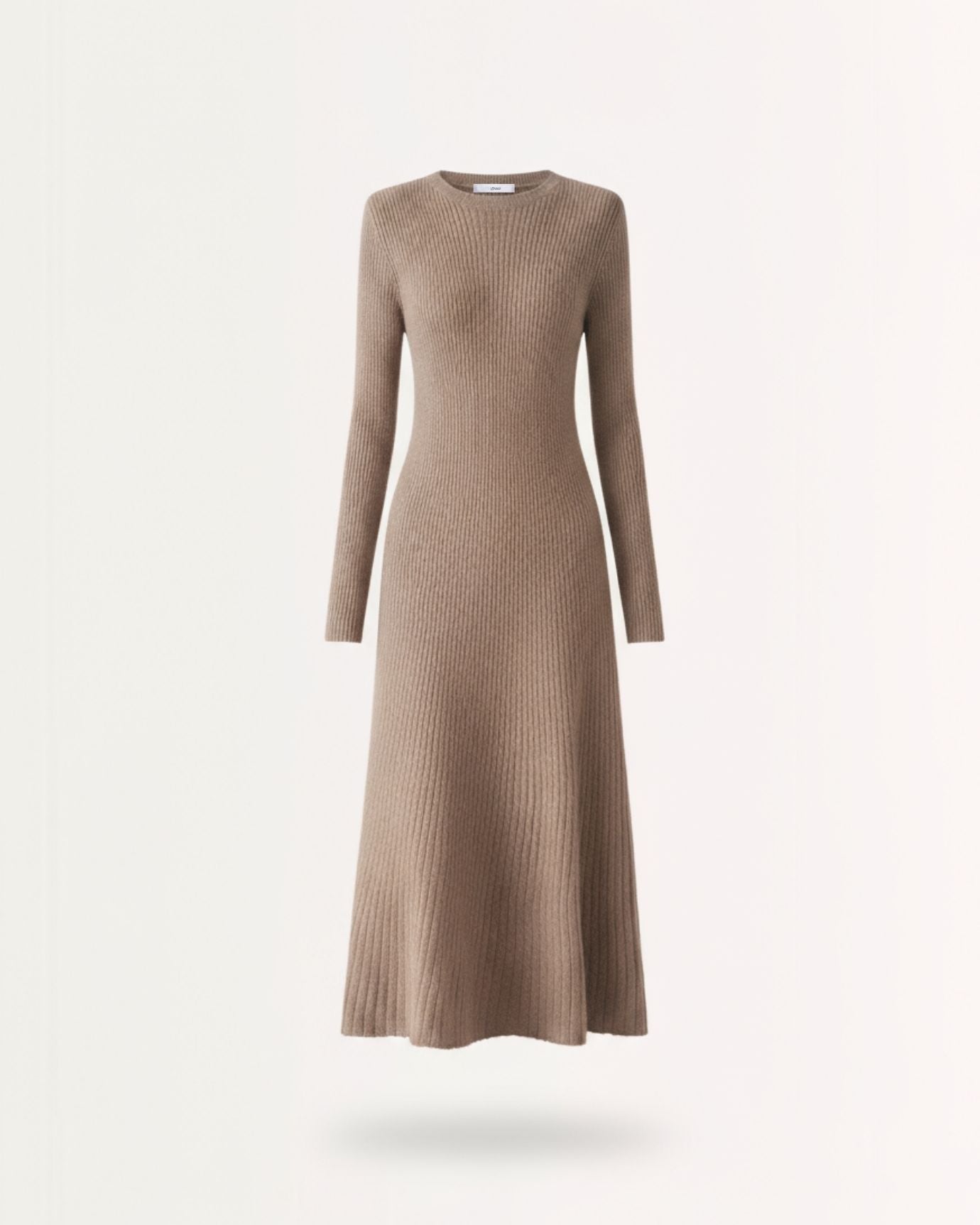
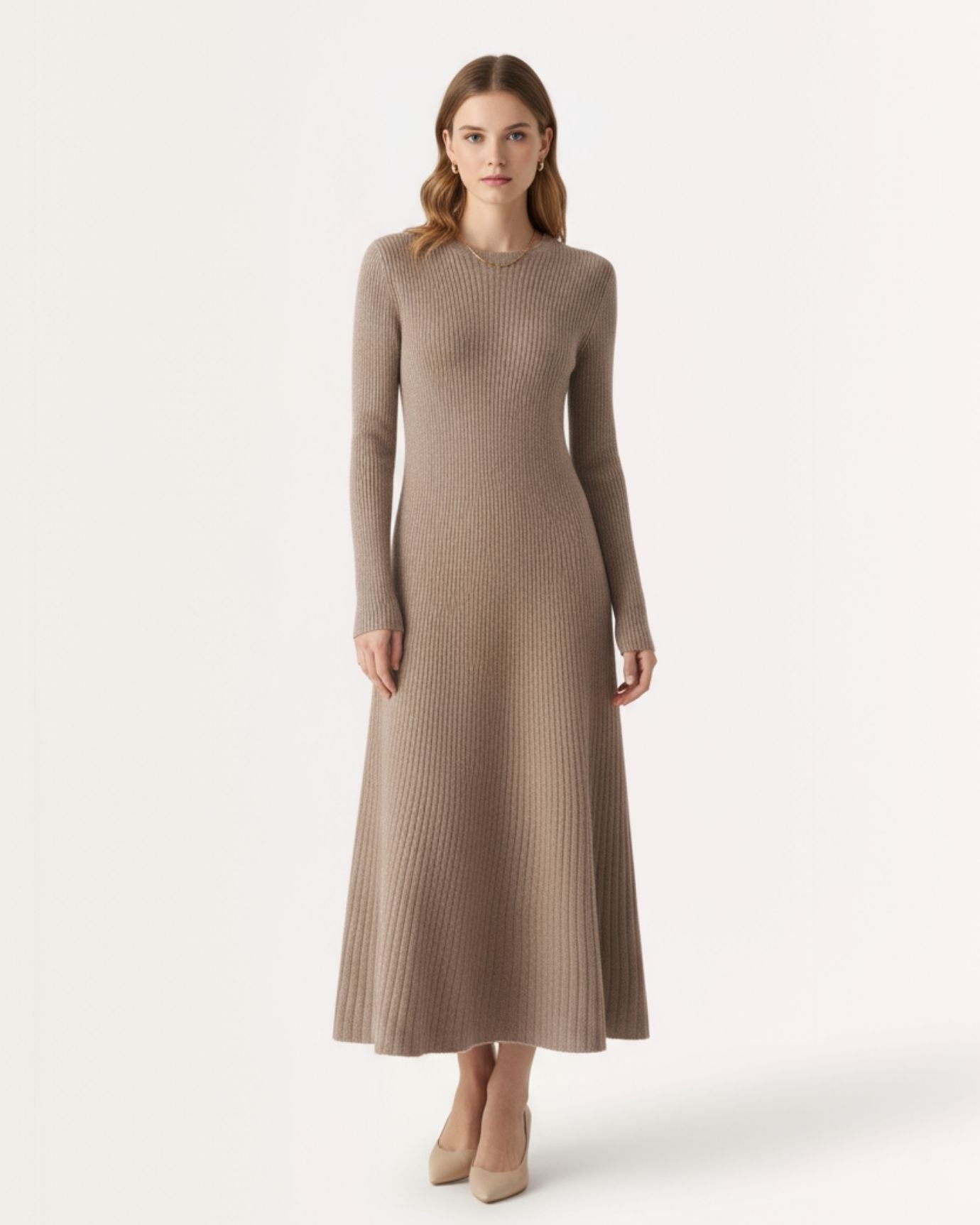
For occasions where you want the warmth and texture of a thick knit without the styling complexity of a tuck, consider a knit dress instead. A single-piece knit dress gives you the fabric quality and the warmth with none of the proportion management. Our article on how to layer a fine-gauge cashmere sweater over a polo also covers alternative approaches to building volume and warmth without relying on a tuck at all.
The Cashmere Sweater Zipper Turtleneck is another piece that reads better worn slightly out or half-tucked, given its structured turtleneck, which already creates a vertical line of interest above the waist. Forcing a full tuck works against the garment's proportions. According to Harper's Bazaar's guidelines on knitwear styling, the best knit outfits work with the natural weight and drape of the fabric rather than against it, a principle that applies directly to the tuck question.

| Fabric | Tuck Performance | Grip on Waistband | Best Tuck Method | Notes |
|---|---|---|---|---|
| Merino Wool | Excellent | High | Full tuck or half-tuck | Most reliable for all-day hold |
| Cashmere-Wool Blend | Very Good | Medium-High | Half-tuck or internal fold method | Softer than merino; internal fold helps |
| Pure Cashmere (fine gauge) | Good | Medium | Half-tuck only | Too soft for full tuck without tape |
| Alpaca (pure) | Poor | Low | Do not tuck; wear untucked | Fiber is too smooth to grip waistband |
| Cotton Knit | Moderate | Medium | Light half-tuck | Bunches easily; avoid full tuck |
| Acrylic Blend | Variable | Low-Medium | Test per garment | Unpredictable; slippery blends resist tucking |
Frequently asked questions
Can you tuck a cable-knit sweater into a skirt?
A full tuck on a cable-knit is rarely worth attempting. The textured surface creates too much bulk at the waistband. A very shallow half-tuck, front only, one to two inches deep, can work if the skirt waistband is wide and structured. Otherwise, wear it untucked over a slim silhouette and let the cable texture be the visual focus.
How do you keep a tucked sweater from coming untucked throughout the day?
Three things help: tuck deeper than you think you need to, at least two to three inches; use the internal fold method to reduce the hem thickness before it enters the waistband; and choose a bottom with a structured waistband that grips fabric rather than a soft or elasticated one. A small strip of double-sided fashion tape along the inside front of the waistband is also a practical solution for long days.
What is the best skirt to wear with a tucked thick knit?
A high-waisted skirt in a structured fabric, such as wool, ponte, or corduroy, is the most reliable pairing. The Kris Knit Set Sweater & Skirt is designed specifically with these proportions in mind, so the sweater and skirt waistband work together rather than against each other.
Does washing a sweater affect how well it tucks?
Yes, significantly. Overwashed or incorrectly washed knitwear loses its structure and becomes softer and more fluid, which makes it harder to tuck and hold. Keeping your sweaters in good condition directly affects how they behave when styled. For guidance on maintaining that structure, read our article on how to wash delicate knitwear without shrinking it.
The bulky sweater problem is, at its core, a fabric management problem. Once you understand how your specific knit behaves, whether it is a dense merino that holds a full tuck cleanly or a fluid alpaca that is better left free, the styling decision becomes straightforward. Half-tuck for most occasions, full tuck with the internal fold method when the occasion demands it, and leave it out entirely when the silhouette calls for it. For pieces designed to work together from the start, explore the women's knit sets at Lovau, where proportion and fabric weight are already calibrated so the tuck takes care of itself.