


Dressing for the Country Club: A Do's and Don'ts Style Guide
Reading time 12 min • 2478 words
The country club is one of those environments where the dress code is rarely posted anywhere obvious, yet everyone in the room seems to know it instinctively. That unspoken agreement, the one that says smart but not stiff, relaxed but never careless, is exactly what makes dressing for it both enjoyable and occasionally confusing.
The good news is that the rules are not arbitrary. They exist because country club settings, whether you are there for a Sunday lunch, a golf day, or an afternoon garden event, are social occasions that ask for a certain quality of presentation. A well-chosen dress signals that you understand the environment without looking as though you tried too hard.
This guide works through the real dos and don'ts: specific fabrics, silhouettes, lengths, and details that belong in a country club wardrobe, and the common mistakes that undermine an otherwise put-together look.
Key takeaways
- Midi and knee-length dresses in breathable fabrics are the most versatile choice for country club occasions.
- Avoid overly casual fabrics like jersey cotton and anything with large logos or graphic prints.
- A structured A-line or pleated silhouette reads as polished without requiring formal effort.
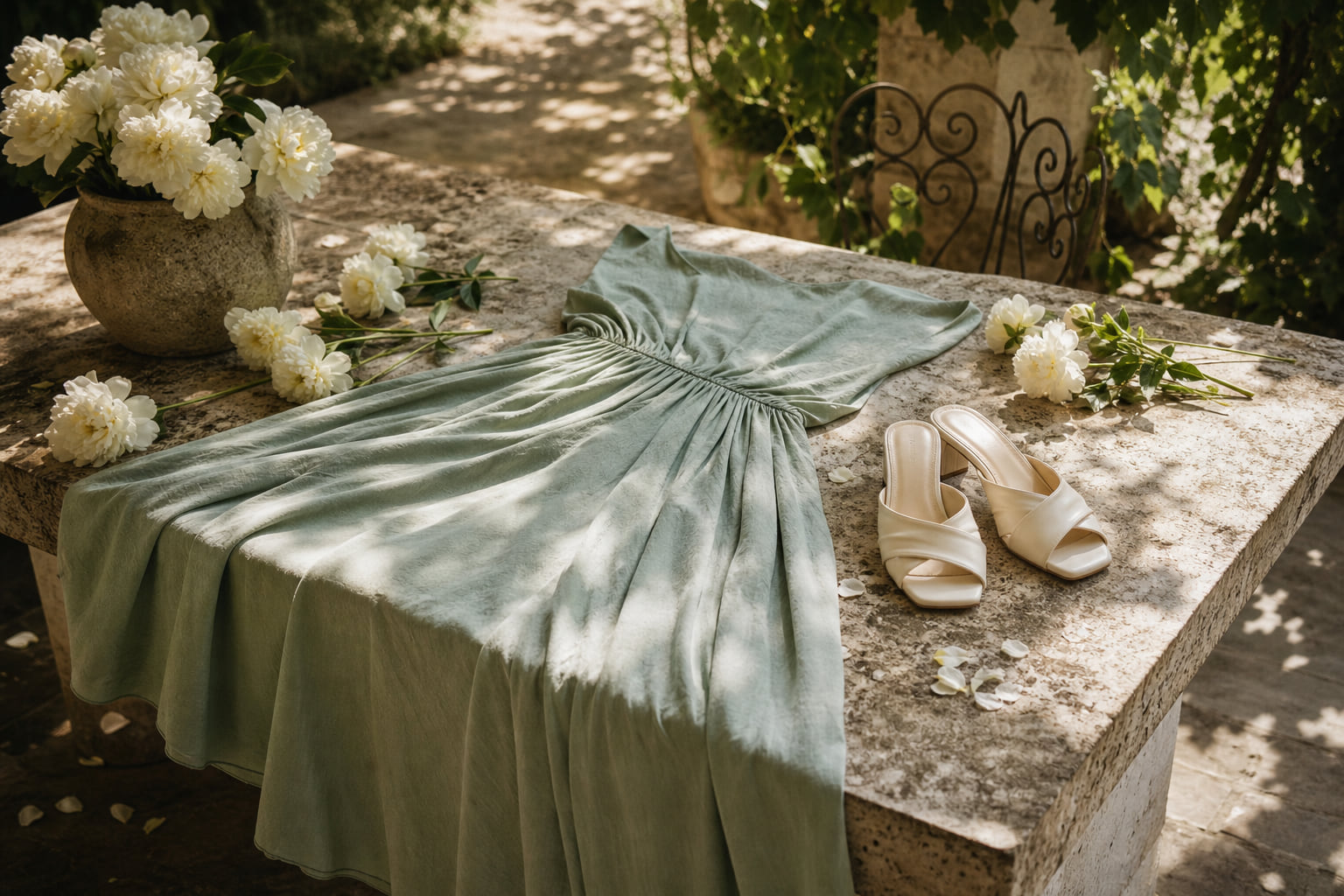
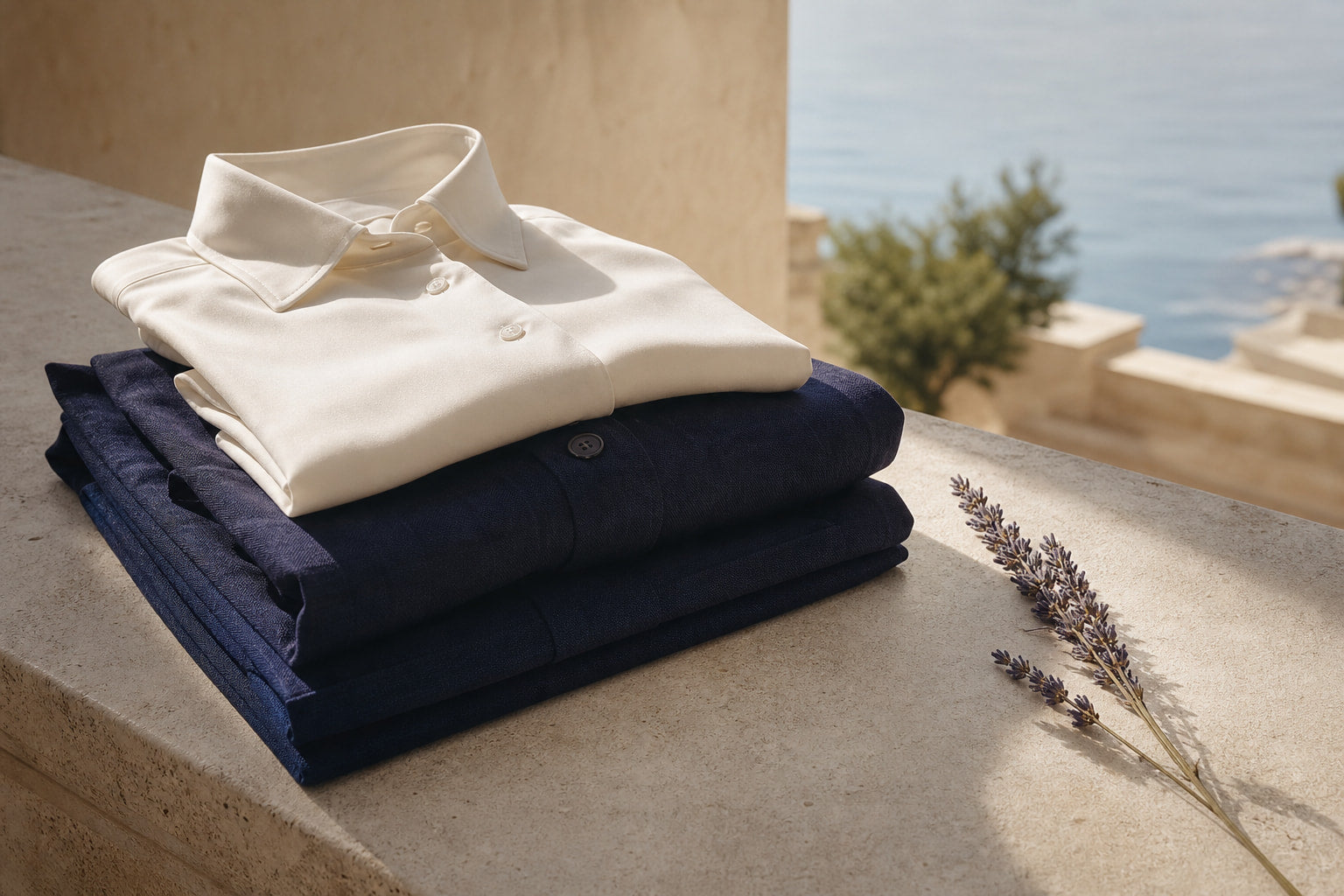
- Neutral and soft tonal palettes, navy, white, cream, and sage, are always appropriate and always photograph well.
- Footwear matters as much as the dress: a low block heel or a leather loafer completes the look correctly.
In this guide
- Understanding the Country Club Dress Code Before You Dress
- The Fabrics That Work and the Ones That Don't
- The Silhouettes That Belong at the Club
- Colour and Print: The Unwritten Rules
- The Country Club Dress for Every Occasion on the Grounds
- Shoes, Accessories, and the Details That Finish the Look
- Frequently asked questions
Understanding the Country Club Dress Code Before You Dress
Most private clubs operate under a smart casual or resort casual dress code, which sits comfortably between business casual and a summer garden party. The defining characteristic is that clothing should be clean, pressed, and intentional. Anything that reads as beachwear, activewear, or purely casual daywear is generally out of place.
For women, this translates clearly into the dress category. A dress is almost always the right instinct, provided the length, fabric, and silhouette are chosen with some care. Knee-length and midi lengths are the most universally accepted. Very short hemlines, anything that sits more than a few inches above the knee, can cross into territory that feels too casual or too evening-forward depending on the setting.
The most important thing to settle before you get dressed is the specific occasion. Lunch on the terrace calls for something lighter and more relaxed than a formal club dinner or a charity fundraiser on the grounds. Understanding that distinction saves you from both overdressing and underdressing, two equally visible errors in this kind of environment.
Expert insightIf you are unsure of the formality level, a structured midi dress in a solid colour or refined print will read correctly in nearly every country club context, from a casual afternoon to a seated lunch.

The Fabrics That Work and the Ones That Don't
Fabric choice is where country club dressing either succeeds or quietly fails. The environment is often outdoors or partially so, which means comfort and breathability matter, but so does the way a fabric holds its shape over the course of a long afternoon.
Linen is an excellent choice for warm-weather club occasions. It is breathable, has a natural texture that reads as refined, and softens beautifully when cut well. Cotton poplin and cotton voile work similarly, provided the garment is structured rather than relaxed in cut. Silk and silk-adjacent fabrics, including lightweight crepe and chiffon, are well suited to evening events or more formal lunches.
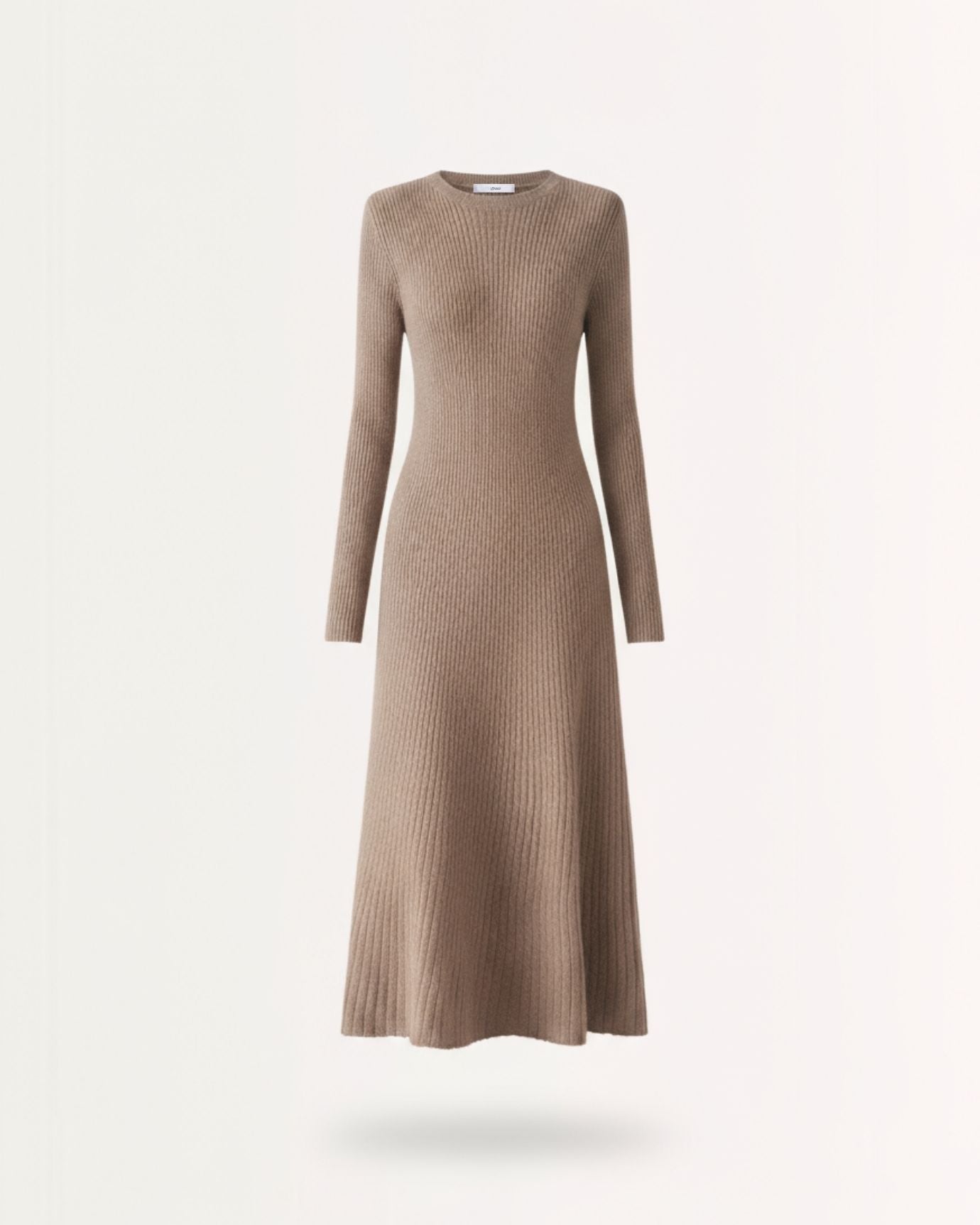
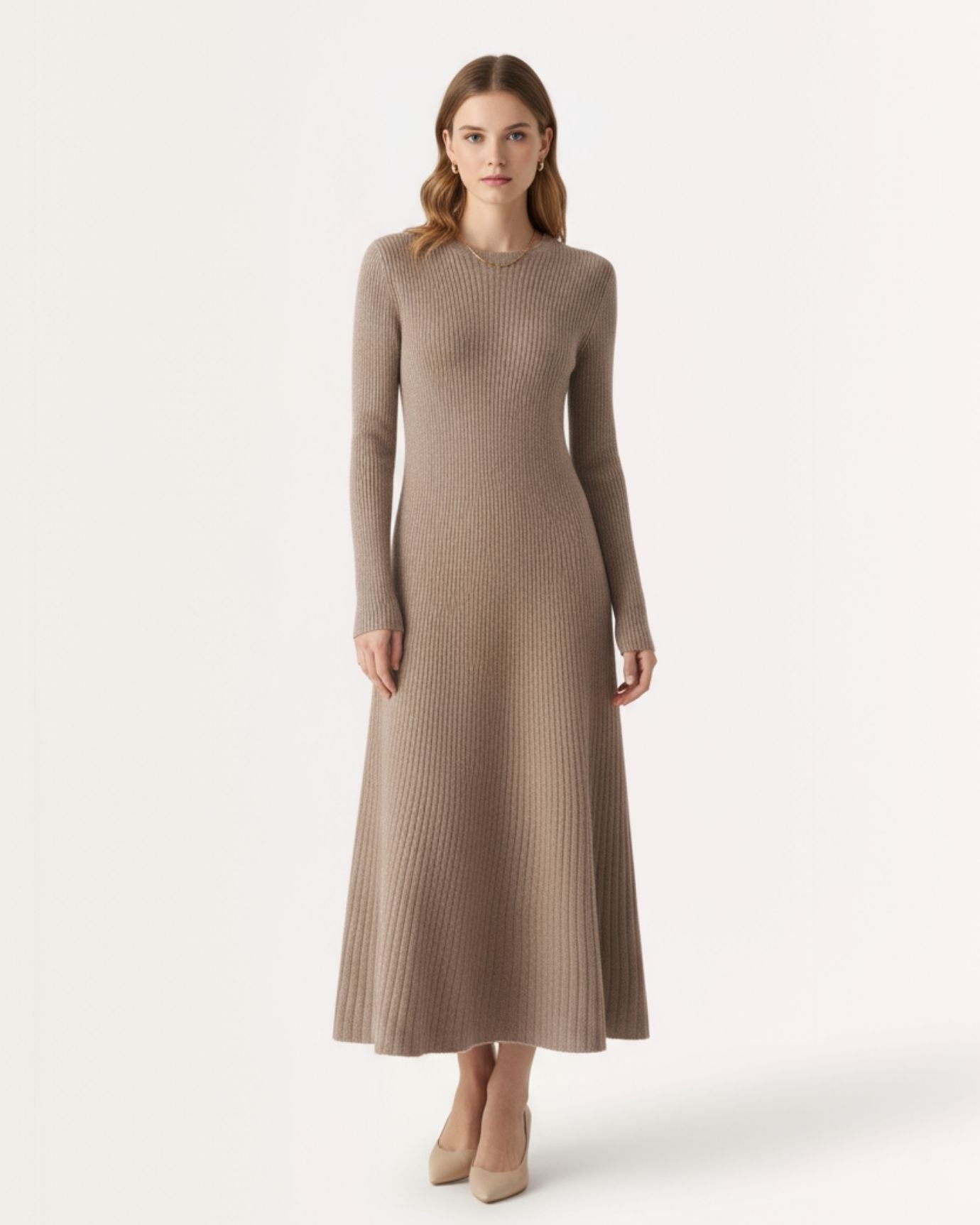
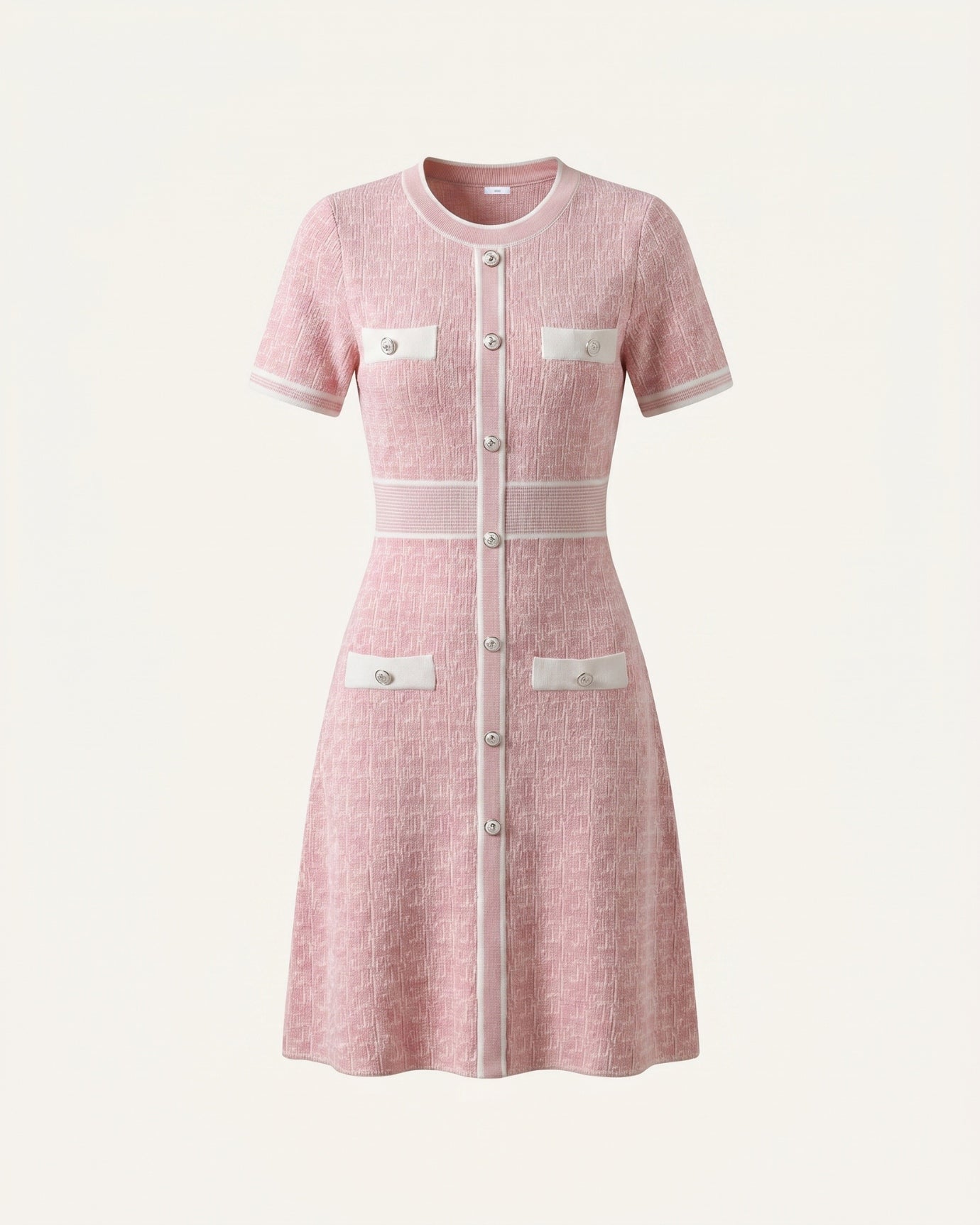
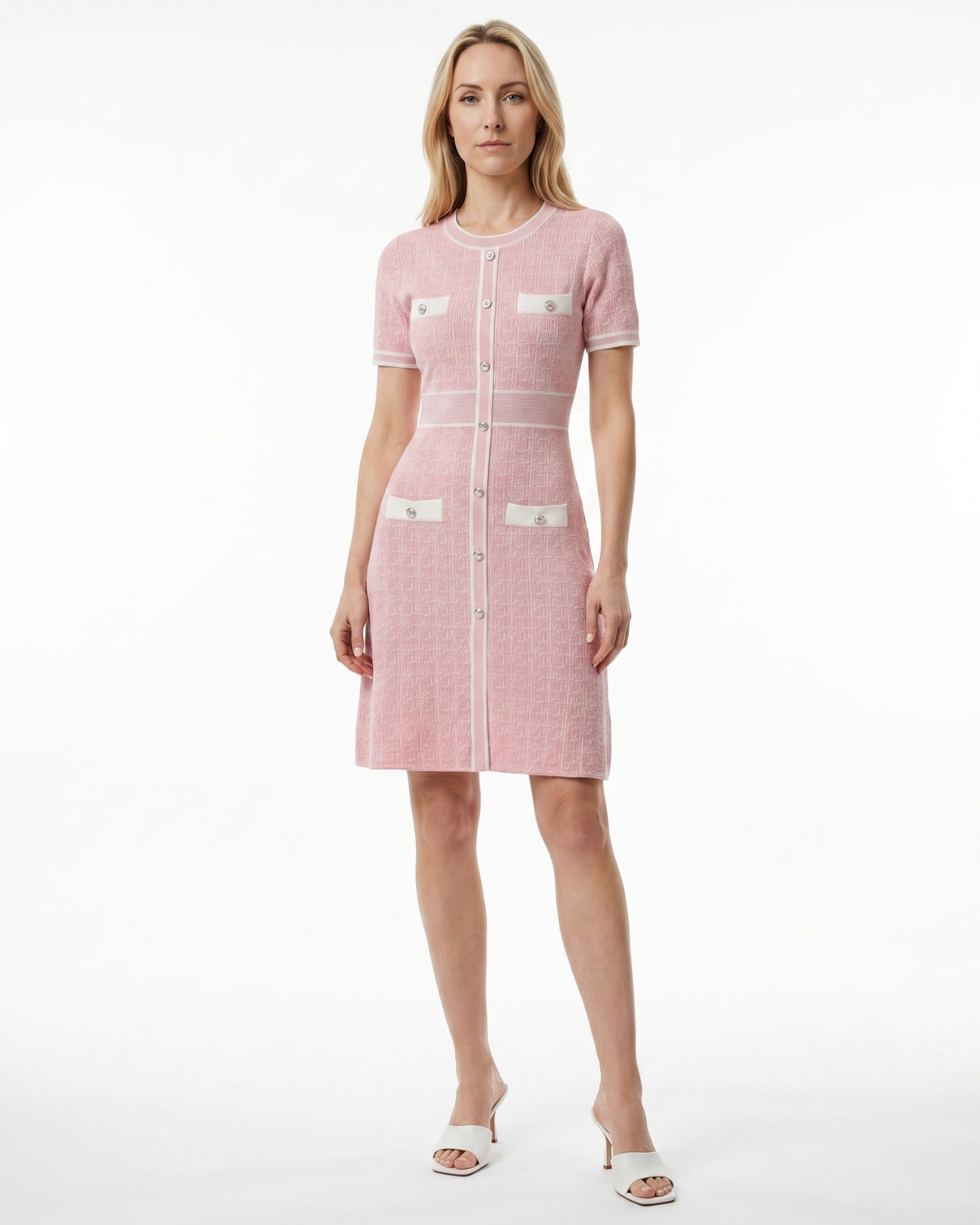
Knit fabrics can absolutely work when the knit is fine and the silhouette is shaped. A fitted A-line knitted dress, like the Lovau A-line knitted dress, sits precisely in this sweet spot: the knit gives comfort and movement, while the structured silhouette keeps it polished.
What to avoid: heavy jersey cotton that loses its shape by midday, synthetic fabrics that reflect light awkwardly or pill, and anything with a wrinkled or deliberately distressed finish. Linen that has not been pressed is a different garment from pressed linen. The distinction matters in this setting.
For cooler club days or transitional seasons, wool crepe and fine merino knits are the correct answer. The wool dress in old money style is a useful reference point: clean, structured, and appropriate across a range of club settings without looking overdressed.
Expert insightPress your linen dress before you leave the house, not the night before. Linen creases quickly, and arriving in a freshly pressed garment versus one that has sat folded in a bag makes an immediate visual difference.

The Silhouettes That Belong at the Club
Silhouette is the architecture of a look. At the country club, the most successful shapes share a few qualities: they are structured without being restrictive, they move well, and they have a defined waist or at least a clear sense of proportion.
The A-line dress is the most reliable silhouette for this setting. It fits at the shoulder and bodice, then flares gently to the hem, which means it flatters a wide range of body types and maintains its shape regardless of whether you are seated at lunch or standing on the terrace. Browse the day dresses collection to see how this shape translates across different fabrics and occasions.
Pleated dresses are another strong option. The pleating adds texture and movement, and it signals a certain formality of construction without requiring a formal garment. The contrast collar pleated dress in navy and white is a precise example of this: the collar detail and pleated skirt together read as considered and club-appropriate.
Belted dresses define the waist clearly and give a polished, put-together quality that works especially well for lunch and social events. The long-sleeved dress with belt handles this well, with the belt drawing the eye to the waist and giving the silhouette a structured European quality that suits the setting.
What to avoid in terms of silhouette: overly body-con cuts that restrict movement and read as evening-forward, very voluminous shapes without any definition, and strapless or very low-cut necklines for daytime occasions. If you are attending an evening event at the club, the evening dresses collection offers options that are formal enough without straying into cocktail party territory.
Expert insightA belted dress in a tonal colour, navy belted with navy, or cream belted with cream, reads as more refined than a contrasting belt, which can feel too deliberate. Tonal is always quieter, and quiet is always right at the club.

Colour and Print: The Unwritten Rules
Country club colour palettes tend toward the classic end of the spectrum. Navy, white, cream, sage, pale blue, blush, and soft coral all photograph well on a sunny terrace and read as inherently appropriate. These are not restrictive choices; they are the choices that age well and suit the setting without requiring explanation.
Stripes have a long history in club and resort dressing and remain one of the most reliable prints you can choose. A clean navy-and-white stripe reads as nautical without being a costume, and it pairs naturally with leather loafers and a structured tote. The blue striped dress captures this precisely.
Florals work when they are small-scale, restrained, and printed on a good fabric. A large, bold floral on a limp polyester base looks different from a small, delicate floral on cotton or silk. The distinction is in the scale and the quality of the ground fabric. The dreamy retro floral dress handles print with the right restraint, keeping the scale refined and the palette soft.
White dresses are always a strong choice for daytime club occasions. The key is fabric weight: a white dress in cotton poplin or a structured weave holds its shape and does not become transparent in bright light. For a deeper look at how to wear white across occasions, the white dresses guide covers the territory well.
What to avoid: large logo prints, graphic text, camouflage or very casual print references, and very dark colours for midday summer events, which absorb heat and can read as overly formal for a sunny outdoor setting.

The Country Club Dress for Every Occasion on the Grounds
Country clubs are not single-occasion venues. The same membership might see you at a weekday lunch, a Saturday golf day, a summer charity event, and a formal dinner in the same month. Each calls for a slightly different register.
For casual lunch and terrace dining, a midi dress in a breathable fabric is the correct starting point. The country side old money dress is built for exactly this: relaxed enough to wear comfortably through a long lunch, structured enough to look intentional. Pair it with leather loafers from the loafers collection and a structured bag.
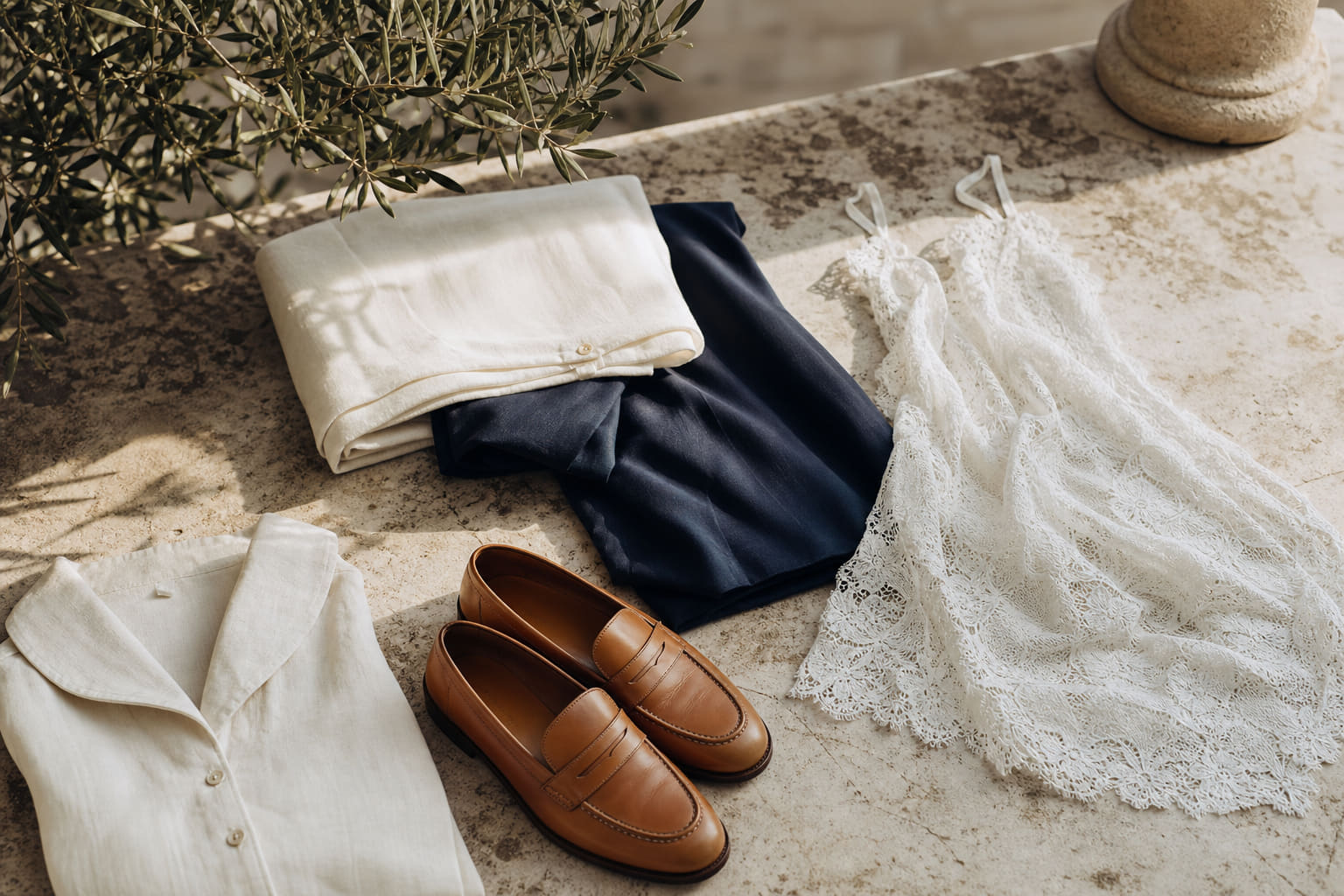
For a club garden event or charity afternoon, move toward something with a little more detail: a lace element, a pleated skirt, or a collar. The Dina short-sleeve lace dress works here, with the lace detailing adding a layer of formality without requiring a full evening look. If the event is outdoors in summer, consider a midi dress guide for additional context on length choices.
For a formal club dinner, the register shifts upward. Longer hemlines, richer fabrics, and more considered details are appropriate. A structured dress in a silk crepe or a velvet-accented style, like the velvet designer old money style dress, reads correctly for evening without crossing into black-tie territory.
For a poolside or sports-adjacent setting, the rules are slightly more relaxed, but the principle remains: choose something with structure. A clean white dress in a heavier cotton over swimwear, or a striped dress worn with flat sandals, keeps the look cohesive. The French niche style white dress handles this transition well.

Shoes, Accessories, and the Details That Finish the Look
A well-chosen dress can be undone by the wrong shoes. At the country club, footwear should be clean, structured, and appropriate for the ground you will be walking on, which often includes grass, gravel paths, and polished floors in quick succession.
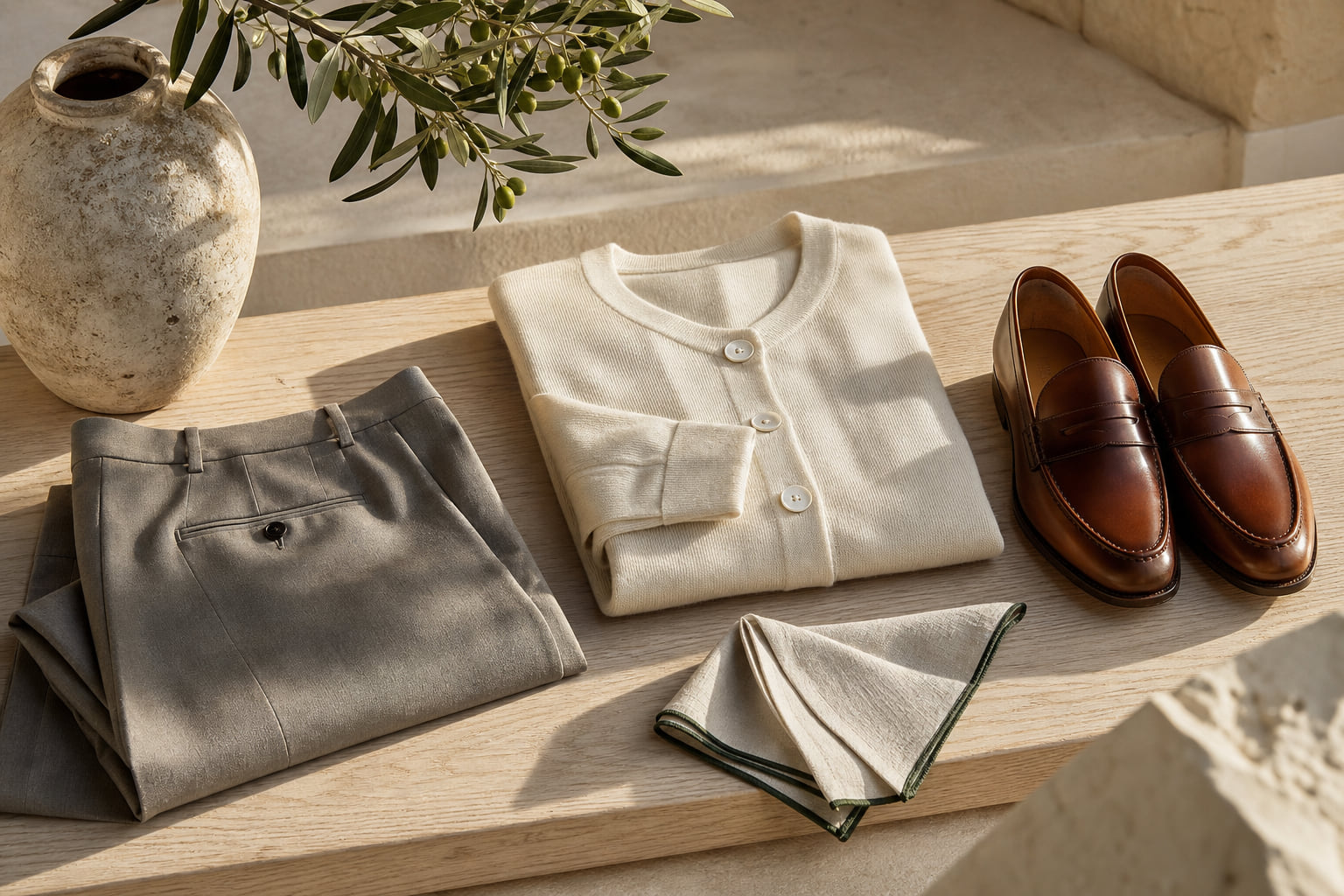
Low block heels and kitten heels are the most practical formal option. They are stable on varied surfaces and read as dressed without being impractical. Leather loafers are arguably the single most versatile shoe for club dressing: they work with midi dresses, A-line silhouettes, and belted styles equally well. The loafers old money style collection covers the range of options available.
Flat sandals in leather are acceptable for the most casual daytime occasions, particularly poolside or on warm summer afternoons. What to avoid: very high stiletto heels on grass, overly casual flat shoes like rubber-soled sneakers or flip-flops, and anything that looks like athletic footwear regardless of how minimal it appears.
For accessories, the approach is restrained. A structured leather tote or a medium-sized shoulder bag in a neutral colour is the correct choice. Avoid very large tote bags with casual branding or very small clutches that read as evening-only. Sunglasses are always appropriate for outdoor settings; a classic frame in tortoiseshell or black reads correctly in this environment. The woman sunglasses collection is a useful reference for shapes that suit the aesthetic.
Jewellery should be kept simple: a single bracelet, small earrings, or a delicate necklace. The goal is to look considered, not decorated. The same principle applies to hair and makeup: neat, finished, and appropriate for the time of day.

| Occasion | Recommended Length | Best Fabric | Print or Colour | Footwear |
|---|---|---|---|---|
| Casual terrace lunch | Knee to midi | Cotton poplin, linen | Stripe, solid, small floral | Leather loafer, flat sandal |
| Garden party or charity event | Midi | Cotton voile, silk crepe | Soft floral, blush, sage | Low block heel, loafer |
| Formal club dinner | Midi to maxi | Silk, velvet, wool crepe | Navy, cream, deep teal | Kitten heel, low court shoe |
| Poolside or sports day | Knee length | Heavy cotton, linen | White, stripe, pale blue | Flat leather sandal, loafer |
| Weekend brunch or member event | Knee to midi | Fine knit, cotton blend | Tonal solid, refined print | Loafer, low block heel |
Frequently asked questions
Can I wear a sleeveless dress to the country club?
Yes, in most cases. Sleeveless dresses are appropriate for daytime and warm-weather club occasions, particularly when the silhouette is structured and the fabric is refined. A sleeveless pleated or A-line dress reads as polished, not underdressed. If you are moving into an air-conditioned interior, keep a light layer available. The contrast collar pleated dress in navy and white is a good example of a sleeveless style that works across club settings.
Is a floral dress appropriate for the country club?
Yes, when the print is small-scale and the fabric is well-chosen. A restrained floral on cotton, silk, or voile reads as appropriate and feminine without being overly casual. Avoid very large, bold florals on synthetic fabrics, which tend to read as beachwear rather than club wear. The dreamy retro floral dress is a useful reference: small-scale print, soft palette, quality fabric.
What length dress is best for the country club?
Midi length, which typically falls between the knee and the ankle, is the most versatile and universally accepted choice. It works for lunch, garden events, and more formal club dinners depending on the fabric and silhouette. Knee-length dresses are also appropriate for casual daytime settings. For a deeper look at why midi works so consistently well, the midi dresses guide covers the reasoning in detail.
Are white dresses suitable for the country club?
White is one of the best choices for country club dressing, particularly in spring and summer. The key is fabric weight: choose a structured cotton, linen, or silk-blend rather than a thin or semi-transparent fabric. White reads as clean, intentional, and appropriately polished in this environment. The French niche style white dress is a reliable starting point for a white dress that holds its structure and its shape through a long afternoon.
Country club dressing is not complicated once you understand the underlying logic: choose fabrics that hold their shape, silhouettes that move well, and colours that read as considered rather than casual. A well-chosen dress, in the right length and fabric for the specific occasion, covers nearly every scenario you will encounter on the grounds. Start with the woman dress collection to find the pieces that fit your club calendar, and dress with the quiet confidence that comes from knowing exactly what you are doing.