


2026 Color Trends: The Quiet Luxury Palette
Reading time 14 min • 2798 words
Color trends in fashion move in two directions at once. There is the loud shift, the season's statement hue that appears on every runway and disappears just as fast. And then there is the quieter current, the colors that serious dressers are actually reaching for, the ones that hold their value across multiple years and multiple wardrobes. In 2026, that quieter current is winning.
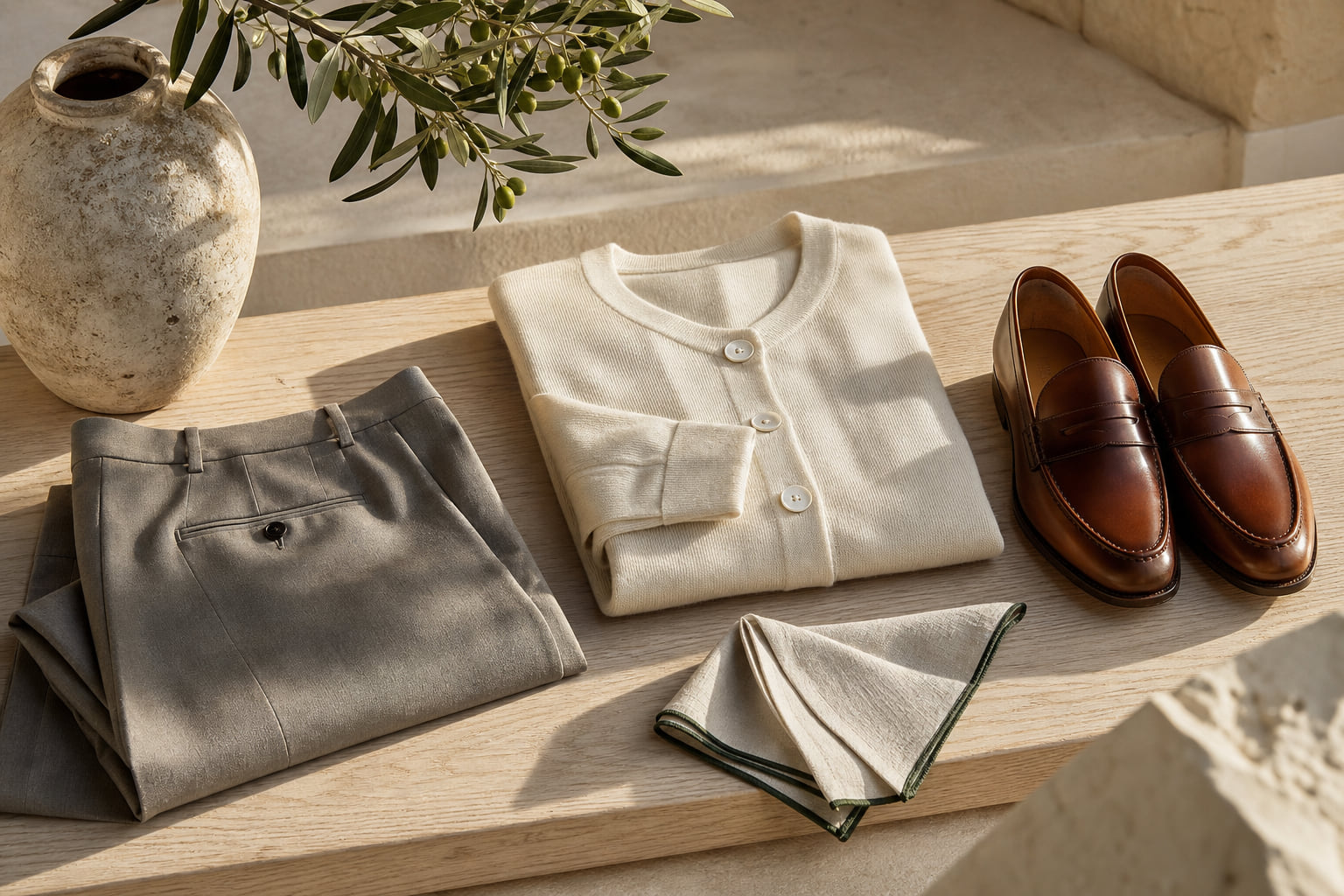
The palette that defines refined dressing this year is built on three anchors: oatmeal, camel, and deep navy. None of these are new. That is precisely the point. What is new is the specific way they are being worn together, the fabrics they are appearing in, and the confidence with which people are committing to them as a complete visual language rather than background fillers.
This guide covers each color in concrete terms: what it actually looks like at its best, which fabrics carry it most effectively, how to build outfits around it, and where it fits across occasion and season. If you have been following our work on classic neutral outfit ideas for 2026, this is the deeper color theory behind that approach.
Key takeaways
- Oatmeal, camel, and deep navy are the three foundational colors of the 2026 quiet luxury palette, working across all seasons and occasions.
- Navy reads as a true neutral in 2026, pairing equally well with ivory, camel, and stone rather than only with white or grey.
- Camel in suede or fine wool carries the most visual authority in outerwear and footwear, where the texture amplifies the warmth of the tone.
- Oatmeal is most effective in heavier fabrics, such as brushed cotton, merino, or linen, where it avoids reading as simply off-white.
- Mixing two of these three tones in a single outfit is the most reliable formula for a polished, understated result in 2026.
In this guide
Why 2026 Belongs to the Understated Palette
The shift toward quiet, controlled color in 2026 is not accidental. After several years of maximalist color moments, dopamine dressing, and highly saturated seasonal palettes, a significant portion of well-dressed people have grown tired of the noise. The response has been a return to colors that communicate quality through subtlety rather than volume.
This is consistent with what color theory in fashion has long recognized: neutral and near-neutral tones place the emphasis on fabric, cut, and proportion rather than on the color itself. When you remove the distraction of an assertive hue, every other decision in the outfit becomes visible. The drape of a trouser, the weight of a coat, the precision of a collar. These are the details that quiet luxury depends on.
For 2026 specifically, the palette leans cool-warm rather than purely cool or purely warm. Oatmeal and camel bring warmth. Navy brings depth and a slight coolness that prevents the overall effect from reading as too soft or too casual. Together, they create a range that works across seasons, skin tones, and both formal and relaxed occasions.
If you are building a wardrobe around this direction, our classic elegant wardrobe checklist for 2026 provides a practical framework for where to start.
Expert insightThe most common mistake with a neutral palette is treating all the pieces as interchangeable. Oatmeal, camel, and navy each have a specific visual weight. Oatmeal sits light, camel sits mid, navy anchors. Build your outfit from the anchor color up.
Navy in 2026: Depth Without Drama
Navy has been a wardrobe constant for decades, but its role in 2026 is more considered than in previous years. It is no longer simply the safe alternative to black. In the current quiet luxury context, deep navy functions as a true neutral with genuine visual authority, capable of anchoring an entire outfit or serving as a precise accent against oatmeal and stone.
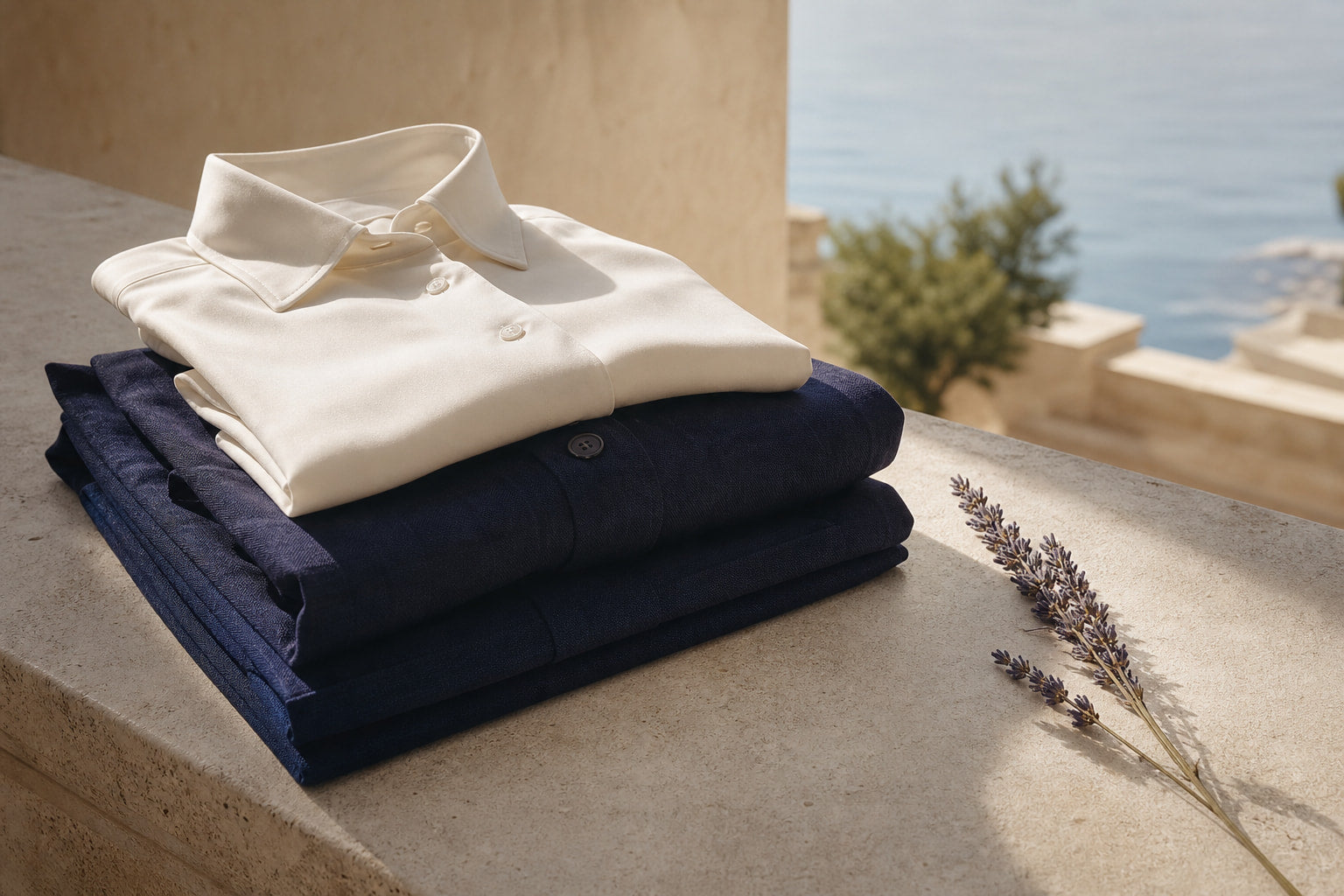
The key distinction in 2026 is fabric. Navy in a fine linen, a mercerized cotton, or a heavy suede reads completely differently from navy in a synthetic or a flat jersey. The high-count navy blue fine linen shirt is a good example of how the right fabric transforms a familiar color: the tight weave gives the navy a slight sheen and a crispness that reads as intentional rather than default.
For women, navy in a structured dress silhouette carries particular authority. The Giulia midi navy blue dress works precisely because the cut is simple enough to let the depth of the color do the work. Pair it with camel accessories and you have the 2026 palette in its most direct form.
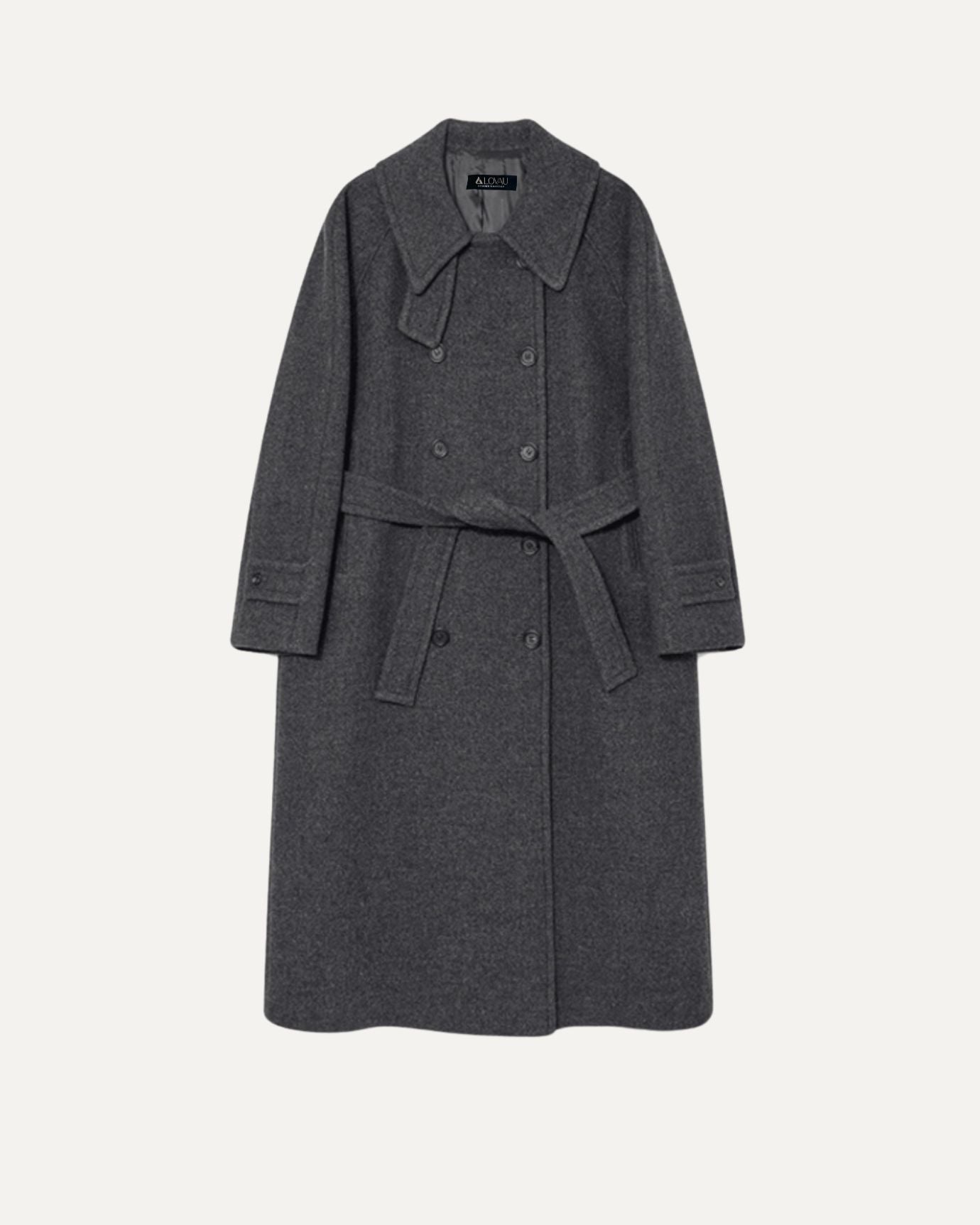
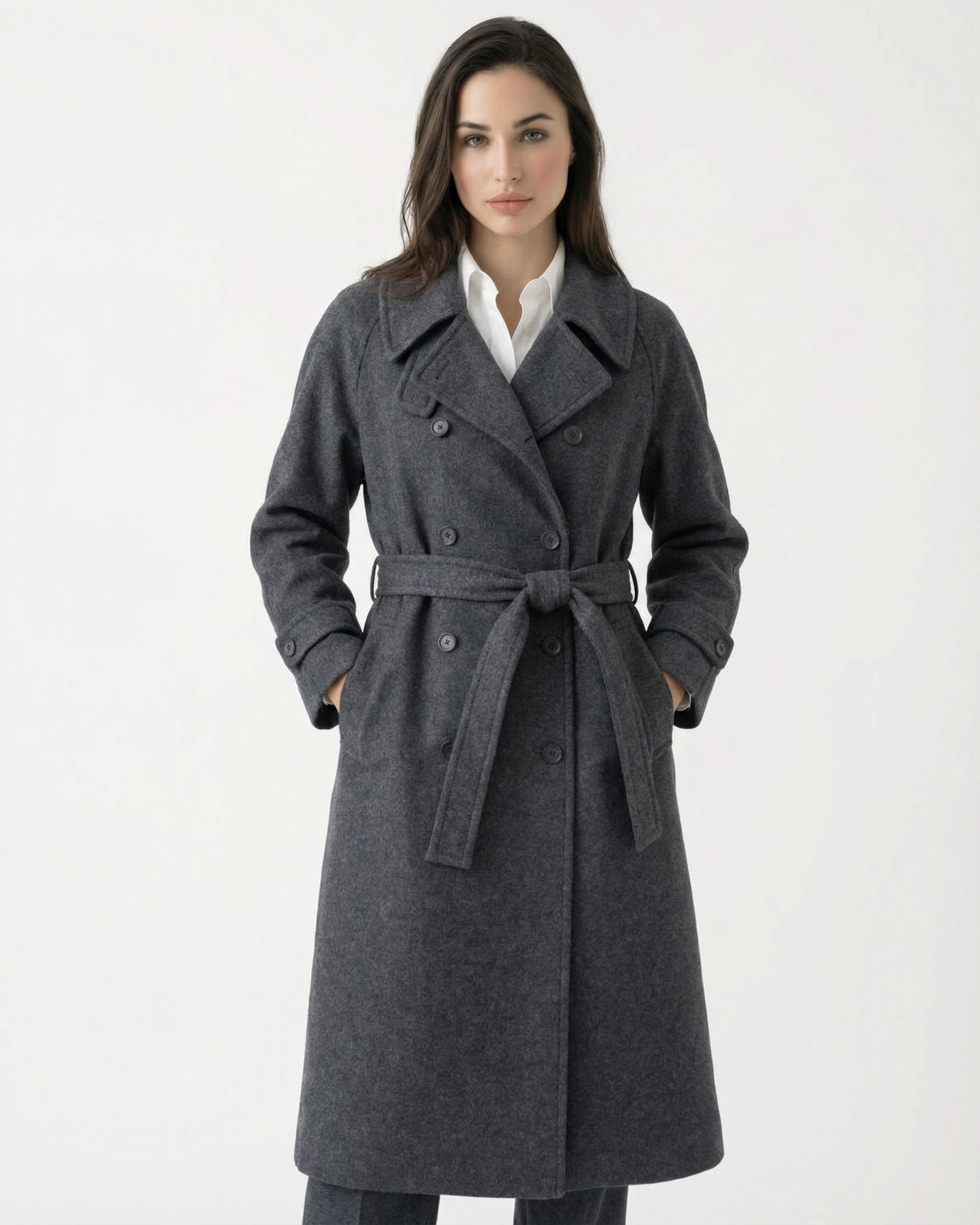
Navy also works exceptionally well in outerwear. A navy double-breasted wool coat with an Ulster collar is one of the strongest investments you can make in this palette. The Ulster collar is a classic construction that adds structure without ornamentation, and the weight of the wool gives the navy its full depth.
Pairing notes for navy in 2026: - Navy with oatmeal: the most refined combination in the palette, works at any formality level - Navy with camel: warmer and slightly more casual, excellent for daytime - Navy with ivory or cream: sharper, more structured, appropriate for formal occasions - Navy with stone or pale grey: understated and European in feel, ideal for layering
Expert insightNavy loses its authority when it is too blue. The navy pieces that work best in 2026 lean toward the ink side of the spectrum, dark enough that they read as almost black in low light but reveal their true depth in daylight.

Camel: The Color That Communicates Quality
Camel is perhaps the most demanding color in the 2026 palette. It is also the most rewarding when executed correctly. Unlike navy, which is relatively forgiving across fabric types, camel requires texture to read as luxurious. In a flat or thin fabric, it risks looking dull. In suede, brushed wool, or a heavy knit, it becomes one of the most visually rich tones available.
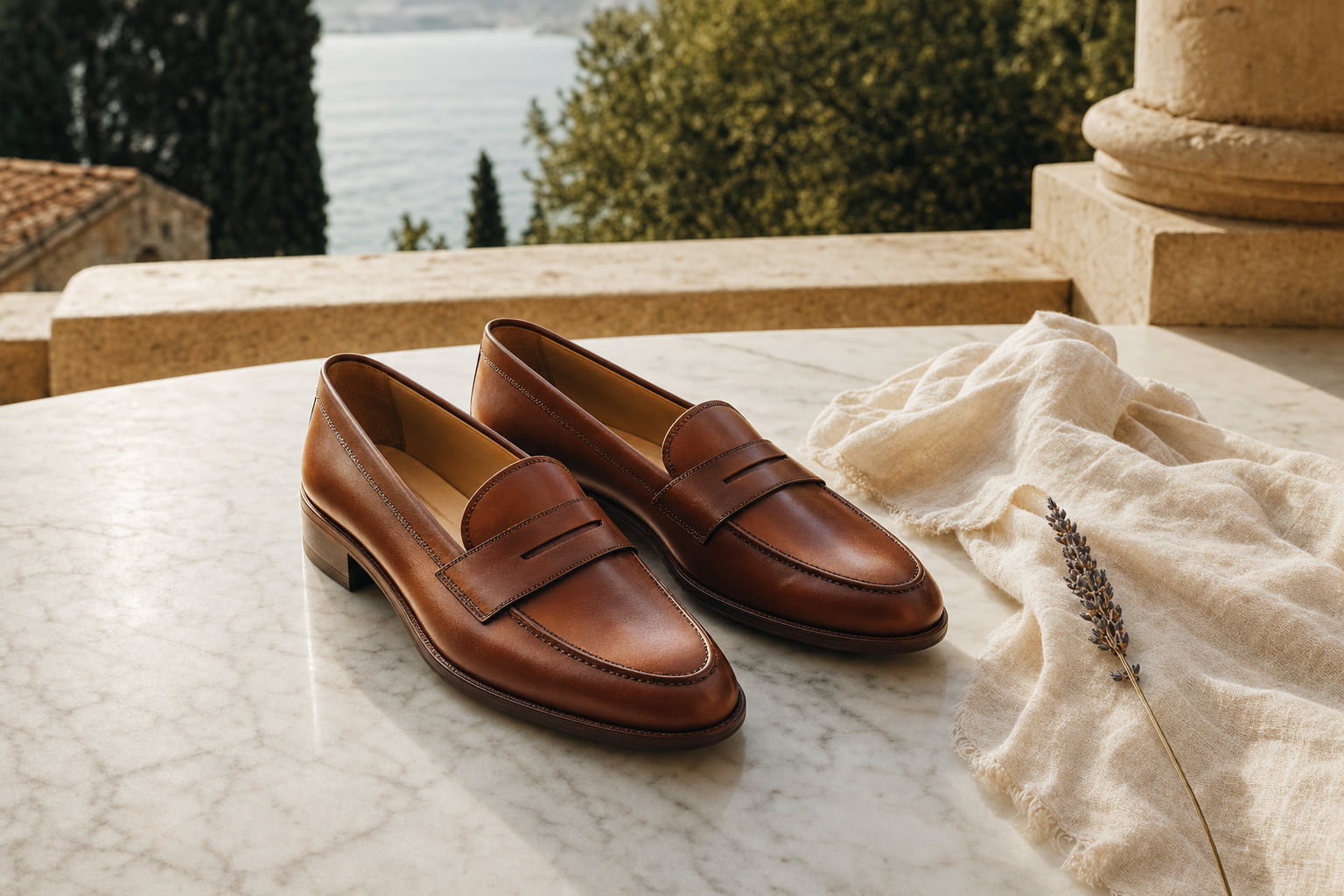
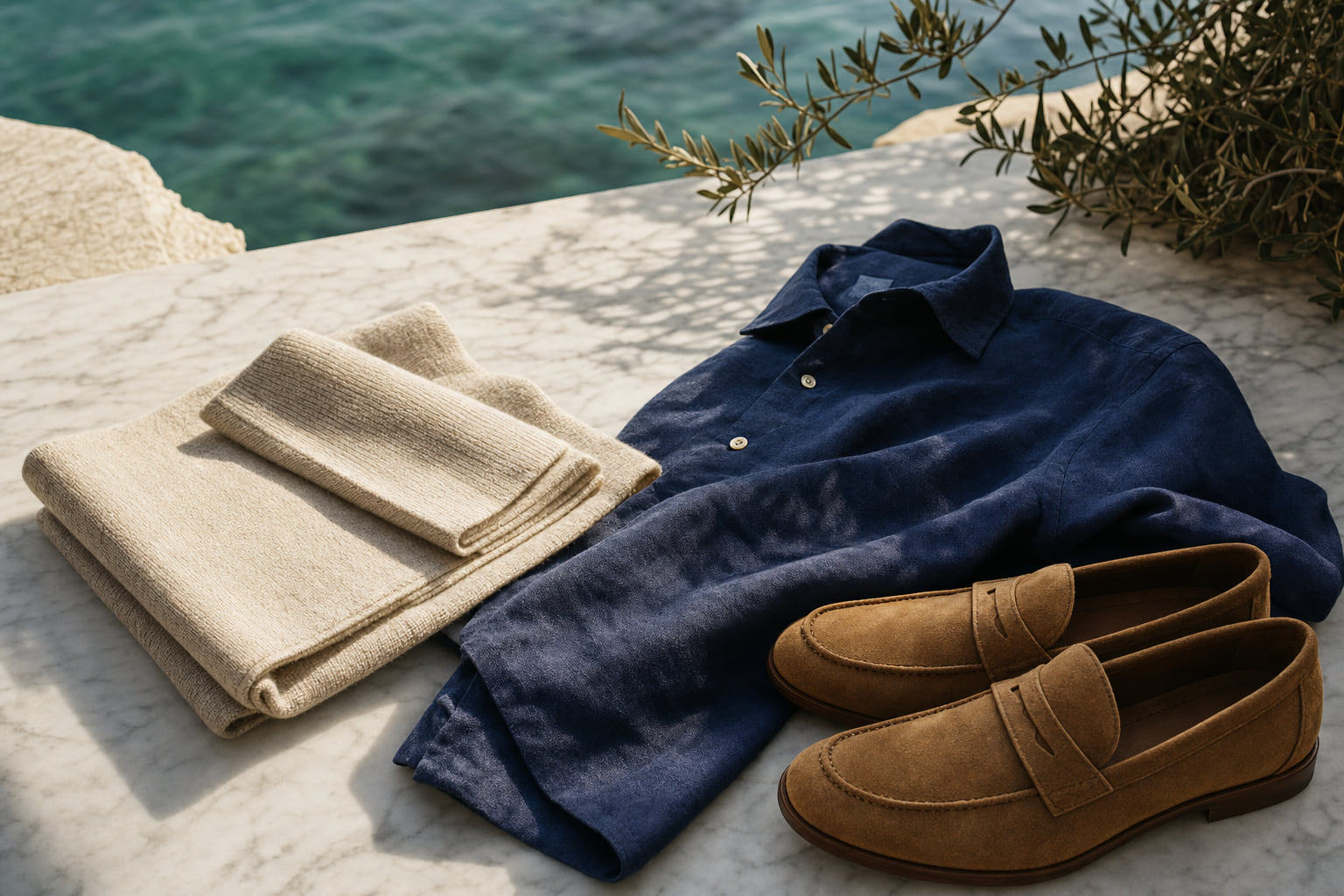
The Mykonos camel slip-on suede loafers demonstrate this principle clearly. Genuine suede in camel has a warmth and depth that no other material replicates at that price point. Worn with navy trousers and an oatmeal shirt, they complete the 2026 palette in a single outfit without any piece competing for attention.
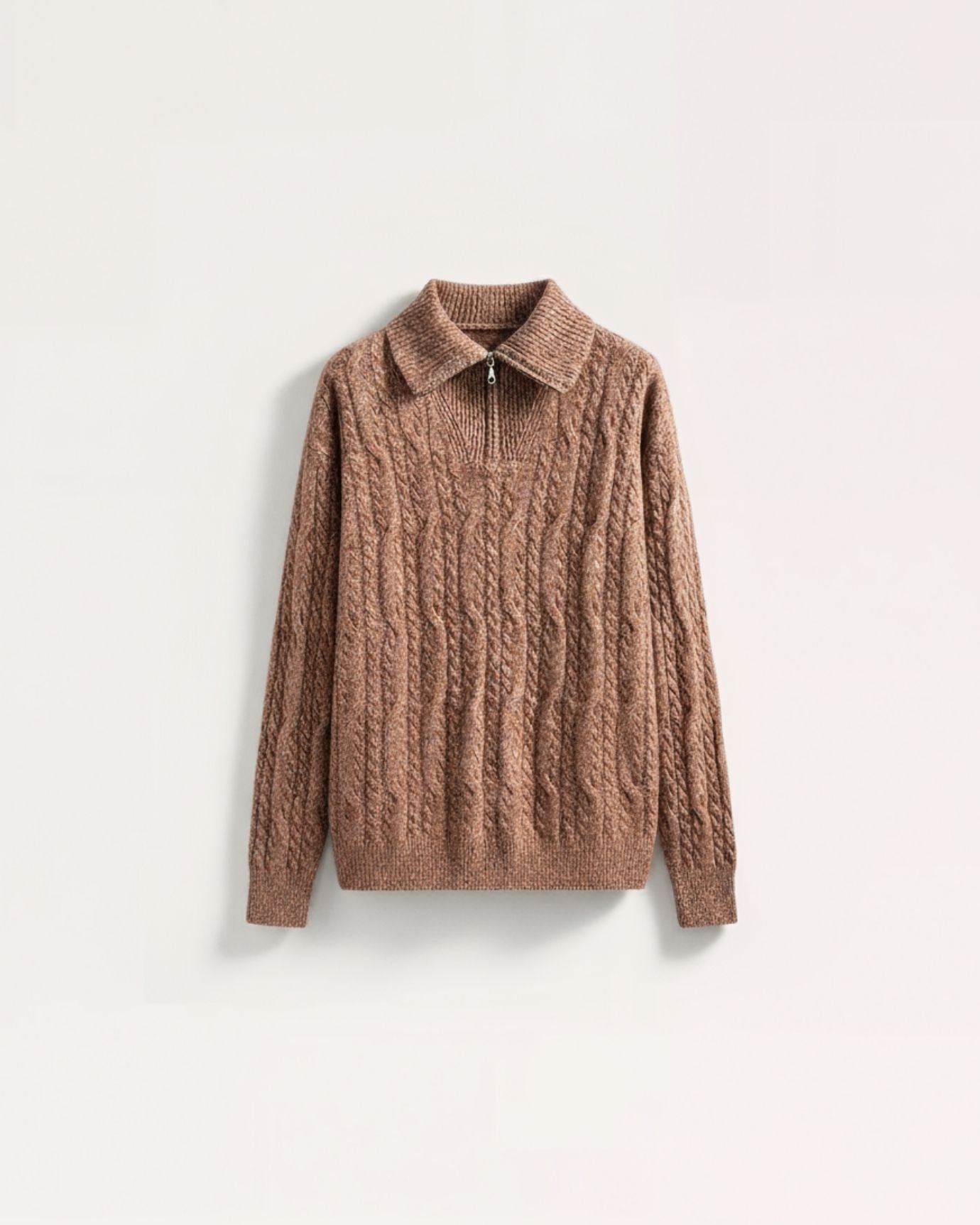
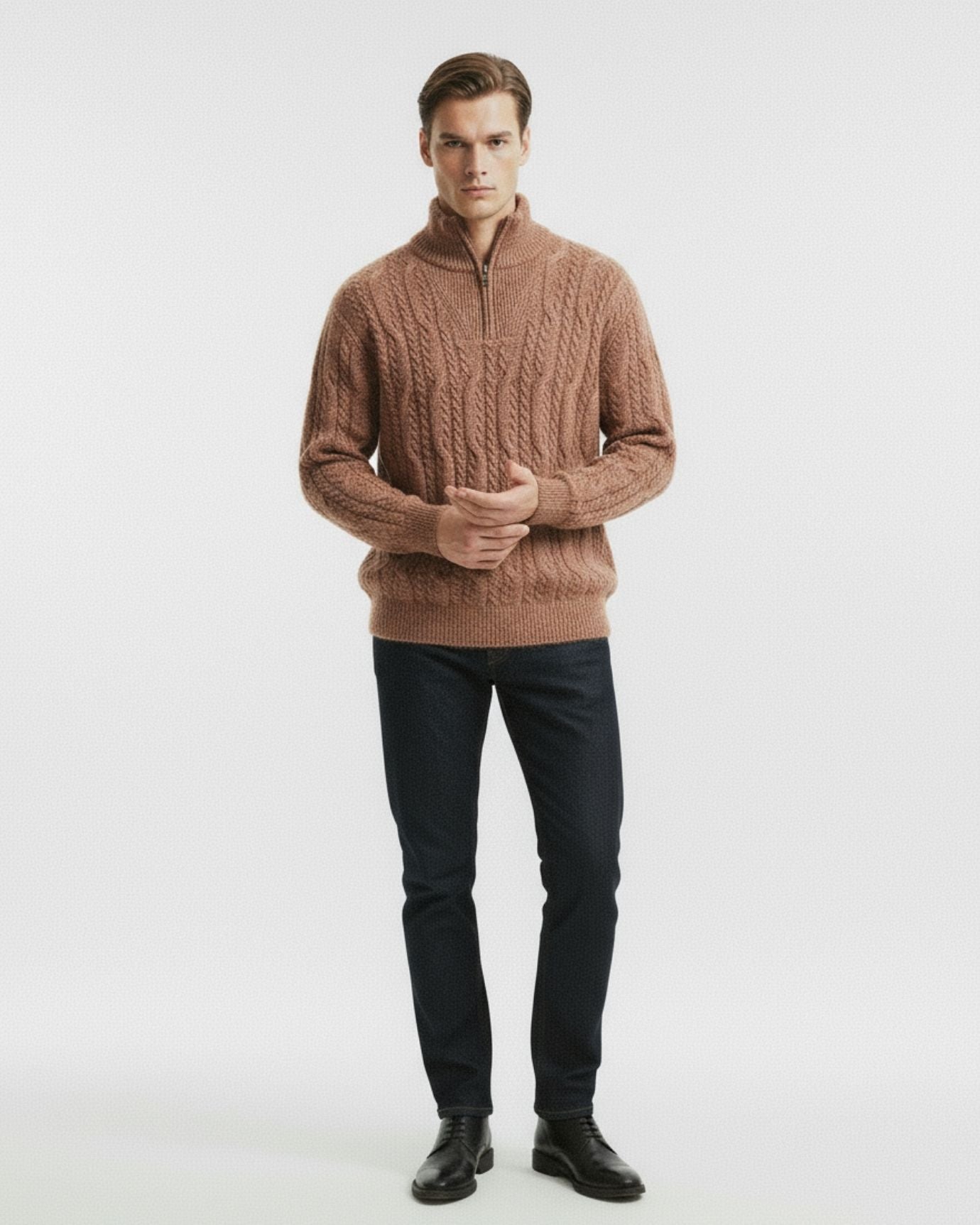
In knitwear, camel functions as the warmer alternative to grey and the more grounded alternative to cream. The wool classy hoodie in camel and light beige shows how camel works in a relaxed silhouette without losing its sense of quality. The wool construction keeps the color from flattening, and the light beige logo detail adds the kind of tonal contrast that quiet dressing depends on.
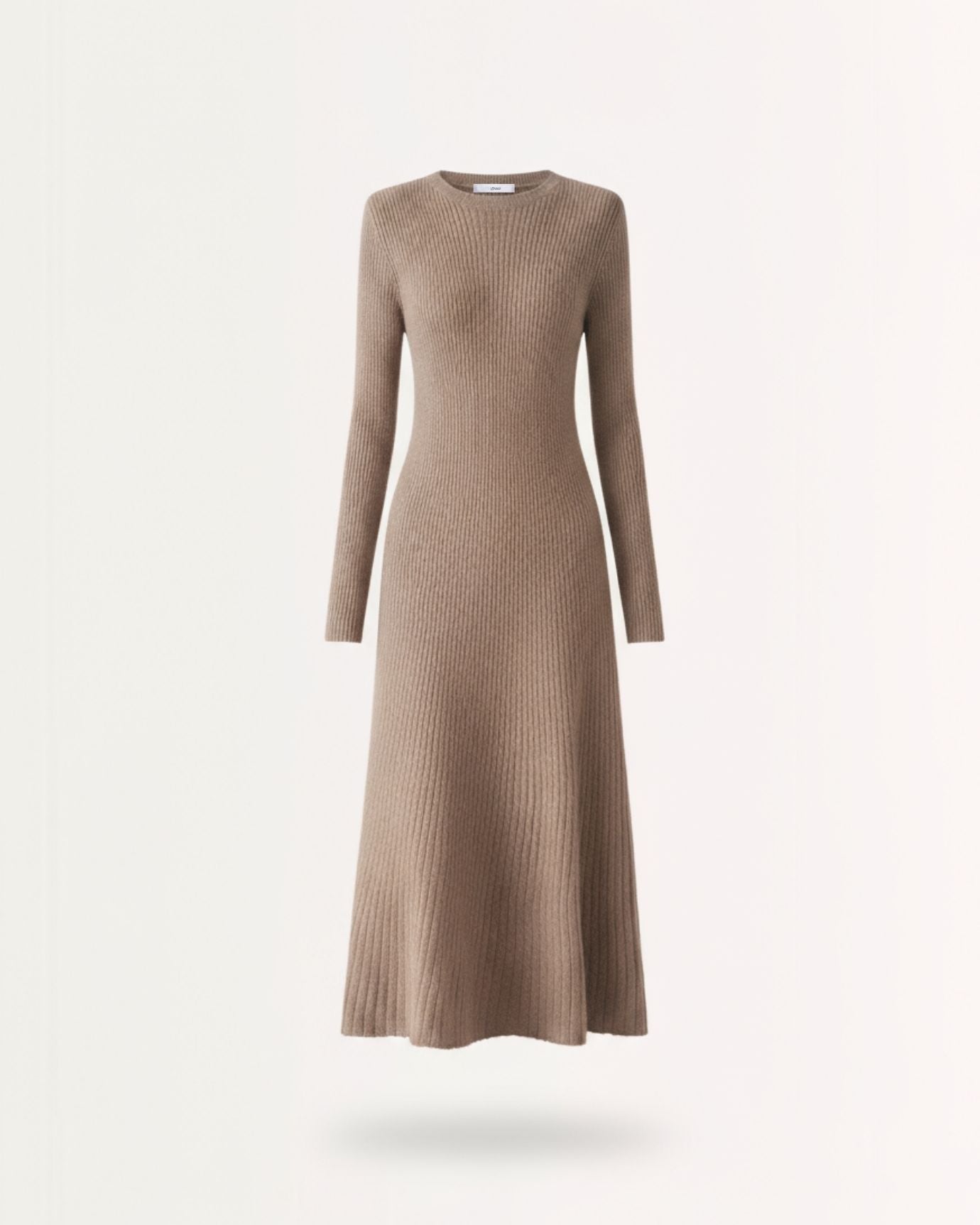
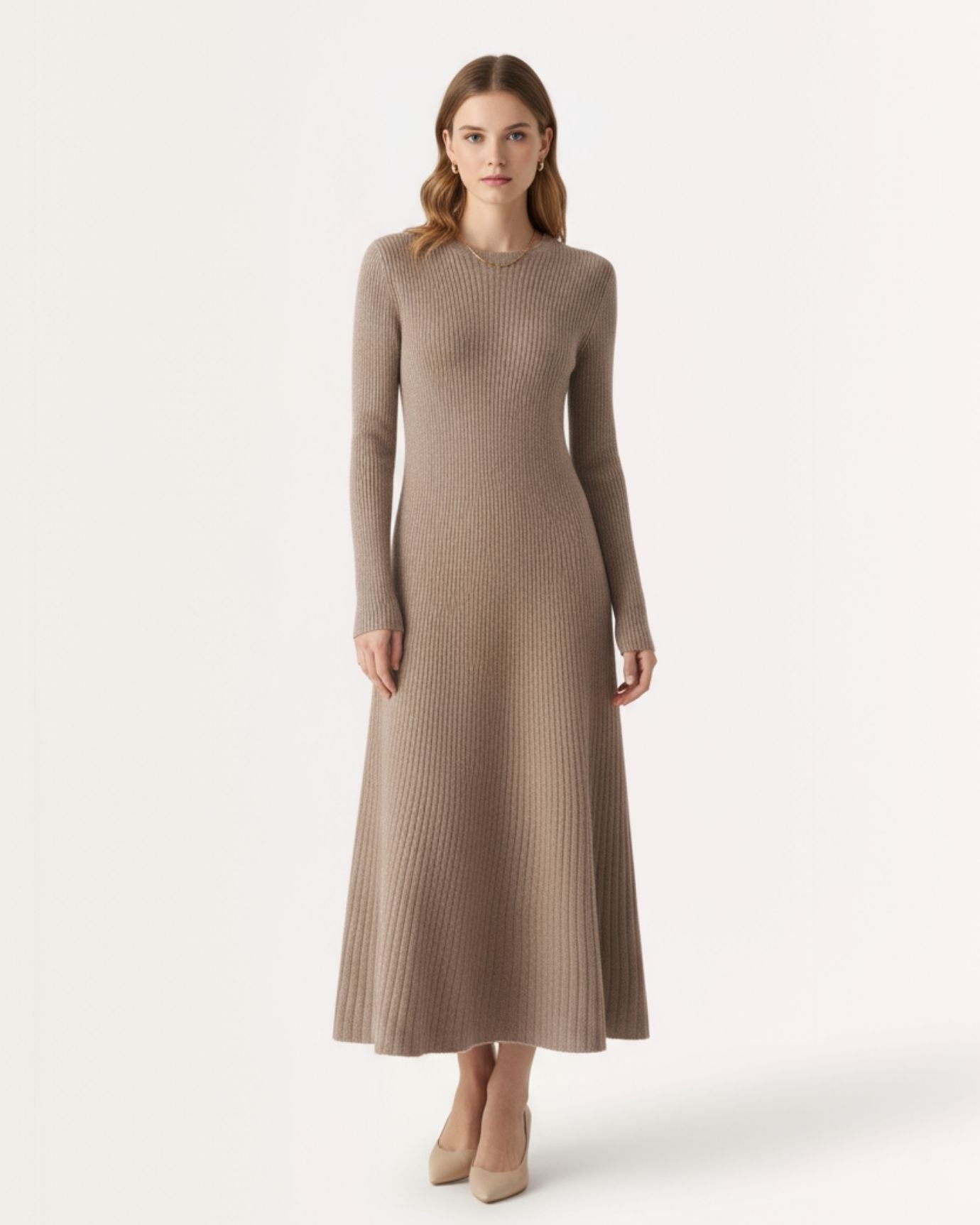
For women, camel in a longer silhouette, a skirt, a coat, or a midi dress, has been one of the most consistently refined directions in European fashion for the past several years. It pairs directly with navy and with oatmeal, and it reads as intentional in a way that many brighter colors do not.
Where camel works best in 2026: - Footwear in genuine suede or leather - Outerwear in camel wool or cashmere blends - Knitwear in heavier gauges - Accessories, belts, bags, and gloves, where the texture is close to the eye
Expert insightTrue camel sits between tan and honey on the spectrum. If a piece reads as beige or khaki, it is a different color with a different visual effect. When shopping, look for the warmth and slight golden undertone that distinguishes genuine camel from its cooler neighbours.

Oatmeal: The Neutral That Rewards Attention to Fabric
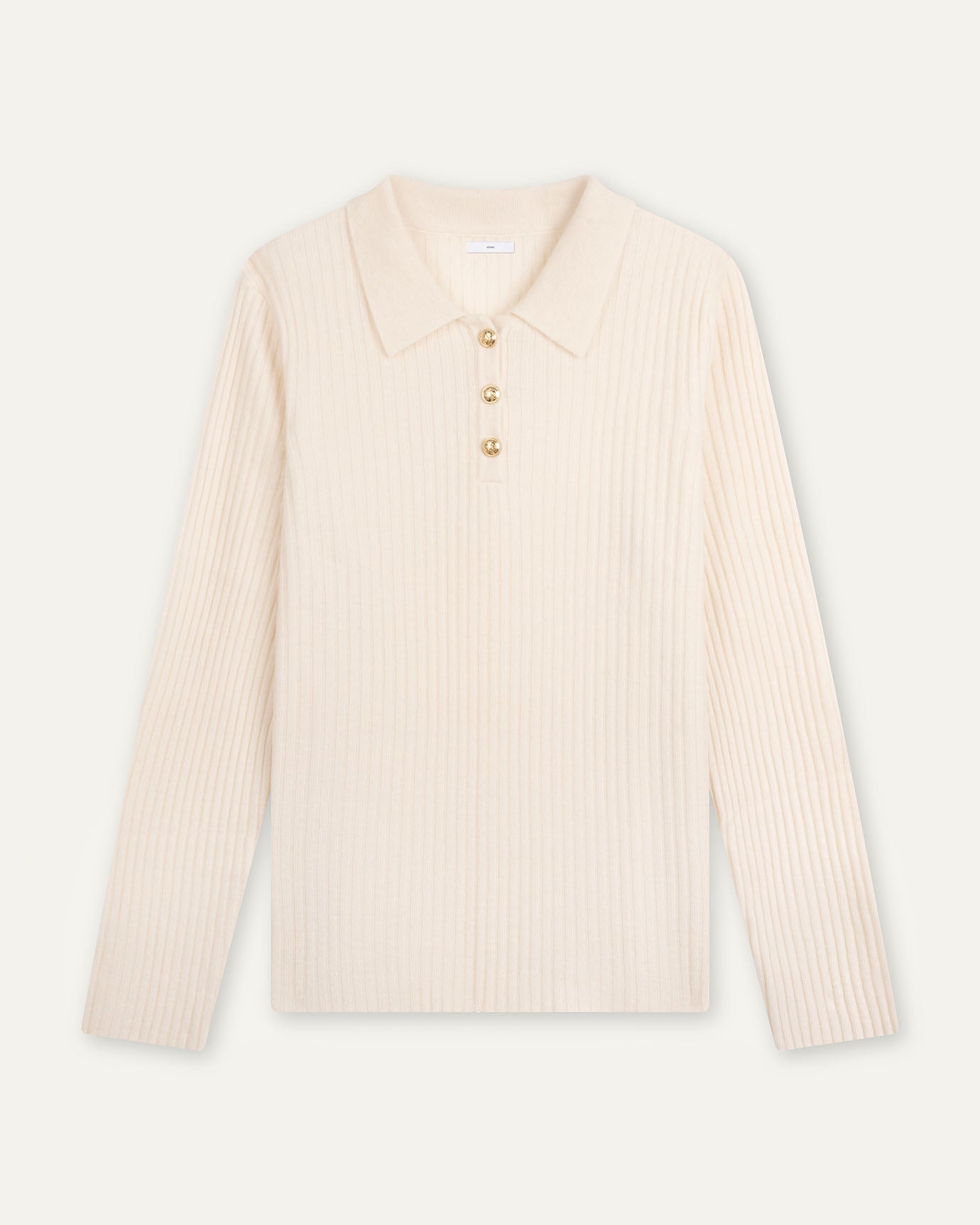
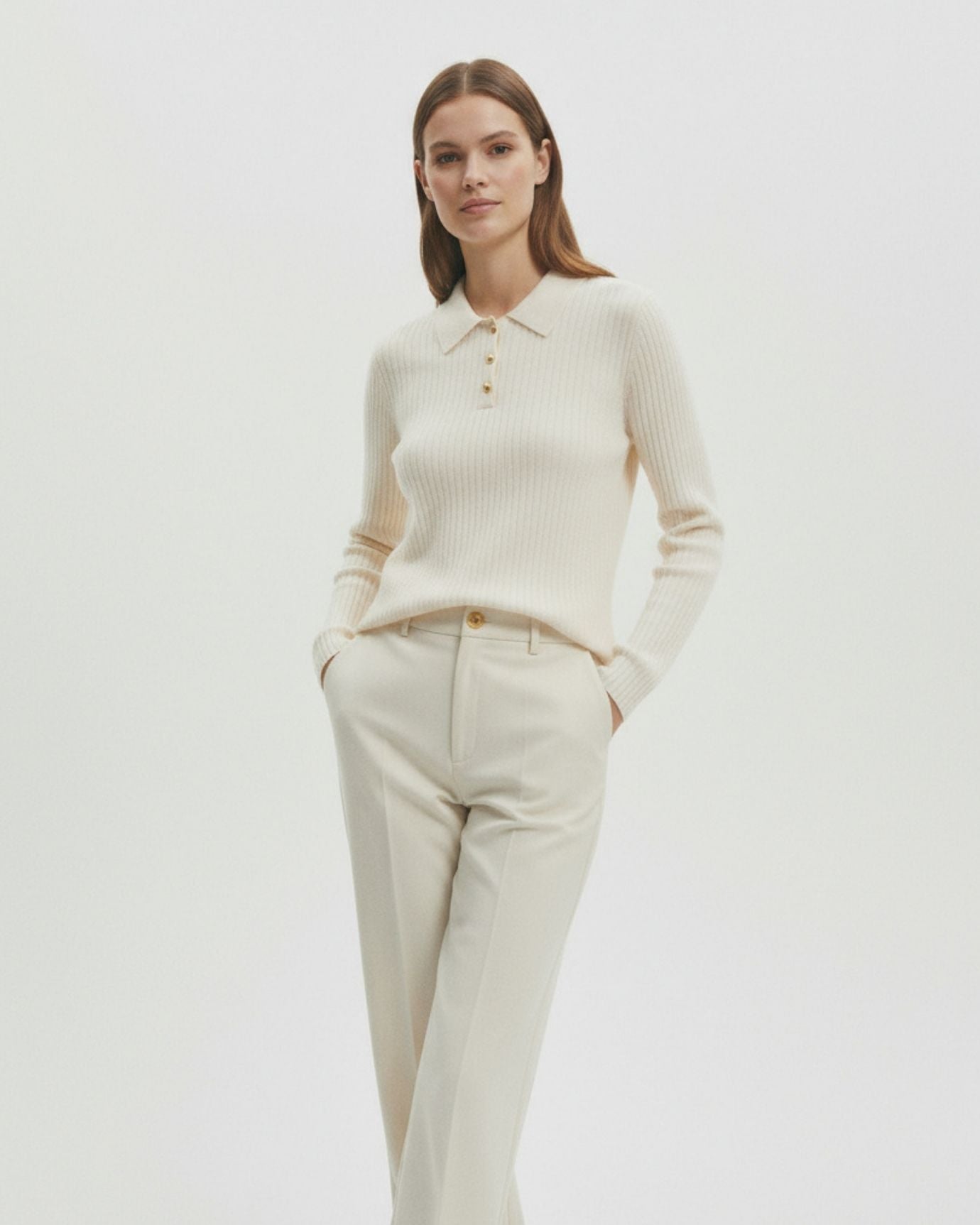
Oatmeal is the most misunderstood color in the 2026 palette. It is frequently described as simply off-white or light beige, but that description misses what makes it useful. Oatmeal has a warmth and a slight graininess that cream does not, and a softness that white cannot offer. In the right fabric, it reads as considered and European. In the wrong fabric, it reads as washed-out.
The fabrics that carry oatmeal best in 2026 are linen, merino wool, and brushed cotton. These materials have enough texture to give the color dimension. A fine linen in oatmeal, for example, picks up light differently across the weave, creating subtle variation that makes the garment visually interesting without introducing pattern or contrast.
For those building around the smart neutral outfit ideas for 2026, oatmeal is the color that holds the other pieces together. It is the natural companion to navy, the lighter counterpart to camel, and the most versatile base for layering. An oatmeal shirt under a navy coat with camel loafers is the 2026 palette at its most complete.
Women working with oatmeal in 2026 will find it most effective in fluid silhouettes or in structured separates with clean lines. The Lira two-piece lazy sweater and long skirt in lighter tones illustrates how oatmeal-adjacent pieces can anchor a full look without competing with each other. The key is keeping the silhouette deliberate. Oatmeal in a loose or shapeless garment can look unconsidered. Oatmeal in a well-cut piece looks exactly right.
For a deeper reading on how neutral tones carry psychological weight in dressing, our article on the psychology behind the color cream covers the adjacent territory in useful detail.

Building the Complete 2026 Palette: Combinations That Work
Understanding each color individually is useful. Understanding how they work together is what produces genuinely good outfits. The 2026 quiet luxury palette is built on tonal restraint and intentional contrast, and the three anchors of oatmeal, camel, and navy offer enough range to dress across all occasions without introducing noise.
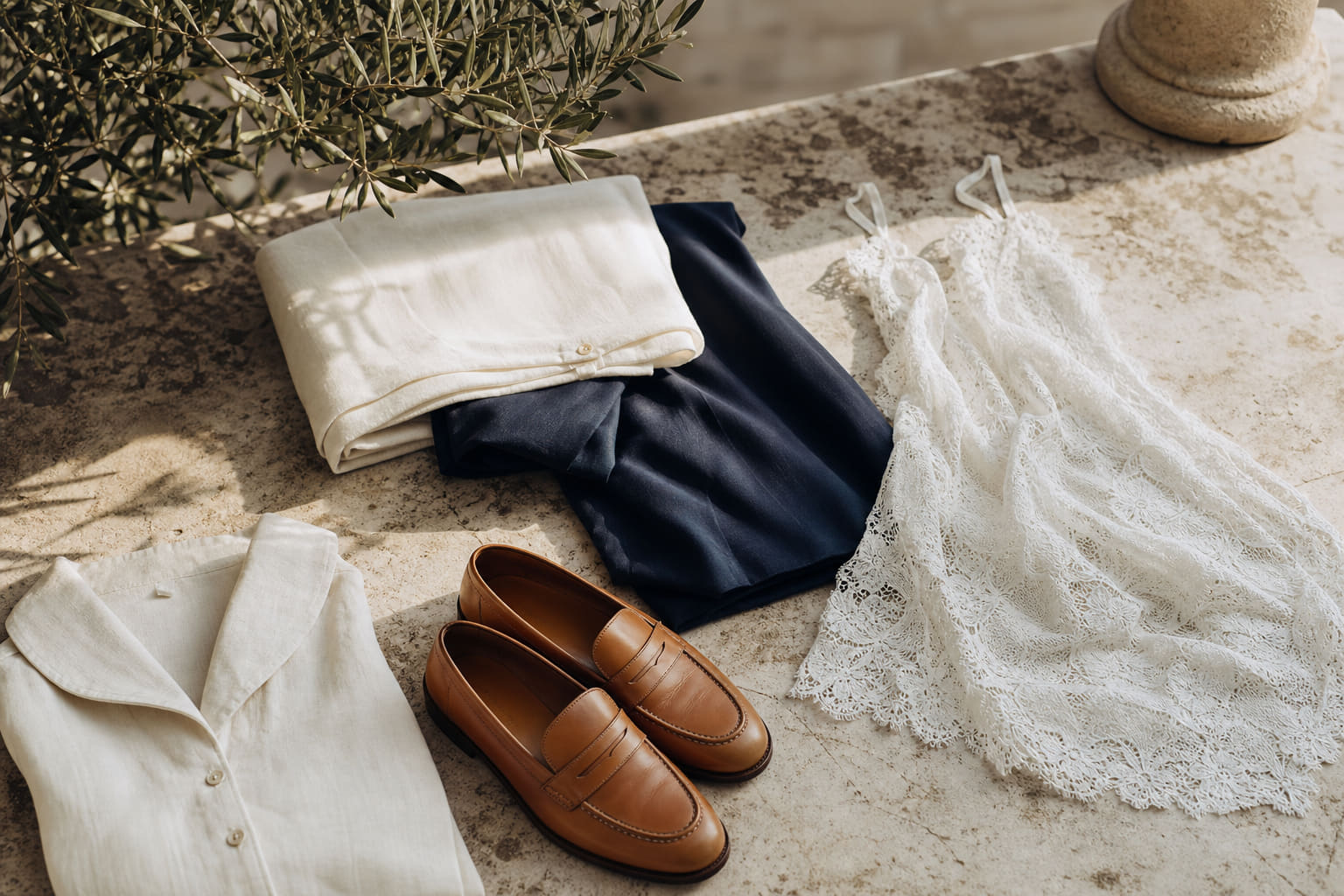
The most reliable formula is two tones from the palette with one texture contrast. Navy trousers with an oatmeal linen shirt and camel suede loafers. A camel wool coat over a navy knit and light stone trousers. An oatmeal midi skirt with a navy fitted top and a camel leather belt. Each of these works because the colors have been selected for their relationships to each other, not for individual impact.
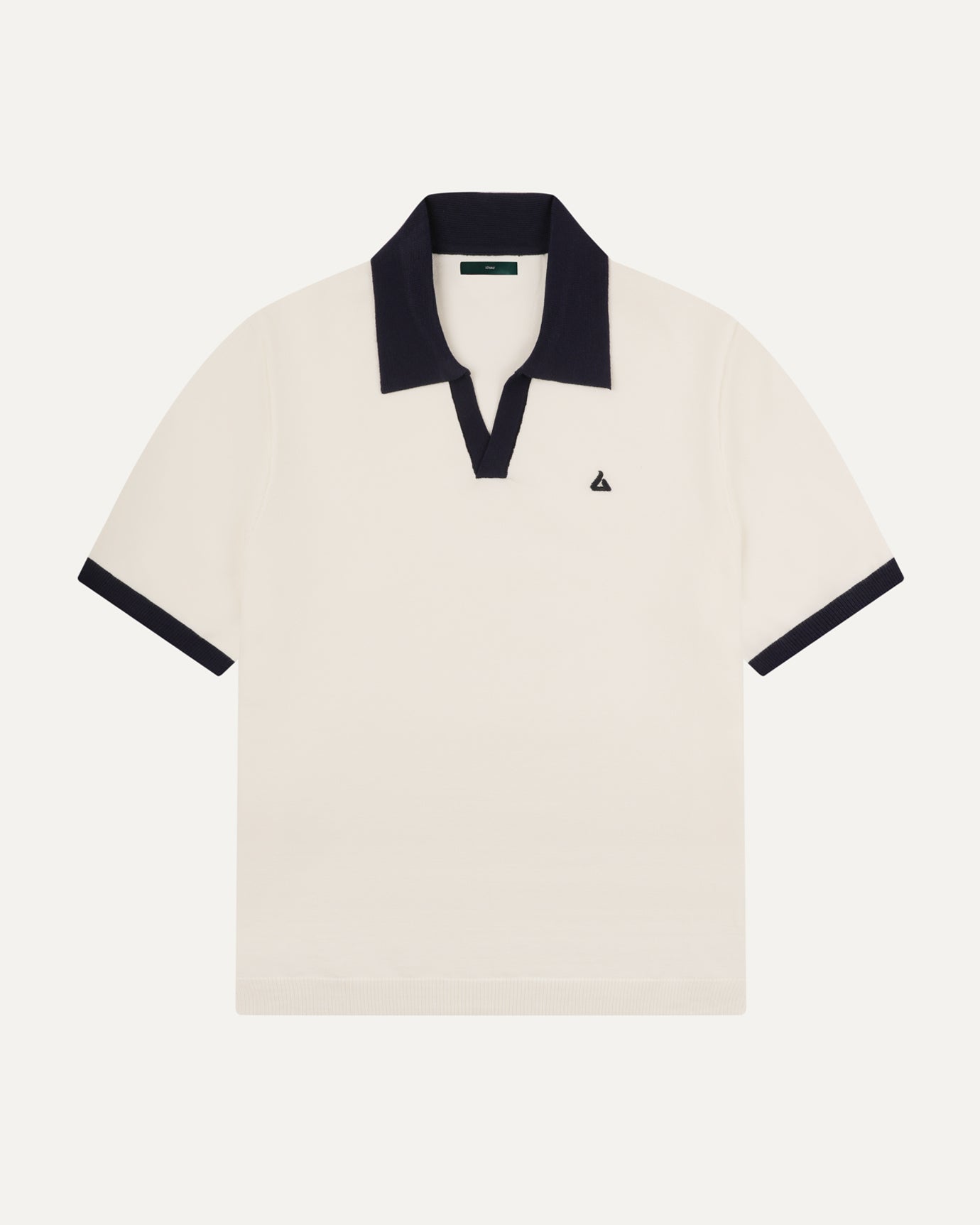
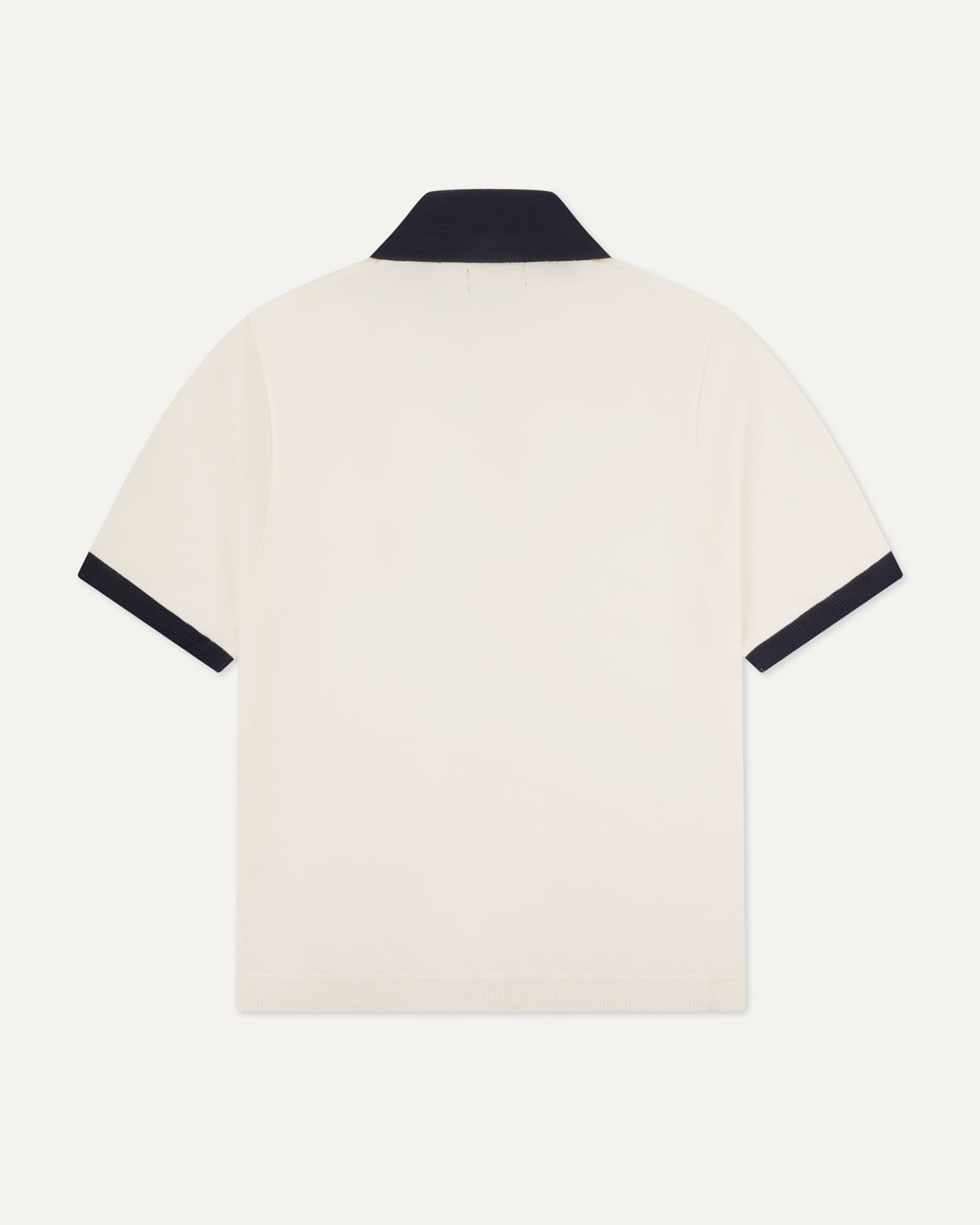
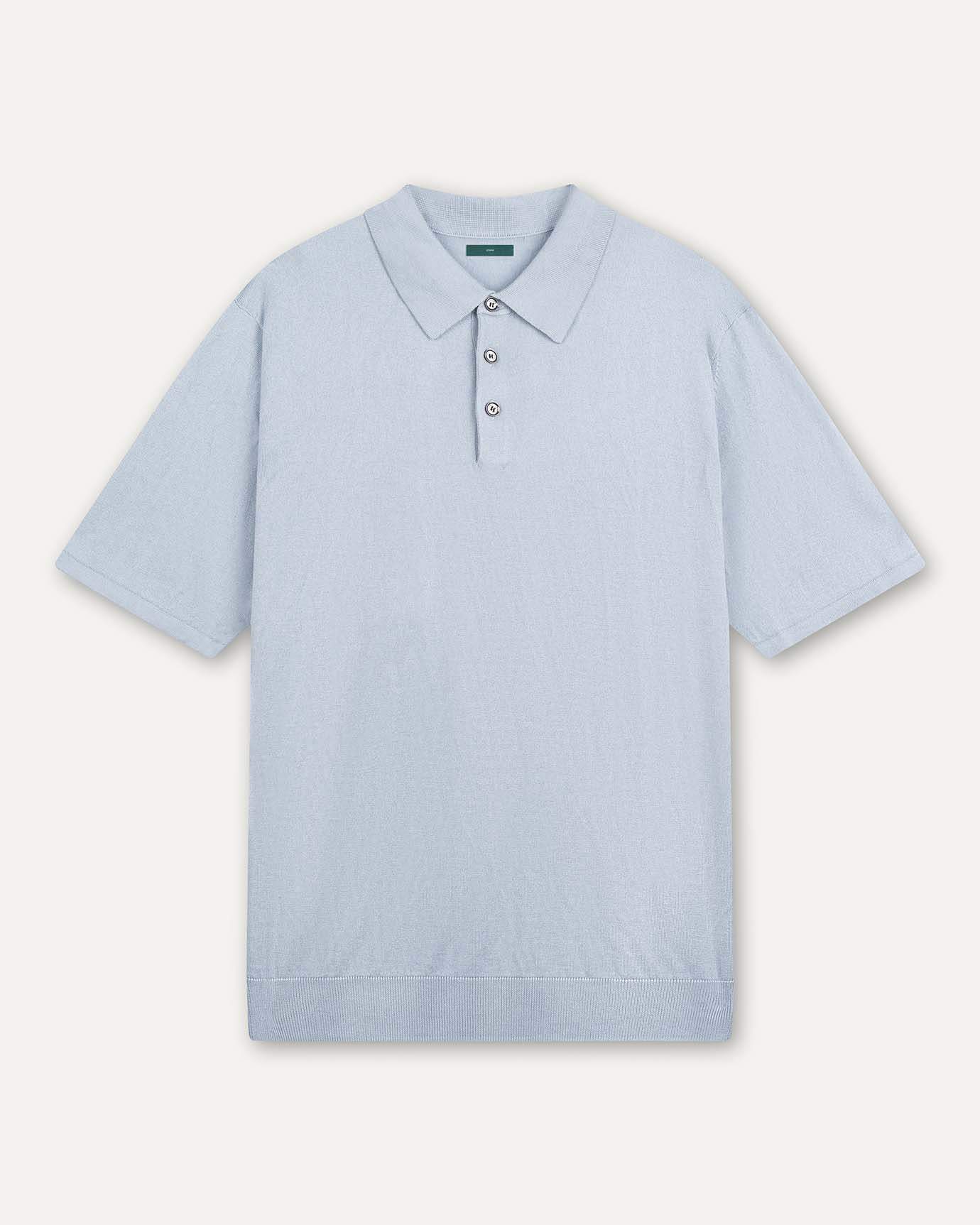
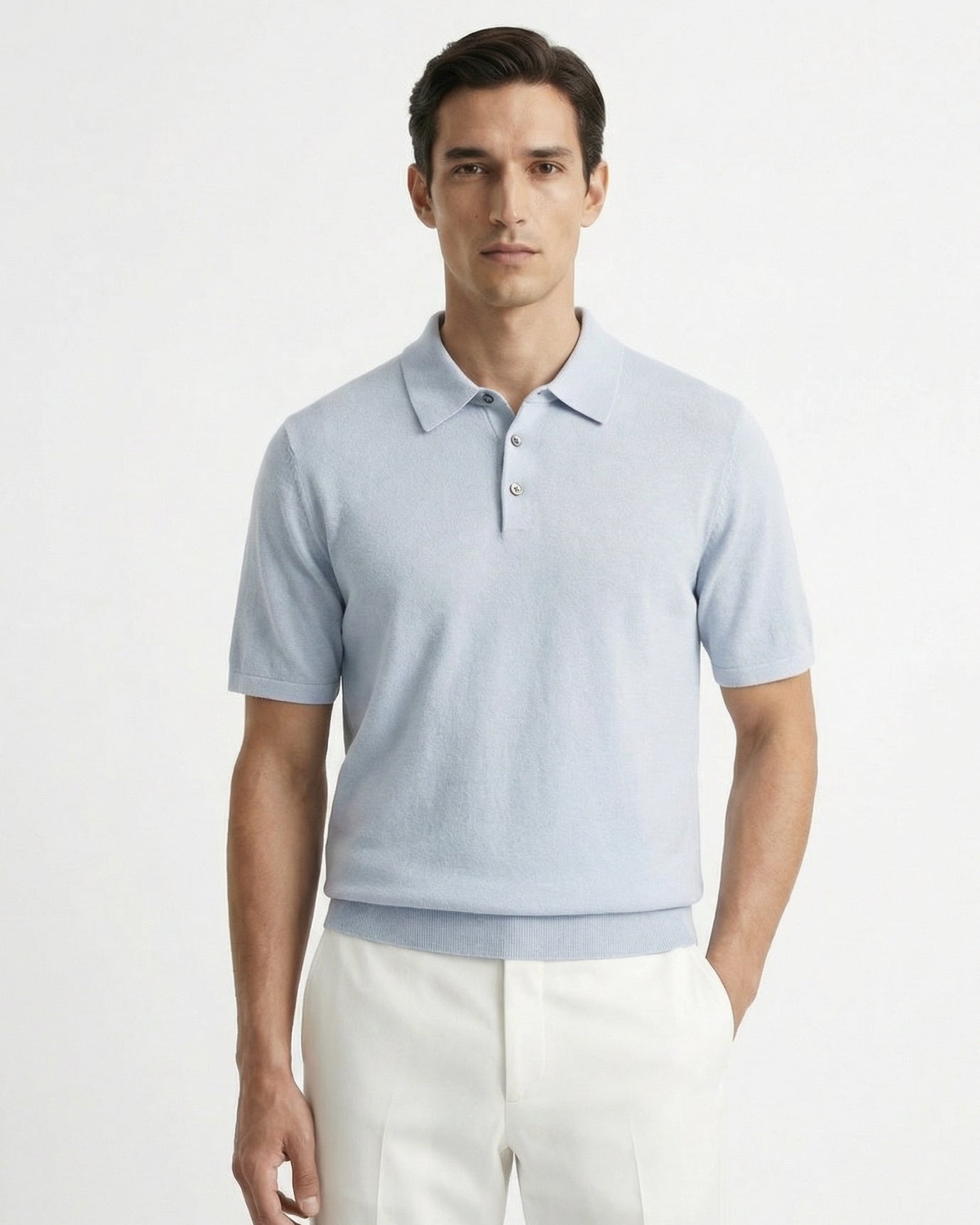
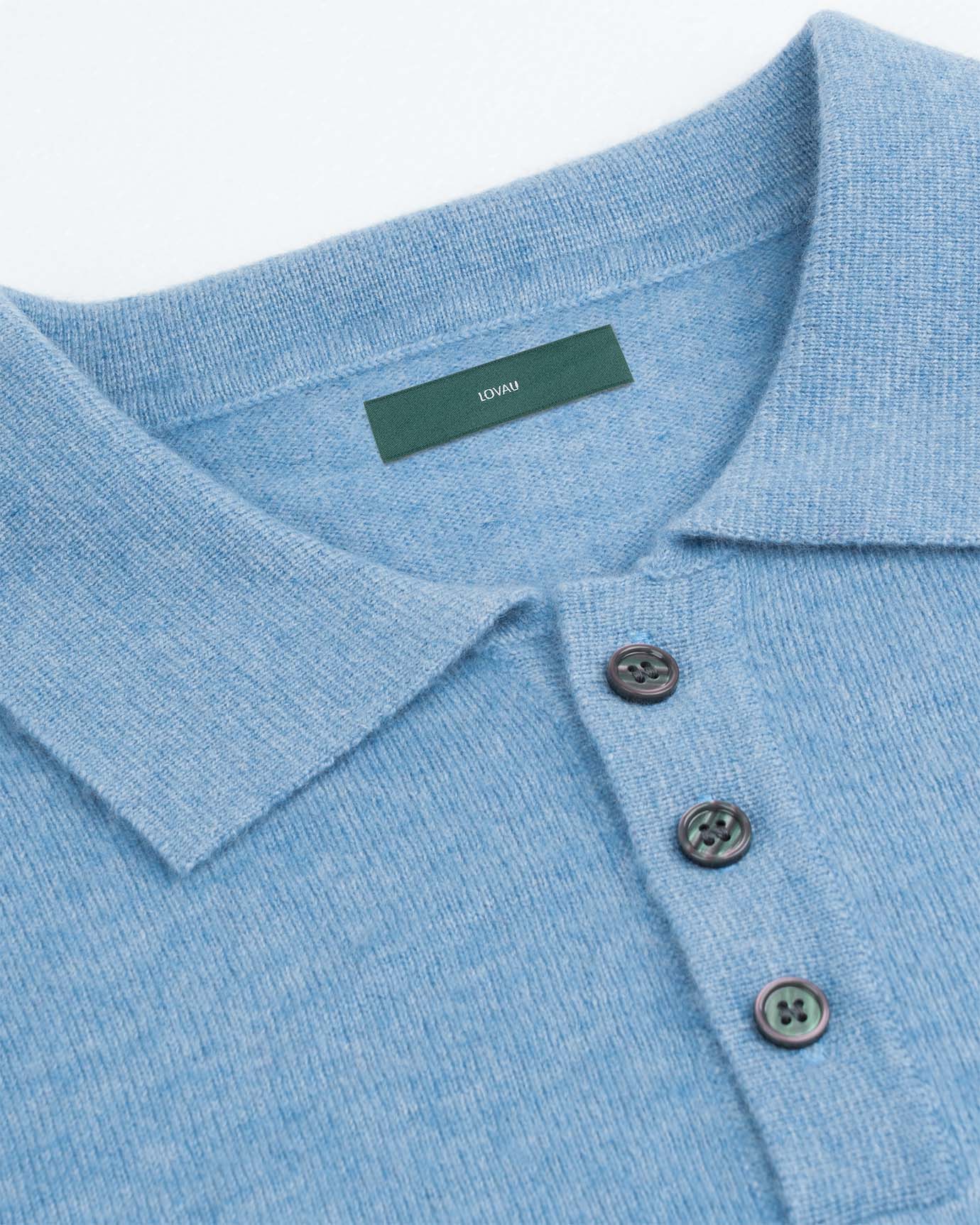
For men committed to this direction, the old money polo shirt in navy blue is one of the most versatile entry points. It pairs with oatmeal chinos, camel loafers, or grey flannel with equal ease, and the polo collar adds just enough structure to move from weekend to semi-formal without changing the outfit significantly.
For women, the contrast collar pleated dress in navy and white shows how navy works with a clean contrast detail. The white collar is a precise, European gesture that keeps the navy from reading as heavy, and the pleated skirt element adds movement without breaking the quiet formality of the silhouette.
As a reference point, Vogue's coverage of the quiet luxury movement has tracked how European fashion houses have maintained this restrained palette across multiple seasons, confirming that the direction is not a temporary reaction but a sustained shift in how quality dressing is understood.
For women looking to explore the broader context of this palette within current fashion, our article on essential luxury fashion trends for women covers the full picture.

Occasion Guide: Where Each Color Leads
The 2026 palette is versatile, but each color has a natural register that makes it more or less appropriate depending on context. Understanding this prevents the common mistake of treating all three as interchangeable.
Navy is the most formally capable of the three. In a heavy fabric, a structured cut, or a tailored silhouette, it reads as equivalent to charcoal or black in terms of occasion suitability. A navy wool coat or a navy structured dress is appropriate for business meetings, formal dinners, and cultural events. In lighter fabrics and more relaxed cuts, navy shifts comfortably into smart casual territory.
Camel sits in the middle register. It is too warm for very formal occasions, where it can read as insufficiently serious, but it is the strongest color in the palette for daytime professional settings, weekend dressing, and travel. Camel outerwear in particular carries a quiet authority that is well-suited to the hours between 9am and 7pm.
Oatmeal is the most casual of the three in terms of its natural register, but it lifts easily when the fabric and cut are right. An oatmeal linen shirt is a warm-weather casual piece. An oatmeal merino turtleneck under a navy blazer is an entirely different proposition. The fabric and structure determine the occasion more than the color itself.
For men building a wardrobe around these three colors, our old money men's collection offers pieces calibrated to this palette across multiple categories. For women, the old money knitted dress in navy blue is a strong example of how navy in a relaxed knit construction moves from afternoon to evening with a simple change of footwear.

| Color | Best Fabrics | Occasion Range | Strongest Pairings | Common Mistake |
|---|---|---|---|---|
| Navy | Fine linen, mercerized cotton, heavy wool, suede | Smart casual to formal | Oatmeal, ivory, camel, stone | Choosing a navy that reads too blue rather than ink-deep |
| Camel | Suede, brushed wool, cashmere knit, heavy cotton | Daytime casual to business | Navy, oatmeal, cream, dark brown | Using camel in thin or synthetic fabric where it reads flat |
| Oatmeal | Linen, merino wool, brushed cotton | Casual to smart casual | Navy, camel, stone, pale grey | Treating it as interchangeable with white or cream |
| Navy + Camel | Mixed: structured and relaxed | Weekend to business casual | Add ivory or stone as a third tone | Equal proportions of both colors with no dominant anchor |
| Oatmeal + Navy | Linen or wool pairings work best | Daytime to semi-formal | Camel footwear completes the trio | Choosing both pieces in the same weight fabric, losing contrast |
Frequently asked questions
Is the quiet luxury palette suitable for year-round dressing or only for specific seasons?
All three colors in the 2026 palette, oatmeal, camel, and navy, work year-round when you adjust fabric weight. Navy linen in summer, navy wool in winter. Oatmeal cotton in warm months, oatmeal merino when temperatures drop. Camel suede footwear transitions across all seasons except heavy rain. The palette itself has no seasonal limit; the fabric does the seasonal work.
How do I avoid looking too monochromatic when wearing pieces from the same palette?
Texture contrast is your primary tool. If both pieces are in the same or similar color, make sure they differ in fabric. A navy linen shirt reads as distinct from navy wool trousers even though the color is the same. You can also introduce a single accent from outside the palette, a white collar, a dark brown leather belt, or a burgundy pocket square, without breaking the overall quiet effect. Our article on smart neutral outfit ideas for 2026 covers this in practical detail.
Can the 2026 quiet luxury palette work for formal occasions, or is it too understated?
Navy in particular is fully capable of formal dressing. A deep navy wool coat, a navy structured dress, or a navy tailored suit reads with the same authority as charcoal or black at most formal occasions outside of black-tie events. Camel and oatmeal are better suited to daytime formal or business settings rather than evening formal. For the most formal occasions, lean on navy as your anchor and use oatmeal or camel only in accessories.
What accessories work best with the oatmeal, camel, and navy palette?
Dark brown and tan leather are the strongest accessory materials for this palette. They carry the warmth of camel without competing with it. Gold-toned hardware works better than silver, which can read as too cool against these warm neutrals. For footwear, camel or tan suede, as in the Mykonos camel slip-on loafers, anchors the palette in the most direct way. Avoid black accessories, which introduce too sharp a contrast and break the tonal coherence the palette depends on.
The 2026 quiet luxury palette is not about following a trend. It is about understanding why certain colors have always worked and committing to them with enough conviction to let the fabric and fit speak clearly. Oatmeal, camel, and navy are the three tones that reward that kind of attention. They ask for quality in return, and they deliver lasting results. If you are ready to build around this direction in a structured way, the classic elegant wardrobe checklist for 2026 is the most practical next step.