


Why Mulberry Silk is the Ultimate Investment Fabric for Men
Reading time 14 min • 2753 words
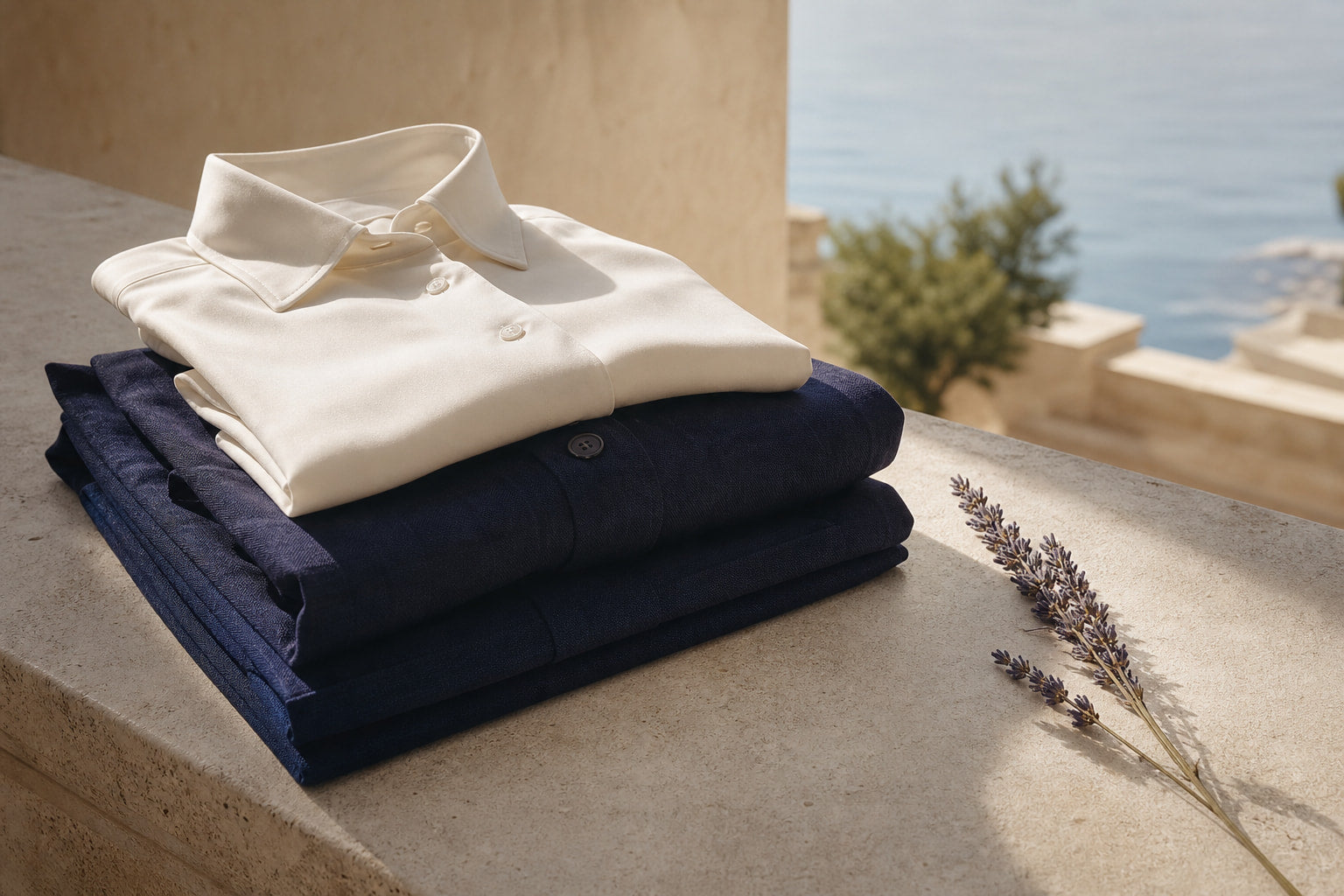
There is a reason the most enduring wardrobes in Europe, from the Milanese industrialist to the Riviera landowner, have always included silk. Not because silk is showy, but precisely because it is not. At close range, the fabric communicates something that no synthetic can replicate: a quiet density, a temperature that meets the skin without resistance, a surface that catches light without demanding attention.
Mulberry silk sits at the top of that hierarchy. It is produced by the Bombyx mori silkworm, raised exclusively on white mulberry leaves under controlled conditions. The result is a filament that is finer, more consistent, and more lustrous than any wild-harvested alternative. That consistency is not a marketing claim. It is measurable in momme weight, tensile strength, and the way the fabric holds a dye across dozens of washes.
This guide explains what mulberry silk actually is, why it outperforms the alternatives in a man's wardrobe, which specific pieces are worth buying, and how to care for them so the investment pays for itself over time.
Key takeaways
- Mulberry silk has a tighter, more uniform filament than wild silk, producing a smoother hand and longer-lasting sheen.
- A silk polo or silk vest worn against the skin regulates temperature more effectively than cotton or synthetic alternatives in warm conditions.
- Silk blended with cashmere or worsted wool adds structure and warmth without sacrificing the fabric's characteristic drape.
- Hand-washing in cool water with a mild detergent is sufficient for most silk knitwear; dry-cleaning is rarely necessary if you act promptly on stains.
- Price per wear on a well-made silk piece is lower than it appears at checkout, because the fabric retains its character for years when cared for correctly.
In this guide
- What Makes Mulberry Silk Different From Every Other Silk
- The Practical Case for Silk in a Man's Wardrobe
- How to Build Around Silk: The Vest, the Polo, and the Set
- Silk Against the Competition: How It Compares to Other Investment Fabrics
- Caring for Silk Correctly: What the Label Does Not Always Tell You
- Where Mulberry Silk Fits in the Old Money Aesthetic
- Frequently asked questions
What Makes Mulberry Silk Different From Every Other Silk
Silk is not a single material. The word covers a spectrum of fabrics that share a protein-based filament structure but differ enormously in quality, depending on the species of silkworm and the conditions of its cultivation.
Mulberry silk is produced by Bombyx mori silkworms fed exclusively on the leaves of the white mulberry tree (Morus alba). Because the worms are domesticated and their diet is controlled, the filaments they spin are extraordinarily uniform, typically between 10 and 13 microns in diameter. Wild silks, such as tussah, are produced by silkworms foraging on a variety of plants. The resulting filaments are thicker, coarser, and less consistent in colour.
For menswear, that uniformity matters in three practical ways:
- Surface smoothness. A tighter, more consistent filament produces a fabric that lies flat against the skin without friction points. This is why a well-made mulberry silk slim-fit polo feels categorically different from a mass-market synthetic.
- Colour depth. Uniform filaments accept dye evenly. Navy stays navy. Ivory does not yellow unevenly at the seams after six months.
- Longevity. The protein structure of mulberry silk, primarily fibroin and sericin, resists mechanical breakdown better than cotton under equivalent care conditions, provided the fabric is not exposed to prolonged direct sunlight or harsh alkaline detergents.
Momme weight (written as 'mm') is the standard measure of silk density. For knitwear and polos, you are typically working with constructions that translate to a medium-weight feel. For woven silk shirts, 22mm and above indicates a heavyweight satin silk with real body and drape.
Expert insightWhen assessing a silk garment in a shop, hold it up to light and look for an even, translucent glow across the fabric. Uneven patches or a flat, opaque appearance usually indicate a lower-grade filament or a heavy synthetic blend marketed as silk.

The Practical Case for Silk in a Man's Wardrobe
Silk has a reputation for being impractical, a fabric for special occasions or for men who do not actually do anything. That reputation is wrong, and it usually comes from confusing delicate woven satin silk with the sturdier constructions used in knitwear and blended fabrics.
Temperature regulation is the first practical argument. Silk is a poor conductor of heat, which means it acts as an insulating layer in cooler conditions while remaining breathable in warmth. The hollow triangular cross-section of the silk filament wicks moisture away from the skin more efficiently than cotton. A mulberry silk and cashmere short-sleeved polo worn in a Mediterranean summer evening is cooler and drier than any cotton equivalent at the same weight.
Weight and packability are the second argument. Silk compresses without creasing in the way that linen or cotton does. A silk polo packed into a carry-on emerges needing nothing more than a few minutes hanging in a steamy bathroom. For men who travel and care about arriving presentable, this is not a trivial advantage.
Skin compatibility is the third. The amino acid profile of silk fibroin is chemically close to human skin protein. Men with sensitive skin or those prone to heat rash in summer often find that silk is the only fabric they can wear directly against the skin for extended periods without irritation.
None of this means silk is indestructible. It is not. But the idea that it cannot function as an everyday fabric for an active, well-dressed man is a myth worth retiring.
Expert insightSilk's natural protein structure makes it inherently resistant to dust mites and certain allergens, which is a practical benefit beyond aesthetics for men who wear the same pieces frequently in warmer climates.

How to Build Around Silk: The Vest, the Polo, and the Set
The most versatile entry points into a silk wardrobe for men are not the obvious ones. A silk suit is a statement. A silk polo or a silk vest is a tool.
The silk vest is the most underused piece in contemporary menswear. Worn under a sport coat or a lightweight wool jacket, a well-constructed vest adds a layer of temperature regulation without bulk. It also creates a visual break between the shirt and the trouser when worn as a visible layer in warm weather. The man vest collection at Lovau includes options in both wool-cashmere and pure silk constructions, each suited to different seasons and layering contexts.
For a specific starting point, the wool and cashmere vest with double-sided zipper pairs well with a silk base layer underneath, the silk managing moisture and the wool providing the outer structure.
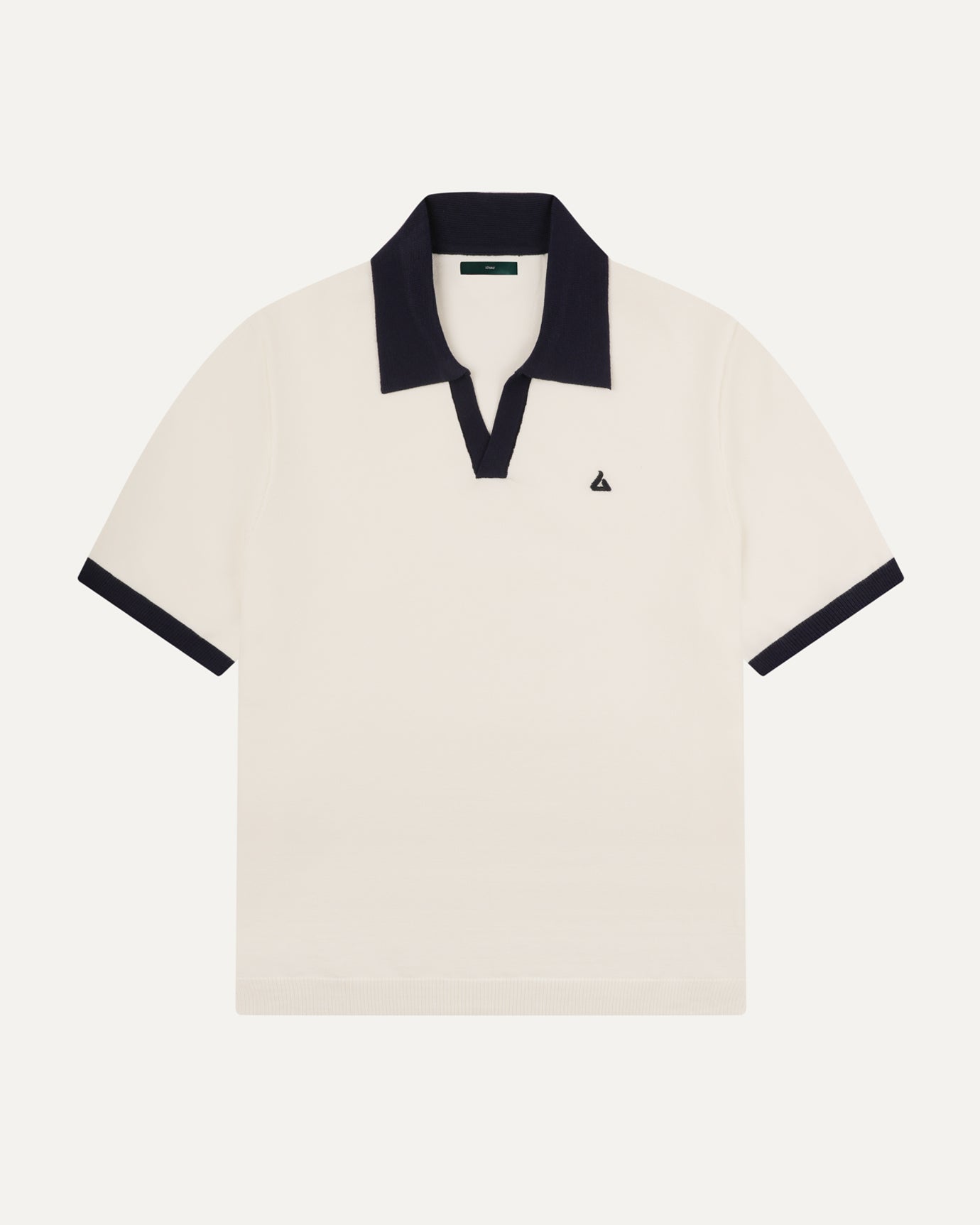
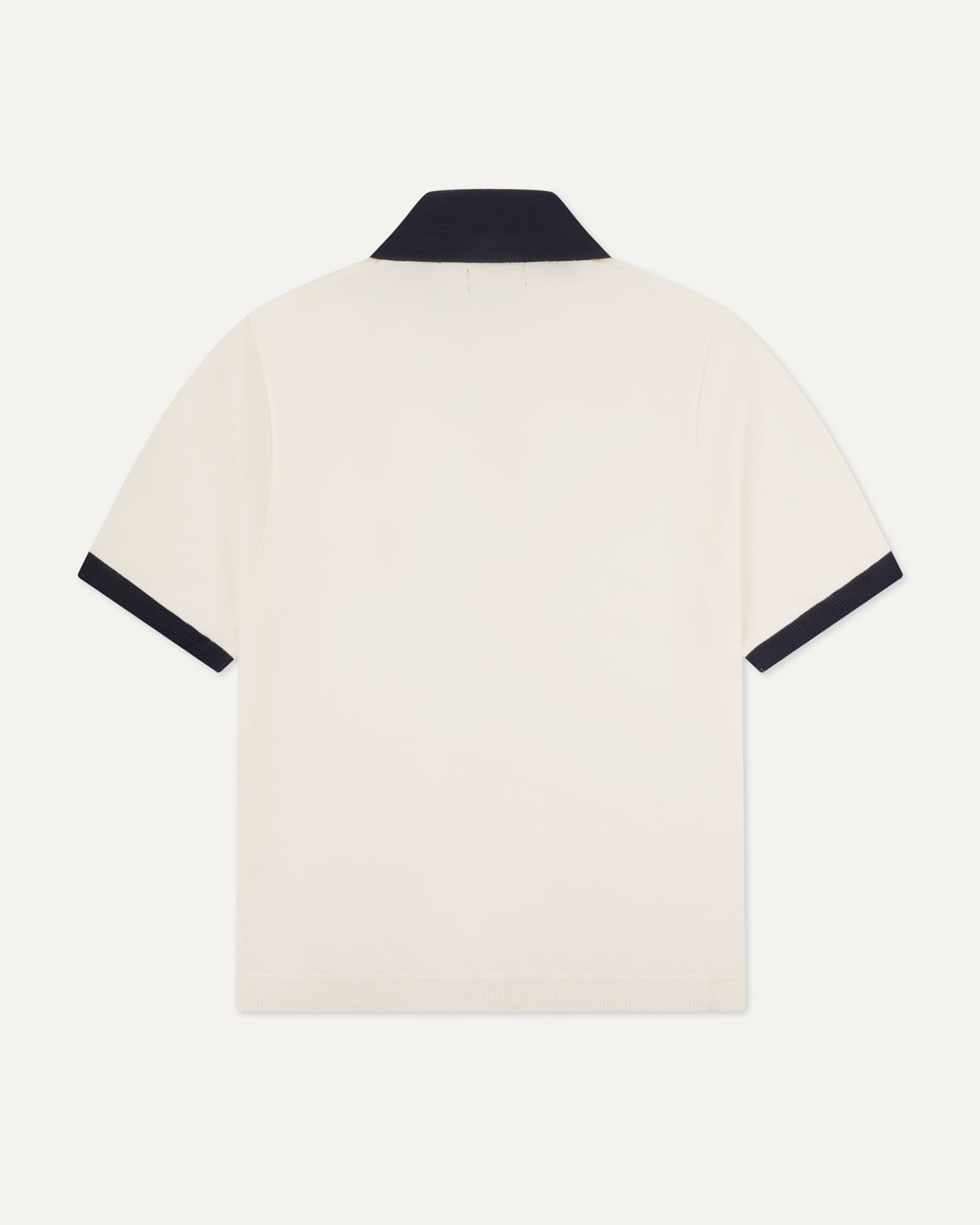
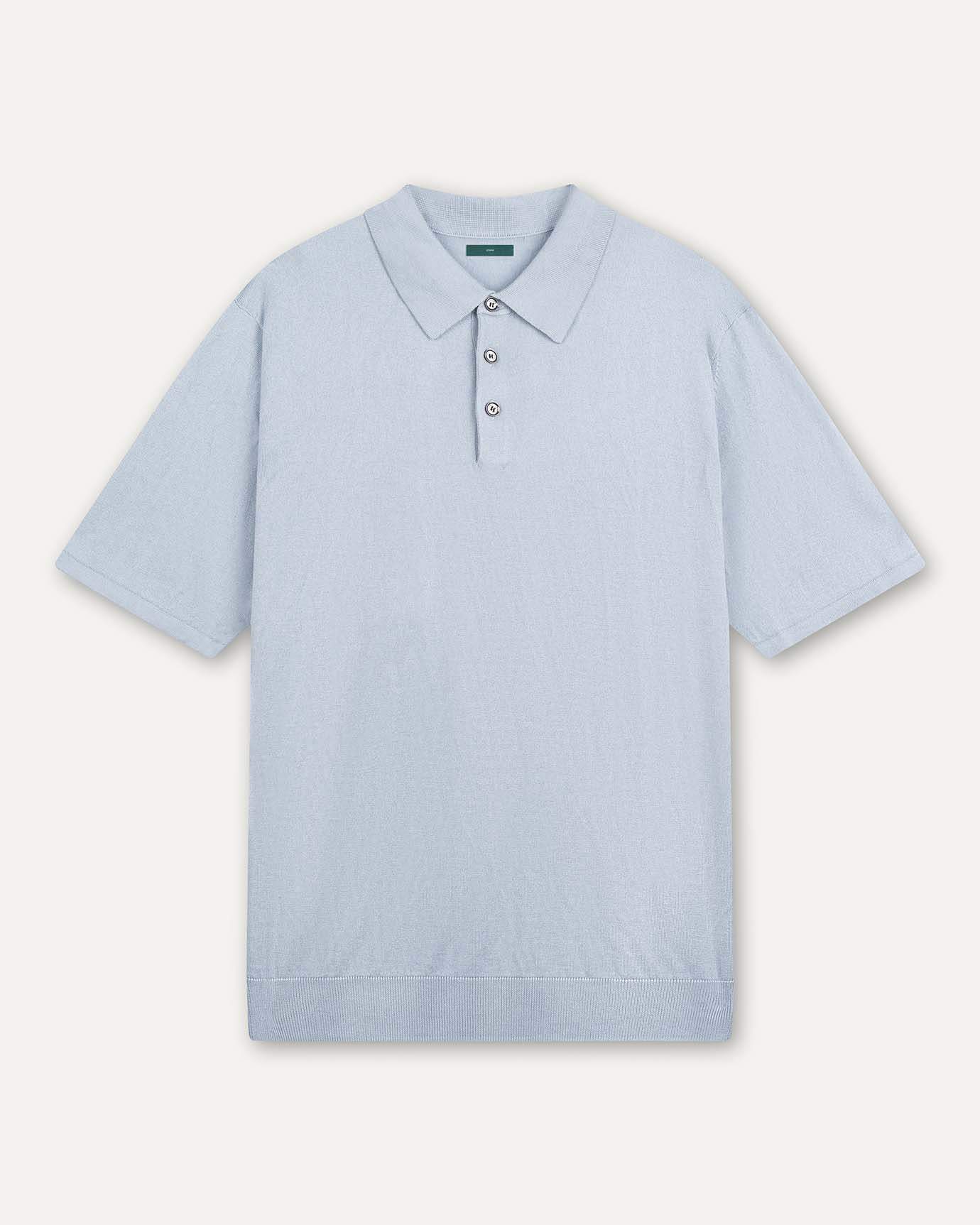
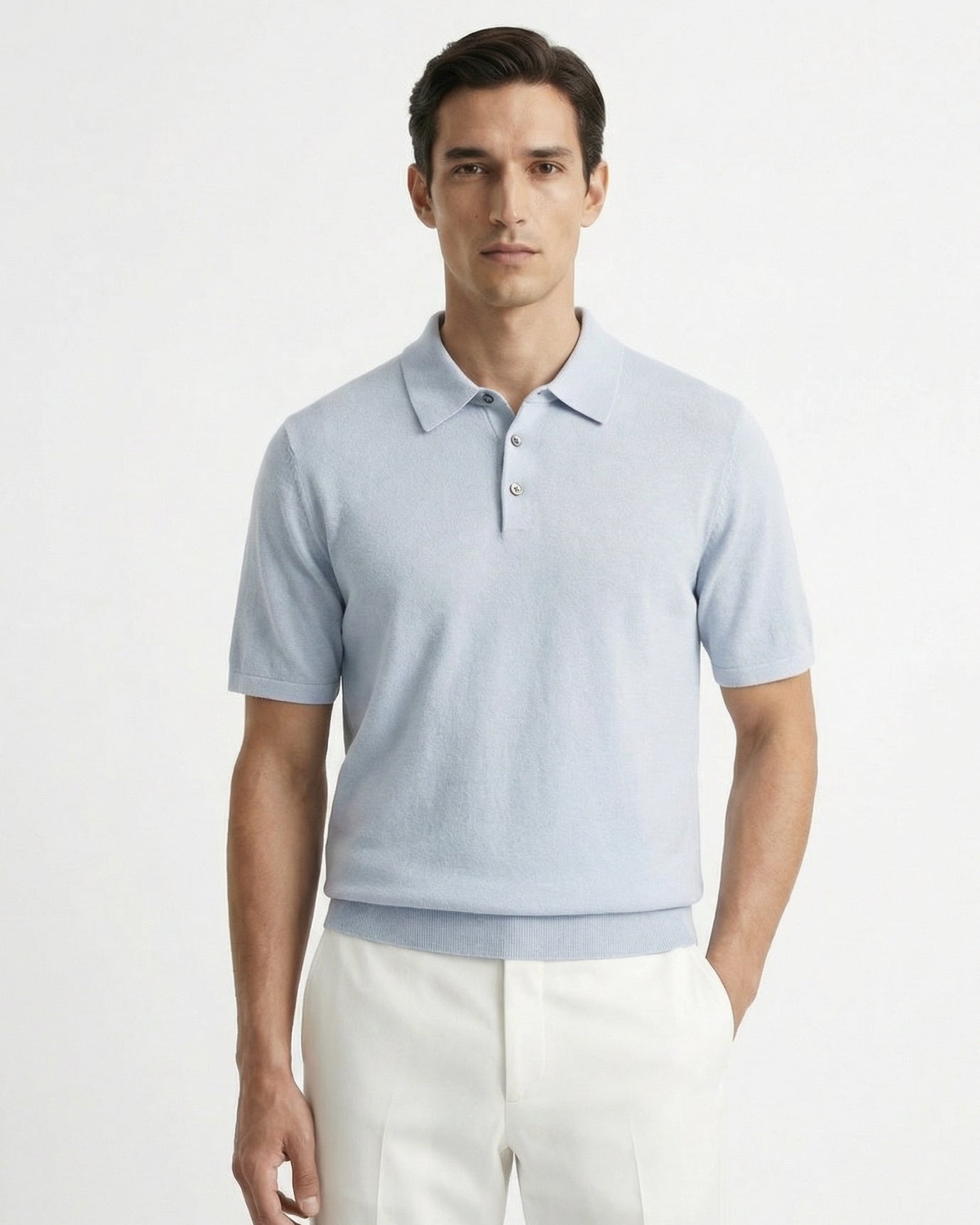
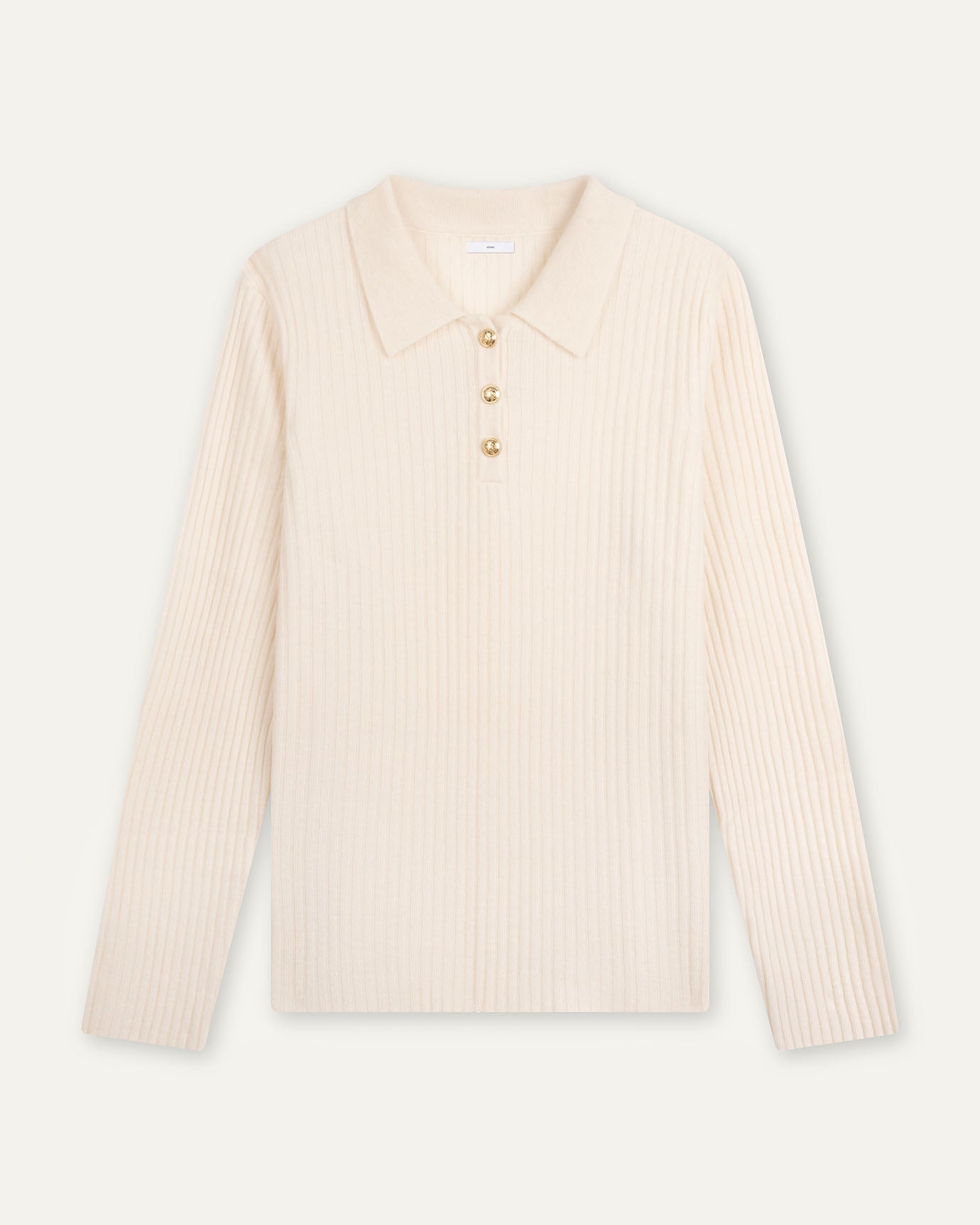
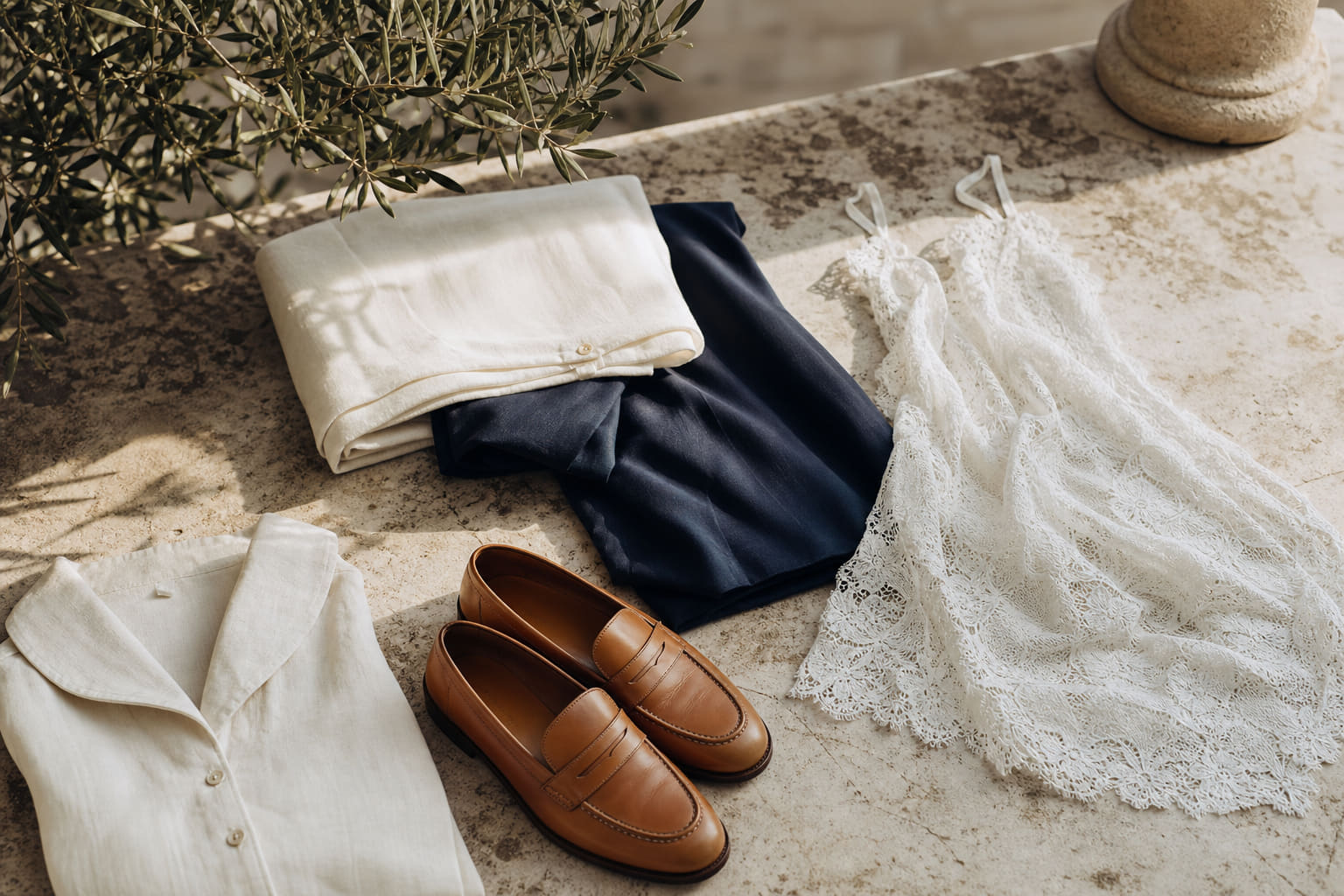
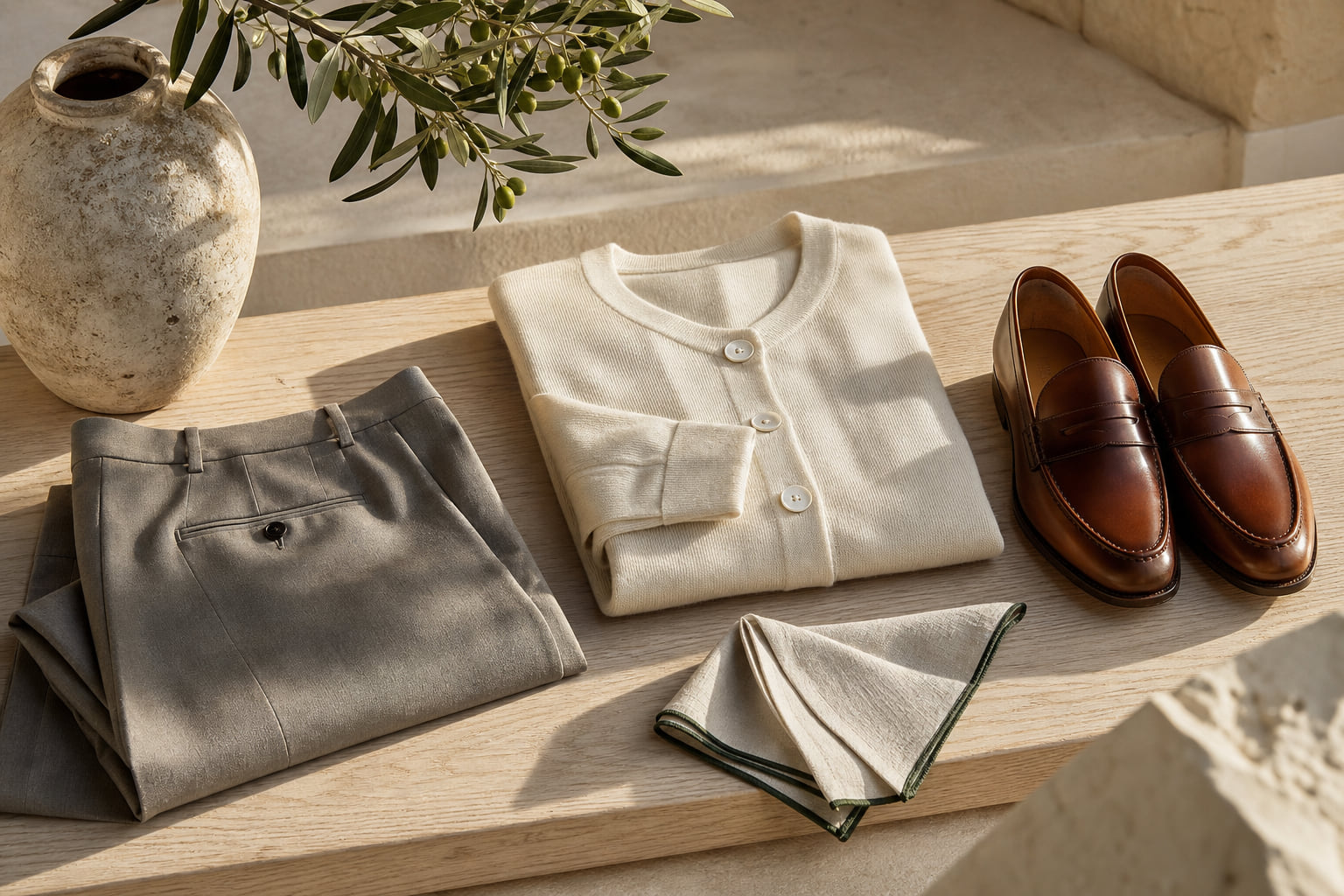
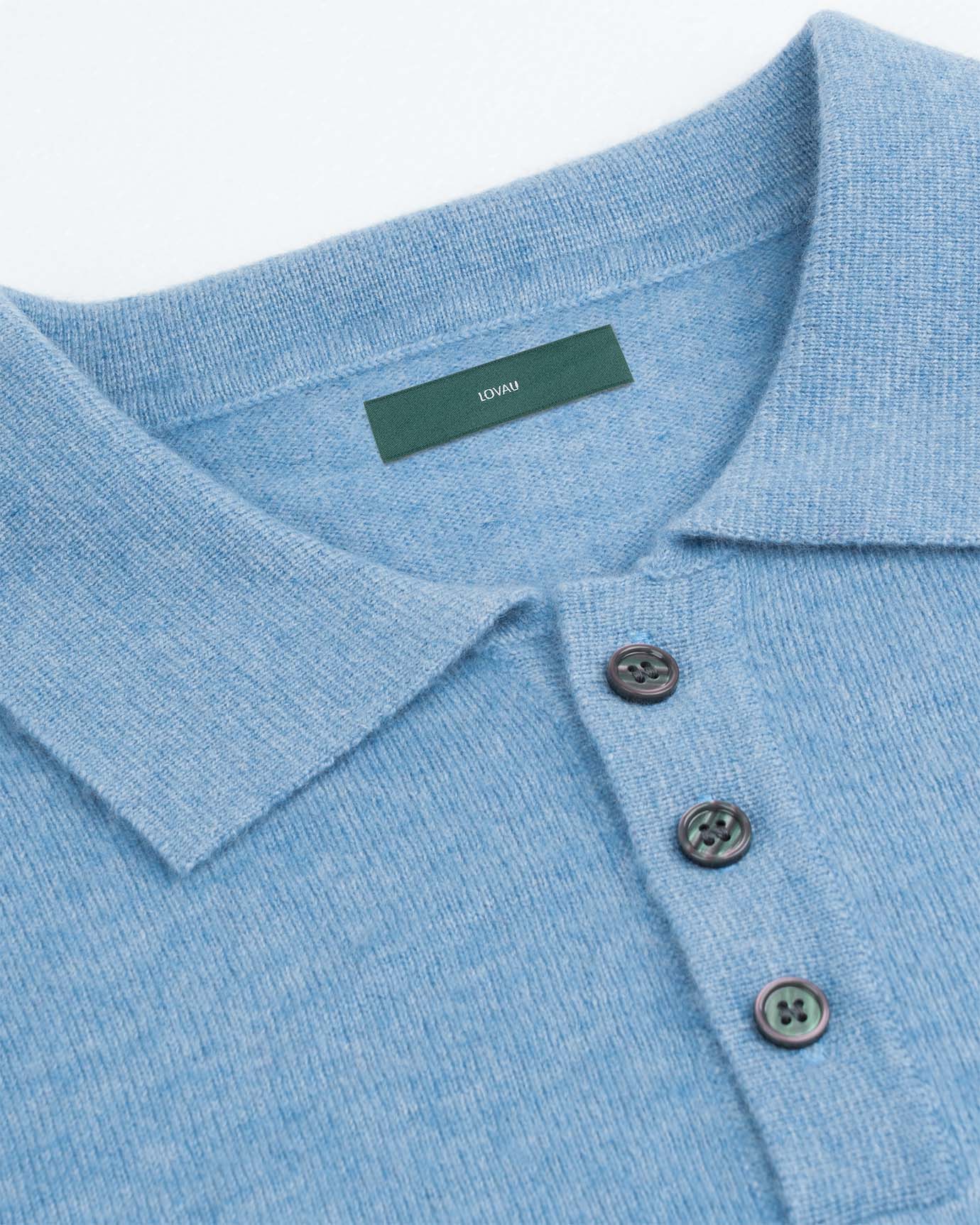
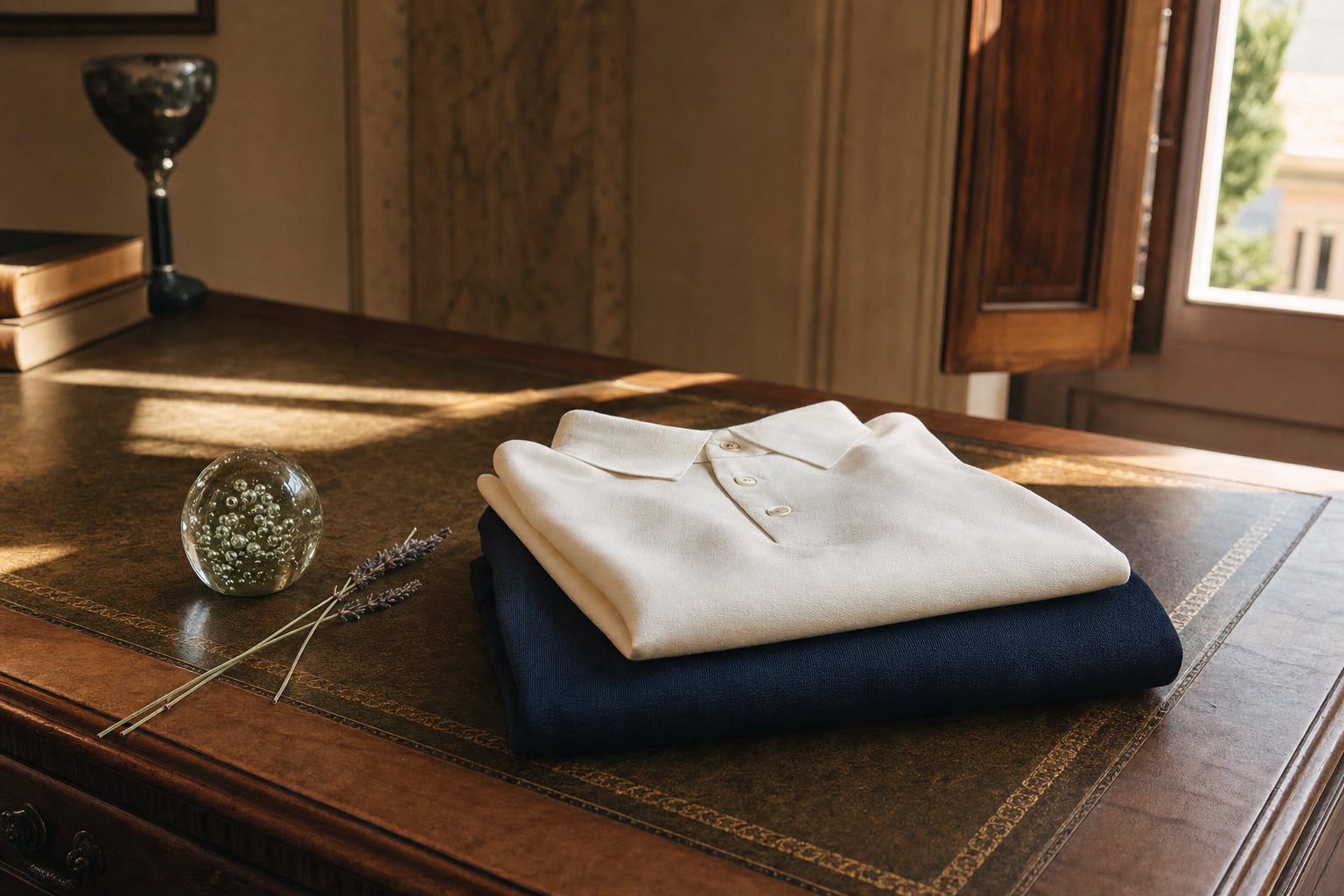
The silk polo is the core piece. It occupies the space between a formal shirt and a casual T-shirt in a way that no other garment does as cleanly. The mulberry silk knitted short-sleeved polo is the right choice for a dinner on a warm evening: worn tucked into old money style pleated trousers, with leather loafers and no jacket, it reads as deliberately dressed without appearing to try.
The silk blend set is the highest-commitment option and the one that delivers the most complete result. The mulberry silk and worsted cashmere set combines the temperature properties of silk with the structure of cashmere-blended worsted, producing a coordinated look that functions in a business-casual environment as well as a relaxed formal one. When a man needs to look completely composed without the formality of a suit, this is the answer.
For occasions where the acetate-silk blend is preferred for its cooling drape and slight sheen, the high-end acetate mulberry silk blend polo is worth examining. Acetate adds a fluid quality to the fabric's movement that is particularly effective in warm-weather environments.
Expert insightWhen pairing a silk polo with trousers, match the formality register of both pieces deliberately. A silk knit polo in navy or ivory works with tailored trousers and loafers. The same polo worn with relaxed linen trousers reads as resort wear. Neither is wrong, but the distinction should be intentional.

Silk Against the Competition: How It Compares to Other Investment Fabrics
Men investing in quality fabrics frequently consider the same shortlist: cashmere, merino wool, linen, and silk. Each has a genuine case, and the honest answer is that the best wardrobe contains all four. But understanding where silk specifically outperforms the others clarifies when to reach for it.
Cashmere is warmer and softer in a denser, more enveloping way. It is the right choice for autumn and winter layering. But cashmere pills under friction, and it has no place in warm-weather dressing. Silk does not pill.
Merino wool is the most versatile temperature-regulating fibre for active wear, but its surface texture, even at its finest, does not approach the smoothness of mulberry silk. For a man who wants the dressed appearance of a fine polo at a summer dinner, merino is the wrong tool.
Linen is the correct fabric for the hottest, most relaxed contexts. The Paris linen trousers are the right choice for a coastal afternoon. But linen creases immediately and visibly, and its texture reads as deliberately casual. Silk reads as refined.
Synthetic alternatives, polyester, viscose, and acetate on their own, are not competitors at this level. They approximate the surface appearance of silk without the thermoregulatory properties, the skin compatibility, or the longevity. The comparison is not serious.
Silk's specific advantages, smoothness, temperature neutrality in warm conditions, resistance to pilling, and depth of colour, make it the correct choice for the late spring through early autumn wardrobe, particularly for eveningwear and travel.

Caring for Silk Correctly: What the Label Does Not Always Tell You
The single reason most men avoid silk is the belief that it is difficult to maintain. In practice, silk knitwear and silk polos require less effort than dry-clean-only wool, provided you follow a few consistent habits.
Washing. Most silk knitwear can be hand-washed in cool water, below 30°C, using a detergent formulated for delicate fabrics or wool. Avoid any product containing enzymes or bleach. Submerge the garment, move it gently through the water for two to three minutes, then rinse without wringing. Squeeze excess water out by pressing the garment flat between two clean towels.
Drying. Lay flat on a clean dry towel away from direct sunlight. Direct sun degrades the silk protein and causes irreversible yellowing and weakening of the filament. Never tumble dry.
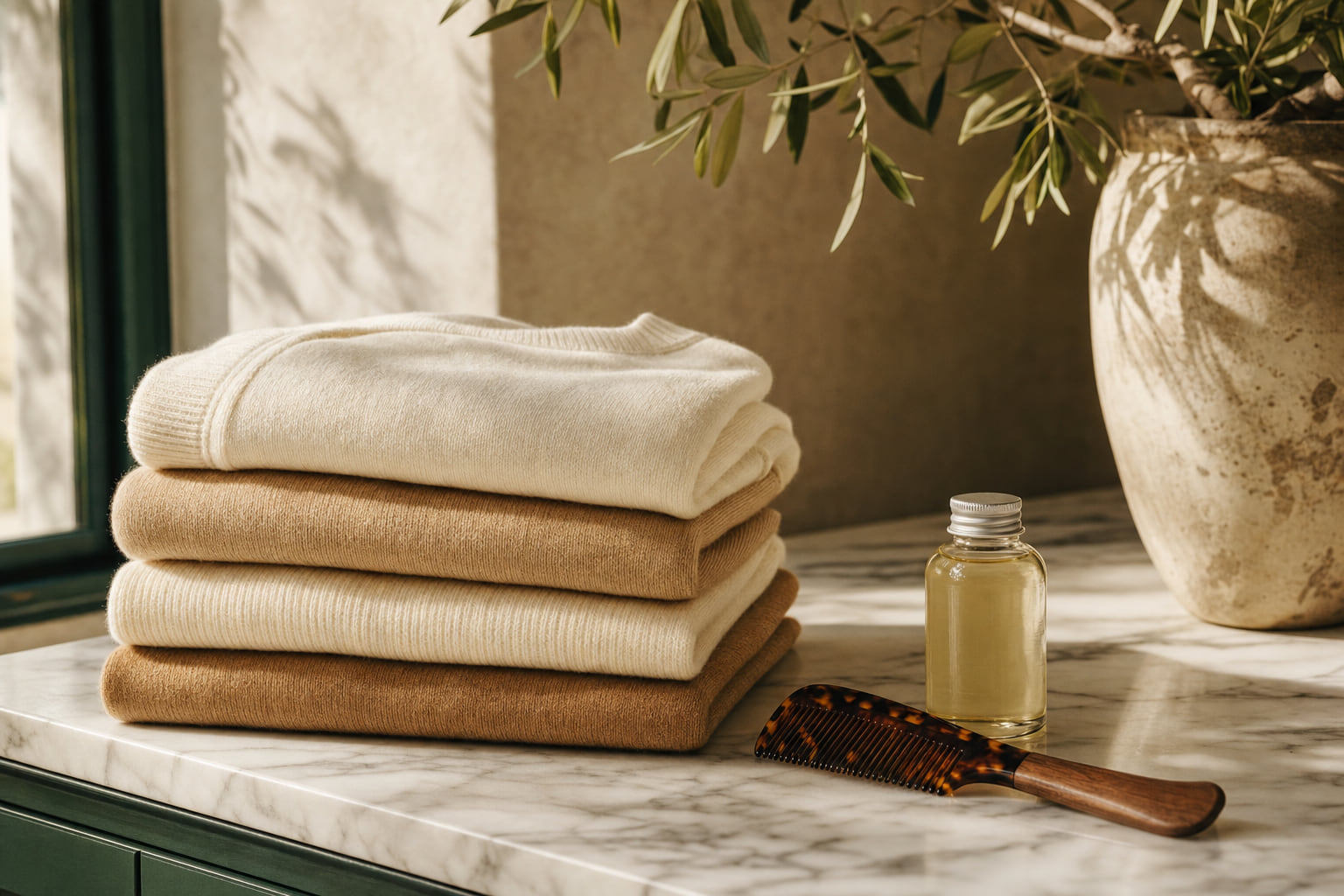
Storage. Fold rather than hang silk knitwear. Hanging on a standard hanger over time stretches the shoulders and distorts the shape. Store folded in a drawer or on a shelf, away from moth-prone environments. Cedar blocks are sufficient deterrent for seasonal storage.
Ironing. If pressing is necessary, use a cool iron on the reverse side of the fabric with a pressing cloth between the iron and the silk. Steam irons can be used at low temperature. Never iron silk while it is damp.
Stains. Act immediately. Blot, do not rub, and rinse the affected area with cool water. Most water-based stains respond to this treatment. Oil-based stains require a small amount of dish soap worked in gently before rinsing. Stubborn stains are the only genuine case for professional cleaning.
Following these steps consistently means a silk polo bought today can still be worn in the same condition a decade from now. That is the real investment argument, and it holds up under scrutiny. See the full men's collection for the complete range of silk pieces available from Lovau.

Where Mulberry Silk Fits in the Old Money Aesthetic
The old money approach to dressing is not about spending the most. It is about choosing correctly and wearing those choices with the kind of ease that comes from having owned quality things for a long time. Silk fits that logic precisely.
A man who buys a mulberry silk cashmere knitted polo and wears it with Italian worsted wool trousers is not making a statement. He is simply dressed correctly for the occasion. The silk adds a quiet richness to the surface of the outfit, the kind that registers in a room without announcing itself. That is the definition of understated luxury.
The old money menswear collection at Lovau is built around exactly this principle: fabrics chosen for their intrinsic properties, cuts that do not chase seasonal silhouettes, and a palette that remains coherent across years rather than months.
Silk is not the only fabric in that vocabulary, but it is an essential one. It carries the warmth of the Mediterranean, the precision of European textile tradition, and the practicality of a material that has been refined over two thousand years of use. Investing in it is not a luxury indulgence. It is good judgement.
For men who want to understand the broader context of silk's history and production, the Textile Arts section on silk provides a thorough grounding in how the material moved from East Asia into European fashion and why its production methods still determine quality today.

| Fabric | Best Season | Surface Feel | Pilling Risk | Care Complexity | Price Range (Polo/Top) |
|---|---|---|---|---|---|
| Mulberry Silk | Spring / Summer / Early Autumn | Very smooth, fine sheen | Very low | Hand-wash, no tumble dry | $89 to $175 |
| Cashmere Knit | Autumn / Winter | Soft, dense, warm | Moderate to high | Hand-wash, flat dry | $150 to $400+ |
| Fine Merino Wool | Year-round | Smooth, slightly textured | Low to moderate | Machine-wash wool cycle | $80 to $200 |
| Linen | Summer | Textured, breathable | Very low | Machine-wash, low heat | $60 to $150 |
| Silk-Cashmere Blend | Spring / Autumn | Smooth with warmth | Low | Hand-wash, flat dry | $89 to $165 |
| Polyester / Viscose | Any | Variable, often flat | Moderate | Machine-wash | $20 to $80 |
Frequently asked questions
Is mulberry silk durable enough for everyday wear?
Yes, with the right care. Mulberry silk knitwear and polos worn regularly and washed correctly, cool water, no tumble drying, no direct sun exposure, maintain their appearance for years. The fabric's tensile strength is higher than cotton at equivalent weights. A mulberry silk knitted polo worn two to three times a week will outlast most cotton alternatives if treated properly.
What is the difference between a silk polo and a standard cotton polo?
Beyond the obvious difference in surface texture, the key practical distinctions are temperature regulation and drape. Silk moves with the body rather than sitting stiffly on it, and it manages moisture more efficiently in warm conditions. A silk polo also holds its colour depth after repeated washing in a way that cotton, particularly mass-market cotton, does not. The trade-off is that silk requires more careful laundering and should not be tumble-dried.
How should a silk vest be worn by a man who wants a refined but not formal look?
A silk or silk-blend vest works best as a visible layering piece over a plain crew-neck or beneath an open sport coat. Keep the palette tight: a navy or ivory vest over a white base, with tailored trousers and loafers, produces a complete look without requiring a jacket. For a starting point, the man vest collection includes options at different formality levels suited to this kind of dressing.
Is mulberry silk worth the higher price compared to other silk types?
For menswear, yes. The uniformity of the mulberry filament produces a better surface, deeper colour, and longer lifespan than tussah or other wild silks. When you calculate cost per wear over the life of the garment, the price difference between a well-made mulberry silk piece and a lower-grade alternative narrows considerably. The high-end mulberry silk and worsted cashmere set is a concrete example of how the investment logic works at the upper end of the range.
Mulberry silk earns its place in a serious wardrobe not because it is expensive, but because it performs. It regulates temperature, resists pilling, holds colour, and drapes with a precision that no synthetic can reproduce. A man who builds his warm-weather wardrobe around one or two well-chosen silk pieces, a polo, a vest, or a blended set, and learns to care for them correctly, will find that the cost per wear over five or ten years is lower than almost any alternative. For the full range of silk pieces designed with this philosophy in mind, explore the old money menswear collection at Lovau.