


How to Build a Cashmere Collection That Lasts
Reading time 13 min • 2514 words
Cashmere has a reputation that precedes it, and not always honestly. The market is flooded with pieces that feel extraordinary in the shop and look defeated after three washes. The difference between cashmere that lasts a decade and cashmere that pills by February comes down to fibre grade, ply count, and construction, not price alone.
Building a real cashmere collection means understanding what you are actually buying. It means choosing fewer, better pieces and caring for them with the same attention you would give any serious investment. This guide covers everything you need to know, from reading a label to storing your knits through summer, so that every piece you bring home earns its place for years to come.
At Lovau, we work exclusively with women's cashmere pieces built to the standards described here. What follows is the knowledge that should accompany every purchase.
Key takeaways
- Grade A, two-ply cashmere is the minimum standard for pieces that resist pilling and hold their shape through seasons of wear.
- A lasting collection is built around three to five core pieces, not dozens of trend-led purchases.
- Hand-washing in cool water with a pH-neutral detergent and flat drying will extend the life of any cashmere garment by years.
- Pilling is almost always a sign of single-ply construction or short fibre length, not normal wear.
- Store cashmere folded, never on a hanger, and use cedar blocks rather than mothballs to protect the fibres.
In this guide
- What Makes Cashmere Last: Fibre Grade, Ply, and Origin
- The Foundation Pieces: What to Buy First
- Recognising Poor Quality Before You Buy
- Washing, Drying, and Storing Cashmere Correctly
- Extending Your Collection: Accessories and Layering Pieces
- Building Across Seasons: When to Invest and When to Wait
- Frequently asked questions
What Makes Cashmere Last: Fibre Grade, Ply, and Origin
Cashmere comes from the undercoat of Capra hircus goats, primarily from Mongolia, Inner Mongolia, and the Kashmir region of northern India and Pakistan. The finest fibres measure between 14 and 15.5 microns in diameter and are at least 36 millimetres in length. These two measurements, diameter and staple length, determine almost everything about how a finished garment will perform.
Grade A cashmere uses fibres at the finer end of this range. Grade B and C use progressively coarser, shorter fibres that are cheaper to source and more prone to pilling, because short fibres work their way to the surface of the fabric with friction. If a label does not specify grade, treat it as an unknown.
Ply count is the second critical factor. Single-ply cashmere is one strand of yarn; two-ply twists two strands together. Two-ply construction is more durable, holds its shape better through washing, and resists pilling far more effectively than single-ply. For garments you intend to wear regularly, two-ply is the practical minimum. Some heavier knits use four-ply, which adds warmth and structure without sacrificing softness.
Origin matters, but it is not a guarantee. Scottish mills such as those in the Borders region have a long history of processing Mongolian fibre to high standards, and Italian mills in Biella are known for precise finishing. However, origin labelling refers to where the garment was made, not where the fibre was sourced. Read both.
For an authoritative definition of cashmere fibre standards, the cashmere wool classification on Wikipedia provides a clear technical overview of grading criteria.
Expert insightRun a fingernail lightly across the fabric before buying. Grade A cashmere will not immediately produce surface fuzz. If fibres come away with minimal friction in the shop, they will pill heavily at home.

The Foundation Pieces: What to Buy First
A considered cashmere wardrobe does not happen in one season. Start with the pieces that work hardest across the most occasions, then add from there.
A classic pullover sweater is the anchor of any serious knit collection. Look for a round or V-neck in a neutral, ivory, camel, charcoal, or soft grey. These colours hold their relevance across decades and work over everything from tailored trousers to midi skirts. Our cashmere and wool pullover sweater is constructed in a two-ply blend that keeps its shape wash after wash.
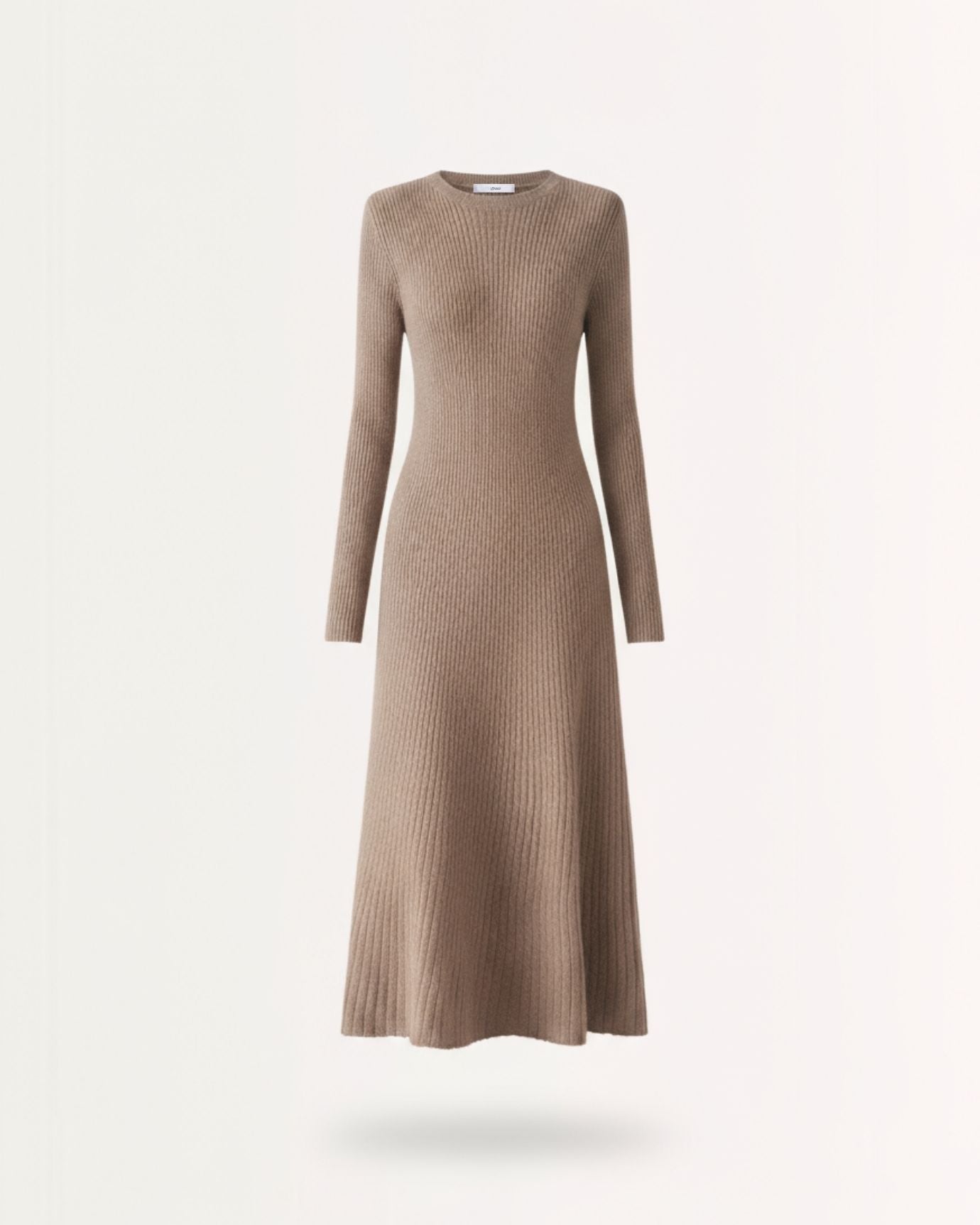
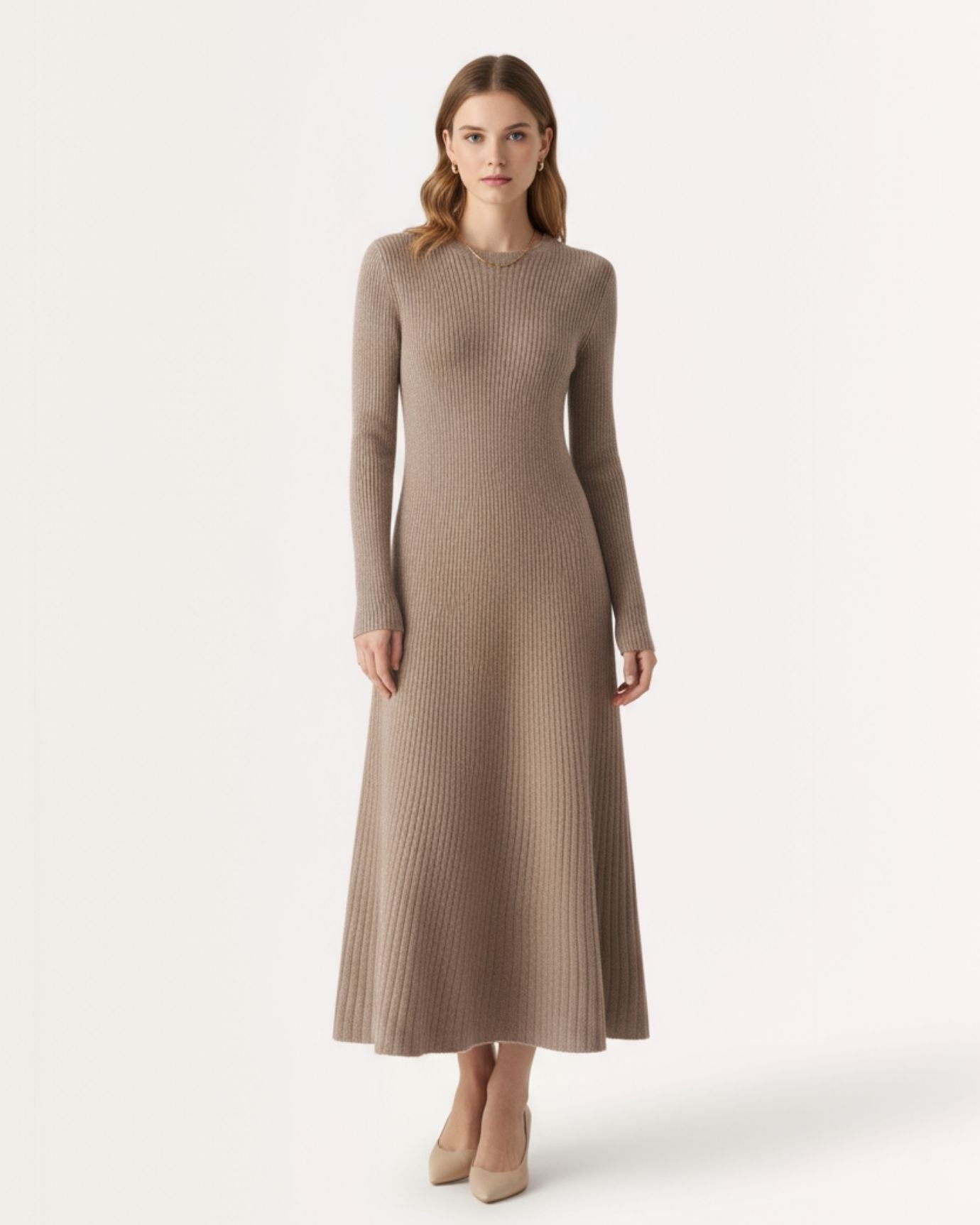
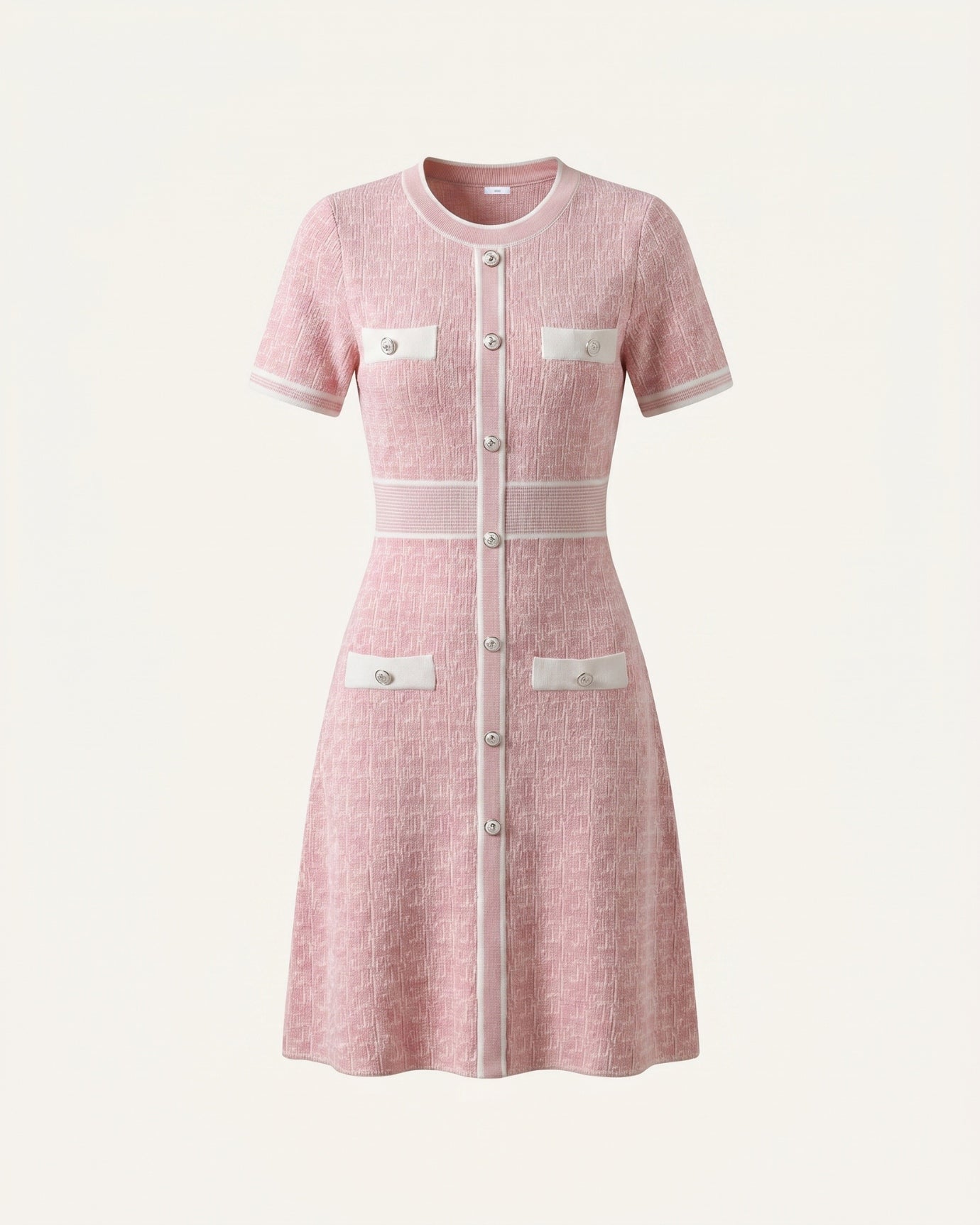
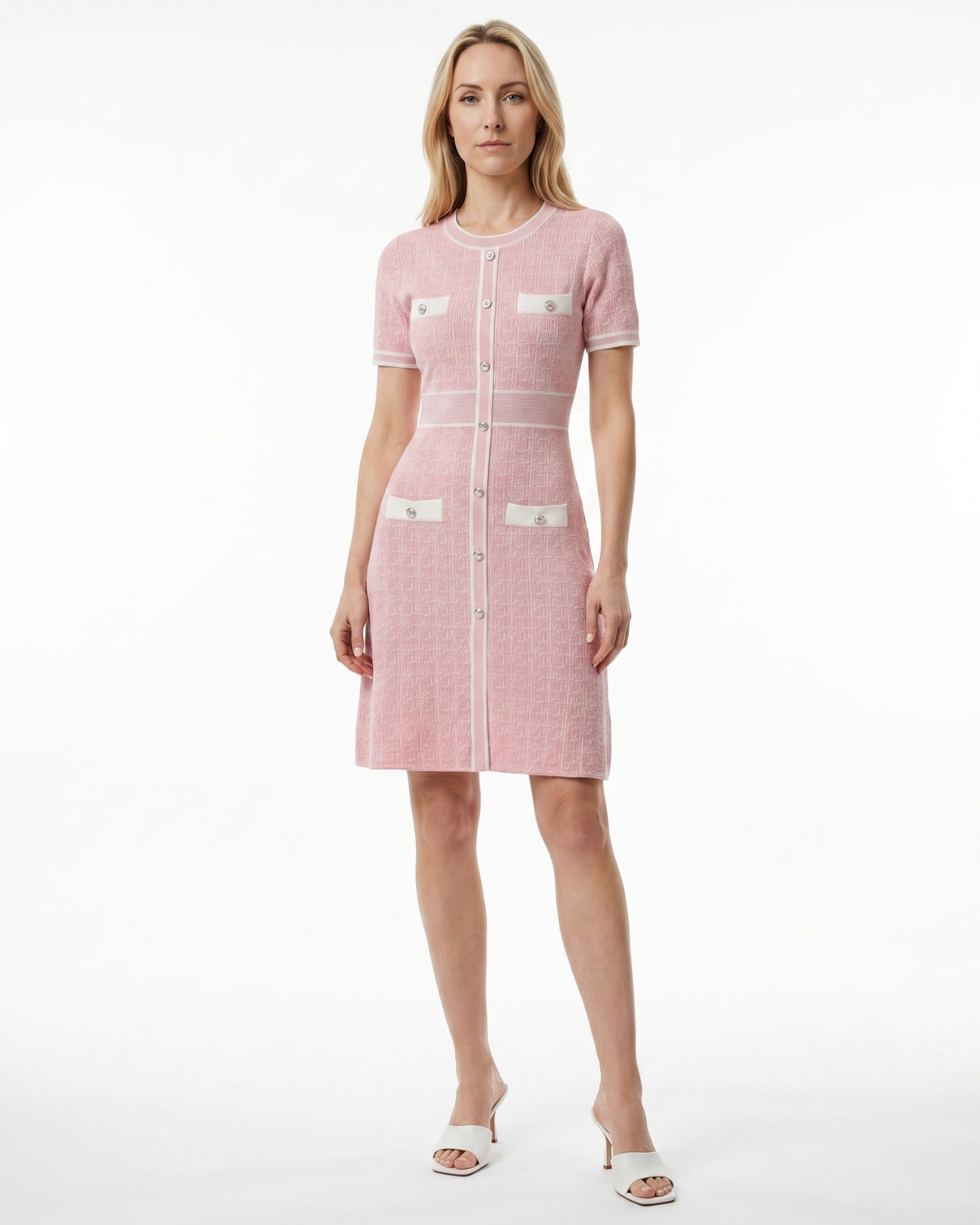
A cashmere dress extends the fibre's versatility into formal and semi-formal occasions. A well-cut knit dress in a V-neck or column silhouette can move from a lunch meeting to an evening table with only a change of footwear. The cashmere dress in a skin-tested V-neck cut is a reliable starting point, cut close to the body without being restrictive, and finished to a standard that prevents the bagging that undermines cheaper knit dresses over time.
A cashmere set gives you two pieces that work independently or together, doubling the utility of a single purchase. A cardigan and skirt pairing in matching or tonal knit reads as a complete outfit with very little effort and layers well under coats through colder months. The cashmere cardigan and knitted skirt set is a strong example of this approach.
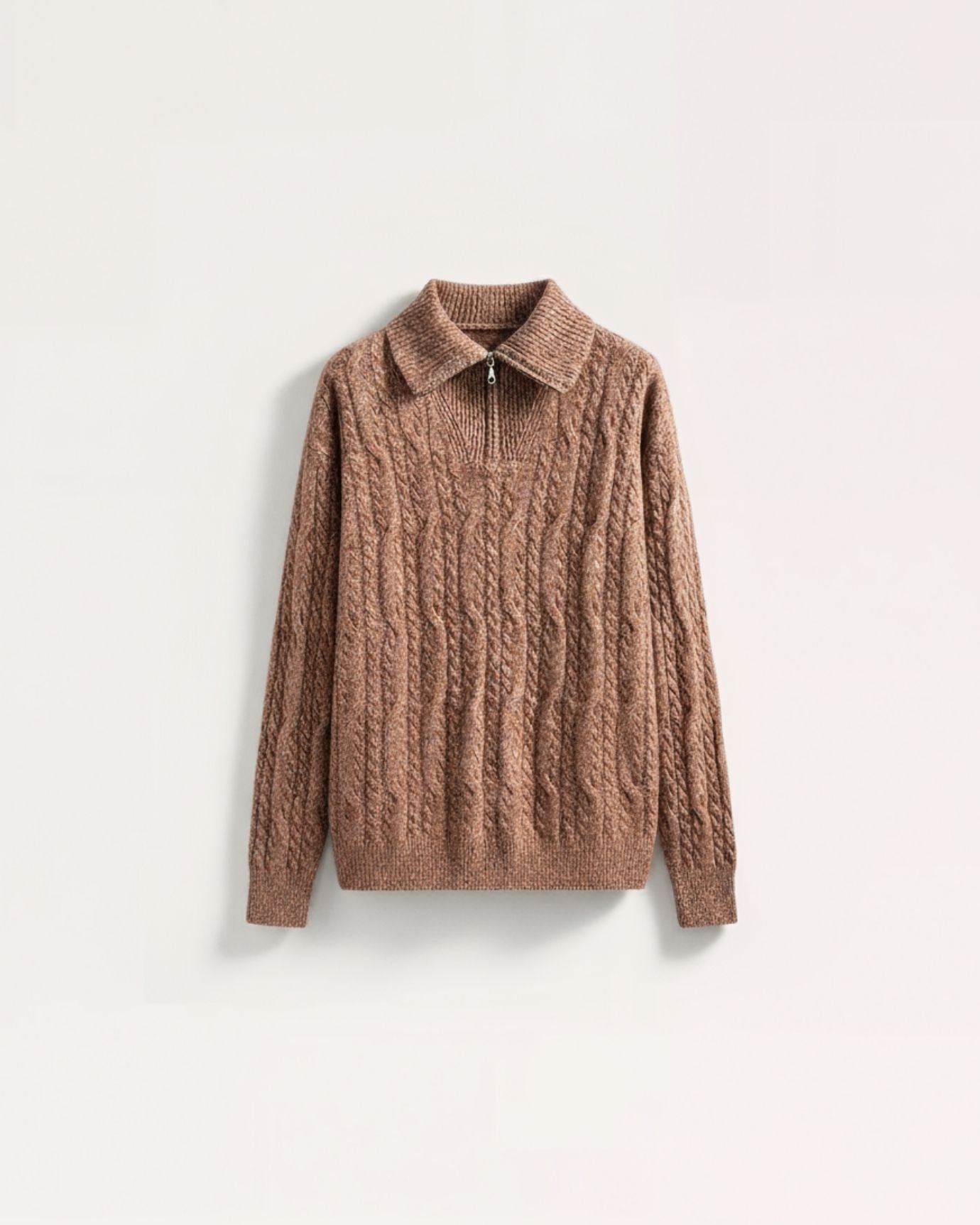
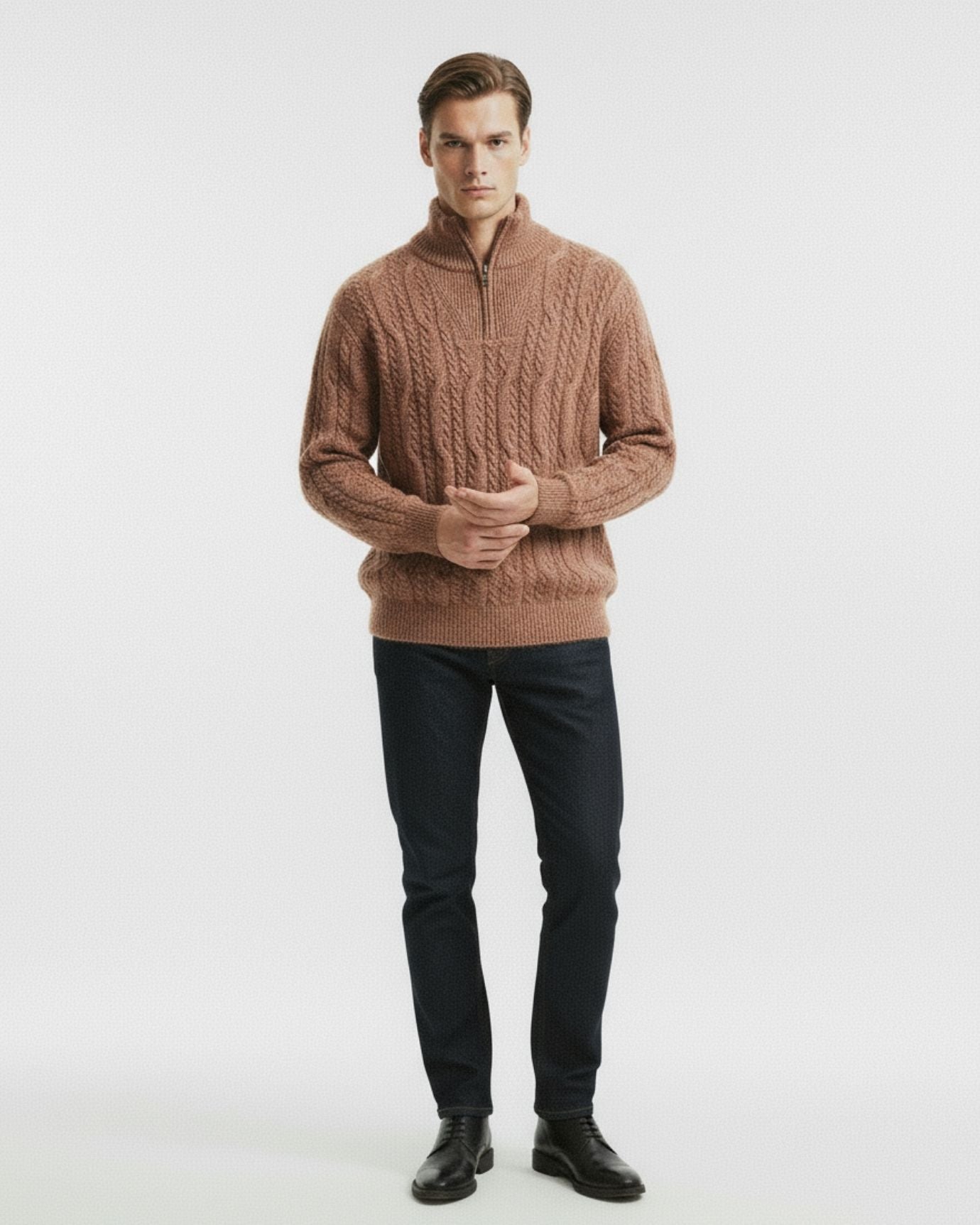
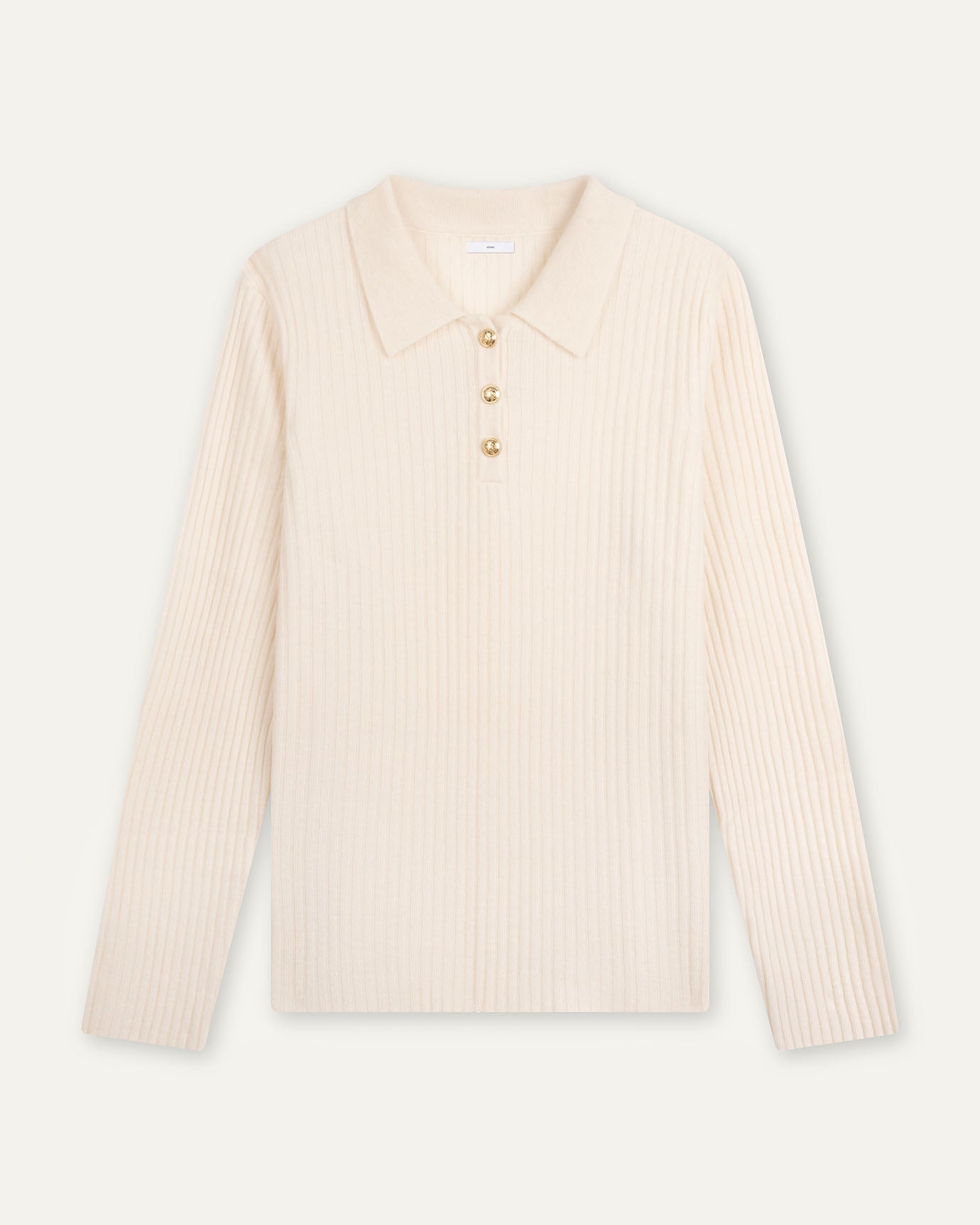
A polo-neck or turtleneck rounds out the foundation. A zipper turtleneck offers slightly more versatility than a fixed roll, letting you adjust the neckline depending on the occasion. Look at the cashmere zipper turtleneck sweater as a piece that bridges casual and polished dressing without compromising on either.
- Start with neutrals before adding colour
- Prioritise versatility of neckline and silhouette
- Choose weights appropriate to your climate: lighter for mild winters, heavier four-ply for cold ones
Expert insightBuy your foundation cashmere pieces in the same colour family first. A wardrobe where every piece works with every other piece is more useful than a collection of beautiful items that cannot be combined.

Recognising Poor Quality Before You Buy
The most effective way to avoid cashmere that disappoints is to know the warning signs before money changes hands.
Price below a realistic threshold. True Grade A two-ply cashmere cannot be produced and sold profitably at very low price points. A sweater priced under sixty euros or dollars is almost certainly using short-fibre Grade C cashmere, a cashmere blend with a low fibre percentage, or both. This does not mean the most expensive option is always the best, but it does mean that bargain cashmere is rarely what it claims.
Excessive softness on first touch. This sounds counterintuitive, but cashmere that feels extraordinarily silky in the shop has often been chemically treated or over-processed to mask coarser fibres. Genuine high-grade cashmere is soft, but has a slight natural texture. Processed softness fades quickly.
Loose, open knit structure. Hold the fabric up to light. A tight, even weave indicates proper construction. If you can see significant gaps or the structure looks irregular, the garment will stretch and lose shape rapidly.
No fibre content breakdown on the label. Reputable manufacturers list fibre content precisely. A label that says only "cashmere blend" without percentages is concealing a low cashmere content, often under thirty percent.
Browsing the full cashmere collection with these criteria in mind gives you a reference point for what properly constructed cashmere looks and feels like at a fair price.
Expert insightAsk for the fibre micron count. Reputable suppliers know it. If the answer is vague or unavailable, that tells you something important about the sourcing standards behind the garment.

Washing, Drying, and Storing Cashmere Correctly
More cashmere is ruined by incorrect care than by wear. The rules are simple but non-negotiable.
Washing. Hand-wash in cool water, never above 30 degrees Celsius. Use a pH-neutral detergent formulated for wool or cashmere. Submerge the garment gently, squeeze rather than wring, and rinse in water of the same temperature to avoid thermal shock, which causes felting. Most cashmere can be machine-washed on a wool cycle at 30 degrees in a mesh bag, but hand-washing extends fibre life significantly.
Drying. Lay flat on a clean dry towel, reshape to the original dimensions, and allow to air dry away from direct sunlight and heat sources. Never hang a wet cashmere garment. The weight of water will permanently stretch the fibres at the shoulders and underarms.
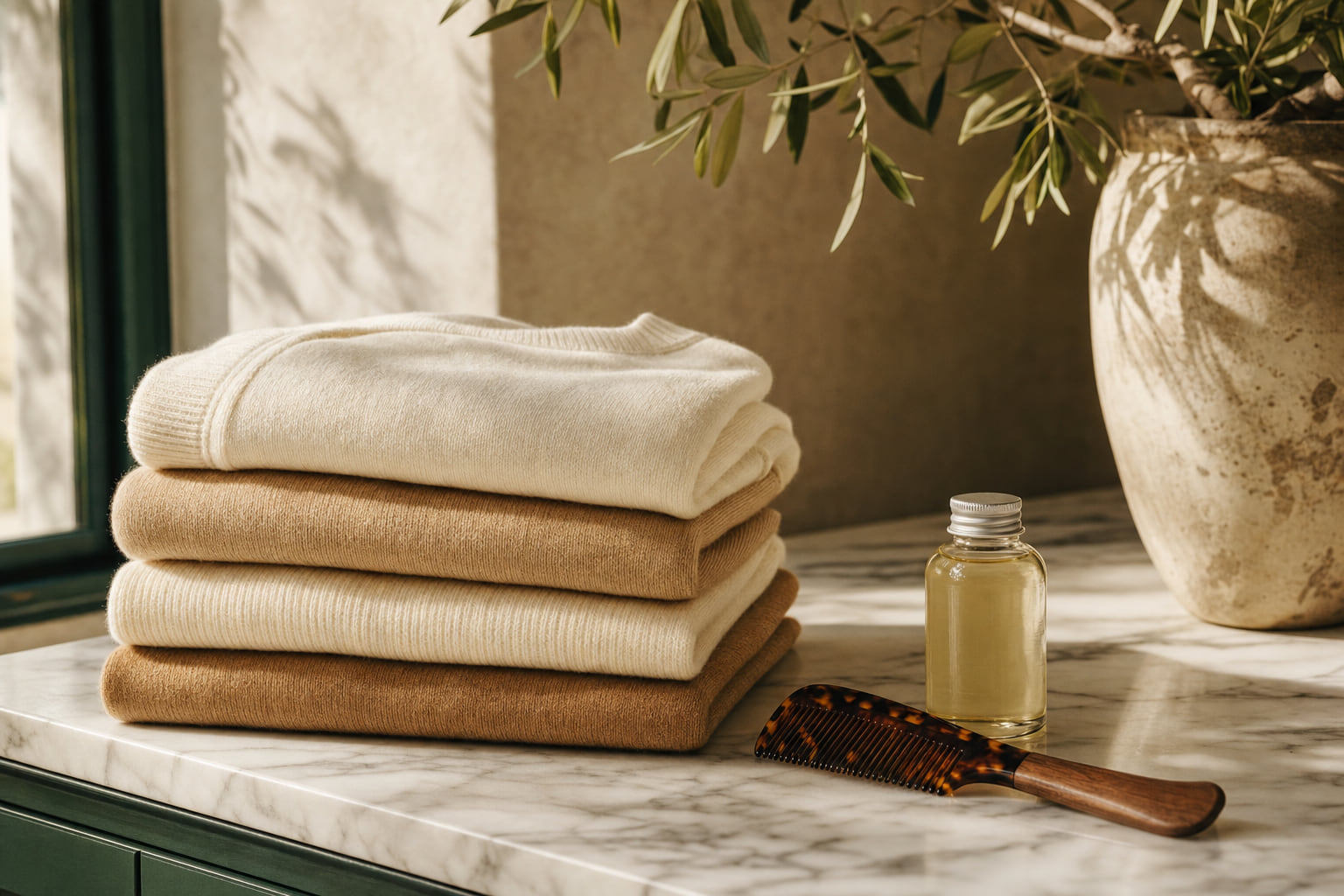
Depilling. Some light pilling after the first few wears is normal even in quality cashmere, particularly in areas of friction like underarms and sides. Use a cashmere comb or a fabric shaver on the lowest setting. Never pull pills with your fingers.
Storage. Fold cashmere, do not hang it. Even dry cashmere will distort on a hanger over weeks. Store in breathable cotton bags or folded on a shelf. Use cedar blocks or dried lavender to deter moths. Check stored pieces every few months, particularly through summer.
Frequency. Cashmere does not need washing after every wear. Air the garment between wears by laying it flat for a few hours. Washing too frequently weakens the fibres. Two to three washes per season is sufficient for regular wear.
For a broader cashmere wardrobe that holds its quality season after season, consistent care is as important as the initial purchase decision.

Extending Your Collection: Accessories and Layering Pieces
Once the core sweater and dress pieces are in place, accessories allow you to extend the cashmere aesthetic through a full outfit without significant additional investment.
A cashmere scarf is one of the most cost-effective additions to a refined wardrobe. The cashmere shawl scarf works as a wrap over a coat, a shoulder layer at an outdoor evening event, or folded into a jacket collar for warmth. A cashmere knitted scarf with cable collar offers more structure and reads as a deliberate accessory rather than a functional afterthought.
For colder months, cashmere knitted socks worn inside leather boots or loafers add warmth without visible bulk, and the fibre's natural breathability means they work across a wider temperature range than wool alternatives.
A cashmere hat in a simple, well-constructed style, such as the double-knitted cashmere cap, should be treated with the same quality standards as a sweater. Single-ply hats pill on the brim within weeks. Look for the same two-ply construction and tight knit structure.
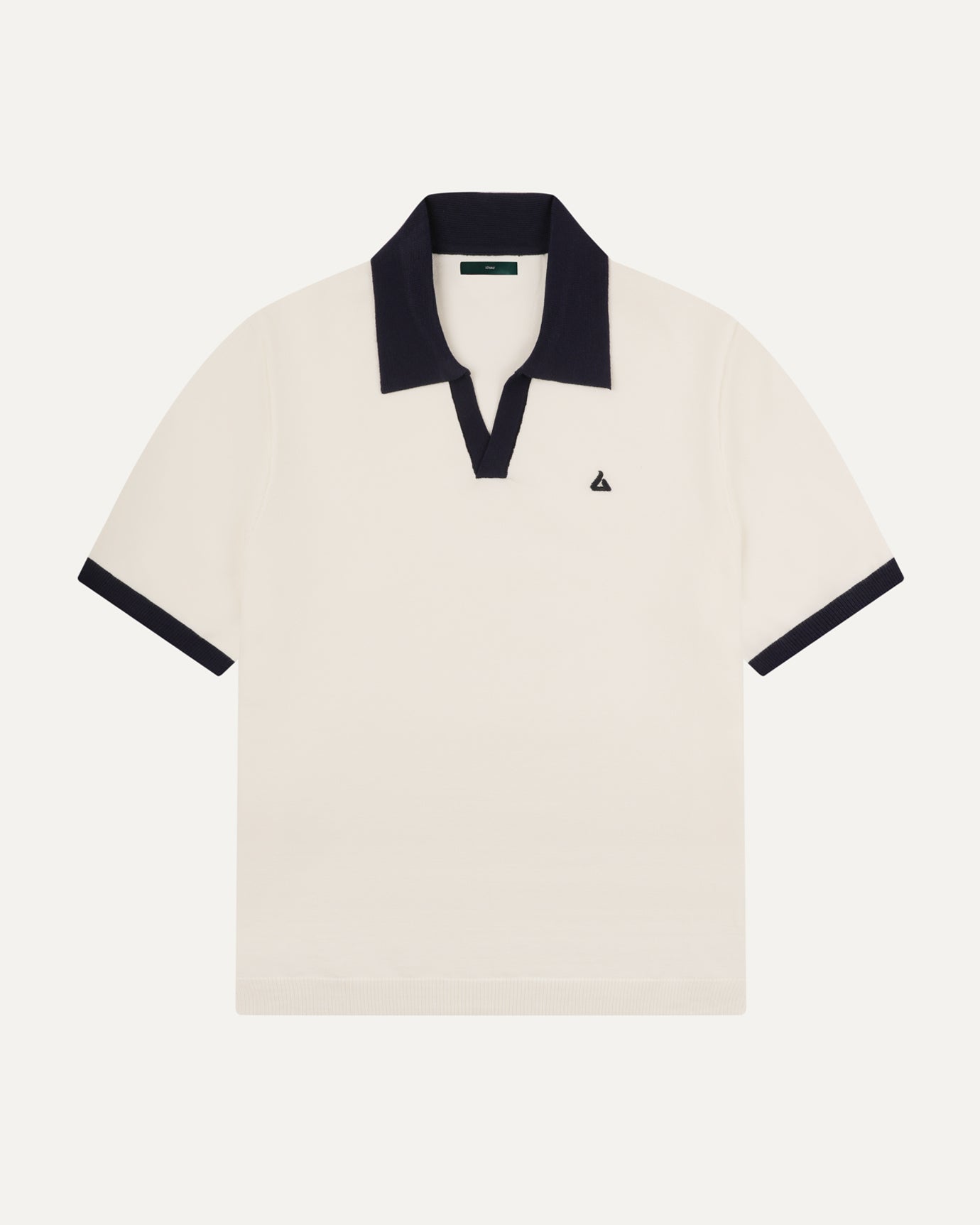
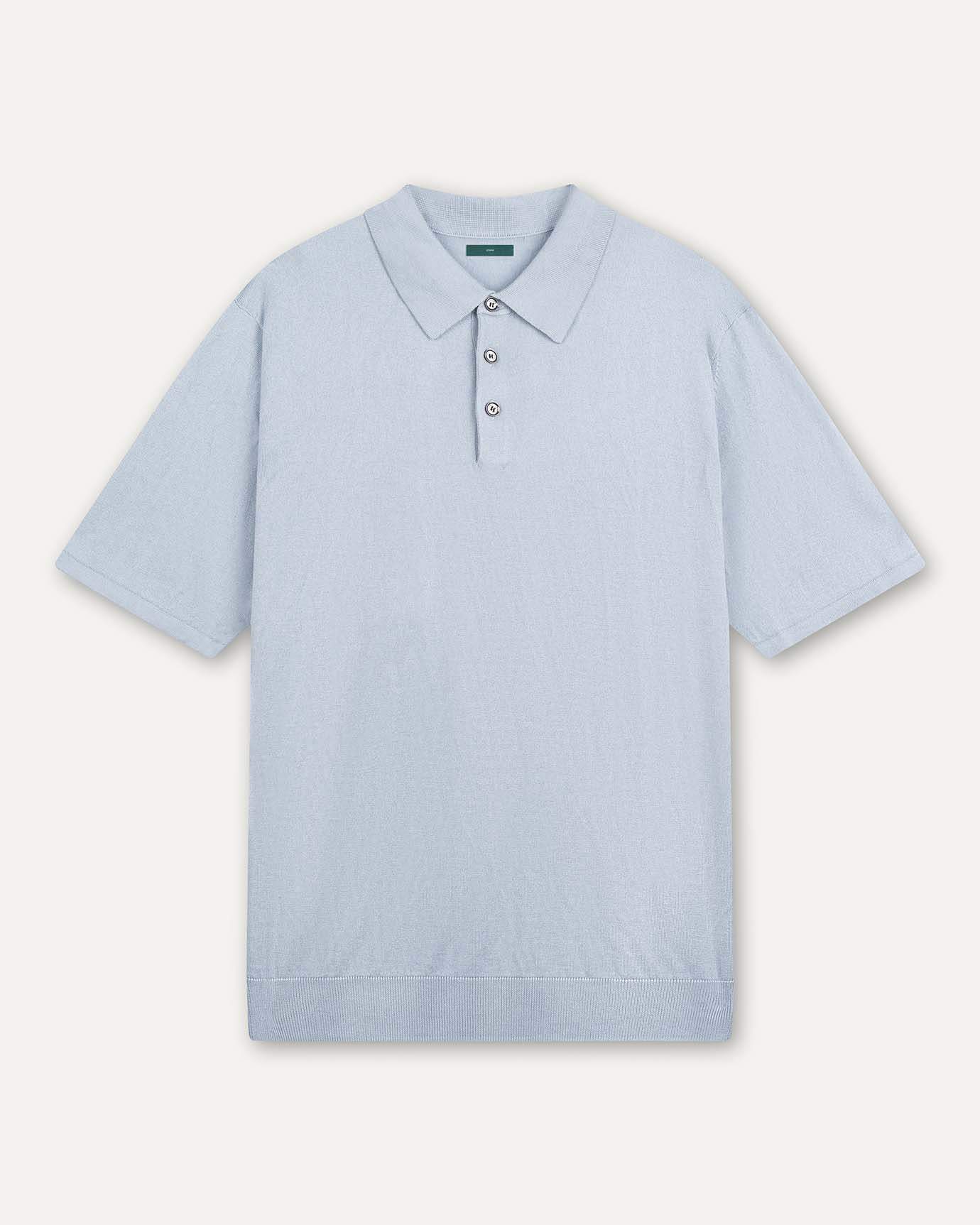
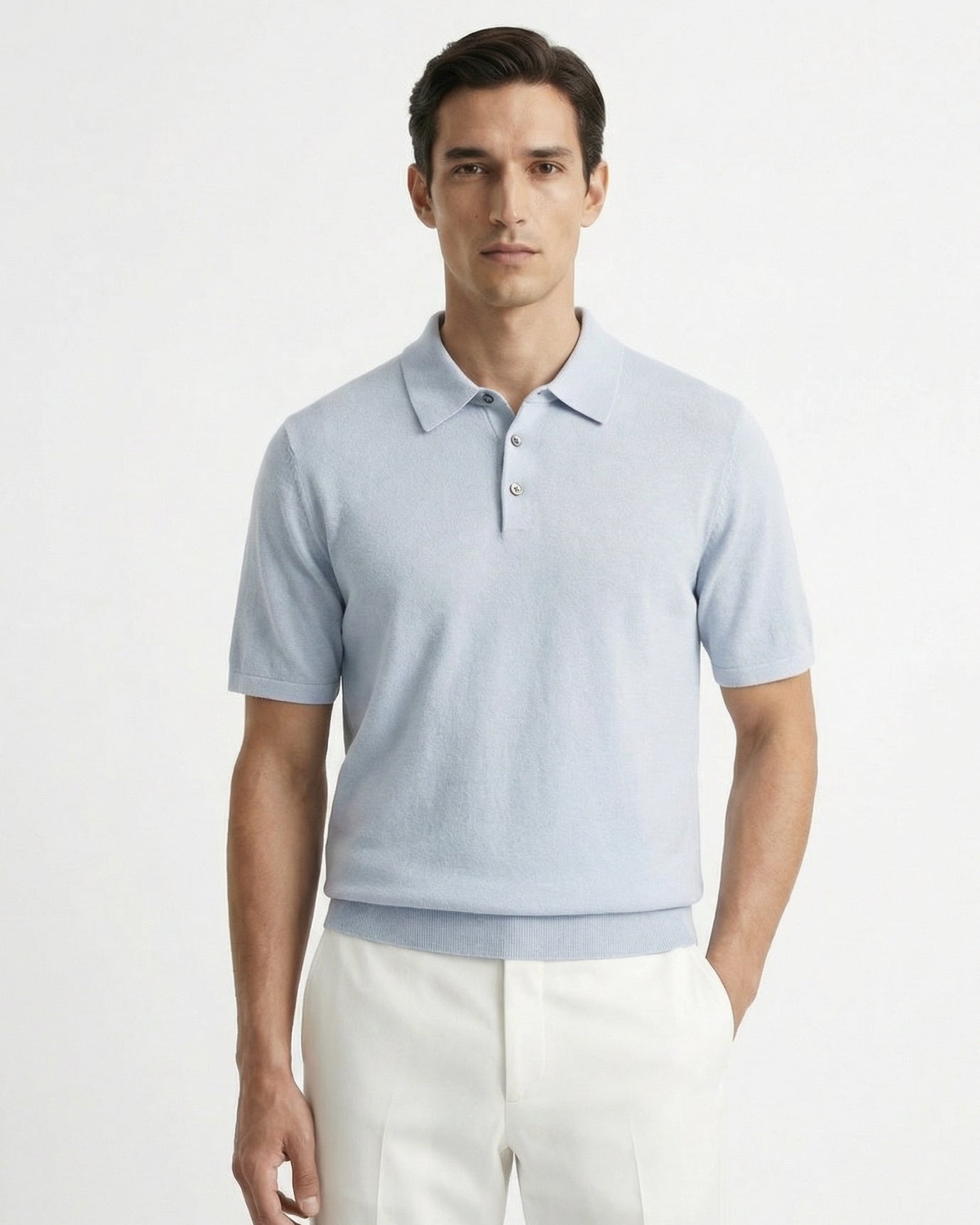
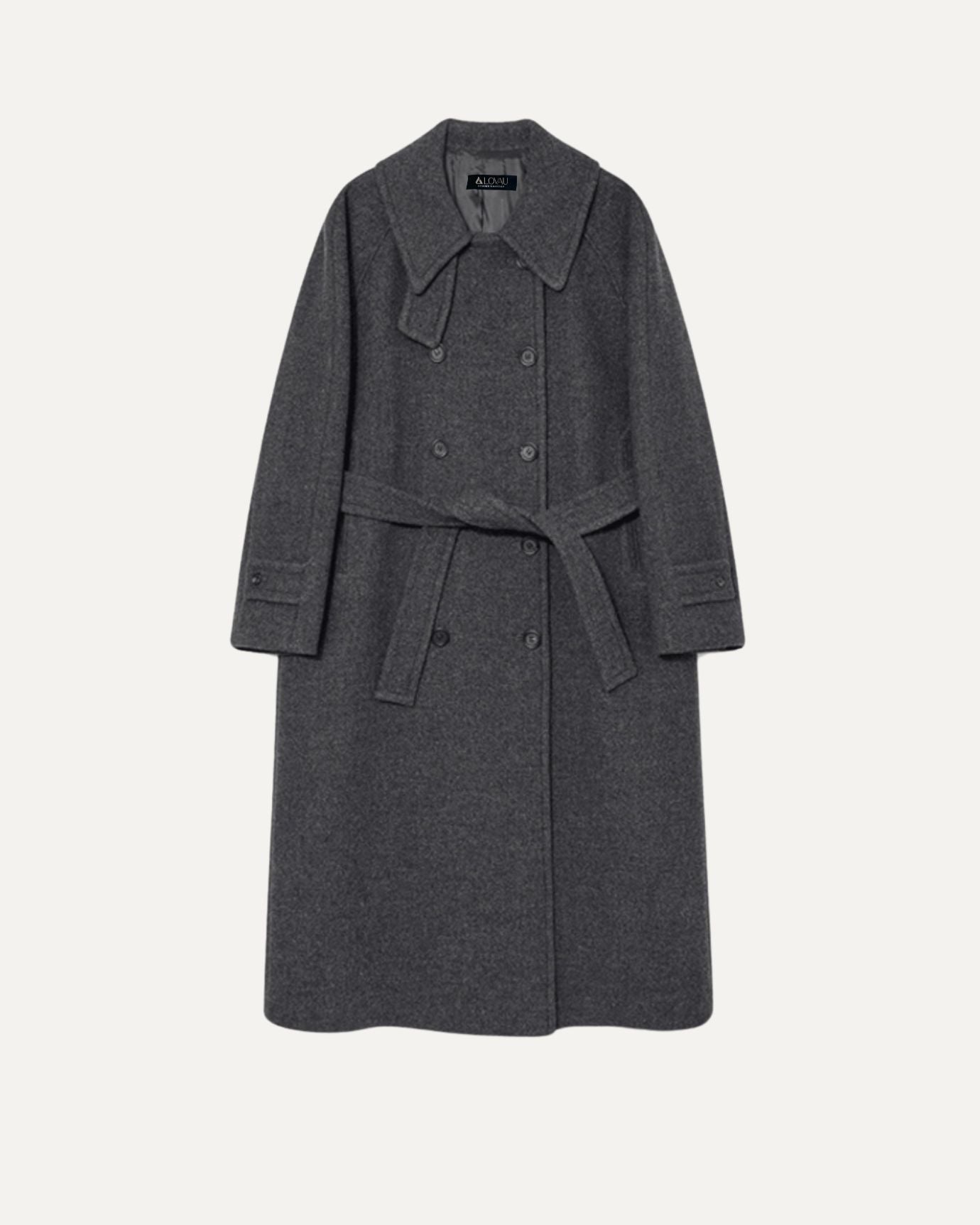
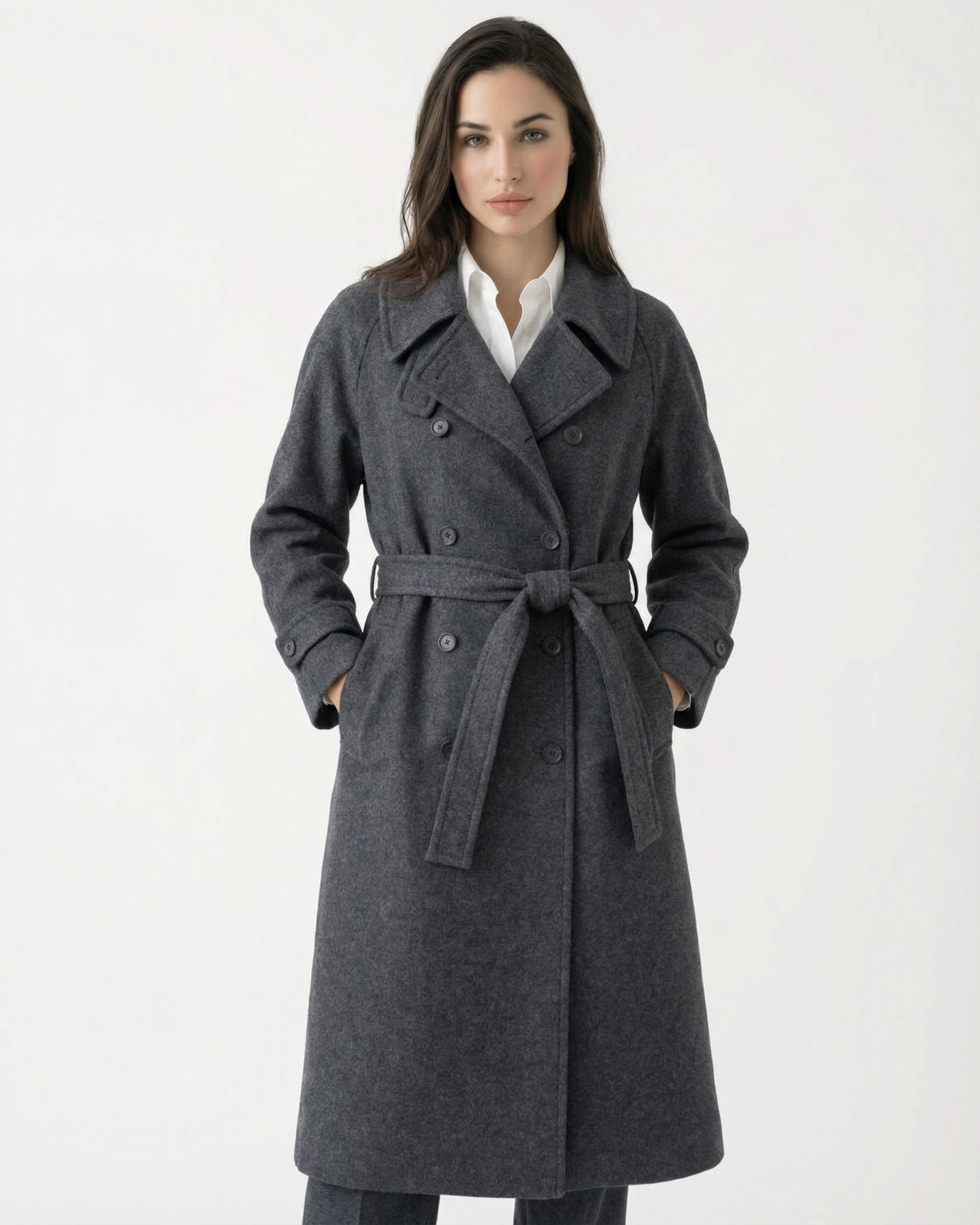
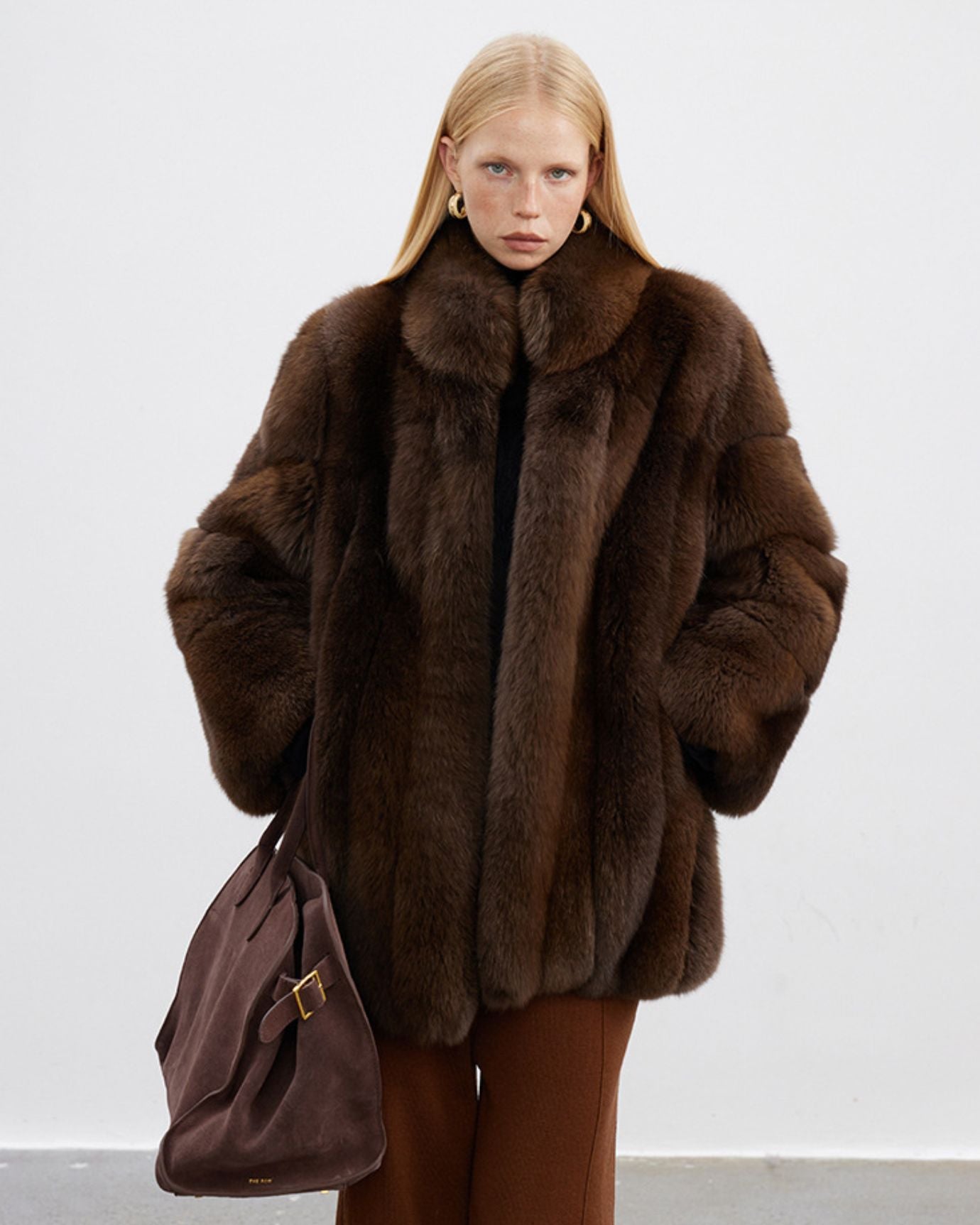
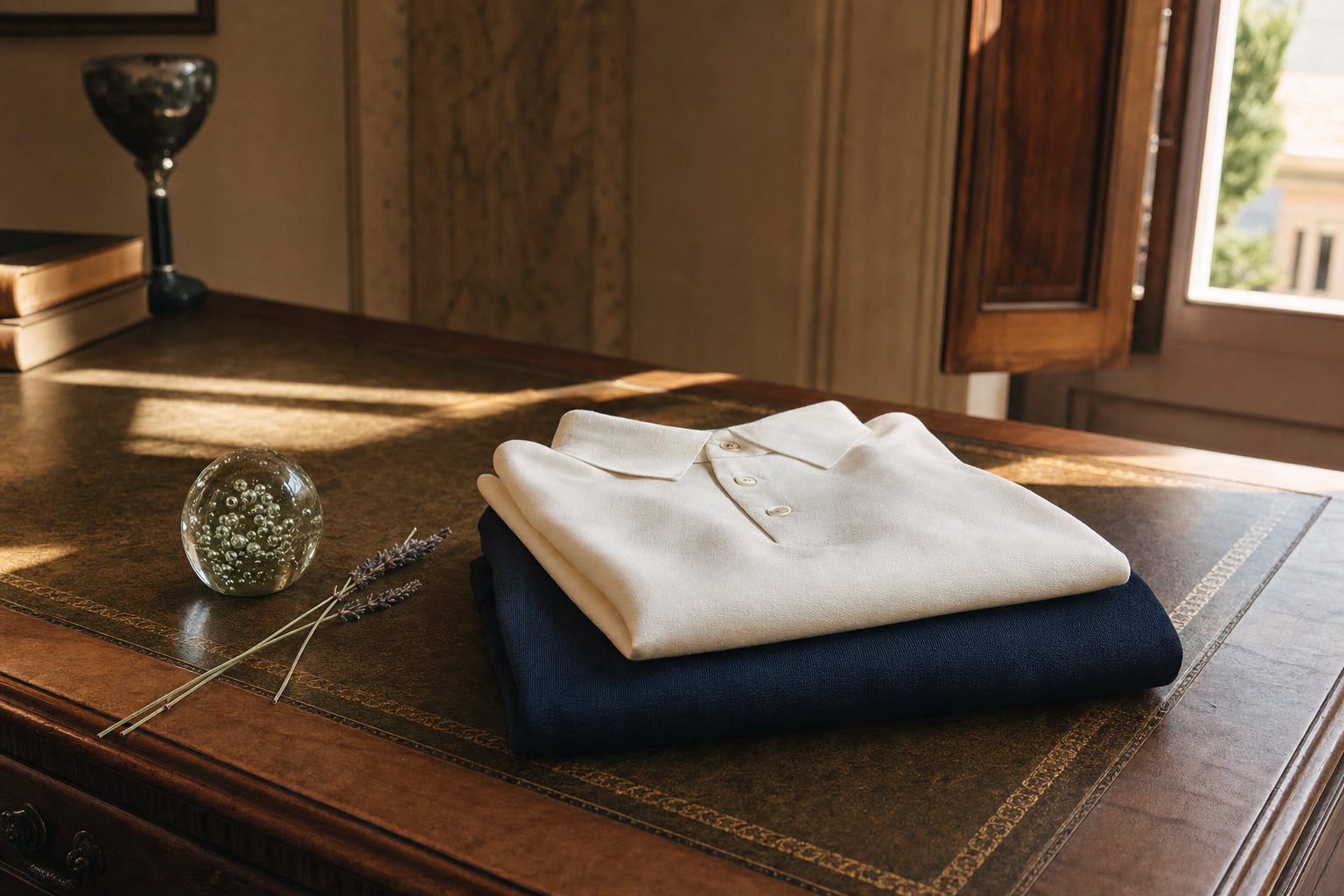
When layering cashmere pieces, keep textures consistent. A cashmere polo under a cashmere coat reads as considered. Mixing cashmere with synthetic outerwear works, but the cashmere should always be the visible layer, not the hidden one. The ready-to-wear women's collection includes tailored outer pieces that layer well over knits without compressing the fibres.

Building Across Seasons: When to Invest and When to Wait
Cashmere is a year-round fibre in lighter weights, but most people build their collection reactively, buying in autumn when prices are highest and selection is most limited. A more considered approach inverts this.
Buy end-of-season. The best time to add a cashmere sweater or dress to your wardrobe is late winter, when retailers reduce prices on current-season stock. The pieces are identical to what will be sold the following autumn at full price.
Prioritise versatility over trend. A cashmere piece in a classic silhouette and neutral colour has no expiry date. A cashmere piece in a trend-driven cut or statement colour may feel dated within two seasons. The long-sleeve dress collection includes knit options that illustrate this principle: clean lines, considered proportions, nothing that will read as of-the-moment in three years.
Set a quality threshold and hold to it. It is more useful to own three genuinely excellent cashmere pieces than twelve mediocre ones. Each time you consider a purchase, measure it against the criteria in this guide. If the ply count is unclear, the fibre origin is vague, or the price is implausibly low, wait.
Rotate pieces deliberately. Wearing the same cashmere sweater five days a week will wear it out faster than rotating three sweaters across the same period. Build your collection with rotation in mind, so that each piece rests between wears.
The relationship between cashmere and longevity is well documented in textile research. As Harper's Bazaar notes in its cashmere care coverage, the brands with the strongest reputation for lasting cashmere are consistent in their sourcing standards across seasons, not just in flagship pieces.

| Quality Tier | Fibre Diameter | Ply Count | Expected Lifespan | Pilling Risk |
|---|---|---|---|---|
| Grade A, Two-Ply | 14 to 15.5 microns | 2-ply minimum | 10 or more years with correct care | Low, minimal after first few wears |
| Grade B, Two-Ply | 15.5 to 17 microns | 2-ply | 5 to 7 years | Moderate, particularly at friction points |
| Grade A, Single-Ply | 14 to 15.5 microns | 1-ply | 3 to 5 years | Moderate to high |
| Grade B or C, Single-Ply | 17 or more microns | 1-ply | 1 to 3 seasons | High, often begins within first month |
| Cashmere Blend (under 50%) | Variable | Variable | 1 to 2 seasons | Very high, often immediate |
Frequently asked questions
Why does my cashmere pill so quickly, and can it be prevented?
Pilling is almost always a result of short-fibre or single-ply construction, not a sign that you are wearing the piece incorrectly. Short fibres migrate to the surface of the fabric with friction and tangle into pills. The most effective prevention is buying two-ply Grade A cashmere from the outset. For pieces you already own, reduce friction by wearing smooth-lined coats over cashmere sweaters and using a cashmere comb regularly to remove surface fuzz before it forms pills.
How many cashmere pieces do I actually need to start a collection?
Three pieces are enough to begin: one pullover sweater in a neutral colour, one cashmere dress for more formal occasions, and one layering piece such as a cardigan or turtleneck. These three cover the majority of occasions and allow you to rotate pieces so none is overworked in a single season.
Is it worth buying a cashmere set rather than separate pieces?
A cashmere cardigan and skirt set is worth buying if the individual pieces are genuinely wearable apart from one another. A set that only works as a unit gives you one outfit. A set where the cardigan layers over other pieces and the skirt pairs with different tops gives you many. Evaluate the separates on their own merits before buying the set.
Can cashmere be worn in spring and summer, or is it strictly a winter fibre?
Lighter-weight cashmere, particularly single-ply pieces in finer gauges, is genuinely comfortable in spring and early autumn. The fibre is naturally breathable and regulates temperature well. A fine-gauge cashmere polo or lightweight knit dress works for cool summer evenings or air-conditioned interiors. Heavier four-ply pieces are better reserved for winter. Browse the Spring Summer Woman Old Money Collection for lighter-weight options suited to warmer months.
A cashmere collection built on sound criteria, Grade A fibre, two-ply construction, versatile silhouettes, and consistent care, will outlast almost anything else in your wardrobe. The investment is real, but so is the return. Start with three pieces, care for them correctly, and add deliberately over time. Every piece in our women's cashmere collection is selected against the standards described in this guide, so that what you buy today is still earning its place ten seasons from now.