


Why Do My Clothes Look Cheap? 7 Fixes for 2026
Reading time 12 min • 2381 words
There is a specific frustration in spending money on clothes and still feeling like something is off. The outfit is assembled, the pieces are new, and yet the overall impression is flat, or worse, it reads as trying too hard. The problem is almost never the price tag.
Cheap-looking clothes share a short list of consistent problems: synthetic fabrics that catch light badly, fits that were never corrected, colour combinations that compete rather than harmonise, and small details like buttons, seams, and collars that quietly signal low investment. Once you can name these problems, they are fixable.
This guide works through seven of them, one at a time, with concrete actions. Whether you are building a wardrobe from scratch or editing what you already own, these are the changes that register immediately, to you and to everyone else in the room.
Key takeaways
- Fabric weight and fibre content are the single fastest giveaways of quality. Learn to feel the difference between high-count linen and a polyester blend.
- Fit problems, specifically excess fabric at the shoulder and chest, make even expensive clothes look cheap. Prioritise a tailor over a bigger wardrobe.
- A restrained neutral palette reads as more expensive than a busy mix of saturated colours and competing prints.
- Shoes and leather goods are where quality shows most visibly. One well-made pair outperforms five mediocre ones.
- Over-branding, visible logos, and novelty hardware are the fastest signals of insecurity in dress. Quiet clothes project quiet confidence.
In this guide
- Fix 1: Replace Synthetic Fabrics With Natural Fibres
- Fix 2: Address Fit Before You Address Anything Else
- Fix 3: Build Around a Neutral Palette
- Fix 4: Pay Serious Attention to Shoes and Leather Goods
- Fix 5: Eliminate Visible Over-Branding and Cheap Hardware
- Fix 6: Correct Proportion and Avoid Trend-Chasing
- Frequently asked questions
Fix 1: Replace Synthetic Fabrics With Natural Fibres
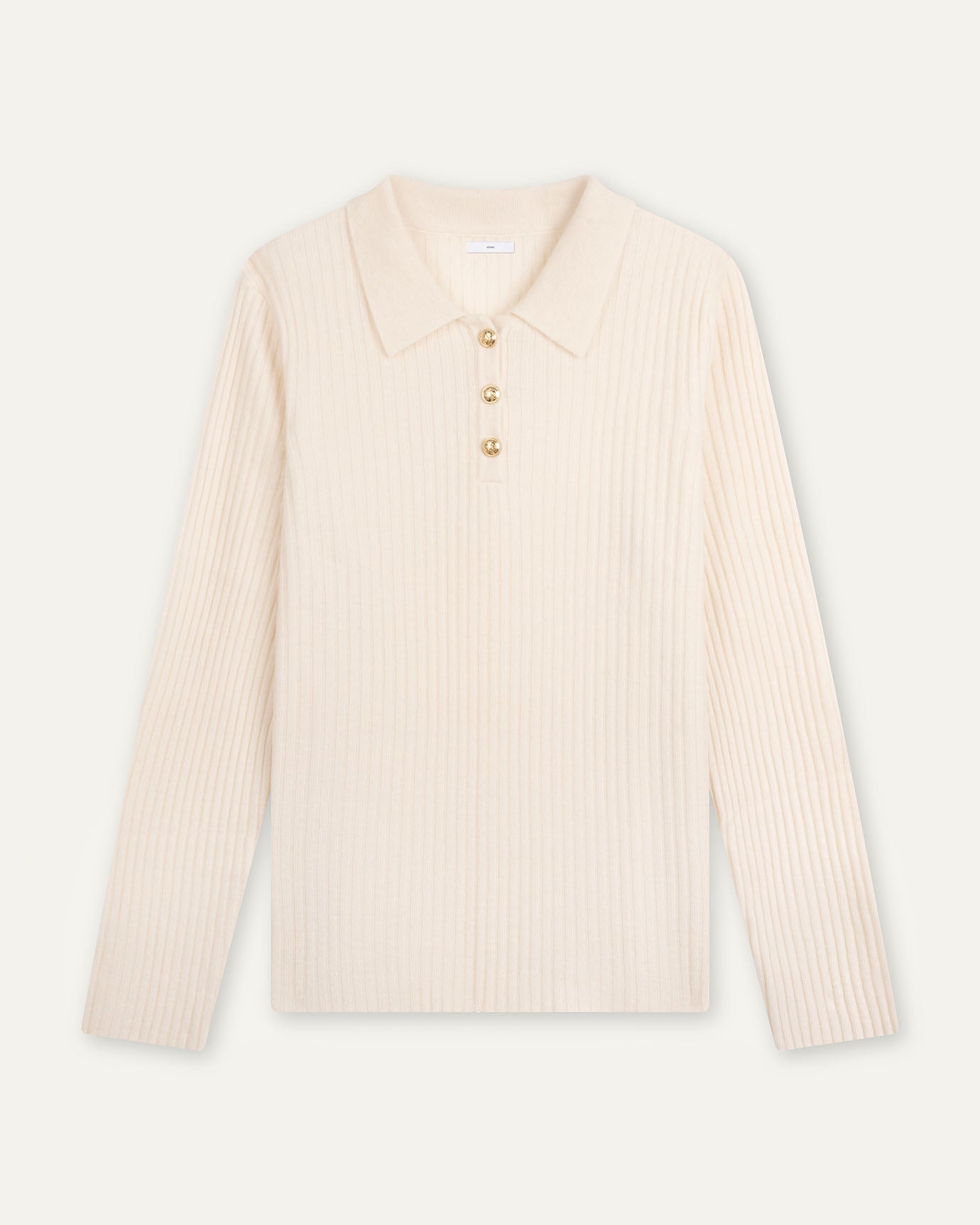
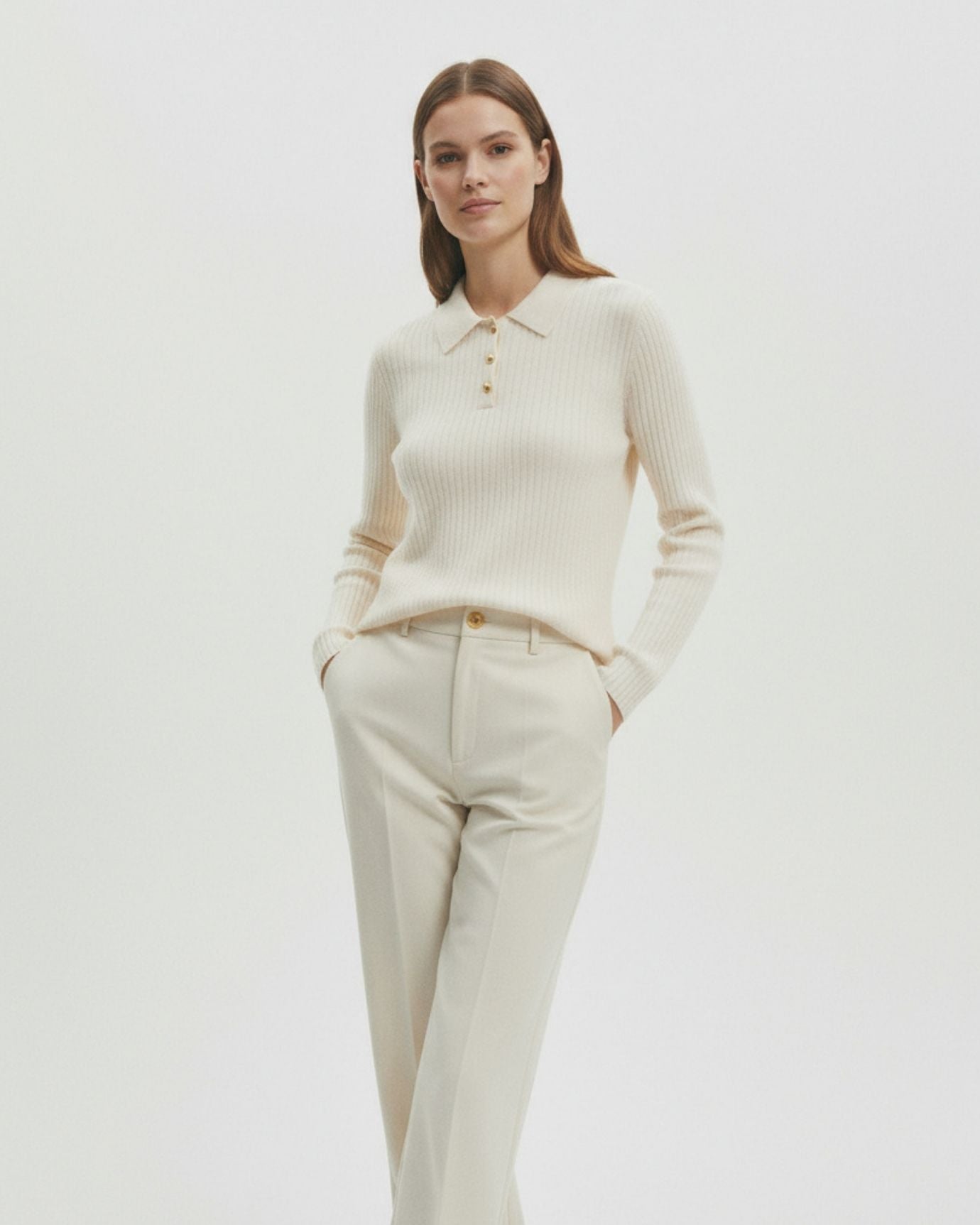
This is the most impactful single change you can make. Synthetic fabrics, primarily polyester, viscose, and acrylic blends, catch light in a way that reads immediately as inexpensive. They pill quickly, lose their shape after a few washes, and drape with a stiffness or limpness that natural fibres simply do not have.
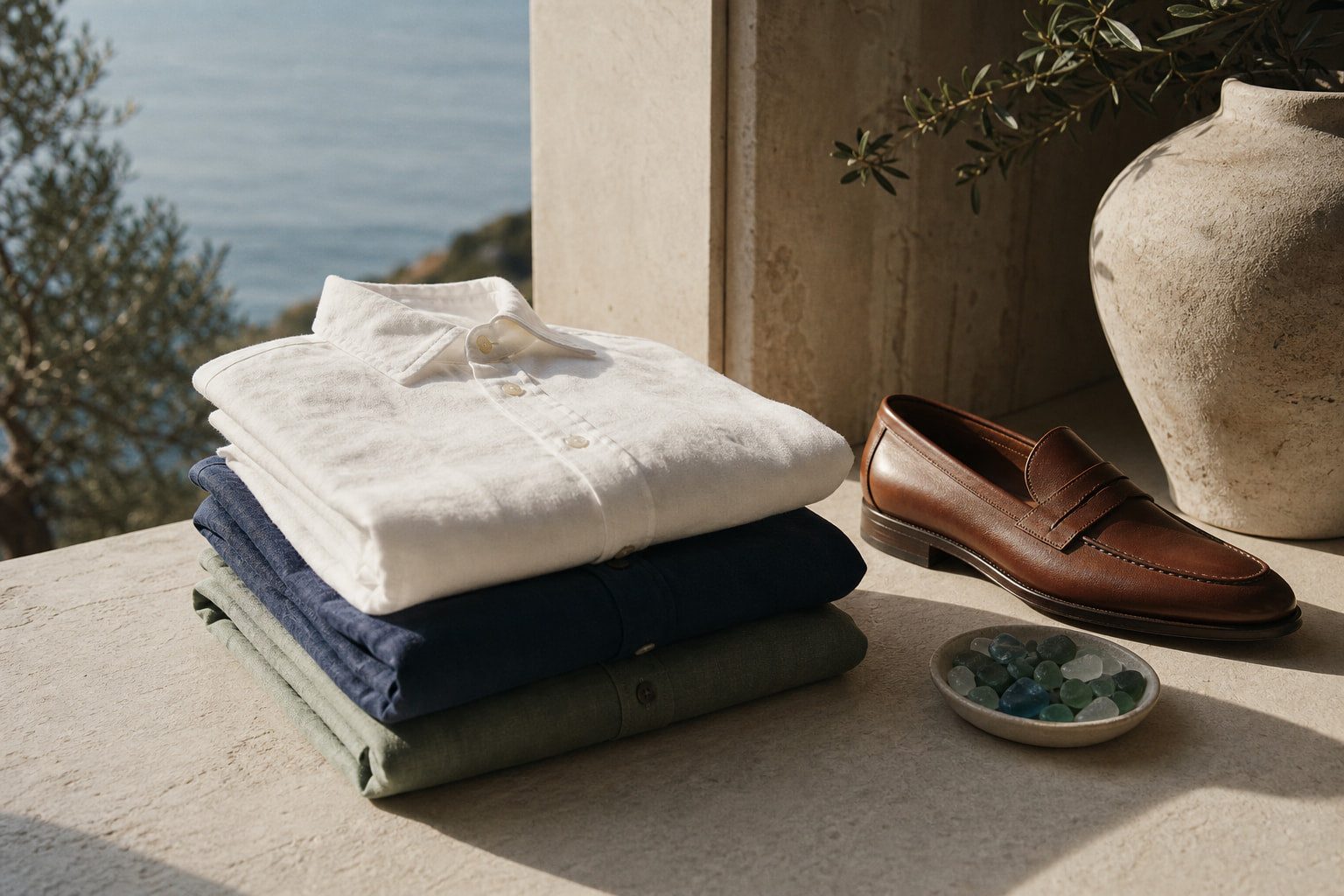
Linen, cotton, silk, wool, and cashmere behave differently because they are different. Linen, for instance, has a natural slub texture and a matte finish that photographs and reads as inherently refined. A high count fine linen shirt in a pale blue has a surface quality that a polyester shirt in the same colour cannot replicate, regardless of how well the polyester shirt is cut.
The practical step here is to check labels before you buy and to prioritise fibre content over brand name. A plain linen or cotton shirt from a lesser-known label will nearly always look better than a logo-heavy polyester piece from a famous one.
For a deeper reference on how natural textile fibres differ structurally from synthetics, the distinction matters: natural fibres absorb moisture, release it gradually, and age with character rather than degrading into shine and pilling.
Expert insightThread count and weave density matter as much as fibre type. A high-count linen shirt, meaning more threads per inch, drapes close to the body, resists wrinkling more than a loose-weave equivalent, and holds its structure through a full day of wear.

Fix 2: Address Fit Before You Address Anything Else
Poor fit is the most democratic problem in dressing. It affects cheap clothes and expensive ones equally. A shirt that pulls across the shoulders, trousers that pool at the ankle, or a dress with excess fabric at the waist will look wrong at any price point.
The specific areas to audit are the shoulder seam, the chest, the waist suppression, and the trouser break. The shoulder seam should sit exactly at the edge of your shoulder bone. If it falls further down your arm, the garment is too large and no amount of tailoring will fix it cheaply. Everything else, the chest, waist, and length, can be adjusted by a competent tailor for a modest fee.
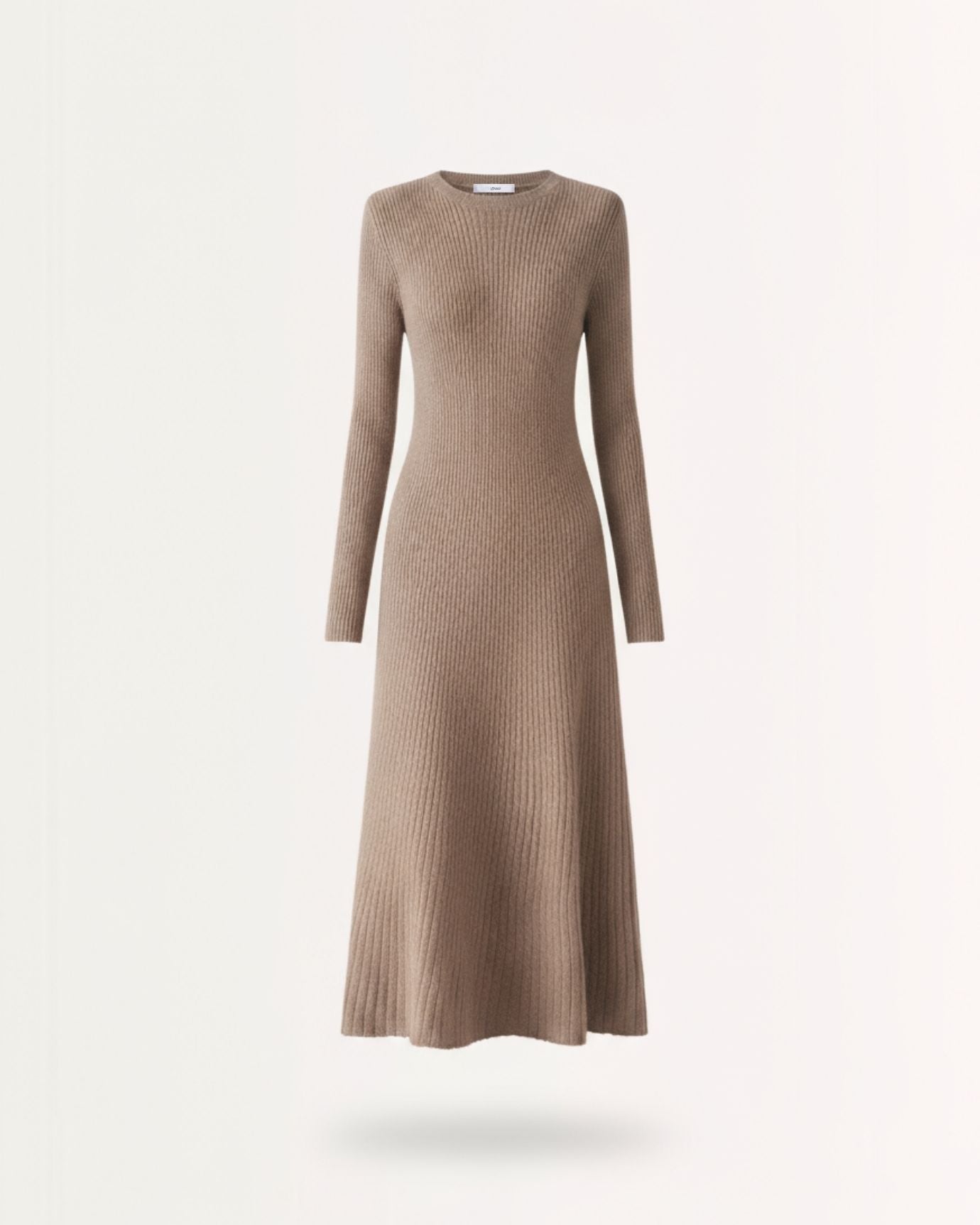
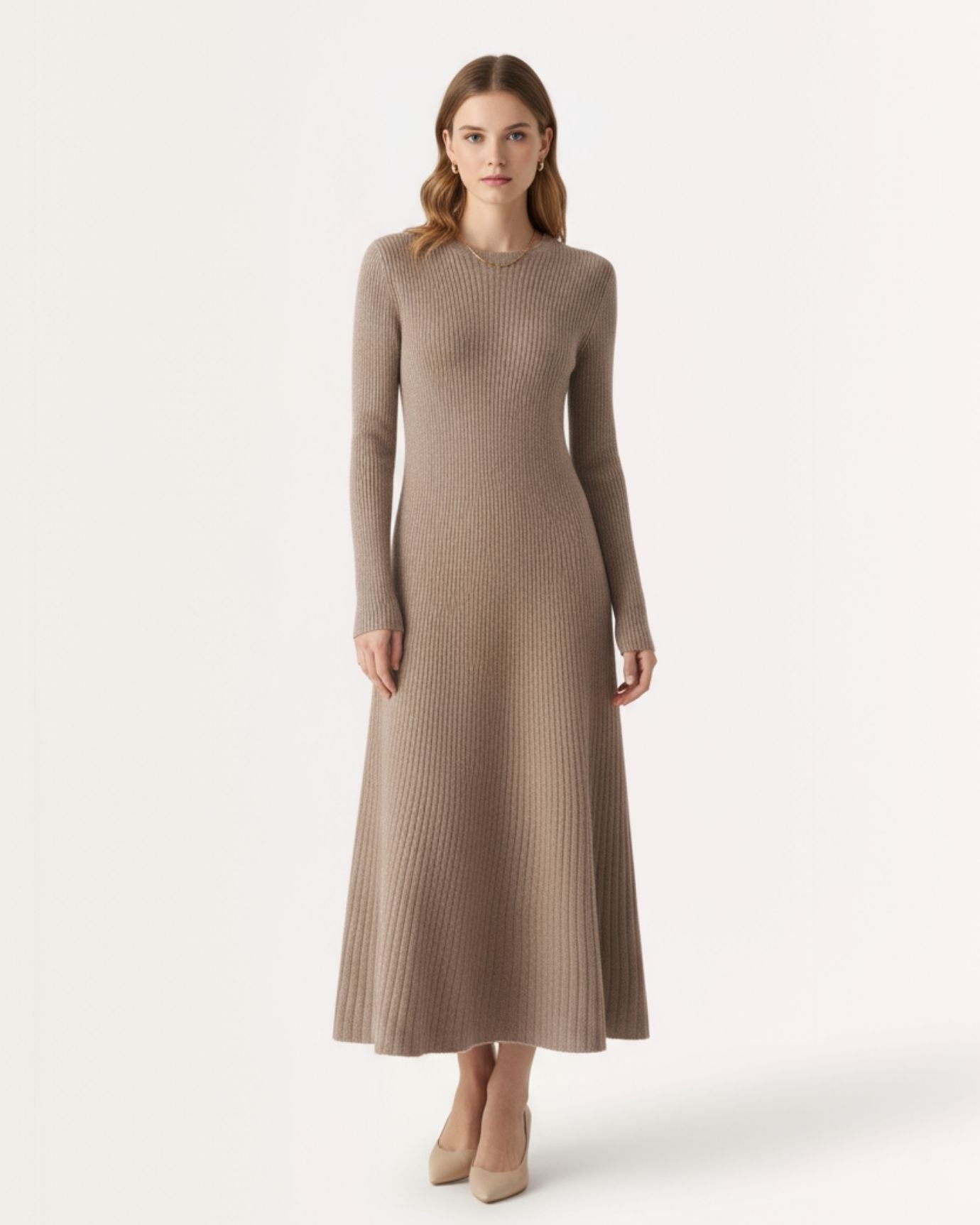
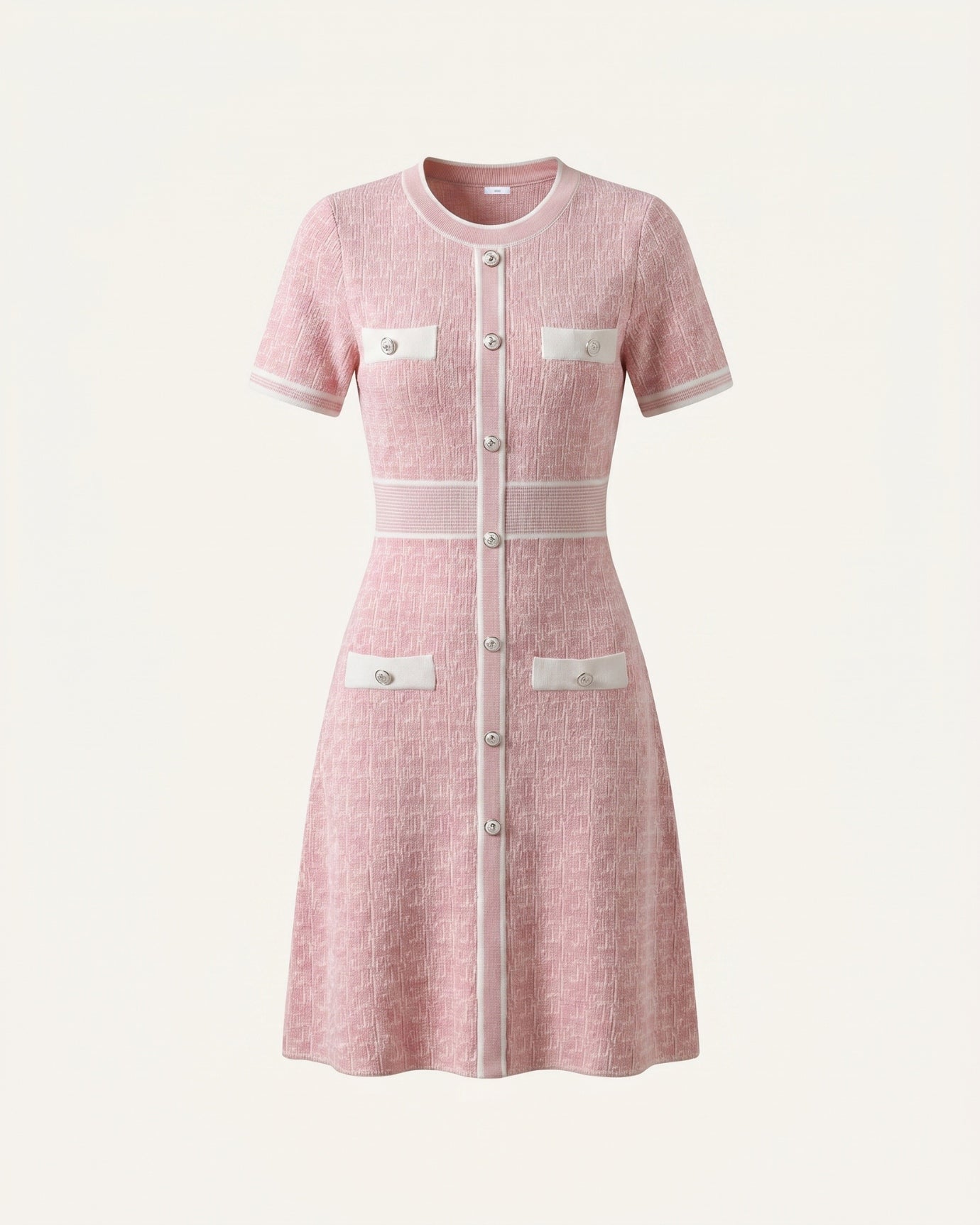
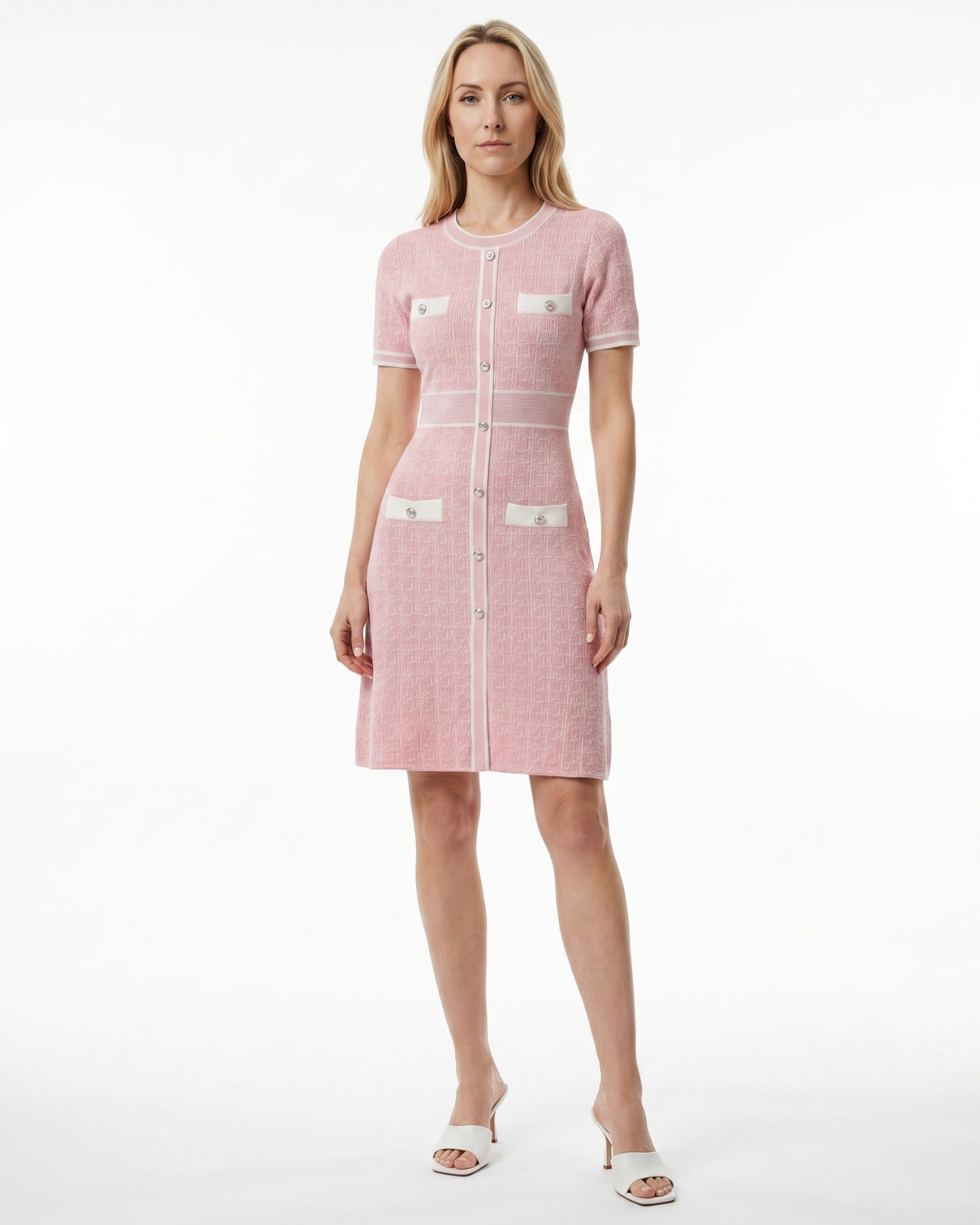
For women, the waist is the most telling fit point. A dress or top that skims the natural waist, rather than hanging straight from the shoulders, creates a shape that reads as intentional and considered. The Kimberly waist-slimming strap dress is a useful reference point: the cut is designed to define the waist without cinching artificially, which is precisely the distinction between fit that looks expensive and fit that looks overdone.
Build a relationship with a local tailor. The cost of one alteration is typically less than the cost of one new garment, and the return is higher.
Expert insightTrousers are the most under-tailored garment in most wardrobes. A simple hem and a slight taper at the thigh transforms an ordinary pair into something that looks considered. Budget thirty to fifty dollars per pair and do it consistently.

Fix 3: Build Around a Neutral Palette
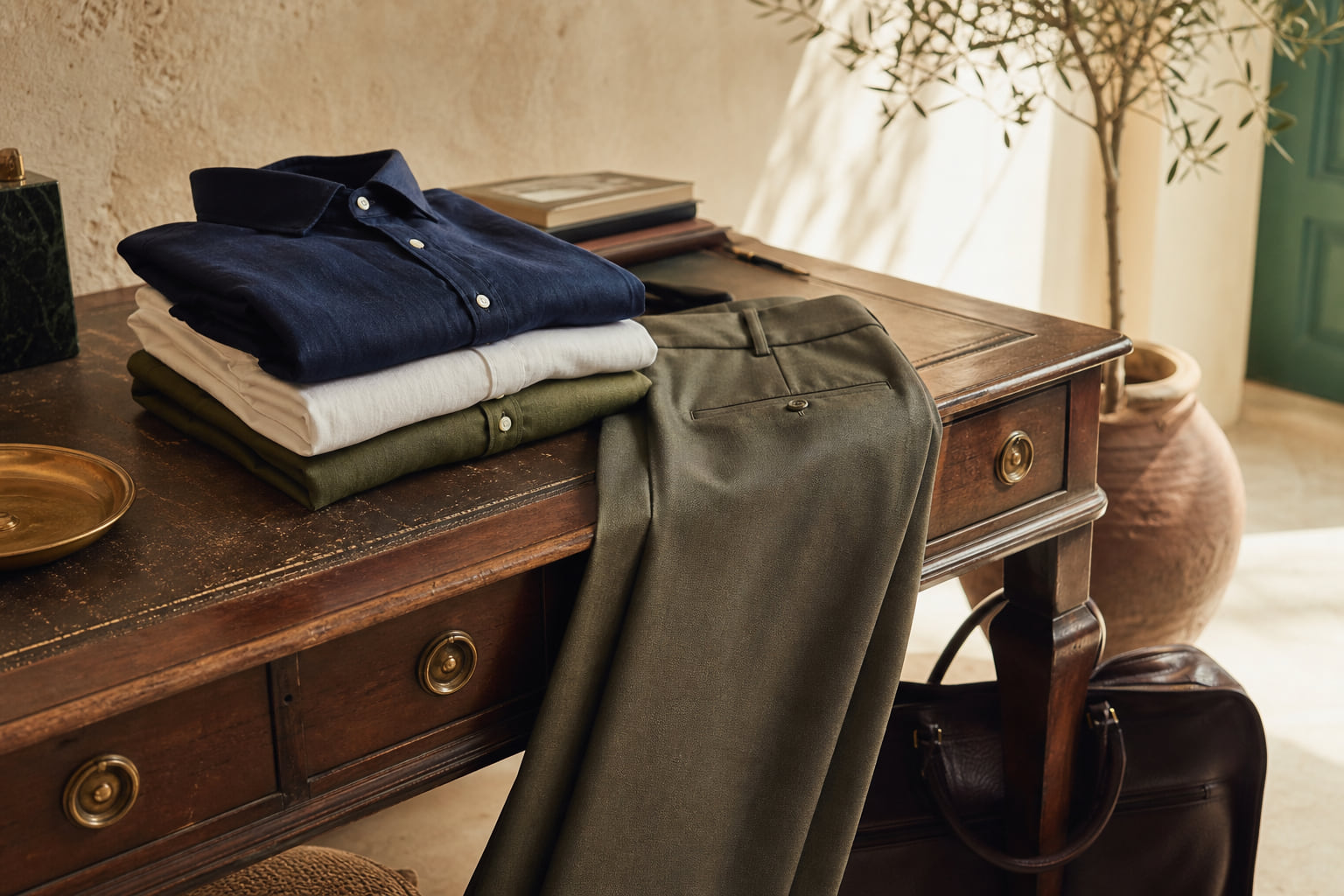
A wardrobe that reads as expensive is almost always built on a restrained colour foundation. This is not an aesthetic opinion, it is a practical observation: neutral tones, navy, ivory, stone, sand, soft grey, and olive, are easier to combine correctly, photograph better, and age without looking dated.
The problem with a busy, saturated wardrobe is that it requires precise coordination to work. When the coordination is off, even slightly, the result looks chaotic and effortful. A neutral palette is forgiving. Navy linen with stone trousers works. Ivory with soft grey works. The combinations are almost self-selecting.
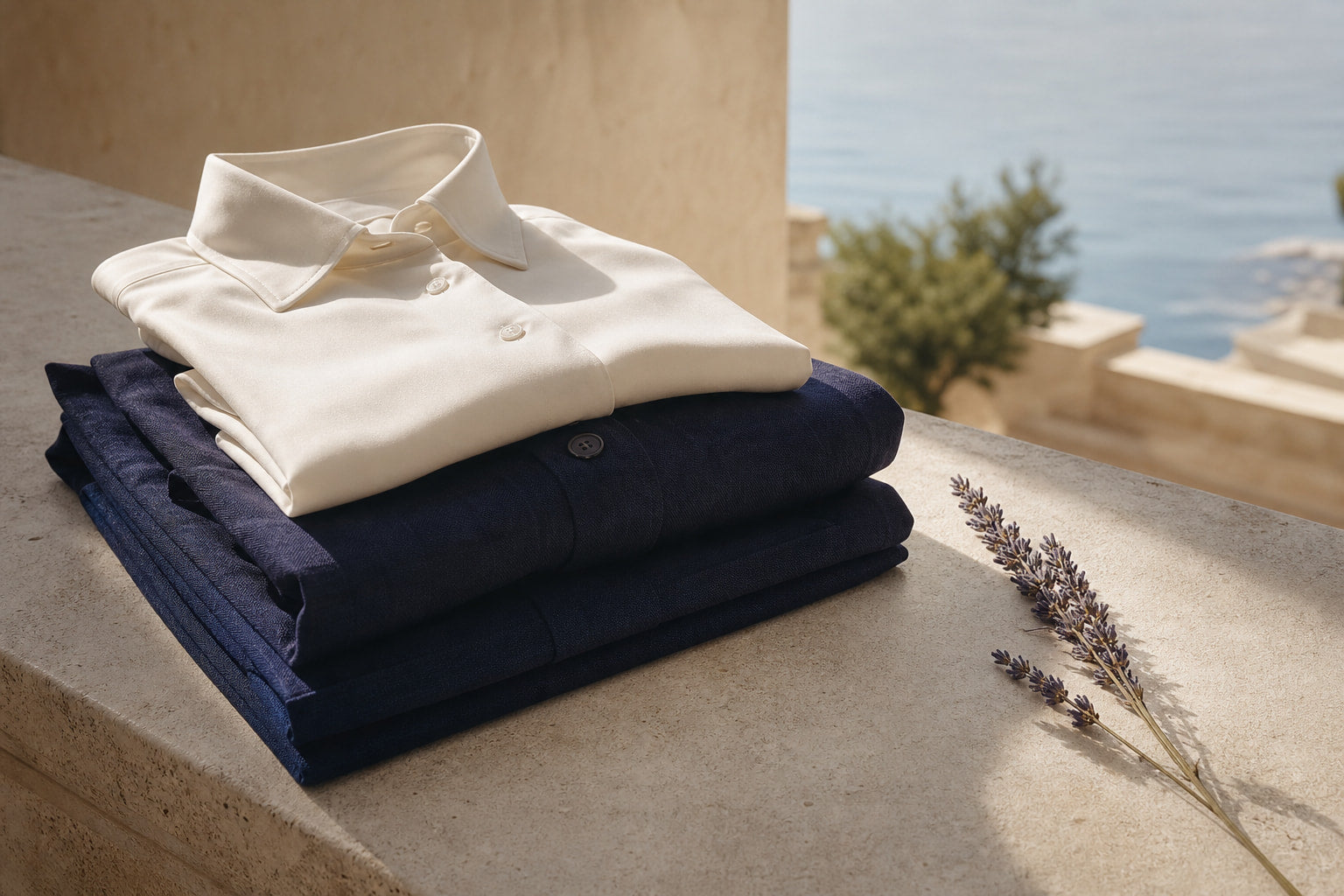
For men, the high count navy blue fine linen shirt is a foundational neutral. It pairs with white, cream, stone, and tan without effort and reads as polished in almost any warm-weather context. Pair it with the double pleated linen shorts and leather sandals and the outfit is complete without requiring any further thought.
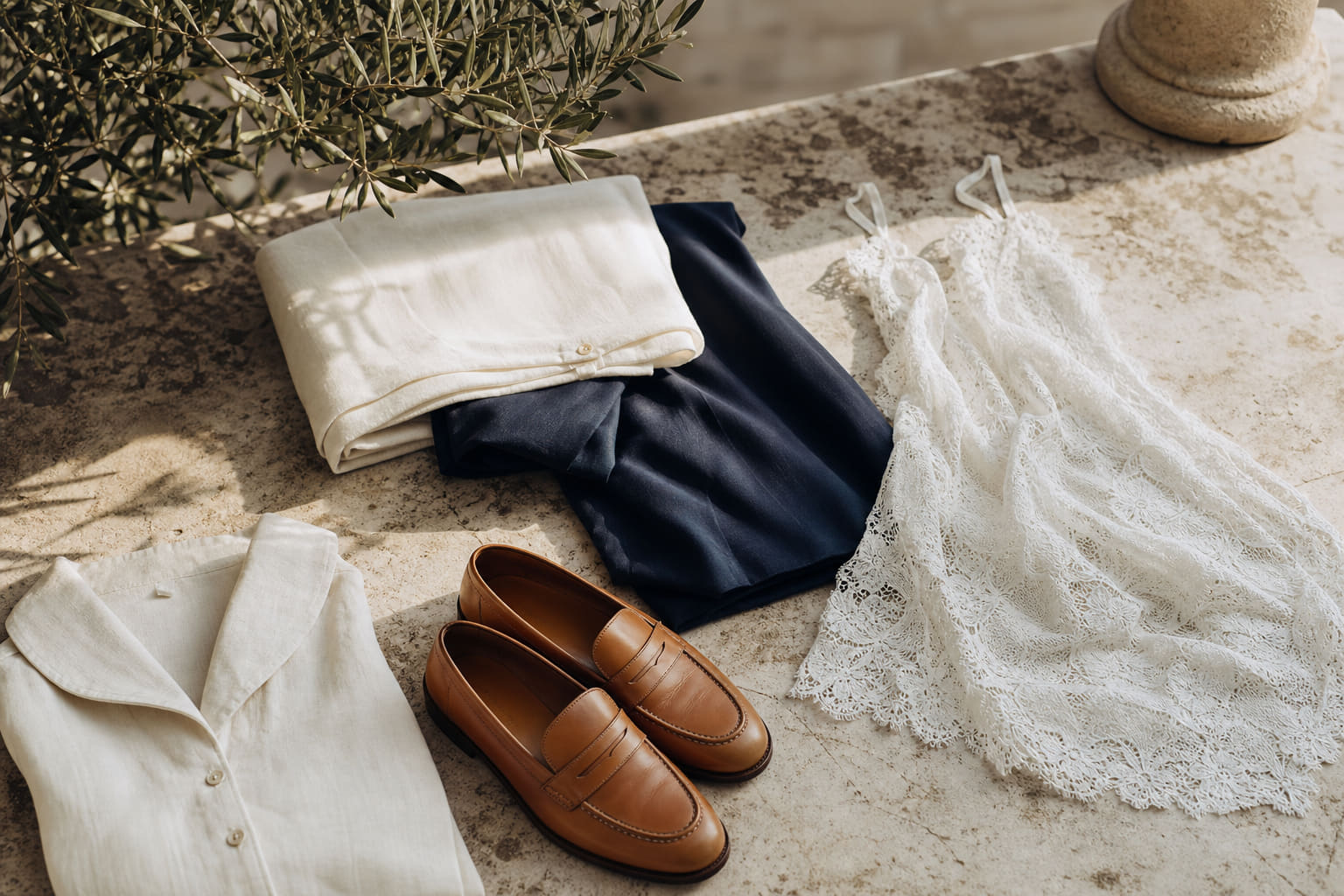
For women, the French niche style white dress operates on the same logic. White is not a safe choice, it is a confident one, and it places the quality of the fabric and the precision of the cut at the centre of the look, which is exactly where they should be.
For more specific outfit combinations built around this principle, the best neutral outfit ideas for 2026 covers the full range of seasonal pairings.
Expert insightThe fastest way to test whether your palette is working is to lay your most-worn pieces flat on a bed together. If the combination reads as harmonious without any one piece dominating, the palette is correct. If one piece immediately draws the eye for the wrong reason, it is likely the problem.

Fix 4: Pay Serious Attention to Shoes and Leather Goods
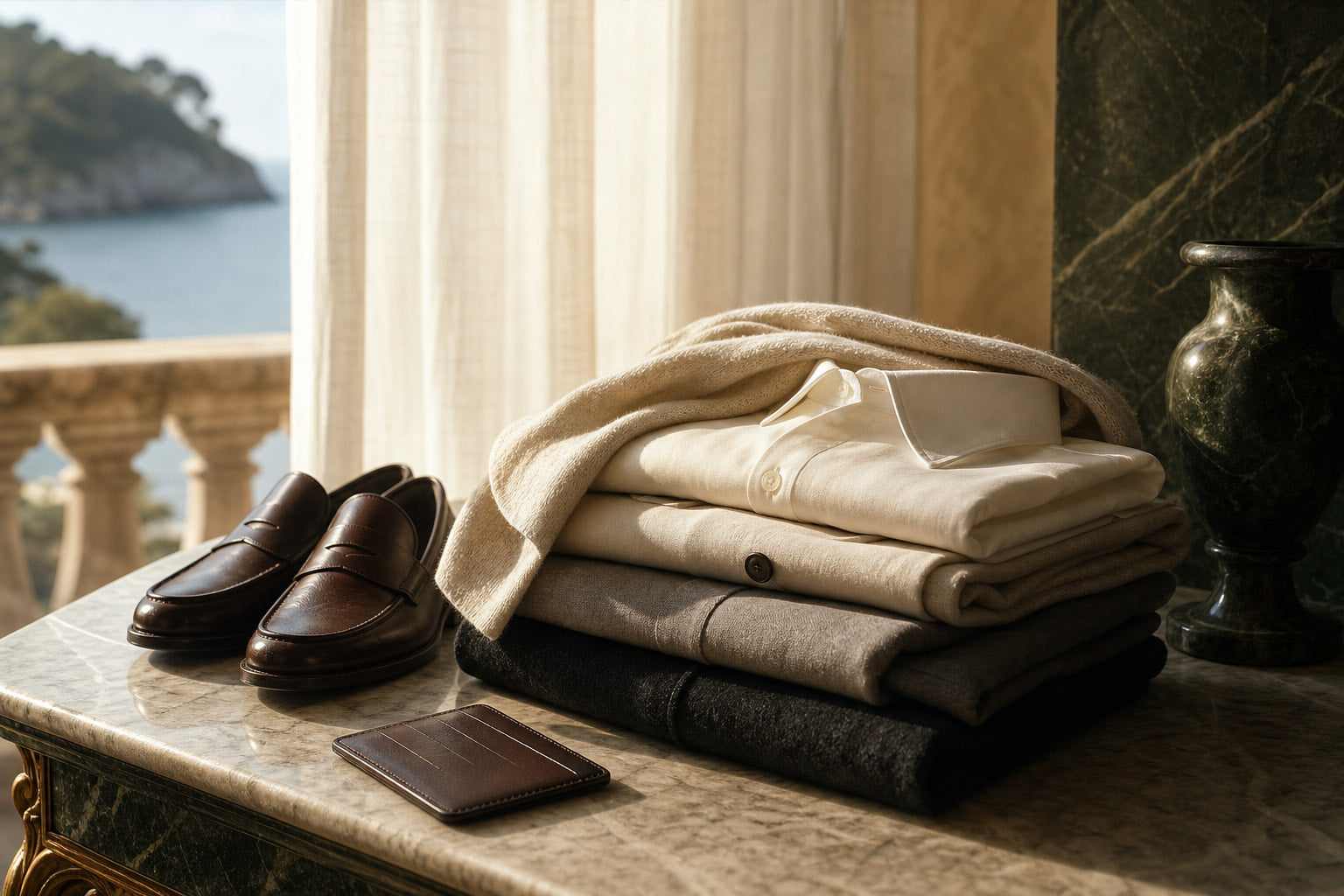
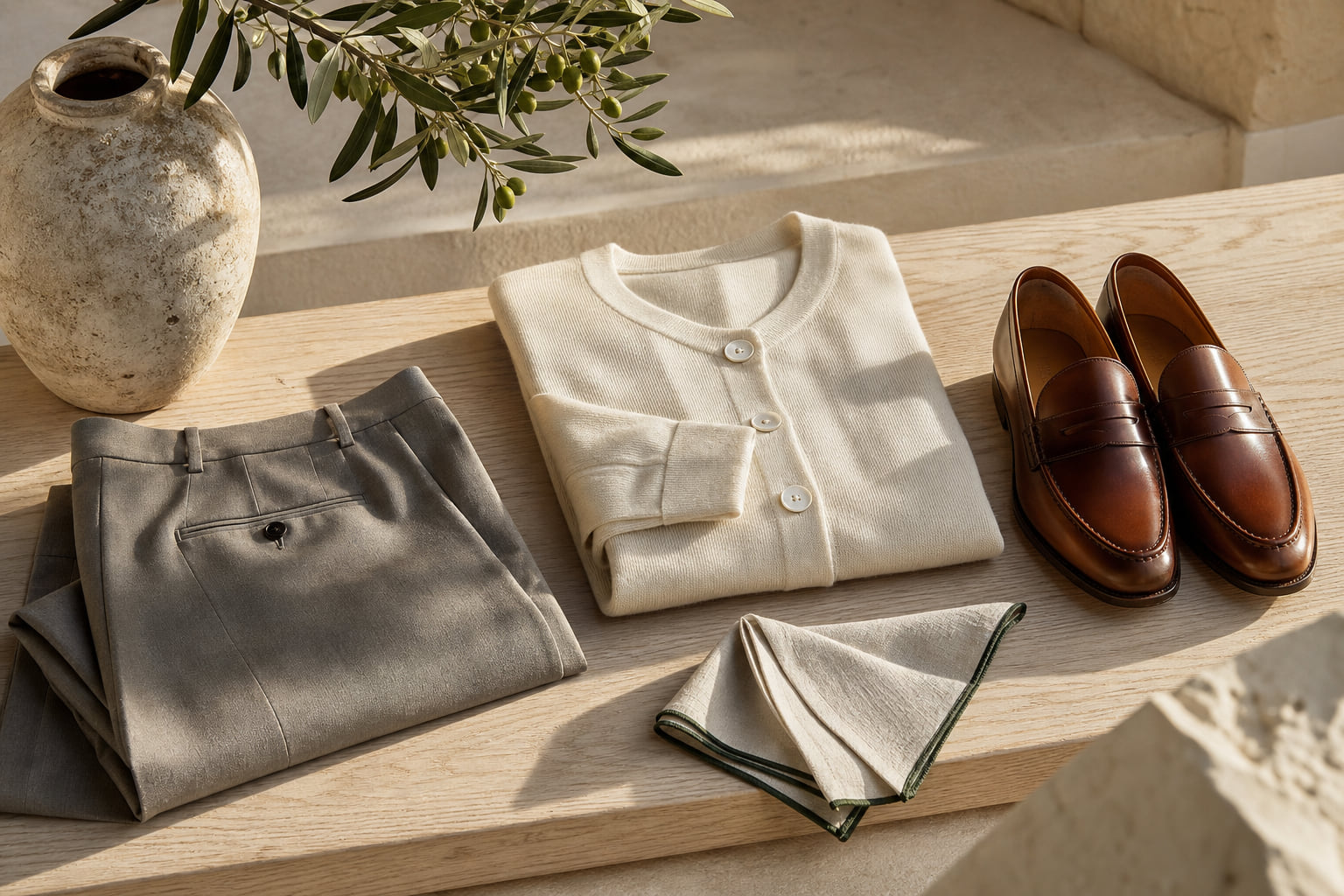
Shoes are the first thing that trained eyes notice, and the last thing most people invest in correctly. A well-constructed leather shoe or sandal signals quality in a way that is disproportionate to its place in an outfit. Conversely, a synthetic sole, a moulded rubber upper, or a creased and unpolished leather shoe undermines even an otherwise well-assembled look.
The principle is simple: own fewer pairs of better shoes. Two or three pairs of genuinely well-made leather shoes or sandals will serve you better than ten pairs of mediocre ones.
For warm-weather dressing, the Ibiza leather sandals represent this logic well. Full-grain leather, a clean silhouette, no hardware excess. They work with linen trousers, shorts, or a light summer suit. For a more enclosed option that moves from beach to terrace without difficulty, the Ibiza linen leather loafers combine two quality materials in a single understated shoe.
The same logic applies to bags, belts, and wallets. A single quality leather bag in a neutral colour, tan, cognac, or dark brown, reads as considered. Three synthetic bags in competing styles read as unconsidered.
For summer specifically, the full beachwear collection offers pieces built around this material standard.

Fix 5: Eliminate Visible Over-Branding and Cheap Hardware
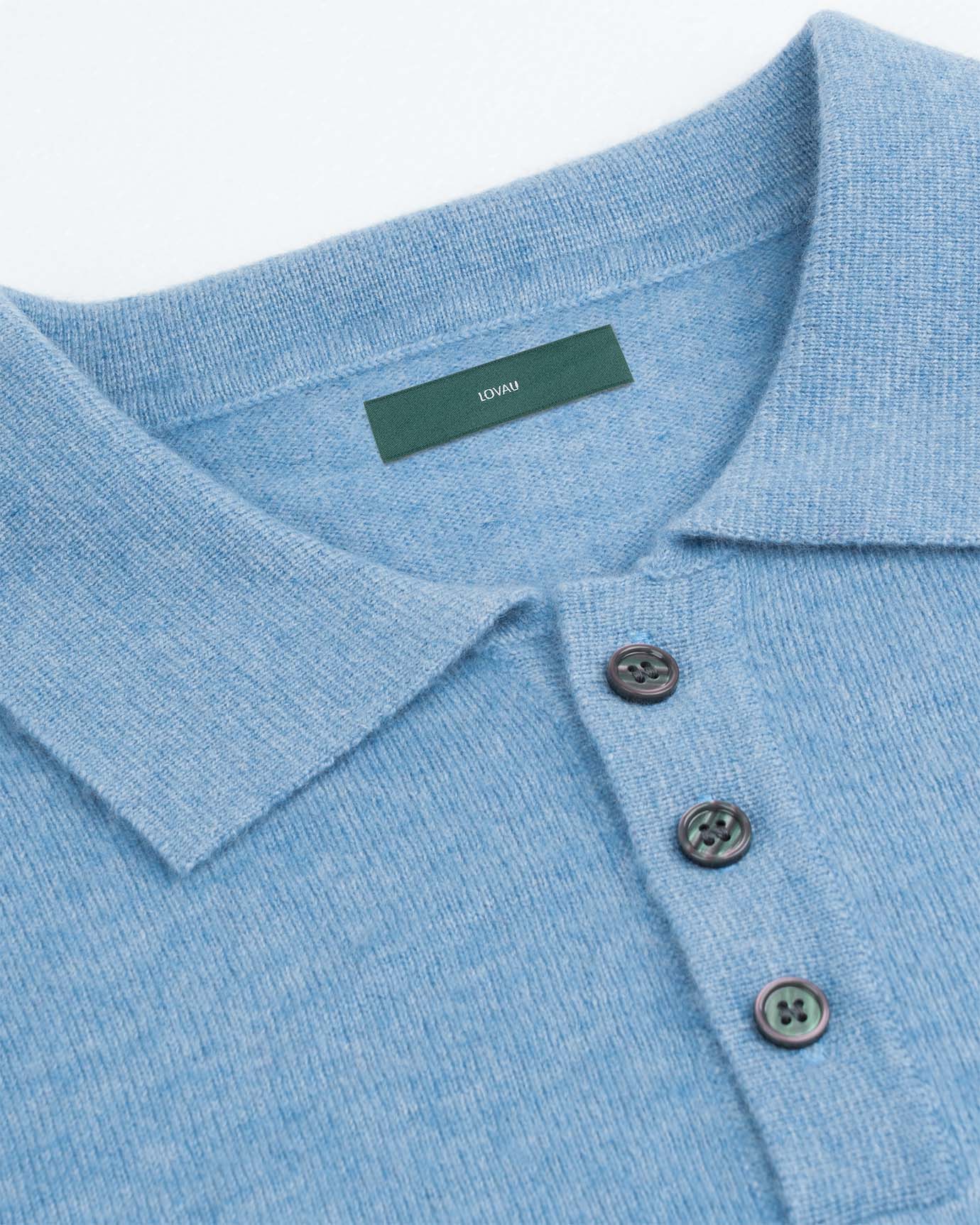
Logos are a conversation about insecurity. The loudest logos in fashion are almost always on the least expensive products, because the brand needs the label to do work that the fabric and construction cannot. Genuinely expensive clothes, the kind that are made well and priced accordingly, tend to carry their branding quietly: a small woven label inside the collar, an embossed button, a subtle tone-on-tone monogram.
If a logo is the most visible thing about a garment, reconsider the garment.
The same applies to hardware. Zip pulls, buttons, buckles, and clasps made from lightweight plastic or pot metal have a specific look and sound that registers subconsciously as cheap. Buttons made from corozo nut, horn, or metal with weight and finish are a small detail with a disproportionate effect.
When shopping, turn garments over. Check the buttons. Pull the zip. Look at the stitching density at stress points. These are the signals that separate a garment that will hold its shape and finish for three years from one that will not survive a season.
For a more complete framework on building a wardrobe around quiet, lasting pieces, the ultimate old money outfit ideas for everyday wear is a useful reference. The principle there, and here, is the same: quality announces itself without needing to shout.

Fix 6: Correct Proportion and Avoid Trend-Chasing
Proportion is the silent architecture of a good outfit. When the volumes are wrong, the outfit looks wrong, even if every individual piece is technically well-made. An oversized shirt worn with wide trousers and chunky shoes creates a silhouette with no visual logic. A fitted shirt with tapered trousers and a clean shoe creates one that reads immediately as considered.
The specific proportions that work consistently, across decades and across body types, follow a simple rule: if the top is relaxed, the bottom should be more fitted, and vice versa. This creates contrast and definition without requiring either extreme of the silhouette spectrum.
Trend-chasing accelerates the cheap-looking problem because trends are, by design, temporary. A garment bought specifically because it is on trend this season will look dated in eighteen months. The investment is wasted. Timeless pieces, a well-cut linen shirt, a pleated trouser, a simple lace dress with a defined waist, read correctly across years, not just across seasons.
For women navigating this balance, the Dina short-sleeve lace dress is a concrete example of a proportioned garment that does not depend on trend logic. The sleeve length and waist placement are classically calibrated. It will look correct in 2026 and in 2030.
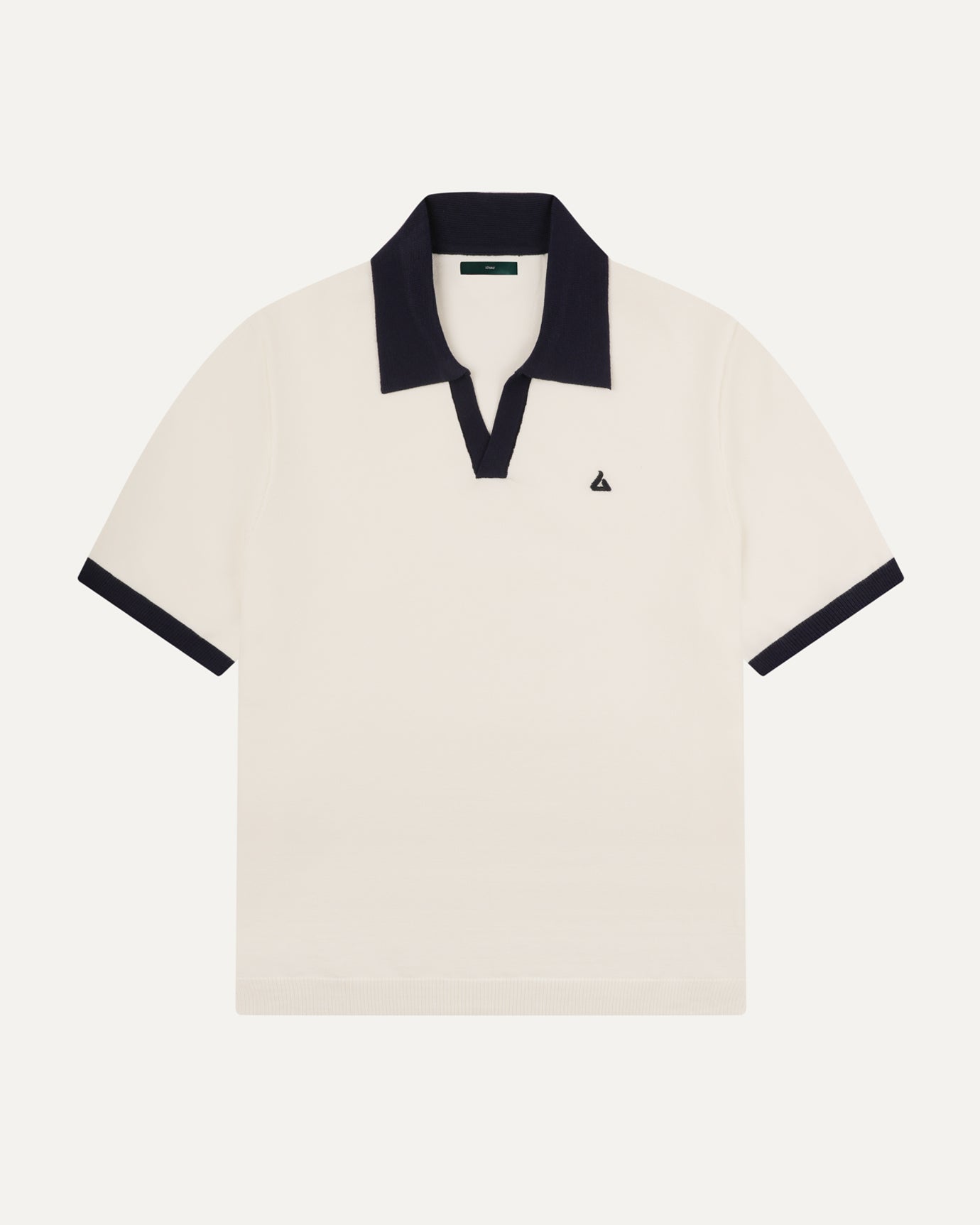
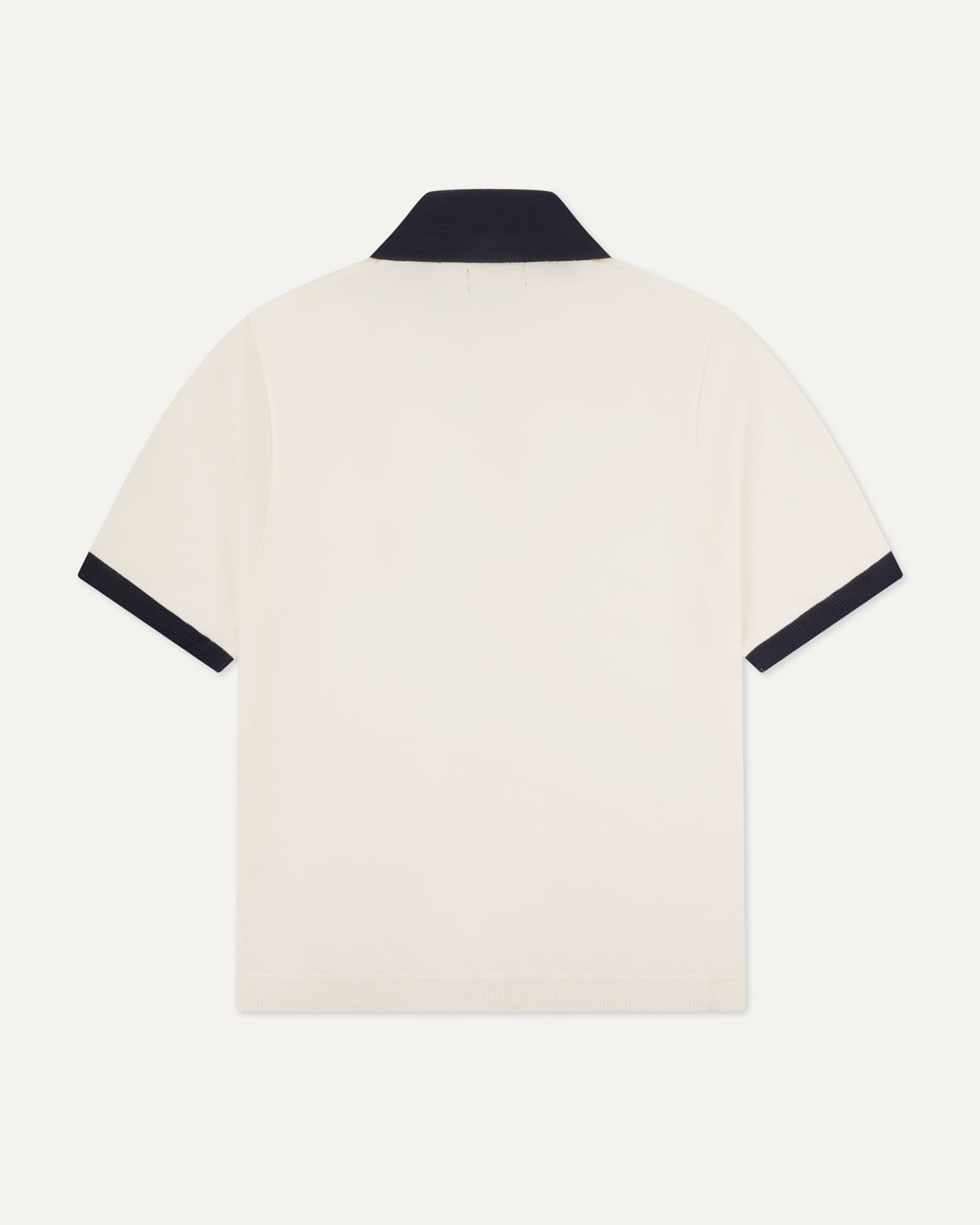
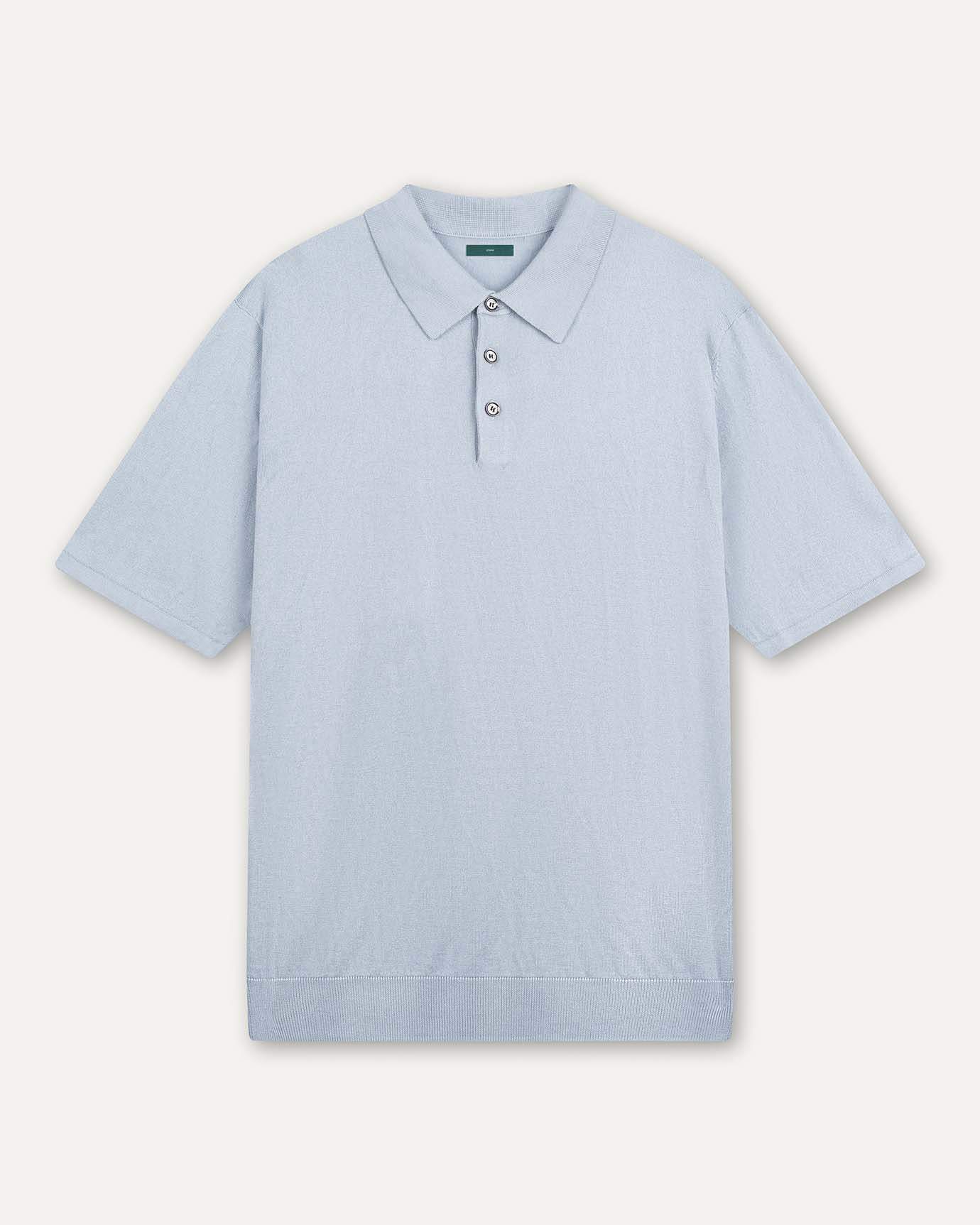
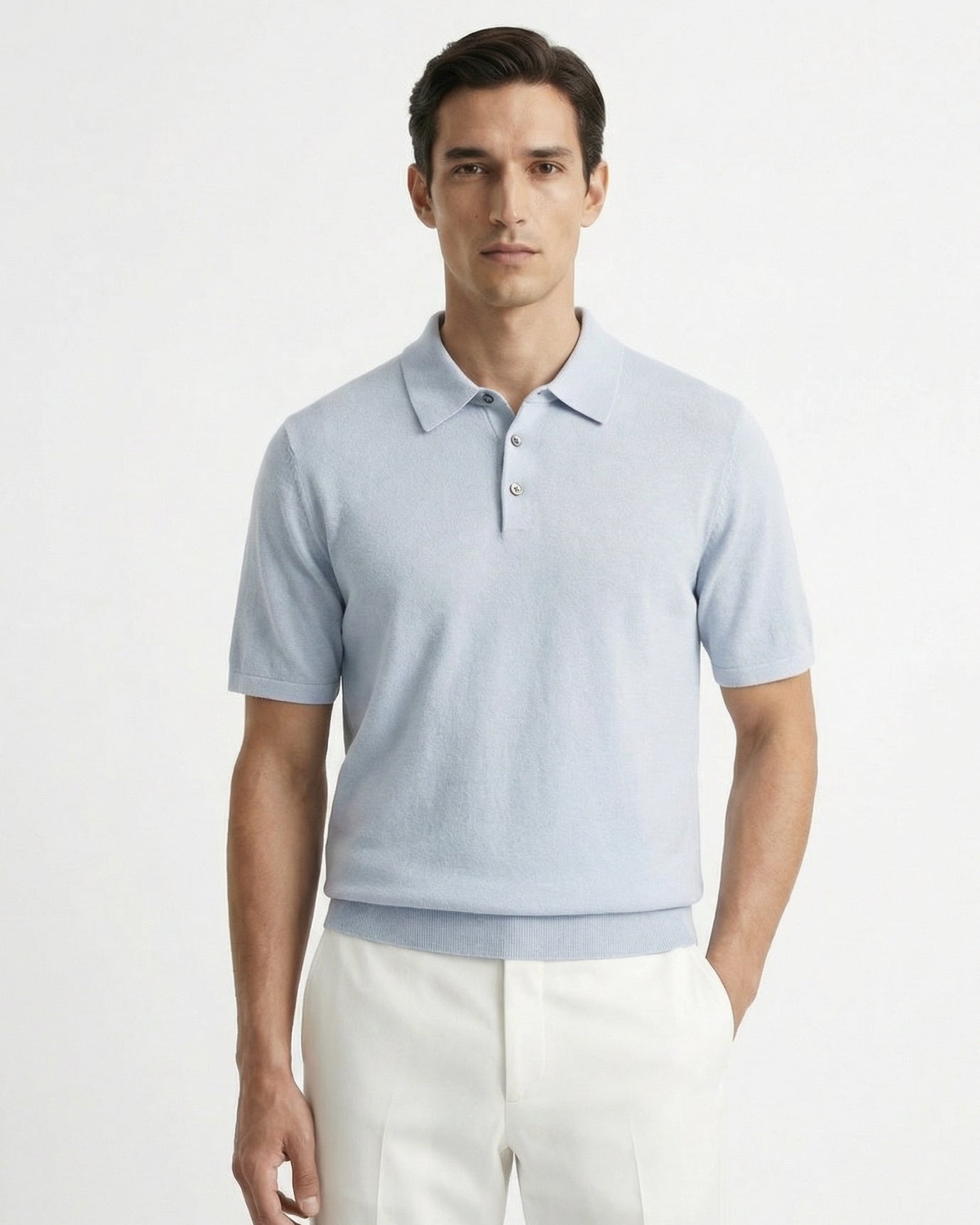
For men, the Marbella cooling acetate silk polo operates on the same principle. The fabric is refined, the silhouette is clean, and it carries no trend dependency. Pair it with tailored shorts or light trousers and the proportion works without adjustment.
For context on how proportion in fashion has been theorised and applied across modern dress history, the academic record supports what practitioners have always known: balance of volume is the foundation of a readable silhouette.

| Fabric | Visual Finish | Longevity | Care Level | Quality Signal |
|---|---|---|---|---|
| High-count linen | Matte, structured drape | 5 to 10 years with care | Cold wash, hang dry | High |
| Standard polyester | Slight sheen, flat texture | 1 to 2 seasons | Machine wash | Low |
| Worsted wool | Clean, holds press well | 10 plus years | Dry clean or hand wash | High |
| Viscose / rayon | Soft sheen, loses shape quickly | 1 to 3 seasons | Delicate wash only | Low to medium |
| Mulberry silk | Luminous, subtle sheen | 5 to 8 years with care | Hand wash or dry clean | High |
| Cotton jersey | Flat, casual | 2 to 4 seasons | Machine wash | Medium (depends on weight) |
Frequently asked questions
Can cheap clothes ever look expensive with the right styling?
To a degree, yes. Fit, colour discipline, and restraint in accessorising can improve almost any garment. But fabric quality has a ceiling effect: a polyester shirt styled perfectly will still read differently from a linen or cotton one at a glance. The most reliable approach is to spend less on volume and more on individual pieces made from natural fibres. Start with the pieces you wear most often, shirts, trousers, or dresses, and upgrade those first.
What is the single fastest fix if my outfits look cheap?
Have one garment altered by a tailor. Pick the piece you wear most and have the fit corrected precisely. The difference between a shirt that fits and one that hangs is immediate and visible, and most people have never experienced the former. Once you see the difference, it recalibrates your eye for everything else. For broader wardrobe guidance, the minimalist classic style guide for travel applies the same discipline to a travel context.
How do I build a neutral palette without looking boring?
Neutrals are not boring when the textures and weights are varied. A stone linen shirt with cream cotton trousers and tan leather sandals involves three neutrals, but the contrast in texture, the linen slub against the smooth cotton against the grain of the leather, creates visual interest without colour noise. The key is to vary texture within the palette rather than introducing colour to compensate for flatness.
Are there specific wardrobe categories where quality matters most?
Shoes, outerwear, and the garments closest to your face, shirts, blouses, and jackets, are where quality registers most immediately. Trousers and skirts matter too, but they are partially obscured by the upper body. Shoes are visible from across a room and are the detail that most consistently separates a considered wardrobe from an unconsidered one. For men specifically, the men's shorts that don't look cheap in 2026 covers this in detail for warm-weather dressing.
Clothes that look cheap share a short list of causes, and every one of them is correctable without rebuilding your wardrobe from scratch. Start with fabric, correct the fit on your most-worn pieces, and build your colour logic around a neutral foundation. The rest, shoes, hardware, proportion, and restraint on branding, follows naturally from those three commitments. For a complete framework on applying this thinking across a full wardrobe, the ultimate old money outfit ideas for everyday wear is the most direct next step.