


The Ultimate Guide to Buying a Wool Dress That Doesn't Itch
Reading time 13 min • 2520 words
Wool has dressed European women through every season for centuries, and for good reason. It regulates temperature, holds its shape, and carries a quiet authority that synthetic fibres simply cannot replicate. The problem most women encounter, however, is the itch, that faint prickling sensation that turns an otherwise beautiful dress into something you can barely stand to wear for an afternoon.
The itch is not inevitable. It is the result of specific fibre characteristics, and once you understand them, you can shop with precision instead of crossing your fingers. This guide covers everything that actually matters: wool grades, weave types, lining, construction, and the specific details to look for whether you are browsing online or standing in a fitting room.
At Lovau, we work exclusively with soft-grade wools and always line or underlay our knitted pieces. The advice below reflects the same standards we apply to every dress in our collection.
Key takeaways
- Micron count is the single most reliable indicator of softness: choose wool under 19 microns for next-to-skin comfort.
- A full lining or a fine viscose underlayer eliminates almost all contact irritation, regardless of the outer wool quality.
- Merino, cashmere-blend, and lambswool are the three wool types consistently soft enough to wear without a base layer.
- Look for a tight, smooth weave rather than a loose, textured one: tighter construction means fewer fibre ends poking the skin.
- Hand-washing in cool water and laying flat to dry extends softness and prevents felting that makes fibres coarser over time.
In this guide
Why Wool Itches: The Micron Explanation
The itch you feel from a wool dress is almost always a mechanical sensation, not an allergic one. Wool fibres that are too thick in diameter have stiff, coarse ends that deflect under pressure and poke the skin rather than lying flat against it. The measurement used to quantify this is the micron, one millionth of a metre. The lower the micron count, the finer and softer the fibre.
According to wool fibre classification standards, fibres above 30 microns are considered coarse and will cause noticeable irritation for most women. Fibres between 20 and 28 microns fall into a medium range, acceptable for structured outerwear but not ideal for a dress worn against bare skin. Fibres below 19 microns, which is the range occupied by fine merino, are soft enough that most people feel no prickling at all.
This single number, the micron count, is the most useful thing you can ask about or look for on a product label. Brands that work with quality wool will know it. Brands that do not will change the subject.
Practical rule: for a dress you plan to wear without a layer underneath, insist on wool at or below 18.5 microns. For a dress over a fine knit or slip, up to 22 microns is workable.
Expert insightFibre diameter varies even within the same fleece. Ask whether the brand uses a certified grade, such as 'Merino 17.5' or 'Superfine Merino,' rather than just the word 'merino,' which covers a wide range.

The Wool Types Worth Knowing
Not all soft wools are the same, and each has a slightly different character in a dress.
Merino wool is the benchmark for softness in womenswear. It comes from Merino sheep, primarily from Australia and New Zealand, and the best grades sit between 15 and 18.5 microns. It is naturally elastic, breathes well, and resists odour, which makes it an excellent choice for a long sleeve wool dress you plan to wear across a full day.
Lambswool is sheared from a sheep's first clip, typically before the animal is seven months old. The tips of first-clip fibres are naturally tapered rather than blunt, which reduces prickling significantly. It is slightly less fine than top-grade merino but warmer, and it has a lovely, slightly fluffy handle that works beautifully in a relaxed knitted dress silhouette.
Cashmere and cashmere-blend wool sit at the upper end of softness and price. Pure cashmere fibres average 14 to 16 microns. A cashmere-merino blend brings cost down while retaining most of the softness, and it is often more durable than pure cashmere in a dress that sees regular wear.
Wool-viscose blends are worth considering if you run warm. The viscose component adds drape, reduces weight, and moderates the insulating quality of wool without meaningfully affecting its appearance.
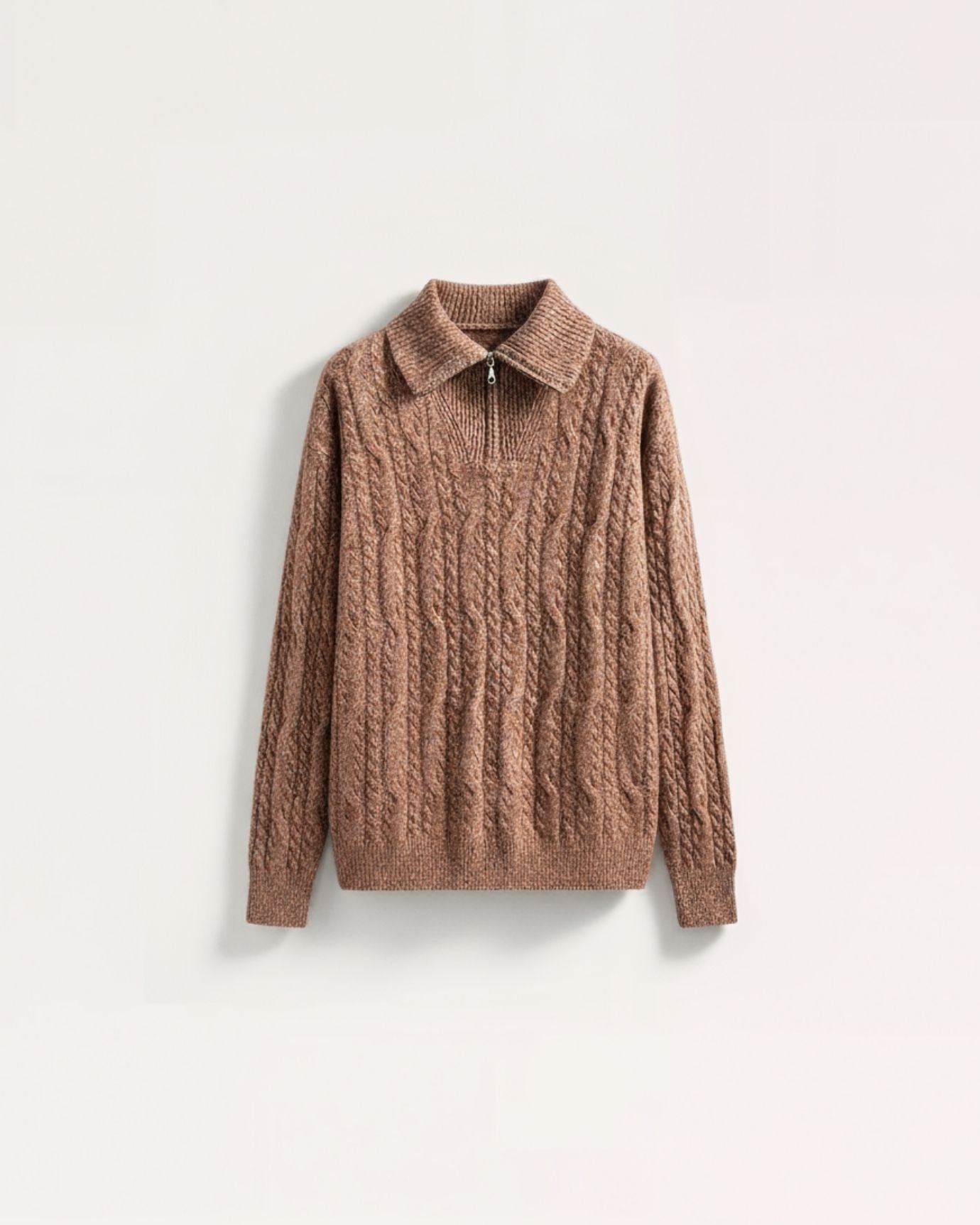
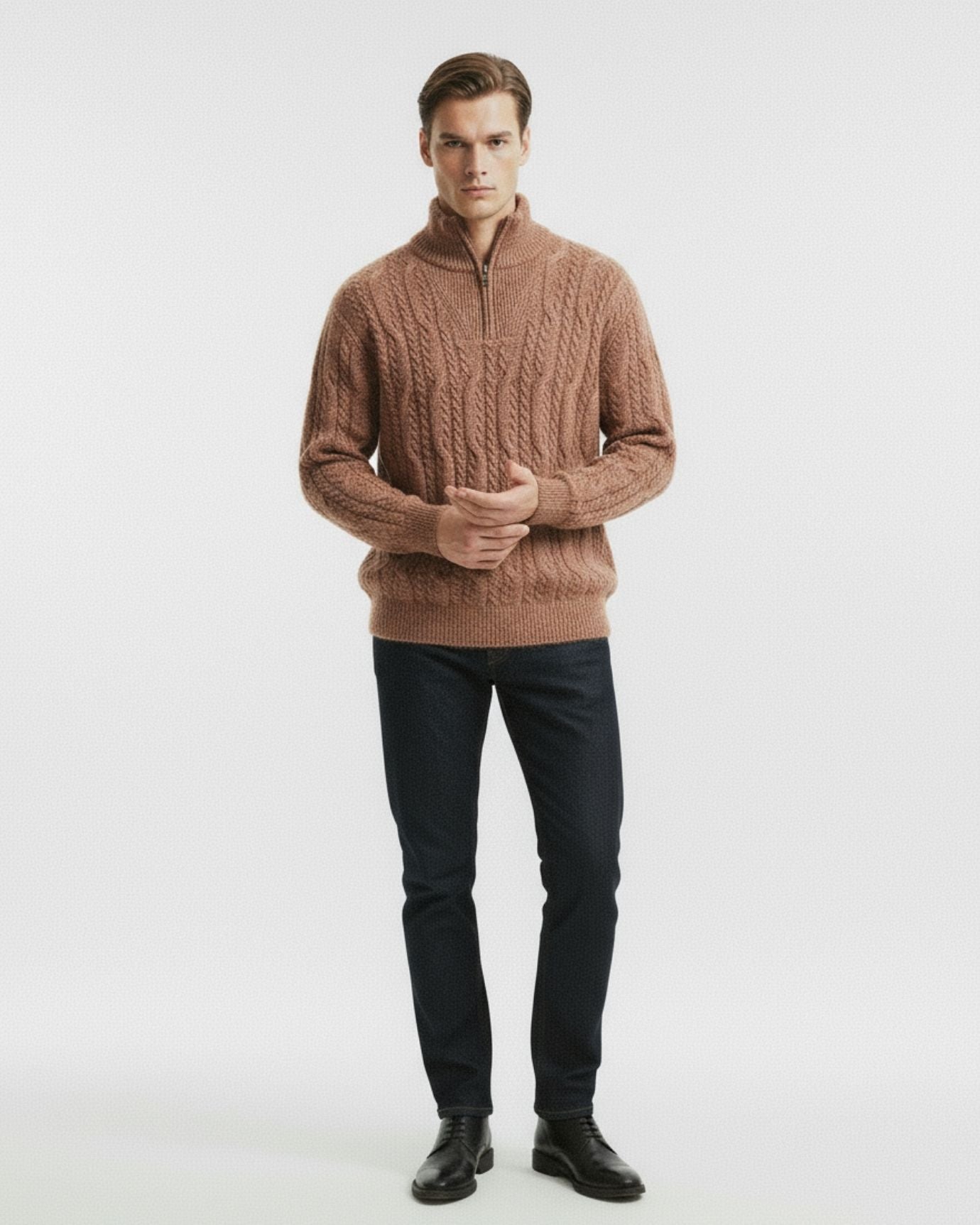
Avoid: standard Shetland, Harris Tweed, and chunky Aran wools in anything worn directly against skin. These are beautiful fibres for structured outerwear and accessories, but their micron counts are too high for a dress without a full lining.
Expert insightCashmere-merino blends at roughly 70% merino and 30% cashmere hit a practical sweet spot: soft enough to wear without a slip, durable enough to wash at home, and priced well below pure cashmere.

Weave, Construction, and the Lining Question
Fibre quality matters, but construction is equally important. Two dresses made from the same wool grade can feel completely different depending on how they are made.
Weave tightness is the first thing to examine. A tightly woven or tightly knitted fabric presents fewer loose fibre ends at the surface. Run your fingers across the fabric: if it feels smooth and dense, the construction is good. If it feels slightly hairy or raised, fibre ends are exposed and will contact skin.
Lining is the simplest solution to any residual irritation. A full lining in a woven silk, viscose, or fine polyester crepe means the wool never touches your skin at all. When shopping for a women's wool dress, check whether the lining extends through the body of the dress, not just the bodice. A bodice-only lining leaves the skirt portion in direct skin contact, which defeats much of the purpose.
Finishing treatments also play a role. Many quality wool fabrics are treated with a process called superwash, which smooths the fibre scales that cause both itching and felting. A superwash-treated merino dress will feel noticeably softer than an untreated one at the same micron count, and it will also survive gentle machine washing without shrinking.
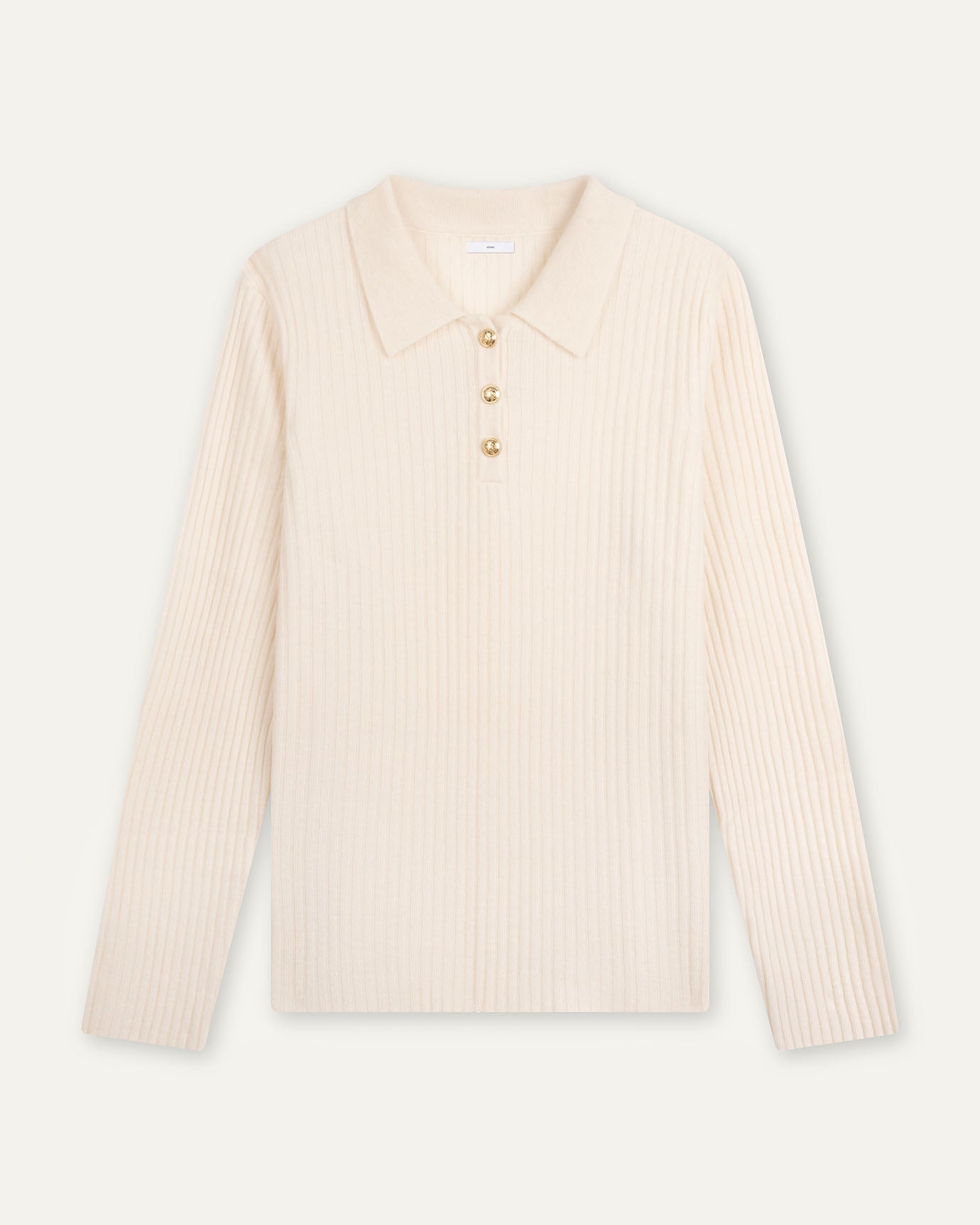
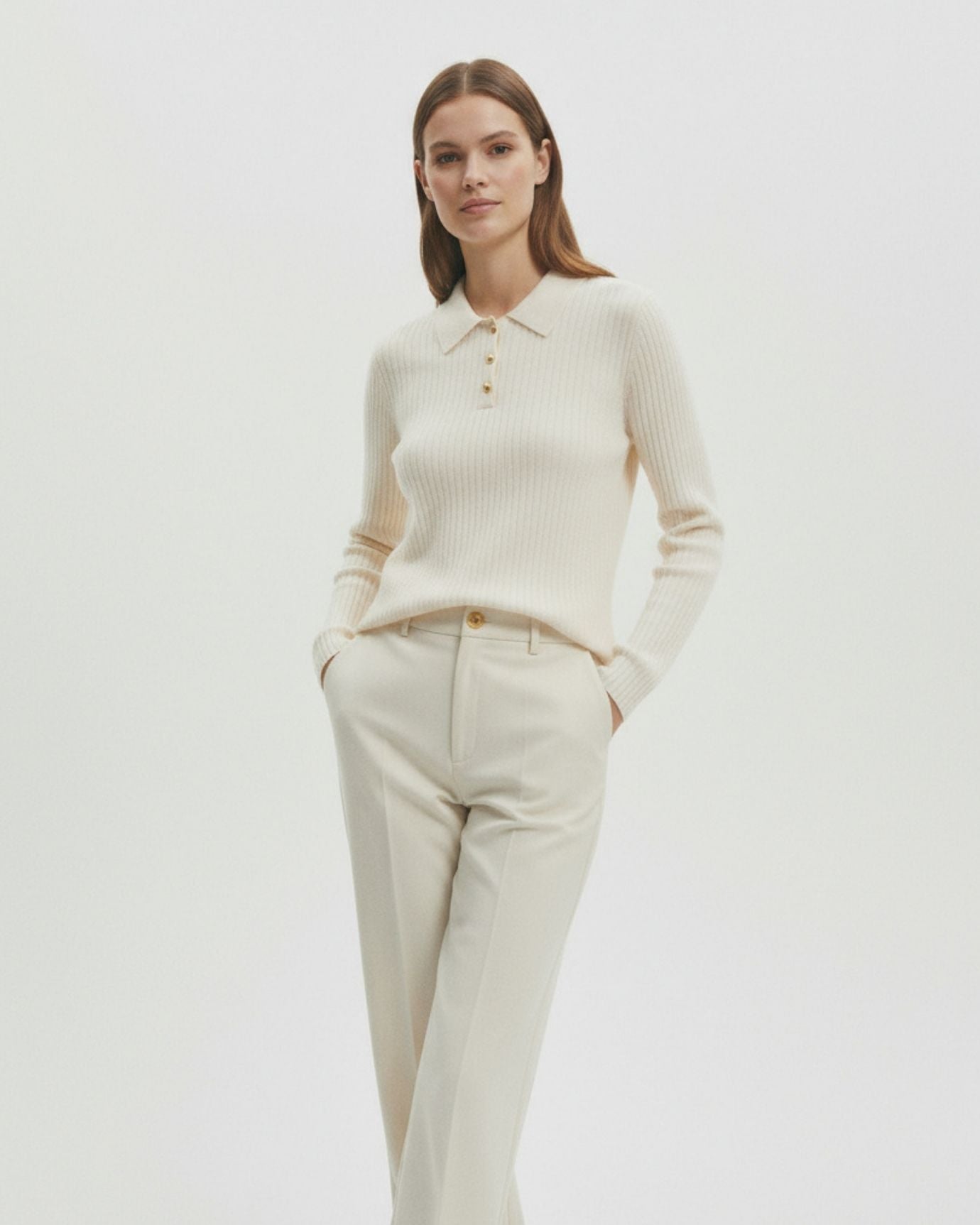
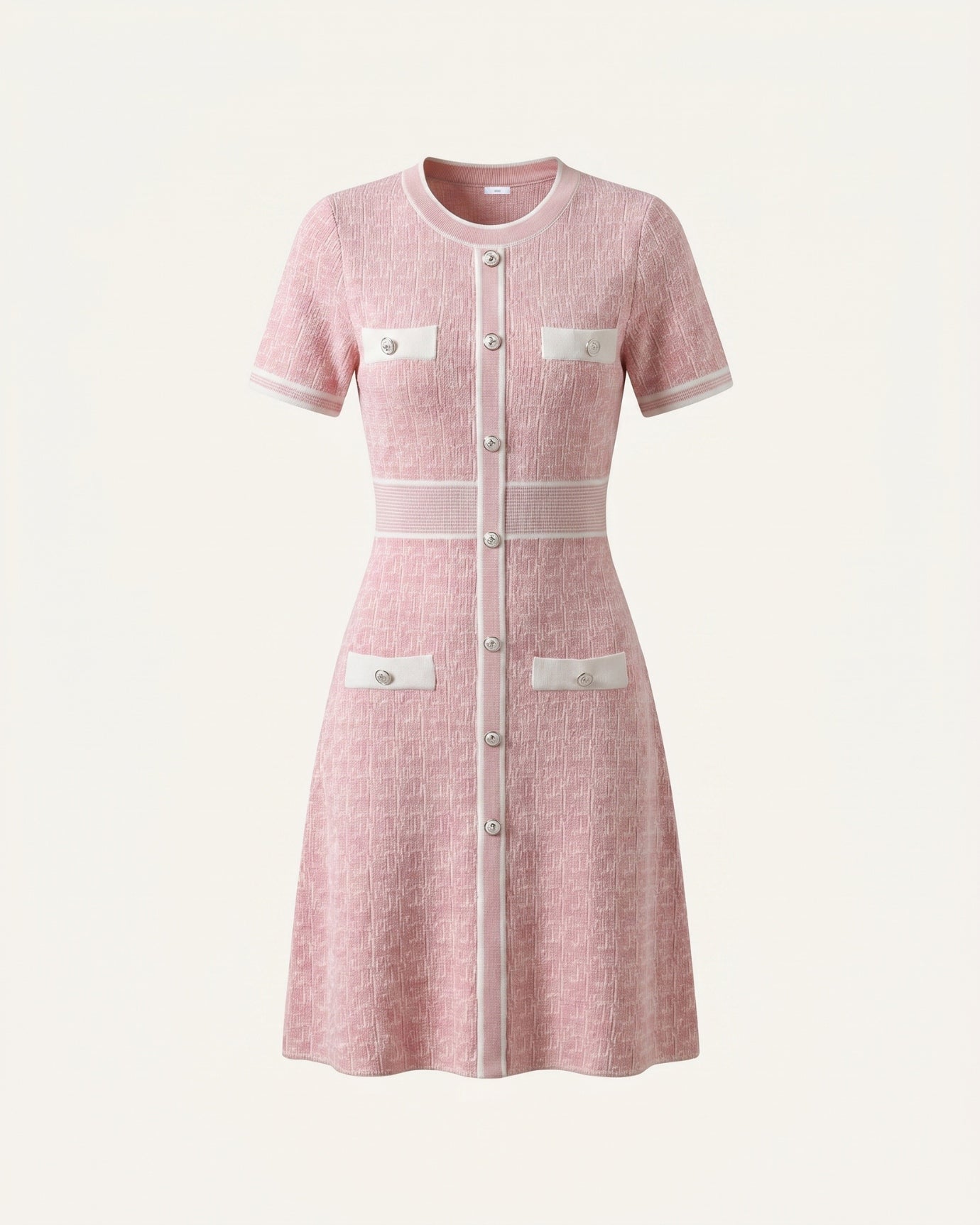
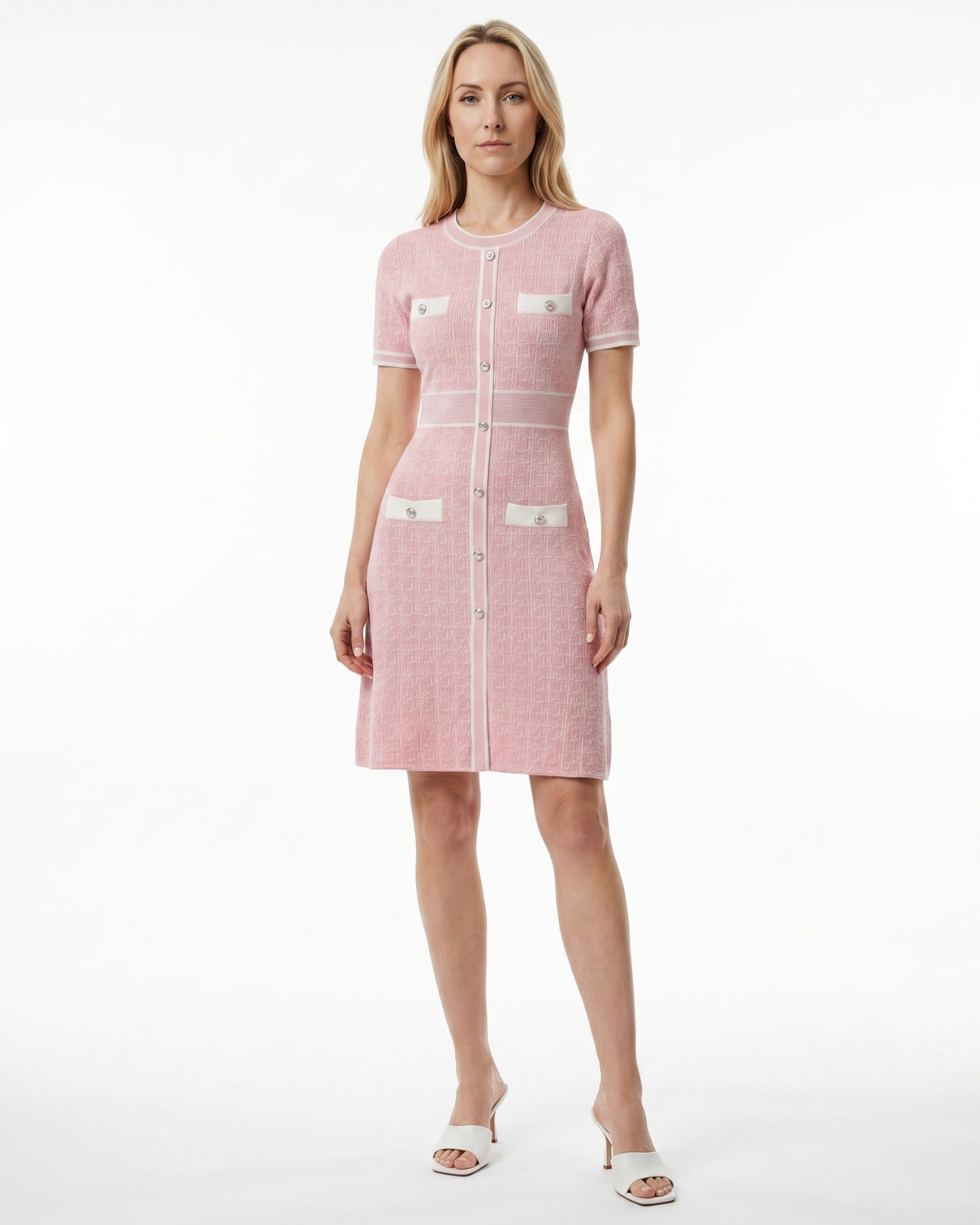
For knitted dresses specifically, look for a construction where the fabric is knitted at a finer gauge. A 12-gauge or finer knit creates a denser, smoother surface than a chunky 5-gauge construction. The Anna Collared Knit Short Dress is a good example of how a fine-gauge knit reads as polished rather than casual.
Seam placement is a detail often overlooked. Flat-felled seams or seams finished with a soft binding sit flatter against the body than open serged seams, which can add a secondary point of friction at the hip or underarm.
Expert insightHold the fabric up to light. A tightly constructed wool should be mostly opaque and show an even, consistent weave. Irregular gaps or a loose, open structure indicate a fabric that will pill quickly and feel rougher after a few washes.

Fit, Silhouette, and Occasion
A wool dress that fits correctly will feel more comfortable than one that pulls or gapes, regardless of fibre quality. Wool under tension against the skin, particularly at the shoulders, upper arms, or across the back, amplifies any residual roughness. Fit generously through the areas where you have the most skin contact.
For everyday wear and office dressing, a mid-weight merino sheath or A-line cut in a dark neutral is the most versatile option in a wardrobe. It sits close enough to look precise but not so fitted that it creates friction. Pair it with loafers in an old money style and a structured bag for a look that requires nothing further.
For cooler months and more relaxed occasions, a knitted A-line or polo-neck silhouette in lambswool or merino gives a sense of ease without looking undone. These work particularly well styled with a wide-brim wool hat, which creates a coherent, considered palette when the hat and dress share the same fibre family.
For evening dresses, a finely woven merino or cashmere-blend in a darker shade, fully lined in silk or silk-weight viscose, reads as genuinely luxurious. The weight of the fabric holds a clean line through the evening in a way that lighter fabrics rarely manage.
If you are building a cold-weather wardrobe around wool, consider the long sleeve dress collection as a starting point. Long sleeves in a fine merino rib or flat knit add warmth without bulk and translate easily from desk to dinner.

Caring for a Wool Dress to Keep It Soft
Wool softness is not fixed at the point of purchase. How you wash and store a wool dress directly affects how it feels season after season.
Washing: hand-wash in cool water, 30°C or below, using a detergent formulated for wool or delicates. Hot water causes the fibre scales to interlock, which is the process called felting, and a felted wool dress becomes permanently stiffer and rougher. If machine washing, use the wool or delicate cycle and place the dress in a mesh laundry bag.
Drying: never wring, twist, or hang a wet wool dress. Lay it flat on a clean towel in its original shape and allow it to air dry away from direct heat. Hanging a wet wool dress stretches the fibres under their own weight and distorts the cut.
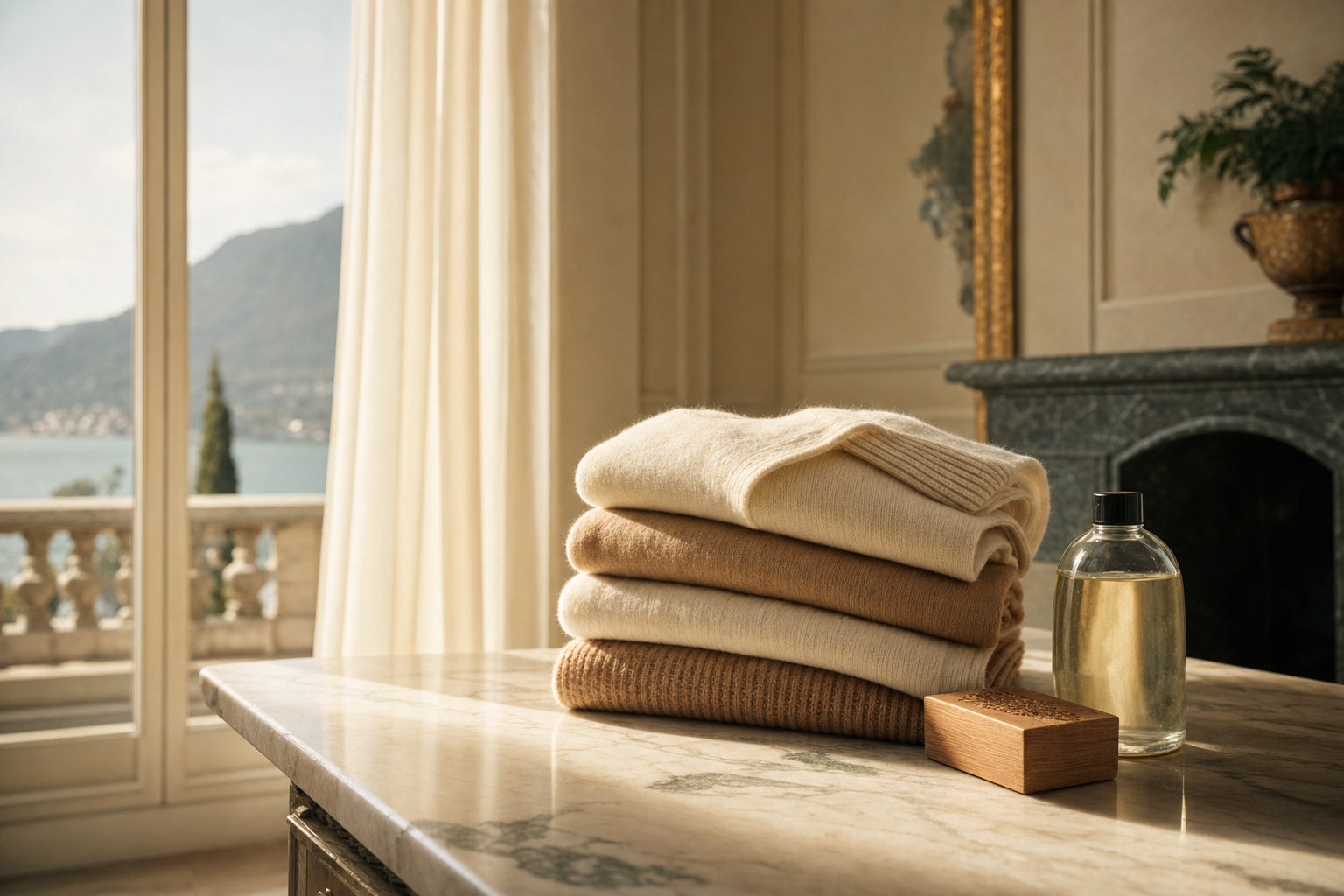
Storage: fold wool dresses rather than hanging them for long periods. Hanging on a thin wire hanger creates shoulder dimples and stresses the fabric at the hang points. Cedar blocks or lavender sachets in the drawer deter moths without the chemical residue of mothballs, which can damage fine fibres over time.
Pilling: fine wools pill less than coarser ones, but any wool will pill in high-friction areas over time. A fabric comb or electric depiller used gently restores the surface. Depilling regularly is far more effective than waiting until pilling is severe.
For the best selection of pieces that have already been made with these standards in mind, browse the Lovau woman designer collection, where fabric specifications are part of the design brief from the beginning.

What to Look for When Shopping Online
Buying a wool dress without handling it in person requires a slightly different approach. Here is what to check before you commit.
Read the fibre content label carefully. 'Wool' alone tells you nothing about grade. Look for 'Merino,' 'Lambswool,' 'Cashmere,' or a specific micron count. 'Wool blend' without further detail is a red flag.
Check the lining information. A product description that does not mention lining, or that only specifies a partial lining, is worth querying before purchase.
Look at the care instructions. A dress listed as dry-clean only is not necessarily inferior, but it tells you the fabric is sensitive and may not have been finished for home washing. A dress that can be hand-washed has typically been finished to a higher standard of durability.
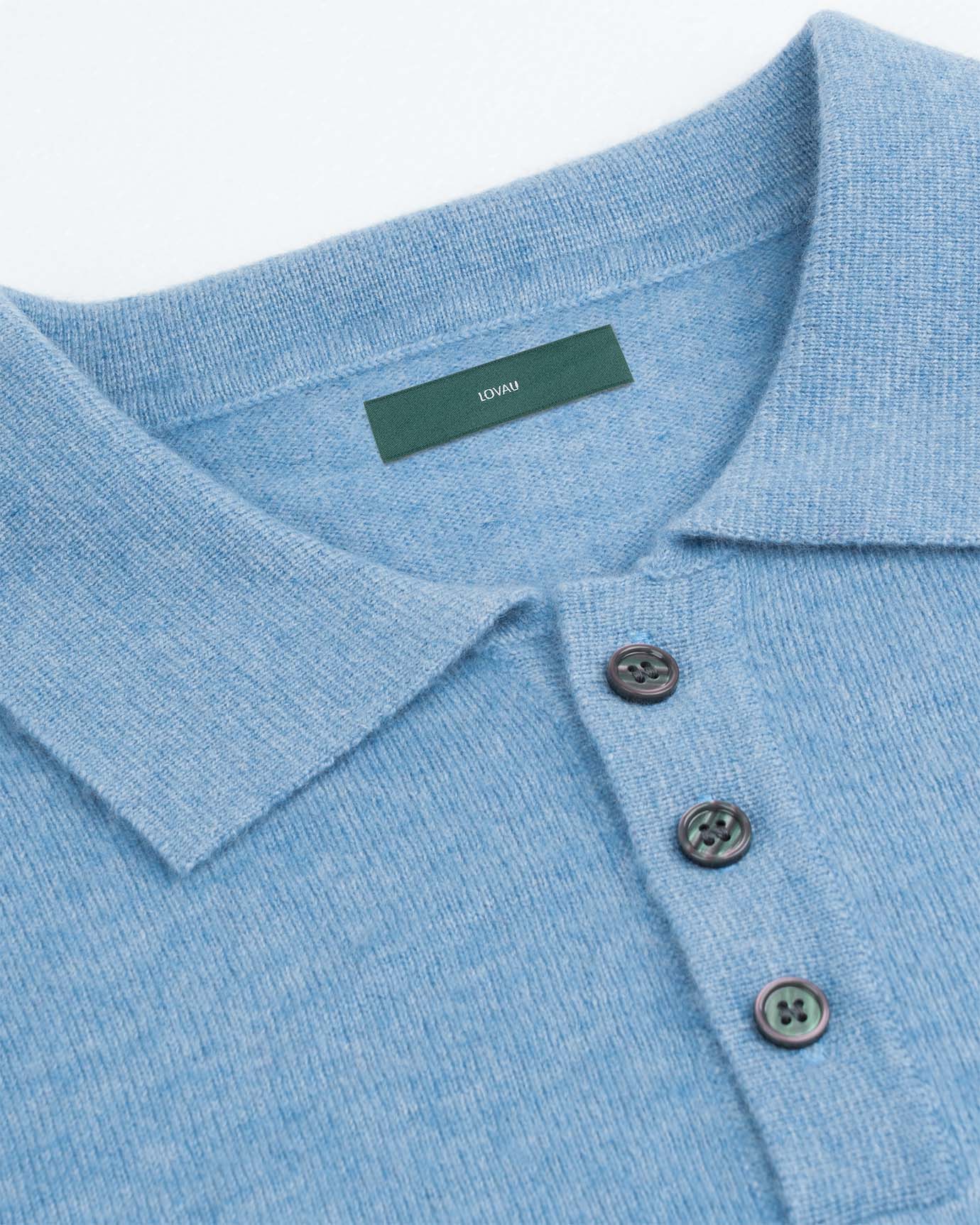
Zoom into fabric detail photographs. Most quality product photography includes a close-up of the fabric. A smooth, dense surface in the photograph usually translates to a smooth, dense feel in person.
Check the return policy. Even with all the right information, a dress can occasionally feel different from expectation. A clear, no-friction return policy is part of buying confidently.
The day dresses collection at Lovau includes full fabric descriptions for each piece, and the customer service team can confirm micron counts or lining details on request. For a polished cold-weather look that extends beyond the dress itself, the old money style sunglasses and a structured hat in a complementary wool complete the picture without overcomplicating it.

| Wool Type | Typical Micron Range | Softness Against Skin | Warmth Level | Best Dress Use |
|---|---|---|---|---|
| Fine Merino (Superfine) | 15, 18.5 µm | Excellent, no lining needed | Medium | Fitted sheath, long-sleeve day dress |
| Merino (Standard) | 18.5, 22 µm | Good, lining recommended | Medium-High | A-line, belted dress with lining |
| Lambswool | 22, 26 µm | Good for lined dresses | High | Knitted A-line, relaxed midi |
| Cashmere-Merino Blend | 14, 18 µm | Excellent, very fine | Medium | Evening dress, fine-knit polo dress |
| Shetland / Chunky Wool | 28, 35 µm | Poor without full lining | Very High | Outerwear only, not for bare skin |
Frequently asked questions
Is merino wool always soft enough to wear without a slip underneath?
Superfine and ultrafine merino, typically graded at 18.5 microns or below, is soft enough for most women to wear directly against skin. Standard merino at 19 to 22 microns may cause mild irritation for people with sensitive skin, and a fine viscose slip or a fully lined dress is the more reliable solution. If you are unsure, the Woman Wool Dress Old Money Style uses a fine-grade wool and is a safe starting point.
Can a wool dress be machine washed?
Yes, if the fabric has been superwash-treated or the care label specifically permits machine washing. Use the wool or delicate cycle, cool water only, a mesh laundry bag, and a wool-specific detergent. Never use a spin cycle above 600 rpm, and always dry flat. Untreated wool should be hand-washed only.
What is the difference between a wool dress and a knitted wool dress in terms of comfort?
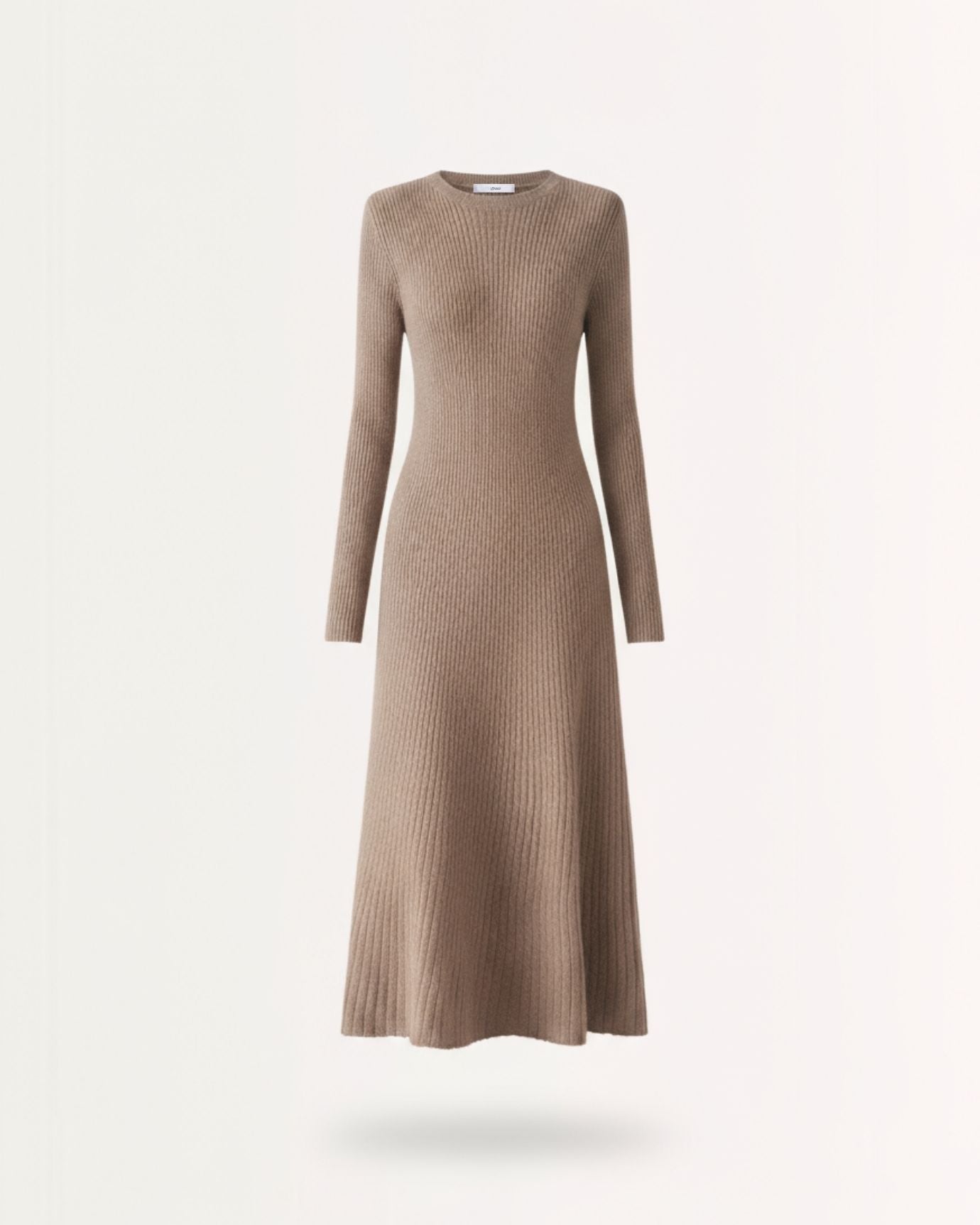
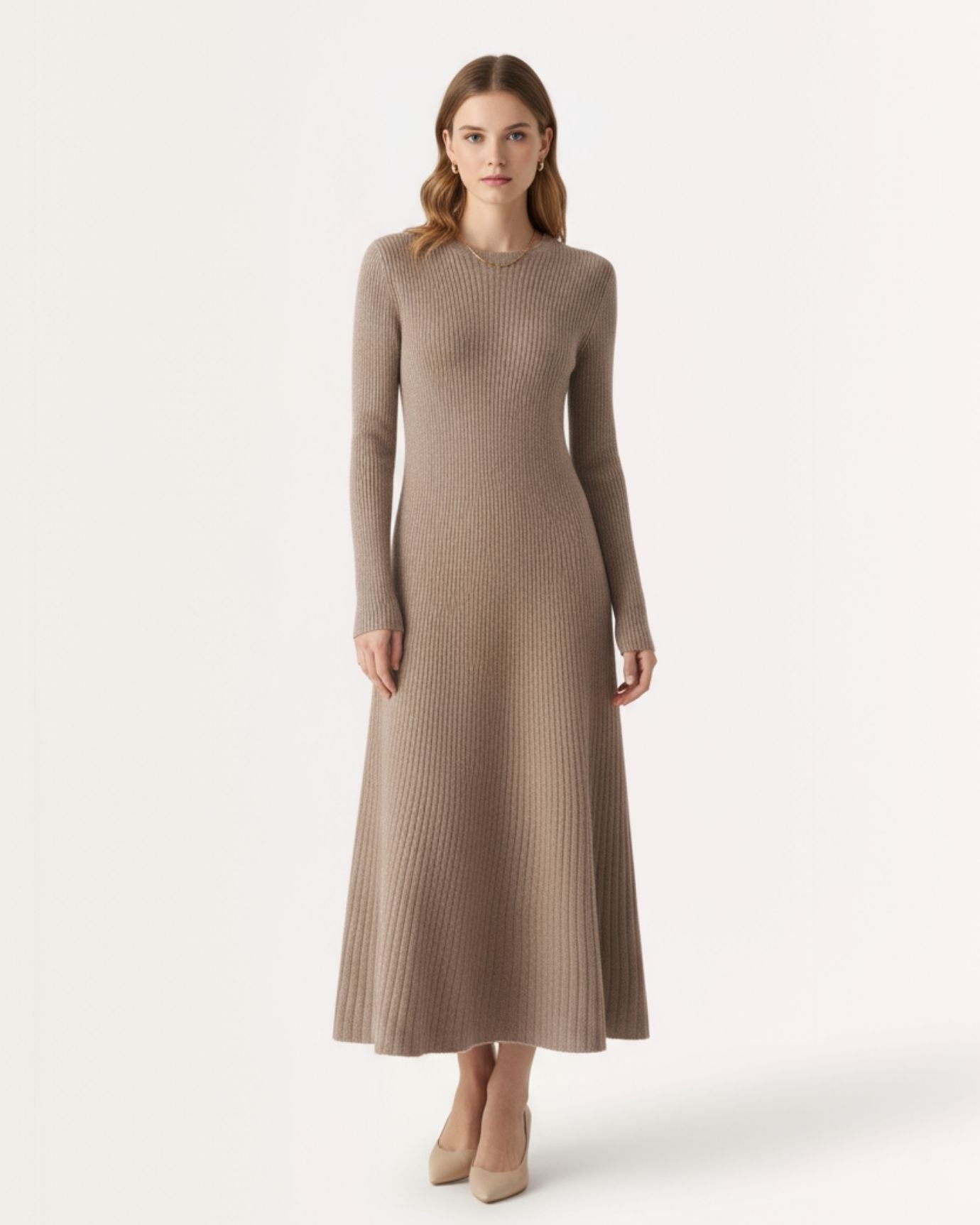
A woven wool dress is cut from a flat fabric and behaves more like a tailored garment: structured, precise, and usually fully lined. A knitted wool dress is constructed from yarn knitted directly into shape, which gives it natural stretch and a softer drape. Both can be equally comfortable, but knitted constructions at a fine gauge, such as the Lovau Style A-Line Knitted Dress, tend to feel more immediately soft because the construction is inherently more flexible.
Why does a wool dress sometimes feel itchier after washing?
Washing in water that is too warm, or using a detergent with enzymes designed for cotton, can roughen the surface scales of wool fibres and cause mild felting. This makes the fabric feel stiffer and more abrasive. Washing in cool water with a pH-neutral, enzyme-free wool detergent prevents this. If a dress has already become rougher, a cool-water rinse with a small amount of hair conditioner can partially restore the surface softness.
A wool dress that itches is almost always a problem of information, not of wool itself. Once you know the micron count to look for, the construction details that matter, and how to care for the fabric at home, choosing well becomes straightforward. Fine merino, lambswool, and cashmere-blend wools at the right grade, cut well and properly lined, are among the most comfortable and most enduring things you can own. For a considered starting point, explore the full women's dress collection at Lovau, where fabric quality is treated as the foundation of every design, not an afterthought.