


The Best Non-Iron Fabrics for People Who Hate Ironing
Reading time 11 min • 2130 words
There is a particular kind of frustration reserved for pulling a dress from your suitcase, or a blouse from the back of a chair, and finding it a map of creases. Ironing is not a pleasure most women schedule into their mornings, and the good news is that a genuinely elegant wardrobe does not require it.
The secret is fabric choice. Certain materials resist wrinkles by their very structure, whether through the natural elasticity of wool fibres, the stretch of a knitted construction, or the tight synthetic weave of a travel-ready blend. Understanding which fabrics do the work for you is one of the most practical decisions you can make when building a wardrobe that holds its composure from morning to evening.
This guide covers the best non-iron fabrics for women in concrete terms: how each one behaves, what it suits, and how to wear it well.
Key takeaways
- Fine wool and wool-blend fabrics hold their shape naturally and rarely need ironing after a short hang.
- Knitted constructions, including jersey and ribbed knit, are structurally resistant to creasing because they stretch rather than fold.
- Polyester blends and synthetic-natural mixes are the most practical choice for travel, but quality matters: higher thread counts and tighter weaves crease less.
- Velvet and corduroy are textured enough to disguise minor wrinkles entirely, making them reliable choices for long travel days.
- Storing garments folded correctly or hanging them immediately after wear prevents most wrinkles before they set.
In this guide
- Why Some Fabrics Wrinkle and Others Do Not
- Wool: The Finest Non-Iron Fabric in a Woman's Wardrobe
- Jersey and Knit Constructions: Structure That Moves With You
- Polyester Blends and Synthetic Fabrics: The Practical Case
- Velvet and Corduroy: Texture as a Practical Tool
- Building a Non-Iron Wardrobe: The Lovau Approach
- Frequently asked questions
Why Some Fabrics Wrinkle and Others Do Not
Wrinkling happens when fibres are compressed and lack the resilience to return to their original position. Natural fibres like linen and cotton are highly absorbent, which means moisture from body heat and movement causes them to deform easily. Once deformed, they hold that shape until heat and pressure, meaning an iron, are applied.
Fabrics resist wrinkles for one of three reasons: natural fibre elasticity (wool), structural stretch (knit constructions), or synthetic resilience (polyester, nylon). Understanding which mechanism is at work in a fabric helps you predict how it will behave over a full day of wear.
According to fibre science documented on Wikipedia, wool fibres contain a natural crimp that allows them to return to shape after being bent or compressed, which is why a quality wool dress hangs smooth again after just a few hours on a hanger. This is not a care trick, it is a property built into the fibre itself.
The weave structure matters as much as the fibre. A tightly woven fabric has less room for individual threads to shift out of alignment, which means fewer visible creases. Loosely woven fabrics, however beautiful, crumple under pressure.
Expert insightHang a wool or wool-blend garment in a steamy bathroom for ten minutes and most travel creases disappear without touching an iron. The moisture relaxes the fibres, and the weight of the fabric does the rest.
Wool: The Finest Non-Iron Fabric in a Woman's Wardrobe
Fine wool is the most reliable non-iron fabric at the refined end of the market. Merino wool in particular has a fibre diameter fine enough to sit against the skin without irritation, and its natural crimp means it springs back to shape with remarkable consistency.
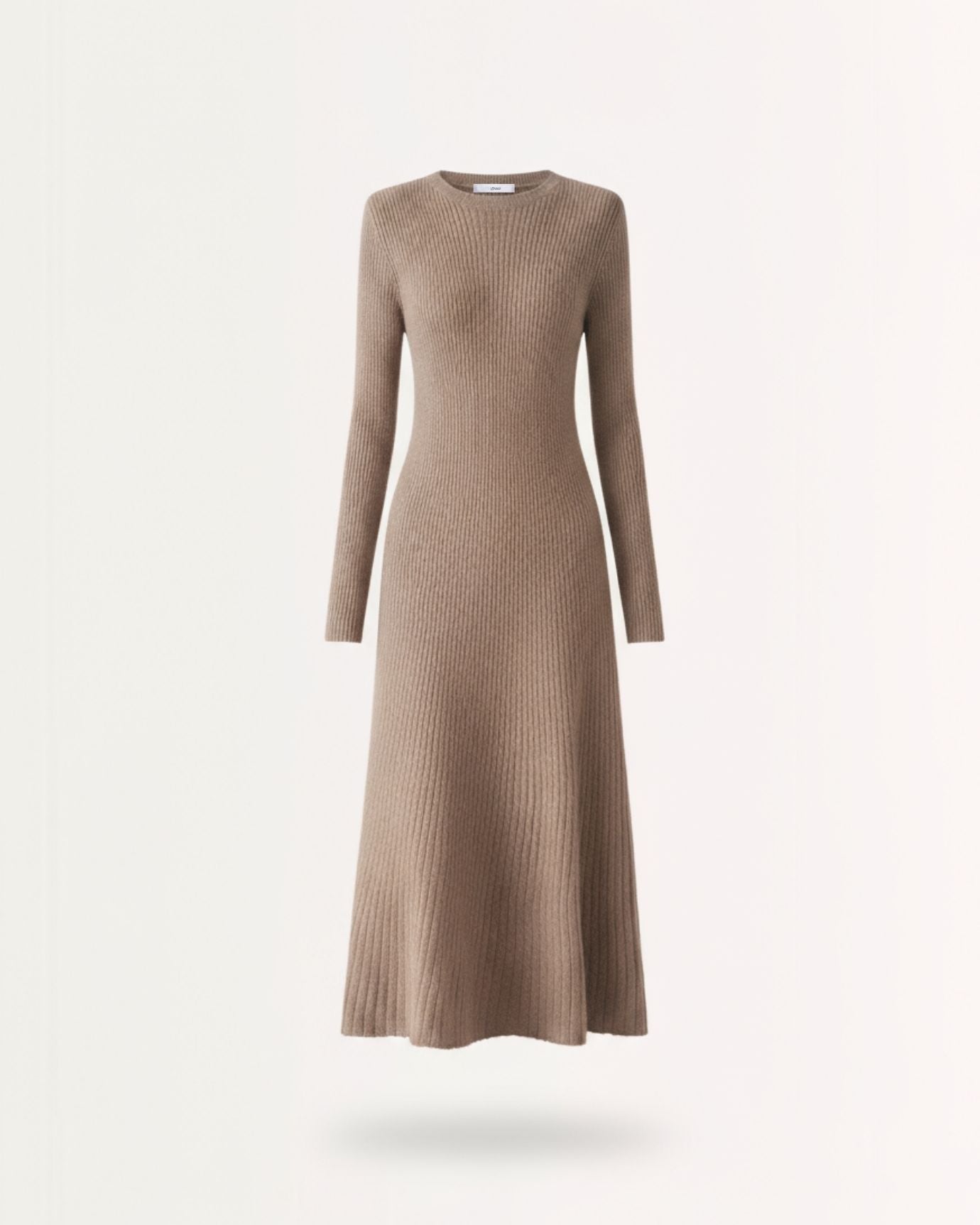
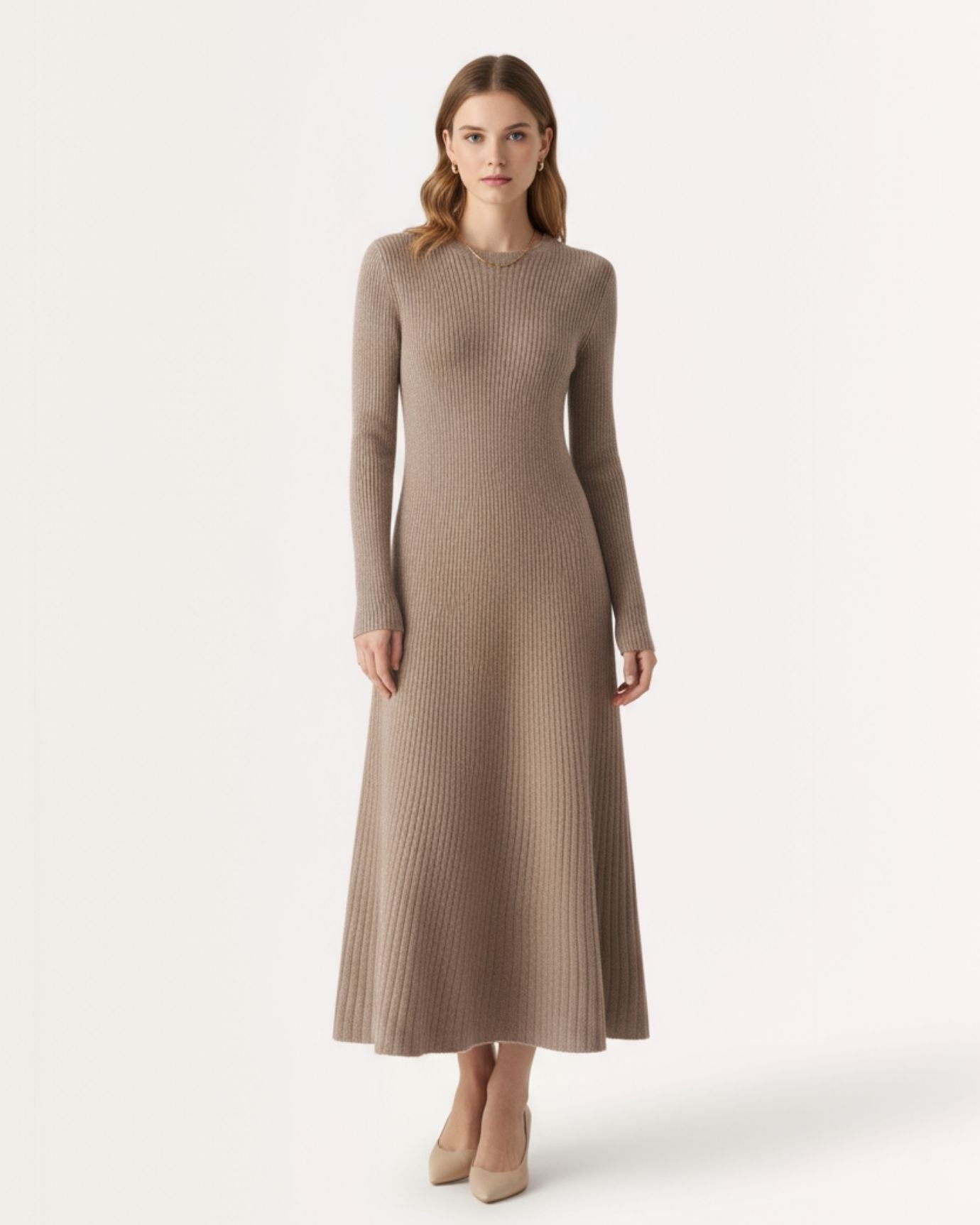
A well-cut wool dress in old money style can be packed, worn for hours, and rehung overnight to look entirely presentable the following morning. This is not marketing language, it is the physical behaviour of the fibre. Wool also regulates temperature across a wide range, making it a practical choice for travel between climates.
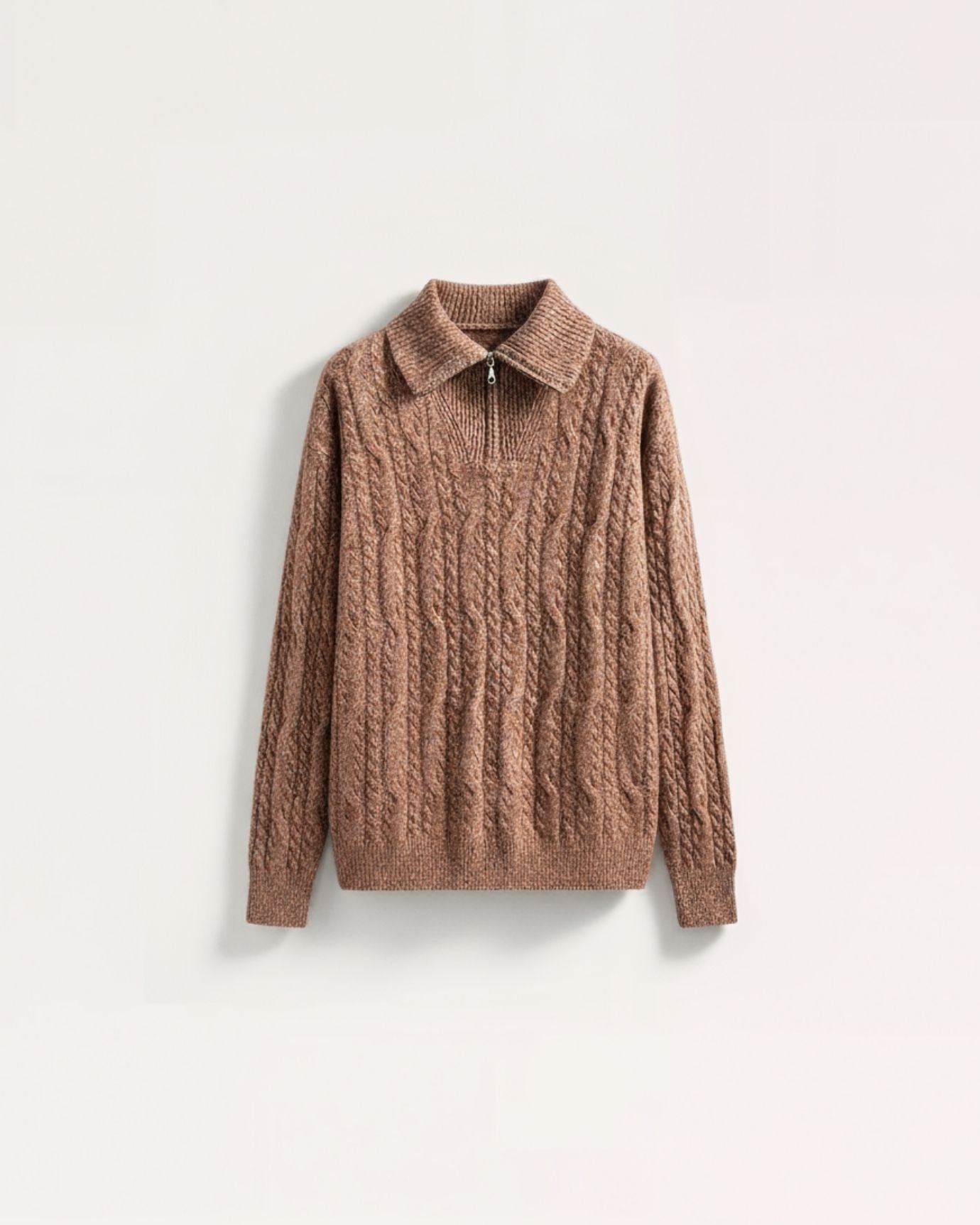
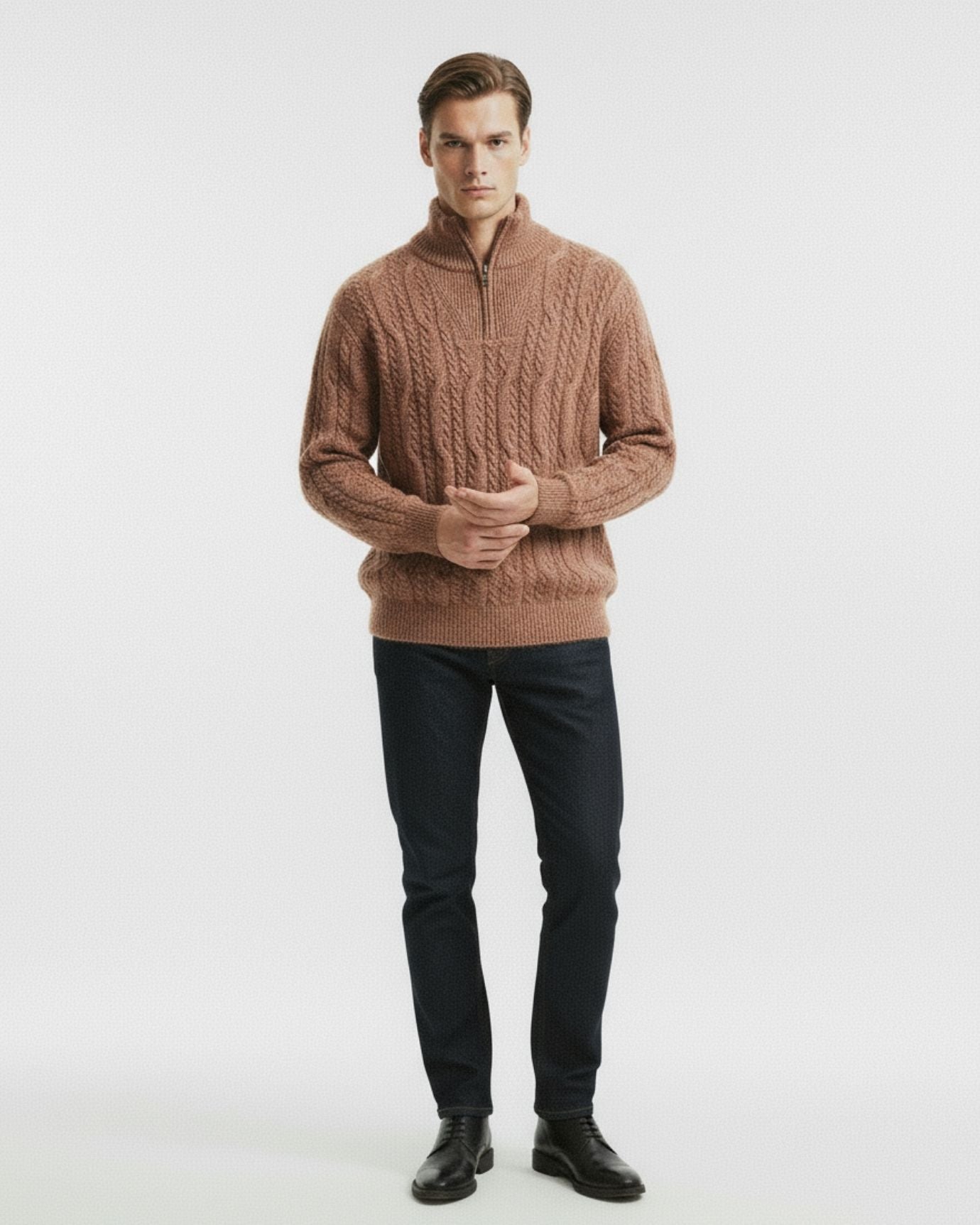
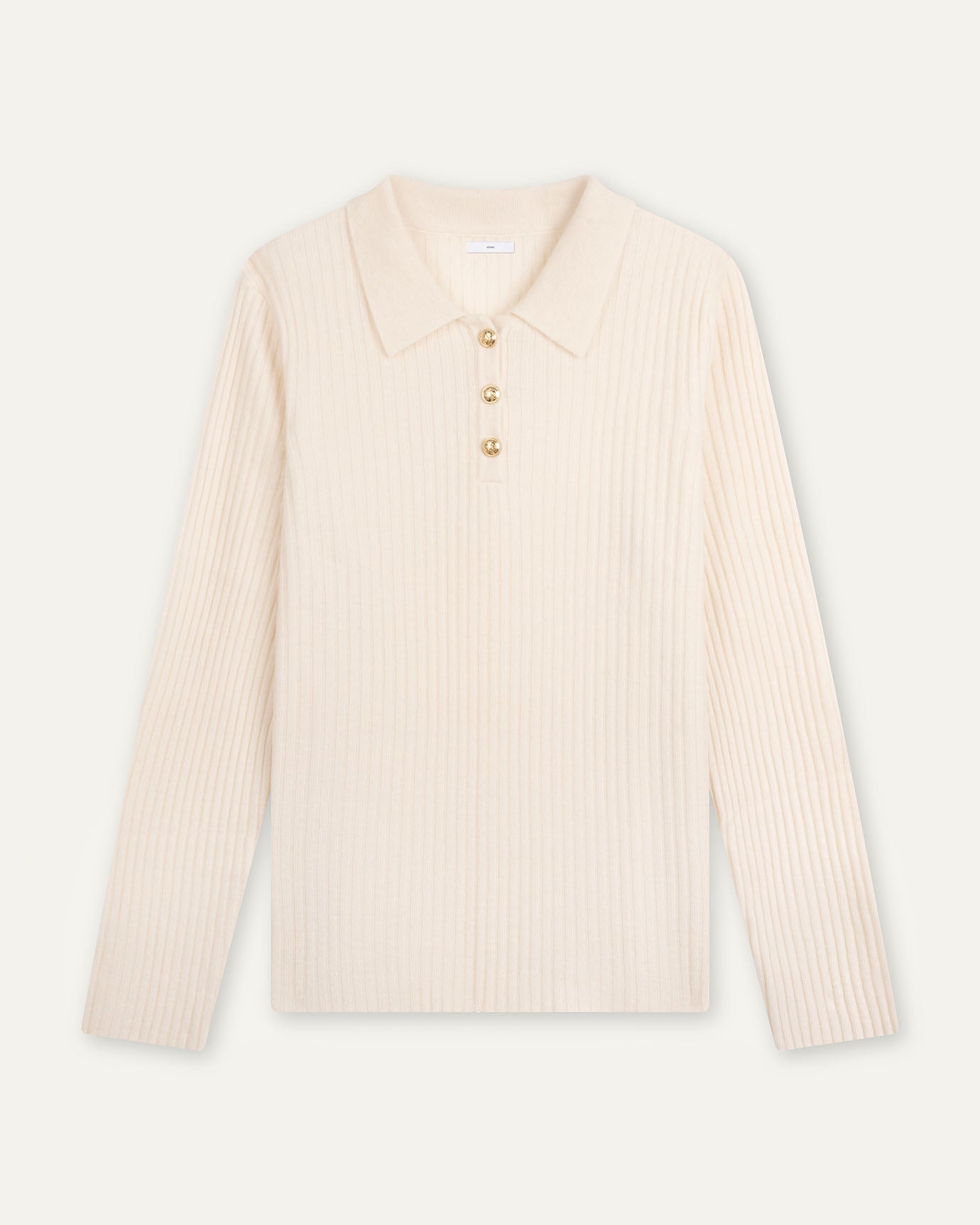
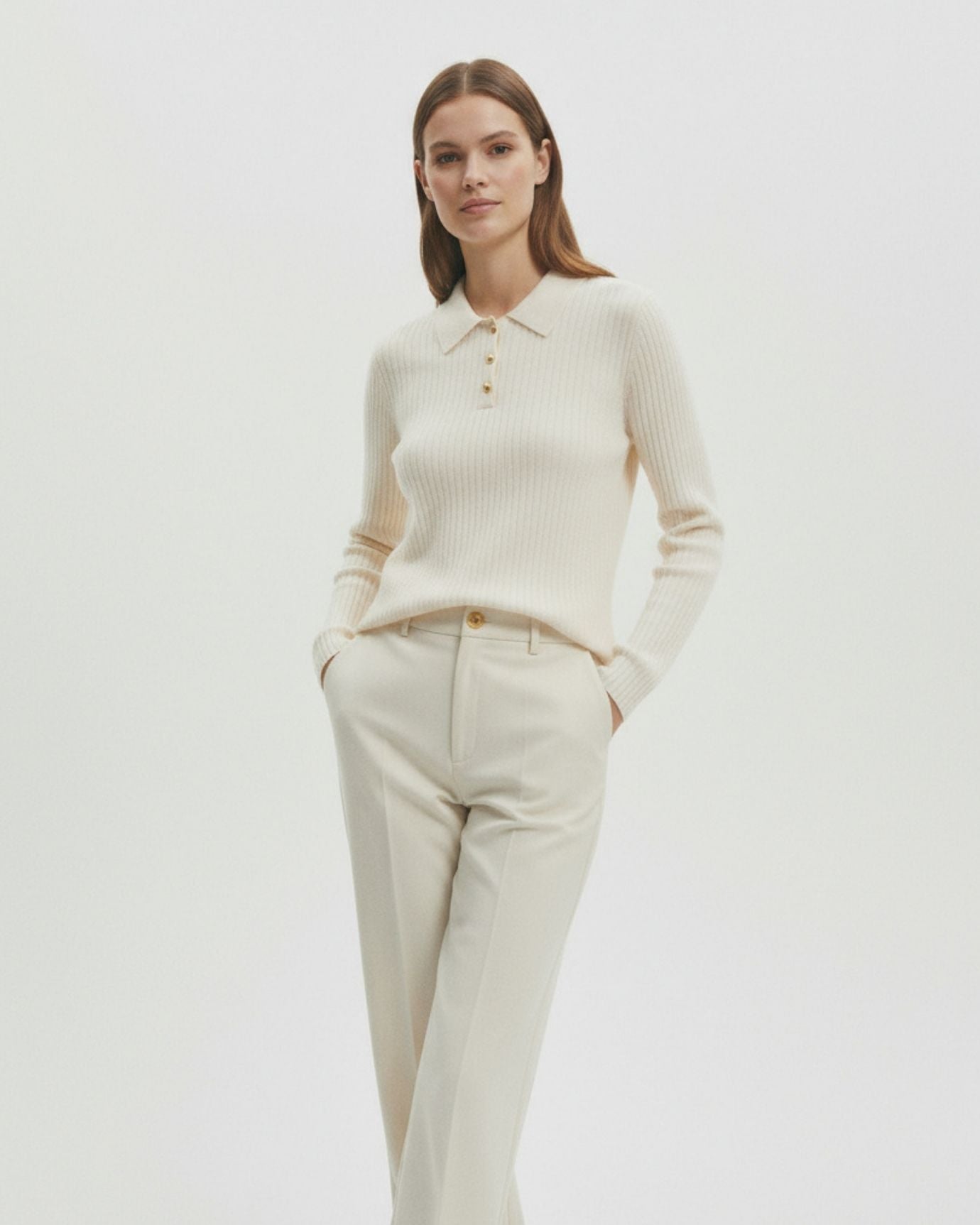
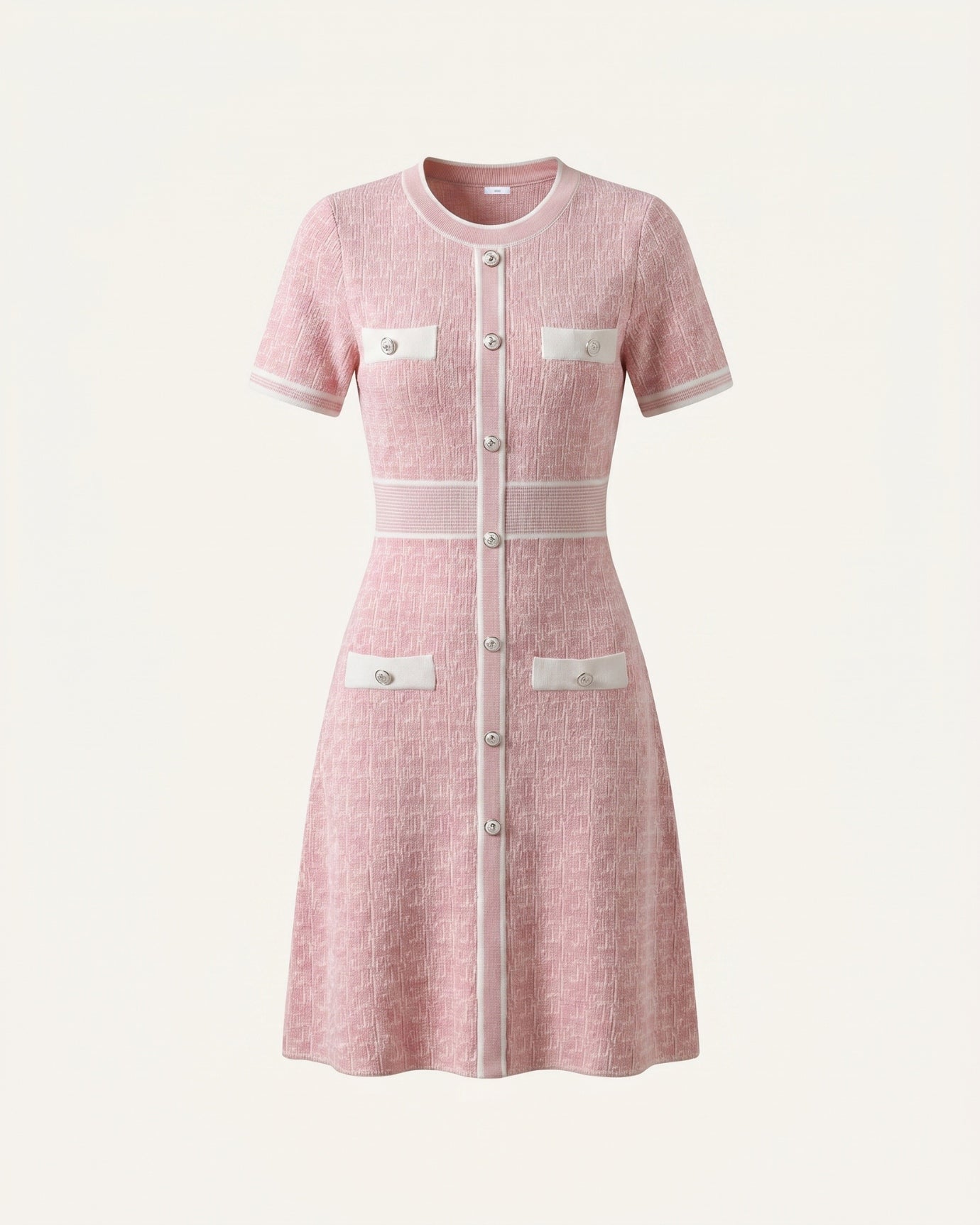
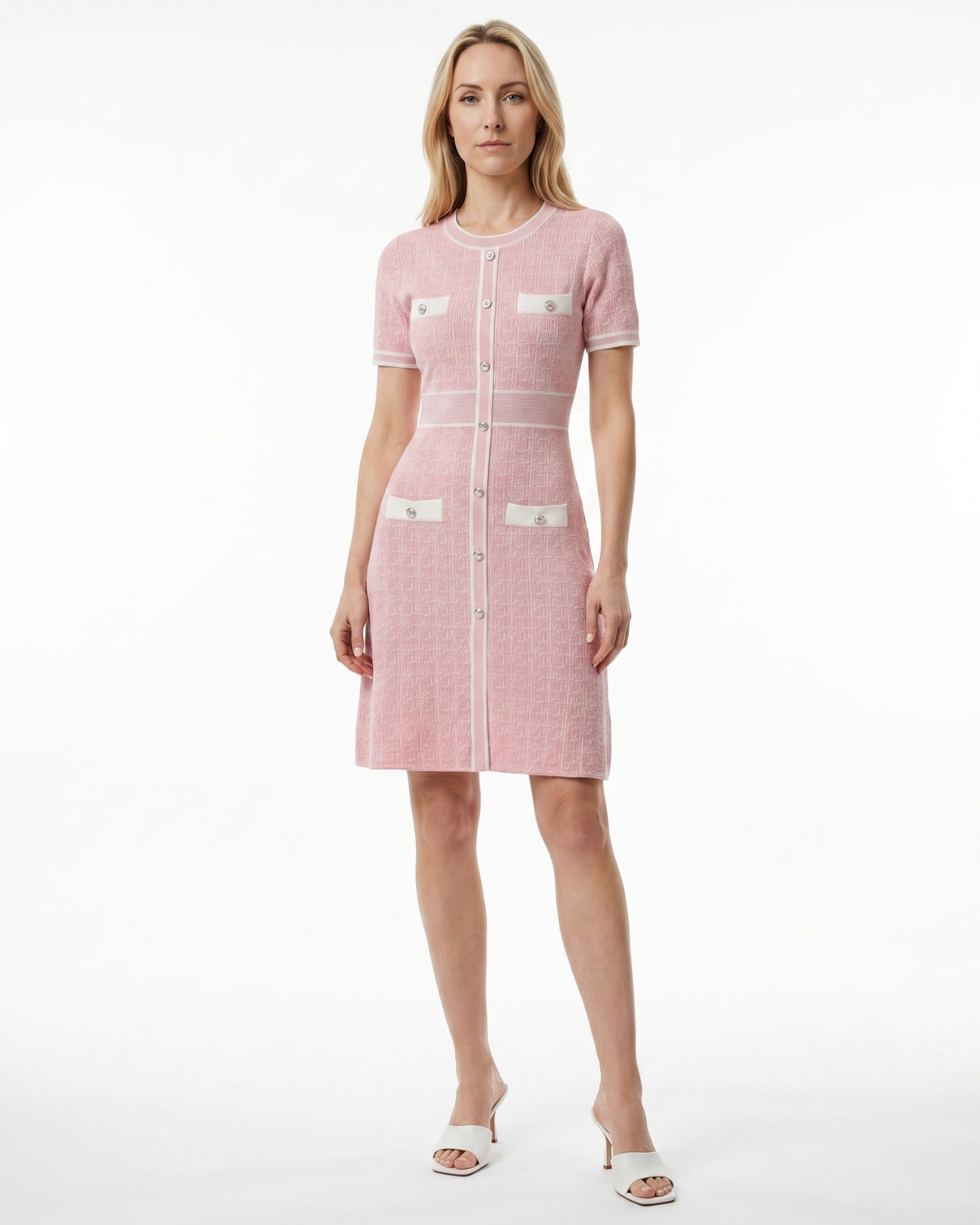
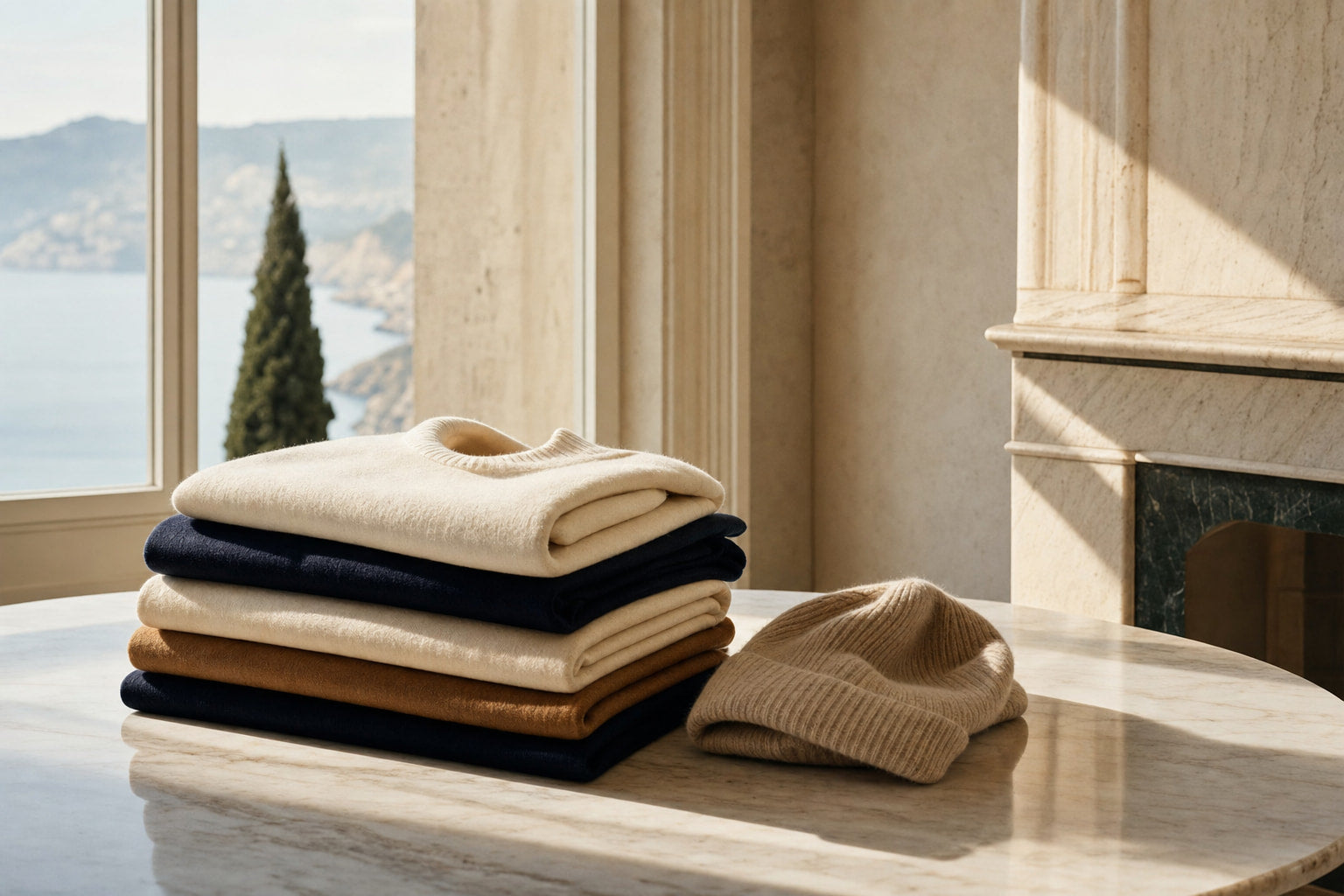
Wool knits behave even better than woven wool in terms of wrinkle resistance, because the knitted loop structure absorbs movement rather than creasing under it. A knitted A-line dress in a fine wool or wool-blend yarn will hold its silhouette through a full day without the stiffness that makes some structured garments uncomfortable.
For cooler months, wool-based accessories extend the same logic to the top of the outfit. A cashmere knitted hat requires no maintenance whatsoever, stores flat or rolled, and emerges looking composed. Cashmere, a finer grade of wool from the undercoat of cashmere goats, has even greater softness and resilience than standard merino.
Expert insightAvoid folding fine wool garments over a sharp crease for storage. Roll them loosely or hang them, and the fibre's natural elasticity will maintain the shape without any intervention.

Jersey and Knit Constructions: Structure That Moves With You
Jersey is not a fibre but a construction: a single-knit fabric that stretches in all directions. Because jersey stretches rather than folds rigidly, it does not hold a crease the way a woven fabric does. This makes it one of the most practical choices for day dresses and travel pieces.
The key distinction when choosing jersey is the fibre content. A viscose or modal jersey will crease more than a polyester or wool jersey, because synthetic fibres and wool have better shape memory. A heavier jersey weight also resists wrinkling more than a lightweight one, because there is more mass to pull the fabric back into position.
For a dress that genuinely needs no ironing, look at day dresses in structured jersey or ponte, a double-knit fabric that behaves almost like a woven cloth in terms of body and shape, while retaining the crease-resistance of a knit. Ponte dresses are a particular favourite for travel because they look formal enough for a dinner but survive a suitcase entirely intact.
A striped French-style top in a cotton-modal jersey blend is another reliable example: the knit construction handles compression well, and the stripe pattern visually absorbs any minor surface variation that might remain.

Polyester Blends and Synthetic Fabrics: The Practical Case
Polyester has an image problem it does not entirely deserve. At the lower end of the market, polyester fabrics are shiny, static-prone, and unflattering. But in quality blends, particularly polyester combined with viscose, silk, or wool, the synthetic component adds wrinkle resistance and durability without the visual downsides.
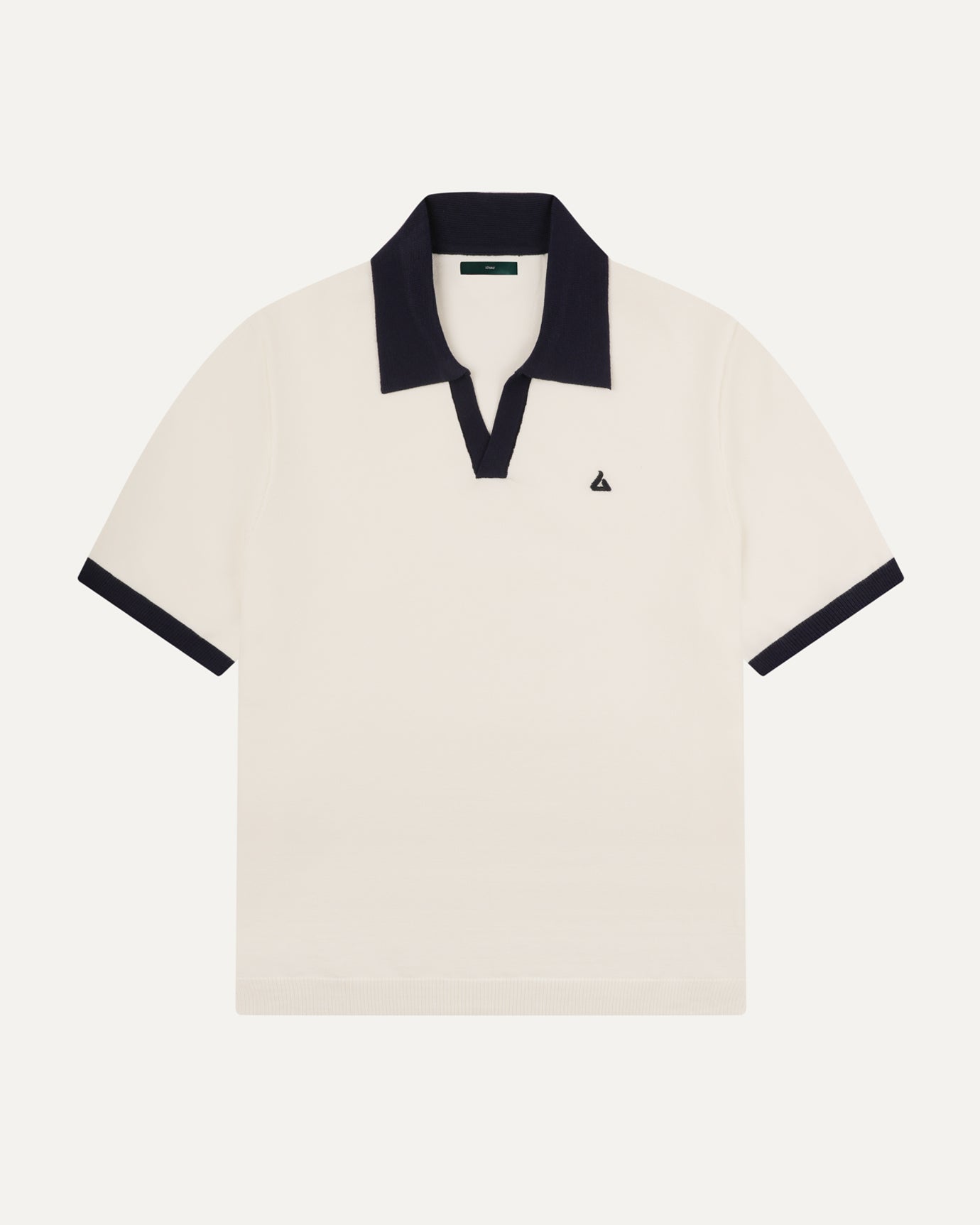
The contrast collar pleated dress in navy and white is a good illustration: the pleated structure relies on the fabric holding its form through movement, which requires a degree of synthetic content to function properly over a full day. Pleats in a pure linen or cotton fabric would collapse by noon.
Similarly, a sleeveless blue striped dress in a woven polyester-cotton blend will survive a transatlantic flight in carry-on luggage far better than the same design in pure cotton. The cotton component gives it breathability and a natural hand, while the polyester prevents the deep-set creases that cotton develops under sustained pressure.
When evaluating polyester blends, look for a matte finish rather than a shiny one, and a thread count high enough that the weave is not visible to the naked eye. These two factors determine whether a synthetic blend reads as quality or not.
Expert insightA quick shake and a smooth hang immediately after unpacking is more effective than any amount of ironing later. Synthetic fibres release travel creases most readily in the first hour after unpacking.

Velvet and Corduroy: Texture as a Practical Tool
Textured fabrics occupy a special category in non-iron dressing. Velvet and corduroy do not resist wrinkles in the same way wool or jersey does, but their pile surface disguises surface variation so effectively that minor creases simply disappear into the texture.
Velvet has been a fabric of European luxury since the Italian Renaissance, and its rich textural depth makes it one of the most forgiving surfaces to wear. A velvet dress in old money style that has been hung rather than folded will look impeccable without any pressing, because the pile catches light in a way that overwhelms any residual surface irregularity.
Corduroy works on the same principle. The raised ribs of the fabric create a surface that absorbs and redirects light, making it visually self-smoothing. High-waisted corduroy trousers in a structured cut hold their shape through a full day of wear and look as composed at 7pm as they did at 9am.
For a complete cold-weather look that requires minimal maintenance, pairing a velvet or corduroy garment with a cashmere hat with ear protection creates a head-to-toe outfit where every element takes care of itself. The hat stores flat, the velvet hangs smooth, and the only decision left is which shoes to wear.

Building a Non-Iron Wardrobe: The Lovau Approach
A non-iron wardrobe is not a compromise on quality. It is a considered selection of fabrics that perform well across the full arc of a day, a journey, or a season. The fabrics described above, fine wool, knitted jersey, quality polyester blends, velvet, and corduroy, account for the majority of what a well-dressed woman needs.
The practical steps are simple. First, read fabric content labels before buying and prioritise the fibre combinations described here. Second, hang garments immediately after wear rather than leaving them folded on a chair, which is where most domestic creasing happens. Third, invest in a small travel steamer for the occasional occasion when a garment does need attention, because steaming is faster, gentler, and more effective than ironing for most of these fabrics.
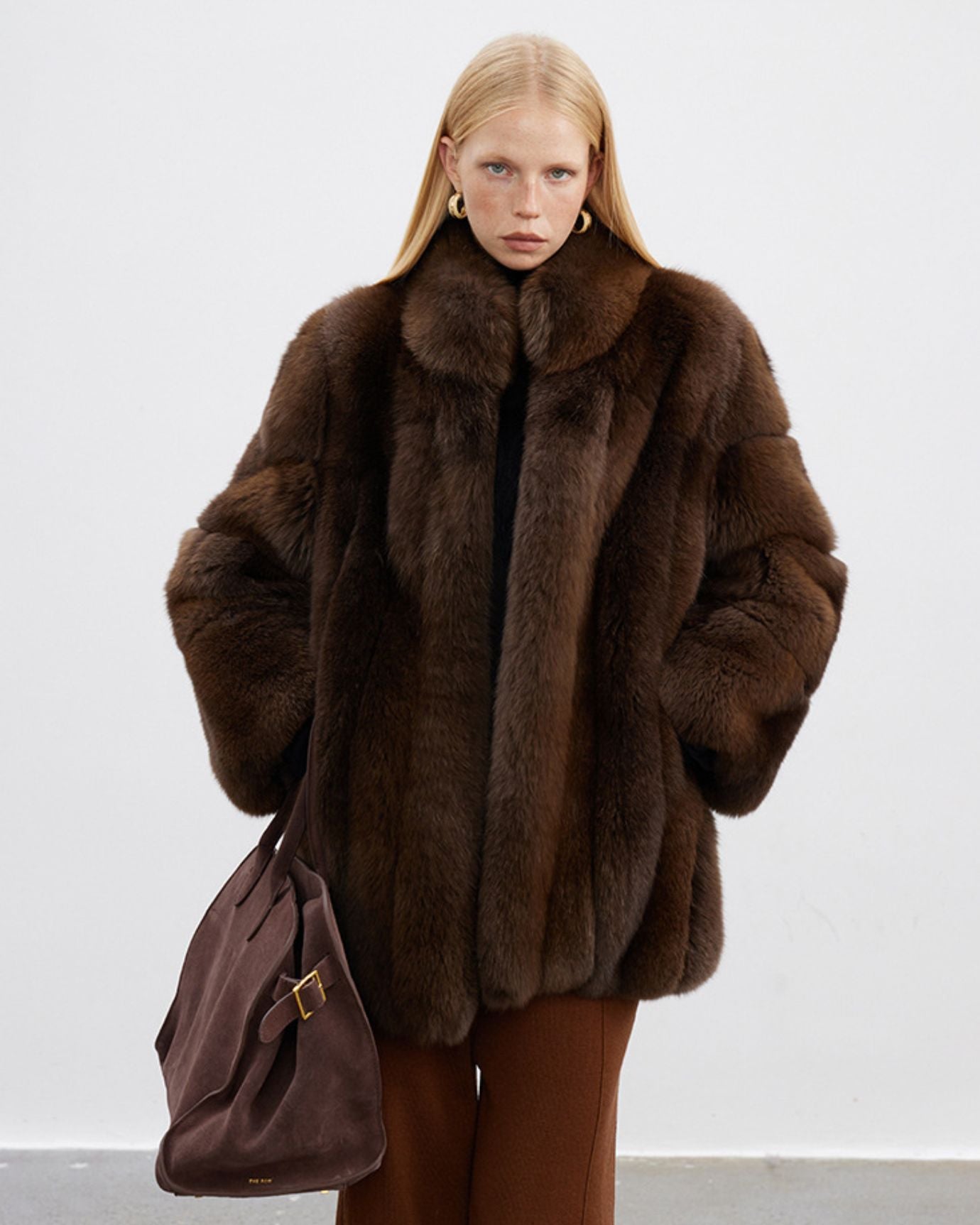
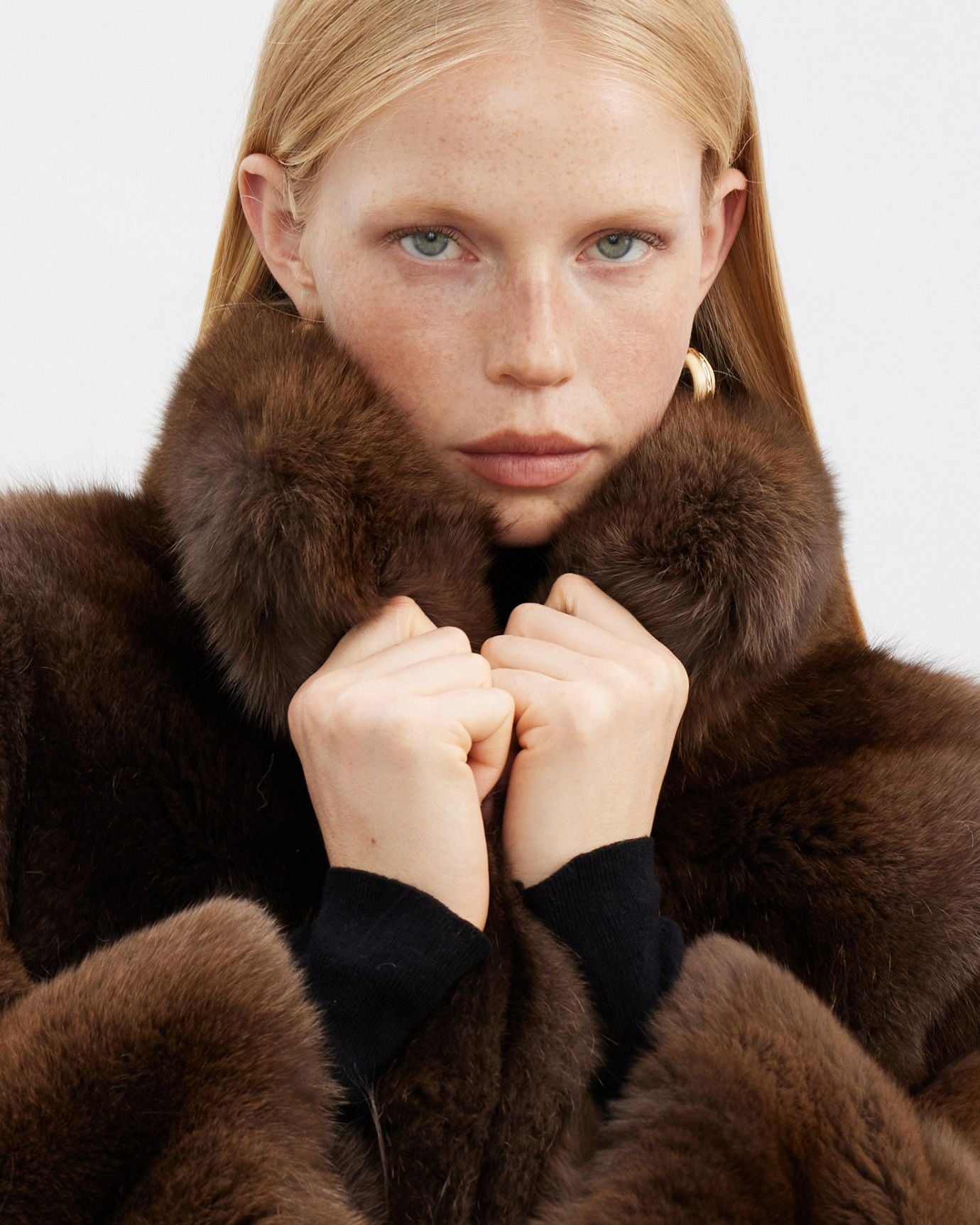
For accessories, the same logic applies. A cashmere soft knitted hat or a plaid cashmere hat are both made from a fibre that recovers its shape after compression, making them ideal for travel and daily use without any fuss. Even the rabbit fur designer hat benefits from this principle: the fur pile, like velvet, hides minor surface variation naturally.
For dresses that work across multiple occasions without demanding maintenance, the long sleeve dresses collection offers several wool and knit options that embody exactly this philosophy. Choose the fabric first, and the styling follows naturally.

| Fabric | Wrinkle Resistance | Best For | Care Method | Feel / Hand |
|---|---|---|---|---|
| Fine Merino Wool | Excellent | Dresses, travel outfits | Hang overnight, steam if needed | Soft, warm, breathable |
| Wool Knit / Jersey | Excellent | Day dresses, layering | Hang or fold loosely | Stretchy, comfortable, structured |
| Ponte (Double Knit) | Very Good | Work, travel, dinner | Hang immediately after wear | Firm, smooth, holds shape |
| Polyester-Cotton Blend | Good | Printed dresses, pleated styles | Hang after unpacking | Smooth, easy, lightweight |
| Velvet | Good (pile hides creases) | Evening, autumn/winter | Hang always, never fold | Luxurious, rich, tactile |
| Corduroy | Good (ribs disguise creases) | Trousers, structured pieces | Hang after wear | Textured, substantial, warm |
Frequently asked questions
What is the single best non-iron fabric for a travel dress?
Fine merino wool or a wool-blend knit is the most reliable choice. The natural crimp of the wool fibre means it returns to shape after compression, and hanging the dress for a few hours after unpacking removes virtually any remaining creases. A wool dress in old money style is a practical example of this in action.
Does linen ever qualify as a non-iron fabric?
No. Linen is one of the most wrinkle-prone natural fibres available. Its cellulose structure absorbs moisture readily and deforms under pressure, producing deep creases that require a hot iron to remove. It is a beautiful summer fabric, but it is not a low-maintenance one.
Can I pack a velvet dress in a suitcase without ruining it?
With care, yes. Roll the dress loosely rather than folding it, place it inside a garment bag or between layers of tissue, and hang it immediately on arrival. Velvet's pile will recover from light compression but a hard fold pressed under other luggage can leave a permanent mark.
Are cashmere hats wrinkle-resistant enough to pack in a bag?
Cashmere knit hats are among the most pack-friendly accessories you can carry. The knitted construction stretches and recovers, and the fine fibre has excellent shape memory. A cashmere thickened heavyweight hat can be compressed into a coat pocket and pulled out looking entirely composed.
Dressing well does not have to mean standing over an ironing board. The fabrics covered here, wool, knit constructions, quality polyester blends, velvet, and corduroy, each offer a different route to the same result: a composed, polished appearance that holds through the day without intervention. Start with fibre content, build around hang-and-wear pieces, and invest in quality that takes care of itself. For a considered starting point, the Lovau Woman Designer collection brings together many of these principles in one place.