


The Best Collar Shapes for Different Face Profiles
Reading time 14 min • 2897 words
A collar sits two inches from your jawline for every hour you wear it. That proximity means it has more influence on how your face reads than almost any other detail in a man's wardrobe, yet most men choose a shirt by colour or fabric and give the collar shape almost no thought at all.
The logic behind collar selection is not complicated, but it does require a clear-eyed look at your own face profile. The basic principle is contrast and balance: a collar that repeats the geometry of your face tends to exaggerate it, while one that introduces a contrasting line brings the face into proportion. A long, narrow face benefits from horizontal spread; a wide, round face benefits from a vertical point.
This guide covers the five collar shapes that matter most in a refined, considered wardrobe, maps each one to the face profiles it genuinely serves, and points to the specific shirts where these principles translate into something you can actually buy and wear.
Key takeaways
- Spread collars broaden a long or narrow face; point collars lengthen a wide or round face.
- Square and band collars suit oval and square faces best, and work without a tie for warm-weather dressing.
- Collar height matters as much as spread: a taller collar adds visual length, a shorter one adds width.
- Linen and fine cotton collars hold their shape differently, which affects how the collar frames the face across a long day.
- Collar choice should match both face profile and occasion: a wide spread collar reads formal, a band collar reads relaxed and continental.
In this guide
- Understanding the Five Collar Shapes That Matter
- Point and Spread Collars for Long or Narrow Faces
- Point Collars for Round or Wide Faces
- Band and Square Collars for Oval and Square Faces
- Collar Fabric and Construction: Why It Changes Everything
- Completing the Look: Trousers, Footwear, and Proportion Below the Collar
- Frequently asked questions
Understanding the Five Collar Shapes That Matter
Before matching collar to face, it helps to name the shapes precisely. Collar terminology is used loosely in most retail contexts, so a clear vocabulary prevents confusion.
The point collar is the traditional default: two collar points angled downward and relatively close together, creating a vertical line. It is the collar on most classic dress shirts and has been the European standard for formal tailoring since the mid-twentieth century.
The spread collar opens the angle between the two points, ranging from a moderate semi-spread to a wide cutaway that sits almost horizontal. It was popularised in British tailoring during the 1960s and 1970s and remains strongly associated with Italian and Mediterranean dressing today.
The button-down collar has points fastened to the shirt front with small buttons, which keeps the collar flat and slightly curved. It originated in American polo and has a distinctly informal, Ivy League character.
The band collar, sometimes called a mandarin or grandad collar, eliminates the fold entirely, leaving just a narrow upright band of fabric around the neck. It has deep roots in both Asian and European peasant tailoring and has re-entered refined men's dressing as a clean, modern alternative to the conventional collar.
The square collar is a more architectural variation of the band: a low, open collar with squared-off corners that lies flat against the chest. It reads as relaxed and Mediterranean, suited to linen and warm climates.
Each of these creates a different visual line at the junction of neck and face, and that line either reinforces or corrects what your bone structure is already doing. You can explore the full range of old money shirts to see how these collar shapes translate across different fabrics and colours.
Expert insightCollar spread is measured by the angle between the two points, but what matters visually is the horizontal width the collar creates at your chest. A wide spread collar adds roughly two to three centimetres of perceived width at the jaw, which is significant on a narrow face.
Point and Spread Collars for Long or Narrow Faces
A long or narrow face, what tailors sometimes call an oblong profile, has a vertical dimension that already dominates. The jaw is not especially wide, the forehead is proportionate, and the overall impression is of height rather than breadth. The risk with this face shape is that a collar reinforcing that verticality will make the face look drawn.
The spread collar is the primary correction here. By opening the angle between the points to sixty degrees or more, it creates a strong horizontal line at the jaw and visually widens the face. Worn open at the neck without a tie, a wide spread collar on a linen or fine cotton shirt is one of the most flattering choices a narrow-faced man can make for warm-weather dressing.
The button-down collar, with its slight forward roll and relatively close points, is a reasonable choice for a narrow face because the curve of the collar adds a soft horizontal element. It is not as corrective as a spread, but it avoids the problem of a very tight point collar.
What to avoid: a very tall, tight point collar with minimal spread. This is the collar that creates the most vertical line and will elongate an already long face further.
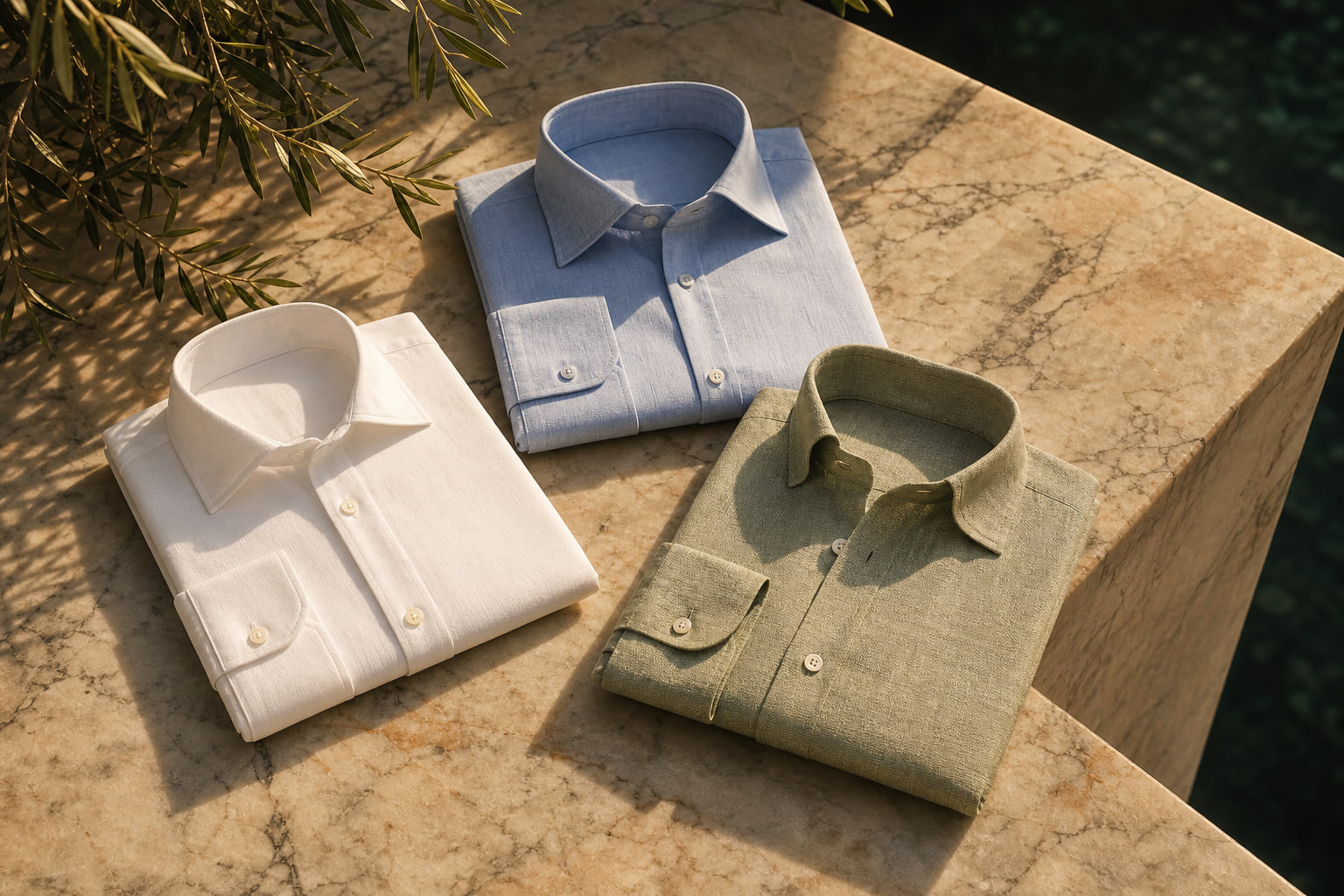
For fabric, a structured collar in a high count fine light blue linen shirt holds a spread shape cleanly through a full day. High thread-count linen has enough body to maintain the collar's geometry without stiffening agents, which is important because a collar that collapses loses its corrective geometry by midday.
Expert insightIf you wear a tie with a spread collar, choose a wider knot such as a four-in-hand with a thick silk or a half-Windsor. A thin knot in a wide spread collar gap looks unbalanced and draws attention to the gap rather than filling the horizontal space.

Point Collars for Round or Wide Faces
A round or wide face has strong horizontal dimension. The cheekbones are prominent, the jaw is broad, and the face reads as wide rather than long. The corrective principle is the opposite of the narrow face: introduce vertical lines to create the impression of length.
The point collar is the natural choice. Its downward-angled points direct the eye toward the chin and down toward the chest, creating a vertical axis that counterbalances the horizontal breadth of the face. A classic point collar with moderate spread, around forty to fifty degrees, is the most reliable collar for this face shape.
Collar height matters here too. A taller collar band, typically around four centimetres, adds visual length to the neck and extends the vertical line upward from the chest. This is particularly effective for men who have both a wide face and a shorter neck.
The semi-spread collar sits between a point and a full spread and is a useful compromise for men with a face that is broad but not strongly round. It avoids the extreme horizontality of a cutaway while still allowing a variety of knot sizes.
What to avoid: a very wide spread or cutaway collar. On a wide face, the horizontal line of a cutaway collar echoes and amplifies the width of the jaw, which is the opposite of what is needed.
A high count fine black linen shirt with a classic point collar in a deep colour is a particularly well-considered choice. Dark colours recede slightly, which reduces the perceived width of the face, while the point collar provides the vertical correction.
Expert insightFor round-faced men, avoid wearing the collar completely open with the top two buttons undone. This creates a wide V-shape that mirrors the roundness of the face. One button open is usually the right balance between relaxed and proportionate.

Band and Square Collars for Oval and Square Faces
The oval face is the most versatile profile in terms of collar choice. It has balanced proportions, neither strongly horizontal nor strongly vertical, which means it can carry most collar shapes without significant distortion. The main consideration for an oval face is occasion and personal style rather than correction.
The band collar works particularly well on an oval face because it removes the collar entirely as a competing element and lets the face read cleanly. It also elongates the neck slightly, which suits the balanced proportions of an oval face without overcorrecting. The band collar has a distinctly continental, relaxed authority that fits the old money style aesthetic precisely because it requires no tie and no formality to look considered.
The square collar is a variant worth examining separately. It lies flat against the chest with squared-off corners, and the low open neckline creates a wide, clean frame. For an oval face, this works well in warm weather. The Marbella Square Collar Linen Shirt is a strong example: the collar lies flat, the linen has enough weight to prevent it from curling, and the overall line is clean without being severe.
For a square face, the jaw is angular and the face is roughly as wide as it is long. The band collar and the square collar both work here, but for different reasons. The band collar's narrow upright band draws the eye upward and adds perceived length. The square collar's open, flat lay softens the angularity of the jaw by introducing a contrasting rounded or horizontal line at the neckline.
The point collar is less ideal for a square face because it can create a sharp geometric echo of the jaw's own angularity. The spread collar is a reasonable choice, as its horizontal line introduces contrast without adding length.
For warm-weather occasions, a striped V neck linen shirt is worth considering for both square and oval faces. The V-neckline creates a strong downward line that adds length, and the stripe adds a vertical rhythm that further elongates the face.

Collar Fabric and Construction: Why It Changes Everything
The shape of a collar on a hanger and the shape of that same collar after four hours of wear can be very different things. Collar construction, specifically the interlining and the fabric weight, determines whether a collar holds its geometry across a day or wilts by lunchtime.
According to Permanent Style's detailed guide to shirt collars, the quality of a shirt collar is largely determined by its interlining, the layer of fabric fused or sewn between the outer collar and its underside. A fused interlining is common in mass-market shirts and tends to delaminate after repeated washing, causing the collar to bubble and lose its shape. A sewn-in interlining, used in better shirts, maintains its structure indefinitely.
For linen shirts, collar construction is particularly important. Linen is a naturally crisp fabric when new but relaxes with heat and moisture. A high thread-count linen, such as that used in the high count fine white linen shirt, has enough inherent body to hold a collar shape through warm-weather wear. A lower-count linen will droop.
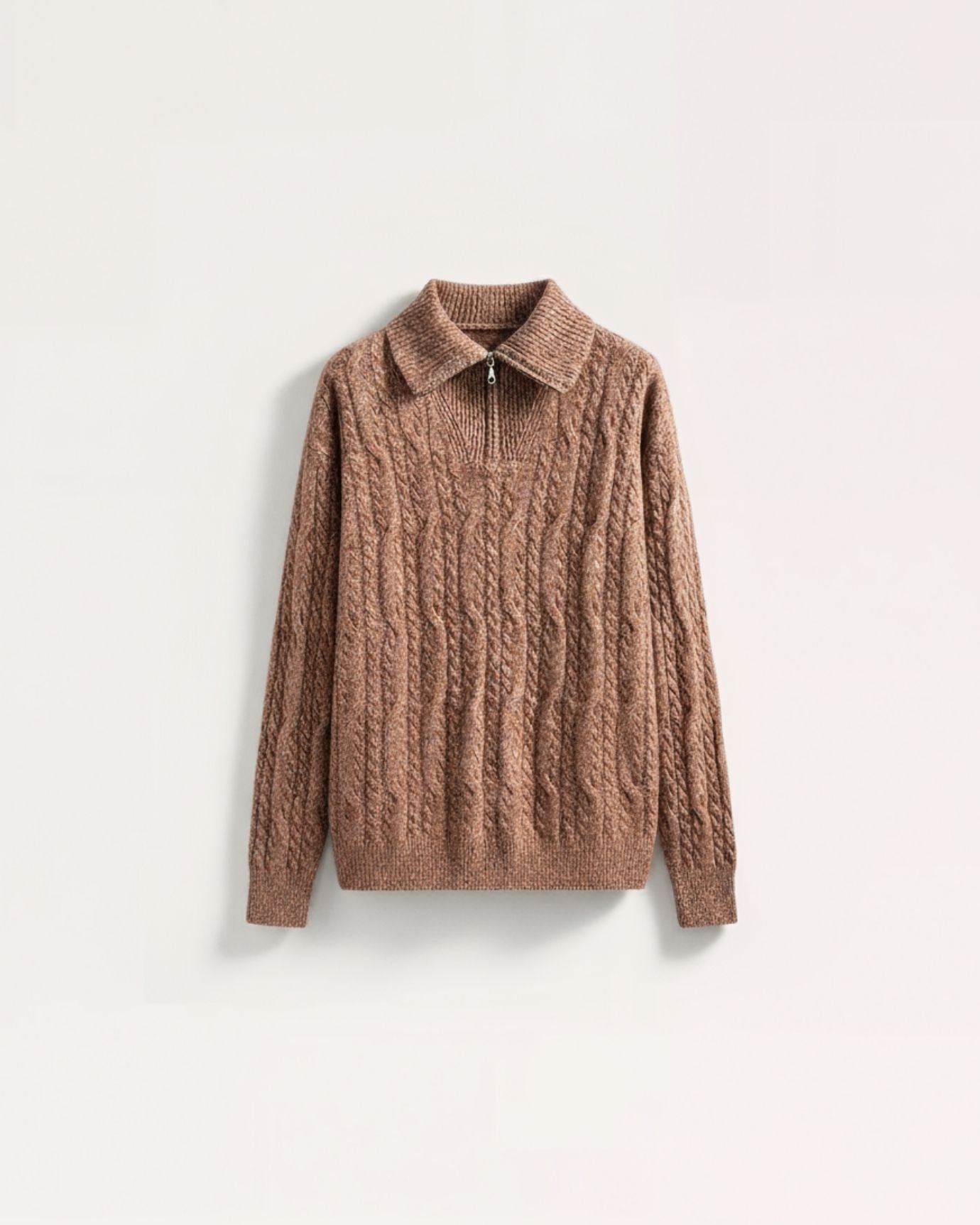
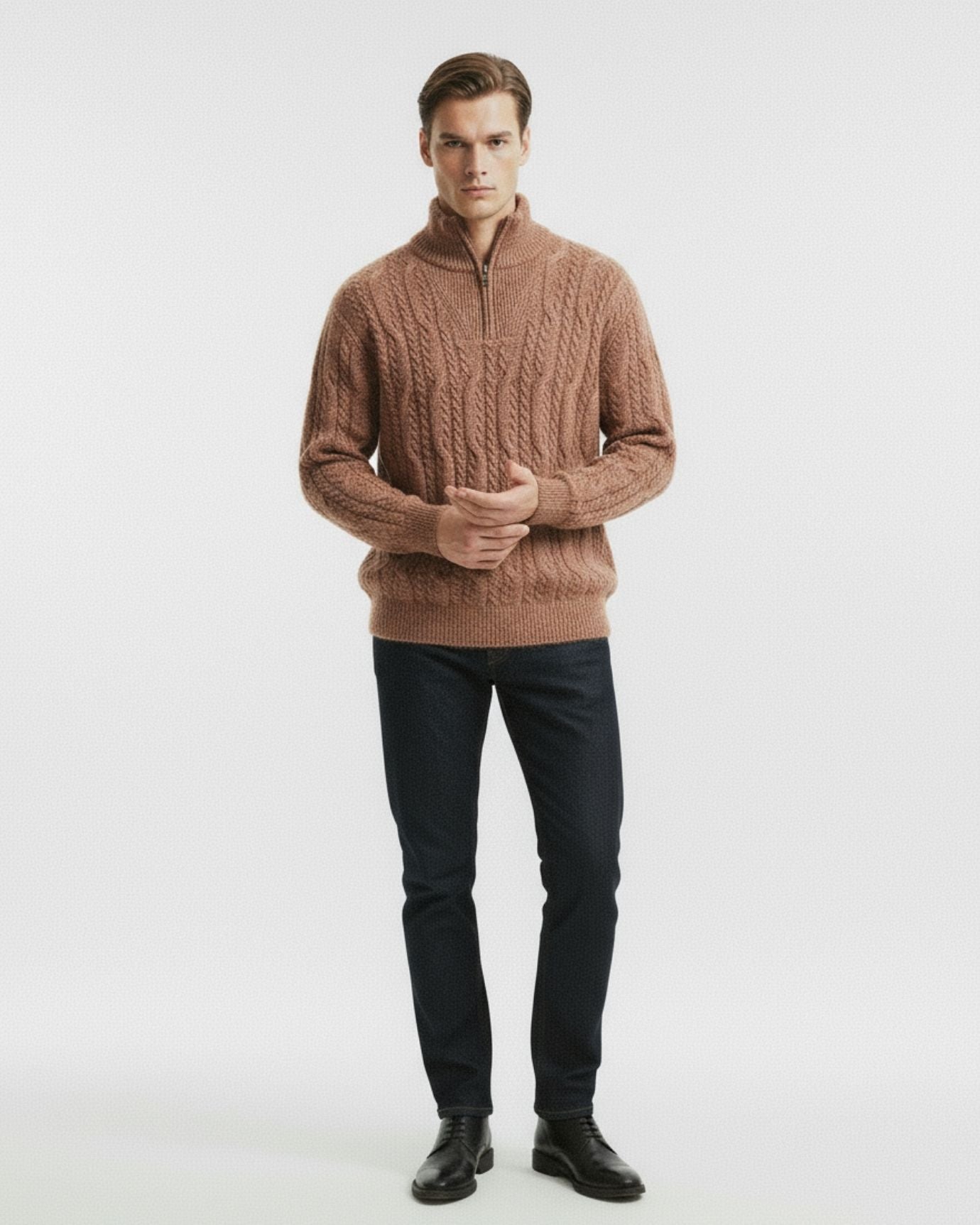
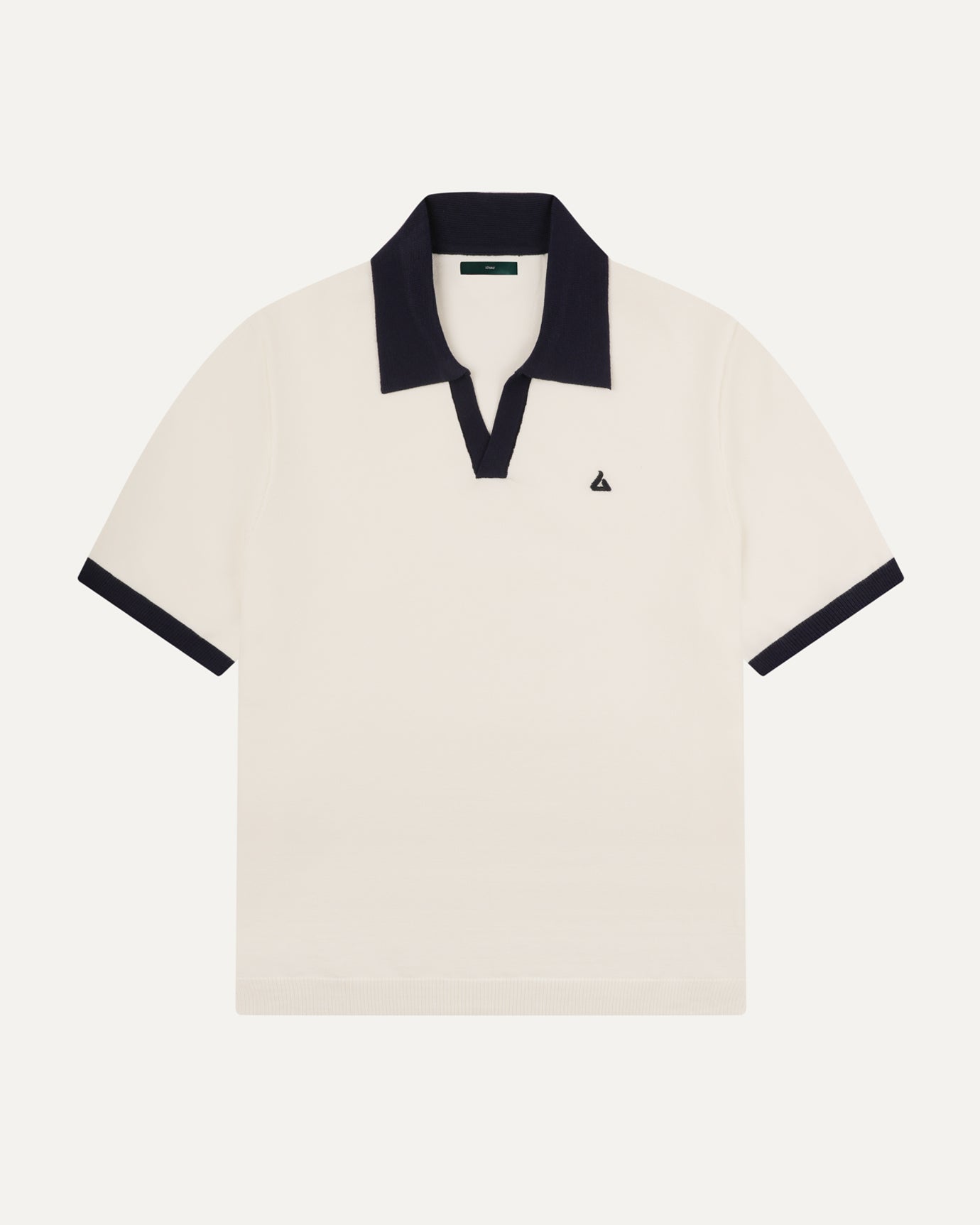
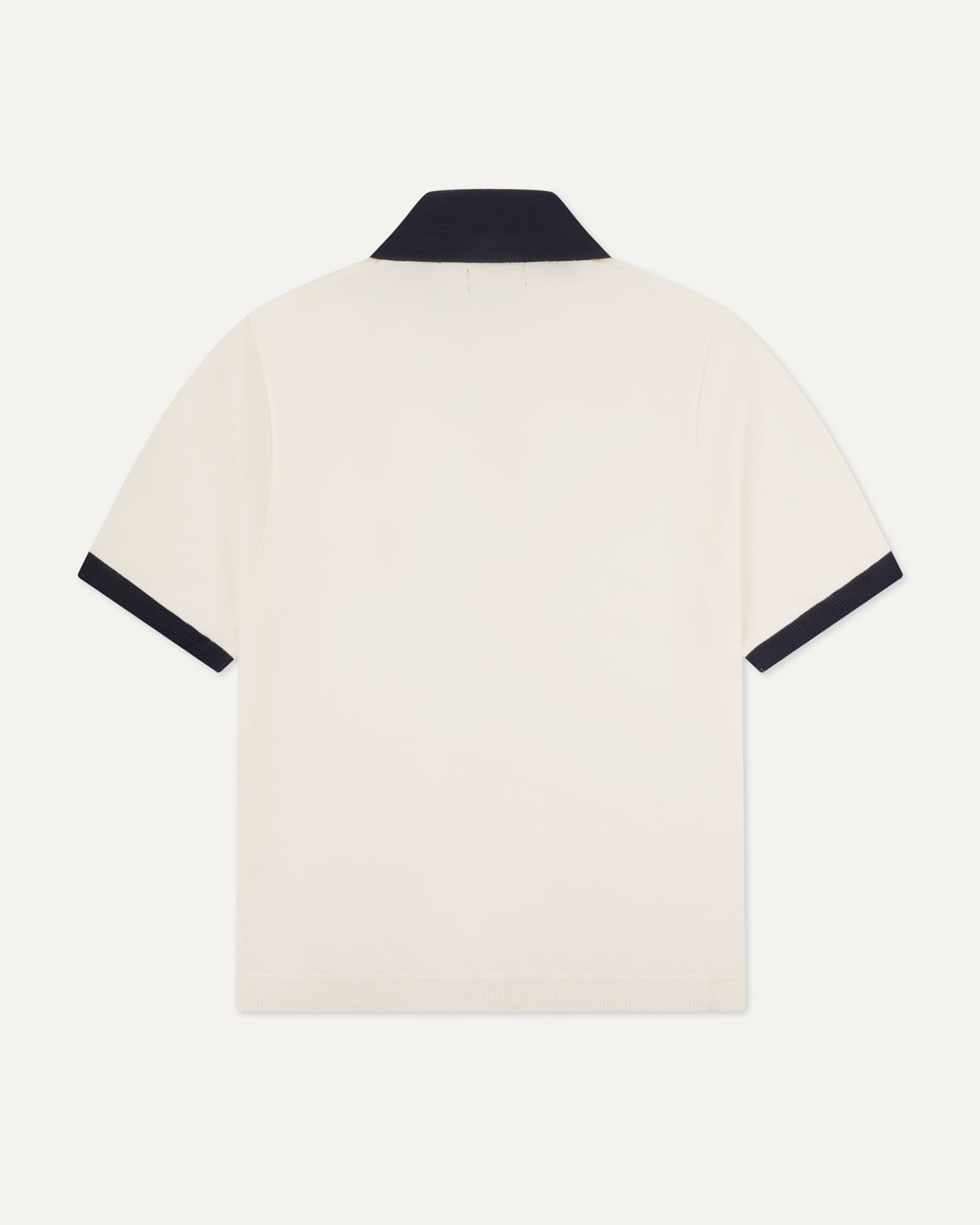
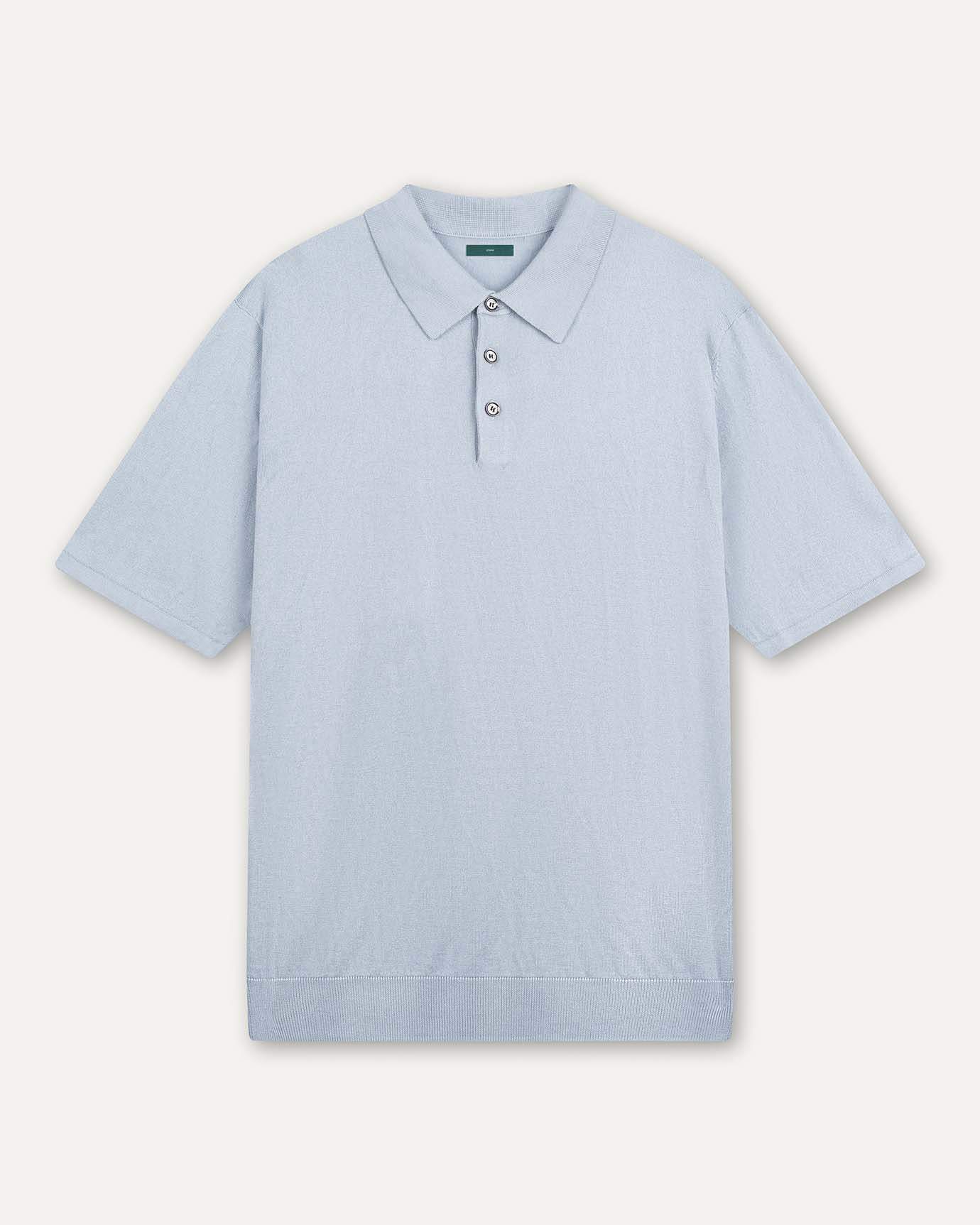
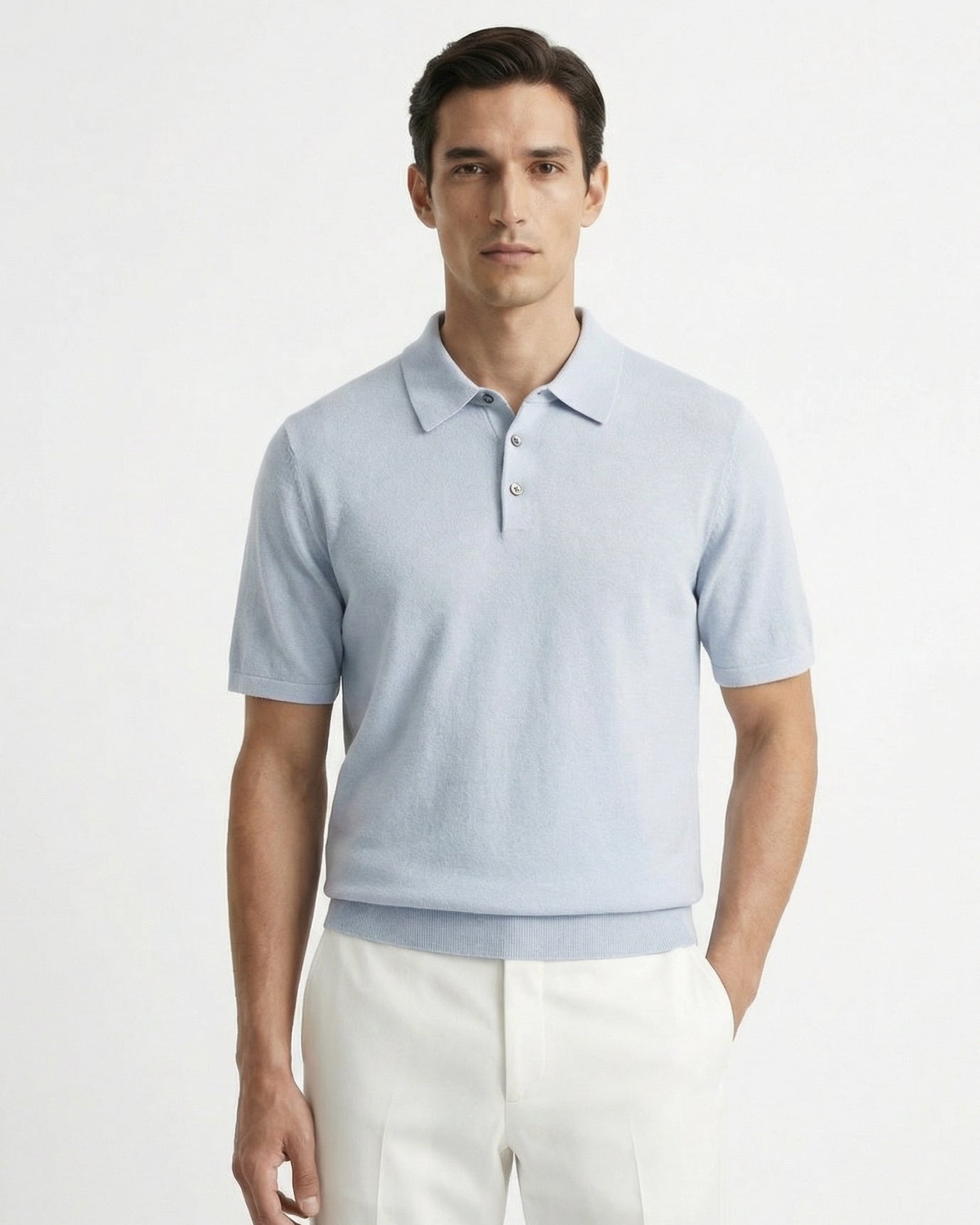
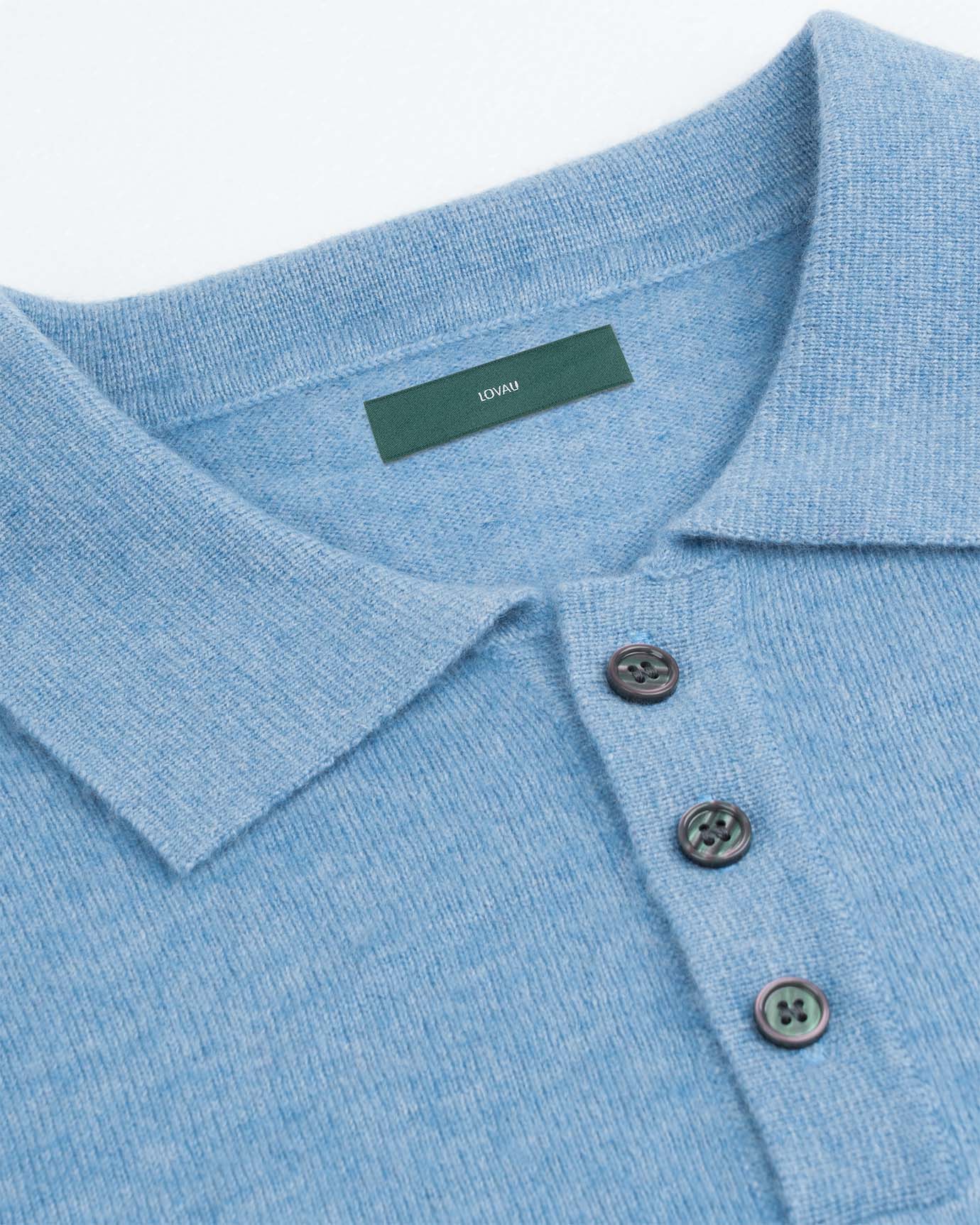
For knitted shirts and polos, the collar question is different. The Tibetan Polo Collar Knitted Shirt uses a ribbed knit collar that has its own structural logic: the rib creates tension that holds the collar upright without any interlining at all. This type of collar is best suited to oval and square faces, as the vertical ribbing adds length and the collar's rounded form softens angular features.
For acetate and silk blends, the Marbella Cooling Acetate Silk Polo demonstrates how a fine-woven collar in a semi-synthetic fabric drapes rather than stands. The collar lies close to the chest, which suits a spread or open collar format and works best on narrow or oval faces where the horizontal drape adds width rather than length.
As a general rule established in classic tailoring scholarship, a collar should touch the shirt's back collar band fully and sit within approximately one centimetre below the jacket collar when a jacket is worn. Any more and the collar disappears; any less and it creates an untidy stack of fabric at the back of the neck.

Completing the Look: Trousers, Footwear, and Proportion Below the Collar
Collar geometry does not exist in isolation. The vertical or horizontal line a collar creates at the face is part of a larger proportional system that runs from shoulder to shoe. A collar that adds vertical length to a round face is undermined if the rest of the outfit adds horizontal bulk at the hip or thigh.
For men using a point collar to lengthen a round or wide face, the trouser choice should continue that vertical emphasis. Italian trousers in old money worsted wool with a straight or slightly tapered leg extend the vertical line cleanly from collar to shoe. Avoid pleated trousers with heavy fabric if you are trying to add length, as the volume at the hip creates a horizontal break.
For men using a spread collar to add width to a narrow face, a trouser with a little more room through the seat and thigh, such as the old money style loose straight-leg trousers, balances the overall silhouette. The wider trouser echoes the horizontal emphasis of the spread collar and creates a coherent, proportionate frame.
Footwear completes the system. A clean, low-profile shoe such as the Mediterranean suede slip-on loafers keeps the vertical line uninterrupted at the bottom of the outfit. A heavy or chunky sole creates a visual full stop that draws the eye downward and shortens the perceived height, which works against the vertical corrections made by a point collar.
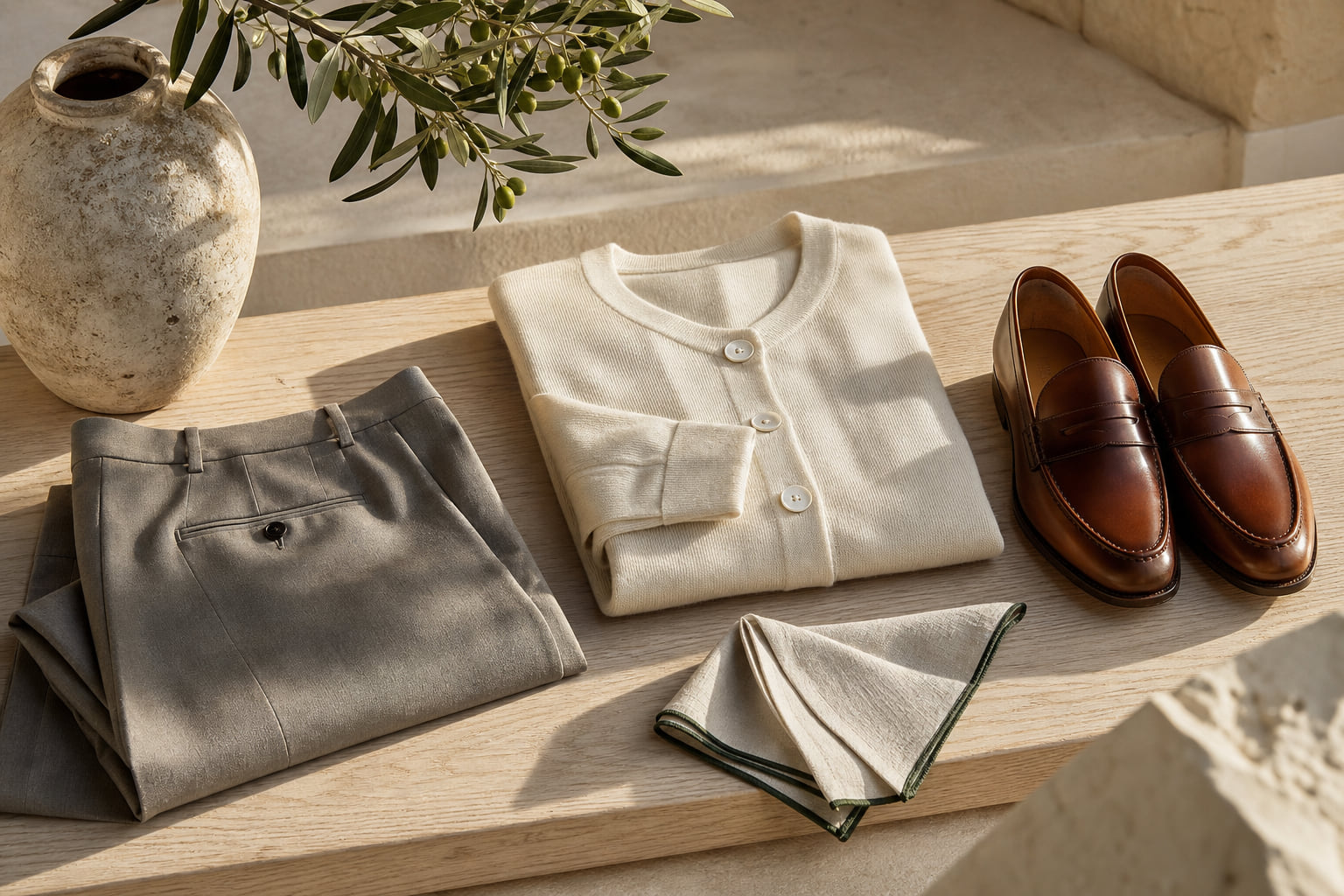
For a complete outfit reference across all the collar shapes discussed, the man spring summer old money collection brings together the shirts, trousers, and footwear in combinations that have been considered as a system rather than individual pieces.

| Collar Shape | Best Face Profile | Avoid For | Occasion | Best Fabric |
|---|---|---|---|---|
| Point collar | Round, wide, square | Long, narrow | Formal, business, smart casual | Cotton poplin, fine linen |
| Spread / cutaway | Long, narrow, oval | Round, wide | Business, smart casual, continental | Cotton twill, high-count linen |
| Band collar | Oval, square | Very long necks | Casual, resort, warm-weather smart | Linen, silk blend, fine cotton |
| Square collar | Oval, square | Round (open neckline adds width) | Resort, casual summer | Linen, acetate blend |
| Button-down | Narrow, oval | Very round or wide | Casual, Ivy League, weekend | Oxford cloth, chambray, linen |
Frequently asked questions
Does collar spread affect how a tie knot looks?
Yes, directly. A wide spread collar requires a wider knot to fill the gap between the points. A four-in-hand knot, which is narrow, will look lost in a cutaway collar. A half-Windsor or full Windsor fills the space correctly. On a point collar, a four-in-hand or Pratt knot is proportionate. If you rarely wear ties and prefer open collars, a spread collar is naturally the more versatile choice for casual and smart-casual dressing.
Can a band collar shirt be worn for formal occasions?
A band collar is not appropriate for black tie or formal business contexts where a tie is expected. However, it is entirely correct for smart-casual dinners, summer events, and any occasion where a jacket is worn without a tie. A high count fine green linen shirt with a band collar worn under a linen or cotton blazer is a polished, considered choice for a summer wedding or garden party.
How do I know my face profile if I am not sure?
Pull your hair back and take a straight-on photograph in even light. Measure the width of your face at the cheekbones and compare it to the length from hairline to chin. If the length is significantly greater than the width, your face is long or narrow. If width and length are close to equal and your jaw is rounded, your face is round. If width and length are close but your jaw is angular, your face is square. If your face is longer than it is wide but with a gently tapering jaw, it is oval.
Does collar choice matter when wearing a jacket or blazer?
Yes, but the jacket collar changes the equation. When a jacket is worn, the lapel creates its own vertical or horizontal line that partially overrides the shirt collar's effect. In this context, collar choice matters most for the open-neck moments, before the jacket goes on or when it comes off. The collar should still be proportionate to your face, but its corrective role is shared with the jacket's lapel width and gorge height.
Collar shape is one of the few details in a man's wardrobe that is simultaneously about proportion, construction, and personal identity. Get it right and the face reads balanced, the neck looks clean, and the shirt looks as though it was made for you. The principles here are not rules to follow rigidly but reference points to test against your own reflection. Start with your face profile, consider the occasion and the fabric, and then look at the collar in context with the full outfit. For a starting point across the full range of options, the man shirts collection covers every collar shape discussed here in fabrics that hold their geometry and their character wash after wash.