


How to Tell If Cashmere Is Real Quality
Reading time 14 min • 2736 words
Cashmere has a reputation problem. Not because the fibre itself is flawed, but because the word has been stretched across an enormous range of products, from genuinely fine knitwear that softens with every wash to scratchy blends that pill after a single afternoon. If you have ever paid a reasonable sum for a sweater labelled cashmere and felt quietly cheated, you are not alone.
The good news is that quality cashmere leaves clear, testable evidence of itself. Fibre diameter, fibre length, ply count, the behaviour of the knit under tension, the smell of a burn test: all of these tell you something specific and honest about what you are holding. You do not need a laboratory. You need to know what to look for.
This guide covers every meaningful test and piece of knowledge you need to evaluate cashmere before buying, whether you are standing in a boutique or ordering online. We will also explain what the best cashmere knitwear for men actually looks like in practice, so you know exactly what to expect from a piece worth keeping for a decade.
Key takeaways
- Grade A cashmere uses fibres under 15.5 microns in diameter; anything above 19 microns will feel coarse and pill quickly.
- Genuine cashmere burns like hair and leaves a crushable ash, not a melting plastic bead.
- A label reading '100% cashmere' is not automatically a quality guarantee; fibre grade, ply, and origin all matter.
- Pilling in the first week of wear is a reliable sign of short, low-grade fibres, not normal cashmere behaviour.
- Cashmere blended with wool or silk can still be excellent; what matters is the declared composition and the quality of each component.
In this guide
- What Makes Cashmere 'Cashmere': The Fibre Basics
- The Touch Test: What Real Cashmere Feels Like in Your Hands
- The Burn Test: A Definitive Laboratory You Can Do Anywhere
- Reading Labels and Understanding Blends
- Pilling, Longevity, and What Quality Cashmere Does Over Time
- Where to Buy and What Price Points Mean in Practice
- Frequently asked questions
What Makes Cashmere 'Cashmere': The Fibre Basics
Cashmere comes from the undercoat of the Capra hircus goat, combed once a year during the spring moult. The fibre's value comes entirely from its fineness, measured in microns. One micron is one millionth of a metre. A human hair averages around 70 microns. Quality cashmere sits between 14 and 16 microns. Once you exceed 19 microns, the fibre begins to feel noticeably rougher against skin.
The cashmere fibre grading system divides raw material into Grade A (under 15.5 microns, fibre length above 34mm), Grade B (15.5 to 18 microns, shorter staple), and Grade C (coarser, shorter, used in blended or budget products). Most premium menswear uses Grade A. Most fast-fashion cashmere does not.
Fibre length matters as much as diameter. Longer fibres interlock more securely during spinning, which means the yarn holds together under friction. Short fibres migrate to the surface quickly, creating pills. This is the most visible and earliest sign of low-grade raw material, and it is why a cheap cashmere sweater can look worn after three wears while a quality piece looks better at year five than it did on day one.
The origin of the fibre also influences quality, though it is not the whole story. Mongolia and Inner Mongolia produce some of the finest raw cashmere in the world due to the extreme cold that causes the goats to grow particularly dense, fine undercoats. Scottish and Italian mills have historically led in processing, spinning, and finishing. A garment combining Mongolian raw fibre with Italian or Scottish spinning is generally a strong indicator of serious quality intent.
If you want to understand why this fibre commands the price it does, the article Why Cashmere Is Worth the Investment in 2026 covers the economics and the craft in full detail.
Expert insightAsk any supplier for the micron count and mean fibre length before buying. A legitimate manufacturer knows these numbers. Silence or vagueness in response to that question tells you everything.

The Touch Test: What Real Cashmere Feels Like in Your Hands
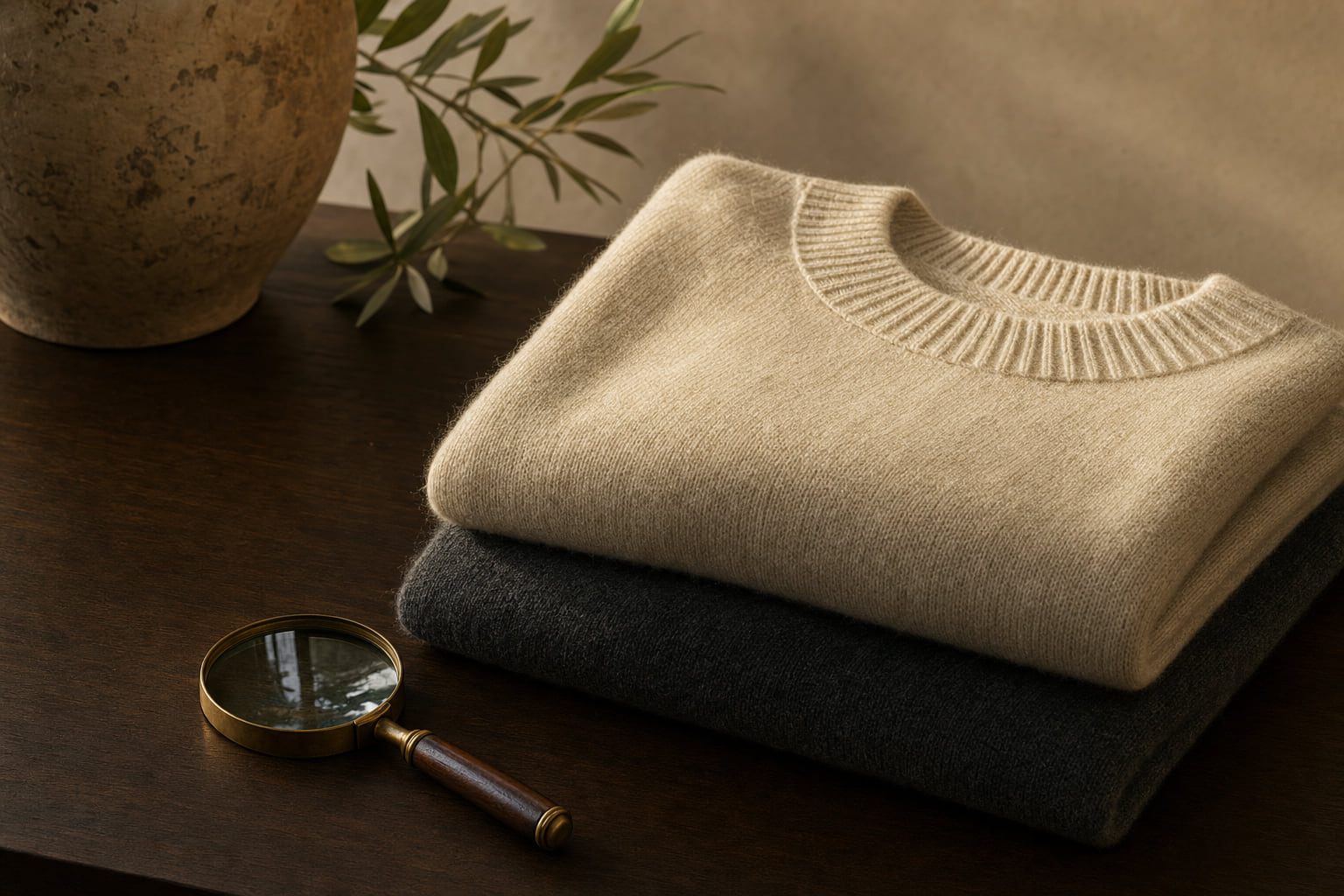
The touch test is the oldest method and still the most reliable one available without instruments. Genuine high-grade cashmere has a specific tactile character that is difficult to fake convincingly once you have felt the real thing.
What to feel for:
- Immediate softness without slipperiness. Quality cashmere feels warm and soft the moment it contacts skin. Acrylic imitations often feel artificially smooth or slightly waxy. Cheap blends can feel scratchy, especially at the collar or cuff where fabric meets the neck and wrists.
- Weight relative to warmth. A fine two-ply cashmere sweater is light. If a garment feels heavy for its warmth, it likely contains wool, cotton filler, or synthetic fibre in significant proportion.
- Resilience under gentle tension. Hold a section of the knit between both hands and gently stretch it. Quality cashmere springs back cleanly. A poor-quality piece will distort or feel thin and inelastic under that same pressure.
- The drape. Lay the sweater flat and lift one end. Good cashmere drapes with a gentle, fluid weight. Stiff fabric or fabric that holds a crumpled shape rather than falling naturally suggests lower-grade fibre or excessive finishing chemicals.
One caveat: some manufacturers apply softening agents to lower-grade cashmere to mimic the hand-feel of better fibre. This softness disappears after the first wash. If you are buying in a shop, ask whether the feel is natural or treated. If buying online, check reviews specifically mentioning post-wash texture.
For men building a considered wardrobe, the cashmere collection for men gives a useful reference point for how the fabric should look and feel across different weights and constructions.
Expert insightRub a small section of the fabric against the inside of your wrist for five seconds. Genuine cashmere leaves no irritation whatsoever. If you feel any prickling at all, the fibre grade is not what it should be.

The Burn Test: A Definitive Laboratory You Can Do Anywhere
The burn test is the most objective field test available to a buyer. It exploits a fundamental chemical difference between protein fibres (cashmere, wool, silk) and synthetic fibres (acrylic, polyester, nylon).
How to perform it:
Pull a single loose thread from an interior seam allowance, never from the visible fabric. Hold it with tweezers and bring a flame to the end.
What genuine cashmere does:
- Burns slowly and self-extinguishes when the flame is removed.
- Produces a smell similar to burning hair, distinctly organic.
- Leaves a soft, dark, crushable ash that crumbles to powder between your fingers.
What fake or synthetic cashmere does:
- Burns rapidly and continues burning after the flame is removed.
- Melts rather than burns, often dripping.
- Smells chemical or plastic.
- Leaves a hard, shiny bead of solidified polymer that does not crumble.
A cashmere-wool blend will behave similarly to pure cashmere in this test, since wool is also a protein fibre. A cashmere-acrylic blend will show a mix of behaviours, often a partial melt alongside the protein burn. If you detect any melting at all, synthetic fibre is present in meaningful quantity regardless of what the label states.
This same logic applies when evaluating any luxury fibre. The article how to spot fake luxury clothing in 2026 expands this principle across construction, labelling, and finishing details that reveal authenticity across different garment categories.
Expert insightAlways pull the test thread from a seam allowance, not the outer fabric. This preserves the garment and gives you a clean fibre sample that has not been treated with surface finishing agents.

Reading Labels and Understanding Blends
A label is a legal document in most markets. In the EU, UK, and US, fibre content must be declared accurately by percentage. That said, a label reading '100% cashmere' is a floor, not a ceiling. It tells you no synthetic fibre is present. It says nothing about grade, micron count, ply, or country of origin for the raw fibre.
What a good label tells you:
- Fibre content by percentage, listed in descending order.
- Country of manufacture (not the same as country of fibre origin).
- Care instructions, which reflect how the manufacturer actually expects the fabric to behave.
On blends: cashmere is often blended, and blending is not inherently dishonest or inferior. A cashmere-wool blend using Grade A cashmere and fine merino can be a more durable, more practical garment than a pure cashmere piece made from Grade C fibre. The High End Mulberry Silk & Worsted Cashmere Set is a good example of intentional blending: silk adds a natural lustre and drape, while worsted cashmere provides structure and warmth. The two fibres serve different functions within the same garment.
What to be cautious about: labels that list cashmere first but give no percentage, vague descriptions like 'cashmere touch' or 'cashmere feel' (these are marketing phrases, not fibre content), and garments priced so low that the economics of genuine cashmere production are simply impossible.
For context on pricing: a kilogram of Grade A raw cashmere typically costs between $80 and $150 USD at source. A finished sweater requires roughly 200 to 300 grams of yarn. Factor in spinning, knitting, finishing, and retail margin, and a genuine quality cashmere sweater cannot responsibly cost $30. If it does, something has been substituted.
See also ultrafine wool vs regular wool for a related discussion of how fibre grades affect both feel and value across different natural fibres.

Pilling, Longevity, and What Quality Cashmere Does Over Time
Pilling is the most common complaint about cashmere, and it is almost entirely a fibre-grade problem, not a care problem. Pills form when short fibres work their way to the surface and tangle together under friction. The shorter the fibre staple and the lower the twist in the yarn, the faster this happens.
What to expect from quality cashmere:
- Minimal pilling in the first season. Some very light surface fuzz on a new garment is normal and can be removed with a cashmere comb. Hard, tight pills forming within the first few wears indicate short fibre.
- Gradual softening over time. High-grade cashmere becomes more supple with gentle washing and wear. Lower-grade fibre tends to mat and lose its loft.
- Colour retention. Well-dyed cashmere holds colour for years. Rapid fading or colour transfer in the first wash suggests poor dyeing processes, often associated with lower-grade production.
Ply count also matters. Two-ply cashmere (two yarns twisted together) is more durable and resilient than single-ply. Four-ply is heavier and used in outerwear-weight knits. A cashmere sweater with a thickened construction uses higher ply for exactly this reason: more yarn per stitch means more insulation and a longer structural life.
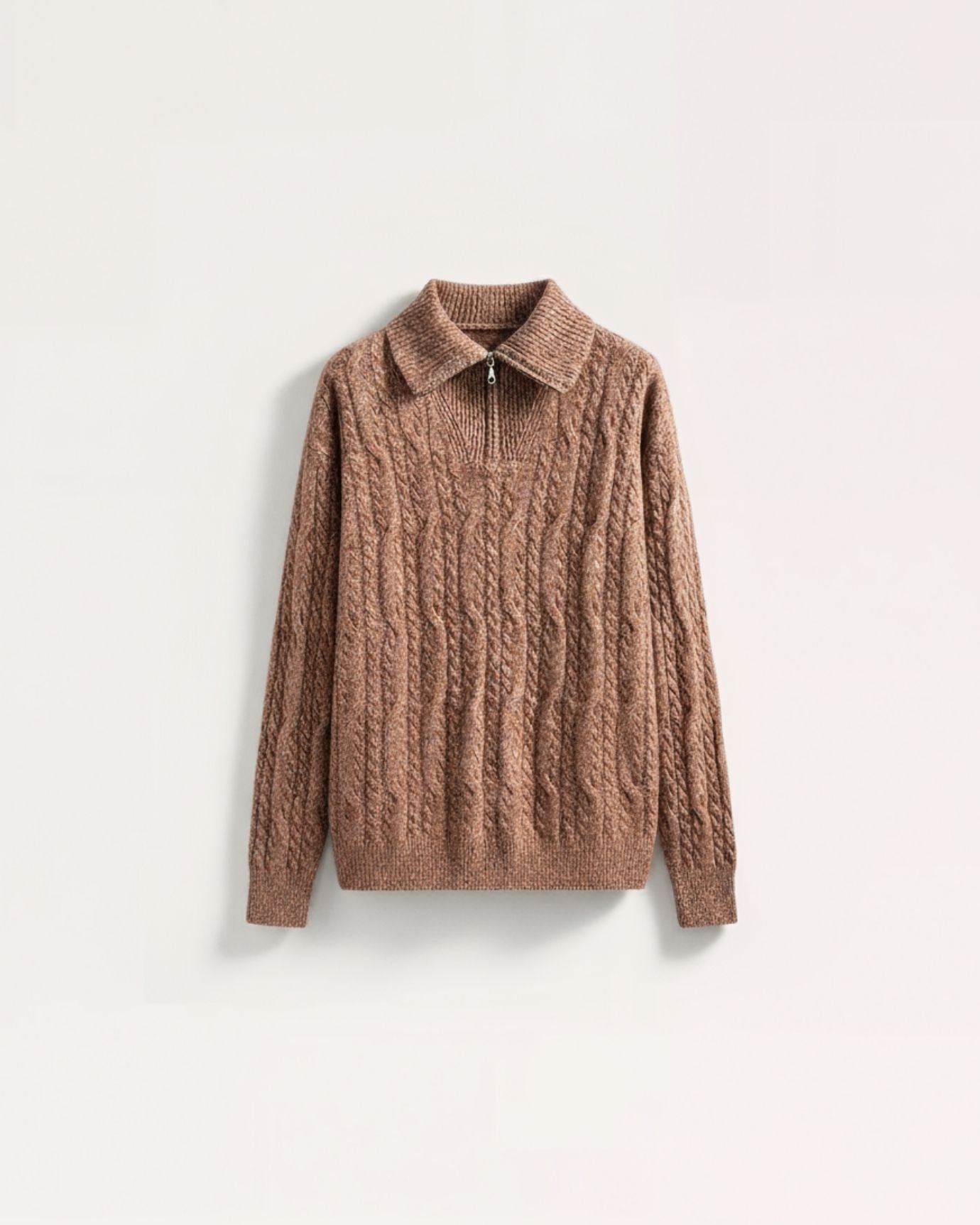
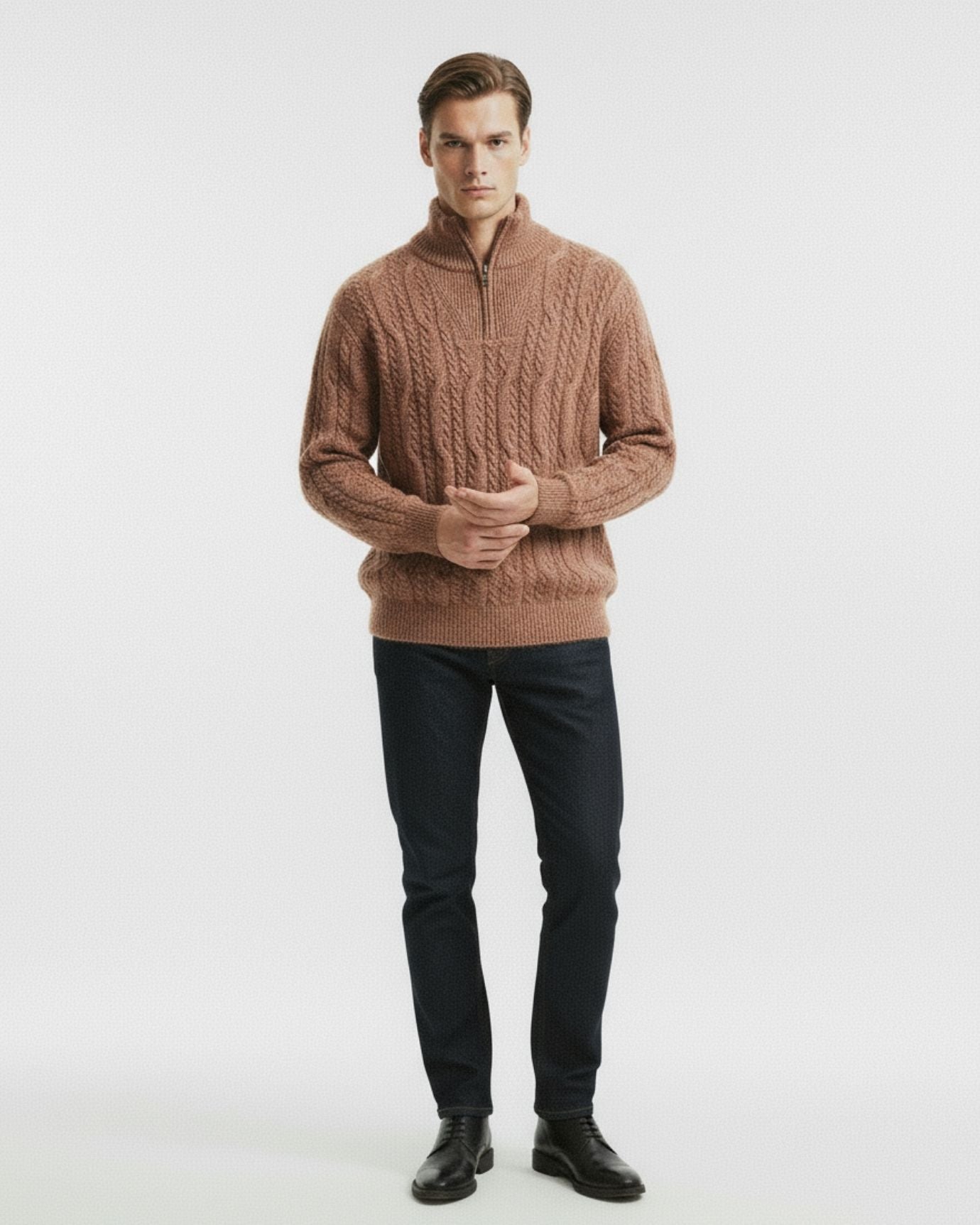
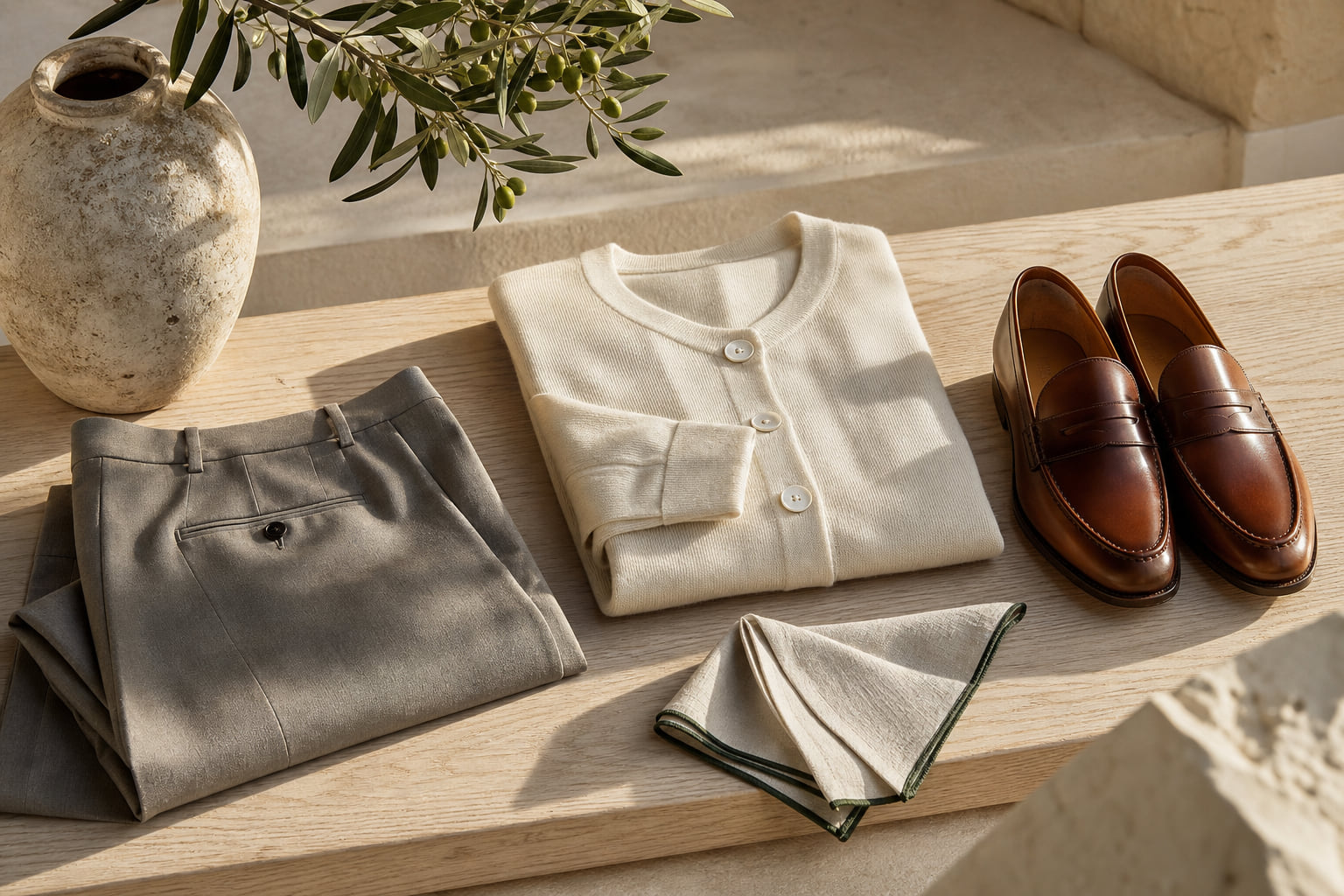
For men building pieces intended to last, the cashmere set with sweater and trousers represents a considered approach to longevity, using matched fabric weights across both pieces so that both age at the same rate and maintain their relationship as a set.
The men's cashmere and wool sets guide covers how to style and maintain these pieces across seasons, which is directly relevant to getting full value from a quality purchase.
For those considering cashmere as part of a longer investment strategy, the best fashion investment pieces for 2026 gives a broader view of which categories hold their value and their wearability over time.

Where to Buy and What Price Points Mean in Practice
Price is not a perfect proxy for quality, but it is a useful filter. The economics of cashmere production set a realistic floor below which genuine quality is not possible. Understanding those economics protects you from spending money on something that will disappoint.
A practical price guide for men's cashmere knitwear:
- Under $80: Almost certainly a blend with significant synthetic or low-grade wool content, regardless of labelling.
- $100 to $180: Possible genuine cashmere-wool blends or entry-level pure cashmere if the brand is direct-to-consumer and transparent about sourcing. Verify with a burn test.
- $180 to $350: The realistic range for quality pure cashmere or premium blends with Grade A fibre. This is where most honest, well-made men's cashmere knitwear sits.
- Above $350: Heritage mills, hand-finishing, or very fine multi-ply constructions. Justified by craftsmanship and provenance, but not automatically better fibre than the mid-range.
Buying from brands that are specific about their materials, rather than vague, is the clearest signal of confidence in their own product. A brand that tells you the micron count, the ply, and the country of fibre origin is a brand that has nothing to hide.
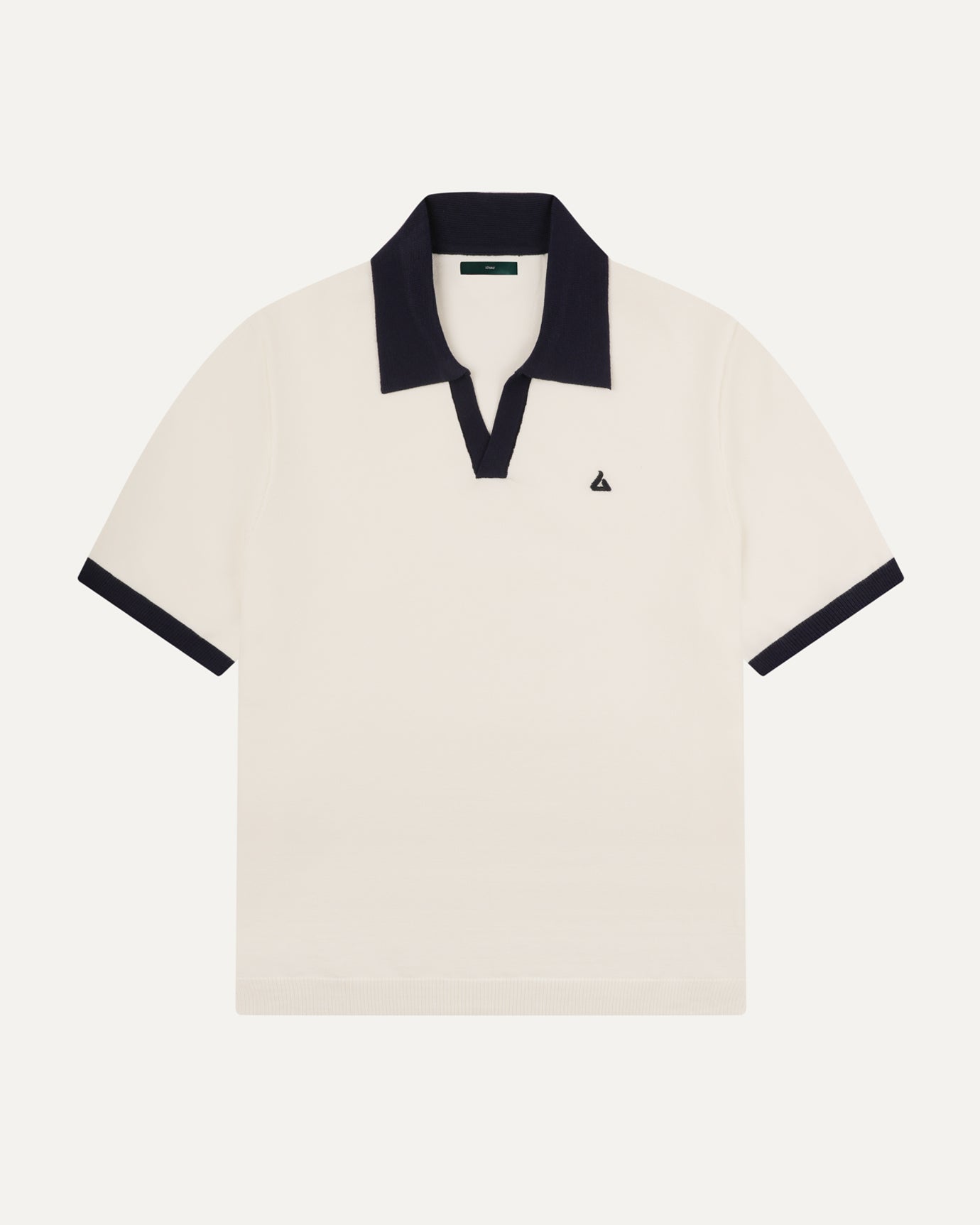
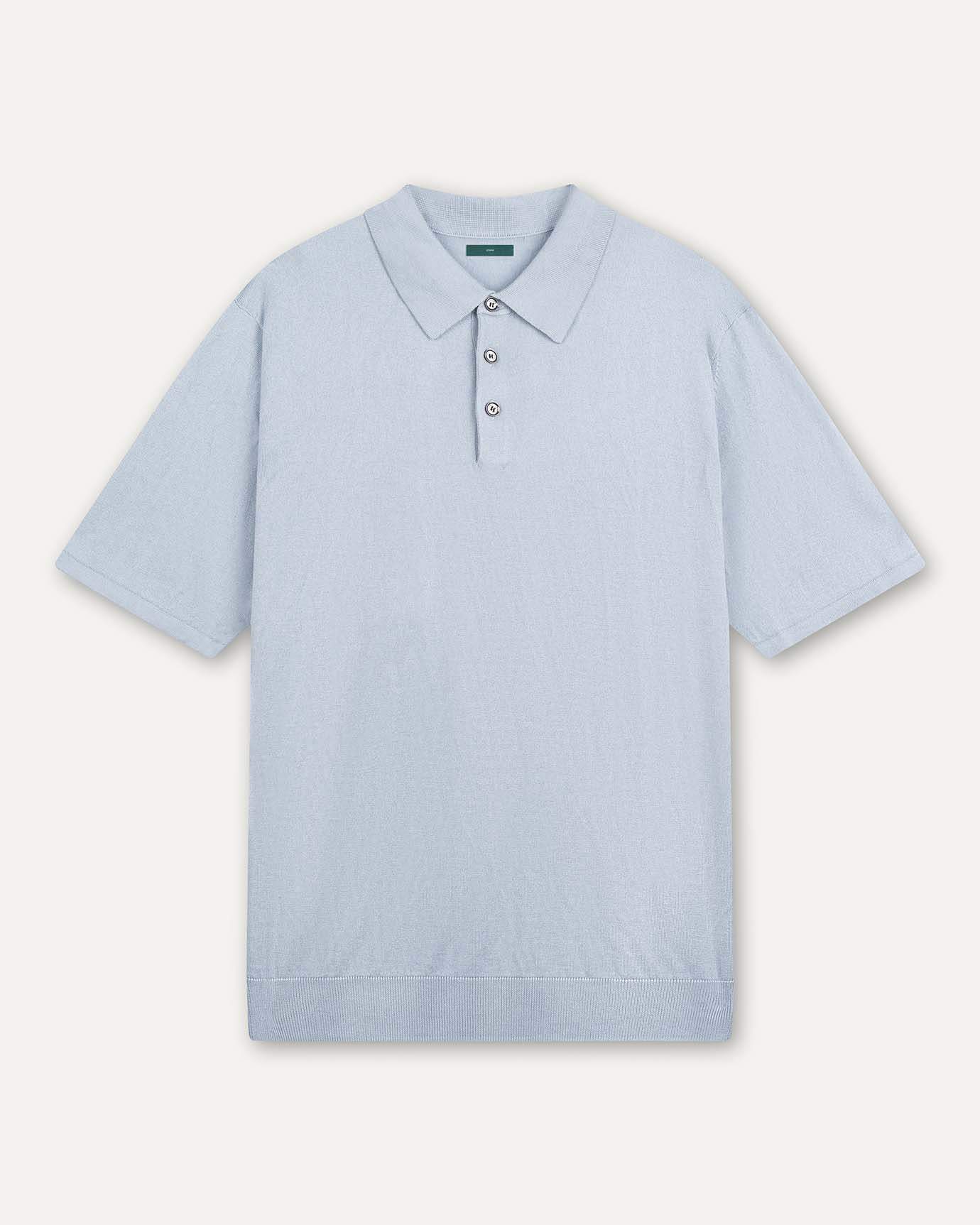
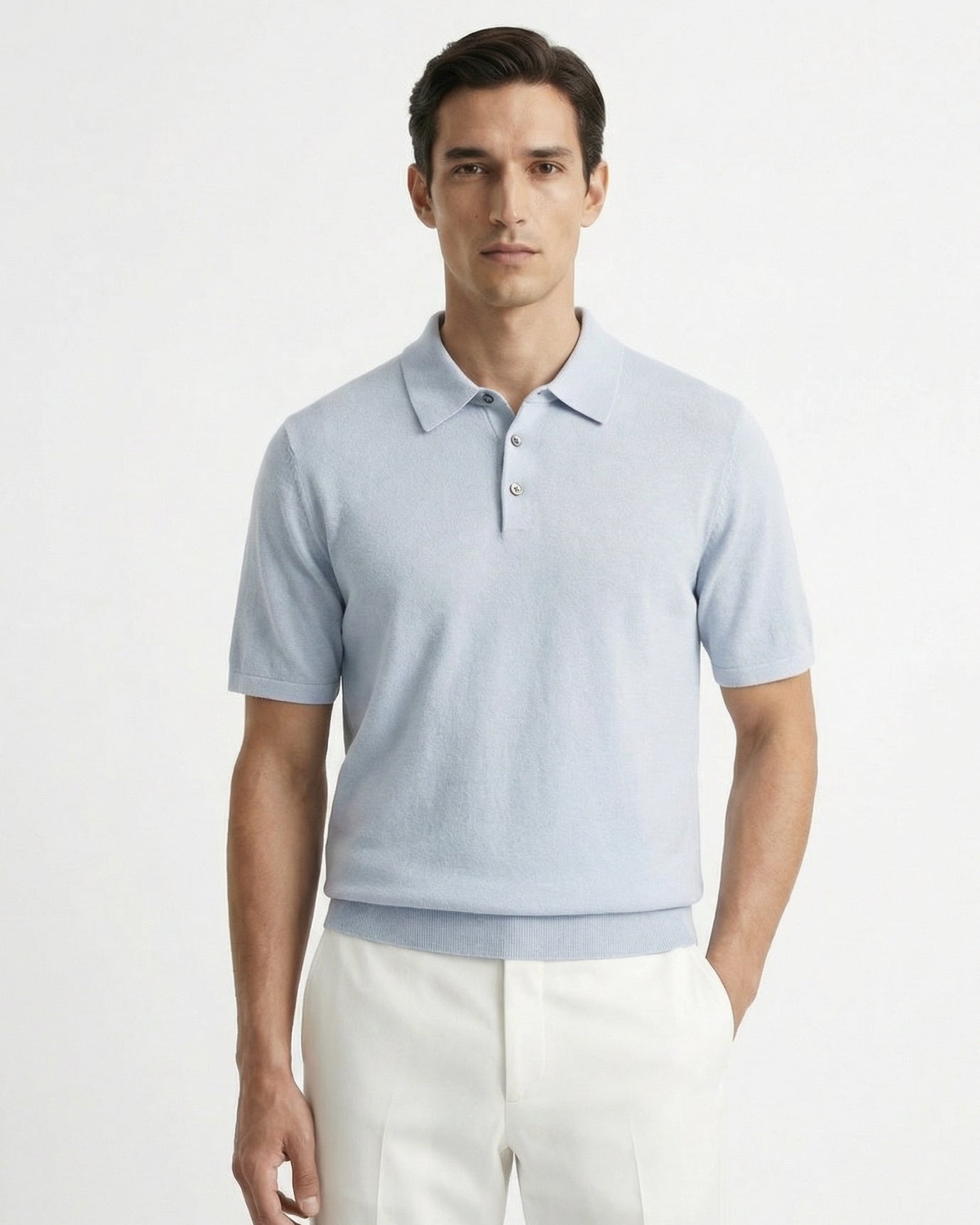
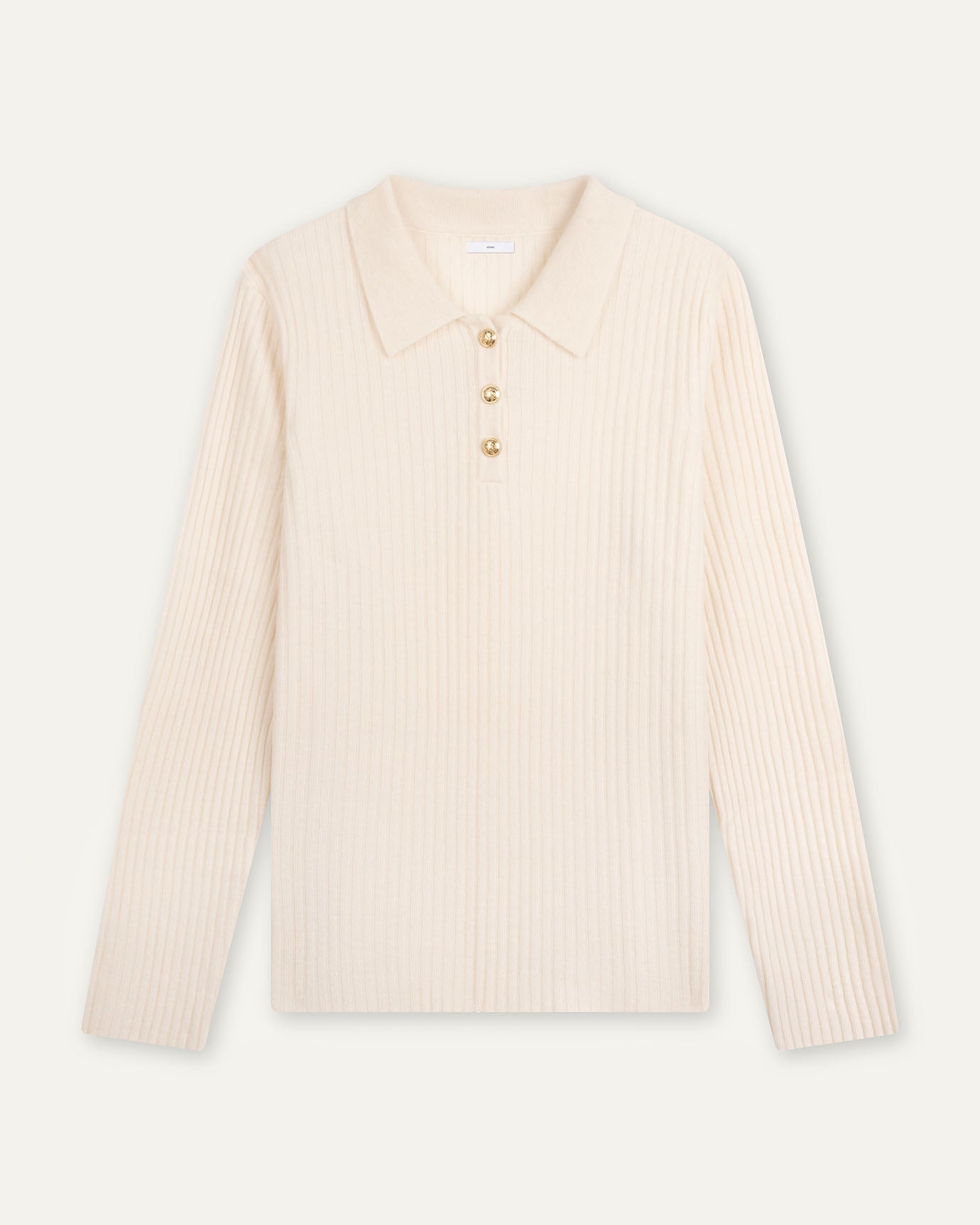
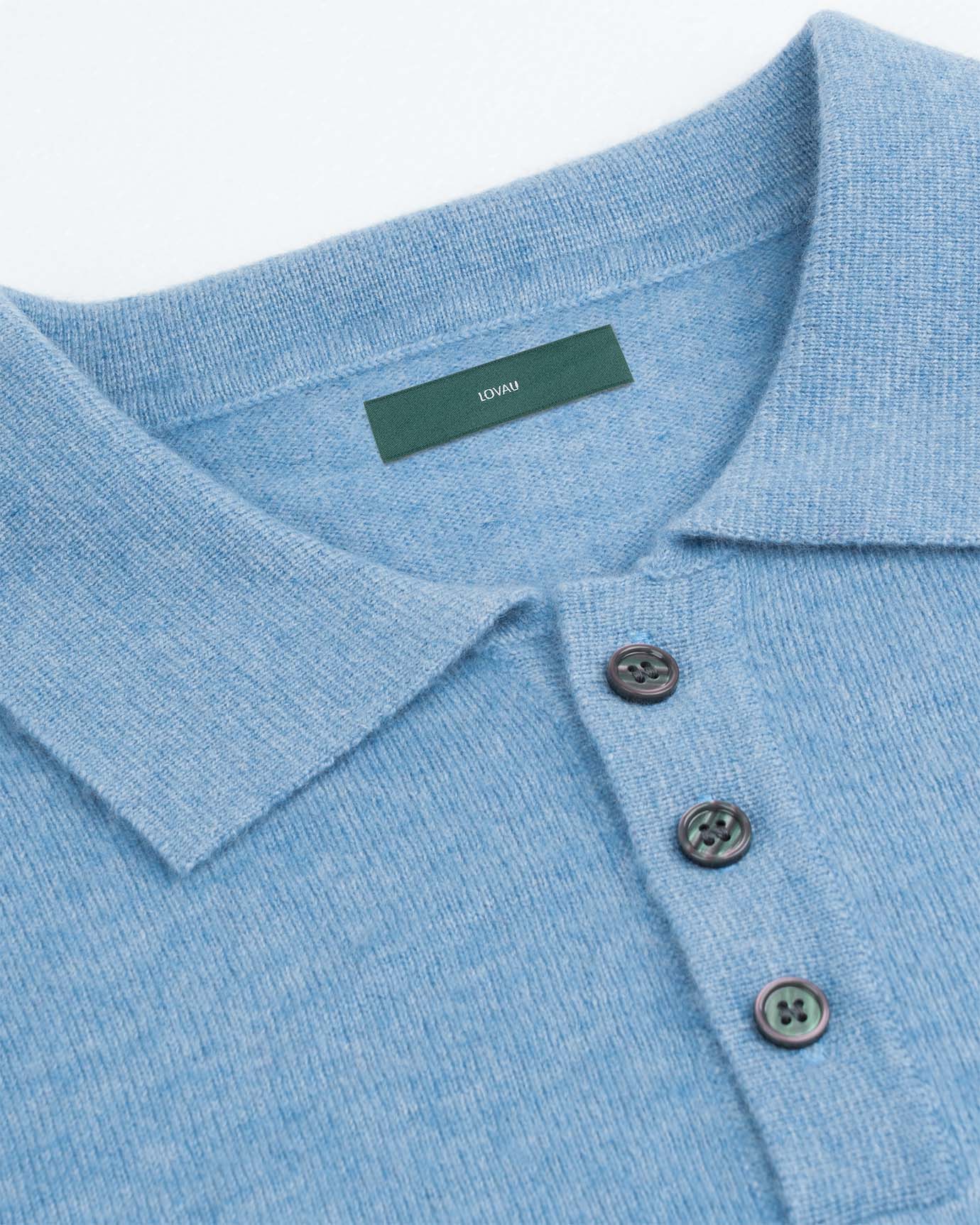
The high-end cashmere collection at Lovau reflects this approach: each piece is positioned clearly within the cashmere category, with construction details that correspond to the price. The fine cashmere wool sweater pullover and the cashmere wool polo long sleeve are examples of pieces where the blend composition and construction weight are deliberate choices, not compromises.
For a broader view of how authentic quality signals appear across luxury garment categories, old money vs new money fashion is a useful reference on the philosophy behind genuinely considered dressing.

| Grade | Fibre Diameter | Fibre Length | Typical Use | Expected Lifespan |
|---|---|---|---|---|
| Grade A | Under 15.5 microns | 34mm and above | Premium knitwear, fine menswear | 10 years or more with care |
| Grade B | 15.5 to 18 microns | 25 to 34mm | Mid-range blends, heavier knits | 3 to 7 years depending on care |
| Grade C | 18 to 22 microns | Under 25mm | Budget knitwear, thick blends | 1 to 3 years, heavy pilling likely |
| Cashmere-Wool Blend (quality) | Varies, cashmere component Grade A | Mixed | Durable everyday knitwear | 7 to 12 years with correct care |
| Cashmere-Acrylic Blend | Cashmere component often Grade C | Short | Fast fashion, budget retail | Under 2 years, pills rapidly |
Frequently asked questions
Can cashmere pill even if it is high quality?
Yes, but minimally and only in areas of repeated friction, such as under the arms or at the cuffs, and typically not until after several months of regular wear. If a garment pills heavily within the first few wears, that is a fibre-grade issue, not normal behaviour. Quality cashmere can be maintained with a cashmere comb, and the pilling slows significantly after the first season as loose surface fibres are removed.
Is a cashmere blend always inferior to pure cashmere?
No. A blend using Grade A cashmere and fine merino wool can outperform a pure cashmere garment made from Grade C fibre in both durability and feel. The High End Mulberry Silk & Worsted Cashmere Set is a specific example of a blend where both components are chosen for what they contribute, not to reduce cost. Always look at the declared composition and the quality of each element, not just whether the word 'pure' appears on the label.
How do I wash cashmere without damaging it?
Turn the garment inside out and hand-wash in cold water with a small amount of gentle wool wash or baby shampoo. Do not wring or twist. Press excess water out gently, then lay flat on a clean towel to dry away from direct heat or sunlight. Never hang cashmere to dry as the weight of wet fabric will stretch the knit permanently. Machine washing, even on a delicate cycle, risks felting the fibre.
What does '2-ply cashmere' mean and does it matter?
Ply refers to the number of individual yarns twisted together to form the final knitting yarn. Two-ply means two yarns are twisted together, which produces a more durable, rounder yarn than single-ply. For everyday menswear, two-ply is the standard. Four-ply is used in heavier outerwear-weight knits. Single-ply is lighter and more delicate, suited to very fine gauge pieces. Ply count directly affects both the weight and the longevity of the finished garment.
Genuine quality cashmere is not a mystery. It has a specific feel, a specific burn profile, a specific behaviour under tension, and a price point that reflects the real cost of the raw material and the craft of making it. Once you know these markers, the difference between a piece worth buying and one worth leaving on the shelf becomes obvious. For men who dress with the intention of wearing things well and wearing them for years, the cashmere collection for men is the right place to start building that understanding in practice.