


How to Style a Classic Sheath Dress for the Boardroom
Reading time 15 min • 3013 words
The sheath dress occupies a particular position in professional dressing. It is not a trend piece. It is not a compromise between comfort and polish. At its best, it is a precisely cut garment that traces the body without restricting movement, communicates seriousness without severity, and requires almost no decision-making on a morning when your attention belongs elsewhere.
Styling one well for the boardroom, however, is not simply a matter of putting it on. Fabric weight, hemline, the choice of layer on top, the shoe, the bag, the single piece of jewellery you allow yourself: each of these decisions compounds. Get them right and the result is the kind of dressed authority that does not announce itself. Get one of them wrong and the whole thing loses its composure.
What follows is specific, practical guidance drawn from the principles that have always governed Mediterranean professional dressing: restraint, quality of material, and an absolute clarity of intention.
Key takeaways
- Choose a sheath in a structured fabric such as ponte, wool crepe, or medium-weight cotton, as these hold their shape through a full working day.
- Fit at the shoulder seam and across the hips is the single most important factor. A sheath that pulls or gaps reads as ill-fitting regardless of the label.
- Layer with a tailored blazer or a fine-knit cardigan rather than a structured jacket if you want to move between a formal meeting and a working lunch without changing.
- Keep accessories deliberate and restrained: one quality leather bag, one simple heel or loafer, and minimal jewellery.
- Colour and pattern discipline matters. Navy, charcoal, camel, and ivory project authority; if you use pattern, keep it geometric and small-scale.
In this guide
- Understanding the Sheath: What Makes the Silhouette Work
- Fabric Is the Foundation: What to Choose and Why
- The Layer Question: Blazers, Cardigans, and When to Use Each
- Shoes, Bags, and Accessories: The Discipline of Restraint
- Colour and Pattern: What Projects Authority and What Undermines It
- Building a Small Rotation: Three Boardroom Sheath Outfits That Work
- Frequently asked questions
Understanding the Sheath: What Makes the Silhouette Work
The sheath dress is defined by its close, column-like fit, its absence of a defined flare at the hem, and its reliance on structure in the fabric rather than structure built into the garment through boning or heavy interfacing. It skims the body rather than hugging it. That distinction matters enormously for professional wear, because a dress that clings reads as casual or informal regardless of its colour.
For boardroom dressing specifically, the silhouette you want sits two to three centimetres above the knee at its shortest, or falls to mid-calf. The classic boardroom hemline is just at or just below the knee. This is not an arbitrary convention. A knee-length hem allows you to sit, cross your legs, and stand without adjusting anything. It reads as considered.
The shoulder seam is the most important fit point. It should sit exactly at the edge of your shoulder, not rolled forward and not hanging past the shoulder cap. If the shoulder is wrong, no amount of tailoring elsewhere rescues the garment. This is the first thing to check in a fitting room, before you look at anything else.
Our Contrast Collar Pleated Dress Sleeveless Two-Piece Style in Navy & White demonstrates the sheath principle well: structured collar, clean vertical lines, and a silhouette that does not require a layer to look finished, though it accepts one gracefully.
Expert insightIf you are between sizes in a sheath dress, size up and have the waist taken in by a tailor. A sheath that is too small across the hips will never look intentional. A sheath with a nipped waist alteration will look as though it was made for you.

Fabric Is the Foundation: What to Choose and Why
Fabric determines everything that happens to a sheath dress over the course of a working day: whether it holds its shape in a three-hour meeting, whether it travels from morning to evening without looking tired, and whether it moves with you or fights you.
Wool crepe is the benchmark fabric for boardroom sheaths. It has enough weight to drape cleanly, enough structure to resist wrinkling, and enough breathability to be wearable across seasons. A wool crepe sheath in charcoal or navy is the closest thing to a permanent wardrobe fixture that exists in professional dressing.
Ponte di Roma is a knit fabric that behaves almost like a woven in terms of structure, but offers considerably more give. It is forgiving across the hips and thighs, resists creasing, and is particularly well-suited to travel or to days that involve a great deal of movement between meetings. The slight stretch means fit is less exacting, but the fabric still reads as polished and formal.
Cotton poplin and medium-weight cotton twill work well in warmer climates and during summer months, but they require pressing and will show seat wrinkles after a long meeting. Reserve these for contexts where you have access to a steamer.
Avoid viscose-heavy blends for full-day boardroom wear. Viscose drapes beautifully in the morning and looks noticeably tired by afternoon, particularly across the seat and the back of the knees.
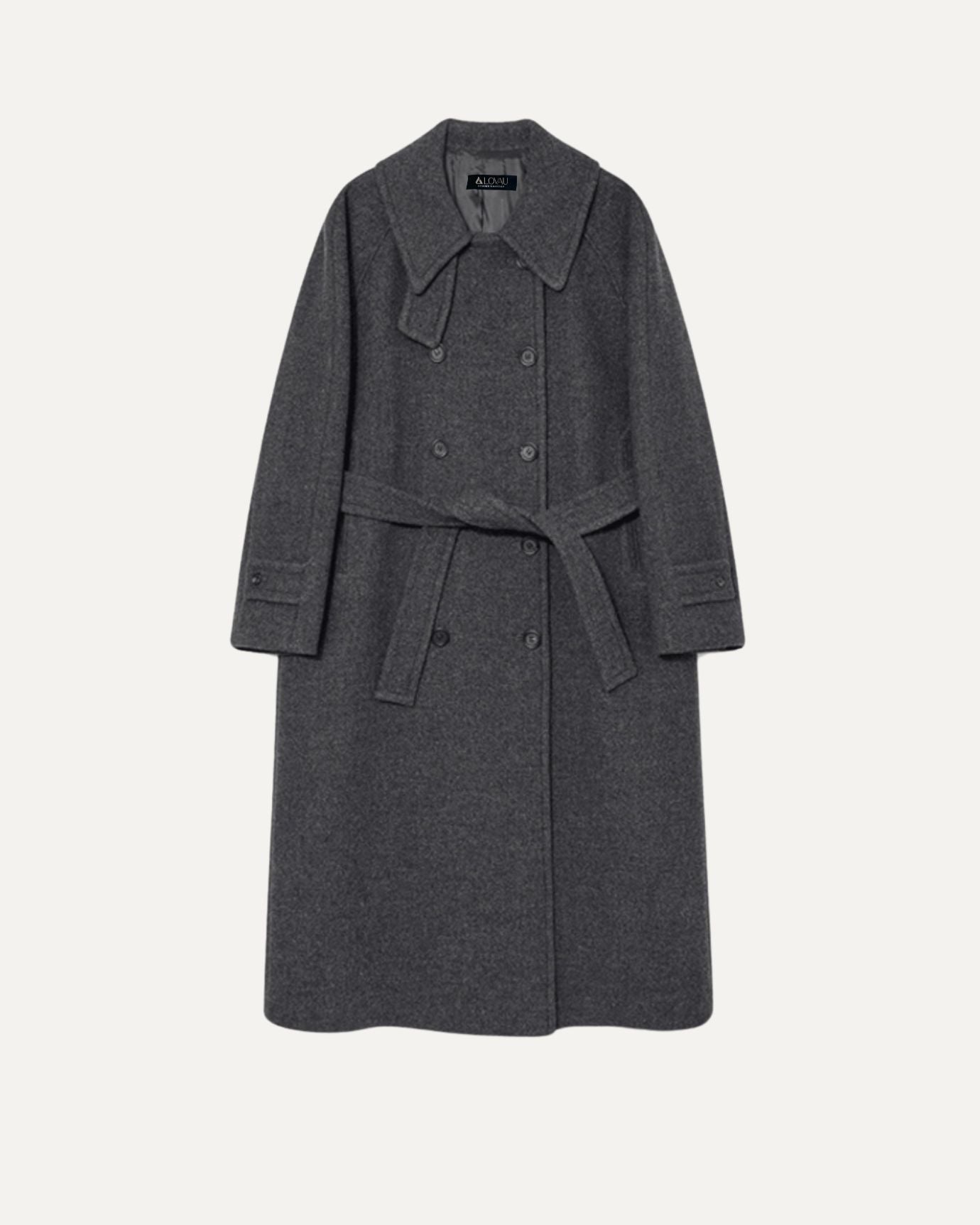
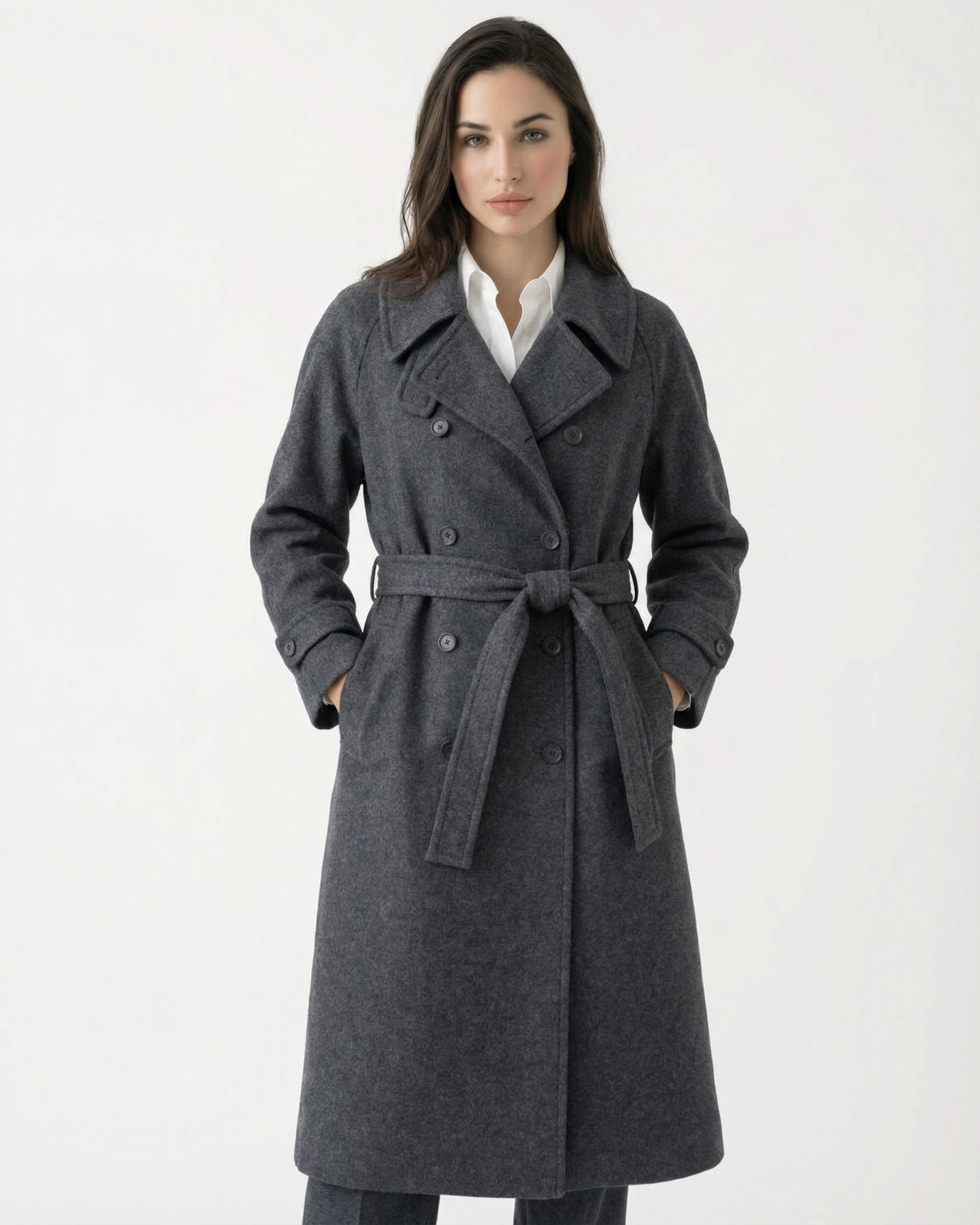
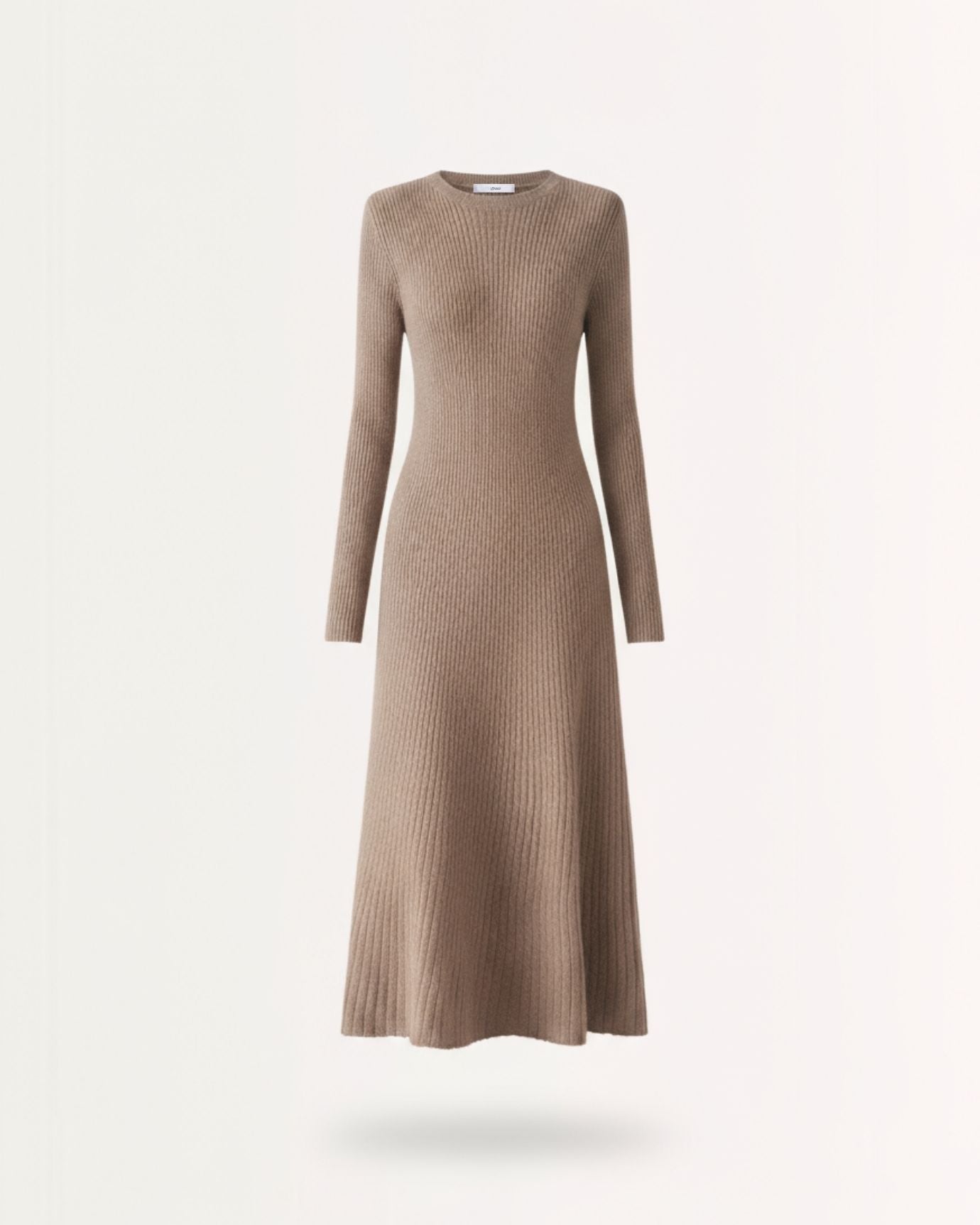
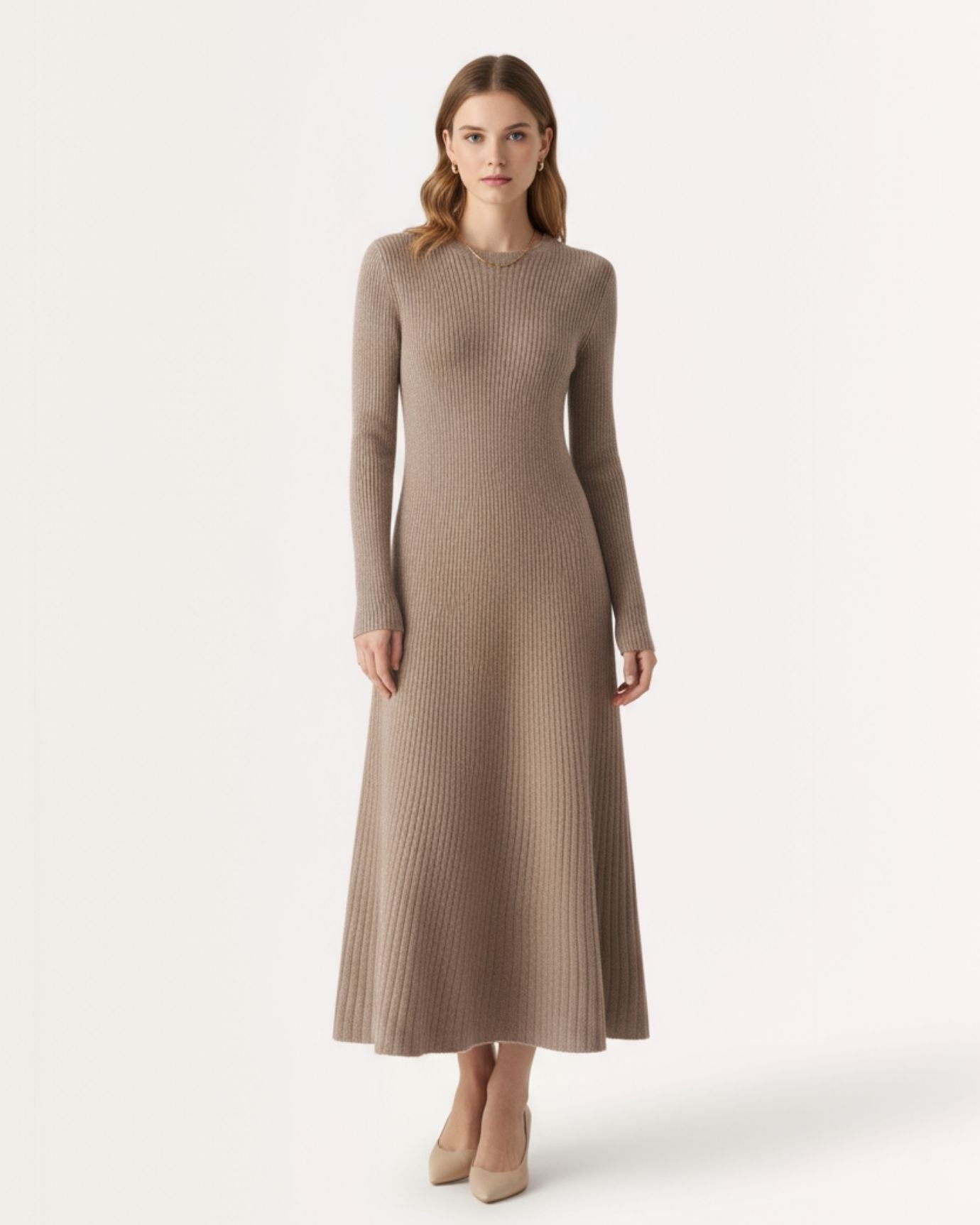
For colder months, consider a woman wool dress old money style, which brings the warmth and structure of natural wool into a silhouette that remains entirely professional. Pair it with opaque tights and a fine leather belt if the dress allows for one.
You can find a broader selection of structured options within our Lovau Woman Designer collection, where fabric weight and finish are treated as primary considerations rather than afterthoughts.
Expert insightPress your sheath dress the evening before rather than the morning of. Wool crepe and ponte both respond better to steam with resting time afterward. Hanging the dress overnight after steaming means it arrives at the office looking freshly considered, not freshly ironed.

The Layer Question: Blazers, Cardigans, and When to Use Each
A sheath dress worn alone in the boardroom is a complete look only when the dress itself is structured enough to carry the formality of the room. For most professional environments, adding a layer increases both the authority of the silhouette and its versatility across the working day.
The tailored blazer is the most direct choice. It adds shoulders, extends the formality upward, and creates a two-piece effect that reads as deliberately assembled. When choosing a blazer to wear over a sheath, fit at the back is the priority: the blazer should not pull across the shoulders when you are seated, and it should not bunch at the hips over the dress fabric. A single-button blazer in a matching or tonal fabric creates the most polished result.
For guidance on how a blazer changes the entire register of a dress-based outfit, our article on how to wear a tailored blazer over a silk maxi dress covers the proportional logic in detail, and much of it applies directly to sheath dressing.
The fine-knit cardigan is the layer for days that move between a formal morning meeting and a working lunch or a creative session in the afternoon. A cardigan in merino or a merino blend, worn open over a sheath, softens the formality without dismantling it. The key is weight: the cardigan should be fine enough that it does not add visual bulk at the shoulders or hips. A cropped length, ending at the natural waist, preserves the clean vertical line of the sheath beneath.
Avoid heavy structured jackets with strong padding. The sheath dress already provides a clean silhouette. Adding a heavily padded jacket on top creates a visual conflict between the two garments, and the result reads as overdressed rather than authoritative.
If your boardroom runs cold, consider layering with a long-sleeved dress as an alternative base, which removes the need for a separate layer entirely and maintains the clean single-garment line.
Expert insightWhen wearing a blazer over a sleeveless sheath, check that the armhole of the dress does not gap open when you reach forward. This is a fit issue with the dress, not the blazer, and it is worth addressing with a simple alteration before it becomes a distraction in a meeting.

Shoes, Bags, and Accessories: The Discipline of Restraint
Professional dressing at the level of quiet authority operates on a principle of deliberate reduction. Every accessory you add must earn its place. In the context of a sheath dress, which already provides a strong, clean line, the accessories should support that line rather than compete with it.
Shoes: The classic boardroom choices are a pointed-toe pump with a heel between five and eight centimetres, a block-heel shoe in the same height range for greater comfort across a long day, or a well-made loafer for a more contemporary reading of professional dressing. Our loafers old money style collection covers the latter option thoroughly, and a leather loafer in tan, black, or dark burgundy works particularly well with a knee-length navy or charcoal sheath.
For a deeper understanding of what makes a loafer worth investing in, our article the anatomy of a perfect suede loafer covers construction and material in specific terms.
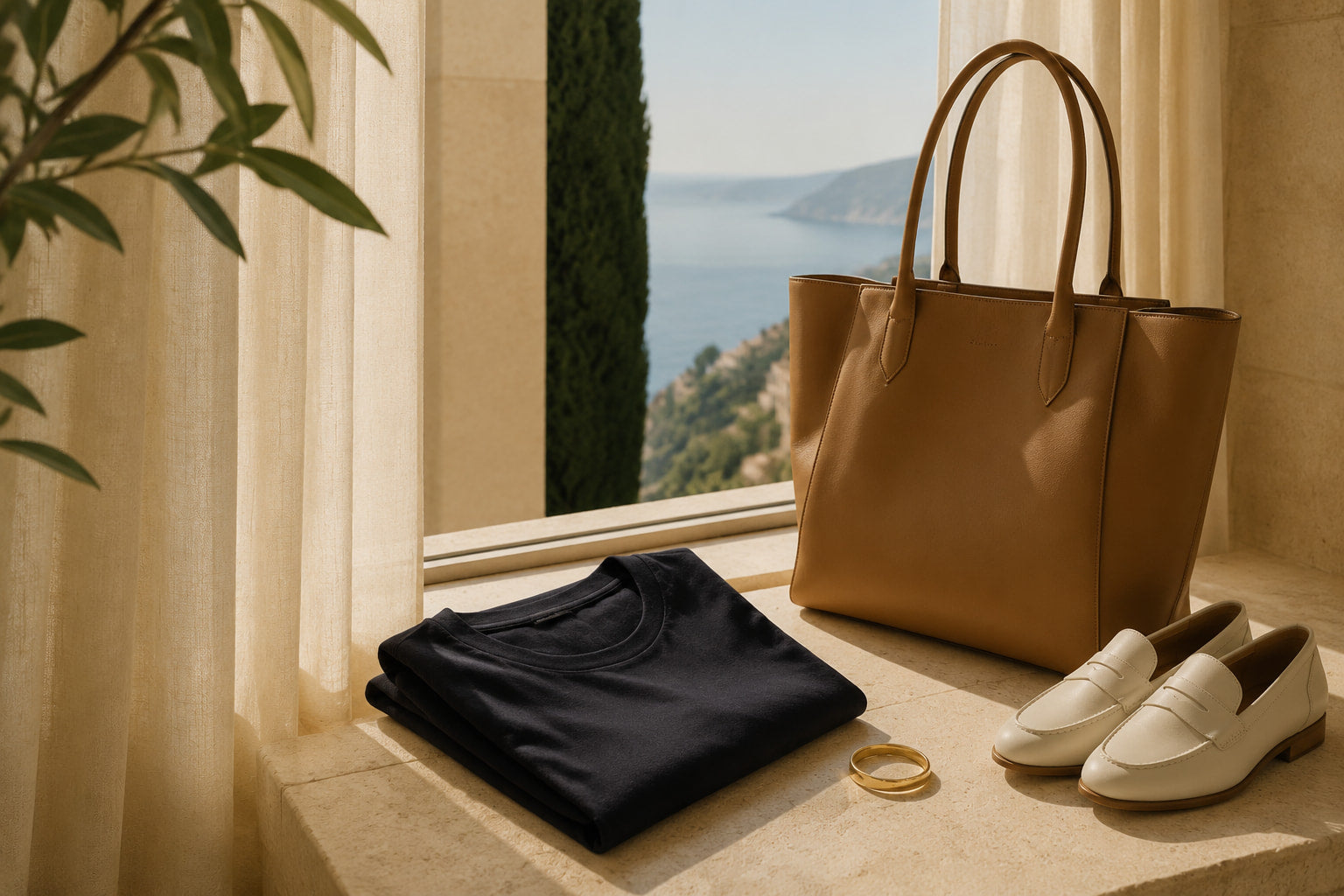
The bag: One structured leather tote or a medium-sized leather shoulder bag. The bag should be large enough to carry what you actually need without appearing overstuffed. An overstuffed bag undermines the composure of the entire outfit. For guidance on choosing a bag that holds its shape and proportion across different outfit contexts, our article on how to choose a leather tote bag that complements any outfit is a practical reference.
Jewellery: The boardroom calls for one considered piece, not a collection. A simple gold or silver chain at the collarbone, a single pair of stud or small hoop earrings, or a slim watch. The watch is perhaps the most authoritative piece of jewellery in a professional context because it communicates that your time has structure.
Tights and hosiery: In cooler months, opaque tights in charcoal, navy, or black extend the monochromatic line of the dress downward and create a cleaner visual run from hem to shoe. Sheer tights in a skin-toned shade work in warmer months or in warmer climates. Avoid patterned hosiery in a boardroom context.
Colour and Pattern: What Projects Authority and What Undermines It
Colour in professional dressing is not about playing it safe. It is about understanding what a colour communicates in a specific context and making a deliberate choice rather than a default one.
Navy is the single most reliable boardroom colour for a sheath dress. It reads as serious without the severity of black, it works against almost every skin tone, and it accepts a wide range of accessory colours, from camel to ivory to burgundy, without conflict. A classic navy sheath dress is a foundational piece in any professional wardrobe.
Charcoal and deep grey carry a similar authority to navy and are particularly effective in winter months when paired with cashmere or fine wool layers.
Camel and warm ivory project a different kind of confidence: more assured, less institutional. They work best in environments where the dress code is business professional rather than strictly formal, and they require more care with accessory colour to avoid looking washed out.
Black is appropriate and always correct, but it can read as flat under artificial boardroom lighting. If you wear black, keep the fabric interesting: a matte crepe rather than a shiny ponte, a textured weave rather than a plain surface.
Pattern: If you use pattern in a boardroom sheath, keep it geometric, small-scale, and high-contrast. A fine stripe, a small check, or a subtle jacquard weave all work. The In Paris Style Long-Sleeved Dress with Belt demonstrates how structure and a defined waist can carry a dress through a professional context with genuine presence.
Avoid large florals, abstract prints, and anything with a strong horizontal stripe in a boardroom context. These patterns draw the eye in ways that compete with what you are saying in the room.
For a broader view of how small adjustments to colour and fit change the register of a professional outfit entirely, our article on tailoring 101 and small alterations that transform an outfit is worth reading alongside this one.

Building a Small Rotation: Three Boardroom Sheath Outfits That Work
A professional wardrobe built around the sheath dress does not require a large number of dresses. It requires a small number of well-chosen ones, each in a fabric and colour that serves a slightly different function, paired with a consistent set of accessories.
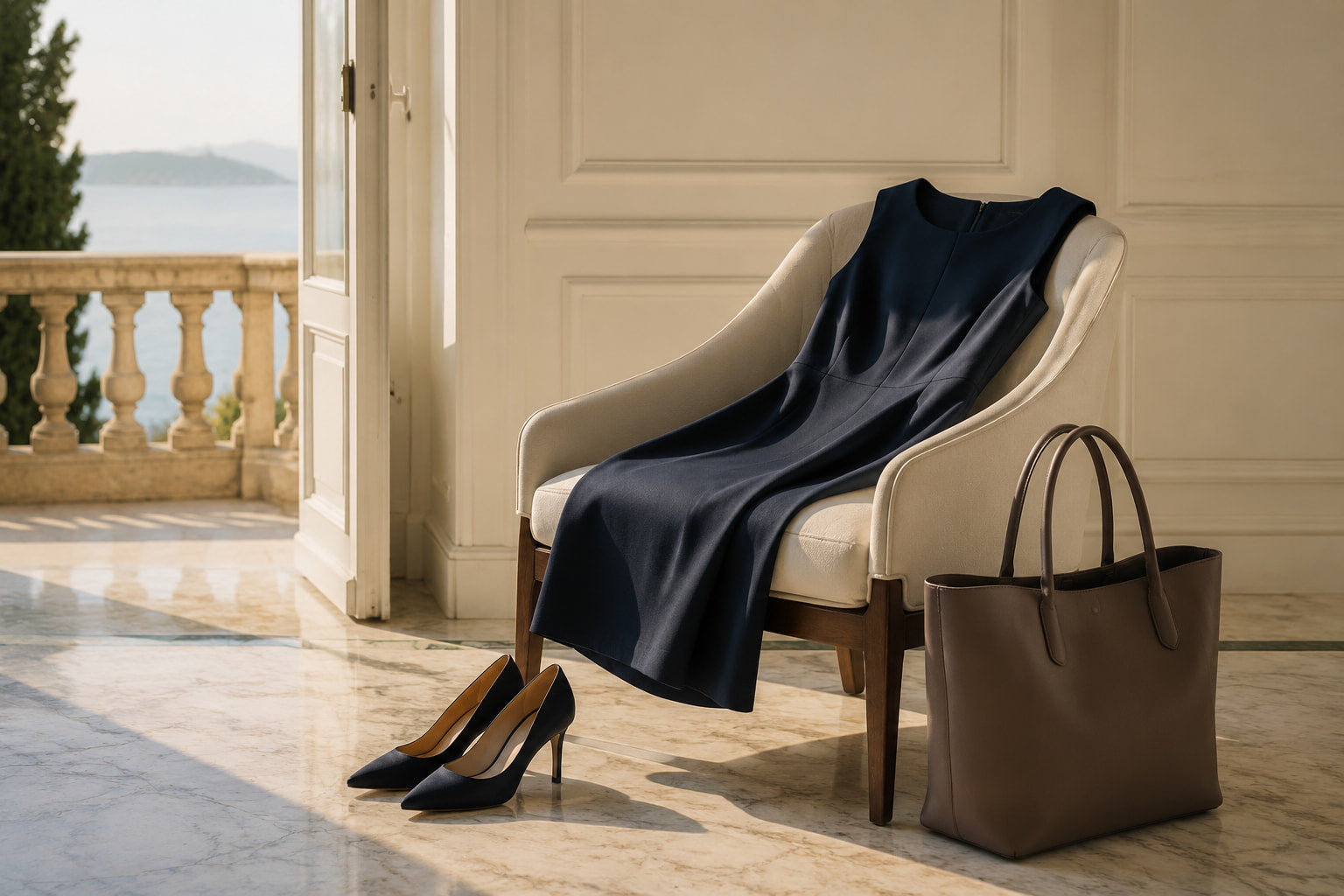
Outfit one, the formal presentation: A navy wool crepe sheath at knee length, worn with a single-button ivory blazer, a pointed-toe heel in black leather, a structured black tote, and a fine gold chain. This combination works for board meetings, client presentations, and any context where the dress code is at its most formal.
Outfit two, the working day: A charcoal ponte sheath, worn with a fine merino cardigan in camel, a loafer in dark tan leather, and a medium-sized shoulder bag in cognac. This is the outfit for a day that moves between meetings, desk work, and an early-evening commitment without requiring a change of clothes.
Outfit three, the business casual boardroom: A French niche style white dress in a structured cotton or crepe, worn with a slim-fitting blazer in navy or pale grey, a block-heel sandal in nude or ivory, and minimal gold jewellery. This works in creative industries, in warmer climates, and in environments where business casual is the norm but polish is still expected.
All three outfits share the same logic: one clean silhouette, one deliberate layer, one quality shoe, one structured bag. The discipline is the same regardless of the specific pieces. And that discipline, applied consistently, is what makes a professional wardrobe feel authoritative rather than assembled.
If you are building from a starting point or refreshing what you already own, our full day dresses collection provides a range of silhouettes and fabrics that serve the principles outlined here, from structured ponte to fine cotton to woven crepe.

| Fabric | Structure | Wrinkle Resistance | Season | Best For |
|---|---|---|---|---|
| Wool crepe | High | Excellent | Autumn / Winter / Spring | Formal board meetings, presentations |
| Ponte di Roma | Medium-high | Very good | All seasons | Full working days, travel between offices |
| Cotton poplin | Medium | Fair, needs pressing | Spring / Summer | Warmer climates, morning meetings |
| Cotton twill | Medium-high | Good | Spring / Summer | Business casual boardrooms |
| Viscose blend | Low-medium | Poor by afternoon | Spring / Summer | Short meetings, not full-day wear |
Frequently asked questions
Can a sleeveless sheath dress be worn in a formal boardroom without a layer?
Yes, in a warm or climate-controlled environment, a sleeveless sheath in a structured fabric such as wool crepe or ponte is entirely appropriate for the boardroom on its own. The key is that the fabric must hold its shape independently and the fit must be precise, particularly at the armhole and across the shoulders. If the room is cool or the dress code is at its most formal, add a blazer or a fine cardigan. Our Contrast Collar Pleated Dress Sleeveless Two-Piece Style in Navy & White is a good example of a sleeveless dress structured enough to stand alone.
What heel height is most practical for a full day of boardroom and office wear?
A heel between five and seven centimetres is the practical range for a full working day. It provides enough height to lengthen the silhouette of the sheath without creating fatigue by mid-afternoon. A block heel in this range offers considerably more stability than a stiletto at the same height, and it reads as just as polished in most professional environments. A well-made leather loafer with a slight heel is also a strong choice, particularly for days that involve a significant amount of walking between meetings.
How do I stop a sheath dress from riding up throughout the day?
A sheath dress that rides up is almost always a fit problem, not a style problem. The dress is either too narrow across the hips and thighs, causing the fabric to pull upward with each step, or the lining is too short and creates friction against your tights or skin. The solution is to size up and have the waist taken in if needed, or to have the lining extended by a tailor. Our article on small alterations that transform an outfit covers exactly this kind of intervention in practical terms.
Is a belted sheath dress appropriate for the boardroom, or does the belt make it too casual?
A slim belt in leather or a fabric self-belt that matches the dress is entirely appropriate in a boardroom context, provided the belt is narrow and the buckle is simple. A wide statement belt or a contrast-colour fabric sash reads as casual. A slim leather belt in the same tone family as the dress, cinching the natural waist, adds definition without disrupting the clean vertical line of the sheath. The In Paris Style Long-Sleeved Dress with Belt demonstrates this well: the belt is proportional and deliberate, not decorative.
The classic sheath dress succeeds in the boardroom not because it is the safest choice, but because it is a precise one. The right fabric holds its shape and its authority across a full working day. The right fit, particularly at the shoulder and through the hips, communicates that you understand your own proportions. The right layer, shoe, and bag remove all distraction and direct attention where it belongs: to the person wearing the dress. If you are building or refining your professional wardrobe, begin with the Lovau Woman Designer collection, where each piece is considered from the same starting point: quality of material, clarity of line, and the kind of quiet confidence that does not need to announce itself.