


Tailoring 101: Small Alterations That Transform an Outfit
Reading time 13 min • 2655 words
There is a persistent myth that looking well-dressed is a matter of spending more money. It is not. The real variable is fit, and fit is almost entirely controlled by a tailor. A shirt made from beautiful fabric still looks ordinary if the chest pulls, the sleeves hang past the wrist, and the hem billows. The same shirt, taken in at the sides and shortened by three centimetres, looks considered and precise.
Tailoring is not reserved for bespoke suits or formal occasions. It applies to a linen shirt worn on a Saturday afternoon, a pair of wide-leg trousers worn to a dinner, and a dress worn to a coastal wedding. The alterations involved are often small, fast, and inexpensive. What they return is proportion, and proportion is the foundation of every silhouette that reads as elegant.
This guide covers the specific alterations that matter most, which garments benefit from them, and what to expect when you bring a piece to a tailor for the first time. The goal is to help you see your existing wardrobe differently, and to make more informed decisions when buying new pieces.
Key takeaways
- Taking in the side seams of a shirt by just 2 to 3 centimetres removes the boxy silhouette that makes even expensive fabric look cheap.
- Hemming trousers to the correct break is the single fastest alteration, typically costing under 20 euros or dollars, and the visual difference is immediate.
- Shortening or tapering sleeves on a shirt or jacket changes the entire proportion of the upper body.
- A dress with a perfect waist seam placement reads as custom-made regardless of its original price point.
- Most tailors can complete basic alterations in 48 to 72 hours, making this a practical step before any important occasion.
In this guide
- Why Fit Matters More Than the Label Inside
- The Shirt Alterations That Make the Biggest Difference
- Trouser Alterations: Hem, Taper, and Waist
- Dress Alterations: Waist, Hem, and Straps
- How to Work with a Tailor: What to Bring and What to Say
- Building a Wardrobe That Tailors Well
- Frequently asked questions
Why Fit Matters More Than the Label Inside
The history of tailoring as a craft stretches back centuries, and its core principle has never changed: a garment should follow the body, not fight it. Bespoke tailoring was built on the idea that no two bodies are identical, and that fabric cut to a specific person's measurements will always outperform fabric cut to a size average.
Off-the-rack clothing is designed to fit a statistical median. If your shoulders are slightly narrower than average, or your torso is longer, or your hips wider relative to your waist, then a garment in your "size" will be imprecise in at least one dimension. That imprecision compounds visually. A shirt that is slightly too wide in the chest will also gap at the buttons, pull across the back when you move, and make the sleeves appear longer than they are.
The good news is that most of these imprecisions are correctable. A competent local tailor can address the majority of fit issues in a single appointment, and the cost is a fraction of replacing the garment. The key is knowing what to ask for.
For men, the most commonly adjusted pieces are dress shirts and casual shirts and trousers. For women, the most impactful alterations tend to fall on dresses, where waist placement and hemline length define the entire silhouette.
Expert insightAlways bring the shoes you intend to wear when hemming trousers or a dress. A two-centimetre difference in heel height changes the correct hem length entirely.
The Shirt Alterations That Make the Biggest Difference
A well-fitting shirt is one of the most valuable things in a wardrobe, but very few shirts fit correctly off the rack. The three alterations that change a shirt most dramatically are: taking in the side seams, adjusting the sleeve length, and shortening the body hem.
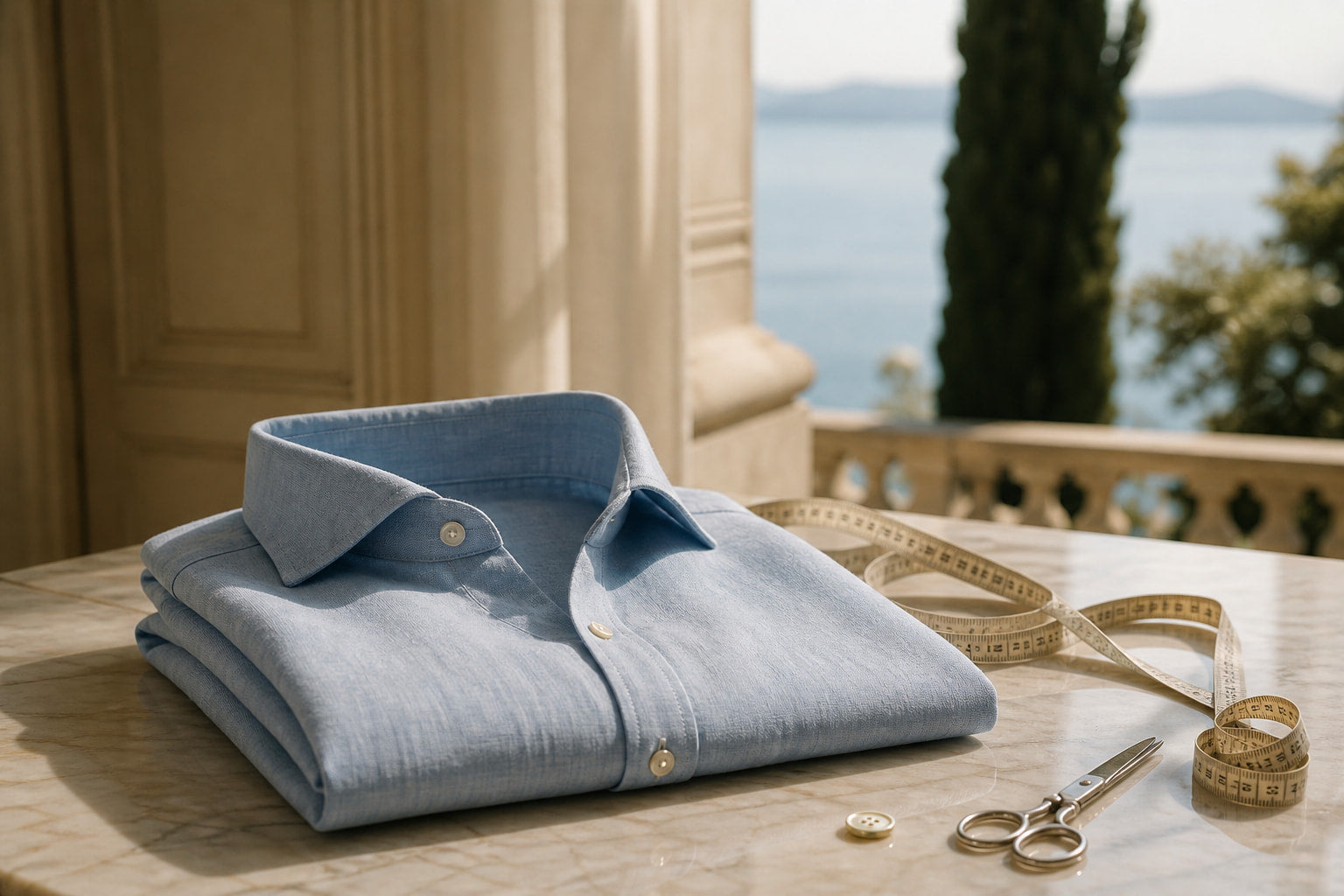
Taking in the side seams is the most impactful single alteration for shirts. A shirt that is too wide through the torso creates a boxy, shapeless silhouette. A tailor removes excess fabric from both side seams, tapering from the armhole down to the hem. The result is a shirt that follows the natural line of the body without being tight. For a fine linen shirt, this alteration transforms the garment from casual to considered.
Sleeve length is frequently overlooked but immediately visible. The correct sleeve length on a dress shirt shows roughly 1.5 centimetres of cuff below a jacket sleeve. On a casual shirt, the sleeve should end at the wrist bone, not over the hand. Shortening sleeves is a straightforward alteration that most tailors charge very little for.
Shortening the body hem matters most if you wear your shirts untucked, which is standard for most linen shirts worn in warm weather. A hem that falls too low drags the eye down and makes the legs appear shorter. The correct length for an untucked shirt sits at the mid-hip, covering the trouser waistband by about three centimetres.
For shirts with a stiffer collar, a tailor can also adjust the collar band to prevent the gap that appears when the collar is too wide for the neck. This is a small change that makes a shirt look made-to-measure.
Expert insightWhen taking in a linen shirt, ask the tailor to preserve the original side seam pocket if there is one, or to reattach it at the new seam line. Removing it entirely changes the shirt's character.

Trouser Alterations: Hem, Taper, and Waist
Trousers offer more alteration options than almost any other garment, and the three most useful are hemming, tapering the leg, and adjusting the waist.
Hemming is the starting point. Trouser length defines posture and proportion more than most people realise. A trouser that breaks heavily over the shoe makes the leg look shorter and the overall silhouette heavier. The correct break depends on the trouser style: wide-leg trousers look best with a slight break or no break at all, while slim trousers often work best with a clean hem that just grazes the top of the shoe. For a pair of wide-leg dress trousers, the hem should be let down or taken up to fall cleanly at the ankle, preserving the vertical line that makes the silhouette work.
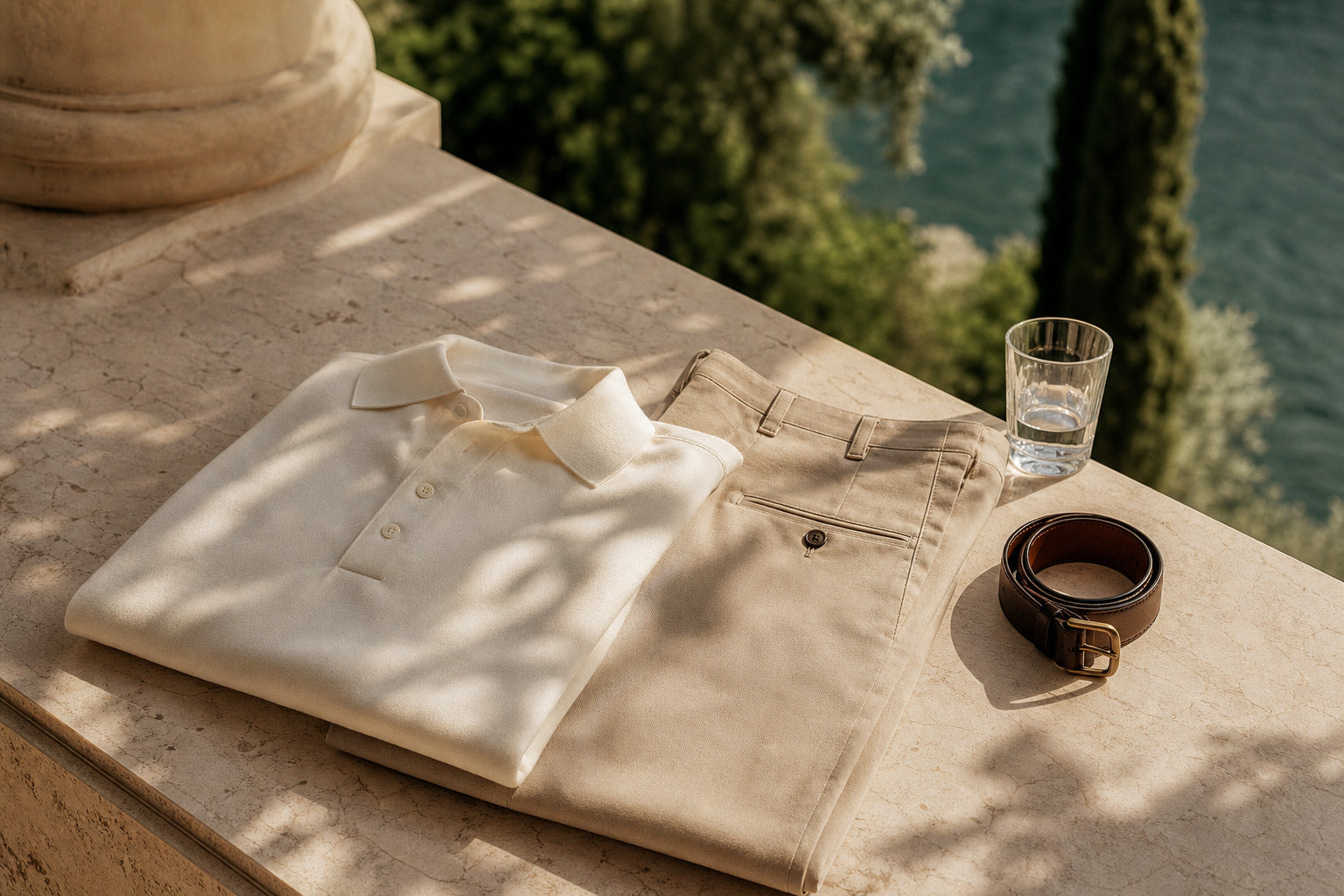
Tapering the leg applies when a trouser fits correctly at the waist and seat but is too wide below the knee. A tailor takes in each leg from the knee down, or from the thigh down for a more significant taper. This alteration is particularly useful on cotton-linen blend business trousers, where the fabric has structure enough to hold a clean line.
Waist adjustments are common on trousers bought to fit the seat and thighs. If there is excess fabric at the waistband, a tailor can take in the back seam. For trousers with belt loops, this is a simple alteration. For trousers with a finished waistband, it is slightly more involved but still standard.
For linen trousers specifically, keep in mind that linen softens and relaxes with wear. Have them hemmed after one or two washes so the final length accounts for any fabric movement.
Expert insightIf you are shortening trousers with a cuff, ask the tailor to maintain the original cuff depth rather than reducing it. A shallow cuff looks unfinished and loses the weight that makes the trouser hang well.

Dress Alterations: Waist, Hem, and Straps
Dresses are often the garments where fit issues are most visible, because the body of the dress is one continuous piece. An imprecise waist seam or an uneven hem reads immediately. The alterations that matter most are waist placement, hem length, and strap adjustment.
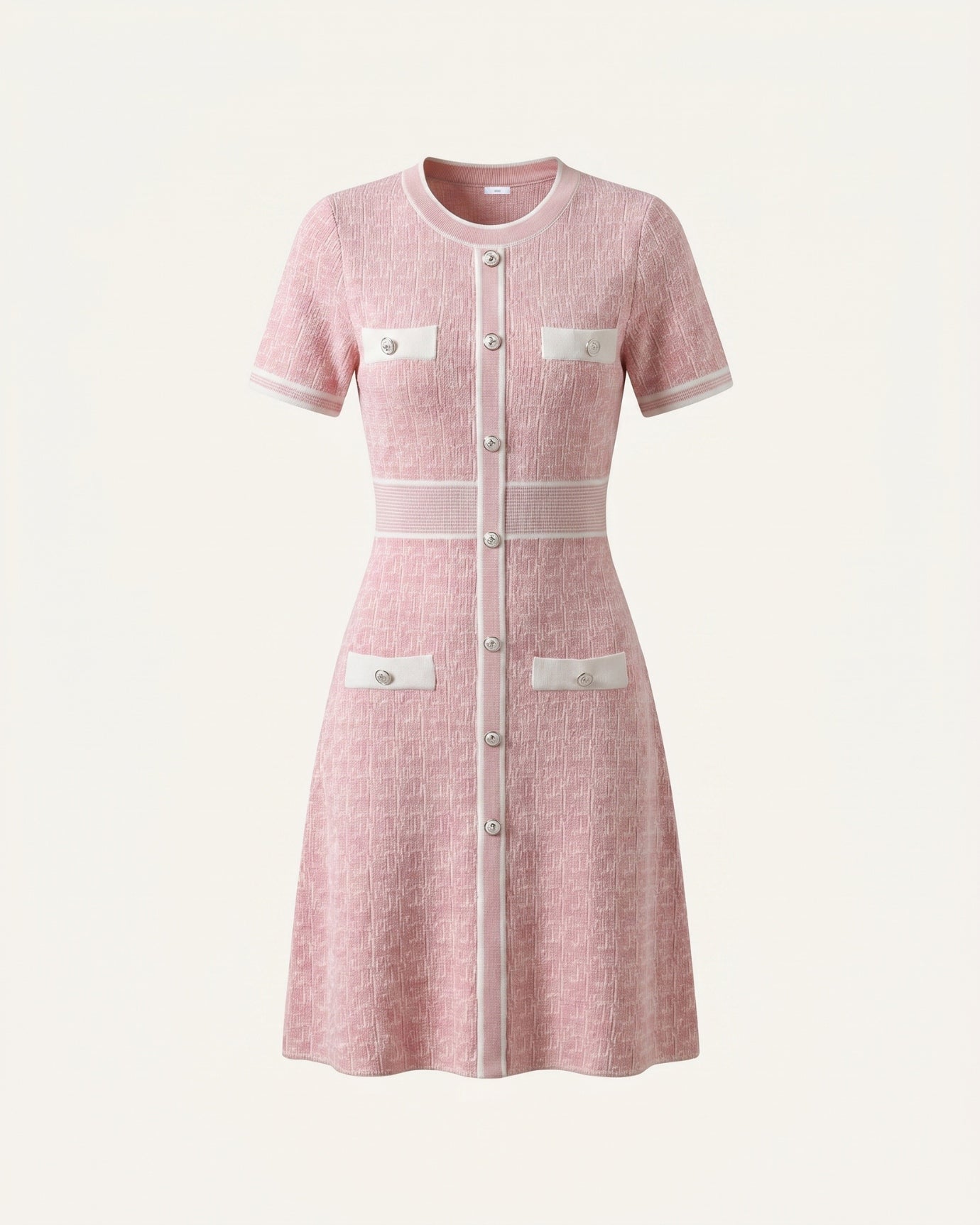
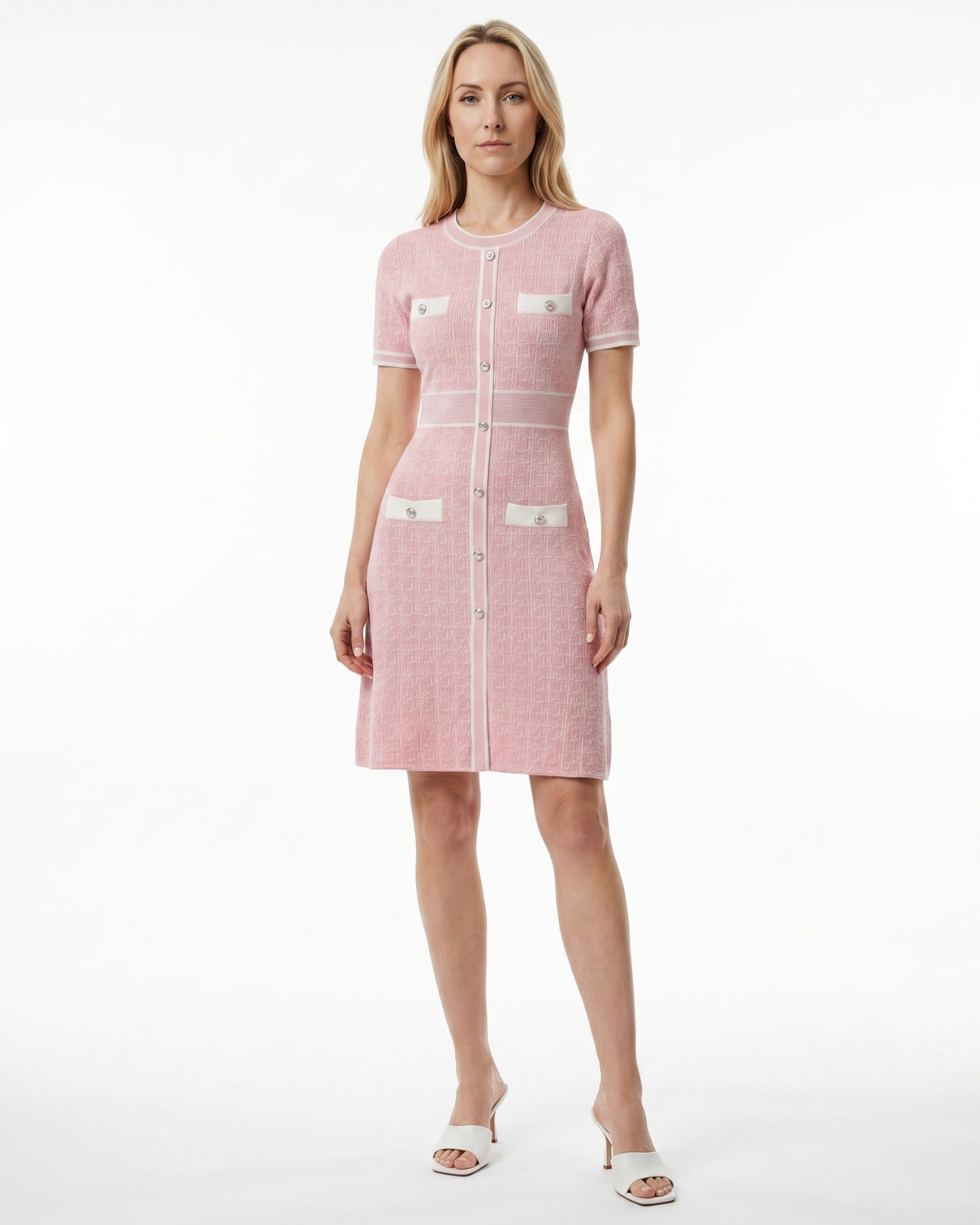
Waist seam placement is the most structural alteration on a dress. The natural waist sits above the navel, and placing a dress's waist seam at this point creates the longest possible leg line and the most balanced silhouette. Many dresses are cut with the waist seam slightly lower to accommodate a range of body types. Moving it up by two or three centimetres can change the entire proportion of the garment.
Hem length on a dress is as important as on trousers, and more personal. For a slim-fit mini dress, the hem should sit at a point that feels confident and proportionate to the wearer's height and leg length. A tailor can raise or lower a hem, and on structured dresses with lining, they will adjust both layers to match. Always bring the intended shoes.
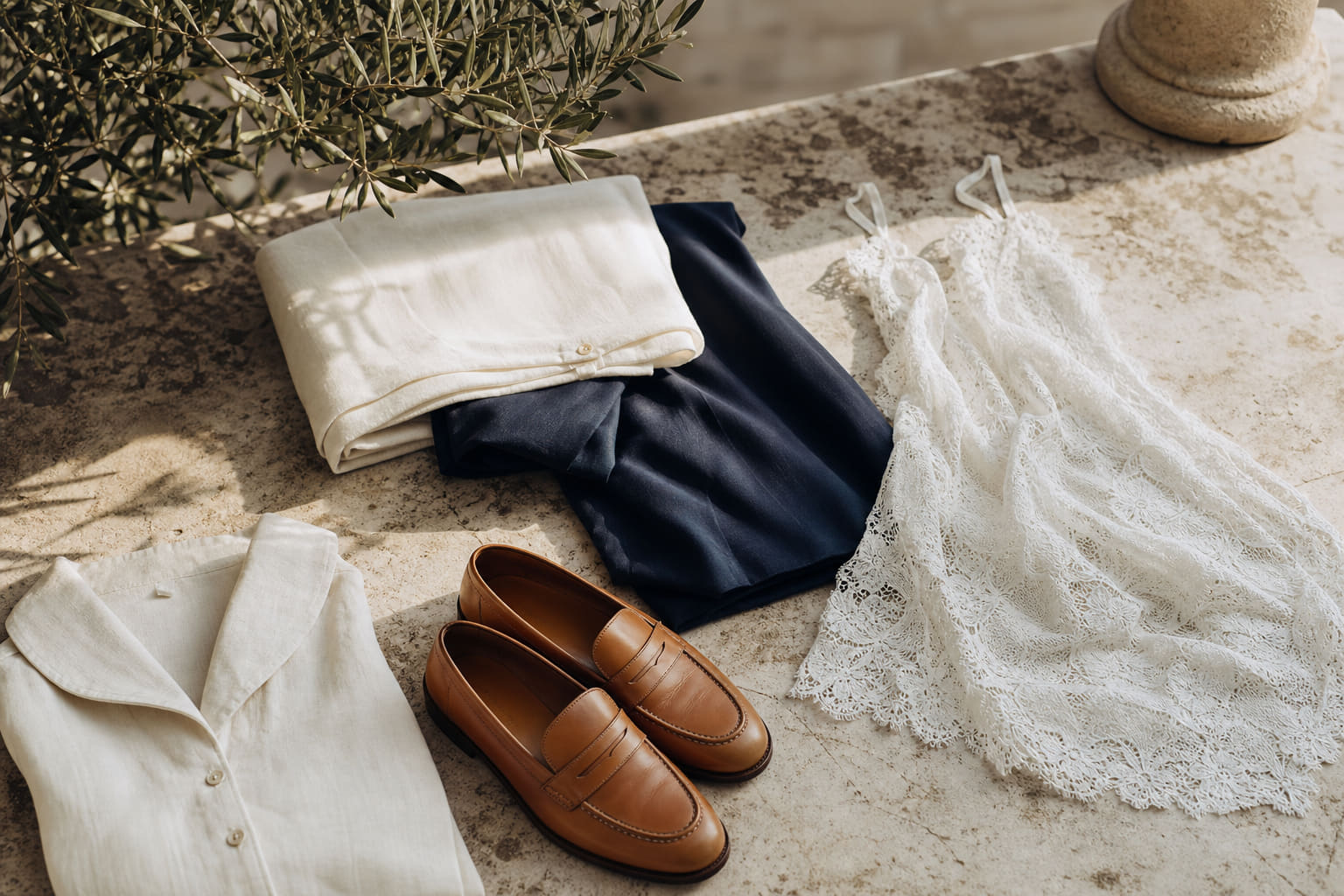
Strap adjustment on slip dresses and sundresses is one of the fastest and cheapest alterations available. Straps that are too long drop the neckline and create excess fabric across the chest, which disrupts the entire line of the dress. A tailor shortens straps from the back seam, preserving the front drape. This takes under 30 minutes and costs very little.
For women who wear day dresses regularly, establishing a relationship with a local tailor who understands your proportions is one of the most practical style investments you can make.

How to Work with a Tailor: What to Bring and What to Say
Many people avoid the tailor because they are unsure of the process. It is simpler than it appears. A first appointment typically involves trying on the garment, pointing to what bothers you about the fit, and letting the tailor pin the corrections. You do not need technical vocabulary. Pointing to excess fabric and saying "this feels too loose here" is entirely sufficient.
What to bring: The garment itself, the shoes or belt you intend to wear with it, and if possible, a photograph or reference of the silhouette you are aiming for. Tailors work visually, and a clear reference helps.
What to say: Be specific about the occasion and how you want the garment to feel. "I want this shirt to look neat but not tight" is useful. "I want these trousers to fall cleanly without any break" is useful. Vague requests like "make it fit better" leave too much open to interpretation.
What to expect: Basic alterations, such as hemming, side seam adjustments, and strap shortening, are usually ready within 48 to 72 hours. More complex work, such as restructuring a waist seam or relining a jacket, may take a week. Always try the garment on before leaving the tailor's shop, and ask for adjustments if anything feels wrong. A good tailor expects this.
For garments made from delicate or high-count fabrics, such as a fine black linen shirt or lightweight wool trousers, mention the fabric weight so the tailor uses the appropriate needle and thread. High-count linen in particular requires a fine needle to avoid leaving marks at the stitch line.
Finally, note that not every garment is worth altering. If the shoulders of a jacket do not fit, the alteration cost often exceeds the garment's value. Shoulder alterations are the most expensive and structurally complex work a tailor does. For everything below the shoulder, the cost-to-impact ratio is almost always favourable.

Building a Wardrobe That Tailors Well
Not all garments respond equally well to alteration. Understanding which fabrics and constructions are tailor-friendly helps you buy more strategically.
Natural fabrics, including cotton, linen, wool, and silk, hold alterations cleanly. They press well, accept new seams without distortion, and age gracefully after alteration. A pair of herringbone wool trousers or fine cotton apricot trousers will respond beautifully to tapering or hemming because the fabric has body and structure.
Synthetic blends, particularly those with a high polyester content, are harder to alter. They do not press as cleanly, and the heat required to set a new seam can damage the surface. If you are buying with the intention of altering, choose natural fibres.
Garments with simple constructions are easier and cheaper to alter. Unlined trousers, for example, are faster to hem than lined ones. Shirts with a single back pleat are easier to take in than shirts with complex back seaming. When in doubt, simpler construction means more flexibility.
For women building a wardrobe of resort dresses or midi dresses, look for styles with defined waist seams rather than shift cuts. A defined waist seam gives the tailor a clear reference point and makes alteration faster and more precise.
The broader principle is this: buy the best fabric you can afford, in the silhouette closest to your proportions, and then invest a small amount in making it precise. That sequence produces better results than buying a perfectly sized garment in mediocre fabric.

| Alteration | Garment | Typical Cost | Turnaround | Visual Impact |
|---|---|---|---|---|
| Hem shortening | Trousers | $10 to $25 | 24 to 48 hrs | High, changes leg line and posture immediately |
| Side seam taper | Shirt | $20 to $40 | 48 to 72 hrs | High, removes boxy silhouette entirely |
| Sleeve shortening | Shirt or jacket | $15 to $30 | 24 to 48 hrs | Medium-high, corrects proportion of upper body |
| Waist seam adjustment | Dress | $25 to $50 | 48 to 72 hrs | High, rebalances entire dress silhouette |
| Strap shortening | Dress or top | $10 to $20 | Under 24 hrs | Medium, lifts neckline and removes chest excess |
| Leg taper | Trousers | $25 to $45 | 48 to 72 hrs | Medium-high, modernises a wide or dated cut |
Frequently asked questions
How much does basic tailoring typically cost?
For most common alterations, the cost is modest. Hemming a pair of trousers runs between $10 and $25 in most cities. Taking in the side seams of a shirt costs $20 to $40. Strap shortening on a dress is often under $20. The total cost of making a garment fit precisely is almost always less than 20 percent of the garment's purchase price, and the result lasts as long as the garment does.
Can linen be tailored without damaging the fabric?
Yes, linen tailors very well. High-count linen in particular holds a pressed seam cleanly and responds well to side seam adjustments and hemming. The key is to use a fine needle and matching thread. For a fine white linen shirt, a tailor experienced with natural fibres will achieve a clean result with no visible alteration marks.
Is it worth tailoring a dress bought at a mid-range price point?
Almost always, yes. The fabric quality and construction of a mid-range dress are usually good enough to hold an alteration cleanly. A hem adjustment or waist correction costing $25 to $50 can make a $100 dress look considerably more expensive than it is, because the fit is the variable that communicates quality most directly to the eye.
What alterations cannot be undone?
Hemming that removes fabric entirely cannot be reversed, which is why it is worth asking a tailor to fold and stitch rather than cut when you are uncertain about length. Shoulder alterations on structured jackets are difficult to reverse and often permanently change the garment. Most other alterations, including side seam tapering and waist adjustments, can be let out again if the seam allowance was preserved.
Tailoring is not a luxury reserved for formal wardrobes or large budgets. It is a practical tool that makes the clothes you already own perform at their best. A well-hemmed trouser, a shirt taken in at the sides, a dress with the correct waist placement, these are small changes with a disproportionate effect on how an outfit reads. If you are starting a wardrobe built on quality and proportion, begin with the pieces you already have. Bring them to a tailor, be specific about what you want, and see what changes. For new additions, explore the men's trouser collection with this principle in mind: buy for fabric and silhouette, then let a tailor handle the rest.