


How to Hem a Dress Temporarily for One Night Out
Reading time 13 min • 2581 words
A dress that arrives slightly too long is one of the most common fit frustrations, and it rarely announces itself until the evening before you need to wear it. The hem grazes the floor, catches under your heel, or simply breaks the line of the silhouette in a way that reads as untidy rather than dramatic. The good news is that a temporary fix, done properly, is invisible and entirely reversible.
This guide covers five methods for hemming a dress without committing to permanent alterations, each suited to different fabric weights and dress constructions. Whether you are working with a structured elegant evening dress or a lightweight lace piece, the right technique depends on what the fabric can tolerate and how much time you have before you walk out the door.
One rule applies across all methods: measure and pin the new hem length while wearing the shoes you intend to wear that night. The heel height changes everything, and a hem pinned flat-footed will almost always read as uneven once you are standing in a three-centimetre block heel.
Key takeaways
- Fashion tape is the fastest option for lightweight fabrics like chiffon and cotton, but it leaves residue on velvet and knit.
- Iron-on hem tape gives a cleaner, more permanent-looking result on structured fabrics and holds through a full evening of movement.
- The hand-stitch slip hem takes fifteen minutes and leaves no mark on the fabric when unpicked carefully afterward.
- Always test any adhesive or heat method on an interior seam allowance first, especially on lace, cashmere, or beaded knits.
- Pin the hem while wearing the exact shoes you plan to wear that evening, not flat-footed.
In this guide
- Why Temporary Hemming Is Worth Doing Properly
- Method One: Fashion Tape for Lightweight and Structured Fabrics
- Method Two: Iron-On Hem Tape for a Cleaner, More Secure Hold
- Method Three: The Slip Stitch for Fabric That Cannot Take Adhesive or Heat
- Method Four: The Tuck-and-Pin Method for Floaty or Layered Hems
- Choosing the Right Method for Your Dress Fabric
- Frequently asked questions
Why Temporary Hemming Is Worth Doing Properly
A poorly executed temporary hem is often more noticeable than the original length problem. Visible tape edges, uneven folds, or bunched fabric at the front panel all draw the eye downward in the wrong way. The goal is a hem that looks intentional, holds through an evening of sitting, standing, and dancing, and releases from the fabric without leaving a mark.
This is especially important for dresses made from delicate or textured materials. A white lace dress requires a different approach than a knitted midi or a velvet column dress. Lace, for instance, catches on adhesive backing and can distort along the edge if you apply heat carelessly. Velvet crushes under an iron even at low temperatures, and the pile does not recover.
If you find yourself returning to the same length problem repeatedly with a favourite dress, it is worth reading our guide on small alterations that transform an outfit, which covers when a permanent alteration makes more economic sense than repeated temporary fixes.
Expert insightAlways work in good lighting and have a second person check the hem level from behind. What looks even in a mirror can read as dipping at the back hem once you are in motion.

Method One: Fashion Tape for Lightweight and Structured Fabrics
Fashion tape (double-sided garment tape) is the most commonly reached-for solution, and it works well when applied correctly. It is best suited to smooth, tightly woven fabrics: cotton poplin, silk charmeuse, polyester crepe, and lightweight structured weaves. It is not suitable for velvet, open-weave lace, cashmere, or beaded knits, where it either leaves residue or distorts the surface.
How to apply it: - Put on the dress and your shoes. Have someone mark the desired hem with pins or chalk. - Take the dress off and fold the hem allowance to the inside at the marked line, pressing lightly with your fingers to crease the fold. - Cut tape strips of approximately five to seven centimetres each. Apply them at intervals of roughly eight centimetres around the hem, pressing the fold firmly against the tape for ten seconds per strip. - Try the dress on again and check the hem level before committing fully.
For a French niche style white dress in a cotton-blend fabric, fashion tape holds cleanly through a four to five hour evening. On silk or very fine polyester, it holds but may shift slightly if the fabric is very fluid, so use more strips at closer intervals on the front panel where movement is greatest.
Remove the tape immediately after wearing. The longer adhesive sits against fabric, the more residue it deposits. Most residue from quality fashion tape lifts cleanly with a lint roller or a small amount of rubbing alcohol on a cotton pad applied to the inner face of the fabric.
Expert insightPress each tape strip with the pad of your thumb rather than your fingernail. Fingernail pressure creates a crease line in delicate fabrics that is visible from the outside.

Method Two: Iron-On Hem Tape for a Cleaner, More Secure Hold
Iron-on hem tape (also called fusible web tape) is a thin strip of heat-activated adhesive sold by the metre at any fabric shop. It creates a bond that is significantly more secure than fashion tape and produces a flat, smooth hem line that reads as genuinely tailored from the outside. It is the right choice for heavier fabrics: wool crepe, structured cotton, ponte, and medium-weight jersey.
The process takes slightly longer but is straightforward: - Fold and pin the hem to the desired length while wearing your shoes. - Remove the dress and press the fold firmly with your fingers, then with a cool iron to set the crease. - Cut a strip of hem tape to the length of the hem circumference. Slide it between the folded hem allowance and the dress body. - Press with an iron set to the temperature appropriate for your fabric, using a pressing cloth between the iron and the fabric. Hold for eight to ten seconds per section, then allow to cool completely before moving to the next section.
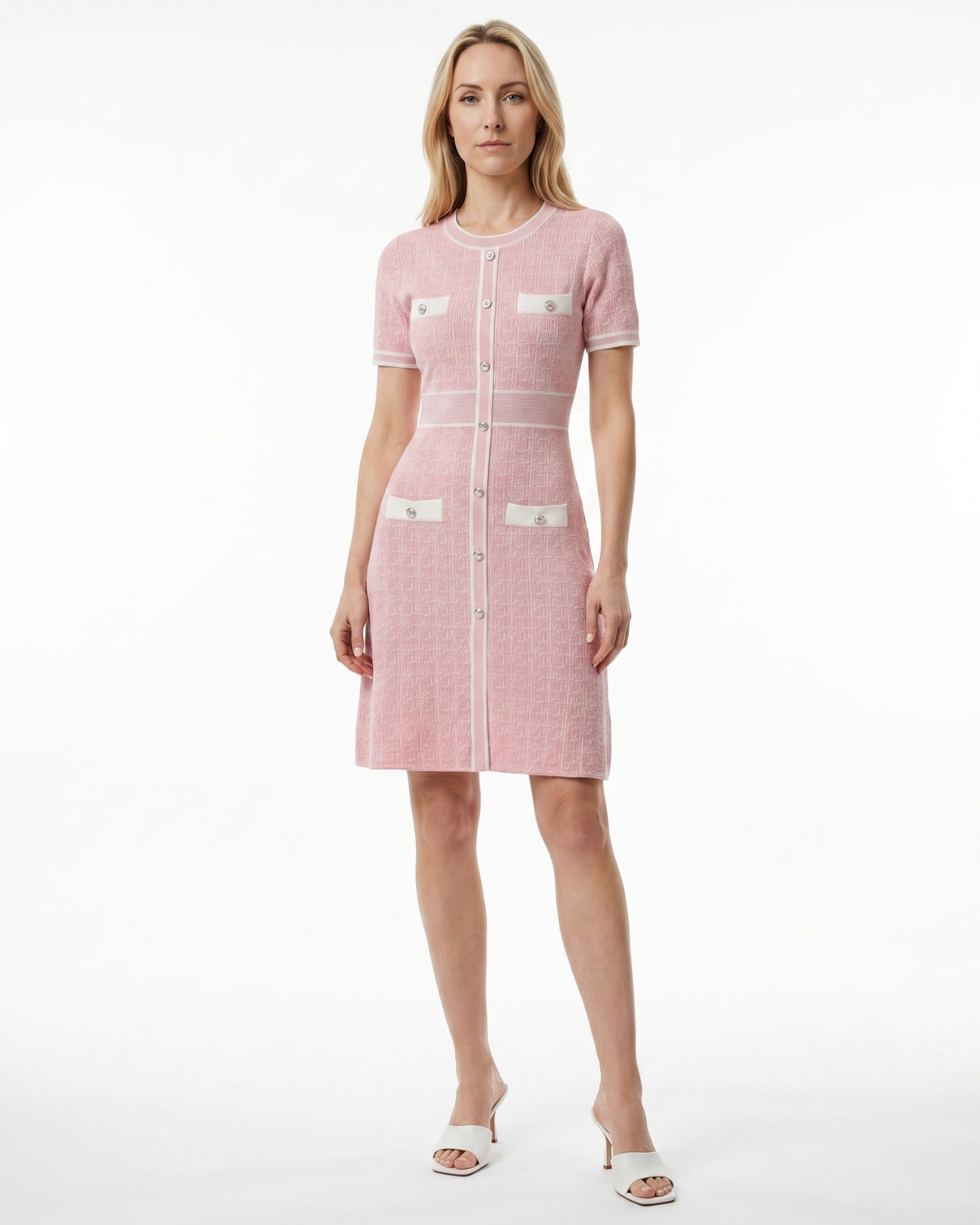
For a wool dress in old money style, iron-on hem tape holds through a full evening without any shift. It is also the most appropriate method for a long-sleeved belted dress where the hem length is integral to the overall proportion.
To remove, re-apply heat with a pressing cloth and the bond will soften enough to peel apart gently. Work slowly and do not pull cold. On wool, a damp pressing cloth and medium heat releases the tape cleanly in most cases. For more on caring for wool garments, see our guide on buying a wool dress that doesn't itch.
Expert insightAlways use a pressing cloth. Direct iron contact on the outer face of a dress, even briefly, can create a shine on wool and a texture change on polyester blends that no amount of steaming will fully correct.

Method Three: The Slip Stitch for Fabric That Cannot Take Adhesive or Heat
Some fabrics simply cannot tolerate adhesive or heat: open-weave lace, beaded knits, cashmere, velvet, and very sheer chiffon all fall into this category. For these, a hand-sewn slip stitch is the most reliable temporary method, and it takes less time than most people expect.
The slip stitch is a hand-sewing technique in which the needle catches only one or two threads of the outer fabric layer, making the stitch nearly invisible from the right side. Done in a thread colour that matches the fabric, it is undetectable.
What you need: A hand-sewing needle, thread matched to the dress colour, small scissors, and pins.
Steps: - Fold and pin the hem at the correct length, as above. - Thread the needle and knot one end. Working from right to left on the wrong side of the fabric, take a tiny bite of one or two threads from the outer dress layer, then pass the needle through the folded hem allowance for about one centimetre. Repeat at intervals of one centimetre. - Keep the tension loose. A tight slip stitch pulls the fabric and creates a visible ridge on the right side.
To remove after the evening, simply snip the thread every few stitches and pull the sections free. It takes about three minutes and leaves no mark.
This is the recommended approach for a beaded slim-fit knitted dress or any piece from the Lovau woman designer collection with surface embellishment. For more on caring for knitwear properly before and after temporary alterations, our article on washing delicate knitwear without shrinking it covers the key points.

Method Four: The Tuck-and-Pin Method for Floaty or Layered Hems
For dresses with a full skirt, a layered hem, or significant volume, such as a dreamy retro floral dress or a lace patchwork floral dress, folding and taping a hem at the edge can create a stiff, unnatural silhouette. The fabric wants to move, and a taped lower edge restricts that movement in a way that reads as awkward.
In this case, the better approach is to tuck the excess length upward at the waist or hip seam rather than working at the hem itself. This method works specifically when the dress has a defined waist seam or a belt.
How it works: - Put on the dress with your shoes. Determine how much length needs to be removed. - Reach inside the dress at the waist seam and fold the skirt portion upward by the required amount, creating an internal tuck. - Secure the tuck with safety pins placed at the interior waist seam, spacing them evenly and keeping the pins parallel to the seam line. - Smooth the outer skirt down over the tuck. On a full or gathered skirt, the tuck disappears entirely into the volume of the fabric.
This method is particularly effective on dresses with a natural waist seam and a skirt that has some gather or fullness. It is not suitable for very fitted or bias-cut dresses where any interior volume would show as a bump at the hip.
For your footwear that evening, our dress shoes collection and loafers in old money style are worth reviewing, since the heel height you choose will determine exactly how much length you need to remove before you begin pinning.

Choosing the Right Method for Your Dress Fabric
The single most common mistake when hemming temporarily is choosing a method based on convenience rather than fabric compatibility. Fashion tape on velvet, iron-on tape on open lace, or safety pins through a bias-cut satin will each create a problem that is harder to fix than the original length issue.
The table below summarises which method suits which fabric type. Use it as a quick reference before you begin.
For any dress in the evening dresses collection, the slip stitch or iron-on hem tape are the most appropriate choices, since evening fabrics tend to be either heavily textured, embellished, or very fine, none of which respond well to strong adhesive tape.
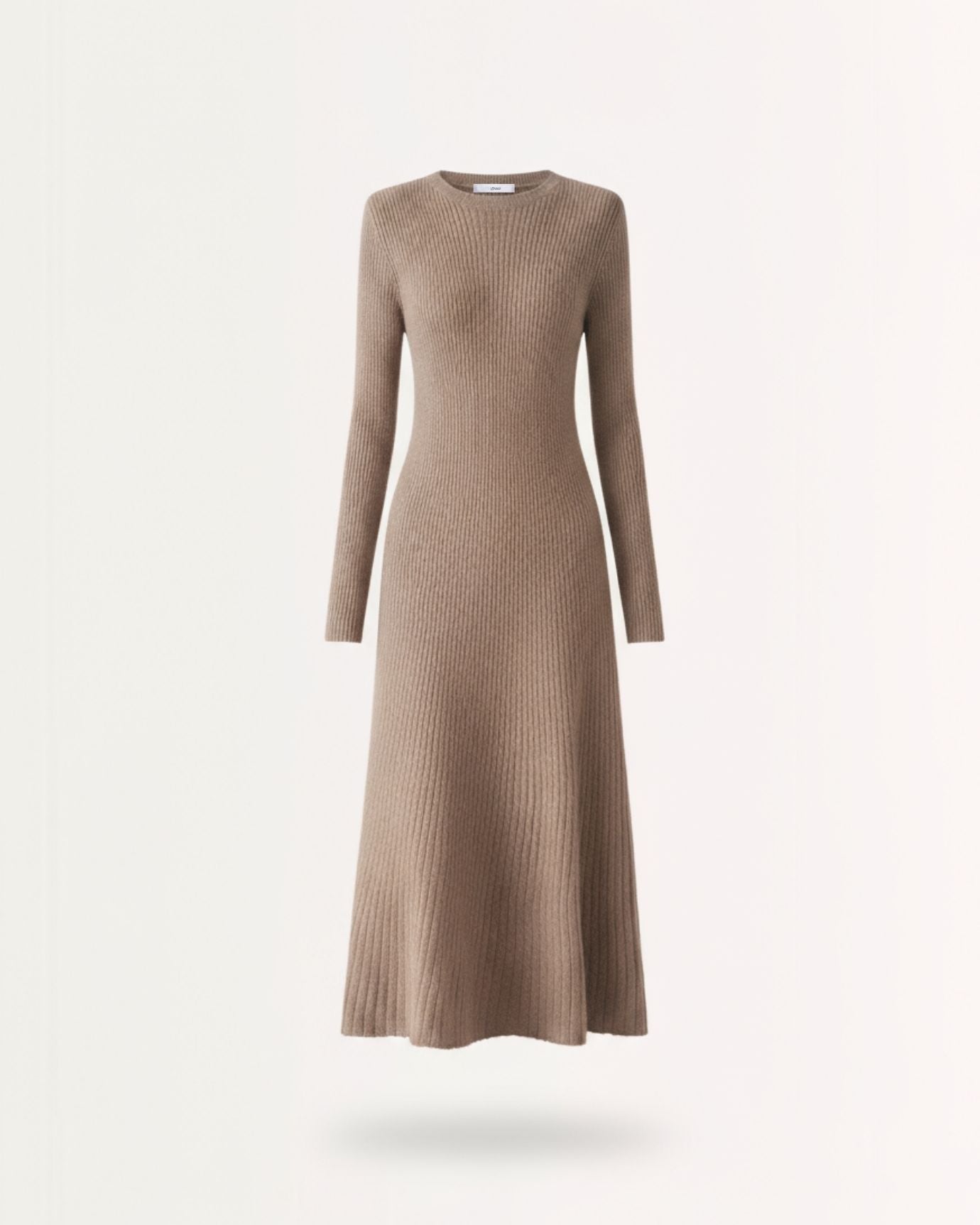
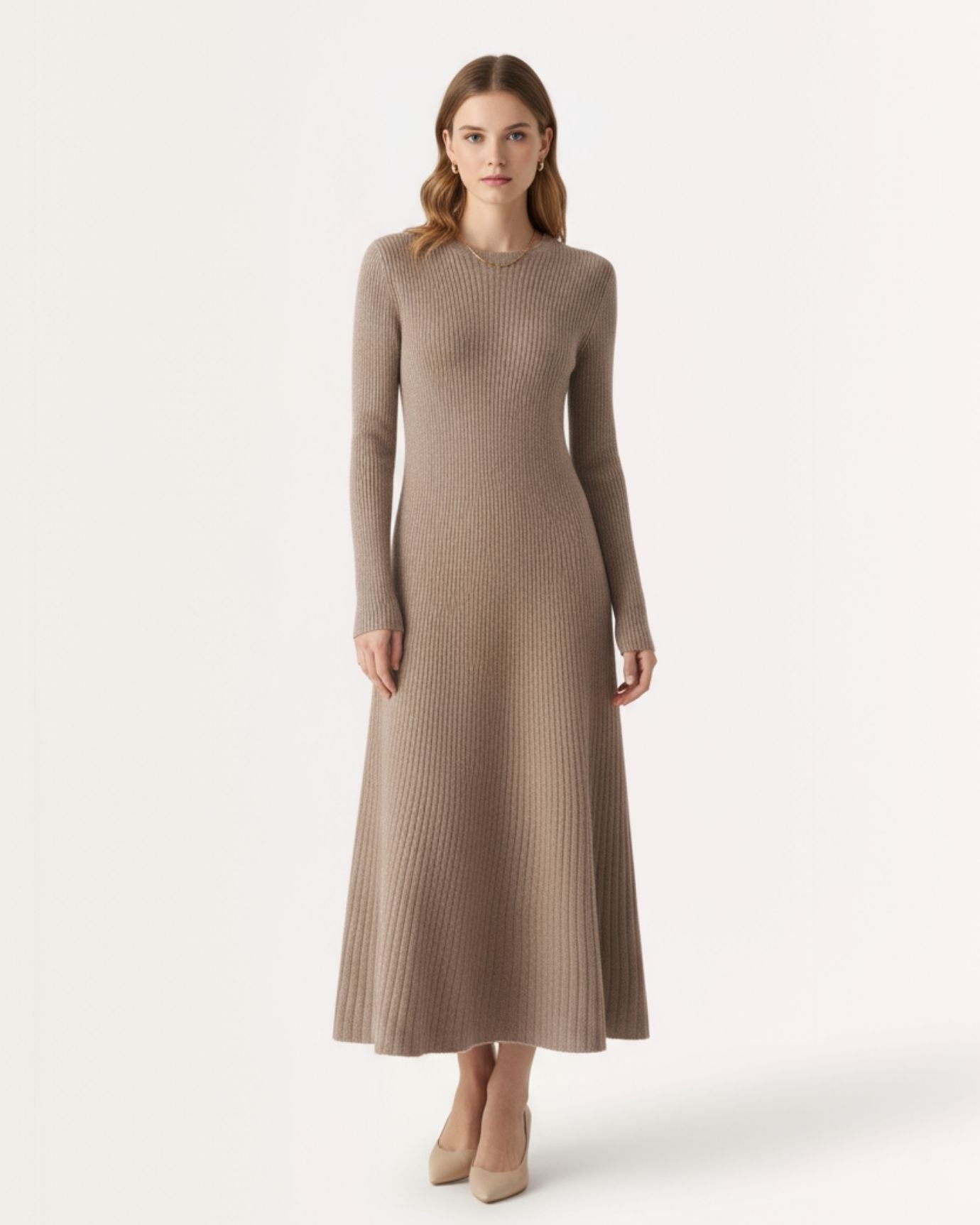
For day dresses in cotton, linen, or ponte, fashion tape and iron-on hem tape both work well and remove cleanly. The Selena high-neck cashmere dress is a specific case worth noting: cashmere requires the slip stitch method only. No heat, no adhesive. The fibre is too fine and too soft to hold adhesive without distortion, and even a pressing cloth at low heat can alter the surface texture of cashmere permanently. For more on cashmere care, see our piece on building a cashmere collection that lasts.
A useful authoritative reference on textile care labelling from the International Organization for Standardization explains the standard symbols you will find on your dress care label, which should always be your first check before applying any heat or adhesive.

| Method | Best Fabric Types | Hold Strength | Removal Ease | Risk Level |
|---|---|---|---|---|
| Fashion Tape | Cotton, polyester crepe, silk charmeuse, structured wovens | Moderate, 4-5 hours | Easy, lift and peel | Low on smooth fabrics, high on velvet or lace |
| Iron-On Hem Tape | Wool crepe, ponte, medium jersey, structured cotton | Strong, full evening | Moderate, requires re-heating | Medium, pressing cloth essential |
| Hand Slip Stitch | Lace, cashmere, beaded knit, velvet, sheer chiffon | Very strong, holds all evening | Easy, snip and pull thread | Very low, no heat or adhesive |
| Tuck-and-Pin at Waist | Full skirts, gathered or layered hems, floaty fabrics | Strong if pinned evenly | Very easy, remove pins | Low, no contact with hem fabric |
| Hem Clips / Lingerie Clips | Jersey, knit, casual cotton, lightweight dresses | Light to moderate | Very easy, unclip | Very low, but visible on fine fabrics |
Frequently asked questions
Will fashion tape damage my dress if I leave it on overnight?
It depends on the fabric. On smooth polyester or cotton, leaving fashion tape for twelve to twenty-four hours rarely causes permanent damage, though it deposits more residue than it would after a five-hour evening. On silk, velvet, open lace, or cashmere, even a few hours of adhesive contact can leave a mark or distort surface fibres. Remove tape immediately after wearing on any delicate fabric.
Can I use iron-on hem tape on a lace dress?
Not directly on the lace. Iron-on hem tape requires heat and pressure, both of which can flatten or distort lace texture permanently. For a lace dress, use the hand slip stitch method instead. It takes about fifteen minutes, holds securely, and releases without any mark.
How do I make sure the hem is even all the way around?
The most reliable method is to have a second person mark the hem while you stand in your shoes, using a hem gauge or a ruler held flat against the floor and moving around you at a fixed measurement. If you are working alone, mark the front and sides carefully, then check the back in a full-length mirror before securing. An uneven back hem is the most common result of solo pinning.
What is the quickest method if I have less than ten minutes before leaving?
Fashion tape is the fastest option. Pre-cut your strips, fold the hem, and apply. For a dress with a gathered or full skirt, the tuck-and-pin method at the waist seam can be done in under five minutes with four or five safety pins. Neither method requires removing the dress entirely if you can reach the hem or waist seam while wearing it.
A temporary hem done with the right method for your fabric is completely invisible in wear and takes no more than twenty minutes at most. The key is matching the technique to the textile, measuring with your actual shoes on, and removing all adhesive or thread immediately after the evening so the dress is ready for its next outing without any residue or distortion. If you find a dress you love in the woman dress collection and the length is not quite right, a temporary fix buys you the time to decide whether a permanent alteration is worth commissioning, and it means you never have to decline a last-minute invitation because a hem is not cooperating.