


How to Dress for Your Specific Skin Undertone: Warm vs Cool
Reading time 13 min • 2612 words
Most style mistakes are not about silhouette or fit. They are about color. A dress that fits perfectly but sits in the wrong part of the color spectrum will make you look tired, sallow, or washed out, regardless of how well it is constructed. The reason is almost always undertone.
Skin undertone is the subtle hue beneath the surface of your skin. It is distinct from your overall skin tone, which describes how light or dark your complexion is. A person with very fair skin and a person with deep brown skin can share the same warm undertone. Understanding this distinction is the foundation of dressing well with color.
This guide covers how to identify your undertone accurately, which specific colors belong to each category, and how to apply that knowledge when choosing a dress or building an outfit. The advice here works for every complexion, every season, and every occasion.
Key takeaways
- Check your undertone using the vein test: blue-purple veins indicate cool, green veins indicate warm, a mix suggests neutral.
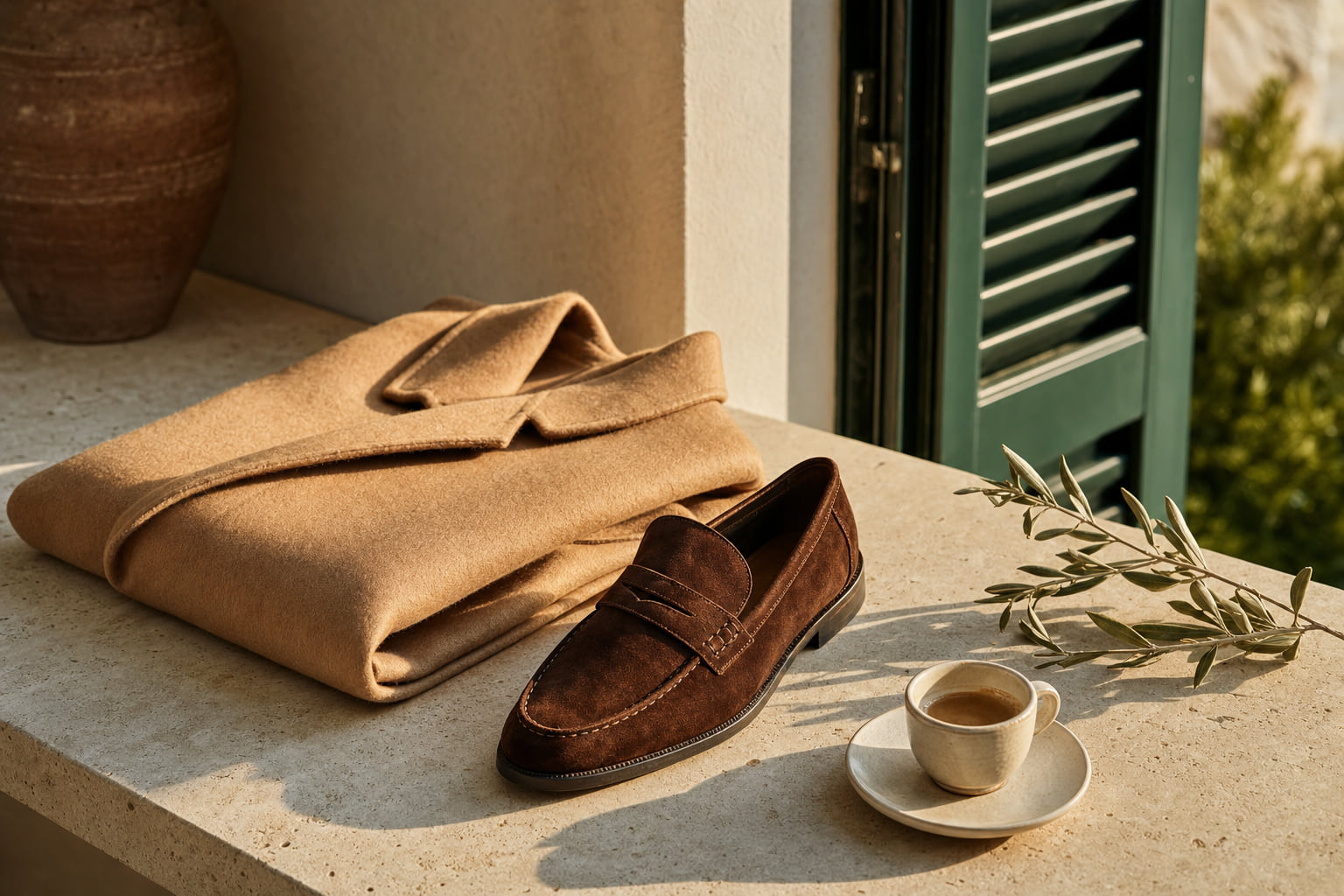
- Warm undertones are flattered by earthy, golden, and rich autumnal hues such as camel, rust, olive, and warm ivory.
- Cool undertones look most polished in jewel tones, true whites, navy, and soft blush-rose rather than orange-based shades.
- Neutral undertones have the widest range and can wear both warm and cool palettes, but benefit most from soft, mid-range tones.
- Fabric texture and finish matter as much as color: matte fabrics are more forgiving, while high-sheen materials amplify any mismatch between color and undertone.
In this guide
How to Identify Your Skin Undertone Accurately
There are three undertone categories: warm, cool, and neutral. Several reliable tests help you identify yours.
The vein test is the most widely cited method. Look at the inside of your wrist in natural daylight, away from incandescent bulbs. If your veins appear greenish, your undertone is warm. If they read as blue or violet, your undertone is cool. If you see both and cannot clearly distinguish one, you are likely neutral. This is consistent with how skin undertone is defined in color theory, where the underlying pigmentation of melanin, hemoglobin, and carotene determines the visible cast.
The white paper test is equally useful. Hold a clean sheet of bright white paper next to your bare face. If your skin looks yellowish, golden, or peachy against the white, you are warm. If your skin appears pink, rosy, or slightly bluish, you are cool. If neither effect is pronounced, you are neutral.
The jewelry test provides a practical real-world check. Does gold jewelry make your skin look radiant and healthy, while silver makes you look a little flat? That points to warm. If silver and platinum look clean and bright against your skin while gold reads as heavy or muddy, you are cool. If both metals work equally well, neutral is your category.
One important note: do not conflate undertone with skin tone depth. Olive skin can be cool-toned. Very fair skin can be warm. The tests above are more reliable than any general assumption about ethnicity or complexion depth.
Expert insightAlways run the vein test in natural light, ideally near a north-facing window in the middle of the day. Artificial lighting, especially warm incandescent or LED bulbs, will distort the color of your veins and give you a false reading.
The Best Colors for Warm Undertones
Warm undertones carry golden, peachy, or yellow pigmentation beneath the skin. The colors that work best mirror and complement that warmth rather than fighting it.
Earth tones are your foundation. Camel, terracotta, warm taupe, chocolate brown, and burnt sienna all sit in the same part of the spectrum as your skin and create a harmonious, polished result. For a deeper look at building around these shades, the guide on earth tones in fashion is worth reading in full.
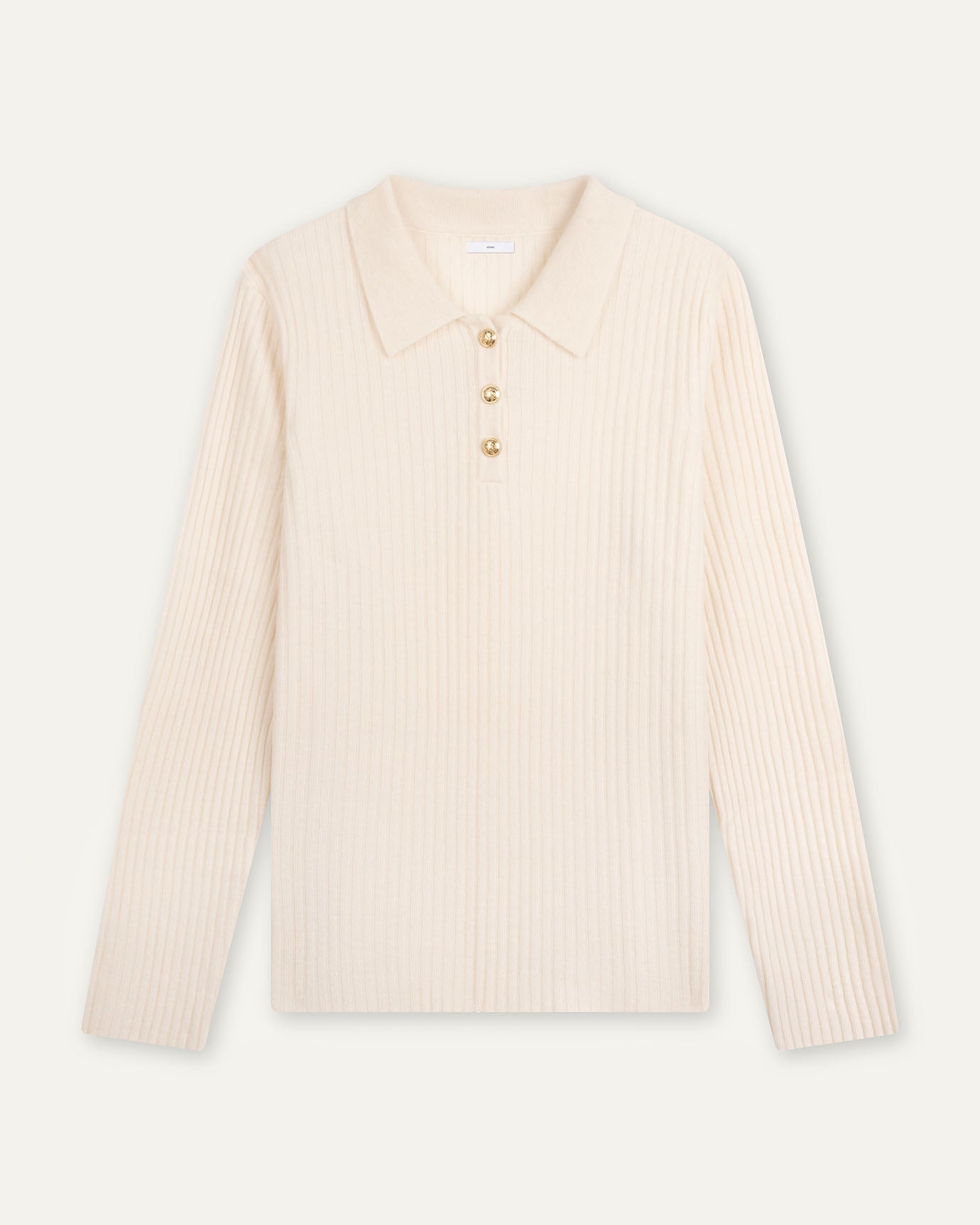
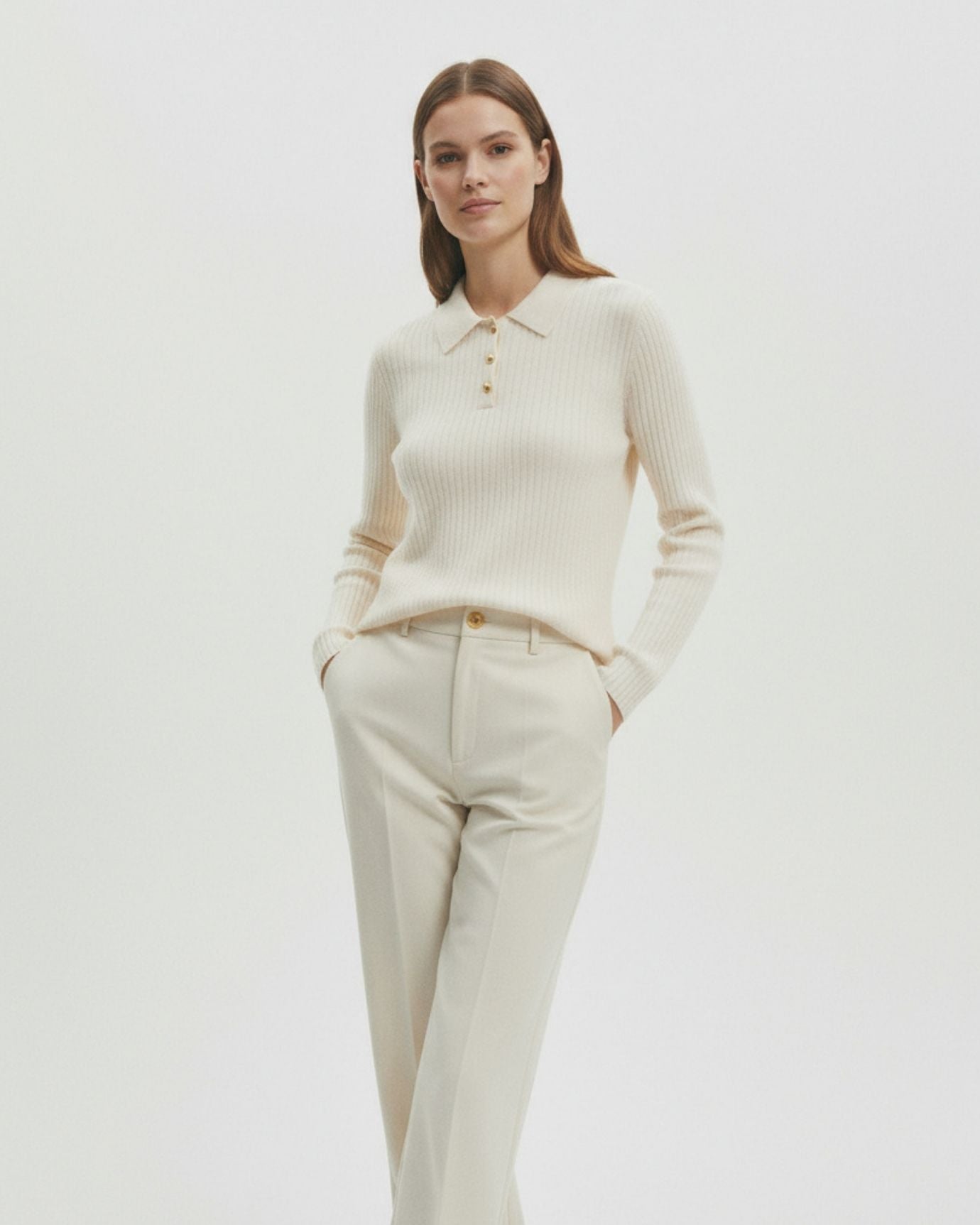
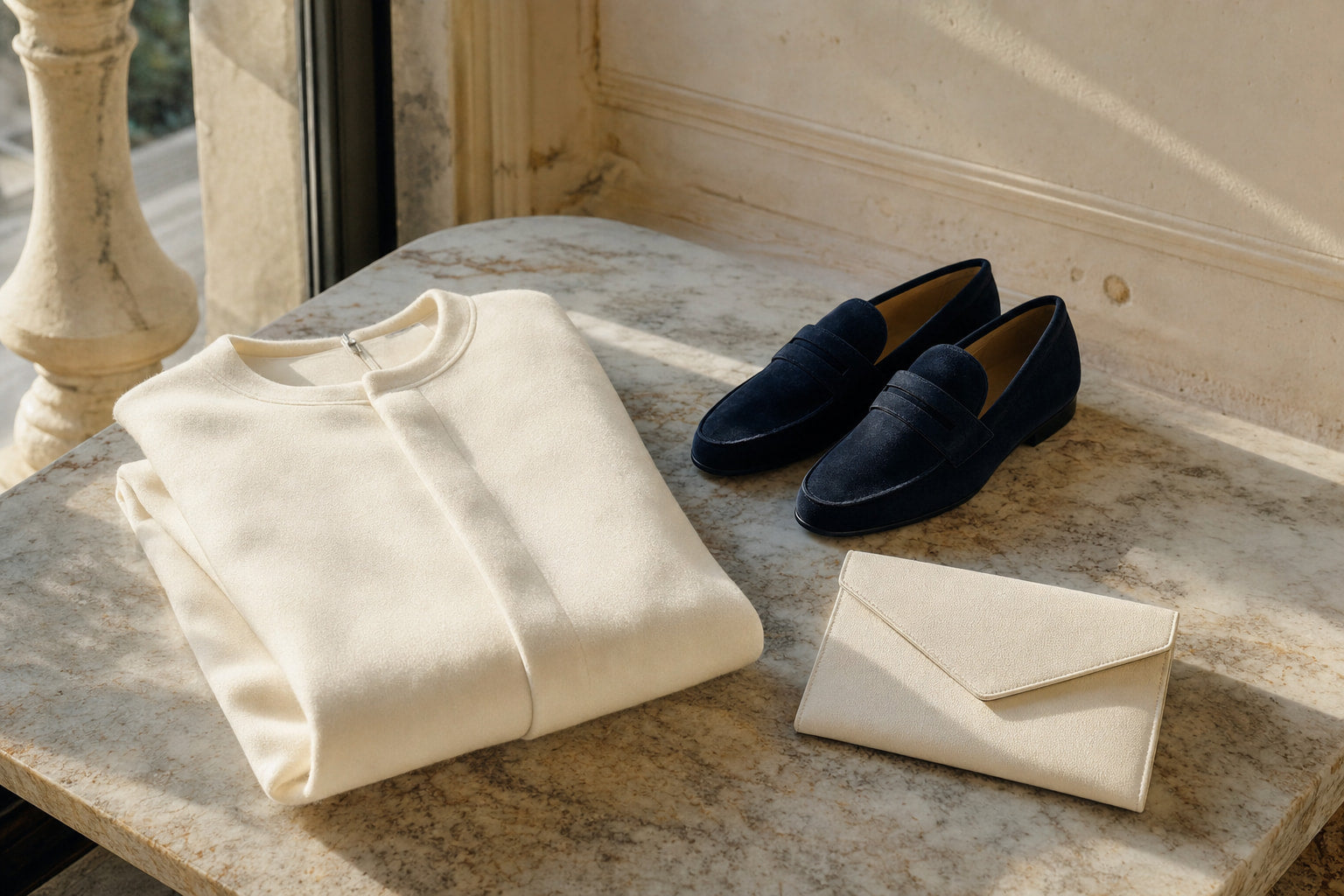
Warm neutrals over stark white. Bright, blue-based white can make warm undertones look slightly yellow. Opt for off-white, warm ivory, cream, or ecru instead. The French Niche Style White Dress in its clean ivory tone sits in exactly this range, making it a strong choice for warm-toned women who want a white-adjacent option that does not fight their complexion.
Warm greens and olive. Olive, moss, sage, and warm khaki all have yellow undertones that align well. Avoid cool blue-greens or mint, which will create a visual clash.
Rich, warm reds and corals. Tomato red, brick, rust, and coral all work. Avoid blue-reds or cool fuchsia, which will make warm skin look sallow by contrast.
Gold, amber, and mustard. These shades are almost universally flattering on warm undertones because they share the same underlying hue. A mustard or amber dress worn by someone with warm skin creates the impression of a healthy, sun-touched glow.
Colors to approach with caution: icy pastels, cool lavender, true navy without warm accents, and anything with a distinctly blue or grey base. These do not necessarily look wrong, but they rarely look as alive as warmer alternatives.
Expert insightWarm undertones do particularly well in matte, natural fabrics such as linen, cotton, and wool, which absorb light rather than reflecting it. High-gloss satin in a cool shade will amplify any mismatch far more than the same color in a matte crepe.

The Best Colors for Cool Undertones
Cool undertones carry pink, rose, or blue pigmentation beneath the skin. The palette that flatters cool skin is broader than many expect, and it includes some of the most classically elegant colors in European dress.
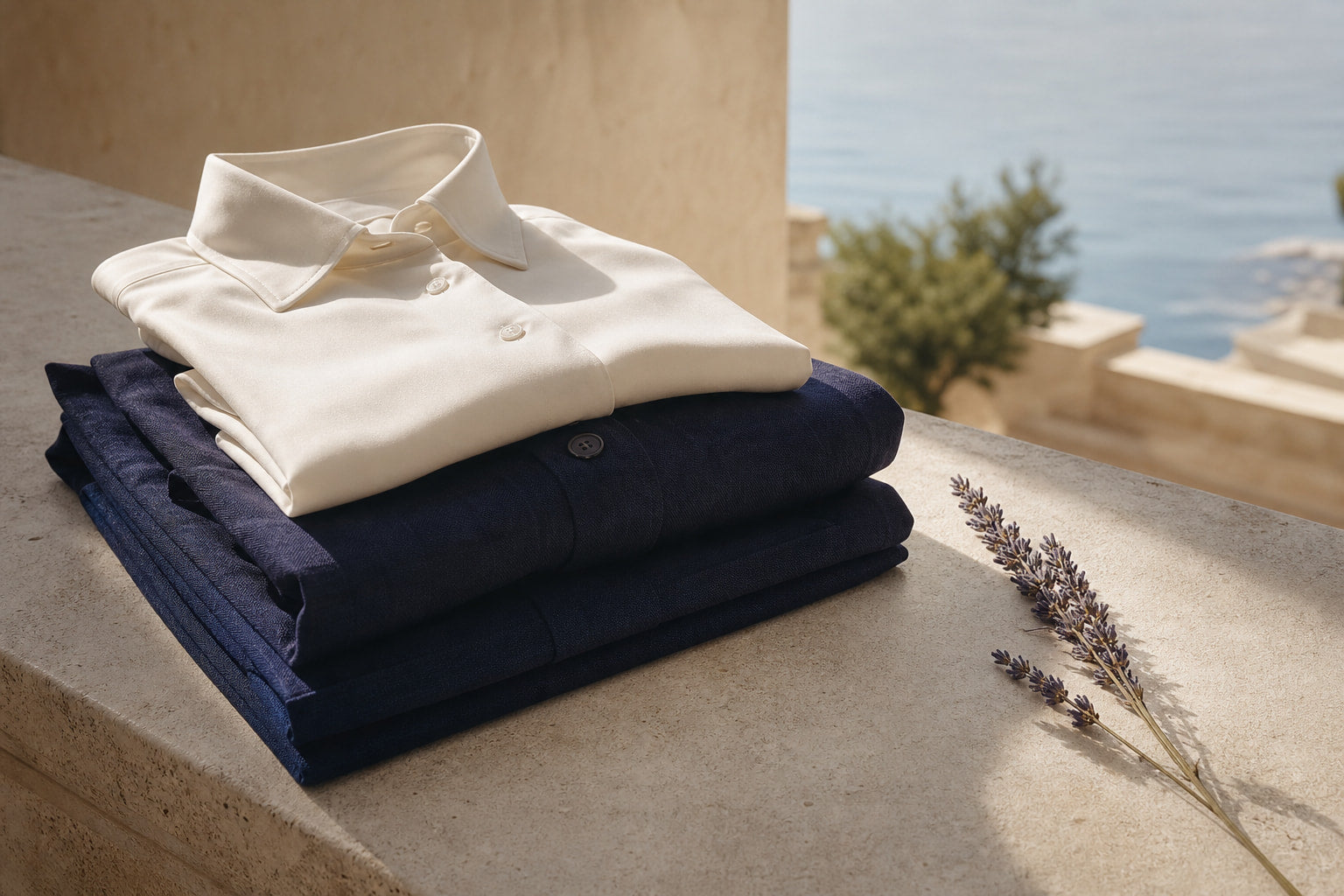
Jewel tones are your strongest asset. Sapphire blue, emerald, deep amethyst, and rich burgundy all have enough depth and cool clarity to make cool-toned skin look vivid and healthy. The Contrast Collar Pleated Dress in Navy and White is a strong example: navy is one of the most flattering colors for cool undertones because it shares the blue base of the skin's underlying pigment without being overwhelming.
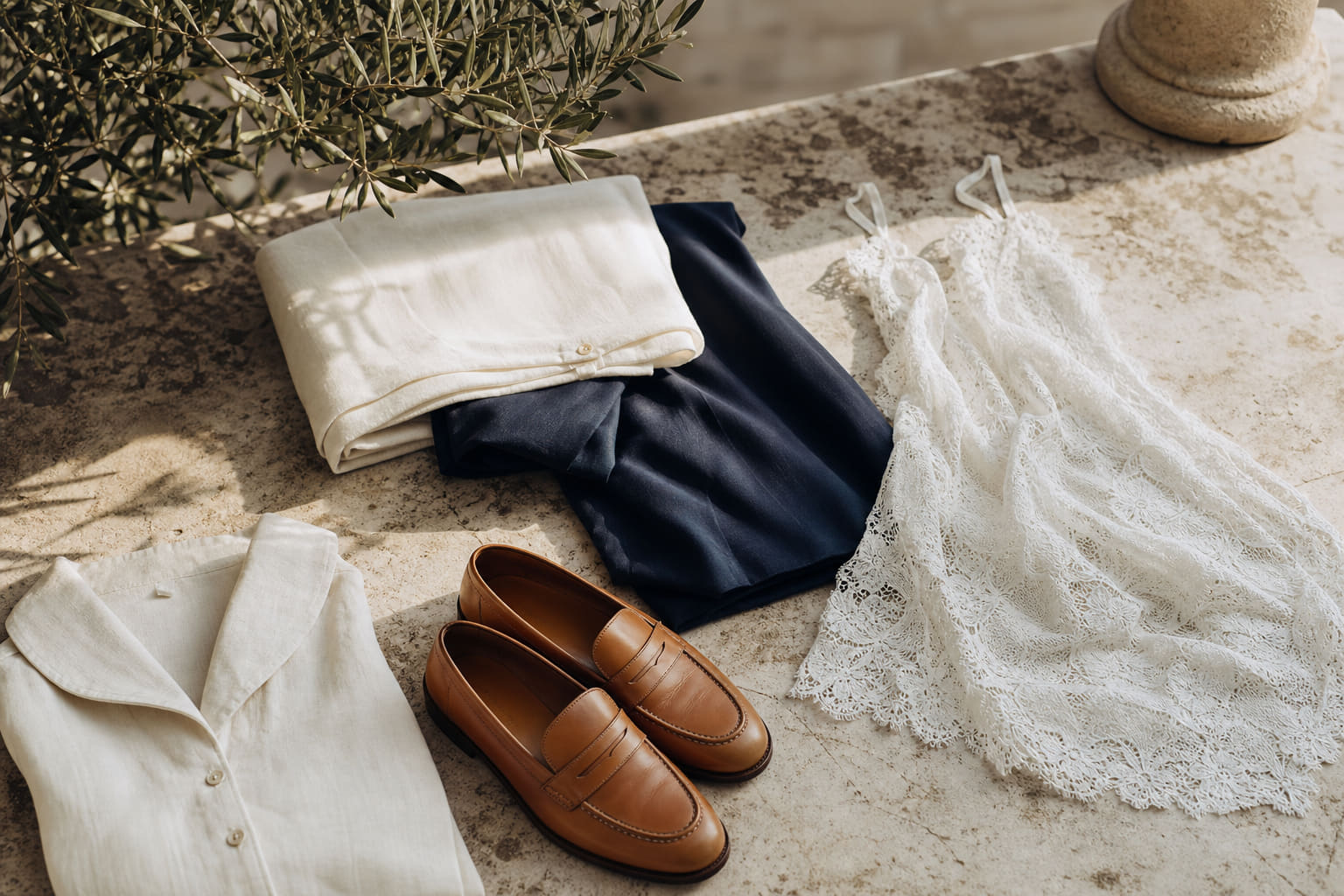
True white and bright white. Unlike warm undertones, cool-toned skin handles bright, blue-based white beautifully. It looks clean and crisp rather than stark. The Cira White Hollow-Out Lace Dress in a pure, bright white reads as refined and polished against cool skin.
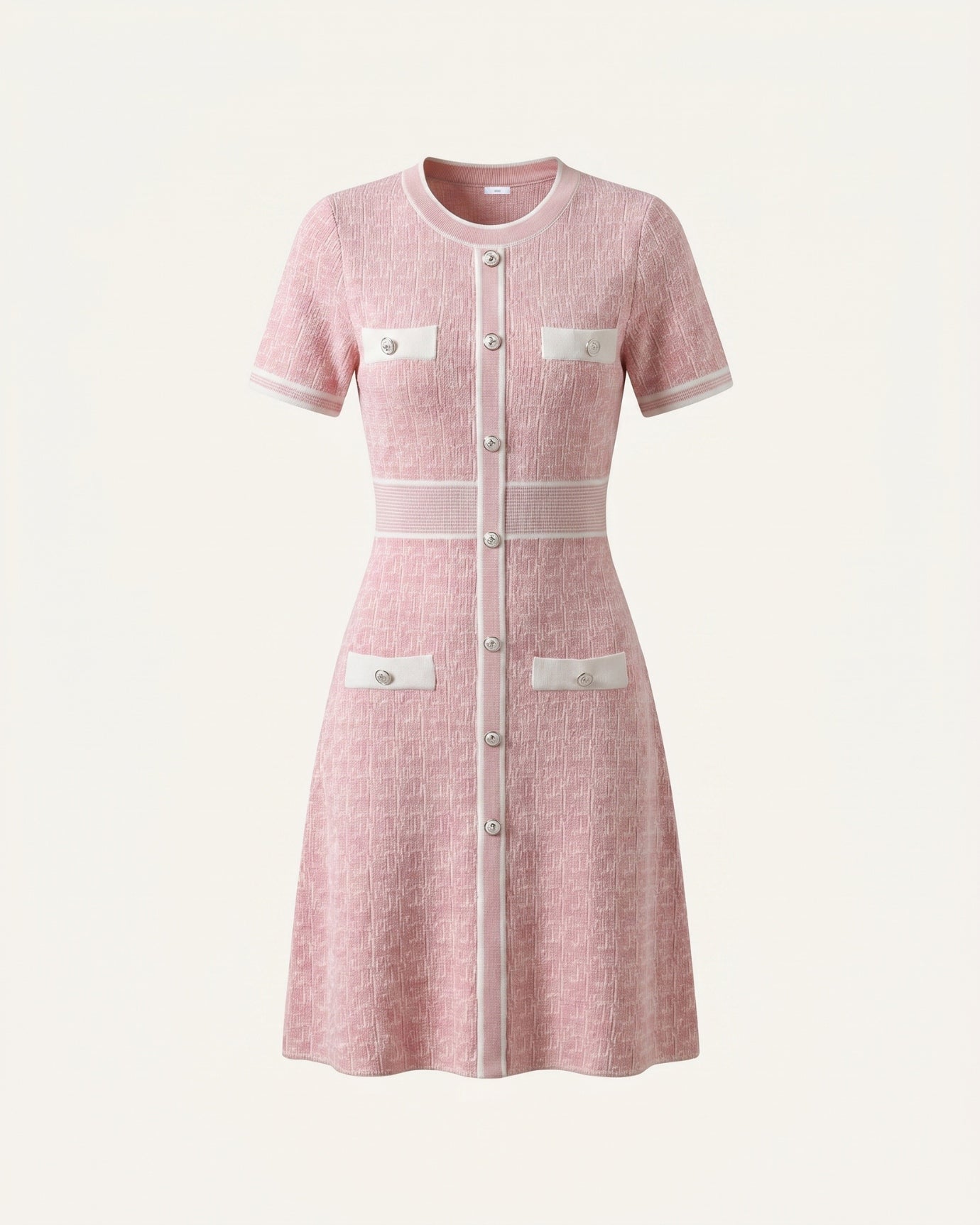
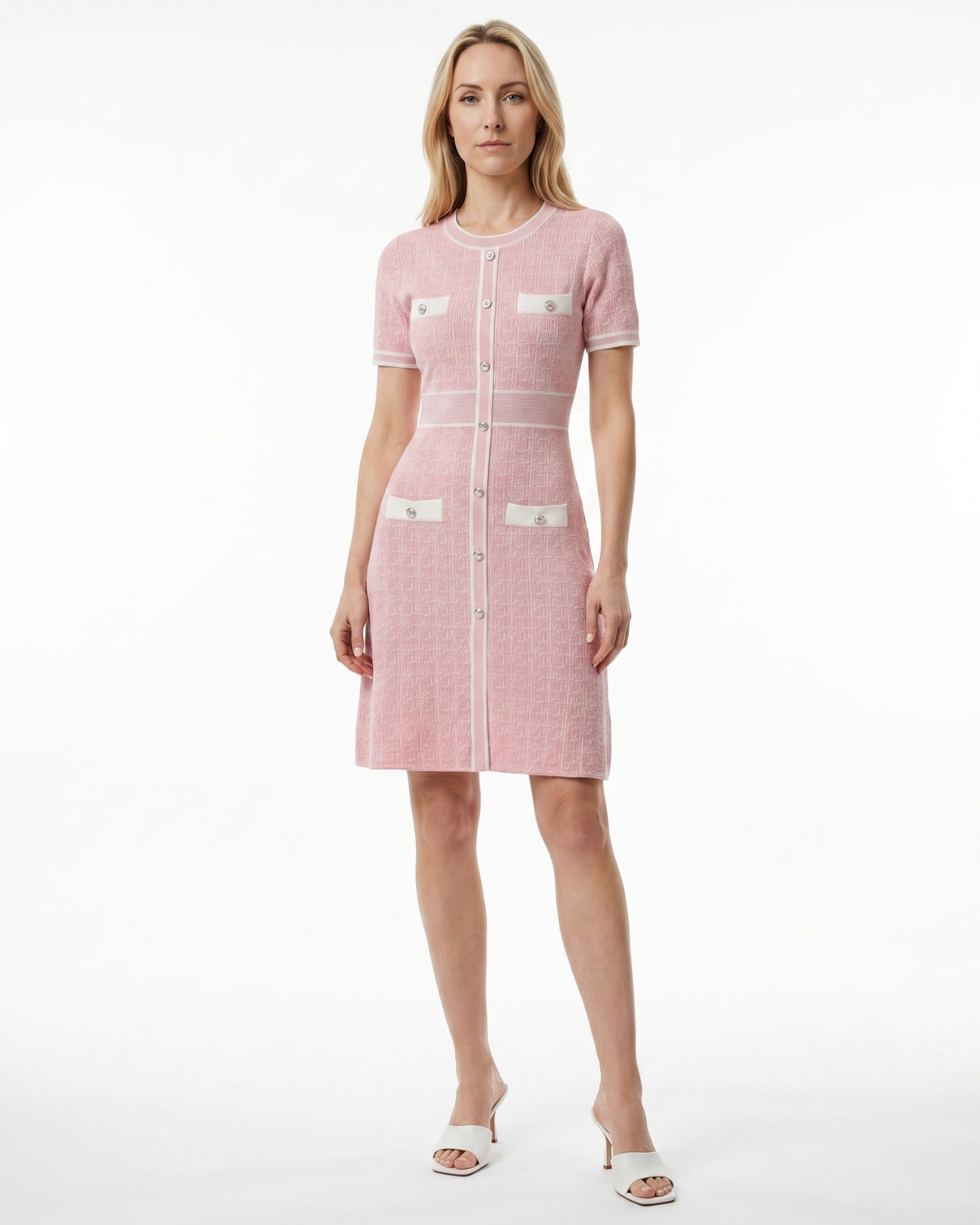
Soft blush and cool pinks. Rose, dusty pink, and cool blush all complement the rosy undertone of cool skin. The Amy Pink Dress Suspender in its soft apricot-to-pink range works particularly well here, adding warmth without pulling into orange territory.
Cool blues and icy pastels. Powder blue, icy lavender, soft periwinkle, and pale grey are all clean and flattering. For more on building around navy specifically, the article on building a capsule wardrobe around classic navy blue covers the full approach.
Colors to approach with caution: orange, warm yellow, mustard, camel, and heavy rust tones. These shades emphasize the pink or blue in cool skin in a way that can read as unwell rather than vibrant. A small accent of warm color in a print is fine, but these should not be the dominant hue of a dress.
Expert insightCool undertones benefit from the structure of a defined neckline. A V-neck or square neckline in a cool jewel tone draws attention to the face and creates a clean visual line that flatters the complexion more than a high round neck in the same color.

Neutral Undertones: Working Both Sides of the Spectrum
Neutral undertones are a genuine mix of warm and cool, with neither dominant. This is not a fallback category. It is simply a different relationship with color, one that offers more flexibility.
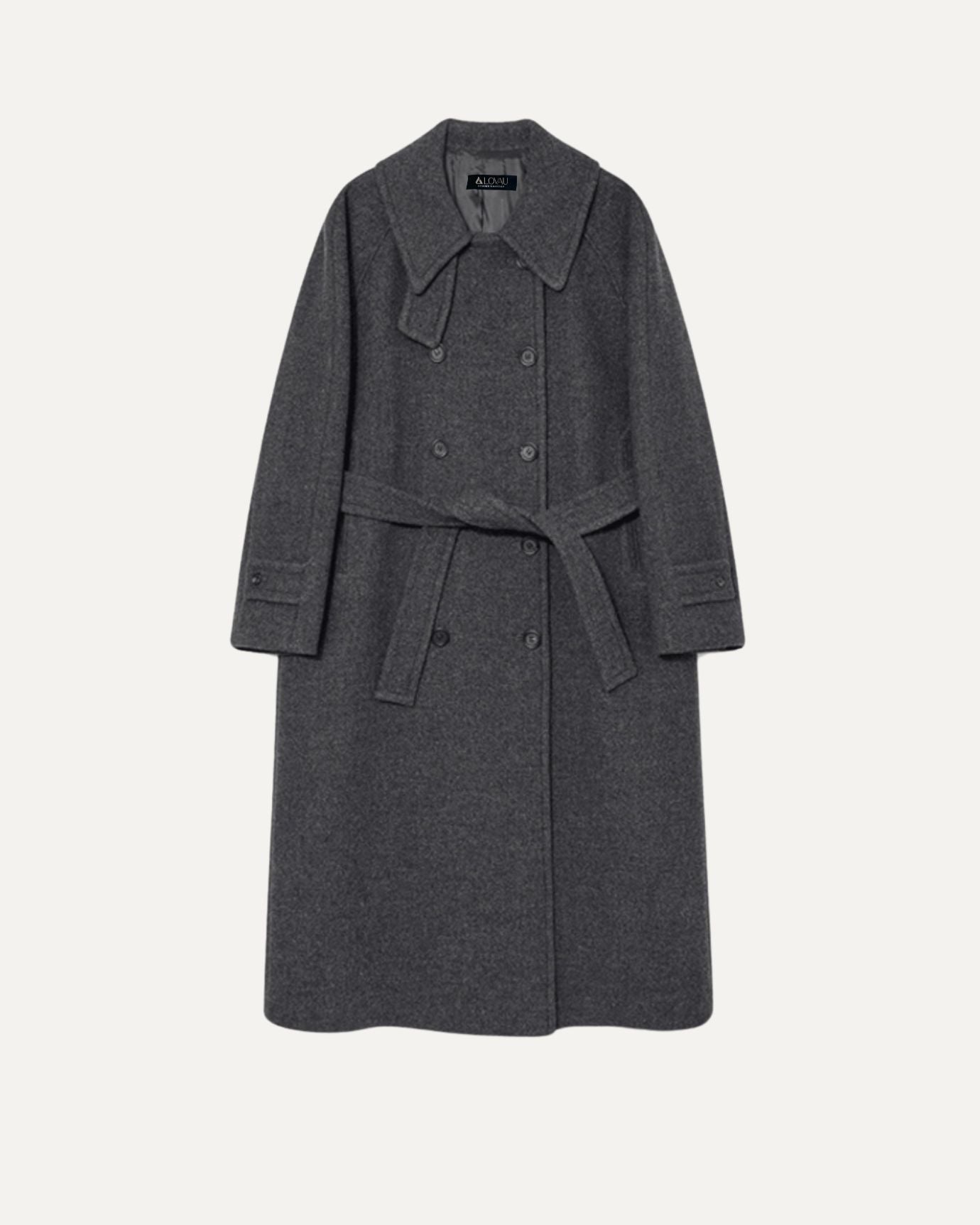
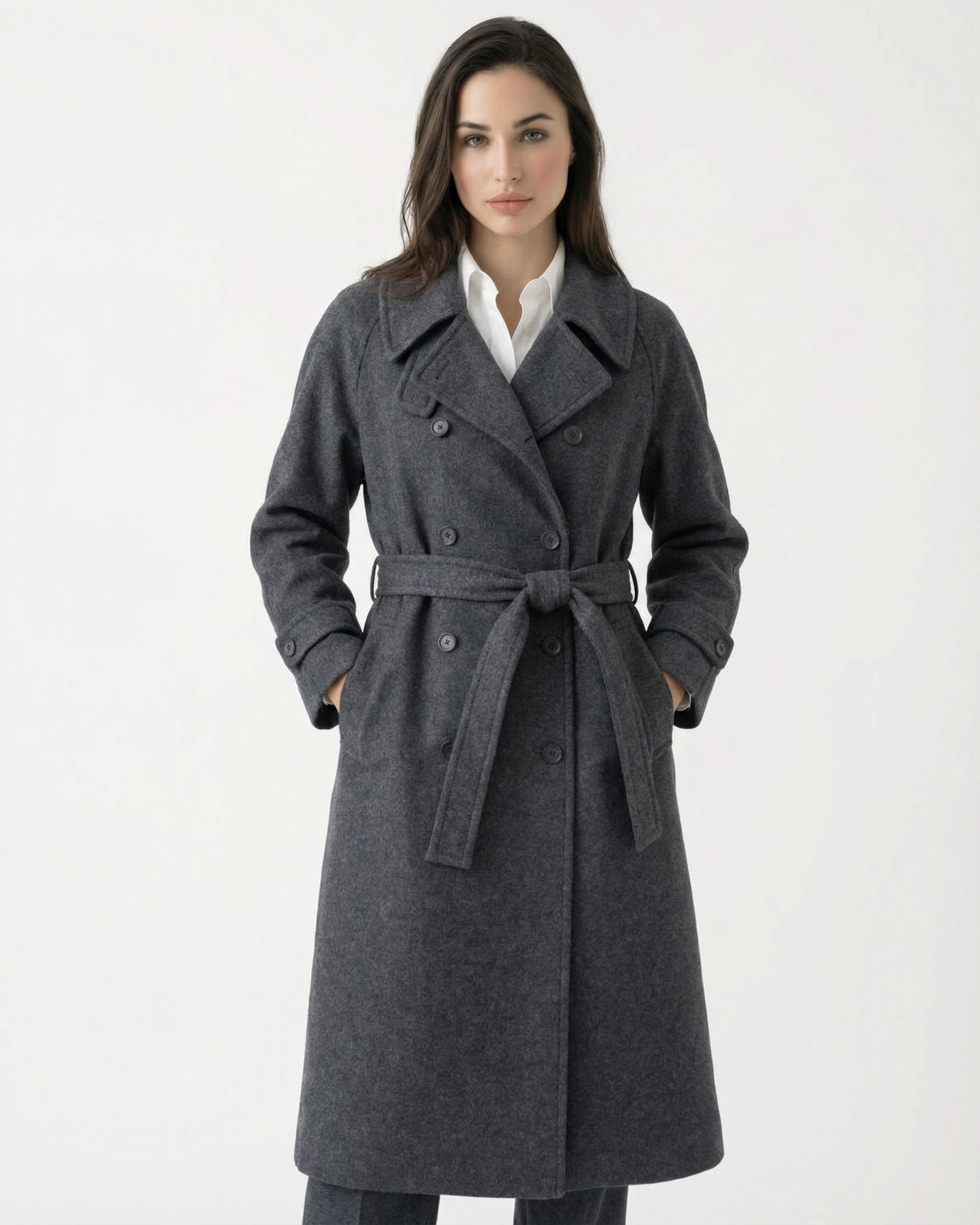
Neutral-toned skin tends to look most polished in soft, mid-range hues rather than extremes. Very saturated jewel tones and very heavy earth tones can both overwhelm. The sweet spot is colors with balance: dusty rose rather than hot pink, warm taupe rather than deep rust, soft sage rather than vivid olive.
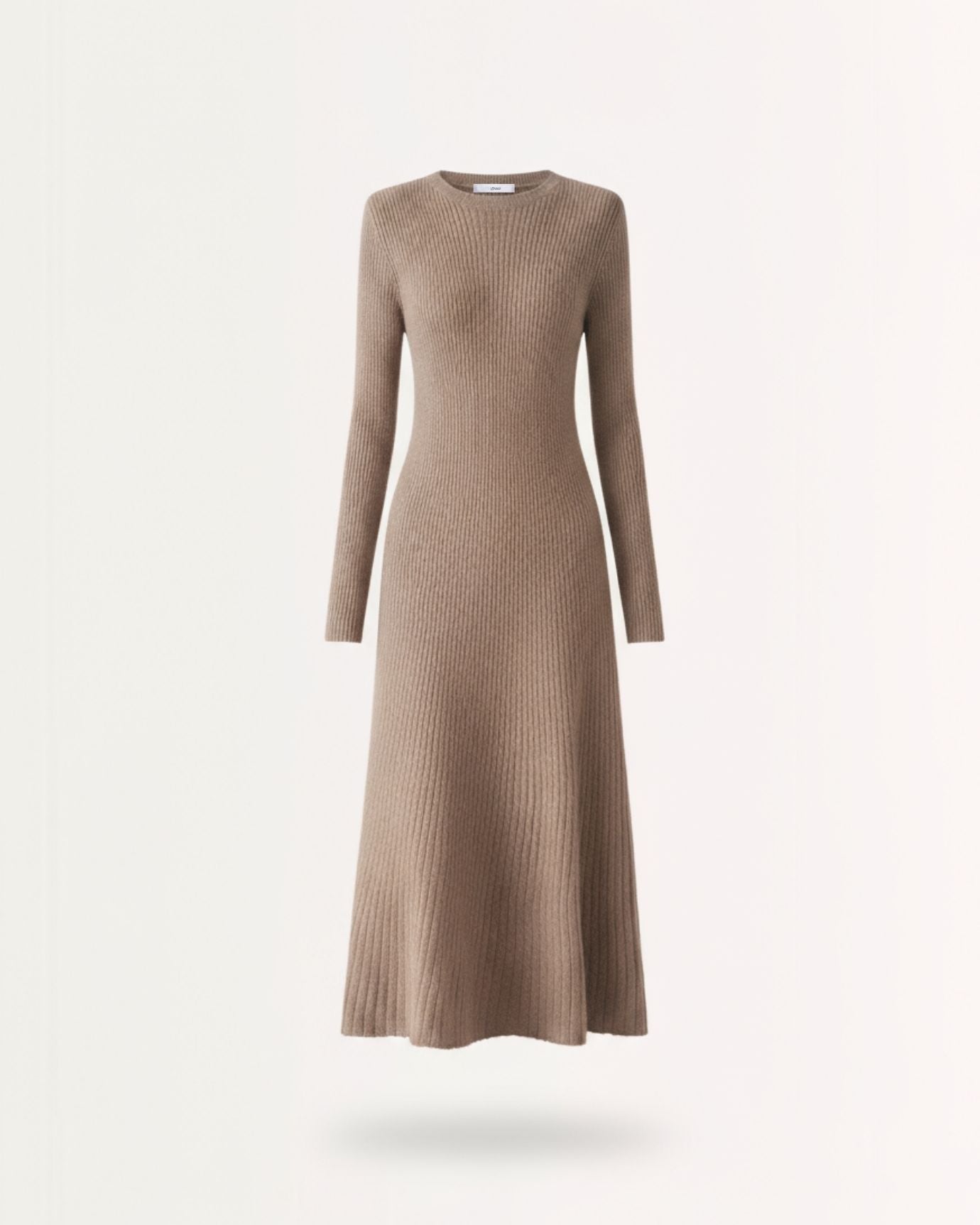
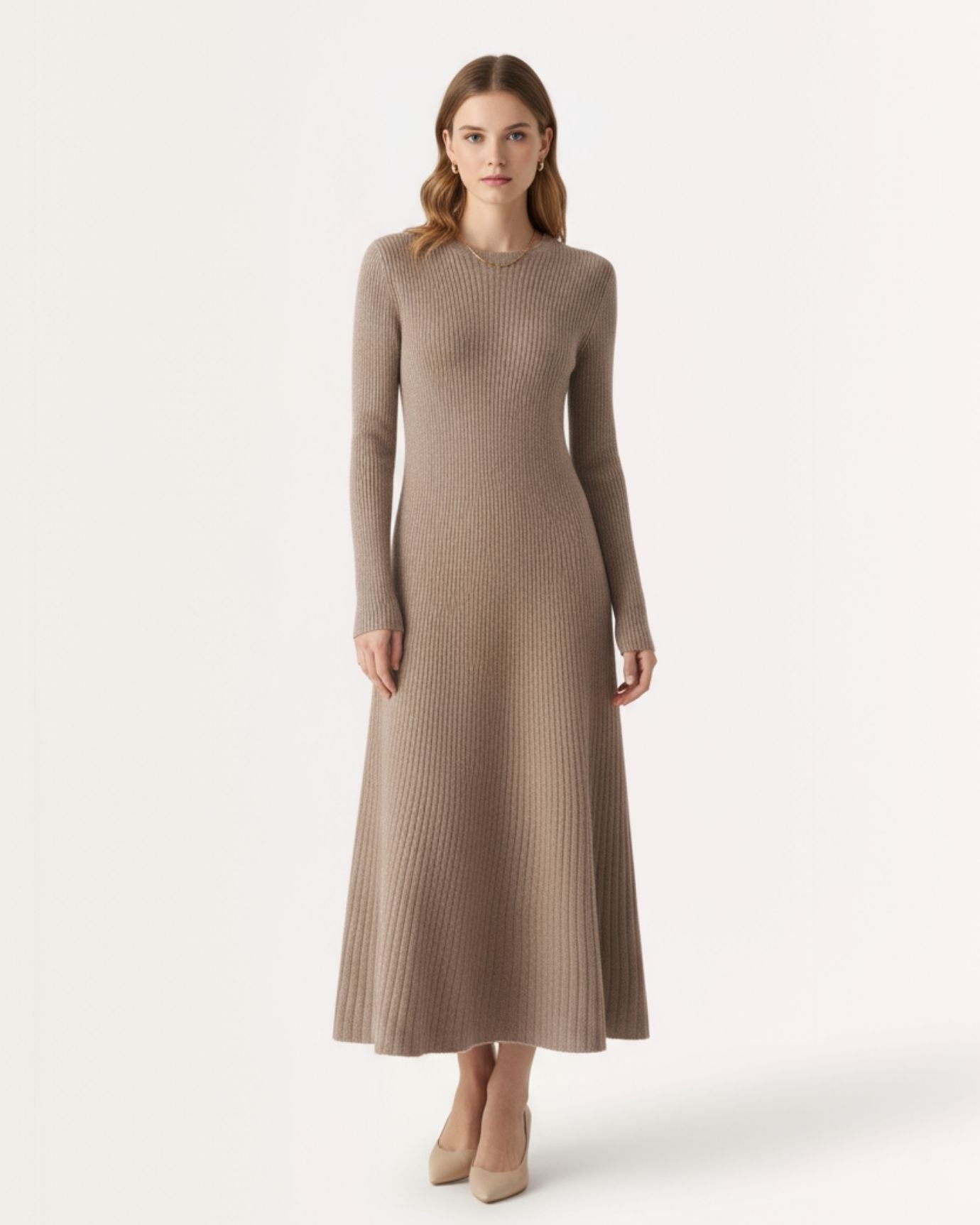
Greige, stone, and warm grey are particularly strong for neutral undertones. They sit between warm and cool on the spectrum and reflect that balance back to the skin. A stone-colored or warm-grey dress in a quality fabric such as wool or knit creates a quietly sophisticated result. The Woman Wool Dress Old Money Style in a mid-tone works well here because the natural matte texture of wool keeps the color grounded.
Soft florals and mixed-palette prints are also a reliable option. When a print contains both warm and cool tones, it naturally complements neutral undertones because there is something in the palette that aligns with both sides of your skin. The Lina Romantic Floral Dress is a good example: its mixed floral palette avoids committing to either a purely warm or purely cool color story.
For guidance on which neutral shades have the most staying power across seasons, the article on best neutral colors that never go out of style is a useful companion read.

Applying Undertone Theory to Dress Choices
Knowing your undertone category is only useful if you can translate it into actual purchasing decisions. Here is how to do that practically.
Start with the dominant color of the dress, not the print details. If a dress is primarily navy with a small white print, treat it as a navy dress. The dominant field is what sits against your skin most prominently.
Consider the fabric finish. Matte fabrics, wool crepe, cotton, linen, and knit, are more forgiving of slight color mismatches because they absorb light. Satin, silk charmeuse, and metallic fabrics reflect light directly back from the surface, which amplifies both the color and any tension with your undertone. The Cashmere Dress Skin Proof Tested V-Neck is a good example of how a matte, soft-textured fabric in a neutral color works across a wide range of undertones without friction.
Neckline proximity matters. The color closest to your face has the most impact. A cool-toned woman in a warm orange midi dress will look fine if the neckline sits low and a cool-colored scarf or neckline detail frames the face. The dress color matters less than what sits at chin level.
Test in natural light before committing. Retail lighting is almost always warm, which flatters warm tones and obscures how a color will actually look outdoors or in office lighting. If you are shopping online, look for product images taken in natural light. For a considered take on which colors to avoid entirely regardless of undertone, the article on best colors to avoid if you want to look expensive is worth reading before your next purchase.
For women building a broader wardrobe around these principles, browsing the full woman dress collection with undertone in mind is a productive starting point. Filter by dominant color rather than style, and apply the warm-cool framework from there.

Undertone and Pattern: How Prints Change the Equation
Solid colors give you the clearest signal about undertone compatibility. Prints are more complex but follow the same logic.
The background color of a print dominates. A white background with a blue floral print is a cool-toned dress. A cream background with a rust-and-green botanical print is a warm-toned dress. Identify the background first.
Mixed-palette prints are the most versatile. When a print contains both warm and cool tones in roughly equal proportion, it works across undertone categories. The Marbella Retro Floral Lace Dress with its mixed vintage palette is a good example of this balance. The Blue Striped Dress Lovau Style, by contrast, commits firmly to a cool blue base, making it a strong choice for cool undertones and a less obvious one for warm.
Contrast and proportion matter. A high-contrast black-and-white print is cool in character. A low-contrast pattern in dusty terracotta and warm taupe reads as warm. When in doubt, identify the overall warmth or coolness of the visual impression the print creates, and apply the same rules as you would to a solid.
For occasion dressing, understanding the undertone of your most worn formal or event colors is particularly useful. The In Paris Style Long-Sleeved Dress with Belt in a deep, structured tone is a good example of a dress where the cut and color work together to create a complete statement, and where knowing your undertone helps you decide whether the specific shade is a confident choice or a compromise.

| Category | Best Colors | Best Neutrals | Colors to Limit | Best Fabric Finish |
|---|---|---|---|---|
| Warm Undertone | Camel, rust, olive, coral, warm red, mustard, peach | Cream, ivory, warm off-white, warm taupe | Icy lavender, cool grey, blue-red, stark white | Matte: linen, cotton, wool |
| Cool Undertone | Navy, sapphire, emerald, burgundy, cool blush, plum | True white, cool grey, soft silver-grey | Orange, mustard, camel, warm rust | Matte or soft sheen: crepe, matte satin |
| Neutral Undertone | Dusty rose, soft sage, warm taupe, periwinkle, soft teal | Greige, stone, warm mid-grey | Very heavy earth tones or very saturated jewel tones alone | Matte or textured: knit, wool, cotton |
| Olive Undertone (cool-leaning) | Jewel tones, deep burgundy, cool emerald, navy | White, cool grey, charcoal | Very warm orange or heavy yellow | Matte: structured fabrics |
| Olive Undertone (warm-leaning) | Warm olive, terracotta, warm gold, deep warm brown | Cream, warm stone, warm taupe | Icy pastels, cool lavender | Matte: linen, cotton, knit |
Frequently asked questions
Can my skin undertone change over time?
Your undertone is determined by the ratio of melanin, hemoglobin, and carotene in your skin, and it remains largely stable throughout your life. A tan changes your surface tone but not your underlying undertone. The vein test remains accurate regardless of how much time you have spent in the sun.
What if I look good in both warm and cool colors?
You are most likely neutral. Neutral undertones have the widest compatibility range, but they tend to look most polished in balanced, mid-range hues rather than at the extremes of either palette. Stone, warm grey, dusty rose, and soft sage are reliable anchors for a neutral-toned wardrobe.
Does undertone affect which black or white dress I should choose?
Yes. Black is generally flattering across undertones, but the finish matters: matte black suits both, while high-sheen black can emphasize cool undertones more strongly. For white, warm undertones are better served by ivory or cream, while cool undertones can wear bright, blue-based white cleanly. Browsing the woman dress collection by dominant color makes it easier to identify the right white or off-white for your undertone.
Does undertone theory apply to men's clothing as well?
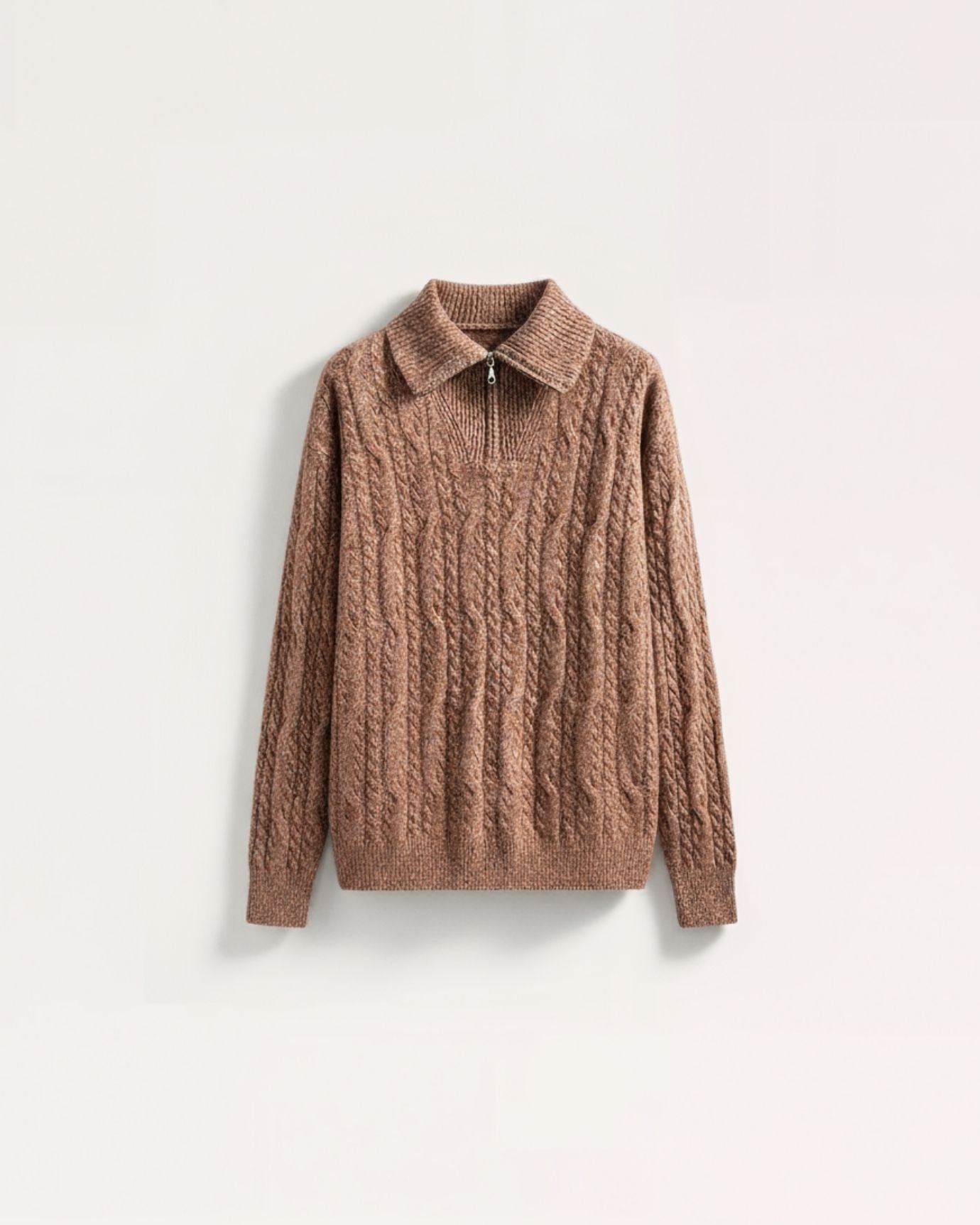
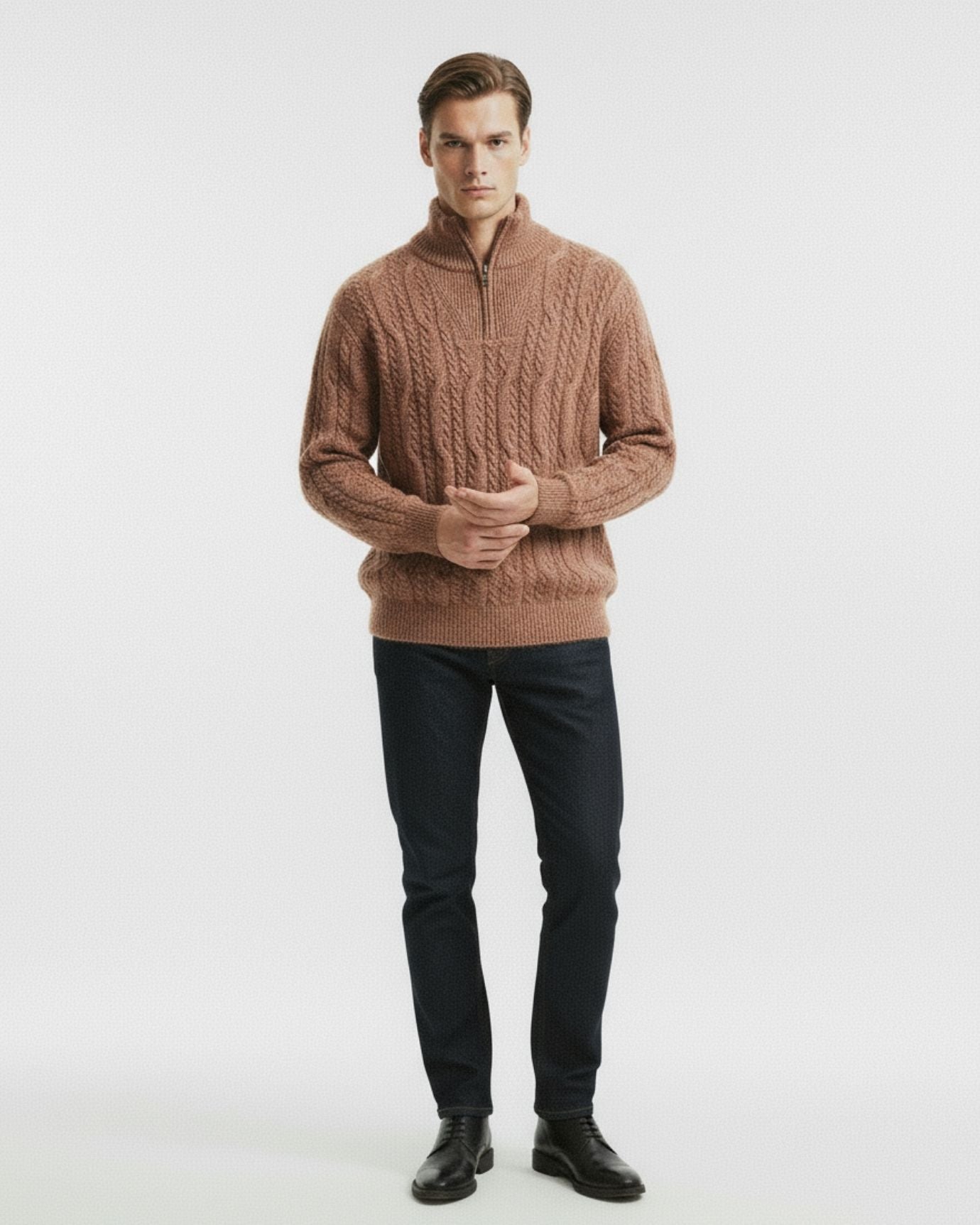
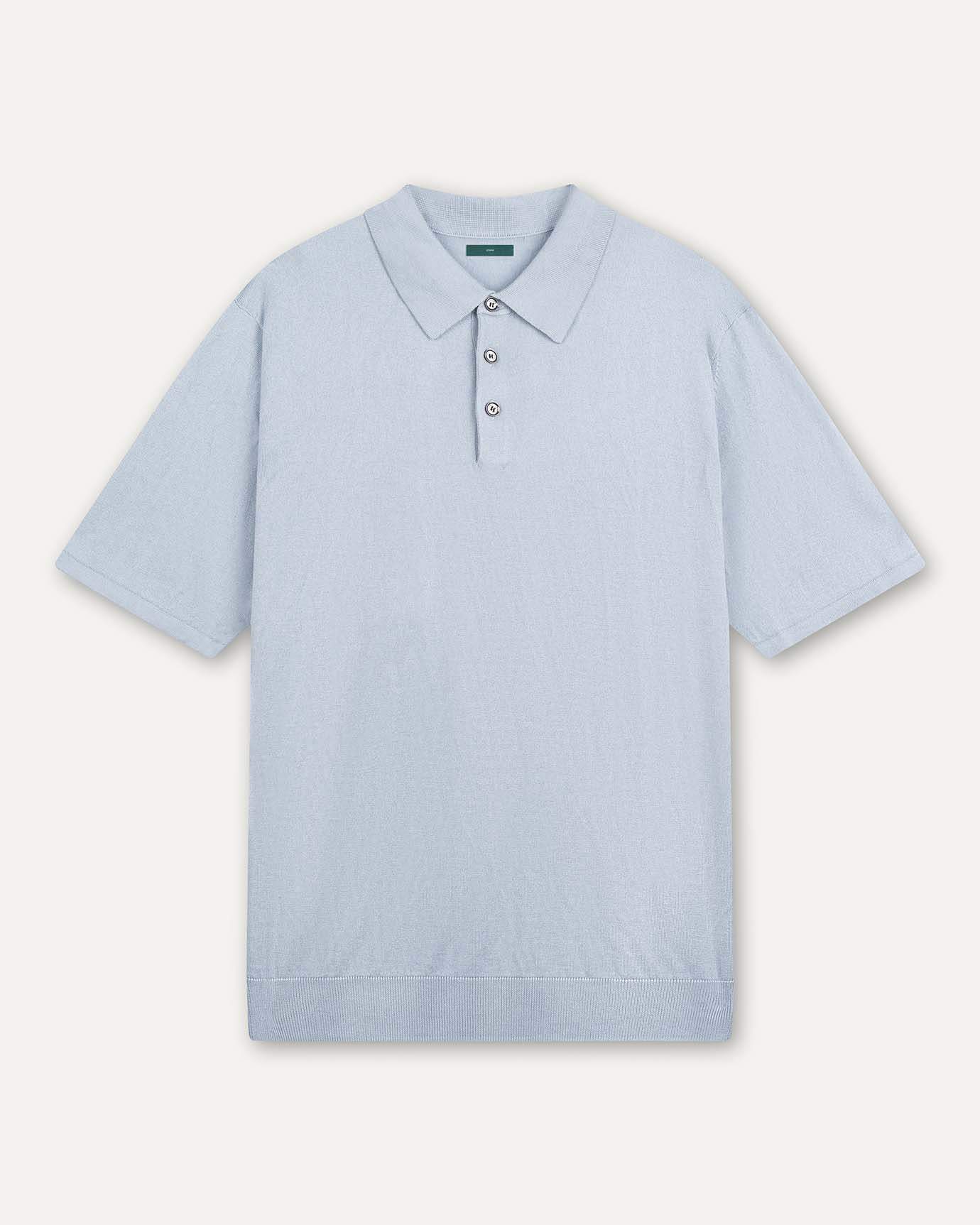
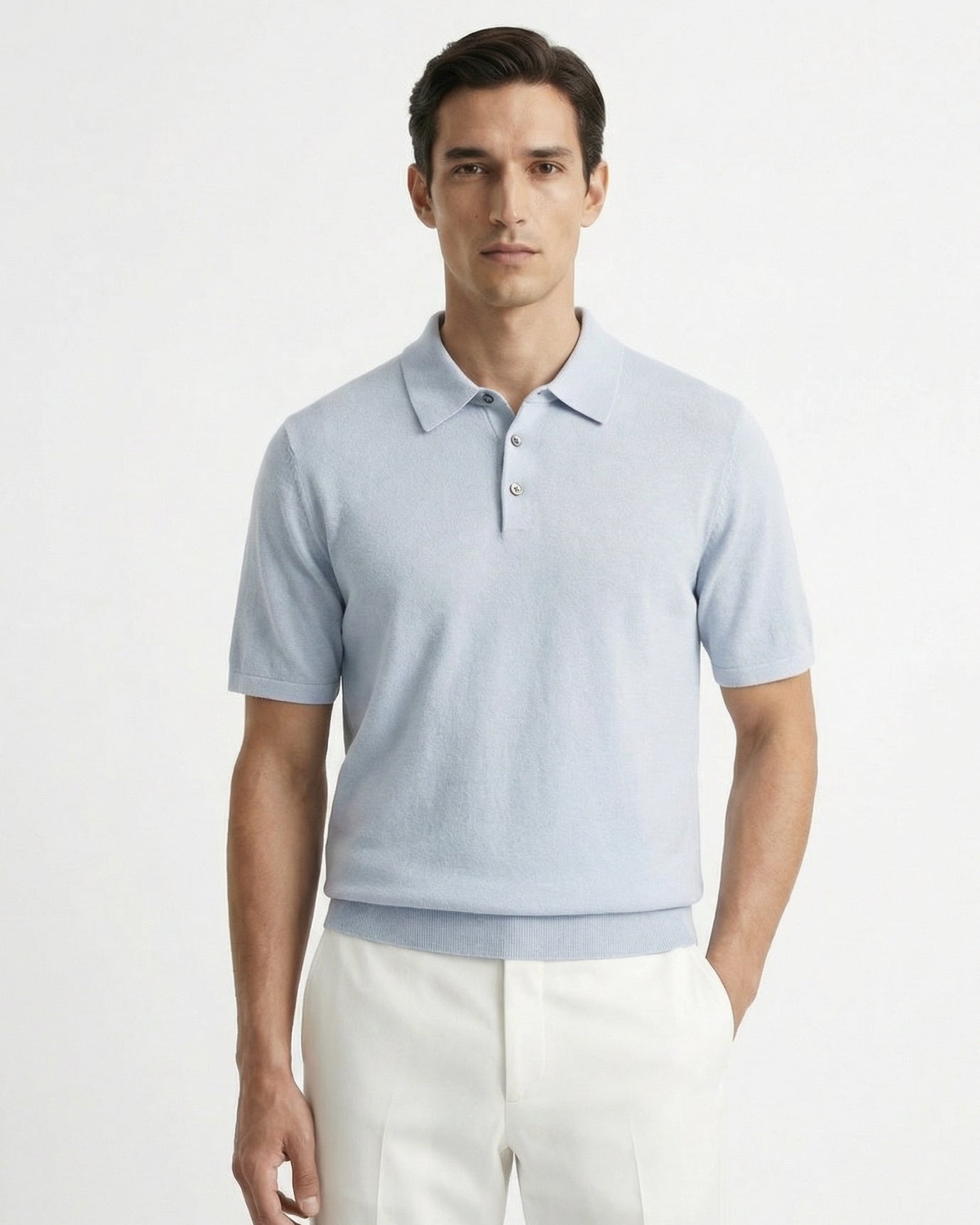
Completely. The same warm-cool framework applies to shirts, trousers, and knitwear for men. Warm-toned men look better in camel, olive, warm grey, and earthy navy rather than cool grey or icy blue. Cool-toned men find that true navy, charcoal, and cool white shirts create a cleaner, more alive impression than warm khaki or mustard.
Dressing for your undertone is not a complicated system. It is a single, consistent filter you apply before committing to a color. Identify whether you are warm, cool, or neutral using the vein and white paper tests, then use that knowledge to narrow your choices rather than expand them indefinitely. The result is a wardrobe where almost everything you own works together and everything you wear looks intentional. For a starting point, the Lovau woman dress collection covers the full spectrum of undertone-friendly colors across cuts and occasions.