



How to Choose Sunglasses for Your Face Shape (Men 2026)
Reading time 12 min • 2345 words
Most men own one pair of sunglasses and wear them regardless of fit. That is the equivalent of buying a suit off the rack without checking the shoulders. The frame you choose either reinforces the natural geometry of your face or fights it, and the difference is visible from across a terrace.
This guide is not about trends. Square, aviator, and rectangular frames have existed in their current forms for decades precisely because they work. What changes is understanding which of those silhouettes belongs on your face and why.
Below is a straightforward breakdown by face shape, with specific frame recommendations and the reasoning behind each. Read it once, identify your shape, and you will not second-guess a frame again.
Key takeaways
- Match frame shape to face shape by contrast: round faces need angular frames, square faces need softer curves.
- Aviator frames are genuinely versatile and work on most face shapes, particularly oval and oblong.
- Square frames with gold or dark metal accents read as the most formally elegant choice for refined occasions.
- Rectangular frames suit round and oval faces well, adding definition without appearing aggressive.
- Frame width should align closely with the widest point of your face for balanced proportion.
In this guide
- How to Identify Your Face Shape Before Buying Frames
- Square Frames: For Round and Oval Faces
- Aviator Frames: The Most Versatile Shape in Men's Eyewear
- Rectangular Frames: For Round and Diamond Faces
- Building a Considered Sunglasses Rotation
- Pairing Sunglasses with the Rest of Your Outfit
- Frequently asked questions
How to Identify Your Face Shape Before Buying Frames
Before selecting a frame, you need an honest assessment of your face shape. Stand in front of a mirror with your hair pushed back and look at four measurements: forehead width, cheekbone width, jaw width, and face length from hairline to chin.
The most common shapes in men are oval, round, square, oblong (also called rectangular), triangle, and diamond. Each has a distinct proportion that determines which frame geometry creates balance rather than conflict.
- Oval: Forehead slightly wider than jaw, face length notably greater than width, gently rounded chin. The most balanced shape and the easiest to fit.
- Round: Similar width and length measurements, soft jaw and cheek curves, no strong angles.
- Square: Strong, angular jaw roughly as wide as the forehead, minimal taper, shorter face length relative to width.
- Oblong: Face length clearly greater than width, fairly uniform width from forehead to jaw, can appear narrow.
- Diamond: Narrow forehead and jaw with wide, prominent cheekbones.
- Triangle: Wider jaw than forehead, sometimes called a pear shape.
The principle that runs through all frame selection is contrast. Soft, round faces benefit from angular frames that introduce structure. Angular, square faces benefit from softer curves that reduce visual weight at the jaw. Knowing this one rule handles most decisions before you even look at a product.
Expert insightIf you are genuinely unsure of your shape, photograph your face straight-on in flat light, trace the outline on screen, and compare it against reference diagrams. The face shape classification system used in most style guides maps directly to these six categories.
Square Frames: For Round and Oval Faces
Square frames are the most formally authoritative silhouette in men's eyewear. The hard corners and defined geometry project confidence and, worn correctly, carry a quiet weight that softer frames do not.
They work best on round and oval faces. On a round face, the angular lines of a square frame introduce the structure the face naturally lacks, making features appear more defined. On an oval face, almost any frame works by proportion, and square frames give that shape a more deliberate, composed expression.
What to avoid: if you have a square jaw, a square frame doubles the angularity and the result is visually heavy. Men with strong, angular faces should look at aviators or softer rectangular shapes instead.
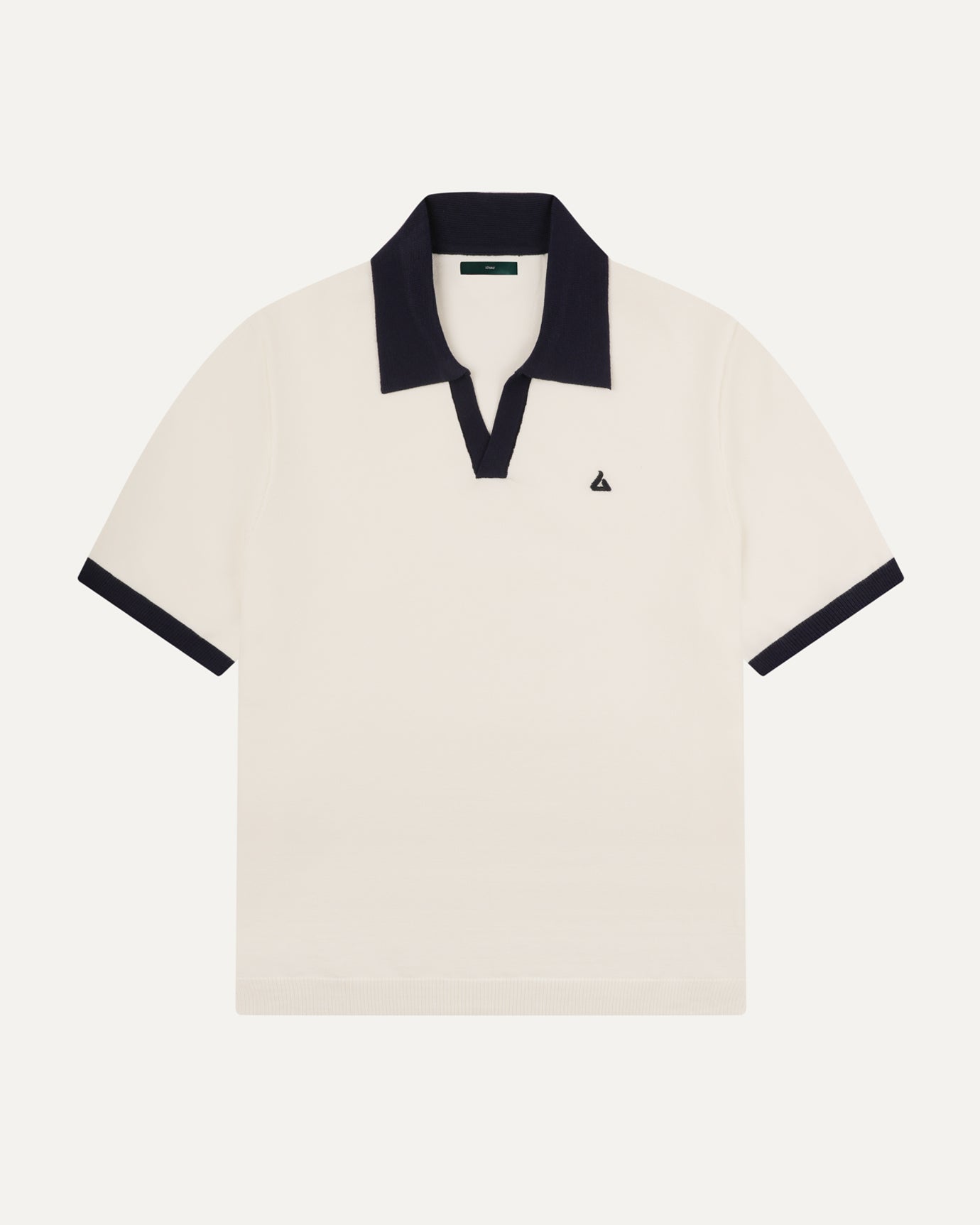
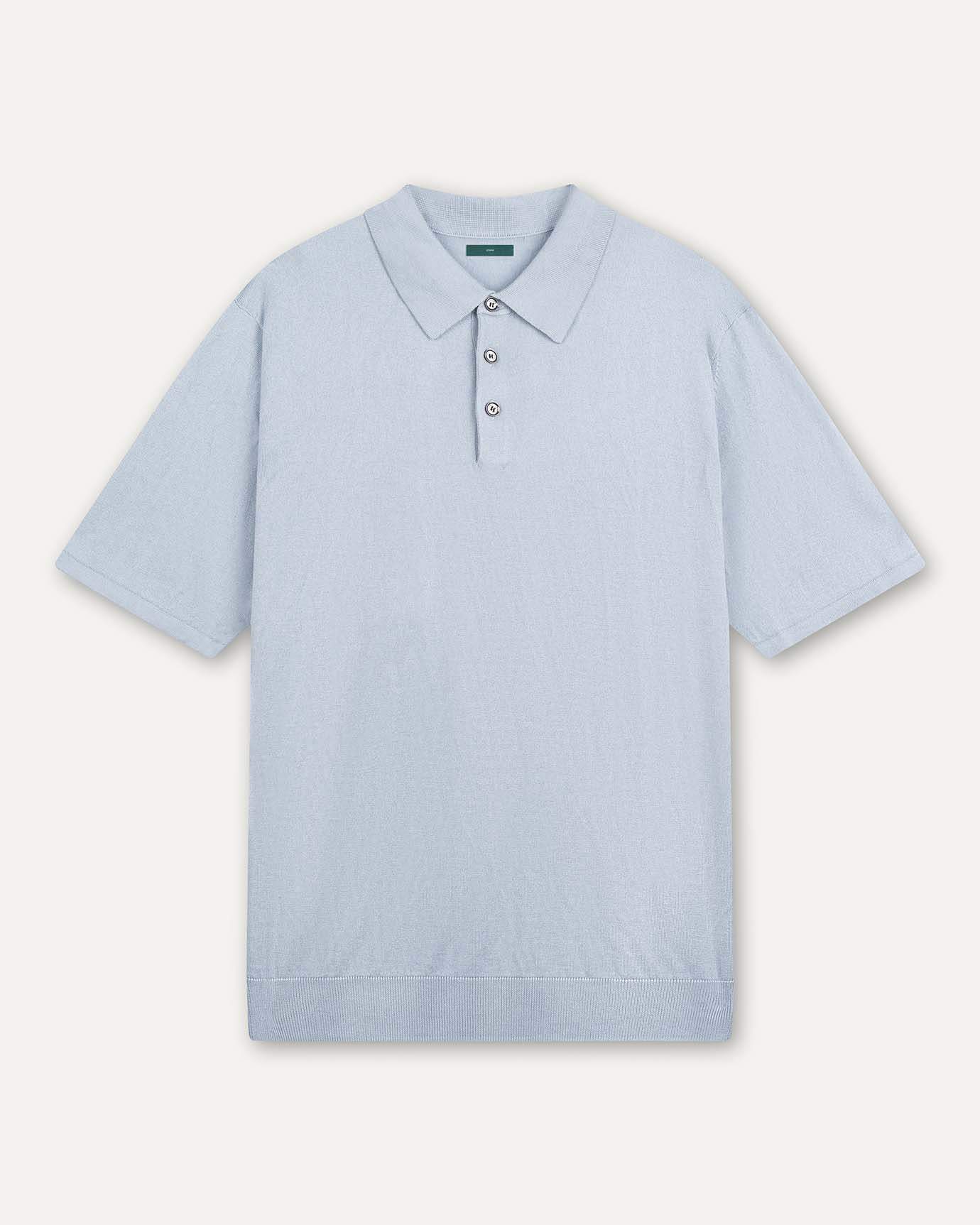
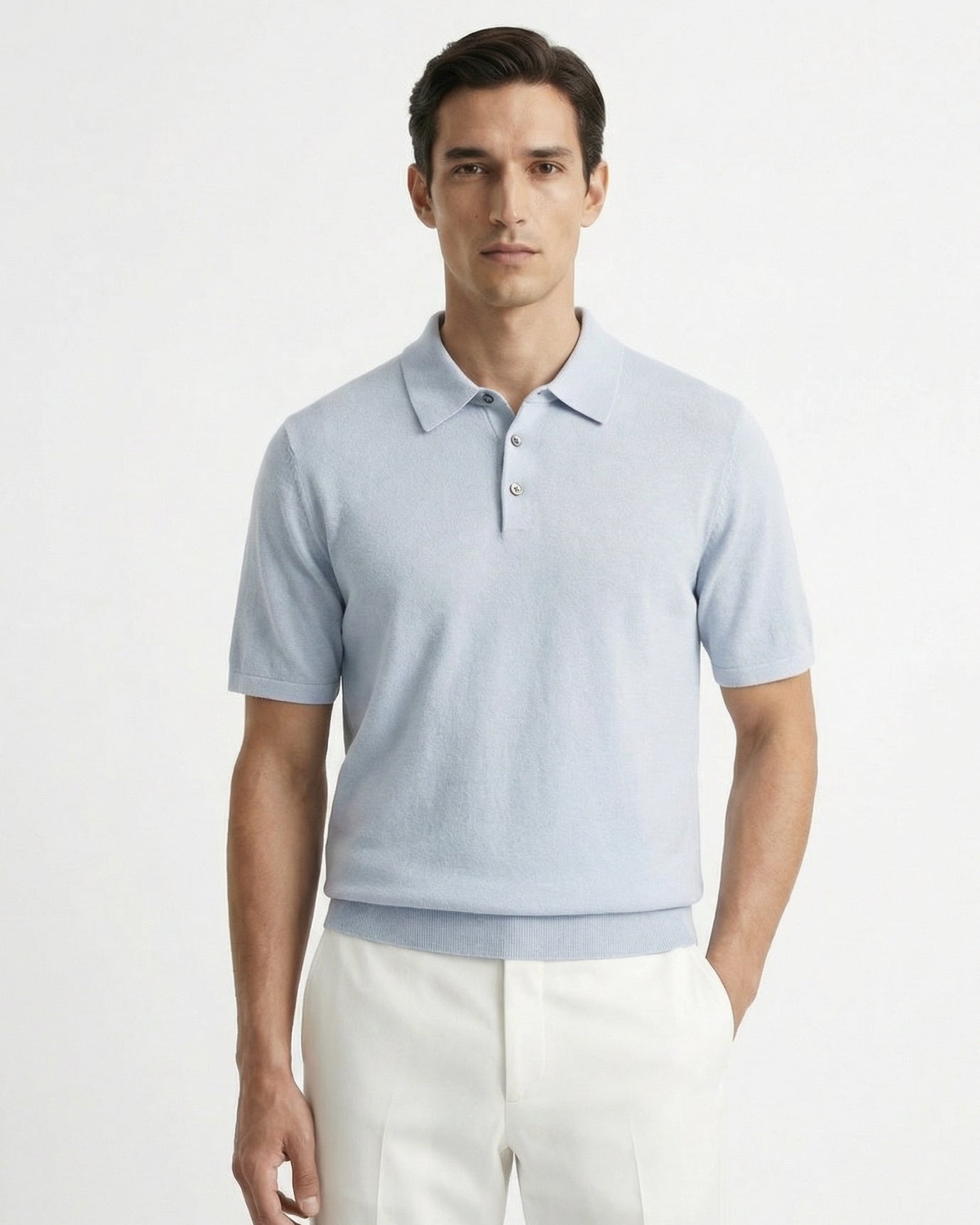
For a frame that executes this silhouette without excess, the black square sunglasses with gold accents are a considered choice. The dark acetate frame is grounded by the gold hardware, which adds warmth without breaking the formal line. These pair naturally with a Mulberry silk slim fit polo for a warm-weather afternoon, or with loose-fit linen trousers and loafers for something more relaxed but still composed.
The Milano black square sunglasses with gray gradient tint offer an alternative within the same silhouette. The gradient lens softens the frame slightly, making it a better option for men whose face shape sits between round and oval rather than firmly in one category.
Expert insightGold hardware on a dark square frame is one of the more reliable signals of quality in sunglasses. It is the same logic as a gold watch case on a navy dial: the contrast is deliberate, not decorative.

Aviator Frames: The Most Versatile Shape in Men's Eyewear
The aviator is the one frame shape that crosses face shape boundaries more successfully than any other. Its defining feature is the teardrop lens, slightly wider at the top than the bottom, which follows the natural brow line and balances proportionally on most face structures.
Aviators work particularly well on oval, oblong, and square faces. On an oblong face, the width of the aviator lens adds horizontal visual weight that counteracts the length of the face. On a square face, the rounded lower half of the lens softens the jaw without making the overall look feel casual.
The classic aviator silhouette has been a constant in men's style since the 1930s, and its durability comes from its proportion logic, not from fashion cycles.
For a frame that holds to that tradition while adding a modern material choice, the black aviator with light orange lens is worth serious attention. The black metal frame reads as precise and restrained, while the orange-tinted lens introduces warmth without being casual. It is the kind of frame that works equally well with wide-leg tailored trousers in the city or with linen shorts on a boat deck.
The blue light orange limited edition aviator takes the same lens tint in a blue frame, a more distinctive choice suited to men with darker skin tones or those building a wardrobe around navy and earth tones.
Avoid aviators if your face is round. The curved lower lens mirrors the roundness of the face rather than contrasting it, and the result is a face that reads as softer than intended.
Expert insightFit the top bar of the aviator frame close to your brow line. If it sits too low, it reads as oversized and loses the clean proportional logic that makes the shape work.

Rectangular Frames: For Round and Diamond Faces
Rectangular frames sit between square and aviator in terms of formality. They have the angular lines of a square frame but a longer horizontal span, which makes them particularly effective at adding definition to faces that are soft or narrow in profile.
They suit round and diamond faces best. On a round face, the horizontal length of a rectangular lens draws the eye across the face, making it appear wider and more structured. On a diamond face, where cheekbones are the dominant feature, a rectangular frame brings proportion to the narrower forehead and jaw without competing with the cheekbones.
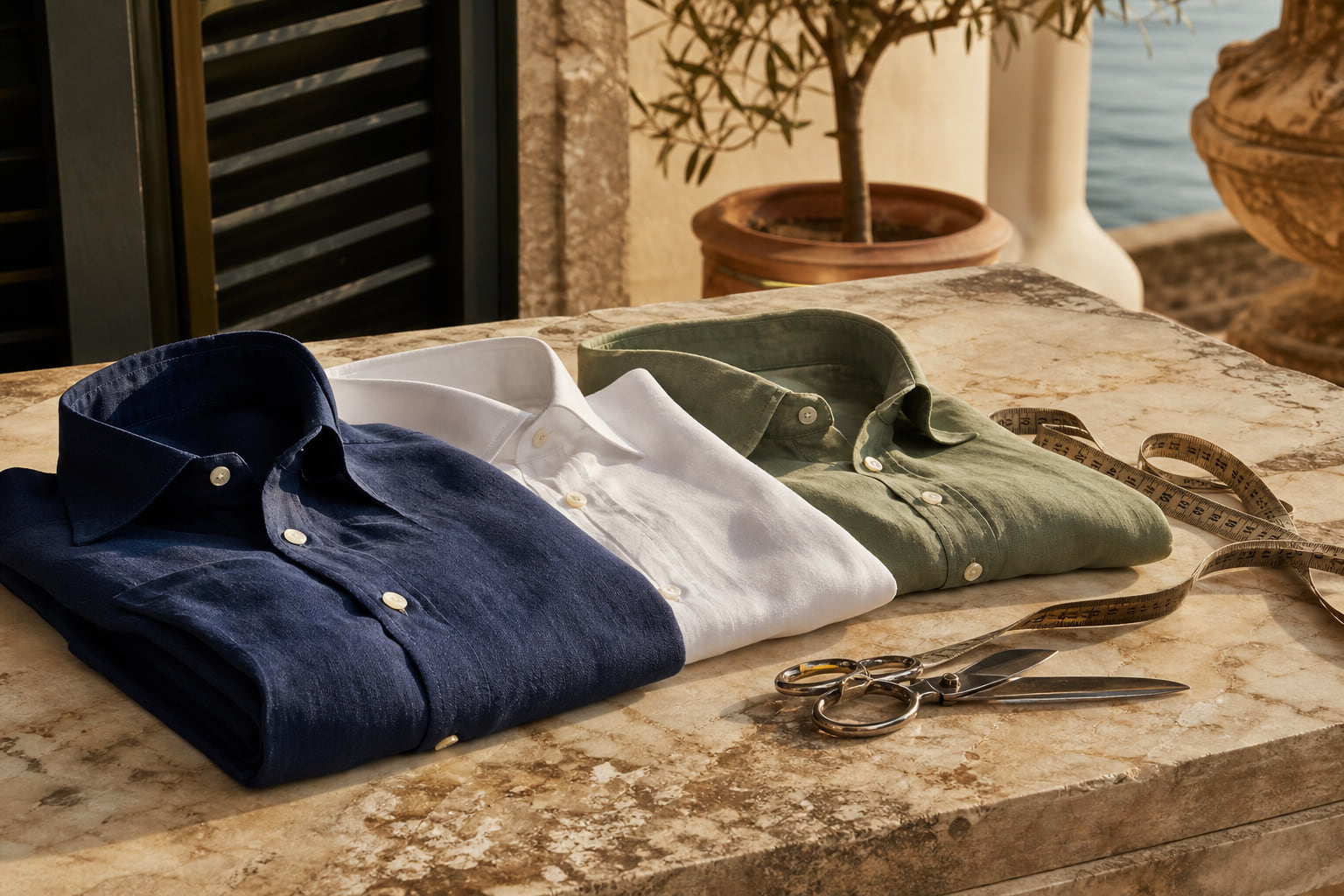
The amber brown geometric rectangular sunglasses are a strong example of this shape done well. The warm amber tone of both frame and lens is the kind of choice that reads as instinctive rather than calculated, and it works across a wide range of skin tones. Pair these with a square collar linen shirt in cream or white for a combination that is genuinely Mediterranean in character.
For a darker, more evening-appropriate option in the same silhouette, the retro black amber rectangular sunglasses offer a higher contrast combination. The black frame with amber lens is more deliberate, more formal, and pairs well with the men's old money sunglasses collection if you are building a considered rotation rather than buying one pair and stopping there.
One note on fit: rectangular frames should not extend beyond the width of your face at the temples. If the frame is visibly wider than your cheekbones, it reads as oversized, which undermines the structured effect you are after.

Building a Considered Sunglasses Rotation
One pair of sunglasses for every occasion is a compromise. The more deliberate approach is to own two or three frames across different silhouettes and lens tints, each suited to a specific context.
A practical rotation for a man who dresses well might look like this:
- A square or rectangular frame in dark acetate for formal and semi-formal occasions. This is your terrace lunch, your gallery opening, your train to the coast.
- An aviator in metal for travel and active days. The metal frame is lighter, and the teardrop lens provides better peripheral coverage.
- A tinted rectangular or square frame in amber or rose for weekend and resort wear, where the warmer lens tone suits the light and the context.
Lens tint is a separate decision from frame shape. Gray tints are the most neutral and distort colour the least, which is why they are the default for driving and city use. Amber and orange tints increase contrast, making them useful in variable light. Rose tints are softer and suit bright, flat conditions.
The black gray tint sunglasses and the bronze silver sunglasses represent two ends of this spectrum within a similar price range, and both sit naturally within the broader Lovau men's collection if you are dressing the whole look rather than just the frame.
Storage and care also matter. A frame kept in a hard case and cleaned with a microfibre cloth will hold its shape and lens clarity for years. A frame thrown loose into a bag will not.

Pairing Sunglasses with the Rest of Your Outfit
A frame does not exist in isolation. The way sunglasses sit relative to the rest of your outfit determines whether the whole look reads as composed or assembled.
The general principle is that frame weight should match outfit weight. A lightweight linen shirt and slim trousers call for a thinner metal frame, such as an aviator or a narrow rectangular. A heavier outfit, such as a wool coat over tailored trousers, supports a thicker acetate frame without looking disproportionate.
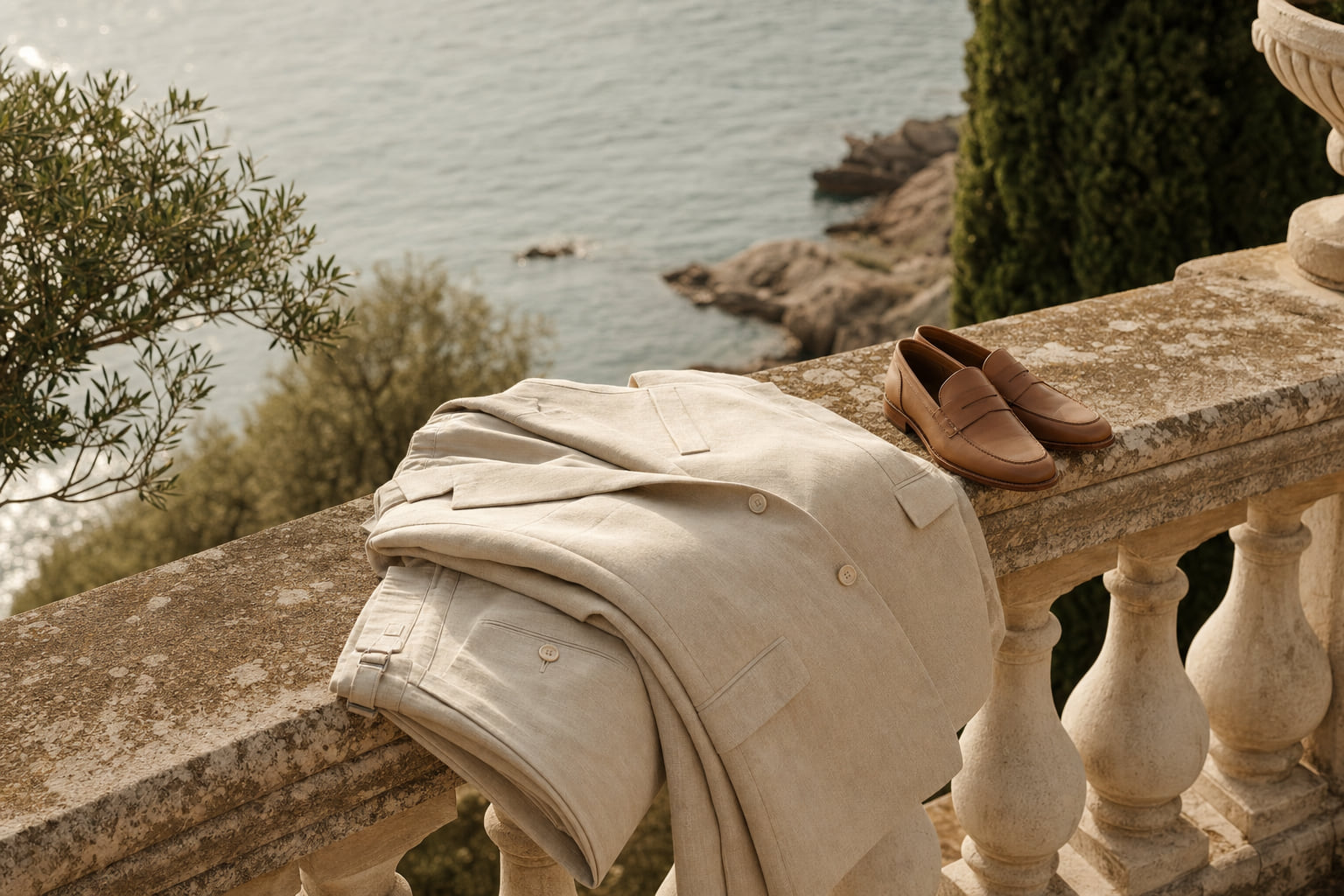
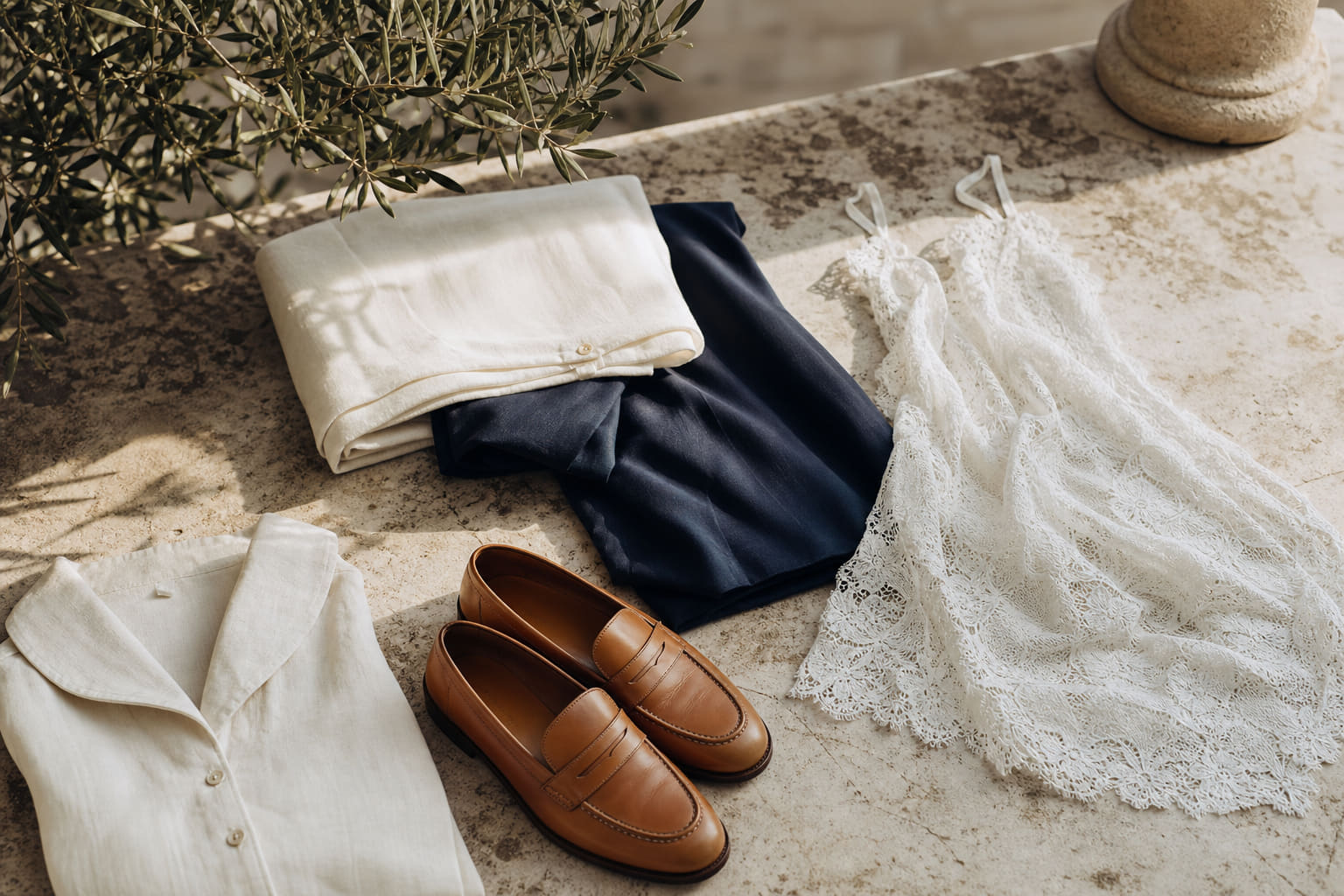
For a summer setup built around the Marbella square collar linen shirt and Paris linen trousers, the amber brown rectangular or a light aviator frame is the right weight. Add the Ibiza linen leather loafers and the proportions hold across the entire outfit.
For a cooler season or transitional look built around the cashmere and wool coat, a heavier square acetate frame in black or tortoiseshell reads correctly. The weight of the frame matches the weight of the outerwear.
Colour is simpler than most men make it. Black and dark tortoiseshell frames are neutral and work with almost any palette. Amber and bronze frames work best with warm tones: cream, camel, olive, tan. Silver and blue-grey frames sit naturally with cooler palettes: navy, grey, white, stone.

| Frame Shape | Best Face Shapes | Avoid For | Best Occasion | Lens Tint Options |
|---|---|---|---|---|
| Square | Round, Oval | Square, Angular Jaw | Formal, Semi-Formal, City | Gray, Gradient |
| Aviator | Oval, Oblong, Square | Round | Travel, Casual, Resort | Orange, Amber, Gray |
| Rectangular | Round, Diamond | Oblong, Narrow | Weekend, Resort, Casual | Amber, Rose, Gray |
| Round / Soft | Square, Diamond | Round, Oval | Casual, Creative | Gray, Green |
| Oversized Square | Oval, Oblong | Round, Square | Resort, Statement | Dark Gray, Brown |
Frequently asked questions
What sunglasses suit a square face shape on men?
Men with square faces do best with frames that have some curve to them, specifically aviators or round frames. The softer lower lens on an aviator reduces the visual weight of a strong jaw rather than reinforcing it. Avoid square acetate frames, which double the angularity and make the face appear heavier than it is.
Are aviator sunglasses suitable for formal occasions?
Yes, provided the frame is metal rather than plastic and the lens tint is neutral gray or a restrained amber. A thin gold or silver metal aviator worn with a tailored outfit reads as quietly confident rather than casual. The black aviator with light orange lens sits at that boundary comfortably.
How do I know if sunglasses are the right size for my face?
The frame should not extend beyond the width of your face at the temples, and the top of the frame should sit close to your brow line without touching it. If you can see significant gaps between the frame and your face at the sides, the frame is too narrow. If the temples press into your head, it is too wide. Most men's frames fall between 130mm and 145mm in total width.
What is the difference between gray and amber lens tints for men's sunglasses?
Gray lenses are colour-neutral, meaning they reduce brightness without changing how colours appear. They are the most practical choice for driving and city use. Amber and orange lenses increase contrast and make edges appear sharper, which is useful in variable or overcast light. For a polished everyday frame, gray is the safer choice. For resort or coastal use, amber reads warmer and suits the context.
Choosing sunglasses is not complicated once you know your face shape and the logic behind frame geometry. Identify whether you need contrast or softness, match the frame weight to your outfit, and stay consistent with your metal tones. If you are starting from one pair, an aviator or a rectangular frame in a neutral tint covers the most ground. If you are building a considered rotation, start with the men's sunglasses collection and work from there with a clear idea of what each frame is for.