


How to Avoid Sweater Itch with Sensitive Skin
Reading time 14 min • 2763 words
There is a particular frustration in reaching for a beautiful sweater on a cold morning and spending the rest of the day distracted by the prickle against your skin. Sweater itch is not a sign of delicate constitution. It is a mechanical response: coarse fibers physically bend against nerve endings in the skin, triggering a low-grade irritation that no amount of style confidence can override.
The good news is that the problem is almost entirely solvable through informed fabric selection, a basic understanding of fiber grades, and a few practical habits around layering and care. This guide covers all of it, concretely, so you can build a cold-weather wardrobe that is comfortable from the first wear.
At Lovau, our Mediterranean approach to dressing has always placed comfort and longevity on equal footing with aesthetics. A sweater that you dread wearing is, by definition, a poor investment regardless of its price or provenance.
Key takeaways
- Fiber diameter, measured in microns, is the single most reliable predictor of itch: stay at or below 19 microns for direct skin contact.
- Cashmere and alpaca are the two safest choices for sensitive skin; coarse lambswool or acrylic blends are the most common culprits.
- A fine cotton or silk base layer eliminates contact between skin and any fiber you are uncertain about.
- Washing sweaters with a pH-neutral wool wash and skipping the dryer preserves fiber softness and reduces pilling that causes irritation.
- Fit matters: a sweater that pulls or rubs at the collar and cuffs creates friction itch independent of fiber quality.
In this guide
Why Sweaters Itch: The Micron Standard
The itch you feel from a wool sweater is not an allergic reaction in most cases. It is a tactile response. Each fiber has a diameter measured in microns, and fibers above roughly 30 microns are coarse enough to deflect rather than bend when they press against skin, stimulating the same nerve endings that register pain. Below 19 microns, fibers are fine enough to bend with the skin rather than against it, which is why high-grade cashmere and fine merino feel smooth even on the most reactive skin.
Standard commercial lambswool sits between 25 and 35 microns. Merino wool ranges from 15 to 24 microns depending on grade. Cashmere from reputable sources typically falls between 14 and 16 microns. Alpaca, particularly the finer baby alpaca grade, runs between 18 and 22 microns and has the additional advantage of containing no lanolin, the protein in sheep's wool that causes genuine allergic contact dermatitis in a small percentage of people.
When you see a sweater labeled simply "wool" without further specification, assume it is on the coarser end of the range. Fiber grade transparency is the mark of a quality garment. If a brand does not specify micron count or fiber origin, that information is worth asking for before you buy.
Expert insightRun the back of your wrist, not your palm, across the interior of a sweater before buying. The wrist skin is thinner and more reactive, giving you a more accurate read of how the fabric will feel after an hour of wear.
The Fabrics That Work for Sensitive Skin
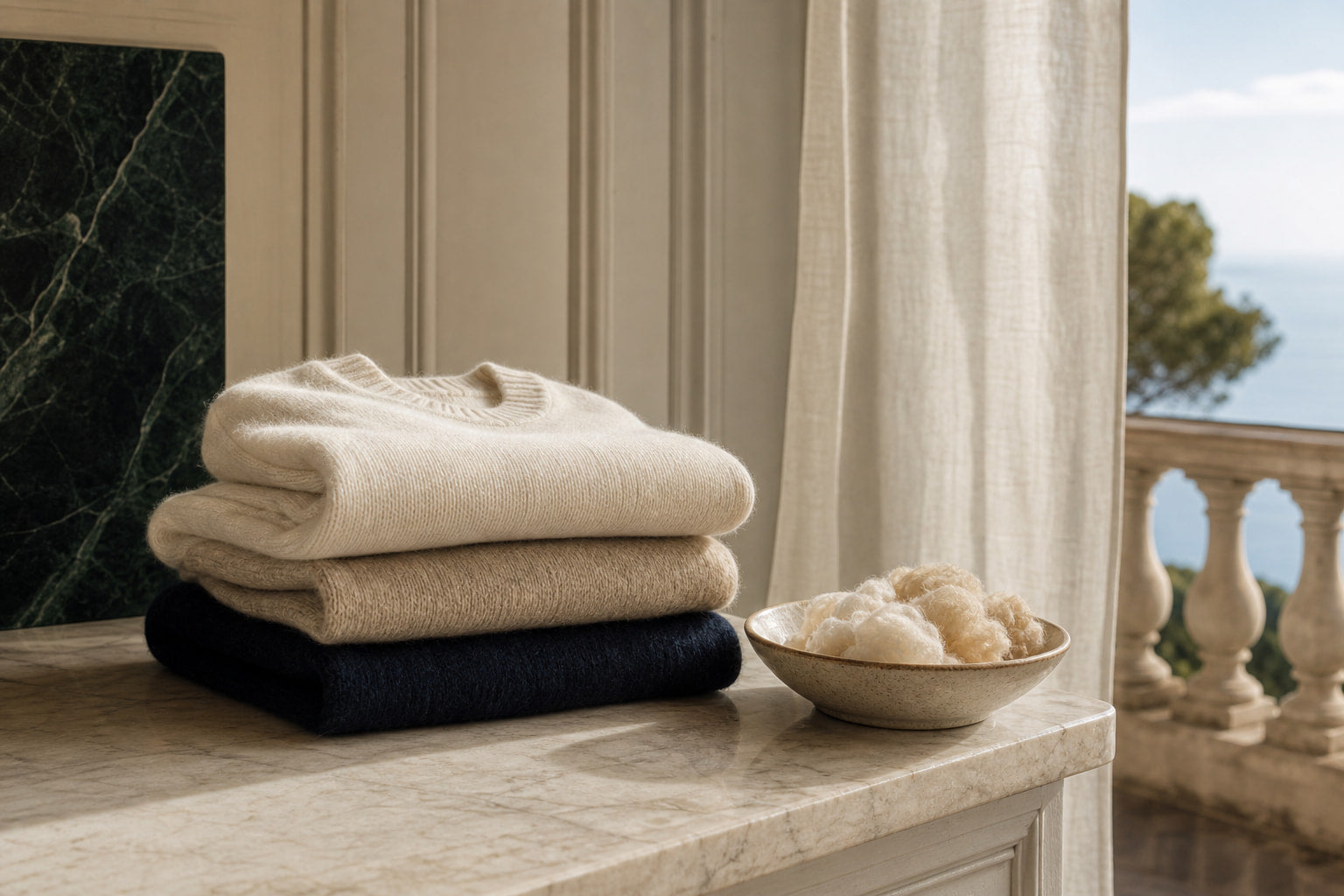
Cashmere is the gold standard for sensitive skin precisely because its micron count is consistently low and its hand is dense and smooth rather than springy. A well-constructed cashmere piece does not pill aggressively in the first season if the fiber is long-staple, and it softens further with each careful wash. Our cashmere turtleneck sweater for men uses a thickened construction that adds weight without coarseness, making it one of the most comfortable options for wearing directly against the neck, the area where itch is most acute.
Alpaca is the second strong choice. It is hollow-core, which makes it lighter than cashmere at equivalent warmth, and its natural surface is smoother than sheep's wool at the same fiber diameter. The Aus Alpaca Sweater Cardigan is a good example of how alpaca drapes: it has a fluid, slightly silky quality that reads as refined rather than rustic. Women with sensitive skin who want a relaxed layering piece will find it genuinely comfortable from day one.
Fine merino sits a step below cashmere and alpaca in terms of skin-friendliness but remains a solid choice when the grade is specified and the knit is tight rather than open. Loose, open-knit merino exposes more fiber ends to the skin surface, increasing irritation even when the raw fiber is fine.
Cotton and linen knits do not itch at all and are the correct choice for spring and early autumn, but they lack the insulation of animal fiber for true cold-weather dressing.
Acrylic and polyester blends are the most common source of complaints. They do not breathe, they generate static, and they pill quickly into rough nodules that cause friction irritation even when the original fiber felt acceptable. Avoid them in anything worn close to the skin.
For further reading on how wool fiber structure affects skin sensitivity, see our guide on buying a wool dress that doesn't itch, which covers the same principles applied to women's dresses in detail.
Expert insightBaby alpaca and Grade A cashmere are both marketing terms without universal legal definition. Ask for the micron count in writing. Any reputable supplier can provide it.

Layering Strategically to Eliminate Contact Itch
If you own sweaters you love aesthetically but find irritating directly against skin, layering is the most immediate solution. A fine base layer in cotton, silk, or modal creates a barrier between your skin and the fiber above it, and with the right base layer, you can wear almost any sweater without discomfort.
The key is keeping the base layer thin enough that it does not add bulk under the sweater. A fitted fine-knit cotton crewneck or a silk undershirt in a neutral tone works well under most crew-neck and V-neck styles. For turtlenecks, a thin mock-neck base layer in cotton jersey is more practical than a full turtleneck underneath.
For men who wear sweaters in business or smart-casual contexts, layering over a dress shirt already solves the itch problem entirely, which is why a business casual sweater zipper worn over a cotton Oxford shirt is both the most comfortable and the most contextually appropriate way to dress in cooler months. The shirt collar and cuffs visible beneath the sweater also add a degree of visual structure that a sweater alone cannot provide.
For women, the Kris Knit Set with sweater and skirt pairs a knit top with a coordinating skirt, and wearing a fine cotton camisole underneath the sweater top resolves any contact irritation while keeping the silhouette clean. The set reads as a considered, complete outfit rather than an improvised layer.
The collar and cuff zones deserve particular attention. These are the areas where fabric rubs against the thinnest skin, especially during movement. A sweater with a well-finished, rolled collar rather than a raw-cut rib will cause less friction. If the neckline of a sweater bothers you even with a base layer, a lightweight scarf in silk or fine cashmere worn loosely inside the collar solves the problem immediately.
Expert insightA silk undershirt adds almost no visible bulk and reduces the static charge that causes synthetic-blend sweaters to cling and irritate. It is a worthwhile investment if you travel frequently and need to pack sweaters without base layers.

Construction and Fit Details That Reduce Irritation
Fabric choice accounts for most of the itch problem, but construction details account for the rest. A sweater that fits poorly will create friction itch regardless of fiber quality.
Sleeve length is one of the most overlooked factors. Sleeves that are too short expose the wrist to the cut edge of the rib, which is rougher than the body of the knit. Sleeves that are too long bunch at the wrist and create a rolling, rubbing motion with every arm movement. Both scenarios cause irritation that has nothing to do with the fiber itself.
Collar construction matters at least as much. A folded and stitched collar edge is smoother against the neck than a single-layer rib. Zipped collars, like those on the Berlin Cashmere Sweater Zip, allow you to open the neckline precisely as much as needed to relieve any pressure without removing the sweater entirely. This is a practical advantage that also reads as quietly confident in a business or social setting.
Seam placement is the third factor. Shoulder seams that sit precisely at the shoulder point rather than falling forward or back reduce the rubbing that causes upper-arm irritation. Raglan constructions eliminate the shoulder seam entirely, which some sensitive-skin wearers prefer.
For women looking at longer sweater silhouettes, the cashmere sweater zipper turtleneck offers a zipped collar that removes the most common point of neck irritation while maintaining the warmth and coverage of a full turtleneck. The zipper means you are never committed to a fully closed collar.
Our broader guide on building a cashmere collection that lasts covers construction quality markers in more depth, including what to look for in seam finishing and knit density when buying.

Washing and Care to Preserve Softness
Even a sweater that starts soft will become scratchy if cared for incorrectly. Heat, agitation, and alkaline detergents all damage the protein structure of natural fibers, causing them to felt, stiffen, or develop surface fuzz that is rougher than the original fiber.
Wash in cold water only. Hot water causes wool and cashmere fibers to contract and interlock, a process called felting, which permanently coarsens the hand of the fabric. Cold or lukewarm water preserves fiber length and surface smoothness.
Use a pH-neutral wool wash. Standard laundry detergents are alkaline, designed to break down the oils in cotton and synthetic fabrics. Wool fiber is protein-based and breaks down in alkaline conditions, losing its natural lanolin and becoming brittle. A dedicated wool or cashmere wash with a neutral pH cleans without stripping. A small amount of hair conditioner in the rinse water, left in for two minutes before rinsing, can restore softness to a sweater that has been washed incorrectly in the past.
Never wring or twist. Press water out gently by rolling the sweater in a clean towel, then reshape it flat on a drying rack. Hanging a wet sweater causes it to stretch under its own weight, distorting the shoulder seams and collar in ways that create new friction points.
Skip the dryer entirely. Even a low-heat cycle introduces enough agitation to felt fine fibers and degrade the softness that made the sweater comfortable in the first place.
For the fine cashmere and wool sweater pullover, which combines cashmere with a percentage of wool for structure, the same cold-water, gentle-detergent approach applies. The blend is more resilient than pure cashmere but still benefits from hand washing over machine washing on most cycles.
Pilling, the small fiber balls that form on the surface of sweaters with wear, is worth addressing promptly. A fabric comb or sweater stone removes pills cleanly without cutting into the underlying knit. Pills themselves are not sharp enough to cause itch, but they indicate surface fiber breakdown, and a heavily pilled sweater will eventually feel rougher overall.

Building an Itch-Free Sweater Wardrobe Over Time
The most practical approach to a sensitive-skin wardrobe is to buy fewer sweaters of genuinely higher quality rather than accumulating a large collection of mid-range pieces that require constant management. Two or three sweaters in fine cashmere or baby alpaca, cared for correctly, will serve you better across five or six years than ten sweaters in mixed-grade wool that begin to irritate by the second season.
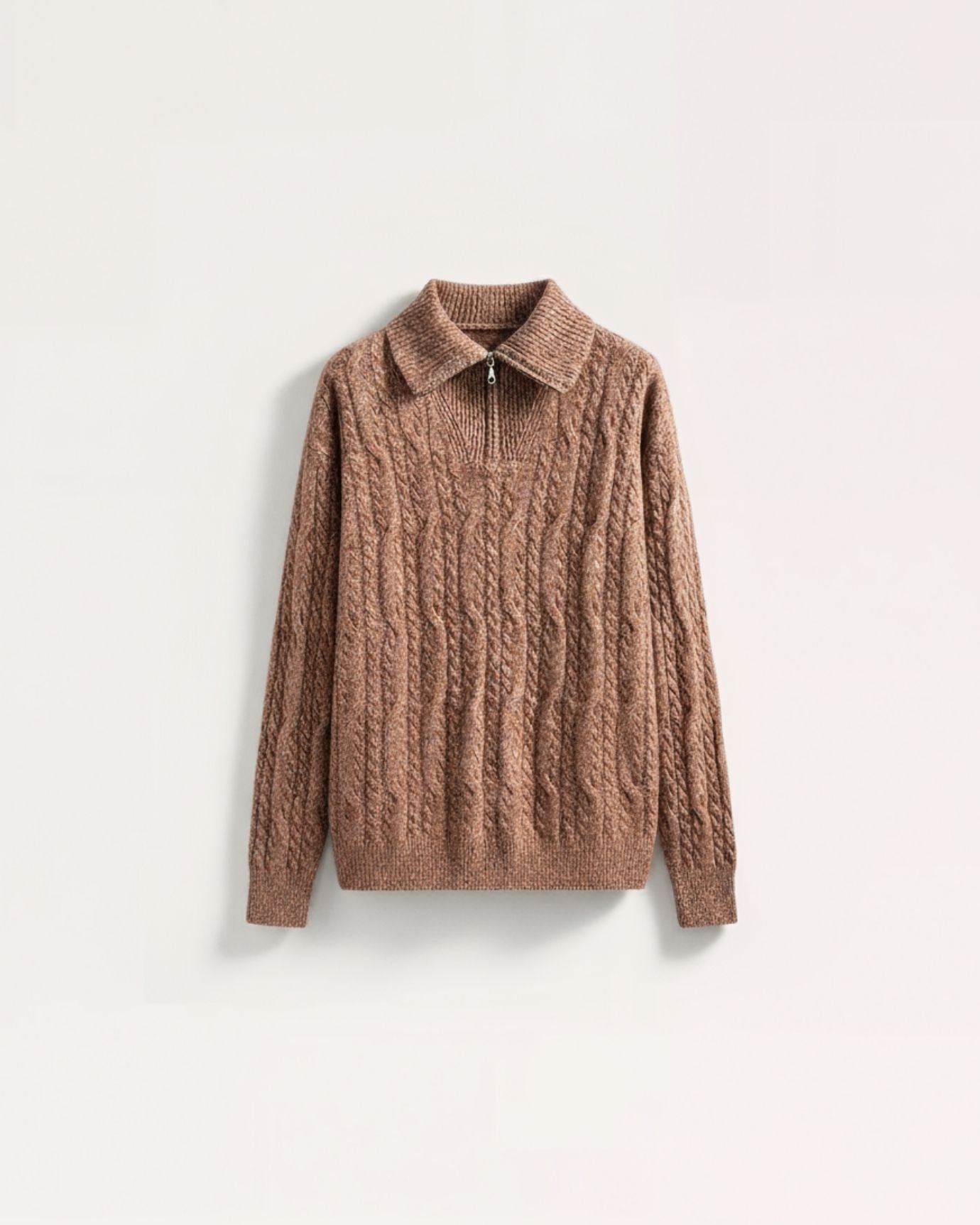
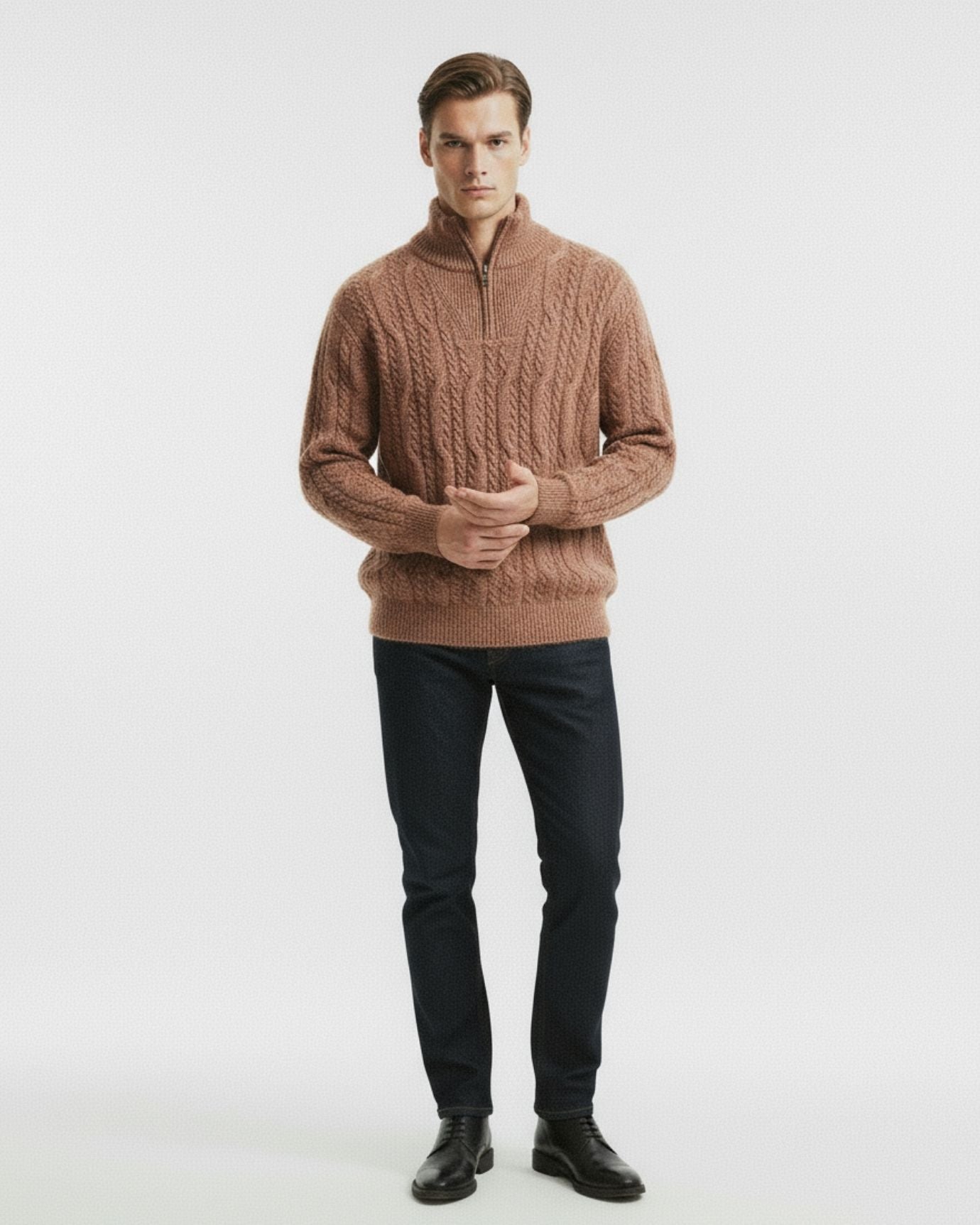
For men, a strong foundation is a fine-gauge cashmere crewneck in a neutral tone, a half-zip in merino or cashmere for layering, and one heavier zip-neck for outdoor or travel use. The half-zip cashmere wool sweater covers the second category well, and its half-zip construction means the neckline can be adjusted throughout the day. For more on styling this silhouette, our article on the power of the half-zip sweater in smart casual dressing is worth reading alongside this one.
For women, the equivalent foundation is a fine cashmere pullover, a cardigan in alpaca or cashmere for open layering, and a knit set that functions as a complete outfit without requiring additional pieces. The French Style Cardigan with pearl buttons in cashmere-grade fiber offers the cardigan piece, and because it buttons fully closed, it can be worn as a standalone top over a silk camisole, removing the need to find a compatible sweater beneath it.
The cashmere set of sweater and pants for men is worth noting for those who want coordinated comfort without sacrificing formality. In fine cashmere, the set reads as considered and polished rather than casual, and because both pieces are in the same fiber, there is no risk of one garment irritating where another does not.

| Fiber | Typical Micron Range | Itch Risk for Sensitive Skin | Warmth-to-Weight | Care Level |
|---|---|---|---|---|
| Grade A Cashmere | 14, 16 microns | Very low | Excellent | High (hand wash only) |
| Baby Alpaca | 18, 22 microns | Very low, lanolin-free | Excellent | High (hand wash only) |
| Fine Merino (18.5 mic) | 15, 19 microns | Low | Good | Medium (gentle machine or hand) |
| Standard Lambswool | 25, 35 microns | High | Good | Medium |
| Cotton Knit | N/A (plant fiber) | None | Low to moderate | Low (machine washable) |
| Acrylic / Polyester Blend | N/A (synthetic) | Medium to high (friction, static) | Low to moderate | Low (machine washable) |
Frequently asked questions
Is cashmere always safe for sensitive skin?
High-grade cashmere with a micron count below 16 is safe for nearly all sensitive skin types. The risk comes from lower-grade cashmere blended with coarser fibers, or from pieces labeled cashmere that contain only a small percentage of true cashmere fiber. Always check fiber content and, where possible, micron count. Our cashmere pullover sweater for women uses long-staple fiber that keeps pilling minimal and surface smoothness consistent across seasons.
Can I make an itchy sweater softer after buying it?
Yes, to a degree. Soaking the sweater for 30 minutes in cold water with a tablespoon of white hair conditioner, then rinsing gently and drying flat, can soften surface fibers noticeably. This works best on wool and merino. It will not significantly change the micron count of the fiber, so a very coarse sweater will remain coarser than a fine one after the same treatment. Repeated gentle washing over several wears also tends to soften the surface slightly as the outermost fiber layer breaks in.
Are there specific sweater styles that reduce neck and collar itch?
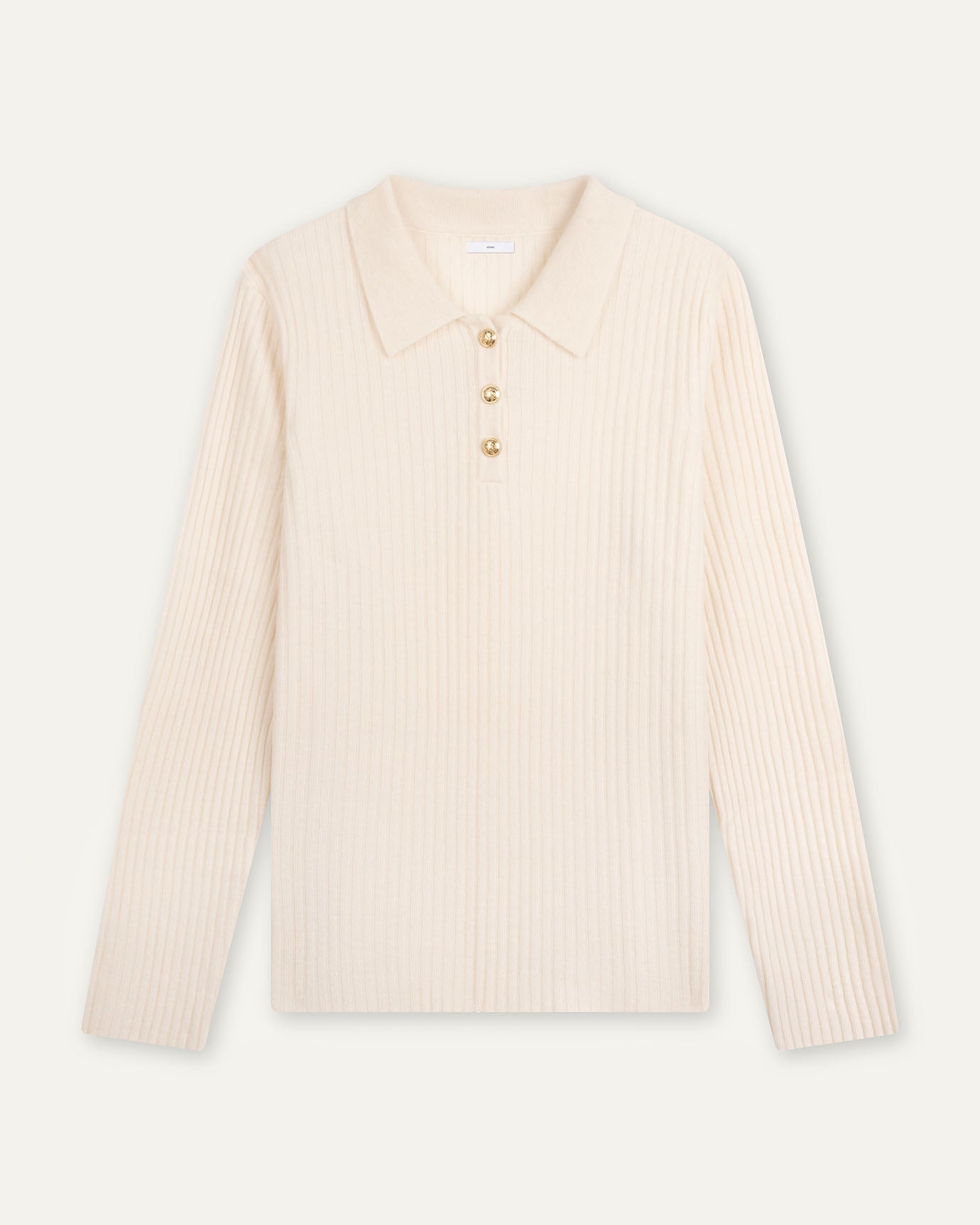
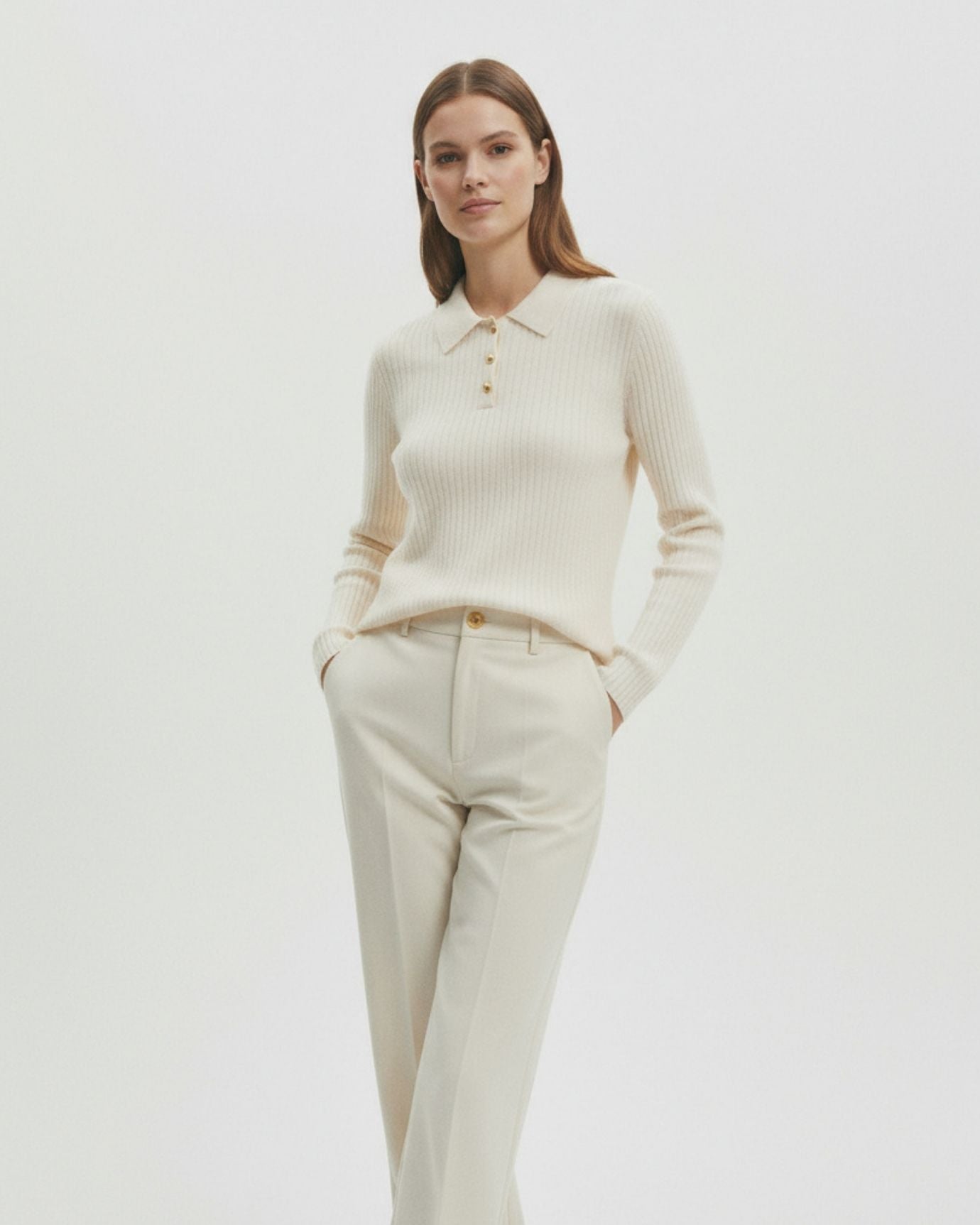
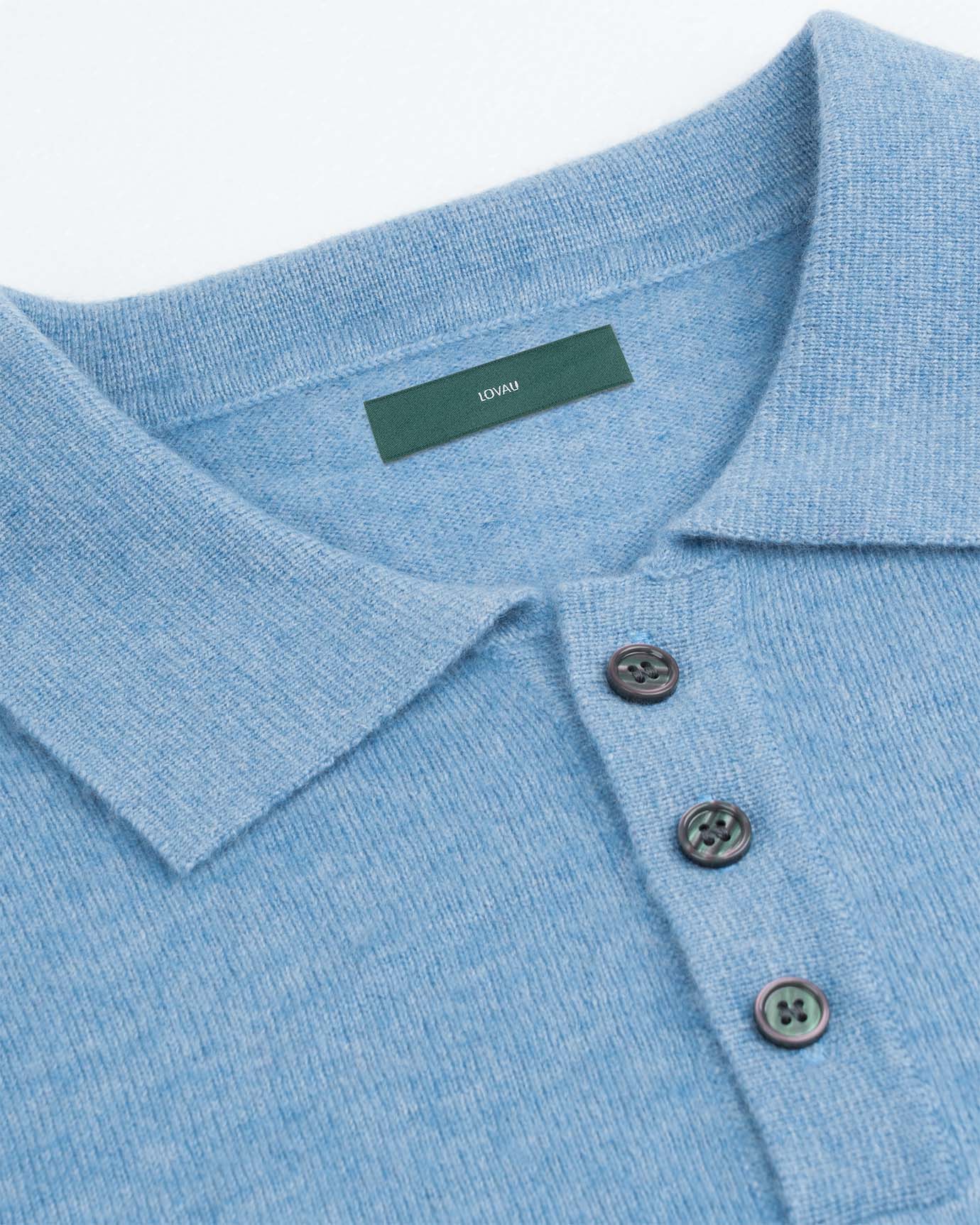
Yes. V-neck and open-collar styles remove the most common itch point entirely. For warmth without collar contact, a zip-neck sweater, such as the cashmere sweater zipper polo for men, lets you control exactly how much fabric sits against the neck. Turtlenecks in fine cashmere are comfortable for most sensitive-skin wearers because the fabric is dense enough to lie flat rather than rub, but the collar must be long enough to fold over cleanly rather than sitting in a single stiff layer against the throat.
Does washing a new sweater before wearing it reduce itch?
It can help. New sweaters sometimes carry finishing chemicals or sizing agents applied during manufacture that add stiffness to the surface. A single cold-water hand wash with a gentle wool detergent before the first wear removes these agents and allows the natural fiber softness to come through. This is particularly useful for merino pieces that feel slightly rough out of the packaging but improve significantly after washing.
Sweater itch is a solvable problem, not a permanent trade-off between warmth and comfort. Choose fiber by micron count rather than by name alone, pay attention to collar and cuff construction, layer strategically when in doubt, and wash with the care that fine natural fibers require. Done consistently, these habits make cold-weather dressing genuinely pleasant rather than something to endure. If you are building your wardrobe from scratch or replacing pieces that have never quite felt right, the Aus Alpaca Sweater Cardigan is one of the most accessible starting points: fine, lanolin-free, and soft from the first wear.