


Linen vs Cotton Shirts: Which Is Better for Summer?
Reading time 12 min • 2304 words
Every summer the same question surfaces: linen or cotton? Both fabrics have served men well for centuries in warm climates, but they behave differently on the body, look different across occasions, and age differently in the wardrobe. Choosing blindly means spending money on a shirt that either feels wrong by noon or looks underdressed by evening.
This guide is not about trend. It is about the physical properties of each fabric, what those properties mean in practice, and how to match the right shirt to the right moment. By the end, you will know exactly what to reach for on a forty-degree afternoon in Palermo versus a client lunch in Milan.
Lovau works primarily in linen and in mercerized cotton, two materials we consider the most intelligent choices for a man who dresses seriously in summer. Here is why, and how to choose between them.
Key takeaways
- Linen breathes better than cotton in extreme heat because its hollow fibre structure releases moisture faster.
- High-count linen, above 100 thread count, drapes smoothly and resists the cheap, wrinkled look most men associate with linen.
- Mercerized cotton offers a polished, wrinkle-resistant alternative to linen for business or travel settings where you need to stay pressed.
- Cotton-linen blends split the difference: softer hand, reduced creasing, and solid breathability for daily wear.
- Match the fabric to the occasion: linen for leisure and coastal settings, mercerized cotton for dinners and professional environments.
In this guide
How Linen Actually Works in the Heat
Linen is spun from the fibres of the flax plant, and its reputation as a summer fabric is built on genuine structural advantages. The fibre is hollow, which means it absorbs moisture quickly and releases it into the air with equal speed. That cycle, absorb and release, is what keeps the fabric from clinging to the skin. Cotton also absorbs moisture, but it holds on to it longer, which is why a cotton shirt can feel damp and heavy by mid-afternoon in real heat.
Beyond moisture management, linen conducts heat away from the body. Studies and textile science research confirm that linen's thermal conductivity is measurably higher than cotton's, meaning it pulls warmth off the skin rather than trapping it. In practical terms: in temperatures above 30°C, linen wins clearly.
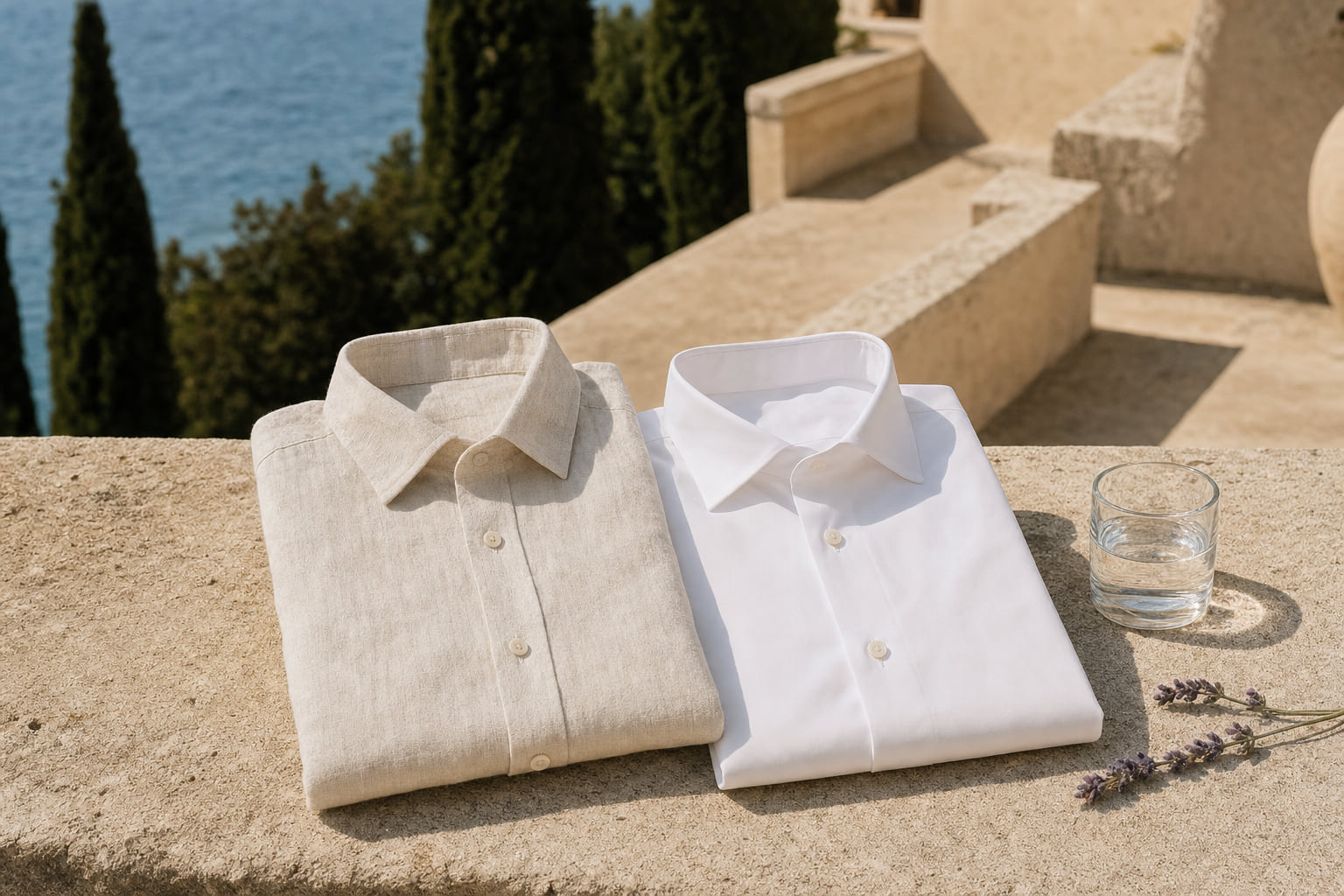
The quality of linen, however, varies enormously. Coarse, low-count linen wrinkles aggressively, looks rough, and can feel stiff against the skin. High-count linen, woven from finer, longer flax fibres, is a different material in every meaningful sense. The High Count Fine White Linen Shirt from Lovau uses a thread count that produces a smooth, almost silky drape with far less creasing than standard linen. It is the version of linen worth owning.
For men who want to explore the full range of high-count options, the linen shirts collection covers everything from navy and black to light blue and white, all in the same fine-weave specification.
Expert insightThread count matters in linen just as it does in cotton. Below 80 threads per inch, linen looks rustic and creases badly. Above 100, it reads as refined and holds its shape through a long day.

What Cotton Does Better Than Linen
Cotton is not the wrong choice for summer. It is a more versatile fabric across a wider temperature range, it is softer against the skin from the first wear, and it holds colour with more consistency than linen, which can fade at the surface with repeated washing and sun exposure.
Standard cotton, however, is not the most interesting version of the material for a man who cares about quality. Mercerized cotton is. The mercerization process, developed in the nineteenth century by John Mercer, treats the cotton fibre with a sodium hydroxide solution under tension. This causes the fibres to swell, become rounder, and align more uniformly. The result is a fabric with a natural sheen, increased tensile strength, improved dye uptake, and notably better moisture-wicking than untreated cotton.
For a deeper look at how the process works and why it matters, the article on mercerized cotton and premium basics covers the chemistry and the practical outcomes in detail.
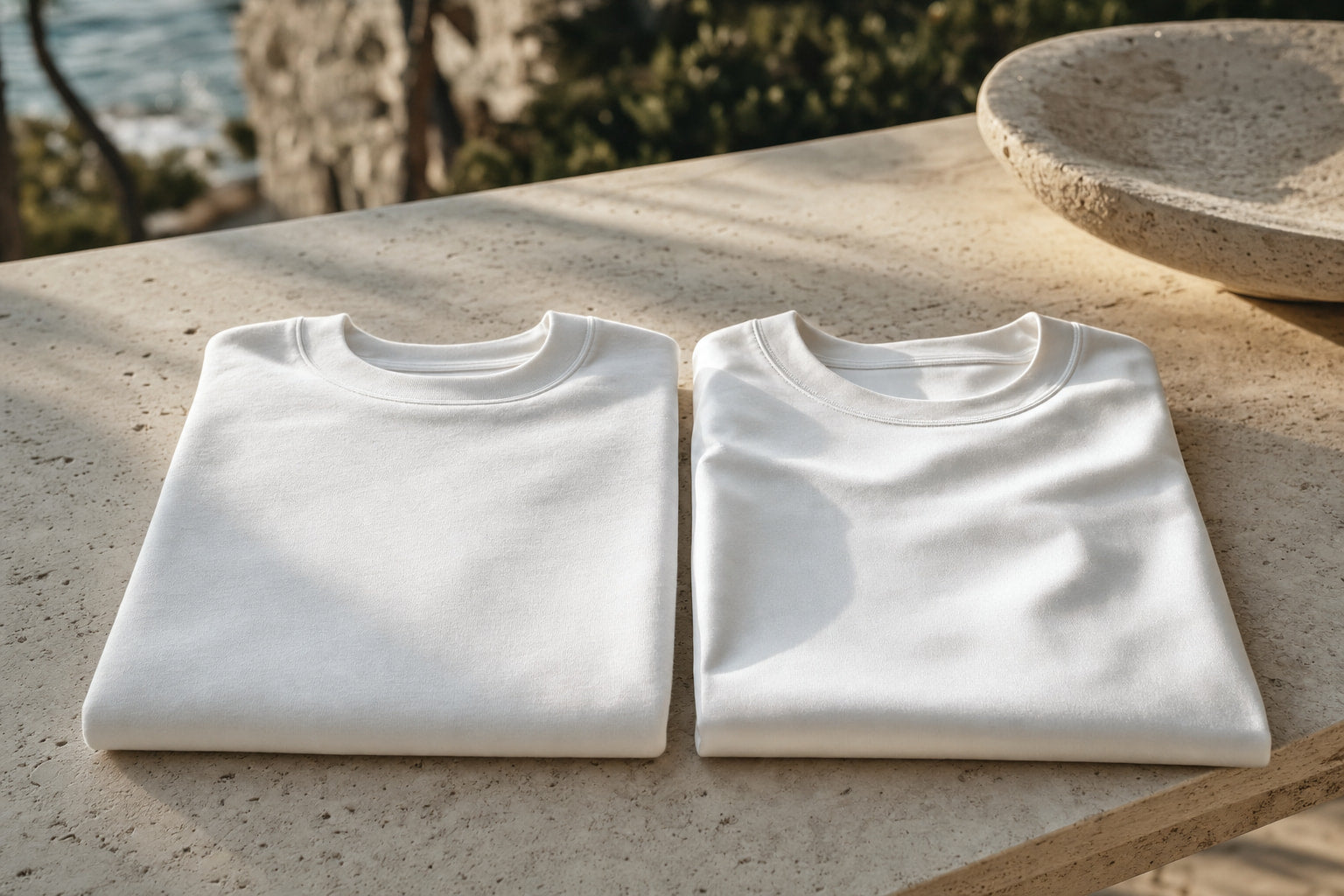
A mercerized cotton shirt does not breathe the way linen does in extreme heat, but it stays composed, stays pressed, and looks polished in settings where linen's texture reads as too casual. The High End Mercerized Cotton Silky White T-Shirt is a good example of what this fabric looks like at the right quality level: a surface that reads almost like silk, a fit that stays clean, and a weight that is comfortable through a full day in warm weather.
Expert insightMercerized cotton holds its shape through travel in a way linen cannot. If you are packing for a business trip in July, a mercerized cotton shirt arrives from the bag looking intentional.

The Case for Cotton-Linen Blends
If pure linen feels too textured for your taste and pure cotton feels too heavy for your climate, a cotton-linen blend is not a compromise. It is a considered choice. The blend typically runs between 45 and 55 percent of each fibre, and the result combines the breathability of linen with the softness and reduced creasing of cotton.
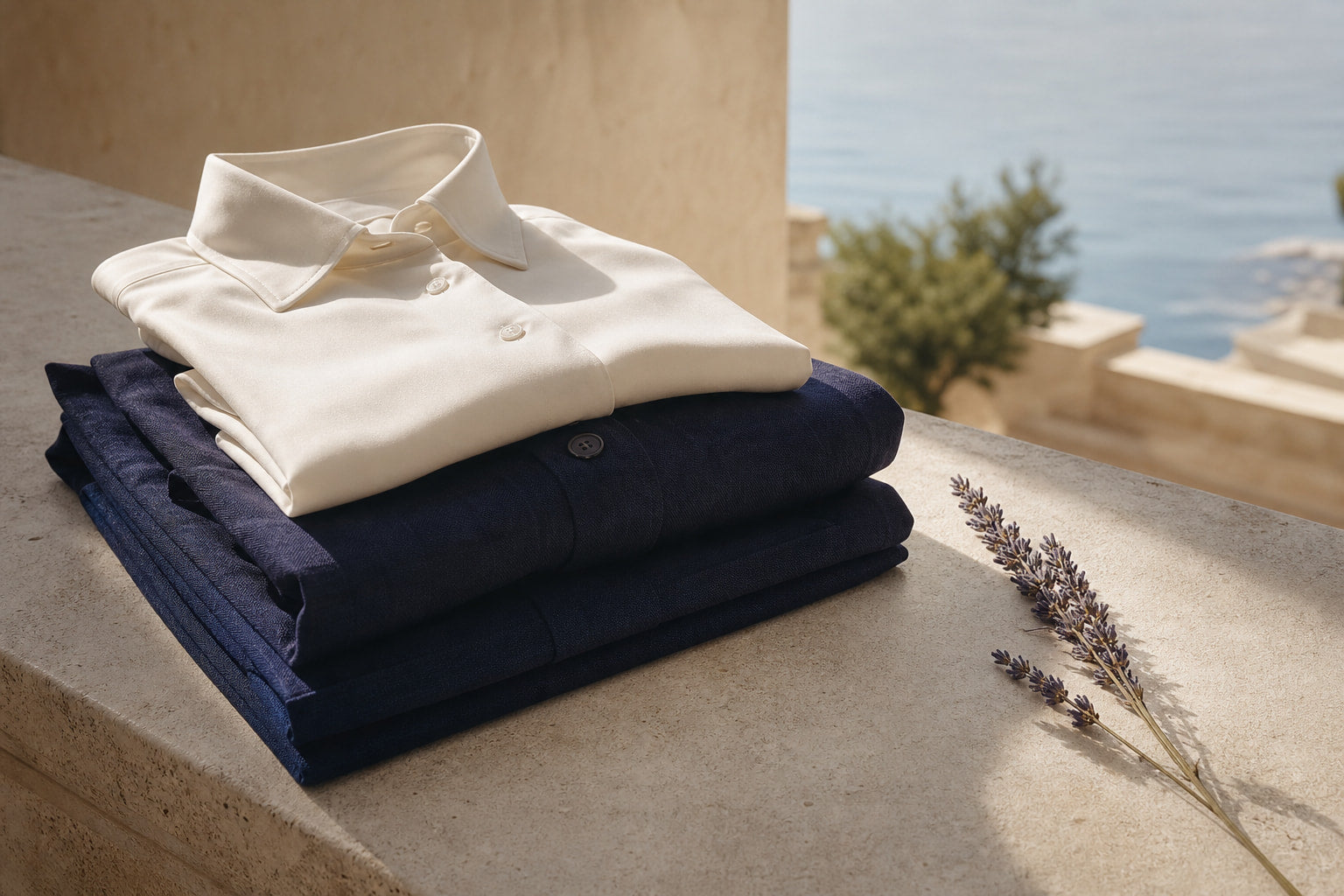
The Italian Cotton Linen Shirt sits at this intersection: it has enough linen content to manage heat properly, enough cotton to feel smooth against the skin, and a construction quality that keeps it looking neat through a long day. The Milano Linen Cotton White Shirt takes a similar approach with a cleaner, more structured silhouette suited to slightly more formal summer occasions.
For anyone still uncertain about which blend ratio works best in their specific climate, the article on why cotton-linen blends work in hot climates goes into the fibre ratios and their practical effects in detail.
Blends also pair naturally with linen trousers, which creates a cohesive summer outfit without the full commitment to head-to-toe linen, a combination that can tip into looking costumed rather than dressed.

Occasion and Dress Code: Matching Fabric to Context
The fabric question is inseparable from the occasion question. Here is how to think about it concretely.
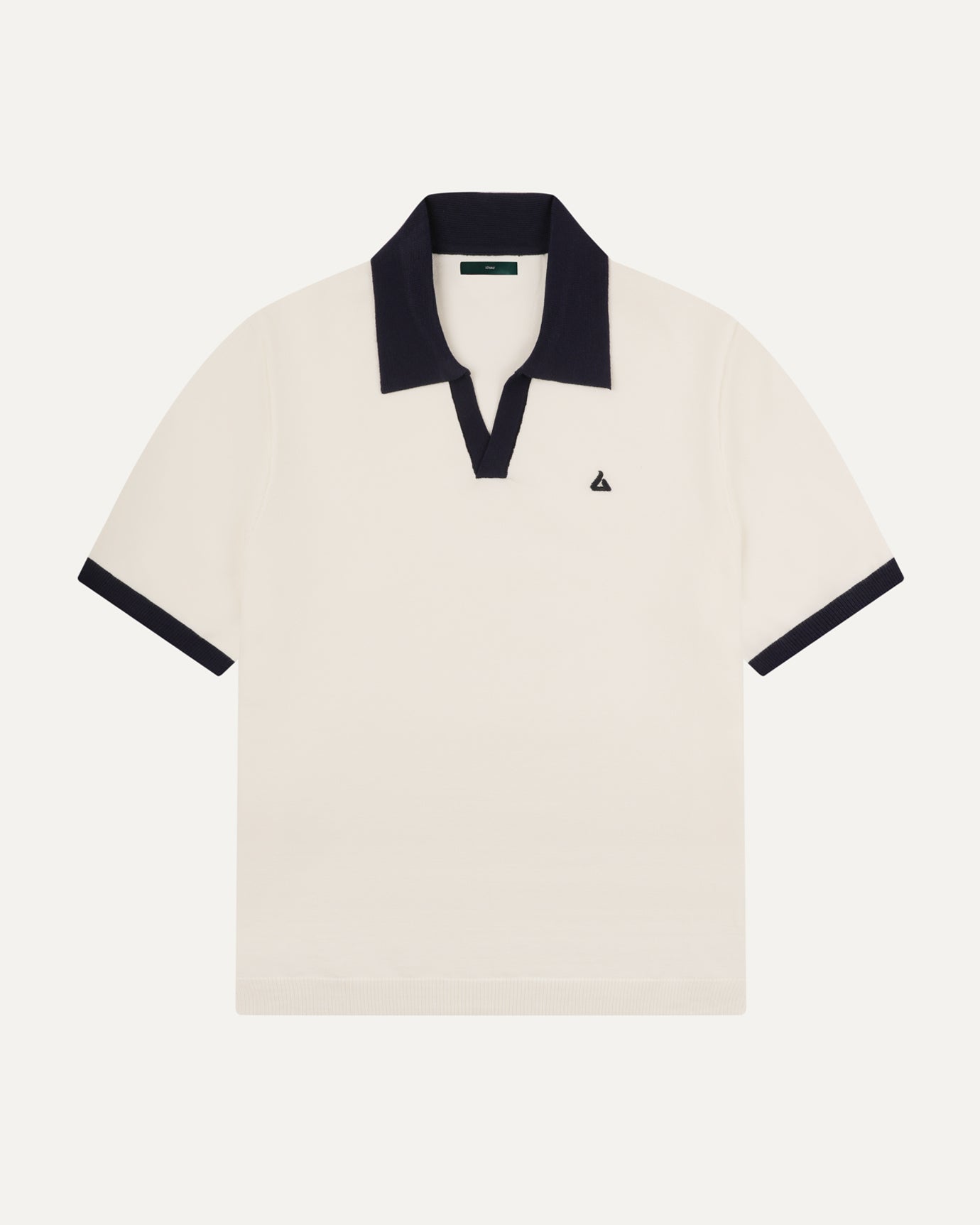
Casual summer leisure, coastal, outdoor: Pure linen is the right answer. It breathes best, it looks appropriately relaxed without being sloppy, and the texture reads as intentional in those settings. The Summer Linen Cuban Collar Short-Sleeved Shirt is built for exactly this context: an open collar, a clean cut, and linen that handles heat without looking dishevelled.
Smart casual, dinner, city summer: A linen-cotton blend or a fine linen shirt with enough thread count to drape smoothly. The San Marino Limited Edition Linen Shirt sits in this zone, refined enough for a restaurant terrace, relaxed enough for a long evening.
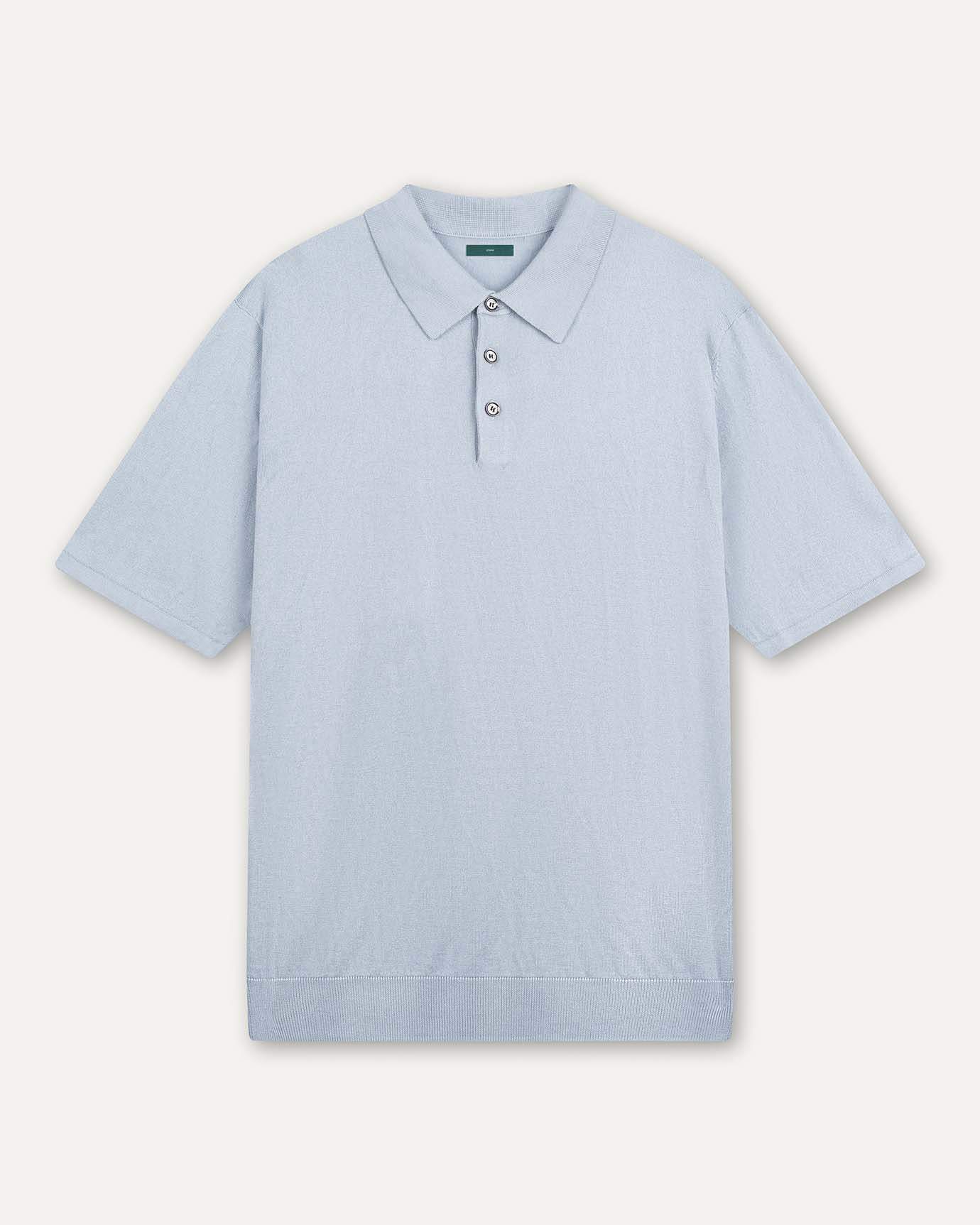
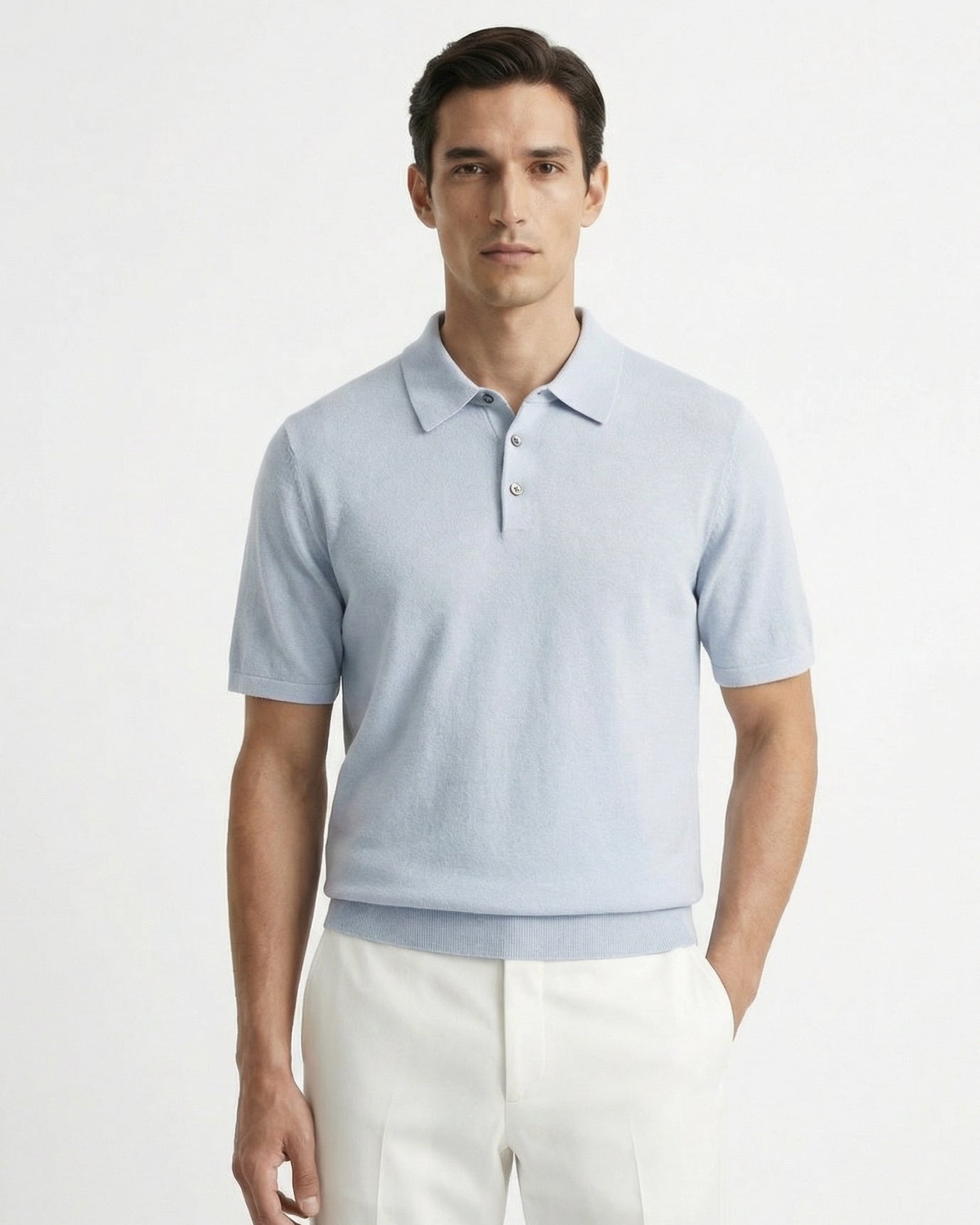
Business, travel, professional: Mercerized cotton is the more reliable choice. It does not wrinkle under a jacket, it holds its colour in artificial light, and it reads as more formal than linen. The High-Count Light Blue Mercerized Cotton Round Neck Breathable T-Shirt works well as a base layer under a summer blazer in a business-casual environment.
Heavy heat and perspiration: If this is a genuine concern, the article on the best fabrics to wear if you sweat heavily provides specific guidance on fabric choices and construction details that reduce visible moisture.
Expert insightA Cuban collar in linen reads as intentionally dressed-down, which is different from accidentally underdressed. The collar shape carries the shirt into smart-casual territory without requiring a button at the neck.

Colour and Fabric: What Works and What Does Not
Colour choice interacts with fabric in ways that are worth understanding before you buy. Linen in dark colours, navy, black, deep green, looks sophisticated but shows lint and light dust more readily than cotton does. The High Count Fine Black Linen Shirt and the High Count Fine Green Linen Shirt both handle this well because the higher thread count produces a tighter weave that catches less surface debris.
Light colours in linen, white, ivory, light blue, are the most classically correct for summer and also the most forgiving in terms of visible wear through the day. The High Count Fine Light Blue Linen Shirt is a reliable starting point if you are building a summer wardrobe from scratch.
Mercerized cotton takes dye with exceptional consistency, which means the colour you see in the product is the colour you wear. Fading is slower than with standard cotton, and the surface sheen makes even neutral tones, grey, navy, off-white, read as intentional rather than plain. For a direct comparison of how light blue and white read at different quality levels, the article on light blue vs white T-shirts and which looks more expensive is worth reading before you commit to a colour.
The broader principle: in summer, favour pale and mid-tones in linen for their heat-reflective properties, and use mercerized cotton in any colour where you want depth and consistency across a full day of wear.

Care, Longevity, and the True Cost of Each Fabric
A shirt you buy once and wear for a decade is less expensive than a shirt you replace every two years. Fabric care is part of that calculation.
Linen becomes softer with each wash, not coarser, which means a well-made linen shirt improves over time. The key is washing at low temperatures, 30°C maximum, and not over-drying. The full care protocol for linen, including how to handle pressing and storage in summer, is covered in the guide on how to care for linen clothing in summer. Following it correctly adds years to the garment's life.
Mercerized cotton is more resistant to shrinkage than standard cotton because the mercerization process pre-stabilises the fibre. It machine washes well at 30 to 40°C and requires no special pressing. For men who travel frequently or have limited time for garment maintenance, this is a practical advantage.
Cost per wear is the metric that matters. A $129 high-count linen shirt worn forty times a summer for five years costs less per wear than a $40 shirt that pills and loses its shape by the second season. The best linen shirts for men in 2026 article looks at what separates durable, well-constructed linen from the disposable version, which is a useful read before committing to a purchase.
The full picture on summer fabric options, including technical fibres and performance blends, is covered in the guide to the best summer fabrics for hot weather, which sets linen and cotton in a broader context.

| Property | Pure Linen | Standard Cotton | Mercerized Cotton |
|---|---|---|---|
| Breathability | Excellent, highest of the three | Good, adequate below 28°C | Good, better than standard cotton |
| Moisture Release | Very fast, wicks and dries quickly | Slow, holds moisture longer | Fast, treated fibre wicks efficiently |
| Wrinkle Resistance | Low, creases easily | Moderate | High, holds shape well |
| Surface Texture | Visible weave, tactile | Smooth, matte | Smooth, natural sheen |
| Best Occasion | Leisure, coastal, outdoor | Casual everyday | Business, travel, smart casual |
| Care Requirement | Gentle wash, damp iron | Standard machine wash | Standard machine wash, minimal ironing |
Frequently asked questions
Is linen or cotton better for a summer holiday in a hot climate?
Linen is the stronger choice for sustained heat above 28 to 30°C. Its fibre structure releases moisture faster and conducts heat away from the skin more efficiently than cotton. For a coastal or outdoor holiday, a high-count linen shirt will keep you more comfortable through the full day than any standard cotton equivalent.
Does linen look too casual for a summer dinner or business setting?
Standard or low-count linen can read as casual, particularly if it is heavily wrinkled. High-count linen, woven from finer fibres, drapes cleanly and is appropriate for smart-casual dinners and relaxed business environments. For stricter professional settings, mercerized cotton is the better choice because it holds its pressed appearance through the day.
What is mercerized cotton and why does it cost more than regular cotton?
The mercerization process treats cotton fibres with a sodium hydroxide solution under tension, which causes the fibres to swell and align. The result is a stronger, shinier, more colourfast fabric that wicks moisture better than untreated cotton. The additional processing step, and the higher-quality long-staple cotton typically used as the base, accounts for the price difference.
Can I wear a linen shirt to the office in summer?
Yes, with the right shirt. A fine-weave linen shirt in a solid colour, white, light blue, or navy, worn with tailored trousers and tucked in, reads as appropriately dressed in most business-casual offices. The Fine Paris Linen Shirt has a structured enough cut and clean enough finish to work in that context without looking like resort wear.
Linen and cotton are not competing answers. They are complementary tools for a man who dresses thoughtfully across different summer contexts. Linen handles extreme heat with no rival at its price point. Mercerized cotton handles polish, travel, and professional settings with an ease that linen cannot match. Blends cover the middle ground where most daily life actually happens. The mistake is buying one and expecting it to do everything. Build a small, deliberate summer wardrobe across both fabrics and you will be dressed correctly for every situation the season produces. Start with the Lovau men's summer collection to see how the two fabrics sit alongside each other in practice.