


Why Cotton-Linen Blends Are the Best Option for Hot Climates
Reading time 12 min • 2497 words
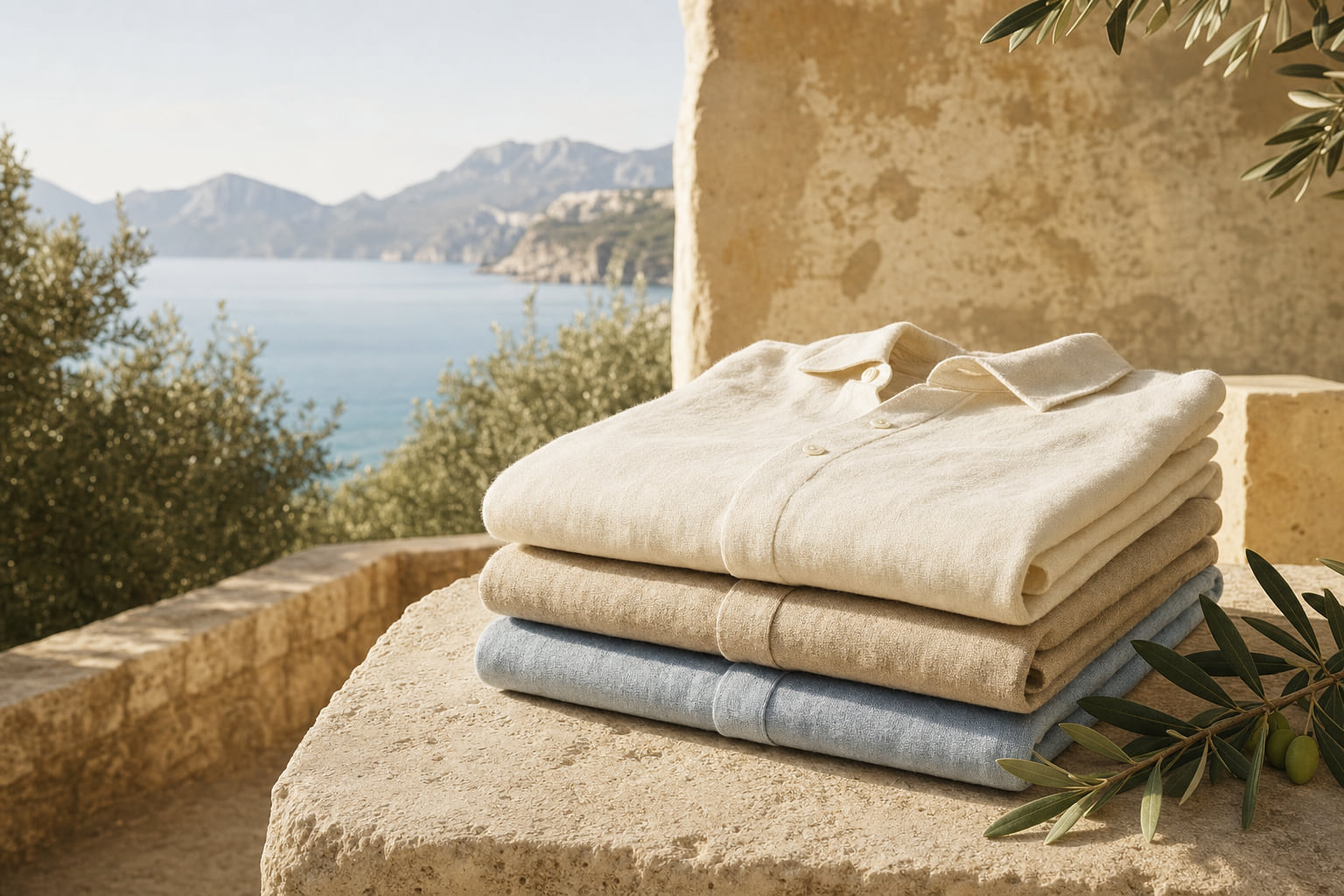
There is a reason the coasts of southern Italy, the Greek islands, and the French Riviera have always produced a particular kind of dressing: composed, light, unhurried. The fabric underpinning most of it is not a single fibre but a blend, specifically cotton married to linen. The combination is not a compromise. It is a deliberate engineering decision that produces a cloth suited to sustained heat in a way that neither fibre achieves alone.
Pure linen is extraordinarily breathable but wrinkles aggressively and can feel stiff against the skin in the early hours of wear. Pure cotton is soft and familiar but holds moisture longer and provides less of the hollow-fibre ventilation that makes linen so cool. The blend, usually running between 45 and 55 percent of each fibre, captures what is best in both: the open, moisture-wicking structure of linen combined with the smoothness, slight stretch recovery, and wrinkle resistance of cotton.
This guide covers the material science in plain terms, how to care for blended pieces so they last years, and how to build a genuinely polished warm-weather wardrobe around this fabric. Every recommendation below reflects the Lovau standard: understated, specific, built to last.
Key takeaways
- A cotton-linen blend typically runs 45 to 55 percent of each fibre, giving you linen's breathability and cotton's smoothness in a single cloth.
- Blended fabric wrinkles noticeably less than pure linen, making it practical for full days in warm climates without a change of clothes.
- Machine wash on a cool, gentle cycle and remove promptly; hang to dry rather than tumble-dry to preserve the weave and prevent shrinkage.
- For hot-weather dressing, choose open weaves and relaxed but tailored cuts: a shirt that skims the body without clinging moves air far better than one worn tight.
- Pair cotton-linen pieces in tonal, natural colours, ivory, sand, stone, soft blue, to read as polished rather than purely casual even in strong heat.
In this guide
- The Fibre Science: What Actually Happens in the Heat
- Wrinkle Resistance and Why It Matters for Real Travel
- How to Care for Cotton-Linen Blends Without Damaging the Cloth
- Building a Hot-Climate Wardrobe: Men
- Building a Hot-Climate Wardrobe: Women
- Cotton-Linen vs. Other Summer Fabrics: An Honest Comparison
- Frequently asked questions
The Fibre Science: What Actually Happens in the Heat
Linen is made from the flax plant. Its fibres are hollow and conduct heat away from the body roughly five times faster than cotton does. This is why a linen garment feels immediately cool to the touch and why it dries so quickly after perspiration. The drawback is structural: flax fibres have very low elasticity, which means the cloth creases deeply at any point of pressure, a knee bend, a crossed arm, a crease from a car seat.
Cotton fibres, by contrast, have a slightly crimped, twisted structure that gives them natural resilience. They spring back after compression better than linen does, which is why a cotton shirt looks presentable for longer through a day of movement. Cotton also has a finer, softer surface texture that sits more gently against skin.
When the two fibres are spun together, each compensates for the other's weakness. The linen component keeps the weave open and pulls moisture outward; the cotton component softens the handle and adds enough recovery to reduce creasing by roughly 30 to 40 percent compared with pure linen. The resulting fabric breathes, moves, and recovers, which is exactly what you need across a long afternoon in Seville or Santorini.
For a precise technical definition of how flax fibres are processed into linen cloth, the structure of linen fibre is well documented and worth understanding if you are choosing between fabric weights.
Expert insightWhen buying a cotton-linen blend, check the weave density as well as the ratio. A lighter, open plain weave in a 55/45 linen-cotton cloth will outperform a tightly woven 70/30 blend in genuine heat. Thread count alone does not determine breathability.

Wrinkle Resistance and Why It Matters for Real Travel
The most common objection to linen among people who care about how they look is the wrinkling. It is a valid concern. A pure linen shirt pulled from a carry-on bag after a two-hour flight looks like it has been slept in. A cotton-linen blend in the same situation looks lived-in at worst, which in the right cut reads as relaxed rather than dishevelled.
This distinction matters most for travel: a long lunch that runs into an evening, a conference in a warm city, a coastal wedding. You need a fabric that holds its shape through the day without requiring a steamer at 3 p.m.
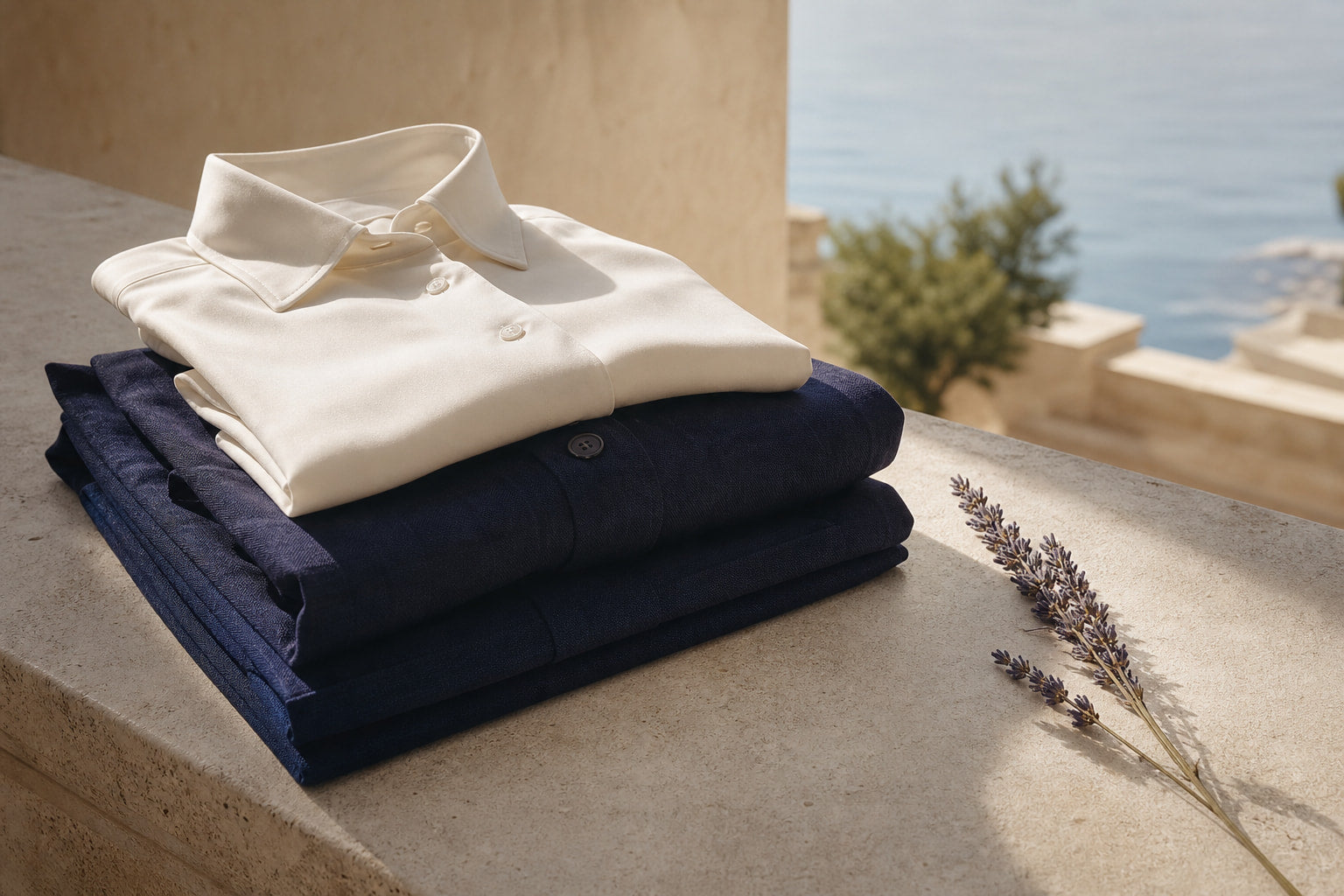
The Italian Cotton Linen Shirt is cut with a slightly relaxed body and a medium collar spread, which means any residual creasing falls in natural, unforced lines rather than sharp horizontal breaks. Similarly, the Business Trousers Cotton & Linen Blend use a mid-weight blended cloth that holds a front crease for the majority of a working day in warm conditions, something pure linen trousers simply cannot promise.
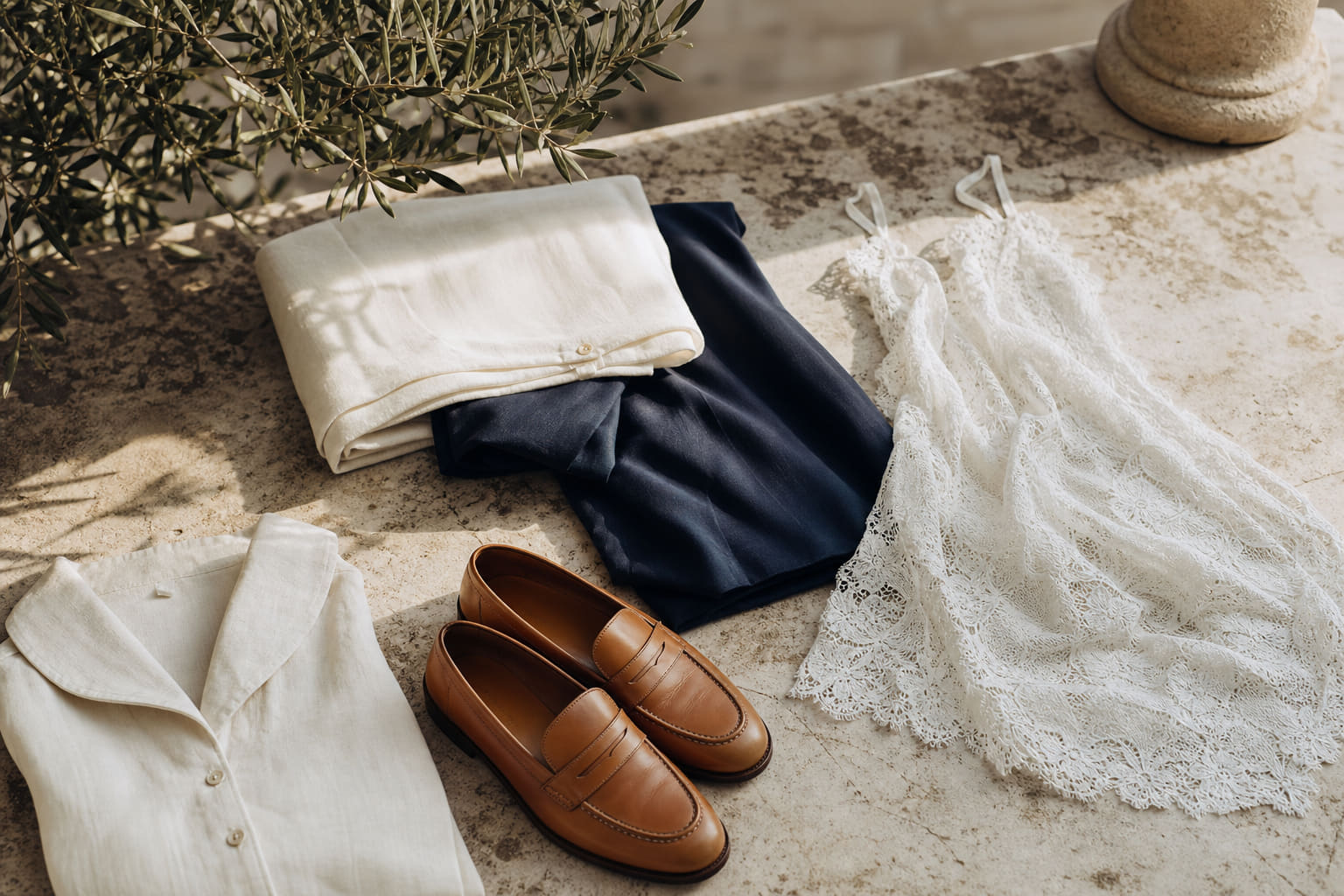
For women, the Divina Cotton and Linen Set demonstrates the same principle in coordinates: the fabric is light enough to breathe freely but structured enough to read as intentional rather than casual at any point in the day.
Practical note: if you are packing blended linen pieces, roll them rather than fold them flat. Rolling distributes compression evenly across the cloth and dramatically reduces the sharp creases that folding creates at the same point repeatedly.
Expert insightA front crease on linen-blend trousers can be refreshed in under two minutes with a cool iron through a damp cloth. No steamer required. This is one reason tailors in Naples and Lisbon have used blended linens for summer suiting for decades.

How to Care for Cotton-Linen Blends Without Damaging the Cloth
Blended fabrics are more forgiving than either pure linen or pure cotton, but a few straightforward rules protect both the fibre and the colour across years of wear.
Washing: Machine wash on a cool or warm gentle cycle, 30 degrees Celsius maximum. Hot water causes both fibres to shrink, and repeated hot washes degrade the linen component faster, reducing the cloth's breathability over time. Turn garments inside out before washing to protect surface texture and any stitching detail.
Drying: Hang to dry rather than using a tumble dryer. The heat and tumbling action of a dryer strains the fibre at the weave intersections and can cause uneven shrinkage that distorts the cut. Remove garments from the wash promptly; leaving them bunched in a drum for an hour sets deeper creases into the cloth.
Ironing: Iron slightly damp on a medium-heat setting. Linen fibres relax and flatten far more readily with a small amount of moisture present. A completely dry cotton-linen piece requires more pressure to smooth, which risks glazing the surface of the cotton component.
Storage: Store folded or hanging, away from direct light. Linen fibres are sensitive to prolonged UV exposure, which yellows natural and white tones over time. A wardrobe or drawer is always preferable to an open shelf.
The Milano Linen Cotton White Shirt in particular benefits from the damp-iron method: the slightly structured collar and placket press out cleanly and hold their shape through a full day of wear.
Expert insightStore white and ivory linen-blend pieces in a breathable cotton garment bag rather than a plastic cover. Plastic traps residual moisture and can cause yellowing at the fold lines, especially in humid climates.

Building a Hot-Climate Wardrobe: Men
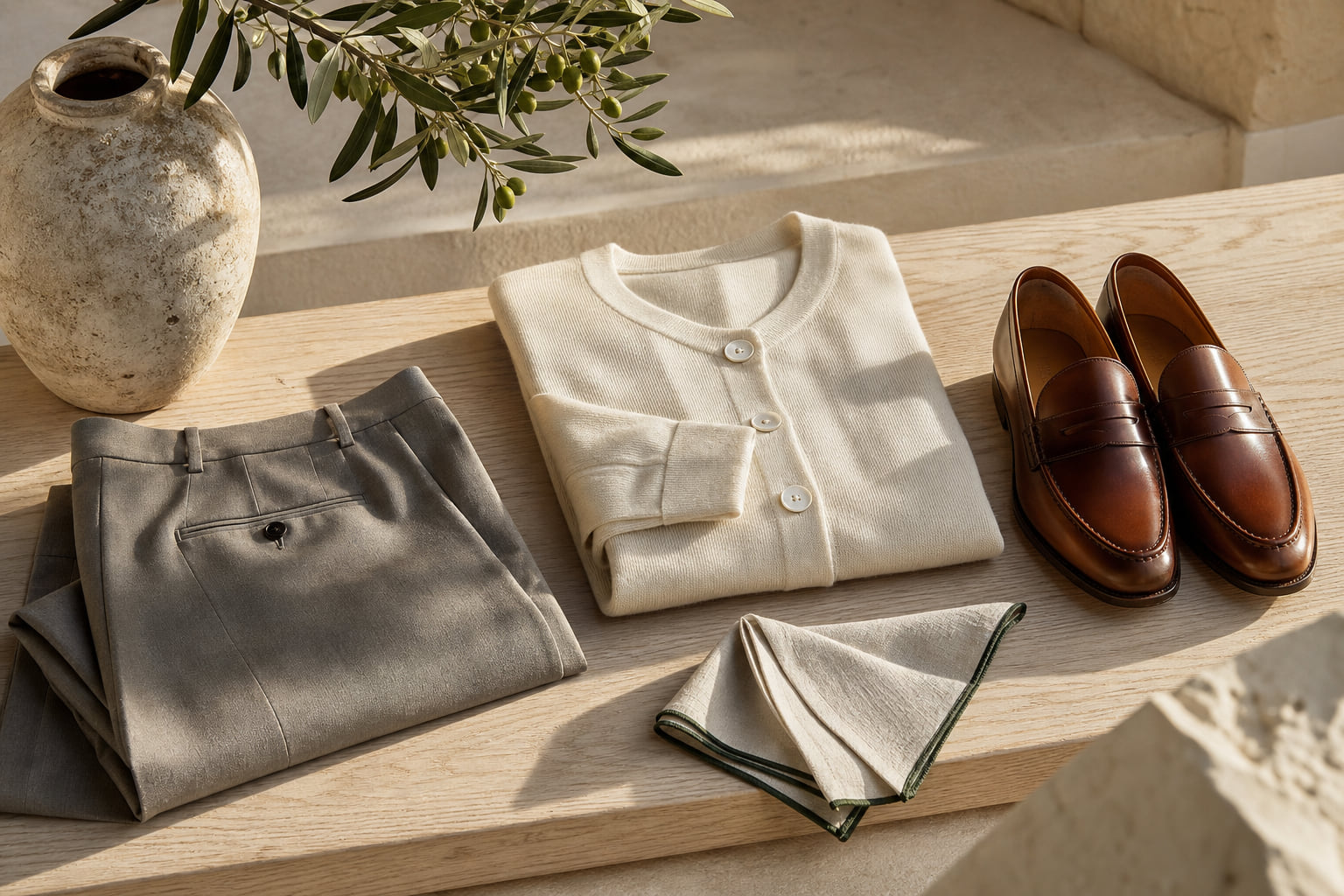
A coherent warm-weather wardrobe for men does not require many pieces. It requires the right pieces, in fabrics that work together and colours that read as considered rather than accidental.
Start with shirts. The linen shirts collection at Lovau spans everything from the clean, structured white of the High Count Fine White Linen Shirt to the more relaxed, textured weave of the Marbella Square Collar Linen Shirt, which works particularly well in coastal settings where a standard point collar reads as too formal.
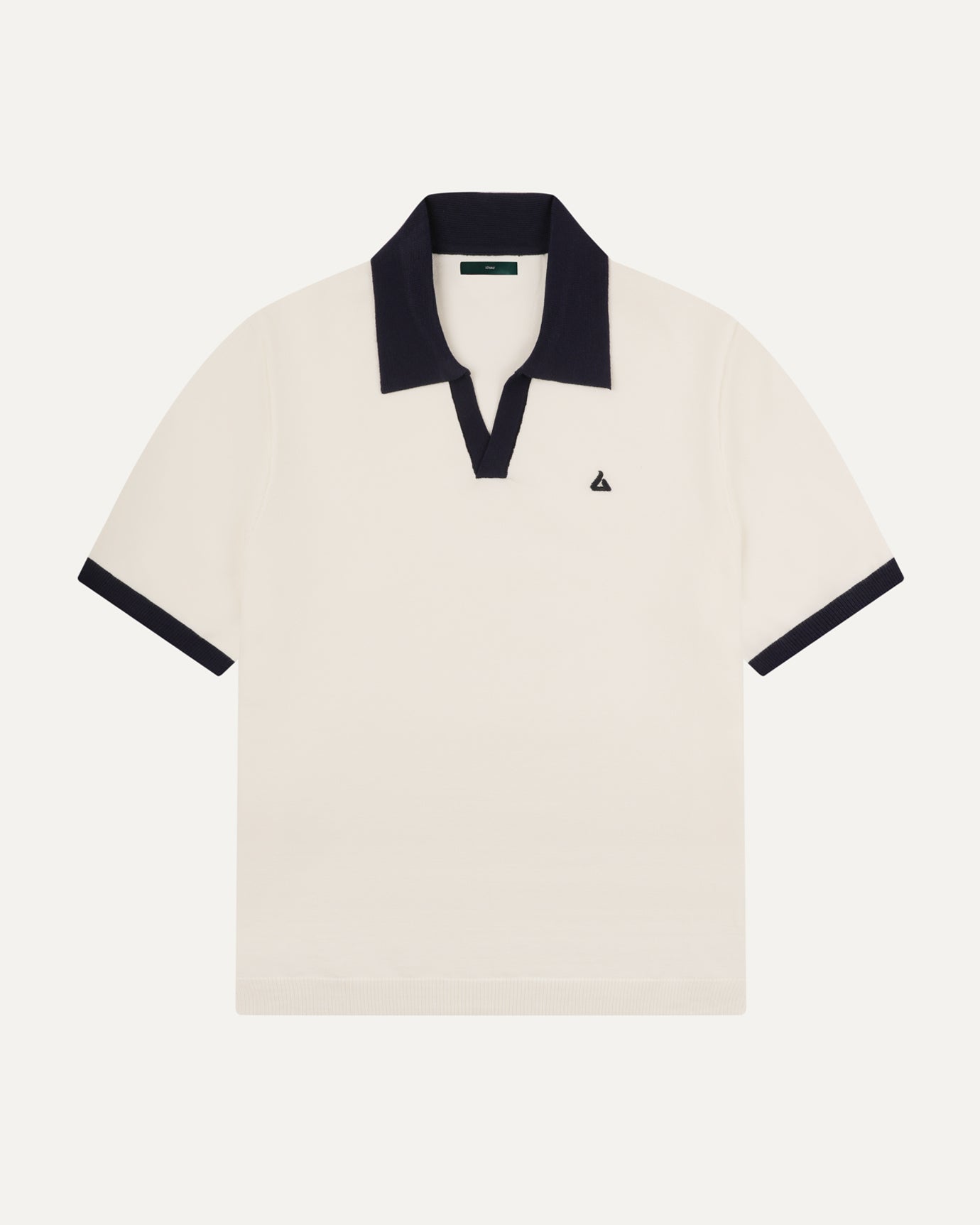
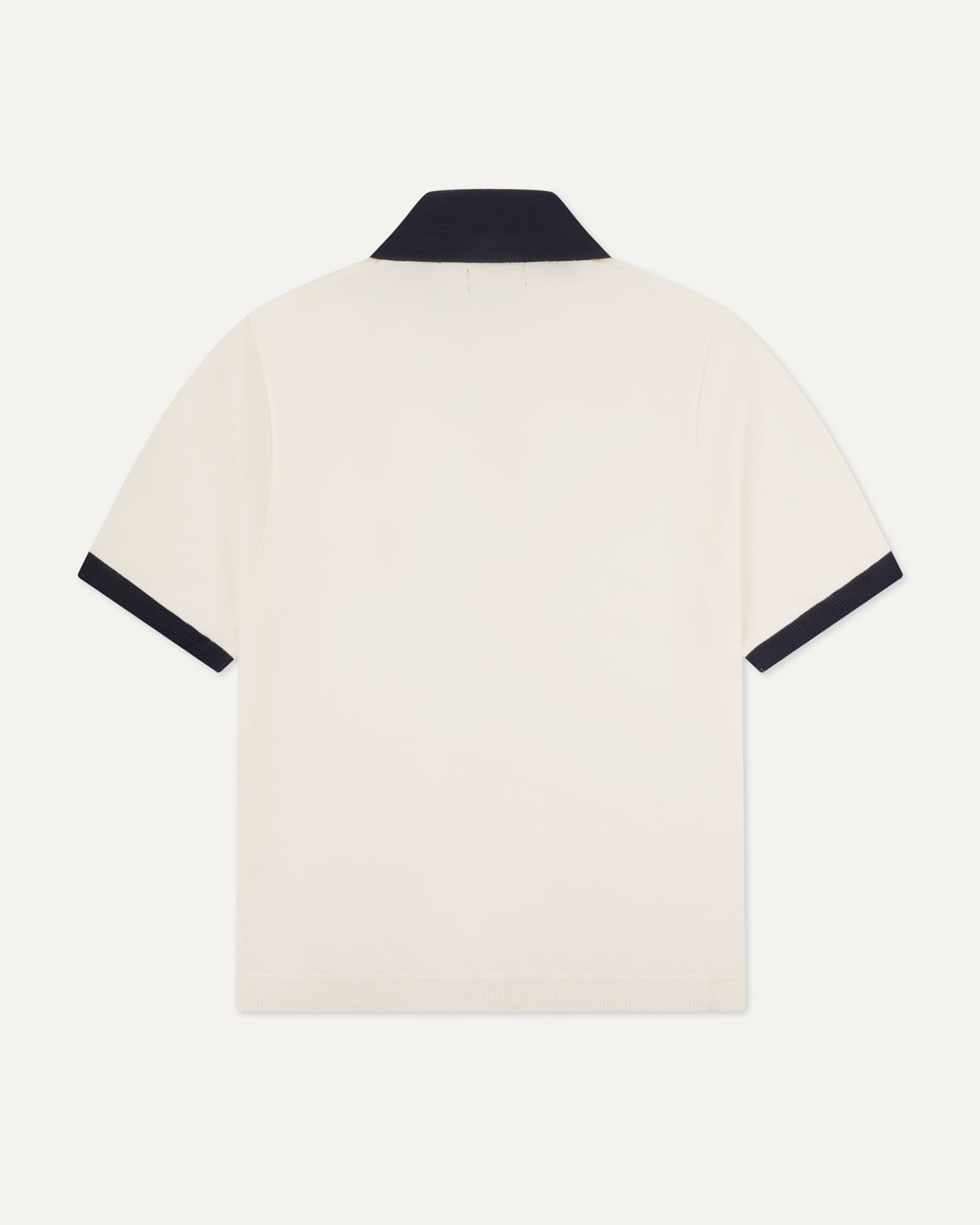
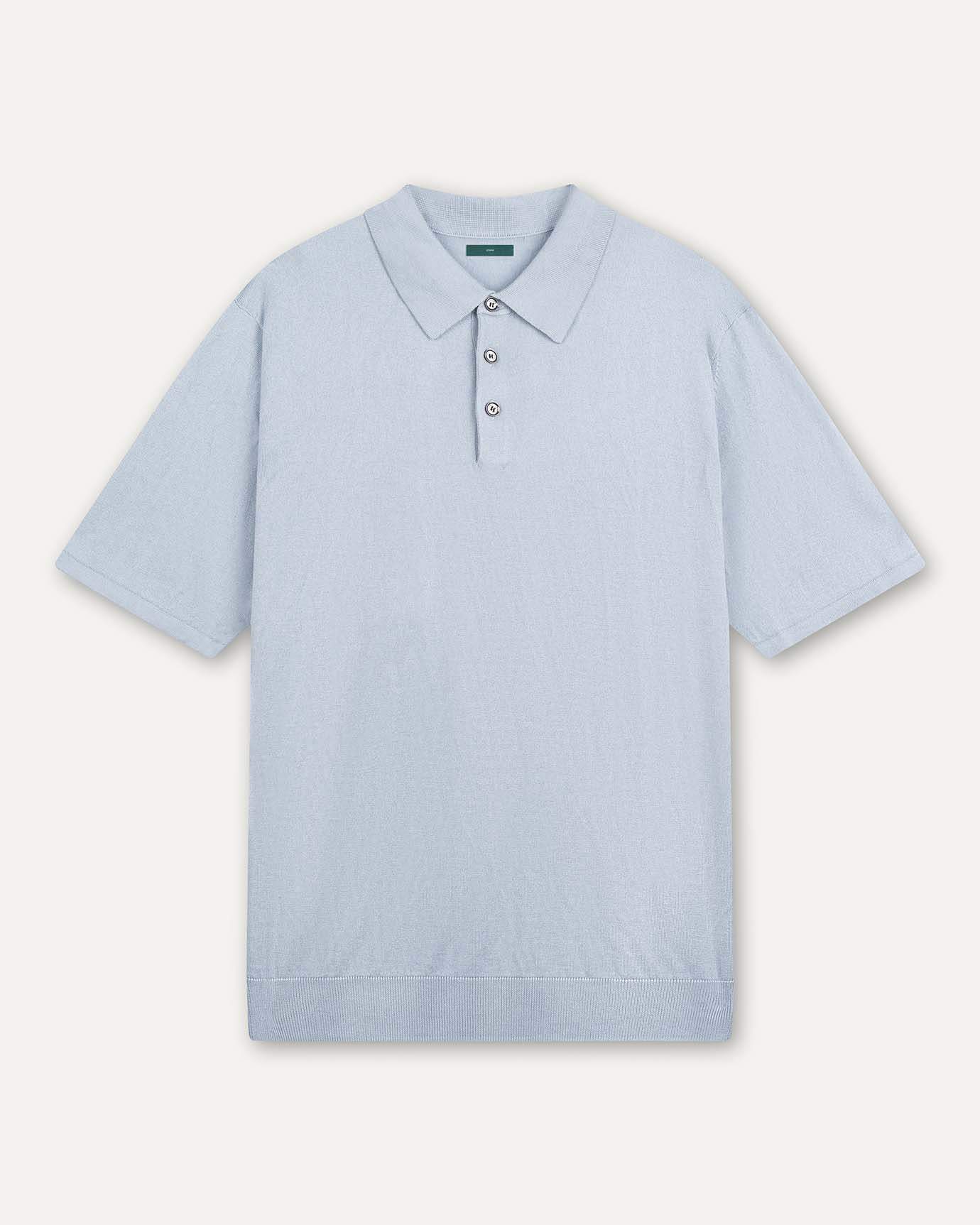
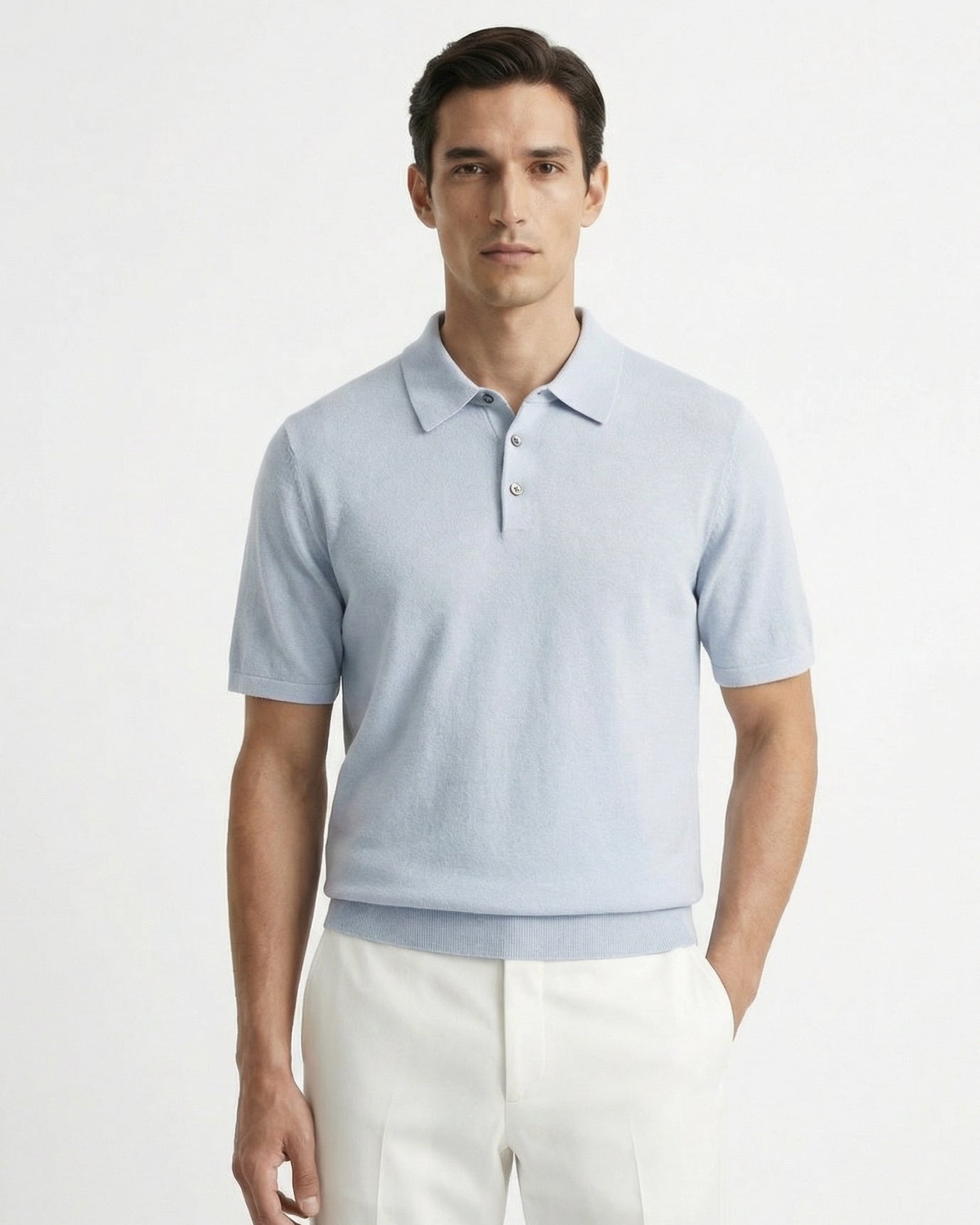
For trousers, the Paris Linen Trousers in a straight, mid-rise cut are the clearest expression of the Mediterranean approach to warm-weather tailoring: enough structure to be worn to a good restaurant, loose enough through the thigh to allow air circulation throughout the day. Pair them with the linen-blend knitted polo for a smarter casual register that avoids looking like you raided a beach resort gift shop.
For shorter occasions, the Double Pleated Linen Shorts carry the pleated front detail that makes shorts look deliberate rather than default. The pleat adds volume through the thigh without width at the waist, which improves both comfort and proportion in heat.
Footwear closes the look. The Ibiza Linen Leather Loafers combine a linen upper with a leather sole, which keeps the foot cooler than full leather while maintaining the quiet formality that makes a loafer appropriate across a wide range of warm-weather occasions.

Building a Hot-Climate Wardrobe: Women
For women, the cotton-linen blend performs the same function: it keeps the garment from clinging, allows the body to regulate temperature, and holds a clean silhouette through hours of wear in conditions that defeat synthetic fabrics entirely.
The Divina Cotton and Linen Set is the most direct expression of the Lovau approach for women in warm weather: a coordinated two-piece that reads as polished without requiring a full outfit decision. The fabric weight is light enough for genuine heat but not so fine that it becomes transparent in direct sun.
For those who prefer a dress, the French Niche Style White Dress in white cuts a clean line that works from a morning market to an evening terrace without alteration. White in linen-blend fabric reflects rather than absorbs sunlight, which makes a practical difference in direct afternoon heat.
The Apricot Linen Blend Short Skirt pairs naturally with the Apricot Linen Blend Blest for a tonal look that requires no thought about coordination. Apricot sits well against both warm and cool skin tones, and the soft warmth of the colour reads as intentional rather than pale in strong Mediterranean light.
For a full overview of skirt options in natural fabrics, the Skirts collection covers the range from relaxed midi lengths to the shorter, more movement-friendly cuts appropriate for coastal days.
The Blue Striped Dress Lovau Style is worth noting for its stripe direction and weight: vertical stripes in a cotton-linen blend drape cleanly rather than pulling sideways, which keeps the silhouette vertical and composed even in humid conditions.

Cotton-Linen vs. Other Summer Fabrics: An Honest Comparison
The market for warm-weather fabrics is wide, and the claims made for various materials are not always honest. Understanding where cotton-linen blend actually sits relative to its alternatives helps you spend money on the right things.
Viscose and rayon are frequently marketed as breathable summer fabrics. They are soft and drape well but absorb moisture and hold it against the skin rather than wicking it outward. In sustained heat, viscose becomes clammy. It also has poor durability: repeated washing degrades the fibre quickly.
Polyester blends marketed as moisture-wicking perform adequately in athletic contexts but produce an unmistakable synthetic sheen that reads poorly in any refined setting. They also trap heat rather than releasing it once the moisture-management mechanism is saturated.
Pure linen is the closest competitor and the most honest alternative. Its breathability is marginally superior to a blend, but the wrinkle penalty is real and significant for anyone dressing beyond the beach.
Silk is extraordinarily light and temperature-regulating but requires dry cleaning, marks easily with perspiration, and is not practical for active warm-weather days.
The cotton-linen blend occupies the most practical position: genuinely cool, genuinely durable, machine washable, and wrinkle-tolerant enough for full-day wear. For an independent assessment of how different natural fibres perform in heat, GQ's guide to summer fabrics provides useful comparative context from a style perspective.

| Fabric | Breathability | Wrinkle Resistance | Moisture Wicking | Durability (Wash) | Formality Range |
|---|---|---|---|---|---|
| Cotton-Linen Blend | High | Good | High | Excellent | Casual to Smart Casual |
| Pure Linen | Very High | Poor | Very High | Good | Casual to Smart Casual |
| Pure Cotton (poplin) | Moderate | Moderate | Moderate | Excellent | Casual to Formal |
| Viscose / Rayon | Moderate | Poor | Low (holds moisture) | Fair | Casual |
| Silk | High | Moderate | High | Poor (dry clean) | Smart Casual to Formal |
| Polyester Blend | Low | Excellent | Low in heat | Excellent | Casual to Sporty |
Frequently asked questions
Is a cotton-linen blend cooler than pure cotton?
Yes, in most conditions. The linen component introduces hollow fibres and an open weave structure that conducts heat away from the body more efficiently than cotton alone. The difference is most noticeable in still, humid heat where air circulation is limited. A cotton-linen shirt will feel noticeably drier against the skin after an hour of activity than a comparable pure cotton shirt of the same weight.
Will a cotton-linen blend shirt shrink in the wash?
It can shrink if washed in hot water or tumble-dried on a high setting. Wash at 30 degrees Celsius on a gentle cycle and hang to dry. Most quality cotton-linen blends are pre-washed or pre-shrunk at the manufacturing stage, so a correctly cared-for garment should hold its original dimensions. The Milano Linen Cotton White Shirt is finished this way and holds its cut wash after wash.
Can I wear cotton-linen blend trousers to a business setting in summer?
Yes, provided the cut is right. A straight or tapered leg with a front crease in a mid-weight cotton-linen cloth reads as fully appropriate in most European business-casual environments during summer months. The Business Trousers Cotton & Linen Blend are specifically cut for this context: structured enough for a meeting, breathable enough for a warm commute.
What colours work best in cotton-linen blend for hot climates?
Natural and pale tones perform best in strong heat because they reflect rather than absorb sunlight. White, ivory, stone, sand, pale blue, and soft sage are the most practical choices. Mid tones such as navy or olive work well in the morning and evening when direct sun is less intense. Avoid dark colours in direct midday sun regardless of fabric: the heat absorption is significant and no fabric compensates for it entirely.
Cotton-linen blend is not a trend fabric or a seasonal novelty. It is the result of centuries of practical refinement in the Mediterranean and southern European tailoring tradition, a cloth that solves the genuine problem of dressing with composure in sustained heat. It breathes, it recovers, it washes well, and it ages gracefully. If you are building a warm-weather wardrobe with any seriousness, it belongs at the centre of it. Start with a well-cut shirt, and the rest follows naturally. Browse the full linen shirts collection to find the cut and colour that fits your climate and your register.